Huckleberries - What are Huckleberries?
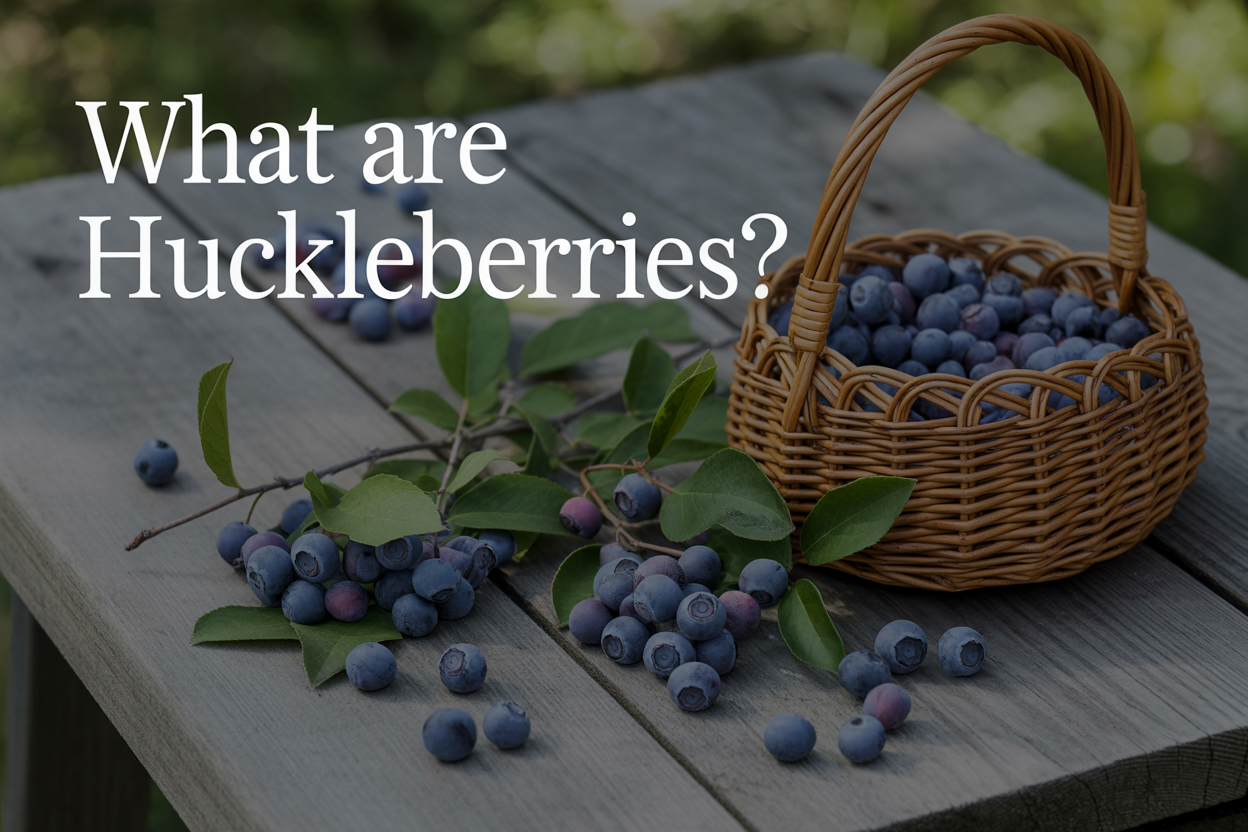
If you've ever wondered what are huckleberries and why foragers get so excited about these tiny purple gems, you're in for a treat. Huckleberries are small, dark berries that pack a serious nutritional punch and offer a unique tart-sweet flavor that's hard to find anywhere else.
This guide is perfect for curious food lovers, home gardeners, and anyone who wants to learn about one of nature's best-kept secrets. We'll explore what makes huckleberries special compared to their blueberry cousins, dive into the impressive huckleberry benefits that earn them superfood status, and share practical tips for finding wild huckleberries or growing your own plants at home.
You'll also discover creative huckleberry recipes that go way beyond the typical jam, plus learn the best spots to hunt for these elusive berries in the wild. Get ready to become a huckleberry expert!
Understanding Huckleberries and Their Unique Characteristics
Scientific Classification and Botanical Family
Huckleberries belong to the Ericaceae family, which includes other familiar berries like blueberries, cranberries, and lingonberries. The genus Vaccinium encompasses most true huckleberries, though some species fall under Gaylussacia. This botanical relationship explains why people often confuse huckleberries with their blueberry cousins - they're actually close relatives sharing similar genetic traits and growing preferences.
The most common species include Vaccinium membranaceum (mountain huckleberry), Vaccinium ovalifolium (oval-leaf huckleberry), and Gaylussacia baccata (black huckleberry). Each species has adapted to specific environmental conditions, creating unique flavor profiles and growing characteristics that distinguish them from other wild berries.
Physical Appearance and Identifying Features
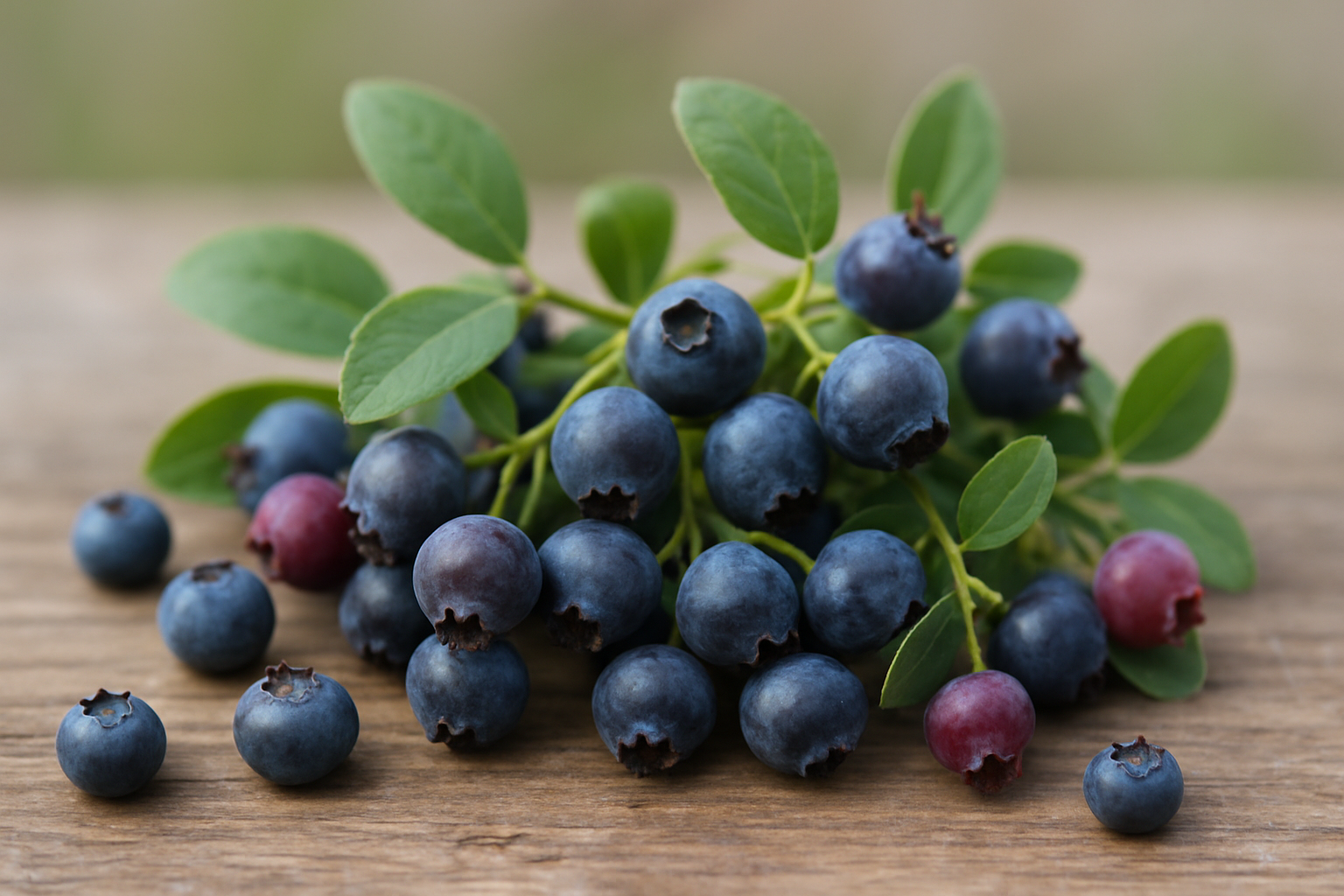
Wild huckleberries display distinctive features that help foragers identify them correctly. The berries grow on low-growing shrubs that typically reach 1-6 feet in height, depending on the species and growing conditions. Their leaves are small, oval-shaped, and often have a slightly waxy appearance with smooth or finely toothed edges.
The berry clusters form at branch tips and leaf joints, usually containing 2-10 berries per cluster. Unlike cultivated blueberries, huckleberries have a crown that's less pronounced, giving them a more rounded appearance. The skin often has a natural bloom or dusty coating that can be wiped away, revealing the berry's true color underneath.
Huckleberry flowers appear in spring as small, bell-shaped blossoms that range from white to pink. These delicate flowers eventually develop into the prized berries that ripen from mid-summer through early fall, depending on elevation and climate conditions.
Size, Color, and Texture Differences from Similar Berries
Understanding the differences between huckleberries and similar berries helps avoid confusion during foraging trips. Here's a comparison of key characteristics:
| Feature | Huckleberries | Blueberries | Bilberries |
|---|---|---|---|
| Size | 6-10mm diameter | 8-12mm diameter | 4-8mm diameter |
| Color | Deep purple to black | Blue to purple | Dark blue to black |
| Seeds | 10 hard seeds | Many soft seeds | Many soft seeds |
| Interior | Purple/red flesh | White/green flesh | Purple/red flesh |
| Crown | Smooth or minimal | Pronounced star-shaped | Smooth |
The most reliable way to identify huckleberries involves checking the seeds. True huckleberries contain exactly 10 hard, nutty seeds that you can feel when biting into the berry. Blueberries have numerous soft seeds that are barely noticeable when eating.
Huckleberry vs blueberry taste also differs significantly. Huckleberries offer a more intense, complex flavor with tartness balanced by sweetness, while blueberries tend to be milder and sweeter overall.
Natural Habitat and Growing Conditions
Huckleberries thrive in specific environments that shape their unique characteristics. These hardy plants prefer acidic soils with pH levels between 4.5 and 5.5, similar to what you'd find in coniferous forests. They typically grow at elevations between 2,000 and 11,000 feet, though some species adapt to lower elevations in northern climates.
Mountain slopes, forest clearings, and areas with partial shade provide ideal growing conditions. Huckleberries need well-draining soil that retains moisture without becoming waterlogged. They often establish themselves in areas where forest fires have cleared competing vegetation, taking advantage of the nutrient-rich ash and increased sunlight.
The plants prefer cool, moist summers and cold winters with adequate snow cover for protection. This explains why huckleberries flourish in the Pacific Northwest, northern Rocky Mountains, and parts of Canada and Alaska. Their natural habitat requirements make them challenging to cultivate outside these regions, contributing to their reputation as a true wild delicacy.
Different species have adapted to various microclimates within their range. Mountain huckleberries prefer higher elevations with shorter growing seasons, while lowland species tolerate warmer conditions and longer summers.
Nutritional Benefits That Make Huckleberries a Superfood
Antioxidant Content and Health-Boosting Properties
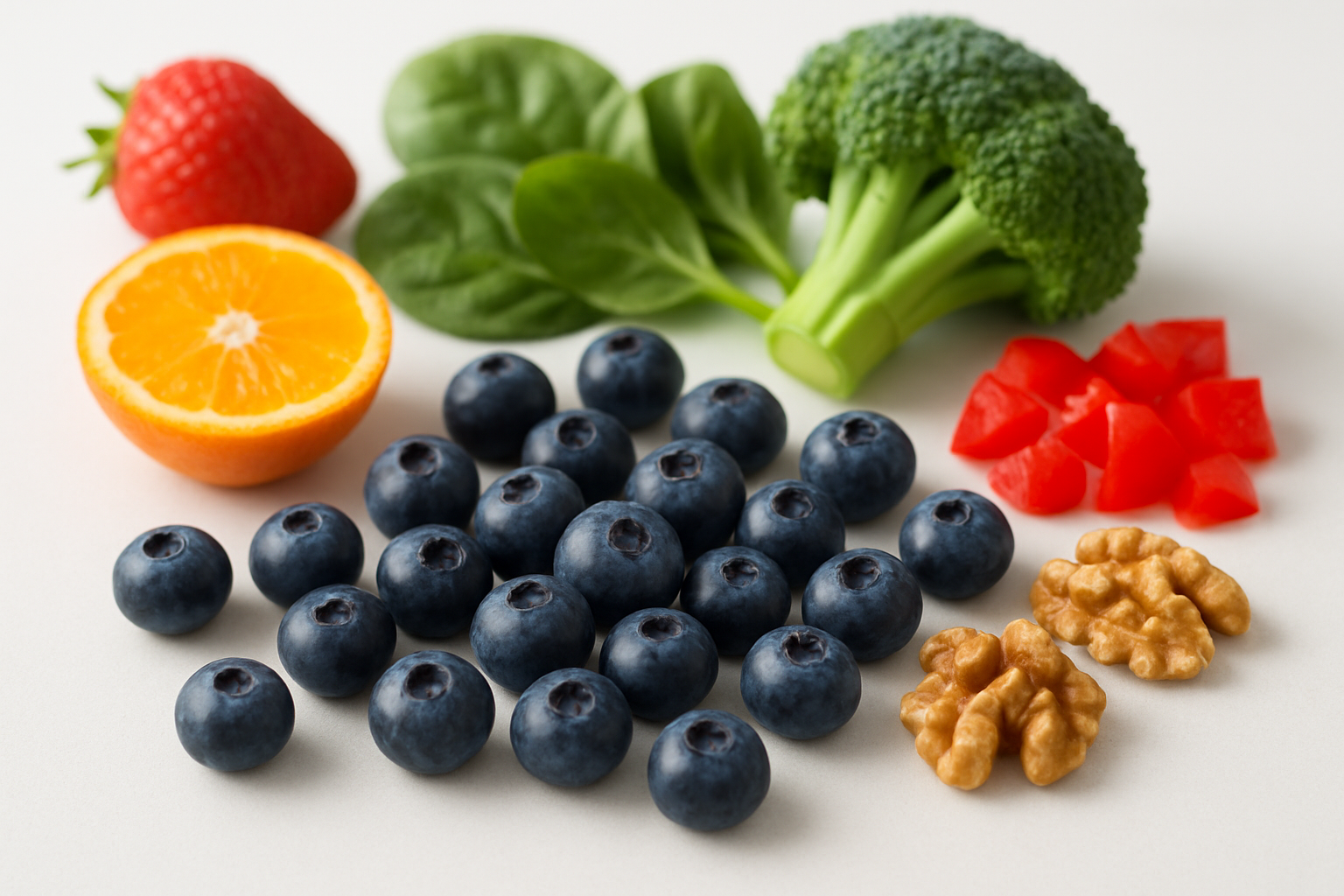
Wild huckleberries pack an incredible antioxidant punch that puts many other berries to shame. These tiny powerhouses contain anthocyanins, the same compounds that give them their deep purple-blue color. Research shows that huckleberries have higher antioxidant levels than blueberries, cranberries, and even goji berries.
The antioxidants in huckleberries work hard to fight free radicals in your body, which can damage cells and contribute to aging and disease. Regular consumption may help reduce inflammation, support heart health, and boost your immune system. The flavonoids found in these berries also support brain function and may help improve memory and cognitive performance.
What makes huckleberry benefits stand out is their unique combination of phenolic compounds. These natural chemicals have been linked to cancer-fighting properties and may help regulate blood sugar levels. The deep pigments that make wild huckleberries so visually striking are actually powerful medicine disguised as delicious fruit.
Essential Vitamins and Minerals for Optimal Wellness
Huckleberry nutrition goes way beyond antioxidants. These berries deliver impressive amounts of vitamin C, with just one cup providing about 25% of your daily needs. This vitamin C content supports collagen production, wound healing, and keeps your immune system running smoothly.
The mineral profile of huckleberries includes manganese, which helps with bone formation and wound healing. You'll also find decent amounts of vitamin K for blood clotting and bone health, plus folate that supports cell division and DNA repair.
Here's what you get in a typical serving of fresh huckleberries:
| Nutrient | Amount per 100g | % Daily Value |
|---|---|---|
| Vitamin C | 21mg | 25% |
| Manganese | 0.8mg | 35% |
| Vitamin K | 19mcg | 16% |
| Folate | 6mcg | 2% |
| Potassium | 77mg | 2% |
The iron content in huckleberries, while modest, still contributes to healthy blood cell formation. Combined with their vitamin C, your body can actually absorb this iron more efficiently than from many other plant sources.
Low Calorie Count and Natural Sugar Content
Fresh huckleberries are nature's guilt-free treat. With only about 57 calories per cup, you can enjoy a generous serving without derailing your health goals. The natural sugars in these berries come with built-in fiber, which slows sugar absorption and prevents blood sugar spikes.
Unlike processed sweets, huckleberries provide natural fructose alongside beneficial plant compounds that actually support metabolic health. The fiber content helps you feel satisfied while keeping calories low. This combination makes them perfect for weight management or anyone watching their sugar intake.
The glycemic index of huckleberries is relatively low, meaning they won't cause dramatic blood sugar swings. This steady energy release makes them an excellent snack choice for people with diabetes or anyone trying to maintain stable energy levels throughout the day. The natural sweetness satisfies cravings while delivering genuine nutritional value.
Where to Find Huckleberries in the Wild
Geographic regions and native growing areas
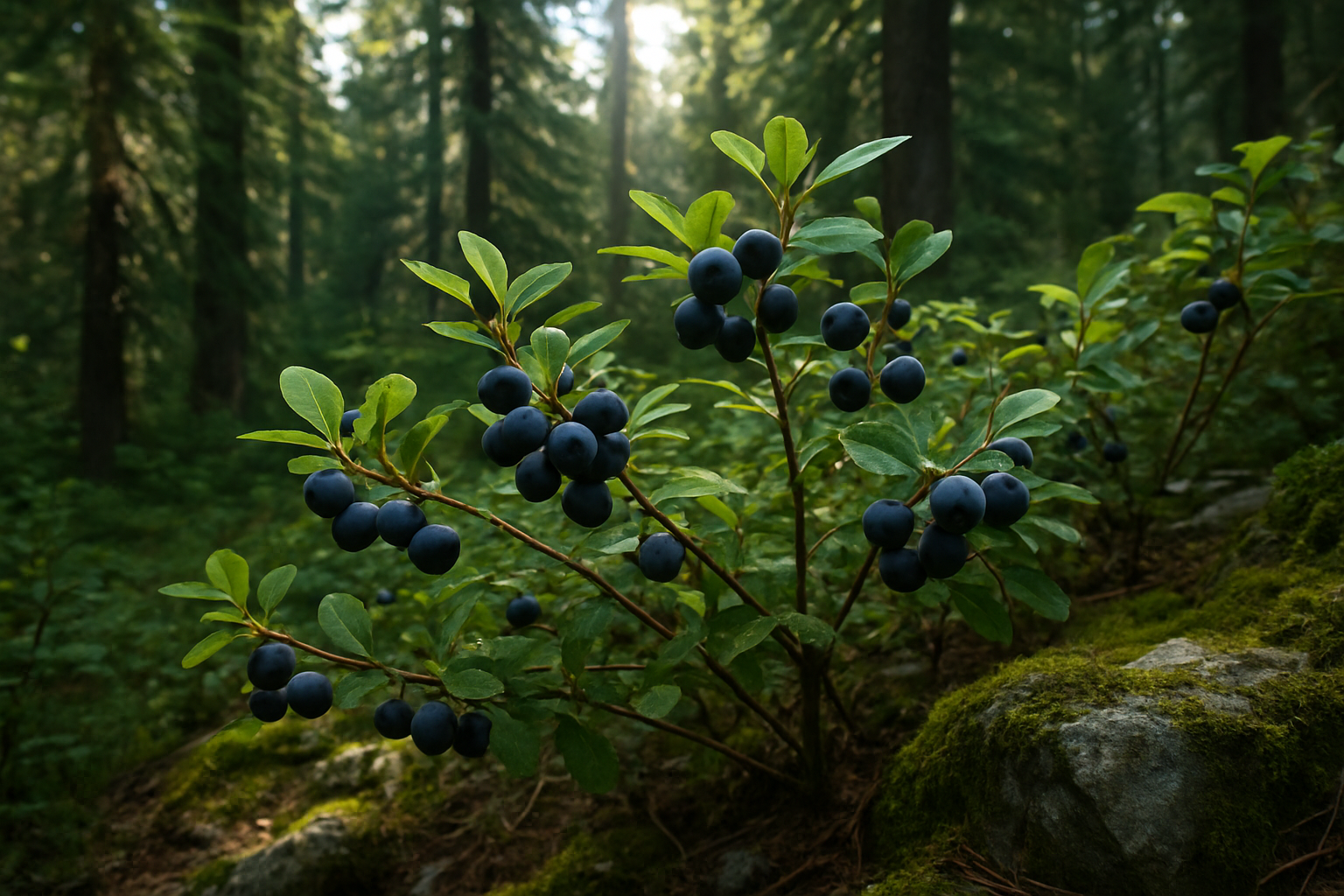
Wild huckleberries thrive across diverse landscapes throughout North America, with the highest concentrations found in the Pacific Northwest, northern Rocky Mountains, and parts of Canada. The western United States hosts the most abundant populations, particularly in Idaho, Montana, Washington, Oregon, and northern California. These berries flourish in mountainous terrain between 2,000 and 7,000 feet elevation, where they've adapted to cooler temperatures and specific soil conditions.
Different huckleberry species prefer distinct environments. Red huckleberries favor coastal regions and lower elevations, while black and blue varieties dominate higher mountain slopes. Alaska boasts extensive huckleberry patches, especially in areas with well-drained, acidic soils. The Great Lakes region also supports certain species, though populations are less dense than western locations.
Climate plays a crucial role in huckleberry distribution. These plants prefer areas with adequate winter snowpack, mild summers, and consistent moisture. Forest fires actually benefit huckleberry growth by clearing competing vegetation and enriching soil with nutrients.
Best seasons and timing for harvesting
Peak huckleberry season varies by elevation and geographic location, typically running from late July through September. Lower elevation berries ripen first, usually by mid-July, while high-altitude patches may not reach maturity until late August or early September. Weather patterns significantly influence timing - cool springs delay ripening, while warm summers accelerate it.
The best harvesting window lasts about two to three weeks per location. Berries should be deep purple or blue-black with a slight give when gently pressed. Avoid picking berries that are still red or firm, as they won't ripen after harvesting. Early morning collection yields the best results when berries are cool and firm.
Experienced foragers often scout locations in early summer to identify promising patches and monitor ripening progress. Elevation changes of just a few hundred feet can extend your harvesting season, allowing you to follow the ripening cycle up mountain slopes.
Sustainable foraging practices and conservation tips
Responsible harvesting protects wild huckleberry populations for future generations. The golden rule is to take only what you need and leave plenty for wildlife and plant regeneration. Bears, birds, and other animals depend on these berries as crucial food sources, especially before winter.
Use the "one for you, one for wildlife" approach - harvest only 50% of available berries from any single bush. Avoid damaging branches or stripping entire clusters, as this harms the plant's ability to produce future crops. Bring appropriate containers like shallow baskets or buckets to prevent crushing berries during collection.
Travel lightly and stay on established trails when possible to minimize habitat disruption. Avoid creating new paths through delicate undergrowth. Clean your boots and gear between locations to prevent spreading invasive species or plant diseases.
Share location information sparingly and only with responsible foragers. Popular patches can quickly become over-harvested when too many people know about them. Consider joining local foraging groups that promote conservation education and sustainable practices.
Legal considerations and permits required
Foraging regulations vary significantly between different land management agencies and locations. National forests typically require permits for collecting more than one gallon of berries, with fees ranging from $5 to $20 per permit. Some wilderness areas prohibit commercial harvesting entirely, allowing only personal use quantities.
State parks, national parks, and private lands have their own specific rules. Many national parks ban all foraging activities, while state parks may allow limited collection with proper permits. Always check current regulations before heading out, as rules change frequently and enforcement has increased in recent years.
Contact local ranger stations for up-to-date permit information and seasonal restrictions. Some areas limit collection dates or close certain zones to protect sensitive ecosystems during critical wildlife periods. Tribal lands often have special regulations, and permission from tribal authorities may be required.
Penalties for illegal harvesting can include substantial fines, confiscated equipment, and potential criminal charges in severe cases. The investment in proper permits protects both you and the natural resources that make wild huckleberry foraging possible.
Culinary Uses and Delicious Ways to Enjoy Huckleberries
Traditional recipes and cooking methods
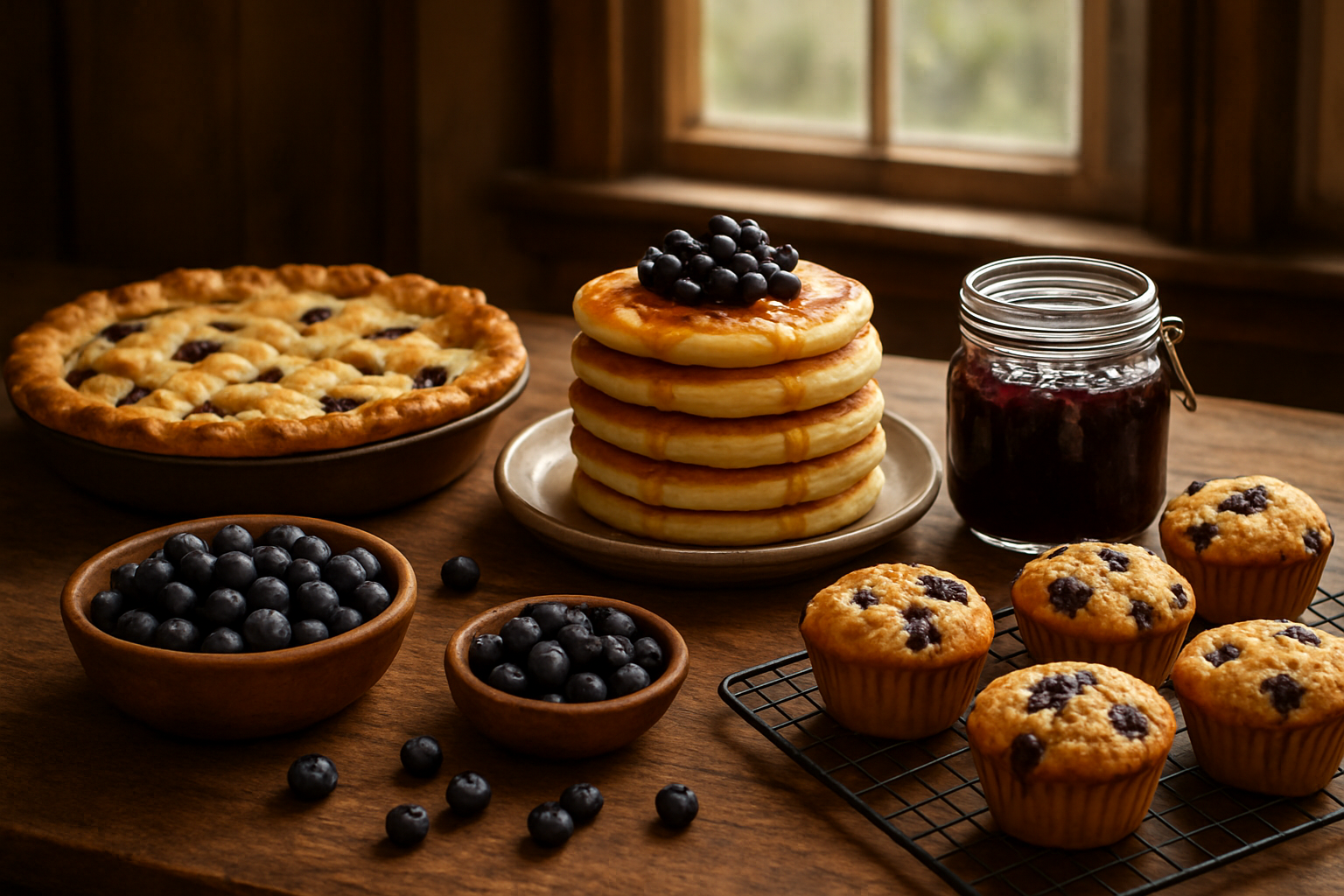
Native American tribes have treasured huckleberries for centuries, developing time-tested recipes that showcase the berry's unique tart-sweet flavor. Traditional huckleberry cakes remain popular across the Pacific Northwest, where bakers fold fresh berries into simple butter cakes that let the fruit shine. The Blackfoot tribe created pemmican using dried huckleberries mixed with buffalo meat and fat, creating a nutrient-dense food perfect for long journeys.
Huckleberry jam stands as perhaps the most beloved traditional preparation. Unlike commercial berry jams, huckleberry preserves deliver an intense, complex flavor that balances sweetness with a distinctive tartness. Traditional jam-making involves cooking fresh huckleberries with minimal sugar, allowing the natural pectin to create the perfect consistency.
Pioneer families relied on huckleberry cobblers and pies during late summer harvest seasons. These rustic desserts required simple ingredients - flour, butter, sugar, and plenty of wild huckleberries. The secret lies in gentle cooking that preserves the berries' shape while releasing their vibrant juices.
Modern applications in desserts and beverages
Contemporary chefs have elevated huckleberries beyond traditional preparations, incorporating them into sophisticated desserts and craft beverages. Huckleberry cheesecakes offer a gourmet twist on classic recipes, with the berries' acidity cutting through rich cream cheese perfectly. Artisan ice cream makers prize huckleberries for their ability to maintain flavor intensity even when frozen.
The craft cocktail scene has embraced huckleberry syrups and muddled fresh berries. Huckleberry mojitos and margaritas provide unique regional flavors that tourists seek out. Local breweries create huckleberry wheat beers and sour ales that capture the essence of mountain summers.
Modern baking techniques include huckleberry macarons, where the berries' natural tartness complements almond flour's nuttiness. Chocolate and huckleberry pairings have gained popularity, with the berries' acidity enhancing dark chocolate's complexity in truffles and tarts.
| Application | Flavor Profile | Best Cooking Method |
|---|---|---|
| Fresh eating | Bright, tart-sweet | Raw |
| Baking | Concentrated sweetness | Gentle heat |
| Beverages | Intense berry flavor | Muddling or syrup |
| Preserves | Complex, jammy | Slow cooking |
Preservation techniques for year-round enjoyment
Fresh huckleberries have a short season, making preservation essential for enjoying these wild treasures throughout the year. Freezing remains the simplest method - clean, dry berries freeze beautifully on baking sheets before transferring to freezer bags. Frozen huckleberries work perfectly in smoothies, baked goods, and cooked applications.
Dehydrating creates huckleberry "raisins" that add concentrated flavor to trail mixes, granola, and baked goods. A food dehydrator set to 135°F preserves the berries' nutrients while removing moisture. Properly dried huckleberries store for months in airtight containers.
Traditional canning methods work well for huckleberry sauce and whole berry preserves. Water bath canning ensures safe preservation for shelf storage. Many families process huckleberries in light syrup, creating ready-to-use ingredients for pancakes, yogurt, and ice cream toppings.
Huckleberry leather offers another preservation option. Puree fresh berries with honey, spread thin on dehydrator trays, and create natural fruit roll-ups that kids love. This method concentrates flavors while creating portable snacks perfect for hiking adventures where wild huckleberries originally grew.
Growing Your Own Huckleberry Plants Successfully
Soil Requirements and Optimal Planting Conditions
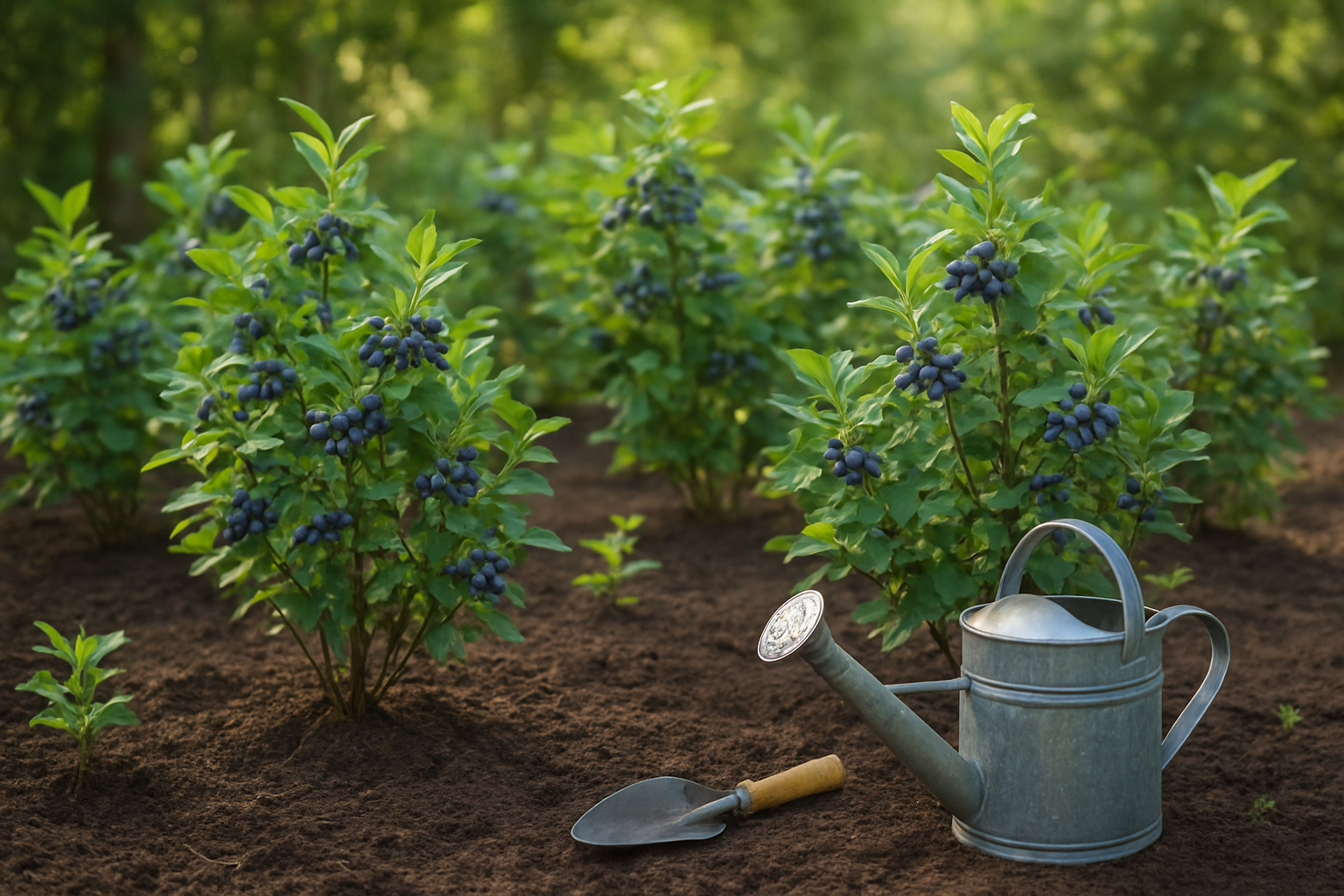
Growing huckleberries successfully starts with understanding their specific soil needs. These plants thrive in acidic soil with a pH between 4.5 and 5.5, similar to what blueberries prefer. The soil should be well-draining yet retain moisture, which means adding organic matter like peat moss, compost, or aged pine bark works wonders.
Choose a location that receives partial shade to full sun, though huckleberries handle morning sun with afternoon shade particularly well in warmer climates. They prefer cooler temperatures and can tolerate frost better than many berry plants. Plant them in spring after the last frost date, spacing them 4-6 feet apart to allow for proper air circulation.
Rich, organic soil gives huckleberries the best foundation for growth. Mix in plenty of compost before planting, and consider raised beds if your natural soil doesn't drain well. These plants have shallow root systems, so avoid deep cultivation that might damage their delicate roots.
Watering, Fertilizing, and Maintenance Schedules
Consistent moisture keeps huckleberry plants happy without waterlogging their roots. Water deeply once or twice weekly, providing about 1-2 inches of water per week during the growing season. Mulching around the plants with organic materials like wood chips or pine needles helps retain moisture and suppress weeds while slowly adding nutrients to the soil.
Feed your huckleberry plants with an acid-loving fertilizer in early spring before new growth begins. A balanced fertilizer designed for blueberries works perfectly. Apply a second, lighter feeding in late spring if growth seems slow. Avoid high-nitrogen fertilizers that promote excessive leaf growth at the expense of fruit production.
Pruning maintains plant health and encourages better fruit production. Remove dead, damaged, or weak branches in late winter while the plants are dormant. Light pruning during the first few years helps establish a good shape, while mature plants benefit from selective thinning to improve air circulation.
Common Pests and Disease Prevention Strategies
Huckleberries face fewer pest problems than many fruit crops, but staying vigilant helps prevent issues. Aphids occasionally appear on new growth and can be controlled with insecticidal soap or by encouraging beneficial insects like ladybugs. Birds love ripe huckleberries as much as people do, so netting may be necessary to protect your harvest.
Root rot poses the biggest disease threat, especially in poorly draining soils. Proper drainage and avoiding overwatering prevent most root problems. Powdery mildew can affect leaves in humid conditions, but good air circulation and avoiding overhead watering reduce this risk significantly.
Leaf spot diseases sometimes appear during wet weather. Remove affected leaves promptly and avoid watering the foliage. Copper-based fungicides can help if disease pressure becomes severe, but prevention through proper spacing and air circulation works better than treatment.
Expected Harvest Timeline and Yield Expectations
Patience pays off when growing huckleberries. Young plants typically begin producing small amounts of fruit in their second or third year, but full production usually starts around year four or five. Once established, healthy plants can produce for decades with proper care.
Expect modest yields initially, perhaps a cup or two per plant in the early years. Mature huckleberry plants can produce 2-4 pounds of berries annually under good conditions, though yields vary based on variety, growing conditions, and plant age. The berries ripen gradually over several weeks in late summer, usually from July through September depending on your location.
Harvest timing matters for the best flavor. Huckleberries are ready when they turn deep purple or blue-black and come off easily when gently rolled between your fingers. Unlike store-bought berries, home-grown huckleberries can be left on the plant longer to develop maximum sweetness and complex flavor profiles that make the wait worthwhile.
Huckleberries offer so much more than their sweet-tart flavor. These small purple gems pack serious nutritional punch while growing wild in many regions, making them both a healthy treat and an exciting foraging adventure. From boosting your antioxidant intake to adding unique flavors to pies, jams, and smoothies, huckleberries deserve a spot on your radar.
Ready to experience these amazing berries for yourself? Start by exploring local hiking trails during late summer, or consider planting your own huckleberry bushes for a long-term harvest. Once you taste these delicious berries and feel their health benefits, you'll wonder why you waited so long to discover nature's hidden treasure.


.png)
Comments
Post a Comment