Jabuticaba - What's the Jabuticaba Fruit?
Jabuticaba - What's the Jabuticaba Fruit?
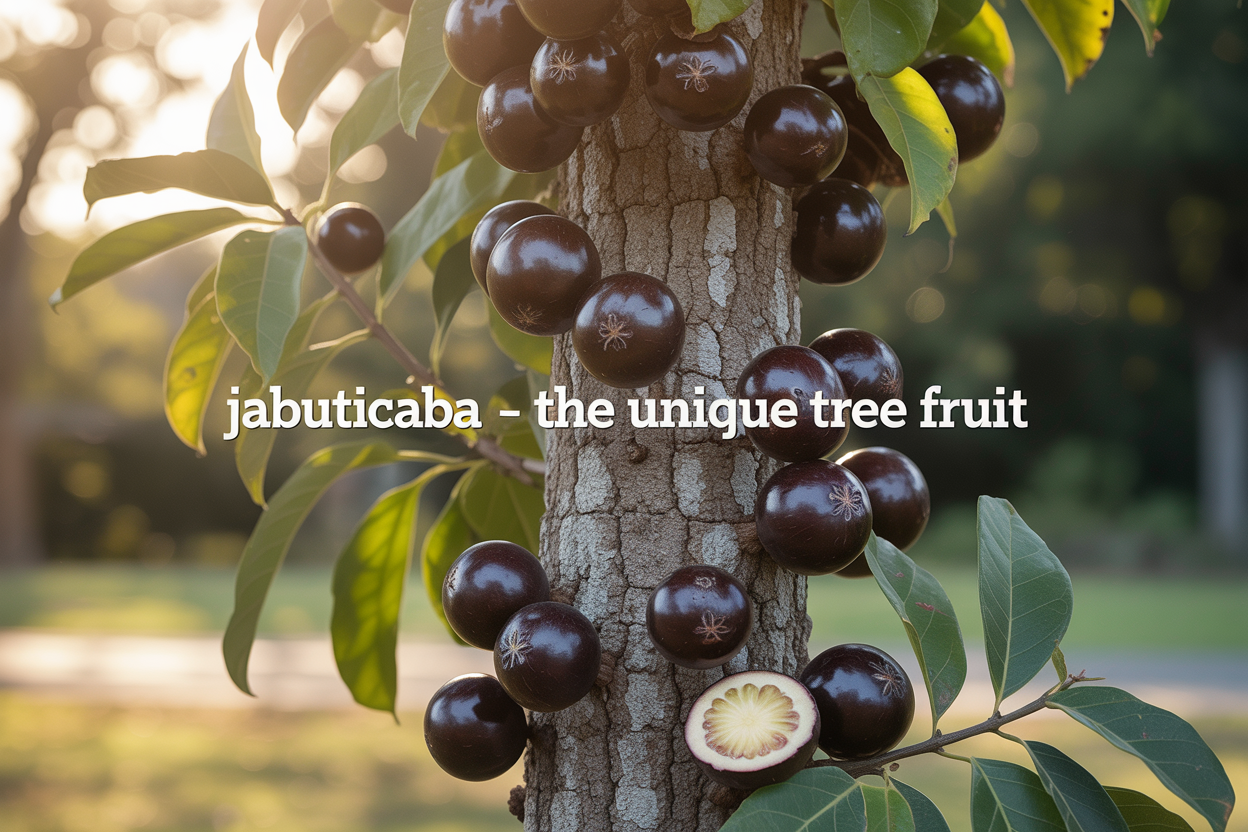
If you've never heard of jabuticaba fruit, you're not alone. This exotic Brazilian fruit looks like someone glued grapes directly onto tree bark, creating one of nature's most unusual sights. The jabuticaba, also known as the Brazilian grape tree, produces dark purple fruits that grow straight from its trunk and branches rather than hanging from stems like most fruits.
This guide is perfect for curious food lovers, health enthusiasts, and anyone interested in exotic Brazilian fruits who wants to learn about this remarkable tree and its nutritious berries.
We'll explore what makes jabuticaba so different from other fruits, dive into the impressive jabuticaba health benefits that make it worth tracking down, and share practical tips on how to eat jabuticaba and enjoy it at home. You'll also discover how to find quality jabuticaba and even learn about growing your own jabuticaba tree if you're feeling adventurous.
Ready to meet one of Brazil's most fascinating fruits? Let's dig into everything you need to know about this purple treasure.
What Makes Jabuticaba So Unique Among Fruits
Grows Directly on Tree Trunks and Branches
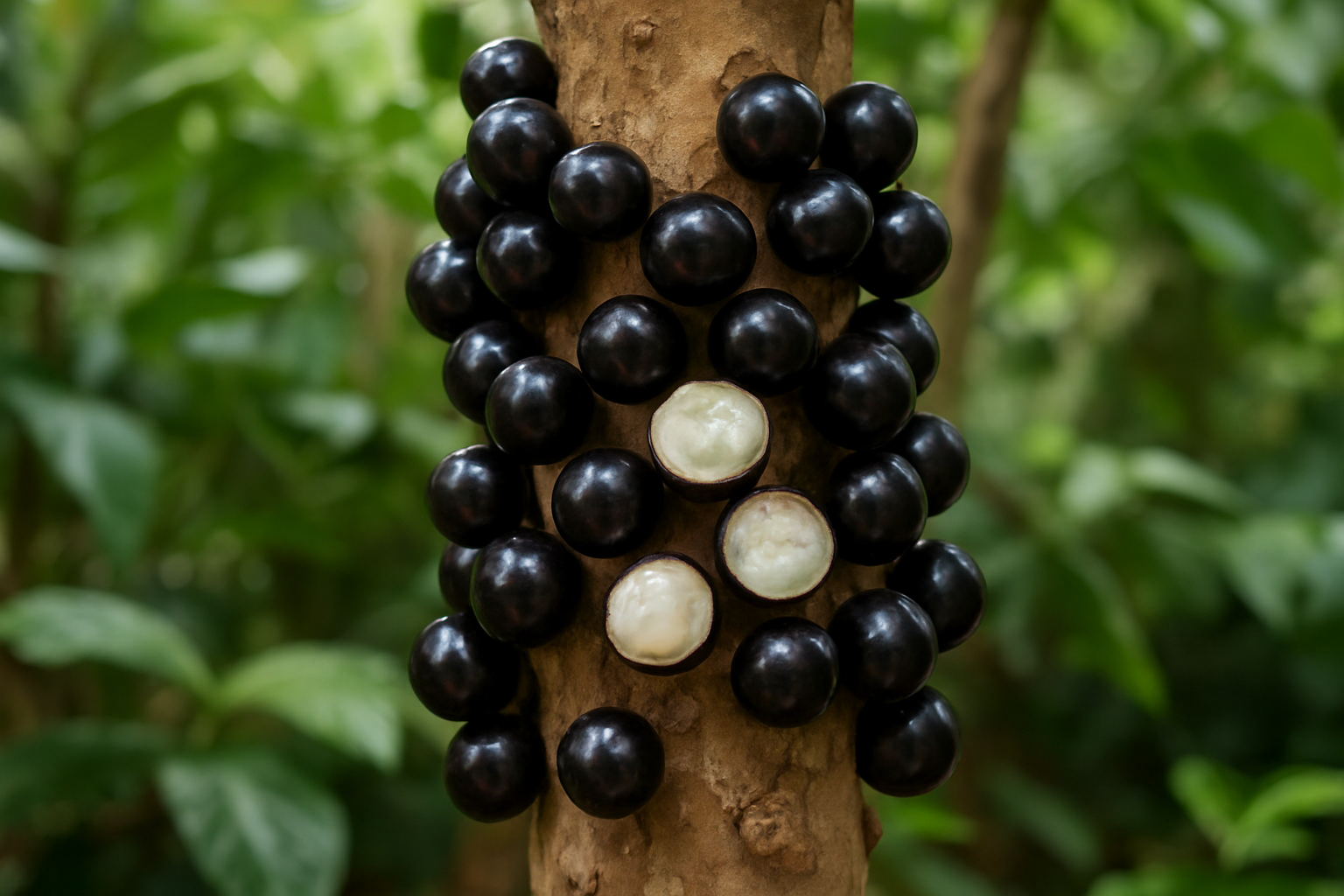
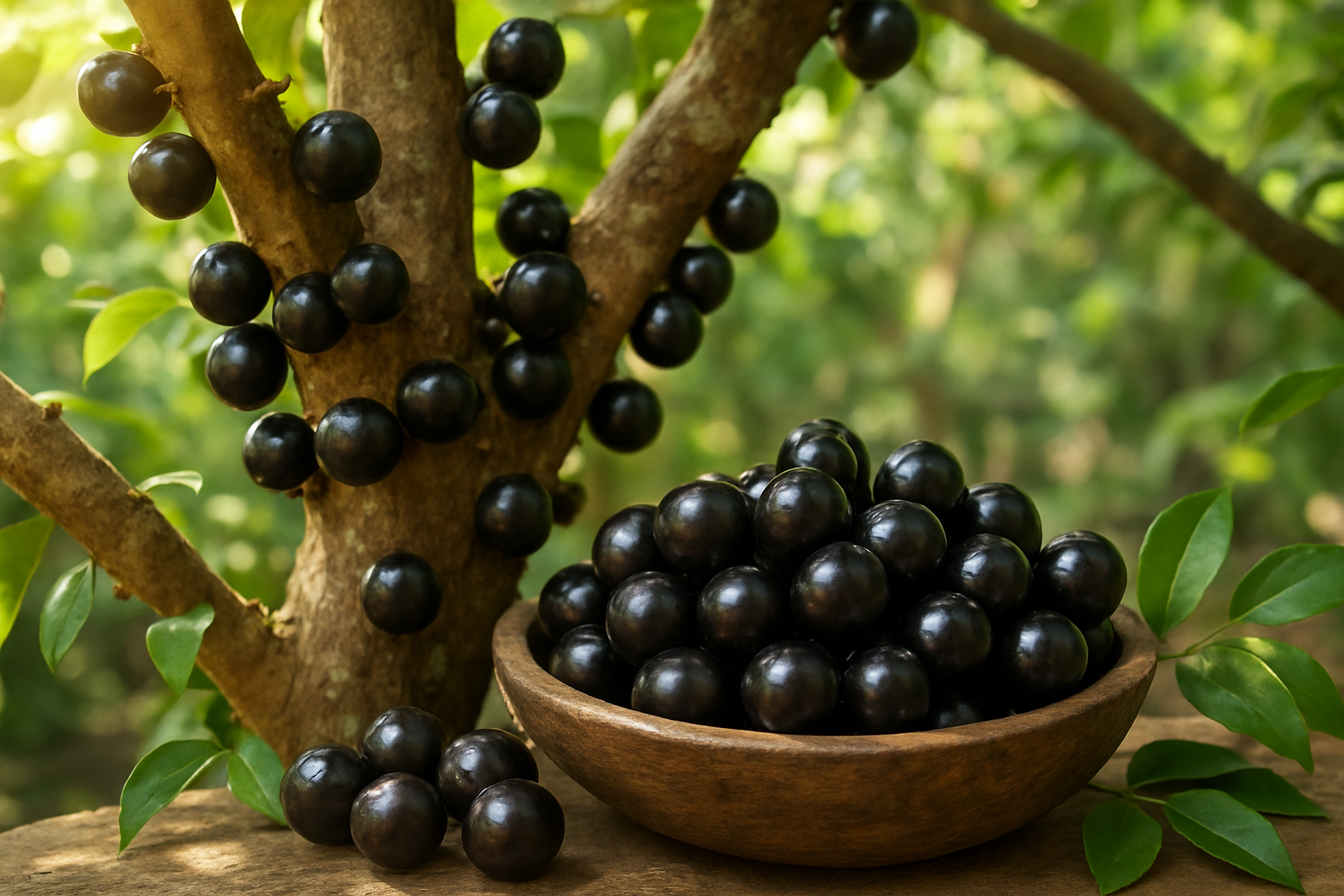
The jabuticaba fruit stands out in the botanical world because of its unusual growth pattern called cauliflory. Unlike most fruits that hang from thin branches or twigs, jabuticaba grows directly from the thick trunk and main branches of the tree. This creates a stunning visual effect where the dark purple fruits appear to be glued onto the bark itself.
This unique growing habit makes the Brazilian grape tree look almost magical when it's fruiting. The smooth bark becomes completely covered with clusters of round, grape-sized fruits that seem to emerge straight from the wood. This cauliferous growth pattern is relatively rare among fruit trees, making jabuticaba a true curiosity in orchards and gardens.
The direct attachment to the trunk serves a practical purpose too. The sturdy connection allows the tree to support heavy fruit loads without breaking branches, while the proximity to the main nutrient highways of the tree ensures the fruits receive abundant nourishment during development.
Purple-Black Appearance with White Translucent Flesh
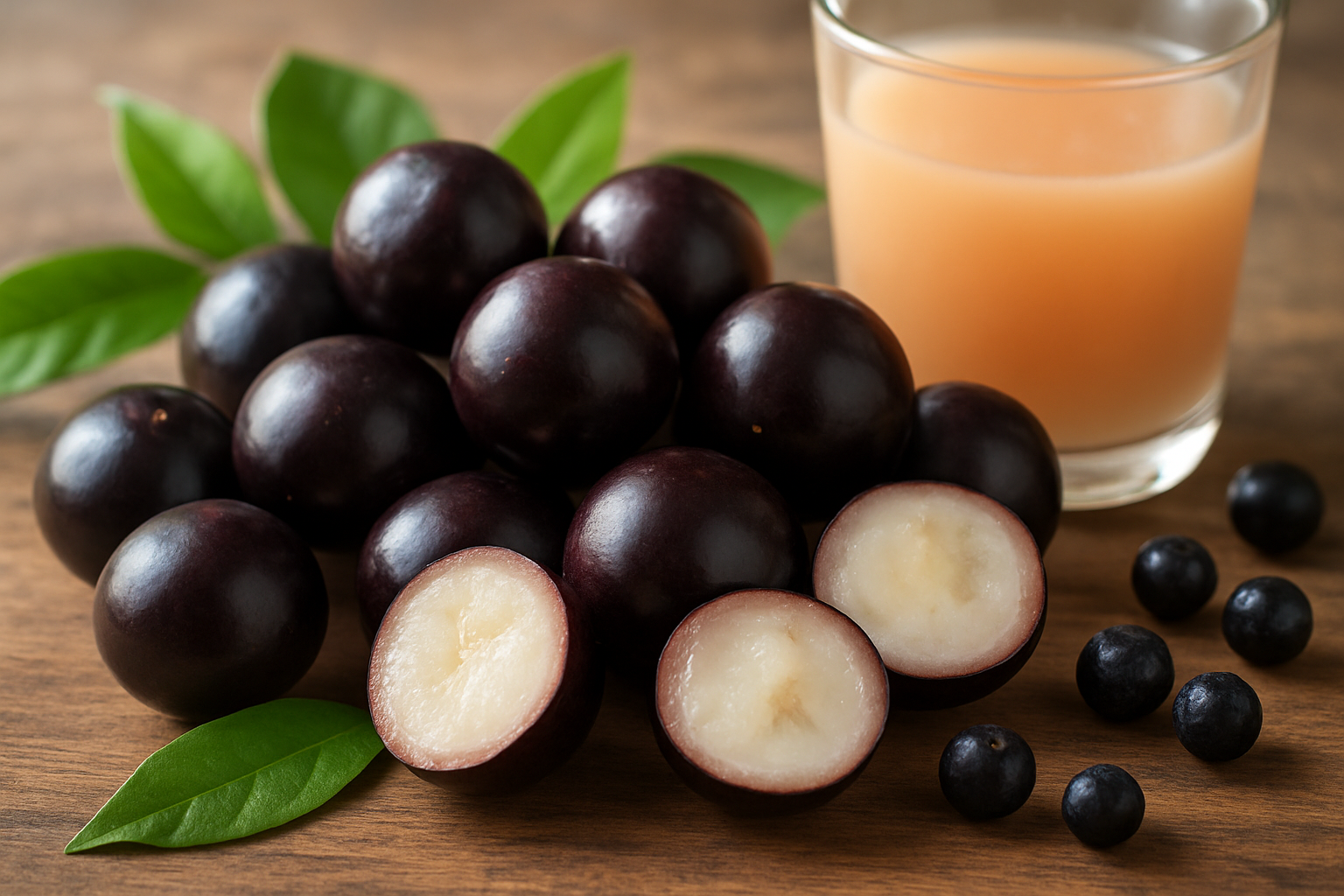
When ripe, jabuticaba displays a striking deep purple to almost black exterior that gleams with a subtle shine. The skin has a smooth, taut appearance similar to large grapes, though slightly thicker and more resilient. This dark coloring comes from high concentrations of anthocyanins, the same compounds that give blueberries and blackberries their rich hues.
Breaking through the dark skin reveals a completely different world inside. The flesh is translucent white to pale pink, with a jelly-like consistency that's both tender and juicy. This dramatic color contrast between the dark exterior and light interior makes each bite a visual surprise. The flesh typically contains one to four small, dark seeds that are easily separated from the edible portion.
The fruit's appearance changes throughout its ripening process, starting as small green bumps on the bark and gradually enlarging while deepening in color from green to red to the final deep purple-black of maturity.
Sweet Grape-Like Flavor with Subtle Tartness
The taste of jabuticaba fruit has earned it comparisons to grapes, though it possesses its own distinctive character. The initial flavor is predominantly sweet with a clean, refreshing quality that immediately satisfies. This sweetness is balanced by a gentle tartness that prevents the fruit from being cloying and adds complexity to each bite.
Many people describe the flavor as a cross between a grape and a lychee, with hints of plum-like richness. The texture contributes significantly to the eating experience - the flesh is incredibly juicy and slightly gelatinous, bursting with flavor when bitten. Unlike grapes, jabuticaba has a more intense, concentrated taste that seems to pack more flavor into each small fruit.
The skin, while edible, adds a slight astringent quality that some people enjoy for the extra dimension it provides, though others prefer to eat only the flesh. Fresh jabuticaba has a clean finish with no artificial or overpowering aftertaste, making it easy to eat many at once.
Native Brazilian Origin and Cultural Significance
Jabuticaba holds deep roots in Brazilian culture, where it has been cherished for centuries. The fruit is native to the southeastern regions of Brazil, particularly in the states of Minas Gerais, Goiás, and São Paulo. Indigenous communities were the first to discover and cultivate these remarkable trees, passing down knowledge about harvesting and preparation through generations.
In Brazilian culture, jabuticaba represents more than just food - it's a symbol of home, childhood memories, and family traditions. Many Brazilians have fond recollections of picking the fruits directly from backyard trees or purchasing them from street vendors during the brief harvest seasons. The fruit appears in traditional festivals, local markets, and family gatherings.
The name "jabuticaba" comes from the Tupi indigenous language, meaning "place where you find jabuticaba," reflecting how integral these trees became to local ecosystems and communities. Today, the fruit maintains its cultural importance while gaining international recognition as one of Brazil's most unique exotic fruits, representing the country's incredible biodiversity and agricultural heritage.
Health Benefits That Make Jabuticaba Worth Seeking Out
High Antioxidant Content for Disease Prevention
Jabuticaba fruit packs an impressive antioxidant punch that rivals many well-known superfruits. The deep purple skin contains anthocyanins, the same powerful compounds found in blueberries and blackberries, but in even higher concentrations. These antioxidants work tirelessly to neutralize free radicals in your body, which are unstable molecules that can damage cells and contribute to aging and disease.
Research shows that jabuticaba's antioxidant profile includes ellagic acid, a compound linked to cancer prevention, and gallic acid, known for its protective effects against heart disease. The fruit also contains quercetin, a flavonoid that supports cardiovascular health and may help reduce the risk of certain cancers.
What makes jabuticaba particularly special is that most of these beneficial compounds are concentrated in the skin. Unlike many fruits where you might discard the peel, eating the entire jabuticaba fruit gives you maximum antioxidant benefits. Studies comparing jabuticaba to other antioxidant-rich fruits found it scored exceptionally high on the ORAC scale, which measures antioxidant capacity.
Anti-Inflammatory Properties for Better Health
The anti-inflammatory benefits of jabuticaba fruit make it a natural ally in fighting chronic inflammation, which doctors now recognize as a root cause of many health problems. The same anthocyanins responsible for the fruit's deep color also work as potent anti-inflammatory agents throughout your body.
Regular consumption of jabuticaba has been shown to help reduce inflammatory markers in the blood. This can translate to real benefits for people dealing with conditions like arthritis, where joint inflammation causes pain and stiffness. The fruit's anti-inflammatory compounds may also support heart health by reducing inflammation in blood vessels.
Brazilian traditional medicine has long used jabuticaba for its healing properties, and modern science is catching up. Studies suggest that the fruit's anti-inflammatory effects might help protect against metabolic syndrome, a cluster of conditions that includes high blood pressure, elevated blood sugar, and unhealthy cholesterol levels.
Vitamin C Boost for Immune System Support
Each serving of jabuticaba delivers a substantial dose of vitamin C, providing about 40% of your daily needs in just a handful of fruits. This vitamin C content makes jabuticaba benefits particularly valuable during cold and flu season, when your immune system needs extra support.
Vitamin C plays a crucial role in white blood cell production and function, helping your body fight off infections more effectively. Unlike synthetic vitamin C supplements, the vitamin C in jabuticaba comes packaged with other supportive nutrients that enhance absorption and effectiveness.
The immune-boosting power of jabuticaba goes beyond just vitamin C. The fruit contains additional compounds that work synergistically to strengthen your body's defenses. Some preliminary research suggests that regular consumption of vitamin C-rich fruits like jabuticaba may help reduce the duration and severity of common colds.
How to Find and Select Quality Jabuticaba
Where to Purchase Fresh Jabuticaba Fruit
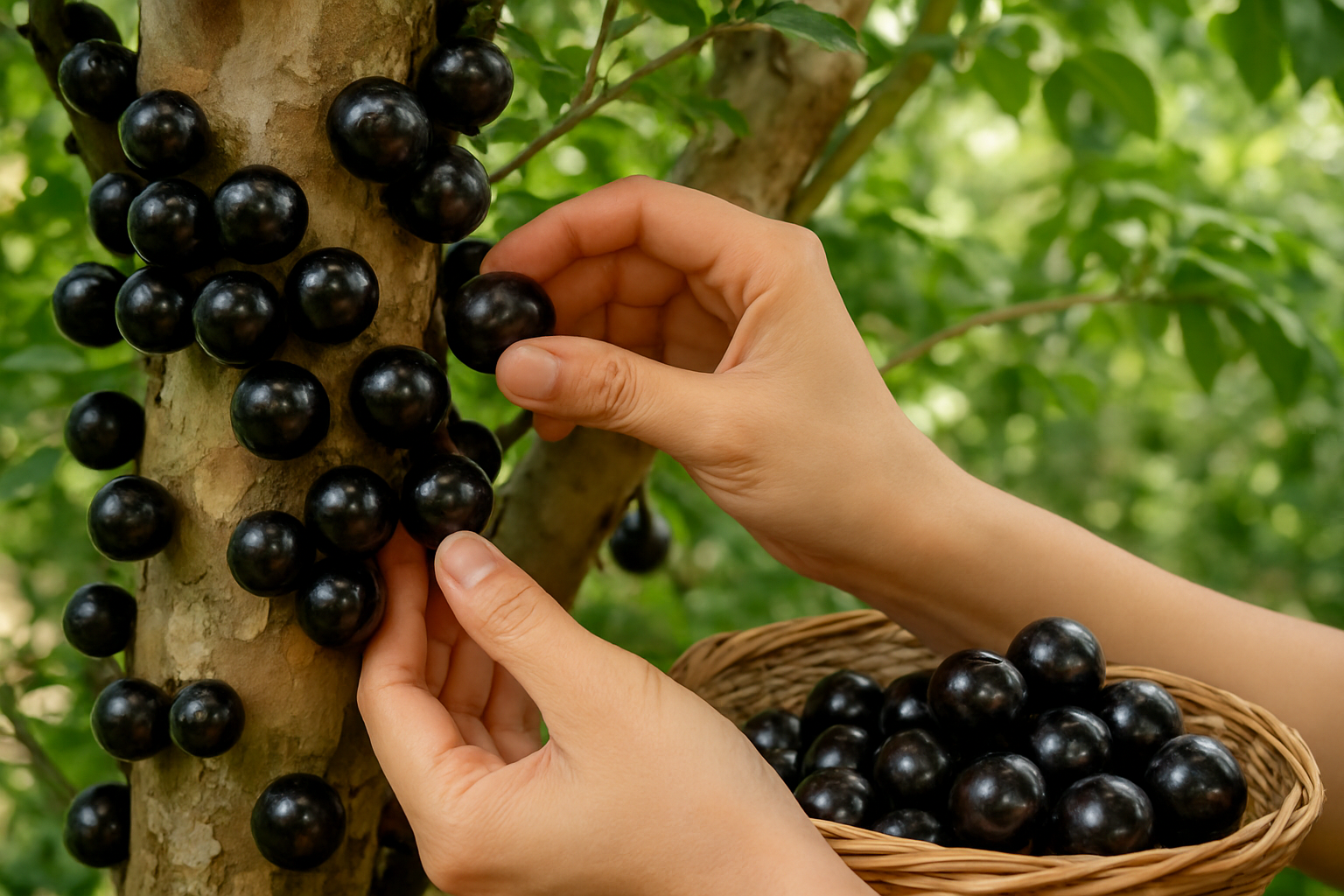
Finding fresh jabuticaba fruit can be quite the adventure since this exotic Brazilian fruit isn't available in your typical grocery store. Your best bet is to start with specialty fruit markets and Brazilian or South American grocery stores, where the staff understands the unique appeal of this Brazilian grape tree fruit.
Farmer's markets are goldmines for discovering rare fruits like jabuticaba, especially in areas with diverse populations or near universities with agricultural programs. Many vendors at these markets source directly from small growers who cultivate exotic varieties. Online specialty fruit retailers have become increasingly popular, though you'll pay premium prices for overnight shipping to ensure freshness.
Ethnic neighborhoods, particularly those with Brazilian, Portuguese, or other South American communities, often have markets that import jabuticaba during peak seasons. Some high-end restaurants specializing in international cuisine might be willing to order extra quantities if you contact them in advance.
Consider reaching out to local botanical gardens or agricultural extension offices - they sometimes know private growers who sell surplus fruit or can connect you with jabuticaba enthusiasts in your area.
Identifying Ripe vs Overripe Jabuticaba
Perfect jabuticaba fruit should feel firm yet give slightly when gently pressed, similar to a perfectly ripe grape. The skin transforms from green to deep purple or nearly black when ready for eating, with a glossy, smooth appearance that catches light beautifully.
Ripe jabuticaba has a sweet, grape-like aroma that becomes more pronounced as you get closer to the fruit. The stem area should look fresh and green, not brown or dried out. When you hold quality jabuticaba, it should feel heavy for its size, indicating good juice content.
Avoid fruits with wrinkled or shriveled skin, which signals they're past their prime. Brown spots or soft, mushy areas are red flags that the fruit has begun to deteriorate. Overripe jabuticaba often develops a fermented smell that's quite different from the pleasant sweetness of fresh fruit.
The fruit should still be attached firmly to its stem. If jabuticaba falls off easily or the stem looks dark and withered, the fruit has likely been sitting too long. Fresh jabuticaba maintains its shape well and doesn't easily bruise when handled gently.
Best Seasons for Finding Fresh Fruit
Jabuticaba follows a unique fruiting pattern that differs from most common fruits. In its native Brazil, the primary harvest season runs from August through October, which corresponds to late winter and early spring in the Southern Hemisphere. However, many jabuticaba trees produce multiple crops throughout the year, creating additional harvest opportunities.
For those seeking jabuticaba in North America, the best availability typically occurs during fall months when imports from Brazil peak. Some Florida and California growers have successfully cultivated jabuticaba trees, creating small local harvests that usually ripen between September and November.
The fruit has an incredibly short shelf life - only 3-4 days after picking - which means timing your purchase is critical. Many specialty retailers only stock jabuticaba during these peak months, and even then, quantities are extremely limited.
Weather patterns significantly impact jabuticaba availability. Heavy rains or extreme temperatures in growing regions can drastically reduce crop yields, making some years better than others for finding quality fruit. Establishing relationships with specialty fruit vendors can help you get advance notice when shipments arrive.
Storage Tips to Maximize Freshness
Jabuticaba demands immediate attention due to its incredibly short shelf life. Keep fresh fruit refrigerated immediately after purchase, storing it in the main compartment rather than crisper drawers where humidity levels might be too high.
Place the fruit in a breathable container - paper bags work better than plastic, which can trap moisture and accelerate spoilage. Never wash jabuticaba until you're ready to eat it, as excess moisture speeds up deterioration. The natural waxy coating on the skin provides some protection that you don't want to remove prematurely.
Check your stored jabuticaba daily and remove any fruits showing signs of softening or discoloration to prevent them from affecting the remaining fruit. Even under ideal conditions, expect to consume your jabuticaba within 2-3 days of purchase.
For longer storage, consider processing the fruit immediately. You can freeze the pulp after removing seeds and skin, juice the fruit for later use, or make preserves. The frozen pulp maintains much of its flavor and can be used in smoothies or desserts for several months.
Room temperature storage works only if you plan to eat the fruit within 24 hours, and only in cool environments below 70°F.
Delicious Ways to Enjoy Jabuticaba at Home
Eating Fresh Jabuticaba for Maximum Flavor
Fresh jabuticaba fruit delivers the most authentic taste experience this Brazilian grape tree has to offer. When perfectly ripe, the dark purple skin pops easily between your teeth, revealing translucent, jelly-like flesh that bursts with sweet-tart flavor reminiscent of grapes mixed with plums.
The key to enjoying fresh jabuticaba lies in selecting fruits at peak ripeness. Look for berries with deep purple, almost black skin that yields slightly to gentle pressure. Avoid fruits with wrinkled skin or brown spots, as these indicate overripeness. Fresh jabuticaba should be consumed within 2-3 days of picking, as they deteriorate quickly once harvested.
To eat jabuticaba properly, simply pop the whole fruit in your mouth and bite down gently. The skin is edible but can be bitter, so many people prefer to squeeze out the pulp and discard the skin. The large seeds inside aren't typically eaten but can be planted if you're interested in growing your own tree.
Store fresh jabuticaba in the refrigerator to extend their shelf life slightly, but remember that these exotic Brazilian fruits are best enjoyed immediately after harvest. Their fleeting freshness window makes them a true delicacy worth savoring when available.
Making Traditional Brazilian Jabuticaba Wine
Brazilian families have been crafting jabuticaba wine for generations, turning this abundant fruit into a cherished alcoholic beverage. The natural sugars and tannins in jabuticaba fruit make it surprisingly well-suited for fermentation, producing a wine with complex flavors and beautiful deep red color.
The traditional method begins with crushing fresh, ripe jabuticaba berries to extract their juice. For every 10 pounds of fruit, you'll typically yield about 2-3 liters of juice. The crushed fruit mixture ferments for 5-7 days in covered containers, stirring daily to prevent mold formation.
After initial fermentation, strain the liquid through cheesecloth to remove solids. Add wine yeast and transfer to glass carboys or fermentation vessels with airlocks. The secondary fermentation process takes 4-6 weeks, during which the wine develops its characteristic flavor profile.
Traditional Brazilian jabuticaba wine ranges from semi-sweet to sweet, with alcohol content typically between 10-12%. The finished product has notes of dark berries with subtle earthy undertones. Many Brazilian families age their jabuticaba wine for several months to develop deeper, more complex flavors.
Home winemakers should maintain proper sanitation throughout the process and monitor fermentation temperatures between 65-75°F for optimal results.
Creating Jams and Preserves That Last
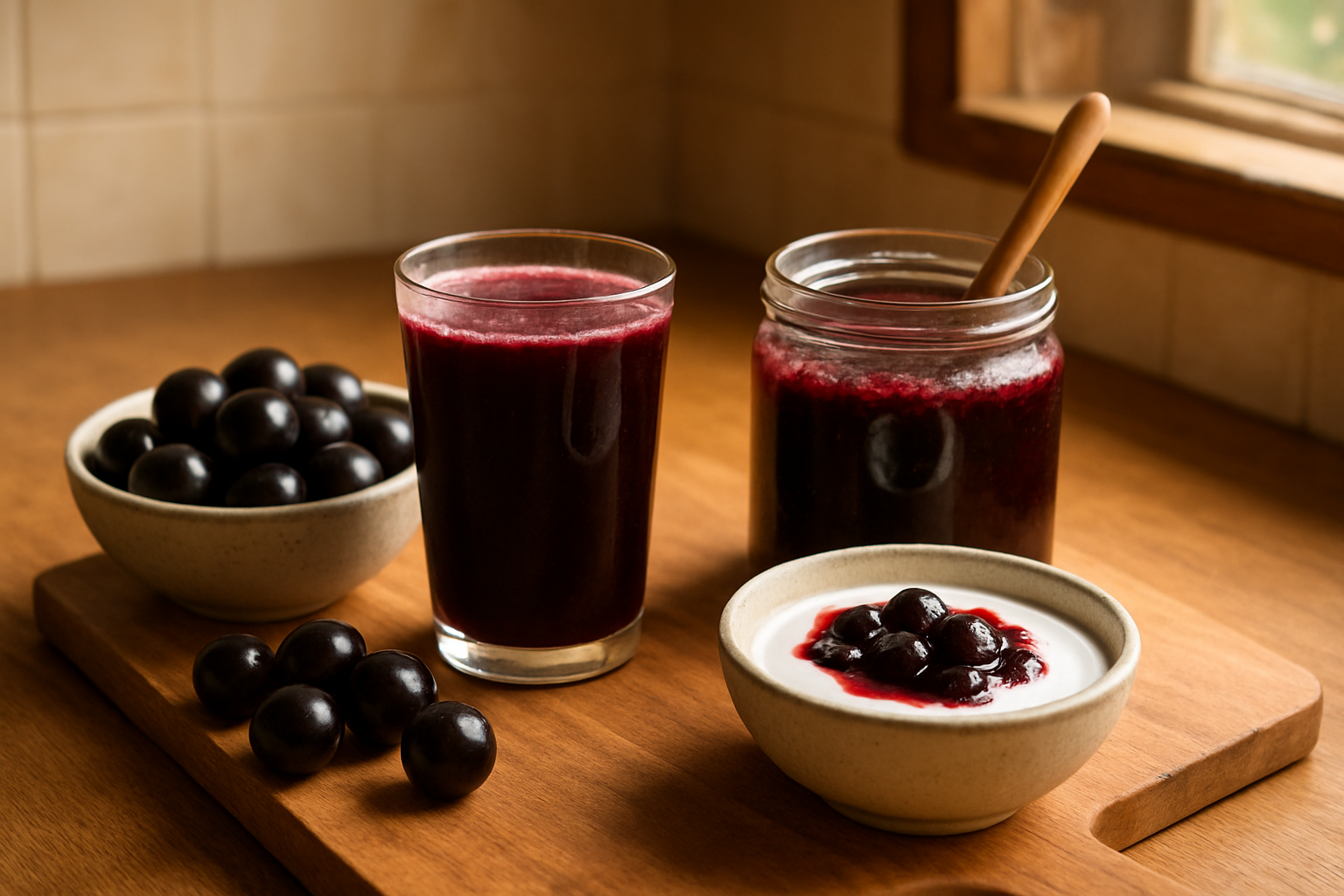
Transforming jabuticaba fruit into jams and preserves lets you enjoy this exotic Brazilian fruit year-round while maximizing its health benefits. The natural pectin content in jabuticaba makes it ideal for creating thick, spreadable preserves without artificial additives.
Basic jabuticaba jam requires just three ingredients: fresh fruit, sugar, and lemon juice. Use a 2:1 ratio of fruit to sugar for traditional sweetness, though you can reduce sugar for a more tart preserve. Start by washing and removing any stems from 4 cups of fresh jabuticaba berries.
Cook the fruit over medium heat until it begins breaking down and releasing juice, approximately 10-15 minutes. Mash the berries lightly with a potato masher, leaving some texture for a more rustic jam. Add 2 cups sugar and 2 tablespoons fresh lemon juice, stirring until sugar dissolves completely.
Continue cooking while stirring frequently until the mixture reaches gel point (220°F on a candy thermometer). This typically takes 15-20 minutes. Test consistency by dropping a small amount on a chilled plate - it should wrinkle when pushed with your finger.
For longer storage, process filled jars in a boiling water bath for 10 minutes. Properly sealed jabuticaba jam keeps for up to one year in a cool, dark pantry. The finished preserve has intense fruit flavor with natural tartness that pairs beautifully with cheese, yogurt, or fresh bread.
Growing Your Own Jabuticaba Tree Successfully
Climate Requirements for Healthy Growth
Jabuticaba trees thrive in warm, humid climates that mirror their native Brazilian environment. These tropical beauties need temperatures consistently between 70-85°F year-round, making them perfect for USDA zones 9-11. If you live somewhere with occasional frost, your jabuticaba tree growing efforts might face setbacks, as temperatures below 32°F can damage or kill young plants.
The humidity factor is crucial - these trees love moisture in the air, ideally around 60-80% humidity levels. If you're in a drier climate, consider placing your tree near water features or using humidity trays to create a more suitable microclimate. Rainfall patterns matter too, with jabuticaba trees preferring consistent moisture throughout the year rather than distinct wet and dry seasons.
Wind protection is often overlooked but essential. Strong winds can damage the delicate branches and interfere with pollination. Plant your tree in a sheltered location or create windbreaks using other plants or structures.
Soil and Planting Conditions That Work
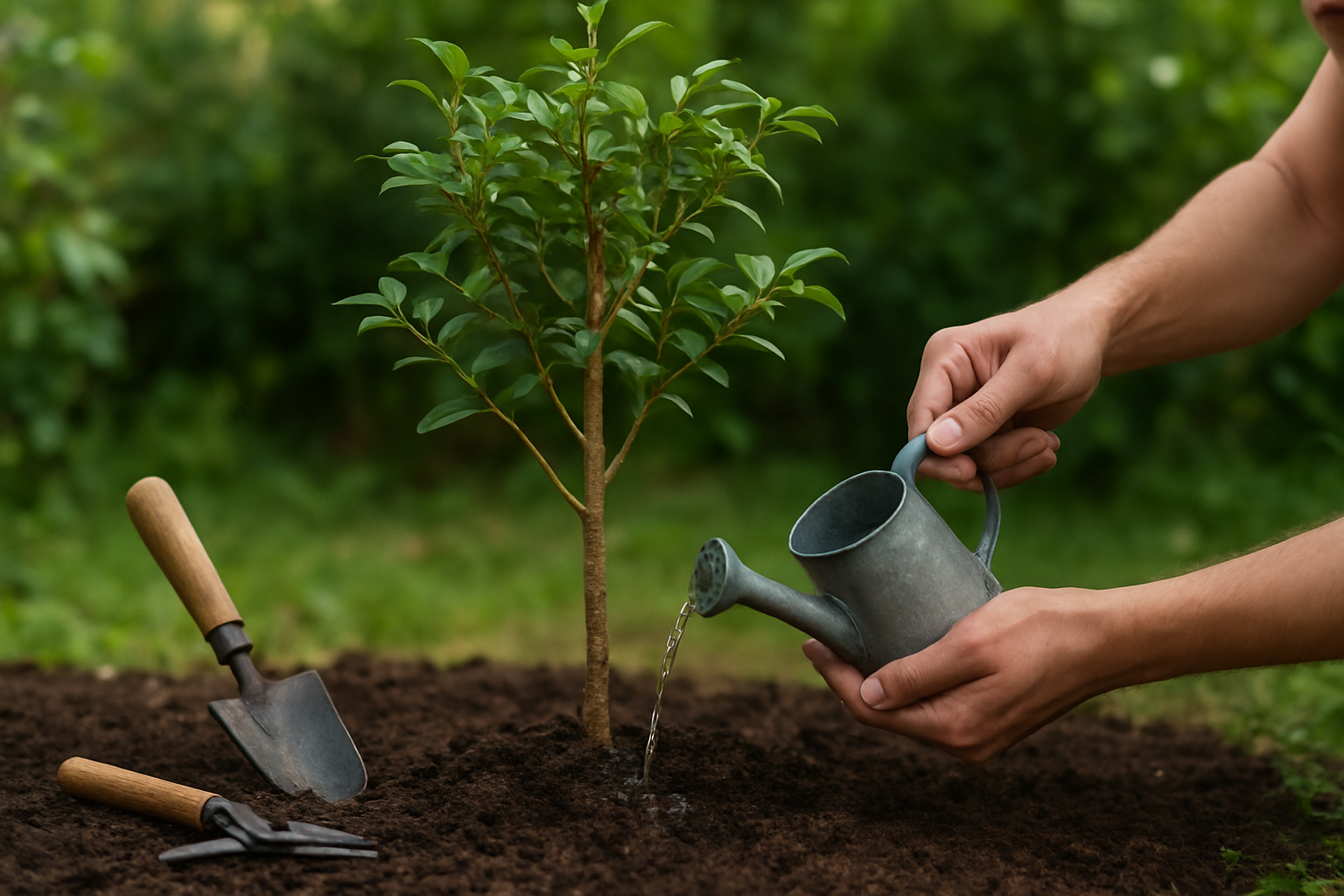
Your jabuticaba tree's success starts with the right soil foundation. These trees prefer slightly acidic to neutral soil with a pH between 5.5-7.0. Well-draining soil is non-negotiable - waterlogged roots spell disaster for jabuticaba trees. A sandy loam mixed with organic matter creates the ideal growing medium.
Before planting, test your soil drainage by digging a hole and filling it with water. If water remains after 24 hours, you'll need to improve drainage through raised beds or adding sand and compost. Organic matter like compost or aged manure enriches the soil and helps maintain consistent moisture levels without creating soggy conditions.
Spacing matters when planting multiple trees. Give each jabuticaba tree at least 15-20 feet of space to accommodate their eventual 30-foot spread. If you're growing in containers, choose pots at least 24 inches wide with excellent drainage holes. Container growing works well for colder climates where you can move trees indoors during winter.
Timeline from Planting to First Harvest
Patience becomes your best friend when growing jabuticaba trees. Trees grown from seed can take 15-20 years to produce their first fruits, which explains why many growers opt for grafted specimens that fruit in 3-6 years. This lengthy timeline makes jabuticaba tree growing a true long-term investment.
During the first two years, focus on establishing a strong root system and healthy growth pattern. Young trees put all their energy into developing structure rather than fruit production. You'll notice rapid growth in years 3-5, with trees potentially reaching 6-8 feet tall.
The exciting moment arrives around year 4-6 for grafted trees when you spot the first small clusters of flowers growing directly from the trunk and branches. This unique flowering pattern, called cauliflory, sets jabuticaba apart from most other fruit trees. Initial harvests might yield only a handful of fruits, but mature trees can produce multiple crops per year with proper care.
Common Challenges and How to Overcome Them
Scale insects and aphids rank among the most frequent pests affecting jabuticaba trees. Regular inspection of leaves and branches helps catch infestations early. Neem oil or insecticidal soap provides effective, organic control methods. Avoid harsh chemical pesticides that can harm beneficial insects needed for pollination.
Root rot becomes a serious threat in poorly draining soils or with overwatering. Watch for yellowing leaves, stunted growth, or a musty smell around the base. If caught early, reducing watering frequency and improving soil drainage can save your tree. Severely affected trees might need replanting in better soil conditions.
Slow growth often frustrates new growers, but this natural characteristic requires adjustment of expectations rather than intervention. Provide consistent care through regular watering, annual fertilizing with balanced organic fertilizer, and patience. Avoid over-fertilizing, which can actually slow fruit production.
Temperature stress shows up as leaf drop or branch dieback in marginal climates. Protect trees with frost cloth during cold snaps and consider moving container plants to protected areas. In extremely hot climates, afternoon shade can prevent heat stress and leaf scorch.
Jabuticaba truly stands out in the fruit world with its unusual tree trunk growing pattern and impressive nutritional profile. This Brazilian native offers antioxidants, vitamin C, and anti-inflammatory compounds that can boost your health in meaningful ways. Finding quality jabuticaba might take some effort, but specialty stores and online sources make it more accessible than ever.
Once you get your hands on this unique fruit, you can enjoy it fresh, turn it into jams and wines, or experiment with desserts and smoothies. If you're feeling ambitious, growing your own jabuticaba tree can be a rewarding long-term project that brings this exotic taste right to your backyard. Give jabuticaba a try – your taste buds and your body will thank you for discovering this hidden gem from Brazil.


.png)
Comments
Post a Comment