Jackfruit - What's Jackfruit?
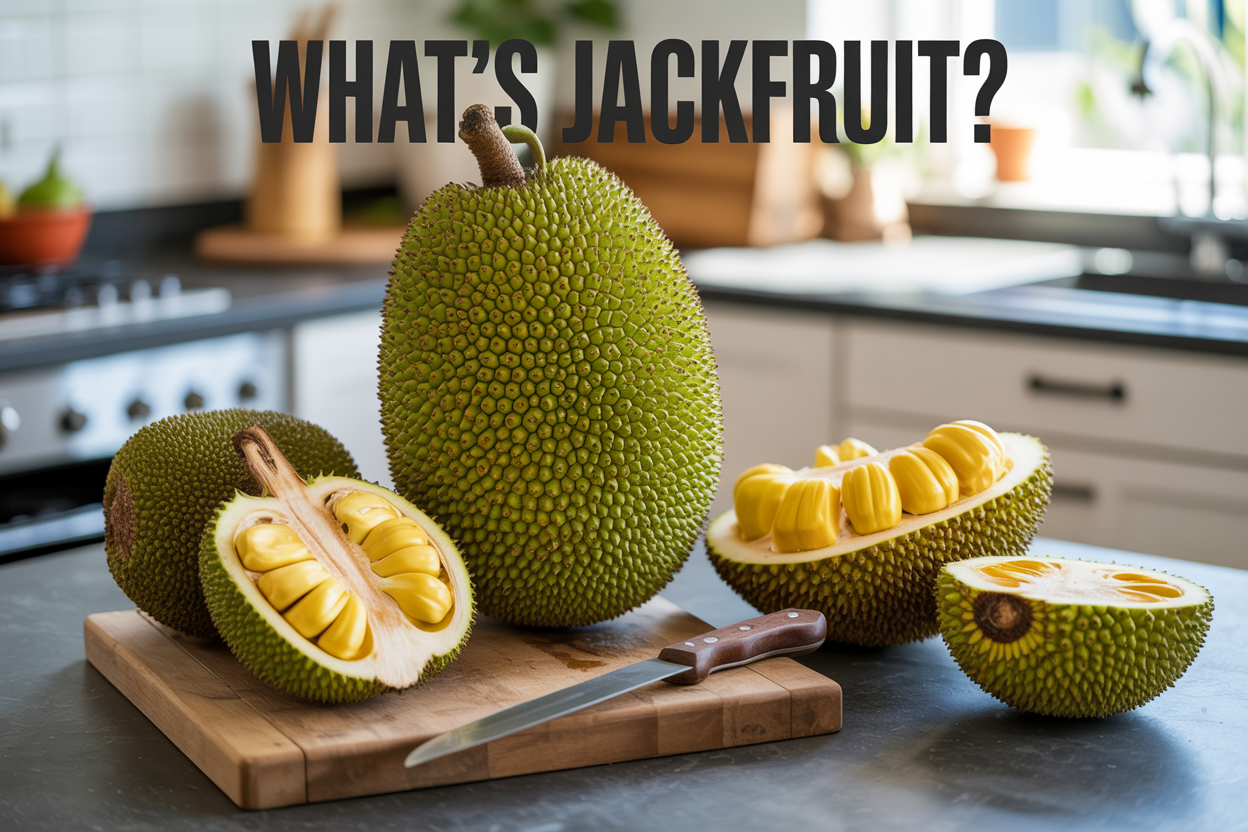
Jackfruit - What's Jackfruit?
Jackfruit is the world's largest tree fruit, and if you've never tried this tropical powerhouse, you're missing out on something pretty amazing. This spiky green giant can weigh up to 80 pounds and has been feeding families across Asia for centuries, but it's finally making waves in Western kitchens too.
This guide is perfect for curious food lovers, health-conscious eaters, and anyone who's spotted jackfruit at their local grocery store and wondered what the hype is all about.
We'll dive into what makes jackfruit so unique physically - from its intimidating exterior to its surprising interior. You'll also discover jackfruit's incredible flavor profile that can mimic pulled pork when young or taste like tropical candy when ripe. Plus, we'll explore the impressive nutritional benefits that make this tropical fruit jackfruit a serious superfood contender and share simple jackfruit preparation methods so you can start enjoying it right away.
Get ready to meet your new favorite fruit that's both delicious and incredibly versatile.
Discover the World's Largest Tree Fruit
Learn about jackfruit's impressive size and weight records
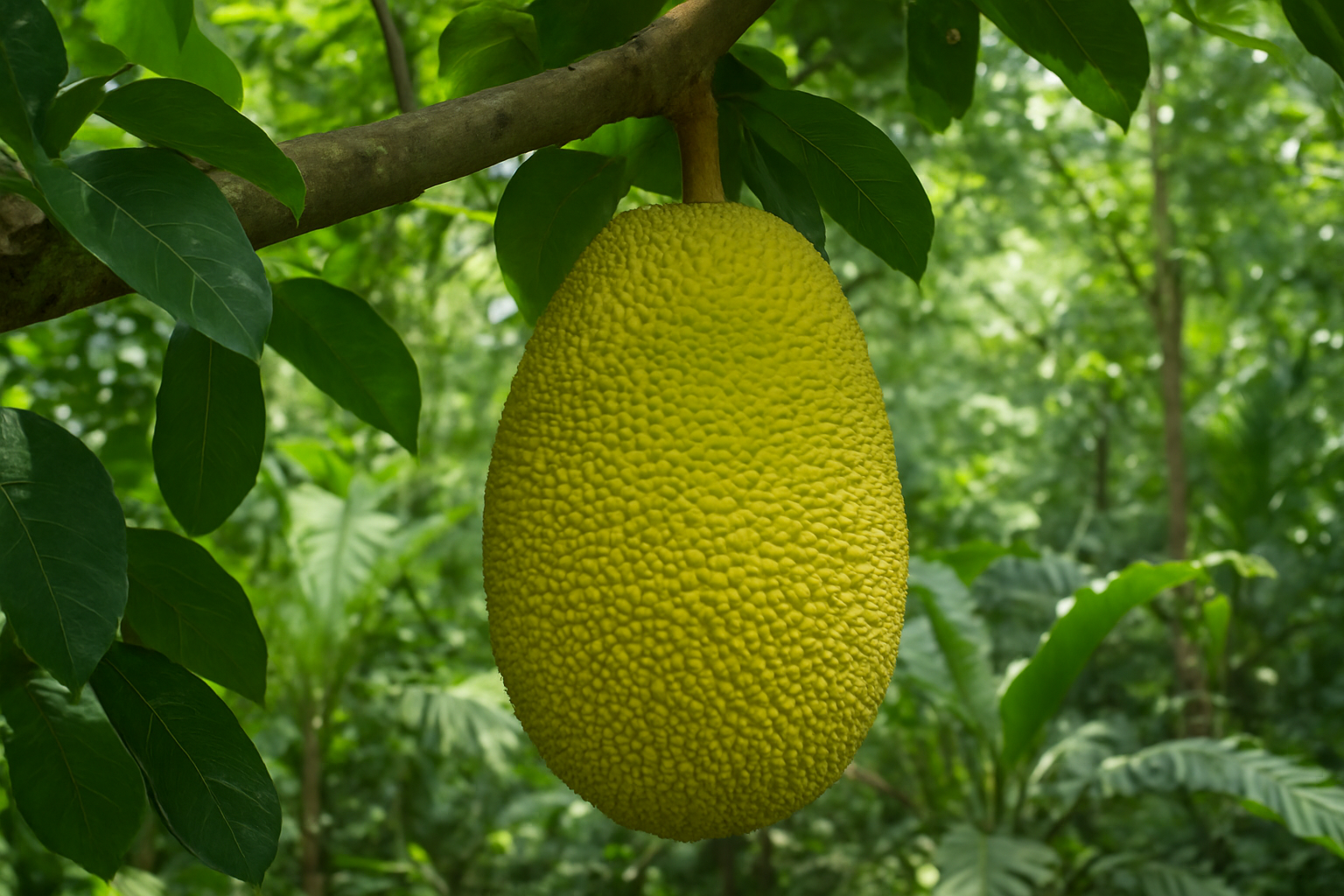
Jackfruit holds the undisputed title as the world's largest tree fruit, and the numbers are genuinely mind-boggling. These tropical giants can weigh anywhere from 10 to 100 pounds, with some exceptional specimens tipping the scales at over 120 pounds. Picture carrying a medium-sized dog – that's the weight we're talking about for a single fruit!
The size is equally impressive. A mature jackfruit typically measures 12 to 35 inches in length and can reach up to 20 inches in diameter. The largest recorded jackfruit weighed an astounding 94.8 pounds and measured over 36 inches long. These massive fruits grow directly from the trunk and main branches of the tree, a growing pattern called cauliflory, which helps support their incredible weight.
| Size Comparison | Average Weight | Length Range |
|---|---|---|
| Small Jackfruit | 10-25 lbs | 12-20 inches |
| Medium Jackfruit | 25-50 lbs | 20-28 inches |
| Large Jackfruit | 50-100+ lbs | 28-35+ inches |
Understand why jackfruit stands out among tropical fruits
What is jackfruit that makes it so special compared to other tropical fruits? Beyond its record-breaking size, jackfruit possesses unique characteristics that set it apart from mangoes, pineapples, and papayas. Its bumpy, green exterior conceals hundreds of individual fruit pods, each containing a seed surrounded by sweet, aromatic flesh.
The tropical fruit jackfruit produces an incredibly strong, sweet fragrance that can be detected from considerable distances. This distinctive smell is so potent that many hotels in Southeast Asia ban jackfruit from their premises. The fruit's versatility is unmatched – young, unripe jackfruit has a meat-like texture that makes it popular as a vegan protein substitute, while ripe jackfruit offers intensely sweet flavors.
Unlike other tropical fruits that grow in clusters or individually on smaller branches, jackfruit's tree can produce 150-200 fruits annually, with each tree potentially yielding over 2,000 pounds of fruit per year.
Explore jackfruit's native origins in South and Southeast Asia
Jackfruit originated in the rainforests of South and Southeast Asia, specifically in the Western Ghats of southern India. Archaeological evidence suggests people have been cultivating and consuming jackfruit for over 6,000 years. From its Indian birthplace, jackfruit spread throughout Southeast Asia, becoming deeply embedded in the culinary traditions of Thailand, Malaysia, Indonesia, and the Philippines.
Today, jackfruit trees thrive across tropical regions including:
-
India - Remains the largest producer, particularly in Kerala and Karnataka
-
Bangladesh - Where jackfruit is the national fruit
-
Thailand - Known for exceptionally sweet varieties
-
Indonesia and Malaysia - Important for both fresh consumption and processing
-
Philippines - Called "langka" and featured in numerous traditional dishes
The fruit has also been successfully introduced to tropical regions of Africa, South America, and the Caribbean, though Asian countries continue to dominate global production and consumption.
Unlock Jackfruit's Unique Physical Characteristics
Recognize jackfruit's distinctive spiky exterior appearance
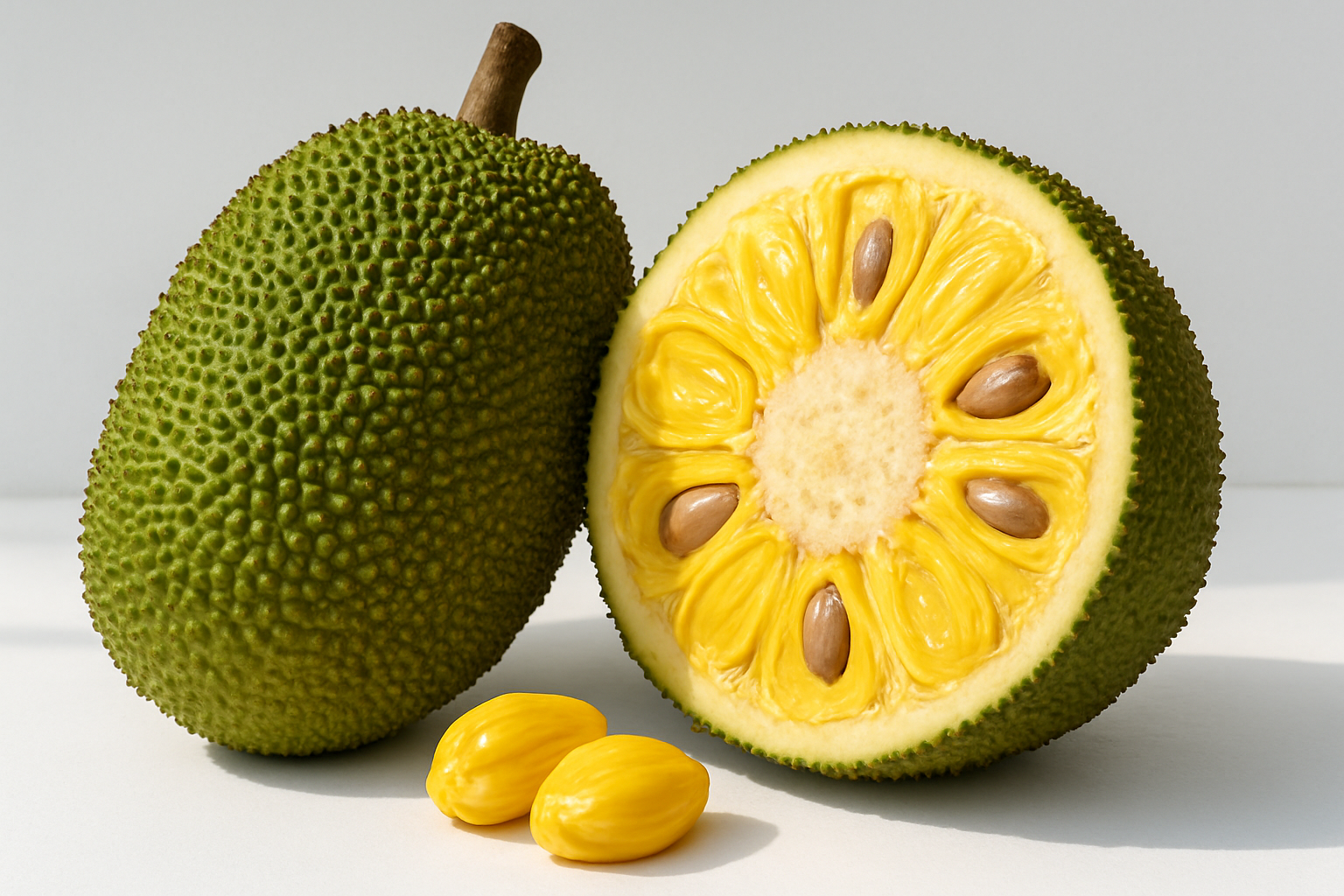
The first thing that strikes you about jackfruit is its intimidating size and armor-like exterior. This tropical fruit jackfruit can weigh anywhere from 10 to 80 pounds, making it truly the largest tree fruit in the world. The outer skin features a unique pattern of hexagonal bumps that create a spiky, prehistoric appearance. These bumps aren't sharp like a porcupine's quills, but rather firm, rounded protrusions that give the fruit its distinctive texture.
The color of jackfruit's exterior changes as it ripens, starting from green when unripe and gradually shifting to yellow-brown or golden when fully mature. The skin feels thick and rubbery to the touch, serving as nature's protective armor for the precious flesh inside. Small black spots often appear on the surface as the fruit ripens, which is completely normal and indicates peak sweetness.
Explore the sweet, aromatic flesh inside the fruit
Cutting open a ripe jackfruit reveals a stunning interior that's nothing like its tough exterior suggests. The flesh consists of bright yellow to orange pods, called arils, that are arranged around a central core. Each aril contains a seed and is covered in a sweet, sticky flesh that delivers an incredible burst of flavor.
The aroma that escapes when you first crack open a jackfruit is unforgettable - it's intensely sweet and tropical, with hints of banana, pineapple, and bubblegum. Some people describe the jackfruit flavor profile as a cross between all their favorite tropical fruits rolled into one. The flesh has a custard-like consistency when fully ripe, making it perfect for eating fresh or incorporating into desserts and smoothies.
Understand the difference between ripe and unripe jackfruit texture
The texture transformation of jackfruit from unripe to ripe is remarkable and affects how you can use this versatile fruit. Unripe jackfruit has a firm, almost meat-like texture that's neutral in flavor, making it an excellent plant-based substitute for pulled pork or chicken. The flesh is white to pale yellow and has a slightly chewy consistency that absorbs flavors beautifully in savory dishes.
| Ripeness Stage | Texture | Color | Best Uses |
|---|---|---|---|
| Unripe | Firm, meat-like | White to pale yellow | Savory dishes, meat substitute |
| Semi-ripe | Tender, slightly sweet | Light yellow | Curries, stews |
| Fully ripe | Soft, custard-like | Bright yellow-orange | Fresh eating, desserts |
As jackfruit ripens, the texture becomes progressively softer and sweeter. Semi-ripe jackfruit offers the best of both worlds - tender enough for easy eating but still firm enough to hold its shape in cooking.
Learn about the edible seeds hidden within
Each jackfruit contains dozens of large, oval-shaped seeds that many people don't realize are completely edible and nutritious. These seeds are about the size of large lima beans and have a smooth, brown exterior. When cooked, jackfruit seeds taste remarkably similar to chestnuts or boiled potatoes, with a starchy, slightly nutty flavor.
You can prepare these seeds by boiling them for 20-30 minutes until tender, then peeling off the outer skin. They're delicious roasted, steamed, or even ground into flour for baking. The seeds pack impressive nutritional benefits, containing protein, fiber, and various minerals, making them too valuable to throw away when you're enjoying this tropical fruit jackfruit.
Experience Jackfruit's Incredible Flavor Profile
Taste the sweet, tropical notes of ripe jackfruit
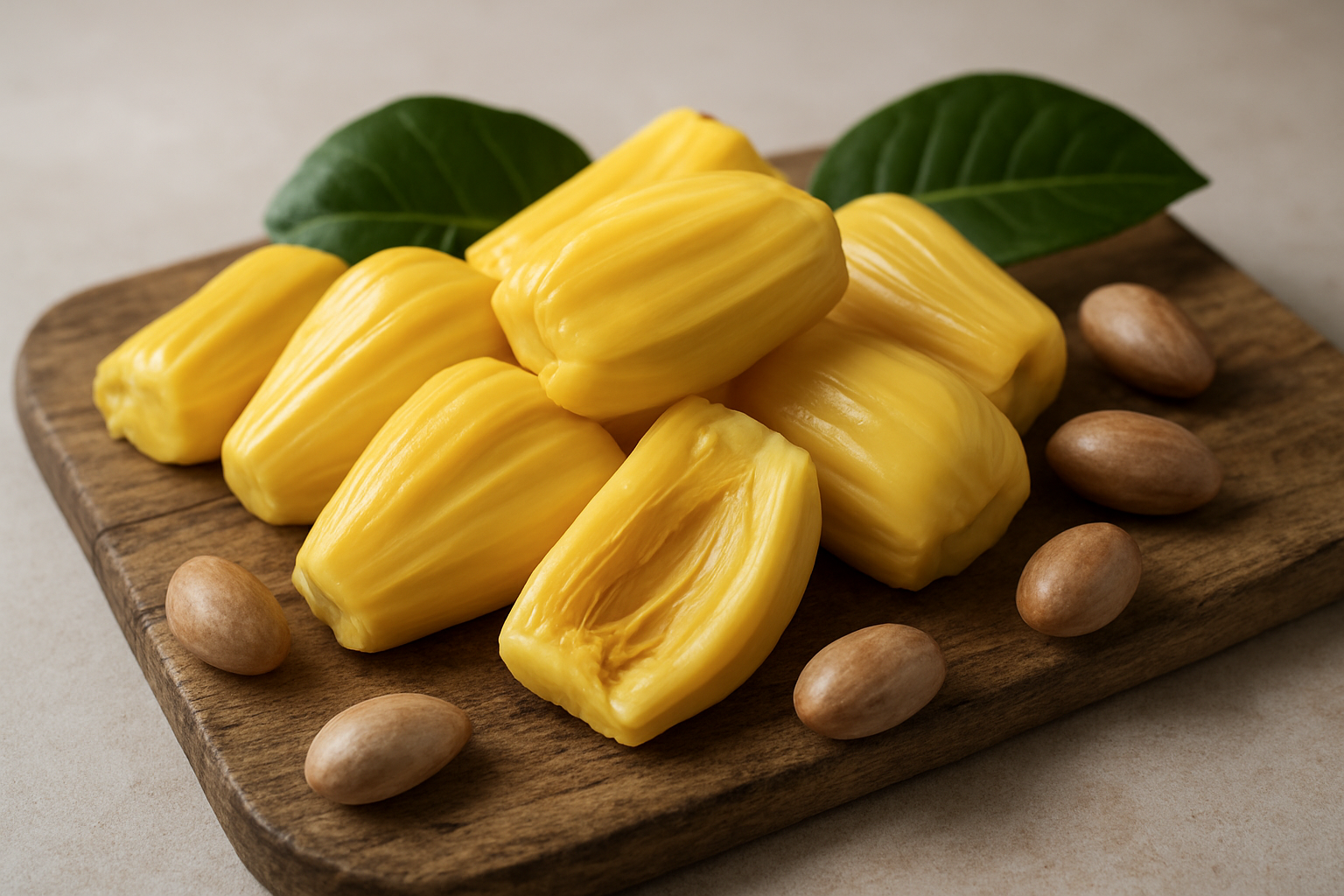
Ripe jackfruit delivers an explosion of tropical sweetness that's absolutely unforgettable. When fully mature, each golden bulb bursts with intense fruit flavors that dance across your palate. The natural sugars create a honey-like sweetness that's balanced by subtle floral undertones, making every bite a delightful experience.
The jackfruit taste becomes incredibly complex as it ripens, developing layers of flavor that evolve as you chew. You'll notice hints of pineapple brightness mixed with the creamy richness of custard apple. Some people detect notes of bubblegum or cotton candy, which might sound strange but creates this almost magical eating experience.
What makes ripe jackfruit so special is how the sweetness builds gradually. The first bite might taste mildly sweet, but as the fruit's natural enzymes activate in your mouth, the flavor intensifies dramatically. This tropical fruit jackfruit literally gets sweeter as you eat it, creating an addictive quality that keeps you reaching for more.
The aroma of ripe jackfruit is equally captivating. Fresh bulbs release a perfumed fragrance that combines tropical fruit notes with hints of vanilla and honey. This aromatic quality makes jackfruit stand out among other tropical fruits and explains why it's so prized in Southeast Asian cuisine.
Discover the meat-like texture of young unripe jackfruit
Young, unripe jackfruit offers a completely different experience from its sweet counterpart. The texture is remarkably similar to pulled pork or shredded chicken, making it an incredible plant-based protein substitute. When cooked, unripe jackfruit develops a fibrous, stringy consistency that mimics meat so well it's fooled countless carnivores.
The neutral jackfruit flavor profile of young jackfruit makes it incredibly versatile. Unlike ripe jackfruit's intense sweetness, unripe jackfruit tastes mild and slightly tangy, with subtle earthy undertones. This blank canvas quality allows it to absorb marinades, spices, and sauces beautifully, taking on whatever flavors you want to add.
Raw young jackfruit has a firm, almost rubbery texture that transforms completely during cooking. As it heats up, the flesh becomes tender and begins to separate into natural fibers. This transformation is what creates that sought-after pulled meat texture that's made jackfruit famous in vegetarian and vegan cooking.
The cooking process also changes the color from pale white to a more golden hue, especially when sautéed or roasted. Many people are amazed at how convincingly unripe jackfruit can replicate traditional meat dishes like barbecue pulled pork, chicken tacos, or curry preparations.
Compare jackfruit's flavor to familiar fruits like banana and mango
Understanding what is jackfruit becomes easier when you compare it to fruits you already know and love. Ripe jackfruit shares DNA with several familiar tropical flavors, creating a unique taste experience that feels both exotic and comfortingly familiar.
The most common comparison is to a blend of banana and mango, but jackfruit takes these flavors to the next level. Like bananas, jackfruit has a creamy, almost custard-like texture and natural sweetness. However, jackfruit taste is more intense and complex than banana, with brighter tropical notes that pop in your mouth.
The mango connection comes through in jackfruit's juicy sweetness and tropical aroma. Both fruits share similar sugar profiles and that distinctive tropical fruit character. But jackfruit adds layers that mango doesn't have - those bubblegum and floral notes that make it truly unique.
| Fruit | Sweetness Level | Texture | Primary Flavors |
|---|---|---|---|
| Jackfruit | Very High | Creamy, fibrous | Tropical blend, floral, honey |
| Mango | High | Smooth, juicy | Sweet, tangy, tropical |
| Banana | Medium-High | Creamy, soft | Mild sweet, starchy |
| Pineapple | Medium | Juicy, fibrous | Sweet-tart, bright |
Some people also detect hints of apple in jackfruit's crispness when it's not fully ripe, combined with the tropical sweetness of papaya. This complex jackfruit flavor profile makes it stand out as one of nature's most interesting taste combinations, offering something familiar yet completely new with every bite.
Harness Jackfruit's Impressive Nutritional Benefits
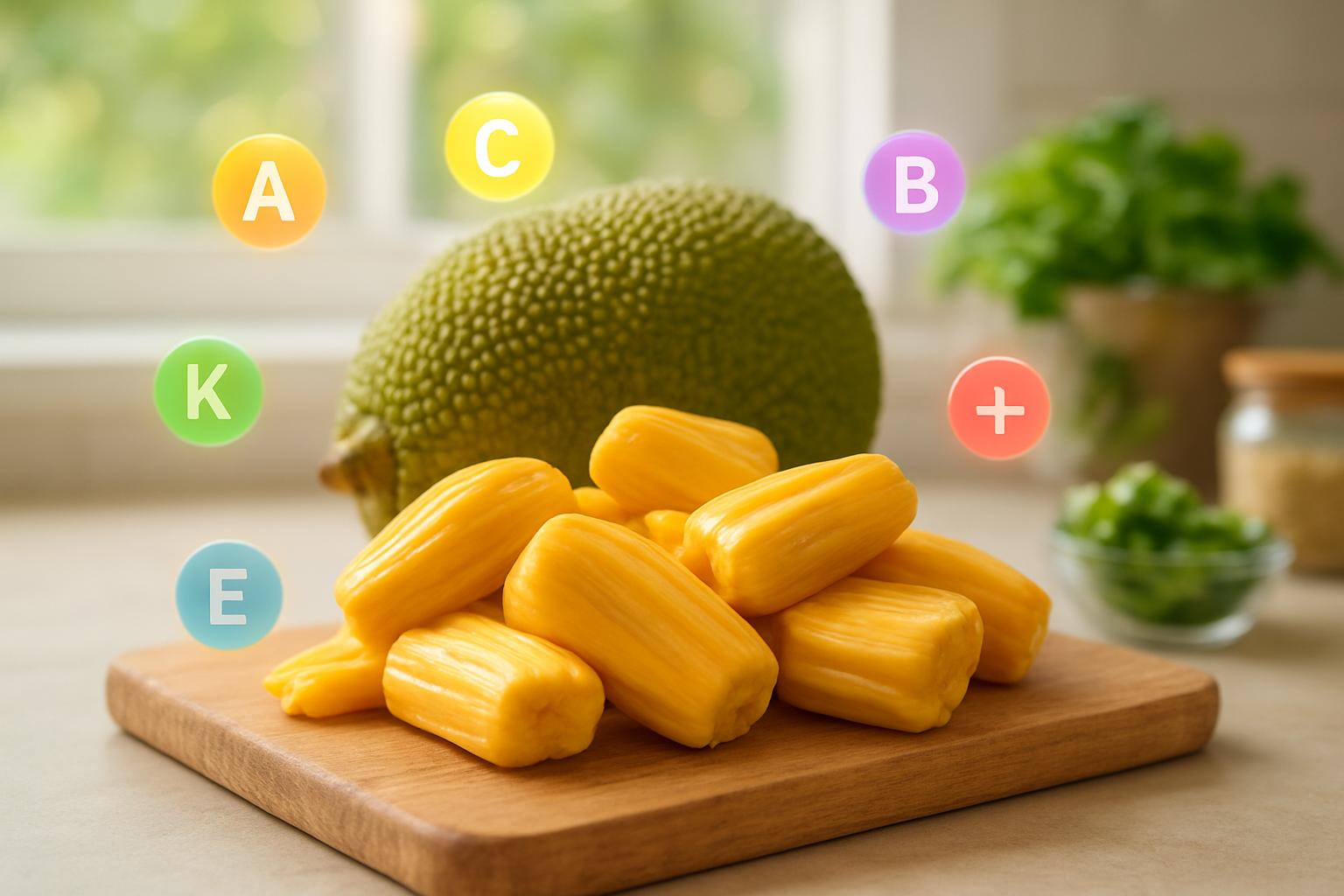
Boost your vitamin C intake for stronger immunity
Jackfruit packs a serious vitamin C punch that puts many citrus fruits to shame. A single cup of this tropical powerhouse delivers about 23 milligrams of vitamin C - roughly 25% of your daily needs. This antioxidant works overtime in your body, supporting white blood cell production and helping your immune system fight off infections and illnesses.
What makes jackfruit's vitamin C content special is how your body absorbs it alongside the fruit's other nutrients. The natural fiber and potassium create a synergistic effect that helps your system make the most of every bite. Regular jackfruit consumption can help reduce the duration of common colds and support faster recovery from minor ailments.
Increase fiber consumption for better digestive health
Your digestive system will thank you for adding jackfruit to your diet. Each cup contains approximately 2.5 grams of dietary fiber, which plays a crucial role in maintaining healthy gut function. This fiber acts like a natural broom, sweeping through your intestines and promoting regular bowel movements.
The fiber in jackfruit includes both soluble and insoluble types. Soluble fiber helps slow digestion and keeps you feeling satisfied longer, while insoluble fiber adds bulk to stool and prevents constipation. This combination makes jackfruit an excellent choice for anyone looking to improve their digestive health naturally.
Gain essential potassium for heart health
Jackfruit nutrition shines when it comes to heart-healthy potassium content. A single serving provides around 448 milligrams of this essential mineral - that's more than what you'd find in a medium banana. Potassium works as a natural blood pressure regulator by counteracting sodium's effects in your body.
This mineral helps your heart muscle contract properly and maintains steady heart rhythm. People who regularly consume potassium-rich foods like jackfruit often experience lower blood pressure levels and reduced risk of cardiovascular disease. The jackfruit benefits extend to supporting proper nerve function and muscle contractions throughout your body.
Access plant-based protein for muscle maintenance
Don't overlook jackfruit as a protein source just because it's a fruit. Each cup provides about 2.8 grams of complete plant-based protein, containing all essential amino acids your body needs for muscle repair and growth. This makes jackfruit particularly valuable for vegetarians and vegans seeking diverse protein sources.
The protein in jackfruit is easily digestible and works well for post-workout recovery. Athletes and fitness enthusiasts can benefit from incorporating this tropical fruit jackfruit into their nutrition plans, especially when combined with other protein-rich foods for optimal muscle maintenance and development.
Master Simple Ways to Prepare and Enjoy Jackfruit
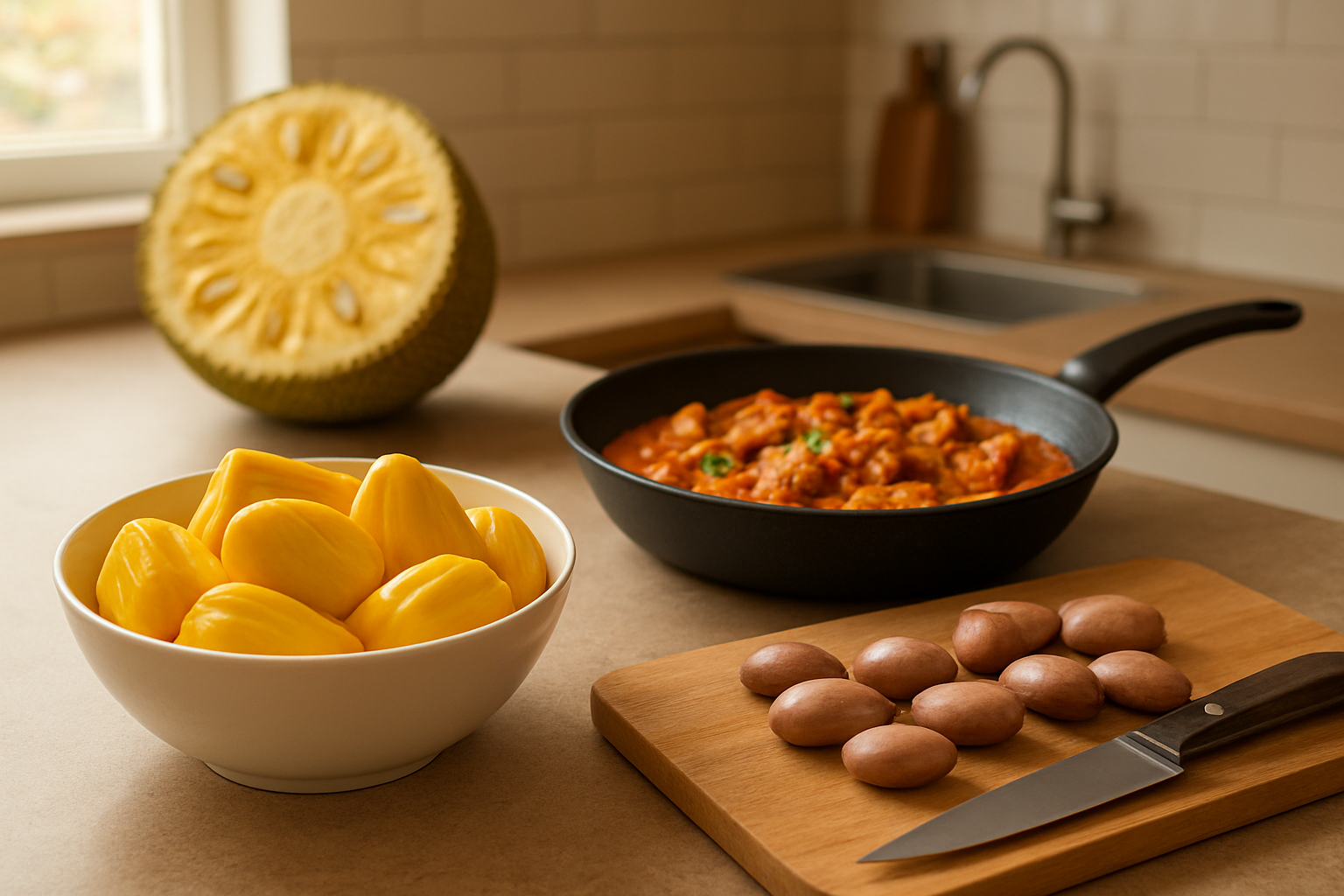
Learn Proper Techniques for Cutting and Handling Fresh Jackfruit
Working with fresh jackfruit can seem intimidating at first, but the right approach makes jackfruit preparation surprisingly manageable. Start by coating your hands and knife blade with coconut oil or vegetable oil to prevent the sticky latex sap from adhering to your skin and tools. Lay down newspaper or parchment paper on your cutting surface for easy cleanup.
Cut the jackfruit in half lengthwise, then into quarters. You'll notice the fruit contains three distinct parts: the sweet, edible arils (the fleshy pods), fibrous core sections, and large seeds. Remove the arils by gently pulling them away from the core with your fingers or a spoon. Each aril contains a seed that you can remove and cook separately - they taste similar to chestnuts when boiled or roasted.
The latex sap will eventually wash off your hands with soap and warm water, though some people prefer wearing disposable gloves during the process. Store unused fresh jackfruit in the refrigerator for up to a week, or freeze the arils for several months.
Discover Delicious Recipes Using Ripe Sweet Jackfruit
Ripe jackfruit delivers an incredible sweetness that works beautifully in both simple preparations and elaborate desserts. The natural tropical flavor profile combines notes of banana, pineapple, and mango, making it perfect for fruit salads, smoothies, and ice cream.
For a refreshing treat, blend ripe jackfruit arils with coconut milk, a touch of honey, and ice for a tropical smoothie. The fruit also shines in traditional Southeast Asian desserts like jackfruit sticky rice, where the sweet arils pair perfectly with creamy coconut sauce.
You can incorporate ripe jackfruit into Western-style desserts too. Try folding chopped arils into pancake batter, mixing them into yogurt parfaits, or using them as a topping for cheesecake. The fruit's natural sweetness means you can reduce added sugars in many recipes.
Fresh ripe jackfruit also makes an excellent addition to cheese boards, where its tropical sweetness complements both mild and aged cheeses. Simply serve the arils alongside crackers and nuts for an unexpected twist on traditional fruit and cheese pairings.
Explore Savory Cooking Methods for Unripe Jackfruit
Unripe jackfruit transforms into an incredibly versatile ingredient for savory dishes, earning recognition as an excellent plant-based meat substitute. Its neutral taste and fibrous texture absorb flavors beautifully while providing satisfying substance to meals.
The most popular preparation involves shredding young jackfruit and using it in place of pulled pork or chicken. Season the shredded fruit with barbecue sauce, spices, and aromatics, then slow-cook or sauté until tender. This creates convincing "pulled jackfruit" sandwiches that satisfy both vegetarians and meat-eaters.
Unripe jackfruit also excels in curries, stews, and stir-fries throughout South and Southeast Asian cuisine. Cut the young fruit into chunks and simmer in coconut milk with curry spices for a hearty main dish. The fruit readily absorbs the complex flavors while maintaining its meaty texture.
For tacos and burritos, season shredded jackfruit with cumin, chili powder, garlic, and lime juice. Cook until slightly crispy on the edges for added texture contrast. The result mimics carnitas or barbacoa surprisingly well.
Find Convenient Canned and Packaged Jackfruit Options
Canned jackfruit offers year-round access to this tropical fruit without the preparation challenges of fresh varieties. Most grocery stores now carry jackfruit in brine or water, which works perfectly for savory applications. Always choose varieties packed in brine rather than syrup when planning savory dishes.
Drain and rinse canned jackfruit thoroughly before use to remove excess sodium and any metallic taste. The pre-cooked texture makes it ideal for quick weeknight meals - simply shred with a fork and add your favorite seasonings.
Many specialty stores also offer frozen jackfruit, which maintains better texture than canned versions while still providing convenience. Frozen options work well for both sweet and savory preparations, though they require thawing before use.
Ready-to-eat jackfruit products have emerged in recent years, including seasoned varieties perfect for tacos, pre-made jackfruit "pulled pork," and even jackfruit jerky. These products offer the ultimate convenience for those wanting to experience jackfruit taste without any preparation time.
When shopping for packaged jackfruit, read labels carefully to understand whether you're buying young (unripe) or mature (sweet) varieties, as this affects how you'll use the product in your cooking.
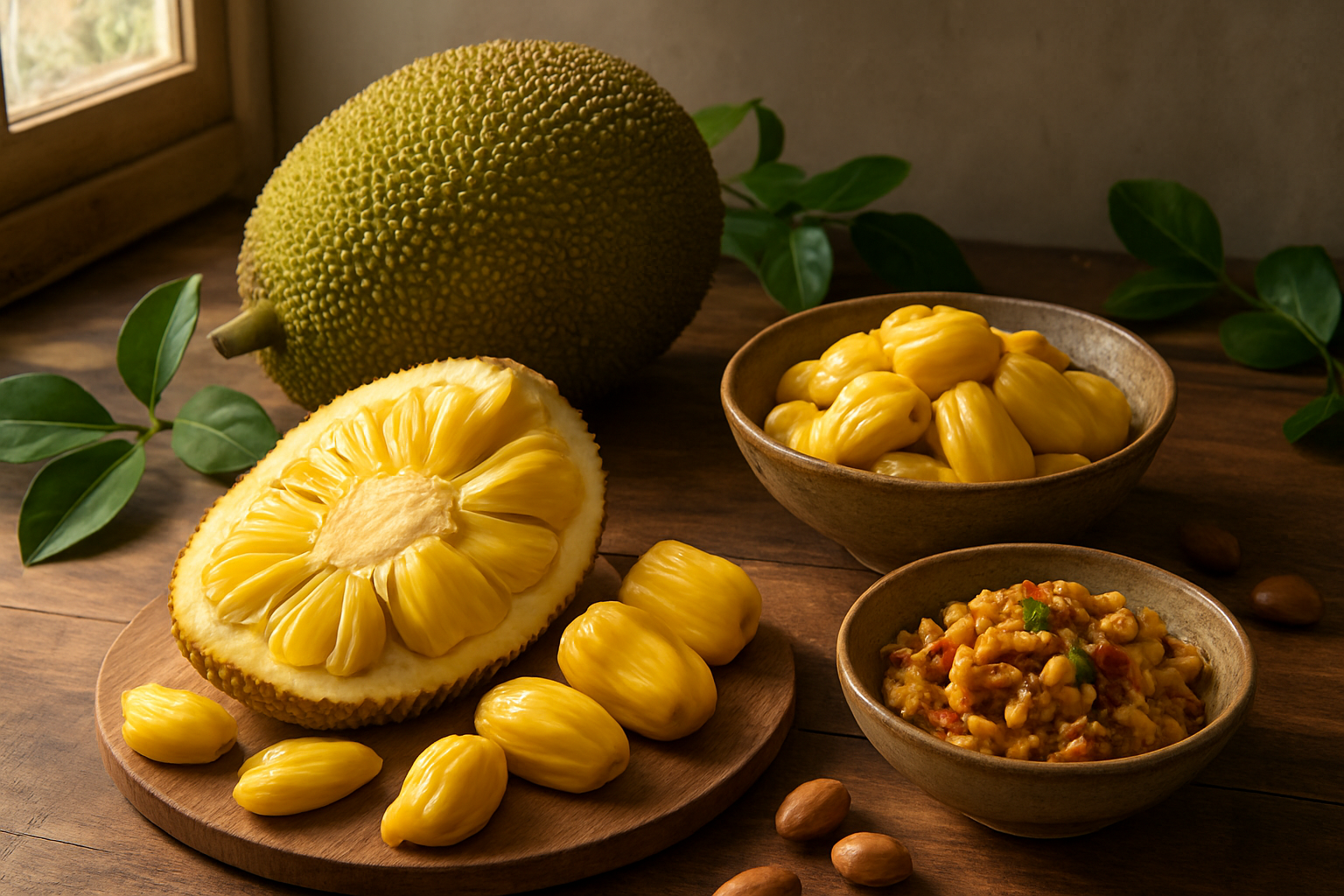
Jackfruit truly stands out as one of nature's most fascinating creations. From its massive size and spiky exterior to its sweet, tropical flavor and impressive nutritional profile, this versatile fruit offers something special for everyone. You're getting fiber, vitamins, minerals, and antioxidants all wrapped up in a delicious package that can satisfy both your sweet tooth and your body's nutritional needs.
Don't let jackfruit's intimidating appearance keep you from trying it. Start with pre-cut pieces from your local grocery store or Asian market to get familiar with the taste and texture. Once you fall in love with its unique flavor, you can venture into buying whole fruits and experimenting with different preparation methods. Your taste buds and your health will thank you for adding this remarkable superfruit to your regular rotation.


.png)
Comments
Post a Comment