Kaffir Lime- What's the Kaffir Lime?
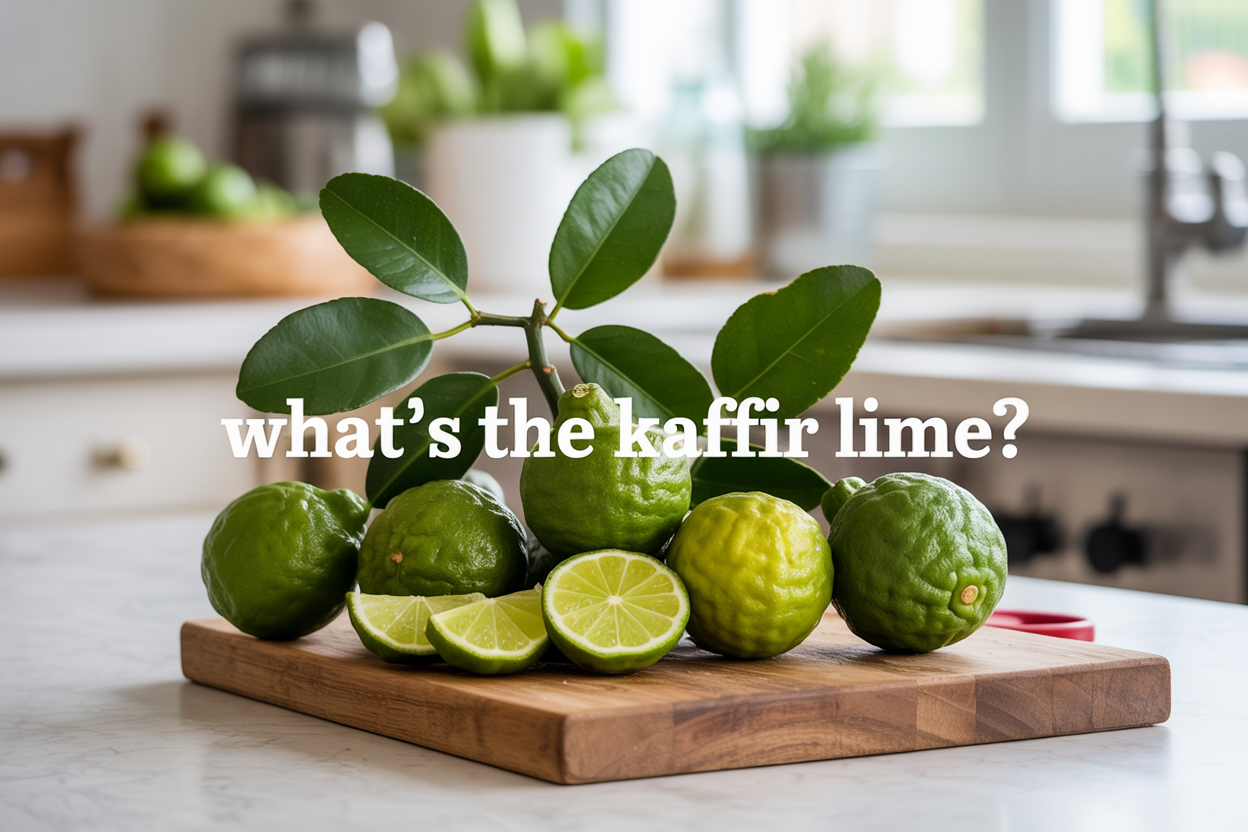
Ever wondered about that bumpy, bright green citrus fruit that shows up in Thai restaurants? Meet the kaffir lime (also called makrut lime), a unique citrus that's completely different from regular limes. This aromatic powerhouse has been flavoring Southeast Asian dishes for centuries with its distinctive leaves and zesty fruit.
This guide is perfect for home cooks wanting to explore authentic Asian flavors, gardening enthusiasts curious about growing exotic citrus, and anyone interested in the health benefits of this remarkable plant.
We'll explore what makes kaffir lime special by diving into its unique botanical characteristics and rich cultural origins. You'll also discover how to use both the bumpy fruit and fragrant Thai lime leaves in your cooking, plus learn practical tips for growing your own kaffir lime tree at home.
Botanical Characteristics and Origins of Kaffir Lime
Scientific classification and native regions
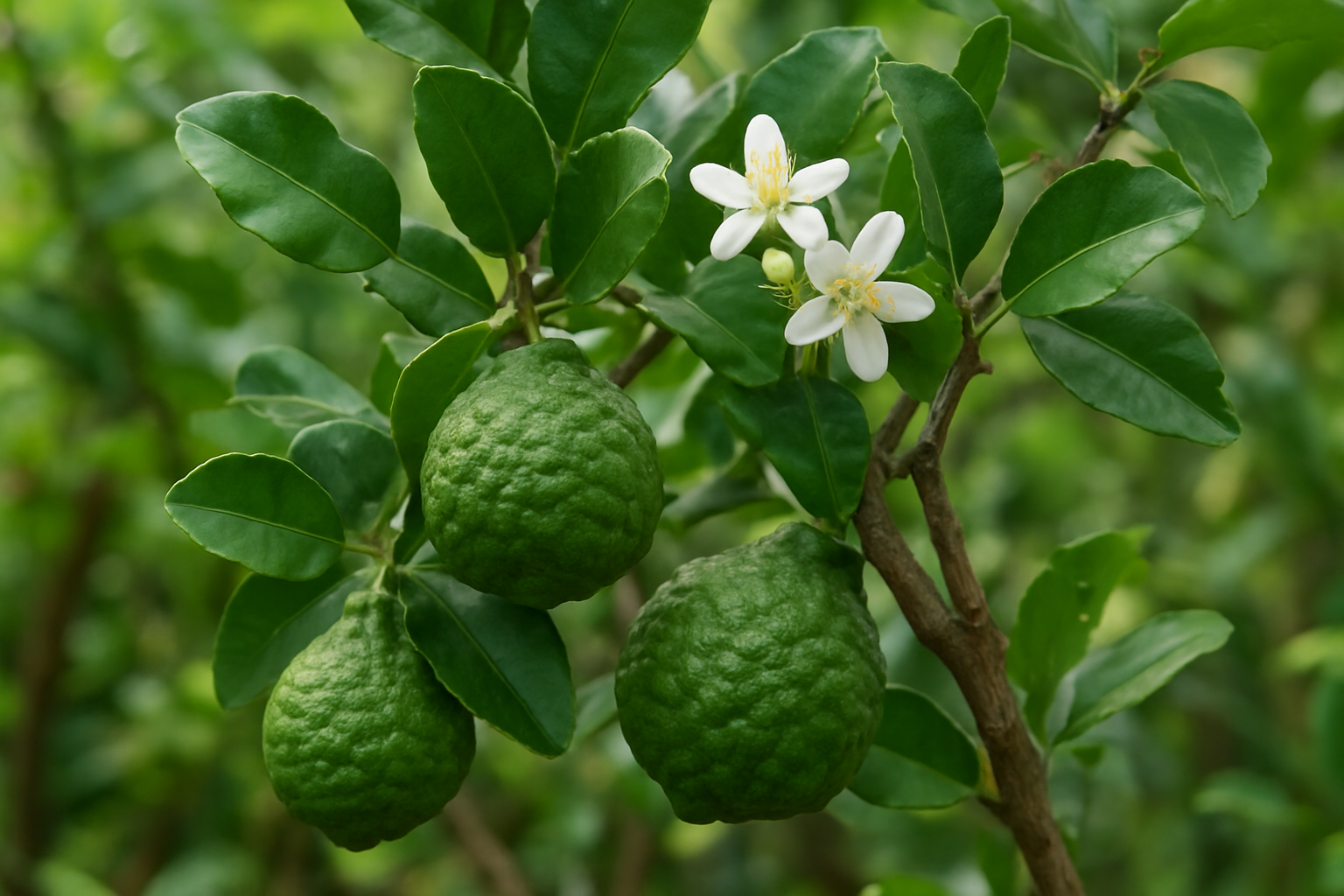
The kaffir lime (Citrus hystrix), also known as makrut lime, belongs to the Rutaceae family and holds a fascinating place in botanical history. This citrus species originated in tropical Southeast Asia, with its native range spanning across Thailand, Malaysia, Indonesia, and parts of southern China. The tree has been cultivated for centuries in these regions, where it naturally thrives in the warm, humid climate.
Unlike common limes, the kaffir lime developed unique characteristics that set it apart from other citrus varieties. Its scientific classification places it firmly within the Citrus genus, though some botanists debate whether it should be considered a distinct species or a variety of Citrus micrantha. The plant spread throughout Southeast Asia through traditional trade routes, becoming deeply embedded in the culinary traditions of Thailand, Cambodia, Laos, and Vietnam.
Physical appearance of the fruit and tree
The kaffir lime tree presents a striking appearance that makes it easily recognizable among citrus varieties. These evergreen trees typically reach heights of 6-35 feet when fully mature, though they can be maintained at smaller sizes through pruning. The bark appears smooth and grayish, while the branches often display prominent thorns that can grow quite large and sharp.
The fruit itself looks dramatically different from regular limes. Kaffir lime fruits are small, typically measuring 1.5-2 inches in diameter, with an extremely bumpy, warted surface that gives them an almost prehistoric appearance. The skin ranges from dark green to yellow-green when ripe, and the texture feels rough and deeply ridged under your fingers.
What makes this fruit particularly interesting is its minimal juice content. The pulp inside is often bitter and acidic, which explains why the fruit isn't commonly eaten fresh. Instead, the zest becomes the prized element, packed with aromatic oils that deliver intense citrusy fragrance.
Distinctive double-leaf structure
Perhaps the most remarkable feature of the kaffir lime tree lies in its unique leaf structure. The kaffir lime leaves display a distinctive double-leaf formation that botanists call "bifoliate" or "unifoliate with winged petioles." This creates the appearance of two leaves joined together, with a figure-eight or hourglass shape.
Each leaf consists of a large terminal leaflet connected to a smaller basal segment through a prominent wing along the leaf stem (petiole). This creates what looks like one large leaf with a narrow waist in the middle. The leaves feel thick and leathery, with a glossy dark green surface that contains abundant aromatic oil glands.
When you crush these Thai lime leaves between your fingers, they release an intense, complex fragrance that combines citrus, floral, and slightly spicy notes. This distinctive aroma makes them instantly recognizable and explains why they're so valued in cooking. The oils concentrated in these leaves contain compounds like citronellal and limonene, which give them their signature scent profile.
Growth requirements and climate preferences
Kaffir lime cultivation demands specific environmental conditions that mirror their native Southeast Asian habitat. These trees thrive in warm, tropical to subtropical climates with temperatures consistently between 60-95°F. They struggle in areas that experience frost or freezing temperatures, making them unsuitable for outdoor cultivation in most temperate regions.
Humidity plays a critical role in healthy growth, with these trees preferring levels around 50-70%. They need well-draining, slightly acidic soil with a pH between 5.5-6.5. The soil should remain consistently moist but never waterlogged, as root rot can quickly kill these sensitive plants.
Sunlight requirements include at least 6-8 hours of direct sunlight daily, though they can tolerate some partial shade. In their natural habitat, they often grow as understory plants, receiving filtered light through larger trees.
For container growing, which is popular in cooler climates, these trees adapt well to pot cultivation. They can be moved indoors during cold seasons, though they'll need supplemental humidity and bright light to thrive. Regular feeding with citrus-specific fertilizer helps maintain their health and leaf production throughout the growing season.
Culinary Uses and Flavor Profile
Aromatic Properties of Leaves and Zest
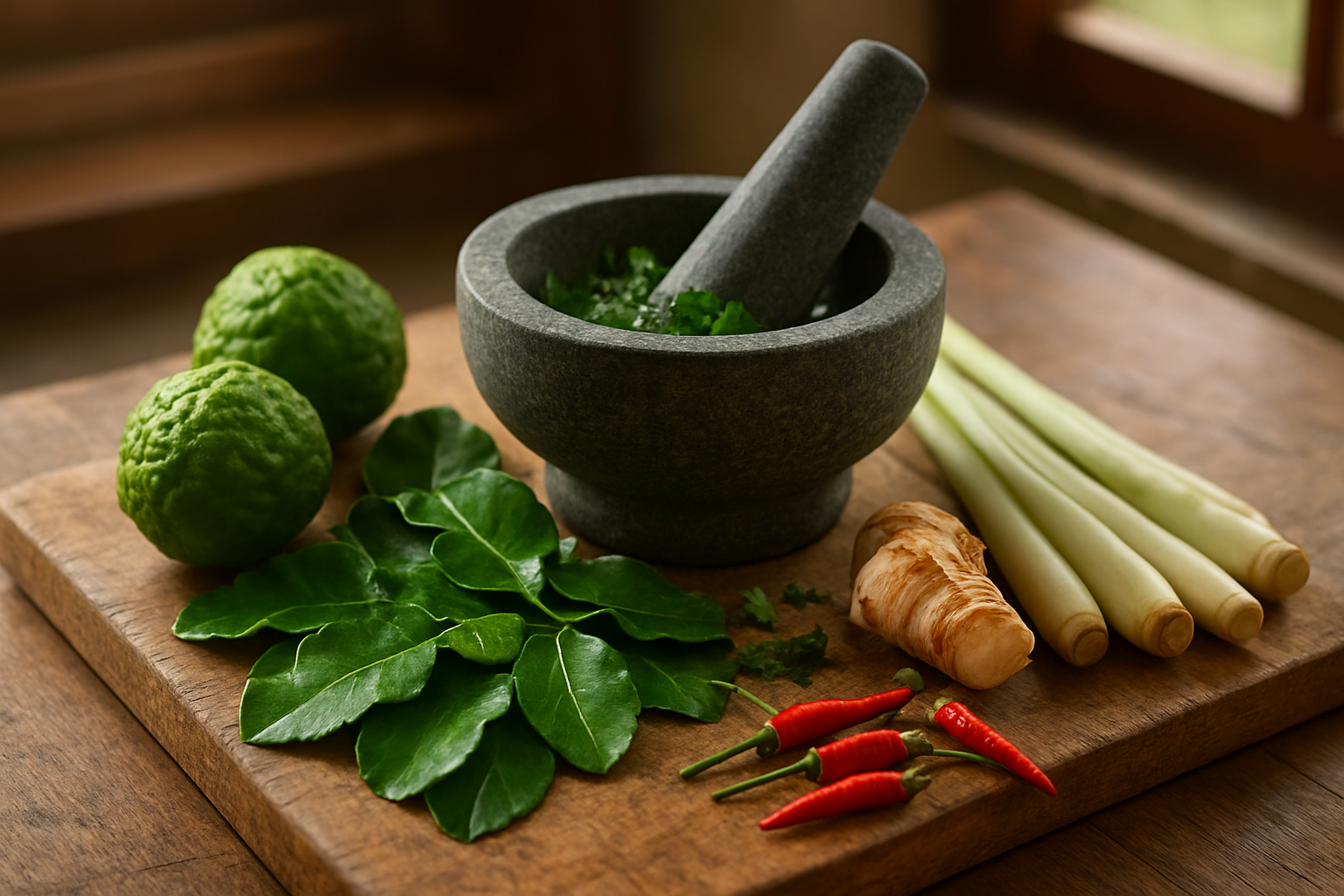
Kaffir lime leaves deliver an intensely fragrant citrus aroma that's completely different from regular lime. The double-lobed leaves release oils packed with citronellol, limonene, and beta-pinene when crushed or torn. This creates a distinctive scent that's simultaneously floral, zesty, and almost pine-like. Thai lime leaves offer this unique fragrance that can transform any dish with just a few torn pieces.
The zest from kaffir lime provides an even more concentrated burst of aromatic oils. Unlike smooth-skinned regular limes, the bumpy, knobby skin of makrut lime contains exceptional amounts of essential oils. When you grate or zest the skin, these oils release immediately, filling your kitchen with an exotic perfume that's both sharp and sweet.
Fresh leaves work best for maximum aroma impact. Dried leaves still carry fragrance but lose some of their punch. The oils in both leaves and zest are volatile, meaning they dissipate with heat, so adding them at the right moment during cooking becomes crucial for preserving their aromatic magic.
Popular Dishes Featuring Kaffir Lime
Kaffir lime cooking shines brightest in Southeast Asian cuisine, where both leaves and zest appear in signature dishes. Tom Kha Gai, Thailand's beloved coconut chicken soup, relies heavily on torn kaffir lime leaves for its distinctive flavor profile. The leaves simmer gently in the coconut milk, infusing the entire soup with their citrusy essence.
Thai green and red curries depend on kaffir lime uses for authentic taste. Curry pastes traditionally include finely chopped lime zest, while whole leaves get added during the final cooking stages. Pad Thai often features julienned kaffir lime leaves as a fresh garnish, providing aromatic punctuation to each bite.
Beyond Thai food, Indonesian rendang incorporates whole leaves during the long braising process. Vietnamese pho sometimes includes torn leaves in the aromatic broth. Modern fusion cuisine has embraced these Thai lime leaves in unexpected ways – from kaffir lime-infused cocktails to citrus marinades for grilled meats and seafood.
Rice dishes benefit tremendously from kaffir lime additions. The leaves can be cooked directly in coconut rice or added to fried rice for an instant aromatic upgrade that transforms ordinary grain into something extraordinary.
Preparation Techniques for Maximum Flavor
Getting the most from what is kaffir lime requires understanding proper preparation methods. For leaves, remove the thick central stem before use. Tear leaves by hand rather than cutting with a knife – tearing breaks the cell walls more effectively, releasing more aromatic oils. Roll several leaves together and tear them into small pieces for maximum surface area exposure.
When using whole leaves in soups or curries, bruise them first by pressing with the flat side of a knife. This technique crushes the leaf structure slightly, allowing oils to escape more readily during cooking. Remove whole leaves before serving, as they can be tough to chew.
For zest preparation, use a microplane grater or fine zester to avoid the bitter white pith underneath. The bumpy surface makes zesting slightly challenging, so work slowly and rotate the fruit frequently. Fresh zest should be used immediately or within hours for peak flavor impact.
Timing matters enormously in kaffir lime cooking. Add whole leaves early in slow-cooking dishes like curries and braises. For stir-fries and quick-cooking dishes, add torn leaves during the final minute of cooking. Fresh zest works best as a finishing touch, sprinkled over completed dishes just before serving.
Storage between uses keeps leaves fresh longer when wrapped in damp paper towels and refrigerated. Freezing works well for long-term storage, and frozen leaves can be used directly without thawing.
Nutritional Benefits and Health Properties
Vitamin and Mineral Content
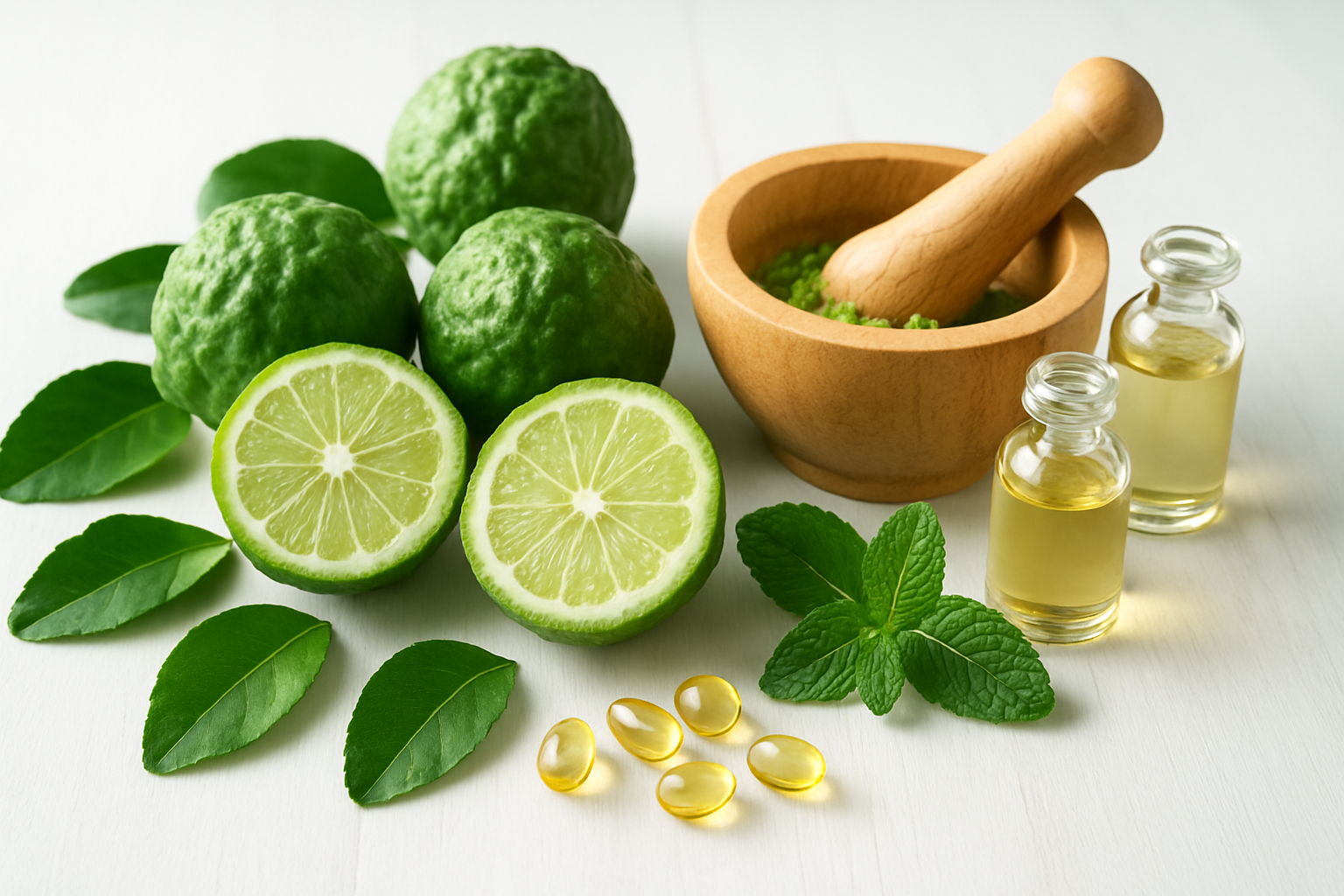
Kaffir lime packs an impressive nutritional punch in its distinctive leaves and zesty fruit. The leaves contain high levels of vitamin C, delivering about 30% of your daily needs in just a handful of fresh leaves. You'll also find meaningful amounts of vitamin A, which supports healthy vision and immune function.
The mineral profile includes potassium for heart health, calcium for strong bones, and iron for oxygen transport throughout your body. Magnesium plays a crucial role in muscle function and energy production, while zinc supports immune system strength. Makrut lime leaves also contain folate, essential for cell division and DNA synthesis.
Essential oils in the leaves provide additional compounds like citronellol and limonene, which contribute to both flavor and health benefits. Fresh kaffir lime leaves retain more nutrients than dried versions, making them the preferred choice for both culinary and wellness applications.
Antioxidant and Anti-inflammatory Effects
The powerful antioxidants in kaffir lime help protect your cells from damage caused by free radicals. Flavonoids like hesperidin and naringin work alongside vitamin C to combat oxidative stress throughout your body. These compounds may help reduce the risk of chronic diseases and support healthy aging.
Research shows that compounds in Thai lime leaves demonstrate significant anti-inflammatory properties. The essential oils can help reduce inflammation markers in the body, potentially benefiting conditions like arthritis, cardiovascular disease, and metabolic disorders.
Beta-carotene and other carotenoids found in the leaves support eye health and may protect against age-related vision problems. The anti-inflammatory effects extend to skin health, where topical applications of kaffir lime extracts can soothe irritation and promote healing.
Traditional Medicinal Applications
Traditional medicine systems across Southeast Asia have used kaffir lime for centuries to treat various ailments. Thai traditional healers employ the leaves to reduce fever, ease headaches, and treat respiratory conditions. The aromatic oils released when leaves are crushed can help clear congestion and soothe cough symptoms.
In Indonesian folk medicine, kaffir lime preparations address digestive complaints and stomach upset. The leaves are often brewed into teas or incorporated into herbal remedies for their calming properties on the digestive system.
Traditional practitioners also use kaffir lime for its antimicrobial properties, applying leaf extracts to minor wounds and skin irritations. The natural antibacterial compounds help prevent infection while promoting faster healing. Some cultures use the fruit's juice as a natural antiseptic for cleaning cuts and scrapes.
Hair and scalp treatments represent another traditional use, where kaffir lime juice mixed with other natural ingredients helps combat dandruff and promotes healthy hair growth.
Digestive and Immune System Support
Kaffir lime benefits extend significantly to digestive health. The essential oils stimulate digestive enzymes, helping your body break down food more efficiently. Regular consumption of kaffir lime in cooking can reduce bloating, gas, and indigestion symptoms.
The leaves contain compounds that promote beneficial gut bacteria growth while inhibiting harmful microorganisms. This prebiotic effect supports overall digestive balance and may improve nutrient absorption from other foods you eat.
Immune system support comes from the high vitamin C content combined with antimicrobial essential oils. These work together to strengthen your body's natural defenses against infections and seasonal illnesses. The antioxidants help maintain immune cell function and support faster recovery from minor illnesses.
Studies suggest that regular consumption of citrus flavonoids, abundant in kaffir lime, may help regulate immune responses and reduce excessive inflammation that can weaken immunity over time. The combination of vitamins, minerals, and bioactive compounds creates a synergistic effect that supports both immediate immune function and long-term health resilience.
Growing and Harvesting Your Own Kaffir Lime
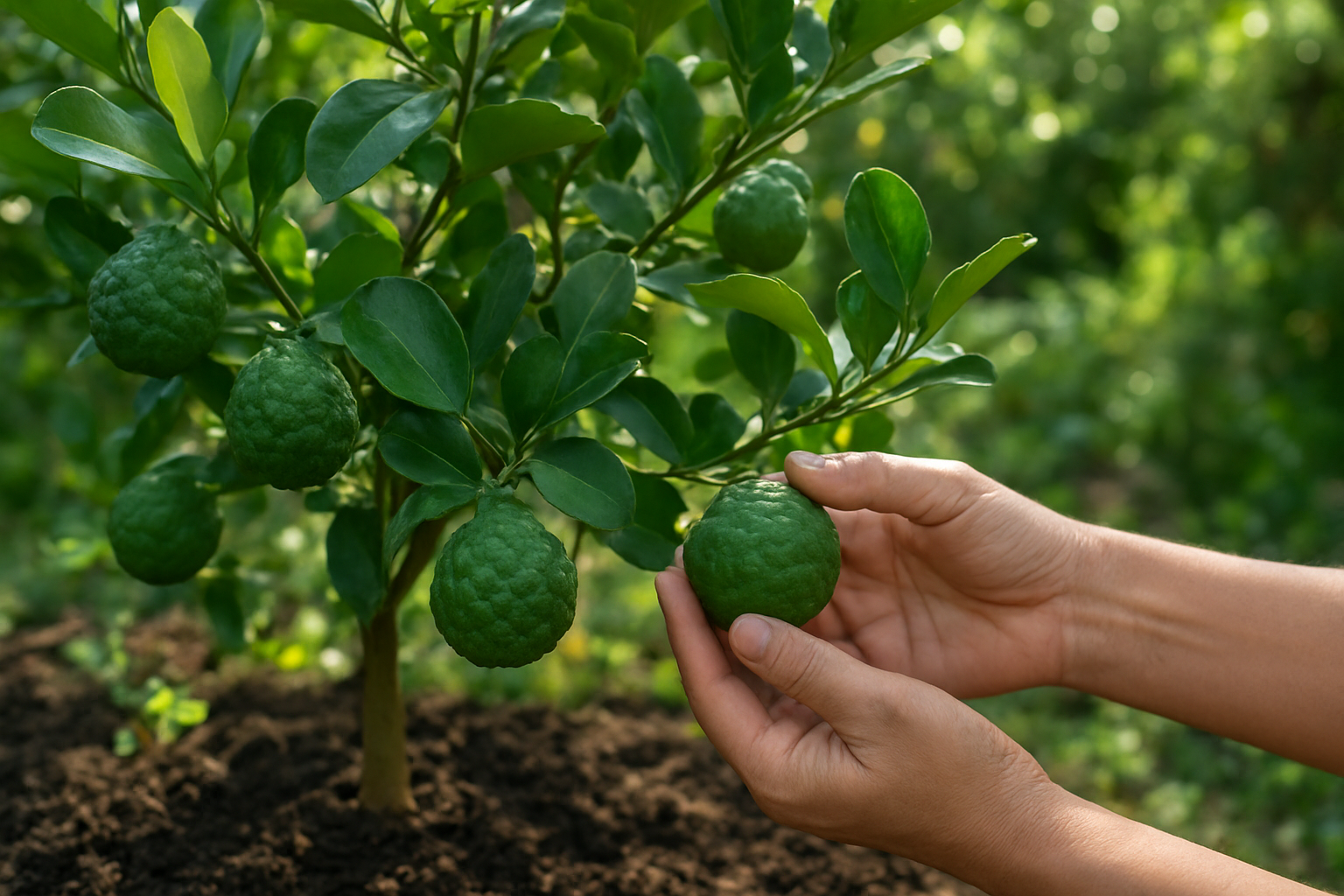
Indoor and Outdoor Cultivation Methods
Kaffir lime trees adapt well to both indoor and outdoor growing environments, making them accessible to gardeners regardless of space constraints. For outdoor cultivation, these trees thrive in USDA hardiness zones 9-11, where temperatures rarely drop below 50°F. In colder climates, container growing becomes essential for year-round success.
Indoor kaffir lime cultivation requires a large pot (at least 20-24 inches in diameter) with excellent drainage. Place your tree near a south-facing window where it receives 6-8 hours of bright, indirect sunlight daily. During winter months, supplement with grow lights to maintain healthy growth. Outdoor trees need protection from strong winds and frost, so choose a sheltered location with morning sun and afternoon shade in extremely hot climates.
Container-grown trees offer flexibility for seasonal movement. Move them outdoors during warm months and bring them inside when temperatures drop below 55°F. The key difference between indoor and outdoor growing lies in size management - indoor trees typically stay smaller (4-6 feet) while outdoor specimens can reach 10-25 feet tall.
Soil and Watering Requirements
Kaffir lime trees demand well-draining, slightly acidic soil with a pH between 5.5-6.5. Create an ideal growing medium by mixing equal parts potting soil, perlite, and peat moss for containers. Outdoor trees benefit from sandy loam soil enriched with organic compost.
Proper drainage prevents root rot, the most common killer of citrus trees. Ensure containers have multiple drainage holes and never let plants sit in standing water. For outdoor planting, amend heavy clay soils with sand and organic matter to improve drainage.
Water consistently but avoid overwatering. The soil should feel slightly moist but never soggy. During growing season (spring through fall), water when the top inch of soil feels dry. Reduce watering frequency in winter when growth slows. Kaffir lime leaves may yellow and drop if watering practices are inconsistent.
Feed monthly during growing season with citrus-specific fertilizer containing micronutrients like iron, zinc, and manganese. These trees are heavy feeders and respond well to regular nutrition.
Pest Management and Common Problems
Common pests affecting kaffir lime trees include aphids, scale insects, spider mites, and citrus leaf miners. Indoor trees face fewer pest pressures but remain susceptible to spider mites in dry conditions. Regular inspection helps catch problems early.
Natural pest control methods:
-
Neem oil spray for soft-bodied insects
-
Insecticidal soap for aphids and spider mites
-
Sticky traps for flying pests
-
Beneficial insects like ladybugs for outdoor trees
Common problems and solutions:
| Problem | Cause | Solution |
|---|---|---|
| Yellowing leaves | Overwatering or nutrient deficiency | Adjust watering, apply citrus fertilizer |
| Leaf drop | Temperature stress or watering issues | Maintain consistent conditions |
| Poor flowering | Insufficient light or young tree | Increase light exposure, be patient |
| Stunted growth | Root bound or poor nutrition | Repot or fertilize |
Watch for signs of citrus canker or greening disease in outdoor trees. Remove affected branches immediately and sterilize pruning tools between cuts.
Optimal Harvesting Times for Leaves and Fruit
Kaffir lime leaves can be harvested year-round once the tree establishes itself, typically after the first year of growth. Pick young, glossy leaves for the most intense flavor and aromatic oils. Mature leaves work well too but have slightly less potency.
Harvest leaves in the morning after dew evaporates but before the day gets too hot. This timing preserves the essential oils that give Thai lime leaves their distinctive fragrance. Take only what you need and avoid stripping branches bare, as leaves help the tree photosynthesize.
Kaffir lime fruit reaches maturity 6-9 months after flowering, turning from green to yellow-green when ripe. The bumpy, thick-skinned fruit is ready when it gives slightly to gentle pressure. Unlike regular limes, these fruits are primarily grown for their zest rather than juice.
For continuous harvest, practice selective picking rather than clearing the entire tree at once. This approach encourages ongoing production and maintains plant health. Young trees (under 3 years) should have their fruit removed to direct energy toward establishing strong root systems and foliage growth.
Store fresh leaves in the refrigerator for up to one week or freeze them for longer preservation. The fruit keeps well at room temperature for several days or refrigerated for up to one month.
Where to Source and Store Kaffir Lime
Finding Fresh Leaves and Fruit in Stores
Most Asian grocery stores carry fresh kaffir lime leaves, often labeled as makrut lime leaves in their produce sections. Look for bright green, glossy leaves that feel firm to the touch. Vietnamese, Thai, and Chinese markets are your best bet for consistent availability. Many stores keep them in the refrigerated herb section alongside lemongrass and Thai basil.
Finding fresh kaffir lime fruit proves more challenging in standard grocery stores. Whole Foods and other upscale markets occasionally stock them, but availability varies by season and location. The fruit typically appears in specialty produce sections during peak harvest months. Asian markets have better odds of carrying the bumpy, dark green fruit, though you might need to ask staff since they sometimes keep them behind the counter.
Some mainstream supermarkets now carry frozen kaffir lime leaves in their international frozen food aisles. While not as aromatic as fresh leaves, frozen ones work well for cooking and maintain much of their flavor profile.
Online Suppliers and Specialty Markets
Online ordering opens up reliable access to both fresh and dried kaffir lime products. Mountain Rose Herbs, Starwest Botanicals, and The Spice House offer high-quality dried leaves that ship nationwide. For fresh leaves, specialty online grocers like Weee!, H Mart's online platform, and Temple of Thai provide regular delivery options.
Amazon carries various kaffir lime products, from fresh leaves shipped overnight to organic dried versions. Read reviews carefully since quality varies between suppliers. Many sellers offer bulk quantities at better prices if you use kaffir lime regularly in your cooking.
Local farmers' markets sometimes feature vendors growing kaffir lime trees, especially in warmer climates. These growers often provide the freshest leaves and can share growing tips if you're interested in cultivating your own tree.
Proper Storage Techniques for Maximum Freshness
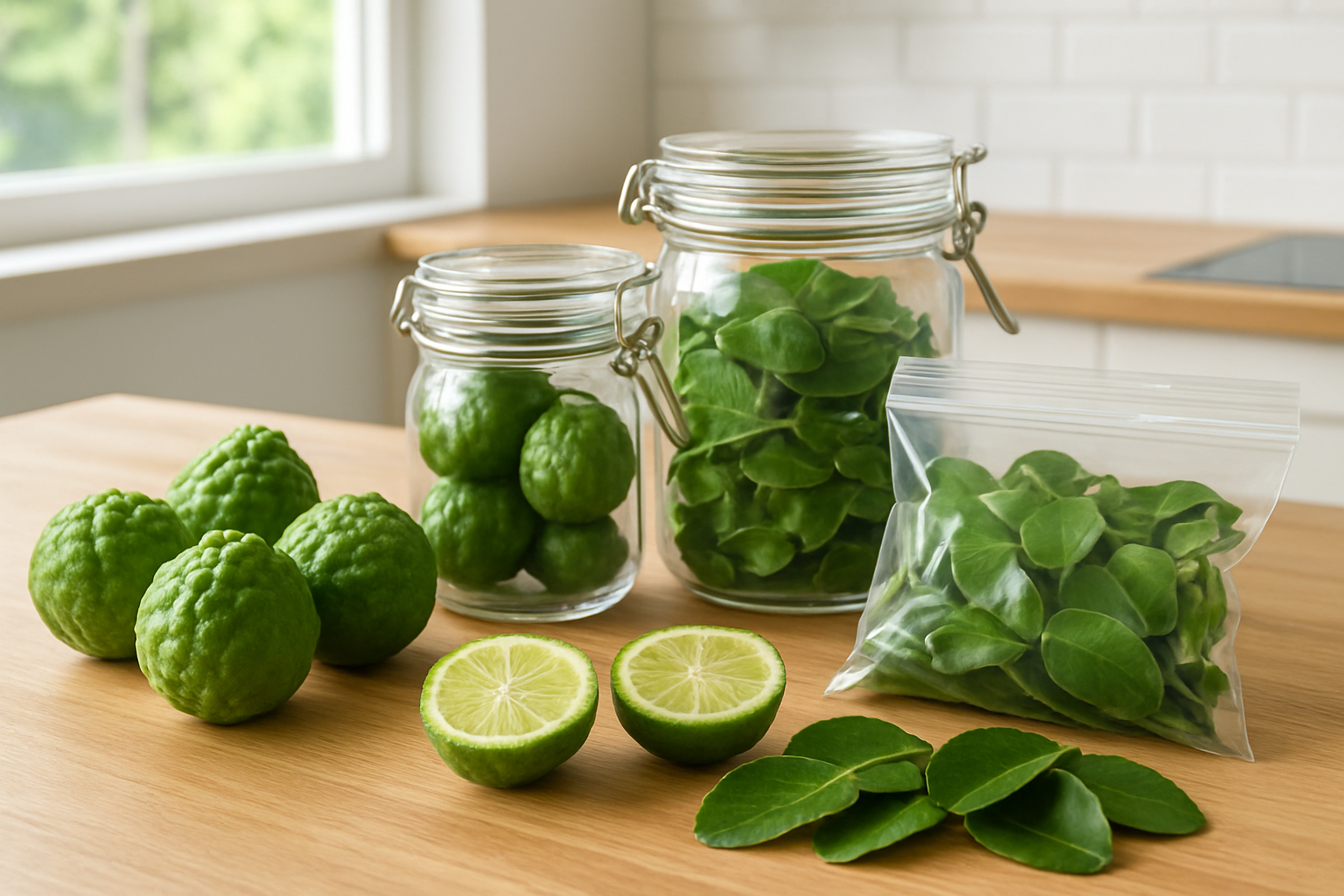
Fresh kaffir lime leaves stay vibrant longest when stored properly in your refrigerator. Wrap them gently in slightly damp paper towels, then place in a sealed plastic bag or airtight container. This method keeps leaves fresh for up to two weeks. Check periodically and replace damp towels if they start to yellow.
For longer storage, freeze fresh leaves in freezer bags. They'll maintain their aromatic oils for up to six months frozen. You can use frozen leaves directly in cooking without thawing - just tear or chop them while still frozen.
Dried kaffir lime leaves require different care. Store them in airtight containers away from direct sunlight and heat. A cool, dark pantry works perfectly. Properly stored dried leaves maintain their potency for up to two years, though they're most flavorful within the first year.
Fresh kaffir lime fruit keeps at room temperature for about a week or refrigerated for up to three weeks. The zest can be frozen in small portions for convenient use in recipes.
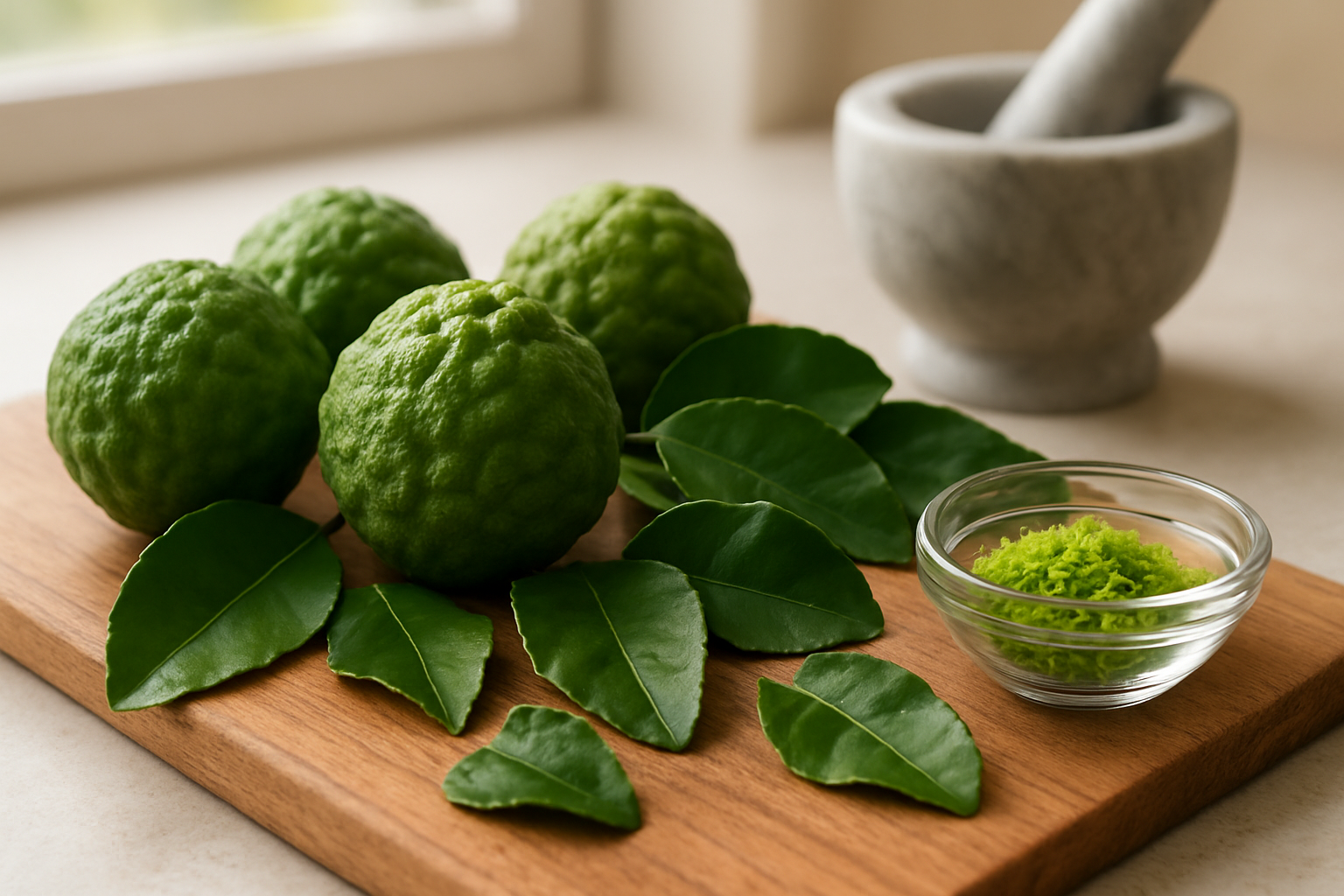
The kaffir lime stands out as one of Southeast Asia's most distinctive citrus fruits, bringing together bold botanical features with incredible culinary versatility. From its bumpy, aromatic rind to its uniquely shaped leaves, this citrus powerhouse delivers intense flavor that transforms dishes across Thai, Indonesian, and Vietnamese cuisines. Beyond its culinary magic, kaffir lime packs impressive nutritional benefits, offering vitamin C, antioxidants, and essential oils that support both flavor and wellness.
Growing your own kaffir lime tree can be a rewarding experience, whether you're working with a backyard garden or indoor containers. With proper care and attention to its tropical preferences, you'll have access to fresh leaves and fruits year-round. For those who prefer to buy rather than grow, look for kaffir lime leaves in Asian markets or specialty stores, and remember to store them properly to maintain their potent aroma and flavor. Once you discover the incredible depth this unique citrus brings to your cooking, you'll find yourself reaching for it again and again.


.png)
Comments
Post a Comment