Kumquat - What's the Kumquat Fruit?
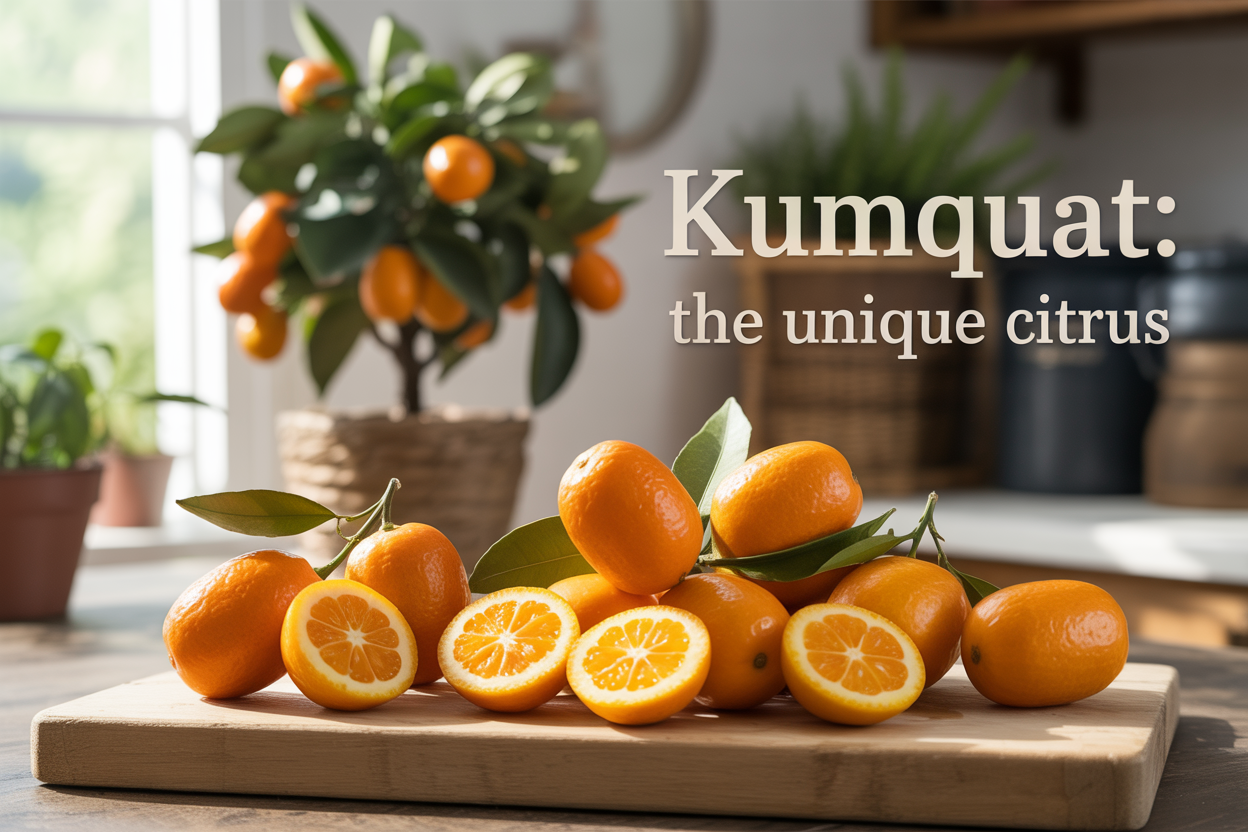
The kumquat fruit is a tiny citrus gem that's been puzzling people for centuries. Unlike other citrus fruits, you eat the whole thing—peel and all—making it a unique addition to the fruit world. This complete guide is perfect for curious food lovers, home gardeners, and anyone who's ever wondered "what is kumquat" after spotting these marble-sized orange fruits at the grocery store.
We'll explore the impressive kumquat benefits that pack a serious nutritional punch into every bite. You'll discover exactly how to eat kumquat properly and why the peel is actually the best part. We'll also cover kumquat tree growing basics for those ready to cultivate their own citrus harvest, plus creative kumquat recipes that go way beyond just snacking on them fresh.
Understanding the Kumquat: A Unique Citrus Experience
Origins and botanical classification of kumquats
The kumquat fruit traces its roots back to ancient China, where it was first cultivated over 4,000 years ago. Originally known as "gam gwat" in Cantonese, meaning "golden orange," these tiny citrus gems made their way to Europe and North America in the 19th century through plant collectors and botanists.
Botanically speaking, kumquats belong to the genus Fortunella, named after Robert Fortune, the Scottish botanist who introduced them to Europe in 1846. While they're part of the broader citrus family Rutaceae, kumquats stand apart from traditional citrus fruits like oranges and lemons. Recent genetic studies have reclassified some varieties under the Citrus genus, but many still recognize the distinct Fortunella classification.
The citrus kumquat represents a fascinating evolutionary branch that developed unique characteristics to survive in cooler climates than most citrus fruits. This adaptation makes them remarkably hardy, tolerating temperatures as low as 10°F (-12°C), which explains their successful cultivation across diverse geographical regions.
Physical characteristics that set kumquats apart
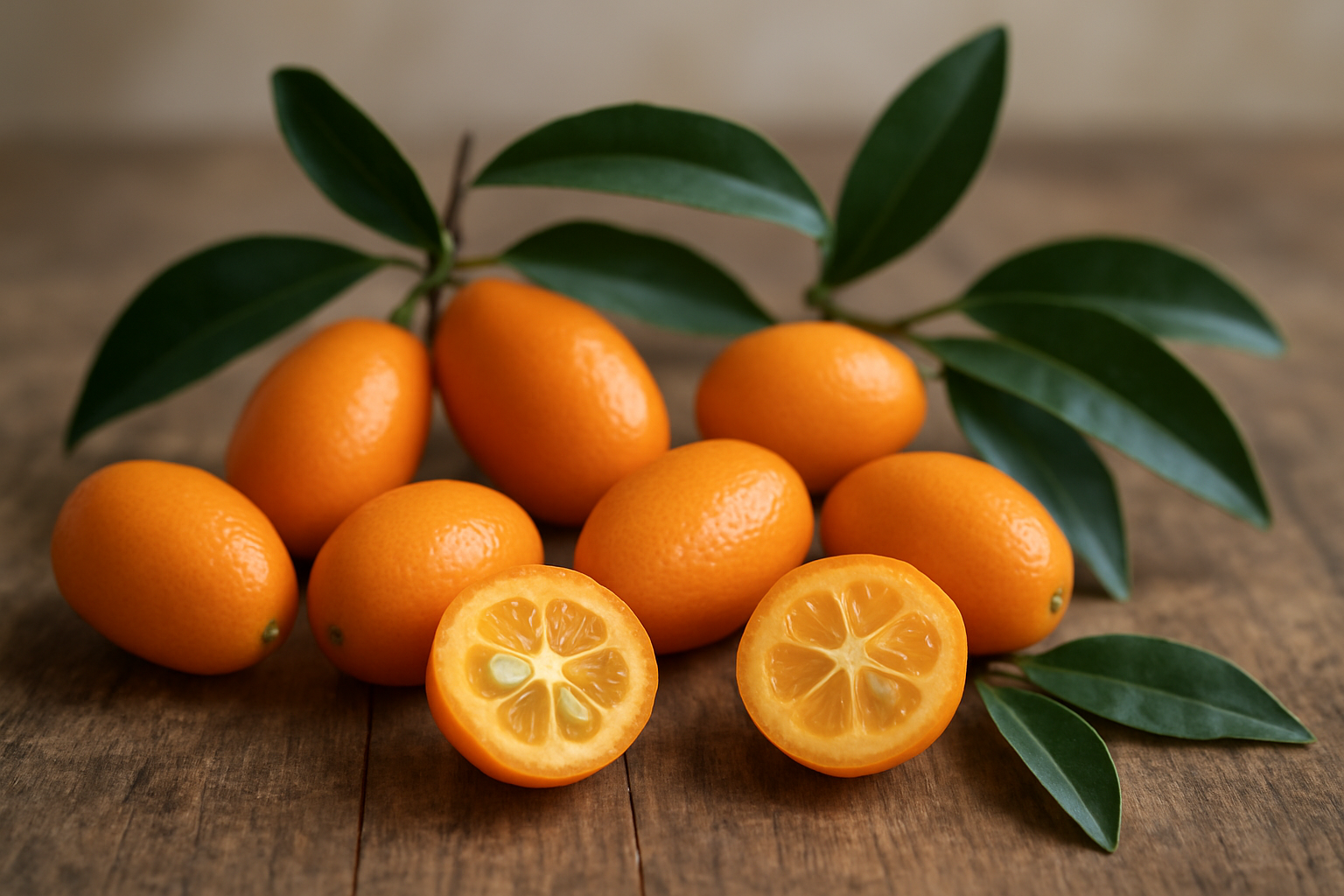
What is kumquat becomes clear when you examine their distinctive physical features. These miniature marvels measure just 1-2 inches in length, making them the smallest members of the citrus family. Their oval or round shape varies by variety, but all share the same remarkable characteristic: an edible peel that's actually sweeter than the tart interior flesh.
The skin displays a vibrant orange color when ripe, though some varieties exhibit yellow or reddish hues. Unlike other citrus fruits, kumquat peels are thin, smooth, and completely edible – in fact, eating them with the peel is the traditional and preferred method. The flesh inside contains 4-7 segments, typically with small, edible seeds.
The most striking feature of kumquats is their unique flavor profile. The sweet, aromatic peel contrasts beautifully with the tangy, slightly bitter pulp, creating a complex taste experience that changes as you chew. This sweet-tart combination sets them apart from any other citrus fruit.
Different varieties and their distinct features
Several distinct kumquat varieties offer different flavors, sizes, and growing characteristics:
Nagami Kumquats represent the most common variety, featuring an oval shape and bright orange color. These pack the most traditional kumquat flavor with intensely tart flesh balanced by sweet skin.
Meiwa Kumquats appear rounder and larger than Nagami varieties. They offer a milder, sweeter taste with less acidic pulp, making them perfect for those new to kumquat fruit.
Marumi Kumquats showcase a perfectly round shape and golden-yellow color. These provide a good balance between sweet and tart flavors, with slightly thicker skin than other varieties.
Hong Kong Wild Kumquats remain the smallest variety, rarely exceeding half an inch in diameter. Despite their tiny size, they deliver an incredibly intense flavor punch.
| Variety | Shape | Size | Flavor Profile | Best Use |
|---|---|---|---|---|
| Nagami | Oval | 1-2 inches | Very tart flesh, sweet peel | Fresh eating, preserves |
| Meiwa | Round | 1.5-2 inches | Mild, sweet | Beginners, desserts |
| Marumi | Round | 1-1.5 inches | Balanced sweet-tart | All-purpose |
| Hong Kong | Round | 0.5 inches | Intensely tart | Garnishes, cocktails |
How kumquats differ from other citrus fruits
Kumquats break every rule that applies to traditional citrus fruits. While oranges, lemons, and limes require peeling before consumption, kumquats are meant to be eaten whole. This fundamental difference changes everything about how we experience these fruits.
The size difference is immediately obvious – kumquats are roughly one-tenth the size of a typical orange. This compact size concentrates flavors intensely, delivering more taste per bite than larger citrus fruits.
Temperature tolerance sets kumquats apart dramatically. Most citrus fruits require warm, frost-free environments, but kumquats thrive in cooler conditions. They can survive brief freezes that would kill orange or lemon trees, making them viable in USDA zones 8-11.
The flavor structure is completely reversed compared to other citrus fruits. Traditional citrus delivers sweetness primarily in the flesh, with bitter or unusable peels. Kumquats flip this script – the peel provides sweetness while the flesh brings acidity. This creates a unique eating experience where the entire fruit contributes to the flavor profile.
Nutritionally, kumquats pack more fiber and certain vitamins per serving than larger citrus fruits, thanks to their edible peels. The concentration of nutrients in such a small package makes them incredibly efficient sources of vitamin C, fiber, and antioxidants.
Nutritional Powerhouse: Health Benefits of Kumquats
Essential vitamins and minerals packed in small packages
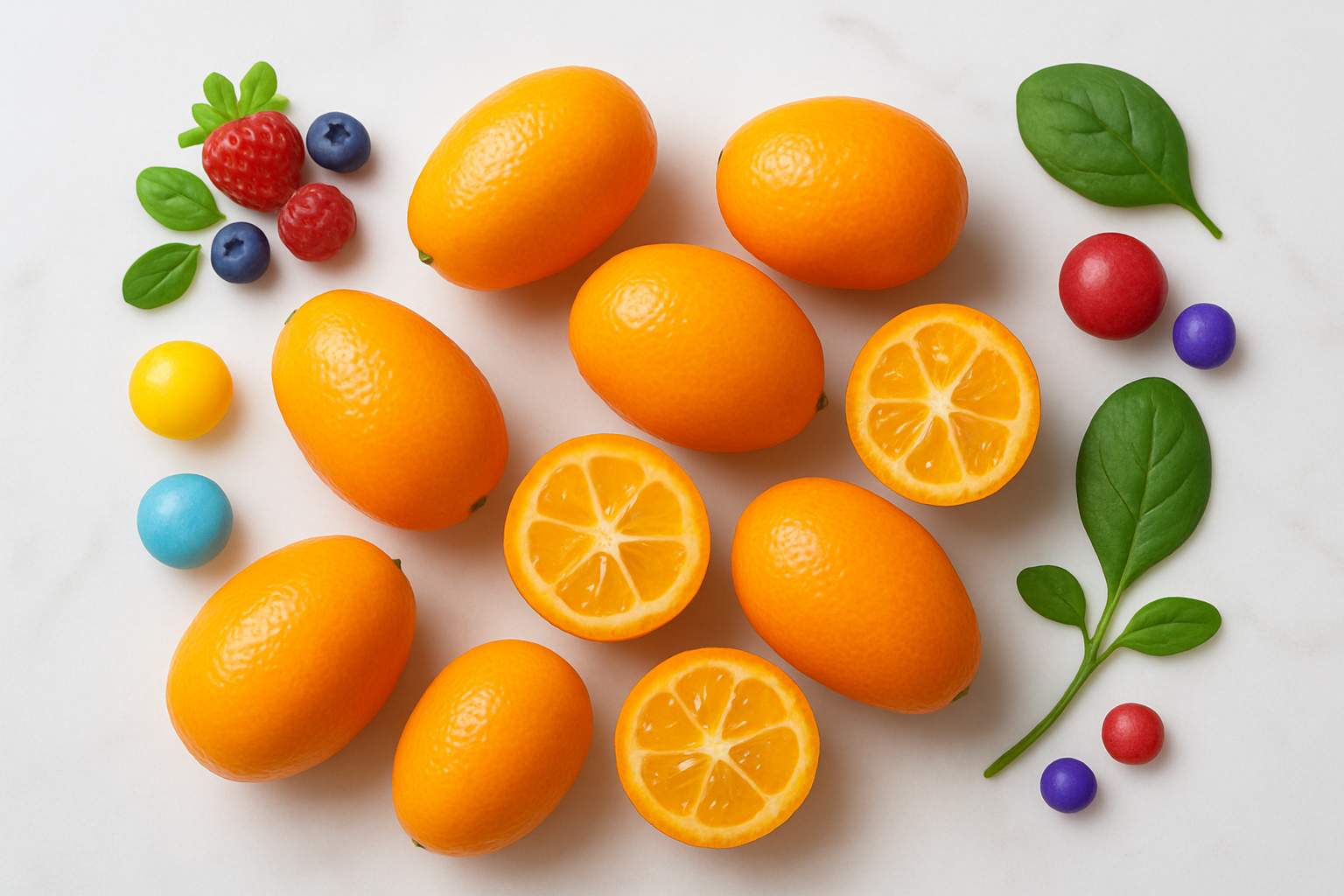
Despite their tiny size, kumquats pack an impressive nutritional punch that rivals much larger citrus fruits. These miniature powerhouses contain substantial amounts of vitamin C, providing about 73% of your daily recommended intake in just 100 grams. This makes the kumquat fruit an excellent choice for boosting your immune system naturally.
The vitamin A content in kumquats supports healthy vision and skin cell regeneration, while the B-complex vitamins help convert food into energy more efficiently. You'll also find meaningful amounts of calcium for bone health, potassium for heart function, and manganese for metabolism support.
What makes kumquat nutrition facts particularly interesting is the concentration of nutrients relative to size. A single kumquat delivers more vitamin C per gram than most other citrus fruits, making it one of nature's most efficient vitamin delivery systems.
Antioxidant properties for immune system support
Kumquats contain powerful antioxidants that work around the clock to protect your cells from damage. The flavonoids found in both the flesh and edible peel help neutralize harmful free radicals that can contribute to aging and disease.
Beta-carotene gives kumquats their vibrant orange color while providing additional antioxidant benefits. These compounds work together to strengthen your immune response and may help reduce inflammation throughout your body.
The unique aspect of kumquat benefits lies in eating the entire fruit, peel and all. The peel contains concentrated levels of antioxidants that you'd miss if you only ate the flesh, unlike other citrus fruits where the peel is typically discarded.
Fiber content for digestive health
Each kumquat provides about 6.5 grams of fiber per 100 grams, which supports healthy digestion and helps maintain stable blood sugar levels. This fiber content comes from both the flesh and the edible peel, making whole kumquats particularly beneficial for digestive wellness.
The soluble fiber in kumquats helps feed beneficial gut bacteria, promoting a healthy microbiome. Meanwhile, the insoluble fiber adds bulk to stool and helps food move through your digestive system more efficiently.
Regular consumption of high-fiber foods like kumquats can help prevent constipation, reduce cholesterol levels, and create a feeling of fullness that naturally controls portion sizes.
Low calorie count for weight management
With only about 71 calories per 100 grams, kumquats offer a satisfying snack option that won't derail your weight management goals. The natural sweetness from the peel combined with the slight tartness of the flesh creates a flavor profile that satisfies cravings without added sugars.
The fiber and water content in kumquats help you feel full longer, making them an excellent choice for healthy snacking between meals. Unlike processed snacks, kumquats provide sustained energy without the blood sugar spikes that lead to hunger crashes.
| Nutrient | Per 100g Kumquats | % Daily Value |
|---|---|---|
| Calories | 71 | 3.5% |
| Vitamin C | 44mg | 73% |
| Fiber | 6.5g | 26% |
| Calcium | 62mg | 6% |
| Potassium | 186mg | 5% |
Eating Kumquats: The Complete Guide to Consumption
Why eating the peel enhances the experience
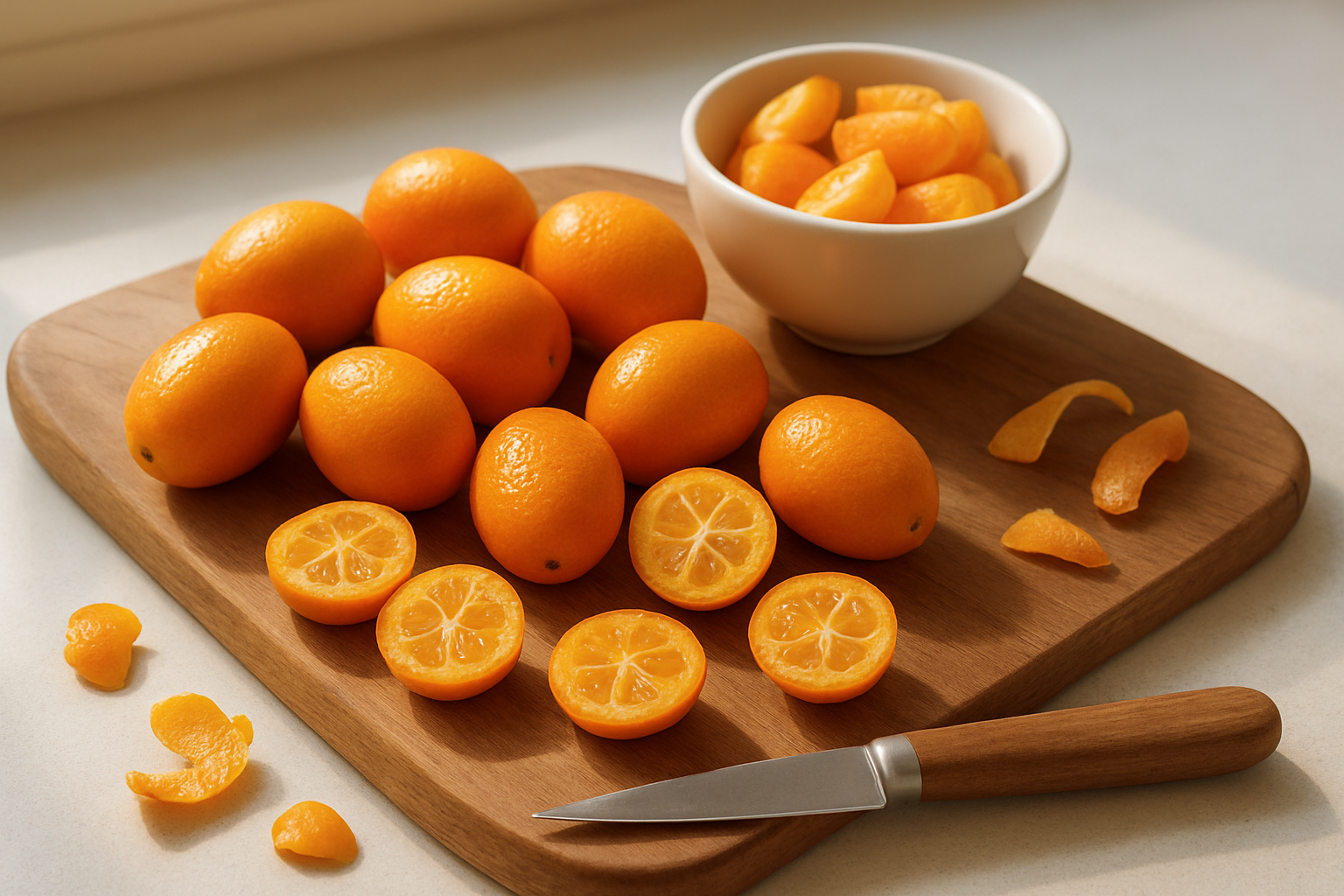
The magic of the kumquat fruit lies in its reverse flavor profile compared to other citrus fruits. While oranges and lemons have sweet flesh protected by bitter peels, kumquats flip this equation entirely. The peel delivers a burst of sweet, aromatic oils that perfectly balance the tart interior flesh. Eating kumquats whole, peel and all, creates a symphony of flavors that dance across your taste buds.
The thin skin contains essential oils that release intense citrus aromatics the moment you bite down. These oils carry concentrated sweetness that mellows the sharp acidity of the pulp inside. Without the peel, you miss half the experience – it's like listening to music with only one speaker working.
The peel also provides valuable nutrients, including vitamin C, fiber, and antioxidants. The skin's texture adds a pleasant contrast to the juicy interior, creating a more satisfying eating experience than peeled citrus alternatives.
Best practices for washing and preparing
Proper preparation ensures you get the best flavor and safety from your kumquat fruit. Start by selecting fruits that feel firm and heavy for their size, with bright orange skin free from soft spots or blemishes.
Rinse each kumquat under cool running water, gently rubbing the skin with your fingers to remove any surface dirt or residue. Since you'll be eating the entire fruit, thorough cleaning is essential. Pat them dry with a clean towel.
Preparation tips:
-
Temperature matters: Serve kumquats at room temperature for optimal flavor release
-
Gentle squeeze: Roll the fruit gently between your fingers before eating to break down internal membranes
-
Remove stems: Pinch off any remaining stem pieces and small leaves
-
Check for seeds: While many varieties are seedless, some contain small seeds that should be removed
Store washed kumquats in the refrigerator for up to two weeks, or leave them at room temperature if you plan to consume them within a few days.
Sweet and tart flavor profile explained
Understanding how to eat kumquat properly starts with appreciating its unique flavor journey. The initial bite delivers sweet, floral notes from the essential oils in the peel, followed immediately by a sharp, tangy punch from the acidic flesh. This contrast creates what many describe as a "sweet-tart explosion."
The sweetness comes from the peel's natural sugars and aromatic compounds, while the tartness originates from citric acid concentrated in the pulp. The balance varies between varieties – some lean more sweet, others pack more pucker power.
Flavor characteristics by eating method:
-
Whole fruit: Full sweet-tart experience with aromatic oils
-
Peel only: Intense sweetness with floral notes
-
Flesh only: Sharp tartness similar to lime or sour orange
The kumquat's flavor intensity makes it perfect for those who enjoy bold citrus experiences. First-time tasters often find the combination surprising but quickly develop a craving for this unique taste profile that no other citrus fruit can replicate.
Growing Your Own Kumquat Trees
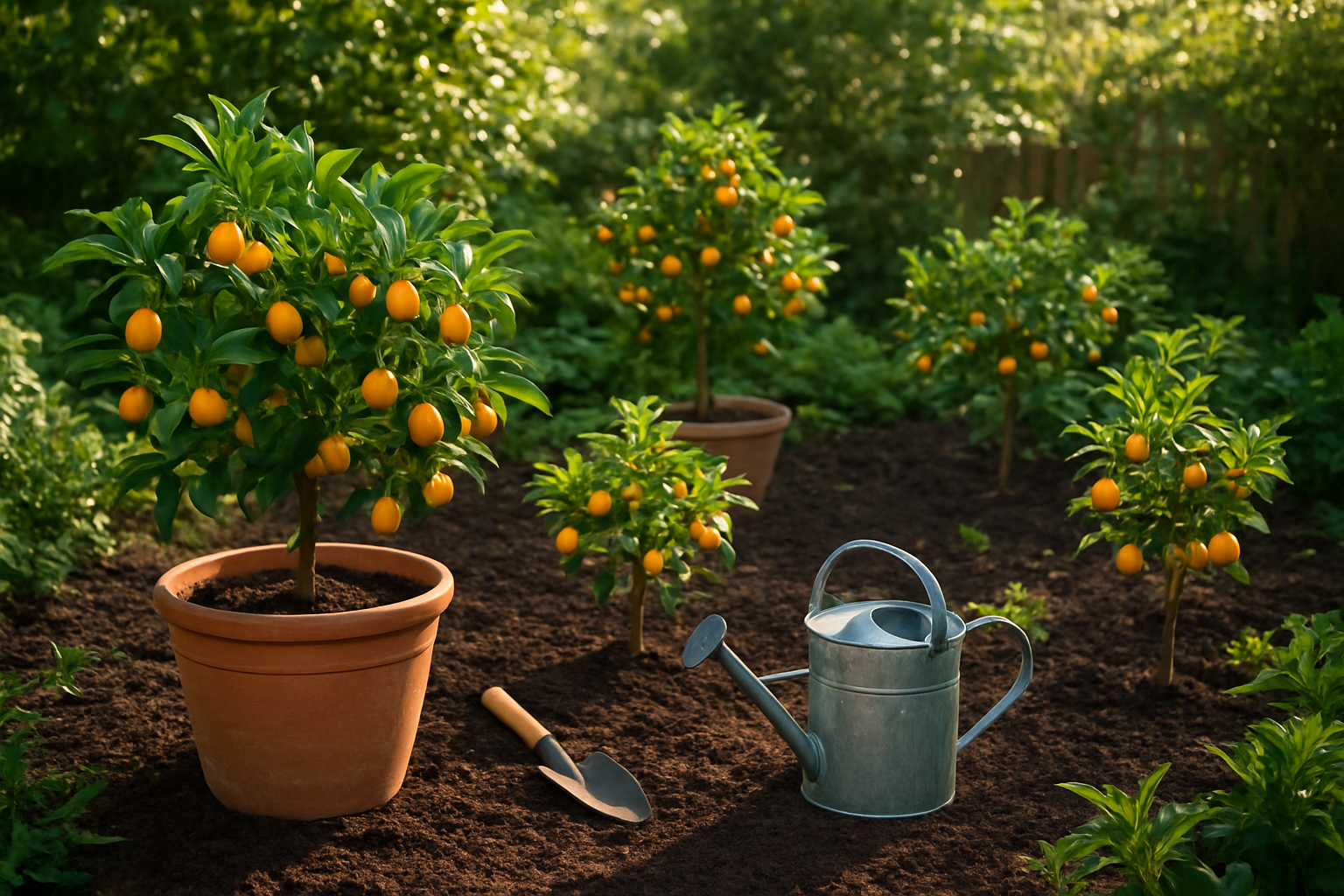
Ideal Climate Conditions for Kumquat Cultivation
Kumquat trees thrive in warm, subtropical to temperate climates with mild winters and hot summers. These hardy citrus trees can tolerate temperatures as low as 18°F (-8°C), making them more cold-resistant than most other citrus varieties. The optimal temperature range for kumquat tree growing sits between 55°F and 85°F (13°C to 29°C).
These trees prefer areas with distinct seasons, needing a cool winter period to trigger proper flowering and fruit development. Humidity levels between 50-70% create the perfect environment for healthy growth. Kumquats need plenty of sunshine - at least 6-8 hours of direct sunlight daily produces the best fruit quality and yield.
Wind protection is crucial, especially for young trees. Strong winds can damage branches and reduce fruit production. Consider planting near structures or installing windbreaks in exposed locations.
Container Gardening Options for Indoor Growing
Container gardening opens up kumquat cultivation possibilities for those in colder climates or limited space. Choose containers at least 20-24 inches wide and deep to accommodate the root system. Dwarf varieties like 'Nagami' or 'Meiwa' work exceptionally well for container growing.
Use well-draining potting soil mixed with compost and perlite. Standard potting mix often retains too much moisture, which can lead to root rot. Terra cotta or ceramic pots provide better drainage than plastic containers.
Indoor kumquat trees need bright, south-facing windows or supplemental grow lights providing 12-14 hours of light daily. Maintain indoor temperatures between 65-75°F (18-24°C) during the growing season. During winter, cooler temperatures around 50-60°F (10-15°C) help trigger dormancy and flowering.
Regular repotting every 2-3 years prevents the tree from becoming root-bound and maintains healthy growth.
Care Requirements and Maintenance Tips
Consistent watering keeps kumquat trees healthy without waterlogging the roots. Water when the top inch of soil feels dry, providing deep soaking rather than frequent shallow watering. During growing season, trees may need water 2-3 times per week, while winter watering reduces to once weekly.
Fertilize monthly during spring and summer with balanced citrus fertilizer containing micronutrients like iron, zinc, and manganese. Organic options include compost, fish emulsion, or specially formulated citrus feeds. Reduce fertilizing to every 6-8 weeks during fall and winter.
Pruning maintains tree shape and encourages fruit production. Remove dead, damaged, or crossing branches any time of year. Light pruning after harvest promotes new growth and better air circulation. Pinch growing tips to encourage bushier growth in young trees.
Watch for common pests like aphids, scale insects, and spider mites. Neem oil or insecticidal soap provides effective organic control. Good air circulation and proper spacing prevent most fungal diseases.
Harvesting Timeline and Storage Methods
Kumquat fruit develops over 6-8 months from flower to harvest. Most varieties ripen between November and March, depending on your location and variety. Fruit changes from green to bright orange when ready for picking.
Ripe kumquats yield slightly to gentle pressure and have glossy, unblemished skin. Harvest by gently twisting and pulling, or use clean pruning shears to avoid damaging branches. Pick fruit regularly to encourage continued production.
Fresh kumquats store at room temperature for up to one week or refrigerated for 2-3 weeks. For longer storage, freeze whole fruits in sealed containers for up to 6 months. Kumquats also preserve well in jams, marmalades, or candied preparations.
Store harvested fruit in ventilated containers to prevent moisture buildup and mold. Check stored fruit regularly and remove any showing signs of decay to prevent spread to healthy fruit.
Culinary Applications: Creative Uses for Kumquats

Traditional recipes featuring whole kumquats
Whole kumquats bring exceptional flavor to classic dishes across various cuisines. Chinese cuisine features candied kumquats as both a delicacy and digestive aid, where the entire kumquat fruit is slowly simmered in sugar syrup until translucent. This traditional preparation preserves the fruit's unique sweet-tart balance while creating an elegant garnish for special occasions.
Mediterranean cooking incorporates kumquats into savory tagines and roasted poultry dishes. Moroccan chefs stuff whole kumquats with almonds and honey, creating a sophisticated side dish that complements lamb and chicken perfectly. The citrus kumquat's natural oils infuse the meat with bright, aromatic notes that elevate ordinary meals into memorable dining experiences.
Asian stir-fries benefit tremendously from fresh whole kumquats added during the final minutes of cooking. The heat releases the fruit's essential oils while maintaining the satisfying pop of the skin. Vietnamese cuisine features kumquats in fish sauces and dipping condiments, where the fruit's intensity balances rich, umami flavors.
Preserves and marmalades for long-term enjoyment
Creating kumquat preserves captures the fruit's peak season flavors for year-round enjoyment. Unlike other citrus fruits, kumquats don't require peeling, making preserve preparation remarkably simple. The entire fruit contributes to the preserve's complex flavor profile, with the sweet rind balancing the tart flesh.
Traditional kumquat marmalade requires minimal ingredients: fresh kumquats, sugar, and lemon juice. The natural pectin in kumquat seeds helps achieve the perfect gel consistency without commercial additives. Slice the fruits thin to distribute flavors evenly throughout the preserve, creating beautiful amber-colored spreads perfect for breakfast toast or cheese boards.
Spiced kumquat preserves incorporate warming spices like ginger, cinnamon, and star anise. These aromatic additions transform simple kumquat cooking uses into gourmet condiments suitable for gifting. The preserves pair excellently with aged cheeses, roasted meats, and artisanal breads.
Refrigerator pickled kumquats offer another preservation method. Quick-pickled in rice vinegar with chilies and garlic, these tangy treats keep for weeks and add bright acidity to salads, sandwiches, and grain bowls.
Cocktail garnishes and beverage infusions
Mixologists treasure kumquats for their visual appeal and concentrated citrus flavor. The whole fruit makes stunning garnishes that guests can muddle directly in their drinks, releasing fresh oils and intensifying the cocktail's citrus notes. Kumquat recipes for beverages often feature the fruit both as garnish and primary flavoring agent.
Kumquat-infused simple syrups create versatile cocktail bases. Gently heating sliced kumquats with equal parts sugar and water produces a fragrant syrup perfect for whiskey sours, gin fizzes, and champagne cocktails. The syrup captures the kumquat fruit's essential oils while providing natural sweetness.
Muddle fresh kumquats in mojitos and caipirinhas for tropical twists on classic recipes. The fruit's oils complement rum beautifully, while the slight bitterness from the seeds adds complexity to sweet cocktails. Freeze whole kumquats as ice cubes for an elegant presentation that slowly releases flavor as they melt.
Hot beverages benefit from kumquat additions too. Slice fresh kumquats into herbal teas or add whole fruits to mulled wine for festive winter drinks. The fruit's natural oils infuse hot liquids with bright, citrusy aromatics that warm and refresh simultaneously.
Dessert applications and baking possibilities
Baking with kumquats opens endless creative possibilities for pastry chefs and home bakers. The fruit's unique texture and flavor profile work beautifully in both rustic and refined desserts. Whole kumquats can be candied for elegant cake decorations or chopped for incorporation into batters and fillings.
Kumquat upside-down cake showcases the fruit's natural beauty while creating a sophisticated dessert. Arrange halved kumquats in caramelized sugar before adding cake batter, resulting in a stunning presentation with intense citrus flavor. The fruit's natural acidity balances sweet cake elements perfectly.
Chocolate and kumquat combinations create unexpected but delightful flavor pairings. Dark chocolate tarts filled with kumquat curd offer luxurious textures and complementary bitter-sweet profiles. The citrus kumquat's brightness cuts through rich chocolate, preventing desserts from becoming overly heavy.
Ice creams and sorbets benefit from kumquat additions. Puree whole fruits for smooth-textured frozen desserts, or fold chopped kumquats into vanilla ice cream for textural contrast. The fruit's natural tartness provides refreshing balance to creamy, sweet frozen treats.
Pastry applications include kumquat-filled croissants, where the fruit's acidity complements buttery dough beautifully. Pie fillings incorporating kumquats alongside apples or pears create complex fruit desserts with sophisticated flavor development that showcases the kumquat's versatility beyond simple snacking.
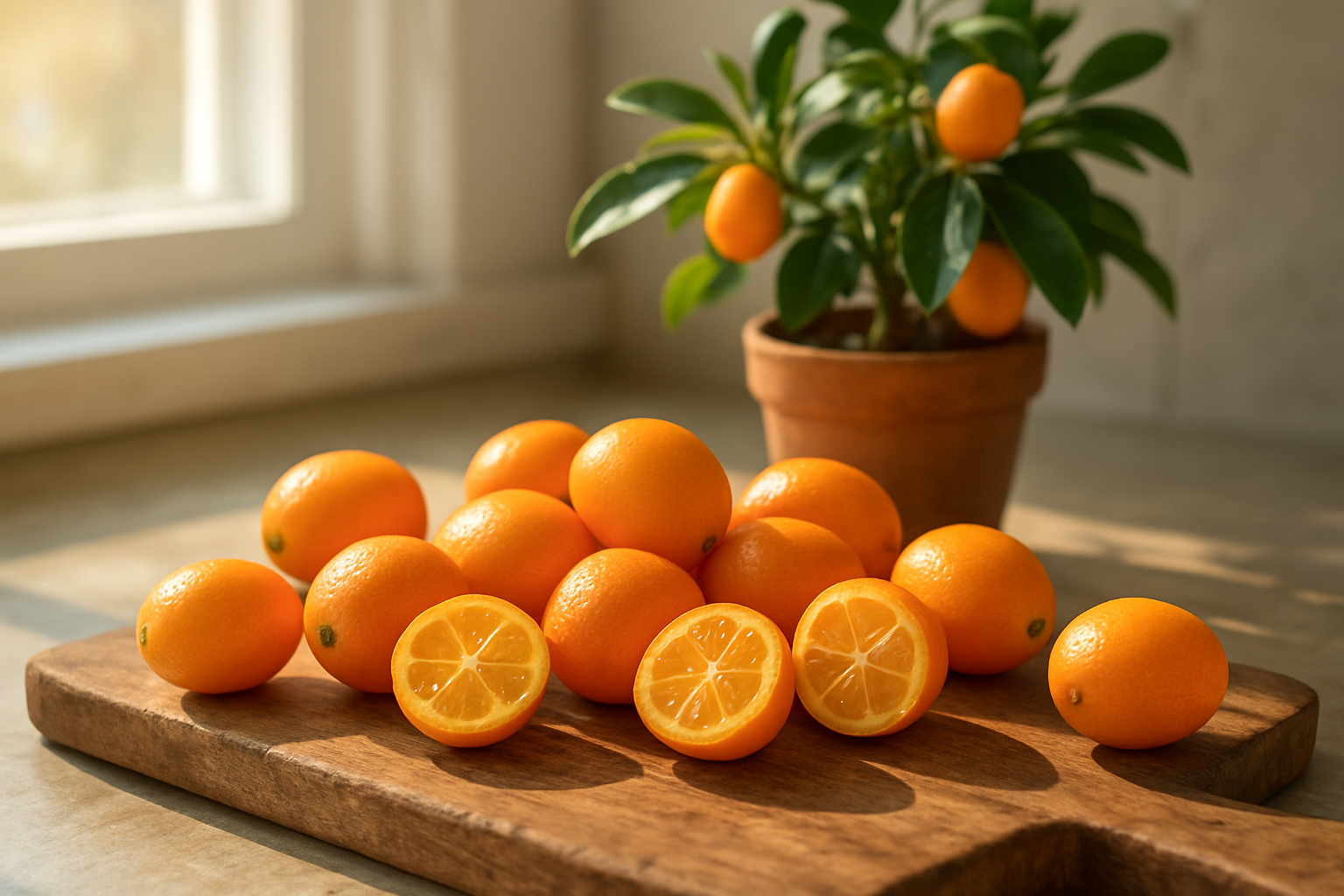
Kumquats pack an incredible nutritional punch in their tiny, oval packages. These unique citrus gems offer impressive amounts of vitamin C, fiber, and antioxidants while being surprisingly low in calories. Unlike other citrus fruits, you can eat the entire kumquat - skin and all - which gives you the full spectrum of nutrients and that distinctive sweet-tart flavor combination that makes them so special.
Whether you're growing your own kumquat tree in your backyard or picking up fresh ones from the store, these versatile fruits deserve a spot in your kitchen. Try them fresh as a healthy snack, toss them into salads for a citrusy crunch, or get creative with jams, marinades, and desserts. Start small with just a few kumquats to get used to their unique taste, and don't be surprised if they quickly become your new favorite citrus fruit.


.png)
Comments
Post a Comment