Mandarin - What's the Mandarin Fruit?
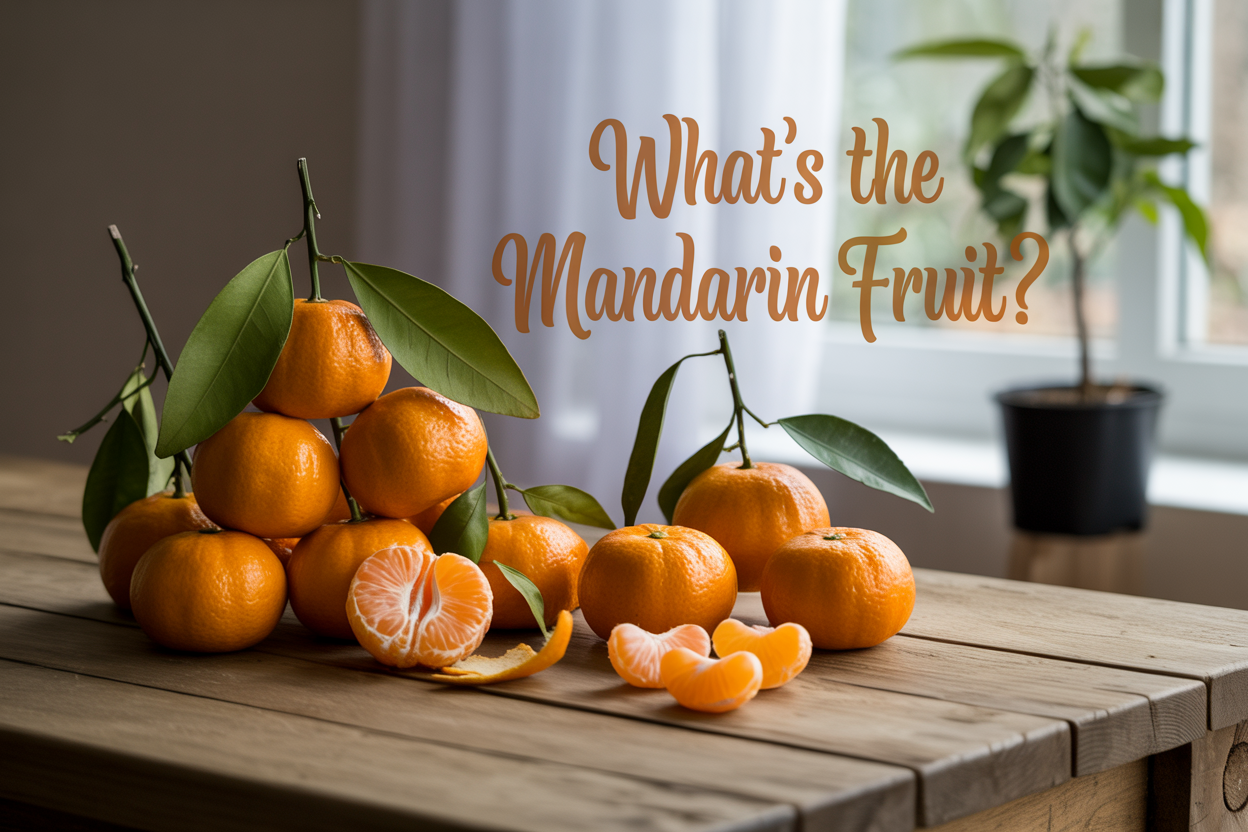
Mandarin Fruit: The Sweet, Easy-Peeling Citrus You Need to Know About
Mandarin fruit might look like a small orange, but this sweet citrus has its own unique personality that makes it special. Perfect for busy parents, health-conscious eaters, and anyone who loves snacking on fresh fruit, mandarins offer convenience and nutrition in one tiny package.
You'll discover what makes mandarin fruit different from regular oranges and why nutritionists love recommending them. We'll also share practical tips on how to select the best fresh mandarins at the store and simple storage tricks to keep them tasty for weeks. Plus, you'll learn easy ways to add more of this vitamin-packed fruit to your meals and snacks every day.
Understanding What Mandarin Fruit Actually Is
Botanical classification and citrus family origins
Mandarin fruit belongs to the Citrus reticulata species, making it part of the larger citrus family alongside oranges, lemons, and grapefruits. What sets mandarins apart is their evolutionary journey - they're actually one of the three original citrus species that gave rise to most modern citrus fruits we know today. The other two are citrons and pomelos.
These sweet, aromatic fruits trace their roots back thousands of years to Southeast Asia and northeastern India. From there, they spread throughout China, where they got their name "mandarin" - likely because the bright orange color resembled the robes worn by Chinese officials called mandarins. The scientific community has traced mandarin genetics through DNA analysis, confirming their status as a pure species rather than a hybrid.
Physical characteristics that distinguish mandarins from other citrus
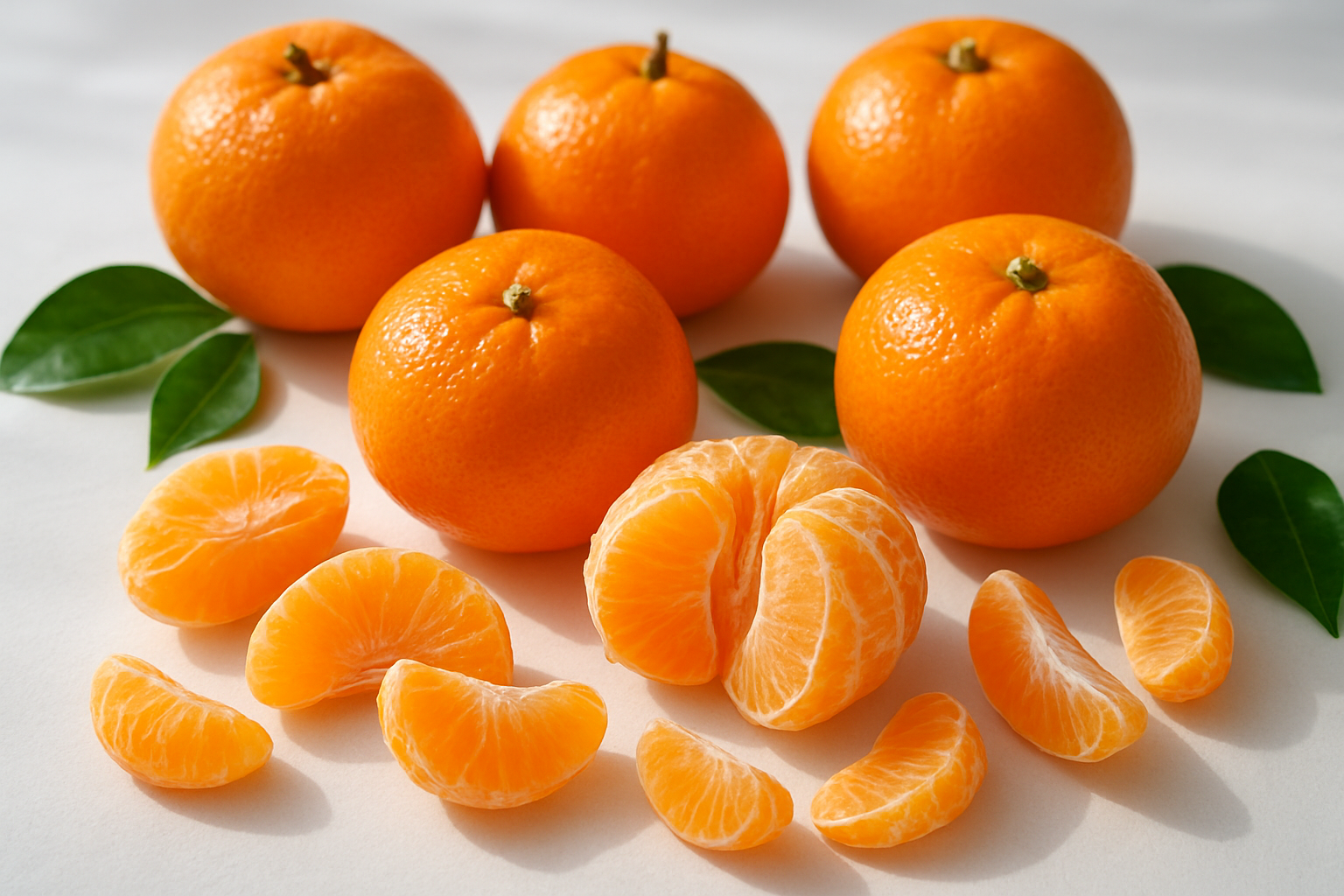
When you're trying to figure out what is mandarin fruit compared to regular oranges, several key features make identification easy. Mandarins are typically smaller and flatter than standard oranges, with a distinctive oblate shape that's wider than it is tall. Their skin is remarkably loose and puffy, creating that signature easy-peeling quality that makes them so appealing as a quick snack.
The skin color ranges from bright orange to deep reddish-orange, often with a slightly bumpy texture called "pebbly." Inside, mandarin fruit segments separate cleanly without the white pith sticking everywhere - another major advantage over oranges. The flesh tends to be sweeter and less acidic than oranges, with a more delicate, floral aroma.
Size-wise, most mandarins measure 2-3 inches in diameter and weigh between 3-5 ounces. Their seeds can vary dramatically depending on the variety - some are completely seedless while others contain numerous small, white seeds.
Common varieties you'll find in grocery stores
The mandarin family includes several popular varieties that show up regularly in supermarkets. Clementines are probably the most recognizable - these small, seedless mandarins have extremely loose skin and sweet, juicy flesh. They're perfect for lunch boxes and quick snacking.
Tangerines represent another major category, though the terms "tangerine" and "mandarin" often get used interchangeably. True tangerines have a deeper orange-red color and slightly more complex flavor profile. Satsumas arrive earlier in the season, featuring incredibly easy peeling and a mild, sweet taste that kids love.
| Variety | Size | Seeds | Peak Season | Key Features |
|---|---|---|---|---|
| Clementines | Small | Seedless | Nov-Jan | Easy peeling, sweet |
| Tangerines | Medium | Few seeds | Oct-Apr | Rich flavor, deep color |
| Satsumas | Medium | Seedless | Sep-Nov | Mild taste, loose skin |
| Honey Mandarins | Small-Medium | Variable | Jan-May | Extra sweet, juicy |
Honey mandarins and Sumo citrus (a mandarin hybrid) represent newer varieties gaining popularity. Sumo citrus are massive compared to regular mandarins, with incredibly sweet flesh and a distinctive top-knot appearance.
Seasonal availability and peak freshness periods
Fresh mandarins follow a predictable seasonal pattern that spans from early fall through late spring. The mandarin season kicks off in September with early varieties like Satsumas, which offer that first taste of the new citrus season.
October through December represents peak mandarin time, when multiple varieties overlap and selection reaches its maximum. This is when you'll find the best prices and highest quality fruit. Clementines dominate the holiday season, while tangerines maintain strong availability through winter months.
Spring varieties like Honey mandarins extend the season into March, April, and even May in some regions. California produces the majority of American mandarins, with harvest timing varying based on specific growing regions and microclimates.
For maximum freshness, shop during each variety's peak window. Early season fruit tends to be more tart, while late season mandarins often develop the highest sugar content. Storage conditions at the retail level matter significantly - look for fruit that's been kept cool and displays bright, firm skin without soft spots or wrinkled areas.
Nutritional Benefits That Make Mandarins Worth Eating
Essential vitamins and mineral content breakdown
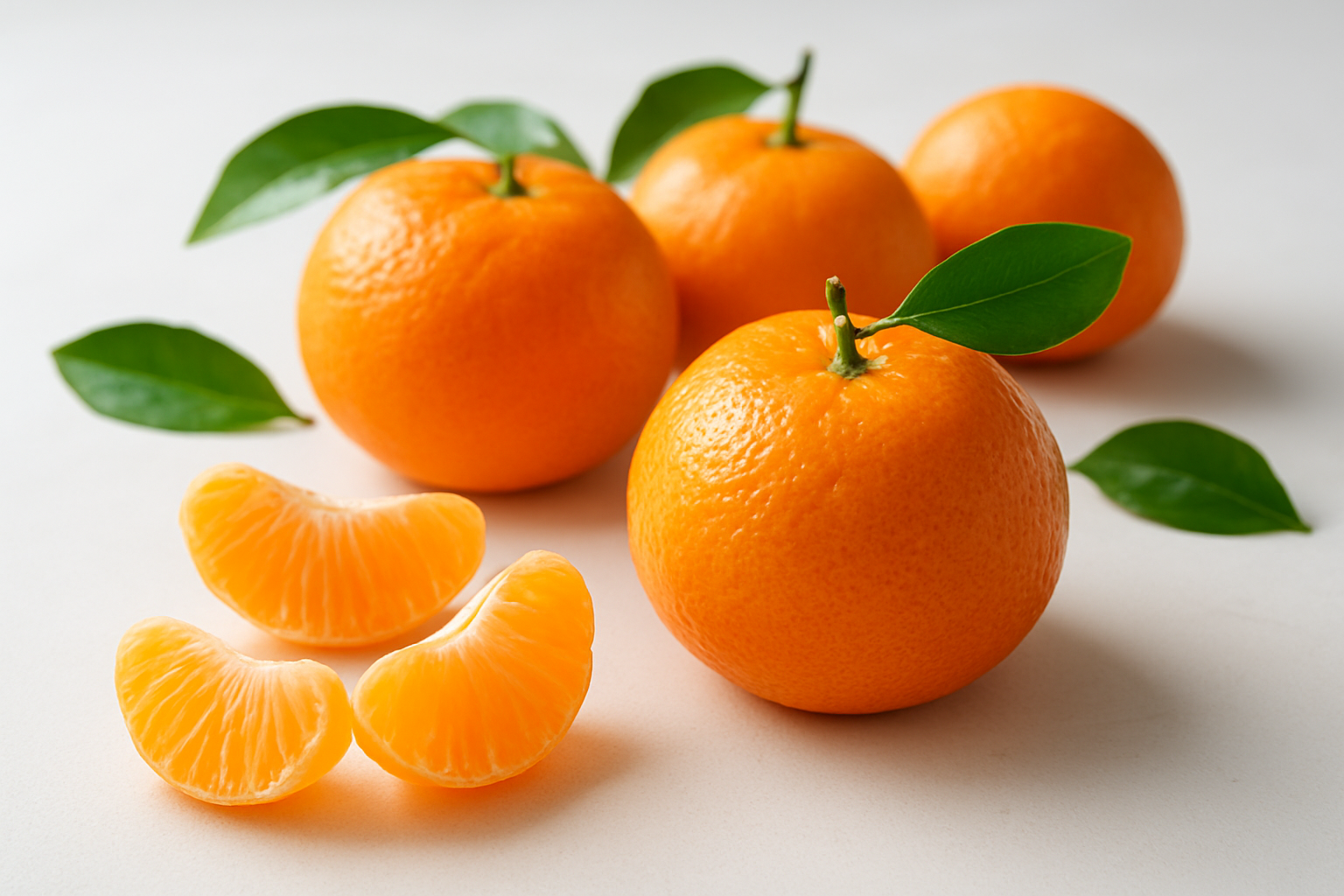
Mandarin fruit nutrition benefits start with an impressive vitamin C profile that puts these citrus gems at the top of immune-supporting foods. A single medium mandarin delivers about 40-50% of your daily vitamin C needs, making it a powerhouse for collagen production and iron absorption. This vitamin content actually surpasses many other fruits, giving you more bang for your nutritional buck.
The B-vitamin family gets excellent representation in mandarins, particularly folate and thiamine. Folate plays a crucial role in DNA synthesis and red blood cell formation, while thiamine supports your nervous system and energy metabolism. These vitamins work together to keep your brain sharp and your energy levels steady throughout the day.
Mineral-wise, mandarins bring potassium to the table - a heart-healthy mineral that helps regulate blood pressure and supports proper muscle function. You'll also find calcium, magnesium, and phosphorus in smaller but meaningful amounts. The potassium content alone makes mandarins a smart choice for anyone looking to support cardiovascular health naturally.
| Nutrient | Amount per Medium Mandarin | % Daily Value |
|---|---|---|
| Vitamin C | 25-30mg | 40-50% |
| Folate | 15mcg | 4% |
| Potassium | 150mg | 4% |
| Calcium | 35mg | 3% |
Antioxidant properties for immune system support
The real magic behind mandarin fruit health benefits lies in their incredible antioxidant profile. These compounds work like bodyguards for your cells, protecting them from damage caused by free radicals and environmental stressors.
Flavonoids steal the show here, particularly hesperidin and naringin. These citrus-specific antioxidants have been studied for their anti-inflammatory properties and their ability to support healthy circulation. Hesperidin specifically helps strengthen capillary walls and may contribute to better cardiovascular health.
Beta-carotene gives mandarins their beautiful orange color and converts to vitamin A in your body. This antioxidant supports eye health, skin integrity, and immune function. The combination of beta-carotene with vitamin C creates a synergistic effect that boosts your body's natural defense mechanisms.
The peel contains additional antioxidants like limonene, which has shown promise in research for its potential anti-cancer properties. While you might not eat the peel directly, zesting mandarins into recipes or using organic peels in cooking can help you access these beneficial compounds.
Fiber content for digestive health improvement
Mandarins pack about 2-3 grams of dietary fiber per fruit, contributing meaningfully to your daily fiber goals. This fiber comes in both soluble and insoluble forms, each offering unique digestive benefits that work together to keep your gut happy and healthy.
Soluble fiber in mandarins helps slow down digestion and can assist in managing blood sugar levels after meals. This type of fiber also feeds beneficial gut bacteria, promoting a healthy microbiome that supports overall digestive wellness and immune function.
The insoluble fiber adds bulk to stool and helps food move through your digestive system more efficiently. This prevents constipation and may reduce the risk of digestive disorders. The natural fruit structure means you're getting fiber along with water content, creating an ideal combination for digestive health.
Pectin, a specific type of soluble fiber found in citrus fruits, has prebiotic properties that encourage the growth of good bacteria in your intestinal tract. This creates a positive cycle where better gut health leads to improved nutrient absorption and stronger immune responses.
The fiber in whole mandarins also helps you feel satisfied longer compared to drinking mandarin juice, making them an excellent choice for weight management and sustained energy levels throughout the day.
How to Select and Store Mandarins for Maximum Freshness
Visual and Tactile Cues for Choosing Ripe Fruit
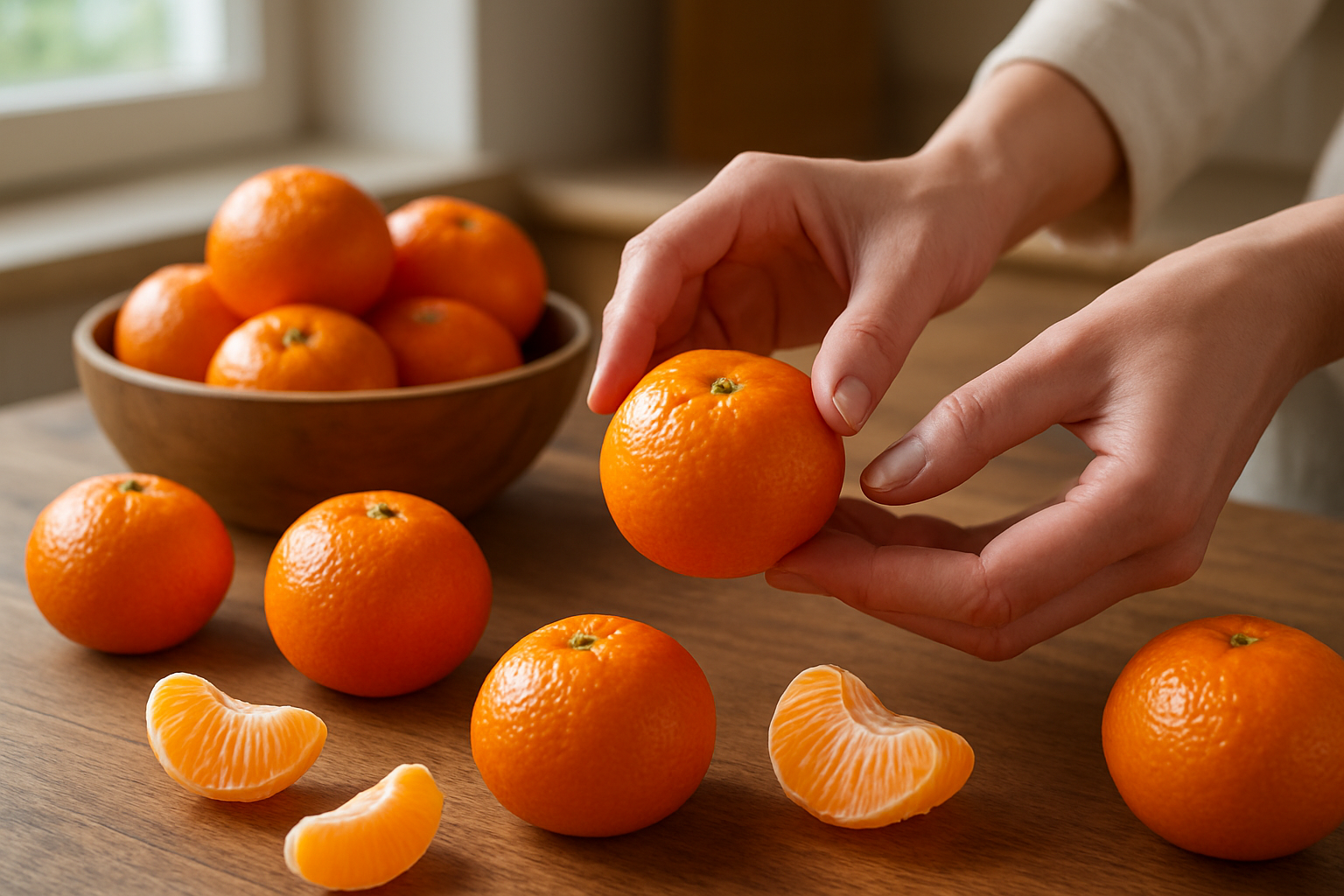
When shopping for fresh mandarins, your eyes and hands are your best tools for finding quality fruit. Look for mandarins with bright, vibrant orange skin that has a slight sheen to it. The color should be relatively uniform across the surface, though minor variations are normal. Avoid fruit with dull, faded colors or patches that look dried out.
The skin texture tells a story too. Quality mandarin fruit should feel smooth and firm to the touch, with skin that fits snugly around the fruit segments inside. While some loose skin is characteristic of mandarins, excessive bagginess often signals older fruit that's past its prime. Gently squeeze the mandarin - it should yield slightly to pressure but spring back without leaving indentations.
Weight matters more than you might think. A good mandarin feels heavy for its size, indicating it's full of juice and hasn't started drying out internally. Light fruit often means the segments have begun shrinking away from the peel. Check the stem end and blossom end for any soft spots or discoloration, as these areas tend to show signs of deterioration first.
The skin should have a pleasant, citrusy fragrance when you hold it close to your nose. An overly sweet or fermented smell suggests the fruit is overripe, while no scent at all might mean it was picked too early.
Proper Storage Techniques to Extend Shelf Life
Room temperature storage works well if you plan to eat your mandarins within a few days. Keep them in a bowl or basket away from direct sunlight and heat sources like stoves or heating vents. This method maintains their flavor and makes them ready to eat anytime.
For longer storage, refrigeration significantly extends freshness. Place mandarins in the crisper drawer, preferably in a perforated plastic bag that allows air circulation while maintaining humidity. This environment keeps them fresh for up to two weeks. Don't store them in completely sealed containers, as trapped moisture can lead to mold growth.
Temperature consistency makes a big difference in how to store mandarins effectively. Avoid moving them repeatedly between warm and cold environments, as temperature fluctuations cause condensation that promotes spoilage. If you buy mandarins in bulk, consider storing most in the refrigerator while keeping just a few at room temperature for immediate consumption.
Separate any damaged fruit immediately to prevent spoilage from spreading to healthy mandarins. Check your stored fruit every few days and remove any that show signs of deterioration. Proper air circulation around each piece of fruit helps prevent moisture buildup that leads to mold.
Signs of Spoilage to Avoid When Purchasing
Soft spots are red flags when selecting mandarin fruit. These dark, mushy areas indicate bacterial or fungal infection that will only spread once you get the fruit home. Even small soft spots can quickly expand, ruining the entire mandarin within days.
Mold appears as fuzzy growth, typically white, green, or blue patches on the skin surface. Sometimes mold hides in natural creases or dimples in the peel, so examine the fruit carefully from all angles. Any visible mold means the mandarin is already compromised and should be avoided entirely.
Wrinkled, shriveled skin suggests dehydration and age. While minor skin imperfections are normal, extensive wrinkling indicates the fruit has been sitting too long and has lost much of its moisture content. These mandarins will taste dry and lack the juicy sweetness you expect.
Brown or black spots, especially around the stem area, signal the beginning of decay. These discolored patches often feel softer than the surrounding skin and may have a slightly different texture. What starts as small brown spots can quickly develop into larger areas of rot.
Watch for signs of fermentation too. If a mandarin smells overly sweet, wine-like, or has any off-odors, internal fermentation has likely begun. This process makes the fruit unsafe to eat and gives it an unpleasant taste and texture.
Easy Ways to Incorporate Mandarins into Your Daily Diet
Quick snacking options for busy schedules
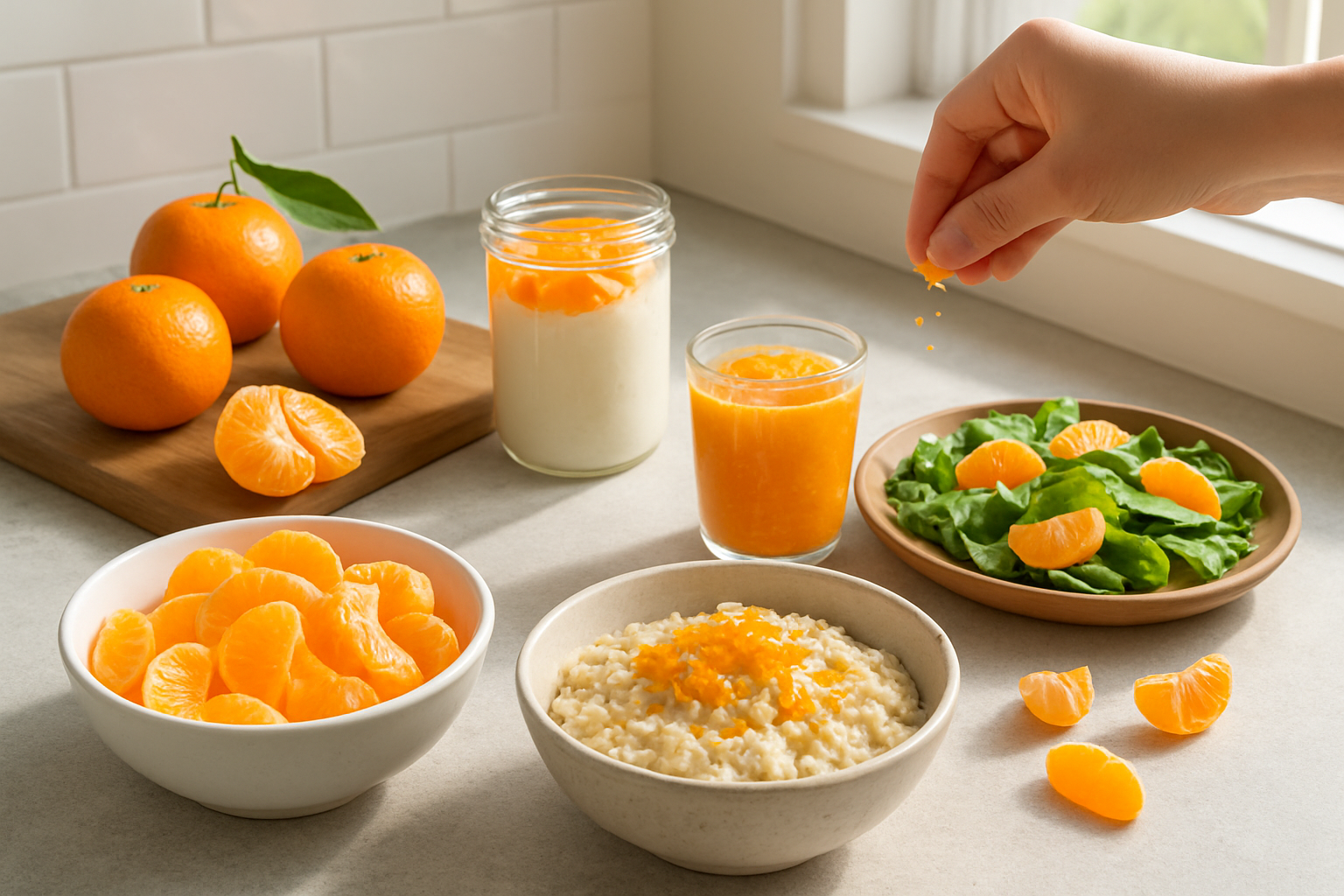
Mandarin fruit makes the perfect grab-and-go snack for hectic days. Keep a bowl of fresh mandarins on your kitchen counter or pack a few in your lunch bag for instant energy. Their easy-to-peel nature means you can enjoy them anywhere without utensils or mess.
Create mandarin snack packs by combining segments with nuts, cheese cubes, or whole grain crackers. Pre-peel mandarins and store segments in small containers for quick access during work breaks. You can also freeze mandarin segments for a refreshing summer treat that doubles as a natural ice cube alternative.
For busy mornings, pair mandarin slices with Greek yogurt or oatmeal. The natural sweetness reduces the need for added sugars while providing vitamin C and fiber to start your day right.
Creative recipe ideas for meals and desserts
Transform your meals with mandarin fruit recipes that add bright citrus flavors. Start with mandarin-glazed chicken or pork, where the natural fruit juices create a caramelized coating during cooking. The sweet-tangy profile complements savory proteins beautifully.
For desserts, mandarin segments work wonderfully in upside-down cakes, tarts, and parfaits. Create mandarin fruit salsa by mixing diced segments with jalapeños, red onion, and cilantro – perfect for fish tacos or grilled meats. Mandarin zest adds aromatic depth to baked goods, marinades, and salad dressings.
Try mandarin rice pilaf by adding segments and zest to your favorite rice recipe. The citrus brightens heavy grains and pairs especially well with Middle Eastern and Asian flavors.
Juicing and smoothie combinations
Fresh mandarin juice offers concentrated nutrition benefits while providing natural sweetness to smoothie blends. Combine mandarin juice with spinach, banana, and ginger for a green smoothie that masks vegetable flavors with bright citrus notes.
Create energizing morning smoothies by blending mandarin segments with Greek yogurt, oats, and a touch of honey. The vitamin C content supports immune function while natural sugars provide sustained energy.
For tropical blends, mix mandarin juice with pineapple, mango, and coconut water. Add chia seeds or protein powder to create more substantial meal replacements. Freeze mandarin juice in ice cube trays to add instant citrus flavor to any beverage without diluting taste.
Salad and cooking applications
Mandarin segments elevate both green and grain salads with bursts of sweetness and vitamin C. Classic combinations include mandarin with mixed greens, candied pecans, and goat cheese, or Asian-inspired salads with mandarin, cabbage, and sesame dressing.
When cooking, mandarin juice works as an excellent meat tenderizer and marinade base. The natural acids break down proteins while infusing citrus flavor. Use mandarin zest in herb rubs for roasted vegetables or seafood.
Create mandarin vinaigrette by whisking juice with olive oil, Dijon mustard, and herbs. This dressing complements winter salads and roasted root vegetables perfectly. Mandarin segments also work well in grain bowls, adding moisture and flavor to quinoa, bulgur, or rice dishes.
Growing Your Own Mandarin Trees Successfully
Climate Requirements and Ideal Growing Conditions
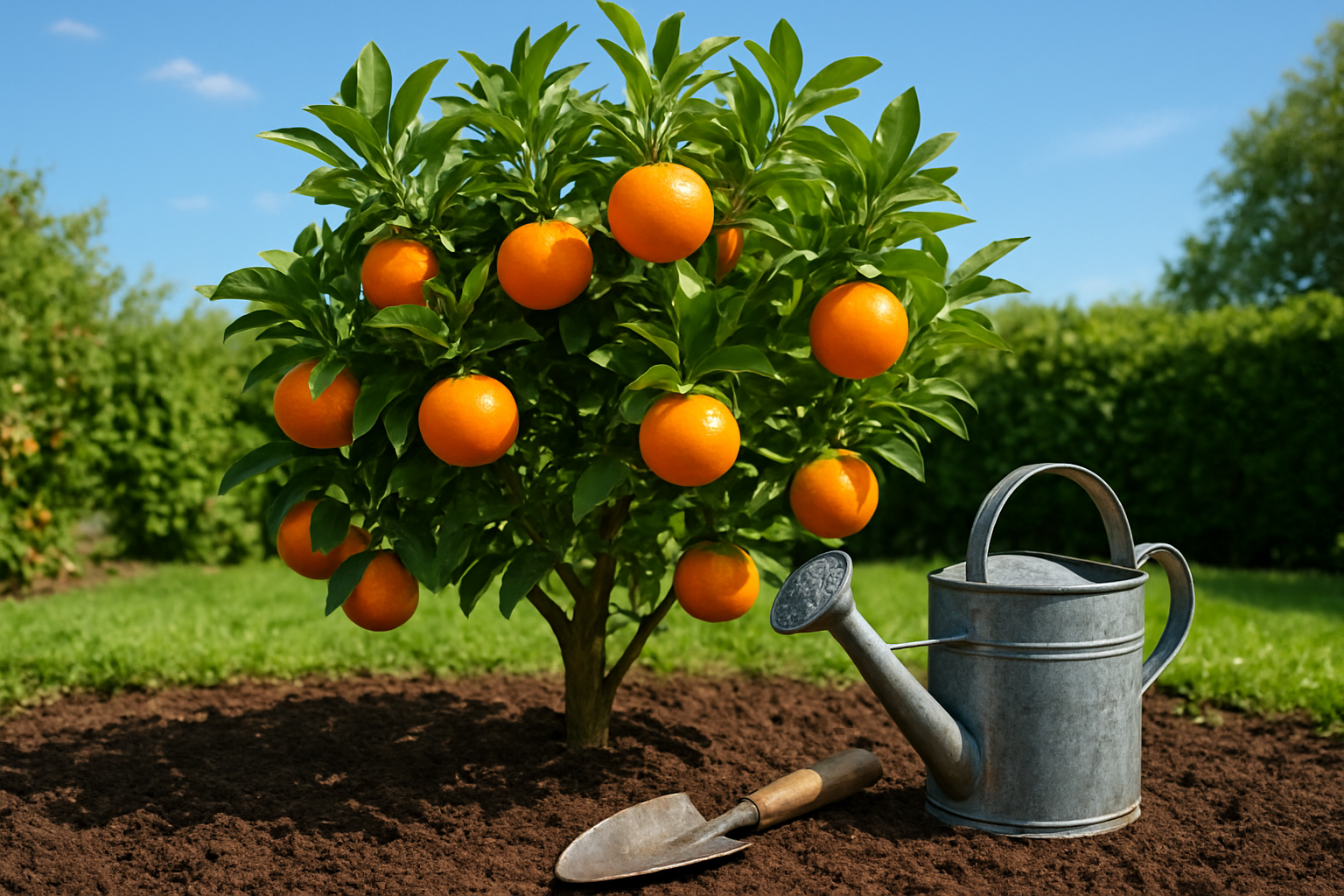
Growing mandarin trees requires understanding their preferred climate zones and environmental needs. These citrus trees thrive in USDA hardiness zones 9-11, where temperatures rarely drop below 20°F (-6°C). Mandarins love warm, subtropical to tropical climates with plenty of sunshine – they need at least 6-8 hours of direct sunlight daily to produce sweet, juicy fruit.
The ideal temperature range sits between 55-85°F (13-29°C). While mature trees can handle brief cold snaps, young trees are more sensitive and may need protection when temperatures dip below 32°F (0°C). If you live in cooler regions, consider dwarf varieties that adapt better to container growing and can be moved indoors during winter months.
Humidity levels between 50-70% work best, though mandarin trees can adapt to varying moisture conditions. Good air circulation prevents fungal diseases, so avoid planting in areas where air becomes stagnant. Wind protection is also important – strong winds can damage branches and reduce fruit quality.
Soil drainage plays a huge role in tree health. Mandarins prefer well-draining, slightly acidic to neutral soil with a pH between 6.0-7.5. Sandy loam soils work exceptionally well, allowing roots to spread while preventing waterlogged conditions that can cause root rot.
Container Gardening Options for Limited Spaces
Container gardening opens up growing mandarin trees possibilities for apartment dwellers and those with limited yard space. Dwarf varieties like 'Satsuma,' 'Clementine,' and 'Pixie' work perfectly in large containers, typically reaching 4-6 feet at maturity.
Choose containers at least 20-24 inches wide and deep to provide adequate root space. Drainage holes are non-negotiable – citrus trees hate sitting in water. Terra cotta or ceramic pots work well, though they're heavy when filled. Consider wheeled plant caddies for easier movement.
Use high-quality potting mix specifically designed for citrus trees, or create your own blend using equal parts peat moss, perlite, and compost. Avoid regular garden soil, which becomes too compact in containers and doesn't drain properly.
| Container Size | Tree Type | Expected Height |
|---|---|---|
| 15-20 gallons | Dwarf varieties | 4-6 feet |
| 25-30 gallons | Semi-dwarf | 6-8 feet |
| 40+ gallons | Standard (if space allows) | 8-12 feet |
Position containers where they'll receive maximum sunlight – south-facing locations work best. During winter in colder climates, move containers to protected areas like unheated garages or sunrooms where temperatures stay above freezing.
Basic Care and Maintenance Tips for Healthy Trees
Watering mandarin trees requires finding the sweet spot between too much and too little. Deep, infrequent watering works better than daily light sprinkling. Check soil moisture by inserting your finger 2-3 inches deep – water when the top layer feels dry but soil underneath remains slightly moist.
Container trees need more frequent watering than ground-planted ones, especially during hot weather. Water until you see drainage from the bottom holes, then allow excess water to drain completely.
Fertilizing supports healthy growth and fruit production. Use citrus-specific fertilizers that contain micronutrients like iron, zinc, and manganese. Feed container trees every 4-6 weeks during growing season (spring through early fall), while ground-planted trees need fertilizing 3-4 times per year.
Pruning keeps trees healthy and manageable. Remove dead, damaged, or crossing branches year-round. Light pruning after harvest encourages new growth and better air circulation. Don't over-prune – mandarin trees naturally maintain good shape with minimal intervention.
Watch for common pests like aphids, scale insects, and citrus leaf miners. Regular inspection helps catch problems early. Horticultural oils and insecticidal soaps provide organic control options. Proper spacing, good air circulation, and avoiding overhead watering reduce disease risks.
Mulching around the base helps retain moisture and regulate soil temperature, but keep mulch several inches away from the trunk to prevent pest and disease issues.
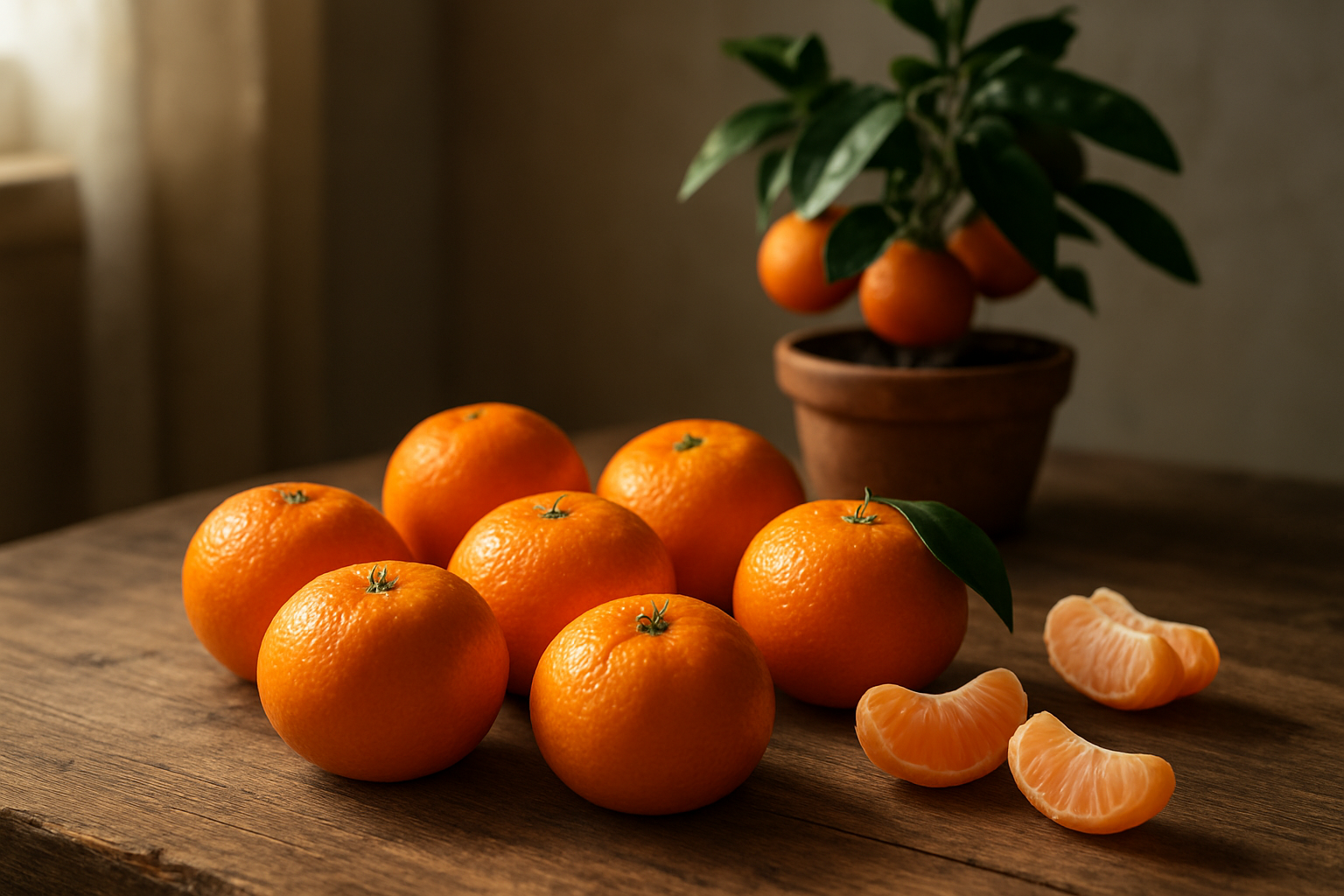
Mandarin fruits pack an impressive nutritional punch while being incredibly easy to enjoy. These bright orange citrus gems deliver vitamin C, fiber, and antioxidants that support your immune system and overall health. The best part? You can grab one for a quick snack, toss segments into salads, or even grow your own tree at home. When shopping, look for fruits that feel heavy for their size and have smooth, firm skin to get the most flavor and nutrients.
Start adding mandarins to your grocery list and daily routine. Whether you're peeling one for breakfast, blending segments into a smoothie, or planting a tree in your backyard, you'll be treating your body to something delicious and nutritious. Your taste buds and your health will thank you for making this simple switch to include more fresh, whole foods in your life.


.png)
Comments
Post a Comment