Mangosteen - What's the Mangosteen Fruit?
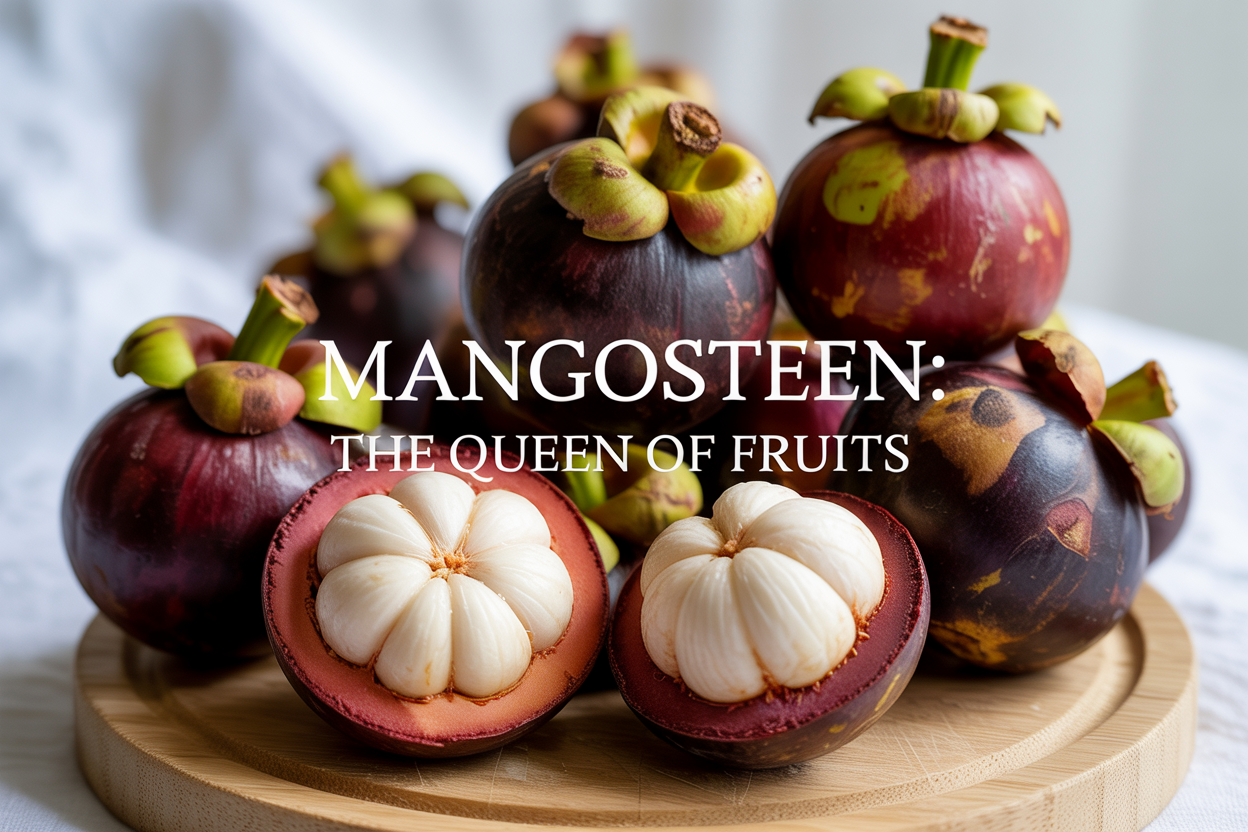
The mangosteen fruit stands as one of nature's most intriguing tropical treasures, earning its reputation as the "queen of fruits" across Southeast Asia. This purple-skinned exotic fruit delivers sweet, tangy white segments that pack serious nutritional punch.
This guide serves curious food lovers, health enthusiasts, and anyone wondering what is mangosteen and why it's creating such buzz in wellness circles. You'll discover the impressive mangosteen nutrition profile loaded with antioxidants and vitamin C that make this tropical fruit a standout choice.
We'll explore the proven mangosteen health benefits that can boost your immune system and fight inflammation. You'll also learn practical tips on how to eat mangosteen properly, plus smart strategies for finding and selecting quality fruit whether you're shopping locally or online. Get ready to add this exotic superfruit to your healthy eating routine.
Understanding the Exotic Mangosteen Fruit
Botanical Classification and Scientific Background
The mangosteen fruit belongs to the Garcinia genus, scientifically known as Garcinia mangostana. This tropical evergreen tree is part of the Clusiaceae family, which includes over 400 species of flowering plants. The mangosteen tree grows slowly and can reach heights of 20-80 feet, taking anywhere from 7-15 years to bear fruit. These trees are particularly sensitive to climate conditions and require specific environmental factors to thrive, including consistent temperatures between 75-85°F and high humidity levels.
What makes the mangosteen scientifically fascinating is its unique reproductive characteristics. Most mangosteen fruits develop through apomixis, meaning they reproduce without fertilization. This creates genetically identical offspring and explains why mangosteen trees maintain such consistent fruit quality across different regions.
Physical Appearance and Distinctive Purple Shell
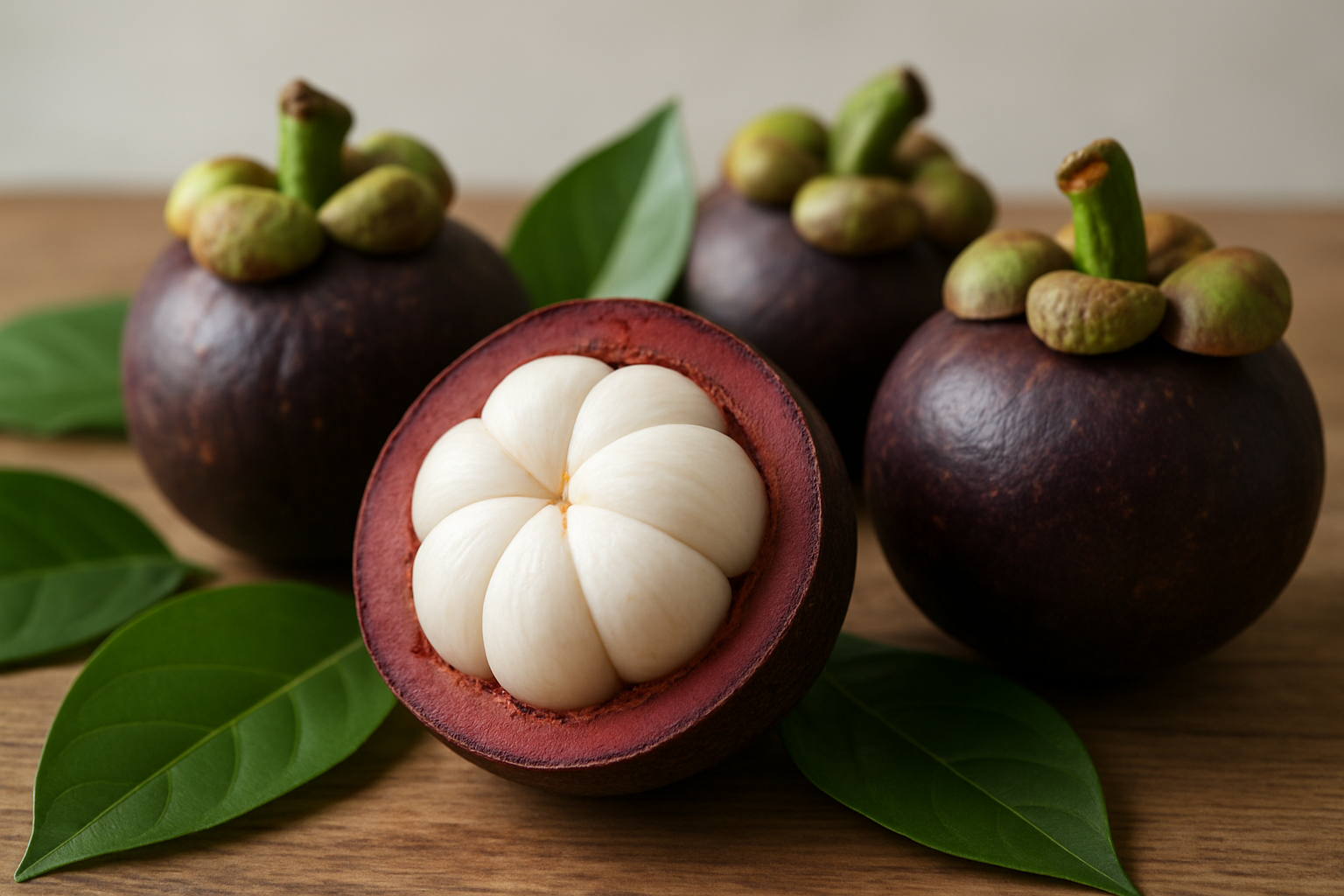
The mangosteen fruit presents a striking appearance that's instantly recognizable among exotic fruits. The outer shell, called a pericarp, displays a deep purple to dark red color when fully ripe, contrasting beautifully with the bright green sepals that crown the fruit. This tough, leathery shell measures about 6-10 millimeters thick and serves as natural protection for the delicate flesh inside.
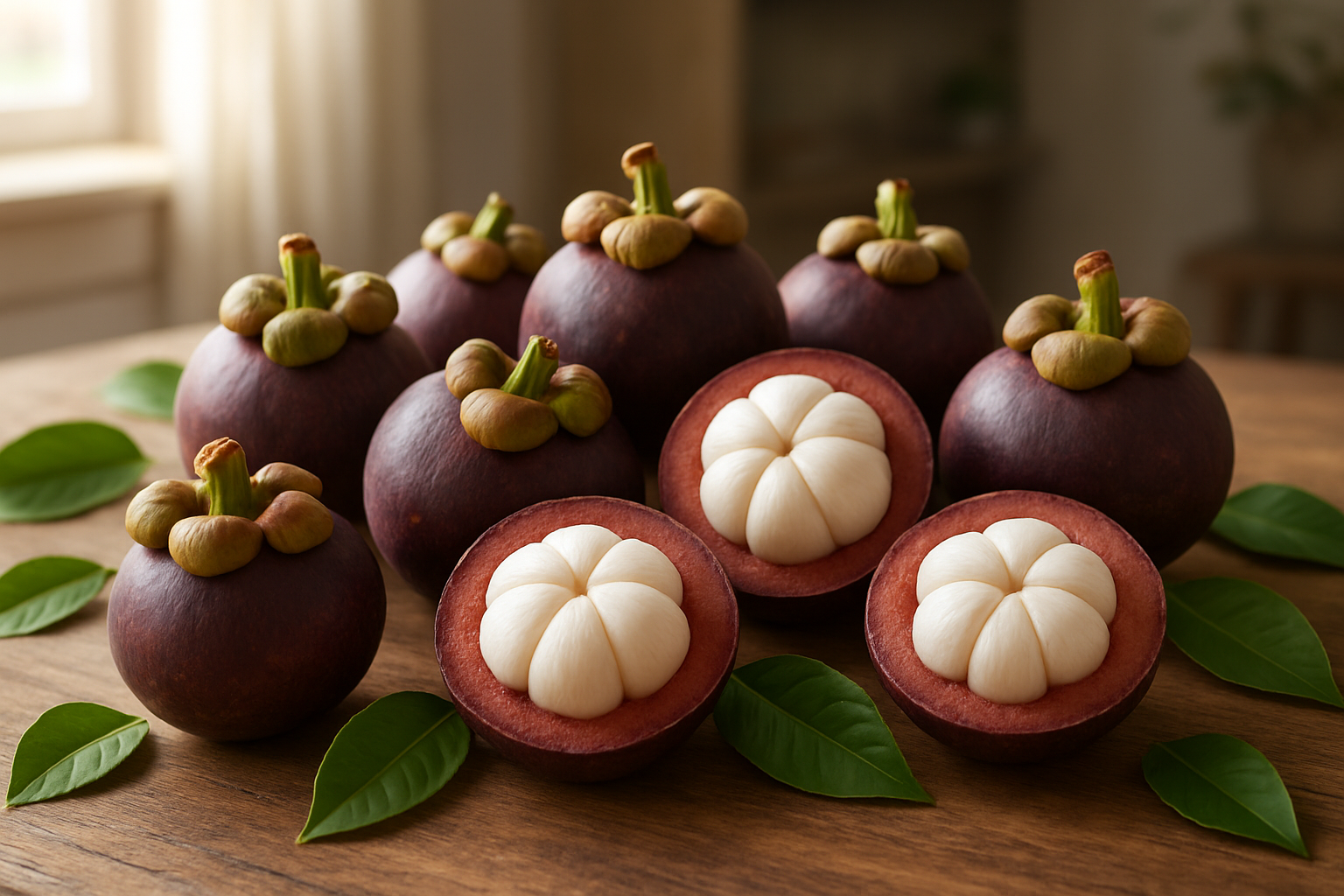
Breaking through the purple exterior reveals segments of snow-white flesh that resemble garlic cloves in arrangement. These segments, typically numbering between 4-8 pieces, have a soft, juicy texture similar to lychee but with a more complex flavor profile. The flesh offers a perfect balance of sweet and tangy notes, often described as a combination of strawberry, peach, and citrus flavors.
The fruit typically measures 1.5-3 inches in diameter and weighs between 2-3 ounces. Fresh mangosteen should feel firm but give slightly to gentle pressure, indicating optimal ripeness.
Geographic Origins in Southeast Asia
Mangosteen naturally originates from the tropical rainforests of Southeast Asia, with Malaysia, Thailand, and Indonesia serving as its primary native regions. Archaeological evidence suggests that people have cultivated and consumed mangosteen for over 1,000 years in these areas. The fruit thrives in the equatorial climate zone, where consistent rainfall and high humidity create ideal growing conditions.
Thailand leads global mangosteen production, followed by Malaysia and Indonesia. These countries have developed sophisticated cultivation techniques over centuries, passing down traditional knowledge about optimal harvesting times and storage methods. The fruit's cultivation has gradually expanded to other tropical regions, including parts of South America, the Caribbean, and select areas of Africa and Australia, though Southeast Asia remains the primary source.
The specific geographic requirements explain why mangosteen remains relatively rare in many parts of the world. The trees cannot tolerate temperatures below 40°F or above 100°F, making cultivation challenging outside tropical zones.
Why It's Called the "Queen of Fruits"
The title "Queen of Fruits" reflects both the mangosteen's exquisite taste and its revered cultural status throughout Southeast Asia. This royal designation stems from several factors that set mangosteen apart from other tropical fruits. The complex flavor profile combines sweetness, tartness, and subtle floral notes in perfect harmony, creating a taste experience that many consider unmatched in the fruit kingdom.
Beyond taste, the mangosteen's elegant appearance contributes to its royal status. The contrast between the rich purple shell and pristine white flesh creates visual appeal that has captivated fruit enthusiasts for generations. The fruit's scarcity and difficulty in cultivation add to its precious nature, making fresh mangosteen a luxury item in many markets.
Cultural significance also plays a role in this designation. In traditional Southeast Asian medicine, mangosteen has been valued for its potential wellness properties, earning respect as both a delicious treat and a beneficial food. The fruit's association with royalty extends to historical accounts of queens and princesses specifically requesting mangosteen, further cementing its noble reputation in regional folklore and culinary traditions.
Nutritional Powerhouse Benefits You'll Gain
Essential vitamins and mineral content breakdown
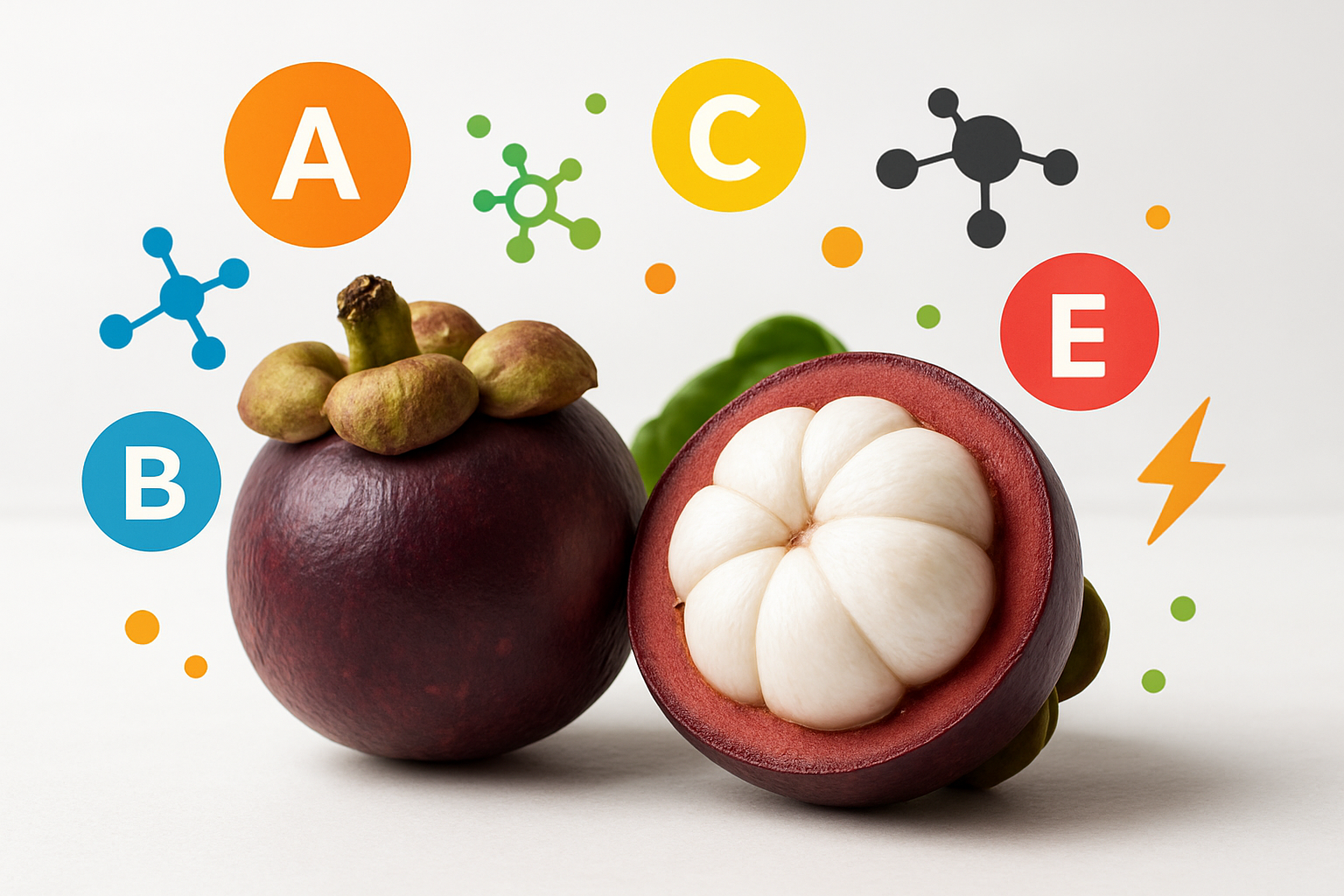
The mangosteen fruit delivers an impressive nutritional profile that rivals many superfoods. This exotic tropical treasure contains substantial amounts of vitamin C, with just one cup providing about 10% of your daily needs. The vitamin C content in mangosteen supports immune function and helps your body absorb iron more effectively.
Mangosteen nutrition extends beyond vitamin C to include essential B vitamins, particularly B1 (thiamine), B2 (riboflavin), and B6. These vitamins play crucial roles in energy metabolism and nervous system function. The fruit also provides folate, which supports cellular repair and DNA synthesis.
The mineral content includes potassium, which helps regulate blood pressure and supports heart health. Magnesium present in mangosteen benefits bone health and muscle function, while copper aids in collagen production and iron absorption. Small amounts of calcium and phosphorus contribute to bone strength.
| Nutrient | Amount per 100g | Daily Value % |
|---|---|---|
| Vitamin C | 5.7mg | 6% |
| Potassium | 48mg | 1% |
| Magnesium | 13mg | 3% |
| Fiber | 1.8g | 7% |
Powerful antioxidant properties for anti-aging
Mangosteen antioxidants make this fruit a standout choice for fighting cellular damage. The fruit contains unique compounds called xanthones, particularly alpha-mangostin and gamma-mangostin, which demonstrate remarkable free radical scavenging abilities. These xanthones are found primarily in the pericarp (the purple rind) but also occur in smaller amounts in the edible flesh.
The antioxidant capacity of mangosteen surpasses many common fruits. Research shows that xanthones can neutralize harmful free radicals that accelerate aging and contribute to chronic diseases. These compounds protect your skin cells from oxidative stress, potentially reducing visible signs of aging like fine lines and age spots.
Vitamin E, another antioxidant present in mangosteen, works alongside vitamin C to protect cell membranes from damage. This combination creates a synergistic effect that enhances the fruit's overall antioxidant power. Regular consumption may help maintain skin elasticity and support a youthful appearance.
The phenolic compounds in mangosteen also contribute to its anti-aging properties. These natural plant chemicals help protect against UV damage and environmental toxins that can accelerate the aging process.
Anti-inflammatory compounds that heal your body
Mangosteen contains powerful anti-inflammatory compounds that can help reduce chronic inflammation throughout your body. The same xanthones responsible for antioxidant benefits also demonstrate significant anti-inflammatory effects. Alpha-mangostin and gamma-mangostin can help suppress inflammatory markers and reduce swelling.
These natural compounds work by inhibiting specific enzymes and pathways involved in the inflammatory response. Studies suggest that xanthones can help reduce inflammation at the cellular level, potentially benefiting conditions like arthritis, cardiovascular disease, and digestive issues.
The anti-inflammatory properties of mangosteen may help:
-
Reduce joint pain and stiffness
-
Support cardiovascular health by reducing arterial inflammation
-
Improve digestive comfort
-
Support healthy immune system responses
-
Promote faster healing from minor injuries
The catechins found in mangosteen also contribute to its anti-inflammatory profile. These compounds, similar to those found in green tea, help modulate inflammatory responses and support overall wellness. The combination of xanthones, catechins, and other bioactive compounds creates a comprehensive anti-inflammatory effect that sets mangosteen apart from other tropical fruits.
Regular inclusion of mangosteen in your diet may help maintain healthy inflammation levels and support your body's natural healing processes.
Proven Health Benefits That Transform Your Wellness
Immune System Strengthening Capabilities
The mangosteen fruit packs a serious punch when it comes to boosting your body's natural defenses. This tropical powerhouse contains high levels of vitamin C - about 12% of your daily needs in just 100 grams. But what really sets mangosteen apart are its unique xanthones, particularly alpha-mangostin and gamma-mangostin. These compounds work like tiny bodyguards, fighting off harmful free radicals and supporting your immune cells.
Research shows that mangosteen antioxidants can increase the production of white blood cells, your body's first line of defense against infections. The fruit's anti-inflammatory properties help reduce chronic inflammation that weakens immunity over time. Regular consumption may help you bounce back faster from common colds and seasonal bugs.
Heart Health and Cholesterol Management
Your cardiovascular system gets tremendous support from the mangosteen health benefits. The xanthones in this exotic fruit help maintain healthy cholesterol levels by preventing the oxidation of LDL (bad) cholesterol. This process is crucial because oxidized cholesterol is what actually sticks to artery walls and causes problems.
Studies have shown that people who consume mangosteen regularly experience:
-
Lower total cholesterol levels
-
Improved HDL (good) cholesterol ratios
-
Better blood pressure regulation
-
Enhanced blood vessel flexibility
The potassium content in mangosteen also supports heart rhythm and helps regulate blood pressure naturally. These cardiovascular benefits make this tropical fruit a smart choice for long-term heart health.
Weight Management and Metabolism Support
Mangosteen nutrition plays a helpful role in maintaining a healthy weight through several mechanisms. The fruit is naturally low in calories (about 63 calories per 100 grams) while providing satisfying fiber that helps you feel full longer.
The xanthones in mangosteen may boost metabolism by improving how your body processes fats and sugars. Some research suggests these compounds can help prevent the formation of new fat cells while encouraging the breakdown of existing ones. The anti-inflammatory effects also support healthy metabolism since chronic inflammation can slow down your metabolic rate.
Plus, the natural sweetness of mangosteen can satisfy sugar cravings without the blood sugar spikes that come with processed sweets, making it easier to stick to healthy eating habits.
Skin Health Improvements You'll Notice
Your skin loves the mangosteen benefits just as much as your internal organs do. The high vitamin C content supports collagen production, which keeps your skin firm and reduces the appearance of fine lines. The antioxidants work overtime to protect against UV damage and environmental pollutants that age your skin prematurely.
Many people report clearer, more radiant skin after adding mangosteen to their diet regularly. The anti-inflammatory properties can help calm conditions like acne, eczema, and other skin irritations. The fruit's natural antibacterial compounds also support a healthy skin microbiome.
Mental Clarity and Cognitive Function Enhancement
The brain-boosting power of what is mangosteen becomes clear when you look at its impact on mental performance. The antioxidants cross the blood-brain barrier, protecting brain cells from oxidative stress that can impair memory and focus.
Regular consumption may help improve:
-
Memory retention and recall
-
Focus and concentration
-
Mental energy and alertness
-
Mood stability
The anti-inflammatory effects are particularly important for brain health, as chronic inflammation in the brain is linked to cognitive decline and mood disorders. The natural sugars provide steady brain fuel without the crashes associated with refined sugars.
How to Select and Enjoy Fresh Mangosteen
Identifying Ripe Fruit for Maximum Flavor
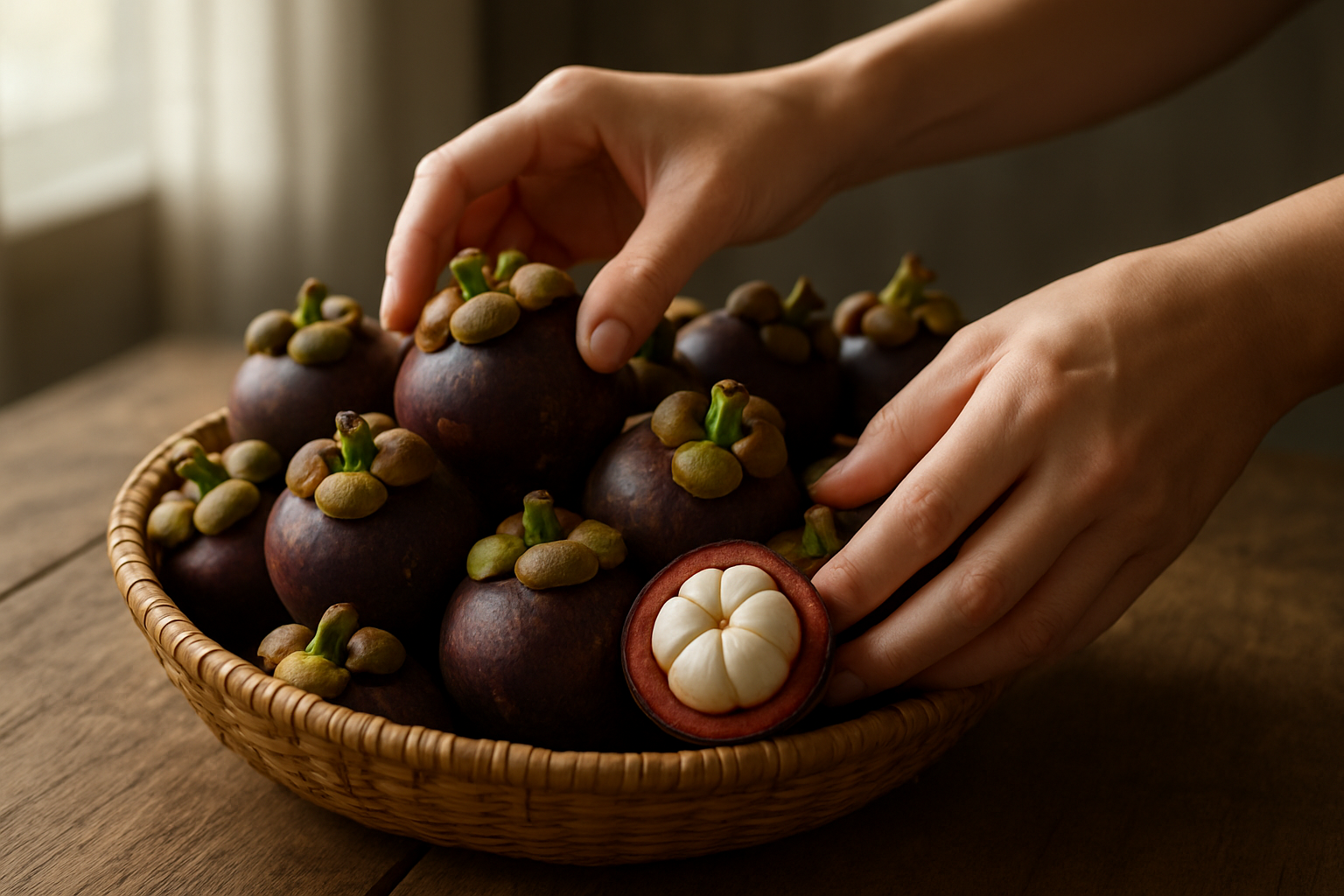
Choosing the perfect mangosteen fruit requires understanding its unique ripeness indicators. Look for deep purple-burgundy skin that feels slightly soft when gently pressed - similar to how you'd test an avocado. The color should be rich and uniform, avoiding any brown or black spots that signal over-ripeness. Fresh mangosteen will have green, flexible sepals (the crown-like leaves at the top) rather than dried, brittle ones.
A quality mangosteen feels heavy for its size, indicating juicy flesh inside. The skin should yield slightly to pressure but not feel mushy. If the fruit sounds hollow when tapped or has hard, unyielding skin, it's likely dried out inside. Size matters less than these quality indicators - smaller fruits can be just as flavorful as larger ones when properly ripened.
Proper Opening Techniques Without Mess
Opening mangosteen fruit becomes simple once you master the technique. Start by removing the sepals at the top, then score the skin horizontally around the middle using a sharp knife, cutting about 1/4 inch deep. Be careful not to pierce the white flesh segments inside.
Hold the fruit firmly and twist the top and bottom halves in opposite directions. The fruit should split cleanly, revealing perfectly segmented white flesh resembling garlic cloves. Some segments contain soft, edible seeds while others are seedless. If the skin resists opening, make additional shallow vertical cuts to help it separate.
Work over a plate to catch any purple juice that might stain surfaces. The skin's tannins can temporarily stain fingers, so consider wearing gloves or washing hands immediately after handling.
Best Ways to Consume for Optimal Nutrition
Fresh mangosteen delivers maximum mangosteen benefits when eaten immediately after opening. Pop the segments directly into your mouth and chew thoroughly to release all the mangosteen antioxidants and vitamin C. The soft seeds in some segments are edible and add extra nutrition, though many people prefer to remove them.
For enhanced mangosteen nutrition, pair the fruit with other vitamin C-rich foods or consume it on an empty stomach for better absorption. The flesh can be added to smoothies, fruit salads, or yogurt bowls, though fresh consumption provides the most concentrated nutrients.
Store opened fruit in the refrigerator and consume within 24 hours for peak flavor and nutritional value. The delicate flesh doesn't freeze well, so enjoy this exotic fruit fresh whenever possible.
Global Availability and Smart Purchasing Options

Where to Find Fresh Mangosteen in Your Area
Fresh mangosteen fruit can be surprisingly tricky to track down, but your search should start with Asian grocery stores and specialty markets. These stores often have the best connections to importers who bring in the highest quality exotic fruits. Vietnamese, Thai, and Chinese markets are your best bet, especially in areas with significant Asian populations.
Whole Foods and other upscale grocery chains occasionally carry fresh mangosteen, typically in their exotic fruit sections during peak season (May through September). Call ahead to check availability since mangosteen has a short shelf life and limited import windows.
Farmers markets in larger metropolitan areas sometimes feature vendors specializing in tropical fruits. These sellers often provide the freshest options and can give you insider tips on ripeness and quality.
Online Ordering and Shipping Considerations
Purchasing mangosteen online opens up access to specialty fruit retailers who ship nationwide. Companies like Miami Fruit, Tropical Fruit Box, and exotic fruit specialists offer fresh mangosteen when in season.
Shipping fresh mangosteen requires careful timing and proper packaging. The fruit is highly perishable and sensitive to temperature changes. Most reputable sellers use expedited shipping (2-3 days maximum) with temperature-controlled packaging including ice packs and insulated boxes.
Order early in the week to avoid weekend delays, and plan to be home when your shipment arrives. Fresh mangosteen should be consumed within 3-5 days of delivery for optimal taste and texture.
Expect to pay premium prices for shipped fruit - typically $15-25 per pound plus shipping costs. The convenience comes at a cost, but it's often the only way to access quality mangosteen outside major metropolitan areas.
Supplement Alternatives When Fresh Isn't Available
When fresh mangosteen proves elusive, high-quality supplements can provide many of the same health benefits. Mangosteen extract capsules concentrate the fruit's powerful antioxidants, particularly xanthones, into convenient daily doses.
Look for supplements that specify mangosteen pericarp (rind) extract, as this contains the highest concentration of beneficial compounds. Reputable brands include NOW Foods, Swanson, and Amazing Herbs.
Mangosteen juice concentrates offer another alternative, though watch out for added sugars and artificial ingredients. Pure mangosteen juice should list mangosteen as the primary ingredient without excessive additives.
Freeze-dried mangosteen powder can be mixed into smoothies, yogurt, or other foods, providing a middle ground between fresh fruit and concentrated supplements. This option retains more of the original fruit's flavor profile while offering convenience and longer shelf life.
Cost-Effective Buying Strategies
Fresh mangosteen typically costs $8-15 per pound when available, making it one of the more expensive tropical fruits. Buy in small quantities initially to test quality and your family's preferences before investing in larger amounts.
Purchase mangosteen during peak season (late spring through early fall) when prices drop slightly due to increased availability. Avoid buying during holidays when exotic fruit prices spike due to increased demand.
Consider group buying with friends or neighbors to split shipping costs when ordering online. Many sellers offer bulk discounts for orders over certain thresholds, making group purchases more economical.
Store-brand or generic mangosteen supplements cost significantly less than name brands while often containing identical active ingredients. Compare labels carefully to ensure you're getting equivalent potency and purity.
| Purchase Method | Price Range | Best For |
|---|---|---|
| Asian Markets | $8-12/lb | Regular consumers |
| Online Fresh | $15-25/lb + shipping | Occasional treats |
| Supplements | $15-30/month | Daily health routine |
| Juice Concentrates | $20-40/bottle | Convenience seekers |
Mangosteen stands out as one of nature's most impressive tropical fruits, packed with antioxidants, vitamins, and minerals that can seriously boost your health. From supporting your immune system to fighting inflammation and promoting heart health, this purple gem offers benefits that go way beyond its sweet, tangy taste. The fruit's unique combination of nutrients makes it a smart addition to anyone's diet, especially if you're looking to add more natural wellness support to your routine.
Ready to try mangosteen for yourself? Look for firm, purple fruits with green stems at specialty grocery stores, Asian markets, or online retailers. Don't let the thick rind intimidate you – just crack it open to reveal the white, juicy segments inside. Start with small amounts since fresh mangosteen can be pricey, and remember that a little goes a long way when it comes to reaping the health rewards of this remarkable fruit.


.png)
Comments
Post a Comment