Marionberries- What are Marionberries?
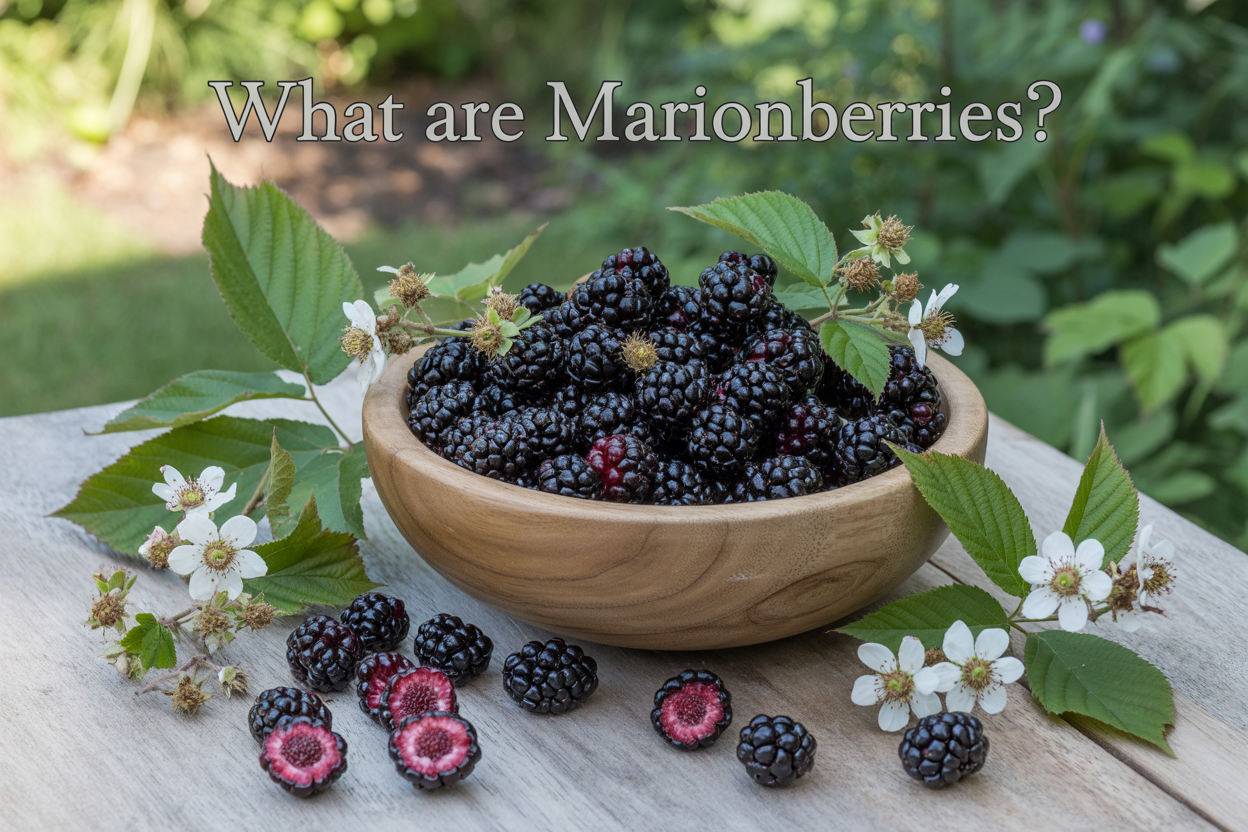
What are MarionBerries? Your Complete Guide to Oregon's Crown Jewel
MarionBerries are a special type of blackberry that was developed in Oregon and has become the state's most beloved berry crop. If you're a home gardener, cooking enthusiast, or health-conscious eater curious about this Pacific Northwest treasure, you've come to the right place.
These dark, juicy berries pack more flavor and nutrition than regular blackberries, making them a favorite among chefs and berry lovers alike. We'll explore the fascinating marionberry origins story and how this hybrid came to dominate Oregon's berry fields. You'll also discover the unique marionberry flavor profile that sets these berries apart from their cousins, plus learn about their impressive marionberry nutrition facts and health benefits that make them a superfood worth seeking out.
Understanding the Marionberry Origins and Heritage
Discover the Pacific Northwest blackberry crossbreeding story
The marionberry story begins with a brilliant agricultural experiment in the Pacific Northwest. Back in the 1940s, researchers at Oregon State University had a bold vision: create the perfect blackberry by combining the best traits from different varieties. They crossed the 'Chehalem' blackberry with the 'Olallie' variety, two carefully selected parents that each brought unique qualities to the table.
The Chehalem variety contributed exceptional flavor complexity and sweetness, while the Olallie added firmness and improved growing characteristics. This wasn't random experimentation – scientists meticulously studied berry genetics and growing patterns for years before making this strategic cross. The resulting hybrid showed promise from early trials, displaying the deep, rich flavor that would eventually make marionberries famous worldwide.
What makes this crossbreeding story remarkable is the patience involved. The researchers didn't rush to market with their creation. They spent years testing different growing conditions, evaluating flavor profiles, and ensuring the new variety could thrive in Oregon's unique climate. This methodical approach paid off spectacularly, creating what many consider the gold standard of blackberries.
Learn why Oregon became the marionberry capital
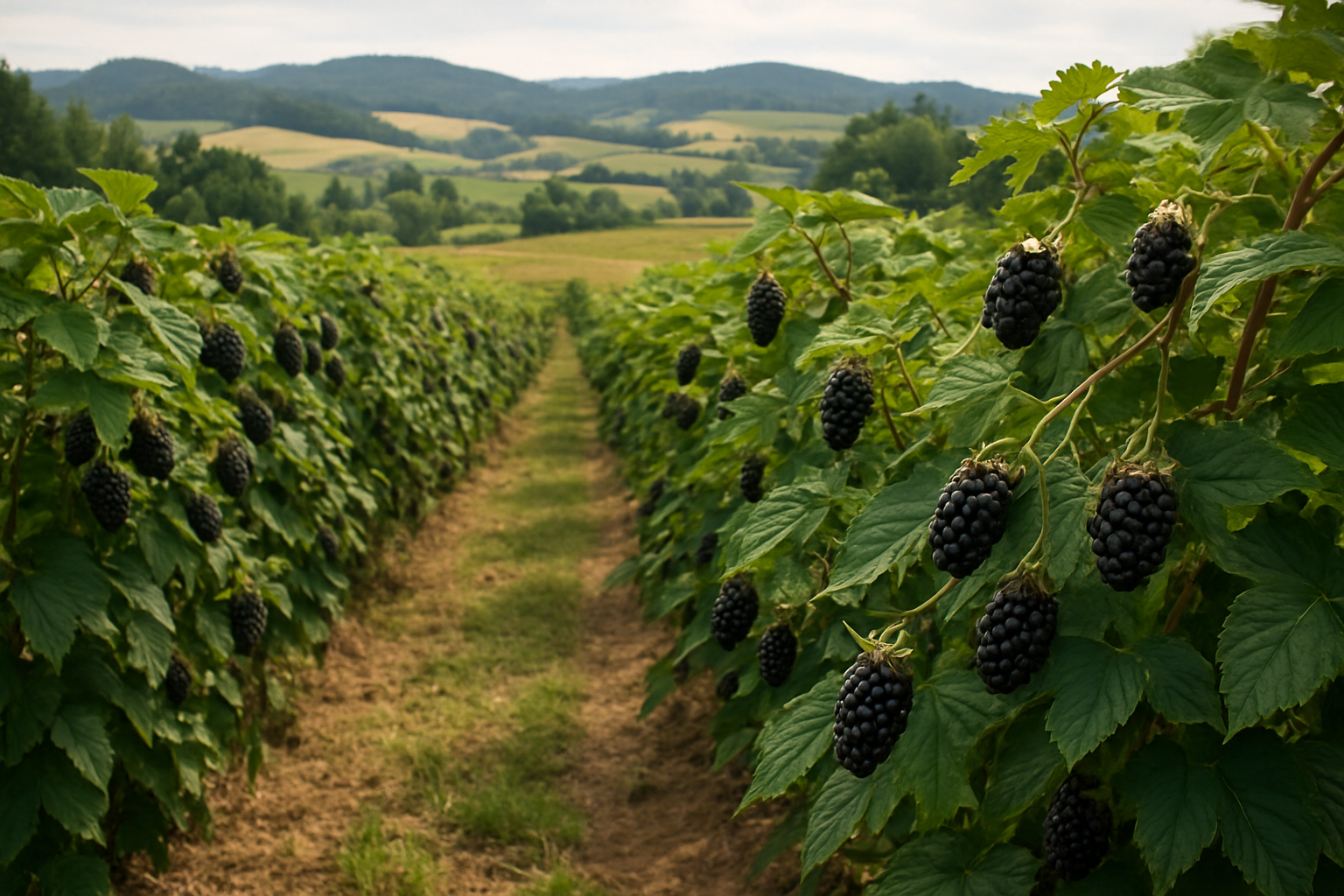
Oregon's geography and climate created the perfect storm for marionberry cultivation. The Willamette Valley, where most marionberries grow today, offers exactly what these berries need: mild, wet winters and warm, dry summers. This Mediterranean-like climate pattern allows the berries to develop their signature complex flavor while maintaining the firm texture that makes them ideal for cooking and fresh eating.
The state's volcanic soil plays a huge role too. Rich in nutrients and well-draining, Oregon's soil provides the perfect foundation for healthy root systems. The slightly acidic pH levels naturally occurring in many Oregon locations match exactly what marionberries prefer for optimal growth.
Oregon growers also embraced sustainable farming practices early on, which helped establish the state's reputation for high-quality berries. Many farms adopted integrated pest management and organic growing methods that preserved both soil health and berry quality. This commitment to excellence, combined with ideal growing conditions, made Oregon the undisputed leader in marionberry production.
Today, Oregon produces about 28-35 million pounds of marionberries annually, representing over 95% of the world's supply. The concentration of expertise, processing facilities, and distribution networks in Oregon has created an entire industry ecosystem around this single berry variety.
Explore the 1950s agricultural innovation that created this superfruit
The official release of the marionberry in 1956 marked a turning point in berry agriculture. Named after Marion County, Oregon, where much of the testing occurred, this new variety represented years of cutting-edge agricultural research. The timing couldn't have been better – post-war America was experiencing a food revolution, with consumers increasingly interested in fresh, flavorful produce.
Dr. George Waldo and his team at Oregon State University used advanced breeding techniques that were revolutionary for their time. They employed controlled pollination methods and maintained detailed genetic records that allowed them to predict and enhance specific traits. This scientific approach was far ahead of traditional farming methods used elsewhere.
The innovation extended beyond just creating the berry. Researchers developed specialized growing techniques, harvesting methods, and storage protocols specifically for marionberries. They discovered optimal spacing between plants, pruning techniques that maximized fruit production, and timing strategies that ensured peak flavor development.
The agricultural innovation also included developing relationships with local farmers and processors. The university didn't just create a new berry and walk away – they provided ongoing support, training, and research to help growers succeed. This collaborative approach between academia and agriculture became a model for other specialty crop development programs.
What truly makes marionberries innovative is their balanced nutritional profile. These berries pack high levels of antioxidants, vitamin C, and fiber while maintaining exceptional taste. The 1950s research team unknowingly created what we now recognize as a superfruit, decades before that term even existed.
Identifying Marionberry Characteristics and Flavor Profile
Recognize the distinctive dark purple appearance and cone shape
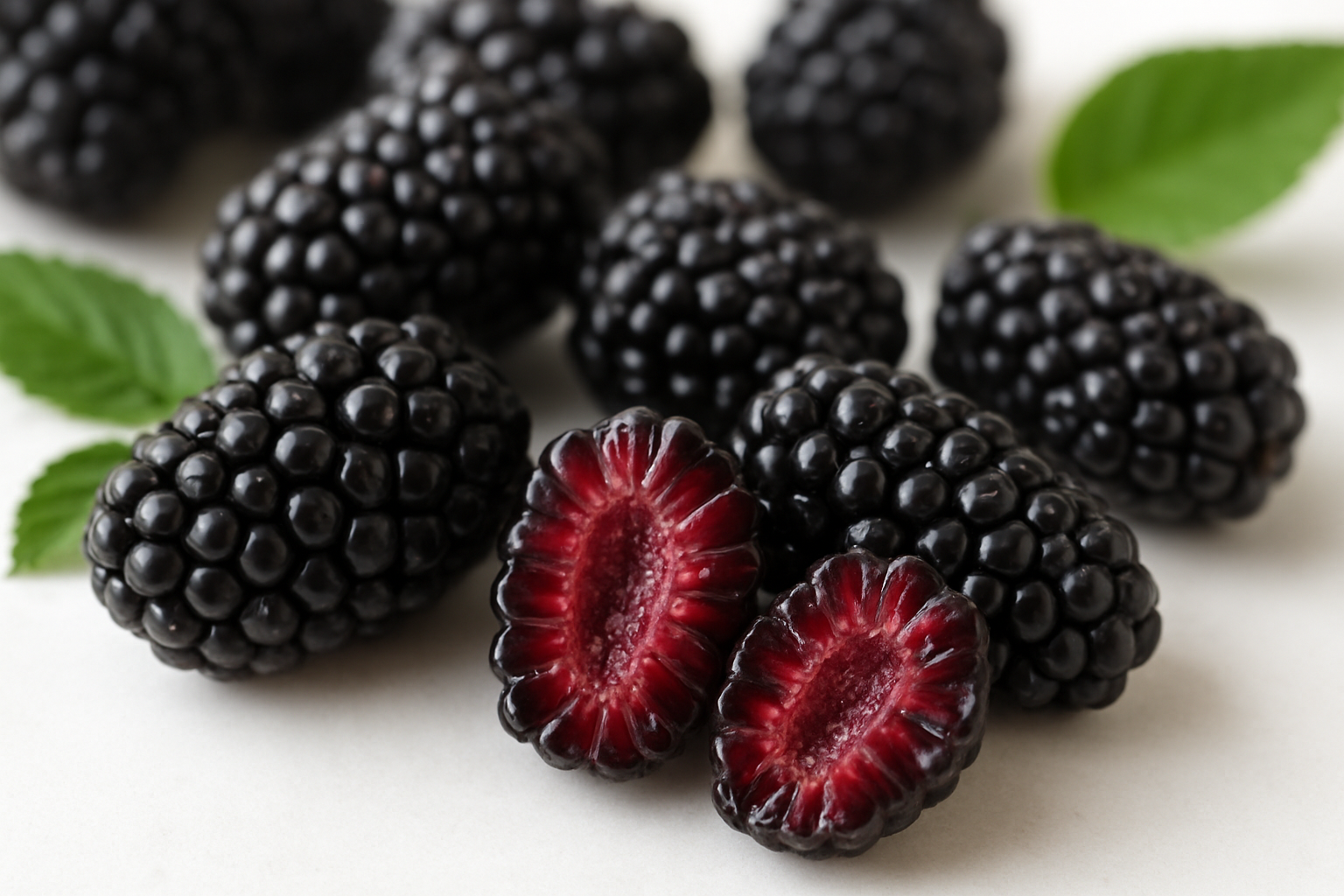
Marionberries stand out from other berries with their deep, almost black-purple color that signals premium quality and intense flavor. These berries develop their signature rich hue as they ripen, transitioning from bright red to deep purple-black. The cone-shaped structure makes them instantly recognizable - they're longer and more tapered than typical blackberries, creating an elegant silhouette that's both functional and beautiful.
The surface of ripe marionberries displays a glossy, almost jewel-like finish that catches light beautifully. Each berry consists of multiple small drupelets clustered together, creating a bumpy texture that's characteristic of bramble fruits. The crown end where the berry attaches to the stem often shows a slight indentation, and the berry gradually tapers to a rounded point at the opposite end.
Experience the perfect balance of sweet and tart flavors
The marionberry flavor profile represents what many consider the gold standard among berries. These berries deliver an exceptional balance where natural sweetness meets bright acidity, creating a complex taste experience that evolves on your palate. The initial burst of sweetness quickly gives way to a pleasant tartness that prevents the berry from being cloying.
Wine-like undertones distinguish marionberries from ordinary blackberries, with subtle earthy notes and hints of spice that add depth to each bite. The flavor intensity peaks during full ripeness, when the sugar content balances perfectly with natural acids. Many describe the taste as more sophisticated than common blackberries, with a fuller, rounder flavor that lingers pleasantly.
Compare marionberry size and texture to common blackberries
| Characteristic | Marionberries | Common Blackberries |
|---|---|---|
| Length | 1-1.5 inches | 0.5-1 inch |
| Shape | Elongated cone | Round to oval |
| Texture | Firm, meaty | Variable firmness |
| Seeds | Medium-sized, less noticeable | Larger, more prominent |
Marionberries typically grow larger than standard blackberries, with individual berries reaching up to 1.5 inches in length. The texture feels more substantial and meaty compared to softer blackberry varieties. When you bite into a marionberry, you'll notice the flesh holds together better, providing a satisfying bite rather than easily collapsing.
The seed structure also differs significantly - while marionberries contain seeds, they're smaller and less intrusive than those found in many blackberry cultivars. This makes eating fresh marionberries more enjoyable since you're less likely to notice the seeds disrupting the smooth eating experience.
Understand the peak ripeness indicators for best taste
Perfect marionberries exhibit several clear visual and tactile cues that indicate optimal ripeness. The berries should display that characteristic deep purple-black color uniformly across the entire surface, without any red or lighter purple areas remaining. Ripe berries feel plump and full when gently squeezed, yielding slightly to pressure without being mushy.
The berry should release easily from the plant when ripe - if you need to tug or pull, it's not ready yet. Ripe marionberries also develop a subtle sweet aroma that becomes noticeable when you're close to the plant. The surface should maintain its glossy appearance without any dull or wrinkled areas that might indicate overripeness.
Timing plays a crucial role in marionberry quality. These berries continue developing flavor even after they turn dark purple, so waiting an extra day or two after initial color change often results in superior taste. The best marionberries practically fall into your hand when touched, indicating they've reached perfect ripeness for maximum flavor and nutritional content.
Maximizing Marionberry Nutritional Benefits
Boost your antioxidant intake with anthocyanins and vitamin C
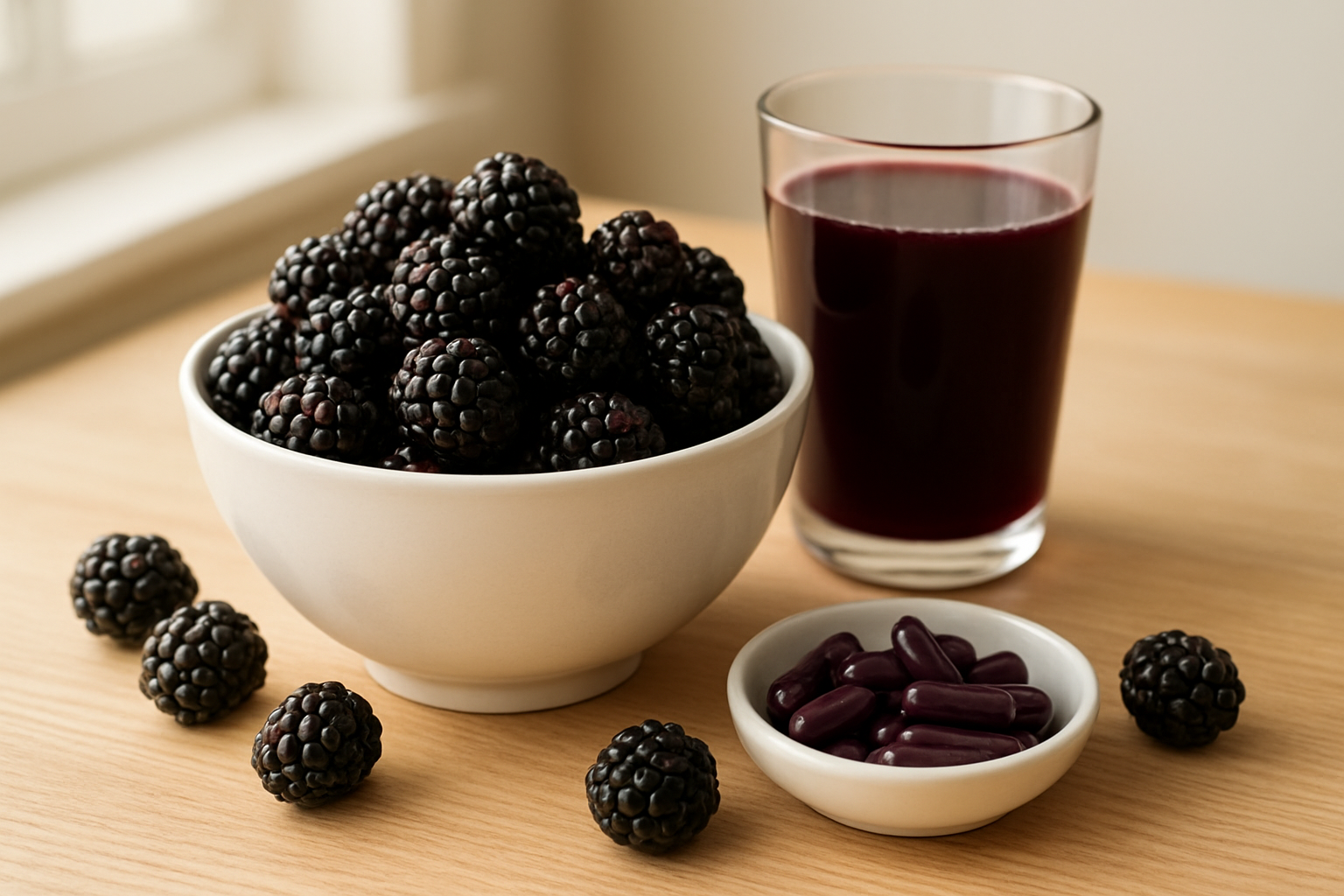
Marionberries pack a serious antioxidant punch that puts them in the superfood category. These dark purple berries get their rich color from anthocyanins, powerful compounds that fight free radicals in your body. A single cup of marionberries delivers more anthocyanins than most other berries, making them exceptional for protecting your cells from oxidative stress and inflammation.
The vitamin C content in marionberries is impressive too - one cup provides about 50% of your daily vitamin C needs. This essential vitamin works alongside anthocyanins to create a potent antioxidant combination that supports cellular repair and protects against chronic diseases. The synergistic effect of these compounds makes marionberries particularly effective at neutralizing harmful molecules that can damage your tissues over time.
Research shows that regular consumption of anthocyanin-rich berries like marionberries may help reduce the risk of heart disease, certain cancers, and age-related cognitive decline. The antioxidants in these berries also support skin health by protecting collagen from breakdown and promoting a healthy, youthful appearance.
Support digestive health with high fiber content
Marionberries are fiber powerhouses, containing both soluble and insoluble fiber that work together to optimize your digestive system. One cup of fresh marionberries provides approximately 8 grams of dietary fiber - that's about one-third of the recommended daily intake for adults.
The soluble fiber in marionberries forms a gel-like substance in your digestive tract, which helps slow down digestion and promotes steady blood sugar levels. This type of fiber also feeds beneficial gut bacteria, supporting a healthy microbiome that's crucial for overall wellness. When your gut bacteria thrive, they produce short-chain fatty acids that nourish your intestinal lining and reduce inflammation throughout your body.
Insoluble fiber adds bulk to your stool and helps food move efficiently through your digestive system, preventing constipation and promoting regular bowel movements. This combination of fiber types makes marionberries an excellent choice for maintaining digestive health and preventing gastrointestinal issues.
The natural fiber in marionberries also helps you feel full and satisfied, making them a smart choice for weight management. Unlike processed foods with added fiber, the fiber in marionberries comes packaged with vitamins, minerals, and antioxidants that provide additional health benefits.
Strengthen your immune system naturally
Marionberries offer multiple immune-boosting benefits that help your body defend against illness and infection. The high vitamin C content plays a crucial role in supporting white blood cell function and enhancing your body's natural defense mechanisms. Vitamin C also helps your body absorb iron more effectively, ensuring your immune cells have the nutrients they need to function optimally.
The anthocyanins in marionberries provide additional immune support by reducing chronic inflammation that can weaken your immune response. These compounds help modulate immune cell activity, ensuring your immune system responds appropriately to threats without becoming overactive or causing unnecessary inflammation.
Marionberries also contain smaller amounts of other immune-supporting nutrients like vitamin K, manganese, and folate. These nutrients work together to support the production and function of immune cells, helping your body maintain its natural defenses year-round.
The natural sugars in marionberries provide quick energy for immune cells while the fiber helps maintain stable blood sugar levels - important because blood sugar spikes can temporarily suppress immune function. This balanced nutritional profile makes marionberries an ideal snack when you're looking to naturally support your immune system through nutrition.
Mastering Marionberry Growing and Harvesting
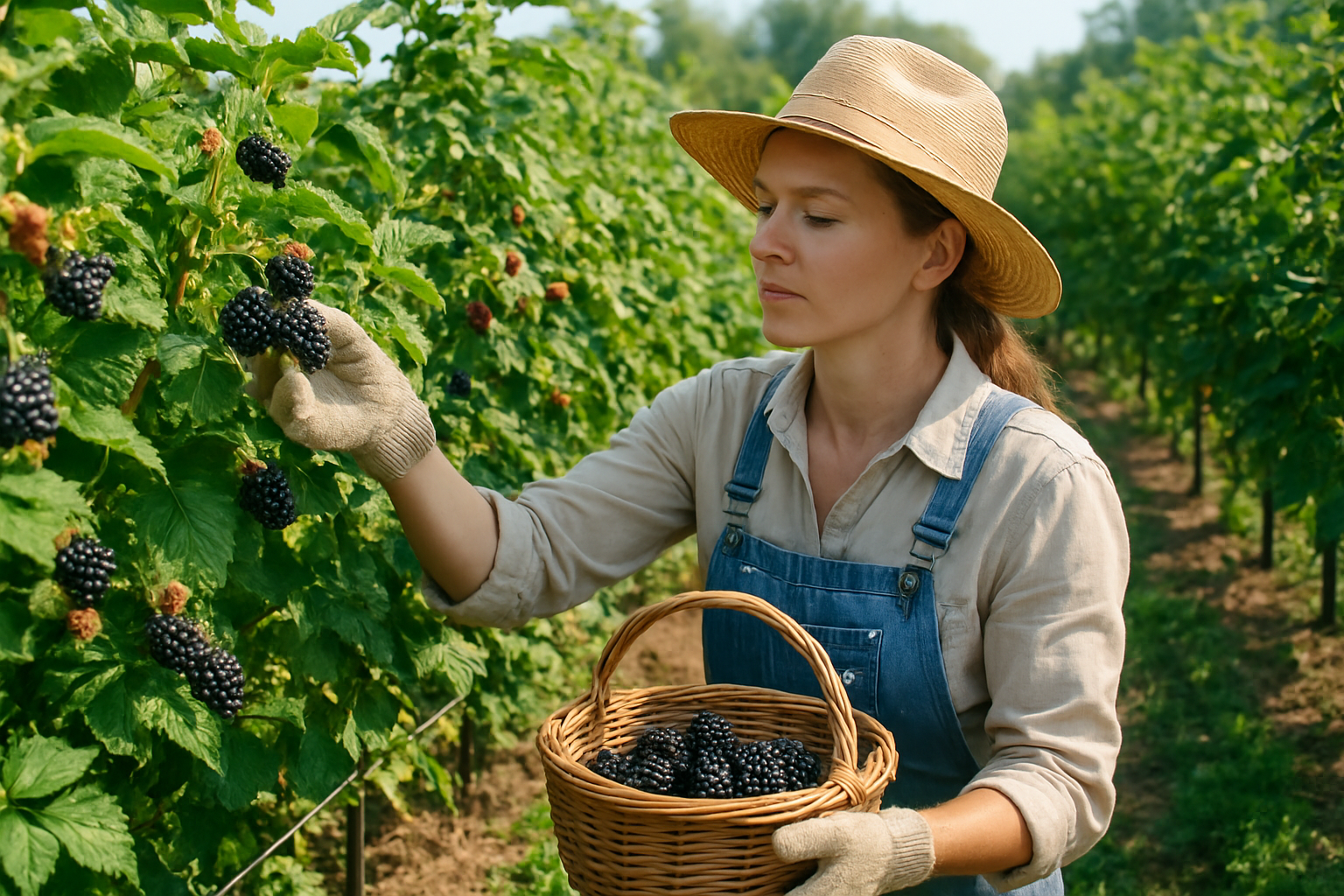
Choose the ideal climate conditions for successful cultivation
Marionberries thrive in the Pacific Northwest's unique climate, specifically in Oregon's Willamette Valley where they originated. These berries need a temperate climate with mild, wet winters and warm, relatively dry summers. The ideal temperature range falls between 60-75°F during the growing season, with winter temperatures rarely dropping below 20°F.
Rainfall plays a crucial role in marionberry cultivation. The plants prefer about 40-50 inches of annual precipitation, with most moisture coming during the dormant winter months. Summer irrigation becomes essential when natural rainfall drops below 1 inch per month. Well-draining soil prevents root rot, while clay-loam soils with pH levels between 5.8-6.8 provide the perfect foundation.
Wind protection is another key factor. Strong winds can damage the delicate canes and reduce fruit quality. Plant your marionberries near natural windbreaks or create barriers using fencing or taller plants.
Plant and maintain marionberry canes for maximum yield
Successful marionberry growing starts with proper cane management. Plant bare-root canes in late winter or early spring, spacing them 4-6 feet apart in rows separated by 8-10 feet. This spacing allows adequate air circulation and room for the trailing growth habit.
Establish a trellis system before planting. A two-wire system works best, with wires positioned at 3 feet and 5 feet above ground. Train the canes horizontally along these wires as they grow.
Pruning is critical for maintaining healthy plants and maximizing yield. Remove spent canes immediately after harvest, as marionberries produce fruit on second-year wood. Thin new canes to 8-12 of the strongest shoots per plant. Regular fertilization with balanced fertilizer (10-10-10) in early spring supports vigorous growth.
Weed control around the base prevents competition for nutrients and water. Apply a 3-4 inch layer of organic mulch like wood chips or straw to suppress weeds and retain moisture.
Time your harvest for peak flavor and nutrition
Marionberry harvest season typically runs from mid-July through August, depending on your location and weather conditions. Perfect timing makes all the difference in flavor and nutritional content. Berries reach peak ripeness when they turn deep purple-black and easily separate from the plant with gentle pressure.
Check your plants every 2-3 days during peak season, as berries ripen unevenly. Morning harvest yields the best results when berries are cool and firm. Avoid picking during or immediately after rain, as wet berries spoil quickly and lose their firm texture.
Ripe marionberries should have a glossy appearance and feel slightly soft to the touch. Underripe berries appear reddish-purple and taste tart, while overripe berries become mushy and develop an off-flavor. The sweet-tart balance is perfect when berries reach full color but still maintain their shape.
Handle delicate berries properly to prevent damage
Marionberries are extremely fragile and require gentle handling from bush to table. Use shallow containers no deeper than 2-3 inches to prevent crushing berries under their own weight. Small baskets or flats work better than deep buckets.
Pick berries directly into their final containers when possible. Transferring damages the delicate fruit and reduces shelf life. Handle berries as little as possible, grasping them gently between thumb and forefinger.
Store freshly picked marionberries in the refrigerator immediately after harvest. Don't wash berries until you're ready to use them, as excess moisture promotes mold growth. Properly handled marionberries last 3-5 days in refrigeration.
For longer storage, freeze berries on shallow trays before transferring to freezer bags. This prevents them from clumping together and maintains their individual integrity for future cooking uses.
Enjoying Marionberries in Culinary Applications
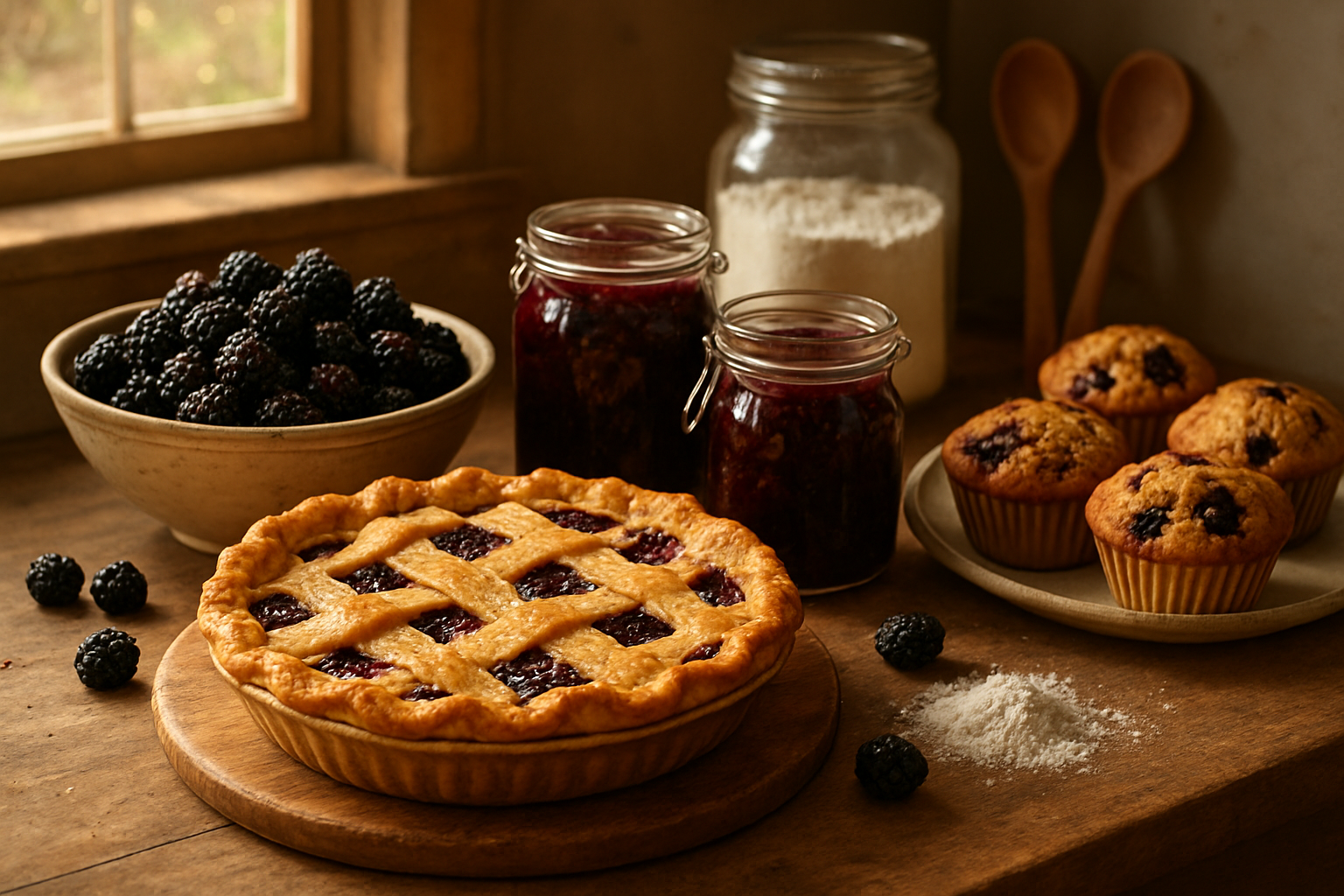
Create irresistible marionberry pies and desserts
Classic marionberry pie stands as Oregon's unofficial state dessert, and for good reason. The berries' natural balance of sweet and tart flavors creates depth that plain blackberries can't match. Start with a simple lattice-top pie using 6 cups of fresh marionberries, 3/4 cup sugar, 3 tablespoons cornstarch, and a squeeze of lemon juice. The berries release plenty of natural juices, so avoid over-thickening the filling.
Beyond traditional pies, marionberries shine in cobblers, crisps, and galettes. Their firm texture holds up beautifully during baking without turning to mush. Try folding them into cheesecake batter, layering them in trifles, or creating stunning marionberry tarts with vanilla pastry cream. The deep purple color makes any dessert look restaurant-quality.
For chocolate lovers, marionberries pair wonderfully with dark chocolate in brownies, muffins, and flourless chocolate tortes. The berries' acidity cuts through rich chocolate, creating perfect flavor balance.
Make homemade jams and preserves that last all year
Marionberry jam captures summer's essence in a jar. Their high pectin content means you'll need less added pectin than other berry varieties, making them perfect for small-batch jam making. Use a 3:1 ratio of berries to sugar for classic jam, or reduce sugar to 2:1 for a more intense berry flavor.
Low-sugar pectin lets you highlight the marionberries' natural taste without overwhelming sweetness. Add fresh thyme or lavender for gourmet variations that make excellent gifts. Processing jams properly in a water bath canner ensures shelf stability for up to two years.
Marionberry preserves work beautifully as pizza sauce bases, glazes for grilled meats, or stirred into plain yogurt. The cooking process concentrates their complex flavor profile while maintaining that signature marionberry tartness.
Blend fresh marionberries into smoothies and beverages
Fresh marionberries transform ordinary smoothies into antioxidant powerhouses. Their robust flavor pairs excellently with banana, vanilla protein powder, and almond milk. Unlike more delicate berries, marionberries maintain their taste even when frozen, making them perfect for year-round smoothie ingredients.
Create refreshing marionberry agua frescas by blending berries with water, lime juice, and mint. Strain for a clear beverage or leave unstrained for more texture. Marionberry lemonade offers a Pacific Northwest twist on the classic summer drink.
For adults, muddle fresh marionberries in cocktails like mojitos, sangrias, or simple marionberry vodka tonics. Their deep color creates visually striking drinks, while their balanced flavor complements both light spirits and bold wines.
Incorporate marionberries into savory dishes and sauces
Marionberries aren't just for desserts. Their tartness makes excellent savory applications, particularly with game meats, duck, and pork. Create pan sauces by deglazing with balsamic vinegar and fresh marionberries, then reducing until syrupy.
Marionberry vinaigrettes elevate simple green salads, especially those featuring goat cheese, candied nuts, and arugula. The berries' natural acidity reduces the need for additional vinegar, creating smoother, more balanced dressings.
Try marionberry chutney alongside grilled salmon or roasted chicken. Combine berries with diced onions, fresh ginger, and a splash of apple cider vinegar for a complex condiment that bridges sweet and savory flavors beautifully.
Preserve marionberries through freezing and dehydrating methods
Proper freezing maintains marionberries' flavor and nutritional value for up to 12 months. Wash and dry berries completely before spreading them on parchment-lined baking sheets. Freeze individually before transferring to airtight containers. This prevents clumping and allows you to use exact amounts in recipes.
Vacuum sealing removes air exposure, extending freezer life even further. Frozen marionberries work perfectly in smoothies, baking, and jam making without thawing first.
Dehydrating concentrates marionberries' flavor into chewy, intensely flavored dried fruit. Set dehydrators to 135°F and dry for 12-18 hours until leathery but still pliable. Dried marionberries add wonderful texture to trail mixes, granola, and baked goods while providing concentrated antioxidants and natural sweetness.
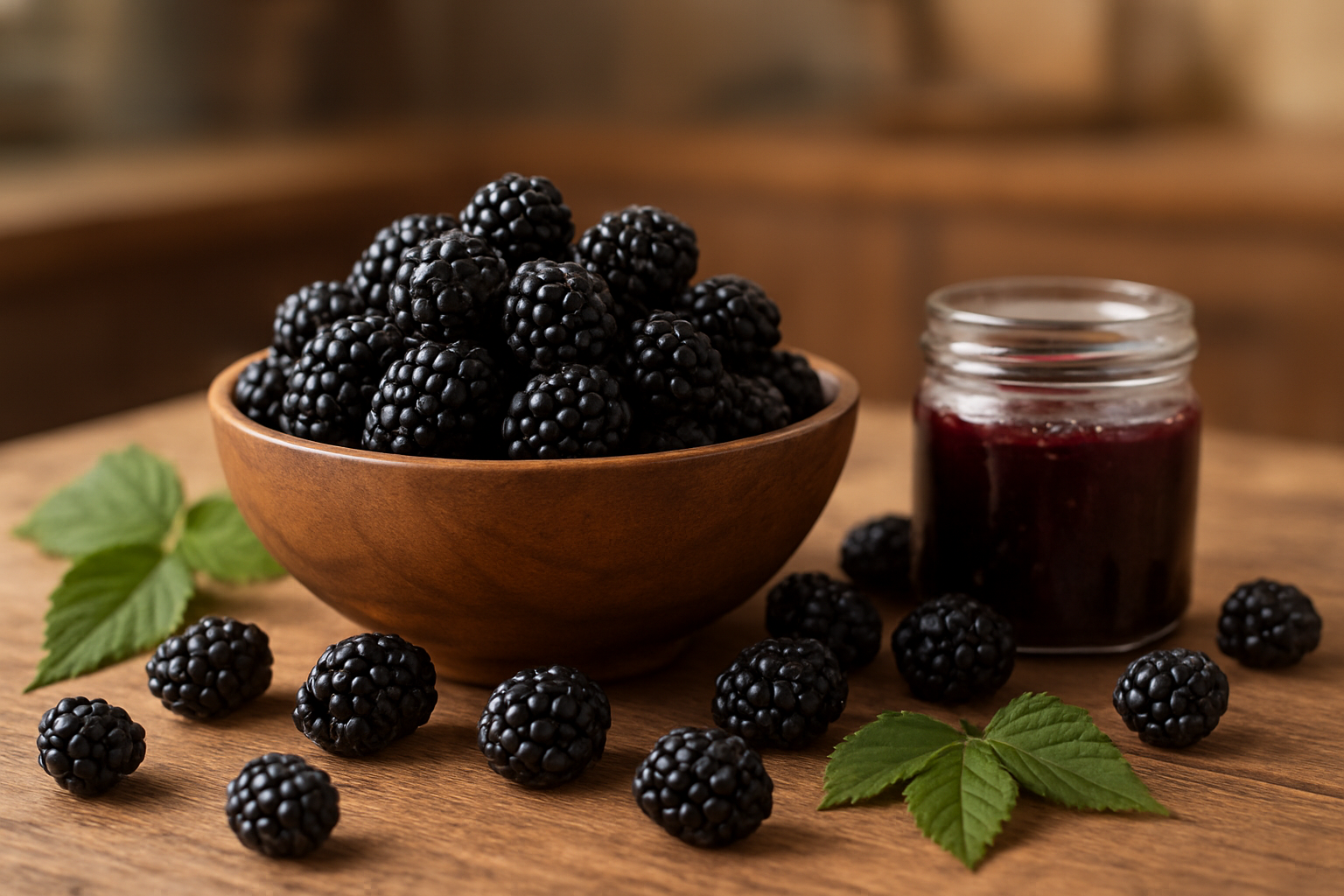
Marionberries offer a perfect blend of sweet and tart flavors that make them stand out from regular blackberries. Their rich nutritional profile packed with antioxidants, vitamins, and fiber makes them a smart choice for anyone looking to boost their health naturally. Plus, their versatility in the kitchen means you can enjoy them fresh, baked into pies, or turned into jams and sauces.
If you've never tried marionberries before, now's the time to seek them out at your local farmers market or grocery store. For those with green thumbs, consider adding these Oregon gems to your garden – they're surprisingly manageable to grow and will reward you with delicious berries for years to come. Once you experience their unique flavor and discover all the ways to use them, marionberries might just become your new favorite berry.


.png)
Comments
Post a Comment