Mulberries - What are Mulberries?
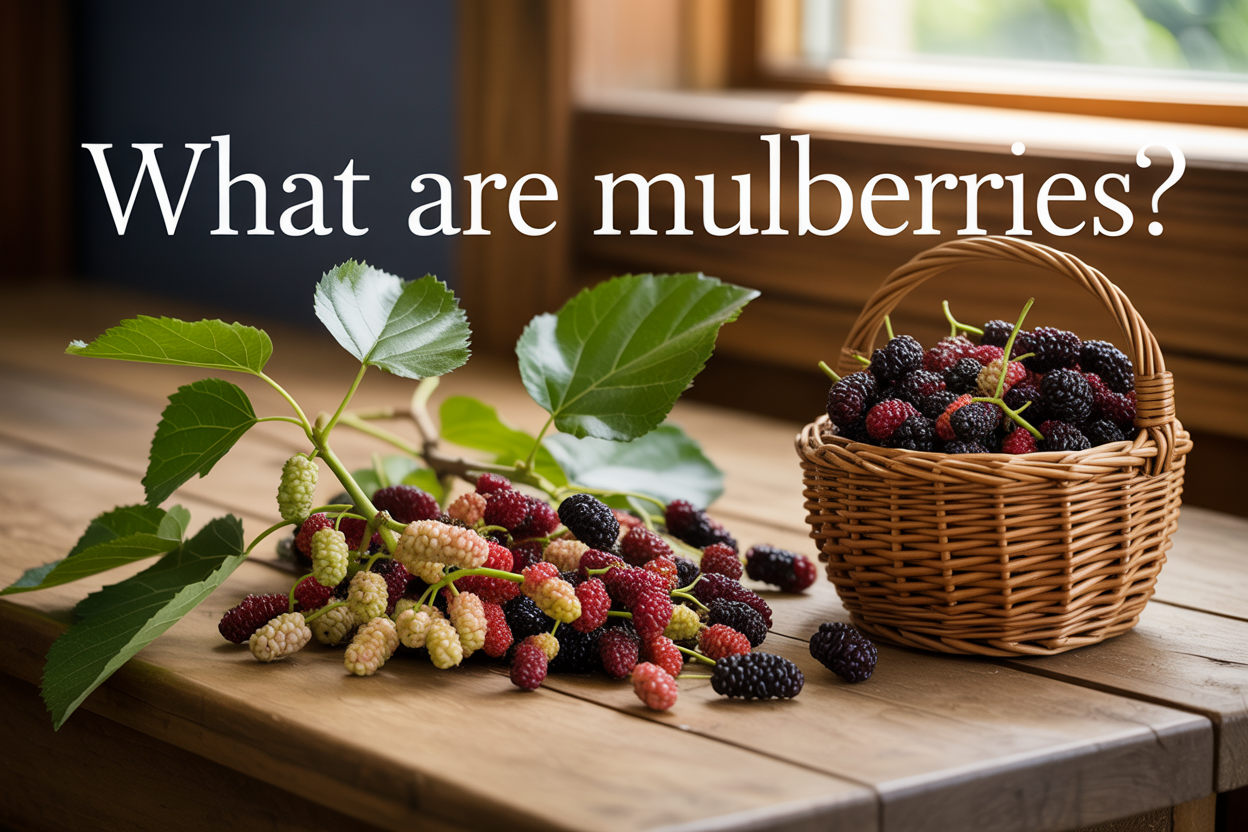
Mulberries are sweet, berry-like fruits that grow on fast-growing deciduous trees, but many people don't know much about these nutritious gems hiding in plain sight. This guide is perfect for curious food lovers, home gardeners wanting to grow their own fruit, and anyone interested in adding more healthy options to their diet.
You'll discover what makes mulberries so special, from their fascinating history to the unique physical traits that set them apart from other berries. We'll also dive into the impressive mulberry nutrition facts that make these fruits a powerhouse for your health, plus practical tips for growing mulberries in your own backyard and making the most of your fresh mulberry harvest.
Understanding Mulberries and Their Origins
Scientific Classification and Botanical Family
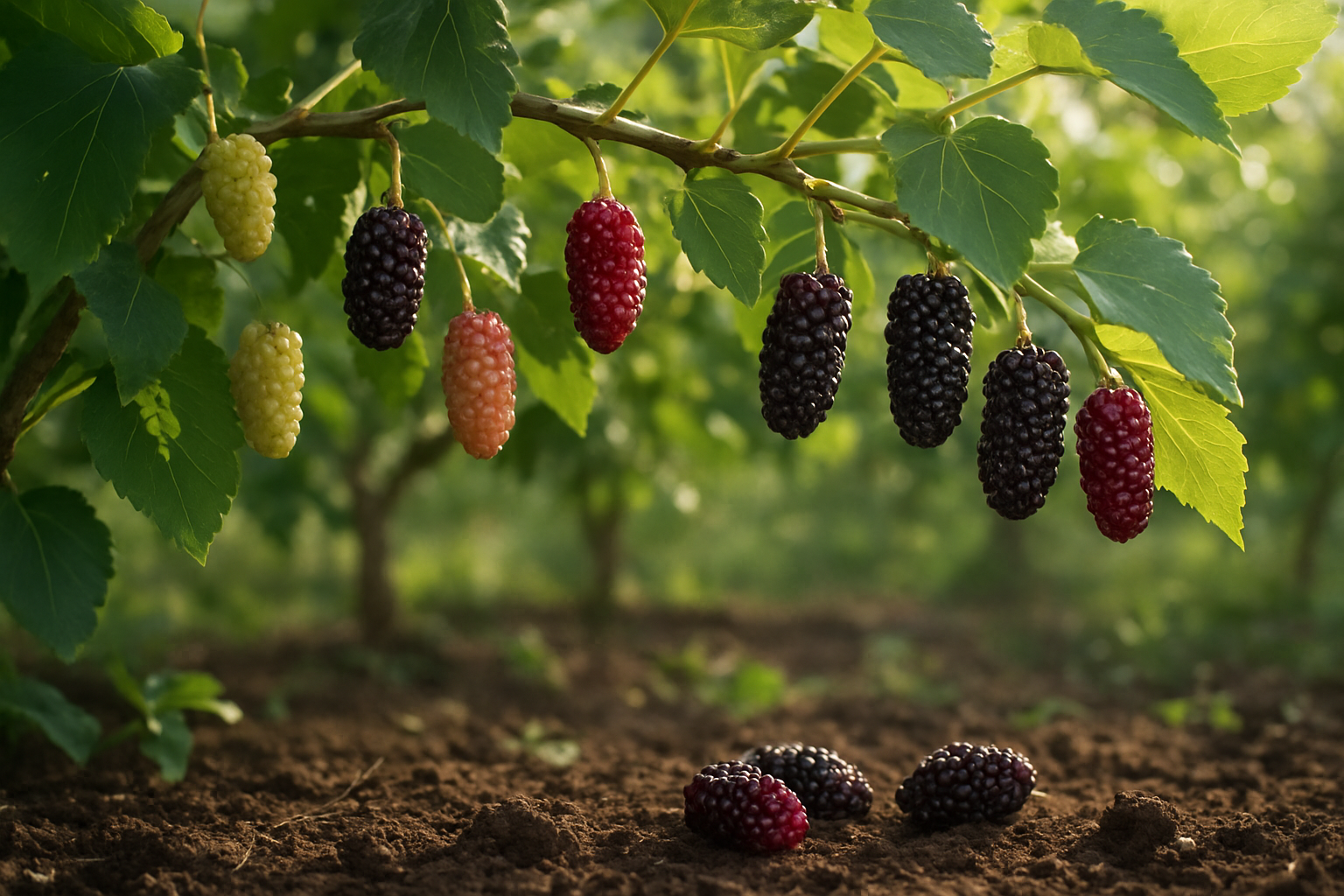
Mulberries belong to the genus Morus within the Moraceae family, commonly known as the fig family. This botanical classification places them alongside other economically important plants like figs, breadfruit, and jackfruit. The mulberry tree shares several characteristics with its relatives, including latex-containing tissues and aggregate fruits that develop from clusters of small flowers.
The Moraceae family contains over 1,100 species spread across 37 genera, making it one of the more diverse plant families. Scientists recognize approximately 10-16 species within the Morus genus, though exact numbers vary depending on taxonomic interpretation. These species range from small shrubs to large deciduous trees, all producing the distinctive aggregate fruits we know as mulberries.
Geographic Distribution and Native Regions
Mulberries have spread across temperate and subtropical regions worldwide, but their origins trace back to specific native areas. White mulberries (Morus alba) originated in northern China and have been cultivated there for over 4,000 years. Red mulberries (Morus rubra) are native to eastern North America, ranging from Massachusetts to Kansas and south to the Gulf of Mexico.
Black mulberries (Morus nigra) likely originated in western Asia, possibly in the region that is now Iran and Turkey. Through centuries of trade and cultivation, these species have naturalized in many regions far from their origins. Today, you can find mulberry trees thriving across Europe, Asia, North America, and parts of South America and Africa.
Climate plays a crucial role in their distribution. Most mulberry species prefer temperate climates with distinct seasons, though some varieties can tolerate subtropical conditions. They generally require winter chilling hours to produce fruit properly, which explains their success in regions with cold winters and warm summers.
Historical Significance in Ancient Civilizations
The relationship between humans and mulberries stretches back millennia, with these trees playing pivotal roles in ancient economies and cultures. In ancient China, mulberry cultivation became the foundation of silk production around 2700 BCE. The leaves served as the primary food source for silkworms, making mulberry trees essential to one of the world's most valuable trade commodities.
Chinese emperors closely guarded the secrets of silk production, and mulberry cultivation spread along the famous Silk Road. The economic importance of these trees was so significant that entire regions specialized in their cultivation. Ancient Chinese texts describe elaborate mulberry orchards and sophisticated pruning techniques that maximized leaf production for silkworm feeding.
In ancient Greece and Rome, mulberries held both practical and mythological significance. The Greeks called the tree moron, and both cultures valued the fruit for its medicinal properties. Roman naturalist Pliny the Elder wrote extensively about mulberry cultivation, describing different varieties and their uses. The fruit appeared in various myths and legends, often symbolizing wisdom and patience due to the tree's late leafing habit.
Ancient Persian and Arabic texts also reference mulberry cultivation, particularly praising the mulberry fruit benefits for health and nutrition. These civilizations developed preservation methods for the fruit and incorporated it into traditional medicines.
Common Species Found Worldwide
Three primary species dominate global mulberry cultivation, each offering distinct characteristics and adapted to different growing conditions.
White Mulberry (Morus alba) remains the most widely distributed species globally. Despite its name, the fruit color ranges from white to pink to dark purple. These trees grow rapidly, reaching 30-50 feet in height, and produce abundant crops. White mulberries have become naturalized across much of North America and Europe, sometimes considered invasive due to their aggressive spreading habit.
Red Mulberry (Morus rubra) represents the native North American species, producing dark red to black fruits with exceptional flavor. These trees typically grow smaller than their white cousins, reaching 20-40 feet at maturity. Red mulberries show better cold tolerance and often prefer slightly acidic soils. Their fruit ripens earlier in the season compared to other species.
Black Mulberry (Morus nigra) produces what many consider the most flavorful fruit among mulberry species. These trees grow more slowly and remain smaller, making them popular for home gardens. The fruit is typically dark purple to black when ripe and offers intense, wine-like flavors. Black mulberries prefer warmer climates and are commonly found in Mediterranean regions.
Several hybrid varieties have emerged from crossing these main species, combining desirable traits like cold hardiness with fruit quality. Illinois Everbearing and Shangri-La represent popular cultivars that extend harvest seasons and improve fruit characteristics for home gardeners interested in growing mulberries.
Physical Characteristics That Make Mulberries Unique
Distinctive Fruit Appearance and Color Variations
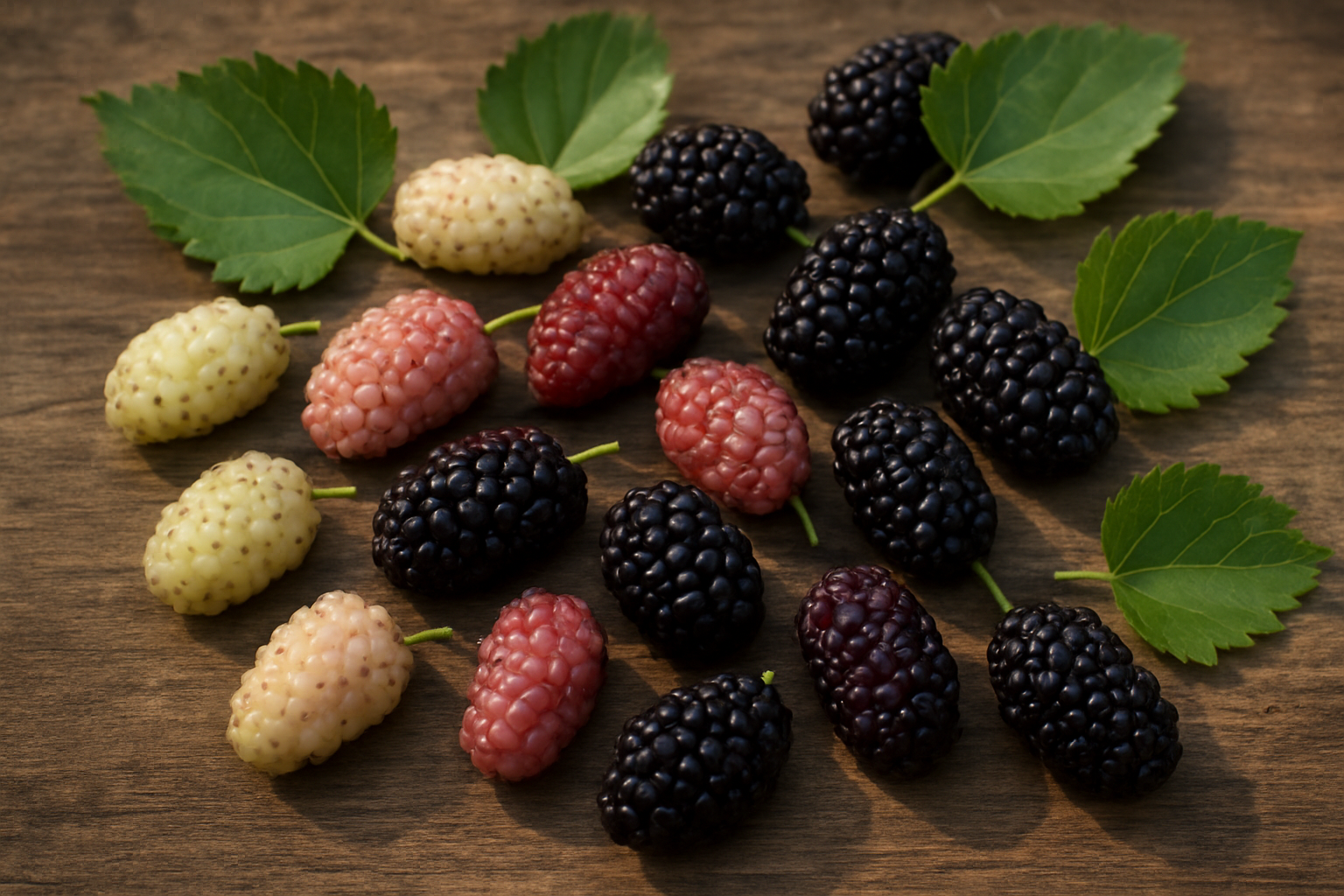
Mulberries stand out with their elongated, aggregate fruit structure that resembles a stretched blackberry. These unique fruits typically measure 1-3 inches in length and consist of numerous tiny drupelets clustered together. The color progression tells a fascinating story - mulberry fruit starts green, transitions through white or red depending on the variety, and often matures to deep purple or black.
White mulberries maintain their pale, almost translucent appearance when ripe, offering a subtle sweetness. Red varieties display vibrant crimson hues, while black mulberries develop rich, dark purple coloration that can stain fingers instantly. Some cultivars produce fruits with mixed coloring on the same tree, creating a beautiful natural rainbow effect during harvest season.
The texture varies significantly between varieties too. Fresh mulberries can range from soft and juicy to firm and slightly chewy, with seeds so small they're barely noticeable when eating. This diverse appearance makes mulberries easily distinguishable from other berries in your garden.
Tree Size, Bark Texture, and Growth Patterns
Mulberry trees exhibit remarkable diversity in their growth characteristics. Dwarf varieties stay compact at 6-10 feet, perfect for small gardens, while standard trees can tower up to 80 feet tall with sprawling canopies reaching 45 feet wide. Most cultivated varieties settle comfortably between 20-30 feet, making them manageable for home landscapes.
The bark tells its own story across different species. Young trees display smooth, grayish-brown bark that gradually develops distinctive furrows and ridges as they mature. White mulberry bark tends to be lighter and more uniformly textured, while black mulberry bark becomes deeply grooved with age, creating an attractive sculptural quality.
Growing mulberries reveals their adaptable nature through varied growth patterns. These trees typically develop broad, rounded crowns with strong branching structures. They're remarkably fast growers, often adding 2-6 feet annually during their youth. The root systems spread wide but rarely cause foundation problems, making them excellent choices for suburban settings.
Leaf Shape Differences Between Species
Leaf identification provides the most reliable way to distinguish between mulberry tree species. White mulberries (Morus alba) showcase incredible leaf diversity, even on single trees. You'll find unlobed oval leaves alongside deeply lobed varieties with 3-5 distinct sections, creating an almost maple-like appearance.
Black mulberries (Morus nigra) maintain more consistency with heart-shaped leaves featuring serrated edges and a rough, sandpaper-like texture. These leaves typically measure 4-8 inches long and display prominent veining patterns.
Red mulberries (Morus rubra) fall somewhere between their cousins, producing leaves that range from simple ovals to moderately lobed forms. Their leaves feel smoother than black mulberry foliage but rougher than white varieties.
| Species | Leaf Shape | Texture | Size Range |
|---|---|---|---|
| White Mulberry | Variable (oval to deeply lobed) | Smooth to slightly rough | 2-6 inches |
| Black Mulberry | Heart-shaped, serrated | Rough, sandpaper-like | 4-8 inches |
| Red Mulberry | Oval to moderately lobed | Moderately rough | 3-7 inches |
The seasonal color changes add another layer of identification. Most varieties transition from bright green spring growth to golden yellow fall colors, though some cultivars maintain green leaves longer into autumn.
Nutritional Benefits That Boost Your Health
Essential vitamins and mineral content
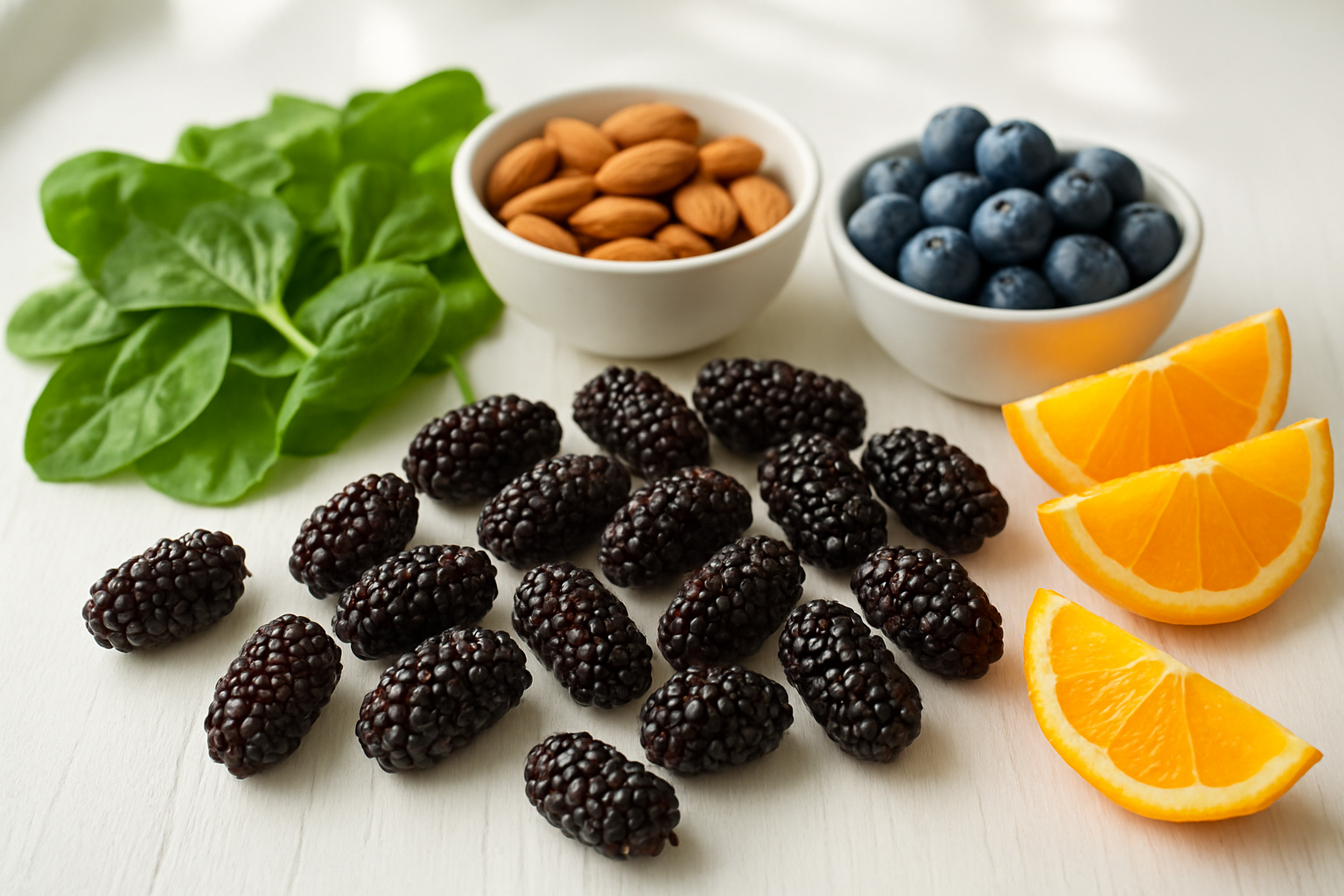
Mulberries pack an impressive nutritional punch that rivals many other superfruits. These small berries contain high levels of vitamin C, providing about 36% of your daily needs in just one cup. This vitamin C content supports immune function and helps your body absorb iron more effectively.
The vitamin K content in mulberries is particularly noteworthy, with one cup delivering approximately 25% of your daily requirement. This vitamin plays a crucial role in bone health and blood clotting. Mulberry nutrition facts also reveal significant amounts of iron, potassium, and magnesium. Iron supports healthy red blood cell production, while potassium helps regulate blood pressure and heart function.
Fresh mulberries contain folate, which is essential for DNA synthesis and red blood cell formation. The mineral profile includes calcium for bone strength and phosphorus for energy metabolism. These nutrients work together to support various bodily functions and maintain optimal health.
Antioxidant properties and disease prevention
The dark purple color of ripe mulberries signals their rich antioxidant content. These compounds, including anthocyanins and resveratrol, help protect your cells from oxidative stress and inflammation. Research suggests these antioxidants may help reduce the risk of heart disease and certain types of cancer.
Mulberry fruit benefits extend to brain health, as the anthocyanins can cross the blood-brain barrier and may help protect against age-related cognitive decline. The resveratrol content, similar to that found in red wine, has been linked to cardiovascular protection and anti-aging properties.
These powerful compounds also support the immune system and may help regulate blood sugar levels. Regular consumption of antioxidant-rich foods like mulberries can contribute to long-term health and disease prevention.
Fiber content for digestive wellness
One cup of mulberries provides about 2.4 grams of dietary fiber, contributing to digestive health and regularity. This fiber content helps slow down sugar absorption, preventing rapid spikes in blood glucose levels after meals.
The soluble fiber in mulberries feeds beneficial gut bacteria, promoting a healthy microbiome. This supports not only digestive function but also immune health, as a significant portion of your immune system resides in the gut.
Fiber also helps you feel satisfied after eating, which can prevent overeating and support healthy weight management goals. The combination of fiber with the natural sweetness of mulberries makes them an excellent choice for satisfying cravings while supporting digestive wellness.
Low calorie count for weight management
With only about 60 calories per cup, mulberries offer a sweet treat that fits well into weight management plans. Their natural sugars provide energy without the empty calories found in processed snacks and desserts.
The combination of fiber, water content, and natural sweetness makes mulberries particularly satisfying. They can help curb sugar cravings while providing essential nutrients your body needs. This makes them an ideal snack for those looking to maintain or lose weight without feeling deprived.
The low calorie density means you can enjoy a generous portion while staying within your daily caloric goals. Whether eaten fresh or added to smoothies and yogurt, mulberries provide flavor and nutrition without compromising weight management efforts.
Growing Mulberries Successfully in Your Garden
Ideal soil conditions and pH requirements
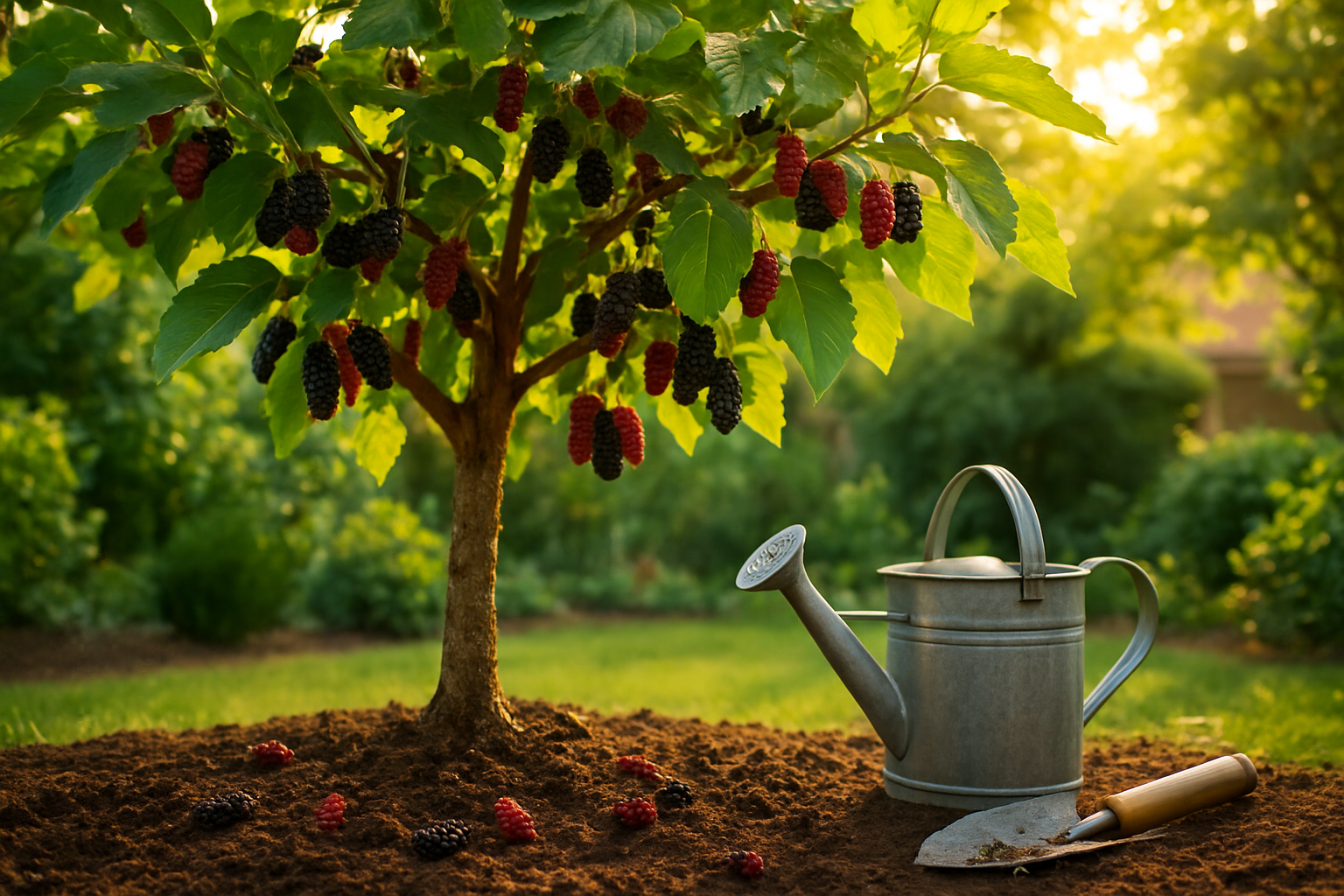
Mulberries are remarkably adaptable trees that can handle various soil types, but they really shine in well-draining, fertile ground. Your mulberry tree will be happiest in loamy soil that holds moisture without becoming waterlogged. Clay soils work too, as long as they drain properly - nobody wants their tree sitting in soggy conditions all day.
The sweet spot for soil pH falls between 6.0 and 6.8, which puts mulberries in the slightly acidic to neutral range. If you're unsure about your soil's pH, grab a simple testing kit from your local garden center. Most garden soils naturally fall within this range, so you might not need to make any adjustments at all.
Climate preferences and hardiness zones
When growing mulberries, you'll find these trees are surprisingly tough cookies. Most varieties handle USDA hardiness zones 4 through 9, with some types pushing into zone 10. They love full sun but can tolerate partial shade, though you'll get better fruit production with at least 6 hours of direct sunlight daily.
Mulberry trees actually prefer areas with hot summers and cold winters. They need those chilly months for proper fruit development. The trees can handle temperatures down to -25°F once established, making them perfect for gardeners in colder regions who want fresh fruit.
Planting techniques for optimal growth
Space your mulberry trees at least 15-20 feet apart - these beauties can spread wide and you don't want them competing for resources. Dig your planting hole twice as wide as the root ball but only as deep. You want the top of the root ball sitting level with the surrounding soil.
Plant in early spring after the last frost, or in fall about 6-8 weeks before your first hard freeze. This timing gives the roots a chance to establish before facing extreme weather. Water deeply after planting and add a 3-inch layer of organic mulch around the base, keeping it a few inches away from the trunk.
Pruning methods to maximize fruit production
Your mulberry tree needs annual pruning during its dormant season, typically late winter or early spring before buds break. Start by removing any dead, diseased, or crossing branches. These problems can spread and hurt your tree's overall health.
For fruit production, focus on maintaining an open center that allows sunlight to reach all branches. Remove suckers that grow from the base and thin out crowded areas. Young trees benefit from light pruning that encourages strong scaffold branches, while mature trees need more aggressive pruning to keep them manageable and productive.
Common pests and natural prevention strategies
The good news about mulberry gardening is that these trees face relatively few serious pest problems. Birds are your biggest competition - they absolutely love ripe mulberries. Consider netting your tree or planting enough to share with your feathered friends.
Scale insects and aphids occasionally show up, but beneficial insects like ladybugs usually keep them in check. Encourage natural predators by avoiding harsh chemical sprays. If you notice problems, try spraying with insecticidal soap or neem oil during cooler parts of the day.
Proper tree spacing, good air circulation, and avoiding overhead watering help prevent fungal issues. Keep the area around your tree clean of fallen fruit and leaves, as these can harbor pests and diseases over winter.
Harvesting and Using Fresh Mulberries
Identifying Peak Ripeness for Best Flavor
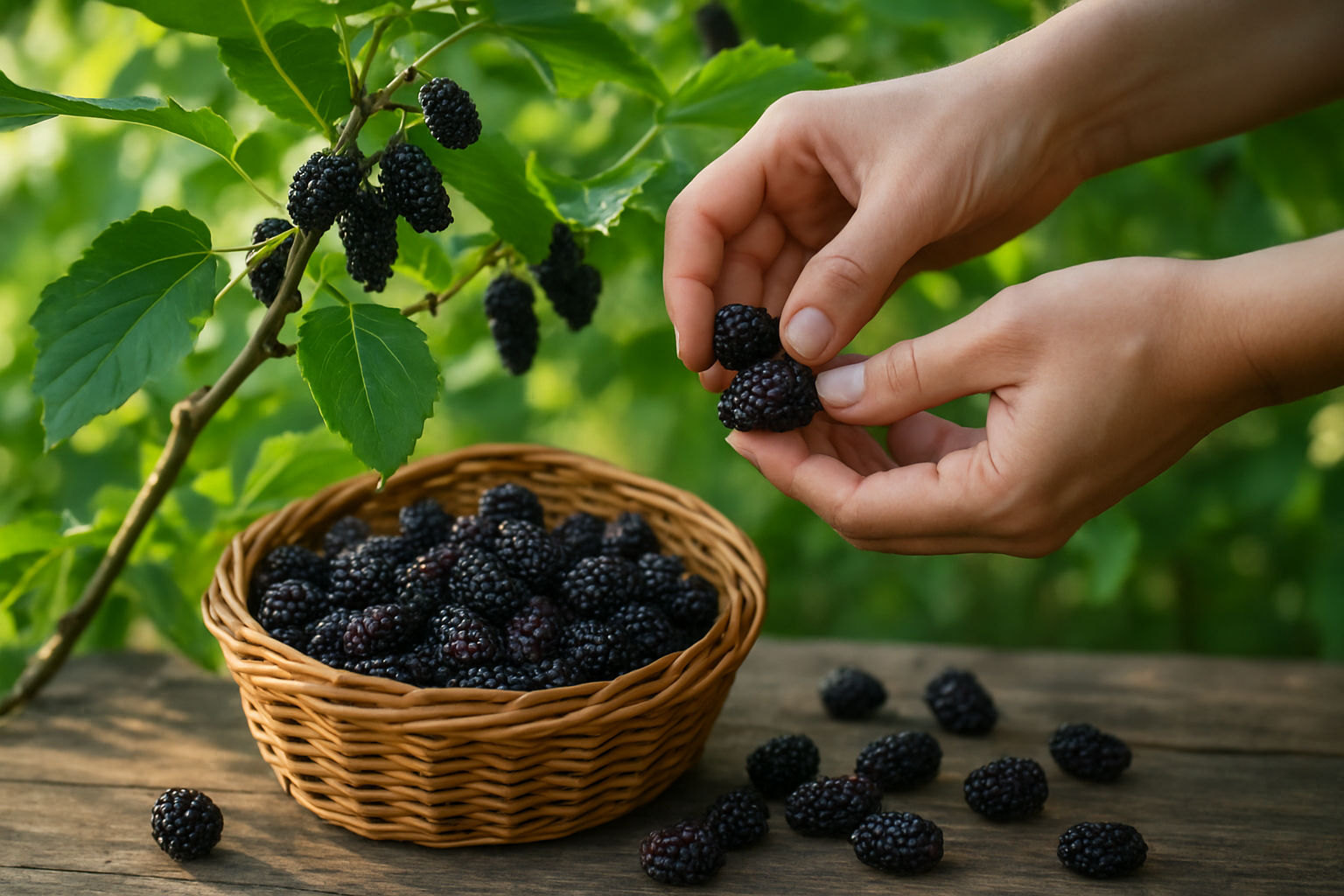
Mulberries transform from pale green to deep purple, red, or white depending on the variety when they reach perfect ripeness. The best way to tell if your mulberry fruit is ready for harvest is by looking at the color development and testing the texture. Ripe mulberries should be plump, soft to gentle touch, and release easily from the branch with minimal pressure.
Color serves as your primary indicator, but don't stop there. Give the fruit a gentle squeeze - perfectly ripe mulberries yield slightly without being mushy. They should have a sweet, wine-like aroma that becomes more pronounced as the fruit reaches peak maturity. Taste-testing is the ultimate method: ripe mulberries deliver intense sweetness with subtle tartness that makes them irresistible.
Timing matters significantly for mulberry harvesting. Early morning collections often yield the best results because the fruit retains its firmness and hasn't been stressed by afternoon heat. Peak season typically spans 2-3 weeks, with fruit ripening gradually from bottom branches upward.
Proper Picking Techniques to Avoid Damage
Fresh mulberries require gentle handling because their delicate skin bruises easily. Never pull or yank the fruit from branches. Instead, use the roll-and-lift technique: place your thumb and forefinger around the stem end and gently roll the berry while lifting upward. Properly ripe fruit will detach effortlessly.
Professional mulberry gardening enthusiasts recommend the sheet method for efficient harvesting. Spread a clean tarp or old bedsheet beneath the mulberry tree, then gently shake branches or use a long-handled tool to encourage ripe fruit to drop naturally. This method prevents damage while maximizing your harvest yield.
Collect mulberries in shallow containers no more than 2-3 inches deep to prevent crushing bottom layers. Avoid washing immediately after picking - excess moisture accelerates spoilage. Store fresh mulberries in breathable containers in the refrigerator and consume within 2-3 days for optimal flavor and texture.
Creative Culinary Applications and Recipes
Mulberries shine in both sweet and savory applications, offering versatility that rivals traditional berries. Their complex flavor profile makes them excellent for jams, jellies, and preserves that capture summer's essence. The natural pectin content helps these spreads set beautifully without excessive added thickeners.
Baking enthusiasts love incorporating fresh mulberries into muffins, pies, and cobblers. Their intense flavor holds up well against heat, while the slight tartness balances rich, buttery pastries perfectly. For healthier options, blend mulberries into smoothies or freeze them for year-round enjoyment in breakfast bowls and yogurt parfaits.
Wine-making represents an ancient tradition with mulberries, producing unique beverages with complex flavor profiles. Fresh mulberries also work wonderfully in savory applications - their natural acidity complements roasted meats, while their sweetness enhances cheese boards and salads.
| Application Type | Best Mulberry Varieties | Storage Method |
|---|---|---|
| Fresh Eating | Illinois Everbearing | Refrigerate 2-3 days |
| Baking/Cooking | Shangri-La | Freeze up to 12 months |
| Wine Making | Pakistan Red | Process immediately |
| Preserves | Any variety | Can or freeze concentrate |
Simple syrup made from mulberries creates an elegant cocktail ingredient, while dehydrated mulberries provide nutrient-dense snacks with concentrated mulberry nutrition facts benefits.
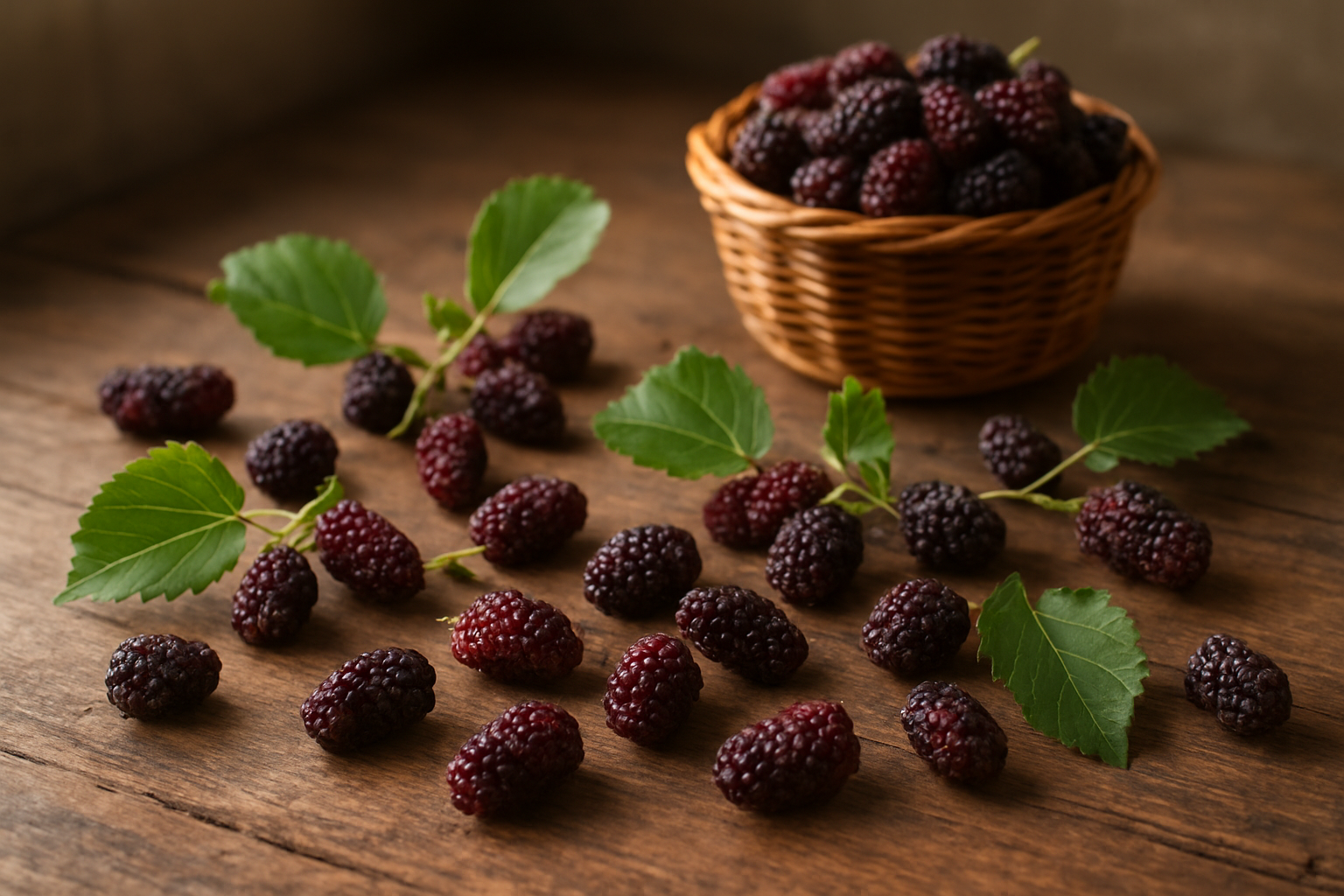
Mulberries pack a serious nutritional punch while being surprisingly easy to grow in your own backyard. These dark, sweet berries offer impressive health benefits including antioxidants, vitamin C, and fiber that support your immune system and overall wellness. Their unique appearance and taste make them stand out from typical berries, and once you understand their growing requirements, you can enjoy fresh mulberries straight from your own tree.
Ready to add these powerhouse berries to your garden? Start by choosing the right mulberry variety for your climate and give it plenty of space to grow. With minimal care and patience, you'll soon have a reliable source of fresh, healthy berries that you can enjoy fresh, bake into desserts, or preserve for year-round use. Your taste buds and your body will thank you for making mulberries part of your homegrown harvest.


.png)
Comments
Post a Comment