Noni - What's the Noni Fruit?
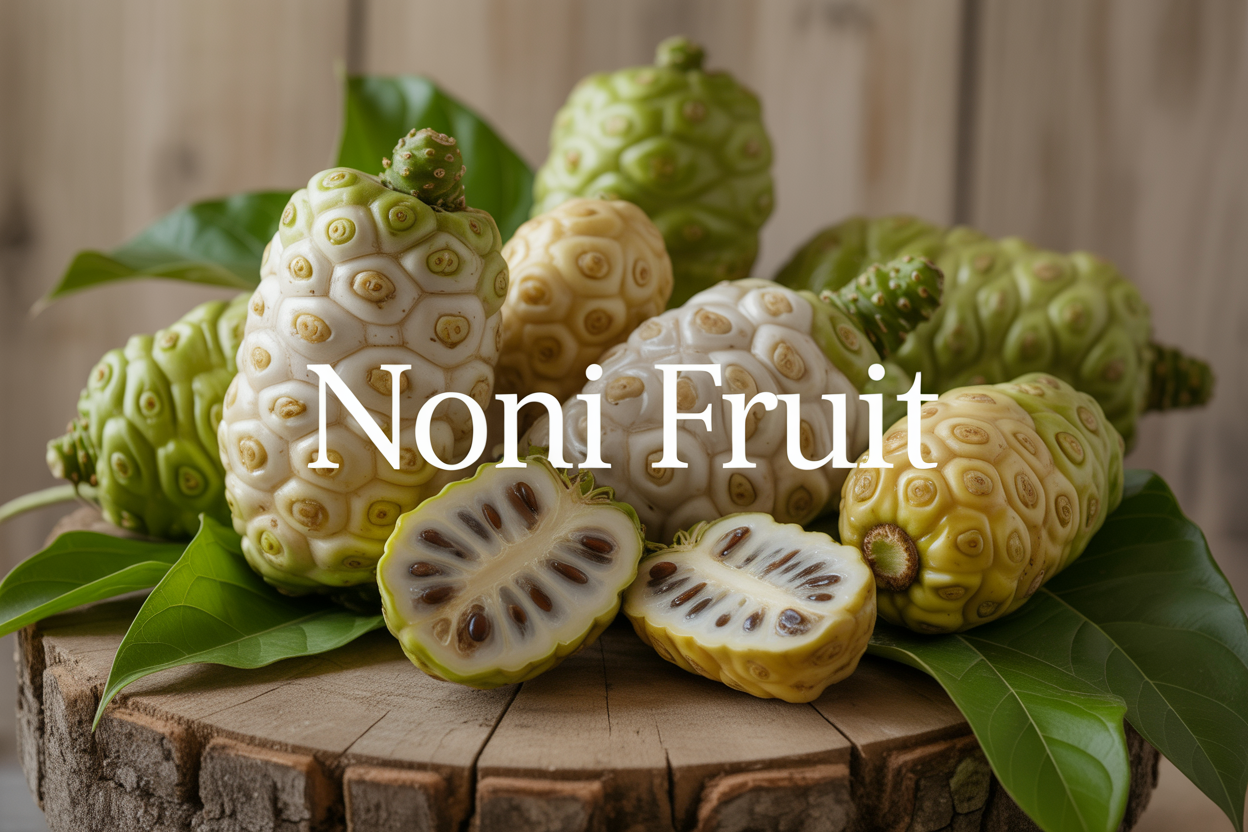
The noni fruit might look like something from another planet with its bumpy, pale exterior, but this tropical powerhouse has been treasured in Polynesian cultures for over 2,000 years. If you're curious about what is noni and why health enthusiasts are buzzing about this unusual fruit, you've come to the right place.
This guide is perfect for anyone who's heard whispers about noni fruit benefits but wants the real scoop before diving in. Maybe you spotted noni supplements at the health food store, or a friend mentioned drinking noni juice for wellness. Either way, you deserve clear answers about what you're putting in your body.
We'll start by exploring what makes the noni fruit so special – from its origins in Southeast Asia and the Pacific Islands to its unique appearance and smell (fair warning: it's pretty pungent). Then we'll break down the noni nutrition facts and dive into the science-backed health benefits that have researchers taking notice. Finally, we'll cover the practical stuff you really want to know: how to eat noni fruit safely, where to buy quality products, and what side effects to watch for.
Discover the Origins and Characteristics of Noni Fruit
Native habitat and natural growing regions
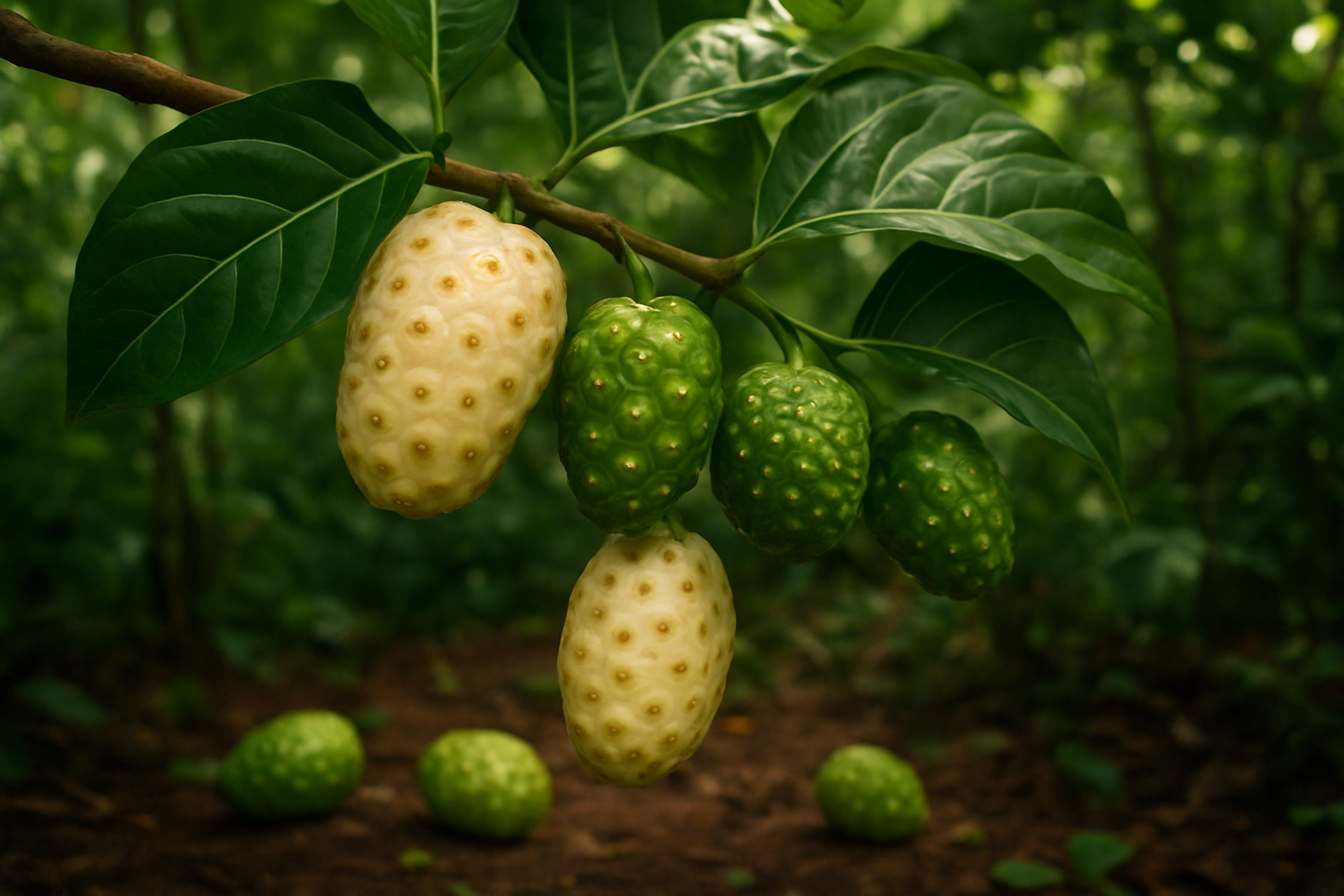
The noni fruit calls the tropical Pacific islands home, originally flourishing across Polynesia, Southeast Asia, and Australia. This hardy plant spreads naturally throughout regions where warm, humid climates prevail year-round. From Hawaii to Tahiti, from the Philippines to northern Australia, wild noni trees have adapted to diverse island environments for thousands of years.
Today, you can find noni growing in over 80 countries worldwide. The plant thrives in coastal areas, volcanic soils, and even rocky terrain where other crops struggle. Major cultivation now occurs in Hawaii, French Polynesia, Samoa, Costa Rica, and parts of India. The tree's remarkable resilience allows it to grow from sea level up to 1,300 feet in elevation, making it one of nature's most adaptable fruit-bearing plants.
Physical appearance and distinctive features
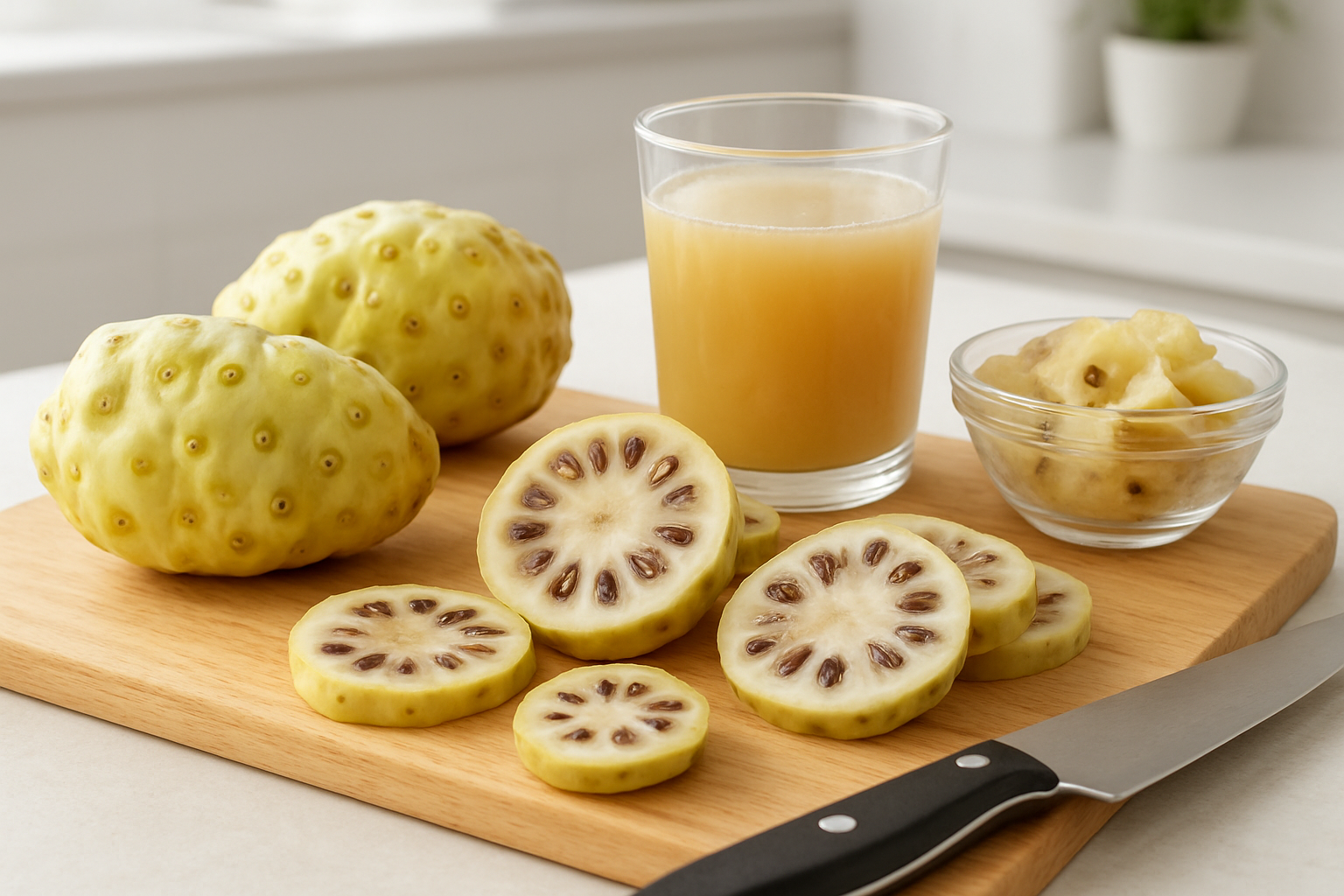
What is noni fruit easy to spot once you know what to look for. The mature fruit resembles a lumpy, oval-shaped potato, typically measuring 4-7 inches long. Its skin displays a distinctive waxy, translucent quality that ranges from green when unripe to pale yellow or white when fully mature.
The fruit's surface features numerous small, dark spots that give it an unusual bumpy texture. Inside, the flesh appears creamy white to pale yellow, containing multiple small, triangular seeds embedded throughout. Fresh noni fruit weighs between 4-8 ounces and feels soft when ripe, similar to a very ripe pear.
The tree itself grows 10-20 feet tall with large, glossy green leaves that can reach 8 inches in length. Small, white tubular flowers bloom year-round, eventually developing into the characteristic fruits. One tree can produce 200-300 pounds of fruit annually once mature.
Scientific name and botanical classification
Scientists classify the noni plant as Morinda citrifolia, placing it within the Rubiaceae family, which also includes coffee plants. The genus Morinda encompasses about 80 species of flowering plants, but citrifolia stands out as the most commercially significant variety.
The species name "citrifolia" refers to the plant's citrus-like leaves, though the fruit bears no resemblance to citrus fruits in taste or appearance. Botanists recognize several subspecies and cultivars, with variations in fruit size, leaf shape, and growing characteristics depending on geographic location and environmental factors.
Traditional names across different cultures
Different Pacific cultures have given this remarkable fruit numerous names that reflect its importance in their societies:
-
Hawaiian: Noni (most widely recognized name globally)
-
Tahitian: Nono
-
Samoan: Nonu
-
Fijian: Kura
-
Indonesian: Mengkudu or Kemudu
-
Malaysian: Mengkudu
-
Australian Aboriginal: Cheese fruit
-
Indian: Indian mulberry or Aal
-
Caribbean: Pain killer tree or Duppy soursop
These diverse names highlight how noni fruit spread throughout the Pacific and beyond, with each culture adopting their own terminology while recognizing its unique properties. Many of these traditional names directly translate to meanings related to healing, medicine, or supernatural powers, showing the deep cultural significance this fruit held long before modern science began studying its potential benefits.
Unlock the Nutritional Powerhouse Within Noni
Essential vitamins and mineral content
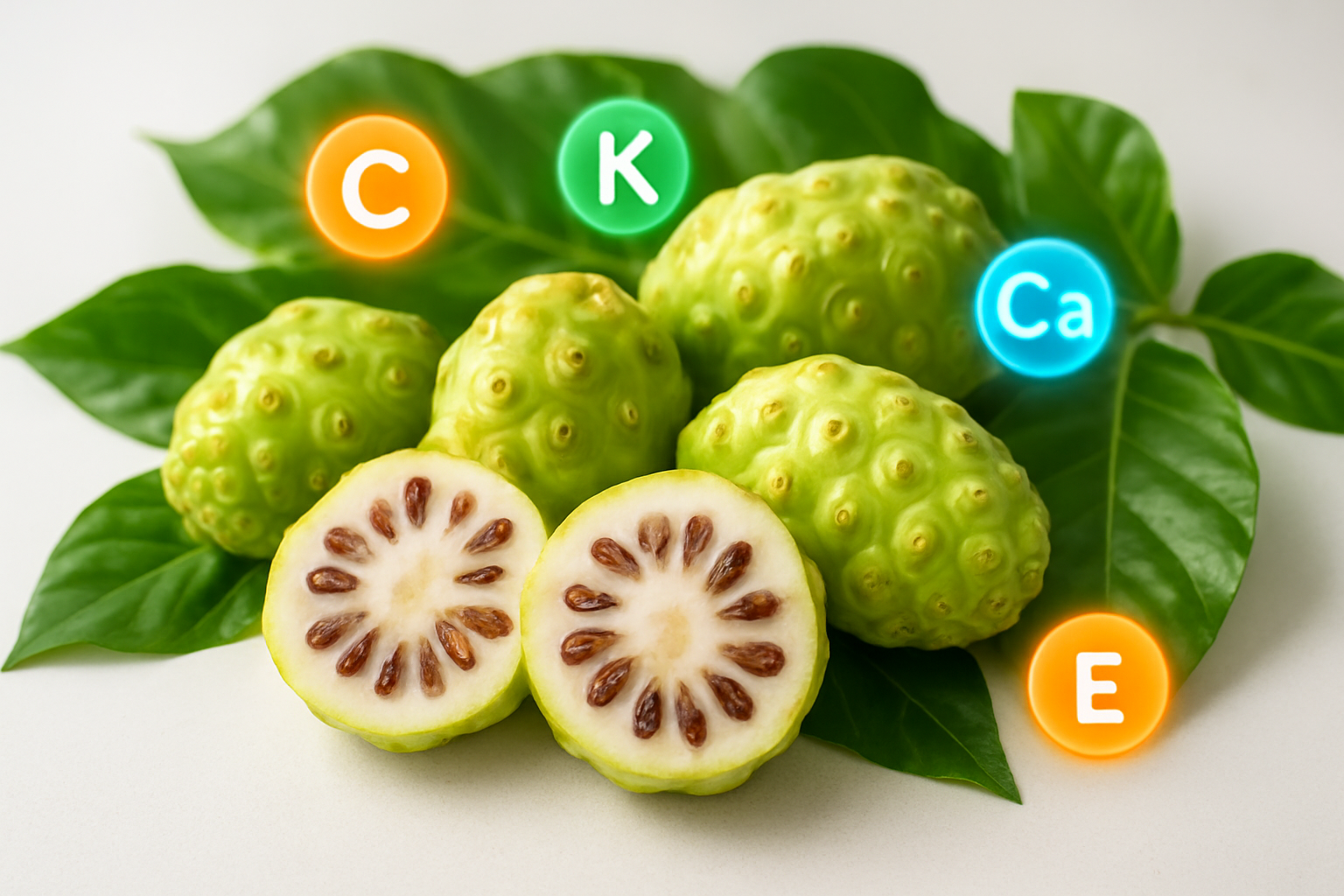
Noni fruit delivers an impressive array of vitamins and minerals that make it stand out in the tropical fruit world. The fruit contains substantial amounts of vitamin C, often exceeding levels found in citrus fruits. A single noni fruit can provide over 150% of your daily vitamin C needs, supporting immune function and collagen synthesis.
The vitamin B complex in noni is equally noteworthy. You'll find significant levels of vitamin B3 (niacin), which helps convert food into energy and supports brain function. Noni also provides vitamin B1 (thiamine) and vitamin B2 (riboflavin), essential for nervous system health and cellular metabolism.
Mineral-wise, noni fruit packs potassium, which helps regulate blood pressure and supports heart health. The fruit also contains iron for oxygen transport, calcium for bone strength, and magnesium for muscle and nerve function. Trace amounts of zinc, selenium, and manganese round out the mineral profile, each playing unique roles in enzymatic processes and immune support.
What makes noni particularly interesting is its vitamin A content, primarily in the form of beta-carotene. This antioxidant vitamin supports eye health and immune function while giving the fruit some of its characteristic color compounds.
Unique antioxidant compounds and phytonutrients
The real nutritional magic of noni fruit lies in its unique phytonutrient profile. Noni contains over 160 different phytonutrients, many of which you won't find in common fruits. The most studied compound is proxeronine, a precursor to xeronine, which some researchers believe plays a role in cellular repair and protein function.
Scopoletin stands out as another significant compound in noni. This natural coumarin has been studied for its potential anti-inflammatory and antimicrobial properties. The concentration of scopoletin in noni is notably higher than in most other fruits, making it a defining characteristic of morinda citrifolia.
Noni also contains powerful antioxidants including quercetin, rutin, and various anthocyanins. These compounds work together to combat oxidative stress and may help protect cells from damage caused by free radicals. The fruit's deep, rich color comes partly from these antioxidant compounds.
Iridoids represent another fascinating group of compounds found in noni. These naturally occurring chemical compounds have been associated with various health-promoting properties in scientific studies. The most abundant iridoid in noni is asperuloside, which contributes to the fruit's bitter taste but may offer significant biological benefits.
Caloric value and macronutrient breakdown
From a macronutrient standpoint, noni fruit is relatively low in calories, containing approximately 15-20 calories per 100 grams of fresh fruit. This makes it a nutrient-dense option that provides substantial vitamins and minerals without adding significant calories to your diet.
The carbohydrate content makes up the majority of noni's macronutrients, accounting for roughly 4-6 grams per 100 grams of fruit. These carbs come primarily from natural fruit sugars and dietary fiber. The fiber content is particularly beneficial, supporting digestive health and helping regulate blood sugar levels.
Protein content in noni fruit is modest but present, typically ranging from 0.5 to 1 gram per 100 grams. While not a significant protein source, every bit contributes to your daily intake. The amino acid profile includes several essential amino acids, though in small quantities.
Fat content is minimal in noni fruit, usually less than 0.2 grams per 100 grams. The small amount of fat present consists mainly of healthy unsaturated fatty acids. This low-fat profile makes noni an excellent choice for those watching their fat intake while still wanting nutritional benefits.
Water makes up the largest portion of noni fruit by weight, typically around 85-90%. This high water content contributes to the fruit's juicy texture and helps with hydration when consumed fresh.
Explore the Health Benefits Backed by Research
Immune System Support and Enhancement
Noni fruit benefits include powerful immune-boosting properties that have caught the attention of researchers worldwide. The fruit contains high levels of vitamin C, antioxidants, and unique compounds called iridoids that work together to strengthen your body's natural defenses.
Studies show that regular consumption of noni fruit can increase white blood cell activity, helping your body fight off infections more effectively. The polysaccharides found in noni activate immune cells and enhance their communication, creating a more robust immune response when you need it most.
Research published in phytotherapy journals demonstrates that noni's immunomodulatory effects help balance immune function rather than simply boosting it. This means your immune system becomes more efficient at distinguishing between real threats and harmless substances, potentially reducing autoimmune responses while maintaining strong protection against pathogens.
Anti-inflammatory Properties for Joint Health
The anti-inflammatory compounds in morinda citrifolia make it a promising natural remedy for joint pain and arthritis symptoms. Scientific studies have identified specific enzymes in noni that inhibit inflammatory pathways, similar to how traditional anti-inflammatory medications work but with fewer side effects.
Clinical trials involving participants with osteoarthritis showed significant improvements in joint mobility and reduced pain levels after consuming noni extract for eight weeks. The fruit's natural COX-2 inhibitors help reduce inflammation at the cellular level, targeting the root cause of joint discomfort.
Athletes and active individuals often report faster recovery times and reduced muscle soreness when incorporating noni supplement products into their routine. The fruit's ability to reduce inflammatory markers in the blood creates a cascading effect that benefits overall joint health and mobility.
Digestive Wellness and Gut Health Improvement
Noni fruit health benefits extend deeply into digestive wellness, where the fruit's unique fiber content and natural enzymes work to optimize gut function. The soluble fiber in noni acts as a prebiotic, feeding beneficial gut bacteria and promoting a healthier microbiome balance.
Research indicates that noni's natural compounds help strengthen the intestinal barrier, reducing inflammation in the digestive tract and improving nutrient absorption. People with digestive sensitivities often find relief from symptoms like bloating and irregular bowel movements after consistent noni consumption.
The fruit contains natural digestive enzymes that break down proteins more efficiently, reducing the burden on your digestive system. This enhanced protein digestion can lead to better nutrient utilization and reduced digestive discomfort after meals.
Potential Cardiovascular Benefits
Heart health research has revealed promising connections between noni nutrition facts and cardiovascular wellness. The fruit's high potassium content helps regulate blood pressure, while its antioxidants protect blood vessels from oxidative damage.
Studies demonstrate that noni consumption may help improve cholesterol profiles by raising HDL (good) cholesterol levels while maintaining healthy LDL levels. The fruit's natural nitrates also support healthy blood flow and may enhance exercise performance by improving oxygen delivery to tissues.
Regular noni consumption has been associated with improved endothelial function, which refers to how well blood vessels dilate and contract. This improved vascular flexibility contributes to better circulation and reduced strain on the cardiovascular system.
Skin Health and Healing Properties
The topical and internal applications of noni fruit offer remarkable benefits for skin health and wound healing. The fruit's natural antibacterial and antifungal properties make it effective against various skin conditions, from minor cuts to more persistent issues like eczema.
Clinical research shows that noni's collagen-stimulating compounds help accelerate wound healing and reduce scar formation. The fruit's vitamin C content supports collagen synthesis, while its antioxidants protect skin cells from environmental damage and premature aging.
Many people report improvements in skin texture and appearance after regular noni consumption, with studies showing increased skin elasticity and hydration levels. The fruit's natural anti-aging properties work from the inside out, supporting cellular repair and regeneration processes that keep skin looking healthy and youthful.
Master the Art of Consuming Noni Fruit Safely
Fresh fruit preparation and consumption methods
Noni fruit tastes incredibly bitter and has a strong, cheese-like smell that can be off-putting for first-time consumers. The ripest fruits are soft, translucent, and yellowish-white in color. Before eating fresh noni, wash the fruit thoroughly under cold water and remove any dark spots or blemishes.
You can eat the entire fruit, including the skin, but many people prefer to scoop out the soft flesh with a spoon. Start with small amounts - about one tablespoon of flesh - to assess your tolerance. The seeds are edible but quite hard, so you might want to remove them initially.
Some people blend the flesh with other fruits like pineapple, mango, or banana to mask the strong flavor. Adding honey or agave can also help make it more palatable. Traditional Polynesian cultures often consume noni with salt or mix it into smoothies with coconut water.
For those who can't handle the taste, cutting the fruit into small pieces and swallowing them quickly like pills works well. Store fresh noni in the refrigerator for up to a week, though it's best consumed within 2-3 days of ripening.
Juice extraction techniques and dosage guidelines
Making noni fruit juice at home requires patience and proper technique. The traditional fermentation method involves placing ripe noni fruits in a jar and letting them sit at room temperature for several weeks until the juice naturally separates. This process creates a more concentrated, potent juice.
For immediate consumption, blend the flesh with a small amount of water and strain through cheesecloth or a fine mesh strainer. Some people prefer mixing fresh noni with other fruit juices to improve the taste while maintaining the health benefits.
Dosage recommendations vary significantly:
-
Beginners: Start with 1-2 tablespoons daily
-
Regular users: 2-4 ounces per day
-
Therapeutic purposes: Up to 6 ounces daily (consult healthcare provider)
Take noni juice on an empty stomach, preferably 30 minutes before meals, for better absorption. Some people experience better results when consuming it first thing in the morning. Divide larger doses throughout the day rather than taking everything at once.
Quality matters - fresh juice should be consumed within 24-48 hours when refrigerated. Commercial juices often contain preservatives and may be diluted, so read labels carefully.
Supplement forms and recommended intake
Noni supplements come in various forms, each with different concentration levels and absorption rates. Capsules and tablets are the most popular options for people who can't tolerate the taste of fresh fruit or juice.
| Supplement Form | Typical Dosage | Best For |
|---|---|---|
| Capsules (powder) | 500-1000mg daily | Convenience, standardized dose |
| Liquid extracts | 1-2 droppers daily | Fast absorption |
| Dried fruit powder | 1-2 teaspoons daily | Mixing into foods/drinks |
| Freeze-dried tablets | 2-4 tablets daily | Travel, long shelf life |
Morinda citrifolia supplements vary in potency, so always follow manufacturer recommendations. Look for products that specify the concentration of active compounds and avoid those with excessive fillers or artificial ingredients.
Take supplements with water, preferably between meals. Some people find that taking them with a small amount of food reduces potential stomach upset. Start with the lowest recommended dose and gradually increase based on your body's response.
Quality certifications like organic, non-GMO, or third-party testing indicators help ensure you're getting a pure product. Store supplements in a cool, dry place away from direct sunlight.
Potential side effects and precautions
While noni fruit is generally safe for most people, several important considerations should guide your consumption. The high potassium content can be problematic for individuals with kidney disease or those taking certain medications.
Common side effects include:
-
Digestive upset (nausea, diarrhea, stomach cramps)
-
Headaches during initial use
-
Skin reactions in sensitive individuals
-
Changes in urine color (harmless but alarming to some)
Who should avoid noni:
-
People with liver disease (due to potential hepatotoxicity)
-
Those taking blood thinners (noni may enhance effects)
-
Individuals with high potassium levels
-
Pregnant or breastfeeding women (insufficient safety data)
Drug interactions can occur with medications for diabetes, high blood pressure, and blood clotting disorders. The fruit's natural compounds may alter how your body processes certain medications, potentially increasing or decreasing their effectiveness.
Start slowly regardless of the form you choose. If you experience persistent digestive issues, skin reactions, or unusual symptoms, discontinue use and consult your healthcare provider. Noni fruit side effects are typically mild and resolve once your body adjusts, but monitoring your response is essential for safe consumption.
Some people experience a temporary worsening of symptoms before improvement - this is sometimes called a "healing crisis" in traditional medicine, though scientific evidence for this phenomenon is limited.
Navigate Where to Find and Select Quality Noni Products

Local Health Stores and Specialty Markets
Finding noni fruit and products in your local area requires knowing where to look. Health food stores typically carry noni supplements and juices, with staff knowledgeable about the various forms available. Natural food co-ops often stock multiple brands, allowing you to compare options side by side. Asian and Pacific Islander markets frequently offer fresh noni fruit or frozen versions, especially in areas with larger immigrant populations from these regions.
Specialty supplement stores focus specifically on wellness products and usually maintain higher-quality noni supplement selections. The advantage of shopping locally is immediate access to product information and the ability to examine items before purchasing. Store employees can often share customer feedback about different brands and help you understand which products might work best for your needs.
Online Retailers and Trusted Brands
The internet opens up access to a much wider selection of noni products than you'll find locally. Where to buy noni online depends on your specific needs and budget. Major e-commerce platforms offer competitive pricing and customer reviews that provide valuable insights into product quality and effectiveness.
Reputable noni brands often sell directly through their websites, giving you access to fresher products and detailed information about sourcing and processing methods. Look for companies that provide transparent information about their morinda citrifolia sources, extraction methods, and third-party testing results.
| Product Type | Best Online Sources | Key Considerations |
|---|---|---|
| Fresh/Frozen Noni | Specialty tropical fruit retailers | Shipping costs, seasonality |
| Noni Juice | Brand direct websites, health retailers | Pasteurization methods, additives |
| Noni Capsules | Supplement-focused retailers | Standardization, extraction ratios |
| Noni Powder | Health food e-tailers | Processing methods, purity |
Quality Indicators for Fresh Fruit Selection
When selecting fresh noni fruit, appearance tells you everything about quality and ripeness. High-quality noni displays a translucent, almost white appearance with a slightly soft texture - similar to a ripe cheese. The characteristic strong smell, often described as pungent or cheese-like, indicates proper ripeness and active enzyme content.
Avoid fruits with dark spots, excessive softness, or any signs of mold. Fresh noni fruit should have a bumpy, irregular surface texture that's natural to the species. The size varies considerably, but larger fruits aren't necessarily better - focus on the color and firmness instead.
Store fresh noni properly by keeping it refrigerated and consuming within a few days of purchase. The fruit continues ripening after harvest, so timing your consumption correctly maximizes both noni nutrition facts and palatability.
Reading Labels for Noni Supplements and Juices
Understanding noni supplement labels helps you make informed choices about quality and value. Look for products that specify morinda citrifolia content and concentration levels. Pure noni juice should list noni as the primary ingredient, while blended products often dilute the noni with other fruit juices.
Check for preservatives, artificial flavors, and added sugars that can diminish the product's health value. Quality manufacturers provide information about their extraction processes, whether cold-pressed or heat-processed, which affects the final product's nutrient profile.
Third-party testing certifications, organic labels, and GMP (Good Manufacturing Practice) certifications indicate higher production standards. Products that specify the geographic origin of their noni often demonstrate better quality control throughout the supply chain.
Dosage recommendations should be clearly stated, along with any potential noni fruit side effects or interaction warnings. Reputable brands include contact information for customer service and provide detailed product information beyond basic marketing claims.
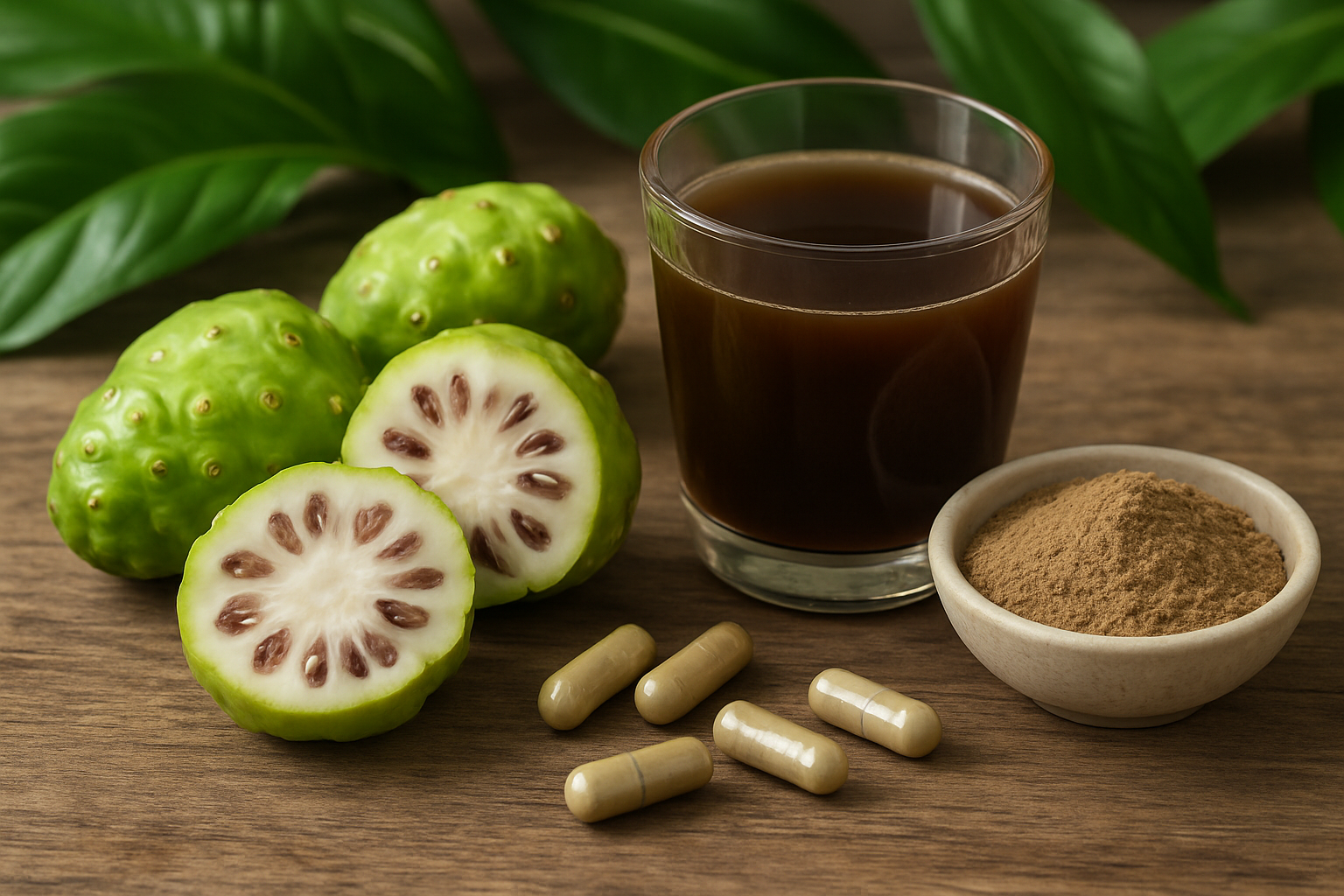
The noni fruit stands out as one of nature's most intriguing superfruits, packed with vitamins, minerals, and antioxidants that have supported health practices across the Pacific Islands for centuries. From boosting immune function to potentially reducing inflammation, this bumpy, pungent fruit offers impressive health benefits that researchers continue to study and validate.
Ready to give noni a try? Start small with juice or supplements from reputable sources, and pay attention to how your body responds. Remember that fresh noni has an acquired taste, so processed forms might be your best bet for getting started. Whether you're looking to support your overall wellness or target specific health concerns, noni could be the natural addition your routine has been missing.


.png)
Comments
Post a Comment