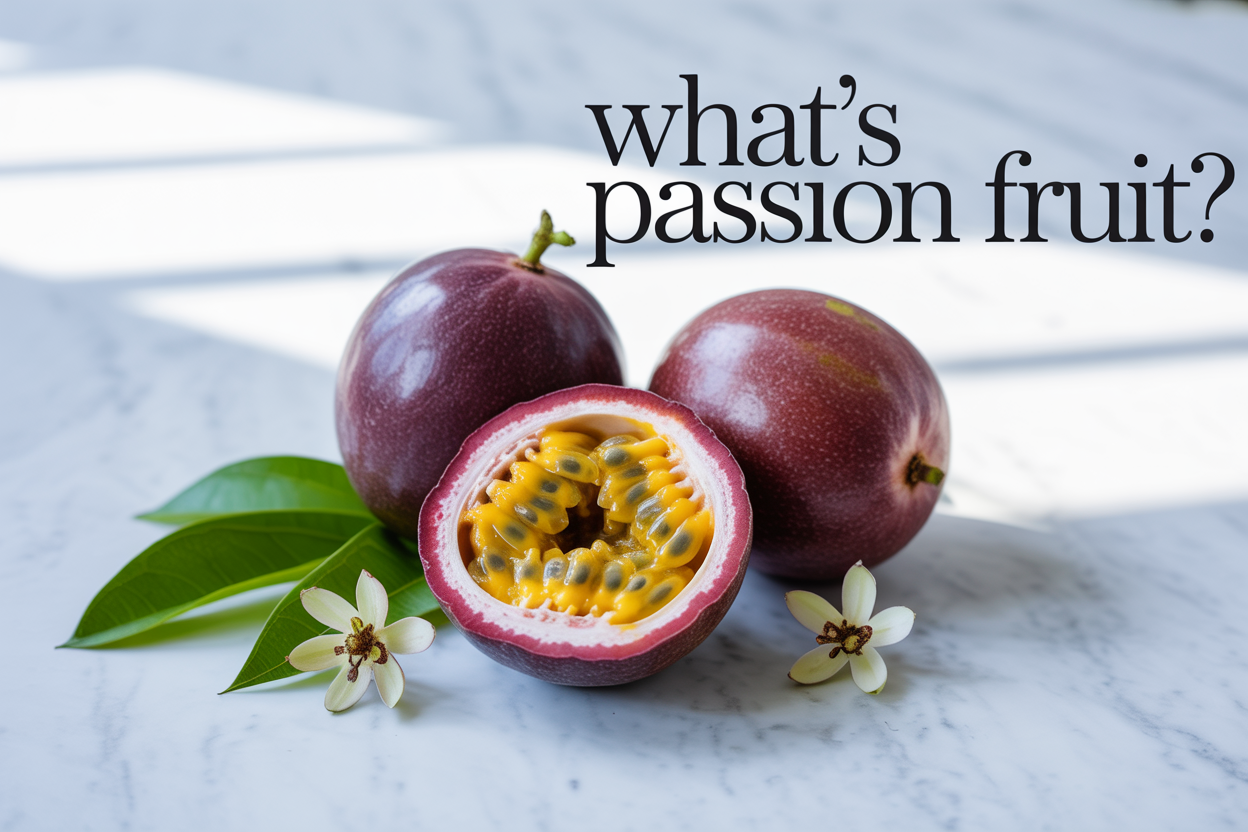
Passion Fruit - What's Passion Fruit?
Passion Fruit - What's Passion Fruit?
Passion fruit might look like an ordinary wrinkled ball from the outside, but this tropical gem packs incredible flavor and nutrition that's catching everyone's attention. If you're curious about this exotic fruit, new to cooking with tropical ingredients, or simply want to add more variety to your diet, you've come to the right place.
This vibrant fruit delivers a sweet-tart punch that transforms everything from smoothies to desserts. We'll explore what makes passion fruit so special, including its impressive nutritional benefits and distinctive flavor profile that ranges from floral and tangy to intensely aromatic. You'll also discover practical tips for selecting the ripest fruit and storing it properly to maximize freshness and taste.
Understanding Passion Fruit Basics
Botanical Classification and Scientific Name
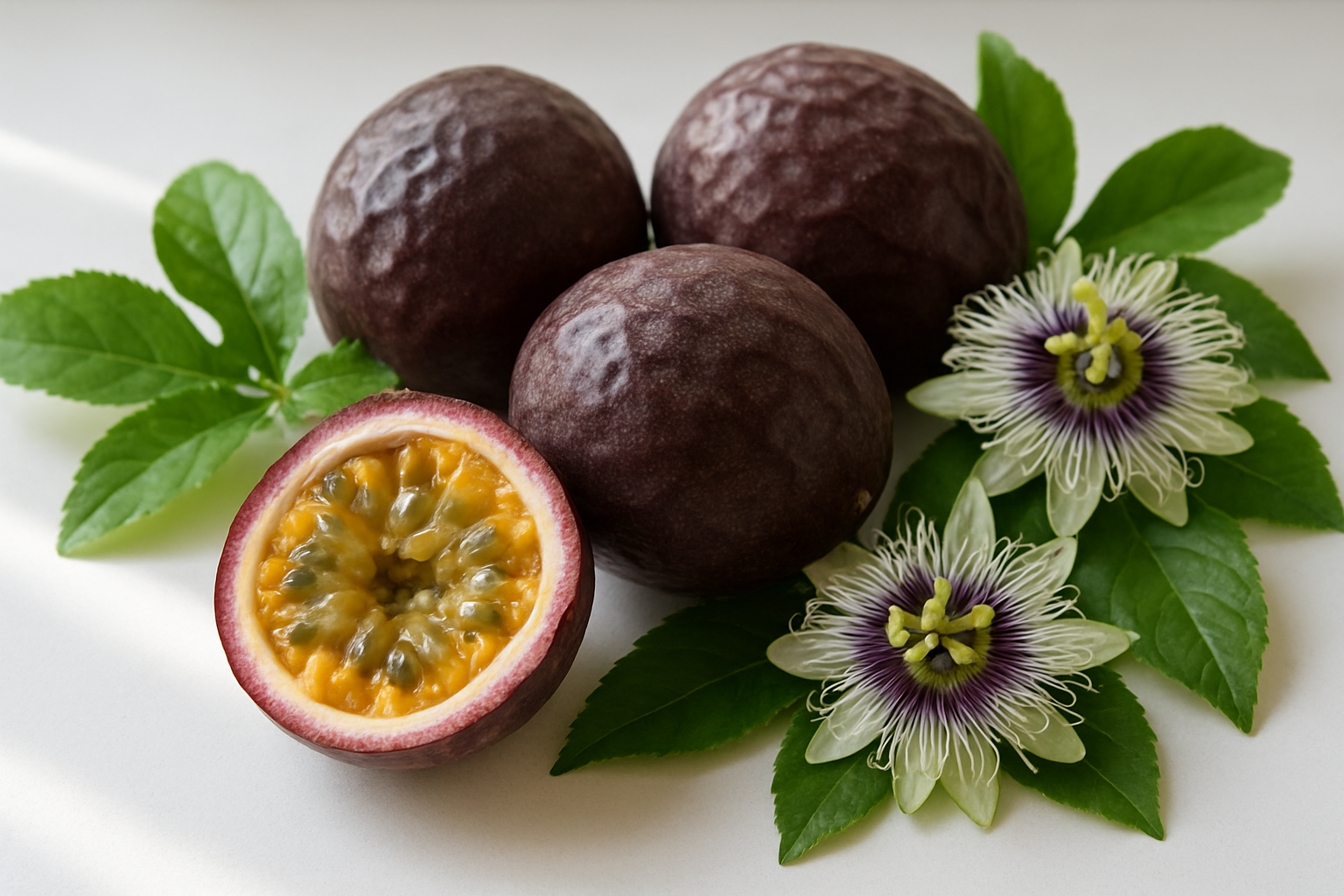
Passion fruit belongs to the Passifloraceae family and carries the scientific name Passiflora edulis. This tropical vine produces the beloved fruit we know today, though the passion fruit plant is actually one of over 500 species in the Passiflora genus. The name "passion" doesn't refer to romantic passion - it comes from the passion of Christ, as Spanish missionaries saw religious symbolism in the flower's unique structure.
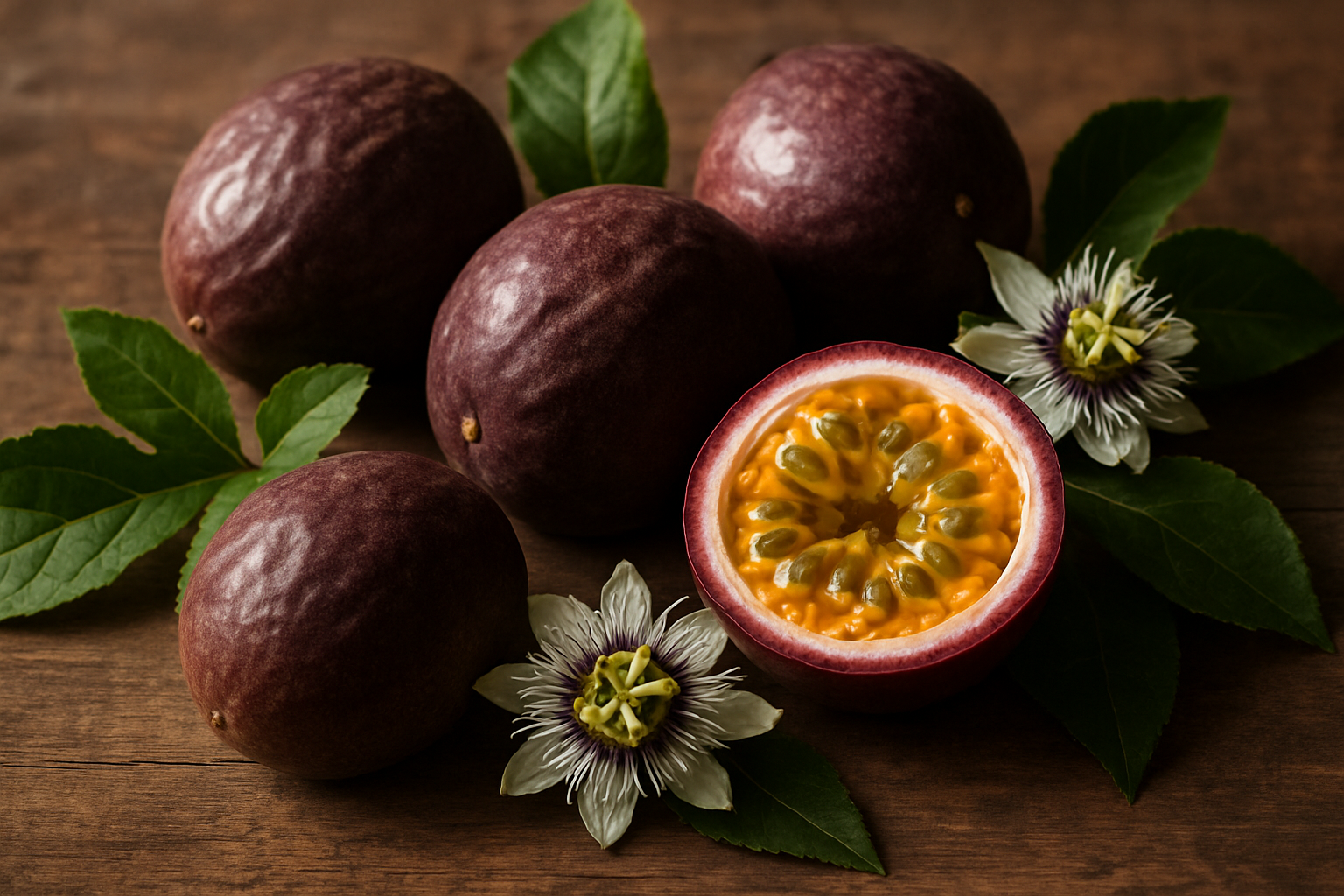
The plant is a vigorous climbing vine that can reach lengths of 15-20 feet when given proper support. Its distinctive flowers feature intricate patterns with five petals and sepals, along with a crown of colorful filaments that make them instantly recognizable.
Physical Appearance and Size Characteristics
What is passion fruit in terms of looks? These oval-shaped fruits typically measure 2-3 inches in diameter and weigh between 1-2 ounces. The exterior features a tough, waxy rind that can feel smooth or slightly wrinkled depending on ripeness. When you cut open a passion fruit, you'll discover the real treasure inside - a cavity filled with aromatic pulp containing numerous small, edible black seeds.
The pulp has a jelly-like consistency and ranges from bright orange to deep yellow, depending on the variety. The seeds are completely edible and add a pleasant crunch to the fruit's consumption experience. The interior aroma is intensely fragrant and tropical, often described as a blend of citrus and floral notes.
Common Varieties and Color Differences
Two main varieties dominate the passion fruit market. The purple passion fruit (Passiflora edulis f. edulis) features a deep purple to dark burgundy skin when ripe. This variety tends to be smaller, more aromatic, and preferred for fresh eating due to its intense passion fruit flavor.
The yellow or golden passion fruit (Passiflora edulis f. flavicarpa) displays bright yellow skin and grows larger than its purple cousin. Yellow varieties often have a more acidic taste profile and are frequently used in commercial juice production and cooking applications.
Some regions also cultivate hybrid varieties that combine characteristics from both types, offering different passion fruit taste profiles and growing advantages.
Geographic Origins and Natural Habitat
Passion fruit originates from the subtropical regions of South America, particularly Brazil, Paraguay, and northern Argentina. The indigenous peoples of these areas have cultivated and consumed passion fruit for centuries before European colonization introduced it to other parts of the world.
The natural habitat includes areas with warm, humid climates and well-draining soil. Wild passion fruit vines typically grow in forest edges and clearings, using other vegetation for support as they climb toward sunlight. Today, commercial cultivation has spread to tropical and subtropical regions worldwide, including Australia, New Zealand, Hawaii, California, Florida, and parts of Africa and Asia.
The plant thrives in temperatures between 68-82°F and requires protection from strong winds and frost, which explains its concentration in specific geographic zones with suitable growing conditions.
Nutritional Benefits and Health Advantages
Essential Vitamins and Mineral Content
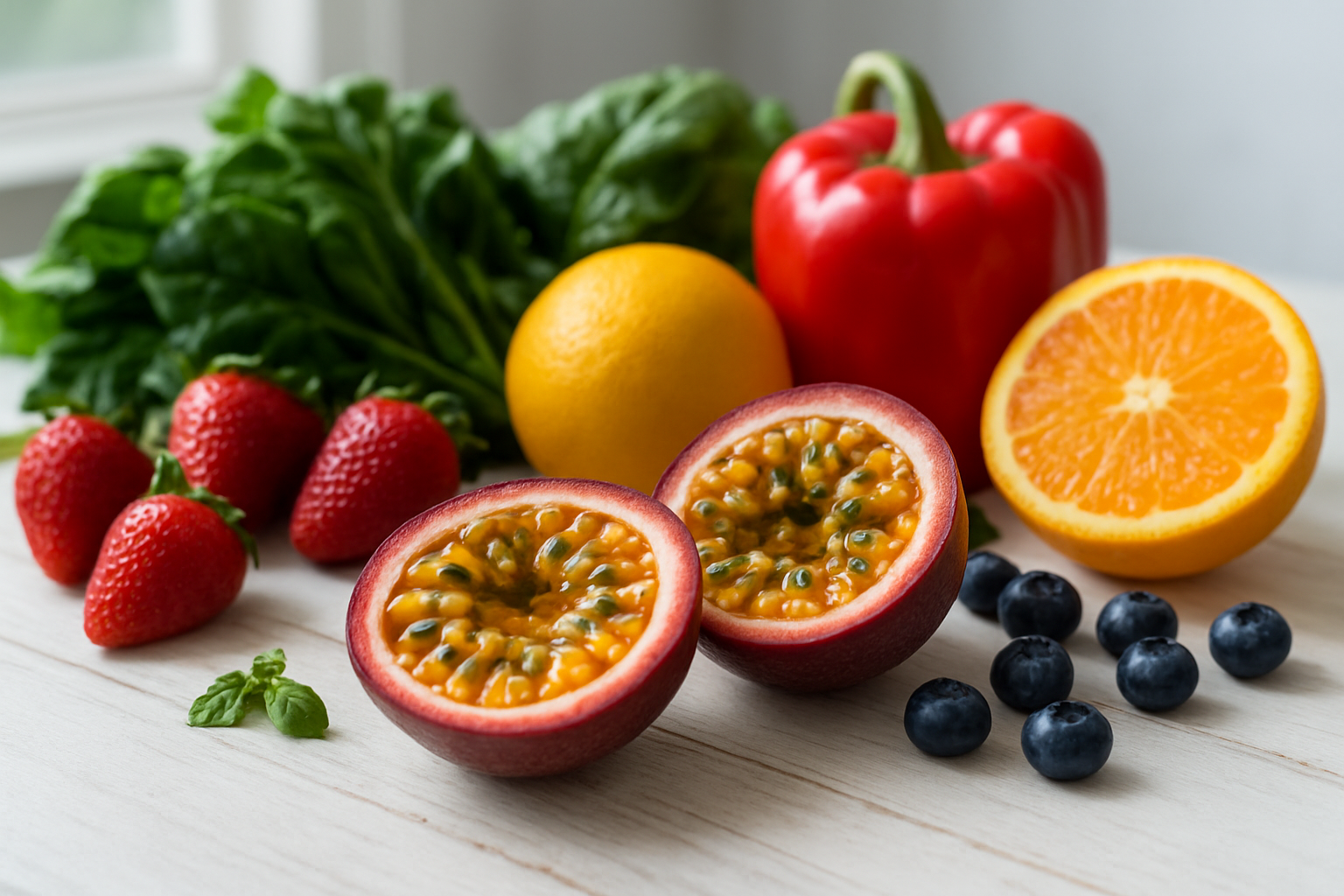
Passion fruit nutrition packs a serious punch in a small package. This tropical gem delivers an impressive array of vitamins that your body craves daily. Vitamin C stands out as the star player here - just one passion fruit provides about 30% of your daily needs. That's more vitamin C than many citrus fruits offer, making it perfect for boosting your immune system naturally.
The vitamin A content deserves attention too. This nutrient supports healthy vision, skin, and immune function. You'll also find decent amounts of vitamin B6, which helps your brain produce mood-regulating chemicals like serotonin. The folate content makes passion fruit especially valuable for pregnant women or anyone looking to support healthy cell division.
When it comes to minerals, passion fruit benefits include a solid dose of potassium - crucial for heart health and blood pressure regulation. Iron content helps prevent fatigue and supports healthy red blood cell production. The magnesium works behind the scenes to support over 300 enzyme reactions in your body, while phosphorus keeps your bones and teeth strong.
| Nutrient | Amount per 100g | % Daily Value |
|---|---|---|
| Vitamin C | 30mg | 33% |
| Vitamin A | 1274 IU | 25% |
| Potassium | 348mg | 10% |
| Iron | 1.6mg | 9% |
| Magnesium | 29mg | 7% |
Antioxidant Properties and Disease Prevention
The antioxidant power of passion fruit health benefits goes way beyond basic nutrition. These purple powerhouses contain flavonoids like quercetin and kaempferol, which act like tiny bodyguards protecting your cells from damage. Think of free radicals as rust trying to attack your body - antioxidants stop that process before it starts.
Beta-carotene gives passion fruit its vibrant color and provides serious protective benefits. This compound converts to vitamin A in your body and helps reduce inflammation throughout your system. The polyphenols found in passion fruit work together to potentially lower your risk of heart disease and certain cancers.
Research suggests that regular consumption of antioxidant-rich fruits like passion fruit may help slow down aging processes and support brain health. The vitamin C doesn't just boost immunity - it also helps your body produce collagen, keeping your skin looking younger and your joints functioning smoothly.
The seeds contain additional antioxidants that many people miss out on by straining their passion fruit. These tiny black specks deliver extra fiber and beneficial compounds that support overall health.
Digestive Health and Fiber Benefits
Your digestive system absolutely loves passion fruit. The fiber content - about 10 grams per cup - supports healthy gut bacteria and keeps everything moving smoothly through your digestive tract. This isn't just any fiber either; it's a mix of soluble and insoluble types that work together perfectly.
Soluble fiber helps control blood sugar levels by slowing down how quickly your body absorbs sugars. This means you won't experience those energy crashes that come with high-sugar snacks. It also helps lower cholesterol levels by binding to cholesterol particles and escorting them out of your body.
The insoluble fiber adds bulk to your stool and prevents constipation. Regular consumption can help establish healthy bathroom habits and reduce digestive discomfort. The seeds contribute significantly to this fiber content, so don't strain them out unless absolutely necessary.
Passion fruit also contains enzymes that help break down proteins, making it easier for your body to absorb nutrients from other foods you eat. The pectin found in passion fruit acts as a natural prebiotic, feeding the good bacteria in your gut and supporting a healthy microbiome balance.
Flavor Profile and Culinary Applications
Taste Description and Aroma Characteristics
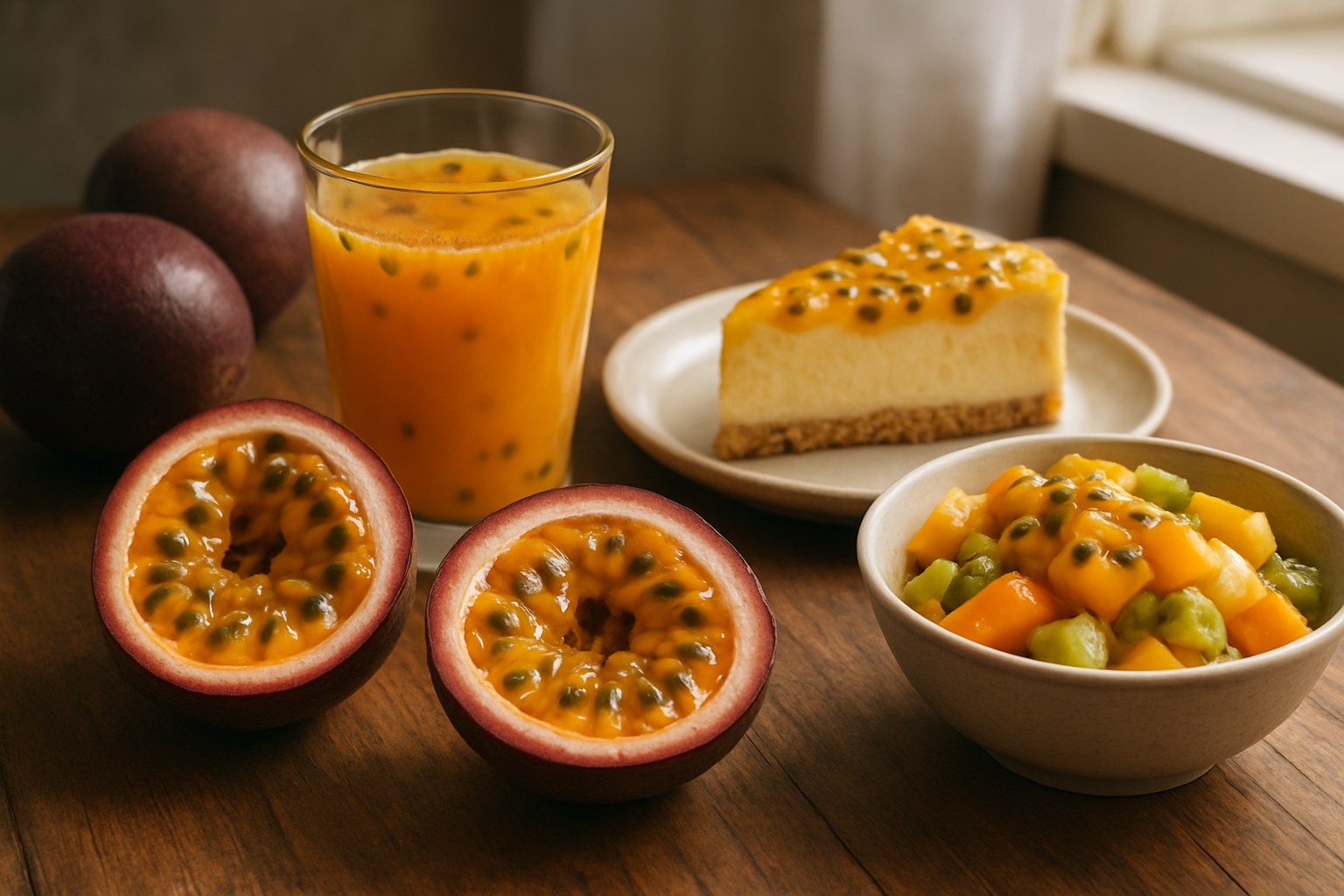
Passion fruit delivers one of the most distinctive passion fruit flavors in the fruit world. The pulp carries an intense tropical sweetness balanced perfectly with bright acidity, creating a complex taste that's both refreshing and exotic. The passion fruit taste can best be described as a harmonious blend of citrus tang, floral sweetness, and subtle musky undertones.
The aroma hits you immediately when you crack open the wrinkled shell - it's incredibly fragrant and tropical, with notes that remind many people of a combination of guava, citrus, and honey. Purple passion fruit varieties tend to be sweeter and more aromatic, while yellow varieties offer a sharper, more acidic profile with equally captivating scent.
The edible pulp surrounds numerous small, crunchy seeds that add textural interest. Many people eat the seeds along with the pulp, as they're completely edible and provide a pleasant crunch that contrasts beautifully with the juicy, gel-like flesh.
Popular Recipes and Cooking Methods
Passion fruit recipes span across countless culinary applications, making this versatile fruit a chef's dream ingredient. The pulp works wonderfully in both sweet and savory dishes, adding tropical flair to marinades, sauces, and dressings.
Popular savory applications include:
-
Passion fruit vinaigrettes for salads
-
Glazes for grilled chicken or fish
-
Tropical salsas paired with seafood
-
Reduction sauces for pork or lamb
The fruit shines in baking applications where its intense flavor cuts through rich ingredients. Passion fruit curd, similar to lemon curd, makes an excellent filling for tarts, cakes, and pastries. The pulp can be strained to remove seeds for smoother preparations, though many recipes celebrate the textural contrast the seeds provide.
Beverage Uses and Juice Preparations
Passion fruit transforms beverages with its bold tropical character. The juice extraction process is simple - just scoop out the pulp and strain it through a fine mesh if you prefer seedless juice, though many people enjoy the seeds for added texture and nutrition.
Popular beverage applications include:
-
Fresh passion fruit juice blends
-
Tropical smoothies and protein shakes
-
Cocktail mixers for margaritas and daiquiris
-
Sparkling water infusions
-
Iced teas and lemonades
-
Wine and champagne cocktails
The concentrated flavor means a little goes a long way. One passion fruit typically yields about 1-2 tablespoons of pulp, which is enough to flavor a full glass of juice or smoothie when mixed with other ingredients.
Dessert Applications and Sweet Treats
Passion fruit elevates desserts with its bright acidity and tropical essence. The natural tartness balances sweet preparations beautifully, preventing desserts from becoming cloying while adding sophisticated flavor complexity.
Classic dessert applications include:
| Dessert Type | Popular Applications |
|---|---|
| Mousses & Puddings | Passion fruit mousse, panna cotta |
| Ice Creams | Sorbets, gelatos, frozen yogurts |
| Baked Goods | Cheesecakes, tarts, macarons |
| Confections | Truffles, fruit leather, gummies |
Passion fruit pairs exceptionally well with chocolate, vanilla, coconut, and citrus flavors. The seeds can be incorporated for textural interest or strained out for silky smooth preparations. Professional pastry chefs often use passion fruit puree as a component in multilayered desserts, where its bright flavor provides contrast against richer elements like chocolate ganache or vanilla custard.
The fruit's natural pectin content makes it excellent for jams, jellies, and fruit preserves, requiring minimal additional thickening agents to achieve the perfect consistency.
Growing and Harvesting Information
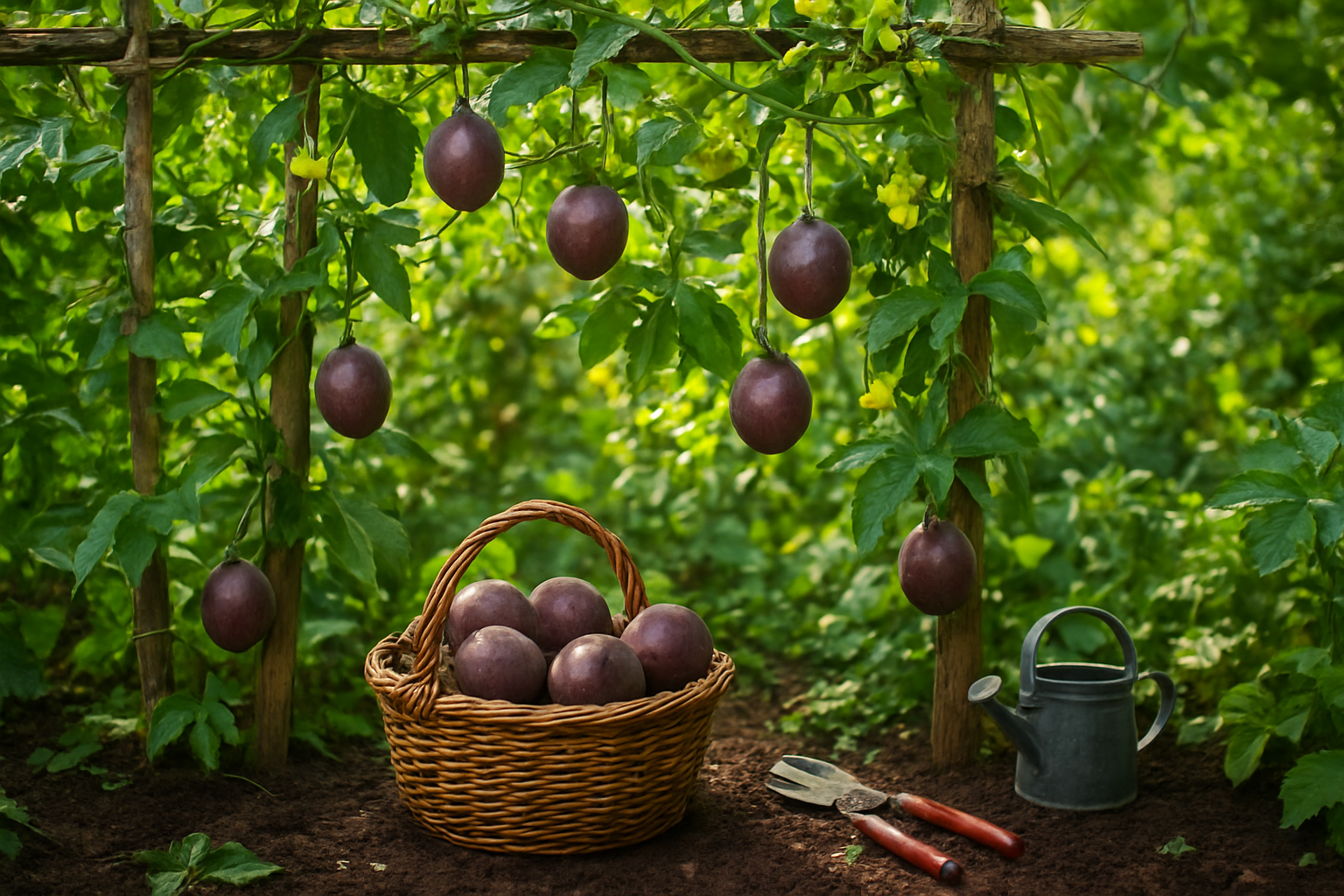
Climate Requirements and Growing Conditions
Passion fruit thrives in warm, tropical to subtropical climates where temperatures stay between 68°F and 82°F year-round. These vigorous vines can't handle frost or freezing temperatures, making USDA zones 9-11 ideal for outdoor cultivation. If you live in cooler regions, growing passion fruit in containers allows you to bring them indoors during winter months.
The plants need plenty of sunshine – at least 6-8 hours of direct sunlight daily for optimal fruit production. While they appreciate humidity levels between 60-85%, good air circulation prevents fungal diseases that can damage the vines.
Well-draining soil is absolutely critical when learning how to grow passion fruit. These plants despise waterlogged conditions, which quickly lead to root rot. A slightly acidic to neutral pH between 6.0-7.0 works best, and enriching the soil with compost or aged manure provides the nutrients these heavy feeders require.
Planting and Care Instructions
Plant passion fruit vines in spring after the last frost has passed. Space them 6-10 feet apart since mature vines can spread 15-20 feet in each direction. Dig holes twice the width of the root ball and plant at the same depth as the container.
Strong support structures are essential because passion fruit vines are vigorous climbers. Install sturdy trellises, fences, or pergolas before planting. The vines use tendrils to climb and can reach 15-30 feet in length when mature.
Watering needs careful attention – maintain consistently moist soil without overwatering. Deep, infrequent watering encourages strong root development. During the growing season, water 2-3 times per week, reducing frequency in winter.
Feed your passion fruit plants with balanced fertilizer every 6-8 weeks during growing season. Look for formulations with equal parts nitrogen, phosphorus, and potassium. Organic options like compost tea or fish emulsion work wonderfully.
Regular pruning keeps vines manageable and promotes better fruit production. Remove dead, damaged, or overcrowded growth in late winter. Light pruning throughout the growing season encourages branching and more flowering sites.
Harvest Timing and Ripeness Indicators
Passion fruit typically begins producing fruit 12-18 months after planting, with peak harvest occurring 2-3 years later. The fruiting season varies by variety and climate but generally spans several months.
Ripe passion fruit undergoes dramatic changes that make identification straightforward. The smooth skin becomes deeply wrinkled and changes from bright green to deep purple, red, or golden yellow depending on the variety. This wrinkling might seem like the fruit is overripe, but it actually signals perfect eating condition.
Gently shake ripe fruits – you'll hear the juicy pulp sloshing inside. The fruit should feel heavy for its size and give slightly to gentle pressure. Avoid fruits with dark spots, cracks, or overly soft areas, which indicate overripeness.
Harvest by cutting the stem rather than pulling, which can damage the vine. Ripe passion fruit often falls naturally from the vine, so checking beneath your plants daily during harvest season prevents waste. Fresh fruits continue ripening off the vine if picked slightly early.
The harvest window extends over several weeks since fruits ripen at different times. Regular picking every few days ensures you capture passion fruit at peak flavor and prevents overripe fruits from attracting pests.
Selection and Storage Tips
Identifying Ripe Passion Fruit at Purchase
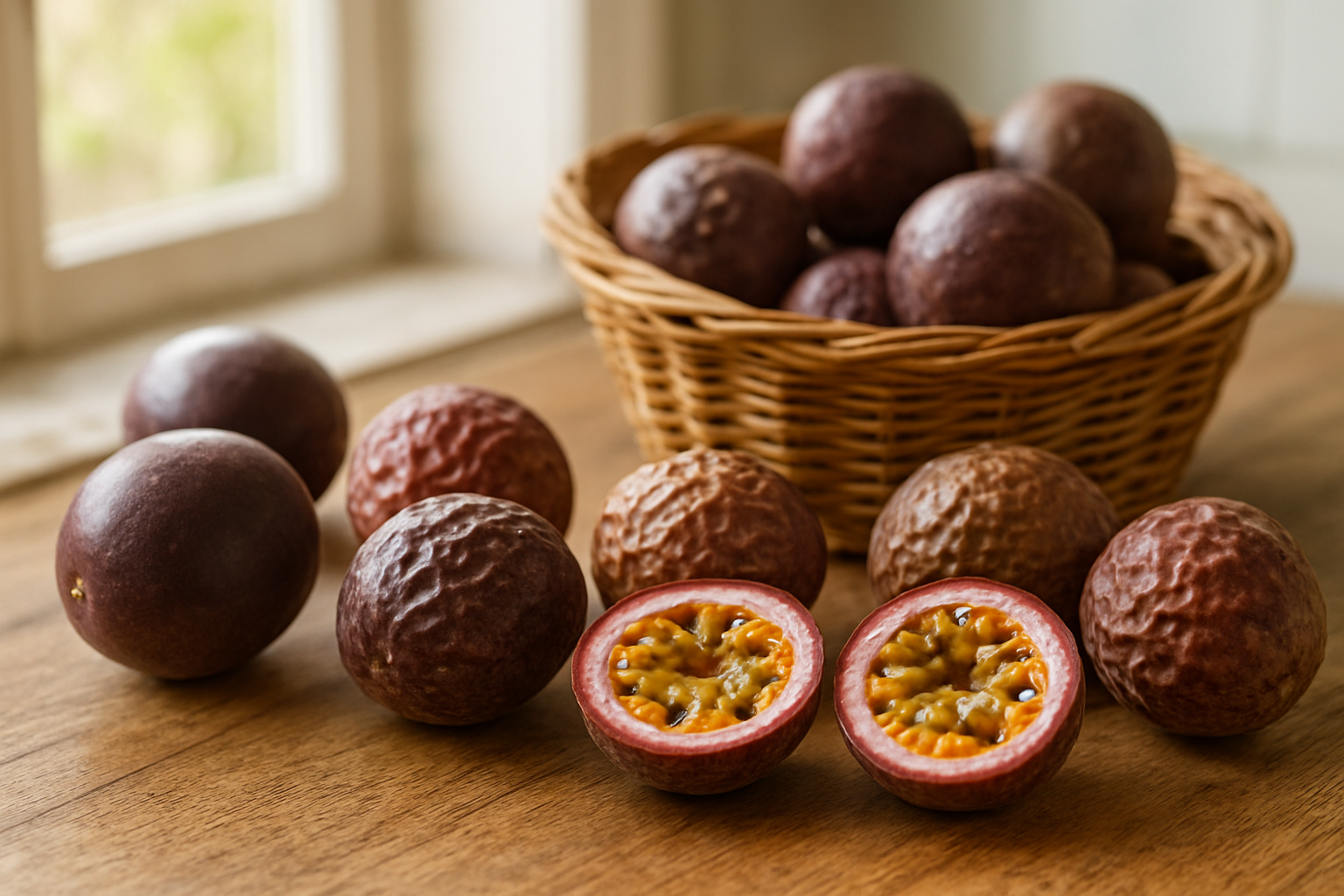
Finding perfectly ripe passion fruit at the store can feel like solving a puzzle at first, but once you know what to look for, it becomes second nature. The skin of ripe passion fruit should have a deep, wrinkled appearance that might look less than appealing to first-time buyers. This dimpled, puckered exterior is actually your best friend when selecting quality fruit.
Ripe passion fruit displays a rich purple or golden-yellow color depending on the variety. Purple passion fruit should have a dark, almost burgundy hue, while golden varieties show a vibrant yellow-orange tone. The fruit should feel heavy for its size, indicating juicy pulp inside. Give it a gentle shake - you should hear the seeds and juice moving around inside, which signals peak ripeness.
Avoid fruits with bright, smooth skin as these are underripe and will lack the intense flavor passion fruit is known for. Green spots or an overall pale appearance also indicate immaturity. On the flip side, stay away from fruits with dark soft spots, mold, or an overly musty smell, as these show the fruit has passed its prime.
Proper Storage Methods for Maximum Freshness
Proper passion fruit storage techniques can significantly extend the life of your purchase and preserve that distinctive tropical flavor. Room temperature storage works best for passion fruit that needs additional ripening time. Place unripe fruits on your kitchen counter away from direct sunlight, and they'll continue developing their characteristic wrinkled skin over several days.
Once your passion fruit reaches peak ripeness, refrigeration becomes your best storage option. Store ripe passion fruit in the refrigerator's main compartment, not in the crisper drawer where humidity levels might be too high. A perforated plastic bag or loose container allows for proper air circulation while preventing the fruit from drying out.
For longer-term passion fruit storage, freezing offers an excellent solution. Scoop out the pulp and seeds, then freeze them in ice cube trays or small containers. This method preserves the fruit for up to six months while maintaining most of its nutritional benefits and flavor intensity. Frozen passion fruit works perfectly in smoothies, desserts, and sauces.
Shelf Life and Spoilage Warning Signs
Understanding passion fruit shelf life helps you plan your purchases and avoid waste. At room temperature, ripe passion fruit typically lasts 3-5 days before quality begins to decline. Refrigerated passion fruit maintains peak quality for 1-2 weeks, making it a practical choice for meal planning and recipe preparation.
Several clear warning signs indicate when passion fruit has spoiled and should be discarded. Mold growth appears as fuzzy white, green, or black spots on the exterior. An overly soft, mushy texture that gives way under light pressure suggests internal breakdown. Additionally, an unpleasant fermented or sour odor replacing the fruit's naturally sweet aroma signals spoilage.
The pulp inside should maintain a bright orange or yellow color with plump, dark seeds. Brown or gray discoloration of the pulp, along with an off smell when you cut the fruit open, indicates the passion fruit has gone bad. Trust your senses - if something seems off about the appearance, texture, or smell, it's better to be safe and choose fresh fruit instead.
Passion fruit really deserves a spot in your regular fruit rotation. This tropical powerhouse packs serious nutritional value with its high vitamin C content, fiber, and antioxidants that support your immune system and digestive health. The unique sweet-tart flavor makes it perfect for everything from smoothies and desserts to savory sauces and cocktails.
If you're thinking about growing your own, passion fruit vines are surprisingly manageable with the right climate and care. When shopping for passion fruit, look for wrinkled skin and a heavy feel - that's when they're at peak ripeness. Store them at room temperature until they're ready, then pop them in the fridge to extend their life. Next time you see passion fruit at the market, grab a few and experiment with this exotic fruit that's easier to enjoy than you might think.


.png)
Comments
Post a Comment