Sapodilla - What's the Sapodilla (Chikoo) Fruit?
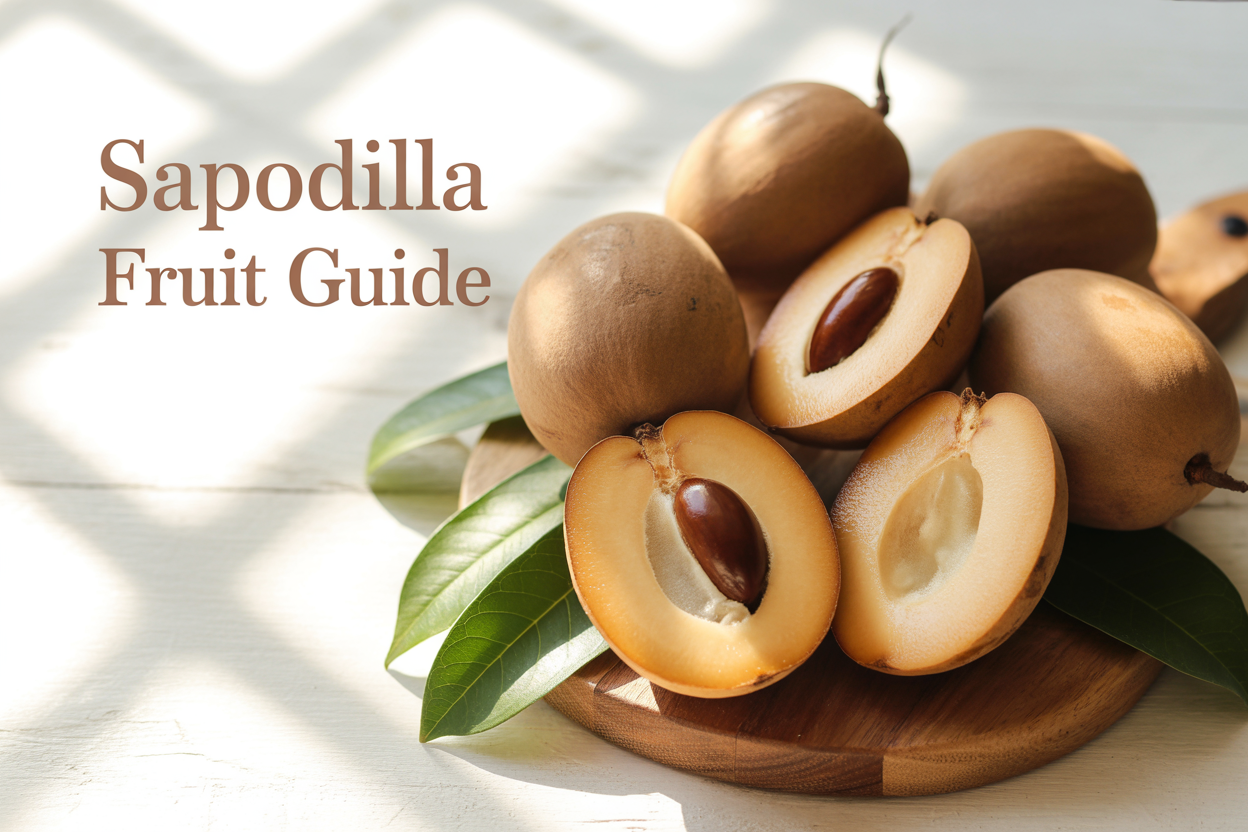
The sapodilla fruit might look like a humble brown potato, but this sweet tropical treasure packs incredible flavor and nutrition that's worth discovering. Also known as chiku fruit in some regions, sapodilla delivers a unique taste that combines brown sugar, pear, and vanilla notes in every bite.
This guide is perfect for curious food lovers, health enthusiasts, and anyone interested in exploring exotic tropical fruits beyond the usual suspects. You'll learn what sapodilla actually tastes like and why it deserves a spot on your radar.
We'll cover the impressive sapodilla benefits and nutrition facts that make this fruit a genuine superfood. You'll also discover practical tips on how to eat sapodilla properly, from selecting the perfect ripe fruit to enjoying it in creative ways. Finally, we'll explore whether growing your own sapodilla tree at home is realistic and what that process involves.
Discover the Exotic Sapodilla Fruit
Origins and native regions of this tropical treasure
The sapodilla fruit traces its roots back to the tropical rainforests of southern Mexico, Belize, and Guatemala, where indigenous Maya civilizations first cultivated this remarkable tree thousands of years ago. Spanish colonizers later spread the sapodilla throughout their tropical territories, introducing it to the Philippines, India, and other parts of Southeast Asia during the 16th century.
Today, this exotic tropical fruit thrives across warm, humid regions worldwide. Major commercial producers include India, Thailand, Pakistan, Malaysia, and Mexico, while smaller cultivation areas exist in Florida, Hawaii, the Caribbean islands, and parts of South America. The sapodilla tree demands consistent temperatures above 60°F and cannot tolerate frost, making it perfectly suited for tropical and subtropical climates.
Physical appearance and unique characteristics
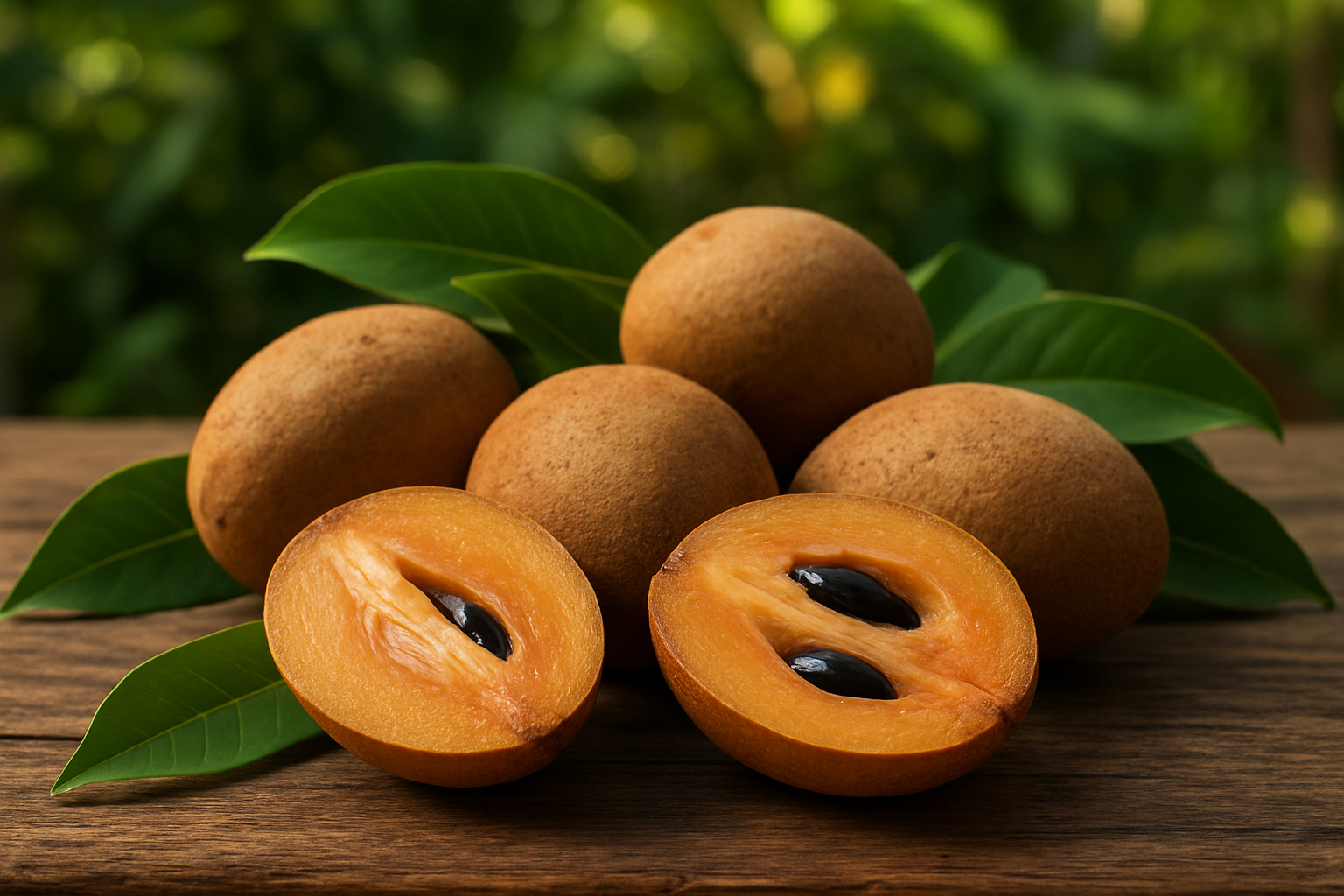
What is sapodilla? This brown, egg-shaped fruit typically measures 2-4 inches in diameter and weighs between 100-200 grams. The sapodilla fruit displays a rough, sandy-brown exterior that resembles a potato's skin, often covered in a thin layer of natural latex when freshly picked.
Inside, the flesh reveals a beautiful golden-brown to reddish-brown color with a creamy, almost custard-like texture. The fruit contains 2-5 hard, glossy black seeds arranged in the center, which are easily removed when eating. When perfectly ripe, sapodilla flesh becomes incredibly soft and granular, similar to a very ripe pear mixed with brown sugar.
| Physical Feature | Description |
|---|---|
| Size | 2-4 inches diameter |
| Weight | 100-200 grams |
| Exterior | Rough, brown, potato-like skin |
| Interior | Golden-brown, creamy flesh |
| Seeds | 2-5 hard, black, glossy seeds |
| Texture | Soft, granular when ripe |
Alternative names used worldwide
The sapodilla fruit goes by many names across different cultures and regions. In India and Pakistan, locals commonly call it "chiku fruit," while in the Philippines, it's known as "tsiko." Mexican and Central American communities refer to it as "chicozapote" or simply "zapote."
Other regional names include:
-
Naseberry (Caribbean islands)
-
Dilly (Bahamas)
-
Sapota (parts of India)
-
Lamoot (Thailand)
-
Ciku (Malaysia and Singapore)
-
Sawo (Indonesia)
These diverse names reflect the fruit's widespread adoption and cultural significance across tropical regions worldwide.
How to identify ripe sapodilla fruits
Recognizing a perfectly ripe sapodilla takes practice, but several reliable indicators help you select the best fruit. First, gently press the skin with your thumb – ripe sapodilla should yield slightly to pressure without being mushy. Unripe fruits feel rock-hard and won't give at all.
Color provides another clue: while the exterior remains brown regardless of ripeness, ripe fruits often develop a slightly deeper, more uniform brown tone. Avoid fruits with dark spots, cracks, or overly soft areas, which indicate overripeness or damage.
The stem end offers the most reliable test. A ripe sapodilla releases easily from the tree and may show slight wrinkling around the stem area. When you smell the stem end, ripe fruit emits a sweet, honey-like fragrance. Unripe sapodilla has little to no scent.
Ripeness indicators:
-
Yields slightly to gentle pressure
-
Sweet aroma at stem end
-
Uniform brown coloring
-
No dark spots or cracks
-
Slight wrinkles near stem
-
Separates easily from tree
Store unripe sapodilla at room temperature for 3-7 days until they soften. Once ripe, refrigerate them and consume within 2-3 days for optimal flavor and texture.
Unlock the Nutritional Powerhouse Benefits
Essential vitamins and minerals packed inside
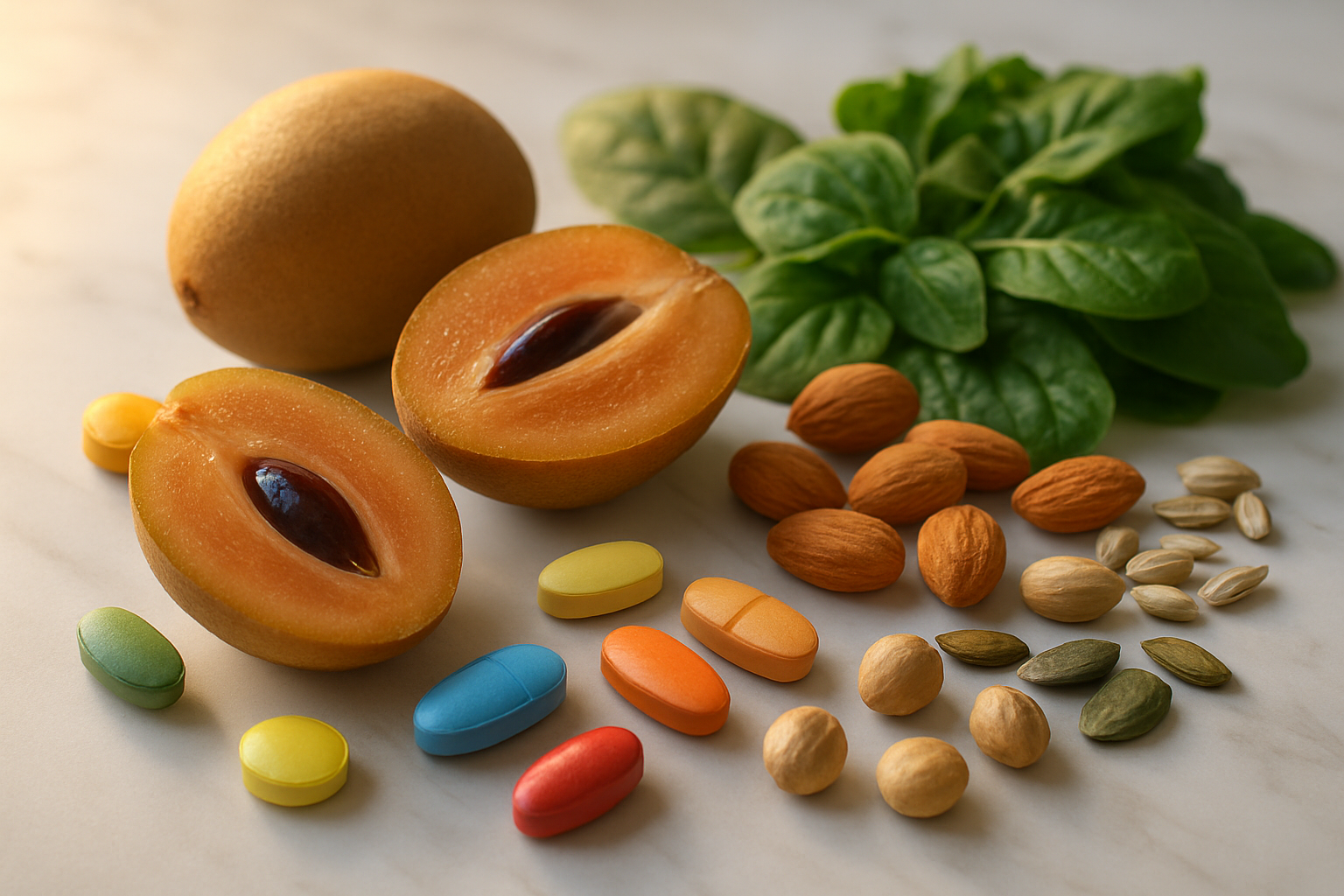
The sapodilla fruit delivers an impressive array of vitamins and minerals that make it a true nutritional powerhouse. This tropical gem contains high levels of vitamin C, providing about 24% of your daily needs in just one medium fruit. Vitamin C acts as a powerful immune booster and helps your body absorb iron more effectively.
Vitamin A is another standout nutrient, supporting healthy vision and skin cell regeneration. The fruit also provides significant amounts of vitamin E, which protects your cells from oxidative damage and keeps your skin looking youthful.
When it comes to minerals, sapodilla shines with its potassium content - crucial for heart health and blood pressure regulation. You'll also get healthy doses of calcium for strong bones, iron for oxygen transport, and magnesium for muscle and nerve function. The copper content supports collagen production, while phosphorus works alongside calcium to maintain bone density.
Fiber content for digestive health
Sapodilla benefits your digestive system with its remarkable fiber content. One medium fruit provides approximately 5-7 grams of dietary fiber, which is about 20-25% of your daily fiber needs. This high fiber content makes sapodilla an excellent choice for maintaining digestive wellness.
The soluble fiber in sapodilla helps slow down digestion, leading to better nutrient absorption and more stable blood sugar levels. This type of fiber also feeds beneficial gut bacteria, promoting a healthy microbiome that supports overall immunity and mental health.
Insoluble fiber adds bulk to your stool and helps food move smoothly through your digestive tract, preventing constipation and promoting regular bowel movements. Regular consumption of fiber-rich foods like sapodilla can reduce your risk of developing digestive disorders and colorectal issues.
Antioxidants that boost immunity
The antioxidant profile of sapodilla fruit makes it a natural immunity booster. These compounds include vitamin C, vitamin A, flavonoids, and phenolic compounds that work together to neutralize harmful free radicals in your body.
Flavonoids like quercetin and catechins provide anti-inflammatory benefits and help protect against chronic diseases. These antioxidants strengthen your immune system by reducing inflammation and supporting white blood cell function.
The fruit's natural antioxidants also protect your cardiovascular system by preventing LDL cholesterol oxidation and supporting healthy blood vessel function. Regular consumption can help reduce your risk of heart disease and stroke while maintaining optimal immune response.
Natural sugars for sustained energy
Unlike processed sweets, sapodilla provides natural sugars that deliver sustained energy without the crash. The fruit contains a balanced mix of fructose, glucose, and sucrose, along with complex carbohydrates that release energy gradually.
The fiber content helps slow sugar absorption, preventing rapid blood sugar spikes and providing steady energy throughout the day. This makes sapodilla an excellent pre-workout snack or afternoon energy booster.
The natural sugars work synergistically with the fruit's B vitamins to support energy metabolism at the cellular level, helping convert nutrients into usable energy more efficiently.
Master the Art of Selecting and Preparing Sapodilla
Best Practices for Choosing Quality Fruits
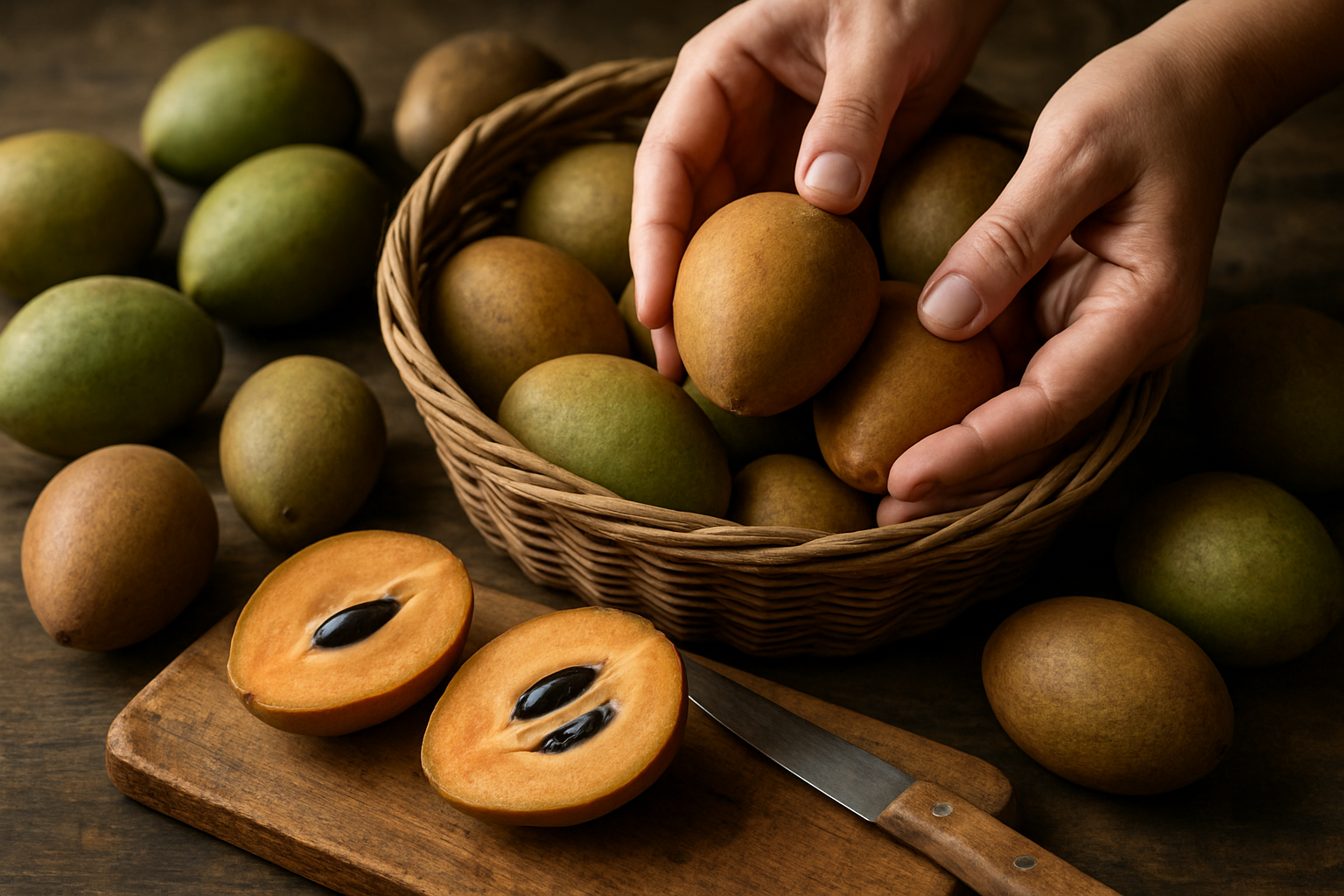
Picking the perfect sapodilla fruit takes a keen eye and gentle touch. Look for fruits with smooth, brown skin that feels slightly soft when you press it gently with your thumb. The skin should have a uniform tan to brown color without any green patches, which indicate the fruit isn't ready yet. A ripe sapodilla gives slightly under pressure, similar to a ripe avocado, but shouldn't feel mushy or overly soft.
Avoid fruits with dark spots, cracks, or wrinkled skin, as these signs point to overripe or damaged sapodilla fruit. The stem area should look clean and dry without any mold or excessive moisture. A quality sapodilla will have a sweet, honey-like aroma near the stem end when fully ripe. If you can't detect any fragrance, the fruit likely needs more time to mature.
Size doesn't always indicate quality, but medium-sized fruits often offer the best eating experience. When learning how to eat sapodilla, remember that the fruit should feel heavy for its size, indicating good moisture content and developed flesh inside.
Proper Storage Techniques to Maintain Freshness
Unripe sapodilla fruits continue ripening at room temperature, typically taking 3-7 days depending on their initial stage. Store them on your kitchen counter away from direct sunlight and heat sources. Once they reach perfect ripeness, move them to your refrigerator where they'll stay fresh for 3-5 days.
| Storage Method | Duration | Temperature | Best For |
|---|---|---|---|
| Room Temperature | 3-7 days | 65-75°F | Ripening unripe fruits |
| Refrigerator | 3-5 days | 35-40°F | Maintaining ripe fruits |
| Freezer (pulp only) | 3-6 months | 0°F | Long-term storage |
Ripe sapodilla fruits can be stored in the refrigerator's crisper drawer, preferably in a plastic bag with small holes for air circulation. This exotic tropical fruit doesn't freeze well whole due to its high water content, but you can scoop out the flesh and freeze the pulp in ice cube trays for smoothies and desserts.
Check your stored fruits daily, as sapodilla can go from perfect to overripe quickly. Remove any fruits showing signs of deterioration to prevent them from affecting others.
Simple Preparation Methods for Beginners
Preparing sapodilla fruit couldn't be easier once you know the basic steps. Start by washing the fruit gently under cool running water and patting it dry. Using a sharp paring knife, cut the fruit in half lengthwise, revealing the glossy black seeds nestled in sweet, grainy flesh.
The easiest method involves scooping out the flesh with a spoon, just like eating a kiwi. The skin peels away easily when the fruit is properly ripe - simply use your fingers or a knife to remove it. Always discard the seeds, as they're hard and inedible.
For serving, you can:
-
Cut the peeled fruit into wedges or cubes
-
Mash the flesh for smoothies or desserts
-
Slice it thin for fruit salads
-
Blend it into fresh juices
The flesh oxidizes quickly when exposed to air, so add a splash of lemon or lime juice if you're not eating it immediately. When exploring sapodilla recipes, remember that the fruit's natural sweetness makes it perfect for both fresh consumption and cooked preparations. The grainy texture, similar to a pear, adds interesting depth to various dishes while delivering impressive sapodilla nutrition facts and health benefits.
Savor the Versatile Culinary Applications
Traditional ways to enjoy fresh sapodilla
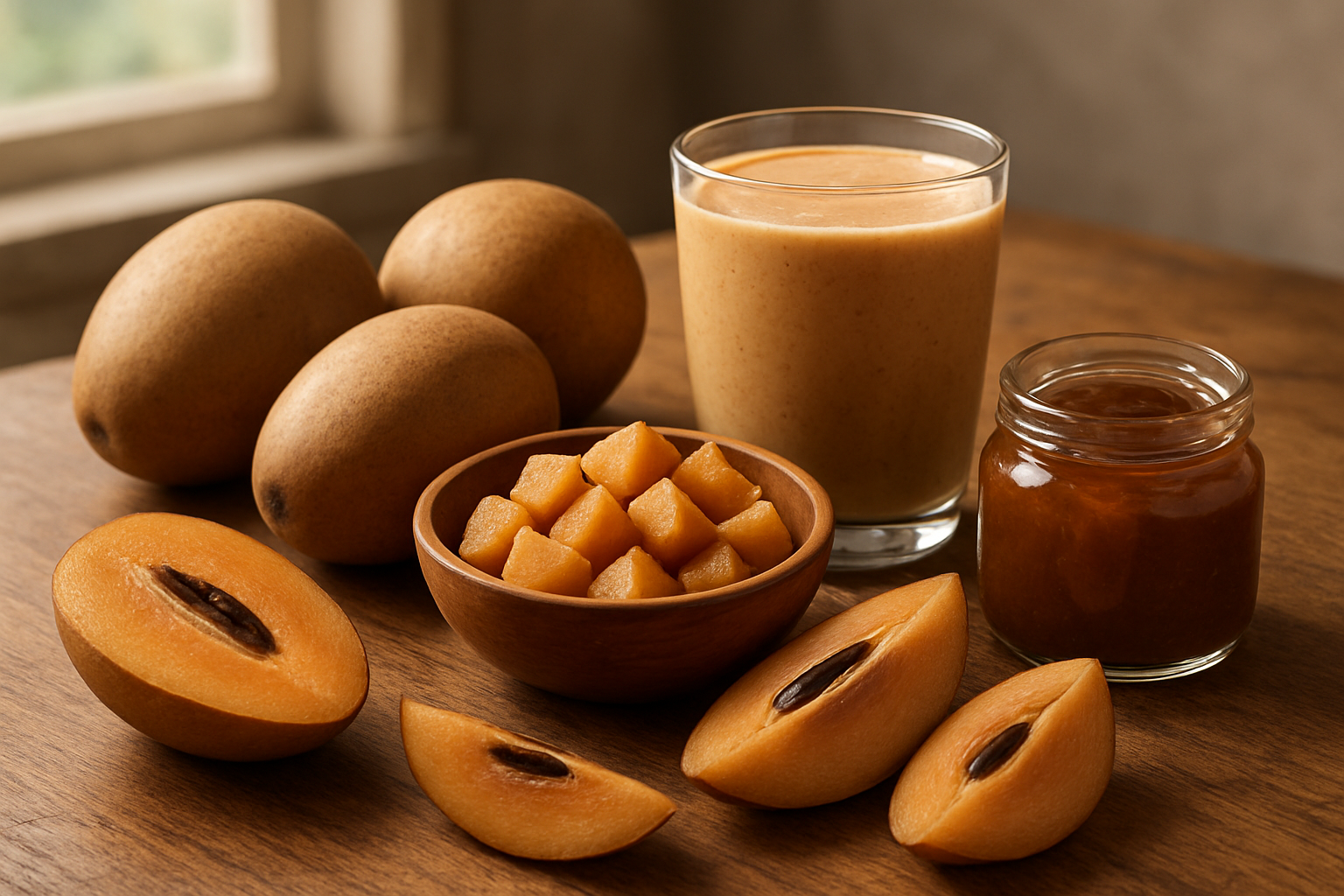
The simplest pleasure of eating sapodilla fruit comes from enjoying it fresh and unadorned. Peel away the brown, sandpaper-like skin to reveal the sweet, honey-colored flesh inside. The texture resembles a perfectly ripe pear mixed with brown sugar, making it an instant favorite for those discovering this chiku fruit for the first time.
Cut the sapodilla into wedges or bite-sized pieces, removing the large black seeds as you go. Many people enjoy eating it chilled straight from the refrigerator, which enhances its natural sweetness. In tropical regions where sapodilla trees grow abundantly, locals often eat the fruit as a quick breakfast or afternoon snack, appreciating its natural energy boost and satisfying sweetness.
Another traditional approach involves mashing ripe sapodilla with a fork and eating it like a natural fruit pudding. The creamy consistency makes it perfect for children and elderly family members who might struggle with firmer fruits.
Creative recipes and cooking methods
Sapodilla's versatility shines when you experiment with various sapodilla recipes. Blend the fruit into smoothies with coconut milk, banana, and a touch of cinnamon for a tropical treat that rivals any dessert shop creation. The natural sweetness means you won't need additional sugar.
Transform sapodilla into ice cream by pureeing the fruit and mixing it with heavy cream and a splash of vanilla. Freeze the mixture in an ice cream maker or simply in the freezer, stirring occasionally until set. The result is a unique frozen dessert with complex caramel notes.
For baking enthusiasts, sapodilla works wonderfully in muffins, breads, and cakes. Replace half the sugar in your favorite recipe with pureed sapodilla, adjusting liquid ingredients accordingly. The fruit adds moisture and a distinctive flavor that pairs beautifully with warm spices like nutmeg and cardamom.
Try making sapodilla jam by cooking chopped fruit with lemon juice and minimal sugar. The natural pectin content helps create a spreadable consistency perfect for toast or pastries.
Pairing suggestions with other ingredients
Sapodilla's sweet, malty flavor complements numerous ingredients across sweet and savory applications. Pair it with citrus fruits like lime or orange to balance its richness – the acidity brightens the overall flavor profile while highlighting the fruit's natural complexity.
Coconut and sapodilla create a match made in tropical heaven. Use coconut milk, flakes, or cream alongside sapodilla in desserts, smoothies, or rice puddings. The combination transports your taste buds straight to a Caribbean beach.
For cheese boards, try pairing mild, creamy cheeses like mascarpone or ricotta with fresh sapodilla slices. The fruit's sweetness contrasts beautifully with the tangy dairy products. Nuts like almonds, pecans, and macadamias also complement sapodilla's flavor, adding textural interest to fruit salads or desserts.
Spice pairings include vanilla, cinnamon, cardamom, and ginger. These warm spices enhance sapodilla's natural caramel notes without overwhelming its delicate flavor. Fresh mint provides a refreshing contrast when used as garnish in fruit salads or beverages.
Preservation techniques for extended enjoyment
Extend your sapodilla enjoyment beyond the fresh fruit season with several preservation methods. Dehydrating creates chewy fruit leather that concentrates the flavors while providing a portable snack. Slice the fruit thinly and dehydrate at 135°F for 8-12 hours until pliable but not sticky.
Freezing works well for smoothie preparations. Peel and chop ripe sapodilla, then freeze in portion-sized bags. The frozen fruit blends easily into smoothies and maintains most of its nutritional value.
For longer-term storage, consider making sapodilla syrup by cooking the fruit with water and straining out the solids. The resulting syrup keeps in the refrigerator for weeks and adds instant tropical flavor to pancakes, cocktails, or sparkling water.
Canning sapodilla as chunks in light syrup preserves the fruit for months. Follow standard canning procedures, processing pint jars for 20 minutes in a boiling water bath. The preserved fruit works perfectly in winter desserts when fresh tropical fruits become scarce.
Grow Your Own Sapodilla Tree Successfully
Ideal Climate Conditions for Cultivation
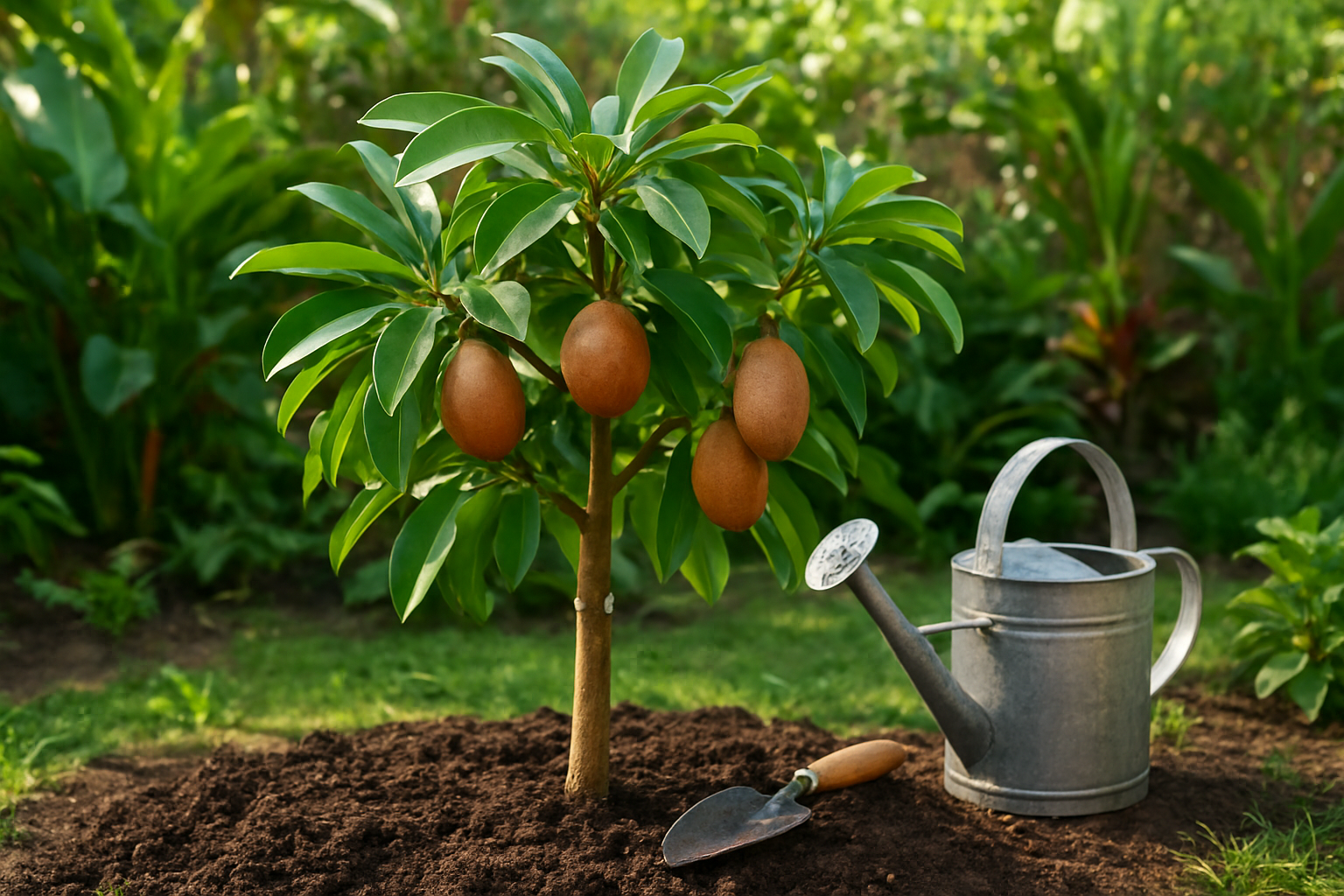
Growing a sapodilla tree requires warm, tropical or subtropical conditions to thrive. These trees perform best in temperatures consistently between 70-85°F (21-29°C) and cannot tolerate frost or freezing temperatures. The sapodilla tree naturally grows in USDA hardiness zones 9b-11, making it perfect for Florida, southern California, Hawaii, and similar climates.
Humidity plays a crucial role in successful cultivation. Sapodilla trees prefer moderate to high humidity levels between 60-80%, which mimics their native Central American rainforest environment. While they can adapt to slightly drier conditions, consistent moisture in the air promotes better fruit development and overall tree health.
The trees need full sun exposure for at least 6-8 hours daily to produce quality fruit. They can tolerate partial shade but will yield fewer fruits with reduced sweetness. Wind protection is essential since young sapodilla trees have brittle branches that can break easily in strong winds.
Planting and Care Requirements
Sapodilla trees adapt well to various soil types but prefer well-draining, sandy loam with a pH between 6.0-8.0. Poor drainage can lead to root rot, so avoid planting in areas where water pools after rain.
When planting, dig a hole twice the width of the root ball and just as deep. Space trees at least 15-20 feet apart since mature sapodillas can reach 30-60 feet in height. Water regularly during the first two years to establish strong roots, then reduce frequency as the tree matures.
| Care Aspect | Requirement |
|---|---|
| Watering | Deep watering 2-3 times weekly when young, monthly when established |
| Fertilization | Balanced 8-8-8 fertilizer quarterly during growing season |
| Pruning | Light pruning to remove dead branches and shape |
| Pest Control | Watch for scale insects and aphids |
These exotic tropical fruits benefit from organic mulch around the base to retain moisture and suppress weeds. Keep mulch 6 inches away from the trunk to prevent pest issues.
Timeline from Planting to Fruit Production
Patience is key when growing sapodilla trees from seed, as they can take 5-8 years to produce their first chiku fruit. Grafted trees significantly reduce this waiting period, typically bearing fruit within 2-3 years after planting.
The first harvest usually yields small quantities, but production increases dramatically as the tree matures. A 5-year-old tree might produce 25-50 fruits annually, while a mature 10-year-old specimen can yield 300-500 fruits per year.
Sapodilla trees flower year-round in tropical climates, with peak seasons varying by location. Fruits take 6-9 months to ripen after flowering, developing their characteristic brown, potato-like exterior and sweet, grainy flesh inside.
Young trees require extra protection from cold snaps during their first few winters. Cover with frost cloth when temperatures drop below 50°F (10°C) to prevent damage that could delay fruit production even longer.
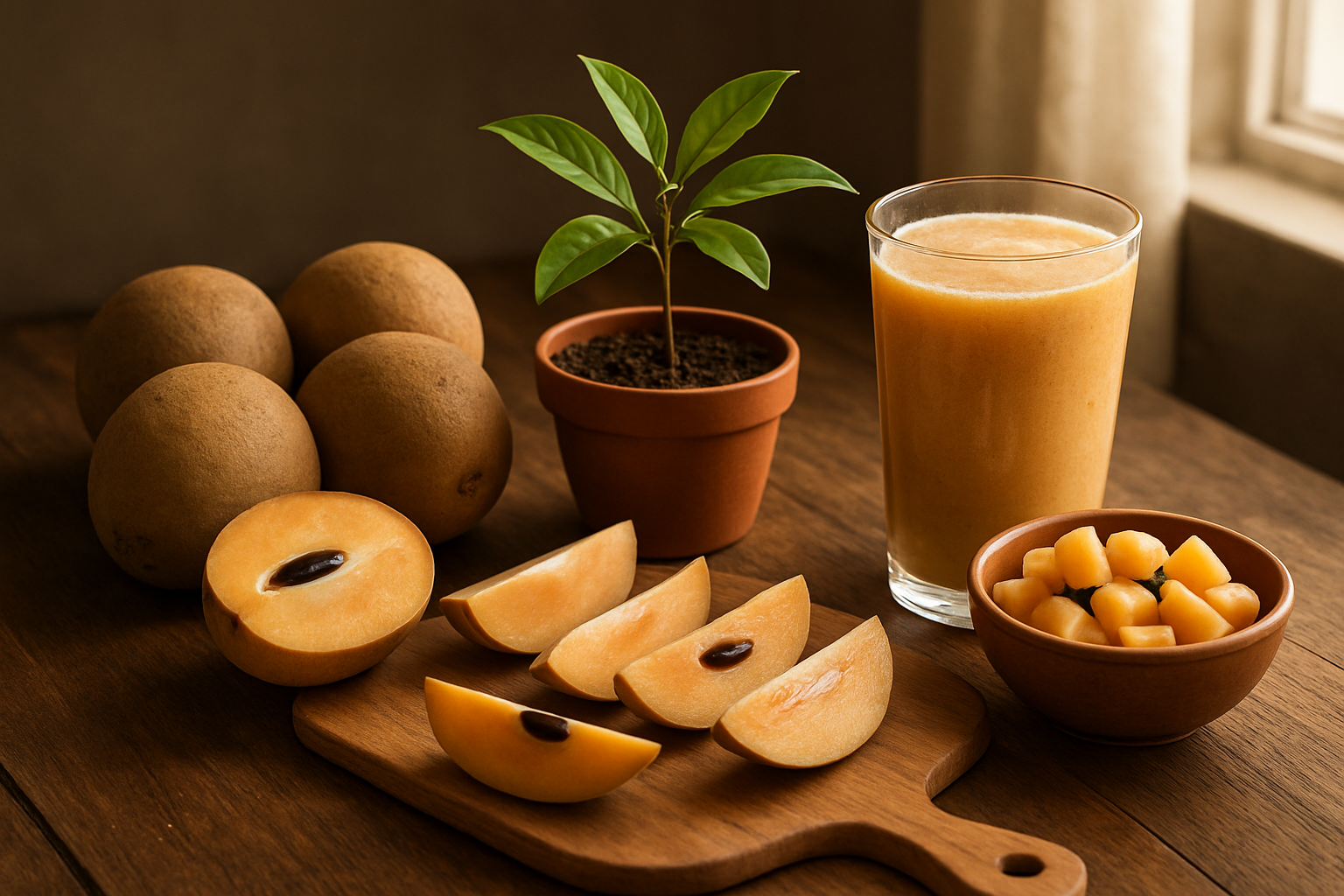
The sapodilla fruit offers an incredible combination of sweet, tropical flavor and impressive health benefits that make it worth adding to your regular fruit rotation. From its rich vitamin C content and fiber to its natural antioxidants, this brown, unassuming fruit packs a serious nutritional punch. Learning how to pick the perfectly ripe ones and properly prepare them opens up a world of culinary possibilities, from eating them fresh to incorporating them into smoothies, desserts, and traditional dishes.
For those with green thumbs and the right climate, growing your own sapodilla tree can provide years of homegrown tropical fruit right in your backyard. Start by visiting your local international grocery stores or farmers markets to try this unique fruit for yourself. Once you experience its custard-like texture and brown sugar sweetness, you'll understand why sapodilla has been treasured in tropical regions for centuries.


.png)
Comments
Post a Comment