Soursop - What's the Soursop (Graviola) Fruit?
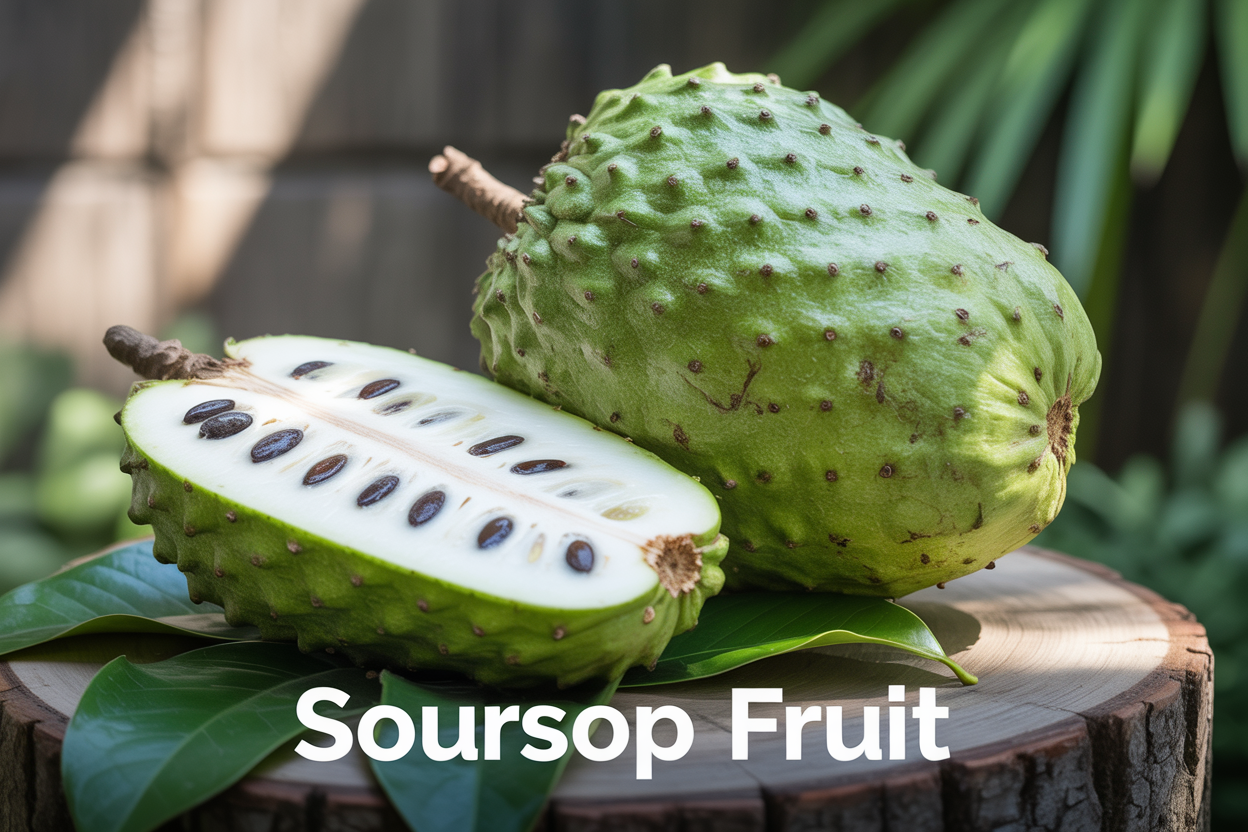
Soursop, also known as graviola, is a spiky green tropical fruit that's been winning over food lovers and health enthusiasts around the world. If you've spotted this unusual-looking fruit at your local market and wondered "what is soursop" or heard friends raving about graviola benefits, you're in the right place.
This guide is perfect for curious foodies, health-conscious individuals, and anyone wanting to explore new tropical flavors and their potential wellness perks.
We'll walk you through everything you need to know about this fascinating fruit. You'll discover the soursop nutrition facts that make it a true nutritional powerhouse, learn about the unique soursop taste and creative culinary uses that make it so versatile in the kitchen, and get practical tips on how to eat soursop plus our soursop selection guide to help you pick the perfect fruit every time.
Discover the Origins and Characteristics of Soursop
Learn About Soursop's Tropical Heritage and Natural Habitat
Soursop fruit originated in the tropical regions of the Americas, specifically in the Caribbean islands, Central America, and northern South America. This remarkable fruit has been growing wild in these regions for centuries, thriving in the warm, humid climates that characterize these areas. The Amazon rainforest serves as one of its primary native habitats, where indigenous communities have long recognized its value.
Today, you'll find soursop trees flourishing across tropical and subtropical regions worldwide. Countries like Brazil, Colombia, Venezuela, and various Caribbean nations remain major producers. The cultivation has expanded to include parts of Africa, Southeast Asia, and Pacific islands, where similar climate conditions support healthy tree growth.
These evergreen trees prefer temperatures between 77-86°F (25-30°C) and require consistent rainfall throughout the year. They grow best in well-drained, slightly acidic soil and need protection from strong winds. The trees can reach heights of 15-20 feet and produce fruit year-round in optimal conditions, making them valuable crops for tropical agriculture.
Identify Key Physical Features That Make Soursop Unique
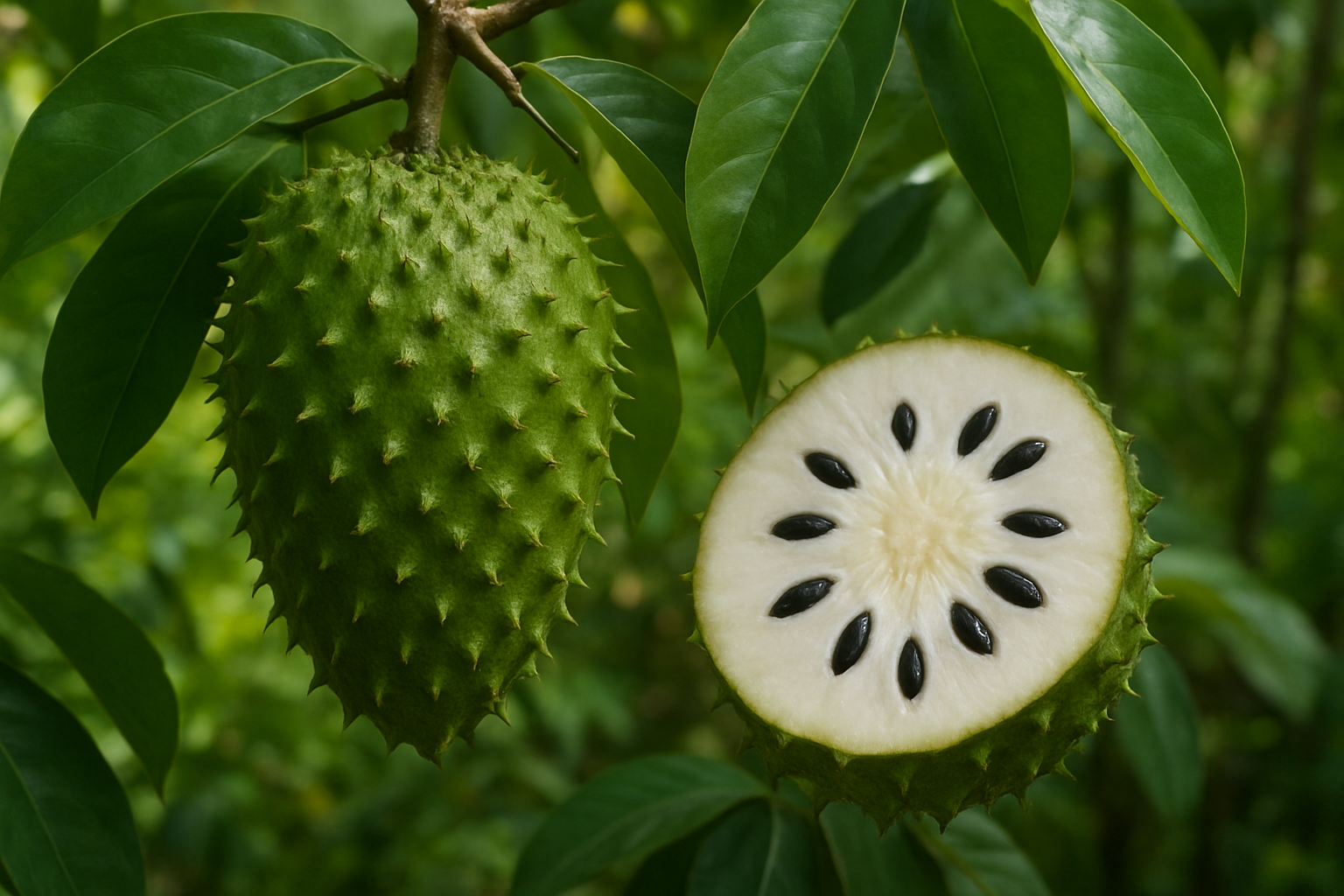
What is soursop becomes clear when you examine its distinctive appearance. The fruit typically measures 8-12 inches in length and can weigh anywhere from 2-15 pounds. Its most striking feature is the dark green, leathery skin covered with soft, curved spines that give it an almost prehistoric appearance.
The exterior spines aren't sharp or dangerous - they're actually quite flexible and become softer as the fruit ripens. When ripe, the skin may develop slight yellow patches and yield slightly to gentle pressure. Inside, you'll discover creamy white flesh that's segmented into sections, each containing a single large, dark brown seed.
| Physical Characteristic | Description |
|---|---|
| Size | 8-12 inches long, 2-15 pounds |
| Shape | Oval to heart-shaped |
| Exterior | Dark green with soft, curved spines |
| Interior | White, creamy flesh with black seeds |
| Texture | Custard-like when ripe |
The flesh has a custard-like consistency similar to a ripe banana or avocado, making it perfect for blending into smoothies or eating fresh. Each fruit contains numerous seeds that must be removed before consumption, as they're inedible and potentially toxic if consumed in large quantities.
Understand the Scientific Classification and Alternative Names
Scientifically known as Annona muricata, soursop belongs to the Annonaceae family, which includes other tropical fruits like custard apple and sugar apple. This botanical classification places it among some of the most prized tropical fruits worldwide.
The fruit goes by many names depending on the region. Graviola is perhaps the most common alternative name, particularly in South America and among health enthusiasts who discuss graviola benefits. In different cultures, you might hear it called:
-
Guanábana (Spanish-speaking countries)
-
Corossol (French-speaking regions)
-
Brazilian pawpaw
-
Prickly custard apple
-
Soursap
-
Guyabano (Philippines)
The name "soursop" itself comes from the Dutch "zuurzak," which literally means "sour sack," referring to the fruit's slightly tart flavor profile. Each regional name reflects local linguistic traditions and cultural connections to this beloved tropical fruit.
Understanding these various names helps when traveling or shopping for the fruit in international markets. Whether you're looking for fresh soursop, frozen pulp, or processed products, knowing these alternative names ensures you can find what you're seeking regardless of your location.
Unlock the Nutritional Powerhouse of Soursop Fruit
Access Essential Vitamins and Minerals for Optimal Health
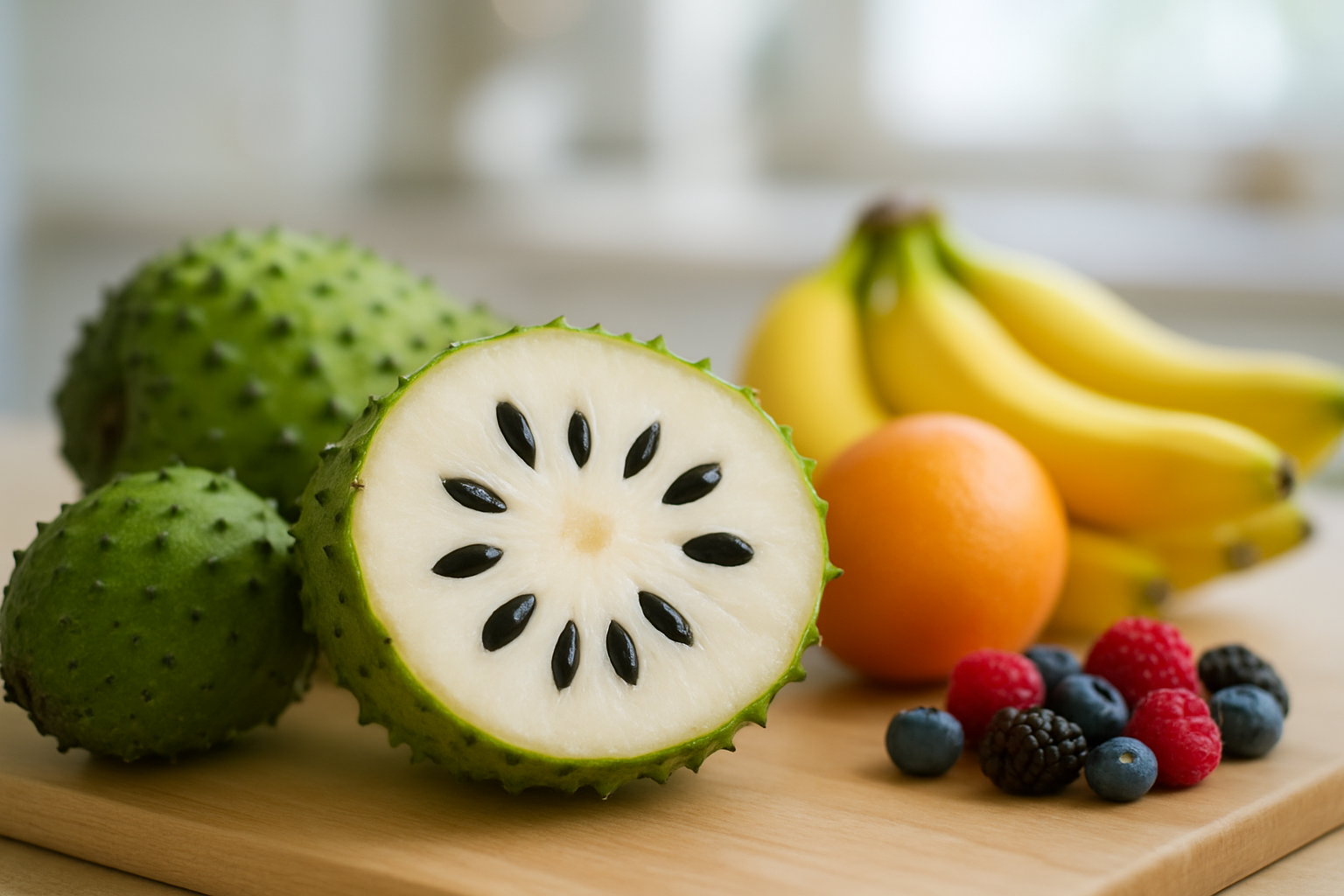
Soursop fruit delivers an impressive array of vitamins and minerals that your body craves. A single cup of this tropical treasure provides over 30mg of vitamin C, covering nearly 50% of your daily needs. This vitamin C content helps boost your immune system and supports collagen production for healthy skin.
The soursop nutrition facts reveal substantial amounts of vitamin B6, which plays a crucial role in brain development and function. You'll also find meaningful quantities of thiamine (vitamin B1), riboflavin (vitamin B2), and niacin (vitamin B3) that support energy metabolism and nervous system health.
When it comes to minerals, soursop shines with its potassium content - roughly 626mg per cup. This mineral helps regulate blood pressure and supports proper muscle and nerve function. The fruit also contains magnesium, phosphorus, and calcium, creating a well-rounded mineral profile that supports bone health and cellular processes.
| Nutrient | Amount per Cup | % Daily Value |
|---|---|---|
| Vitamin C | 30.2mg | 50% |
| Potassium | 626mg | 18% |
| Vitamin B6 | 0.1mg | 6% |
| Magnesium | 47mg | 12% |
Benefit from High Fiber Content for Digestive Wellness
The fiber content in soursop fruit makes it a digestive system champion. With approximately 7.4 grams of fiber per cup, this tropical fruit provides nearly 30% of your recommended daily fiber intake. This substantial fiber content comes in both soluble and insoluble forms, each offering unique digestive benefits.
Soluble fiber in soursop helps slow digestion, allowing your body to better absorb nutrients while promoting feelings of fullness. This type of fiber also helps regulate blood sugar levels by slowing the absorption of glucose into your bloodstream.
Insoluble fiber adds bulk to your stool and helps food move through your digestive tract more efficiently. This prevents constipation and promotes regular bowel movements, contributing to overall digestive wellness.
The combination of both fiber types creates a prebiotic effect, feeding beneficial gut bacteria that support your immune system and overall health. Regular consumption of fiber-rich foods like soursop can help maintain a healthy gut microbiome, which researchers increasingly link to improved mood, better nutrient absorption, and enhanced immune function.
Gain Natural Antioxidants to Fight Free Radicals
Graviola benefits extend far beyond basic nutrition thanks to its powerful antioxidant compounds. Soursop contains various antioxidants including vitamin C, flavonoids, and unique compounds called acetogenins that give this fruit its remarkable free-radical fighting abilities.
These antioxidants work together to neutralize harmful free radicals in your body - unstable molecules that can damage cells and contribute to aging and disease. The acetogenins found in soursop are particularly interesting to researchers because they're not commonly found in other fruits.
Quercetin, a flavonoid present in soursop, has anti-inflammatory properties that may help reduce chronic inflammation in the body. The fruit also contains luteolin and tangeretin, compounds that support cellular health and may help protect against oxidative stress.
The antioxidant activity in soursop is measured through its ORAC (Oxygen Radical Absorbance Capacity) value, which indicates how effectively it can neutralize free radicals. While exact ORAC values vary depending on growing conditions and ripeness, soursop consistently ranks as a high-antioxidant fruit.
Obtain Low-Calorie Nutrition for Weight Management
For those watching their calorie intake, soursop health benefits include being naturally low in calories while high in nutrients. One cup of soursop pulp contains only about 148 calories, making it an excellent choice for weight management without sacrificing nutritional value.
The fruit's high water content (about 81%) and substantial fiber contribute to its satiating properties while keeping calories low. This combination helps you feel full and satisfied without consuming excessive calories, supporting healthy weight maintenance or loss goals.
The natural sugars in soursop - primarily fructose and glucose - provide quick energy without the blood sugar spikes often associated with processed sweets. The fiber content helps moderate sugar absorption, creating a more stable energy release.
Soursop's nutrient density means you get maximum nutritional bang for your caloric buck. The protein content, while modest at about 2.3 grams per cup, contributes to the fruit's ability to help maintain lean muscle mass during weight management efforts.
This nutritional profile makes soursop an ideal snack or meal component for anyone looking to maintain a healthy weight while ensuring adequate nutrient intake. The fruit's natural sweetness can also help satisfy sugar cravings in a healthier way than processed alternatives.
Experience the Distinctive Taste and Culinary Uses
Savor the Sweet and Tangy Flavor Profile
The soursop taste presents a delightfully complex experience that surprises first-time tasters. Picture biting into something that combines the sweetness of pineapple with hints of strawberry, all wrapped up with subtle citrus notes and a creamy banana-like texture. The fruit's pulp delivers a unique tartness that's never overpowering, making it incredibly appealing to most palates.
When perfectly ripe, soursop fruit offers a custard-like consistency with natural sweetness that needs no enhancement. The flavor profile changes slightly depending on ripeness - underripe fruit tends toward more acidic notes, while overripe specimens become almost candy-sweet. Many describe the taste as tropical paradise in fruit form, which explains why it's become such a sought-after ingredient in gourmet kitchens worldwide.
The aromatic qualities are just as impressive as the taste. Fresh soursop releases a fragrant bouquet that's both floral and fruity, preparing your senses for the delicious experience ahead.
Create Refreshing Beverages and Smoothies
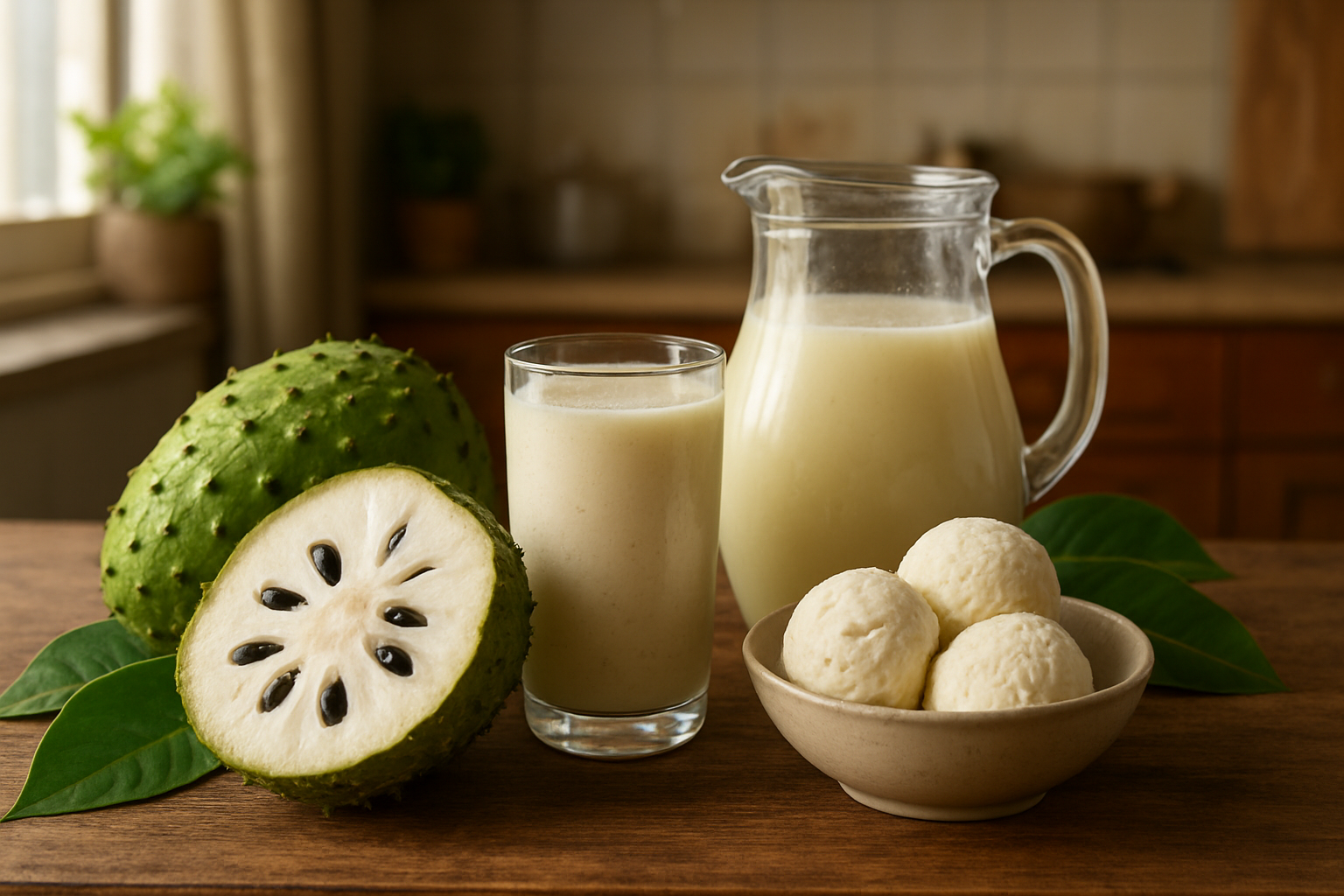
Soursop culinary uses shine brightest in the beverage world. The fruit's natural creaminess makes it perfect for smoothies without needing dairy additives. Blend fresh soursop pulp with coconut water for an instant tropical refresher, or combine it with mango and lime for a vitamin-packed morning smoothie.
Traditional Caribbean and Latin American drinks feature soursop prominently. The famous "guanábana juice" involves blending the pulp with water, milk, or coconut milk, then straining for a silky-smooth beverage. Add a touch of vanilla or cinnamon for extra depth.
For adult beverages, soursop pairs beautifully with rum or vodka. The fruit's natural sweetness balances alcohol's bite while adding tropical flair to cocktails. Try mudding fresh pulp into mojitos or creating soursop-based daiquiris for your next gathering.
Green smoothie enthusiasts love adding small amounts of soursop to spinach or kale blends - the fruit's sweetness masks any vegetable bitterness while boosting nutritional content.
Prepare Traditional Desserts and Ice Creams
The creamy texture of soursop makes it a natural choice for frozen desserts. Traditional soursop ice cream requires no artificial thickeners - the fruit's natural consistency creates luxuriously smooth results. Simply blend the pulp with condensed milk and heavy cream, then freeze using standard ice cream making methods.
In many tropical countries, soursop appears in traditional custards and puddings. The fruit's natural pectin content helps these desserts set properly while contributing incredible flavor. Brazilian "mousse de graviola" has become internationally popular, combining soursop pulp with whipped cream and gelatin for an airy, cloud-like dessert.
Soursop cheesecake represents a modern twist on classic recipes. The fruit's tangy notes complement cream cheese perfectly, while its natural sweetness reduces the need for added sugars. No-bake versions work particularly well since soursop doesn't require cooking to develop flavor.
Popsicles and sorbets showcase the fruit's refreshing qualities. Mix strained pulp with simple syrup and lime juice, then freeze in molds for healthy treats kids absolutely love.
Incorporate Fresh Fruit into Healthy Snacks
Fresh soursop makes an excellent standalone snack when properly prepared. Remove all seeds carefully (they're toxic when consumed), then cut the pulp into bite-sized pieces. The fruit's natural sweetness satisfies sugar cravings without processed ingredients.
Soursop bowls have gained popularity in health-conscious circles. Layer chunks of fresh fruit with granola, nuts, and other tropical fruits for Instagram-worthy breakfast options. The combination provides sustained energy while delivering impressive nutritional benefits.
Dehydrated soursop creates an interesting snack alternative. While the drying process concentrates flavors intensely, it also preserves many beneficial compounds. These dried pieces work wonderfully in trail mixes or as natural candy replacements.
For savory applications, young soursop can be prepared like a vegetable. Some cultures use unripe fruit in stews and curries, where it absorbs surrounding flavors while contributing unique texture. The leaves also have culinary applications, often brewed into teas with purported health benefits.
Soursop pairs excellently with other tropical fruits in fruit salads. Its creamy texture contrasts beautifully with firmer fruits like mango or pineapple, creating diverse textures that keep each bite interesting.
Harness Traditional and Modern Health Benefits
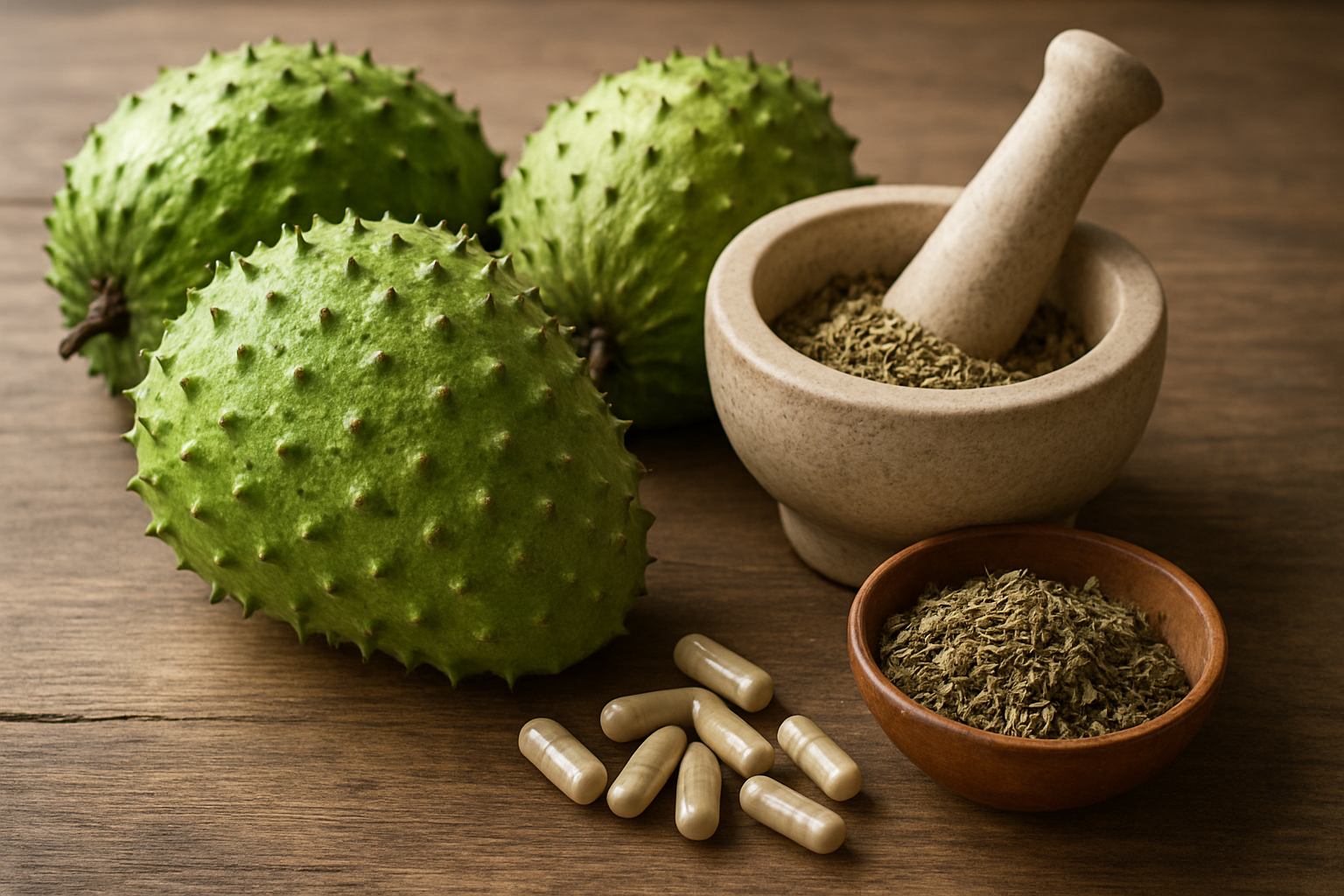
Support Immune System Function Naturally
Soursop fruit packs a serious punch when it comes to boosting your body's natural defenses. The vitamin C content in graviola benefits your immune system by acting as a powerful antioxidant that fights off harmful free radicals. A single cup of soursop provides nearly 60% of your daily vitamin C needs, making it an excellent natural way to strengthen your immunity.
The fruit's impressive antioxidant profile includes compounds like acetogenins, quercetin, and tangeretin. These natural defenders work together to protect your cells from oxidative stress and support overall immune health. Regular consumption of soursop health benefits includes helping your body ward off infections and illnesses more effectively.
Soursop nutrition facts reveal high levels of folate, another immune-supporting nutrient that helps produce and maintain new cells. The fruit also contains natural antimicrobial properties that traditional healers have relied on for generations to fight various pathogens.
Promote Better Sleep and Relaxation
Many people don't realize that soursop can be a natural sleep aid. Traditional medicine practitioners have long used graviola fruit uses to help people achieve better rest and relaxation. The fruit contains natural compounds that have mild sedative effects, helping calm the nervous system without the harsh side effects of synthetic sleep aids.
The magnesium content in soursop plays a crucial role in muscle relaxation and nerve function. This essential mineral helps regulate neurotransmitters that send signals throughout your nervous system and brain, promoting a sense of calm and preparing your body for restful sleep.
Drinking soursop tea made from the leaves has been a popular evening ritual in many Caribbean and South American cultures. The warm beverage helps people unwind after stressful days while providing gentle compounds that support natural sleep cycles.
Aid in Digestive Health and Gut Function
Your digestive system gets excellent support from soursop's unique nutritional profile. The fruit provides substantial dietary fiber that promotes healthy bowel movements and feeds beneficial gut bacteria. This fiber content helps maintain regularity while supporting the growth of good bacteria in your digestive tract.
Soursop contains natural enzymes that assist in breaking down proteins and other nutrients, making digestion smoother and more efficient. People who struggle with digestive discomfort often find relief when incorporating this tropical fruit into their diet.
The anti-inflammatory properties in graviola can help soothe digestive tract irritation. Traditional healers have used soursop to address various stomach ailments, and modern research supports many of these traditional applications. The fruit's natural compounds may help reduce inflammation in the gut while promoting healing of the digestive lining.
What is soursop's role in gut health extends beyond basic digestion. The prebiotic fibers in the fruit nourish beneficial bacteria, creating a healthier microbiome that supports everything from nutrient absorption to immune function.
Master the Art of Selecting and Preparing Soursop
Choose Perfectly Ripe Fruit for Maximum Flavor
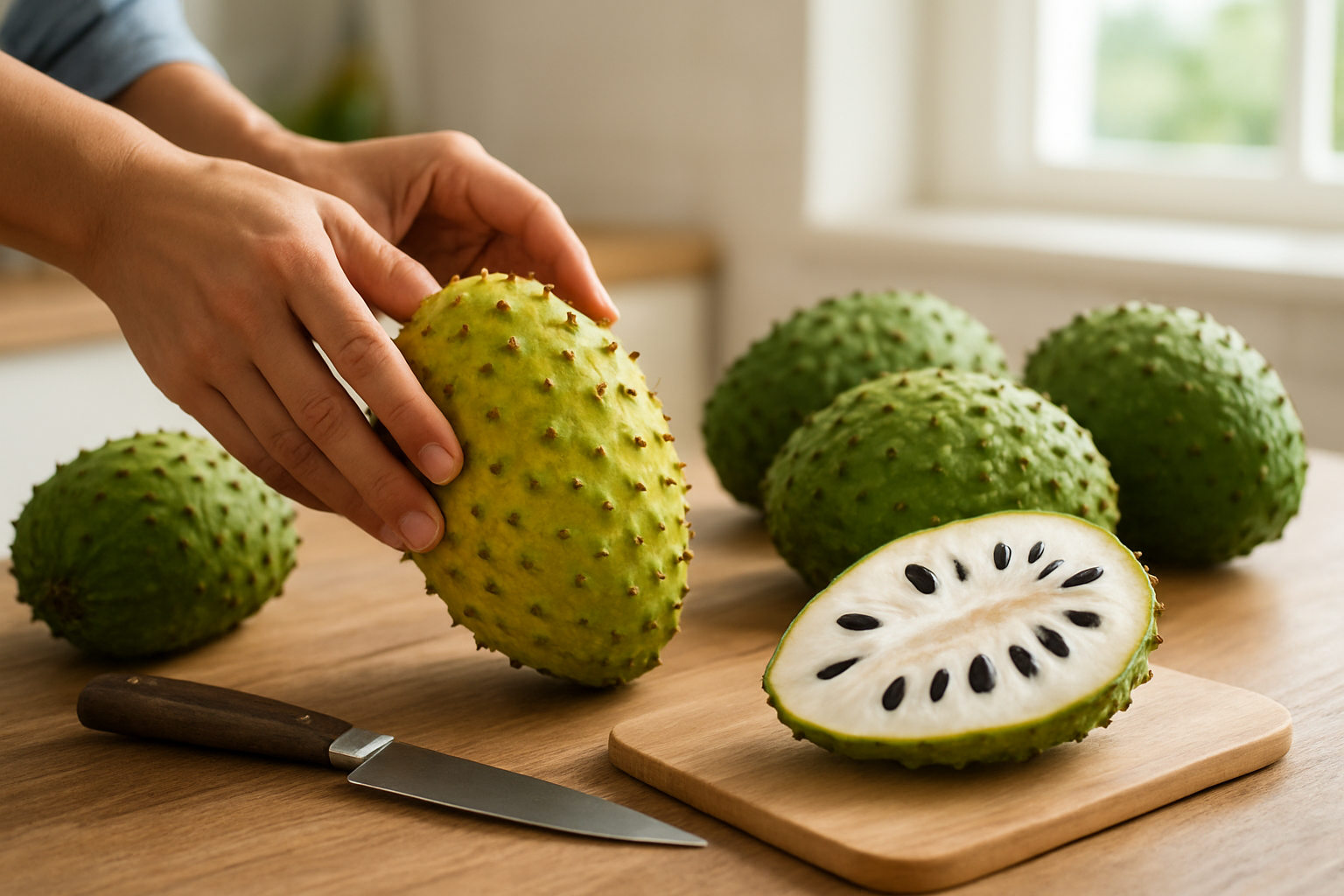
Getting the timing right with soursop fruit makes all the difference in taste and texture. A perfectly ripe soursop fruit gives slightly to gentle pressure, much like a ripe avocado. The skin should have a light green color with a subtle yellowish tint, and the spines will feel softer rather than sharp and rigid. When you pick up a good soursop, it should feel heavy for its size, indicating plenty of juice inside.
Avoid fruits with dark spots, bruises, or overly soft areas, as these signal overripeness or decay. The best soursop selection guide involves checking for a sweet, tropical aroma near the stem end. If the fruit has no scent or smells fermented, pass it by. Size doesn't always indicate quality – medium-sized fruits often have better flavor concentration than oversized ones.
Store Soursop Properly to Extend Freshness
Proper storage keeps your soursop fruit fresh and prevents premature spoilage. Unripe soursop should sit at room temperature for 2-4 days until it reaches perfect ripeness. Once ripe, refrigerate the whole fruit for up to 3-5 days wrapped in a paper towel inside a plastic bag.
Never store soursop in direct sunlight or near heat sources, as this accelerates decay. For longer storage, remove the pulp and freeze it in airtight containers for up to 6 months. The pulp maintains its nutritional value and works perfectly for smoothies and desserts later.
Remove Seeds and Prepare Pulp Safely
Processing soursop requires careful attention to seed removal since the seeds contain compounds that shouldn't be consumed. Cut the fruit in half lengthwise using a sharp knife, then scoop out the white pulp with a spoon. The pulp comes away easily from the skin when the fruit is properly ripe.
Remove all black seeds thoroughly – they're large enough to spot easily. Some people prefer to blend the pulp and strain it through a fine mesh to catch any missed seeds. The resulting smooth pulp works wonderfully for juices, smoothies, and desserts. Wear gloves if you have sensitive skin, as some people experience mild irritation from the fruit's natural compounds.
Preserve Soursop for Year-Round Enjoyment
Preserving soursop extends your enjoyment of this tropical treat beyond its natural season. Freezing remains the most popular method – portion the cleaned pulp into ice cube trays or freezer bags for convenient use. Frozen soursop cubes blend directly into smoothies without thawing.
Dehydrating creates soursop chips that make healthy snacks, though this method requires a food dehydrator and patience. Some enthusiasts make soursop puree and freeze it in small containers, perfect for adding to beverages or dessert recipes. For immediate preservation, soursop juice keeps in the refrigerator for 2-3 days when stored in glass containers away from light.
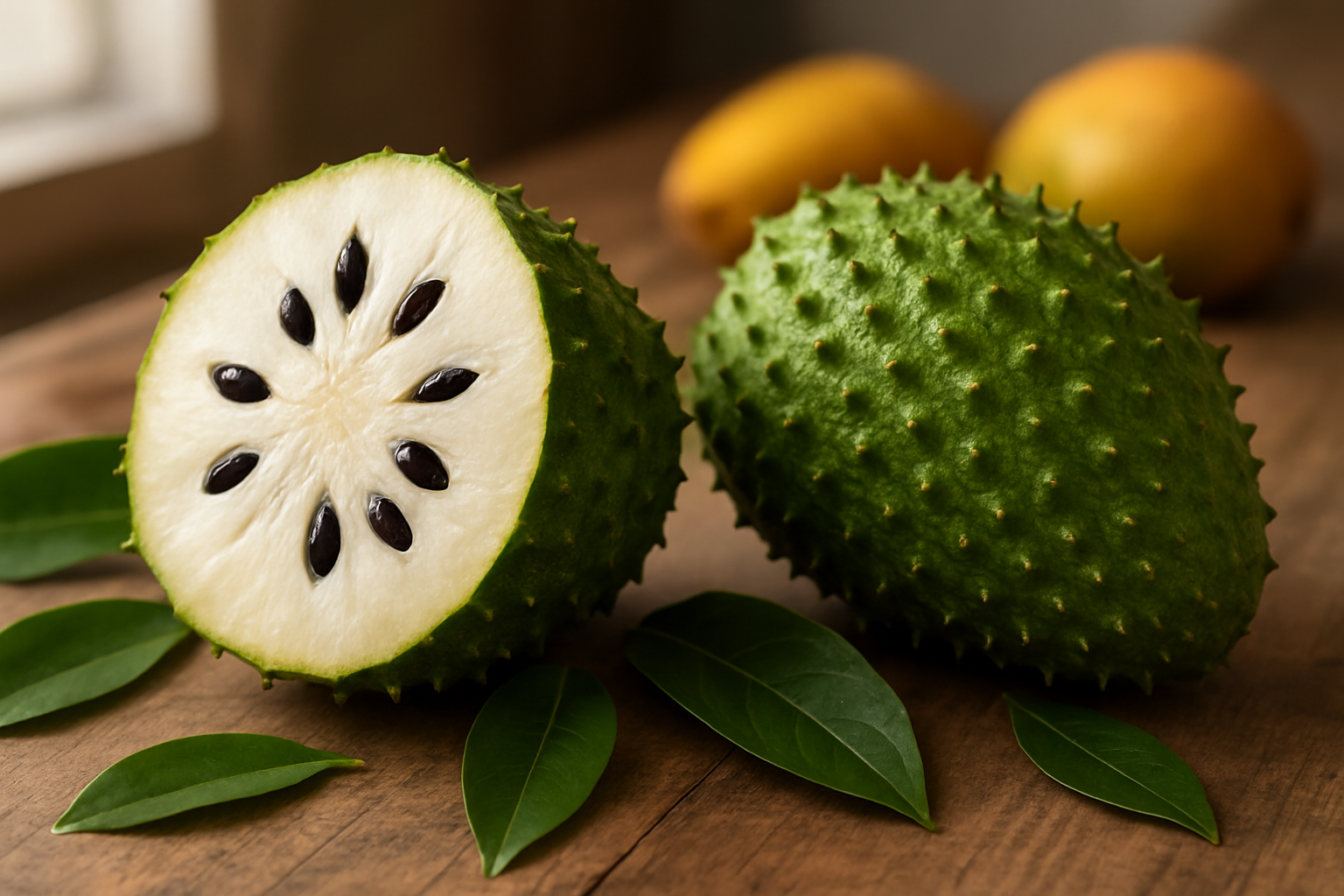
Soursop stands out as one of nature's most fascinating fruits, combining exceptional nutritional value with a taste that's both exotic and surprisingly approachable. From its spiky green exterior to its creamy white flesh, this tropical gem offers vitamin C, fiber, and antioxidants that support your overall health. The fruit's sweet-tart flavor makes it perfect for smoothies, desserts, and traditional remedies that have been trusted for generations.
Getting the most out of soursop starts with knowing how to pick a ripe one and prepare it properly. Look for fruits that give slightly when pressed and have a fresh, sweet aroma. Once you've mastered the basics of selection and preparation, you'll have access to a versatile ingredient that can transform your kitchen creations while potentially boosting your wellness routine. Give soursop a try – your taste buds and body will thank you for this delicious adventure into tropical nutrition.


.png)
Comments
Post a Comment