Starfruit - What's the Starfruit (Carambola)?
Starfruit - What's the Starfruit (Carambola)?
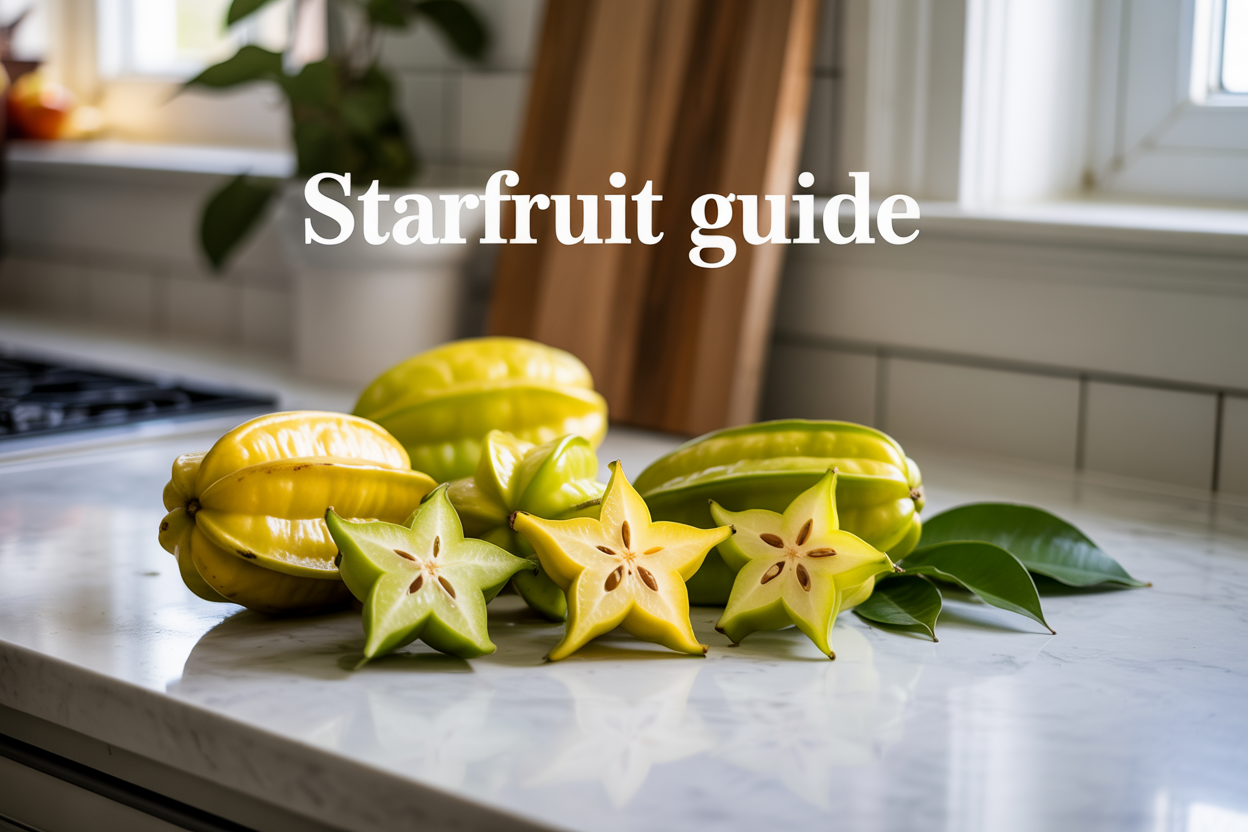
Starfruit, also known as carambola fruit, is that beautiful yellow tropical fruit that looks like a star when you slice it. This exotic gem has been catching attention in grocery stores everywhere, leaving many people curious about what it tastes like and how to eat starfruit properly.
This guide is perfect for anyone who's spotted this star-shaped fruit at the market and wondered what to do with it, from curious beginners to home cooks ready to experiment with new tropical flavors. We'll cover the impressive carambola health benefits that make this fruit worth trying, walk you through simple starfruit preparation techniques so you can enjoy it safely, and share creative star fruit recipes that'll help you make the most of this unique ingredient in your kitchen.
Understanding Starfruit Basics
Scientific Classification and Common Names
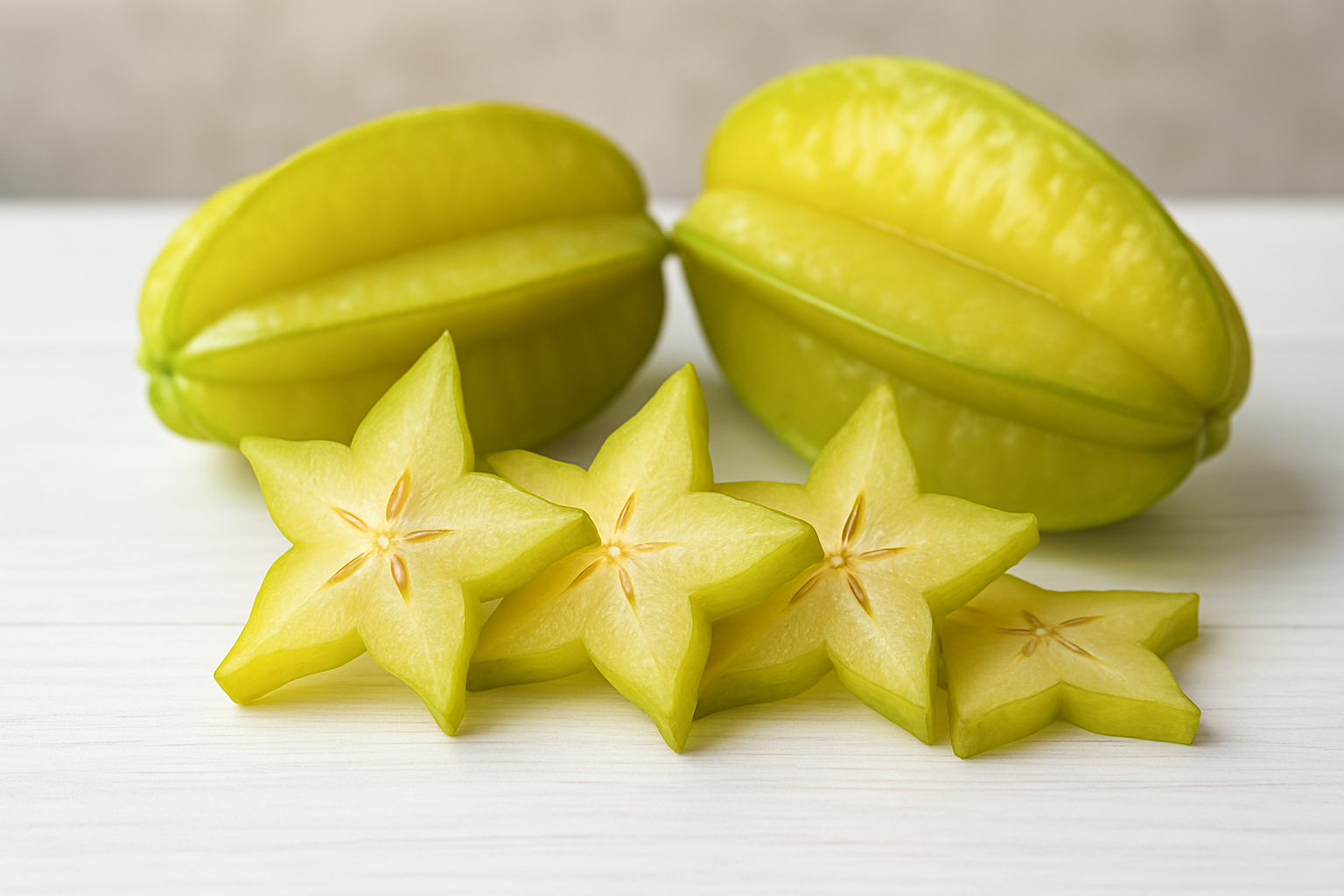
Starfruit, scientifically known as Averrhoa carambola, belongs to the family Oxalidaceae. This tropical fruit goes by several names depending on your location - you might hear it called carambola, star apple, or five-finger fruit. The name "starfruit" comes from its distinctive cross-sectional shape, which creates a perfect five-pointed star when sliced.
The genus Averrhoa includes only two edible species, with carambola being the more widely cultivated variety. Different cultivars exist, ranging from sweet varieties like 'Arkin' and 'Golden Star' to more tart types such as 'Newcomb' and 'Thayer.' These variations affect both taste and acidity levels, making some better for fresh eating while others work well in cooking.
Physical Appearance and Star-Shaped Cross-Section
Carambola fruit displays an unmistakable appearance that makes it instantly recognizable. The fruit typically measures 3-6 inches in length and features five prominent longitudinal ridges running from stem to tip. These ridges create the signature star pattern when you slice the fruit crosswise - each slice reveals a perfect five-pointed star.
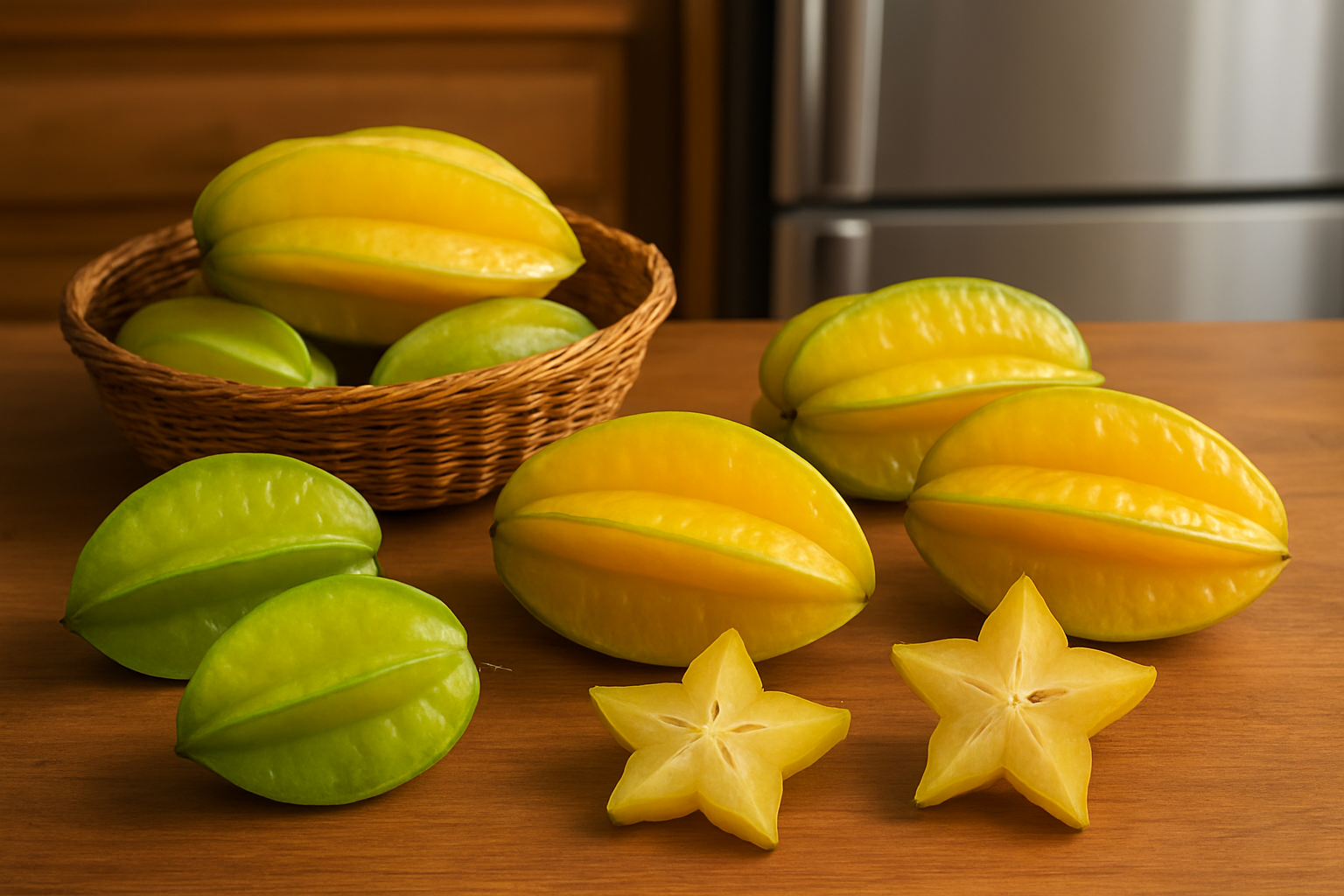
The skin ranges from bright green when unripe to golden yellow or orange-yellow when fully mature. The surface feels waxy and smooth, with a thin, edible peel that doesn't require removal. Inside, the translucent flesh appears pale yellow to amber, containing a few small, flat seeds in the center.
The fruit's unique ribbed structure serves both aesthetic and practical purposes. The ridges help protect the fruit during growth and make it incredibly photogenic for culinary presentations. When ripe, starfruit feels firm yet yields slightly to gentle pressure, similar to a ripe pear.
Origins and Geographic Distribution
Tropical fruit starfruit originated in Southeast Asia, specifically in Malaysia, Indonesia, and the Philippines. From these native regions, cultivation spread throughout tropical and subtropical areas worldwide. Today, major commercial production occurs in Malaysia, Taiwan, India, Australia, Israel, and parts of South America.
The fruit thrives in warm, humid climates with temperatures consistently above 60°F. Florida became a significant producer in the United States, along with Hawaii and southern California. The Caribbean islands, particularly Jamaica and Puerto Rico, also cultivate carambola successfully.
Climate requirements limit starfruit growth to USDA hardiness zones 9-11, though some cold-hardy varieties can survive brief temperature drops to the upper 20s. The trees prefer well-draining, slightly acidic soil and benefit from regular rainfall or irrigation.
Seasonal Availability and Harvesting
Carambola trees produce fruit year-round in ideal tropical conditions, though peak seasons vary by location. In Florida, primary harvests occur from August through February, with smaller secondary crops possible in spring. Asian producers typically see peak production during summer and fall months.
Harvesting requires careful timing - fruit picked too early remains sour and never fully develops its sweetness, while overripe fruit becomes mushy and loses its crisp texture. Commercial growers harvest when the fruit shows yellow coloring along the ridges but before full golden ripeness, allowing for proper shipping and storage.
Fresh starfruit availability in grocery stores peaks during fall and winter months in North America, coinciding with Florida's harvest season. Import markets ensure some availability year-round, though prices fluctuate based on seasonal supply and transportation costs.
Nutritional Profile and Health Benefits
Vitamin C Content and Immune System Support
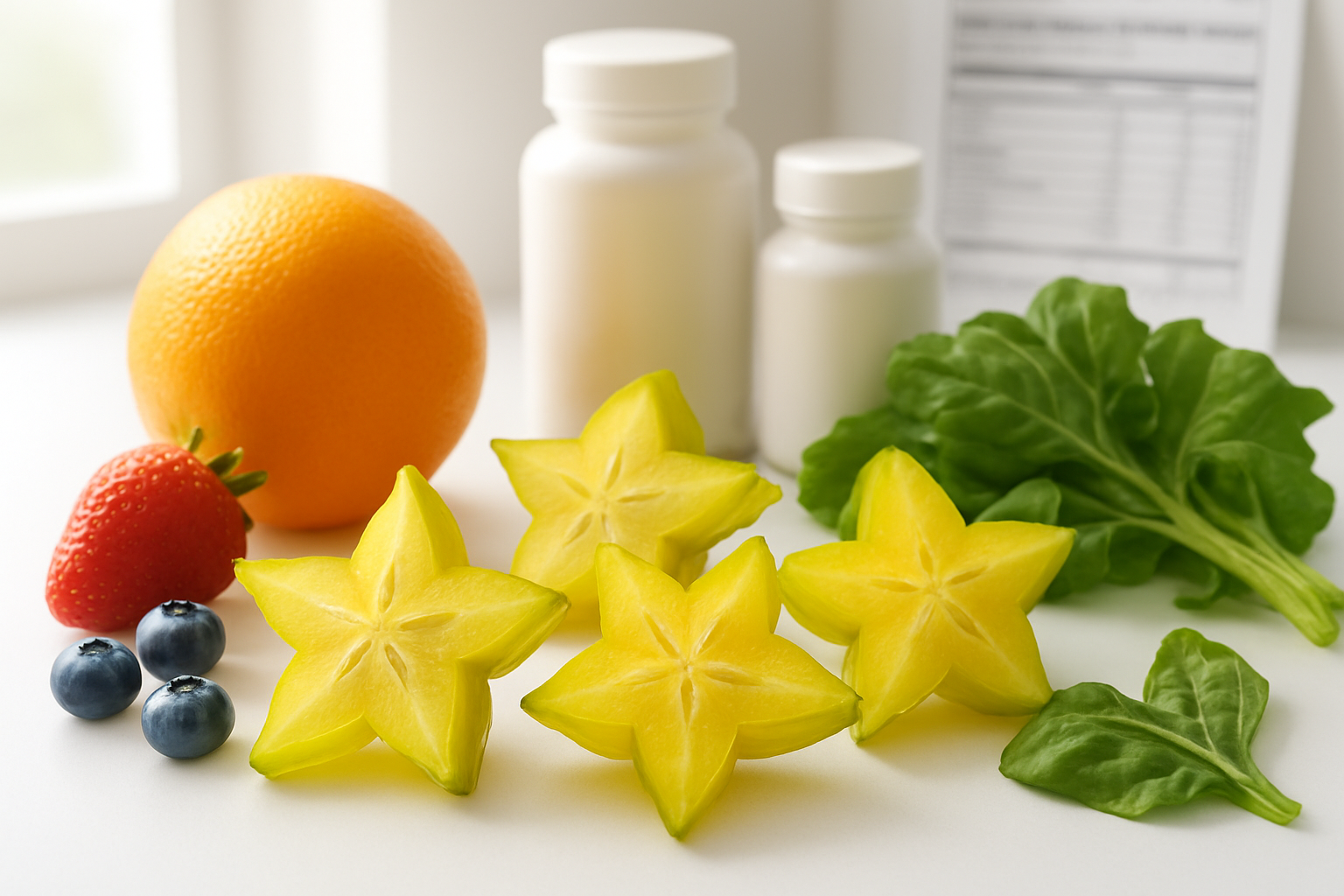
Starfruit packs an impressive vitamin C punch that rivals many citrus fruits. A single medium-sized carambola fruit delivers approximately 57% of your daily vitamin C needs, making it a fantastic choice for supporting your immune system naturally. This powerful antioxidant vitamin helps your body produce white blood cells, which are your first line of defense against infections and illnesses.
What makes star fruit nutrition particularly appealing is how your body easily absorbs this water-soluble vitamin. Unlike synthetic supplements, the vitamin C in fresh carambola comes bundled with other beneficial compounds that work together to maximize absorption and effectiveness. Regular consumption of this tropical fruit can help reduce the duration and severity of common colds while supporting overall immune function.
The vitamin C content in carambola benefits extends beyond immune support. This essential nutrient plays a crucial role in collagen production, helping maintain healthy skin, joints, and blood vessels. Your body also relies on vitamin C to enhance iron absorption from plant-based foods, making starfruit an excellent companion to iron-rich meals.
Low-Calorie Fruit for Weight Management
Tropical fruit starfruit stands out as a dieter's dream food, containing just 28 calories per 100 grams. This remarkably low calorie count means you can enjoy generous portions without worrying about your daily caloric intake. The fruit's high water content - approximately 91% - helps you feel full and satisfied while contributing to your daily hydration needs.
The natural fiber in carambola fruit adds another weight management advantage. Each serving provides about 2.8 grams of dietary fiber, which slows digestion and helps regulate blood sugar levels. This fiber content prevents the rapid spikes and crashes in blood glucose that often lead to increased hunger and cravings.
Star fruit nutrition includes virtually no fat and minimal natural sugars compared to many other fruits. The natural sugars present are primarily fructose and glucose, which your body processes efficiently for energy rather than storing as fat. This combination of low calories, high water content, and beneficial fiber makes starfruit an ideal snack for anyone looking to maintain or lose weight while still satisfying their sweet tooth.
Antioxidants and Anti-Inflammatory Properties
Carambola health benefits include a robust profile of antioxidants that protect your cells from harmful free radical damage. The fruit contains flavonoids like quercetin and gallic acid, along with phenolic compounds that work together to combat oxidative stress throughout your body. These antioxidants help slow the aging process and may reduce your risk of chronic diseases.
The anti-inflammatory compounds in starfruit can help reduce inflammation markers in your blood. Chronic inflammation links to numerous health issues, including heart disease, diabetes, and arthritis. Regular consumption of antioxidant-rich foods like carambola may help keep inflammation levels in check naturally.
Star fruit nutrition also provides epicatechin, a powerful flavonoid also found in dark chocolate and green tea. This compound supports cardiovascular health by improving blood vessel function and reducing inflammation in your arteries. The combination of vitamin C, flavonoids, and other antioxidants creates a synergistic effect that amplifies the fruit's protective benefits.
Research suggests that the antioxidant activity in carambola fruit may help protect against certain types of cancer by neutralizing free radicals before they can damage cellular DNA. While more studies are needed, the preliminary evidence shows promising potential for this tropical fruit starfruit as part of a cancer-preventive diet.
Selecting and Storing Fresh Starfruit
How to Choose Ripe Carambola at the Store
Finding the perfect starfruit at the grocery store comes down to knowing what to look for. A ripe carambola should have a golden-yellow color with slight green tinges along the ridges - this indicates optimal sweetness and flavor development. The fruit should feel firm but give slightly when pressed gently, similar to a ripe pear.
Pay attention to the skin's appearance. Quality starfruit will have smooth, glossy skin without dark spots or blemishes. The ridges should be well-defined and intact, as damaged edges often lead to faster spoilage. Avoid fruits that appear wrinkled, have brown patches, or feel overly soft, as these signs indicate the fruit is past its prime.
Size matters too - medium-sized carambola typically offer the best balance of flavor and texture. Very large fruits may be overripe and watery, while extremely small ones might lack sweetness and have a more tart flavor profile.
Proper Storage Methods for Maximum Freshness
Fresh starfruit storage depends on ripeness level and intended use timeline. Ripe carambola should be refrigerated immediately and stored in the crisper drawer, where they'll maintain quality for 5-7 days. Place them in a perforated plastic bag to maintain humidity while allowing air circulation.
For unripe starfruit, room temperature storage accelerates the ripening process. Keep them on your counter for 2-3 days until they develop that golden-yellow color. Once ripened, transfer them to the refrigerator to slow further ripening.
Never store starfruit in sealed containers without ventilation, as trapped moisture promotes bacterial growth and accelerates decay. The ideal storage temperature ranges between 32-40°F with moderate humidity levels.
Signs of Spoilage to Avoid
Recognizing spoiled carambola protects both taste and health. Fresh starfruit gone bad develops several telltale signs. Dark brown or black spots on the skin indicate bacterial or fungal growth - these fruits should be discarded entirely.
Soft, mushy areas suggest internal breakdown, even if other parts appear normal. A sour or fermented smell signals decomposition has begun. Fresh starfruit should have a mild, pleasant aroma.
Watch for wrinkled, dried-out skin or translucent flesh, which indicates dehydration and loss of nutritional value. Mold growth, appearing as fuzzy patches in various colors, means immediate disposal is necessary.
Extending Shelf Life Tips
Several strategies can maximize your starfruit's lifespan. First, handle the fruit gently to prevent bruising, which creates entry points for bacteria. Don't wash carambola until ready to eat, as excess moisture accelerates spoilage.
For longer storage, consider freezing prepared starfruit slices. Wash, slice, and arrange pieces on a baking sheet for flash-freezing before transferring to freezer bags. This method preserves the fruit for up to 6 months, perfect for smoothies and cooked applications.
Separate ripe and unripe fruits during storage. Ripe starfruit produces ethylene gas, which speeds up ripening in nearby fruits. Keep them apart to control ripening rates and prevent premature spoilage of your entire batch.
Preparation and Consumption Methods
Simple Washing and Slicing Techniques
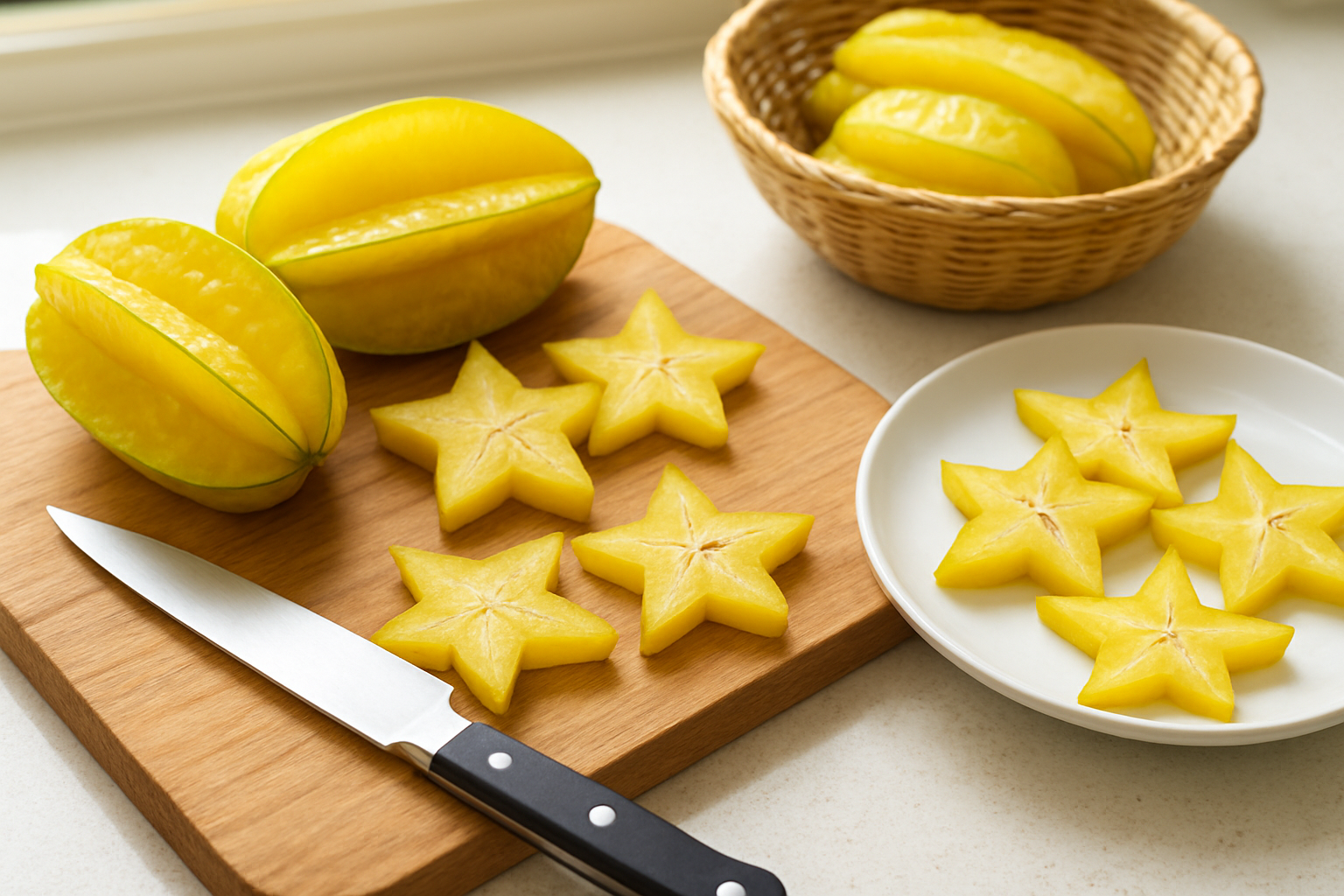
Getting your starfruit ready for eating is refreshingly straightforward. Start by giving the fruit a gentle rinse under cool running water, rubbing the surface with your hands to remove any dirt or residue. The waxy skin cleans easily, so there's no need for harsh scrubbing or special brushes.
For slicing, position the starfruit horizontally on your cutting board. Using a sharp knife, cut crosswise into slices about ¼ to ½ inch thick. Each slice reveals that beautiful five-pointed star shape that gives carambola its common name. The slices make perfect natural garnishes and are ideal for snacking.
If you prefer eating starfruit whole, that works too. Simply bite into it like you would an apple, though most people find the sliced approach more enjoyable and visually appealing.
Edible Skin Benefits and Safety
Unlike many tropical fruits, starfruit comes with completely edible skin that actually adds nutritional value to your snacking experience. The thin, waxy peel contains concentrated amounts of fiber and antioxidants, making it worth keeping rather than peeling away.
The skin has a mild, slightly tart flavor that complements the sweet-tangy flesh perfectly. It provides a pleasant textural contrast too - offering a gentle bite that gives way to the juicy interior. Many people initially hesitate about eating the skin, but once they try it, they discover it enhances the overall eating experience.
Safety-wise, the skin is completely safe for most people when the fruit is properly washed. However, those with sensitive stomachs might want to start with small amounts to see how they react to the combination of skin and flesh.
Removing Seeds for Optimal Eating Experience
Carambola seeds are small, flat, and brown, nestled in the center of each star point. While technically edible, most people prefer removing them for a smoother eating experience. The seeds can be slightly bitter and tough, potentially interrupting the fruit's delicate flavor profile.
To remove seeds easily, look for the dark spots in each slice - these mark where seeds are located. Use the tip of a knife or your fingernail to gently flick them out. Some starfruit varieties have fewer seeds than others, and very ripe fruits sometimes have seeds that are easier to remove.
Seed removal methods:
-
Use a small paring knife tip
-
Employ a toothpick for precision
-
Push them out with your fingernail
-
Cut around them if they're particularly stubborn
Many people find that removing seeds makes starfruit more enjoyable for children and creates a cleaner presentation when using the fruit in recipes or as garnish.
Culinary Uses and Recipe Applications
Fresh Eating as a Healthy Snack
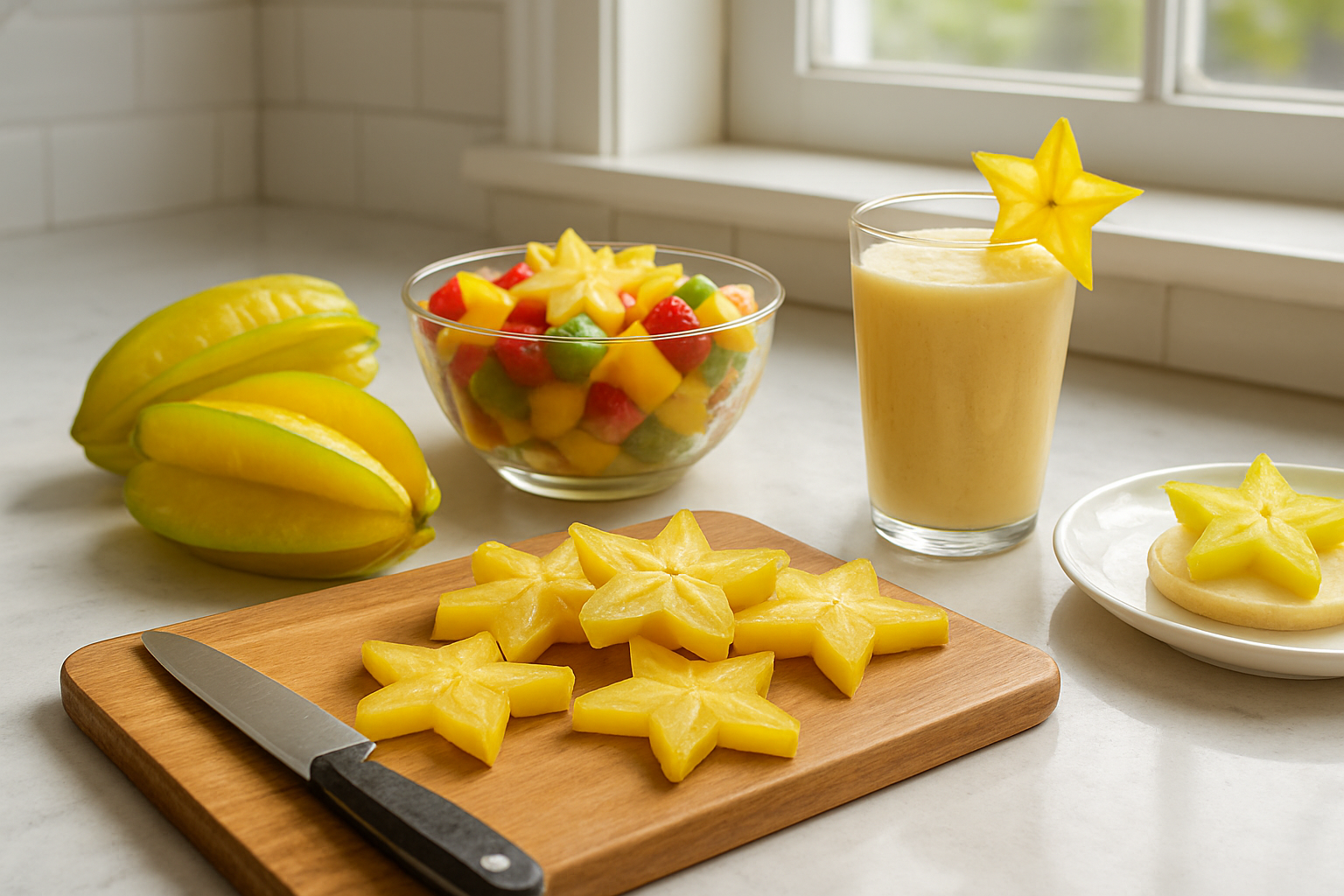
Starfruit makes an incredibly convenient grab-and-go snack that requires minimal preparation. Simply wash the fruit, slice it crosswise to create those beautiful star shapes, and you're ready to enjoy. The thin skin is completely edible, so there's no need to peel or remove anything except the small seeds occasionally found in the center. Many people love munching on starfruit slices throughout the day because they're naturally low in calories but high in vitamin C and fiber.
For the best snacking experience, choose fruits that are yellow-green to golden yellow in color with minimal brown edges. The sweetness level varies between varieties, with some being quite tart while others offer a mild, refreshing flavor reminiscent of a cross between apple and citrus. Kids especially enjoy the novelty of eating star-shaped fruit slices, making it an excellent way to encourage healthy eating habits.
Tropical Smoothie and Juice Combinations
Carambola fruit adds a unique tropical twist to smoothies and fresh juices. Its high water content and mild flavor make it an excellent base ingredient that doesn't overpower other fruits. Blend starfruit with mango, pineapple, and coconut milk for a classic tropical smoothie, or combine it with banana and orange juice for a vitamin C powerhouse drink.
Popular starfruit smoothie combinations include:
-
Green Paradise: Starfruit, spinach, pineapple, and coconut water
-
Tropical Sunset: Carambola, papaya, passion fruit, and lime juice
-
Citrus Star: Star fruit, orange, grapefruit, and fresh ginger
-
Island Breeze: Starfruit, mango, banana, and almond milk
When juicing starfruit, you'll get approximately 1/2 cup of juice from two medium fruits. The juice works wonderfully as a base for cocktails, mocktails, or simply mixed with sparkling water for a refreshing beverage.
Salad Garnishes and Fruit Bowl Additions
The striking appearance of sliced starfruit makes it a stunning addition to both fruit salads and green salads. Those perfect five-pointed stars instantly elevate any dish's visual appeal, making them popular choices for entertaining and special occasions. In fruit salads, carambola pairs beautifully with other tropical fruits like kiwi, dragon fruit, and papaya, creating colorful combinations that taste as good as they look.
For green salads, thin starfruit slices add a subtle sweet-tart flavor that complements ingredients like:
-
Mixed greens with avocado and nuts
-
Spinach salads with strawberries and feta cheese
-
Asian-inspired salads with sesame dressing
-
Chicken or shrimp salads with tropical themes
The fruit's crisp texture holds up well in salads without becoming soggy, and its natural acidity helps brighten heavier ingredients. Professional chefs often use starfruit garnishes for plated desserts, cocktails, and main dishes because of their photogenic quality.
Cooking Applications in Savory Dishes
While often treated as just a sweet fruit, starfruit preparation extends into savory cooking applications across many cuisines. In Southeast Asian cooking, tart, unripe carambola is commonly used in curries, stir-fries, and pickled dishes. The fruit's natural acidity makes it excellent for tenderizing meats and adding brightness to rich, heavy dishes.
Star fruit recipes for savory applications include:
| Dish Type | Application | Flavor Profile |
|---|---|---|
| Stir-fries | Added in final minutes of cooking | Sweet-tart crunch |
| Curries | Simmered with coconut milk | Tropical tanginess |
| Salsas | Diced with peppers and onions | Fresh, bright accent |
| Meat marinades | Pureed with herbs and spices | Natural meat tenderizer |
| Pickles | Fermented or quick-pickled | Tangy preservation |
Grilled starfruit develops a lovely caramelized exterior while maintaining its shape, making it perfect for kebabs or as a side dish for grilled fish and chicken. The fruit also works well in chutneys and relishes, where its texture and flavor add complexity to condiments.
Preserving Methods for Long-Term Storage
Carambola benefits from various preservation methods that extend its shelf life while maintaining nutritional value. Dehydrating starfruit creates beautiful star-shaped chips that make excellent healthy snacks or salad toppers. Use a food dehydrator or low-temperature oven (135°F) to slowly remove moisture while preserving the fruit's shape and much of its vitamin content.
Freezing works well for starfruit intended for smoothies or cooking applications. Slice the fruit before freezing to make portioning easier later. Frozen starfruit maintains its nutritional profile for up to six months when properly stored in freezer bags with excess air removed.
Other preservation options include:
-
Jam or jelly making: Combines well with other tropical fruits
-
Pickling: Traditional in many Asian cuisines
-
Fruit leather: Pureed and dehydrated into portable snacks
-
Canning: In light syrup for desserts and beverages
Pickled starfruit becomes a tangy condiment that pairs wonderfully with rich meats and fried foods. The process involves submerging sliced fruit in seasoned vinegar brine, creating a preserved product that lasts months in the refrigerator. This method is particularly popular in Filipino and Vietnamese cuisines, where the pickled fruit adds brightness to heavy dishes.
Important Safety Considerations
Oxalate Content and Kidney Health Warnings
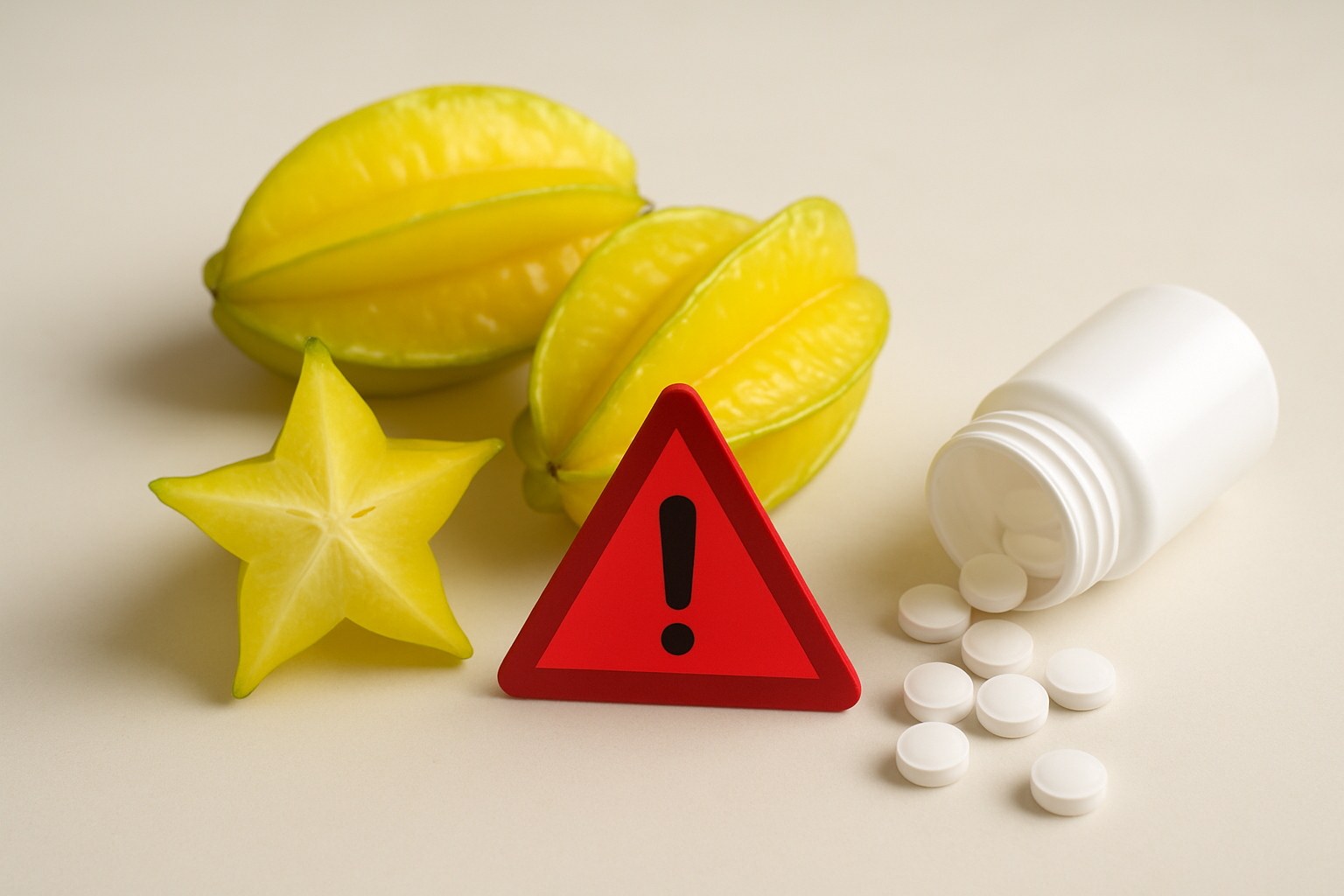
Starfruit contains high levels of oxalates, naturally occurring compounds that can pose serious health risks for certain individuals. People with kidney disease, kidney stones, or compromised kidney function should avoid starfruit entirely. The oxalates in carambola fruit can accumulate in the body when kidneys can't properly filter them out, potentially leading to kidney damage or worsening existing conditions.
Even healthy individuals with normal kidney function can experience problems if they consume large amounts of starfruit regularly. The oxalates bind with calcium in the body, forming crystals that may contribute to kidney stone formation. Those with a history of calcium oxalate kidney stones face particularly high risk and should consult their healthcare provider before including starfruit in their diet.
Warning signs of oxalate toxicity include nausea, vomiting, confusion, and in severe cases, seizures or kidney failure. These symptoms require immediate medical attention.
Drug Interactions for Medication Users
Starfruit can interact dangerously with various medications, similar to grapefruit's well-documented effects. The fruit contains compounds that interfere with enzymes responsible for drug metabolism in the liver and intestines.
People taking the following medications should exercise extreme caution:
-
Blood thinners (warfarin, aspirin): Starfruit may enhance anticoagulant effects
-
Statins for cholesterol management
-
Blood pressure medications
-
Immunosuppressive drugs
-
Certain antidepressants and anxiety medications
The interaction can cause medications to build up to toxic levels in the bloodstream or reduce their effectiveness. Always discuss carambola consumption with your pharmacist or doctor if you're on any prescription medications.
Recommended Consumption Limits
For healthy adults with normal kidney function, moderation remains key when enjoying star fruit. Nutritionists recommend limiting intake to one medium starfruit (about 3-4 ounces) per day, consumed no more than 2-3 times per week.
Children should have smaller portions - half a starfruit or less, depending on their age and size. Pregnant and breastfeeding women should consult healthcare providers before adding starfruit to their diet, as safety data remains limited.
Start with small amounts if you're trying starfruit for the first time. Some people may experience digestive upset or allergic reactions. Watch for any unusual symptoms and discontinue consumption if you notice adverse effects.
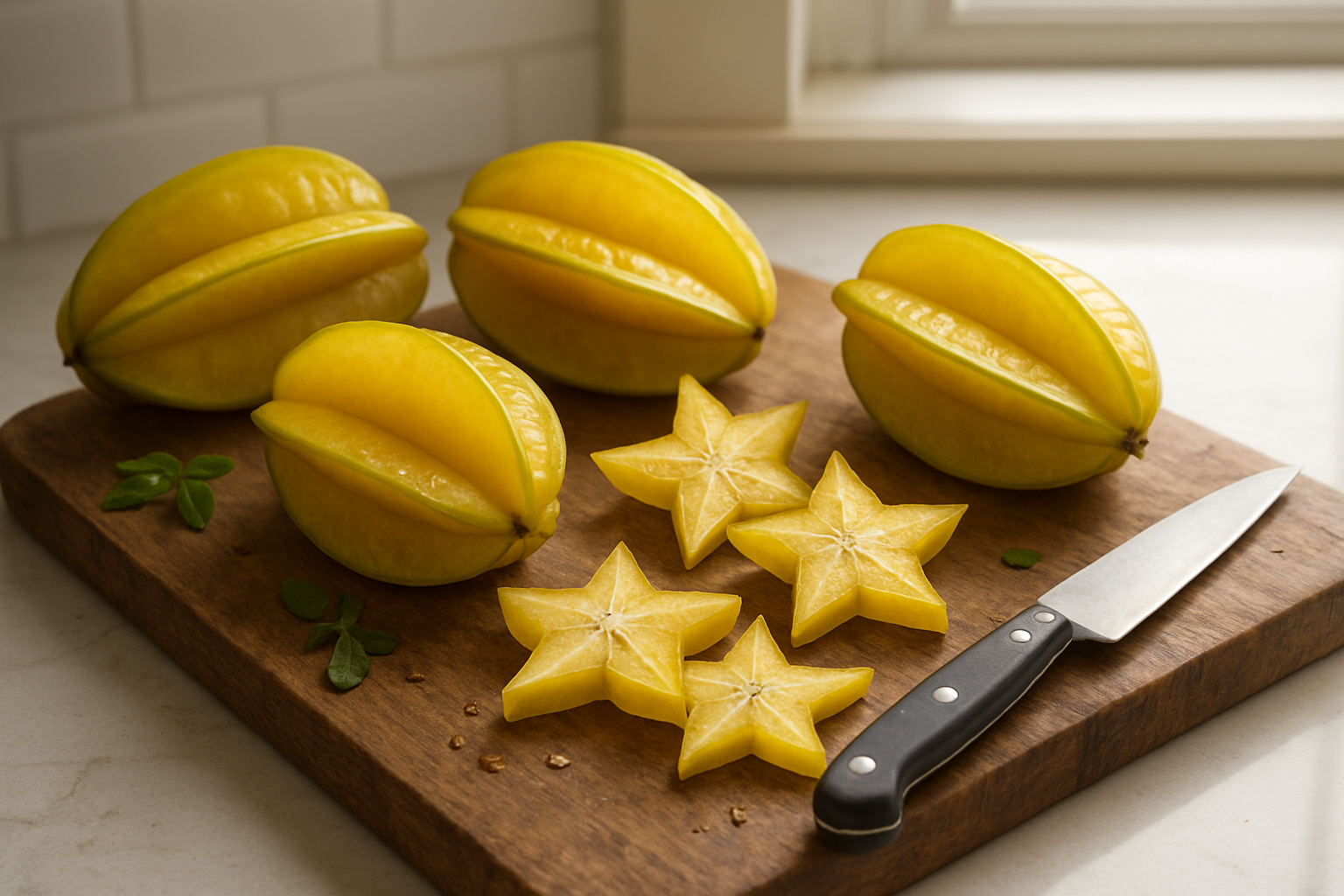
Starfruit brings a unique tropical flavor and impressive nutritional punch to your kitchen. This star-shaped fruit packs vitamin C, fiber, and antioxidants while staying low in calories, making it a smart choice for anyone wanting to boost their health naturally. When shopping, look for firm, yellow fruits with minimal brown spots, and store them at room temperature to ripen or in the fridge once they're ready to eat.
The beauty of starfruit lies in its simplicity - you can eat it fresh right off the cutting board, toss it into salads, blend it into smoothies, or even grill it for a caramelized treat. Just remember to wash it well and remove any brown edges before eating. If you have kidney problems, check with your doctor first since starfruit contains natural compounds that can be harmful for people with kidney disease. Give this exotic fruit a try and discover how easy it is to add some tropical flair to your daily meals.


.png)
Comments
Post a Comment