Surinam Cherry - What's the Surinam Cherry?
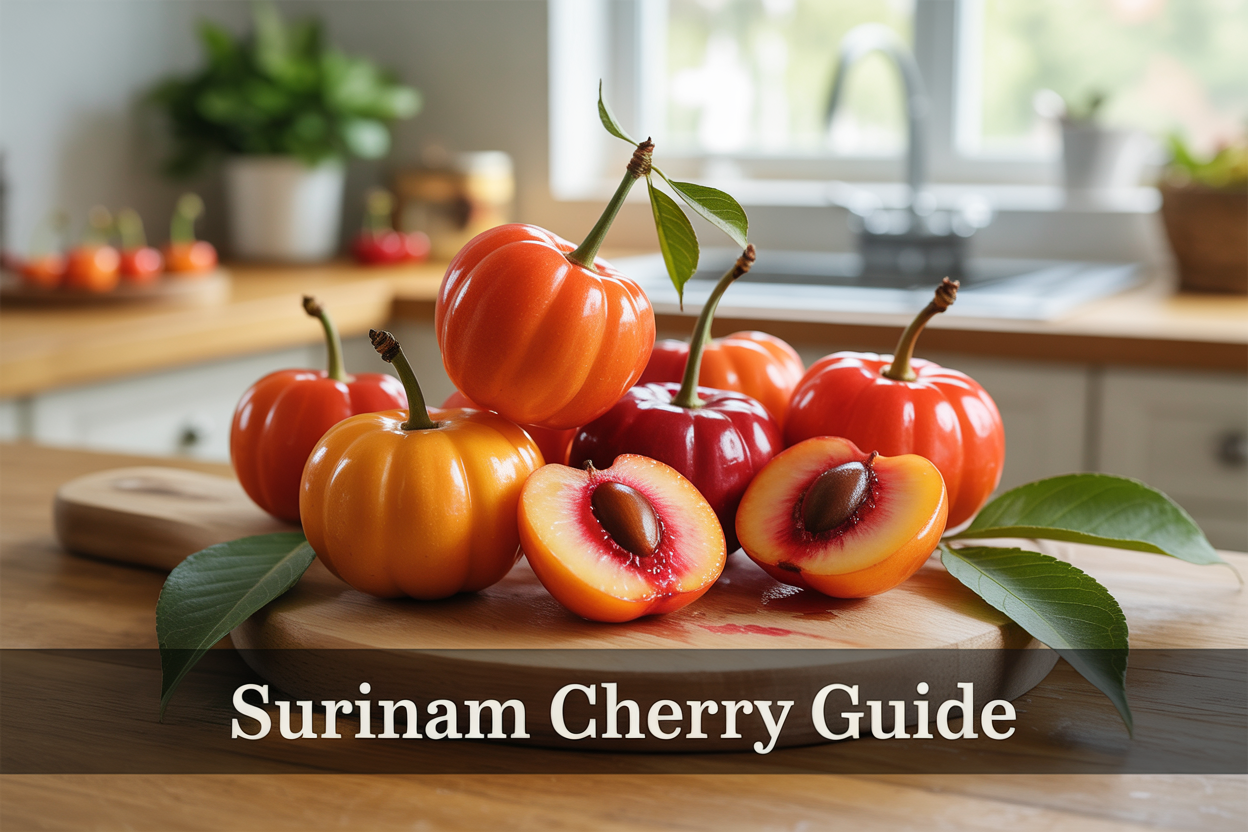
The Surinam cherry might not be a household name, but this vibrant tropical fruit deserves a spot on every fruit lover's radar. Also known as pitanga fruit or Brazilian cherry, this exotic gem packs surprising flavor and nutrition into its distinctive ribbed shape.
This guide is perfect for curious gardeners, health-conscious eaters, and anyone who loves discovering unique tropical fruits. You'll learn exactly what makes the Surinam cherry special and why it's worth adding to your garden or diet.
We'll start by exploring the botanical identity of Eugenia uniflora and its fascinating origins in South America. Then we'll dive into the fruit's unique sweet-tart flavor profile and show you creative ways to enjoy it in your kitchen. Finally, you'll discover the impressive health benefits packed into each bite and get practical tips for growing your own Surinam cherry tree at home.
Discover the Surinam Cherry's Botanical Identity and Origin
Uncover the scientific classification and family tree
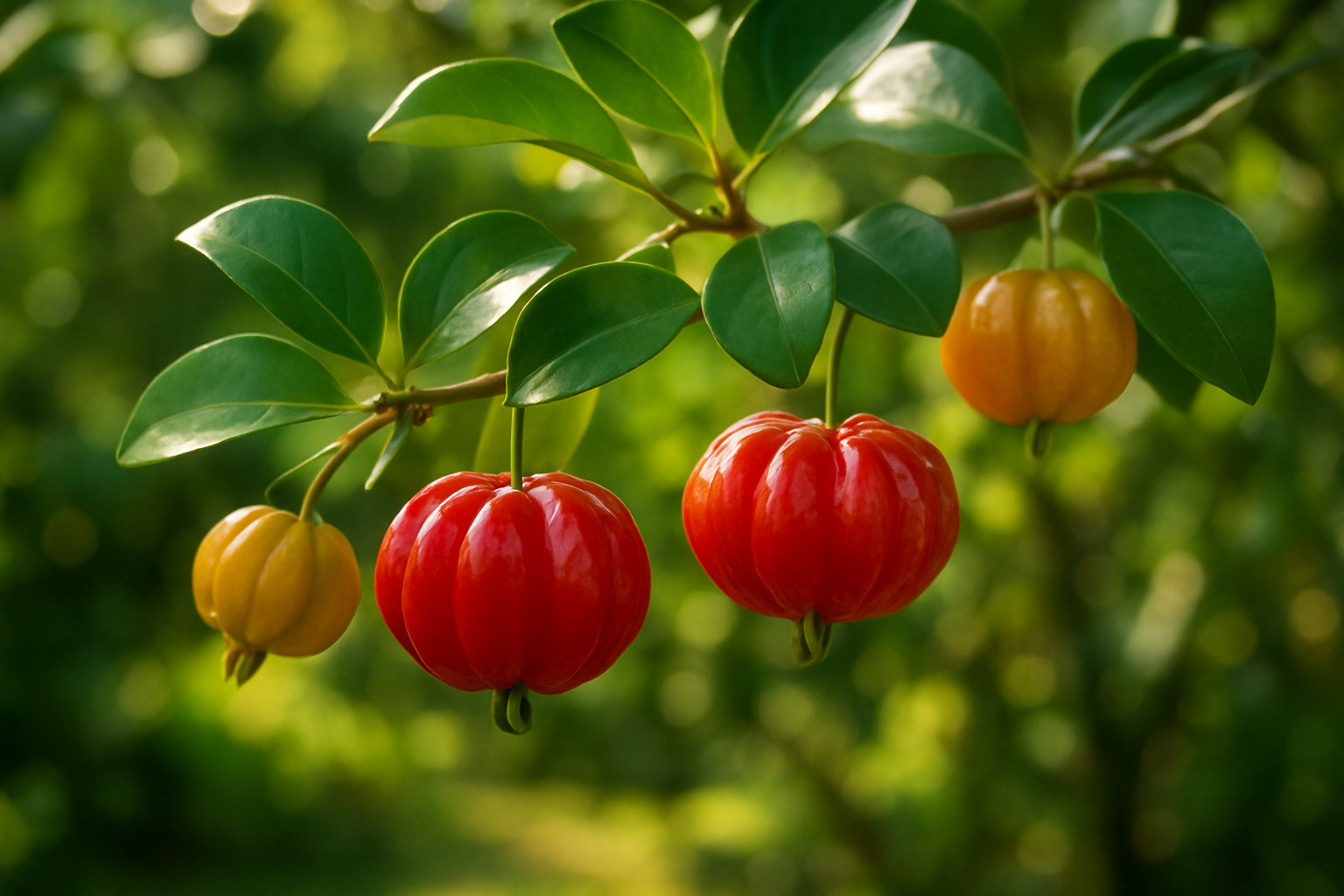
The Surinam cherry belongs to the Myrtaceae family, sharing its botanical lineage with other aromatic plants like eucalyptus, guava, and allspice. Scientifically known as Eugenia uniflora, this tropical fruit tree carries multiple common names including pitanga fruit, Brazilian cherry, and Cayenne cherry. The genus Eugenia encompasses over 1,000 species of flowering plants, making the Surinam cherry part of an impressively diverse botanical group.
Despite its common name suggesting cherry origins, the Surinam cherry shares no relation to true cherries from the Prunus genus. The "cherry" designation comes purely from its small, red appearance and sweet-tart flavor profile that reminded early European explorers of familiar cherries from their homeland.
Explore the native habitat in South America
The Surinam cherry tree originates from the coastal regions of Brazil, specifically the Atlantic Forest (Mata Atlântica) biome. This biodiverse region stretches along Brazil's eastern coastline, extending into parts of Paraguay, Argentina, and Uruguay. The pitanga fruit naturally thrives in these humid, subtropical environments where temperatures remain consistently warm year-round.
In its native habitat, the Surinam cherry grows as an understory plant in dense forests, though it also adapts well to open areas and forest edges. The tree has spread throughout South America over centuries, establishing itself in various ecosystems from coastal plains to lower mountain slopes. Indigenous peoples have harvested and cultivated these fruits for generations, integrating them into traditional diets and medicinal practices.
Learn about natural growing conditions and climate preferences
Eugenia uniflora flourishes in warm, humid climates with temperatures ranging between 65-85°F (18-29°C). The tree prefers partial shade to full sun exposure, making it adaptable to various light conditions. In nature, Surinam cherry trees grow best in well-draining, slightly acidic to neutral soils with pH levels between 5.5-7.0.
These hardy trees demonstrate remarkable drought tolerance once established, though they produce the most abundant fruit crops with consistent moisture. The natural growing season sees peak flowering during spring and early summer, followed by fruit production that can continue sporadically throughout the year in ideal conditions. The tree's ability to withstand brief cold snaps down to about 25°F (-4°C) has contributed to its successful cultivation beyond its native range.
Recognize Key Physical Characteristics That Make Identification Easy
Identify distinctive leaf patterns and tree structure
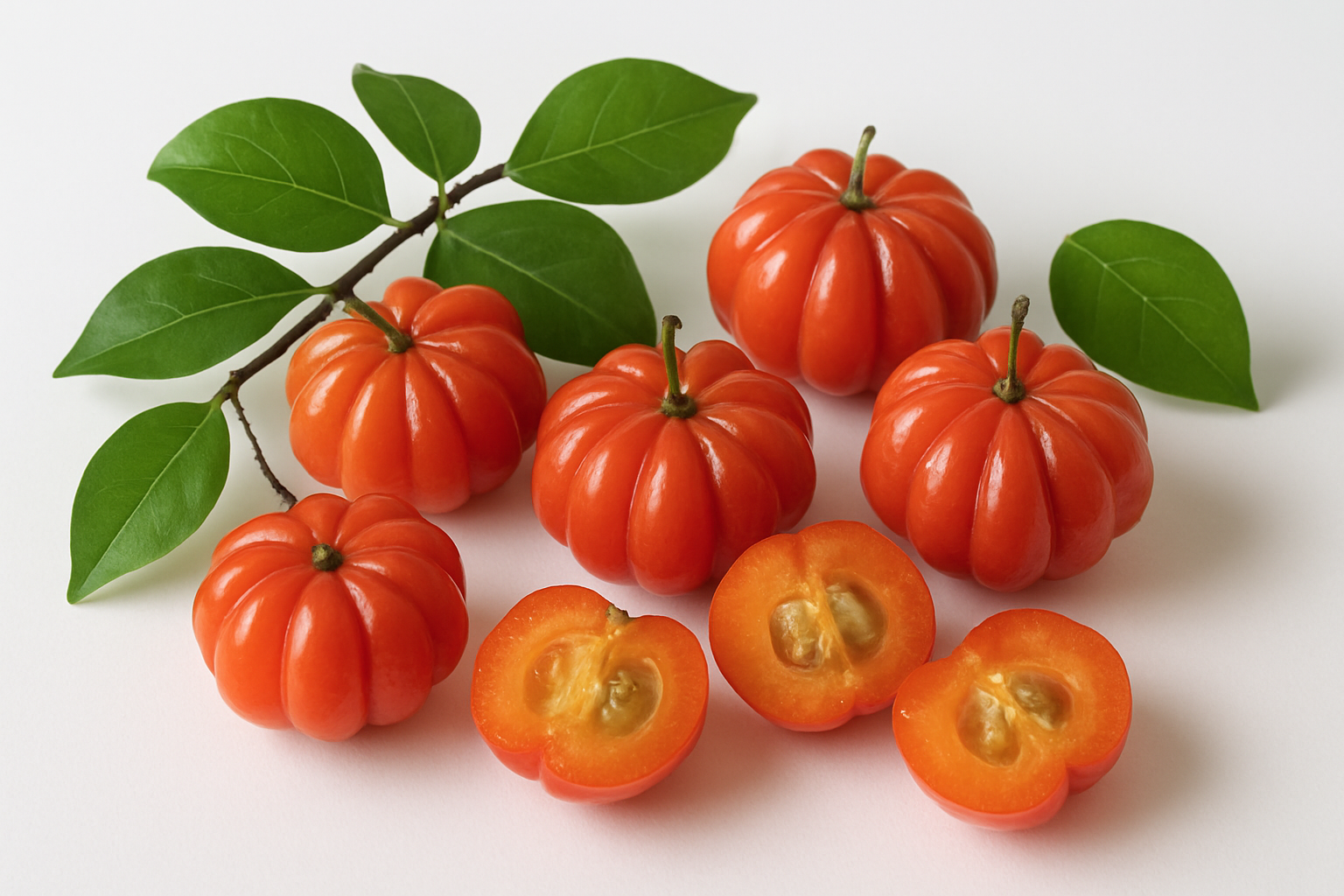
The Surinam cherry tree displays unmistakable characteristics that make identification straightforward. The glossy, oval-shaped leaves grow in opposite pairs along reddish-brown branches, creating a distinctive symmetrical pattern. These leaves typically measure 2-4 inches long with smooth edges and prominent veining. Young leaves emerge with a bronze or reddish tint before maturing to a deep emerald green.
The Eugenia uniflora tree structure varies considerably depending on growing conditions. In its native habitat, it can reach 25 feet tall, but in cultivation, it usually stays between 6-15 feet. The branching pattern creates a dense, rounded canopy that responds well to pruning. The bark appears smooth and light brown, often developing attractive mottled patterns as the tree ages.
Spot the unique ribbed fruit shape and vibrant colors
The pitanga fruit stands out with its distinctive pumpkin-like ribbing, featuring 7-8 pronounced vertical grooves that run from top to bottom. This ribbed appearance makes the Surinam cherry unmistakable among tropical fruits. The fruit measures roughly ¾ to 1 inch in diameter when fully mature.
Color progression provides another reliable identification marker. Unripe fruits start bright green, gradually shifting through yellow and orange phases before reaching their final deep red or dark purple-black color. Some varieties produce orange-red fruits, while others develop an almost black appearance when fully ripe. The glossy skin reflects light beautifully, giving ripe fruits an almost jewel-like appearance.
Understand size variations and seasonal changes
Fruit size varies significantly based on tree maturity, growing conditions, and variety. Younger trees typically produce smaller fruits, while established specimens yield larger, more flavorful pitanga. Environmental factors like water availability and soil nutrition directly impact fruit development.
Seasonal changes affect both foliage and fruiting patterns. During flowering season, small white flowers with prominent stamens appear in clusters, creating delicate displays against the dark green foliage. The Surinam cherry tree often produces multiple harvests per year in tropical climates, with peak fruiting occurring during warmer months.
Notice the aromatic qualities of leaves and fruit
Both leaves and fruits release distinctive fragrances when handled. Crushing a leaf between your fingers releases a spicy, resinous scent reminiscent of bay leaves mixed with turpentine - a characteristic that helps distinguish the Surinam cherry from similar-looking plants. This aromatic quality comes from essential oils concentrated in the leaf tissue.
Ripe fruits emit a sweet, tropical fragrance with subtle spicy undertones. The aroma intensifies as the fruit ripens, becoming more pronounced in fully mature specimens. This natural perfume makes identification possible even from a distance when multiple ripe fruits are present on the tree.
Experience the Unique Flavor Profile and Culinary Possibilities
Taste the Sweet-Tart Flavor with Resinous Undertones
The Surinam cherry delivers a complex flavor profile that surprises first-time tasters. Picture biting into a cranberry crossed with a sweet cherry, then add a hint of pine resin that tingles on your tongue. This unique combination makes the pitanga fruit stand out among tropical fruits. The sweetness dominates when fully ripe, but there's always that distinctive tart edge that prevents it from being cloying.
The resinous quality comes from natural compounds in the fruit's skin and gives each bite a slightly astringent finish. Some people describe it as medicinal at first, but most develop an appreciation for this characteristic flavor note. The intensity varies between different varieties - red Surinam cherries tend to be milder, while darker purple varieties pack more punch.
Discover Popular Preparation Methods and Recipes
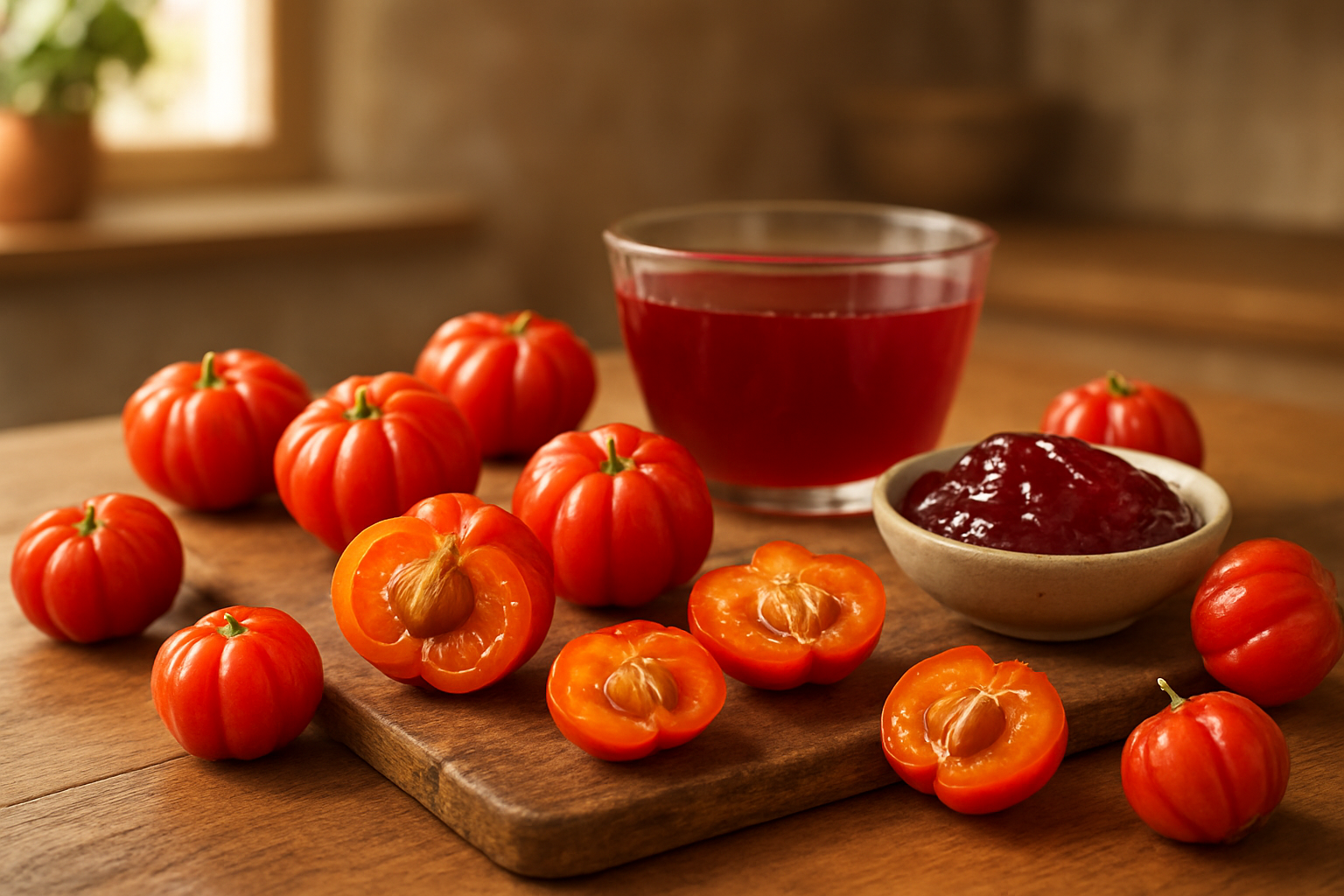
Fresh Surinam cherries shine when eaten straight from the tree, but they also transform beautifully in the kitchen. The most popular preparation involves making jellies and jams, where the natural pectin content helps create perfect consistency without added thickeners.
Brazilian cherry juice makes an excellent base for tropical cocktails and smoothies. Simply blend the fruits with a touch of honey or sugar to balance the tartness. Many people strain out the seeds and pulp for a smoother drink.
Here are some favorite ways to use pitanga fruit:
-
Fresh salsas: Combine diced Surinam cherries with red onion, cilantro, and lime juice
-
Fruit leather: Puree and dehydrate for a chewy, concentrated treat
-
Ice cream and sorbet: The unique flavor creates memorable frozen desserts
-
Wine and liqueurs: Traditional fermented beverages popular in South America
-
Chutneys: Mix with ginger, garlic, and spices for a tangy condiment
Learn Optimal Ripeness Indicators for Best Flavor
Timing is everything with Surinam cherries. Unripe fruits taste overwhelmingly tart and astringent, while overripe ones become mushy and lose their vibrant flavor balance. The perfect Surinam cherry feels slightly soft when gently squeezed but still maintains its shape.
Color provides the most reliable ripeness indicator. Start with fruits that have developed their full color - bright red for red varieties, deep purple-black for dark types. Green shoulders or patches mean the fruit needs more time on the tree.
The surface should have a glossy shine, and ripe fruits often develop a sweet, fruity aroma near the stem end. When you press gently with your thumb, perfectly ripe Surinam cherries yield slightly but spring back. They should pull away from the branch easily without resistance.
Harvest in the morning after the dew dries but before the day gets too hot. This timing preserves the fruit's natural moisture and prevents sun-scalding that can affect flavor.
Explore Traditional Uses in Caribbean and South American Cuisine
Caribbean and South American cooks have incorporated Surinam cherries into their cuisines for generations. In Brazil, pitanga fruit appears in traditional desserts like brigadeiros and puddings, where its tartness balances rich, sweet ingredients.
Venezuelan cuisine features the fruit in fresh fruit salads mixed with papaya, mango, and lime. The contrast of flavors creates a refreshing palate cleanser often served between courses during heavy meals.
Caribbean islanders traditionally preserve Surinam cherries in sugar syrups, creating concentrated flavor bombs that last through the off-season. These preserved fruits add tropical flair to rum cakes and holiday desserts.
| Region | Traditional Use | Popular Dishes |
|---|---|---|
| Brazil | Fresh juice, desserts | Pitanga caipirinha, fruit mousses |
| Suriname | Jams, preserves | Traditional breakfast spreads |
| Caribbean | Sauces, marinades | Jerk seasoning additions |
| Venezuela | Fresh consumption | Mixed fruit bowls |
The fruit's natural acidity makes it perfect for balancing rich, fatty dishes. Traditional cooks often serve Surinam cherry sauces alongside grilled meats or use the juice as a marinade tenderizer.
Unlock the Impressive Nutritional and Health Benefits
Access High Vitamin C Content for Immune Support
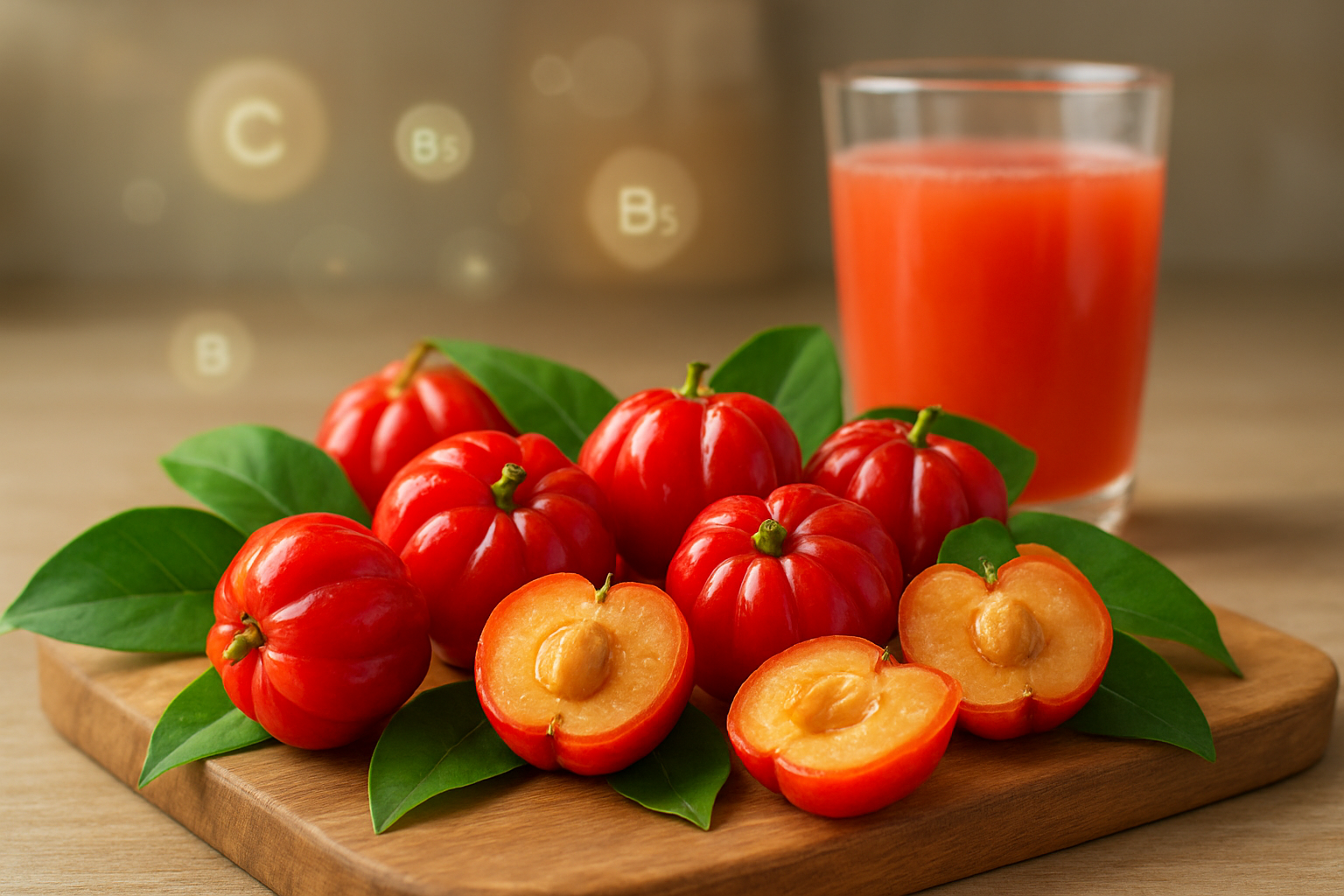
The Surinam cherry packs an impressive vitamin C punch that puts many citrus fruits to shame. Just one cup of fresh pitanga fruit delivers approximately 60-80 milligrams of vitamin C, which covers nearly your entire daily requirement. This tropical powerhouse contains more vitamin C per serving than oranges, making it an excellent choice for strengthening your immune system naturally.
Your body uses this vitamin C to produce white blood cells, the front-line defenders against infections and illnesses. Regular consumption of Surinam cherry can help reduce the duration and severity of common colds while supporting your body's natural healing processes. The high bioavailability of vitamin C in pitanga fruit means your body absorbs and uses it more efficiently compared to synthetic supplements.
Gain Antioxidants for Cellular Protection
Surinam cherry delivers a rich array of antioxidants that work as your body's personal security team against cellular damage. The deep red pigments in ripe pitanga fruit contain powerful anthocyanins, the same compounds found in blueberries and cherries. These antioxidants neutralize harmful free radicals that can accelerate aging and contribute to chronic diseases.
The fruit also contains significant amounts of:
-
Carotenoids - Beta-carotene and lycopene for eye health and cardiovascular protection
-
Flavonoids - Quercetin and rutin for anti-inflammatory benefits
-
Phenolic compounds - Natural chemicals that support brain health and memory function
Research shows that the antioxidant activity in Eugenia uniflora ranks among the highest in tropical fruits. These compounds work synergistically to protect your DNA from oxidative stress while supporting healthy aging at the cellular level.
Obtain Essential Minerals for Overall Wellness
Beyond vitamins and antioxidants, the Brazilian cherry provides essential minerals that support multiple body functions. Potassium makes up the largest mineral content, with one cup providing about 300 milligrams. This mineral regulates blood pressure, supports heart rhythm, and helps your muscles contract properly during exercise.
The pitanga health benefits extend through its mineral profile:
| Mineral | Amount per 100g | Key Benefits |
|---|---|---|
| Potassium | 180-220mg | Heart health, blood pressure regulation |
| Magnesium | 12-15mg | Bone strength, muscle function |
| Calcium | 8-12mg | Bone density, nerve transmission |
| Iron | 0.3-0.5mg | Oxygen transport, energy production |
| Phosphorus | 11-14mg | Bone formation, cellular repair |
These minerals work together to maintain proper electrolyte balance, especially important during hot weather when you're enjoying fresh Surinam cherry straight from the tree. The natural combination of minerals in this exotic fruit nutrition profile supports everything from bone health to energy metabolism, making it a valuable addition to any balanced diet.
Master Growing Your Own Surinam Cherry Successfully
Choose the Right Location and Soil Conditions
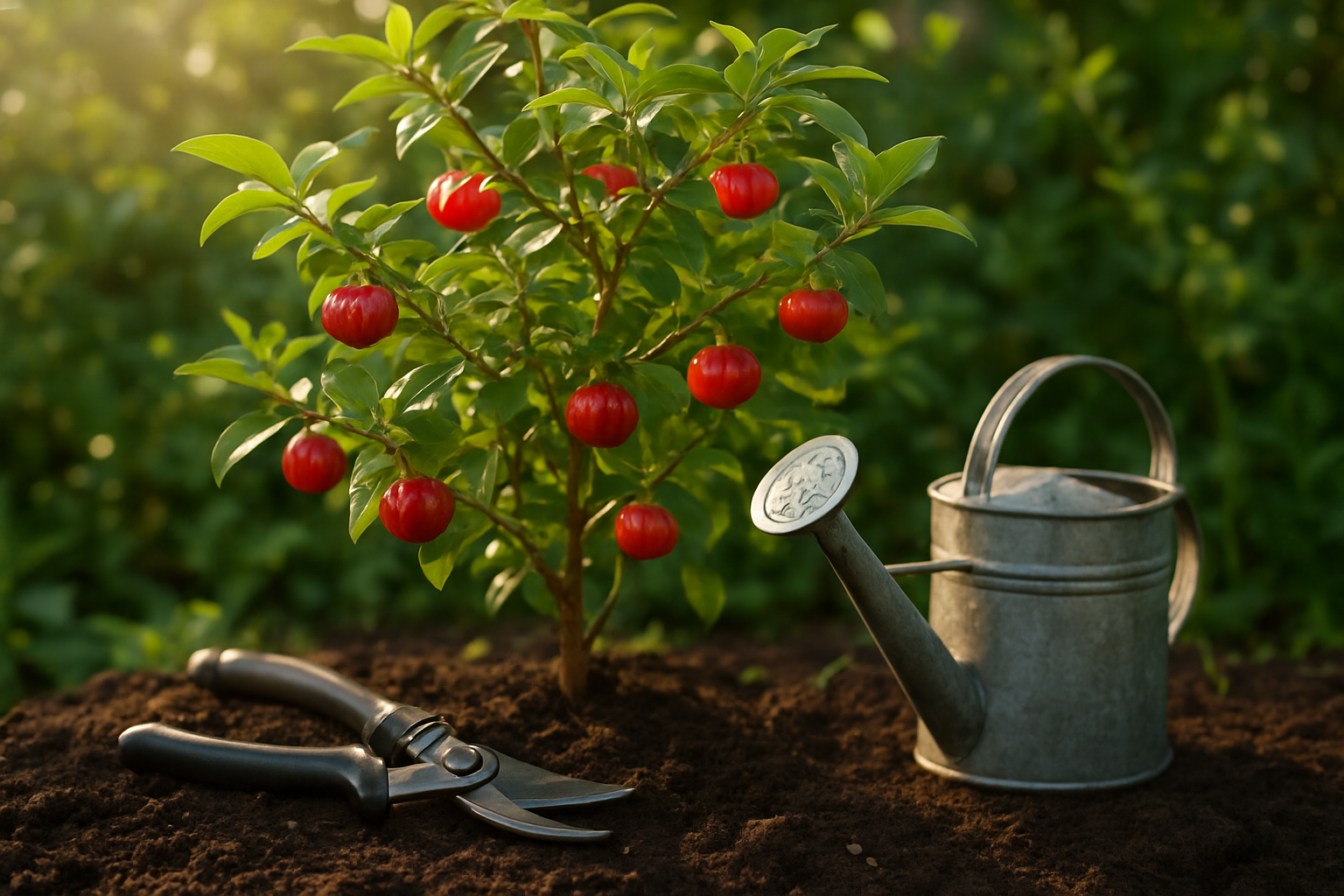
The Surinam cherry tree thrives in warm, subtropical to tropical climates and needs protection from frost. Pick a spot that gets full sun to partial shade - at least 6 hours of direct sunlight daily works best for fruit production. These trees handle coastal conditions well and tolerate salt spray, making them perfect for beachside gardens.
Your soil needs excellent drainage since waterlogged roots spell disaster for Eugenia uniflora. Sandy loam or well-draining clay soils work perfectly. The ideal pH range sits between 5.5 and 7.0, though these adaptable trees tolerate slightly acidic to neutral conditions. Test your soil before planting and amend heavy clay with compost or sand to improve drainage.
Follow Proper Planting and Spacing Guidelines
Space your Surinam cherry trees 10-15 feet apart to allow for their mature spread. When planting, dig a hole twice as wide as the root ball but only as deep. The top of the root ball should sit level with the surrounding soil surface.
Plant during the warm season when soil temperatures stay consistently above 60°F. Young trees need establishment time before facing cold weather. Backfill with native soil mixed with 25% compost to give roots a nutritional boost without creating a soggy pocket.
Implement Effective Watering and Fertilization Schedules
New Surinam cherry trees need consistent moisture for the first year while establishing their root system. Water deeply 2-3 times per week, allowing soil to dry slightly between waterings. Mature trees become quite drought-tolerant but produce better fruit with regular watering during dry spells.
Feed your tree three times per year using a balanced fertilizer like 10-10-10. Apply in early spring, mid-summer, and early fall. Mature trees benefit from 1-2 pounds of fertilizer per application, while young trees need just 1/4 to 1/2 pound. Supplement with compost or aged manure annually to improve soil structure and provide slow-release nutrients.
Practice Correct Pruning Techniques for Maximum Yield
Prune your Surinam cherry tree during late winter or early spring before new growth begins. Remove dead, diseased, or crossing branches first. These trees naturally develop a dense, rounded crown, so thin out interior branches to improve air circulation and light penetration.
Shape young trees by selecting 3-4 main scaffold branches and removing competing leaders. Regular light pruning encourages more flowering branches and increases fruit production. Remove suckers from the base and water sprouts along the trunk to direct energy toward fruit-bearing branches.
Protect Against Common Pests and Diseases
Watch for aphids, scale insects, and fruit flies - the most common pests affecting Surinam cherry trees. Regular inspection helps catch problems early. Use horticultural oil for scale insects and attract beneficial insects with companion plantings of marigolds and herbs.
Fungal diseases like leaf spot and anthracnose can occur in humid conditions. Prevent these by ensuring good air circulation through proper spacing and pruning. Avoid overhead watering that keeps foliage wet for extended periods. Remove fallen leaves and debris around the tree base to reduce disease pressure.
Growing Surinam cherry successfully requires attention to these fundamental care practices, but the reward of fresh, exotic pitanga fruit makes the effort worthwhile.
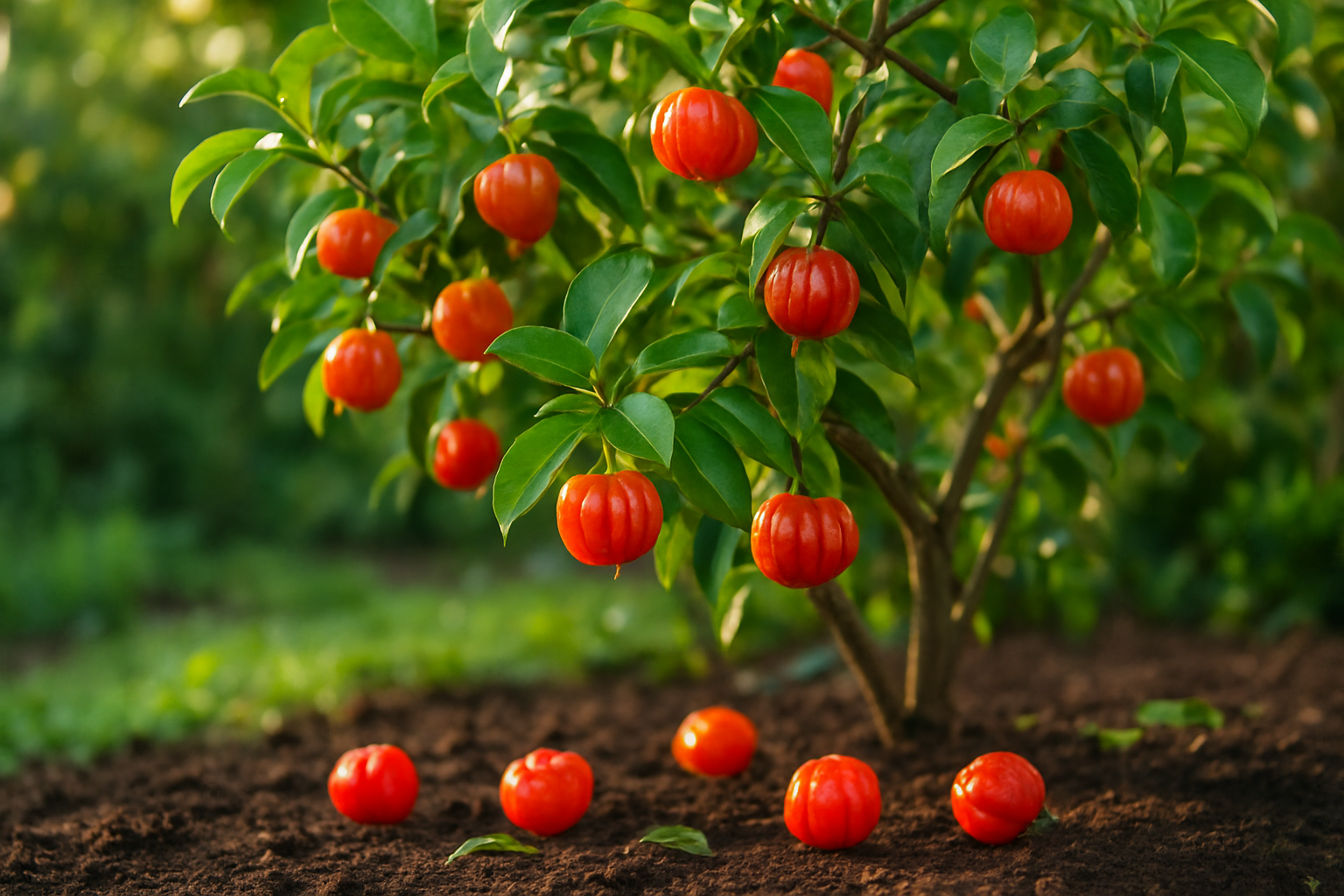
The Surinam cherry stands out as one of nature's most distinctive and rewarding fruits. From its bright red, ribbed appearance to its sweet-tart flavor that dances between cherry and tropical fruit, this South American native brings something special to both gardens and kitchens. Its impressive nutritional profile, packed with vitamin C and antioxidants, makes it more than just a tasty treat.
Growing your own Surinam cherry tree opens up a world of fresh flavors and year-round beauty in your landscape. With its tolerance for different growing conditions and relatively low maintenance needs, this fruit tree offers both novice and experienced gardeners a chance to cultivate something truly unique. Start exploring local nurseries or online suppliers to find your own Surinam cherry plant, and get ready to enjoy this tropical treasure right from your backyard.


.png)
Comments
Post a Comment