Tangerines - What are Tangerines?
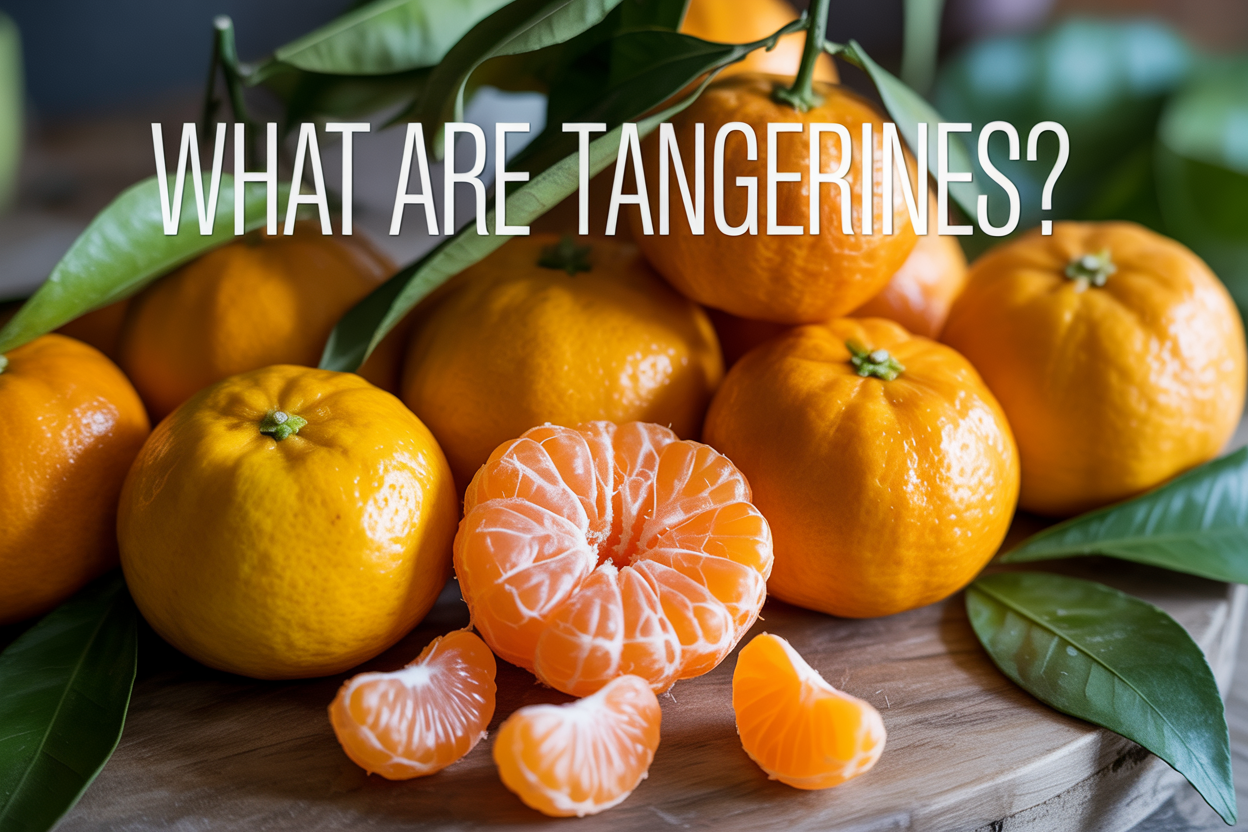
Tangerines are sweet, easy-to-peel citrus fruits that belong to the mandarin orange family. These vibrant orange gems have won over fruit lovers worldwide with their juicy segments and refreshing taste that's less acidic than regular oranges.
This guide is perfect for curious food enthusiasts, home gardeners, and anyone wanting to learn more about these delicious citrus fruits. We'll explore what makes tangerines unique among citrus fruits, dive into popular tangerine varieties like Clementines and Honey tangerines, and uncover their impressive tangerine nutrition facts and health benefits.
You'll also discover the key differences in the tangerine vs orange debate and learn about tangerine growing conditions that produce the best fruit. From their botanical roots to when tangerine season peaks, we'll cover everything you need to know about these beloved winter treats.
Botanical Classification and Origin of Tangerines
Scientific Classification and Citrus Family Membership
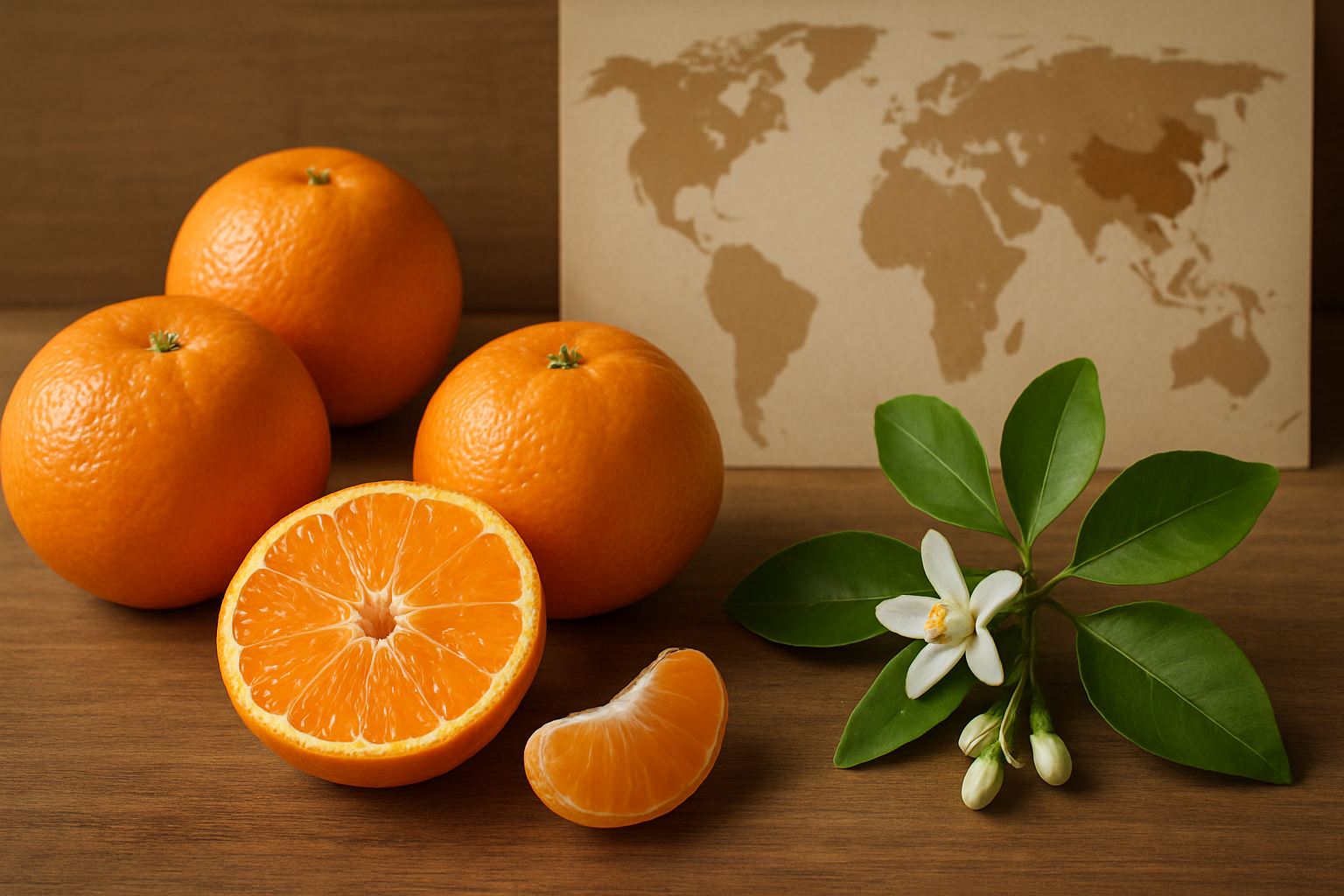
Tangerines belong to the scientific family Rutaceae, which houses all citrus fruits we know and love. Their official classification places them under the genus Citrus, specifically as Citrus reticulata or as hybrids within the mandarin orange group. What makes tangerines particularly interesting is their position as a distinct variety within the broader mandarin orange category, sharing genetic markers with both sweet oranges and pure mandarins.
The citrus family tree reveals tangerines as close relatives to lemons, limes, grapefruits, and oranges, all sharing common ancestors that originated in Southeast Asia millions of years ago. Modern genetic analysis shows that most citrus fruits we enjoy today actually stem from just three original species: citrons, mandarins, and pomelos.
Historical Origins and Cultivation Timeline
Archaeological evidence points to tangerines first appearing in ancient China around 3,000 years ago, where early cultivators began selecting and breeding the sweetest, most flavorful varieties. Chinese imperial gardens featured these prized fruits as symbols of good fortune and prosperity.
The journey from Asia to global cultivation began during the medieval period when Arab traders carried tangerine seeds and saplings along the Silk Road. By the 14th century, Spanish and Portuguese explorers had introduced these fruits to the Mediterranean region, where they adapted beautifully to the warm, coastal climate.
The name "tangerine" itself comes from Tangier, Morocco, where European merchants first encountered these distinctive orange fruits in large quantities during the 1800s. American cultivation began in earnest during the mid-1800s when missionaries and settlers brought tangerine varieties to Florida and California.
Geographic Regions Where Tangerines Naturally Thrive
Tangerines flourish in subtropical and Mediterranean climates characterized by mild winters and warm, dry summers. The original growing regions span across southern China, particularly the Guangdong and Fujian provinces, where wild varieties still grow today.
Modern commercial production has expanded to include:
-
Mediterranean Basin: Spain, Italy, Turkey, and Morocco lead European production
-
North America: Florida, California, Arizona, and Texas provide ideal growing conditions
-
Asia-Pacific: Japan, South Korea, and Australia have developed thriving tangerine industries
-
South America: Argentina and Brazil contribute significantly to global supply
-
Middle East: Israel has become a major exporter of premium varieties
These regions share common characteristics: average temperatures between 55-85°F, well-draining soil, and access to irrigation during dry periods. Coastal areas often provide the perfect microclimate, with ocean breezes moderating temperature extremes.
Relationship to Other Citrus Fruits Like Oranges and Mandarins
The relationship between tangerines, mandarin oranges, and regular oranges creates some confusion among consumers. Scientifically speaking, tangerines are actually a specific type of mandarin orange, distinguished by their deeper orange-red color and slightly more complex flavor profile.
Mandarin oranges serve as the parent category, with tangerines representing just one branch of this diverse family tree. Other mandarin varieties include clementines, satsumas, and honey mandarins, each with unique characteristics but sharing the same basic genetic foundation.
When comparing tangerine vs orange, the differences become clearer. Sweet oranges (Citrus sinensis) developed through ancient hybridization between mandarins and pomelos, making them larger, less sweet, and more acidic than their tangerine cousins. Tangerines maintain the mandarin's characteristic easy-peeling skin and naturally separated segments, while oranges typically require more effort to peel and have more tightly bound flesh.
The genetic relationship extends to shared beneficial compounds like vitamin C, folate, and flavonoids, though concentrations vary between varieties. This family connection explains why crossbreeding between tangerines and other citrus fruits produces viable, often superior hybrid varieties that combine the best traits of each parent plant.
Physical Characteristics That Define Tangerines
Size and Shape Variations Across Different Varieties
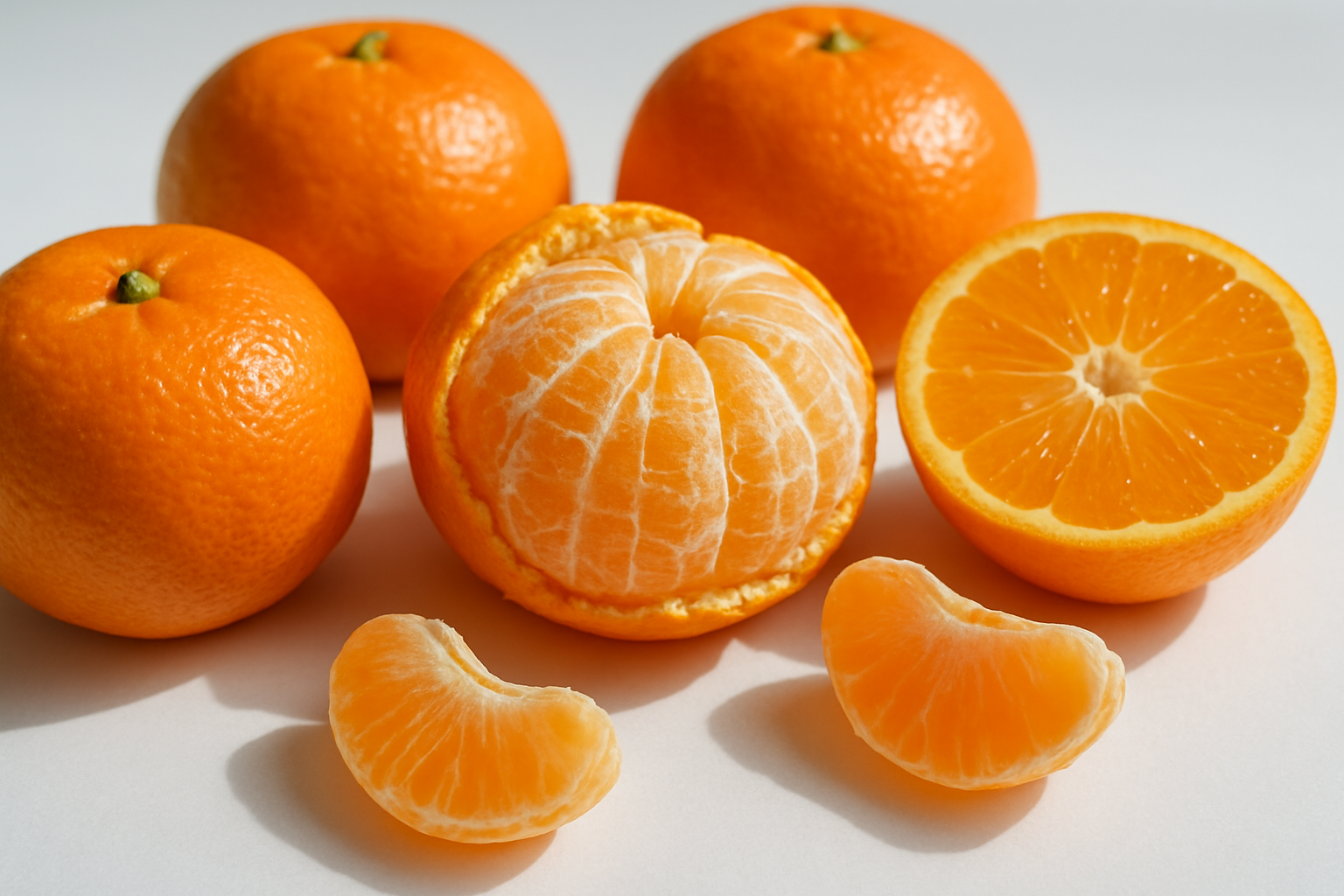
Tangerines display remarkable diversity in their physical dimensions, with sizes ranging from golf ball-sized specimens to fruits nearly as large as small oranges. Most tangerine varieties fall into the small to medium category, typically measuring 2 to 3 inches in diameter. The Clementine variety tends toward the smaller end of the spectrum, while Honey tangerines often grow substantially larger.
The shape profile varies considerably between cultivars. Some varieties present a perfectly round, symmetrical appearance, while others develop a slightly flattened or oblate form. Certain tangerine types, particularly Dancy and Sunburst varieties, exhibit a distinctive shoulder or slight neck near the stem end, creating an almost pear-like silhouette when viewed from the side.
Distinctive Peel Texture and Easy-to-Remove Skin Properties
The peel texture represents one of the most defining characteristics that distinguish tangerines from other citrus fruits. The skin displays a characteristic bumpy, dimpled surface texture that feels slightly rough to the touch, yet remains thin and flexible. This textural quality results from the numerous oil glands embedded throughout the peel, which release aromatic compounds when pressed or scratched.
Tangerines are renowned for their remarkably loose-fitting skin that separates effortlessly from the fruit's flesh. This "zipper skin" quality makes them exceptionally user-friendly, particularly for children and elderly individuals who might struggle with tougher citrus peels. The white pith layer beneath the colorful outer skin typically remains minimal and doesn't adhere strongly to the fruit segments, contributing to the overall ease of peeling.
Color Spectrum from Bright Orange to Deep Reddish-Orange
The color palette of tangerines encompasses a stunning range of orange hues, each variety expressing its own unique chromatic signature. Standard tangerine varieties display vibrant bright orange coloration, while specialty cultivars can range from pale orange-yellow to deep reddish-orange tones.
Temperature fluctuations during the ripening process significantly influence color development. Cooler nighttime temperatures often intensify the red pigmentation, creating those coveted deep orange-red varieties. Some tangerine types, like the Fairchild variety, naturally develop striking red-orange coloration even in consistently warm climates.
The color intensity also serves as a reliable indicator of ripeness and flavor development. Fully mature tangerines exhibit rich, saturated colors with minimal green undertones, while underripe fruits often retain yellowish or pale orange patches.
Internal Segment Structure and Seed Content
Inside, tangerines typically contain 8 to 12 individual segments, each wrapped in a delicate membrane that easily separates when the fruit is pulled apart. These segments vary in size and juice content depending on the specific variety and growing conditions.
Seed content varies dramatically between tangerine varieties. Seedless varieties like Clementines and many mandarin oranges contain few to no seeds, making them particularly popular for fresh consumption. Traditional varieties such as Dancy tangerines may contain multiple small, white seeds per segment. The seeds themselves are typically small, smooth, and pointed at one end.
Popular Tangerine Varieties and Their Unique Features
Clementine tangerines and their seedless advantage
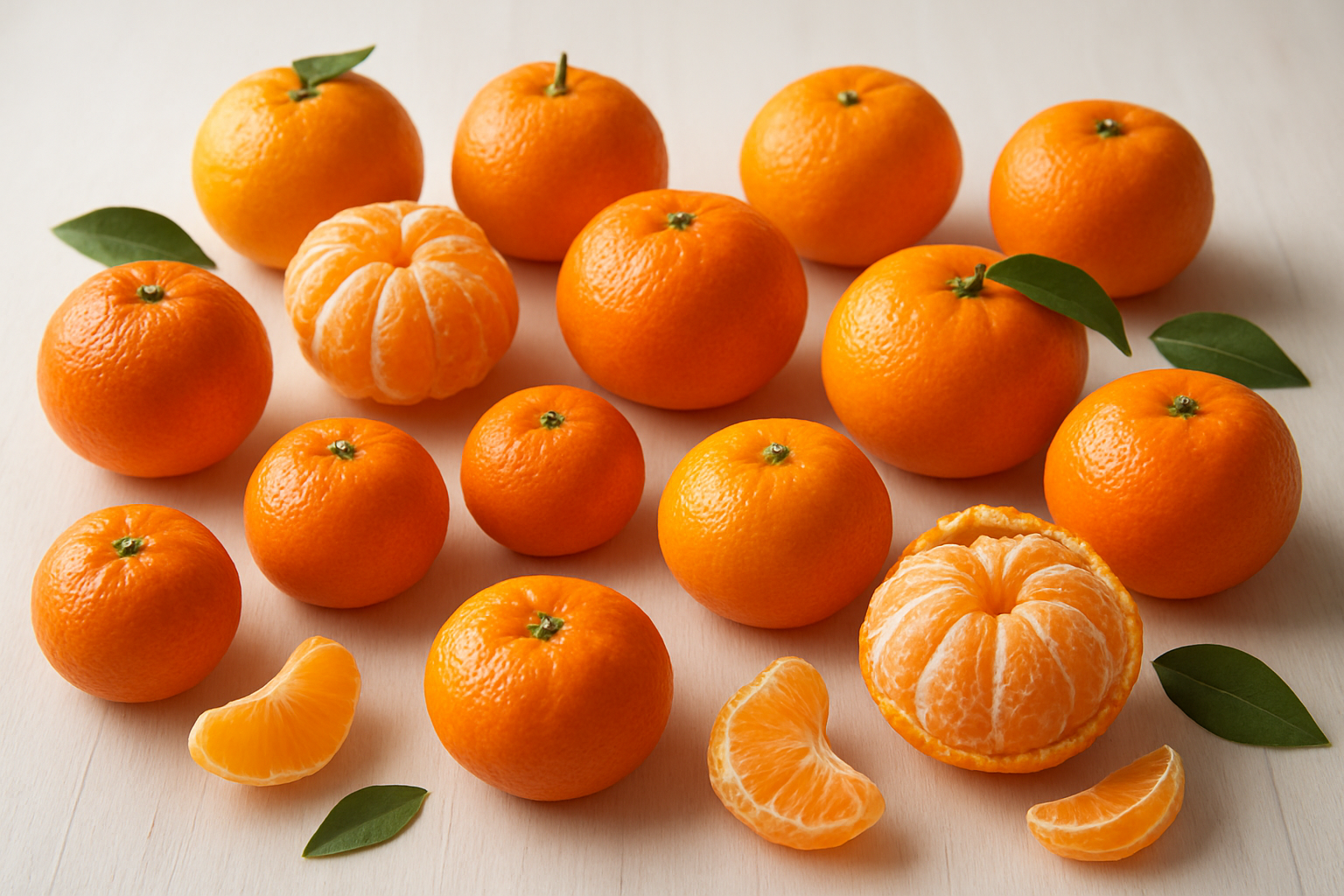
Clementines stand out as the most popular tangerine variety worldwide, primarily because of their convenient seedless nature. These small, bright orange citrus fruits are actually a hybrid between mandarin oranges and sweet oranges, creating the perfect snacking fruit. The absence of seeds makes clementines incredibly appealing to parents packing lunch boxes and anyone who wants to enjoy citrus without the hassle of spitting out seeds.
Their thin, easy-to-peel skin practically falls away in your hands, revealing perfectly segmented fruit inside. Clementines typically measure about 2-3 inches in diameter and have a sweet, mild flavor with just a hint of tartness. The peak season runs from November through February, making them a winter favorite.
What makes clementines even more special is their consistent quality. Unlike other tangerine varieties that can be hit-or-miss, clementines deliver reliable sweetness and juiciness. They're also incredibly portable - the natural protective peel keeps the fruit fresh for days, making them ideal for school lunches, office snacks, or travel.
Honey tangerines and their exceptional sweetness
Honey tangerines, also known as Murcott tangerines, earned their name for obvious reasons - they're incredibly sweet with a honey-like flavor that sets them apart from other citrus fruits. These tangerines have a distinctive flattened shape and golden-orange color that deepens as they ripen.
The sweetness level in honey tangerines is remarkable, often containing higher sugar content than many other tangerine varieties. This makes them particularly appealing to children and adults with a sweet tooth. Their juice is prized for its concentrated sweetness and is often used in premium citrus blends.
Honey tangerines typically ripen later in the season, usually from February through April, extending the tangerine season well into spring. They have a slightly thicker skin compared to clementines, but it's still relatively easy to peel. The segments are juicy and tender, with a few seeds scattered throughout.
These tangerines store exceptionally well, maintaining their sweetness and moisture for weeks when properly refrigerated. Their intense flavor makes them excellent for eating fresh, juicing, or using in desserts and baked goods.
Dancy tangerines and traditional holiday associations
Dancy tangerines hold a special place in American citrus history as the original "Christmas orange." For decades, these bright red-orange fruits were synonymous with holiday celebrations, traditionally appearing in Christmas stockings and holiday fruit baskets across the country.
These tangerines are smaller than most modern varieties, typically measuring about 2 inches in diameter, with a distinctively deep reddish-orange color that makes them instantly recognizable. Their skin is slightly bumpy and loose, peeling away easily to reveal bright orange segments inside. Dancy tangerines have a bold, tangy flavor that's more tart than sweet, with a characteristic citrus punch that wakes up your taste buds.
The holiday connection stems from their peak ripening season, which coincides perfectly with December and early January. Florida growers capitalized on this timing, marketing Dancy tangerines as the perfect holiday treat. While their popularity has declined somewhat due to the rise of sweeter, seedless varieties, many families still maintain the tradition of including Dancy tangerines in their holiday celebrations.
These tangerines contain several seeds, which actually helps intensify their flavor. The oils in their skin are particularly fragrant, filling rooms with that classic citrus aroma when peeled. Despite being overshadowed by newer varieties, Dancy tangerines remain the gold standard for traditional tangerine flavor.
Nutritional Profile and Health Benefits
Vitamin C Content and Immune System Support
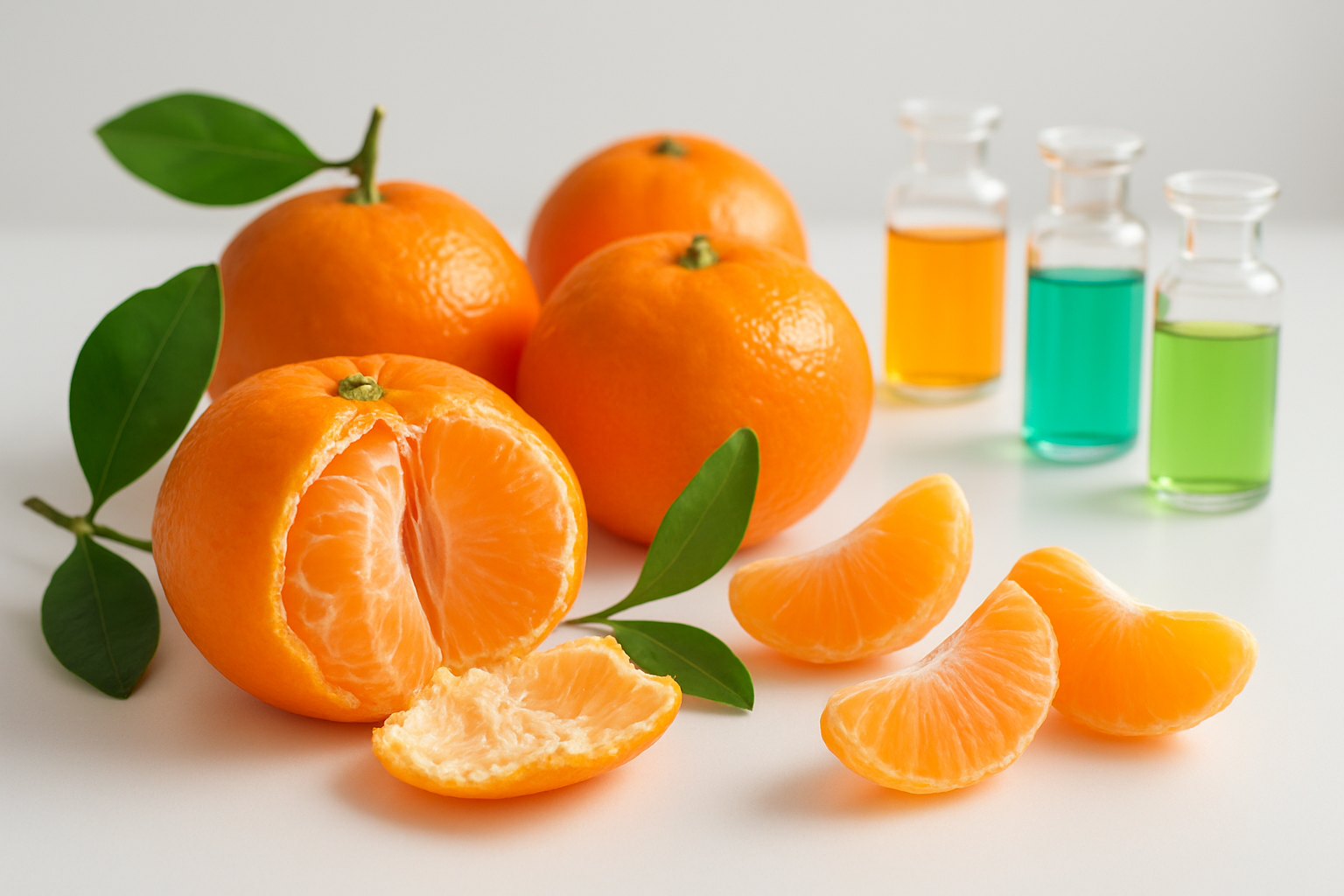
Tangerines pack an impressive vitamin C punch that rivals their citrus cousins. A single medium tangerine delivers roughly 47% of your daily vitamin C needs, making these small fruits nutritional powerhouses. This essential vitamin acts as your body's first line of defense, strengthening white blood cell function and helping your immune system fight off infections more effectively.
The vitamin C in tangerines also supports collagen production, keeping your skin healthy and wounds healing properly. Unlike synthetic supplements, the natural vitamin C in tangerines comes bundled with bioflavonoids that enhance absorption and provide additional immune-boosting benefits.
Fiber Content for Digestive Health Improvement
Each tangerine contains about 1.6 grams of dietary fiber, contributing meaningfully to your daily fiber goals. This fiber content includes both soluble and insoluble types that work together to keep your digestive system running smoothly.
Soluble fiber helps regulate blood sugar levels by slowing glucose absorption, while insoluble fiber adds bulk to stool and promotes regular bowel movements. The fiber in tangerines also feeds beneficial gut bacteria, supporting a healthy microbiome that influences everything from mood to immune function.
Antioxidant Properties and Disease Prevention Potential
Tangerines contain powerful antioxidants beyond vitamin C, including flavonoids like hesperidin and naringenin. These compounds neutralize harmful free radicals that can damage cells and contribute to chronic diseases.
Research shows that regular citrus fruit consumption, including tangerines, may help reduce inflammation and lower the risk of heart disease, certain cancers, and neurodegenerative conditions. The bright orange color comes from beta-carotene, another antioxidant that converts to vitamin A in your body and supports eye health.
Low Calorie Count for Weight Management Goals
With only about 47 calories per medium fruit, tangerines make excellent snacks for weight management. Their natural sweetness satisfies sugar cravings without the empty calories found in processed sweets. The combination of fiber and water content helps you feel fuller longer, potentially reducing overall calorie intake throughout the day.
Essential Minerals and Their Body Functions
Tangerines provide several important minerals in smaller but meaningful amounts. Potassium supports heart health and helps regulate blood pressure, while folate is crucial for DNA synthesis and red blood cell formation. These citrus fruits also contain small amounts of calcium for bone health and magnesium for muscle and nerve function.
| Nutrient | Amount per Medium Tangerine | % Daily Value |
|---|---|---|
| Vitamin C | 26.7 mg | 47% |
| Fiber | 1.6 g | 6% |
| Folate | 17.4 mcg | 4% |
| Potassium | 146 mg | 4% |
| Calcium | 32.6 mg | 3% |
Optimal Growing Conditions and Seasonal Availability
Climate Requirements for Successful Cultivation
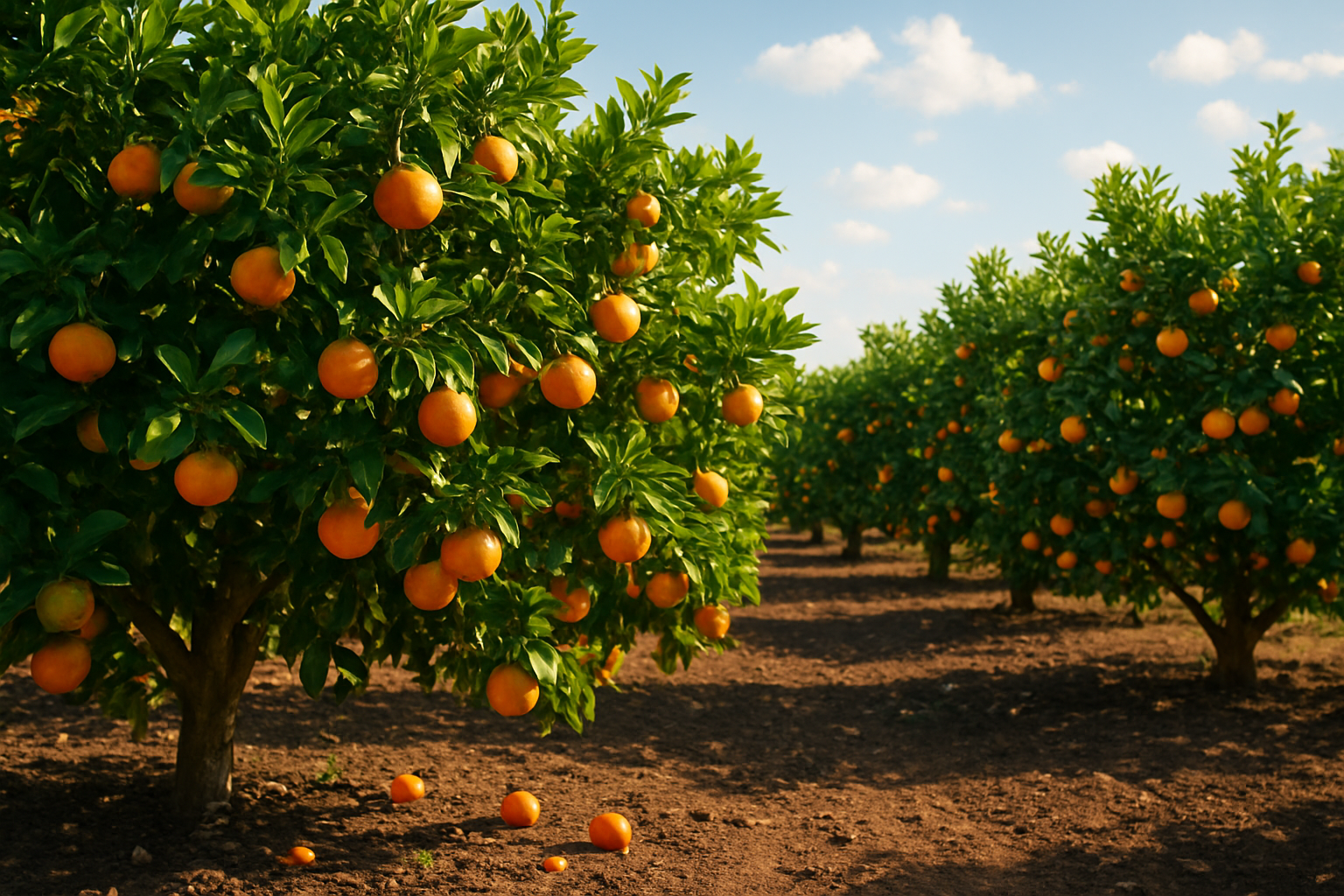
Tangerines thrive in subtropical and Mediterranean climates where temperatures remain consistently warm without extreme fluctuations. The ideal temperature range sits between 55°F and 85°F (13°C to 29°C), with winter temperatures rarely dropping below 20°F (-7°C). These citrus fruits need protection from frost, which can damage both the tree and developing fruit. Most tangerine varieties require approximately 1,200 to 1,800 hours of temperatures below 45°F (7°C) during winter months to ensure proper flowering and fruit development.
Humidity plays a crucial role in tangerine growing conditions, with optimal levels ranging from 50% to 70%. Too much humidity can encourage fungal diseases, while insufficient moisture in the air can stress the trees and reduce fruit quality. Tangerines also need plenty of sunshine, requiring at least 6 to 8 hours of direct sunlight daily for optimal growth and sugar development in the fruit.
Wind protection is essential, as strong winds can damage branches, interfere with pollination, and cause fruit drop. Many successful growers plant windbreaks or position tangerine orchards in naturally sheltered locations.
Soil Conditions That Produce the Best Fruit Quality
The foundation of exceptional tangerine production lies in well-draining, slightly acidic soil with a pH between 6.0 and 7.0. Sandy loam soils work best because they provide excellent drainage while retaining enough moisture for consistent root access to water. Heavy clay soils often cause root rot and poor fruit development, while extremely sandy soils may not retain enough nutrients or moisture.
Tangerines prefer soil rich in organic matter, which improves both drainage and nutrient retention. Adding compost, aged manure, or other organic amendments creates the ideal growing environment. The soil should be deep enough to accommodate the extensive root system, typically requiring at least 3 feet of workable soil depth.
Proper drainage cannot be overstated in importance. Standing water around tangerine roots leads to root rot, a common cause of tree death. In areas with heavy rainfall or poor natural drainage, raised beds or mounded planting areas help prevent water accumulation around the root zone.
Regular soil testing ensures optimal nutrient levels, particularly for nitrogen, phosphorus, and potassium. Tangerines also require adequate levels of micronutrients like iron, zinc, and manganese for healthy growth and fruit production.
Peak Harvest Seasons in Different Regions
Tangerine season varies significantly depending on the geographic location and specific variety grown. In California, the primary tangerine-producing state in the US, harvest typically begins in November and extends through April, with peak production occurring from December through February.
Florida's tangerine season runs slightly earlier, starting in October and continuing through January, with December being the prime harvest month. The state's humid subtropical climate allows for earlier ripening compared to California's Mediterranean-style climate.
International tangerine production follows different seasonal patterns. In the Mediterranean region, including Spain and Morocco, harvest occurs from November through March. Southern Hemisphere countries like Australia and South Africa experience their tangerine season from May through September, providing fresh fruit when Northern Hemisphere production is at its lowest.
Different tangerine varieties within the same region also have staggered harvest times. Early varieties like Satsumas ripen first, followed by mid-season types like Clementines, and finally late-season varieties such as Honey tangerines.
Storage Methods to Extend Freshness
Proper storage techniques can significantly extend tangerine freshness and maintain optimal flavor. At room temperature, fresh tangerines typically last 1 to 2 weeks when stored in a cool, dry place away from direct sunlight. For longer storage, refrigeration is the preferred method.
In the refrigerator, tangerines stay fresh for 2 to 4 weeks when stored in the crisper drawer with moderate humidity settings. Avoid storing them in plastic bags, which can trap moisture and promote mold growth. Instead, use perforated bags or store them loose in the crisper drawer.
Commercial storage facilities use controlled atmosphere storage, maintaining temperatures between 32°F and 40°F (0°C to 4°C) with humidity levels around 85% to 90%. This method can preserve tangerines for several months while maintaining quality.
For home preservation, tangerines can be frozen, though the texture changes significantly. Peeled segments freeze better than whole fruit, maintaining their flavor for up to 12 months. Proper preparation includes removing all white pith and packaging in airtight containers or freezer bags.
Avoid storing tangerines near ethylene-producing fruits like apples and bananas, which can accelerate ripening and spoilage. Check stored fruit regularly and remove any showing signs of decay to prevent spread to healthy fruit.
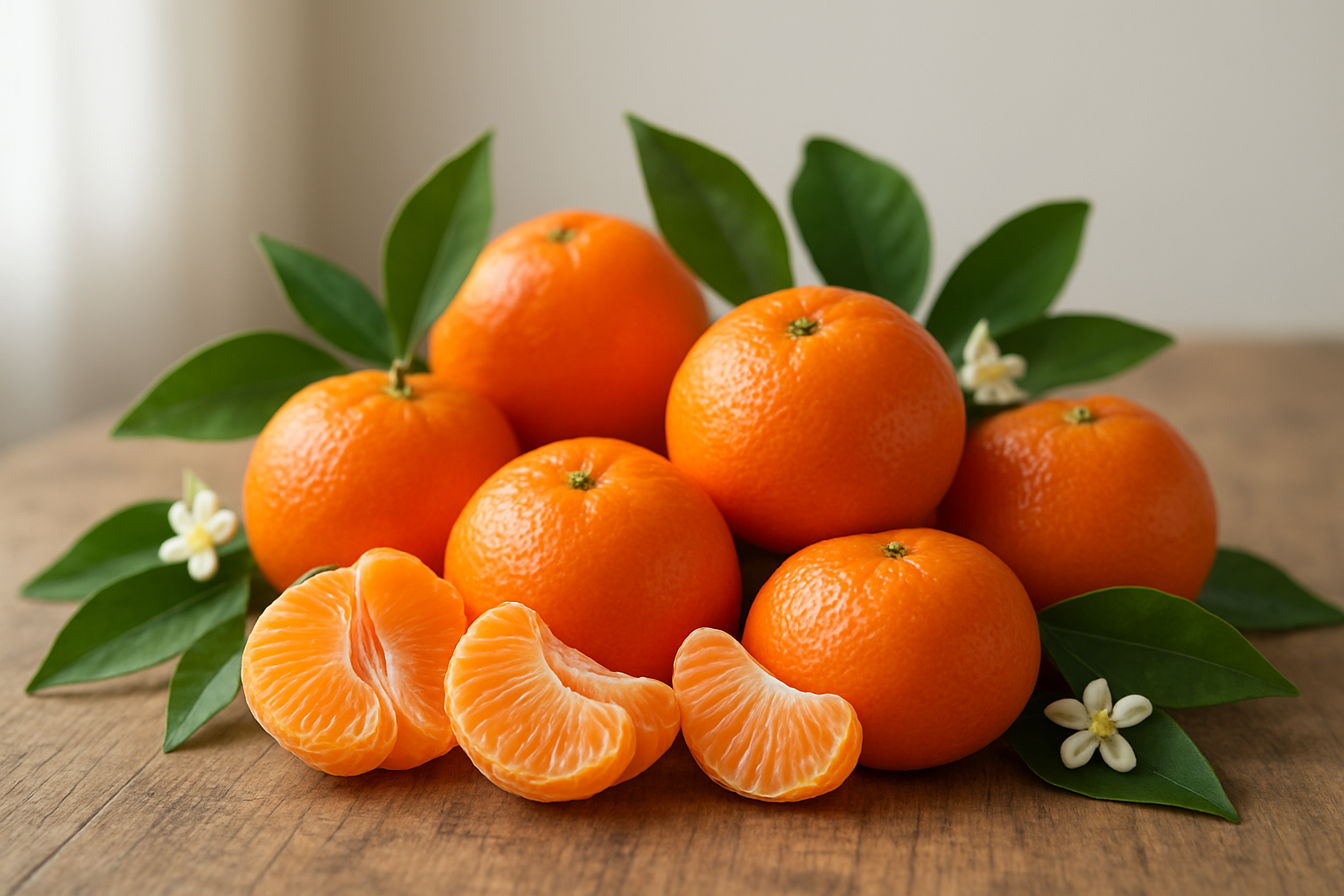
Tangerines bring together the best of both worlds - incredible taste and impressive nutrition. These vibrant citrus fruits pack vitamin C, fiber, and antioxidants into every juicy segment while delivering that sweet-tart flavor we all crave. From the easy-peeling Clementines to the robust Honey tangerines, each variety offers its own special character and seasonal timing.
Next time you're at the grocery store, grab a few different tangerine varieties and taste the difference for yourself. Your taste buds and your body will thank you for choosing these nutrient-dense, naturally sweet treats. Whether you eat them fresh, add them to salads, or juice them for a morning boost, tangerines are a simple way to brighten your day and support your health.


.png)
Comments
Post a Comment