Yuzu - What's the Yuzu Fruit?

The yuzu fruit is taking kitchens and health-conscious consumers by storm, but many people still wonder exactly what is yuzu and why it deserves a spot in their pantry. This aromatic yuzu citrus combines the tartness of lemon with subtle floral notes that make it unlike any other citrus you've tried.
This guide is perfect for curious food lovers, home cooks wanting to expand their flavor horizons, and anyone interested in exploring nutritionally dense ingredients from Japanese cuisine.
We'll dive into what makes the yuzu flavor profile so special and how it differs from familiar citrus fruits like lemons and limes. You'll also discover the impressive yuzu health benefits and nutritional value that have made this golden fruit a wellness favorite. Finally, we'll cover practical yuzu culinary uses, from traditional Japanese dishes to modern fusion creations, plus essential tips for how to buy yuzu and proper yuzu storage to keep your fruit fresh and flavorful.
Discover the Unique Characteristics of Yuzu Citrus
Origins and Natural Habitat of This Japanese Treasure
Yuzu citrus emerged thousands of years ago in East Asia, likely originating from a natural cross between mandarin oranges and Ichang papedas in the mountainous regions of central China and Tibet. This hardy yuzu fruit eventually made its way to Japan over 1,300 years ago, where it found its perfect home in the country's diverse climate zones.
The Japanese countryside became yuzu's sanctuary, particularly thriving in regions like Kochi Prefecture, which produces about half of Japan's yuzu crop. These resilient trees flourish in cooler mountain valleys and hillsides where temperatures can drop well below freezing – conditions that would destroy most citrus varieties. Yuzu citrus trees demonstrate remarkable cold tolerance, surviving temperatures as low as -9°F (-23°C), making them unique among citrus fruits.
Wild yuzu trees still grow throughout Japan's mountainous terrain, often found clinging to steep slopes in mixed forests. The fruit adapted to these challenging environments by developing thick, bumpy skin and intense aromatic oils that protect against harsh weather conditions.
Physical Appearance and Size Compared to Common Citrus
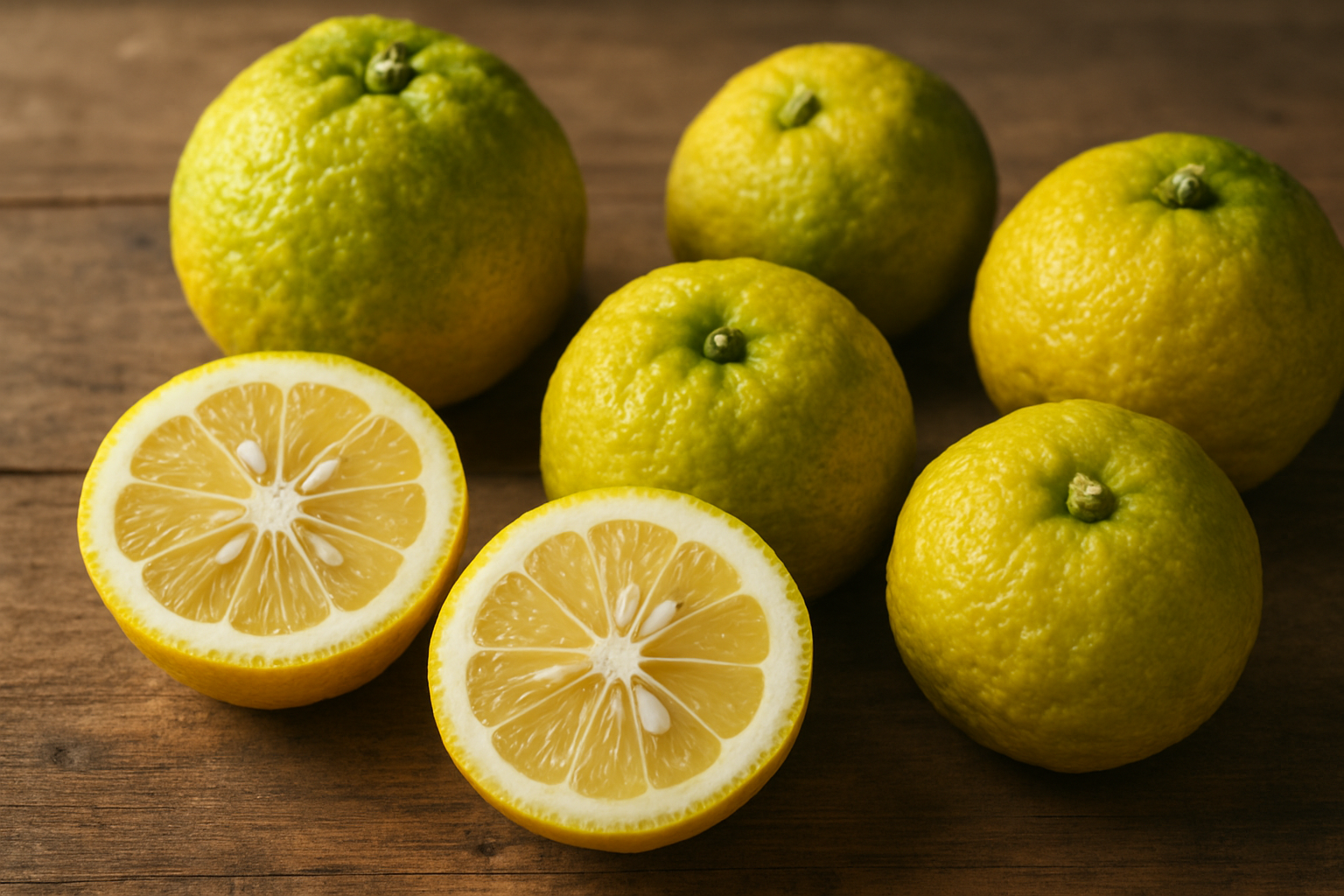
What is yuzu becomes immediately apparent when you see one – these fruits look distinctly different from typical grocery store citrus. Yuzu fruits are roughly the size of a small orange or large lime, typically measuring 2-3 inches in diameter, but their appearance tells a completely different story.
The skin presents a deeply textured, bumpy surface that resembles a golf ball more than a smooth orange. This rough, pebbled exterior ranges from bright green when unripe to golden yellow at full maturity. Unlike the uniform roundness of oranges or grapefruits, yuzu often displays an irregular, slightly flattened shape with subtle ridges and indentations.
| Citrus Type | Size | Skin Texture | Color |
|---|---|---|---|
| Yuzu | 2-3 inches | Deeply bumpy, thick | Green to golden yellow |
| Lemon | 2-4 inches | Smooth to slightly textured | Bright yellow |
| Lime | 1-2 inches | Smooth, thin | Dark to light green |
| Orange | 3-4 inches | Smooth to dimpled | Orange |
The flesh inside reveals another surprise – yuzu contains numerous large seeds that take up significant space, leaving relatively little juice compared to commercial citrus fruits. The segments are small and often quite sour, which explains why yuzu is rarely eaten fresh like other citrus.
Distinctive Aromatic Profile That Sets Yuzu Apart
The yuzu flavor profile creates an entirely unique sensory experience that food enthusiasts describe as magical. When you first encounter yuzu's aroma, it immediately transports you beyond typical citrus expectations – imagine the brightness of lemon mixed with the floral notes of grapefruit, plus something wild and mysterious you can't quite identify.
Professional chefs and perfumers often struggle to capture yuzu's complexity in words. The scent combines sharp citrus top notes with deeper, almost pine-like undertones and subtle floral hints reminiscent of bergamot or lavender. This aromatic intensity comes from high concentrations of essential oils in the thick skin, particularly compounds like limonene, linalool, and gamma-terpinene.
Fresh yuzu zest releases these oils in powerful bursts, creating an almost electric sensation that can fill an entire kitchen with just a few gratings. The aroma carries both uplifting and grounding qualities – energizing like morning sunshine yet calming like a forest walk. Many people describe their first yuzu encounter as revelatory, finally understanding why Japanese culture treasures this fruit so deeply.
The taste mirrors this aromatic complexity, delivering intense tartness balanced by subtle sweetness and those distinctive floral notes. Unlike lemon's straightforward sourness or lime's sharp bite, yuzu offers layers of flavor that unfold gradually on your palate.
Seasonal Growth Patterns and Harvesting Times
Yuzu citrus follows a patient timeline that reflects its mountain origins and hardy nature. These trees typically take 15-20 years to reach full production when grown from seed, though grafted trees can produce fruit in 3-5 years. This long maturation period contributes to yuzu's premium status and higher prices compared to commercial citrus.
The growing cycle begins in spring when small white flowers appear, filling the air with intense fragrance. These blooms develop slowly through summer, with fruits remaining green and gradually swelling. The extended growing season allows yuzu to develop its complex flavor compounds and essential oils.
Harvest timing varies by intended use:
-
Green yuzu (July-October): Harvested for zest and early-season cooking
-
Yellow yuzu (November-February): Full maturity with peak flavor intensity
-
Winter yuzu (December-January): Prime season for traditional uses
Peak harvest occurs during Japan's coldest months, when subfreezing temperatures actually concentrate the fruit's flavors and oils. Experienced growers often wait for the first frost before harvesting, believing cold stress enhances yuzu's aromatic qualities.
Hand-picking remains essential since yuzu trees grow thorny branches that can damage mechanical harvesters. Farmers carefully select fruits based on color, size, and aromatic intensity, often testing each tree's output before deciding on harvest timing. This careful attention to seasonal patterns and individual fruit quality helps maintain yuzu's reputation as one of the world's most prized citrus varieties.
Unlock the Exceptional Flavor Profile of Yuzu
Complex Taste Combinations of Sour and Floral Notes
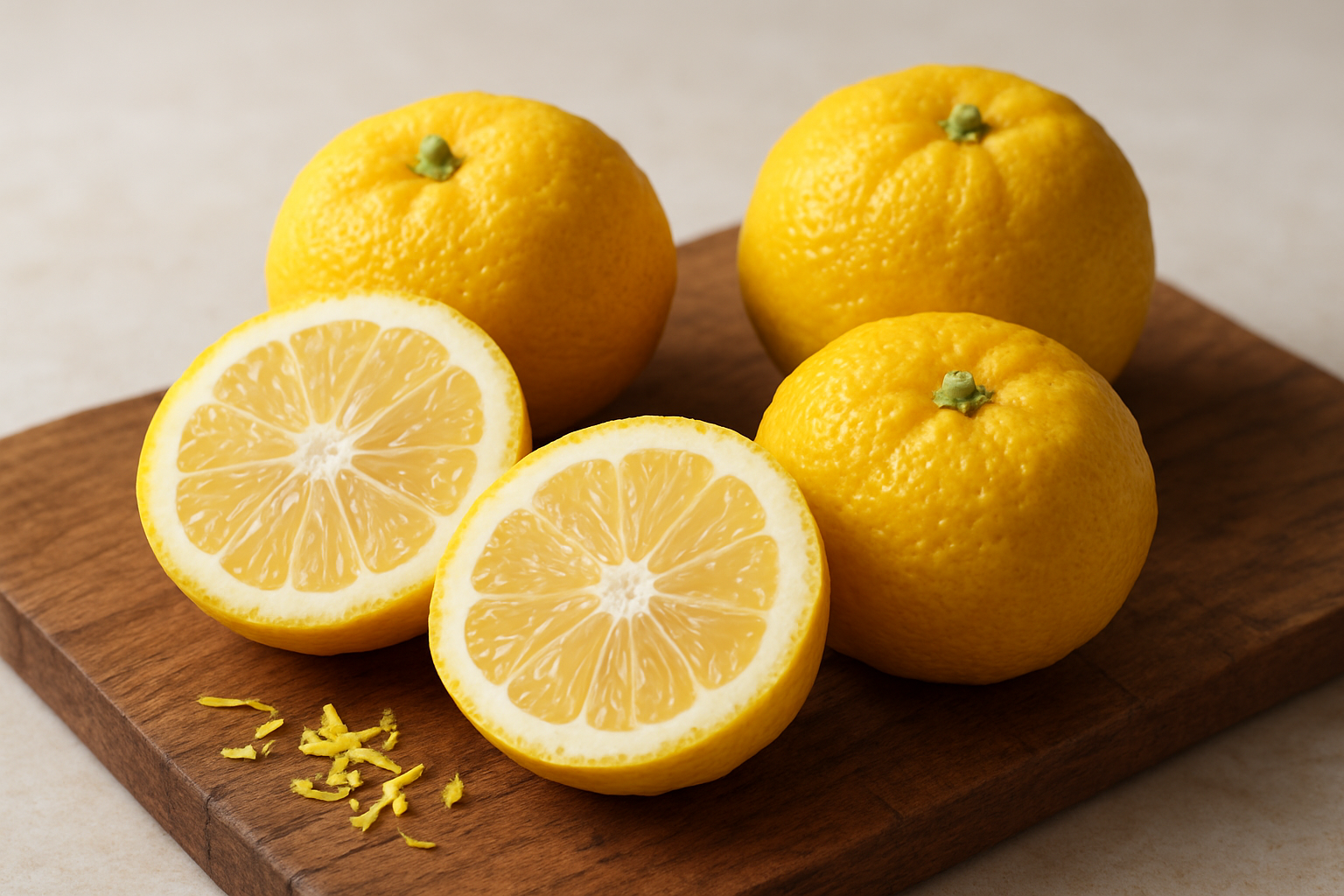
The yuzu flavor profile stands out as one of nature's most sophisticated citrus experiences. Unlike the straightforward tartness you might expect from typical citrus fruits, yuzu delivers a multi-layered sensory journey that begins with an intense sour punch and evolves into delicate floral undertones. The initial burst of acidity hits your taste buds with remarkable intensity, but what happens next sets yuzu apart from every other citrus you've tried.
The floral notes emerge gradually, reminiscent of bergamot and mandarin orange, creating a perfume-like quality that adds depth and complexity. Many describe detecting hints of pine and grapefruit zest, while others notice subtle herbal qualities that remind them of fresh herbs or even pine needles. This unique combination makes yuzu citrus particularly prized in both traditional Japanese cuisine and modern international cooking.
The aromatic qualities of yuzu fruit are just as captivating as its taste. The oils in the zest release an almost intoxicating fragrance that combines sharp citrus brightness with gentle floral sweetness. Professional chefs often describe the yuzu flavor profile as having three distinct phases: the immediate sour impact, the developing floral middle notes, and a clean, refreshing finish that leaves your palate energized rather than overwhelmed.
How Yuzu Differs from Lemons, Limes, and Oranges
Understanding what is yuzu becomes clearer when you compare it directly to familiar citrus varieties. While lemons provide straightforward sourness and limes offer sharp, clean acidity, yuzu brings complexity that neither can match. The texture of yuzu juice differs significantly too – it's less pulpy than orange juice but carries more body than typical lemon or lime juice.
| Citrus Type | Primary Flavor | Secondary Notes | Aroma Intensity | Best Culinary Use |
|---|---|---|---|---|
| Yuzu | Complex sour-floral | Pine, bergamot, herbal | Very High | Seasonings, vinaigrettes |
| Lemon | Clean acidic | Bright, sharp | Medium | General cooking, baking |
| Lime | Tart, zingy | Fresh, clean | Medium | Mexican, Thai cuisine |
| Orange | Sweet-tart | Fruity, mild | Low | Desserts, breakfast |
The peel of yuzu fruit contains significantly more aromatic oils than standard citrus varieties, making it incredibly valuable for culinary applications where fragrance matters as much as taste. While you might use a whole lemon or lime in cooking, yuzu's intensity means a little goes a long way – often just a few drops of juice or a small amount of zest can transform an entire dish.
Intensity Levels and Best Uses for Maximum Impact
Working with yuzu requires understanding its power levels to avoid overwhelming your dishes. Fresh yuzu juice registers as extremely potent – roughly three times more intense than lemon juice in both acidity and aromatic impact. This means substitution ratios become critical when incorporating yuzu into recipes originally designed for other citrus fruits.
For delicate applications like vinaigrettes or light marinades, start with just a few drops of yuzu juice mixed with milder ingredients. The citrus works beautifully in small quantities, where its complex flavor can shine without dominating. When using yuzu zest, a light grating provides enough oil release to perfume entire dishes – think of it as citrus seasoning rather than a main ingredient.
Professional kitchens often use yuzu in these optimal applications:
-
Finishing oils and vinaigrettes: 1-2 teaspoons per cup of oil
-
Cocktail garnishes: A few drops or small zest twist
-
Seafood marinades: Mixed with soy sauce and mirin in small amounts
-
Dessert accents: Minimal quantities in creams, sorbets, or chocolate
-
Seasoning salts: Combined with sea salt for rim garnishes or finishing
The key to maximizing yuzu's impact lies in restraint and balance. Its exceptional flavor profile means you're adding layers of complexity, not just citrus punch. Professional chefs recommend tasting as you go, since yuzu's intensity can vary between fruits and seasons, making each application a unique opportunity to explore this remarkable citrus.
Master Traditional and Modern Culinary Applications

Essential Role in Japanese Cuisine and Cultural Dishes
Yuzu citrus holds sacred status in Japanese cooking, where its distinctive aroma and tart flavor have shaped culinary traditions for over 1,300 years. This prized yuzu fruit appears in countless traditional dishes, from the elegant yuzu kosho paste that accompanies grilled meats to the warming yuzu-infused hot pot broths served during winter months.
Traditional Japanese chefs prize yuzu for its ability to brighten heavy dishes without overwhelming delicate flavors. The citrus commonly appears in seasonal kaiseki menus, where chefs use fresh yuzu zest to garnish clear soups and sashimi presentations. During winter solstice celebrations, families enjoy yuzu baths and incorporate the fruit into special dishes believed to ward off illness.
Regional variations showcase yuzu's versatility across Japan. Kyoto's famous yuzu tofu features silky custard infused with yuzu juice, while Shikoku island specializes in yuzu miso preparations that balance the fruit's tartness with fermented soybean richness. These cultural applications demonstrate how deeply yuzu flavor profile has woven itself into Japanese identity.
Popular Yuzu-Based Condiments and Seasonings
Yuzu transforms into numerous condiments that have gained international recognition for their complex flavor combinations. Yuzu kosho leads this category as a fiery paste combining yuzu zest, chili peppers, and salt. This versatile condiment adds instant depth to grilled fish, ramen bowls, and vegetable dishes.
Yuzu ponzu represents another essential condiment, blending yuzu juice with soy sauce, mirin, and dashi. This tangy dressing perfectly complements shabu-shabu, salads, and seafood preparations. Many home cooks keep bottles of yuzu ponzu as their go-to flavor enhancer.
Commercial yuzu seasonings have expanded beyond traditional preparations. Yuzu salt combines the citrus with coarse sea salt for finishing dishes, while yuzu pepper blends offer convenient spice rack additions. Yuzu-infused oils provide easy ways to incorporate the fruit's essence into everyday cooking.
| Condiment Type | Main Ingredients | Best Uses |
|---|---|---|
| Yuzu Kosho | Yuzu zest, chilies, salt | Grilled meats, ramen |
| Yuzu Ponzu | Yuzu juice, soy sauce | Dipping sauce, salads |
| Yuzu Salt | Yuzu zest, sea salt | Finishing dishes |
Creative Western Cooking Applications and Fusion Ideas
Western chefs have embraced yuzu culinary uses with remarkable creativity, incorporating this exotic citrus into familiar dishes with stunning results. Yuzu vinaigrettes transform simple green salads into restaurant-quality presentations, while yuzu-glazed salmon showcases how the fruit's acidity complements rich fish perfectly.
Fusion cuisine has opened exciting possibilities for yuzu fruit applications. Mexican-inspired yuzu guacamole combines the citrus with avocados for unexpected freshness, while yuzu hollandaise sauce elevates eggs Benedict to new heights. Italian chefs create yuzu risottos that balance creamy rice with bright citrus notes.
Modern gastropubs feature yuzu in creative ways, from yuzu-spiked mayonnaise for gourmet burgers to yuzu butter for artisanal bread. The citrus works beautifully in marinades for chicken and pork, where its natural enzymes tenderize meat while infusing complex flavors.
Seafood preparations particularly benefit from yuzu's bright character. Yuzu-cured salmon rivals traditional gravlax, while yuzu mignonette provides sophisticated accompaniment for raw oysters. These applications prove that what is yuzu extends far beyond its Asian origins.
Beverage Innovation with Yuzu Juice and Zest
The beverage industry has discovered yuzu's remarkable potential for creating refreshing drinks that captivate consumers seeking unique flavor experiences. Craft brewers incorporate yuzu juice into wheat beers and sour ales, where the citrus complements hoppy bitterness with tropical notes.
Cocktail culture has fully embraced yuzu's complexity. Classic gin and tonics gain sophistication with yuzu juice additions, while yuzu margaritas offer exciting alternatives to lime-based versions. Bartenders prize yuzu's ability to add depth without overwhelming other ingredients.
Non-alcoholic beverages showcase yuzu's versatility equally well. Yuzu lemonades provide refreshing summer drinks, while hot yuzu tea offers warming comfort during cold months. Kombucha brewers create probiotic yuzu flavors that deliver health benefits alongside exceptional taste.
Commercial beverage companies now feature yuzu in sparkling waters, energy drinks, and premium sodas. These products introduce mainstream consumers to yuzu flavor profile while demonstrating the fruit's broad appeal across different drink categories.
Dessert and Baking Applications for Sweet Creations
Pastry chefs have discovered that yuzu's tart complexity creates extraordinary dessert experiences that balance sweetness with sophisticated citrus notes. Yuzu curd rivals lemon curd in French patisseries, offering more nuanced flavor for tarts and éclairs. The fruit's natural pectin content makes it ideal for jams and preserves that maintain bright color and intense flavor.
Chocolate pairings with yuzu have gained popularity in high-end confections. Dark chocolate truffles infused with yuzu juice create unexpected flavor combinations that surprise and delight. White chocolate yuzu ganache provides lighter alternatives for spring dessert menus.
Ice cream and sorbet applications showcase yuzu's natural affinity for frozen desserts. Yuzu sorbet cleanses the palate between courses, while yuzu ice cream offers creamy indulgence with citrus brightness. These frozen treats have become signature items in Japanese restaurants worldwide.
Baking applications continue expanding as home bakers experiment with yuzu recipes. Yuzu pound cakes, macarons, and cheesecakes demonstrate how this versatile citrus enhances traditional desserts. The fruit's unique flavor profile creates memorable desserts that guests won't forget, making yuzu an invaluable ingredient for special occasions and everyday treats alike.
Harness the Health Benefits and Nutritional Value

Vitamin C Content and Immune System Support
Yuzu fruit packs an impressive vitamin C punch that puts many other citrus fruits to shame. A single yuzu contains approximately 40mg of vitamin C per 100g of fruit - that's nearly half your daily recommended intake. This powerful nutrient acts as your body's first line of defense, strengthening your immune system and helping you fight off seasonal bugs and infections.
The high vitamin C content in yuzu citrus makes it particularly valuable during cold and flu season. Unlike synthetic vitamin supplements, the natural vitamin C found in yuzu comes with complementary compounds that enhance absorption and effectiveness. Your body recognizes and processes these natural nutrients more efficiently, giving you better bang for your nutritional buck.
Regular consumption of yuzu can help reduce the duration and severity of common colds. The vitamin C works by supporting white blood cell production and function, while also acting as a potent antioxidant that protects your cells from damage.
Antioxidant Properties for Overall Wellness
The yuzu health benefits extend far beyond vitamin C. This remarkable citrus contains powerful flavonoids like hesperidin, naringin, and limonene - compounds that work together to combat oxidative stress throughout your body. These antioxidants neutralize harmful free radicals that can damage cells and contribute to aging and chronic diseases.
Yuzu's antioxidant profile includes unique compounds rarely found in other fruits. The peel contains particularly high concentrations of these beneficial substances, which is why traditional Japanese cuisine often incorporates yuzu zest rather than discarding it. The flavonoids in yuzu have been studied for their potential anti-inflammatory properties, which may help reduce the risk of heart disease and certain cancers.
Research suggests that the antioxidants in yuzu may also support brain health by protecting neurons from damage. The combination of vitamin C and flavonoids creates a synergistic effect that amplifies the protective benefits for cognitive function.
Essential Oils and Aromatherapy Benefits
Yuzu's essential oils offer therapeutic benefits that go beyond nutrition. The aromatic compounds found in yuzu peel, particularly limonene and citral, have demonstrated stress-reducing properties in clinical studies. Japanese researchers have found that yuzu fragrance can lower cortisol levels and reduce feelings of anxiety and tension.
The yuzu nutritional value includes these volatile compounds that support mental wellbeing through aromatherapy. Simply smelling fresh yuzu or using yuzu-infused products can trigger the release of mood-enhancing neurotransmitters like serotonin. Many people find that yuzu's bright, uplifting scent helps combat seasonal depression and improves overall mood.
Traditional Japanese bathing rituals often incorporate whole yuzu fruits during winter solstice celebrations, believing the aromatic oils promote relaxation and spiritual cleansing. Modern aromatherapy practices have validated these traditional uses, showing that yuzu essential oils can improve sleep quality and reduce stress-related symptoms when used in diffusers or bath products.
Navigate Purchasing and Storage for Maximum Freshness
Where to Find Fresh Yuzu and Quality Products
Finding fresh yuzu fruit can be challenging outside of Japan and Korea, but several reliable sources exist for this prized citrus. Asian grocery stores, particularly Japanese and Korean markets, offer your best chance of locating fresh yuzu during peak season (October through February). Specialty food stores and high-end supermarkets occasionally stock them, especially in metropolitan areas with diverse populations.
Online retailers have become increasingly valuable for yuzu purchases. Sites like Williams Sonoma, Amazon Fresh, and specialty citrus suppliers offer both fresh fruit and yuzu products. Japanese import stores frequently carry frozen yuzu juice, yuzu kosho (fermented paste), and yuzu-infused products year-round.
For those near citrus-growing regions in California, some specialty orchards now cultivate yuzu trees. Farmers markets in areas like San Francisco and Los Angeles sometimes feature locally grown yuzu from November through January. Restaurant supply stores may also carry yuzu products, though quantities are typically limited to commercial buyers.
Proper Storage Techniques to Extend Shelf Life
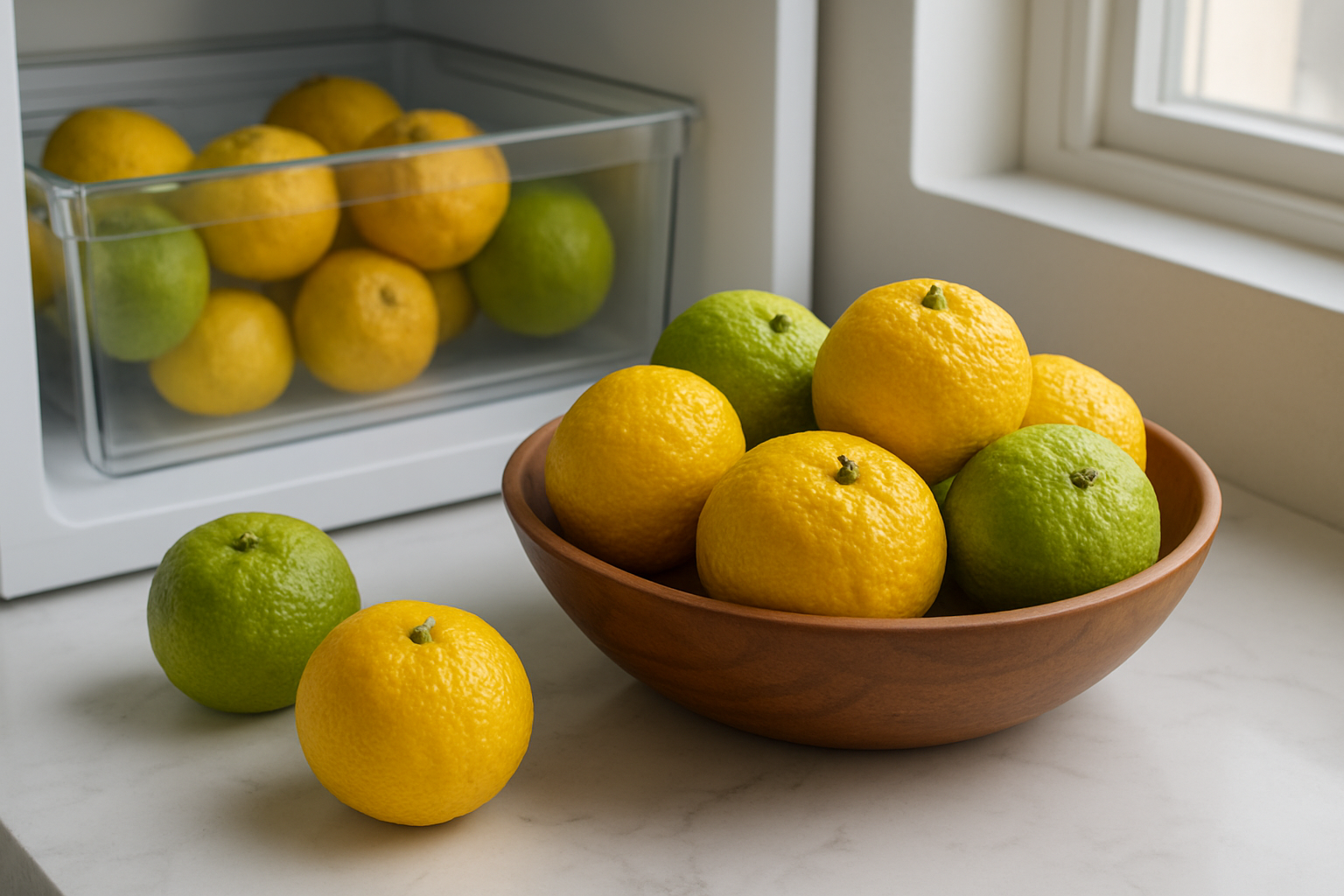
Fresh yuzu requires careful handling to maintain its aromatic oils and prevent spoilage. Store whole yuzu fruits in the refrigerator's crisper drawer, where they'll maintain freshness for 2-3 weeks. Avoid washing the fruit until ready to use, as excess moisture accelerates decay.
Room temperature storage works for 3-5 days if you plan immediate use. The fruit's thick, bumpy skin helps protect the interior, but monitor for soft spots or mold development. Once cut, yuzu should be wrapped tightly in plastic wrap or stored in airtight containers.
For longer preservation, freeze yuzu juice in ice cube trays. These frozen cubes maintain flavor for up to six months and provide convenient portions for cooking. Yuzu zest can be dried and stored in airtight containers for several months, though fresh zest offers superior aroma.
The whole fruit freezes well for up to one year. Frozen yuzu works perfectly for juicing and zesting, though the texture becomes unsuitable for eating fresh.
Alternative Products When Fresh Yuzu is Unavailable
When fresh yuzu proves elusive, several high-quality alternatives deliver authentic flavor. Bottled yuzu juice stands as the most versatile substitute, offering concentrated citrus flavor perfect for dressings, marinades, and beverages. Look for 100% pure juice without additives for best results.
Yuzu kosho paste combines fermented yuzu peel with chili peppers and salt, creating a spicy-citrus condiment that adds complexity to dishes. A small amount delivers intense yuzu flavor along with heat and umami depth.
Dried yuzu powder and flakes provide convenient seasoning options with extended shelf life. These work particularly well in rubs, spice blends, and finishing salts. Yuzu-infused oils capture the fruit's essential oils and work beautifully in salad dressings and light sautéing.
Yuzu vinegar offers another excellent alternative, combining citrus brightness with acidity perfect for pickles and reductions. Some producers also create yuzu extract, similar to vanilla extract, which works well in baking applications.
Cost Considerations and Budget-Friendly Options
Fresh yuzu commands premium prices, typically ranging from $3-8 per fruit depending on location and season. This high cost reflects limited availability, import expenses, and the fruit's specialized cultivation requirements. For budget-conscious cooks, purchasing power lies in strategic timing and product selection.
Buying during peak season (November-January) often yields better prices and quality. Purchasing multiple fruits for preservation projects maximizes value since properly stored yuzu products last months.
Yuzu juice offers better cost-per-use value than fresh fruit for most applications. A single bottle provides equivalent flavor to many fresh fruits at a fraction of the cost. Yuzu kosho paste delivers exceptional value since tiny amounts create significant flavor impact.
Growing your own yuzu tree represents a long-term investment for dedicated enthusiasts. Though initial costs range from $50-200 for grafted trees, mature plants produce fruit for decades. However, yuzu trees require 3-5 years before significant fruit production and specific growing conditions including cold winter periods.
Sharing purchases with friends or neighbors helps distribute costs while ensuring fresh products get used before spoiling. Many online retailers offer bulk purchasing options that reduce per-unit costs significantly.
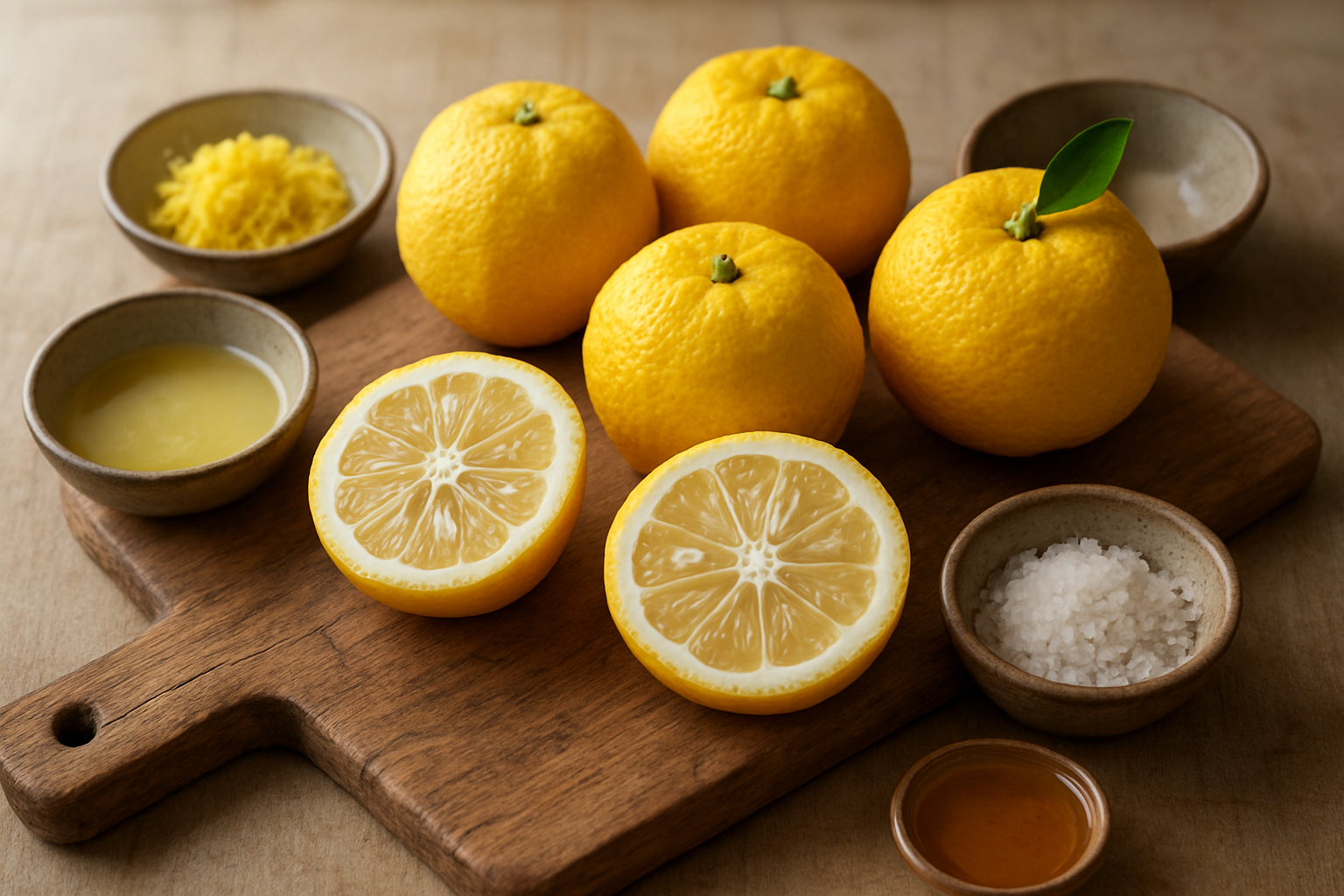
Yuzu brings something truly special to the table with its one-of-a-kind flavor that combines the best of lemon, lime, and grapefruit all rolled into one incredible citrus experience. From its traditional roots in Japanese cooking to its modern applications in everything from cocktails to desserts, this golden fruit opens up a world of culinary possibilities that can transform your everyday dishes into something extraordinary.
Getting your hands on quality yuzu and knowing how to store it properly means you can enjoy its bright, complex taste whenever inspiration strikes. The bonus health benefits and nutritional value make it even more worthwhile to add this versatile citrus to your kitchen arsenal. Start small by trying yuzu juice or zest in your favorite recipes, and you'll quickly discover why chefs around the world have fallen in love with this remarkable fruit.


.png)
Comments
Post a Comment