Acai Berry - What's the Acai Berry?
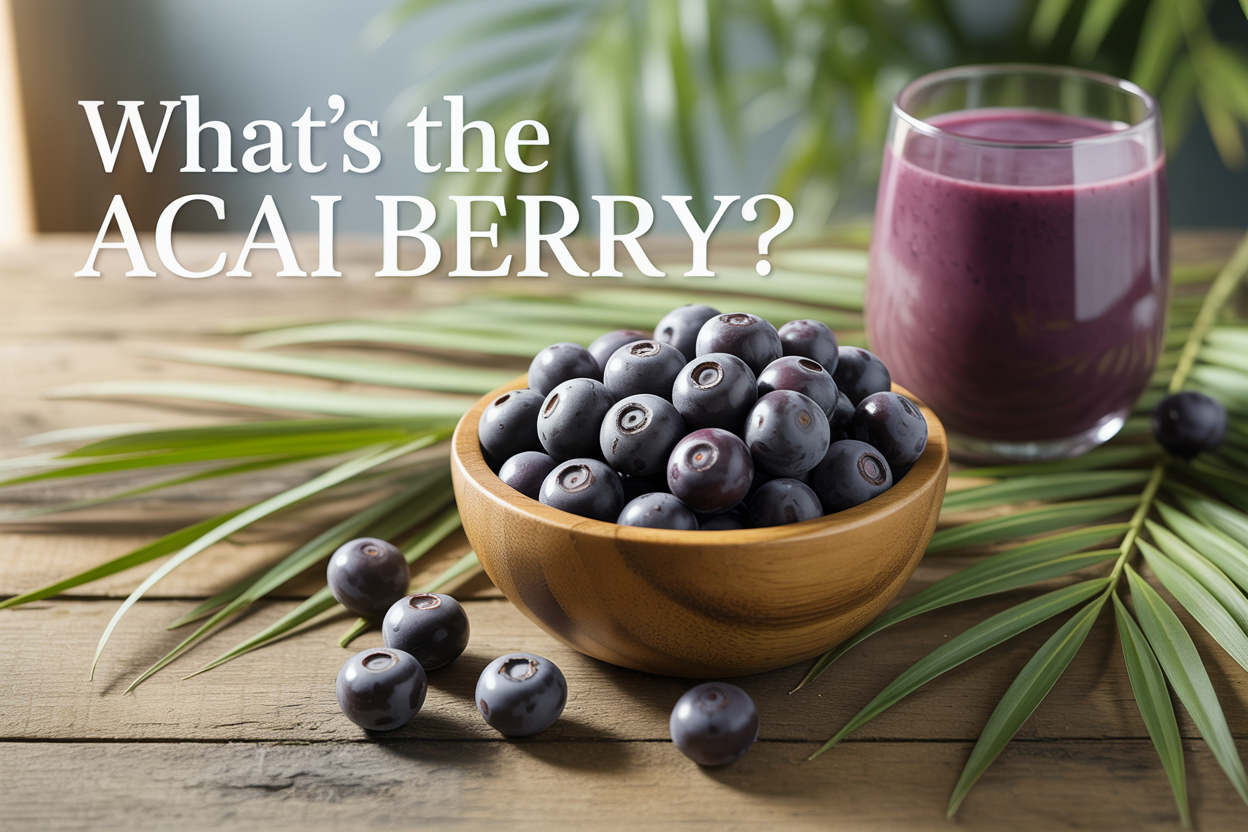
The acai berry has taken the health world by storm, but many people still wonder: what is acai berry exactly? This small, dark purple fruit from the Amazon rainforest packs serious nutritional power and has earned its reputation as a top superfruit.
This guide is perfect for health-conscious individuals, fitness enthusiasts, and anyone curious about adding nutrient-dense foods to their diet. Whether you're new to superfruits or looking to understand the acai berry benefits, you'll get clear, practical information here.
We'll explore where acai berries come from and what makes their nutritional profile so special. You'll also learn about the proven acai berry health benefits backed by research, plus how to choose between acai berry powder, supplements, and other forms. Finally, we'll cover smart tips for buying quality acai products so you get the most value for your money.
Origins and Natural Habitat of Acai Berry

Discovery in Amazon Rainforest
The acai berry comes from the heart of the Amazon rainforest, where it grows naturally on towering palm trees called Euterpe oleracea. These remarkable trees can reach heights of up to 80 feet and thrive in the nutrient-rich floodplains along the Amazon River. The dark purple berries hang in clusters from the palm fronds, creating an impressive sight against the lush green canopy.
Portuguese explorers first documented the acai berry in the 16th century, but the fruit had been a cornerstone of Amazonian life for centuries before their arrival. The berry gets its name from the indigenous Tupi word "açaí," which translates to "fruit that cries" - a reference to the dark juice that flows from the crushed berries like tears.
What makes the acai superfruit particularly special is its exclusive habitat. These palms grow only in specific regions of the Amazon basin, primarily in Brazil, Peru, and small parts of surrounding countries. The unique combination of tropical climate, seasonal flooding, and rich alluvial soil creates the perfect environment for acai palms to flourish.
Traditional Use by Indigenous Communities
Indigenous Amazonian tribes have treasured acai berries as both food and medicine for over 1,000 years. The Caboclo people of northern Brazil built their entire diet around this purple powerhouse, often consuming acai as their primary source of calories. For these communities, what is acai berry goes far beyond nutrition - it represents cultural identity and survival.
Traditional preparation involves soaking the berries in warm water to soften the thin outer skin, then mashing them into a thick, creamy paste. This purple mixture, called "açaí na tigela," provides essential energy for daily activities like fishing, hunting, and farming. The berries were so important that some tribes consumed them twice daily, mixing the pulp with cassava flour or tapioca.
Beyond sustenance, indigenous healers used various parts of the acai palm for medicinal purposes. They brewed teas from the roots to treat kidney problems, used the oil for skin conditions, and consumed the fruit to boost energy and stamina. These traditional practices laid the foundation for modern understanding of acai berry health benefits.
The cultural significance extends to spiritual beliefs as well. Many tribes considered the acai palm sacred, believing it possessed protective powers and could connect them to their ancestors. This deep reverence ensured sustainable harvesting practices that preserved the rainforest ecosystem for generations.
Growth Conditions and Harvesting Methods
Acai palms require very specific growing conditions that can't be replicated outside their natural Amazon habitat. The trees need constant moisture, with annual rainfall between 1,500-3,000 millimeters, and temperatures consistently between 72-86°F. The seasonal flooding of the Amazon provides crucial nutrients while the palm's extensive root system prevents soil erosion.
These remarkable palms are either male or female, with only female trees producing the prized berries. Each palm can yield 15-25 pounds of fruit annually, but only during two distinct harvest seasons - from July to December and January to June. The timing varies slightly depending on the specific Amazon region and local climate patterns.
Harvesting acai berry requires incredible skill and bravery. Trained climbers, known as "açaizeiros," scale the towering palms using only their bare hands and feet, along with a simple palm fiber loop called a "peconha." This dangerous work demands years of practice and deep knowledge of the trees' structure and behavior.
The harvesting process must happen quickly since acai berries spoil within 24 hours of picking. Harvesters carefully cut down the heavy fruit clusters, then transport them immediately to processing facilities. The berries undergo rapid freezing or freeze-drying to preserve their acai berry nutrition and prevent oxidation of the valuable antioxidants.
Sustainable harvesting practices remain critical for both environmental protection and quality acai berry production. Responsible harvesters only take fruit from mature palms and avoid damaging the trees during collection. This approach ensures continued production while maintaining the delicate Amazon ecosystem that makes these superfruits possible.
Nutritional Profile and Unique Properties
Antioxidant Content and ORAC Values
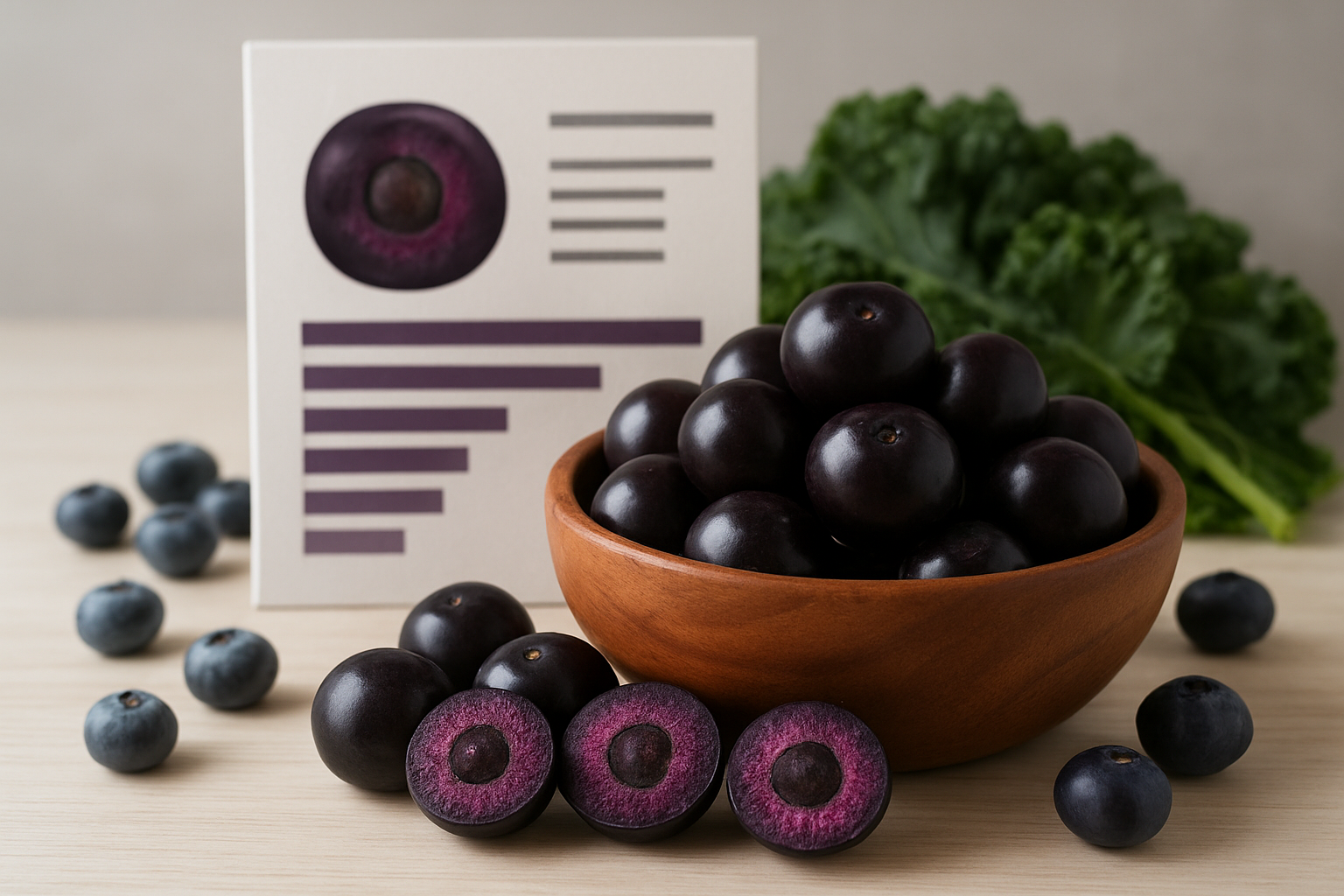
The acai berry stands out as one of nature's most potent antioxidant powerhouses. With an ORAC (Oxygen Radical Absorbance Capacity) score ranging from 15,000 to 25,000 per 100 grams of fresh pulp, acai berry antioxidants far exceed those found in most common fruits. This remarkable score means acai contains nearly ten times more antioxidants than red grapes and significantly more than blueberries, which typically score around 4,669 ORAC units.
The deep purple pigments in acai berries come from anthocyanins, the same compounds that give blueberries and red wine their color. These anthocyanins work alongside other antioxidants like proanthocyanidins and flavonoids to combat free radicals in the body. The unique combination creates a synergistic effect that makes acai berry nutrition particularly powerful for cellular protection.
Fresh acai maintains the highest antioxidant levels, though acai berry powder and freeze-dried forms retain significant potency. The antioxidant profile remains stable when properly processed, making acai berry supplements a viable option for those who can't access fresh berries.
Essential Fatty Acids and Fiber Benefits
What makes acai truly unique among fruits is its impressive healthy fat content. Unlike most berries that contain minimal fats, acai berries derive about 50% of their calories from beneficial fats, particularly omega-3, omega-6, and omega-9 fatty acids. This profile resembles olive oil more than typical fruit, with oleic acid making up the largest portion of its fat content.
The fiber content in acai is equally impressive, providing about 14 grams per 100-gram serving. This high fiber content supports digestive health and helps maintain steady blood sugar levels. The combination of healthy fats and fiber creates a satisfying food that can help with weight management and sustained energy levels.
The essential fatty acids in acai support brain function, heart health, and inflammatory response. These omega fatty acids are typically found in fish, nuts, and seeds, making acai an unusual fruit source for these vital nutrients.
Vitamin and Mineral Composition
Acai berries pack a diverse array of vitamins and minerals that contribute to their superfruit status. The berries are particularly rich in vitamin A, providing significant amounts of beta-carotene and other carotenoids that support eye health and immune function.
The mineral profile includes notable amounts of:
-
Calcium: Essential for bone health and muscle function
-
Iron: Crucial for oxygen transport and energy production
-
Potassium: Important for heart health and blood pressure regulation
-
Magnesium: Supports muscle and nerve function
-
Zinc: Vital for immune system support and wound healing
Vitamin C content, while present, is moderate compared to citrus fruits. However, the B-vitamin complex in acai, including B1, B2, and B3, supports energy metabolism and nervous system function. The combination of these nutrients works together to support overall health and vitality.
Comparison with Other Superfruits
When stacked against other popular superfruits, acai holds its own in several key areas:
| Superfruit | ORAC Score | Key Nutrients | Unique Properties |
|---|---|---|---|
| Acai Berry | 15,000-25,000 | Healthy fats, anthocyanins | High fat content, complete amino acid profile |
| Goji Berry | 3,290 | Vitamin A, iron | High protein for a fruit |
| Blueberry | 4,669 | Vitamin C, manganese | Widely available, versatile |
| Pomegranate | 4,479 | Vitamin C, folate | High tannin content |
| Cranberry | 9,584 | Vitamin C, fiber | UTI prevention properties |
Acai's unique selling point lies in its combination of extremely high antioxidant levels with substantial healthy fat content. While goji berries offer more protein and blueberries provide better vitamin C, no other superfruit matches acai's comprehensive profile of antioxidants, healthy fats, and fiber.
The amino acid profile of acai is also noteworthy, containing all essential amino acids in small but meaningful amounts. This makes it more nutritionally complete than most fruits, which typically lack significant protein content.
Health Benefits and Scientific Research
Heart Health and Cholesterol Management
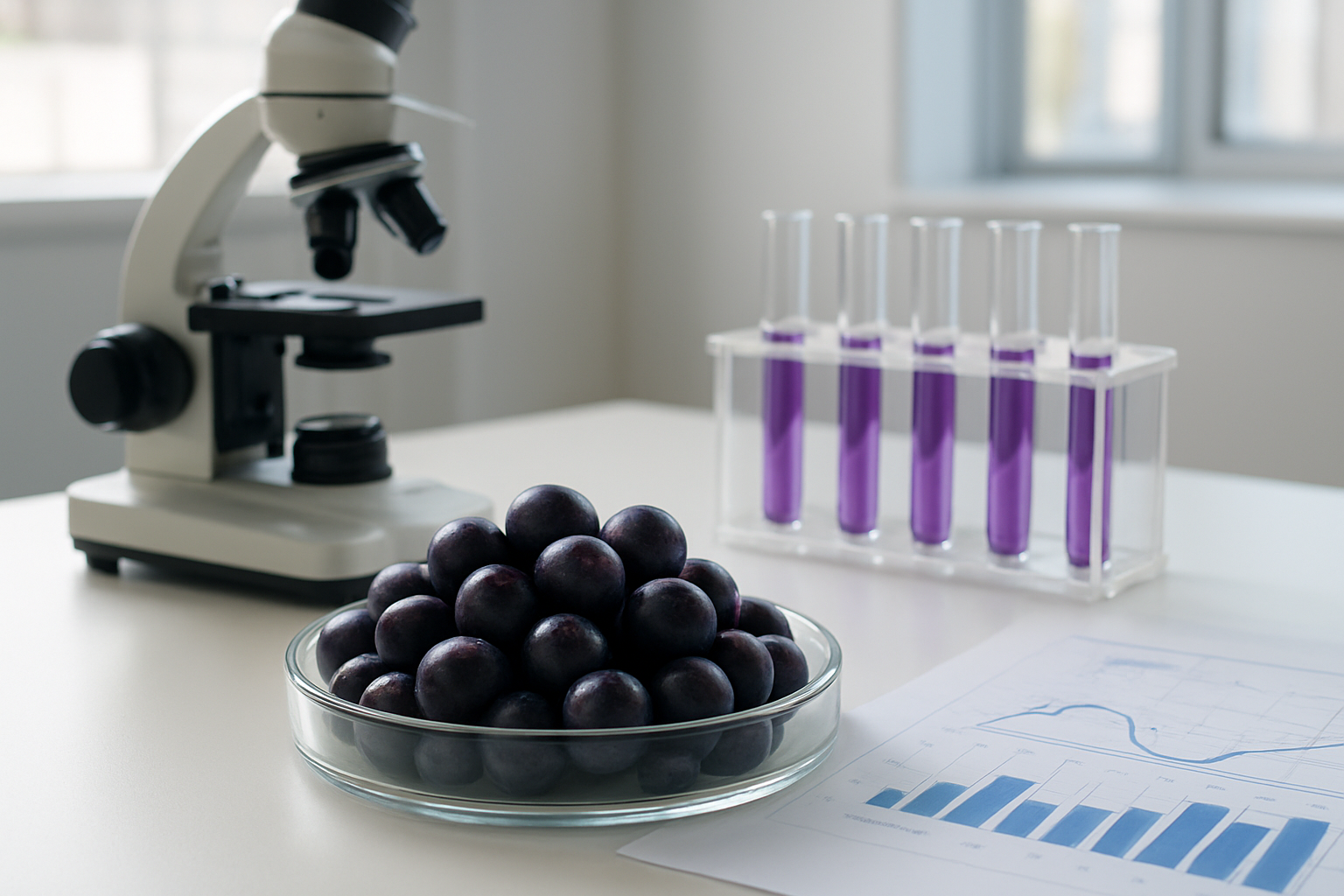
Acai berry benefits extend significantly to cardiovascular health, making this superfruit a powerful ally for your heart. The high concentration of anthocyanins in acai berries helps reduce inflammation in blood vessels, which plays a crucial role in preventing heart disease. Studies show that regular acai consumption can improve arterial function and reduce oxidative stress on the cardiovascular system.
Research published in the Journal of Agricultural and Food Chemistry found that acai berry antioxidants help lower LDL (bad) cholesterol levels while maintaining or even increasing HDL (good) cholesterol. This dual action creates an optimal cholesterol profile that supports long-term heart health. The omega fatty acids present in acai also contribute to reducing triglyceride levels, another important marker for cardiovascular wellness.
Clinical trials have demonstrated that participants who consumed acai for just four weeks showed measurable improvements in their lipid profiles. The polyphenolic compounds in acai work synergistically to protect against arterial plaque formation, reducing the risk of atherosclerosis and related complications.
Weight Loss and Metabolism Support
Acai berry health benefits include substantial support for weight management and metabolic function. The fiber content in acai helps create feelings of satiety, naturally reducing calorie intake throughout the day. This appetite-suppressing effect, combined with the berry's low glycemic index, makes it an excellent addition to any weight loss strategy.
The unique combination of healthy fats, protein, and complex carbohydrates in acai provides sustained energy without blood sugar spikes. This steady energy release prevents the crashes that often lead to unhealthy snacking and overeating. Research indicates that acai consumption can boost metabolic rate by up to 15%, helping your body burn calories more efficiently even at rest.
Acai's impact on insulin sensitivity also supports healthy weight management. By improving how your body processes glucose, acai helps prevent the fat storage that occurs when insulin levels remain elevated. Studies have shown that regular acai consumption can reduce abdominal fat accumulation, particularly the visceral fat that poses the greatest health risks.
Anti-Aging and Skin Health Properties
The anti-aging properties of acai berry make it a standout among superfruits. With an ORAC (Oxygen Radical Absorbance Capacity) score among the highest of all foods, acai provides exceptional protection against free radical damage that accelerates aging processes. These powerful acai berry antioxidants neutralize harmful molecules before they can damage cellular structures, DNA, and proteins.
Topical and dietary acai consumption both contribute to improved skin health. The vitamin C content supports collagen production, maintaining skin elasticity and reducing the appearance of fine lines and wrinkles. Vitamin E works alongside other antioxidants to protect skin cells from UV damage and environmental pollutants.
Clinical studies have documented significant improvements in skin hydration, texture, and overall appearance after eight weeks of consistent acai consumption. The anti-inflammatory properties help reduce skin irritation and redness, while the essential fatty acids support the skin's natural barrier function. Many participants in these studies reported a noticeable glow and improved skin tone, attributed to acai's ability to enhance circulation and cellular regeneration.
The cyanidin compounds specifically found in acai have been shown to protect against photoaging, the premature aging caused by sun exposure. Regular acai intake provides internal sun protection that complements topical sunscreens, offering comprehensive defense against UV-induced skin damage.
Forms and Consumption Methods
Fresh Acai Bowls and Smoothies
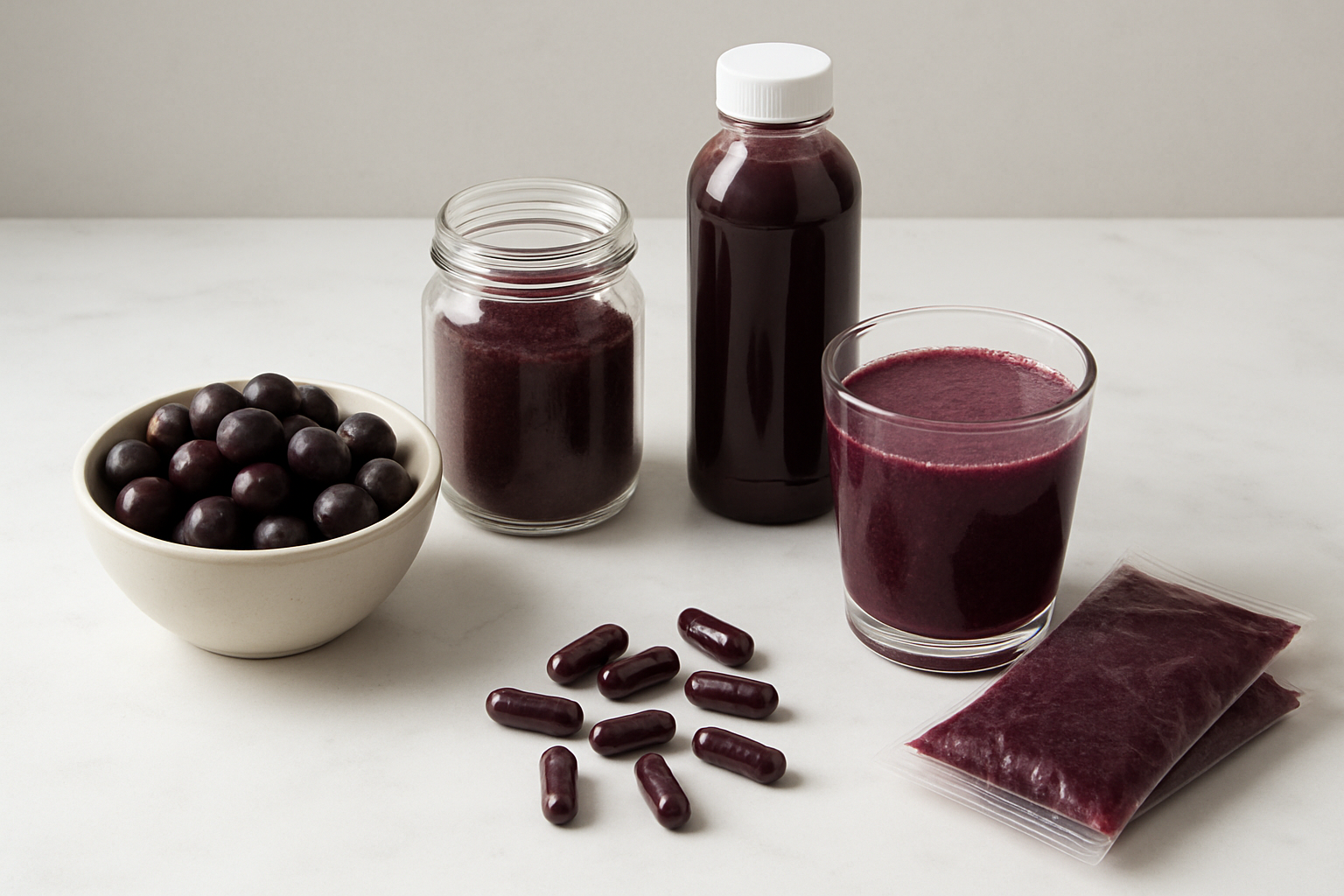
Acai bowls have become the Instagram darling of the health food world, and for good reason. These vibrant purple creations start with frozen acai berry puree blended into a thick, sorbet-like consistency. The key to a perfect acai bowl lies in using pure, unsweetened acai puree without added sugars or fillers. Many health food stores and smoothie shops now offer fresh acai bowls topped with granola, fresh berries, coconut flakes, and nuts.
Making acai smoothies at home is surprisingly simple. Blend frozen acai puree with banana, your milk of choice, and a touch of honey for natural sweetness. The result is a creamy, antioxidant-rich drink that tastes like a healthy dessert. Many people find that acai berry smoothies provide sustained energy without the crash associated with sugary drinks.
Freeze-Dried Powder Applications
Acai berry powder offers incredible versatility for those wanting to incorporate this superfruit into their daily routine. The freeze-drying process preserves most of the nutrients while creating a shelf-stable product that mixes easily into various foods and drinks.
Sprinkle acai powder into your morning yogurt, oatmeal, or cereal for an instant antioxidant boost. Bakers love adding it to muffins, pancakes, and energy bars for both nutrition and natural purple color. The powder also works beautifully in homemade face masks, as many people believe acai berry antioxidants benefit skin health when applied topically.
| Application | Amount per Serving | Benefits |
|---|---|---|
| Smoothies | 1-2 tablespoons | Energy boost, antioxidants |
| Baking | 1-3 tablespoons | Natural coloring, nutrients |
| Yogurt/Cereal | 1 tablespoon | Daily antioxidant intake |
Supplement Capsules and Extracts
For those seeking concentrated acai berry benefits without the taste or preparation time, supplements provide a convenient alternative. Acai berry supplements typically contain concentrated extracts that pack more antioxidants per serving than fresh fruit, though they lack the fiber and other compounds found in whole acai berries.
Quality varies significantly among acai berry supplements. Look for products that specify the concentration ratio (such as 10:1 extract) and contain minimal fillers or artificial ingredients. Some supplements combine acai with other antioxidant-rich fruits like goji berries or pomegranate for enhanced benefits.
Capsules work best for people who want consistent daily intake without worrying about preparation or taste preferences. Many users report taking acai berry supplements as part of their morning routine alongside other vitamins and minerals.
Juice and Puree Products
Acai juice and puree products offer a middle ground between fresh preparations and concentrated supplements. Pure acai juice provides many of the fruit's nutrients in liquid form, though it often requires refrigeration and has a shorter shelf life than other forms.
When shopping for acai berry juice, read labels carefully. Many commercial products blend acai with other fruit juices, which dilutes the acai content and adds extra sugars. Pure acai puree, often sold frozen, gives you more control over how you consume this superfruit. These products work well for smoothies, cocktails, or even as a base for homemade acai bowls.
The taste of pure acai products can be quite earthy and slightly bitter, which explains why many people prefer mixed products or add natural sweeteners. This characteristic flavor profile makes acai an acquired taste for some, but many people grow to love its unique, complex flavor.
Purchasing Guidelines and Quality Considerations
Identifying Authentic Acai Products
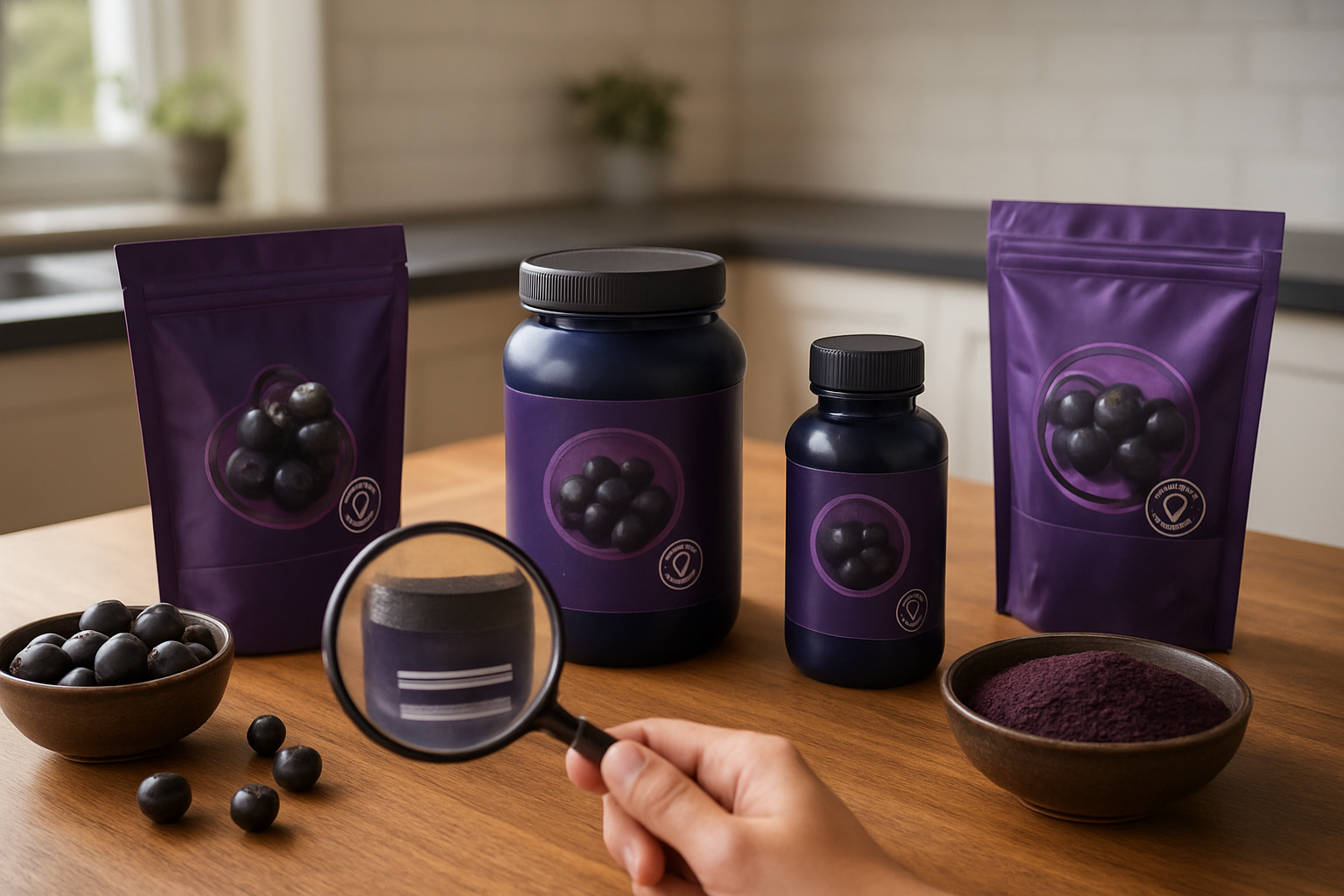
When shopping for acai berry products, knowing how to spot the real deal makes all the difference. Authentic acai products should list acai (Euterpe oleracea) as the primary ingredient, not buried at the bottom of a long list. Look for products that specify the acai concentration - quality supplements often contain 500mg or more of pure acai extract per serving.
Check the color and texture of acai powder or frozen pulp. Real acai powder has a deep purple-black color with a slightly bitter, earthy taste mixed with hints of chocolate and berries. If the powder looks artificially bright or tastes overly sweet, it likely contains fillers or artificial flavoring.
Third-party testing certificates provide extra assurance. Reputable manufacturers often display lab results showing antioxidant levels, heavy metal testing, and purity analysis. Avoid products making exaggerated health claims like "instant weight loss" or "miracle cure" - these red flags often indicate questionable quality.
Organic vs Conventional Options
Organic acai berry products offer several advantages over conventional alternatives. Organic certification ensures the berries were harvested without synthetic pesticides, herbicides, or chemical fertilizers. This matters because acai palms grow in the delicate Amazon rainforest ecosystem, where chemical runoff can damage surrounding wildlife habitats.
The harvesting process also differs significantly. Organic acai operations typically work with indigenous communities using traditional climbing techniques to gather berries from wild-growing palms. This sustainable approach preserves the forest canopy and supports local economies.
Price differences reflect these quality standards. Organic acai products cost 20-40% more than conventional options, but many consumers find the investment worthwhile for environmental and health reasons. The taste profile also tends to be richer in organic varieties, as the berries develop more complex flavors in their natural environment.
| Aspect | Organic Acai | Conventional Acai |
|---|---|---|
| Harvesting | Sustainable, traditional methods | May use intensive farming |
| Chemical use | None | Possible pesticides/fertilizers |
| Environmental impact | Minimal | Variable |
| Cost | Higher | Lower |
| Flavor complexity | Rich, nuanced | Standard |
Storage and Shelf Life Recommendations
Proper storage keeps your acai berry purchases fresh and potent. Acai powder should live in airtight containers away from direct sunlight and heat. A cool, dry pantry works perfectly - avoid storing near stoves or sunny windowsills where temperature fluctuations can degrade the antioxidants.
Frozen acai pulp requires consistent freezer temperatures below 0°F (-18°C). Once thawed, use the pulp within 24-48 hours and never refreeze it. Acai juice concentrates need refrigeration after opening and typically last 7-10 days when properly stored.
Unopened acai powder maintains peak quality for 12-18 months, while opened containers should be used within 6-8 months. Freeze-dried acai can last up to 2 years when stored correctly. Signs of spoilage include off-odors, clumping in powders, or color changes from deep purple to brown.
For acai berry supplements, follow the manufacturer's expiration dates and store in cool, dry places. Capsules and tablets generally maintain potency longer than powders due to their protective coating. Always check for moisture damage or unusual smells before consumption, as these indicate potential quality degradation.
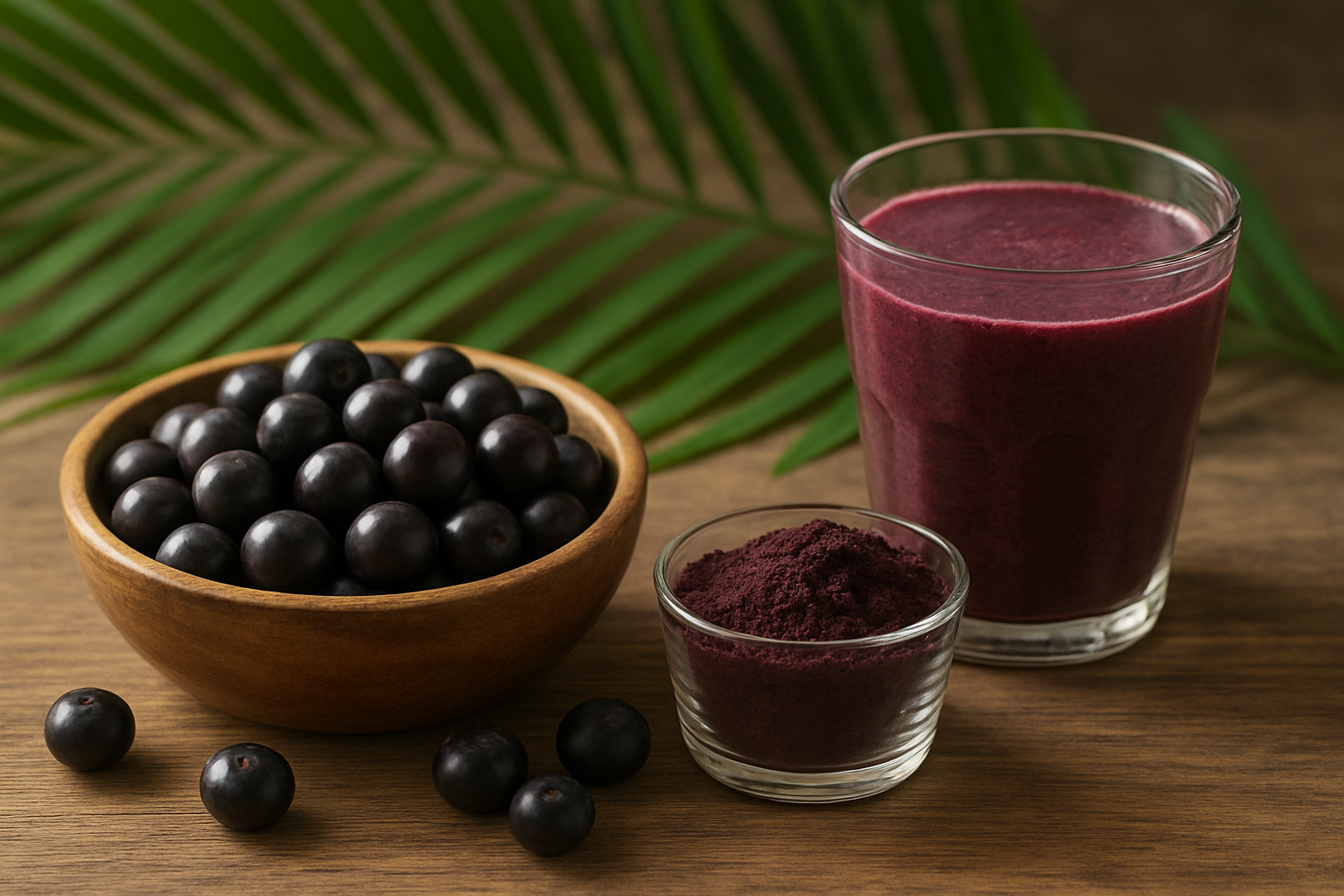
The acai berry stands out as one of nature's most impressive superfruits, packed with antioxidants, healthy fats, and essential nutrients that can boost your overall health. From its origins in the Amazon rainforest to your local grocery store, this small purple berry has proven its worth through scientific research and centuries of traditional use by indigenous communities.
When you're ready to add acai to your daily routine, remember that quality matters just as much as quantity. Look for organic, freeze-dried options or reputable frozen purees to get the most bang for your buck. Whether you blend it into smoothies, mix it into bowls, or take it as a supplement, starting small and staying consistent will help you experience the real benefits this amazing berry has to offer.


.png)
Comments
Post a Comment