Apple Bananas - What Are Apple Bananas?
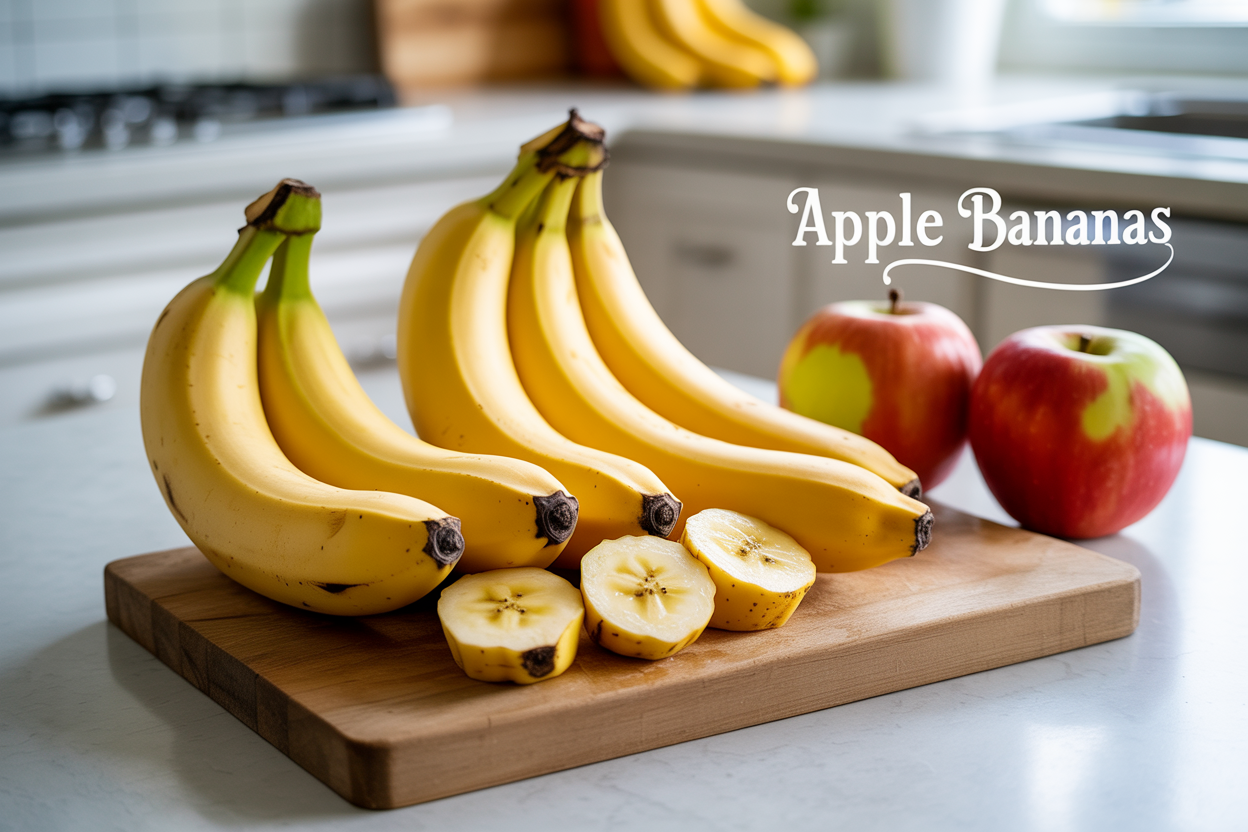
Apple bananas are a sweet, compact fruit that's taking the produce world by storm, but many shoppers walk right past them without knowing what makes them special. This guide is for curious fruit lovers, home cooks, and health-conscious eaters who want to discover why apple bananas deserve a spot in their shopping cart.
These small, golden fruits pack more flavor and nutrients than their size suggests. We'll explore what sets apple bananas apart from regular bananas, dive into their impressive nutritional benefits, and share practical tips for selecting the ripest ones at the store. You'll also learn simple ways to enjoy them and discover why their unique taste and texture make them perfect for both snacking and cooking.
Discover the Unique Characteristics of Apple Bananas
Identify Apple Bananas by Their Distinctive Small Size and Shape
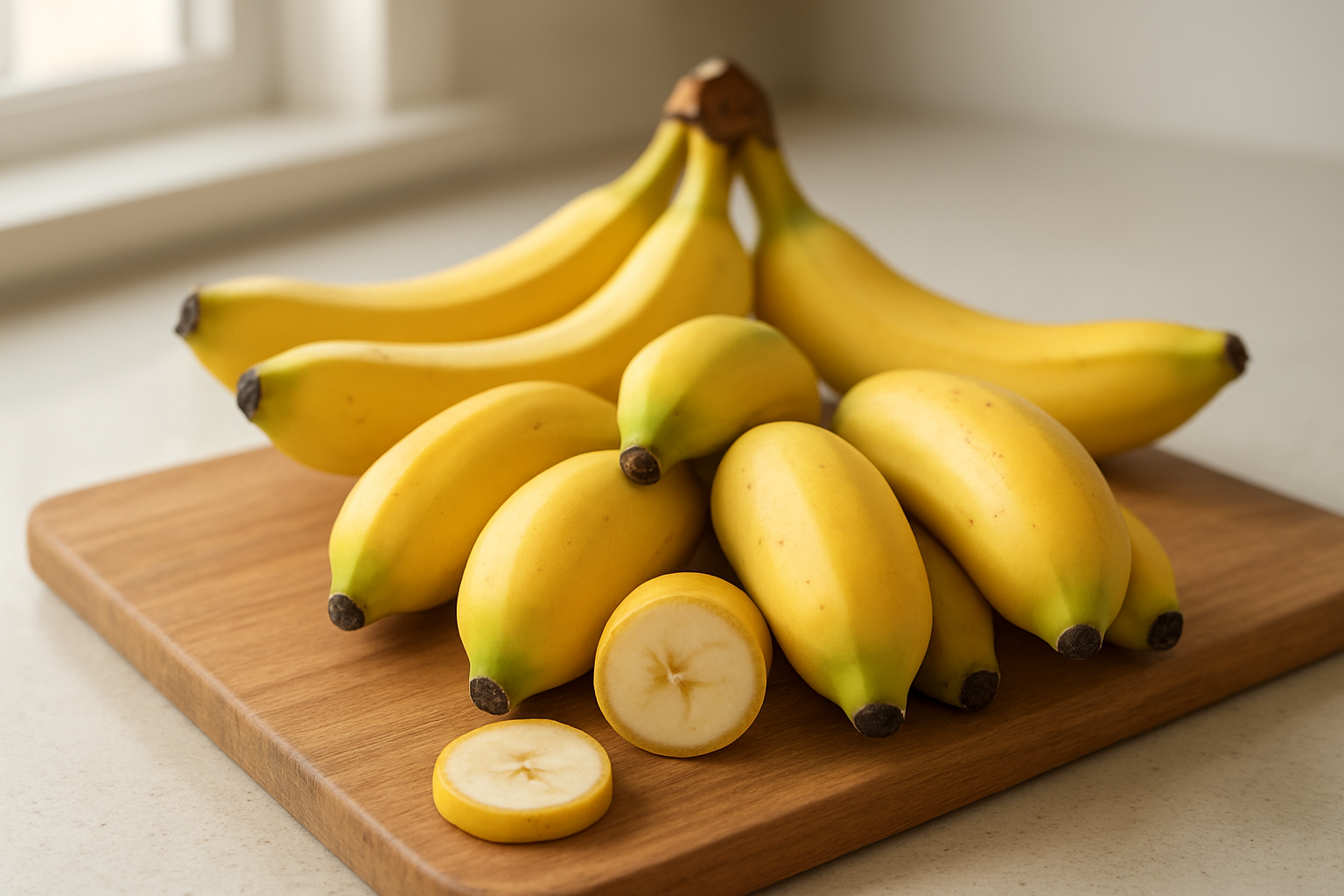
Apple bananas stand out from their regular-sized cousins with their notably compact dimensions. These miniature fruits typically measure just 4 to 5 inches in length, making them roughly half the size of conventional bananas. Their width follows suit, appearing much more petite and delicate in your hand. The shape remains familiar - that classic curved banana silhouette - but everything is scaled down to create an almost toy-like version of what you'd expect.
The skin of apple bananas has a smooth, thin texture that feels slightly more delicate than regular bananas. When you hold one, you'll notice how lightweight it feels compared to standard varieties. Their smaller size makes them perfect for snacking, lunch boxes, or when you want just a small portion of banana without committing to a full-sized fruit.
Recognize the Sweet Apple-Like Flavor Profile
The name "apple banana" isn't just marketing - it perfectly captures the unique taste that sets this variety apart. When you bite into a ripe apple banana, you'll experience a complex flavor that combines the familiar sweetness of bananas with subtle hints reminiscent of fresh apples. This distinctive taste comes from a different balance of natural sugars and aromatic compounds compared to regular bananas.
The sweetness level tends to be more intense and concentrated, likely due to the fruit's smaller size. Many people describe the flavor as having floral notes alongside the apple-like qualities, creating a more sophisticated taste experience than typical bananas. This unique profile makes apple bananas particularly appealing to those who find regular bananas too mild or one-dimensional in flavor.
Understand Their Firmer Texture Compared to Regular Bananas
Apple bananas offer a completely different eating experience through their firmer, denser texture. While regular bananas can become soft and mushy, especially when very ripe, apple bananas maintain a more substantial bite even at peak ripeness. The flesh feels more compact and less watery, providing a satisfying chewiness that many people prefer.
This firmer texture makes apple bananas excellent for cooking applications where you want the fruit to hold its shape. They work beautifully in baked goods, smoothie bowls where you want distinct pieces, or eaten fresh when you prefer more substance in each bite. The texture remains consistent throughout the fruit, without the sometimes stringy or overly soft spots you might find in regular bananas.
Learn About Their Golden Yellow Color When Ripe
Ripe apple bananas display a beautiful golden yellow color that's often more vibrant and uniform than regular bananas. The skin takes on an almost luminous quality, with fewer of the brown spots or patches that commonly appear on conventional bananas as they ripen. This golden hue serves as a reliable indicator of perfect ripeness - when the skin reaches this rich yellow tone, the fruit inside has developed its full flavor potential.
The color transition from green to golden yellow happens more gradually in apple bananas, giving you a better window to catch them at optimal ripeness. Unlike regular bananas that can go from perfect to overripe quickly, apple bananas maintain their appealing golden color for a longer period, making them easier to time for consumption.
Explore the Origins and Growing Regions of Apple Bananas

Trace Their Hawaiian Heritage and Cultural Significance
Apple bananas hold deep roots in Hawaiian culture, where locals call them "Latundan" or simply "apple banana." These small, sweet fruits arrived in the Hawaiian Islands centuries ago through Polynesian voyagers who carried banana plants across the Pacific Ocean. The fruit quickly became woven into Hawaiian daily life and traditional practices.
Hawaiian families have passed down apple banana cultivation techniques through generations. Native Hawaiians traditionally planted apple bananas alongside taro and sweet potatoes in their agricultural systems. The fruit's compact size and exceptional sweetness made it perfect for children's snacks and ceremonial offerings.
Today, apple bananas remain a beloved staple in Hawaiian households. You'll find them featured in local farmers' markets across all the Hawaiian islands, from Oahu to the Big Island. Many Hawaiian families still grow apple banana trees in their backyards, continuing the agricultural traditions their ancestors established.
The cultural significance extends beyond mere cultivation. Hawaiian elders often share stories about apple bananas during family gatherings, and the fruit appears in traditional Hawaiian recipes passed down through families for generations.
Discover Other Tropical Regions Where They Thrive
While Hawaii popularized apple bananas in the United States, these remarkable fruits flourish across numerous tropical regions worldwide. The Philippines stands as one of the primary growing areas, where apple bananas are known as "Saba" bananas in their cooking variety and "Lacatan" in their dessert form.
Several Caribbean islands have embraced apple banana cultivation, particularly:
-
Jamaica: Local farmers grow apple bananas in mountainous regions
-
Trinidad and Tobago: Coastal areas provide ideal growing conditions
-
Dominican Republic: Commercial cultivation supplies local markets
-
Puerto Rico: Small-scale farmers maintain traditional growing methods
South American countries also contribute to global apple banana production. Ecuador and Colombia have developed commercial apple banana operations, while smaller farms in Costa Rica and Guatemala focus on local distribution.
Australia's tropical north, particularly Queensland, has successfully adapted apple banana cultivation. These Australian-grown apple bananas often supply specialty markets throughout the country.
Thailand and Vietnam represent major Asian producers, where apple bananas grow alongside other tropical fruits in mixed orchards. Malaysian and Indonesian farmers have cultivated apple bananas for both domestic consumption and regional export.
Learn About Optimal Growing Conditions and Climate Requirements
Apple bananas demand specific environmental conditions to produce their characteristic sweet flavor and firm texture. Temperature plays the most critical role in successful cultivation, with optimal ranges between 75-85°F (24-29°C) during the day and no lower than 60°F (15°C) at night.
Essential Climate Requirements:
| Factor | Optimal Range | Critical Notes |
|---|---|---|
| Temperature | 75-85°F (24-29°C) | Consistent warmth year-round |
| Humidity | 50-85% | Higher humidity during fruit development |
| Rainfall | 40-80 inches annually | Well-distributed throughout year |
| Elevation | Sea level to 3,000 feet | Higher elevations may slow growth |
Soil conditions significantly impact apple banana quality. These plants thrive in well-draining, fertile soils with pH levels between 5.5-7.0. The soil should contain high organic matter content, which apple banana plants use to develop their sweet fruit.
Water management requires careful attention. Apple banana plants need consistent moisture but cannot tolerate waterlogged conditions. Proper drainage prevents root rot while maintaining the steady water supply these tropical fruits require.
Wind protection becomes essential in commercial growing operations. Strong winds can damage apple banana plants and reduce fruit quality. Many successful growers plant windbreaks or choose naturally sheltered locations.
Apple banana plants typically reach maturity 12-18 months after planting, producing fruit bunches that ripen over several weeks. Each plant produces one main bunch, followed by secondary shoots that continue the growing cycle.
Maximize the Nutritional Benefits of Apple Bananas
Boost Your Vitamin C and Potassium Intake
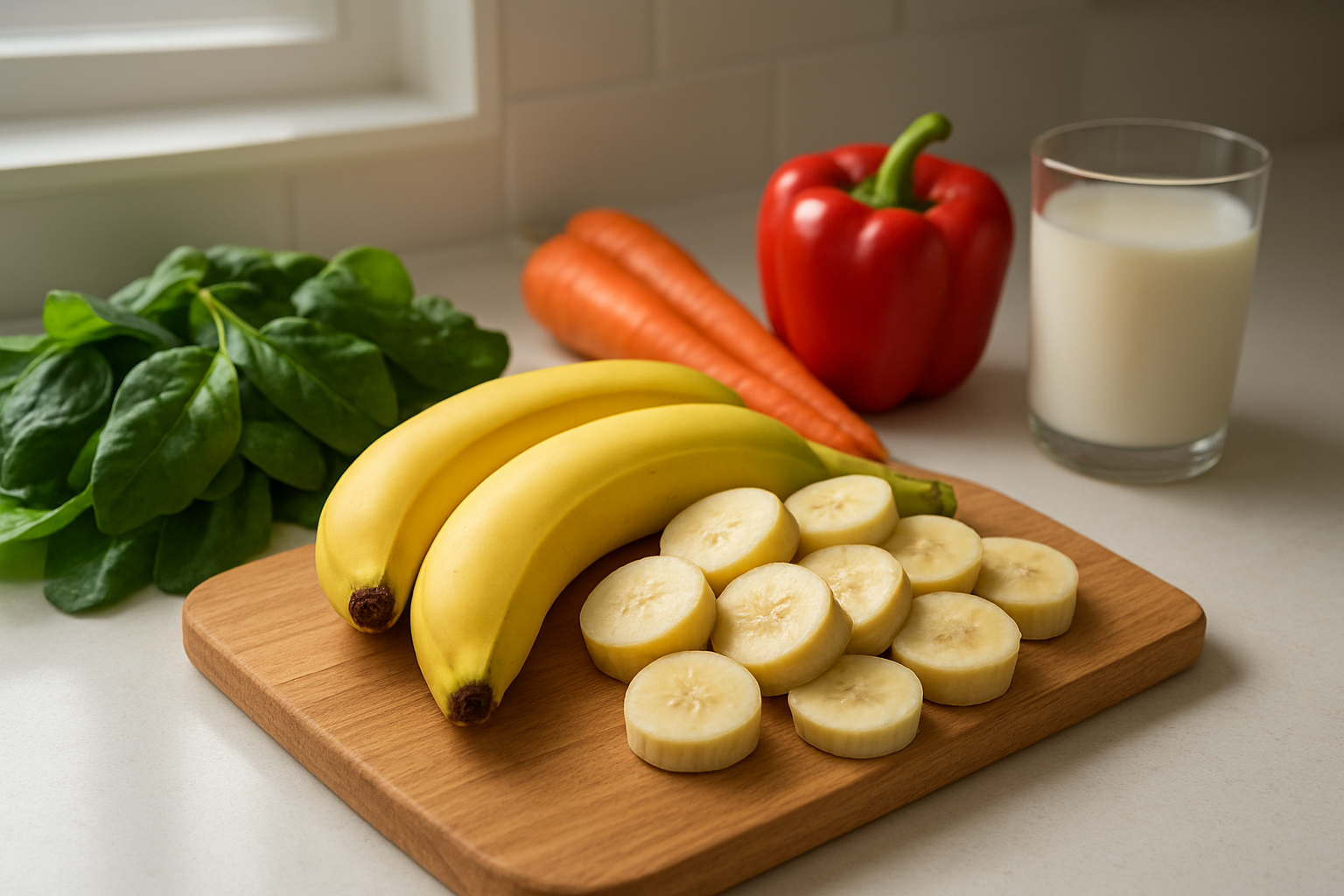
Apple bananas pack an impressive nutritional punch, especially when it comes to vitamin C and potassium. A single apple banana contains about 15-20% of your daily vitamin C needs, which is significantly higher than regular bananas. This vitamin C content helps your body absorb iron better and keeps your skin healthy and glowing.
The potassium levels in apple bananas are remarkable too. With roughly 400-450mg per fruit, they help regulate blood pressure and support proper heart function. Athletes often reach for apple bananas because potassium prevents muscle cramps and supports recovery after workouts. The combination of vitamin C and potassium makes these fruits perfect for anyone looking to boost their cardiovascular health naturally.
Support Digestive Health with Natural Fiber Content
Apple banana nutrition shines when it comes to digestive support. Each fruit delivers about 3-4 grams of dietary fiber, including both soluble and insoluble types. The soluble fiber helps slow digestion and keeps blood sugar levels stable, while insoluble fiber adds bulk to stool and promotes regular bowel movements.
The natural prebiotic compounds in apple bananas feed beneficial gut bacteria, creating a healthier digestive environment. People who eat apple bananas regularly often notice improved digestion and less bloating. The fruit's gentle nature makes it easy on sensitive stomachs, unlike some high-fiber foods that can cause discomfort.
Enhance Energy Levels with Natural Sugars
Apple banana fruit contains three types of natural sugars: fructose, glucose, and sucrose. This unique combination provides both quick and sustained energy release. The glucose gives you an immediate energy boost, while fructose provides longer-lasting fuel for your activities.
Unlike processed sugary snacks that cause energy crashes, apple bananas deliver steady energy thanks to their fiber content, which slows sugar absorption. Many people find that eating an apple banana before exercise gives them the perfect energy boost without the jittery feeling that comes from caffeine or artificial energy drinks.
Strengthen Your Immune System with Essential Antioxidants
Apple banana benefits extend to immune system support through their rich antioxidant profile. These fruits contain flavonoids, carotenoids, and phenolic compounds that fight free radicals and reduce inflammation in your body. The antioxidants work alongside vitamin C to create a powerful immune-boosting combination.
Regular consumption of apple bananas may help your body resist common illnesses and recover faster when you do get sick. The antioxidants also support healthy aging by protecting your cells from oxidative stress. Compared to regular bananas, apple banana varieties often contain higher concentrations of these protective compounds, making them an excellent choice for immune support.
Master the Art of Selecting and Storing Apple Bananas
Choose the Perfect Ripeness Level for Your Needs
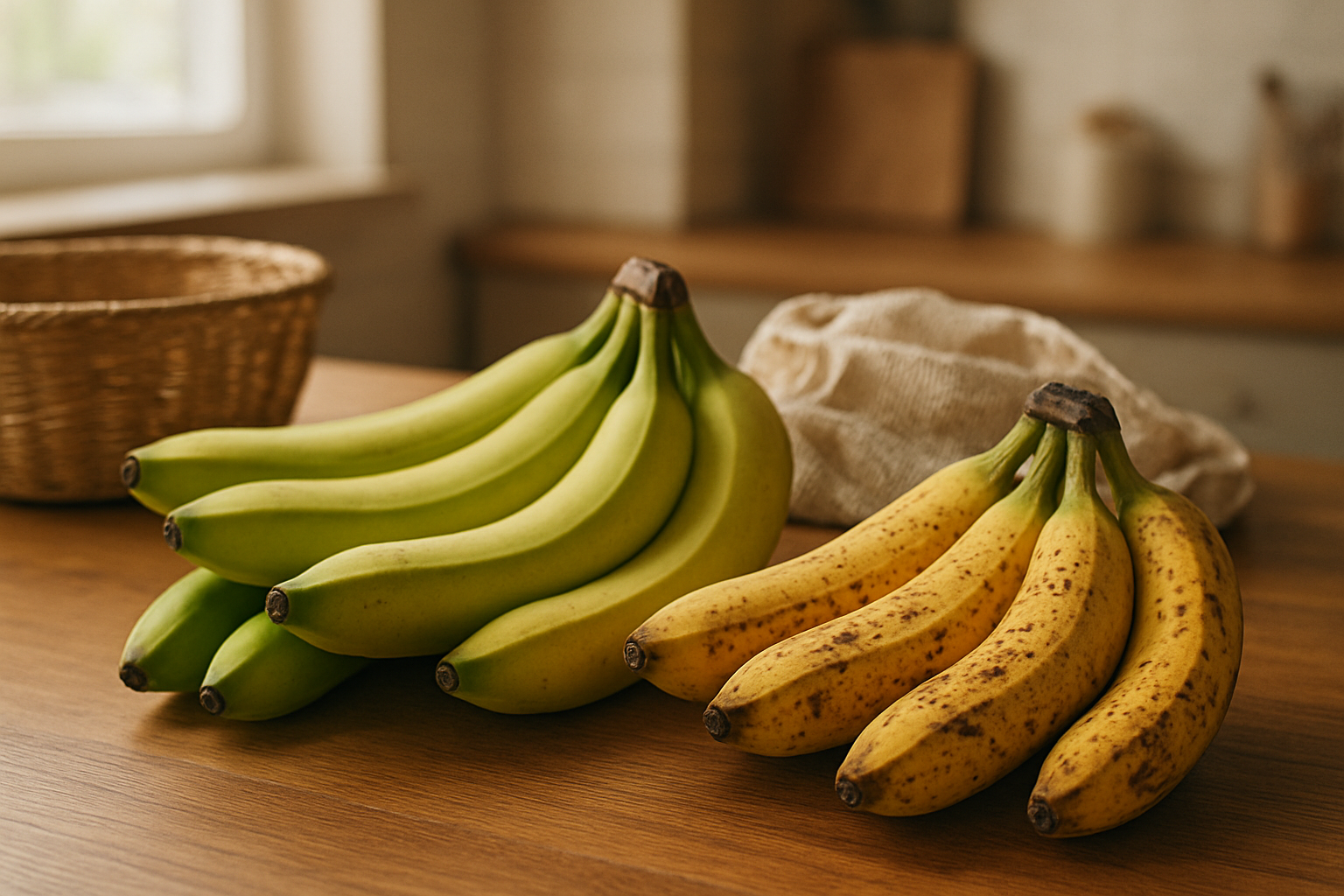
The key to enjoying apple bananas lies in understanding their unique ripening process, which differs significantly from regular bananas. When shopping for apple banana fruit, you'll notice they develop a beautiful golden-yellow color with small brown spots as they ripen. Unlike their larger cousins, apple bananas maintain their firm texture even when fully ripe, making them perfect for various culinary applications.
For immediate consumption, look for apple bananas with bright yellow skin and minimal brown spotting. These will offer the classic sweet-tart flavor profile that makes this variety so distinctive. The skin should yield slightly to gentle pressure without feeling mushy. If you're planning to use them in smoothies or baking, choose fruits that are fully yellow with more pronounced brown spots, as they'll be sweeter and easier to mash.
When you want to buy apple bananas for later use, select greener fruits that will ripen over several days. This strategy works particularly well since apple bananas ripen more slowly than regular bananas, giving you better control over timing.
Store Properly to Extend Freshness and Prevent Spoilage
Proper storage can significantly extend the life of your apple bananas and maintain their exceptional flavor. Room temperature storage works best for unripe fruit, allowing them to develop their characteristic sweetness naturally. Keep them away from direct sunlight and heat sources, which can cause uneven ripening.
Once your apple bananas reach your desired ripeness level, refrigeration becomes your best friend. Unlike regular bananas that turn black in cold temperatures, apple bananas handle refrigeration remarkably well. Store ripe fruit in the refrigerator's crisper drawer, where they'll maintain quality for up to two weeks.
For longer storage, consider these proven methods:
-
Separate storage: Keep apple bananas away from other ethylene-producing fruits like apples and avocados to slow ripening
-
Wrap stems: Cover the crown with plastic wrap to reduce ethylene gas release
-
Paper bag method: For faster ripening, place unripe apple bananas in a paper bag with an apple overnight
Identify Signs of Overripeness to Avoid
Recognizing when apple bananas have passed their prime helps you make better purchasing decisions and avoid disappointment. Overripe apple bananas develop several telltale signs that distinguish them from their perfectly ripe counterparts.
Watch for these warning signs:
| Sign | What to Look For | Impact on Quality |
|---|---|---|
| Skin texture | Wrinkled, loose skin that separates easily from fruit | Mushy, overly sweet flesh |
| Brown spots | Large, dark patches covering more than 50% of surface | Fermented or alcoholic taste |
| Soft areas | Deep indentations that don't bounce back | Potential spoilage and off-flavors |
| Stem condition | Black, moldy, or completely dried stem area | Internal deterioration |
The aroma also provides valuable clues about apple banana condition. Fresh, ripe apple bananas emit a subtle, sweet fragrance. Overripe fruit develops an intense, almost wine-like smell that indicates fermentation has begun. Trust your nose – if the scent seems too strong or has sour notes, choose different fruit.
When examining apple banana varieties at the store, gently inspect each piece rather than grabbing the first bunch you see. This careful selection process ensures you get the best quality fruit for your apple banana recipes and maximizes the nutritional benefits these unique fruits offer.
Transform Your Kitchen with Delicious Apple Banana Recipes
Create Exotic Smoothies and Breakfast Bowls
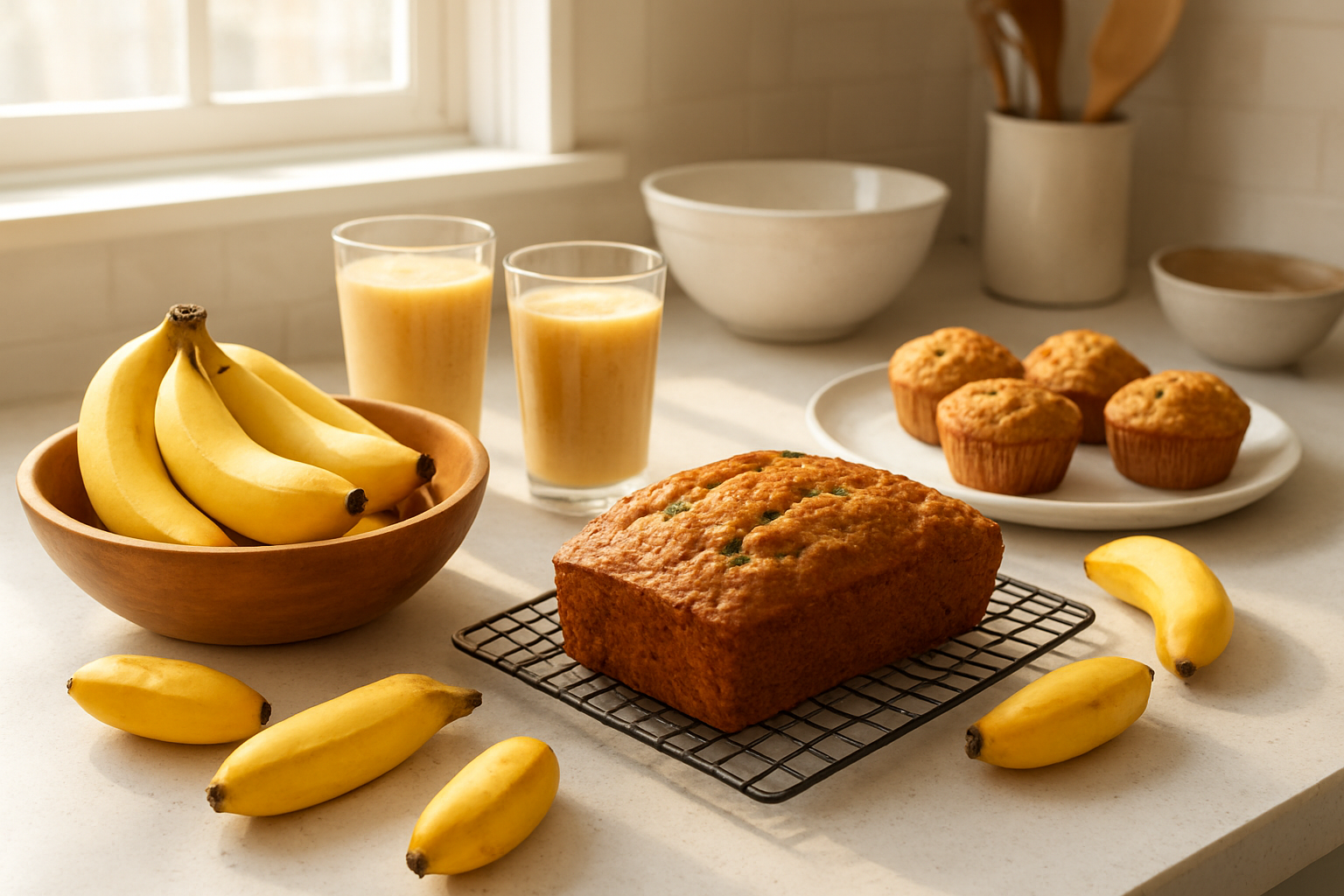
Apple bananas bring a tropical sweetness to your morning routine that regular bananas simply can't match. Their honey-like flavor and creamy texture make them perfect for smoothie bowls that taste like dessert but pack serious nutritional punch.
For a tropical paradise smoothie, blend two apple bananas with coconut milk, frozen mango chunks, and a handful of spinach. The apple banana's natural sweetness means you won't need added sugars, and the mild flavor won't overpower delicate ingredients like you might find with regular bananas.
Try this winning combination: apple banana, pineapple, Greek yogurt, and a splash of orange juice. Top your smoothie bowl with toasted coconut flakes, chia seeds, and fresh berries for extra crunch and nutrition. The apple banana's smaller size makes portion control easier while still delivering that satisfying banana flavor.
For busy mornings, prep smoothie packs by freezing sliced apple bananas with your favorite fruits in individual containers. Just dump, blend, and go. Apple bananas freeze beautifully without becoming too hard or losing their creamy consistency when blended.
Bake Irresistible Breads and Muffins
Apple banana recipes transform ordinary baked goods into something extraordinary. Their concentrated sweetness and unique flavor profile create depth that regular bananas can't achieve in your favorite treats.
Apple banana bread delivers intense flavor with less fruit needed. Use three medium apple bananas instead of four regular bananas in your standard recipe. The result? Moist, flavorful bread without the mushiness that sometimes plagues traditional banana bread.
For muffins that disappear fast, mash apple bananas with a touch of cinnamon and vanilla. Their natural honey notes complement warm spices beautifully. Add chopped walnuts or dark chocolate chips for extra indulgence. The smaller fruit size makes measuring easier, and you'll get consistent results every time.
Try apple banana pancakes for weekend breakfast magic. Mash one apple banana into your pancake batter for naturally sweet, fluffy results. The fruit's creamy texture creates incredibly tender pancakes that don't need syrup. Kids love these naturally sweet treats, and parents appreciate the added nutrition.
Prepare Healthy Snacks for On-the-Go Energy
Apple bananas excel as portable snacks that provide sustained energy without the sugar crash. Their compact size fits perfectly in lunch boxes, gym bags, or desk drawers for convenient healthy eating.
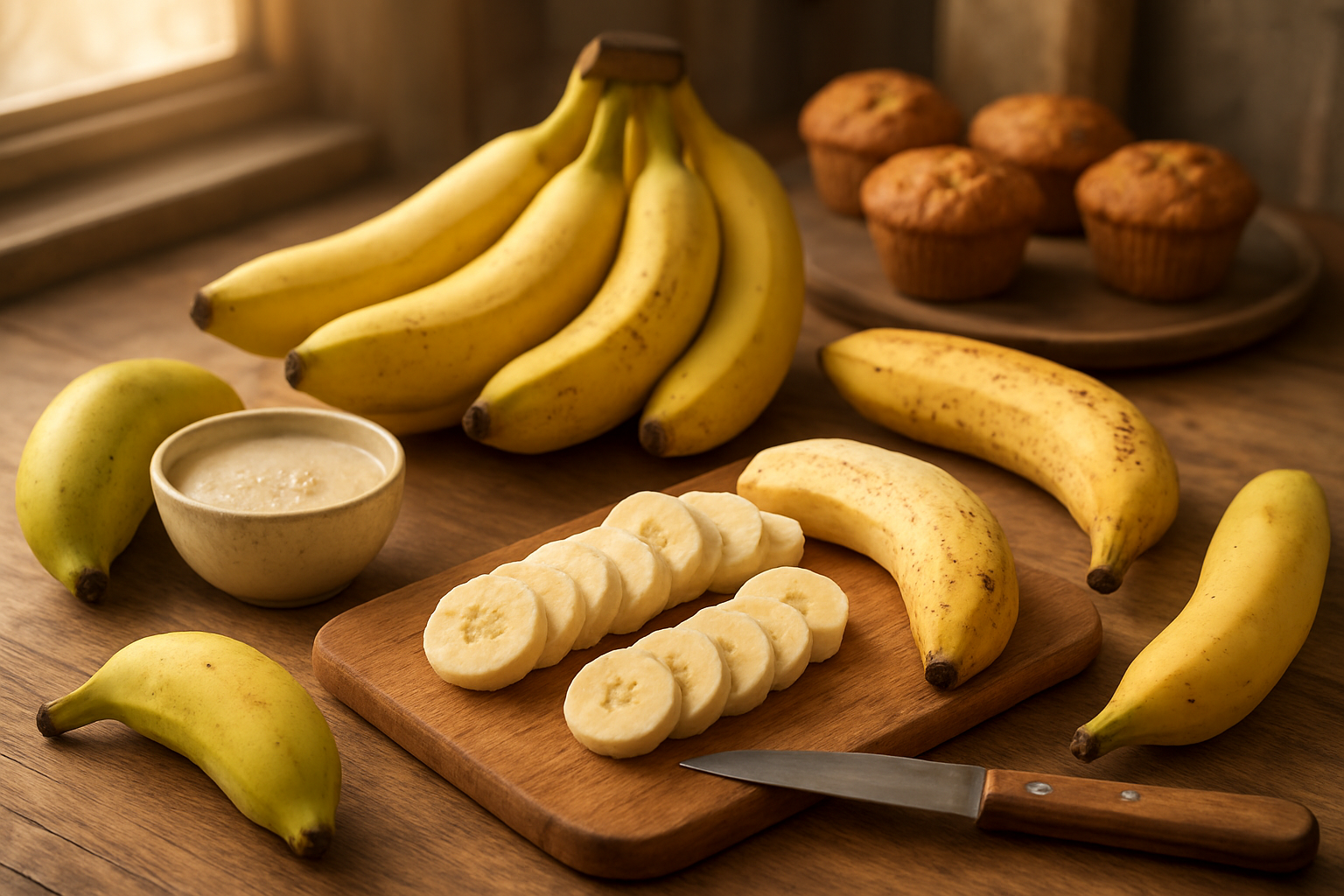
Slice apple bananas and pair with almond butter for a protein-rich snack that satisfies hunger and provides lasting energy. The combination of natural sugars, healthy fats, and fiber keeps blood sugar stable throughout busy afternoons.
Dehydrated apple banana chips make excellent trail mix additions. Their concentrated sweetness pairs wonderfully with nuts and seeds. Make your own by slicing thin and dehydrating, or look for them at health food stores where apple banana varieties are becoming more popular.
For post-workout fuel, blend apple bananas into energy balls with dates, oats, and your favorite nuts. Roll into bite-sized portions and refrigerate. These grab-and-go snacks provide quick energy recovery after exercise sessions.
Create apple banana "nice cream" by freezing sliced fruit and blending until smooth. This guilt-free dessert satisfies sweet cravings while providing potassium and natural sugars your body needs. Add cocoa powder or peanut butter for variety.
Apple bananas offer a delightful twist on the traditional banana experience with their sweet, honey-like flavor and firm texture. These compact fruits pack impressive nutritional value while being incredibly versatile in the kitchen. From their tropical origins in Southeast Asia to their growing popularity in Hawaii and other warm climates, apple bananas have earned their place as a premium fruit choice.
Ready to experience these amazing little bananas for yourself? Look for apple bananas at specialty grocery stores, farmers markets, or Asian markets. Remember to choose ones that are golden yellow with slight softness when gently pressed, and store them at room temperature until they reach your preferred ripeness. Whether you enjoy them fresh as a snack, blend them into smoothies, or bake them into your favorite treats, apple bananas will bring a new dimension of flavor to your fruit repertoire.


.png)
Comments
Post a Comment