Apricots - What Are Apricots?
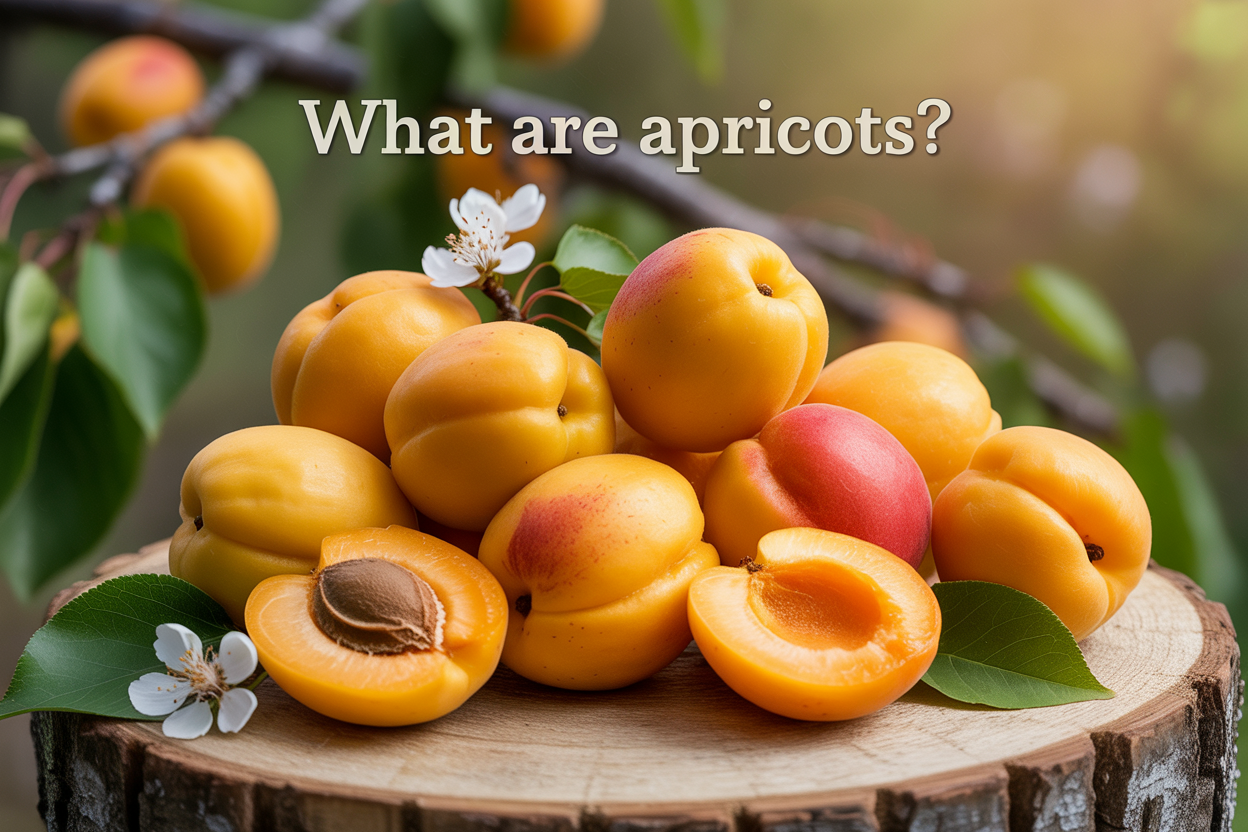
Apricots are small, orange-colored stone fruits that pack a sweet-tart flavor and impressive nutritional punch. This guide is perfect for home gardeners curious about growing their own apricot trees, health-conscious individuals wanting to understand apricot nutrition facts, and anyone who's ever wondered exactly what makes these fuzzy fruits so special.
We'll explore the botanical background of apricots and help you identify their key physical features. You'll also discover the impressive apricot health benefits and detailed nutrition facts that make these fruits a smart addition to your diet. Finally, we'll cover the basics of apricot tree cultivation, including growing conditions and popular apricot varieties you can plant in your own backyard.
Botanical Classification and Scientific Background
Scientific name and plant family origins
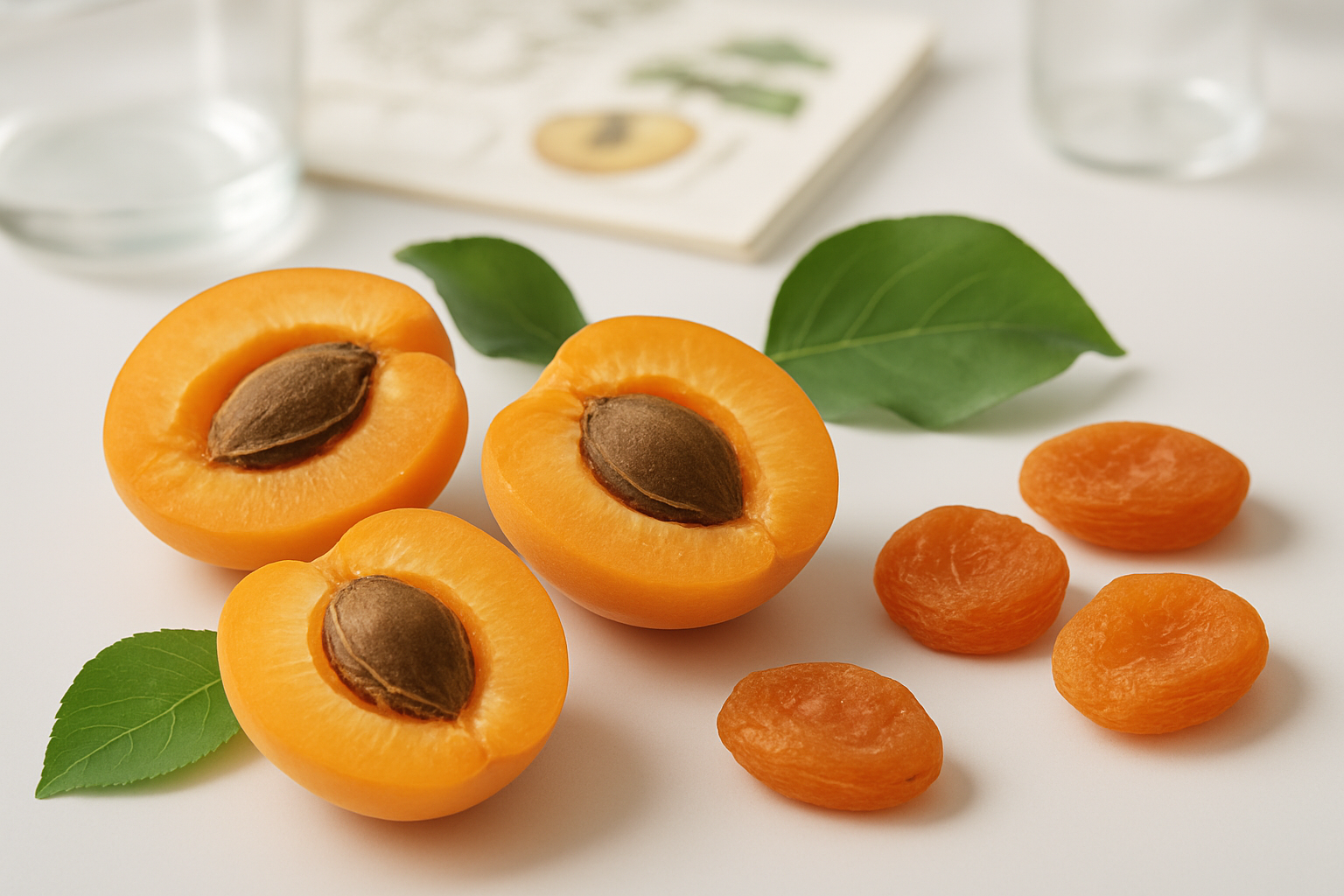
The apricot botanical name is Prunus armeniaca, placing it firmly within the Rosaceae family, commonly known as the rose family. This classification reveals fascinating connections to many beloved garden plants, from roses themselves to strawberries, apples, and cherries. The species name "armeniaca" reflects early beliefs that apricots originated in Armenia, though modern research tells a more complex story.
Archaeological evidence and genetic studies now point to Central Asia, particularly regions of China and Central Asian mountain ranges, as the true birthplace of wild apricots. These ancient trees spread along trade routes, reaching Armenia, Persia, and eventually the Mediterranean basin thousands of years ago. The confusion about origins stems from Armenia's role as a major cultivation hub in antiquity, where traders and travelers first encountered these golden fruits in abundance.
Relationship to other stone fruits like peaches and plums
Apricot fruit shares remarkable similarities with its stone fruit cousins, all belonging to the Prunus genus. Peaches (Prunus persica), plums (Prunus domestica), and cherries (Prunus avium) form what botanists call the "stone fruit family" due to their characteristic hard pit or stone containing the seed.
The evolutionary relationships between these fruits become clear when examining their shared characteristics:
| Feature | Apricots | Peaches | Plums | Cherries |
|---|---|---|---|---|
| Fruit structure | Single stone, soft flesh | Single stone, soft flesh | Single stone, varying flesh | Single stone, soft flesh |
| Flowering time | Early spring | Early spring | Spring | Early spring |
| Tree size | Medium | Medium to large | Medium to large | Large |
| Skin texture | Smooth, fuzzy | Fuzzy | Smooth | Smooth |
What sets apricots apart is their distinctive smooth-to-slightly-fuzzy skin, smaller size compared to peaches, and unique sweet-tart flavor profile. The genetic makeup shows closest relationships to plums, sharing similar chromosome numbers and cross-breeding possibilities, though natural hybrids remain rare.
Natural habitat and geographic distribution
Wild apricots thrive in mountainous regions with specific climatic conditions. Their natural range extends from the Tien Shan mountains of Central Asia through the Himalayas, reaching elevations between 1,000 to 4,000 meters. These harsh mountain environments shaped the apricot's remarkable cold tolerance and drought resistance.
The original habitat features:
-
Cold winters with temperatures dropping well below freezing
-
Dry summers with limited rainfall
-
Well-drained soils often rocky or sandy
-
Intense sunlight at high altitudes
-
Significant temperature fluctuations between day and night
From these mountain strongholds, apricots spread through human cultivation across temperate regions worldwide. Today, major commercial production occurs in Turkey, Uzbekistan, Iran, Italy, Algeria, and California. Each region has developed distinct varieties adapted to local conditions, though all maintain the basic requirements inherited from their mountain ancestors.
Physical characteristics of apricot trees
Apricot tree cultivation reveals trees with distinctive growth patterns and visual characteristics. Mature apricot trees typically reach 15-20 feet in height with an equal spread, creating a rounded, somewhat irregular canopy. The growth habit tends toward multiple main branches rather than a single central leader, giving established trees their characteristic spreading appearance.
The bark displays a reddish-brown color with a smooth texture on younger branches, developing shallow furrows and a darker hue as trees age. Young shoots often show a reddish tinge, particularly noticeable during winter months when leaves have fallen.
Apricot leaves are distinctive oval-shaped with serrated edges and pointed tips, measuring 2-4 inches long. They emerge with a bronze coloration in spring, mature to bright green through summer, and transform into brilliant yellow-orange hues before dropping in fall. The leaves attach to branches via reddish petioles, adding to the tree's ornamental appeal.
Growing apricots requires understanding their unique flowering characteristics. The trees produce pale pink or white blossoms directly from branches and spurs in early spring, often before leaves appear. These five-petaled flowers cluster along branches in groups of 1-3, creating spectacular displays that unfortunately make them vulnerable to late frosts. The early blooming habit, while beautiful, represents both the species' mountain heritage and its main cultivation challenge in many regions.
Physical Appearance and Identifying Features
Size, Shape, and Color Variations of Apricot Fruits
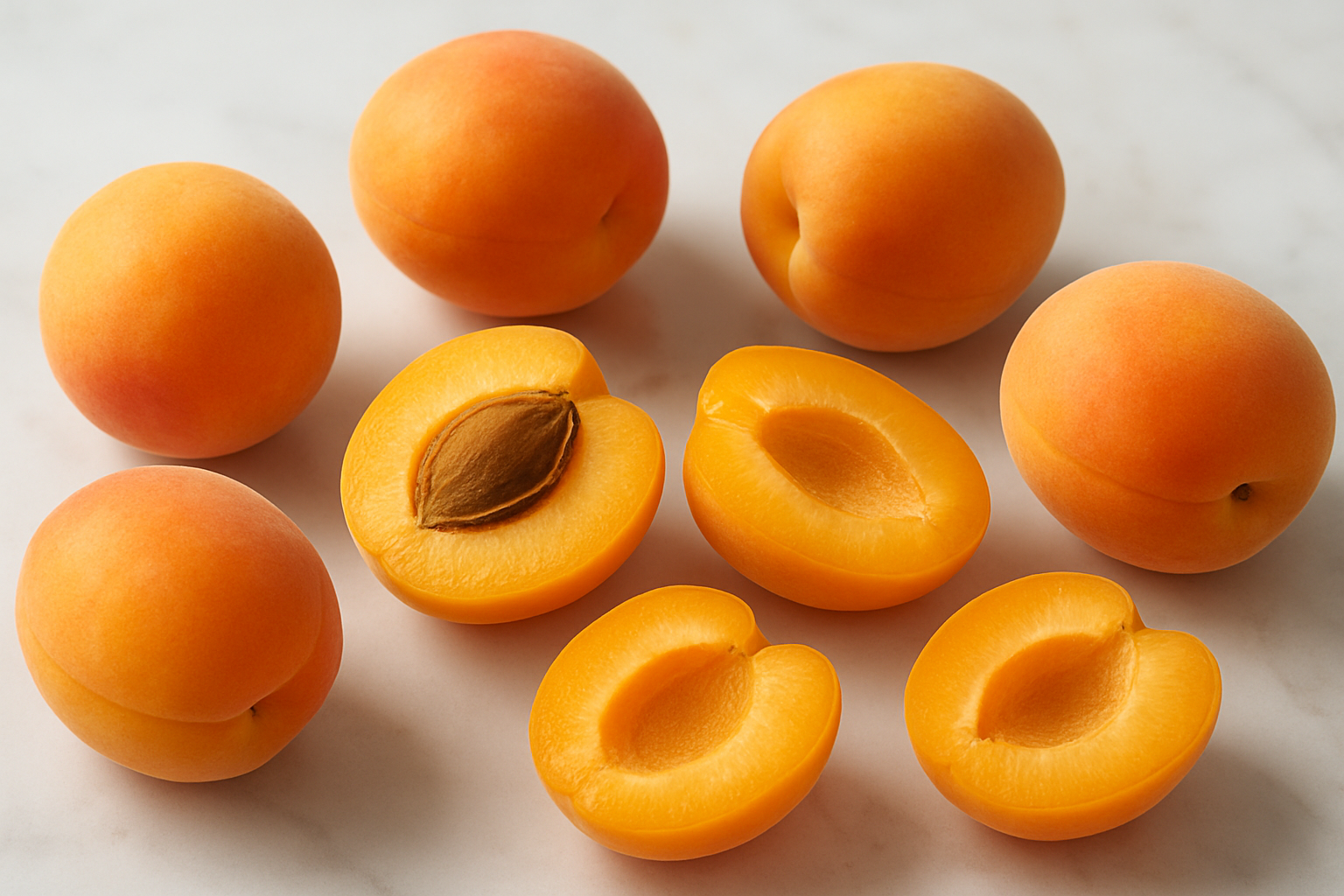
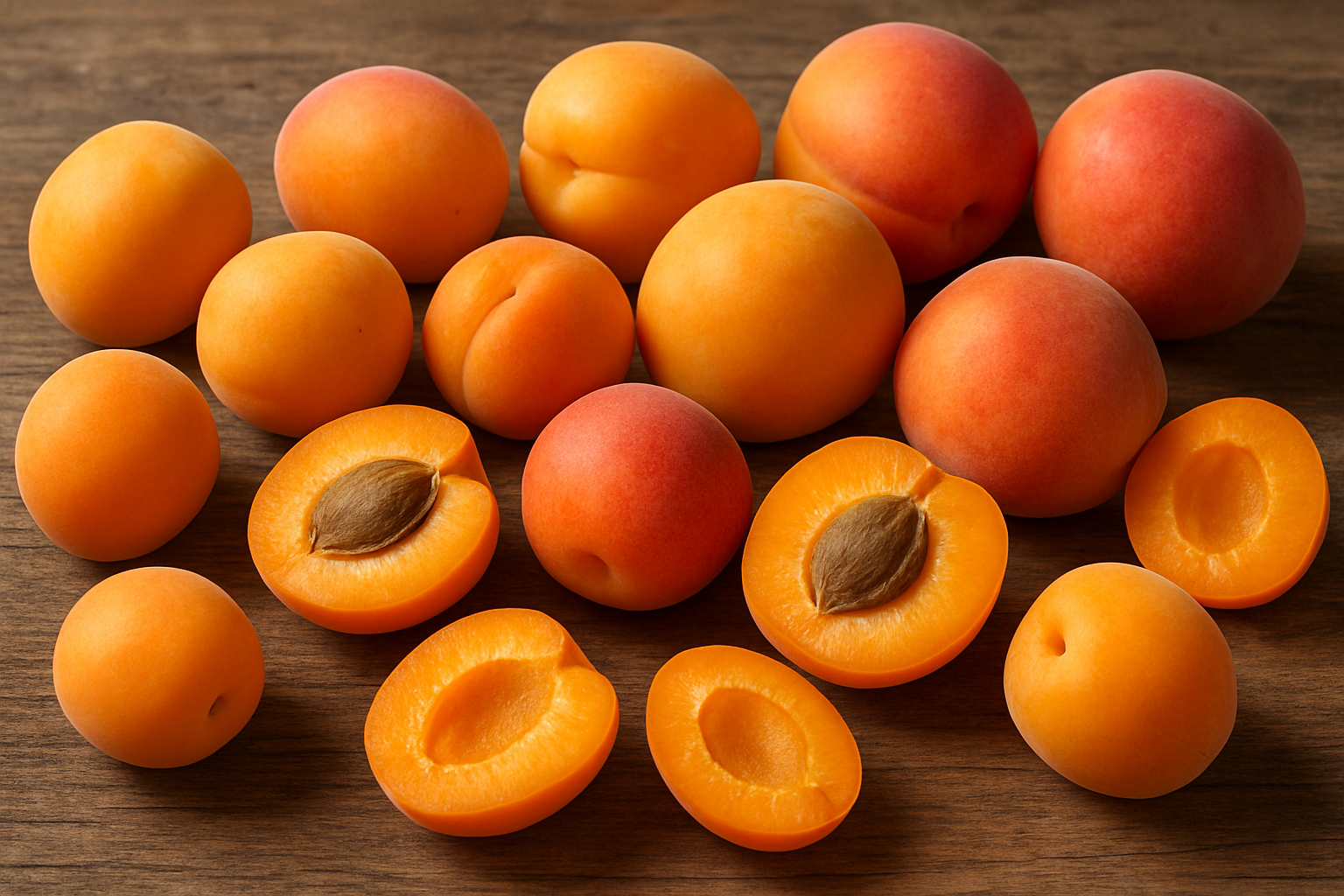
Apricot fruits typically measure between 1.5 to 3 inches in diameter, making them perfect for snacking right out of hand. The classic apricot shape resembles a small peach with a distinctive indentation or "suture line" that runs from the stem to the bottom of the fruit. This groove creates the characteristic heart-like appearance that makes apricots instantly recognizable.
The color spectrum of fresh apricots ranges from pale yellow to deep orange, often with beautiful red or pink blushes on the side that receives the most sunlight. Some varieties display almost entirely golden-yellow skin, while others showcase vibrant orange hues with crimson streaks. The intensity of color often indicates ripeness - deeper orange tones usually signal a fully mature apricot fruit ready for eating.
Weight-wise, most apricots fall between 35 to 55 grams, though larger cultivars can reach up to 80 grams. The fruit's size and weight depend heavily on growing conditions, variety, and tree management practices.
Texture and Skin Characteristics That Distinguish Apricots
The skin of apricots feels remarkably soft and velvety to the touch, similar to a peach but with a more delicate texture. This fine, downy surface comes from tiny hairs called trichomes that give the fruit its characteristic fuzzy feel. Unlike peaches, apricot skin is much thinner and more tender, making it completely edible without any need for peeling.
When you run your fingers across a ripe apricot, the skin yields slightly to gentle pressure, indicating the fruit's readiness. The flesh beneath ranges from firm to moderately soft, depending on ripeness. Perfectly ripe apricots offer a pleasant give when gently squeezed, while underripe fruits feel quite firm and overripe ones become mushy.
The flesh color varies from pale cream to bright orange, with the most flavorful varieties typically displaying rich, golden-orange flesh. Some specialty varieties feature red-tinged flesh near the pit, adding visual appeal to the fruit's interior.
Pit and Seed Structure Inside the Fruit
At the heart of every apricot lies a hard, woody pit that contains a single seed. This pit, technically called a stone, measures roughly half an inch in length and has a smooth, tan-colored surface with subtle ridges. The stone's shape mirrors the fruit itself - oval with pointed ends and a slight flattening on one side.
Breaking open the pit reveals the apricot kernel inside, which looks similar to a small almond. These kernels have been consumed in various cultures, though they require careful preparation due to natural compounds they contain. The pit separates easily from ripe apricot flesh, making these fruits "freestone" varieties in most cases.
The pit-to-flesh ratio in apricots is quite favorable compared to other stone fruits, with the edible portion making up about 90-95% of the total fruit weight. This generous flesh-to-stone ratio contributes to the apricot's popularity as both a fresh eating fruit and for culinary applications.
Nutritional Profile and Health Benefits
Essential vitamins and minerals found in apricots
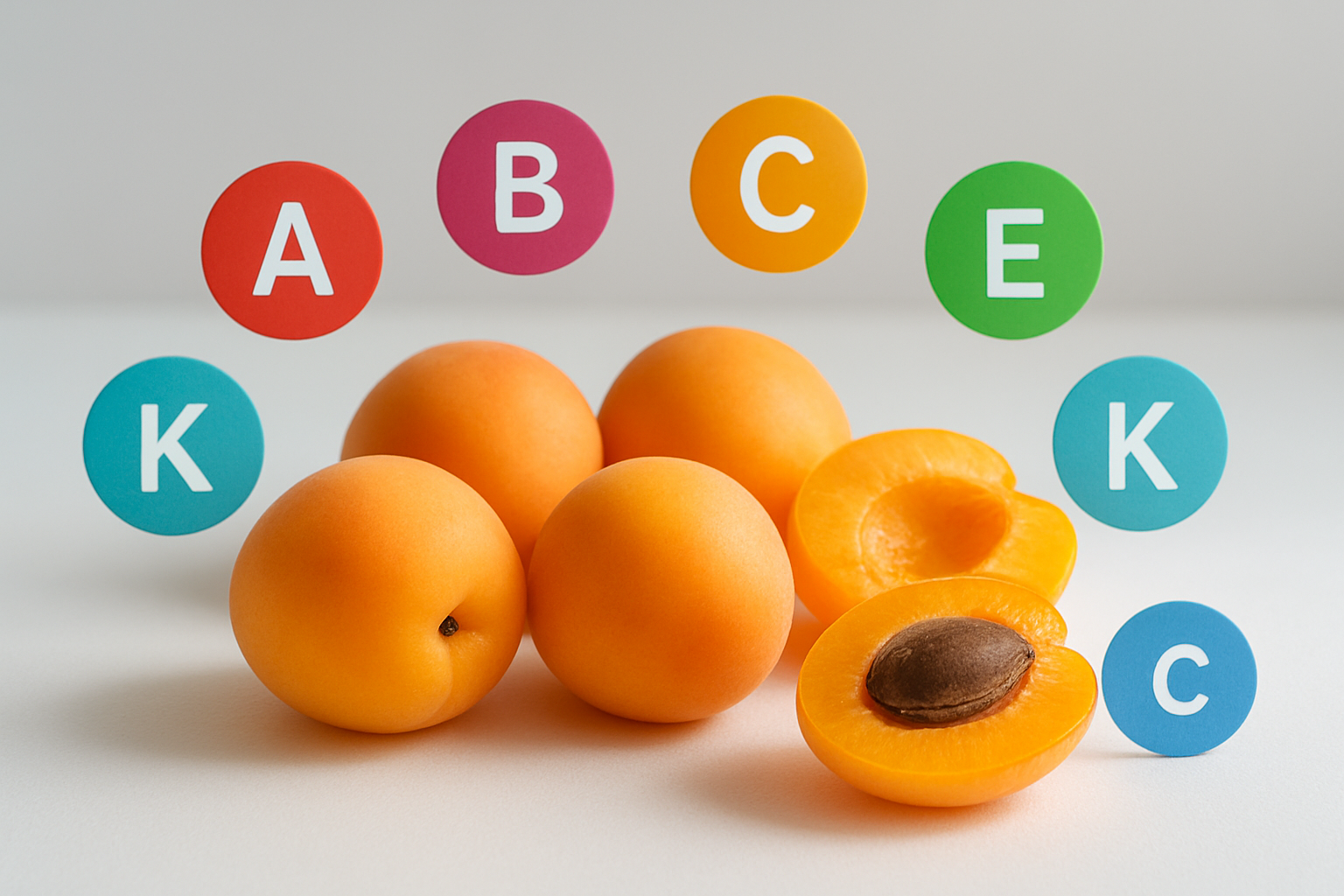
Apricots pack an impressive nutritional punch in their small, velvety packages. These golden fruits are particularly rich in vitamin A, with just three fresh apricots providing about 20% of your daily needs. This vitamin comes mainly from beta-carotene, which gives apricots their distinctive orange color and supports healthy vision, immune function, and skin health.
Vitamin C is another standout nutrient in apricot nutrition facts, offering immune-boosting properties and helping your body absorb iron more effectively. Potassium levels in apricots are noteworthy too - this mineral helps regulate blood pressure and supports proper muscle and nerve function.
The mineral profile doesn't stop there. Apricots contain copper, which aids in collagen production and iron metabolism, plus manganese for bone health and wound healing. You'll also find decent amounts of iron, magnesium, and phosphorus in these nutritious fruits.
| Nutrient | Amount per 100g fresh apricots | % Daily Value |
|---|---|---|
| Vitamin A | 1926 IU | 38% |
| Vitamin C | 10mg | 11% |
| Potassium | 259mg | 7% |
| Copper | 0.078mg | 9% |
| Manganese | 0.077mg | 3% |
Antioxidant properties and disease-fighting compounds
Fresh apricots are loaded with powerful antioxidants that help protect your cells from damage caused by free radicals. The beta-carotene content alone makes apricots a superstar in the antioxidant world, but they also contain other carotenoids like lutein and zeaxanthin, which specifically benefit eye health.
Flavonoids in apricots, including catechins and chlorogenic acids, have been linked to reduced inflammation and lower risk of chronic diseases. These compounds work together to create a protective shield against oxidative stress in your body.
Research suggests that the antioxidant profile of apricots may help reduce the risk of heart disease, certain cancers, and age-related eye conditions. The combination of vitamin C and beta-carotene creates a particularly potent one-two punch against cellular damage.
Fiber content and digestive health advantages
Don't overlook the fiber content when considering apricot health benefits. A cup of fresh apricot halves provides about 3 grams of dietary fiber, which supports healthy digestion and helps maintain stable blood sugar levels.
The fiber in apricots is a mix of soluble and insoluble types. Soluble fiber helps lower cholesterol levels and slows sugar absorption, while insoluble fiber adds bulk to stool and promotes regular bowel movements. This combination makes apricots excellent for overall digestive wellness.
Regular consumption of fiber-rich foods like apricots can help prevent constipation, reduce the risk of digestive disorders, and support a healthy gut microbiome. The natural sugars in apricots are balanced by this fiber content, preventing rapid spikes in blood glucose.
Low calorie content for weight management
Apricots are naturally low in calories, making them perfect for weight-conscious eating. Three medium fresh apricots contain only about 50 calories, yet they provide satisfying sweetness and valuable nutrients. This makes them an ideal snack for anyone looking to manage their weight without sacrificing nutrition.
The high water content in fresh apricots (about 86%) helps you feel full while keeping calories low. Combined with their natural fiber, apricots can help curb appetite and reduce overall calorie intake throughout the day.
The natural sweetness of apricots can satisfy sugar cravings in a healthier way than processed snacks. Their portable size and no-prep-needed convenience make them perfect for on-the-go healthy snacking, supporting weight management goals without feeling deprived.
Growing Conditions and Cultivation Requirements
Climate Preferences and Temperature Tolerance
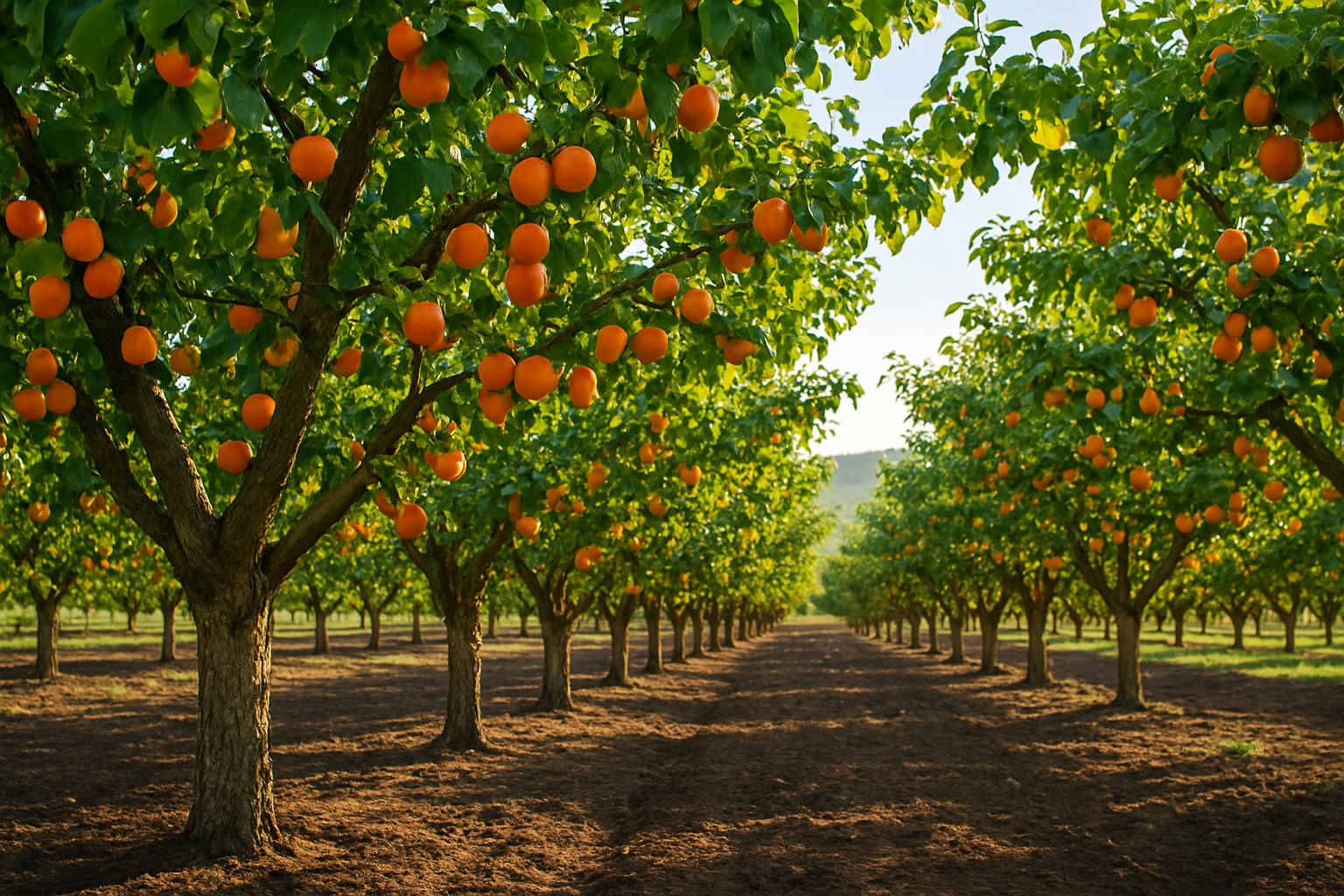
Apricot trees thrive in Mediterranean-style climates with warm, dry summers and mild winters. These fruit trees need a specific temperature sweet spot to produce quality apricots. They require approximately 400 to 1,000 chill hours (temperatures between 32-45°F) during winter dormancy to ensure proper flowering and fruit development in spring.
The ideal growing temperature range for apricots falls between 65-75°F during the growing season. Most apricot varieties can handle winter temperatures as low as -10°F to -20°F, though some hardier varieties tolerate even colder conditions. Spring frost poses the biggest threat since apricot trees bloom early, making them vulnerable to late frost damage.
Growing apricots successfully requires regions with low humidity and minimal rainfall during harvest time. High humidity encourages fungal diseases, while wet conditions during ripening can cause fruit splitting and quality issues. Desert regions and areas with hot, dry summers provide optimal conditions for apricot cultivation.
Soil Type and Drainage Needs for Optimal Growth
Well-draining soil ranks as the most critical factor for healthy apricot tree cultivation. These trees cannot tolerate waterlogged conditions and will quickly develop root rot in poorly drained soils. Sandy loam or loamy soils with good drainage work best for growing apricots.
The ideal pH range for apricot trees falls between 6.0-7.5, with slightly alkaline conditions being preferable. Heavy clay soils should be amended with organic matter and sand to improve drainage, while very sandy soils benefit from compost additions to retain some moisture.
Soil depth matters too - apricot trees develop extensive root systems that can reach 6-8 feet deep. Shallow soils or areas with hardpan layers restrict root development and stress the tree. A soil depth of at least 3-4 feet allows proper root establishment and nutrient uptake.
Before planting, test your soil drainage by digging a hole 18 inches deep and filling it with water. If water remains after 24 hours, you'll need to improve drainage through soil amendments or raised planting areas.
Sunlight and Watering Requirements
Apricot trees demand full sun exposure, requiring at least 6-8 hours of direct sunlight daily for optimal fruit production. Insufficient sunlight leads to poor flowering, reduced fruit set, and increased susceptibility to diseases. Plant apricot trees in the sunniest location available in your garden.
Watering needs vary significantly by season and tree age. Young apricot trees need consistent moisture during their first few years to establish strong root systems. Water deeply but infrequently, providing about 1-2 inches per week during the growing season.
Mature apricot trees are relatively drought-tolerant but still need regular irrigation during fruit development. The critical watering period extends from bloom through harvest, when inadequate moisture can cause fruit drop or poor fruit quality. Reduce watering after harvest to help trees prepare for dormancy.
Drip irrigation systems work exceptionally well for apricot tree cultivation, delivering water directly to the root zone while keeping foliage dry. This method reduces disease pressure and water waste. Avoid overhead sprinklers that wet the canopy, as this creates conditions favorable for bacterial and fungal infections.
During winter dormancy, reduce watering frequency significantly, providing just enough moisture to prevent root dehydration. Overwatering dormant trees can lead to root problems and delayed spring growth.
Varieties and Types of Apricots
Fresh eating varieties with superior flavor profiles
The world of fresh apricot varieties offers incredible diversity in taste, texture, and eating quality. Blenheim apricots stand out as the gold standard for flavor, with their intensely sweet-tart balance and aromatic qualities that make them perfect for eating fresh. These California favorites have thin skin and juicy flesh that practically melts in your mouth.
Goldcot apricots bring exceptional sweetness with a firm texture that holds up well when handled. Their bright orange color and large size make them popular in farmers' markets. Harcot varieties offer similar eating quality with the added benefit of extended shelf life, making them ideal for home gardeners who want to enjoy fresh apricots over a longer harvest period.
Tilton apricots deserve special mention for their robust flavor and versatility. While excellent fresh, they also work wonderfully for cooking and preserving. The Hungarian Rose variety provides a unique pink blush and exceptionally sweet flesh that appeals to those seeking something different from typical orange apricots.
Dried apricot cultivars and processing characteristics
Commercial dried apricot production relies heavily on specific apricot varieties that maintain their structure, color, and nutritional value through the dehydration process. Turkish apricots, particularly from the Malatya region, dominate the global dried fruit market due to their naturally high sugar content and low moisture levels.
Patterson apricots excel in drying operations because of their firm flesh and reduced tendency to brown during processing. These characteristics make them ideal for large-scale commercial drying without requiring sulfur dioxide treatments for color preservation.
Moorpark apricots offer another excellent option for drying, with their dense flesh and concentrated sugars creating chewy, flavorful dried fruit. The variety's natural acidity helps preserve the fruit's bright color and prevents excessive darkening during the drying process.
Processing characteristics vary significantly between varieties. Some apricots require pre-treatment with citric acid or sulfur compounds to maintain appealing colors, while others naturally retain their vibrant hues. The sugar-to-acid ratio plays a crucial role in determining the final texture and shelf stability of dried products.
Regional specialty varieties from different countries
Armenian apricots represent some of the oldest cultivated varieties in the world, with genetic lineages tracing back thousands of years to their native regions. These varieties often display unique characteristics adapted to specific microclimates and growing conditions.
Japanese apricot varieties like Ume differ significantly from their Western counterparts, typically harvested while still green and used primarily for pickling and traditional preparations rather than fresh consumption. These varieties have adapted to Japan's humid climate and shorter growing seasons.
Central Asian varieties from countries like Uzbekistan and Kazakhstan showcase remarkable cold tolerance and distinctive flavor profiles. Many of these regional specialties remain largely unknown outside their native regions but offer valuable genetic diversity for breeding programs.
Mediterranean varieties from countries like Spain, Italy, and Greece have evolved to thrive in hot, dry climates. Spanish Bulida apricots and Italian Cafona varieties exemplify regional adaptations that produce exceptional fruit quality under challenging growing conditions.
Chinese apricot varieties encompass an enormous range of characteristics, from tiny ornamental types to large, commercially viable cultivars. Many Chinese varieties exhibit unusual colors, including deep red and purple-tinged fruit that challenges traditional apricot expectations.
Hybrid and heirloom apricot types
Modern breeding programs have created fascinating apricot hybrids that combine desirable traits from different species. Pluots and apriums represent successful crosses between apricots and plums, offering unique flavor combinations and improved growing characteristics.
Apricot-cherry hybrids push the boundaries even further, creating fruit with cherry-like tartness balanced by apricot sweetness. These experimental varieties often display improved disease resistance and extended harvest periods compared to traditional apricots.
Heirloom apricot varieties preserve genetic diversity that commercial agriculture often overlooks. Varieties like Royal and Perfection maintain characteristics that have been passed down through generations of careful selection by home gardeners and small-scale farmers.
Heritage seed companies and specialty nurseries work to preserve rare varieties like Early Golden and Large Early Montgamet, which might otherwise disappear from cultivation. These heirloom types often offer superior flavor profiles and unique characteristics that mass-market varieties lack.
Cold-hardy hybrid apricots developed for northern climates represent significant breeding achievements. Varieties like Goldrich and Perfection can survive temperatures that would kill traditional apricot trees, expanding cultivation possibilities into previously unsuitable regions.
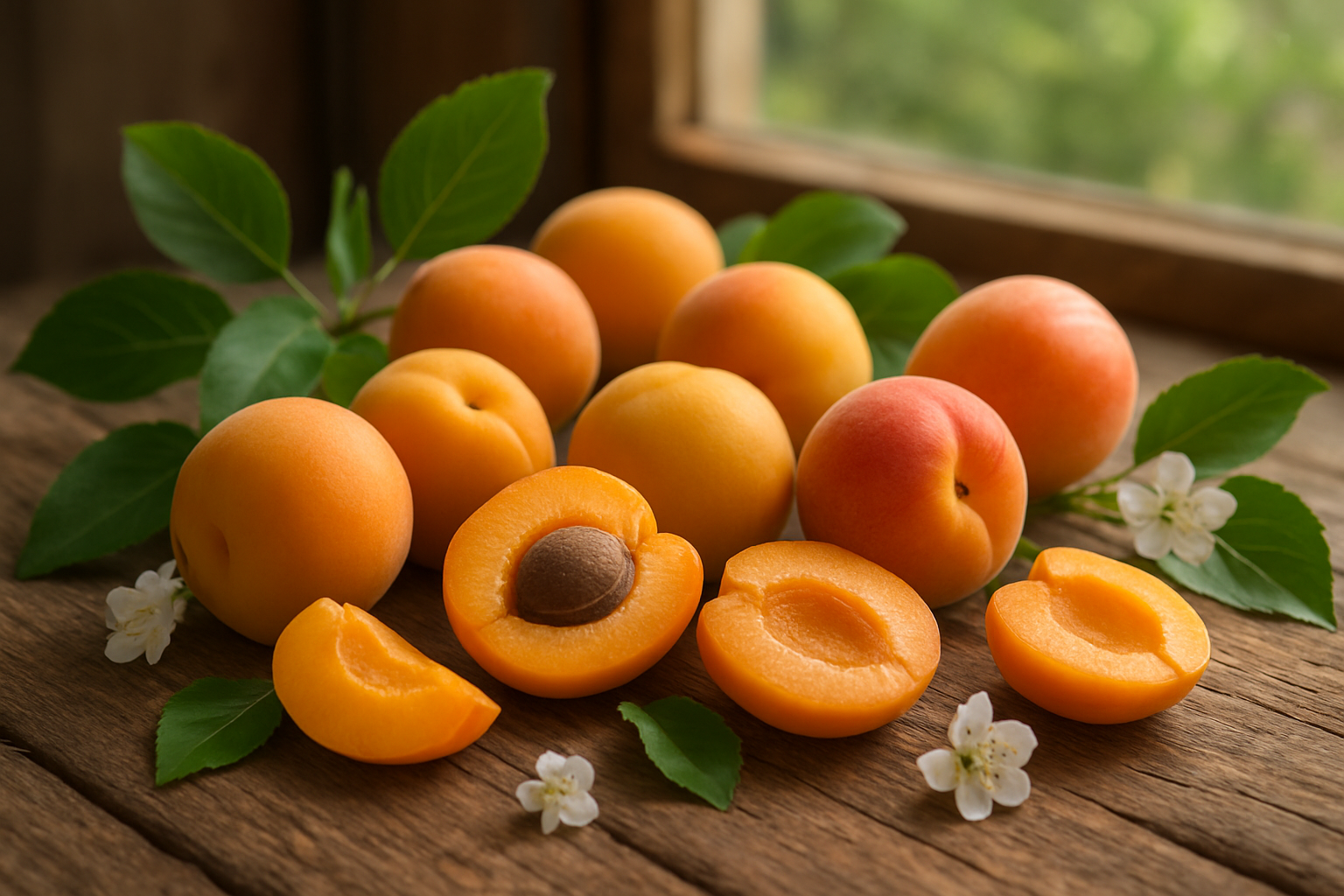
Apricots are remarkable stone fruits that offer both beauty and nutrition. From their botanical roots as Prunus armeniaca to their distinctive golden-orange skin and sweet-tart flavor, these fruits pack impressive health benefits including high vitamin A content, antioxidants, and fiber. Whether you're growing your own apricot trees or simply enjoying the many varieties available at your local market, understanding their cultivation needs and nutritional value helps you make the most of this versatile fruit.
Next time you see fresh apricots in season, don't hesitate to grab a few. Try different varieties to discover your favorites, and consider adding apricot trees to your garden if you have the right climate conditions. Your taste buds and your health will thank you for including these nutrient-dense gems in your regular diet.


.png)
Comments
Post a Comment