Bitter Melon - What's the Bitter Melon?
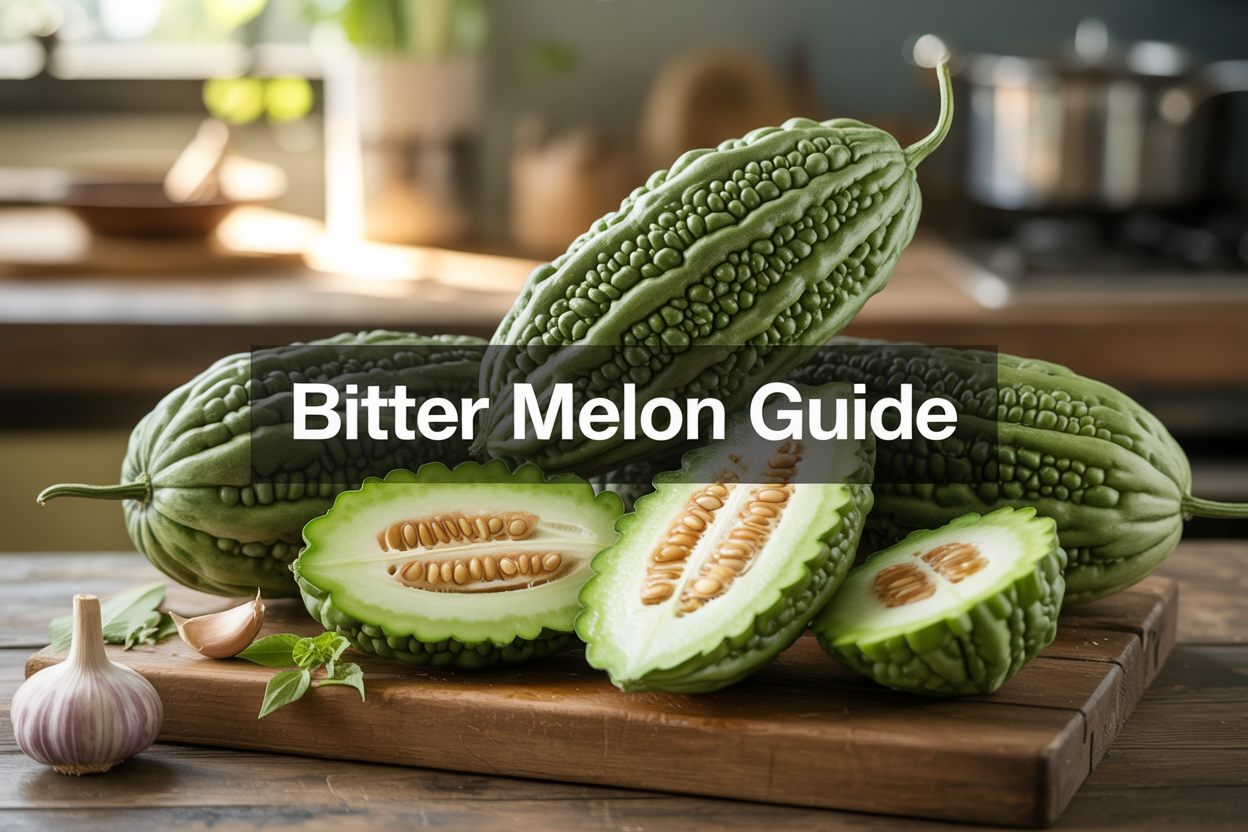
What is bitter melon? This warty, cucumber-shaped vegetable might look intimidating at first glance, but bitter melon (also known as bitter gourd or Momordica charantia) packs serious nutritional punch and has been a staple in Asian, African, and Caribbean kitchens for centuries.
This guide is perfect for curious home cooks, health-conscious eaters, and anyone who's spotted this unusual green vegetable at the market and wondered what to do with it. You'll discover bitter melon nutrition facts that might surprise you and learn practical how to cook bitter melon techniques that actually make it taste good.
We'll explore the impressive bitter melon health benefits that have made this vegetable a go-to remedy in traditional medicine for generations. You'll also get proven methods for growing bitter melon in your own garden, plus tried-and-tested bitter melon recipes that transform its notorious bitterness into something delicious. By the end, you'll understand why this "ugly" vegetable deserves a spot on your plate.
Understanding Bitter Melon's Unique Characteristics
Recognizing the Distinctive Warty Green Exterior
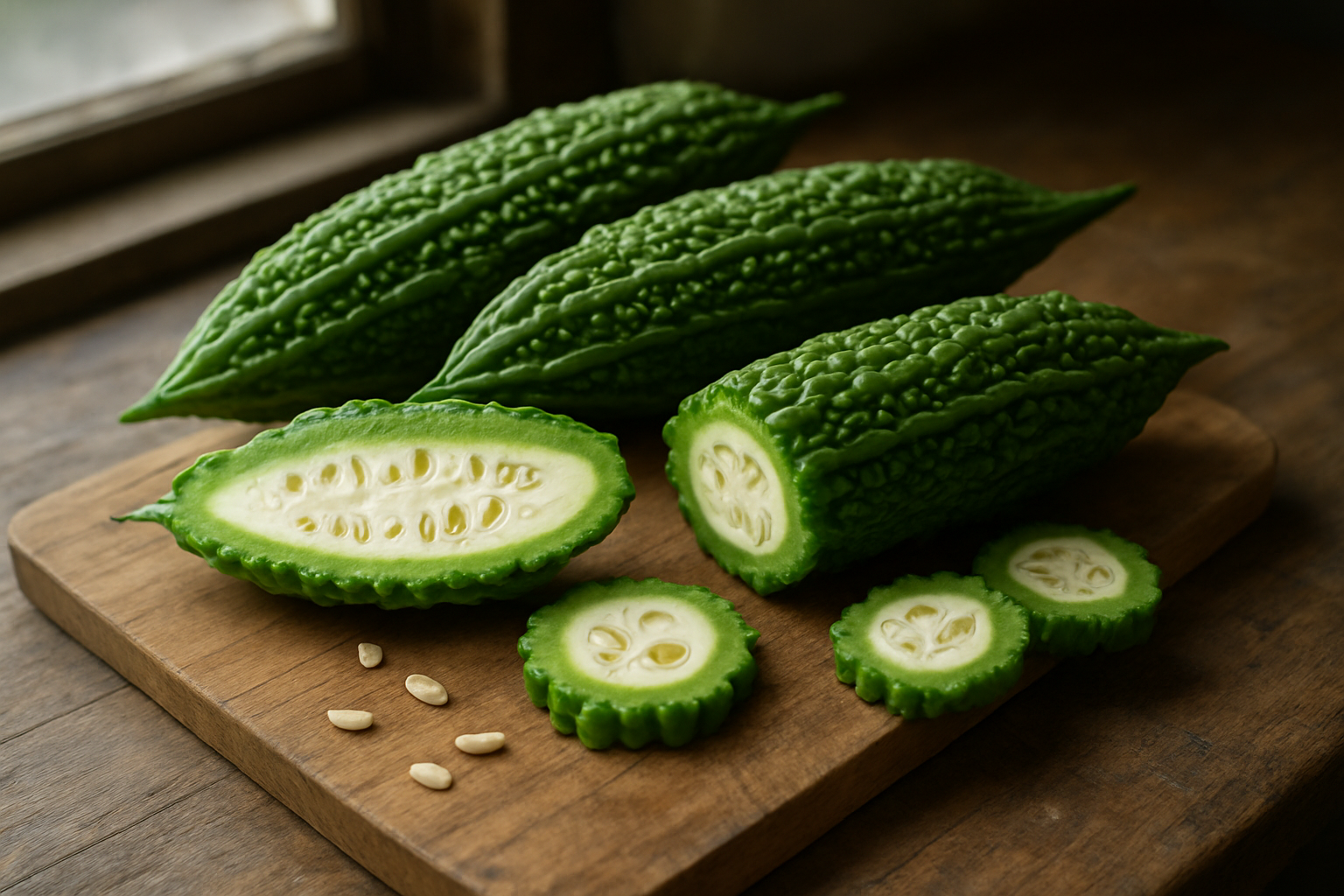
Bitter melon stands out from other vegetables with its unmistakable appearance. The skin features a deeply ridged, bumpy texture that looks almost prehistoric. These raised bumps, or "warts," cover the entire surface and create deep valleys between them. The color ranges from bright emerald green when young to a deeper, darker green as it matures. Some varieties even develop yellow or orange patches when fully ripe.
The ridged exterior isn't just for show - it actually helps identify the vegetable's freshness. Fresh bitter melon has firm, well-defined bumps that feel solid to the touch. As the fruit ages, these ridges become softer and less pronounced. The skin should have a slight glossy sheen when fresh, and avoid any that feel mushy or have dark spots.
Identifying Different Varieties and Shapes
Momordica charantia comes in several distinct varieties, each with unique characteristics:
| Variety | Shape | Size | Origin |
|---|---|---|---|
| Chinese | Elongated, pale green | 8-12 inches | East Asia |
| Indian | Smaller, darker green | 4-6 inches | South Asia |
| Thai | Very small, round | 2-3 inches | Southeast Asia |
The Chinese variety resembles a large cucumber with pronounced ridges running lengthwise. Indian bitter melon appears more compact and rounded, with deeper, more irregular bumps. Thai varieties are surprisingly small and almost spherical, packing intense bitterness into their tiny frames.
Each type offers different levels of bitterness and varying textures when cooked. The larger Chinese varieties tend to be milder, while the smaller Indian and Thai types deliver more concentrated bitter flavors.
Understanding the Intensely Bitter Taste Profile
The bitter taste in bitter melon comes from compounds called momordicins and charantins. This bitterness hits your taste buds immediately and lingers long after eating. Unlike other bitter foods like dark chocolate or coffee, bitter melon's bitterness is sharp and almost medicinal.
Young bitter melons taste less bitter than mature ones. The bitterness intensifies as the fruit ripens, reaching peak intensity when the exterior starts turning yellow. Many people describe the taste as overwhelmingly bitter at first, but regular consumers often develop an appreciation for this unique flavor profile.
The bitterness varies throughout different parts of the fruit. The white pith surrounding the seeds contains the highest concentration of bitter compounds, while the flesh near the skin tends to be slightly milder.
Learning About the White Seeds and Red Interior
Inside bitter melon lies a fascinating interior landscape. Cut open a fresh bitter melon and you'll find a hollow cavity filled with white, flat seeds surrounded by bright red pulpy material called arils. These seeds are completely edible and actually quite nutritious, though they carry their own bitter punch.
The red arils around the seeds are surprisingly sweet, creating an interesting contrast to the bitter flesh. Many people remove these seeds and arils before cooking, but they're perfectly safe to eat. In some cultures, the seeds are dried and used as a spice or ground into powder for medicinal purposes.
As bitter melon ripens, the interior transforms dramatically. The red arils become more vibrant and sweeter, while the seeds harden. Overripe bitter melon will eventually split open naturally, revealing this colorful interior and allowing the seeds to disperse.
Nutritional Powerhouse Benefits for Your Health
High vitamin C content for immune system support
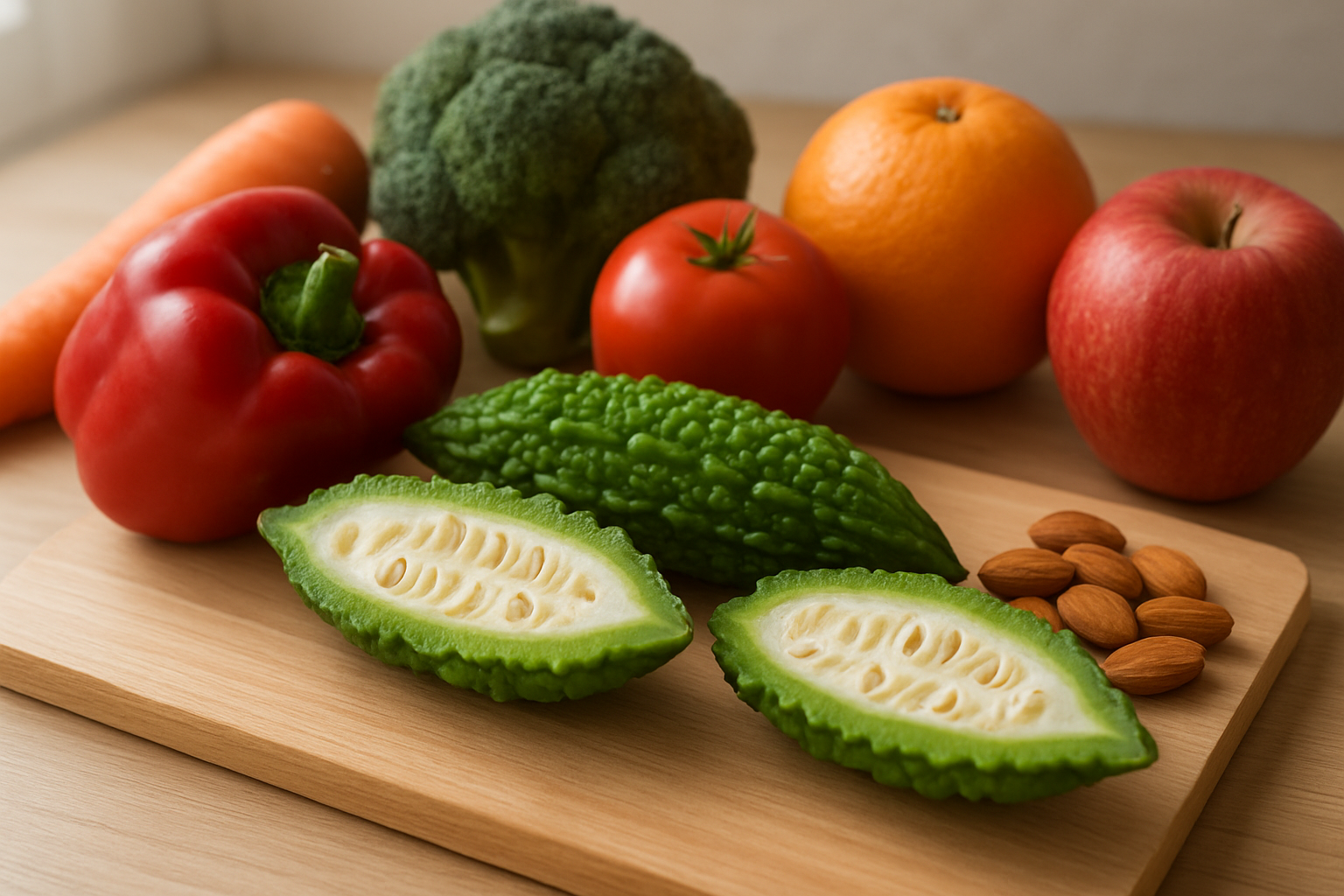
Bitter melon packs an impressive vitamin C punch that puts many citrus fruits to shame. A single cup of raw bitter melon delivers approximately 95 milligrams of vitamin C - that's more than 100% of your daily recommended intake. This powerful vitamin acts as a frontline defender for your immune system, helping your body fight off infections and heal wounds faster.
What makes bitter melon nutrition particularly special is how bioavailable this vitamin C is. Your body can easily absorb and use it, making bitter melon benefits especially valuable during cold and flu season. Regular consumption helps maintain steady vitamin C levels, which supports collagen production for healthy skin and strengthens blood vessels.
Essential minerals including potassium and iron
The mineral profile of momordica charantia reads like a who's who of essential nutrients. Potassium takes center stage, with bitter melon providing about 602 milligrams per cup. This mineral works overtime regulating blood pressure and supporting proper heart function. Many people don't get enough potassium in their diets, making bitter melon a valuable addition to meal planning.
Iron content in bitter melon helps combat fatigue and supports healthy blood cell formation. Women especially benefit from this iron boost, as they need more iron than men due to menstruation. The vegetable also contains significant amounts of zinc for wound healing, magnesium for muscle function, and calcium for bone health.
Low calorie content for weight management
Weight watchers rejoice - bitter melon delivers maximum nutrition with minimal calories. One cup contains just 24 calories, making it perfect for anyone watching their waistline. You can eat generous portions without worrying about derailing your diet goals.
The high water content and fiber in bitter melon create a feeling of fullness that helps control appetite naturally. This combination makes bitter melon recipes ideal for satisfying meals that don't pack on pounds. The vegetable's natural compounds may also support healthy metabolism, though you'll want to pair it with regular exercise and balanced eating for best results.
Antioxidant properties for cellular protection
Bitter melon houses an impressive array of antioxidants that protect your cells from daily damage. These compounds neutralize harmful free radicals that can lead to premature aging and various health issues. The vegetable contains vitamin A, beta-carotene, and lutein - powerful antioxidants that support eye health and may reduce cancer risk.
Research shows bitter melon's antioxidant activity rivals that of many superfoods. These protective compounds work around the clock, repairing cellular damage and supporting healthy aging. The bitter compounds responsible for the vegetable's distinctive taste are actually some of its most potent antioxidants, proving that sometimes the best medicine doesn't always taste the sweetest.
Traditional Medicinal Uses Across Cultures
Blood Sugar Regulation in Asian Medicine
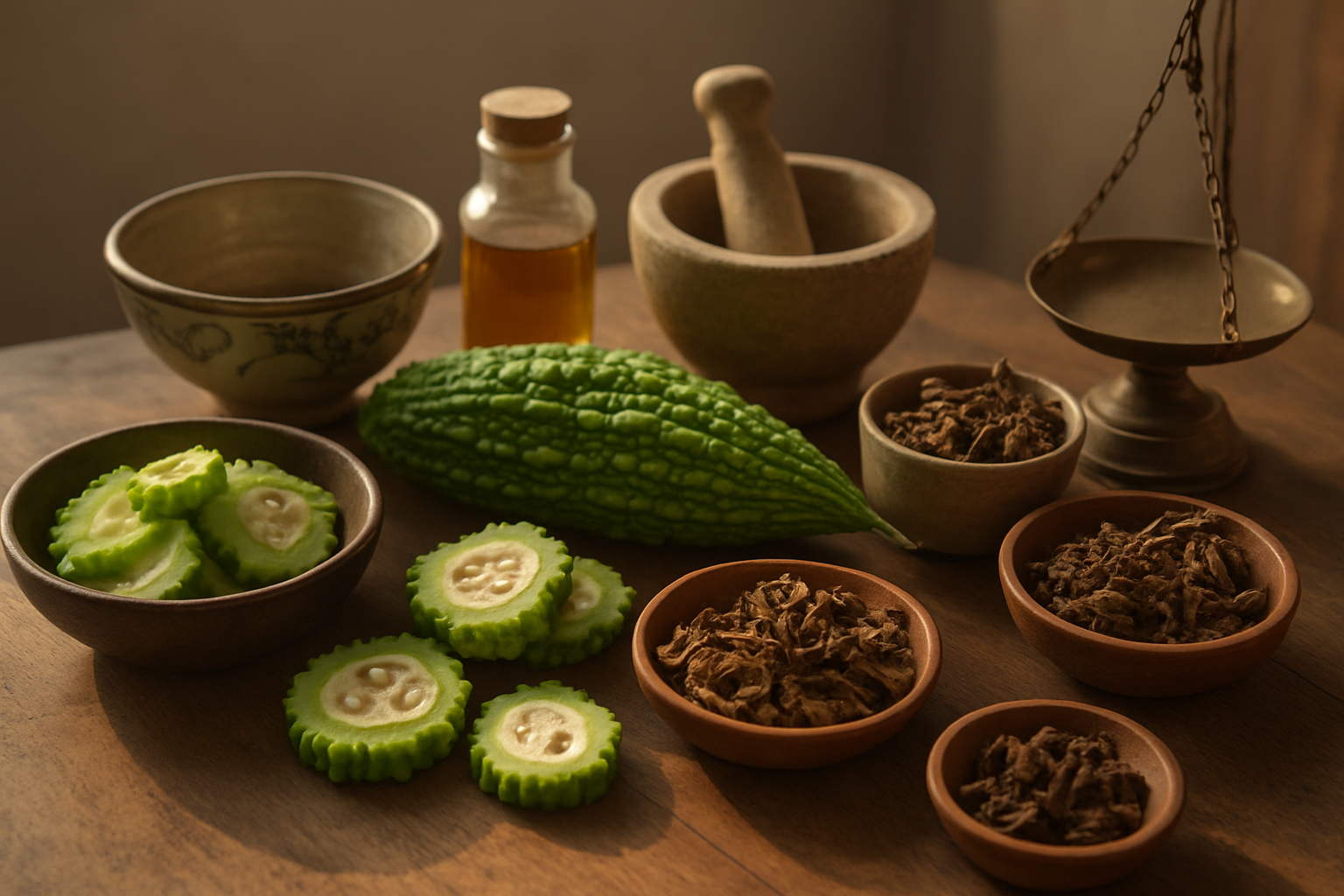
Traditional Chinese Medicine has relied on bitter melon for centuries as a natural remedy for managing blood glucose levels. Ancient practitioners recognized that this distinctive vegetable, scientifically known as Momordica charantia, contained compounds that could help regulate sugar metabolism in the body.
Chinese herbalists typically prescribed bitter melon tea or dried extracts to patients experiencing symptoms of what we now understand as diabetes. The practice spread throughout Asia, with Indian Ayurvedic medicine also embracing bitter melon's glucose-lowering properties. Practitioners would often combine bitter melon with other herbs to create comprehensive treatments for metabolic disorders.
Modern research has validated many of these traditional uses, identifying specific compounds like charantin and polypeptide-p that contribute to bitter melon's blood sugar regulation effects. Traditional preparation methods included juicing fresh bitter melon, creating concentrated extracts, or incorporating the vegetable into daily meals as both food and medicine.
Digestive Health Improvements
Across multiple cultures, bitter melon medicinal uses have consistently focused on digestive wellness. Traditional healers recognized that the vegetable's bitter compounds stimulate digestive juices and improve overall gut function.
In Southeast Asian folk medicine, bitter melon soup was commonly prepared for family members experiencing digestive sluggishness or poor appetite. The bitter taste triggers natural digestive responses, encouraging the production of gastric juices and bile that aid in breaking down foods more effectively.
Traditional practitioners also used bitter melon to address:
-
Stomach upset and indigestion
-
Loss of appetite
-
Sluggish liver function
-
Irregular bowel movements
-
General digestive weakness
Caribbean and African traditional medicine systems similarly valued bitter melon for digestive support, often preparing it as a bitter tonic consumed before meals to "wake up" the digestive system.
Natural Detoxification Properties
Traditional healers across cultures have long recognized bitter melon's powerful cleansing properties. This vegetable has been used as a natural detoxifier, helping the body eliminate waste products and purify internal systems.
In traditional Indian medicine, bitter melon was considered a blood purifier, used to clear skin conditions and remove toxins that accumulated from poor diet or environmental exposure. Practitioners believed that regular consumption could help cleanse the liver and kidneys, two organs essential for natural detoxification processes.
Traditional preparation methods for detoxification included:
| Culture | Preparation Method | Traditional Use |
|---|---|---|
| Chinese | Dried bitter melon tea | Liver cleansing |
| Indian | Fresh juice blend | Blood purification |
| Caribbean | Boiled extracts | General detox |
| African | Fermented preparations | Kidney support |
Many traditional systems also used bitter melon during seasonal cleanses, particularly in spring when the body naturally seeks to eliminate winter's accumulated toxins. The vegetable's natural compounds support the liver's filtration processes and may help accelerate the body's natural detoxification pathways.
Effective Cooking Techniques to Reduce Bitterness
Salt Soaking Method for Bitterness Removal
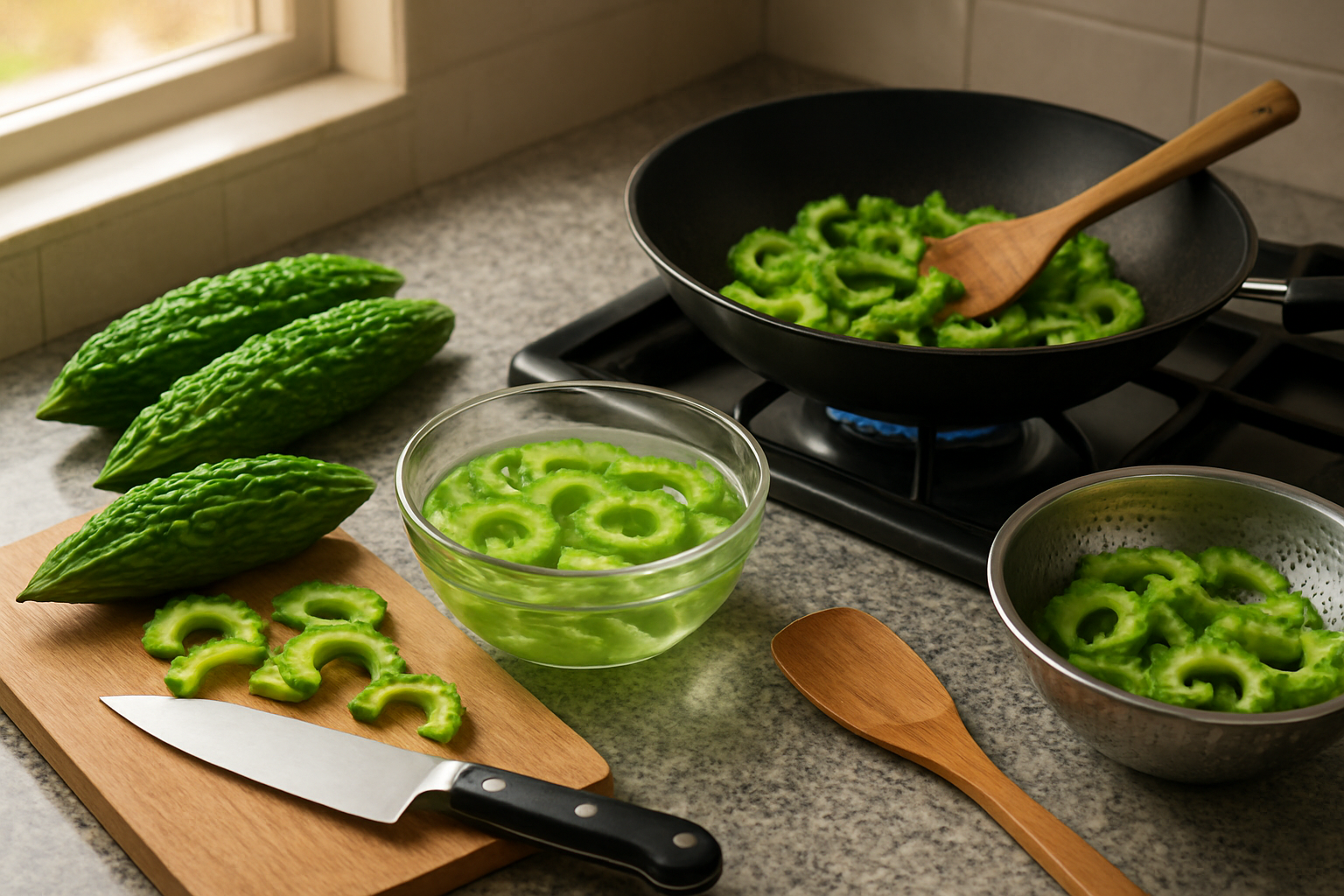
The most effective way to tame bitter melon's intense flavor is through salt soaking. Start by slicing your bitter melon into desired pieces, then generously sprinkle coarse salt over every surface. Let the salted pieces sit for 30-45 minutes - you'll notice bitter juices being drawn out. Rinse thoroughly under cold running water and gently squeeze the pieces to remove excess moisture. This technique can reduce bitterness by up to 70% while preserving the vegetable's nutritional benefits.
For whole bitter melons, make lengthwise cuts and stuff the cavity with salt before letting it rest. The salt draws out the bitter compounds called momordicins, making your bitter melon recipes much more palatable for newcomers to this nutritious vegetable.
Blanching Techniques for Milder Flavor
Blanching bitter melon creates a milder taste while maintaining its crisp texture. Bring a large pot of water to a rolling boil and add your prepared bitter melon pieces. Cook for 2-3 minutes maximum - any longer and you'll lose the satisfying crunch. Immediately transfer to an ice bath to stop the cooking process.
Adding a pinch of baking soda to the blanching water helps neutralize bitter compounds even more effectively. Some cooks prefer a quick steam blanch instead, which preserves more nutrients while still reducing bitterness. This method works especially well when preparing bitter melon for stir-fries or salads.
Pairing with Complementary Ingredients
Smart ingredient pairing transforms how to cook bitter melon into delicious meals. Strong, savory flavors like garlic, ginger, and fermented black beans mask bitterness naturally. Sweet elements such as onions, tomatoes, or a touch of sugar create balance without overwhelming the dish.
Protein pairings work wonderfully - eggs scrambled with bitter melon create a classic comfort food, while pork or beef absorb and complement the vegetable's unique taste. Coconut milk in curries provides richness that mellows bitter notes beautifully.
| Flavor Profile | Best Pairings | Cooking Method |
|---|---|---|
| Savory | Garlic, ginger, soy sauce | Stir-fry |
| Sweet | Onions, tomatoes, honey | Braising |
| Rich | Coconut milk, cream | Curries |
| Umami | Black beans, fish sauce | Quick sauté |
Popular Preparation Methods by Region
Different cultures have mastered unique approaches to preparing bitter melon. In Chinese cuisine, stuffed bitter melon with ground pork and black bean sauce is a restaurant favorite. The filling's richness balances the vegetable's natural bitterness perfectly.
Indian preparations often involve deep-frying thin slices until crispy, then seasoning with turmeric and chili powder. This method creates a completely different texture and concentrated flavor that many find addictive.
Filipino cooking features bitter melon in pinakbet, where it's cooked with other vegetables in shrimp paste and pork. The long, slow cooking process mellows the bitterness while allowing flavors to meld. Thai som tam sometimes includes young bitter melon shoots, paired with fish sauce, lime, and palm sugar for a perfect sweet-sour-bitter balance.
Japanese preparations tend to be more subtle, often incorporating bitter melon into tempura or light stir-fries with minimal seasoning to let the vegetable's natural character shine through while keeping bitterness in check.
Growing Your Own Bitter Melon Successfully
Optimal Climate and Soil Conditions
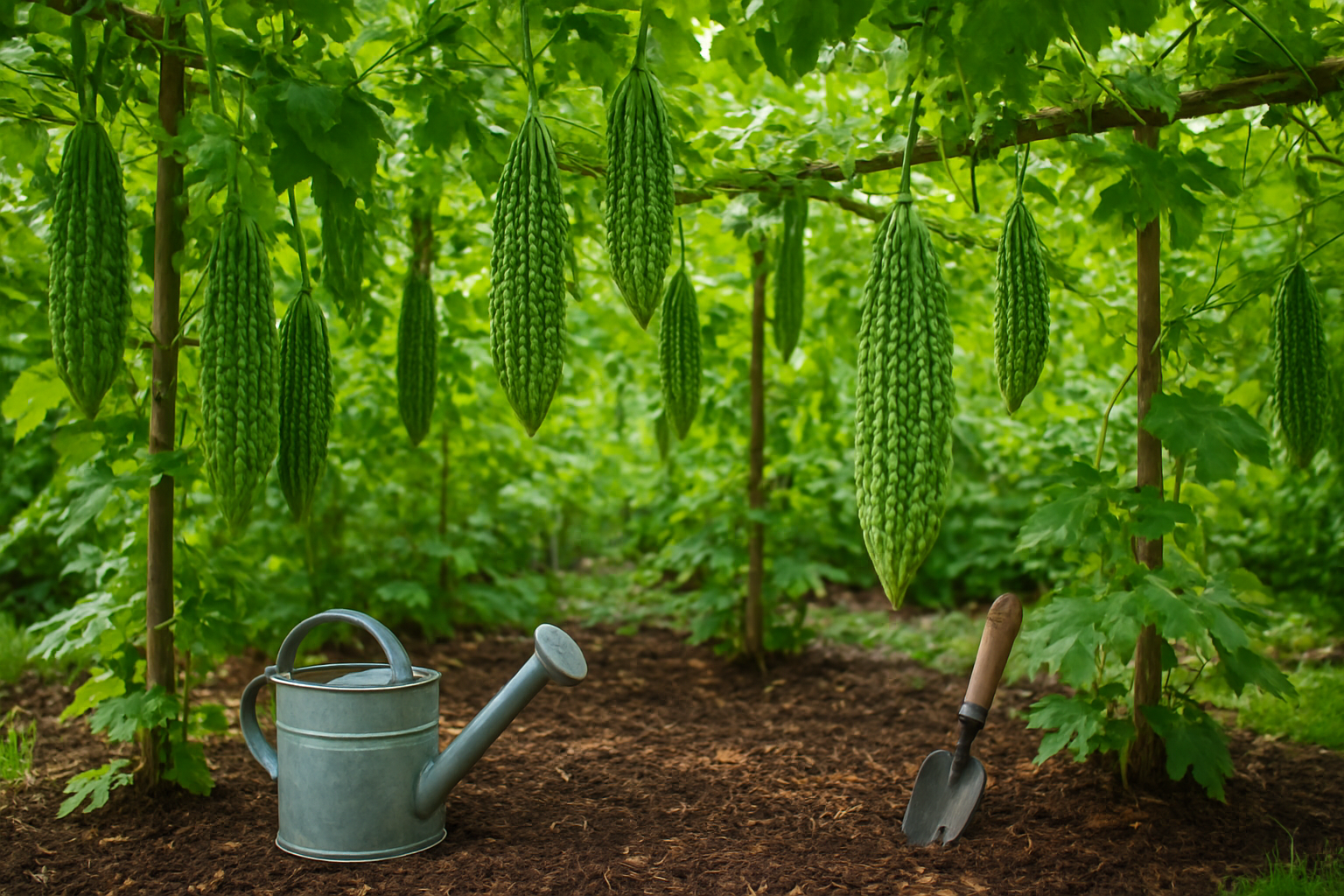
Growing bitter melon requires specific environmental conditions to thrive. This tropical vine flourishes in warm, humid climates with temperatures consistently between 70-85°F (21-29°C). The plant struggles in cold weather, so if you live in cooler regions, consider starting seeds indoors 4-6 weeks before the last frost date.
Bitter melon loves well-draining, fertile soil with a pH between 6.0-6.8. Rich, loamy soil mixed with plenty of organic matter like compost or well-rotted manure creates the perfect growing medium. The soil should retain moisture without becoming waterlogged, as soggy conditions can lead to root rot.
Choose a location that receives full sun for at least 6-8 hours daily. While bitter melon can tolerate partial shade, full sun produces the best fruit development and higher yields. The growing area should also have good air circulation to prevent fungal diseases that can affect the plant's health.
Planting and Spacing Requirements
Start by soaking bitter melon seeds in warm water for 24 hours before planting to improve germination rates. Plant seeds ½ inch deep in seed-starting mix if growing indoors, or directly in the garden once soil temperatures reach at least 65°F (18°C).
Space plants 3-4 feet apart in rows that are 6-8 feet apart. This generous spacing allows adequate air circulation and prevents overcrowding as the vines can spread extensively. Since bitter melon is a vigorous climber, install sturdy trellises or support structures at planting time. The supports should be at least 6-8 feet tall to accommodate the vine's growth.
When transplanting seedlings outdoors, harden them off gradually over 7-10 days to prevent transplant shock. Plant them at the same depth they were growing in their containers.
Harvest Timing for Best Flavor
Timing your bitter melon harvest correctly makes the difference between enjoyable eating and an overwhelming bitter experience. Young fruits, harvested 12-16 days after flowering, offer the mildest flavor with tender skin and fewer seeds. These immature fruits typically measure 4-6 inches long and have a bright green color with a smooth, glossy surface.
For those who prefer the traditional bitter taste, allow fruits to mature for 18-25 days after flowering. Mature bitter melons develop a bumpy, warted exterior and deeper green color. The bitterness intensifies as the fruit ages, so taste-test different harvest times to find your preference.
Check plants daily once fruits begin forming, as bitter melons grow quickly in warm weather. Use a sharp knife or pruning shears to harvest, cutting the stem rather than pulling the fruit. Regular harvesting every 2-3 days encourages continued production throughout the growing season.
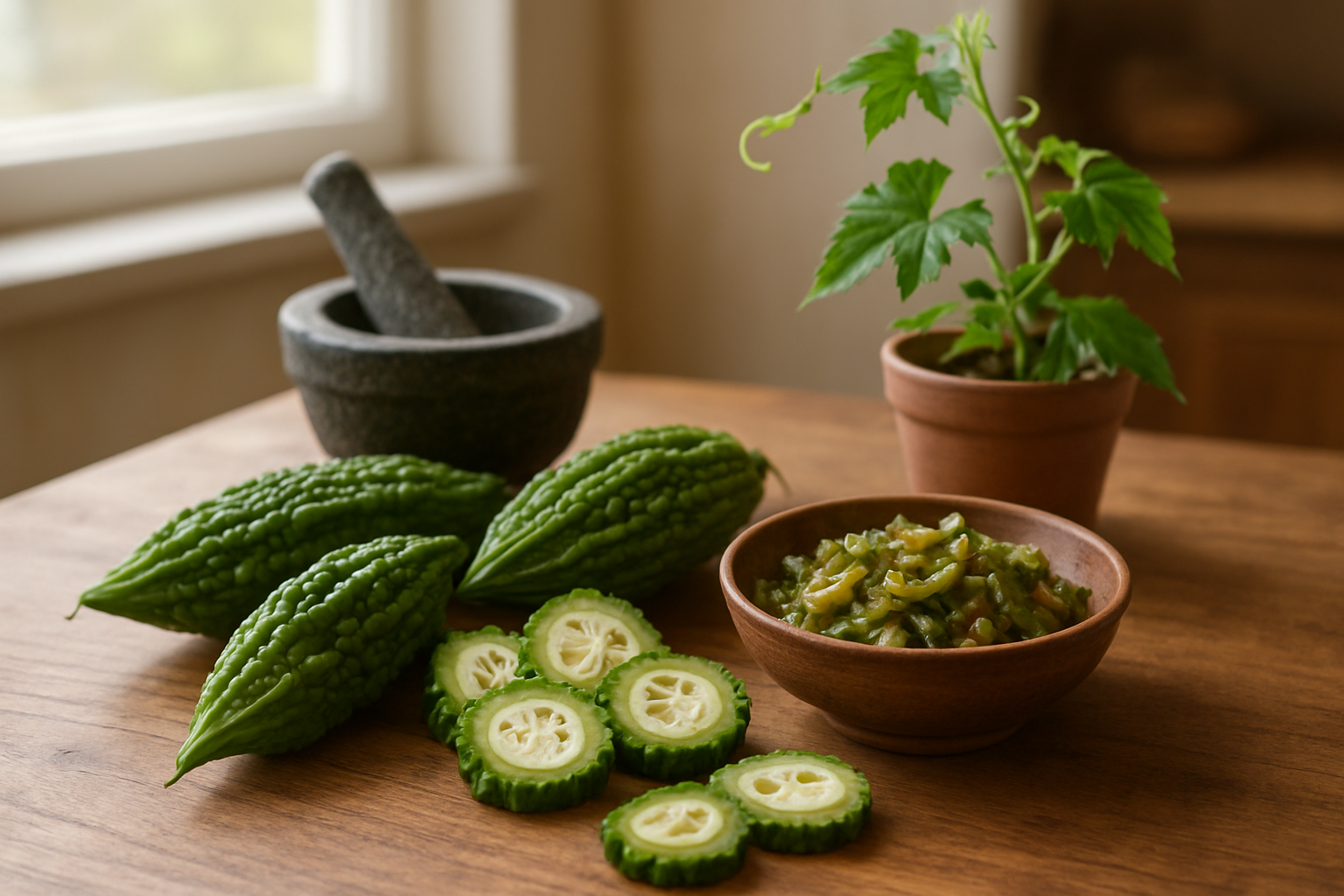
Bitter melon stands out as one of nature's most distinctive vegetables, packed with impressive nutrients and centuries of traditional healing wisdom. From its blood sugar-regulating properties to its rich vitamin C content, this bumpy green vegetable offers serious health benefits that make the initial taste challenge worthwhile. The cooking techniques we've shared can help you tame that intense bitterness while preserving all the good stuff your body craves.
Growing bitter melon in your own garden gives you fresh access to this nutritional powerhouse while connecting you to the gardening traditions of many cultures worldwide. Start small with simple preparation methods like blanching or stir-frying with complementary flavors. Your taste buds might need time to adjust, but your body will thank you for giving this unique vegetable a chance to become part of your regular eating routine.


.png)
Comments
Post a Comment