Black Chokeberries - What are Black Chokeberries?
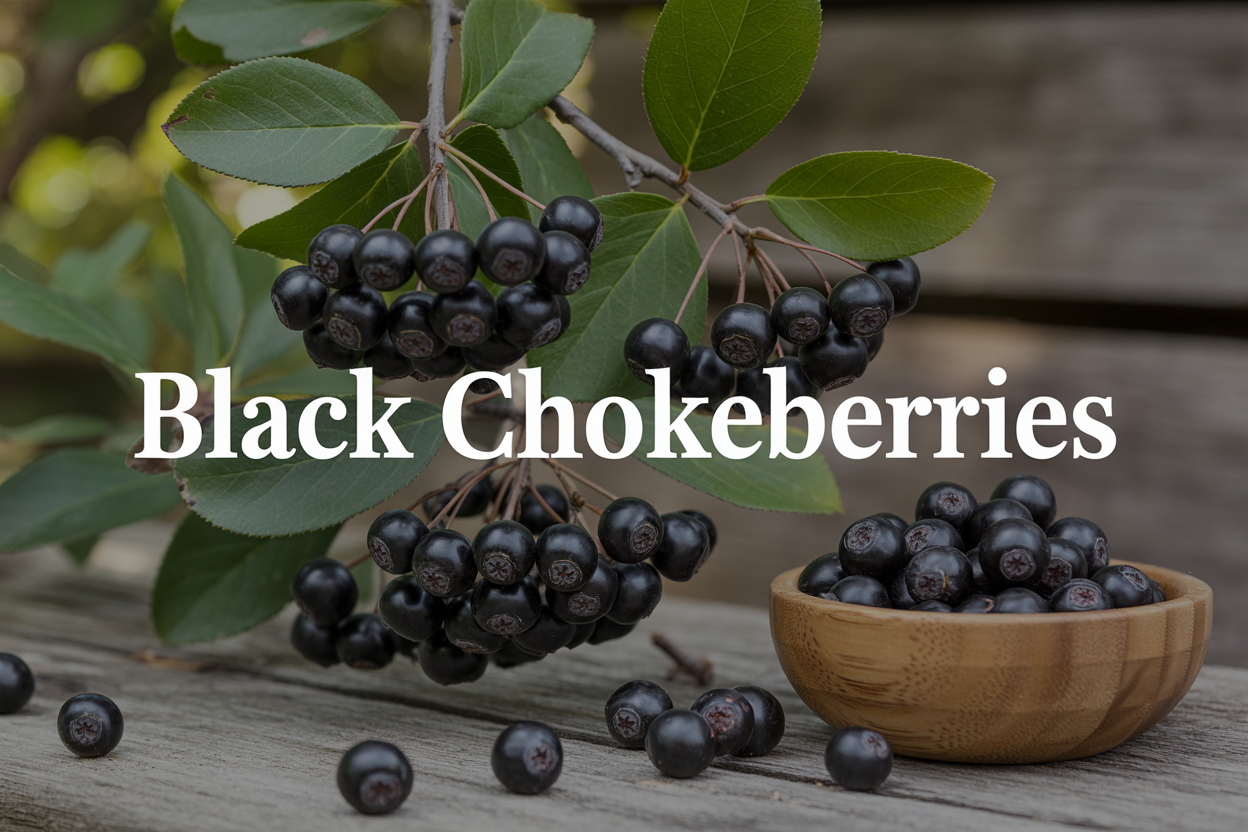
Black chokeberries might sound intimidating, but these small, dark purple fruits pack an incredible punch of nutrition and flavor that's worth getting to know. Also called aronia berries or scientifically known as Aronia melanocarpa, these native North American berries have been quietly growing in popularity among health enthusiasts, home gardeners, and adventurous cooks.
This guide is perfect for anyone curious about what are black chokeberries and how they might fit into your healthy lifestyle. Maybe you've spotted them at a farmer's market, heard about their impressive antioxidant levels, or you're simply looking for new superfoods to try.
We'll dive into the unique characteristics that make black chokeberries stand out from other berries, explore their impressive nutritional profile and the science behind black chokeberry benefits, and share practical tips for incorporating these nutrient-dense gems into your cooking and daily routine.
Understanding Black Chokeberries and Their Unique Characteristics
Scientific classification and botanical name
Aronia melanocarpa is the official botanical name for black chokeberries, placing them firmly in the Rosaceae family alongside apples, cherries, and roses. These hardy shrubs belong to the Aronia genus, which encompasses just three species native to North America. The "melanocarpa" portion of their scientific name literally translates to "black fruit," highlighting their most distinctive characteristic.
Black chokeberries are often confused with their close relatives, the red chokeberry (Aronia arbutifolia) and purple chokeberry (Aronia prunifolia). While all three species share similar growing habits and medicinal properties, aronia melanocarpa stands out for its deep purple-black berries and superior antioxidant content. Many people also know these fruits as aronia berries, which has become increasingly popular in health food circles.
Physical appearance and distinguishing features
Black chokeberry shrubs typically reach 3-6 feet in height and spread equally wide, creating dense, rounded bushes that make excellent landscape plants. The leaves are simple, oval-shaped, and measure 1-3 inches long with finely serrated edges. During spring, the shrubs burst into clusters of small white flowers, each about half an inch across with five delicate petals and prominent stamens.
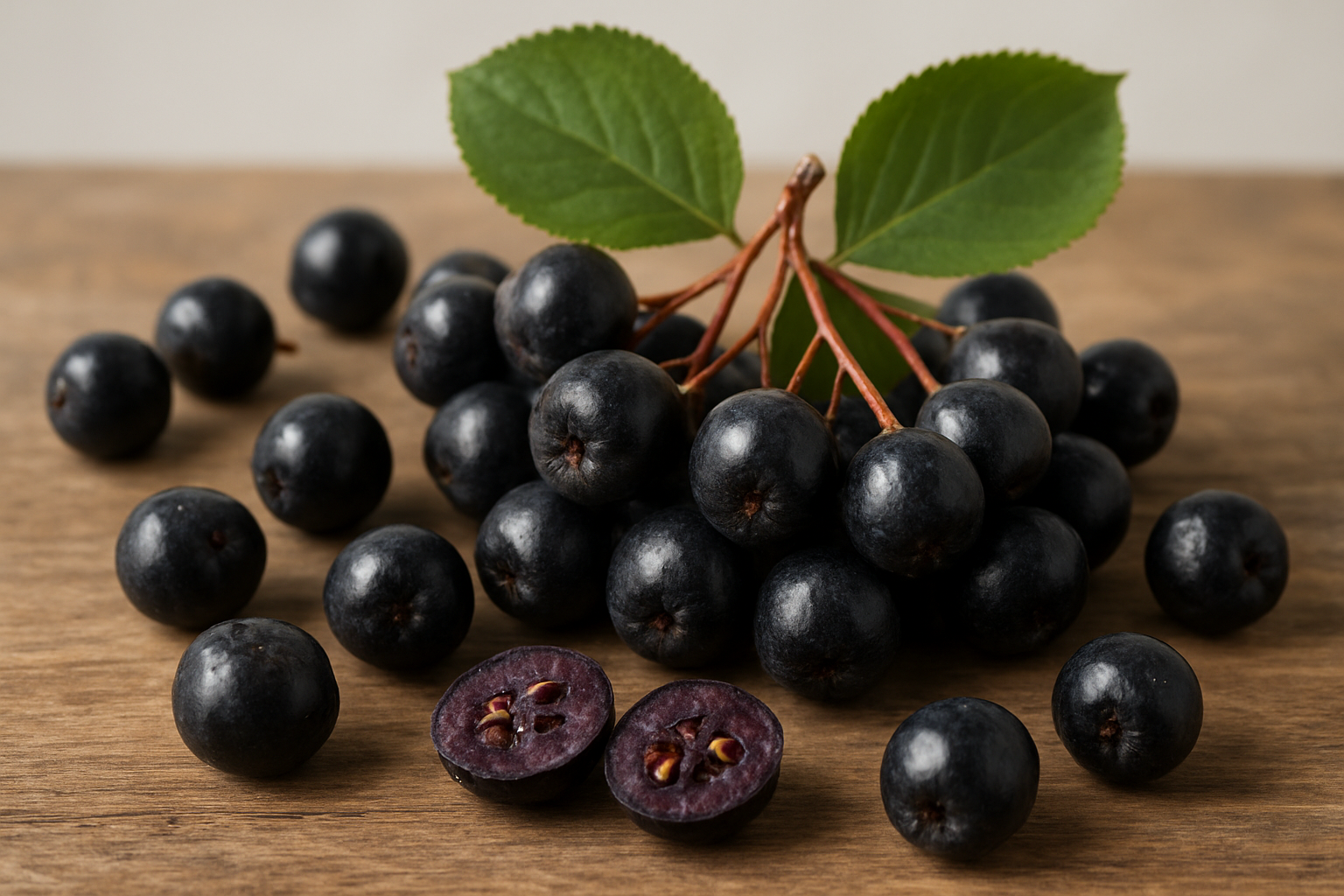
The berries themselves are the real showstoppers. Black chokeberries measure roughly 1/4 to 1/3 inch in diameter and hang in clusters of 10-30 fruits. When fully ripe, they display a deep purple-black color with a slightly glossy finish. The name "chokeberry" comes from their intensely astringent taste when eaten fresh - they literally make your mouth pucker and feel dry.
One key identifying feature is the small crown-like structure at the bottom of each berry, remnants of the flower's sepals. The flesh inside ranges from deep red to purple, containing several small seeds. Unlike many berries, black chokeberries don't soften significantly when ripe, maintaining their firm texture throughout the harvest season.
Natural habitat and growing conditions
Black chokeberries naturally thrive across a wide range of North American ecosystems, from the wetlands of eastern Canada down to the mountainous regions of Georgia. These adaptable shrubs show remarkable tolerance for various soil conditions, flourishing in everything from boggy wetlands to well-drained upland sites.
In the wild, you'll often find aronia melanocarpa growing along stream banks, in woodland clearings, and at forest edges where they receive partial to full sunlight. They're particularly common in areas with acidic soils, though they adapt well to neutral pH levels too. These tough plants handle cold winters exceptionally well, surviving temperatures as low as -40°F without protection.
Black chokeberries prefer consistent moisture but demonstrate impressive drought tolerance once established. They actually perform better in slightly challenging conditions than in overly fertile, pampered garden settings. Poor, sandy soils often produce more concentrated flavors and higher antioxidant levels in the berries.
Seasonal growth cycle and fruit development
The annual cycle of black chokeberries begins in early spring when new leaves emerge in a bronze-green color before maturing to deep green. By late April or early May, depending on your location, the shrubs produce their characteristic white flower clusters that persist for 2-3 weeks.
Pollination happens primarily through bees and other insects, though the flowers are somewhat self-fertile. Small green berries begin developing immediately after successful pollination, gradually increasing in size throughout the summer months. The transformation from green to red to deep purple-black typically occurs over 6-8 weeks during late summer.
Black chokeberries usually ripen between late August and early October, depending on your climate zone. The berries don't all ripen simultaneously, which can extend the harvest period for several weeks. Interestingly, the berries often taste better after the first light frost, which helps break down some of the harsh tannins and makes them more palatable for fresh eating.
The shrubs also provide beautiful fall color, with leaves turning brilliant shades of orange, red, and purple before dropping. This makes aronia melanocarpa valuable as both a food crop and ornamental landscape plant, offering year-round interest in home gardens.
Nutritional Powerhouse Benefits of Black Chokeberries
Antioxidant content and ORAC values
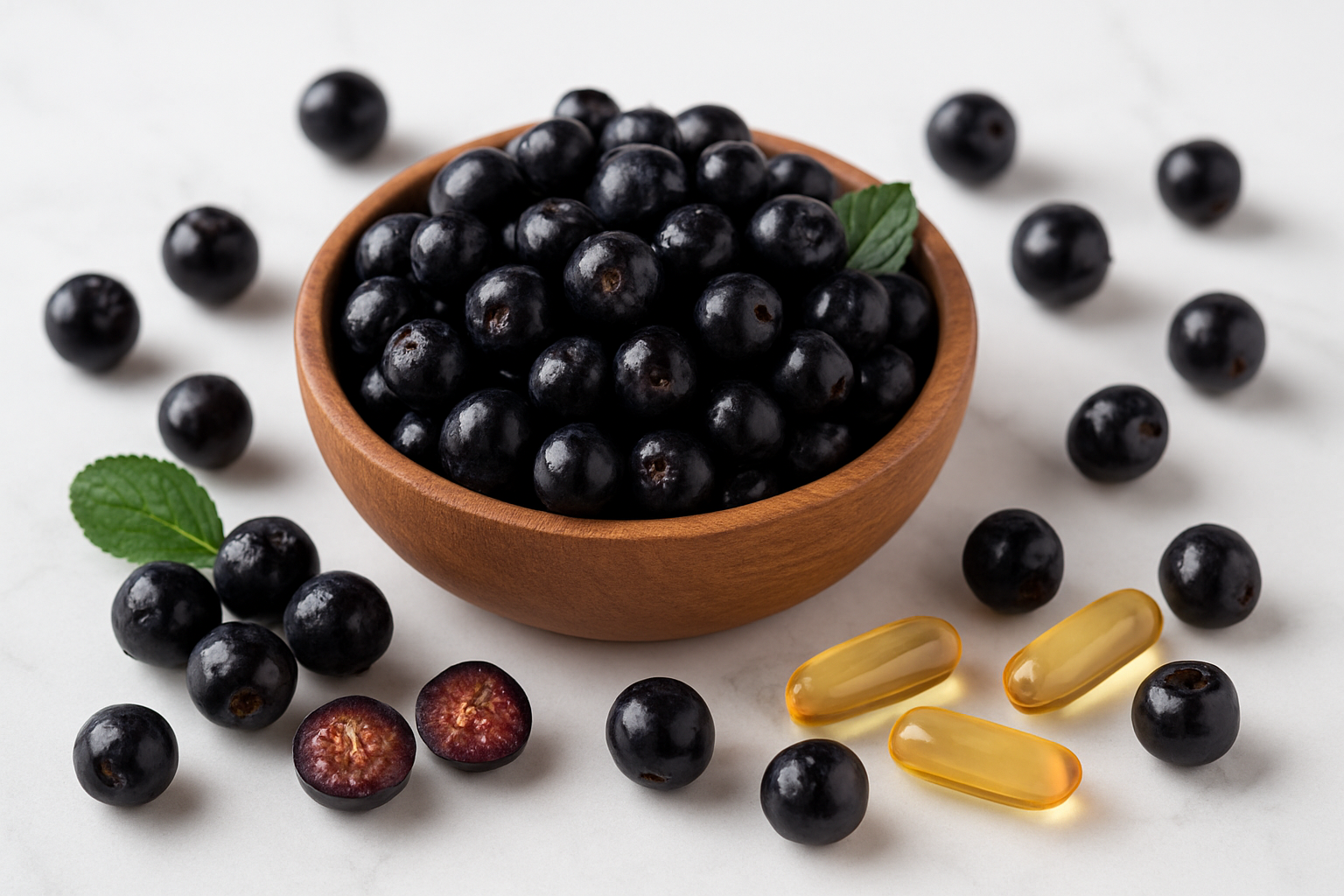
Black chokeberries pack an incredible antioxidant punch that puts most other fruits to shame. These small, dark purple berries contain one of the highest ORAC (Oxygen Radical Absorbance Capacity) values recorded in any fruit, measuring between 15,000 to 16,000 units per 100 grams of fresh berries. To put this in perspective, blueberries typically score around 4,669 ORAC units, making aronia berries nearly four times more potent.
The primary antioxidant compounds responsible for this impressive rating include:
-
Anthocyanins - giving the berries their deep purple-black color
-
Proanthocyanidins - contributing to the characteristic astringent taste
-
Flavonoids - including quercetin and kaempferol
-
Phenolic acids - such as chlorogenic acid and neochlorogenic acid
These chokeberry antioxidants work together to neutralize harmful free radicals in your body, potentially reducing oxidative stress and cellular damage. The concentration of these compounds in black chokeberries is so high that even small portions can provide significant antioxidant benefits.
Essential vitamins and mineral composition
Chokeberry nutrition facts reveal a surprisingly rich vitamin and mineral profile packed into these compact berries. A 100-gram serving of fresh black chokeberries provides:
| Nutrient | Amount | % Daily Value |
|---|---|---|
| Vitamin C | 21 mg | 23% |
| Vitamin K | 9.6 µg | 8% |
| Folate | 6 µg | 2% |
| Manganese | 0.7 mg | 30% |
| Iron | 0.9 mg | 5% |
| Potassium | 299 mg | 6% |
Black chokeberry benefits extend beyond just antioxidants. The vitamin C content supports immune function and collagen synthesis, while manganese plays a crucial role in bone formation and wound healing. The berries also contain smaller amounts of vitamin A, vitamin E, and B-complex vitamins.
The mineral composition includes calcium, magnesium, and phosphorus, which support bone health and various metabolic processes. What makes these berries special is how these nutrients work synergistically with the antioxidant compounds to enhance overall bioavailability and absorption.
Health-promoting compounds and phytonutrients
Beyond basic vitamins and minerals, aronia melanocarpa contains an impressive array of bioactive compounds that contribute to its reputation as a superfruit. The berry's unique phytonutrient profile includes:
Cyanidin-3-galactoside - the most abundant anthocyanin, responsible for many of the berry's cardiovascular benefits. This compound helps improve blood vessel function and may support healthy blood pressure levels.
Procyanidin B2 - a powerful proanthocyanidin that demonstrates anti-inflammatory properties and may help protect against certain chronic diseases.
Quinic acid - contributes to the berry's tartness while providing additional antioxidant benefits and supporting urinary tract health.
Epicatechin - also found in dark chocolate and green tea, this compound supports heart health and cognitive function.
The fiber content in black chokeberries, about 5.3 grams per 100 grams, contains both soluble and insoluble types. This fiber works alongside the phytonutrients to support digestive health and help regulate blood sugar levels.
What are black chokeberries truly showcasing is nature's ability to concentrate multiple beneficial compounds into a single, small package. The synergistic effect of these various phytonutrients creates a nutritional profile that's greater than the sum of its parts, making these berries a valuable addition to any health-conscious diet.
Culinary Uses and Flavor Profile of Black Chokeberries
Taste Characteristics and Texture Description
Black chokeberries pack an incredibly intense flavor punch that catches most people off guard on their first bite. These small, dark purple berries deliver a powerfully astringent and tart experience that makes your mouth pucker immediately. The name "chokeberry" perfectly captures this initial reaction - the high tannin content creates a dry, puckering sensation that can feel overwhelming when eaten raw.
The texture of fresh aronia berries is firm and slightly grainy, similar to blueberries but denser. When you bite into them, they release deep purple juice that stains everything it touches. The skin has a slight toughness that gives way to a somewhat mealy interior filled with tiny, soft seeds.
Raw black chokeberries taste predominantly sour and bitter, with subtle sweet undertones that become more apparent once your taste buds adjust. Many describe the flavor as a cross between cranberries and blackcurrants, but with significantly more intensity. The astringency comes from high levels of tannins - the same compounds found in red wine and dark chocolate.
Popular Cooking Methods and Preparation Techniques
Cooking transforms black chokeberries completely, mellowing their harsh edges and bringing out hidden sweetness. Heat breaks down the tannins that cause that puckering sensation, making the berries much more palatable and enjoyable to eat.
Heat-Based Methods:
-
Simmering: The most common approach involves cooking berries with sugar and water to create syrups, sauces, and jams
-
Roasting: Oven-roasting at 350°F for 15-20 minutes softens the berries and concentrates their flavors
-
Steaming: Gentle steaming preserves more nutrients while reducing astringency
Preparation Techniques:
-
Always wash berries thoroughly and remove any stems or debris
-
Mashing or crushing releases more juice and flavor compounds
-
Straining cooked berries removes seeds and skin for smoother textures
-
Combining with naturally sweet fruits like apples or pears balances the tartness
Sugar and Acid Balance:
Most successful black chokeberry recipes require added sweeteners to counteract the natural tartness. Honey, maple syrup, and sugar work well, while a splash of lemon juice brightens the overall flavor profile.
Recipe Applications from Jams to Beverages
The culinary world has embraced black chokeberries for their unique flavor and incredible antioxidant content. These versatile berries shine in both sweet and savory applications.
Preserves and Spreads:
-
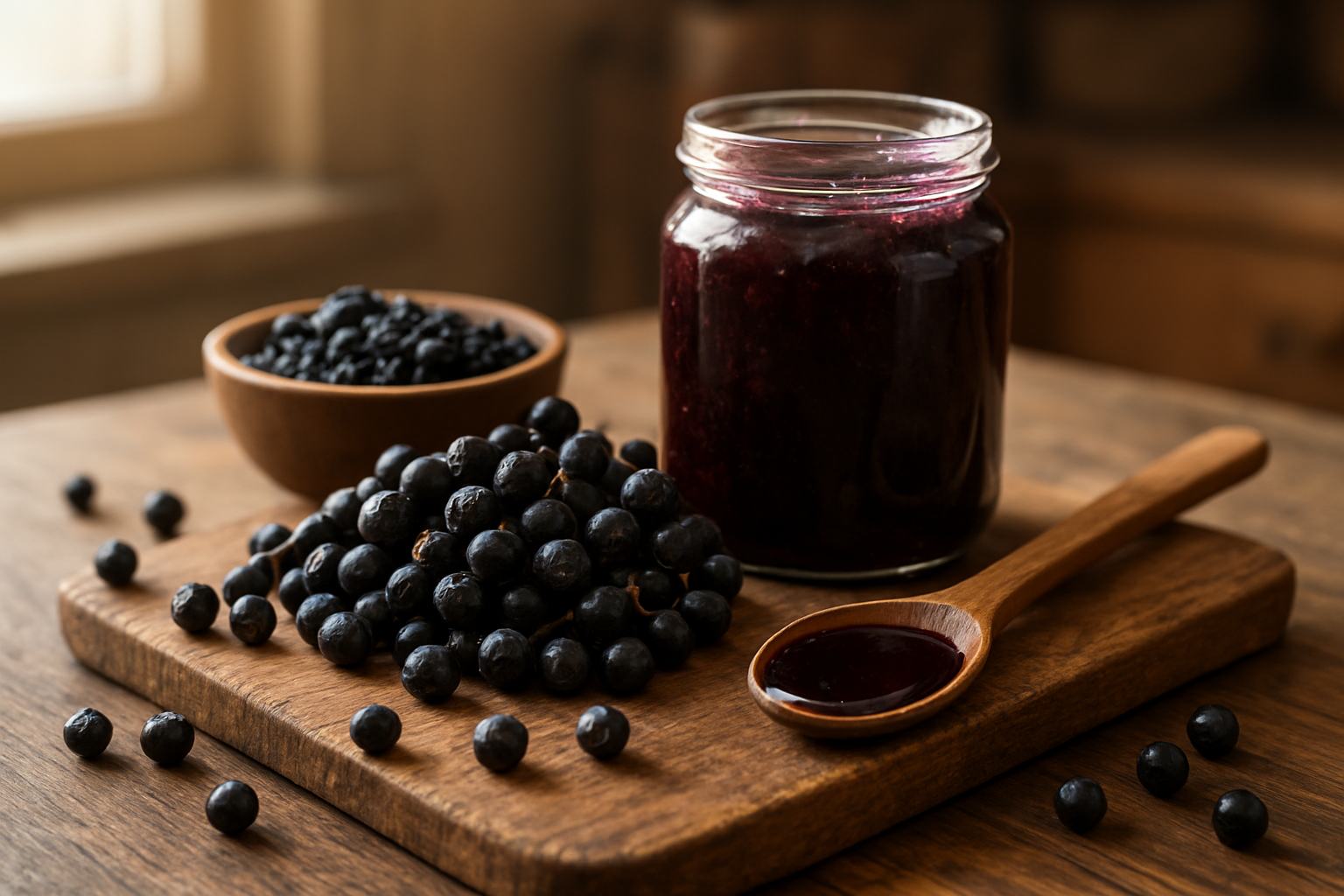
Jams and Jellies: Mix with sugar and pectin for traditional preserves that pair beautifully with cheese boards
-
Fruit Butters: Slow-cooked aronia butter develops deep, complex flavors perfect for toast and pastries
-
Chutneys: Combined with onions and spices, they create excellent accompaniments for roasted meats
Beverage Applications:
-
Juices: Fresh or frozen berries blend into nutrient-dense juices, often mixed with apple or grape juice
-
Smoothies: Frozen aronia berries add antioxidants and deep color to morning smoothies
-
Wine and Liqueurs: Fermented black chokeberries produce unique wines and spirits
-
Teas and Infusions: Dried berries steep into antioxidant-rich herbal teas
Baked Goods and Desserts:
-
Muffins and Scones: Dried or fresh berries add bursts of flavor and nutrition
-
Pies and Tarts: Combined with apples or pears, they create memorable desserts
-
Sorbets: The intense flavor makes excellent frozen desserts
Storage and Preservation Methods
Proper storage extends the life of your black chokeberry harvest and maintains their nutritional value. Fresh aronia berries are delicate and require careful handling to prevent spoilage.
Fresh Storage:
-
Refrigerate unwashed berries in breathable containers for up to one week
-
Store in perforated plastic bags or shallow containers to prevent crushing
-
Don't wash until ready to use, as excess moisture accelerates spoilage
-
Remove any damaged or moldy berries immediately to prevent spread
Freezing Techniques:
-
Flash Freezing: Spread clean, dry berries on baking sheets, freeze solid, then transfer to freezer bags
-
Sugar Pack: Mix berries with sugar (1:4 ratio) before freezing to maintain texture
-
Whole Berry Freezing: Simply pack clean berries in freezer-safe containers
-
Properly frozen black chokeberries maintain quality for 8-12 months
Dehydration Methods:
-
Oven Drying: Spread berries on parchment-lined trays and dry at lowest temperature setting
-
Food Dehydrator: Process at 135°F for 12-16 hours until completely dry
-
Air Drying: In dry climates, berries can air-dry on screens in well-ventilated areas
-
Dried aronia berries store for up to one year in airtight containers
Value-Added Preservation:
Creating processed products extends storage life significantly. Jams and jellies last 1-2 years properly canned, while frozen purees maintain quality for up to 18 months. Vacuum sealing removes air exposure and further extends storage times for all preservation methods.
Growing and Harvesting Black Chokeberries Successfully
Ideal Planting Conditions and Soil Requirements
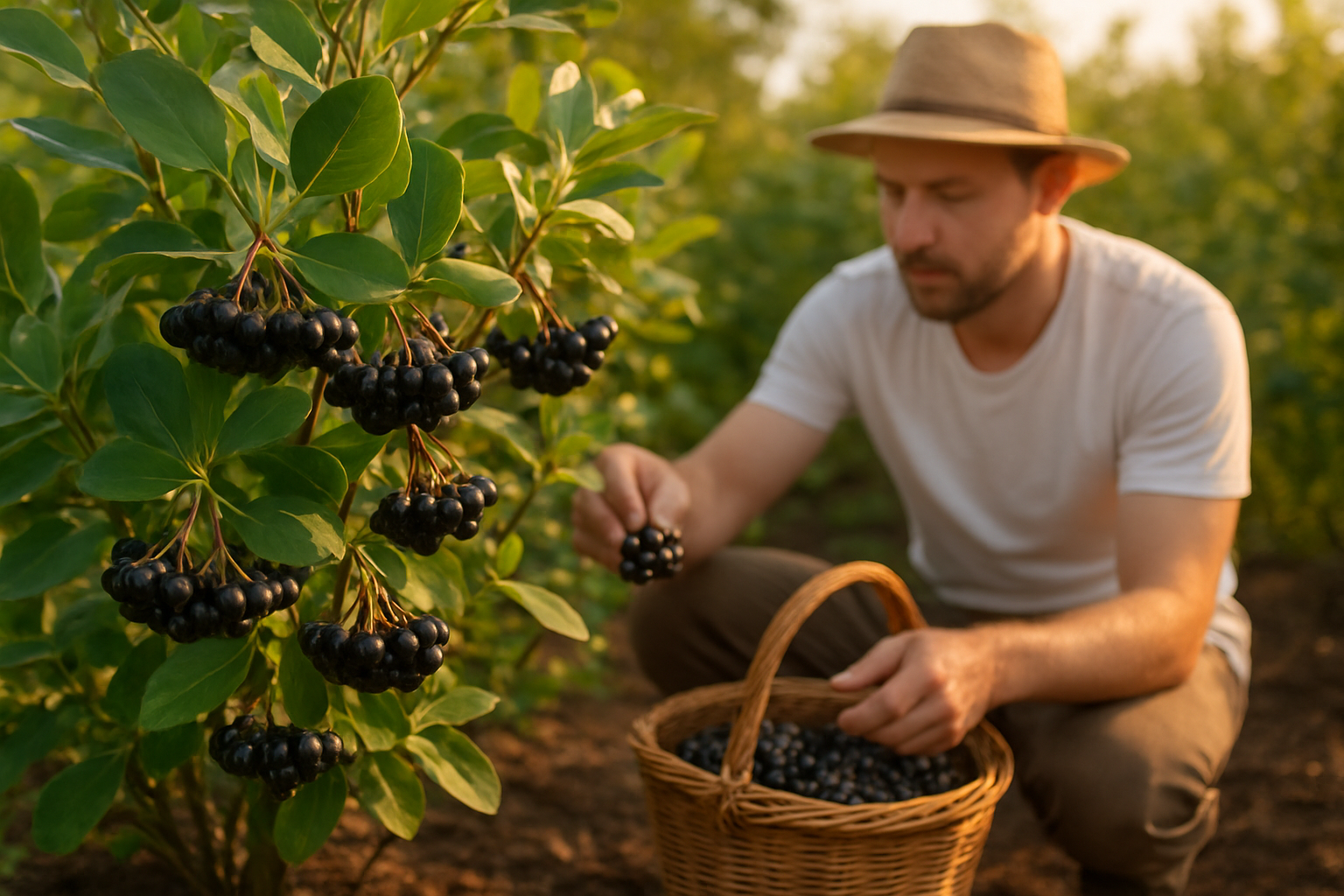
Black chokeberries, scientifically known as Aronia melanocarpa, are remarkably adaptable plants that can handle a wide range of growing conditions. These hardy shrubs prefer full sun exposure but will still produce decent fruit in partial shade areas. When choosing your planting location, look for spots that receive at least six hours of direct sunlight daily for optimal berry production.
Soil-wise, black chokeberries aren't picky at all. They'll grow in everything from sandy soils to heavy clay, though they perform best in well-draining, slightly acidic soil with a pH between 5.0 and 6.5. The plants can even tolerate wet conditions that would kill other berry bushes, making them perfect for rain gardens or naturally moist areas in your yard.
Plant your black chokeberries in early spring or fall, spacing them about 6 to 10 feet apart. Dig holes twice as wide as the root ball but only as deep. Before planting, mix some compost into the native soil to give your new shrubs a nutritional boost. Water thoroughly after planting and apply a 2-3 inch layer of mulch around the base to retain moisture and suppress weeds.
Care and Maintenance Throughout Seasons
Caring for black chokeberries is surprisingly straightforward. During their first year, water regularly to help establish strong root systems. Once established, these drought-tolerant plants rarely need supplemental watering except during extremely dry spells.
Spring Care:
-
Remove any dead or damaged branches
-
Apply balanced fertilizer if your soil is poor
-
Refresh mulch around the base
-
Watch for new growth and pest activity
Summer Maintenance:
-
Water during drought conditions
-
Monitor for pests (though they're rarely problematic)
-
Prune suckers if you want to maintain shrub form
-
Watch fruit development progress
Fall and Winter:
-
Harvest berries when fully ripe
-
Clean up fallen leaves to prevent disease
-
Minimal pruning may be needed
-
Plants are extremely cold hardy (zones 3-8)
Black chokeberries naturally form colonies through underground runners, creating dense thickets over time. If you want to control their spread, simply cut back the runners or plant them in contained areas. For better fruit production, consider planting multiple shrubs for cross-pollination, though single plants will still produce berries.
Optimal Harvesting Time and Techniques
The key to harvesting black chokeberries lies in perfect timing. These dark purple-black berries typically ripen in late August through September, depending on your location and climate. Don't rush the harvest - fully ripe berries have the best flavor and highest antioxidant content.
Look for these ripeness indicators:
-
Deep, dark purple-black color
-
Slight softness when gently squeezed
-
Easy separation from stems
-
Sweet-tart aroma
Harvesting Methods:
The easiest way to harvest is by cutting entire clusters with clean pruning shears. This method is faster than picking individual berries and less likely to damage the fruit. Place clusters in shallow containers to prevent crushing.
For larger harvests, some growers use the "shake and catch" method with tarps spread beneath the bushes. Gently shake branches to release ripe berries, though this works best when berries are fully mature.
Post-Harvest Handling:
Process your aronia berries within a day or two of harvesting for best quality. Remove stems and any damaged fruit before storing. Fresh berries keep in the refrigerator for up to two weeks, or you can freeze them whole for longer storage. Many people prefer to process black chokeberries immediately into juices, jams, or dried products since the raw berries have an intensely astringent taste that mellows beautifully when cooked or processed.
A mature black chokeberry shrub typically yields 15-20 pounds of fruit annually, making them incredibly productive additions to any edible landscape.
Health Benefits and Medicinal Properties
Immune System Support and Disease Prevention
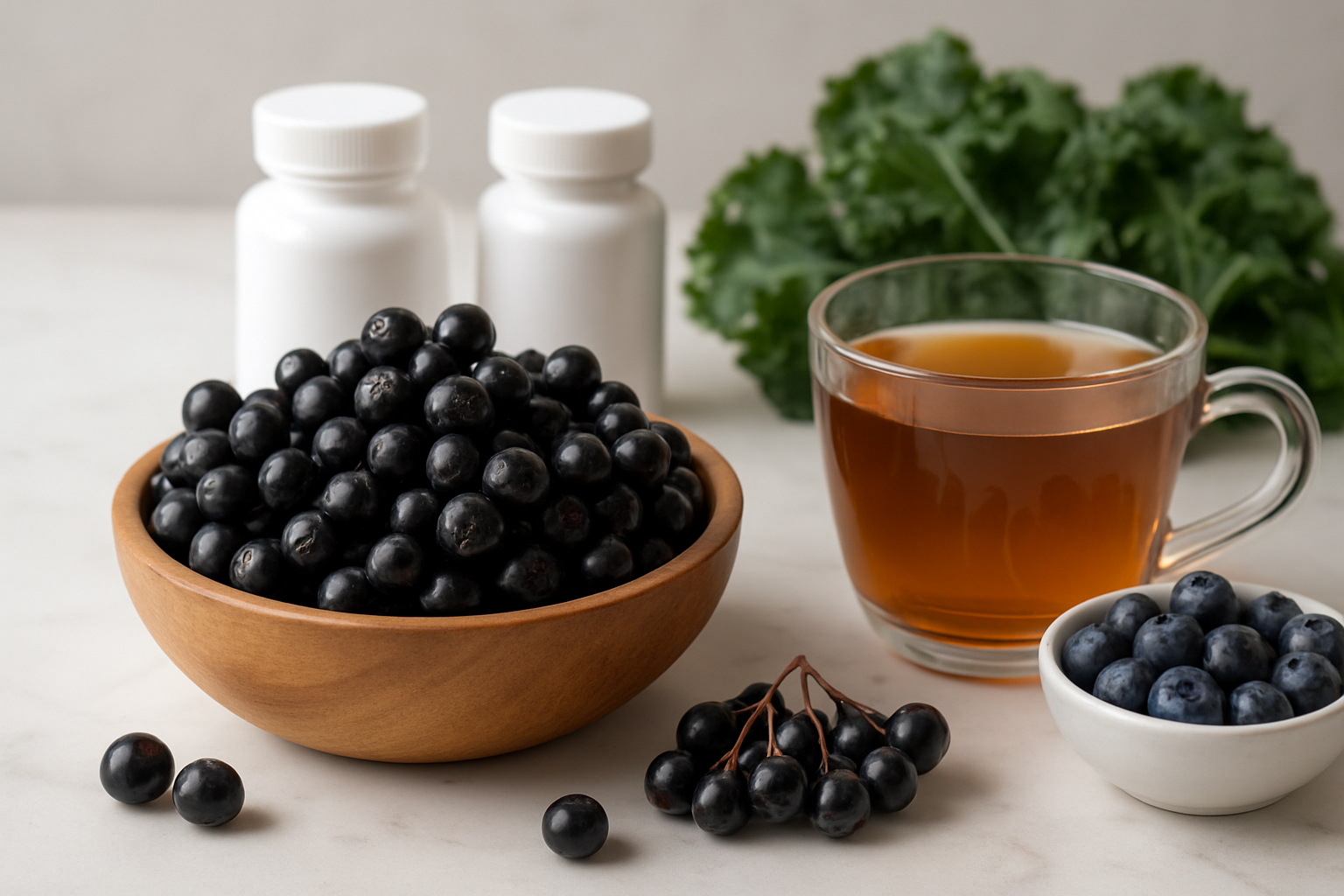
Black chokeberries pack a serious punch when it comes to boosting your immune system. These dark purple berries contain some of the highest levels of antioxidants found in any fruit, with anthocyanins leading the charge. These powerful compounds help your body fight off free radicals that can damage cells and weaken your immune response.
Research shows that regular consumption of aronia berries can increase your body's natural defense mechanisms. The high vitamin C content works alongside other antioxidants to strengthen white blood cell function, making you less susceptible to common illnesses like colds and flu. Studies have found that people who eat black chokeberries regularly experience fewer sick days and recover faster when they do get ill.
The berry's antimicrobial properties also help prevent bacterial and viral infections. This natural protection comes from compounds like quercetin and epicatechin, which create an inhospitable environment for harmful pathogens while supporting beneficial bacteria in your gut.
Heart Health and Cardiovascular Benefits
Your heart will thank you for adding black chokeberries to your diet. These small but mighty berries contain compounds that specifically target cardiovascular health, making them a natural ally in preventing heart disease.
The anthocyanins in chokeberry antioxidants help reduce LDL (bad) cholesterol while supporting healthy blood pressure levels. Clinical studies have shown that consuming aronia melanocarpa extract can lower systolic blood pressure by up to 11 points in people with mild hypertension.
Black chokeberry benefits extend to improving overall circulation as well. The berries help strengthen blood vessel walls and reduce inflammation in arteries, which decreases your risk of developing atherosclerosis. Regular consumption has been linked to:
-
Reduced risk of heart attack and stroke
-
Improved blood flow and circulation
-
Lower levels of harmful cholesterol
-
Better regulation of blood pressure
-
Strengthened arterial walls
Anti-Inflammatory Effects and Recovery Support
Chronic inflammation is behind many health problems, from arthritis to autoimmune disorders. Black chokeberries act as natural anti-inflammatory agents, helping your body manage inflammation at the cellular level.
The berries contain powerful polyphenols that block inflammatory pathways in your body. Athletes and fitness enthusiasts have discovered that drinking aronia berry juice after workouts helps reduce muscle soreness and speeds up recovery time. This happens because the antioxidants help clear away the inflammatory byproducts of intense exercise.
People dealing with conditions like rheumatoid arthritis or inflammatory bowel disease often find relief when they include these berries in their daily routine. The natural compounds work gently but effectively to calm overactive immune responses without the side effects associated with pharmaceutical anti-inflammatory drugs.
Digestive Health and Metabolic Advantages
Your digestive system gets major support from black chokeberries. The high fiber content promotes healthy gut bacteria while helping maintain regular bowel movements. But the benefits go much deeper than basic digestion.
These berries help regulate blood sugar levels, making them particularly valuable for people managing diabetes or prediabetes. The natural compounds slow down sugar absorption and improve insulin sensitivity, leading to more stable energy levels throughout the day.
Chokeberry nutrition facts reveal impressive metabolic benefits. Regular consumption can help:
-
Boost metabolism and support healthy weight management
-
Improve insulin sensitivity and glucose regulation
-
Support liver detoxification processes
-
Enhance nutrient absorption in the digestive tract
-
Promote healthy gut microbiome balance
The berries also support liver health by helping this vital organ process toxins more efficiently. This detoxification support can lead to clearer skin, better energy levels, and improved overall wellness.
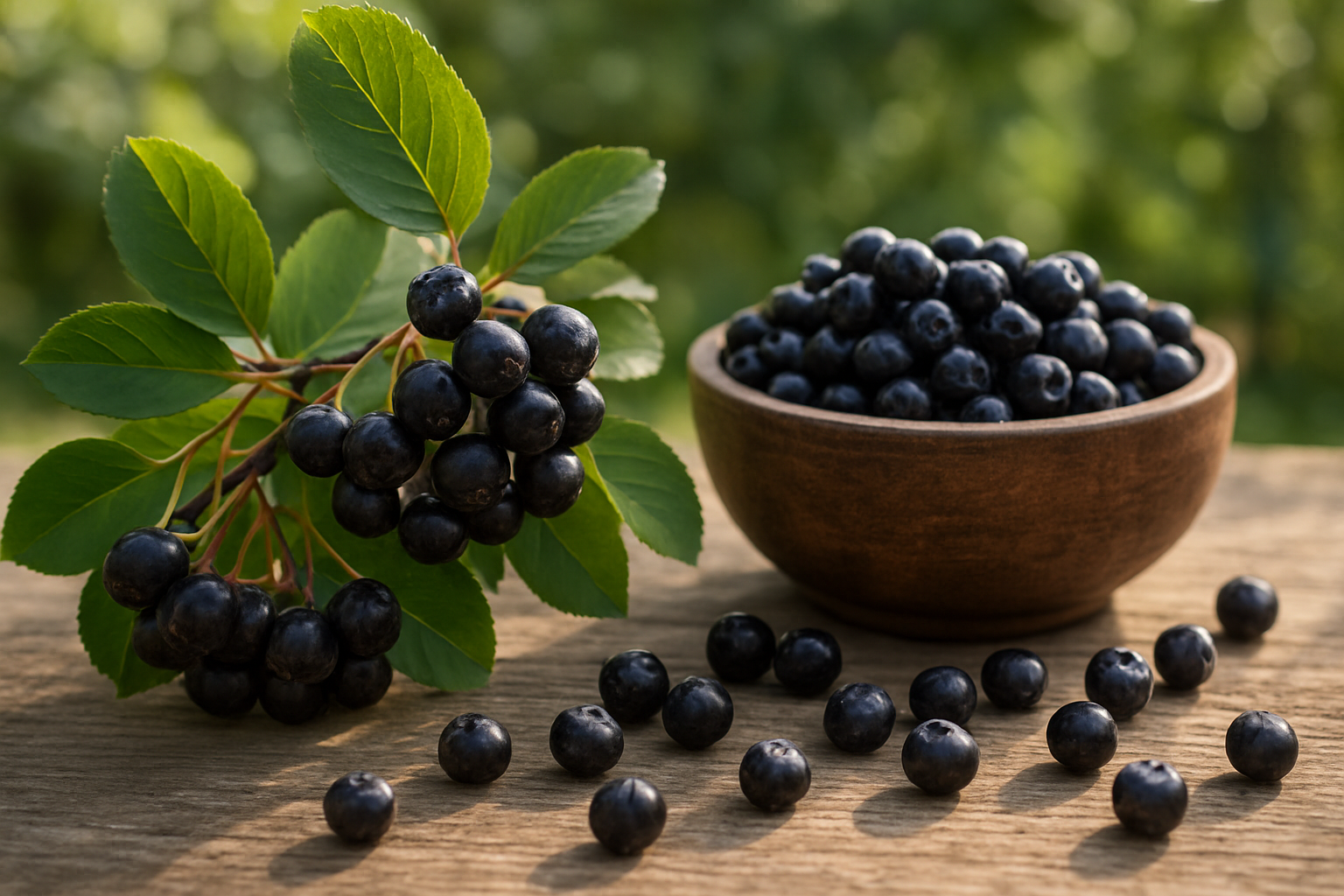
Black chokeberries pack an impressive nutritional punch that makes them worth adding to your diet. These dark purple berries are loaded with antioxidants, vitamins, and minerals that can boost your immune system and support overall health. While their tart, astringent flavor might take some getting used to, they work beautifully in jams, smoothies, and baked goods where you can balance their intensity with sweeter ingredients.
Growing your own black chokeberry bushes is surprisingly easy, and these hardy plants can thrive in various soil conditions while providing you with a steady harvest. Whether you're interested in their potential health benefits or simply want to try something new in the kitchen, black chokeberries offer a unique way to diversify your fruit intake. Start small by picking up some frozen berries at the health food store, or consider planting a bush in your yard for a long-term supply of this superfruit.


.png)
Comments
Post a Comment