Black Sapote - What's The Black Sapote Fruit?

Have you ever heard of a fruit that tastes like chocolate pudding but grows on a tree? Meet the black sapote fruit – a tropical treasure that's been called "chocolate pudding fruit" for good reason. This dark-skinned marvel looks like a green tomato from the outside but transforms into creamy, sweet perfection once ripe.
This guide is perfect for curious food lovers, health enthusiasts, and anyone wanting to expand their fruit horizons with something truly special. If you've been wondering "what is black sapote" or searching for your next superfruit discovery, you're in the right place.
We'll explore what makes black sapote so unique and where this amazing fruit comes from around the world. You'll also discover the impressive black sapote nutrition profile and health benefits that make it more than just a delicious treat. Finally, we'll cover how to eat black sapote properly – from picking the perfect one to enjoying it in creative ways that'll make you forget about regular desserts.
Discover the Unique Characteristics of Black Sapote
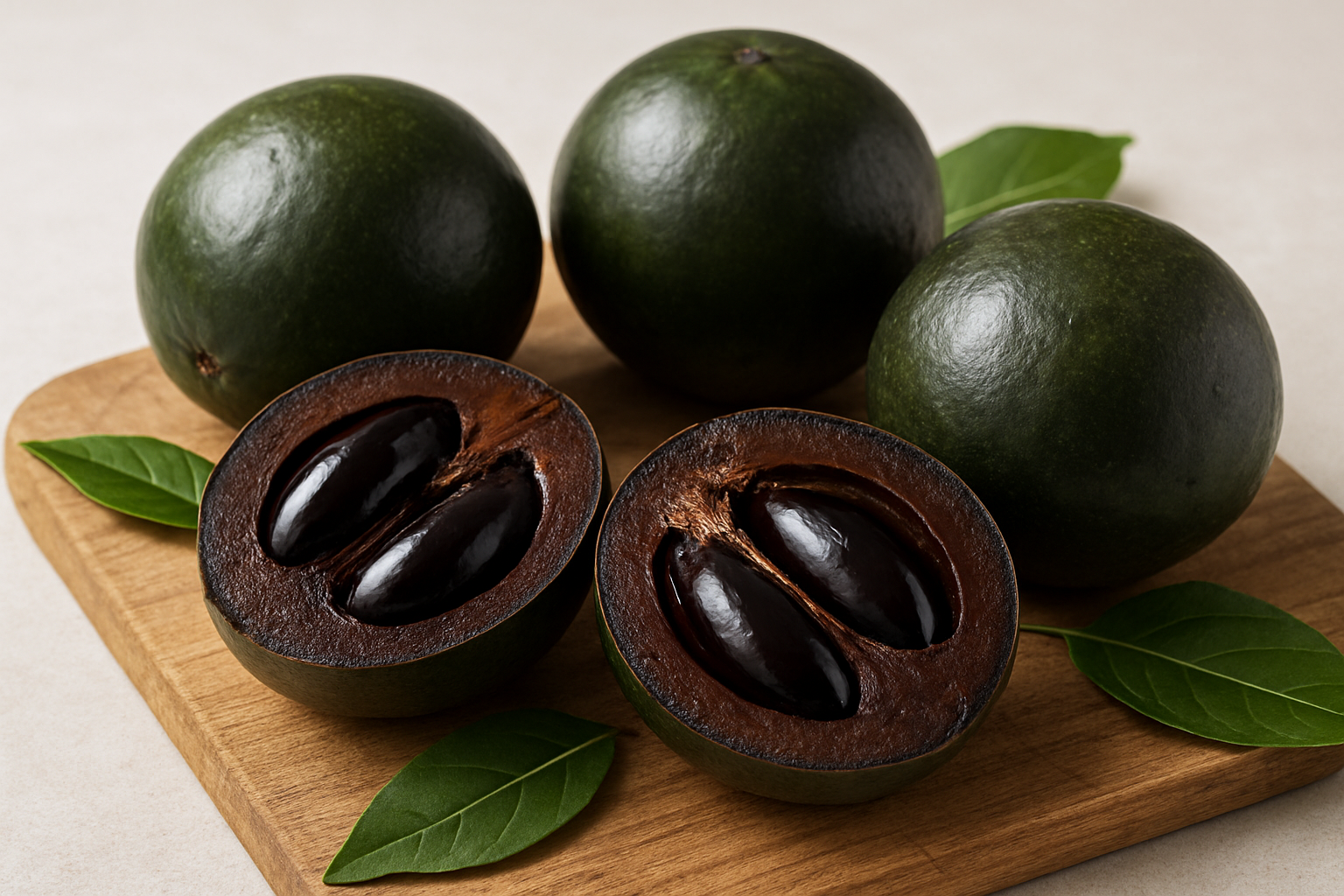
Learn about the fruit's distinctive chocolate pudding-like texture
When you bite into a ripe black sapote fruit, you'll discover something truly magical. The flesh has an incredibly smooth, creamy consistency that feels almost identical to chocolate pudding on your tongue. This tropical fruit black sapote develops its signature texture only when perfectly ripe, transforming from firm and astringent to luxuriously soft and sweet.
The creamy interior literally scoops out like pudding, making it perfect for eating with a spoon. Unlike many fruits that have fibrous or grainy textures, the black sapote offers a completely smooth experience that melts in your mouth. This unique characteristic sets it apart from virtually every other fruit in the world.
Understand why it's called the "chocolate pudding fruit"
The nickname "chocolate pudding fruit" comes from more than just texture. When fully ripe, the black sapote taste delivers sweet, mild flavors with subtle hints that remind many people of chocolate dessert. The combination of its pudding-like consistency and gentle sweetness creates an experience remarkably similar to eating actual chocolate pudding.
This comparison isn't just marketing hype – it's based on genuine sensory experience. The fruit's natural sugars develop as it ripens, creating that dessert-like quality that has earned it recognition among fruit enthusiasts worldwide. Many people who try black sapote for the first time are amazed by how closely it resembles their favorite chocolate dessert.
Explore its striking black interior and green exterior appearance
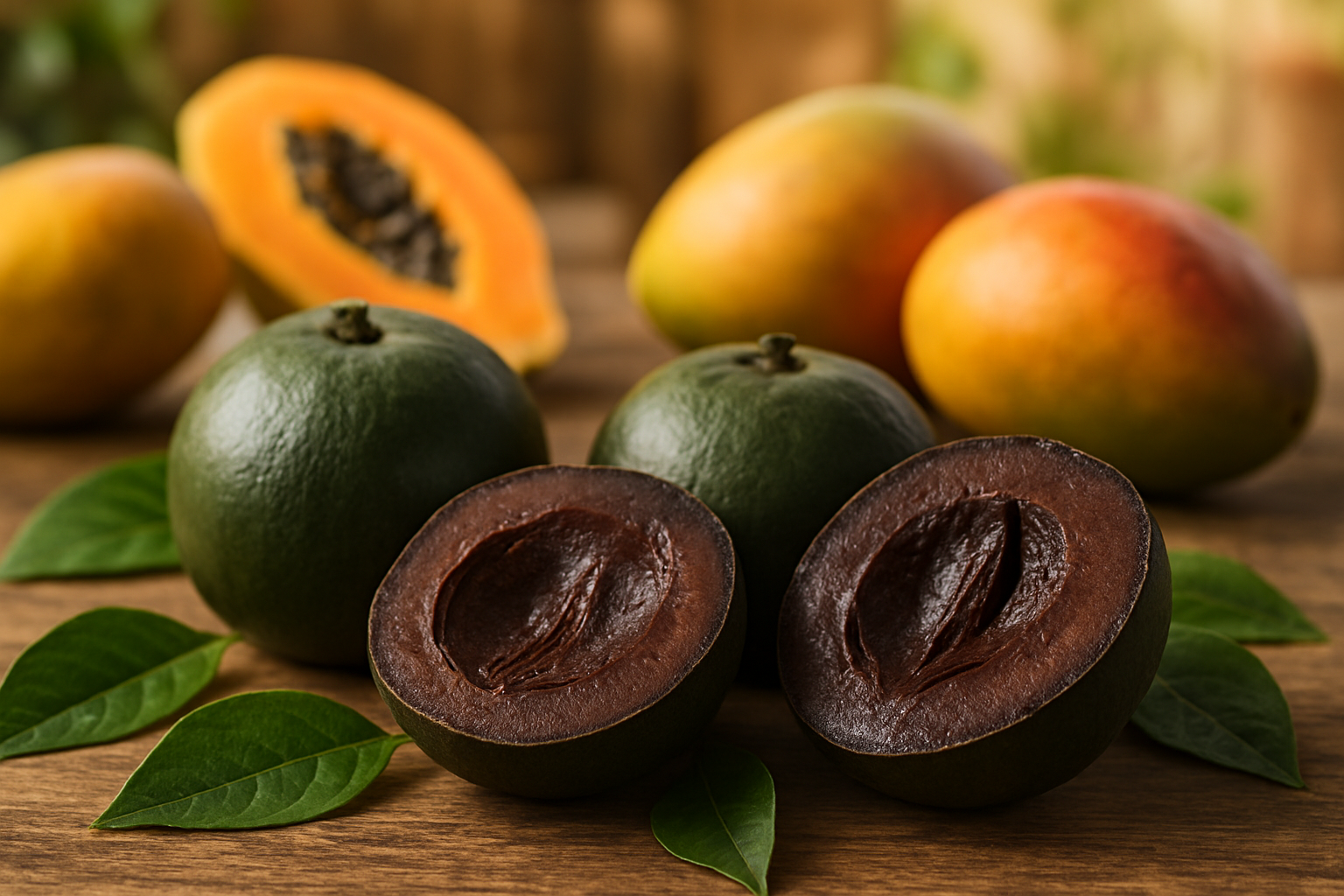
What is black sapote visually? The contrast between exterior and interior is striking. The outside features smooth, green skin that looks similar to a large green tomato or persimmon. This green exterior gives no hint of the dramatic black flesh waiting inside.
Cut open a ripe black sapote fruit, and you'll reveal glossy, dark brown to black flesh that looks almost artificial in its intensity. The color ranges from deep chocolate brown to nearly jet black, depending on ripeness. Small, flat seeds are scattered throughout the flesh, easily removed when eating.
The skin remains green even when the fruit is perfectly ripe, which can confuse first-time buyers. Unlike many fruits that change color externally when ready to eat, the black sapote keeps its green appearance while the interior transforms into that characteristic dark, creamy flesh that gives this remarkable fruit its reputation.
Explore the Origins and Growing Regions of Black Sapote
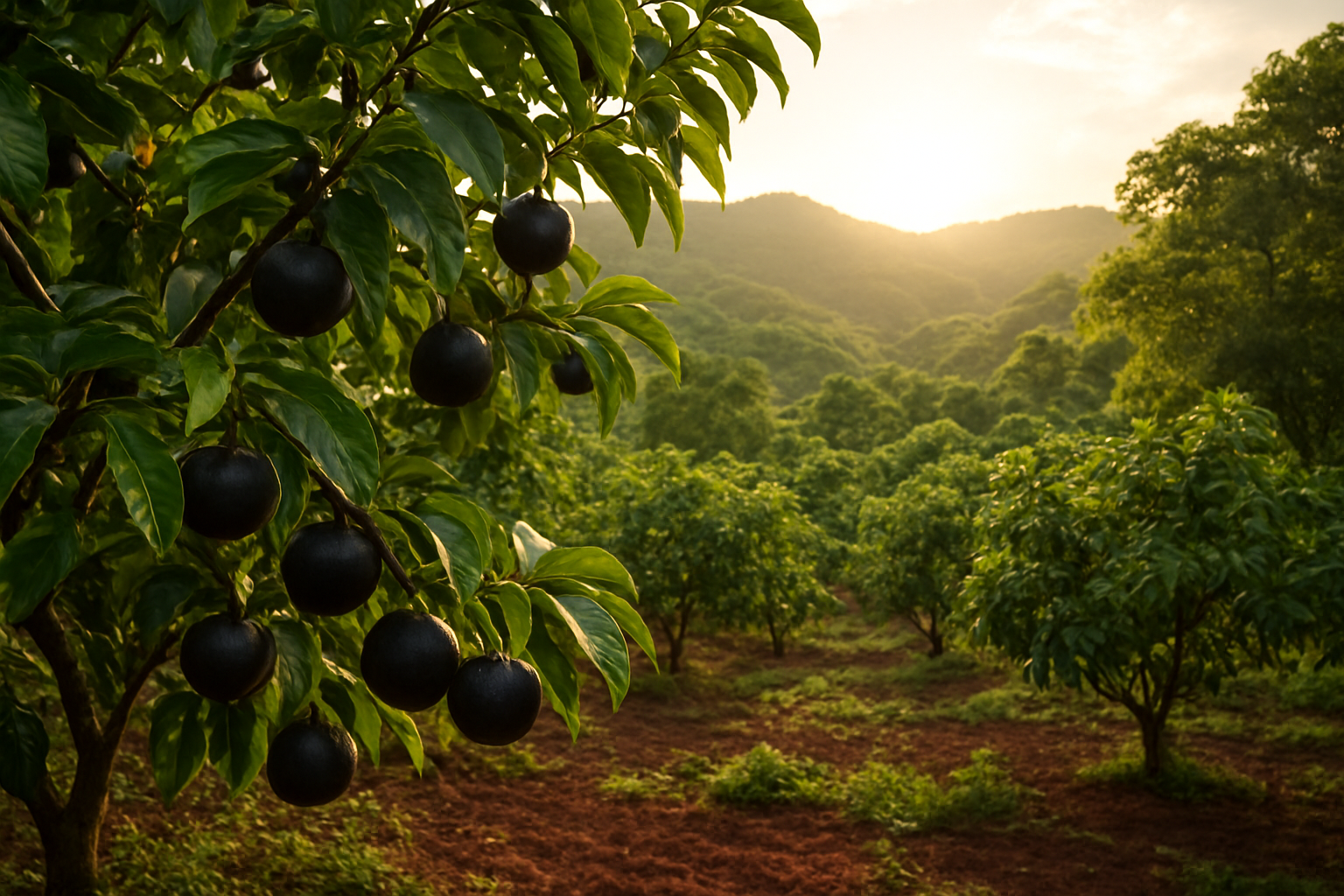
Trace its native roots in Central and South America
The black sapote fruit traces its origins back to the lush tropical regions of Mexico and Central America, where indigenous communities have cherished this unique fruit for centuries. Mexican states like Veracruz, Tabasco, and Chiapas serve as the primary homeland for wild black sapote trees, which grow naturally in coastal lowland forests and river valleys.
Archaeological evidence suggests that pre-Columbian civilizations cultivated and consumed black sapote as early as 900 AD. The Aztecs called it "tliltzapotl," meaning "black fruit," and valued it for both its sweet taste and supposed medicinal properties. Spanish conquistadors later documented encountering this chocolate pudding fruit during their expeditions through Central America.
Guatemala, Belize, and parts of Costa Rica also house native populations of black sapote trees. These wild varieties often display greater genetic diversity compared to cultivated specimens, with some trees producing fruits that vary in size, texture, and flavor intensity. The natural habitat features rich, well-draining soils and consistent moisture levels that contribute to optimal fruit development.
Discover current cultivation areas worldwide
Black sapote cultivation has expanded far beyond its Central American origins, with farmers and fruit enthusiasts establishing orchards across tropical and subtropical regions worldwide. Florida leads commercial production in the United States, particularly in Miami-Dade County, where the warm, humid climate mirrors the fruit's native environment.
Australia has embraced black sapote farming along its eastern coast, with Queensland producing high-quality fruits for both domestic consumption and export markets. The country's favorable growing conditions have allowed farmers to develop improved varieties with enhanced flavor profiles and extended shelf life.
| Region | Primary Growing Areas | Commercial Status |
|---|---|---|
| United States | Florida, Southern California, Hawaii | Limited commercial |
| Australia | Queensland, Northern New South Wales | Growing commercial market |
| Philippines | Luzon, Mindanao | Small-scale farming |
| Indonesia | Java, Sumatra | Traditional cultivation |
| Caribbean | Puerto Rico, Dominican Republic | Backyard orchards |
The Philippines and Indonesia have integrated black sapote into their diverse fruit cultivation systems, though production remains relatively small-scale. Caribbean islands, particularly Puerto Rico, have seen increased interest in growing this tropical fruit black sapote for local markets and agrotourism ventures.
Understand optimal growing conditions and climate requirements
Black sapote trees thrive in tropical to subtropical climates with specific environmental parameters that closely match their native habitat. Temperature ranges between 65-85°F (18-29°C) provide ideal growing conditions, while the trees can tolerate brief temperature drops to around 50°F (10°C) without significant damage.
Rainfall requirements are substantial, with trees needing 40-60 inches of annual precipitation distributed relatively evenly throughout the year. During dry periods, supplemental irrigation becomes essential for maintaining fruit quality and tree health. The black sapote fruit develops best when soil moisture remains consistent but not waterlogged.
Soil composition plays a crucial role in successful cultivation. Well-draining, slightly acidic to neutral soils (pH 6.0-7.5) with good organic content support healthy root development and nutrient uptake. Clay-heavy or poorly draining soils can lead to root rot and reduced fruit production.
Key growing requirements include:
-
Full sun exposure (6-8 hours daily)
-
Protection from strong winds
-
Adequate spacing (25-30 feet between trees)
-
Regular pruning for air circulation
-
Organic mulching to retain moisture
Learn about seasonal availability and harvest times
Black sapote harvest seasons vary significantly based on geographic location and local climate patterns. In its native Mexican habitat, trees typically produce fruit from late fall through early spring, with peak harvest occurring between December and March when cooler temperatures help develop the fruit's characteristic creamy texture.
Florida growers experience a slightly different timeline, with fruits generally ripening from October through February. The state's subtropical climate allows for consistent production, though occasional cold snaps can delay harvest or reduce yields. Some Florida varieties have been bred to extend the harvest season into early spring.
Australian black sapote orchards in Queensland follow the Southern Hemisphere seasons, producing ripe fruits from May through August. This timing provides excellent opportunities for counter-seasonal exports to Northern Hemisphere markets seeking fresh tropical fruits during their off-season months.
Harvest timing indicators:
-
Fruit color changes from green to dark olive or brown
-
Slight softening when gently pressed
-
Easy separation from branch with minimal force
-
Glossy skin appearance
Proper harvest timing is critical because black sapote fruit continues ripening after picking. Fruits harvested too early may never develop their full flavor potential, while overripe specimens become mushy and lose their appealing chocolate pudding-like consistency that makes this tropical fruit so distinctive.
Unlock the Impressive Nutritional Benefits
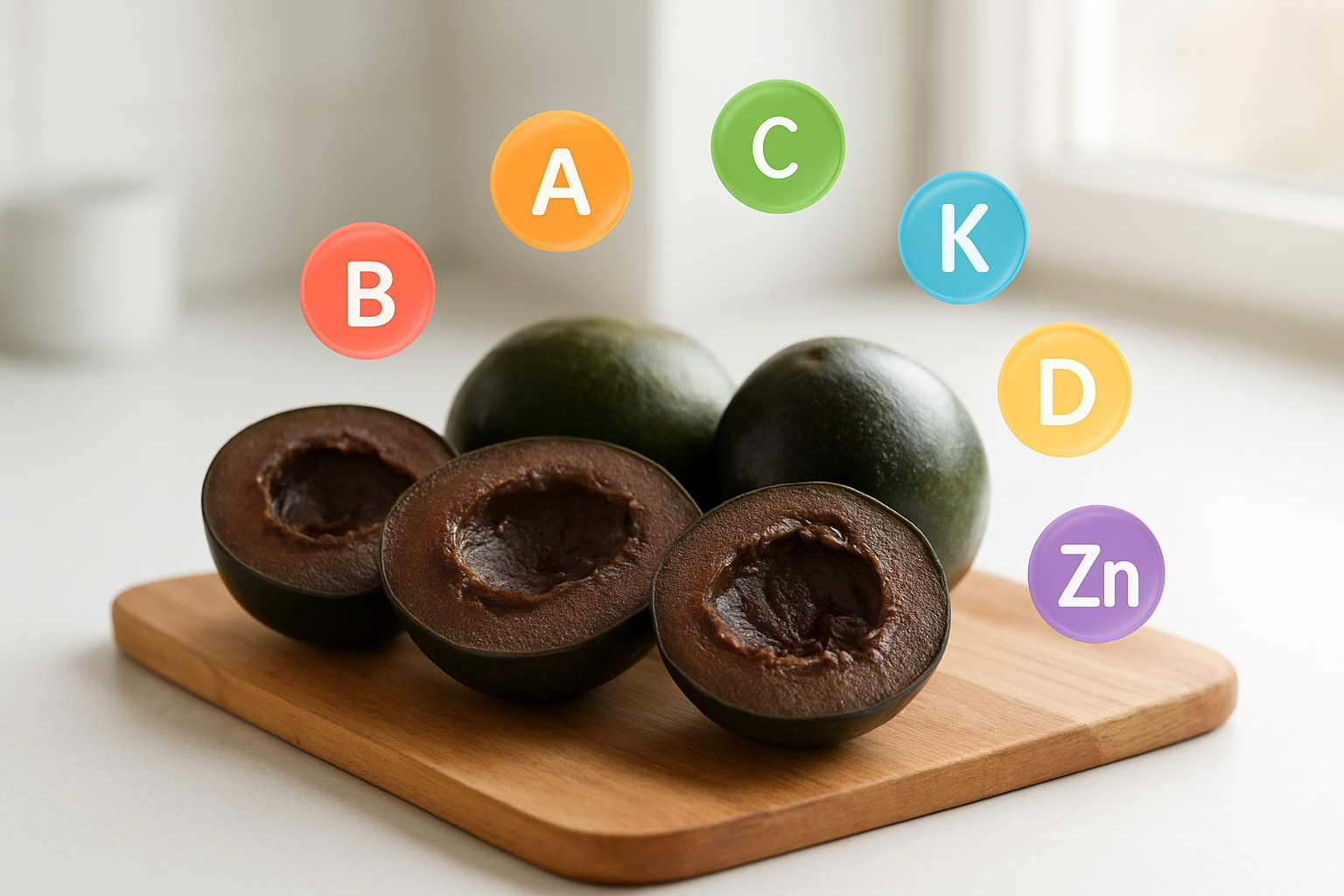
Discover high vitamin C content and antioxidant properties
Black sapote packs an incredible vitamin C punch that rivals traditional citrus fruits. A single serving provides about 20-25% of your daily vitamin C needs, making this chocolate pudding fruit a powerhouse for immune system support. The vitamin C in black sapote fruit works alongside powerful antioxidants like vitamin A and various polyphenols to combat free radicals throughout your body.
The antioxidant profile of this tropical fruit includes flavonoids and carotenoids that protect cells from oxidative stress. These compounds help reduce inflammation and may lower your risk of chronic diseases. The dark, creamy flesh contains anthocyanins - the same antioxidants found in blueberries and blackberries - which give the fruit its distinctive color and health benefits.
Learn about fiber content for digestive health
Black sapote nutrition shines when it comes to digestive wellness. Each fruit contains approximately 6-8 grams of dietary fiber, supporting healthy gut function and regular bowel movements. This soluble and insoluble fiber combination helps maintain beneficial gut bacteria while keeping you feeling satisfied longer.
The fiber content also helps regulate blood sugar levels by slowing glucose absorption, making black sapote an excellent choice for those managing diabetes or watching their glycemic intake. The prebiotic properties of this fiber feed healthy bacteria in your digestive system, promoting overall gut health.
Explore low-calorie alternative to chocolate desserts
Here's where black sapote benefits really stand out - this fruit naturally tastes like chocolate pudding while containing only 80-100 calories per serving. Traditional chocolate desserts can pack 300-500 calories or more, making black sapote an amazing swap for health-conscious chocolate lovers.
The creamy, rich texture satisfies dessert cravings without added sugars, artificial flavors, or unhealthy fats. You can blend ripe black sapote with a touch of vanilla or cinnamon to create guilt-free chocolate mousse that delivers indulgence without the caloric consequences.
Understand mineral content including potassium and magnesium
Black sapote delivers essential minerals that support various bodily functions. Potassium content ranges from 250-300mg per serving, helping regulate blood pressure and supporting heart health. This mineral also aids muscle function and nerve transmission throughout your body.
Magnesium levels in black sapote contribute to bone health, energy metabolism, and muscle relaxation. Each serving provides about 10-15% of your daily magnesium needs. The fruit also contains smaller amounts of calcium, iron, and phosphorus, creating a well-rounded mineral profile that supports overall wellness.
Compare nutritional value to other tropical fruits
| Fruit | Calories (100g) | Vitamin C (mg) | Fiber (g) | Potassium (mg) |
|---|---|---|---|---|
| Black Sapote | 80-100 | 15-20 | 6-8 | 250-300 |
| Mango | 60 | 36 | 1.6 | 168 |
| Papaya | 43 | 61 | 1.7 | 182 |
| Passion Fruit | 97 | 30 | 10.4 | 348 |
| Cherimoya | 75 | 12 | 3 | 287 |
Tropical fruit black sapote holds its own against popular alternatives, offering unique advantages like higher fiber content than mango and papaya, while providing comparable potassium levels to other nutrient-dense options. The black sapote taste combined with its nutritional profile makes it a standout choice for anyone seeking both flavor and health benefits in their fruit selections.
Master the Art of Selecting and Preparing Black Sapote
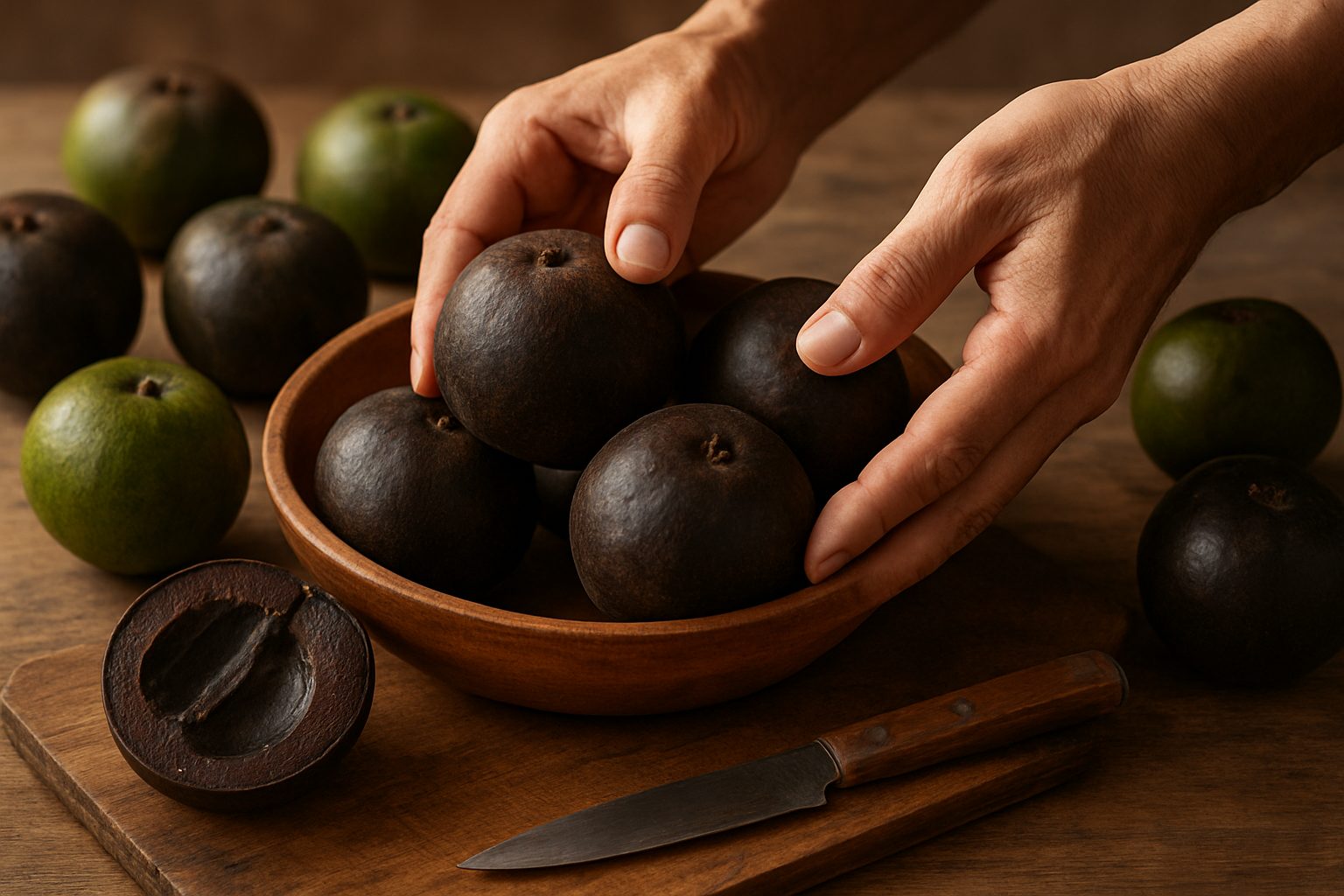
Identify perfectly ripe fruit through touch and appearance
Perfect black sapote selection starts with understanding the fruit's unique ripening process. Unlike most fruits, this chocolate pudding fruit should feel soft to the touch - almost squishy - when it's ready to eat. A ripe black sapote fruit yields easily to gentle pressure, similar to a very soft avocado or overripe tomato.
The skin color provides another crucial indicator. Look for dark olive-green to brownish-black skin that may appear slightly wrinkled or dimpled. The surface should have a matte finish rather than a glossy shine. Fresh, unripe fruits display bright green skin and feel firm like an apple - these need more time to ripen.
Size matters too. Choose black sapote fruits that feel heavy for their size, indicating good moisture content and proper development. Avoid fruits with dark spots, cuts, or overly wrinkled areas that suggest overripeness or damage.
Learn proper storage techniques to maintain freshness
Room temperature ripening works best for black sapote. Place unripe fruits in a paper bag with a banana or apple to speed up the process - the ethylene gas will help them ripen faster. This typically takes 3-7 days depending on initial ripeness.
Once your tropical fruit black sapote reaches perfect ripeness, move it to the refrigerator immediately. Ripe fruits last 2-3 days in cold storage before quality begins to decline. The flesh becomes overly mushy and develops off-flavors if left too long.
Never refrigerate unripe black sapote - cold temperatures stop the ripening process entirely, leaving you with fruit that never develops its characteristic creamy texture and sweet taste.
Discover safe preparation methods and seed removal
Start by washing the black sapote gently under cool running water. Cut the fruit in half lengthwise using a sharp knife, revealing the dark, pudding-like flesh inside. The interior should look glossy and chocolate-colored when perfectly ripe.
Remove the large, flat seeds carefully - they're not edible and can be quite hard. Most fruits contain 1-8 seeds depending on size. Scoop out the flesh with a spoon, avoiding any areas that look brown or have an unpleasant smell.
The skin isn't typically eaten, though it's not harmful. The flesh scoops out easily when ripe, leaving behind the tough outer skin. Some people find the skin slightly bitter, so stick to the creamy interior for the best black sapote taste experience.
Understand when the fruit is ready to eat
Timing is everything with black sapote. The fruit is ready when the flesh has transformed from firm and astringent to soft and sweet. Unripe black persimmon contains high levels of tannins that create an unpleasantly dry, puckering sensation in your mouth.
The interior flesh should be uniformly dark and creamy throughout. Any white or green areas indicate the fruit needs more ripening time. Properly ripe flesh has a custard-like consistency and mild, sweet flavor often compared to chocolate pudding mixed with dates.
Trust your nose - ripe black sapote has a pleasant, sweet aroma. If the fruit smells fermented, alcoholic, or unpleasant, it's past its prime and should be discarded.
Experience Delicious Ways to Enjoy Black Sapote

Create Healthy Chocolate-Flavored Smoothies and Shakes
The black sapote fruit's natural chocolate-like flavor makes it perfect for creating indulgent smoothies that taste like dessert but pack serious nutritional value. Blend ripe black sapote with banana, almond milk, and a touch of vanilla for a creamy chocolate smoothie that satisfies sweet cravings without added sugars. For extra richness, add half an avocado - the combination creates an incredibly smooth texture while boosting healthy fats.
Try mixing black sapote with frozen berries and coconut milk for a tropical twist, or combine it with dates and cacao powder for an intensely chocolatey experience. The fruit blends beautifully with protein powder, making it ideal for post-workout recovery shakes. Add spinach or kale for extra nutrients - the black sapote's sweet flavor completely masks any veggie taste.
Make Natural Puddings and Desserts Without Added Sugar
Black sapote shines as a natural dessert base, earning its nickname as the "chocolate pudding fruit" for good reason. Simply scoop the flesh from ripe fruit and blend until smooth for an instant chocolate pudding that's completely sugar-free. The texture rivals traditional puddings while delivering vitamins and minerals instead of empty calories.
Create elegant parfaits by layering black sapote puree with Greek yogurt, nuts, and fresh berries. For a more sophisticated dessert, whip black sapote with coconut cream and a splash of rum extract for a mousse-like treat. The fruit also makes excellent ice cream when frozen and blended with coconut milk - no ice cream maker required.
Incorporate Into Baking Recipes as Chocolate Substitute
Replace cocoa powder or chocolate in baking recipes with black sapote puree for naturally sweetened treats. Use about ¾ cup of black sapote puree to replace ½ cup of cocoa powder and reduce other liquids slightly. This substitution works particularly well in brownies, muffins, and quick breads, creating moist, fudgy textures.
Black sapote adds richness to vegan baking recipes, replacing eggs and dairy while providing binding properties. Mix it into cake batters for dense, chocolate-flavored results, or swirl it through cheesecakes for marbled effects. The fruit's natural sugars help reduce the need for additional sweeteners in most recipes.
Enjoy Fresh as a Guilt-Free Dessert Option
Eating black sapote fresh offers the simplest way to enjoy this tropical treasure. Wait until the fruit feels soft like a ripe tomato - the skin should yield to gentle pressure. Scoop the flesh with a spoon directly from the skin for an immediate chocolate-like treat that satisfies dessert cravings naturally.
Chill black sapote in the refrigerator before eating for a refreshing dessert experience. The cold temperature enhances the creamy texture and makes it feel more indulgent. Sprinkle with chopped nuts, coconut flakes, or a drizzle of honey for added complexity, though many people find the natural black sapote taste perfectly satisfying on its own.
Black sapote truly stands out as one of nature's most intriguing fruits. From its chocolate pudding-like texture to its impressive vitamin C content and antioxidant properties, this tropical gem offers both incredible taste and remarkable health benefits. The fruit's versatility shines through whether you're enjoying it fresh, blending it into smoothies, or creating decadent desserts that naturally satisfy your sweet tooth.
Ready to expand your fruit horizons? Keep an eye out for black sapote at specialty grocery stores or farmers markets, especially during peak season from October through February. When you find one, remember to wait until it's completely soft before diving in – patience pays off with this unique treat. Your taste buds will thank you for discovering this delicious and nutritious alternative to traditional desserts.


.png)
Comments
Post a Comment