Cavendish Bananas - What Are Cavendish Bananas?

When you grab bananas at the grocery store, you're almost certainly picking up Cavendish bananas - the yellow, curved fruits that have become the world's most popular banana variety. These sweet, creamy bananas make up about 95% of all bananas sold globally, but many people don't know much about what makes them special or why they dominate store shelves everywhere.
This guide is perfect for curious food lovers, health-conscious shoppers, and anyone who wants to understand more about the bananas they eat daily. We'll explore the fascinating origins of Cavendish banana cultivation and how this variety became the global standard. You'll also discover the impressive Cavendish banana nutrition profile and health benefits that make these fruits more than just a convenient snack. Finally, we'll look at the massive scale of Cavendish banana production worldwide and the surprising challenges threatening this multi-billion dollar industry.
Understanding Cavendish Bananas and Their Unique Characteristics
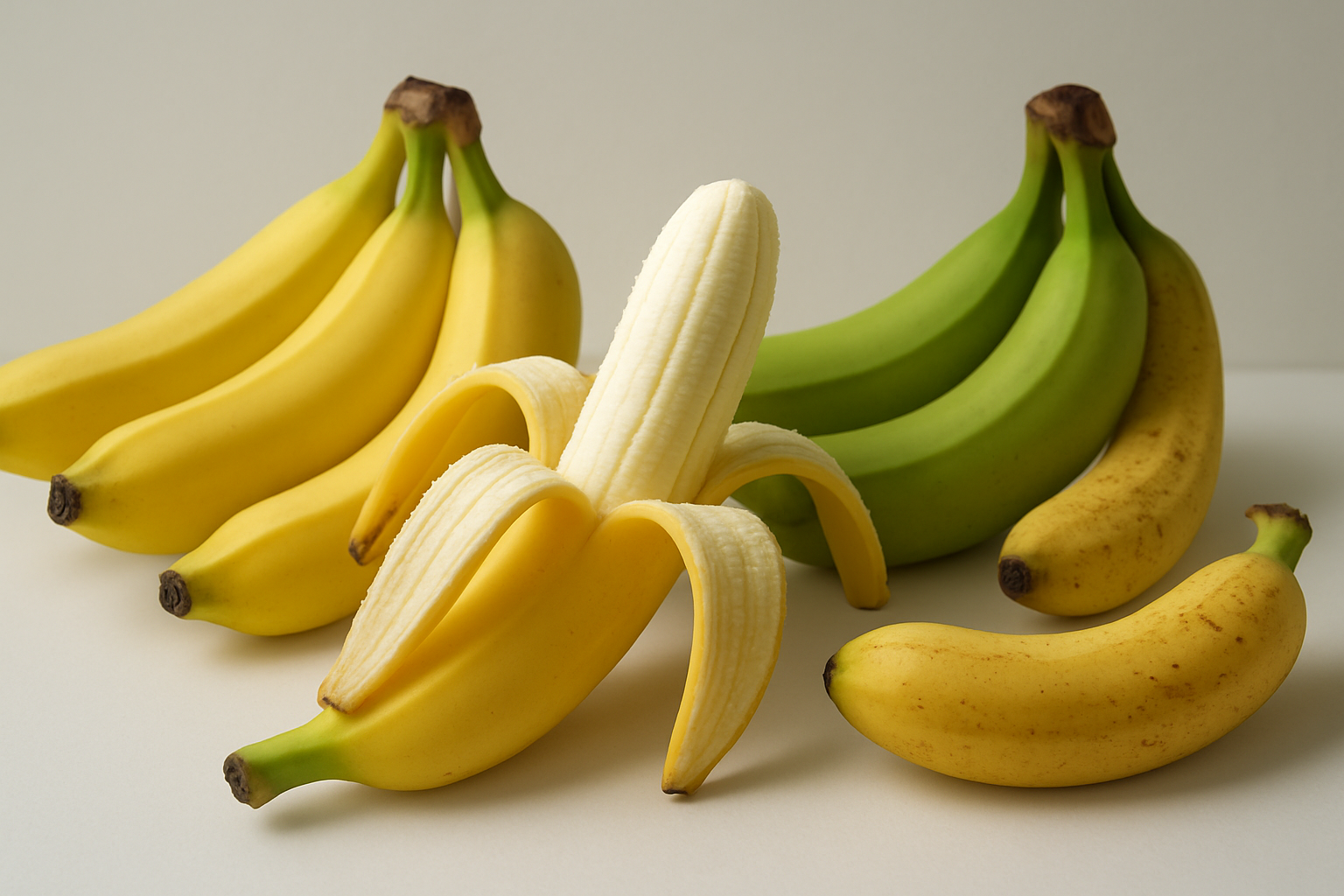
Botanical classification and scientific name of Cavendish bananas
Cavendish bananas belong to the species Musa acuminata, specifically classified as the AAA genome group within the Musaceae family. The scientific designation for most commercial Cavendish varieties is Musa acuminata 'Cavendish', though several subgroups exist including 'Grand Nain', 'Williams', and 'Valery'. These bananas are triploid cultivars, meaning they contain three sets of chromosomes, which makes them seedless and requires vegetative propagation through suckers or tissue culture.
The Cavendish banana variety represents a clone group rather than a single cultivar, with all plants being genetically identical offspring of the original parent plant. This botanical uniformity contributes to their consistent appearance and taste worldwide but also creates vulnerability to diseases that can affect the entire global population.
Physical appearance and distinguishing features from other banana varieties
Cavendish bananas display several distinctive physical characteristics that set them apart from other banana types. When ripe, they showcase a bright yellow skin with minimal spotting, measuring typically 6-8 inches in length. The skin thickness strikes a perfect balance - not too thin like some varieties that bruise easily, nor too thick like plantains.
The fruit's curved shape follows a gentle arc, and the skin peels away cleanly in strips without excessive residue. Cavendish bananas maintain their structural integrity better than many other varieties during transport, with skin that resists splitting and flesh that doesn't become overly soft quickly.
Compared to other banana varieties, Cavendish bananas have:
-
More uniform sizing across individual fruits
-
Consistent yellow coloration when ripe
-
Smoother skin texture with fewer ridges
-
Firmer flesh that holds its shape when sliced
-
Less pronounced flavor variations between individual fruits
Taste profile and texture that makes them consumer favorites
The taste profile of Cavendish bananas strikes an ideal balance that appeals to global palates. They offer a mild sweetness without overwhelming intensity, accompanied by subtle tropical notes and a hint of vanilla. The flavor develops progressively as the banana ripens, starting with slight starchiness when green and evolving into characteristic banana sweetness.
The texture plays a crucial role in their popularity. Cavendish bananas provide a creamy, smooth mouthfeel that's neither too firm nor mushy when properly ripened. This consistency makes them perfect for eating fresh, blending into smoothies, or incorporating into baked goods. The flesh density allows for clean slicing without excessive juice release, making them practical for various culinary applications.
Their mild flavor profile makes them particularly appealing to children and serves as an excellent base for combination with other fruits, cereals, or in recipes where banana flavor should complement rather than dominate other ingredients.
Size and shape variations within the Cavendish family
While Cavendish bananas maintain overall consistency, several size and shape variations exist within the family. The most common commercial varieties include:
| Variety | Length | Characteristics |
|---|---|---|
| Grand Nain | 7-8 inches | Standard supermarket size, robust shape |
| Williams | 6-7 inches | Slightly shorter, traditional Cavendish |
| Valery | 6-8 inches | Consistent sizing, good shipping qualities |
| Poyo | 7-9 inches | Longer variety, popular in some regions |
These variations primarily result from different growing conditions, harvesting timing, and specific subcultivar genetics rather than fundamental genetic differences. Factors like climate, soil conditions, and agricultural practices influence the final size and shape characteristics, though all maintain the recognizable Cavendish appearance that consumers expect worldwide.
Origins and History of Cavendish Banana Cultivation
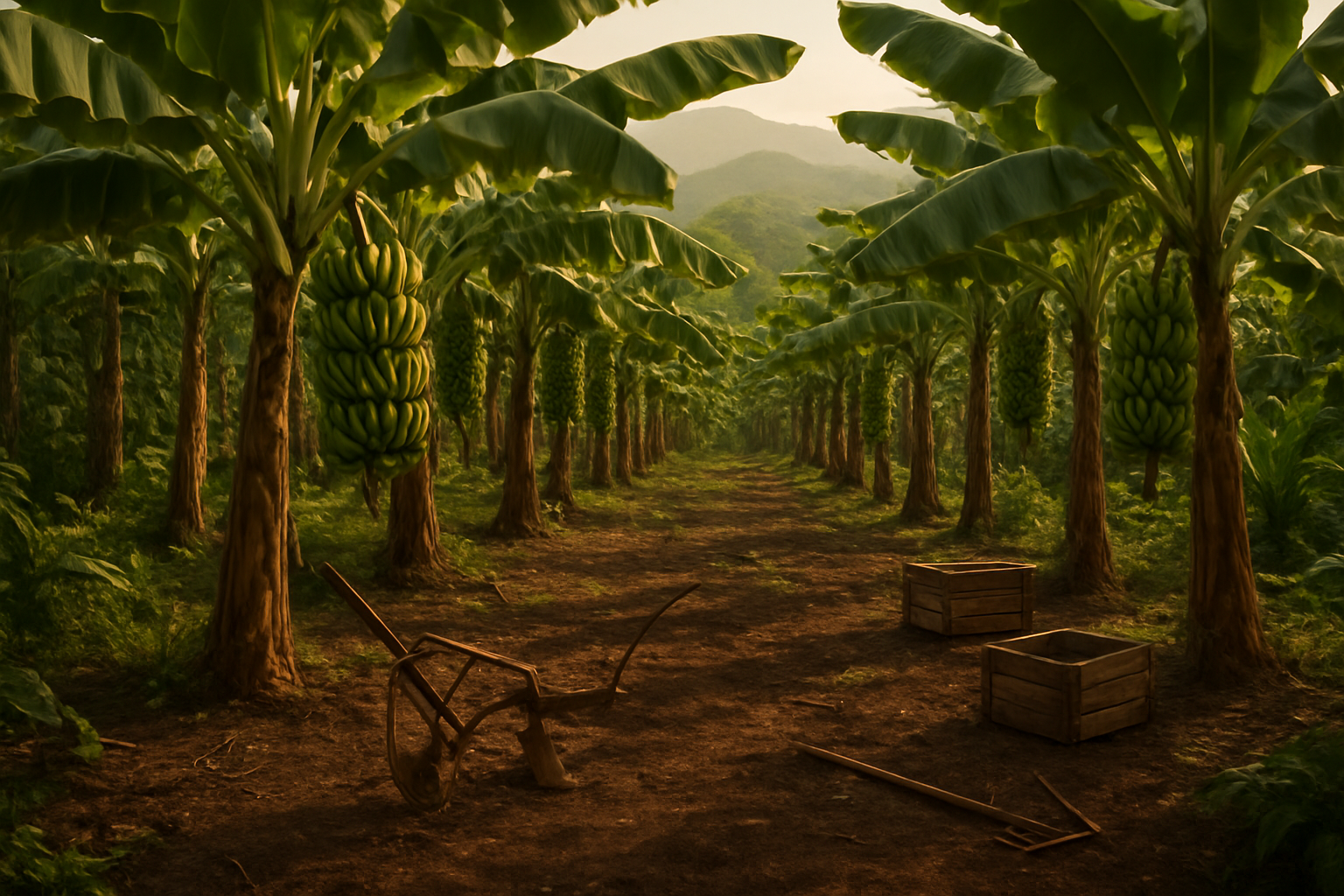
Geographic origins and natural habitat of Cavendish bananas
Cavendish bananas trace their roots back to Southeast Asia, specifically to the tropical regions of Malaysia, Indonesia, and the Philippines. These areas provided the perfect combination of warm temperatures, high humidity, and rich volcanic soil that wild banana species needed to thrive. The original Cavendish variety actually comes from a specific cultivar group called the AAA genome group, which developed naturally in these biodiverse tropical environments over thousands of years.
The natural habitat of ancestral Cavendish bananas included dense rainforest understories where they grew as understory plants, protected from direct sunlight by the forest canopy above. This environment shaped many of the characteristics we see in modern Cavendish banana cultivation - their preference for partial shade when young, their need for consistent moisture, and their ability to grow in slightly acidic soils rich in organic matter.
Wild banana relatives still grow throughout this region today, though the commercial Cavendish variety has been heavily modified through centuries of selective cultivation. The original plants were much smaller, had more seeds, and produced less sweet fruit compared to what we find in grocery stores today.
How Cavendish bananas became the dominant commercial variety
The rise of Cavendish bananas to global dominance happened almost by accident. Before the 1950s, a different variety called Gros Michel was the world's most popular commercial banana. However, a devastating fungal disease called Panama disease (Fusarium wilt) wiped out Gros Michel plantations across Central and South America.
Desperate banana companies needed a replacement variety that could resist this disease and still appeal to consumers. Cavendish bananas, named after William Cavendish, the 6th Duke of Devonshire who grew them in his English greenhouse in the 1830s, proved to be naturally resistant to the strain of Panama disease that had destroyed Gros Michel crops.
The Cavendish variety offered several advantages that made it perfect for commercial production:
-
Disease resistance: Initially resistant to Panama disease Race 1
-
Consistent appearance: Uniform yellow color and predictable size
-
Extended shelf life: Could survive long shipping distances
-
Seedless fruit: No hard seeds to interfere with eating experience
-
Sweet taste: Appealing flavor profile for mass market consumption
Banana companies like United Fruit Company (now Chiquita) and Standard Fruit Company quickly switched their operations to Cavendish cultivation. The variety's ability to be grown as identical clones through vegetative propagation meant that every Cavendish banana plant could produce exactly the same fruit - perfect for standardized commercial agriculture.
Timeline of global expansion and adoption by major producers
The global spread of Cavendish banana cultivation happened remarkably quickly once major agricultural companies committed to the variety:
1950s-1960s: The transition period began as Panama disease devastated Gros Michel plantations. Ecuador, Costa Rica, and Honduras started converting their banana farms to Cavendish varieties. These countries had ideal growing conditions and established export infrastructure.
1960s-1970s: Major banana-producing countries in Central and South America completed their transition to Cavendish production. Colombia, Guatemala, and Panama became significant Cavendish producers during this period.
1980s-1990s: The variety spread to new production regions including the Philippines, which became one of the world's largest Cavendish producers. African countries like Cameroon and Ivory Coast also adopted Cavendish cultivation for both domestic consumption and export markets.
2000s-Present: India emerged as the world's largest banana producer, with significant Cavendish production alongside local varieties. China also increased its Cavendish production substantially, though primarily for domestic markets.
| Decade | Major Development | Key Regions |
|---|---|---|
| 1950s | Initial adoption post-Gros Michel crisis | Central America, Ecuador |
| 1960s | Commercial expansion | Colombia, Honduras, Guatemala |
| 1980s | Asian market entry | Philippines, Thailand |
| 2000s | Production scaling | India, China, Brazil |
Today, Cavendish bananas represent about 47% of all banana production worldwide and nearly 99% of bananas sold in international export markets. This remarkable dominance stems from the variety's commercial advantages and the global infrastructure built around its cultivation and distribution.
Nutritional Benefits and Health Advantages
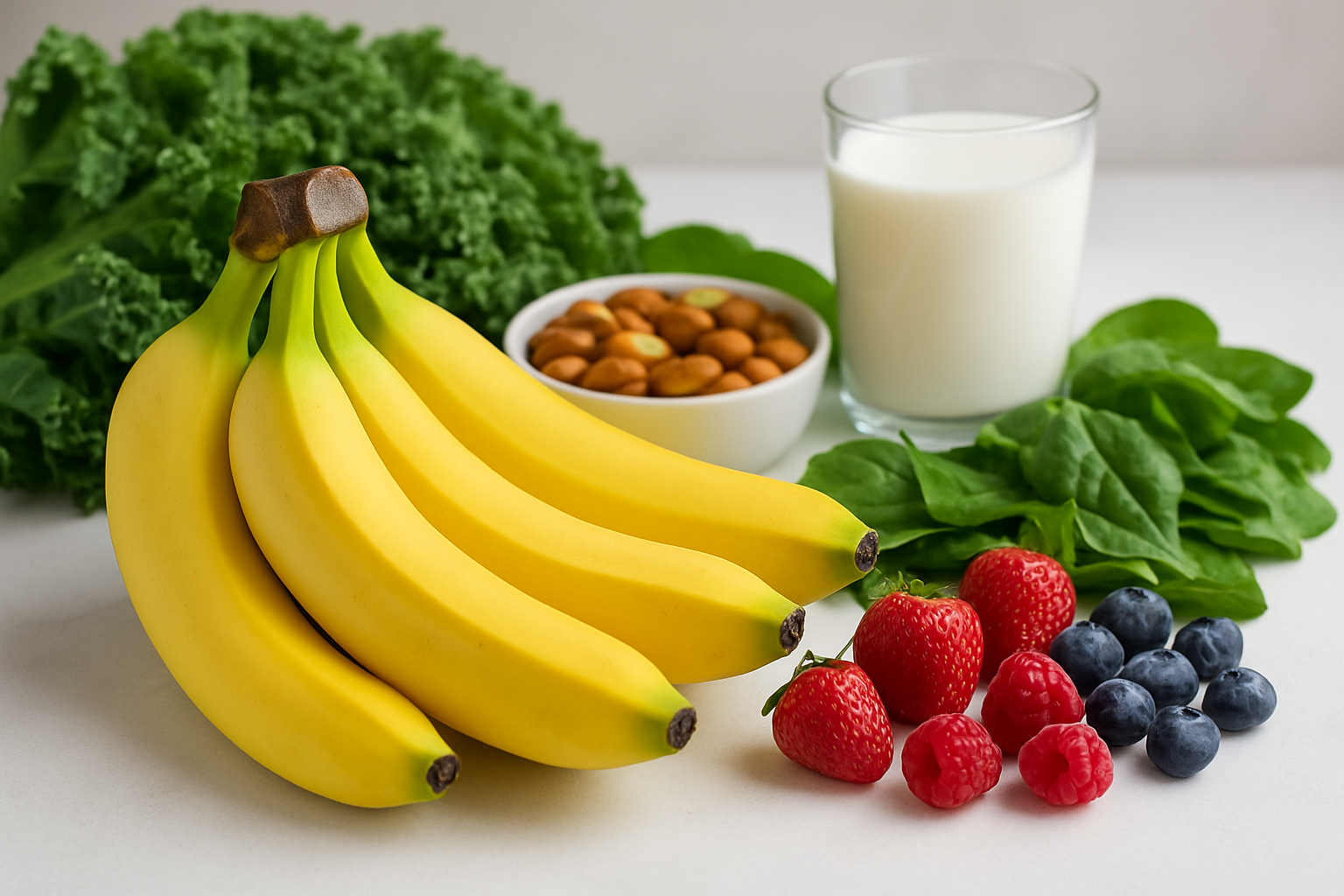
Essential vitamins and minerals found in Cavendish bananas
Cavendish bananas pack an impressive nutritional punch that makes them stand out among fruits. These yellow powerhouses contain vitamin B6, which your body needs for brain development and proper nervous system function. Just one medium banana provides about 20% of your daily B6 requirements.
Vitamin C is another key player in Cavendish banana nutrition, supporting your immune system and helping your body absorb iron more effectively. You'll also find folate, which is particularly important for pregnant women and helps create new cells throughout your body.
The mineral content is equally impressive. Manganese supports bone health and wound healing, while magnesium helps regulate blood pressure and supports muscle function. Cavendish bananas also contain copper, which aids in iron absorption and helps maintain healthy connective tissues.
Digestive health benefits and dietary fiber content
Your digestive system loves Cavendish bananas for good reason. These fruits contain both soluble and insoluble fiber, creating a perfect combination for gut health. The soluble fiber helps slow digestion and can improve blood sugar control, while insoluble fiber adds bulk to your stool and promotes regular bowel movements.
Cavendish bananas contain natural prebiotics, particularly resistant starch when they're slightly green. These prebiotics feed the beneficial bacteria in your gut, promoting a healthy microbiome. The pectin in ripe bananas acts as a gentle digestive aid, making them an excellent choice for people with sensitive stomachs.
The natural enzymes in Cavendish bananas help break down carbohydrates, making them easier to digest. This makes them particularly valuable for people recovering from digestive issues or those looking to improve their overall gut health.
Energy-boosting properties for athletes and active individuals
Athletes and fitness enthusiasts have long recognized Cavendish bananas as nature's energy bars. The natural sugars - glucose, fructose, and sucrose - provide quick energy that your muscles can use immediately during exercise. This makes them perfect pre-workout fuel or mid-exercise refueling.
The carbohydrate content in Cavendish bananas helps replenish glycogen stores in your muscles after intense workouts. This glycogen replacement is crucial for recovery and preparing for your next training session. Many professional athletes eat bananas during competitions because they're easily digestible and provide sustained energy without causing stomach upset.
The combination of natural sugars and fiber in Cavendish bananas creates steady energy release, avoiding the crash that comes with processed energy drinks or bars. This sustained energy makes them ideal for endurance activities like cycling, running, or hiking.
Heart health benefits from potassium and other nutrients
Your heart gets significant benefits from the potassium powerhouse that is the Cavendish banana. One medium banana contains about 400mg of potassium, which helps regulate blood pressure by counteracting the effects of sodium in your diet. This mineral balance is crucial for maintaining healthy cardiovascular function.
The fiber in Cavendish bananas helps lower cholesterol levels by binding to cholesterol in your digestive system and removing it from your body. Studies show that people who eat potassium-rich foods like bananas have lower risks of stroke and heart disease.
Cavendish bananas also contain antioxidants that fight inflammation in your blood vessels. The vitamin B6 helps reduce homocysteine levels in your blood - elevated homocysteine is linked to increased heart disease risk. The magnesium content supports proper heart rhythm and helps prevent irregular heartbeats.
The natural compounds in Cavendish bananas work together to create a heart-healthy package that's both delicious and convenient. Regular consumption as part of a balanced diet can contribute to better cardiovascular health and reduced risk of heart-related conditions.
Global Production and Economic Impact
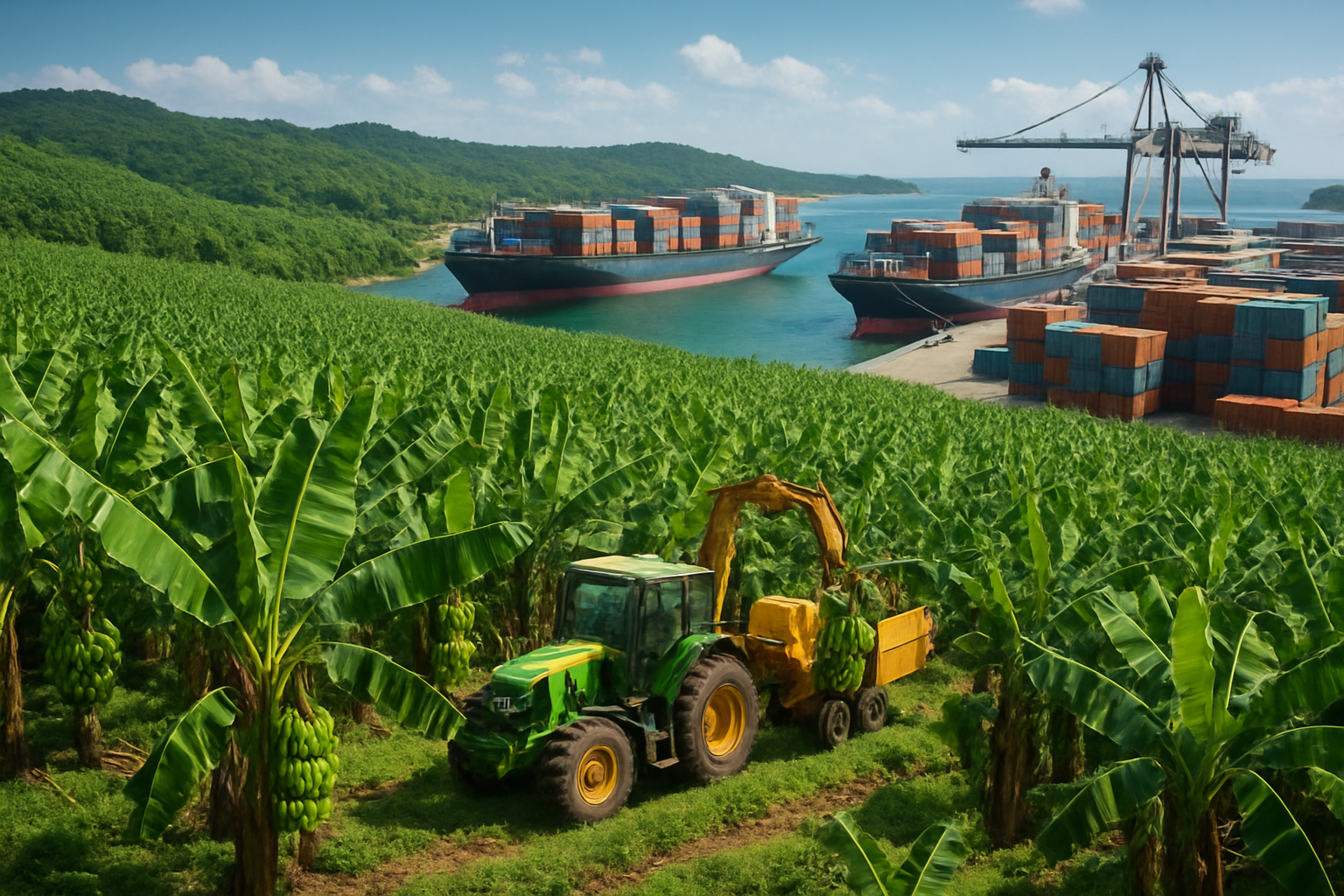
Leading countries producing Cavendish bananas worldwide
The Cavendish banana production landscape spans across tropical and subtropical regions, with several countries dominating the global market. Ecuador leads the pack as the world's largest Cavendish banana exporter, producing over 6 million tons annually. The country's favorable climate conditions, fertile volcanic soil, and established agricultural infrastructure make it the perfect home for Cavendish banana cultivation.
India holds the title for overall banana production volume, though much of their harvest serves domestic consumption rather than export. The Philippines follows as another major producer, leveraging its tropical climate and extensive plantation systems. Other significant contributors include:
-
Costa Rica: Known for high-quality Cavendish bananas with advanced farming techniques
-
Colombia: Major supplier to North American markets
-
Guatemala: Growing presence in international trade
-
Brazil: Large-scale production primarily for domestic consumption
-
Honduras: Recovering production levels after disease challenges
| Country | Annual Production (Million Tons) | Primary Markets |
|---|---|---|
| Ecuador | 6.5+ | USA, Europe, Russia |
| Philippines | 4.2+ | Japan, China, Middle East |
| Costa Rica | 2.1+ | USA, Europe |
| Colombia | 2.0+ | USA, Europe |
| Guatemala | 1.8+ | USA |
Export markets and international trade significance
The Cavendish banana industry represents one of the most valuable fruit trades globally, with international commerce exceeding $14 billion annually. The European Union stands as the largest importing region, consuming approximately 5.5 million tons of Cavendish bananas each year. Germany, Belgium, and the Netherlands serve as major distribution hubs, receiving shipments that spread throughout European markets.
The United States ranks as the second-largest importer, bringing in roughly 4.3 million tons annually. American consumers show strong preference for Cavendish bananas due to their consistent quality, extended shelf life, and familiar taste profile. Japan represents another crucial market, particularly for premium-quality Cavendish bananas from the Philippines and Ecuador.
Emerging markets in Asia and the Middle East show increasing demand for Cavendish banana imports. China's growing middle class has created new opportunities for exporters, while countries like Saudi Arabia and the UAE serve as regional distribution centers for surrounding markets.
The international trade significance extends beyond simple fruit commerce. Cavendish banana exports often represent critical foreign currency earnings for producing nations, influencing trade balances and economic stability in Central and South American countries.
Economic value to farming communities and national economies
Cavendish banana production creates substantial economic ripple effects throughout producing regions. Small-scale farmers often depend on banana cultivation as their primary income source, with family operations typically managing 2-5 hectare plots. These farms provide steady employment for rural communities, supporting an estimated 400 million people worldwide who depend directly or indirectly on banana production.
Large-scale plantations contribute significantly to national economies through employment generation, tax revenue, and infrastructure development. A typical 1,000-hectare plantation employs 300-400 workers year-round, creating additional indirect jobs in transportation, packaging, and support services.
The economic impact reaches beyond farm gates. Port cities in exporting countries benefit from shipping activities, while domestic industries supplying fertilizers, packaging materials, and agricultural equipment thrive alongside banana production. Rural banks often structure their lending around banana harvest cycles, making the Cavendish banana industry a cornerstone of agricultural finance in many regions.
Export revenues from Cavendish bananas often rank among the top agricultural foreign exchange earners for producing countries. Ecuador generates over $3 billion annually from banana exports alone, representing roughly 2% of the country's total GDP. Similar patterns exist across Central America, where Cavendish banana cultivation supports entire regional economies and provides crucial stability for rural livelihoods.
Challenges Facing Cavendish Banana Industry
Panama disease and fungal threats to crop survival
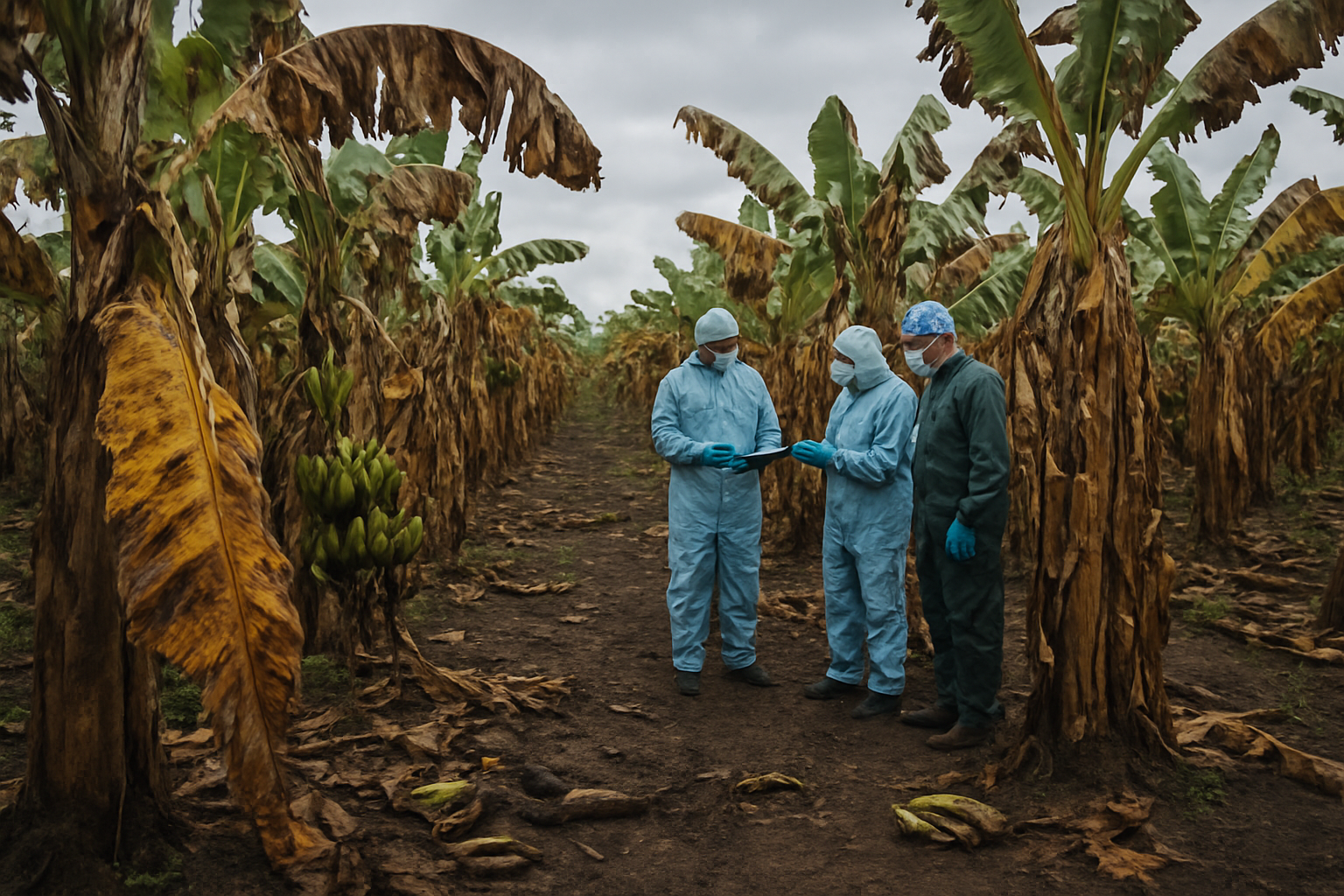
The Cavendish banana industry faces its most serious threat from Panama disease, specifically the Tropical Race 4 (TR4) strain of Fusarium oxysporum. This soil-borne fungus attacks the plant's vascular system, blocking water and nutrient flow until the entire plant wilts and dies. What makes TR4 particularly devastating is its ability to survive in soil for decades, making infected land unsuitable for banana cultivation for extended periods.
Unlike previous strains that primarily affected other banana varieties, TR4 specifically targets Cavendish bananas with ruthless efficiency. The disease spreads through contaminated soil, water, farming equipment, and even on workers' boots. Once established in a plantation, containment becomes nearly impossible. Major producing regions in Southeast Asia, including the Philippines, Malaysia, and Indonesia, have already reported significant crop losses, with some farms experiencing complete devastation.
The economic impact extends beyond immediate crop loss. Infected plantations require costly soil sterilization treatments, quarantine measures, and often complete replanting with different crops. Many farmers face bankruptcy as their primary income source disappears overnight, creating ripple effects throughout local communities dependent on banana production.
Climate change impacts on growing conditions
Cavendish banana cultivation requires specific environmental conditions that climate change increasingly threatens. These plants thrive in temperatures between 78-86°F with consistent humidity levels and predictable rainfall patterns. Rising global temperatures disrupt these delicate requirements, causing stress that weakens plants and makes them more susceptible to diseases.
Extreme weather events pose additional challenges. Hurricanes and strong winds can destroy entire plantations in hours, while prolonged droughts stress plants and reduce fruit quality. Conversely, excessive rainfall creates waterlogged conditions that promote fungal growth and root rot. The increasing frequency of these weather extremes makes planning and investment in banana farming increasingly risky.
Shifting precipitation patterns affect irrigation schedules and water resource availability. Many traditional growing regions now experience unpredictable wet and dry seasons, forcing farmers to invest heavily in irrigation systems or risk crop failure. Rising sea levels in coastal growing areas introduce salt water into freshwater supplies, making irrigation water unsuitable for banana cultivation.
Sustainability concerns in large-scale plantation farming
Large-scale Cavendish banana production relies heavily on intensive farming practices that raise environmental concerns. Monoculture plantations eliminate biodiversity, creating ecological deserts where only banana plants survive. This approach depletes soil nutrients rapidly, requiring increasing amounts of synthetic fertilizers that can contaminate local water sources.
Pesticide use in banana production often exceeds recommended levels due to constant pressure from pests and diseases. Workers and surrounding communities face health risks from chemical exposure, while beneficial insects and soil microorganisms suffer population declines. Runoff from plantations carries these chemicals into rivers and groundwater, affecting entire ecosystems.
Labor practices in some regions raise social sustainability questions. Workers often face low wages, long hours, and exposure to dangerous chemicals without adequate protection. Housing conditions on plantations frequently lack basic amenities, and access to healthcare and education remains limited for workers' families.
Packaging and transportation contribute to the industry's environmental footprint. Bananas require protective plastic bags during growth, creating significant waste. Long-distance shipping to consumer markets generates substantial carbon emissions, while refrigerated transport increases energy consumption.
Search for disease-resistant alternatives and genetic solutions
Scientists worldwide are racing to develop Cavendish banana alternatives that can resist Panama disease while maintaining the familiar taste and appearance consumers expect. Traditional breeding programs face significant challenges since commercial bananas are seedless and reproduce through cloning, limiting genetic diversity for natural resistance development.
Genetic engineering offers promising solutions, with researchers inserting resistance genes from wild banana species into Cavendish varieties. These modified plants show improved resistance to TR4 in laboratory tests, though field trials continue to evaluate long-term effectiveness and safety. However, consumer acceptance of genetically modified bananas remains uncertain in many markets.
Plant tissue culture techniques allow rapid multiplication of disease-resistant varieties once developed. This approach enables farmers to replace infected plantations more quickly than traditional propagation methods. Research institutions are establishing tissue culture laboratories in major producing countries to support rapid variety distribution.
Wild banana species contain valuable genetic resources for developing resistant varieties. Scientists are collecting and preserving these species in gene banks while studying their resistance mechanisms. Cross-breeding programs attempt to combine wild species' disease resistance with commercial varieties' desirable traits, though this process requires many years to produce viable alternatives.
Some researchers explore entirely different banana varieties as potential Cavendish replacements. Red bananas, lady finger bananas, and other cultivars offer natural disease resistance, though consumer acceptance and supply chain adaptation present significant hurdles. The industry continues investing in research while implementing strict quarantine measures to slow disease spread until viable alternatives become available.
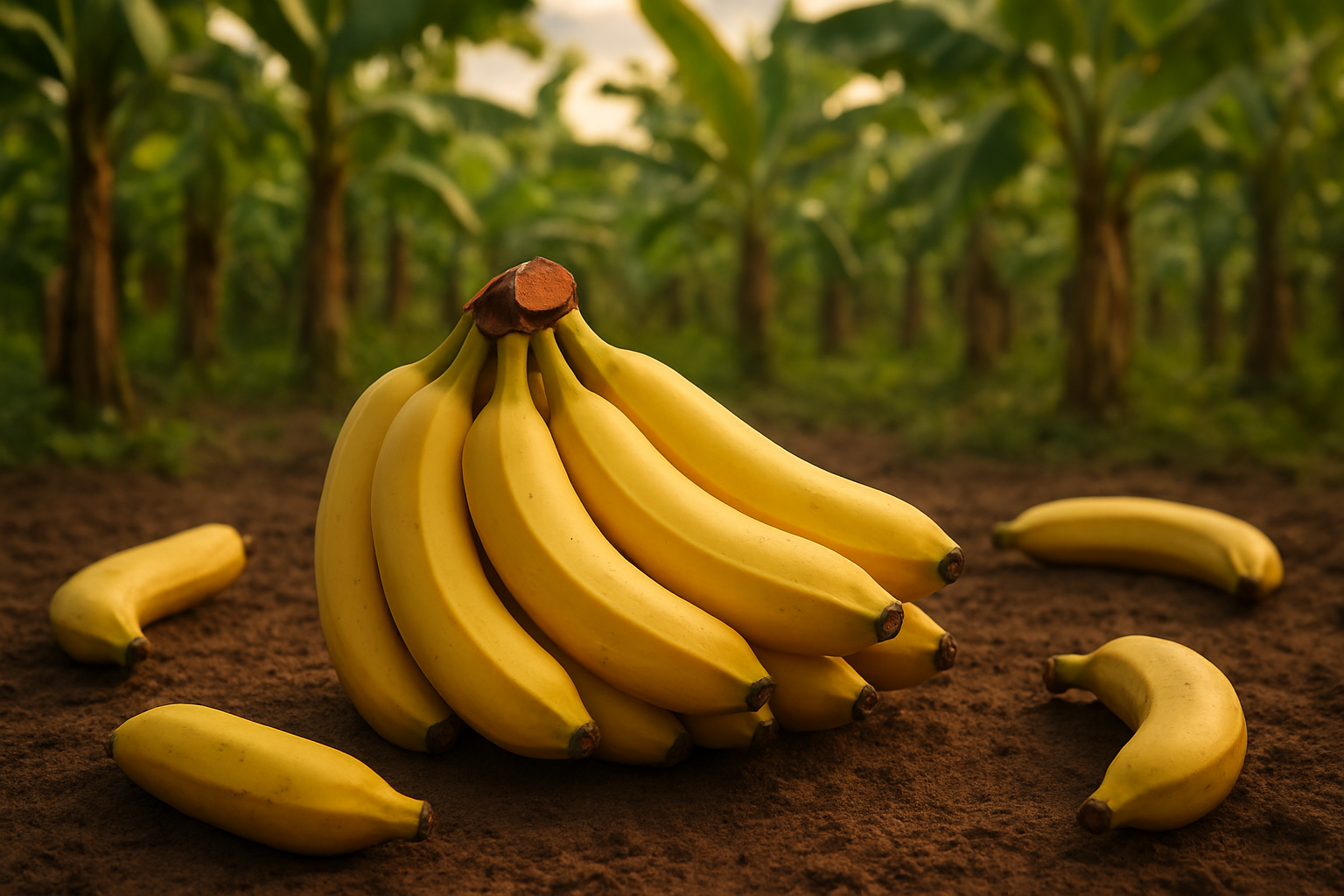
Cavendish bananas have become the world's most popular banana variety for good reason. Their sweet taste, convenient size, and impressive shelf life make them perfect for everything from breakfast smoothies to quick snacks. Beyond their appeal as a tasty fruit, these bananas pack serious nutritional value with potassium, vitamin B6, and fiber that support heart health and digestion.
The Cavendish banana industry faces real challenges ahead, especially with diseases like Panama disease threatening crops worldwide. Supporting sustainable farming practices and exploring diverse banana varieties can help protect this beloved fruit for future generations. Next time you grab a banana from the store, you'll know you're enjoying one of agriculture's most remarkable success stories – and hopefully appreciating it even more.


Comments
Post a Comment