Chokeberry - What's the Chokeberry (Aronia)?
Chokeberry - What's the Chokeberry (Aronia)?
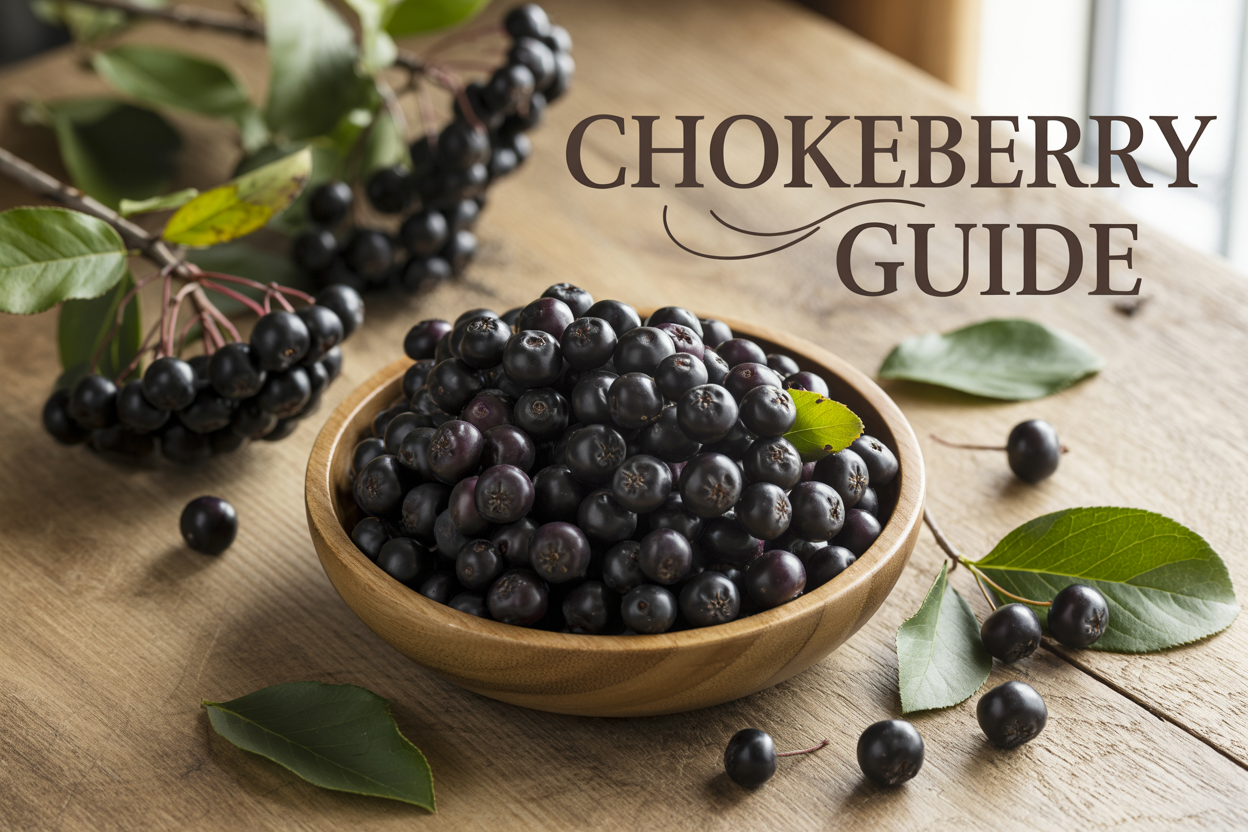
Chokeberries, also known as aronia berries, are small dark fruits packed with incredible health benefits that many people have never heard of. These tart, astringent berries might make you pucker at first bite, but they're gaining serious attention from health enthusiasts, gardeners, and home cooks who want to add superfoods to their daily routine.
This guide is perfect for anyone curious about what chokeberries actually are, gardeners considering adding them to their landscape, or health-conscious individuals looking for new antioxidant-rich foods to try. We'll walk you through the different chokeberry varieties you can find, dive into their impressive nutritional profile and health benefits, and share practical tips for growing these hardy shrubs in your own backyard.
Understanding Chokeberry Fundamentals
Scientific classification and botanical characteristics
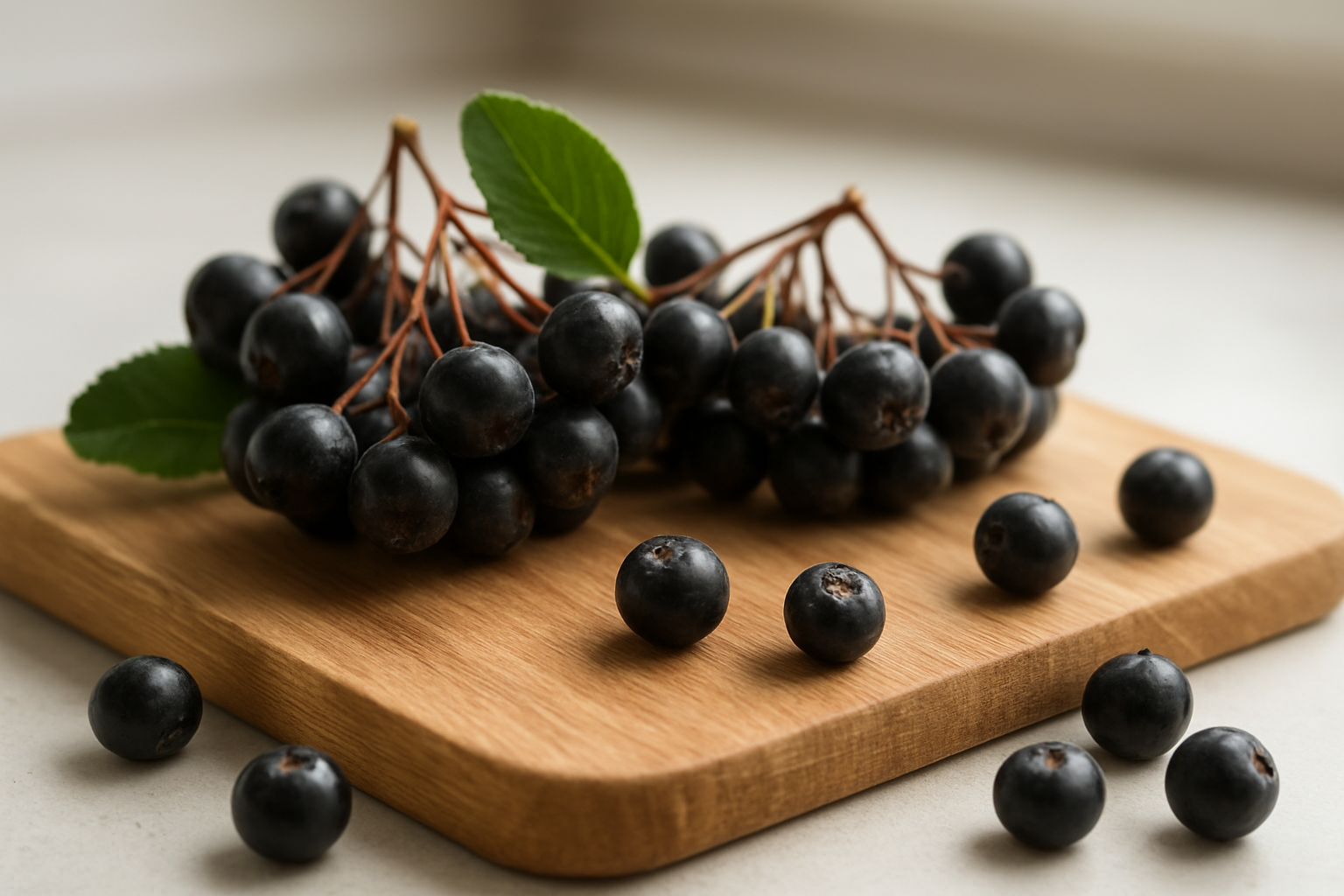
Chokeberries belong to the genus Aronia within the Rosaceae family, which also includes apples, pears, and roses. These hardy deciduous shrubs typically grow 3 to 10 feet tall, displaying oval-shaped leaves with serrated edges that transform into brilliant reds and oranges during fall.
The plants produce clusters of small, white or pinkish flowers in late spring, followed by dark purple-black berries (or bright red in some varieties) that ripen in late summer. Each berry contains tiny seeds and measures about 6-13mm in diameter. The bark appears smooth and grayish-brown on mature stems, while younger branches show a reddish tint.
What makes aronia berries particularly distinctive is their astringent, tart flavor that can pucker your mouth - hence the name "chokeberry." The berries contain exceptionally high levels of anthocyanins, which give them their deep color and contribute to their remarkable antioxidant properties.
Common names and regional variations
Chokeberry goes by several names depending on your location. Most commonly called aronia berries in commercial markets, they're also known as black chokeberries, red chokeberries, or purple chokeberries based on their color variety.
In different regions, you might hear them called:
-
North America: Chokeberries, aronia berries, chokecherries (though true chokecherries are different plants)
-
Europe: Aronia berries, black mountain ash berries
-
Scandinavia: Svartaronia (Swedish), svartsurbær (Norwegian)
-
Eastern Europe: Aronija (Polish, Croatian), černý jeřáb (Czech)
Regional confusion sometimes occurs between chokeberries and chokecherries (Prunus virginiana), but these are completely different plants. True chokeberries have smoother bark and different leaf patterns than their cherry cousins.
Native habitat and natural growing conditions
Chokeberries are native to eastern North America, naturally ranging from southeastern Canada down to Georgia and west to the Great Lakes region. You'll find wild aronia berries thriving in diverse environments - from wetland edges and stream banks to dry upland forests and prairie margins.
These adaptable plants prefer:
-
Soil conditions: Well-draining, slightly acidic soil (pH 5.0-6.5), though they tolerate various soil types
-
Light requirements: Full sun to partial shade, with best fruit production in sunny locations
-
Moisture levels: Consistent moisture but not waterlogged conditions
-
Temperature zones: Hardy in USDA zones 3-8, withstanding temperatures as low as -40°F
Wild chokeberries often establish in areas with natural disturbance like forest edges, abandoned fields, or areas recovering from fires. Their ability to spread through underground runners helps them colonize suitable habitats effectively. These tough shrubs handle urban pollution, salt spray, and drought conditions once established, making them increasingly popular for landscaping and commercial cultivation outside their native range.
Identifying Different Chokeberry Varieties
Black chokeberry (Aronia melanocarpa) features and benefits
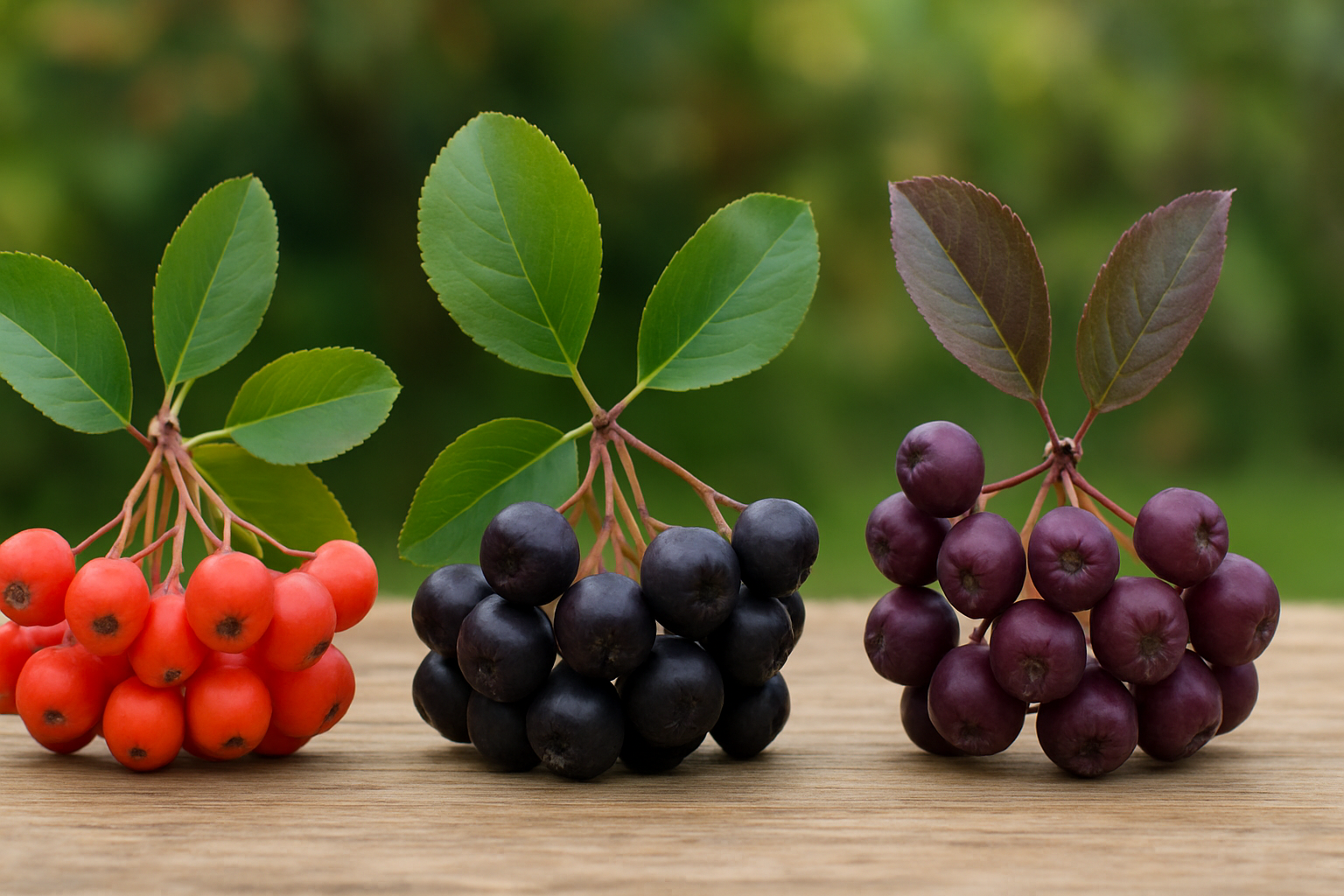
Black chokeberry stands out as the most popular and widely cultivated variety among chokeberry varieties. These shrubs produce glossy, dark purple-black berries that pack an incredible nutritional punch. The berries typically measure about 6-10mm in diameter and grow in clusters of 10-20 fruits.
What makes black chokeberries special? They contain the highest concentration of antioxidants among all three varieties, particularly anthocyanins, which give them their deep, dark color. These aronia berries offer remarkable health benefits, including anti-inflammatory properties and cardiovascular support. The shrubs themselves grow 3-6 feet tall with distinctive white flowers in spring that transform into the prized dark berries by late summer.
Black chokeberries thrive in various soil conditions and show excellent cold tolerance, making them perfect for northern climates. Their leaves turn brilliant orange-red in fall, adding ornamental value beyond their fruit production.
Red chokeberry (Aronia arbutifolia) distinguishing traits
Red chokeberries present a striking contrast to their black cousins. These berries maintain their bright red color throughout maturity and typically grow larger than black varieties, reaching up to 12mm in diameter. The clusters contain fewer berries, usually 6-12 per bunch, but each individual fruit tends to be more substantial.
The shrubs grow taller than black chokeberries, often reaching 6-10 feet in height. Red chokeberry plants prefer slightly different growing conditions, favoring moister soils and showing better tolerance for wet areas. Their leaves display a silvery underside that creates a beautiful shimmering effect when moved by wind.
While red chokeberries contain beneficial nutrients, they generally have lower antioxidant levels compared to black varieties. However, they offer their own unique flavor profile that many find more palatable, with less astringency than their darker relatives.
Purple chokeberry (Aronia prunifolia) hybrid characteristics
Purple chokeberries represent a natural hybrid between black and red varieties, creating berries with intermediate characteristics. These fruits display a deep reddish-purple color and typically fall between the other two varieties in size, measuring 8-11mm in diameter.
The hybrid nature of purple chokeberries creates interesting variations even within the same plant. Some berries might lean more toward the black parent's characteristics, while others show stronger red influences. This variability makes each harvest unique and adds visual interest to the fruit clusters.
Purple chokeberry plants usually grow to moderate heights of 4-8 feet and show good adaptability to different growing conditions. Their nutritional profile sits between black and red varieties, offering solid antioxidant content while maintaining a more approachable flavor than pure black chokeberries.
Visual identification tips for each variety
Distinguishing between chokeberry varieties becomes straightforward once you know what to look for. Here are the key visual markers:
Berry Color and Size:
-
Black: Deep purple-black, 6-10mm diameter
-
Red: Bright red throughout ripening, 8-12mm diameter
-
Purple: Reddish-purple with variations, 8-11mm diameter
Plant Structure:
-
Black chokeberries: Compact shrubs, 3-6 feet tall
-
Red chokeberries: Taller growth, 6-10 feet with more open branching
-
Purple chokeberries: Medium height, 4-8 feet with balanced structure
Leaf Characteristics:
-
Black varieties have darker green leaves with smooth undersides
-
Red chokeberries display silvery-white leaf undersides
-
Purple varieties show intermediate leaf coloring
Cluster Patterns:
-
Black: Dense clusters of 10-20 berries
-
Red: Looser clusters of 6-12 larger berries
-
Purple: Medium-density clusters of 8-15 berries
The easiest identification method involves checking berry color at full ripeness and noting the plant's overall size and growth habit. These visual cues will help you accurately identify which variety you're growing or foraging.
Exceptional Nutritional Value and Health Benefits
Antioxidant powerhouse with record-high ORAC values
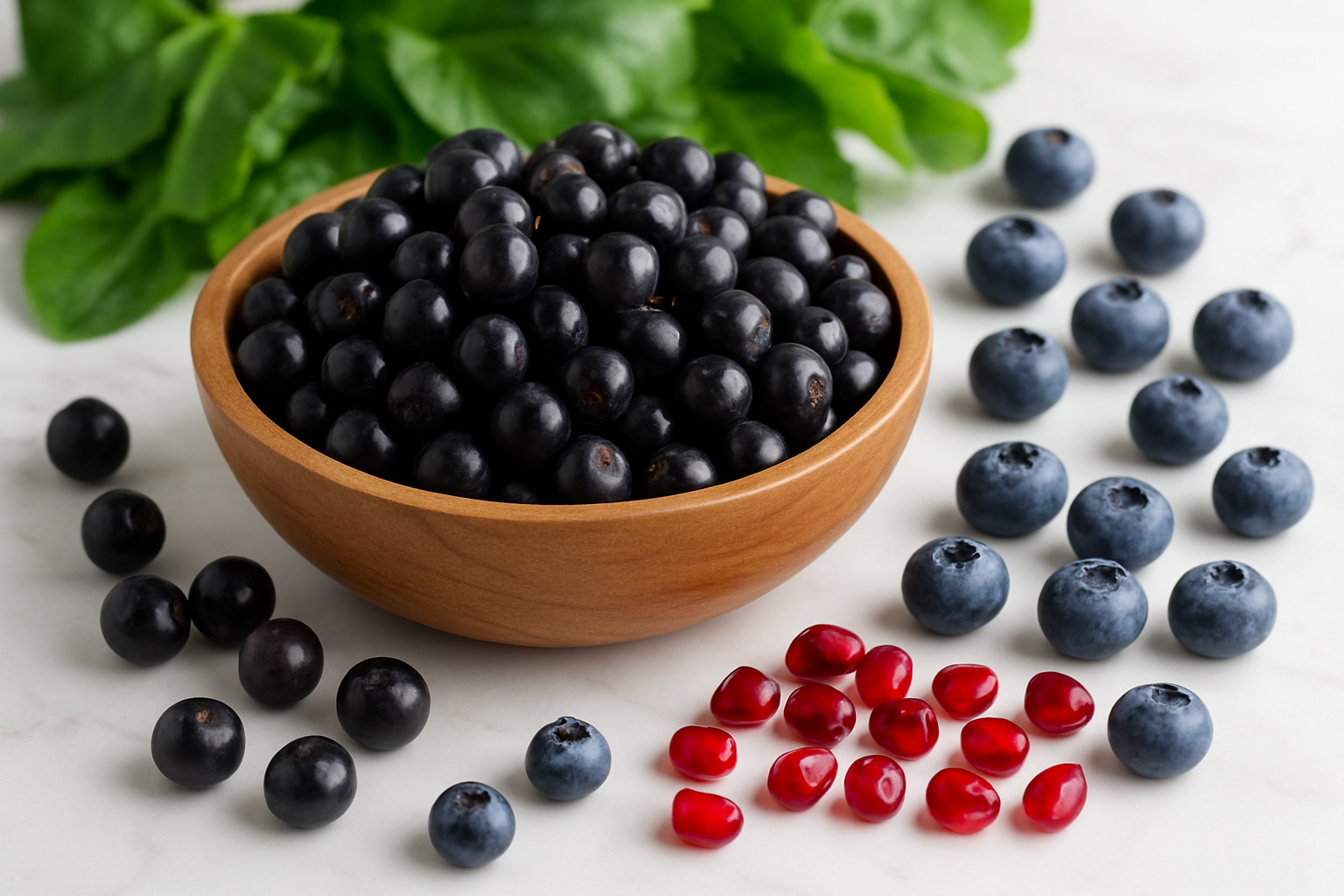
Chokeberries absolutely dominate when it comes to antioxidant content. These dark purple berries pack more antioxidants than almost any other fruit on the planet. The ORAC (Oxygen Radical Absorbance Capacity) value for aronia berries reaches an incredible 16,062 units per 100 grams - that's roughly three times higher than blueberries and seven times higher than cranberries.
The secret behind this antioxidant supremacy lies in the berries' rich concentration of anthocyanins, the same compounds that give them their deep, dark color. Chokeberries contain particularly high levels of cyanidin-3-galactoside and cyanidin-3-arabinoside, two powerful anthocyanins that help neutralize harmful free radicals in your body.
What makes aronia berry antioxidants even more impressive is their stability. Unlike many other fruits where antioxidant levels drop during processing or storage, chokeberries maintain their potent antioxidant activity even after being dried, frozen, or turned into juice. This makes them an excellent choice for year-round antioxidant support.
Essential vitamins and minerals content breakdown
Chokeberries deliver a well-rounded nutritional profile that extends far beyond their antioxidant fame. These berries are surprisingly rich in vitamin C, providing about 21 milligrams per 100 grams - that's roughly 23% of your daily recommended intake. This vitamin C content helps boost collagen production and supports your immune system's daily functions.
| Nutrient | Amount per 100g | % Daily Value |
|---|---|---|
| Vitamin C | 21 mg | 23% |
| Vitamin K | 24.7 mcg | 21% |
| Folate | 6 mcg | 1.5% |
| Manganese | 0.658 mg | 29% |
| Fiber | 5.3 g | 21% |
The mineral content of aronia berries particularly shines with manganese, providing nearly 30% of your daily needs. Manganese plays a crucial role in bone formation, wound healing, and metabolizing carbohydrates and proteins. Chokeberries also contain decent amounts of potassium, which supports heart health and helps regulate blood pressure.
The fiber content shouldn't be overlooked either. With over 5 grams per 100-gram serving, these berries contribute significantly to your daily fiber intake, supporting digestive health and helping maintain steady blood sugar levels.
Anti-inflammatory properties and immune system support
The anti-inflammatory benefits of chokeberry stem directly from their exceptional antioxidant profile. Regular consumption of aronia berries has been shown to reduce inflammatory markers in the body, including C-reactive protein and interleukin-6. These reductions can help lower your risk of chronic inflammatory conditions and support overall wellness.
Your immune system gets a major boost from chokeberries through multiple pathways. The high vitamin C content directly supports white blood cell function, while the anthocyanins help modulate immune responses and reduce oxidative stress that can weaken immune defenses. Studies suggest that people who regularly consume aronia berry products experience fewer seasonal health issues and recover more quickly when they do get sick.
The berries' quercetin content adds another layer of immune support. This flavonoid works alongside the anthocyanins to strengthen your body's natural defense mechanisms and may help reduce the severity and duration of common health challenges. The combination of these compounds creates a synergistic effect that's more powerful than any single nutrient working alone.
Culinary Applications and Flavor Profile
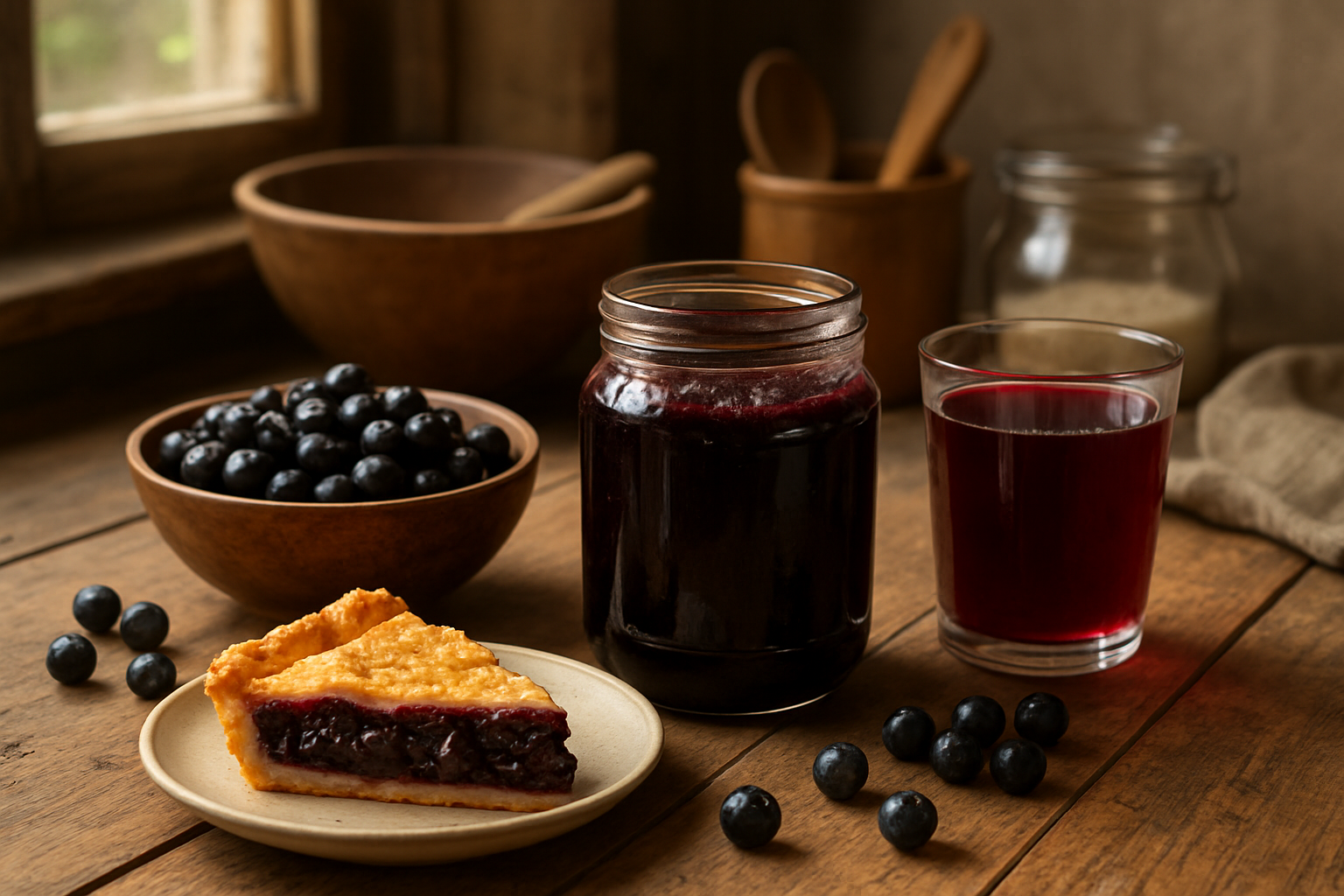
Taste Characteristics and Texture Descriptions
Chokeberries pack a complex flavor punch that catches most people off guard. The initial bite delivers an intense tartness that's significantly more astringent than cranberries or sour cherries. This sharp acidity quickly gives way to a subtle sweetness, though the astringent quality dominates the experience. The berries get their name from this mouth-puckering sensation that literally makes you want to "choke" on the dryness.
The texture of fresh aronia berries resembles small blueberries, with a firm outer skin that pops when bitten. Inside, the flesh is juicy but somewhat grainy, similar to pears. Seeds are small and numerous, adding a slight crunch. When fully ripe, the berries develop a deeper purple-black color and soften slightly, though they maintain their characteristic firmness.
Many describe the flavor as earthy and wine-like, with subtle notes of apple and cherry. The astringency comes from high tannin levels, the same compounds found in red wine and tea. This makes raw chokeberries challenging for direct consumption but creates incredible depth when processed or cooked.
Fresh Consumption Methods and Preparation Tips
Eating fresh chokeberries requires strategy. Most people can't handle them straight from the bush due to their intense astringency. Start with just a few berries to assess your tolerance. Some folks enjoy the pucker factor, while others find it overwhelming.
Mixing chokeberries with sweeter fruits helps balance their tartness. Combine them with apples, pears, or grapes in fruit salads. The natural sweetness of other fruits mellows the aronia berries' intensity while preserving their unique flavor contribution.
Freezing fresh aronia berries actually improves their palatability. The freezing process breaks down cell walls, reducing astringency and making the berries slightly sweeter. Frozen chokeberries work perfectly in smoothies, where they blend well with bananas, yogurt, and honey.
For those wanting to enjoy them fresh, try macerating chokeberries in sugar for several hours. This draws out juices and creates a syrup that tames the astringency. Add them to yogurt, oatmeal, or cereal this way.
Cooking and Baking Integration Techniques
Cooking transforms chokeberries from challenging fresh fruits into culinary gems. Heat breaks down tannins and concentrates flavors, creating rich, complex tastes perfect for various applications. The berries' natural pectin content makes them excellent thickening agents.
In baking, substitute chokeberries for other tart berries in recipes, using about 25% less than called for due to their intensity. They work beautifully in muffins, scones, and quick breads. Mix them with milder berries like blueberries or raspberries for balanced flavor profiles.
For savory cooking, chokeberries create exceptional sauces for meat dishes. Their tartness pairs wonderfully with game meats, pork, and duck. Simmer them with onions, herbs, and wine for elegant pan sauces. The deep purple color adds visual appeal to any dish.
When making pies or tarts, combine chokeberries with apples or pears to balance flavors. The aronia berries add complexity and beautiful color while the other fruits provide sweetness and familiar flavors.
Juice, Jam, and Preserve Making Possibilities
Chokeberries excel in preserved forms where their intense flavor becomes an asset rather than a challenge. Their high pectin content makes jam-making straightforward, requiring less added pectin than most fruits.
For chokeberry juice, use a steam juicer or crush berries and strain through cheesecloth. The resulting juice is incredibly concentrated and tart. Mix with apple juice or sweeten with honey to make it more palatable. This antioxidant-rich juice offers impressive health benefits and keeps well when properly processed.
Creating chokeberry jam requires balancing the tartness with adequate sweetener. A typical ratio uses equal parts berries and sugar, though you can reduce sugar by adding sweeter fruits like apples or pears. The natural pectin creates a perfect gel consistency without additives.
Chokeberry syrup makes an excellent pancake topping or cocktail mixer. Combine juice with sugar and simmer until thickened. The concentrated flavor works well in small amounts, and a little goes a long way.
For unique preserves, try combining aronia berries with complementary flavors like ginger, cinnamon, or orange zest. These additions enhance the berries' natural complexity while creating distinctive flavor profiles perfect for gift-giving or gourmet applications.
Growing Chokeberries Successfully
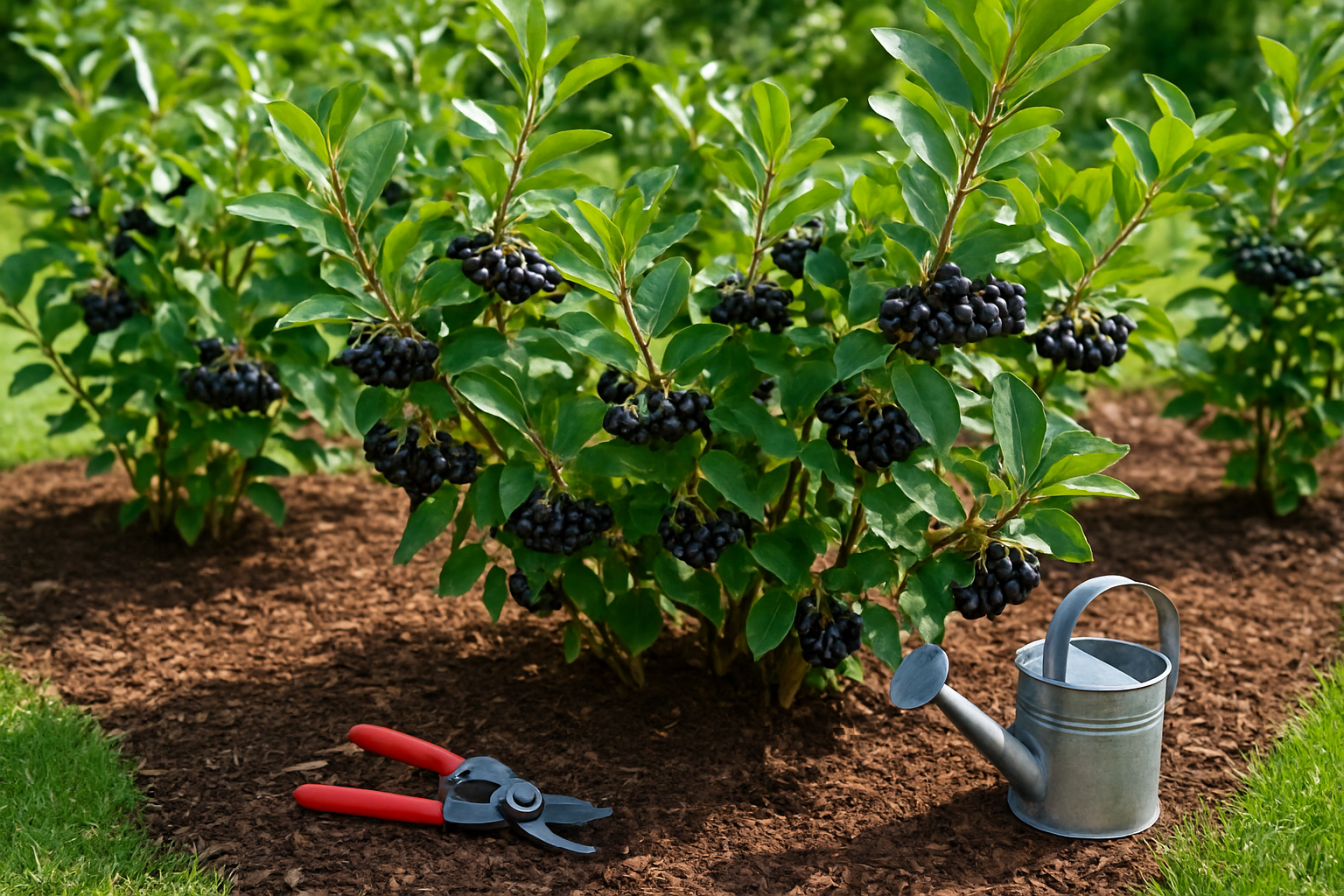
Ideal Soil Conditions and pH Requirements
Chokeberries are surprisingly adaptable when it comes to soil preferences, making them an excellent choice for gardeners dealing with challenging conditions. These hardy shrubs thrive in well-draining soil but can tolerate everything from sandy loam to clay. The key is ensuring proper drainage - waterlogged roots spell trouble for aronia berries.
The optimal pH range sits between 3.5 and 6.5, with a slight preference for acidic conditions around 5.0 to 5.5. This acidity preference means chokeberries pair well with blueberries and other acid-loving plants. Test your soil pH before planting, and if needed, amend with sulfur to lower pH or lime to raise it.
Organic matter works wonders for chokeberry plants. Mix compost, aged manure, or leaf mold into the planting area to improve soil structure and fertility. This organic boost helps retain moisture while ensuring adequate drainage - a perfect balance for healthy root development.
Sunlight Needs and Climate Preferences
Full sun exposure produces the best fruit yields and most vibrant fall foliage colors in aronia berries. While chokeberries can tolerate partial shade, expect reduced flowering and fruiting in shadier spots. Aim for at least six hours of direct sunlight daily for optimal performance.
Climate-wise, chokeberries are impressively hardy, surviving temperatures as low as -40°F. This makes them suitable for USDA hardiness zones 3 through 8. They actually benefit from cold winter temperatures, which help break dormancy and promote spring flowering.
These native North American shrubs handle various weather conditions with ease. They're drought-tolerant once established, yet can also withstand periodic flooding - a rare combination in fruiting plants. This resilience makes chokeberries perfect for challenging locations where other fruit crops might struggle.
Planting Techniques and Spacing Guidelines
Plant chokeberry shrubs in early spring or fall when temperatures are moderate. Dig holes twice as wide as the root ball but only as deep - you want the root crown level with the surrounding soil surface.
Space individual plants 6 to 10 feet apart to allow for mature spread. For hedgerow plantings, reduce spacing to 4 to 6 feet between plants. This closer spacing creates a fuller appearance while still providing adequate air circulation.
Water thoroughly after planting and apply a 2 to 3-inch layer of organic mulch around the base. Keep mulch several inches away from the stem to prevent moisture buildup and potential disease issues. The mulch conserves soil moisture, suppresses weeds, and gradually breaks down to feed the soil.
Maintenance Practices and Pruning Schedules
Chokeberries require minimal maintenance once established, making them ideal for low-maintenance landscapes. Water regularly during the first growing season to establish strong root systems. After that, they're quite drought-tolerant.
Annual fertilizing isn't typically necessary if you've prepared the soil well with organic matter. However, a spring application of balanced organic fertilizer can boost growth in poor soils.
Pruning should happen during late winter or early spring while plants are dormant. Remove dead, damaged, or crossing branches first. Chokeberries produce fruit on wood that's 2 to 4 years old, so avoid heavy pruning that removes too much older wood. Light annual pruning maintains good air circulation and manageable plant size.
Remove suckers from the base if you want to maintain a more tree-like form, or allow them to develop for a naturalized shrub appearance. Both approaches work well depending on your landscape goals.
Harvesting and Storage Best Practices
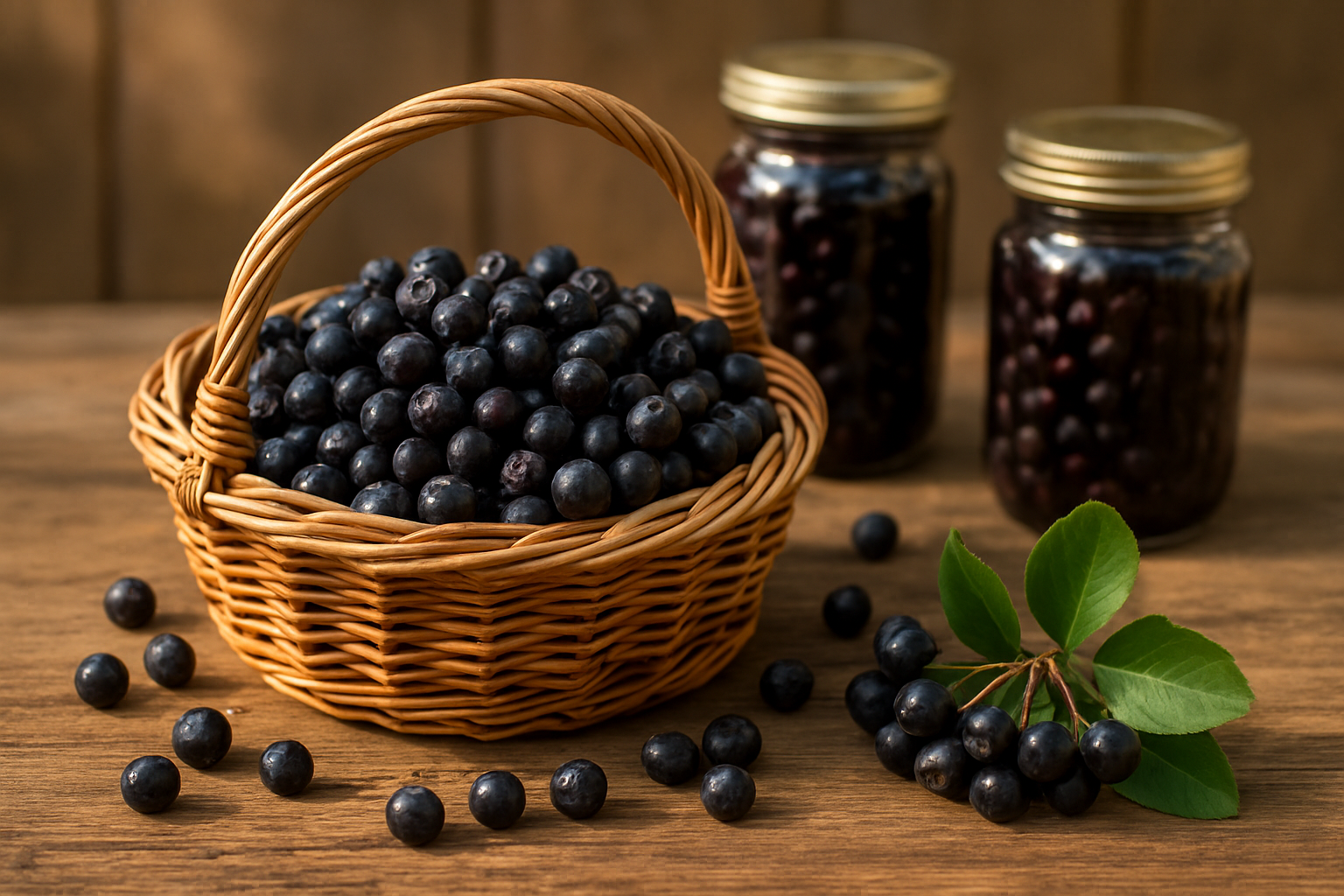
Optimal harvest timing indicators
Timing your chokeberry harvest correctly makes all the difference between tart, underdeveloped berries and the sweet-tart flavor profile that makes aronia berries so prized. The best indicator comes from observing the berries themselves - they should display a deep, almost black-purple color with a slight glossy sheen. Give them a gentle squeeze; ripe chokeberries feel firm but yield slightly to pressure.
Color alone isn't enough though. Taste-testing is your most reliable method. Ripe aronia berries balance their natural astringency with subtle sweetness. If they're still mouth-puckeringly sour with no hint of sweetness, wait another week or two. Most varieties reach peak ripeness between late August and early October, depending on your climate zone.
Weather patterns also influence timing. A few light frosts actually improve flavor by concentrating sugars, so don't rush to harvest at the first sign of cold weather. However, extended periods of rain can cause berries to split or develop mold, so plan accordingly.
Proper picking techniques for maximum yield
Hand-picking remains the gold standard for harvesting chokeberries, especially for home growers. Pick entire clusters rather than individual berries - this method preserves the fruit better and speeds up the process significantly. Gently twist and pull each cluster, allowing the stems to break naturally at their weakest point.
Use shallow containers to prevent crushing berries at the bottom. Plastic berry baskets or shallow boxes work perfectly. Avoid deep buckets that put pressure on lower layers of fruit.
For larger harvests, consider using a berry rake or comb specifically designed for small fruits. These tools work well on chokeberry clusters and can increase picking speed dramatically. Move the rake gently through clusters, allowing ripe berries to fall into your collection container while leaving unripe fruit on the bush.
Pick during cooler parts of the day - early morning after dew evaporates or late afternoon. This keeps berries firmer and reduces stress on both you and the fruit.
Short-term storage methods
Fresh chokeberries keep well for 3-5 days at room temperature, but refrigeration extends this to 1-2 weeks. Before storing, remove any damaged or overripe berries that could spoil the batch. Don't wash the berries until you're ready to use them, as excess moisture promotes decay.
Store unwashed aronia berries in breathable containers - paper bags, shallow boxes lined with paper towels, or perforated plastic containers all work well. The goal is maintaining air circulation while preventing moisture loss.
For optimal freshness, spread berries in single layers rather than piling them deep. If you must stack them, use paper towels between layers to absorb excess moisture and prevent crushing.
Temperature consistency matters more than you might think. Avoid storing chokeberries in refrigerator doors or areas with temperature fluctuations. The main refrigerator compartment maintains the most stable environment.
Long-term preservation and freezing options
Freezing offers the simplest long-term storage method for chokeberries. These hardy berries freeze exceptionally well, maintaining their nutritional value and most of their texture for up to 12 months. Before freezing, rinse berries gently and remove stems and any debris.
The flash-freezing method prevents berries from clumping together. Spread clean, dry chokeberries on baking sheets in single layers, freeze for 2-3 hours, then transfer to freezer bags or containers. This technique lets you pour out exactly the amount you need later.
Vacuum sealing provides the best protection against freezer burn, but regular freezer bags work fine if you remove excess air. Label containers with harvest dates and use oldest berries first.
Dehydrating creates concentrated flavor and extends storage life to 2-3 years when stored properly. Use a food dehydrator or oven set to 135°F. Properly dried aronia berries should feel leathery but not brittle.
Consider making chokeberry puree before freezing. Blend fresh berries with minimal water, strain if desired, then freeze in ice cube trays. Transfer frozen cubes to bags for easy portioning in smoothies and recipes.
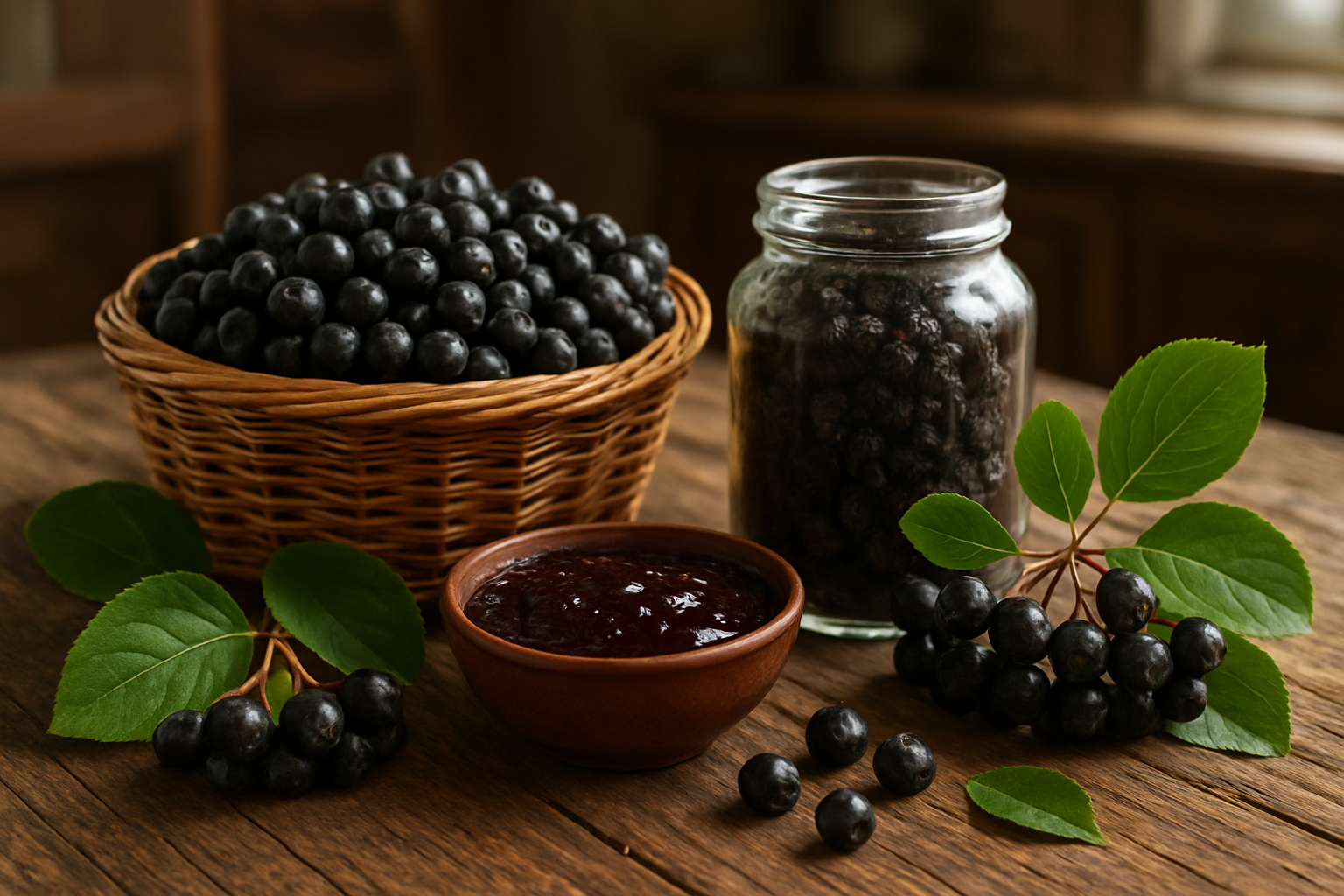
Chokeberries pack an incredible nutritional punch that makes them worth adding to your daily routine. These small but mighty berries deliver powerful antioxidants, support heart health, and boost your immune system while offering versatility in the kitchen. Whether you're making jams, smoothies, or baked goods, their tart flavor adds depth to countless recipes.
If you've been thinking about growing your own superfood, chokeberries are surprisingly easy to cultivate and maintain. They're hardy, adapt well to different climates, and produce abundant harvests year after year. Start small with a few plants in your garden or even containers, and you'll soon discover why more people are embracing these native North American treasures for both their health benefits and culinary potential.


.png)
Comments
Post a Comment