Cooking Bananas- What Are Cooking Bananas (Green Bananas/Plantains)
.png)
Cooking bananas aren't your typical yellow fruit that you grab for a quick snack. These starchy, versatile ingredients—including green bananas and plantains—are kitchen staples in cuisines around the world, offering completely different flavors and textures than their sweet counterparts.
This guide is perfect for home cooks curious about expanding their produce repertoire, food enthusiasts exploring international recipes, and anyone looking to add nutritious variety to their meals.
We'll break down the key differences between cooking bananas and regular bananas so you know exactly what you're working with. You'll also discover the main types of cooking bananas available and learn essential preparation techniques that make cooking with these ingredients simple and rewarding. Plus, we'll cover smart storage tips to keep your plantains and green bananas fresh longer.
Understanding the Difference Between Cooking Bananas and Regular Bananas
Key Physical and Nutritional Differences That Matter for Your Kitchen
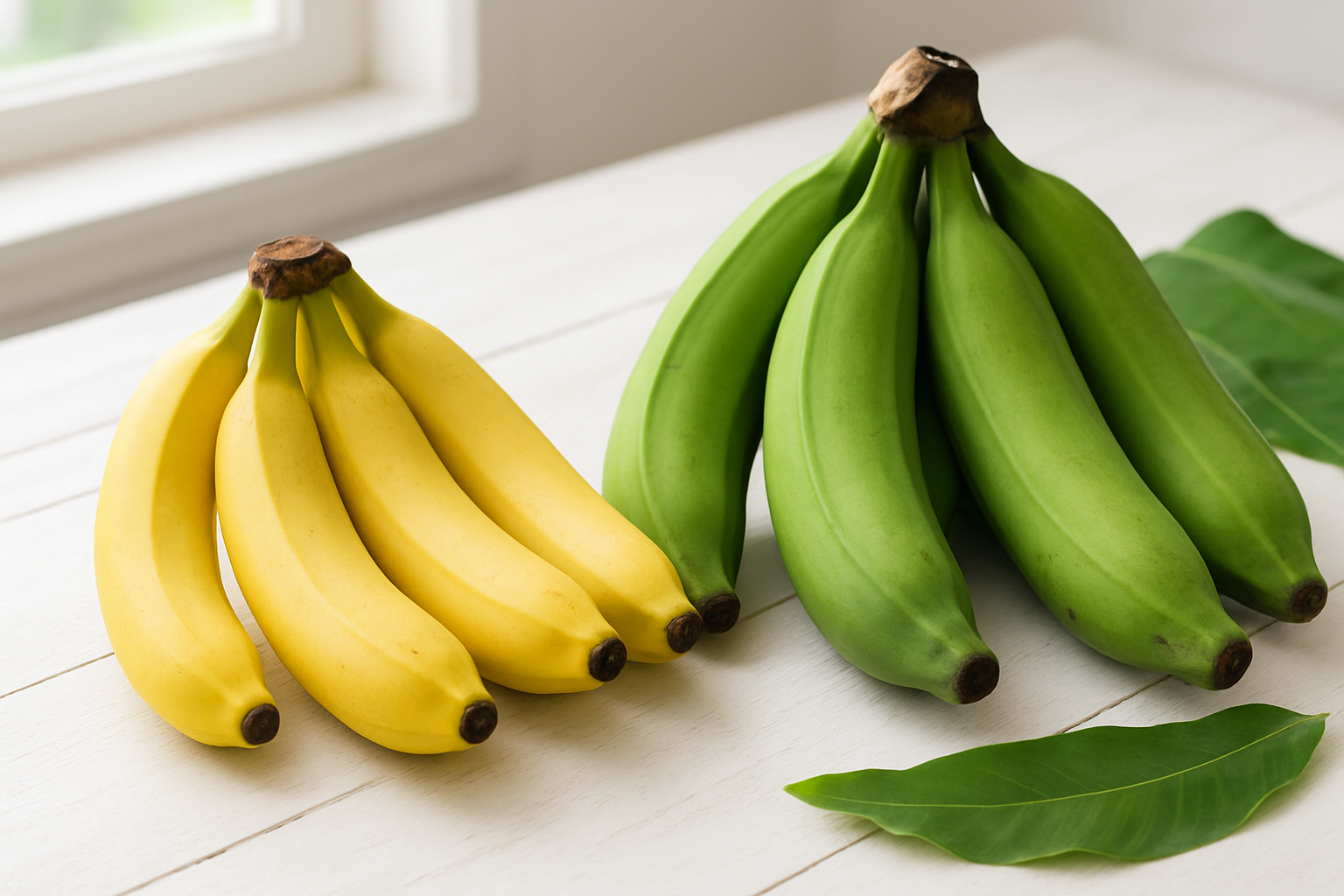
Cooking bananas look noticeably different from the sweet yellow bananas you grab for smoothies. They're typically larger, thicker, and have a more robust skin that ranges from bright green to deep yellow or even black, depending on ripeness. The flesh inside stays firmer and more potato-like in texture, even when fully ripe.
Green bananas and plantains pack a serious nutritional punch compared to their sweeter cousins. They contain significantly more potassium, vitamin C, and dietary fiber per serving. The mineral content is also higher, with more magnesium and phosphorus to support bone health and energy metabolism.
Here's a quick comparison that shows the key differences:
| Feature | Cooking Bananas | Regular Bananas |
|---|---|---|
| Size | Larger (6-12 inches) | Smaller (6-8 inches) |
| Skin thickness | Thick, sturdy | Thin, delicate |
| Flesh texture | Firm, starchy | Soft, creamy |
| Potassium content | 663mg per cup | 422mg per cup |
| Fiber content | 4.6g per cup | 3.1g per cup |
The skin of plantains and green bananas also tells you a lot about what's inside. A thick, waxy skin protects the starchy flesh and makes these varieties perfect for longer cooking times without falling apart.
Why Starch Content Makes Cooking Bananas Superior for Savory Dishes
The secret weapon of cooking bananas lies in their high starch content - up to 70% of their carbohydrate content comes from starch rather than sugar. This makes them behave more like potatoes or other root vegetables in your cooking.
When you cook green bananas or plantains, the starch granules absorb liquid and swell, creating that satisfying, hearty texture that works beautifully in soups, stews, and fried dishes. Regular bananas would turn to mush under the same cooking conditions because their lower starch content can't provide the same structural integrity.
The starch content also means cooking bananas don't compete with other flavors in savory dishes. They act as a neutral base that soaks up spices, marinades, and cooking liquids while adding substance to your meal. Think of them as a blank canvas that takes on the personality of whatever you're cooking.
This starchy quality makes plantains and green bananas perfect for:
-
Hearty soups and stews where they won't break down
-
Fried preparations that need to hold their shape
-
Mashed side dishes similar to mashed potatoes
-
Curry dishes where they absorb complex spice blends
How Ripeness Stages Affect Flavor and Cooking Methods
Green bananas and plantains go through distinct ripeness stages that completely change how you should cook them and what flavors you can expect. Each stage opens up different cooking possibilities.
Green Stage (Unripe): The skin is bright green and the flesh is very firm and starchy with almost no sweetness. This stage works best for boiling, steaming, or adding to soups where you want them to hold their shape. The flavor is mild and earthy, similar to a potato.
Yellow Stage (Semi-ripe): The skin turns yellow but remains firm. The flesh softens slightly and develops a subtle sweetness while keeping most of its starch. This stage is perfect for frying, roasting, or grilling. You get the best of both worlds - some sweetness with structural integrity.
Black Stage (Fully ripe): The skin develops black spots or turns completely black, and the flesh becomes soft and sweet. The starch converts to sugar, making this stage ideal for desserts, sweet preparations, or dishes where you want natural sweetness without added sugar.
Each ripeness stage of cooking bananas offers unique cooking opportunities. Green ones work in savory main dishes, yellow ones are versatile enough for both sweet and savory applications, and black ones shine in desserts and sweet side dishes. Understanding these stages helps you choose the right plantains or green bananas for your specific recipe needs.
Complete Guide to Types of Cooking Bananas
Green Bananas: The Versatile Starchy Foundation for Any Meal
Green bananas are the ultimate kitchen chameleon. These unripe beauties pack a starchy punch that transforms them into everything from hearty mains to satisfying sides. Unlike their sweet yellow cousins, green bananas offer a neutral, potato-like flavor that soaks up whatever seasonings you throw at them.
The key to working with green bananas lies in understanding their texture. They're firm enough to hold their shape during cooking, making them perfect for boiling, frying, or baking. Their high starch content creates that satisfying, filling quality that makes them a staple in Caribbean, African, and Latin American cuisines.
When choosing green bananas, look for ones that are completely green with no yellow spots. The skin should feel firm and the banana should seem heavy for its size. These cooking bananas shine in savory dishes - think curries, stews, or simply boiled with salt and butter.
Plantains: From Green to Yellow to Black - Maximizing Each Stage
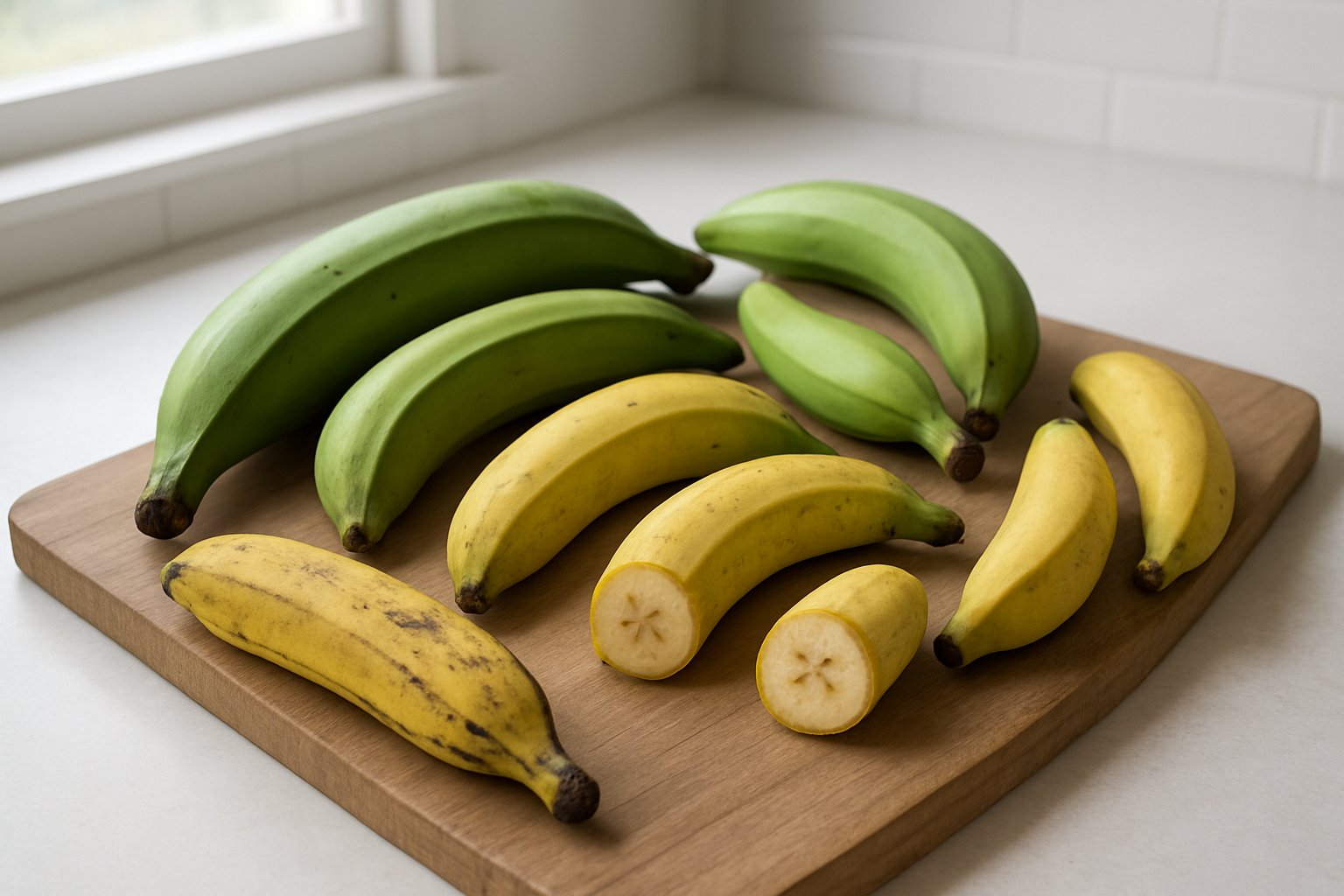
Plantains are the superstars of the cooking banana world, and each ripeness stage brings its own magic to the table. Green plantains are your go-to for savory applications - they're starchy, firm, and perfect for tostones or maduros verdes. At this stage, they taste almost like potatoes and hold their shape beautifully when fried or boiled.
As plantains ripen to yellow, they develop subtle sweetness while maintaining enough firmness for cooking. Yellow plantains work wonderfully in both sweet and savory dishes. The sugars start developing, but they're not overwhelming, making them ideal for dishes where you want balanced flavors.
Black plantains might look past their prime, but they're absolute gold for sweet preparations. The darker the skin, the sweeter the flesh becomes. These are perfect for maduros (sweet plantains), plantain bread, or any recipe calling for natural sweetness. The flesh becomes incredibly tender and caramelized when cooked.
| Ripeness Stage | Best Uses | Texture | Flavor Profile |
|---|---|---|---|
| Green | Tostones, boiling, savory dishes | Very firm | Starchy, neutral |
| Yellow | Mixed dishes, light frying | Moderately firm | Mildly sweet |
| Black | Sweet dishes, baking | Very soft | Very sweet |
Regional Varieties That Will Transform Your Cooking Game
Different regions have cultivated unique types of cooking bananas that bring distinct flavors and textures to your kitchen. Caribbean cooking bananas, often called "green fig" in some islands, tend to be smaller and denser than plantains, with an almost nutty flavor when cooked.
African varieties like matoke bananas are shorter and plumper, with flesh that becomes incredibly creamy when steamed or stewed. These bananas are often cooked while still in their green stage and have a unique ability to absorb flavors from broths and sauces.
Latin American varieties include the massive plantain macho, which can grow up to a foot long. These giants are perfect when you're cooking for a crowd or want to make impressive presentation dishes. Then there's the dominico variety - smaller, sweeter plantains that work beautifully for desserts and breakfast dishes.
Asian cooking bananas, like the Thai variety used in green papaya salad, offer a crisp texture even when ripe and bring a subtle floral note to dishes. Each regional variety has been selected over generations for specific cooking properties, so exploring different types can completely change your cooking game.
How to Select the Perfect Cooking Banana for Your Recipe
Choosing the right cooking banana starts with understanding what your recipe needs. For dishes requiring bananas that hold their shape - like curries, stews, or fried preparations - go for completely green bananas with no soft spots or yellow areas. The skin should be bright green and feel almost leathery.
Press gently near the stem end. Green cooking bananas should feel rock solid with no give. Any softness means they're starting to ripen and might break apart during cooking. The banana should feel heavy and substantial in your hand.
For recipes where you want some natural sweetness but still need structure, choose plantains with yellow streaks or patches. These have started developing sugars but maintain enough starch for cooking. Avoid any with dark spots if you need them to maintain their shape.
When making sweet dishes or purees, those black-skinned plantains that look overripe are actually perfect. The blacker the skin, the more concentrated the sugars. Just make sure the flesh isn't mushy or fermented - it should still feel somewhat firm when you press gently.
Size matters too. Larger cooking bananas work better for main dishes and sides, while smaller varieties are perfect for snacks or garnishes. Always buy a few extra since they're so versatile - you'll find yourself reaching for them more often once you discover their potential.
Essential Preparation Techniques That Save Time and Enhance Flavor
Proper Peeling Methods That Prevent Sticky Hands and Waste
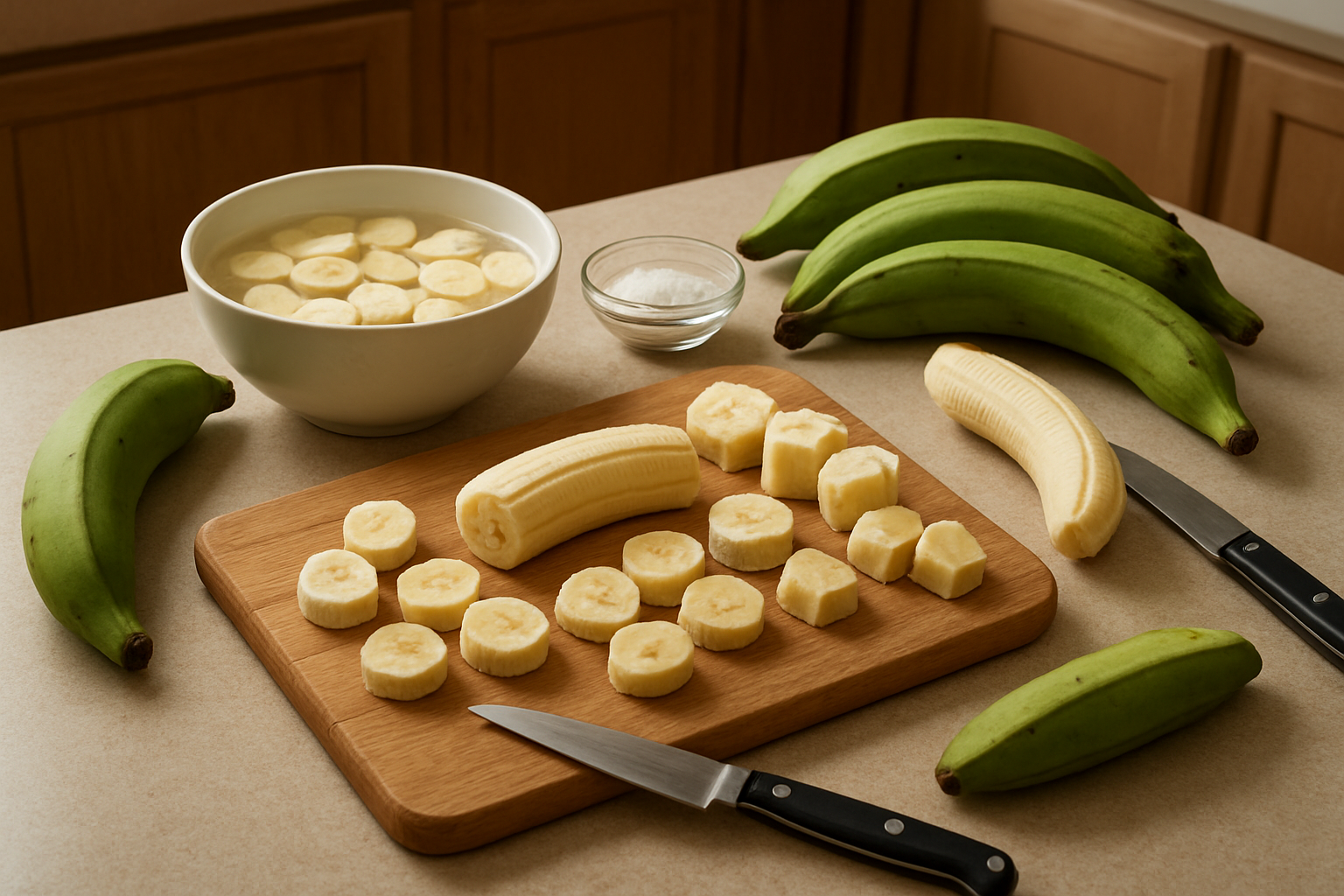
Peeling cooking bananas requires a different approach than regular bananas. Green bananas and plantains have thicker, sturdier skins that don't peel away easily by hand. Start by cutting off both ends of the banana with a sharp knife, removing about half an inch from each tip. This creates stable surfaces and removes the fibrous ends.
Make shallow vertical cuts along the length of the skin, spacing them about an inch apart. Be careful to cut only through the peel without piercing the flesh underneath. For green bananas, you'll need 3-4 cuts around the circumference. Once you've made these scoring cuts, use your fingers or the tip of a knife to lift the peel sections away from the flesh.
If the skin proves stubborn, try running the scored banana under warm water for 30 seconds. The heat softens the peel and makes removal much easier. Keep a small bowl of water nearby to rinse your hands frequently, as cooking banana sap can be incredibly sticky and difficult to remove once it dries.
For plantains, the ripeness determines the peeling difficulty. Very green plantains require the scoring method, while yellow-black ripe plantains peel more easily by hand after removing the ends.
Smart Cutting Techniques for Different Cooking Applications
The way you cut your cooking bananas directly impacts both cooking time and final texture. Different preparations call for specific cutting techniques that optimize flavor and cooking efficiency.
For boiling and steaming, cut green bananas into 2-3 inch chunks. This size allows even cooking while maintaining structural integrity. Cut straight across for uniform pieces, or on a slight diagonal for more surface area and faster cooking.
Frying applications work best with specific cuts depending on your desired outcome:
-
Coins: Slice plantains into ½-inch rounds for classic sweet plantain chips
-
Strips: Cut lengthwise into ¼-inch thick strips for crispy plantain fries
-
Chunks: Use 1-inch pieces for adding to stews and curries
For mashing preparations, cut cooking bananas into smaller 1-inch pieces to reduce cooking time and ensure even tenderness throughout.
When preparing baked dishes, consider the moisture content. Cut slightly thicker pieces (¾-inch) as they'll shrink during the longer cooking process. Always cut just before cooking to prevent browning and maintain the best texture.
Use a sharp, non-reactive knife (stainless steel works perfectly) to get clean cuts without crushing the firm flesh.
Pre-Treatment Tips to Prevent Browning and Maintain Texture
Cooking banana preparation benefits greatly from a few simple pre-treatment steps that preserve both appearance and texture. Unlike regular bananas, green bananas and plantains brown more slowly, but proper treatment ensures optimal results.
Salt water solution works wonderfully for cut cooking bananas. Mix one tablespoon of salt into four cups of cold water, then submerge your cut pieces immediately after cutting. This prevents browning for up to two hours while adding a subtle flavor enhancement that complements most cooking methods.
For dishes where you want to maintain firm texture, blanching proves invaluable. Drop cut pieces into boiling salted water for 2-3 minutes, then immediately transfer to an ice bath. This technique partially cooks the exterior while keeping the interior firm, perfect for stir-fries or dishes where you'll add the cooking bananas later in the cooking process.
Acidic treatments also prevent browning effectively. A light coating of lime or lemon juice not only prevents oxidation but adds brightness to the final dish. This works especially well for plantain preparations in Latin and Caribbean cooking.
Room temperature cooking bananas cook more evenly than cold ones straight from storage. Remove them from refrigeration 20-30 minutes before cooking for best results. Pat pieces completely dry with paper towels before frying to prevent oil splattering and achieve better browning.
Popular Cooking Methods That Bring Out Maximum Flavor
Boiling Techniques for Tender, Fluffy Results Every Time
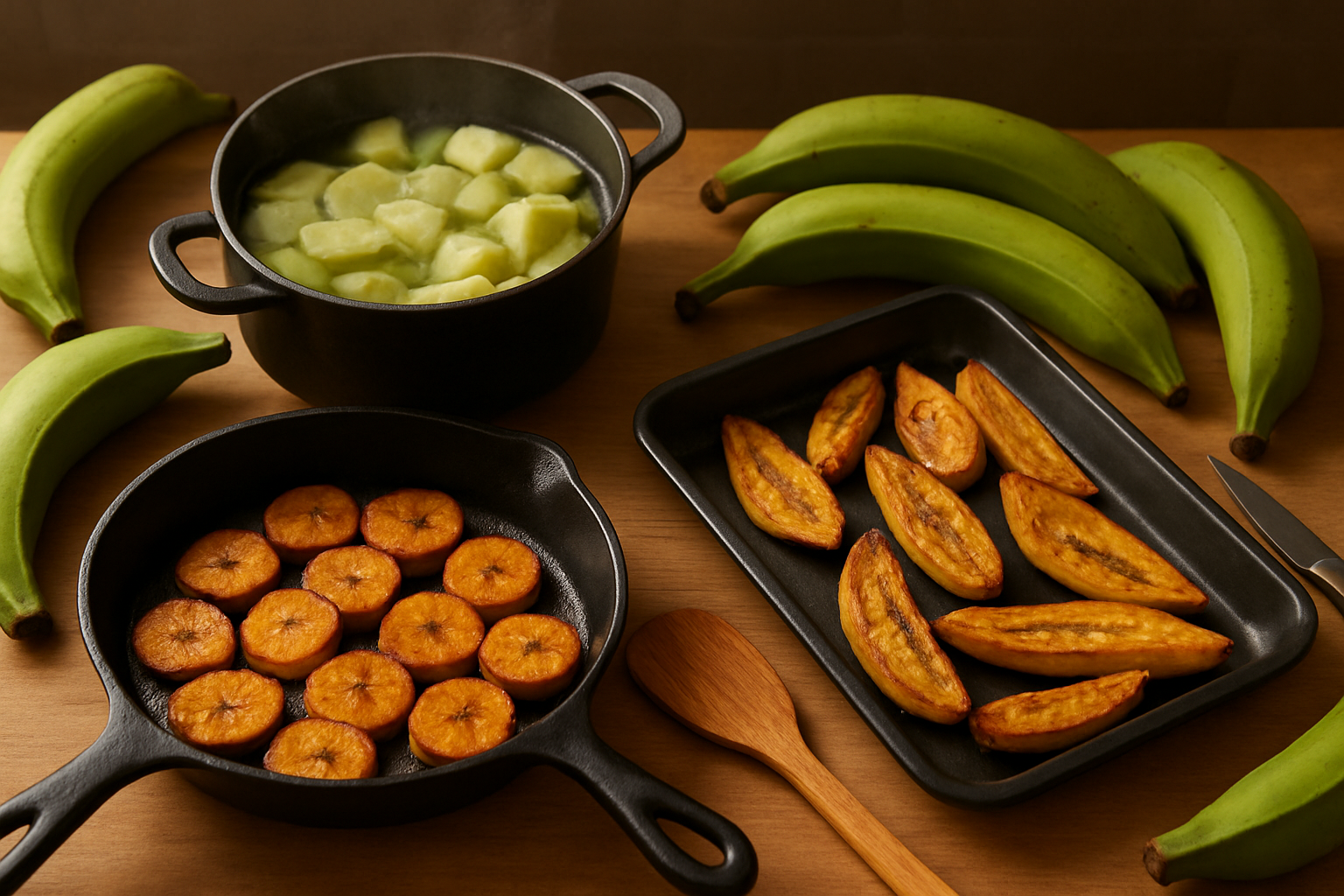
Boiling stands as the most fundamental method for preparing cooking bananas and green bananas. Start by peeling and cutting your plantains into 2-3 inch chunks, then place them in a pot with enough salted water to cover completely. The salt enhances flavor and helps maintain the bananas' natural color during cooking.
Bring the water to a rolling boil, then reduce heat to medium and cook for 15-20 minutes until fork-tender. Green bananas typically require slightly longer cooking times than ripe plantains. Test doneness by piercing with a fork – they should offer no resistance when properly cooked.
For extra flavor, add aromatics like garlic cloves, bay leaves, or a splash of lime juice to the boiling water. Once drained, you can mash the boiled cooking bananas with butter and seasonings for a creamy side dish, or serve them whole as a starchy accompaniment to meat or fish dishes.
Frying Methods That Create Perfect Golden Exteriors
Frying transforms cooking bananas into crispy, golden delicacies that showcase their natural sweetness. For pan-frying, slice plantains diagonally into ½-inch thick pieces. Heat vegetable oil in a heavy skillet over medium heat – the oil should shimmer but not smoke.
Fry the plantain slices for 2-3 minutes per side until golden brown. Ripe plantains will caramelize beautifully, while green bananas develop a crispy exterior with a creamy interior. For traditional Cuban maduros, use very ripe plantains that have black spots on the peel.
Deep-frying creates the beloved twice-fried plantains called tostones. First, fry thick slices for 3-4 minutes, remove and flatten with a tostonera or plate, then fry again until crispy. Season immediately with salt or garlic powder while hot.
Baking and Roasting for Naturally Sweet, Caramelized Dishes
Baking and roasting concentrate the natural sugars in cooking bananas, creating deeply caramelized flavors without added fats. Preheat your oven to 400°F and cut plantains lengthwise or into thick rounds, leaving the peel on for added moisture retention.
Place the pieces on a baking sheet lined with parchment paper. Roast for 20-25 minutes, flipping halfway through, until the exteriors are golden and slightly crispy. The natural sugars will caramelize, creating complex flavors that pair beautifully with savory dishes.
For stuffed plantains, make a lengthwise cut in whole plantains and fill with cheese, beans, or seasoned ground meat before baking. This method works particularly well with semi-ripe plantains that hold their shape while developing sweetness.
Wrap whole green bananas in foil with herbs and spices for a steamed-roasted effect that keeps them moist while developing concentrated flavors.
Steaming for Health-Conscious, Nutrient-Preserving Meals
Steaming preserves the maximum nutritional value of cooking bananas while creating a tender, clean-tasting result. Set up a steamer basket over boiling water, ensuring the water level stays below the basket. Peel and cut plantains into uniform pieces for even cooking.
Steam green bananas for 12-15 minutes, or until easily pierced with a knife. This gentle cooking method maintains the vegetables' natural texture and prevents nutrient loss that can occur with boiling.
Steamed cooking bananas work excellently as a base for healthy mashes or purees. Season with fresh herbs, a drizzle of olive oil, or a squeeze of citrus after steaming to enhance flavors without compromising the health benefits.
For meal prep, steamed plantains can be stored in the refrigerator and quickly reheated, making them perfect for busy weeknight dinners or healthy lunch bowls.
Health Benefits That Make Cooking Bananas a Nutritional Powerhouse
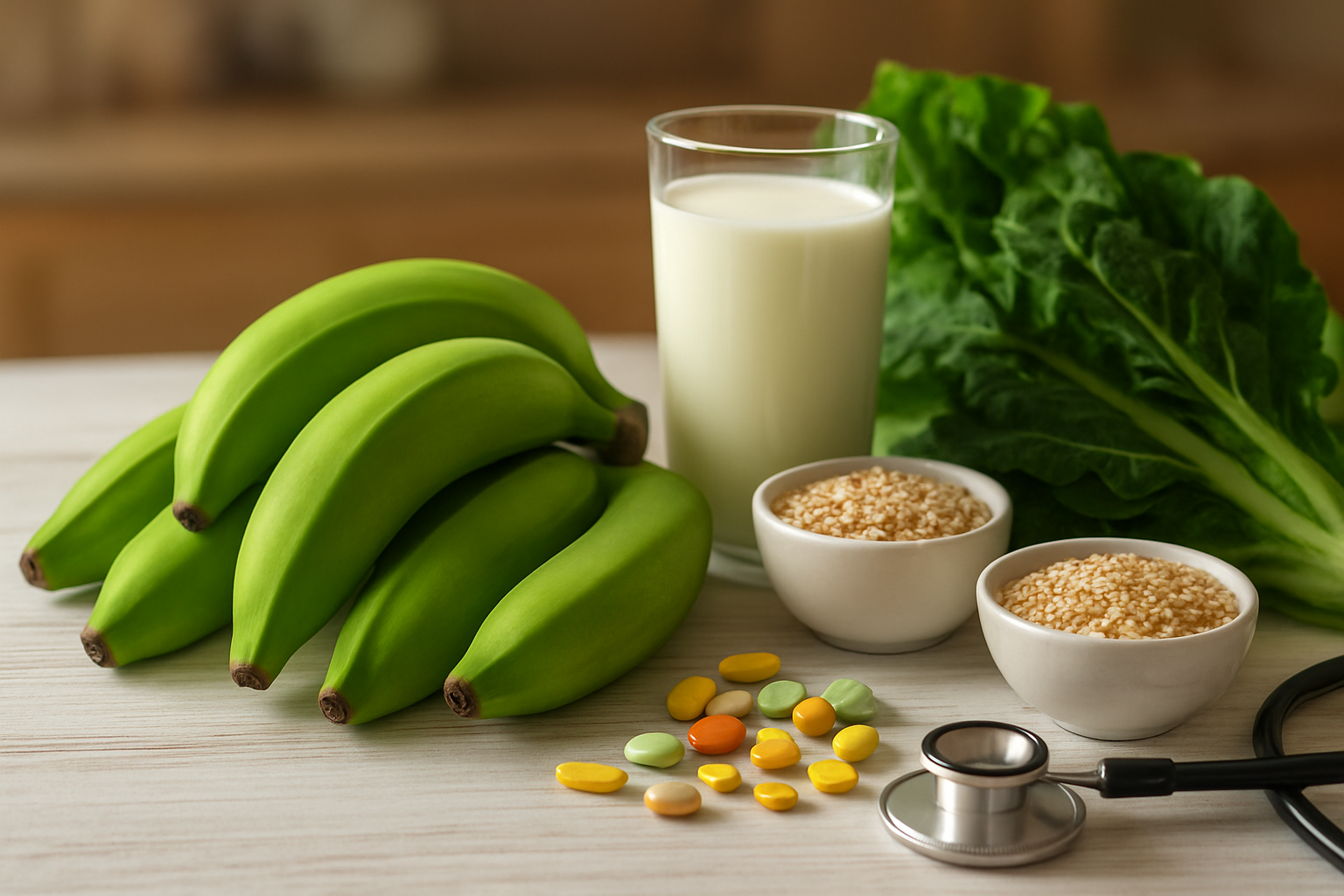
High Fiber Content for Improved Digestive Health and Satiety
Cooking bananas pack an impressive fiber punch that puts regular bananas to shame. A single medium-sized green banana delivers approximately 3-4 grams of dietary fiber, while plantains can contain up to 5 grams per serving. This fiber content comes primarily as resistant starch, which acts like soluble fiber in your digestive system.
The resistant starch in cooking bananas feeds beneficial gut bacteria, promoting a healthy microbiome that supports overall digestive function. This unique fiber type helps regulate bowel movements, prevents constipation, and reduces bloating. Unlike processed foods that can upset your stomach, green bananas actually soothe digestive issues while keeping you full for hours.
The satiety factor is remarkable - eating cooking bananas triggers the release of hormones that signal fullness to your brain. This makes them excellent for weight management and reducing unnecessary snacking between meals.
Essential Vitamins and Minerals Your Body Needs Daily
Plantains and green bananas serve as nutritional goldmines, delivering essential micronutrients your body craves. They're particularly rich in vitamin B6, providing about 20% of your daily needs per serving. This vitamin supports brain function, helps create neurotransmitters, and maintains healthy red blood cells.
Vitamin C content in cooking bananas reaches impressive levels, especially in green varieties. This antioxidant powerhouse boosts immune function, aids iron absorption, and supports collagen production for healthy skin and joints.
The mineral profile includes significant amounts of:
-
Magnesium: Supports muscle and nerve function
-
Manganese: Essential for bone development and wound healing
-
Folate: Critical for DNA synthesis and red blood cell formation
-
Phosphorus: Maintains strong bones and teeth
These nutrients work synergistically, meaning they enhance each other's absorption and effectiveness when consumed together in whole food form.
Natural Energy Source That Sustains Without Sugar Crashes
Unlike refined sugars that send your blood glucose on a roller coaster ride, cooking bananas provide steady, sustained energy release. The complex carbohydrates in green bananas break down slowly, maintaining stable blood sugar levels for hours.
The resistant starch content means your body processes these carbs differently than simple sugars. Instead of rapid absorption that leads to energy spikes and crashes, you get gradual glucose release that fuels your cells consistently. This makes plantains perfect pre-workout fuel or afternoon energy boosters.
Athletes particularly benefit from this sustained energy profile. The natural sugars combine with fiber to provide both quick and long-lasting fuel, supporting endurance activities without the jittery effects of caffeine or energy drinks.
Heart-Healthy Potassium Levels That Support Cardiovascular Function
Cooking bananas absolutely dominate in potassium content, with plantains containing nearly 900mg per cup - that's about 25% of your daily requirement. This essential mineral directly impacts cardiovascular health by regulating blood pressure and supporting proper heart rhythm.
Potassium works as a natural diuretic, helping your kidneys flush excess sodium from your system. This sodium-potassium balance is crucial for maintaining healthy blood pressure levels and reducing strain on your cardiovascular system.
The magnesium content works alongside potassium to support heart muscle function and prevent irregular heartbeats. Regular consumption of green bananas and plantains has been linked to reduced risk of stroke and heart disease in multiple studies.
This potassium-rich profile also supports muscle function throughout your body, preventing cramps and supporting recovery after physical activity. The combination of potassium, magnesium, and natural carbohydrates makes cooking bananas ideal for post-exercise nutrition.
Storage and Preservation Tips That Extend Freshness and Save Money
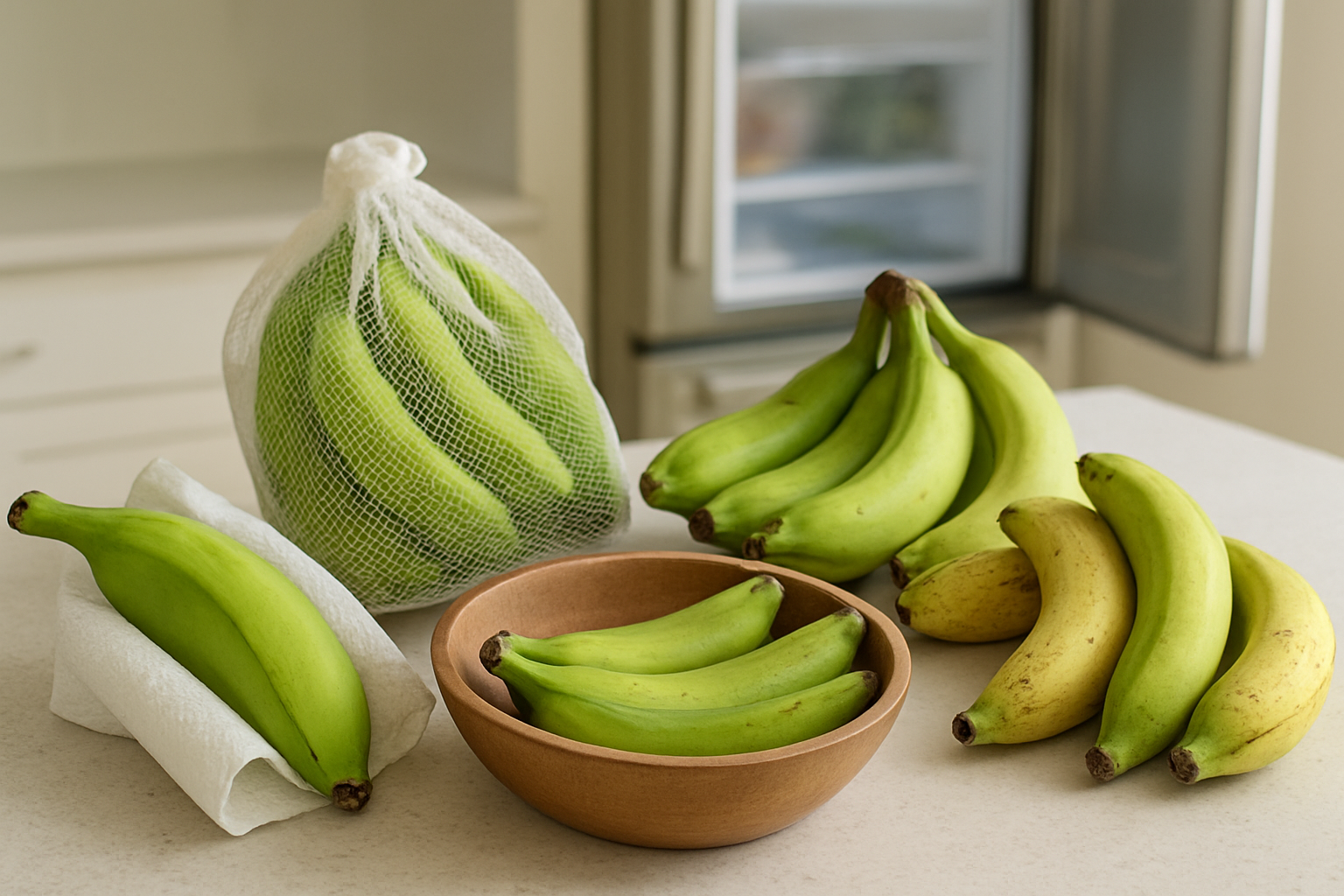
Optimal Storage Conditions for Different Ripeness Stages
Green cooking bananas and plantains need different storage approaches depending on their ripeness level. When your cooking bananas are completely green and firm, store them at room temperature between 60-68°F. Keep them away from direct sunlight and heat sources like stoves or radiators. A cool pantry shelf or kitchen counter works perfectly.
For green bananas you want to ripen slowly, wrap them individually in newspaper or place them in a paper bag. This controls moisture and prevents premature ripening. Never store green cooking bananas in the refrigerator - the cold temperature damages the cell structure and turns the skin black while keeping the inside hard and starchy.
Once your plantains start showing yellow patches, you can slow down ripening by moving them to a slightly cooler spot around 55-60°F. If you want to speed up ripening, place them in a paper bag with a ripe apple or regular banana. The ethylene gas will work its magic within 2-3 days.
Yellow to black plantains should stay at room temperature if you plan to use them within a few days. Their natural sugars are developing, making them perfect for sweet preparations. Keep them in a single layer to prevent bruising.
| Ripeness Stage | Storage Location | Temperature Range | Expected Shelf Life |
|---|---|---|---|
| Completely Green | Room Temperature | 60-68°F | 7-10 days |
| Partially Yellow | Cool Area | 55-60°F | 3-5 days |
| Mostly Yellow | Room Temperature | 65-70°F | 2-3 days |
| Black Spots | Room Temperature | 65-70°F | 1-2 days |
Freezing Methods That Maintain Quality for Future Use
Freezing cooking bananas opens up meal prep possibilities and prevents waste. The key is proper preparation before freezing. For green bananas, peel and cut them into your desired size - chunks for stews, slices for frying, or leave them whole if you prefer.
Blanching green banana pieces for 3-4 minutes in boiling salted water before freezing helps maintain texture and prevents them from becoming mushy when thawed. Drop the pieces into ice water immediately after blanching, then drain thoroughly and pat dry with paper towels.
For ripe plantains, you can freeze them with or without blanching. Sweet plantains actually freeze well when mashed - perfect for future use in plantain bread or pancakes. Spread mashed plantains in ice cube trays for portion control, then transfer frozen cubes to freezer bags.
Whole plantains can be frozen in their peels if they're yellow to black. The skin protects the fruit and makes them easier to use later. Simply thaw at room temperature for 30 minutes before peeling.
Always use freezer-safe bags or containers, removing as much air as possible to prevent freezer burn. Label everything with dates - frozen cooking bananas maintain best quality for 6-8 months but remain safe to eat longer.
Signs of Spoilage to Watch For and When to Use Immediately
Knowing when cooking bananas and plantains are past their prime saves money and prevents food waste. Black spots on the skin are normal for ripe plantains, but watch for these warning signs:
Soft, mushy areas that feel different from the rest of the fruit indicate bacterial breakdown. Small soft spots can be cut away, but if more than 25% of the fruit is affected, discard it entirely.
Mold growth appears as fuzzy white, green, or black patches on the skin. Even small amounts of mold mean the entire fruit should be thrown away, as mold roots can penetrate throughout.
Strong fermented or alcohol-like odors signal that natural sugars have begun fermenting. This happens faster in warm, humid conditions. Trust your nose - fresh cooking bananas smell mild and slightly sweet.
Liquid seeping from cracks in the skin shows advanced decomposition. This sticky liquid attracts insects and bacteria, making the fruit unsafe to eat.
When to use immediately: Plantains with extensive black skin but firm flesh are perfect for sweet preparations like maduros or plantain bread. If the inside still looks creamy white or pale yellow without dark streaks, you have a 24-48 hour window to use them. Green bananas with small dark spots on the skin can still be cooked if the flesh inside remains firm and white.
How to store plantains that are borderline: Place very ripe ones in the refrigerator for 2-3 extra days of use time. The cold won't improve their appearance, but it slows down the final stages of decomposition.
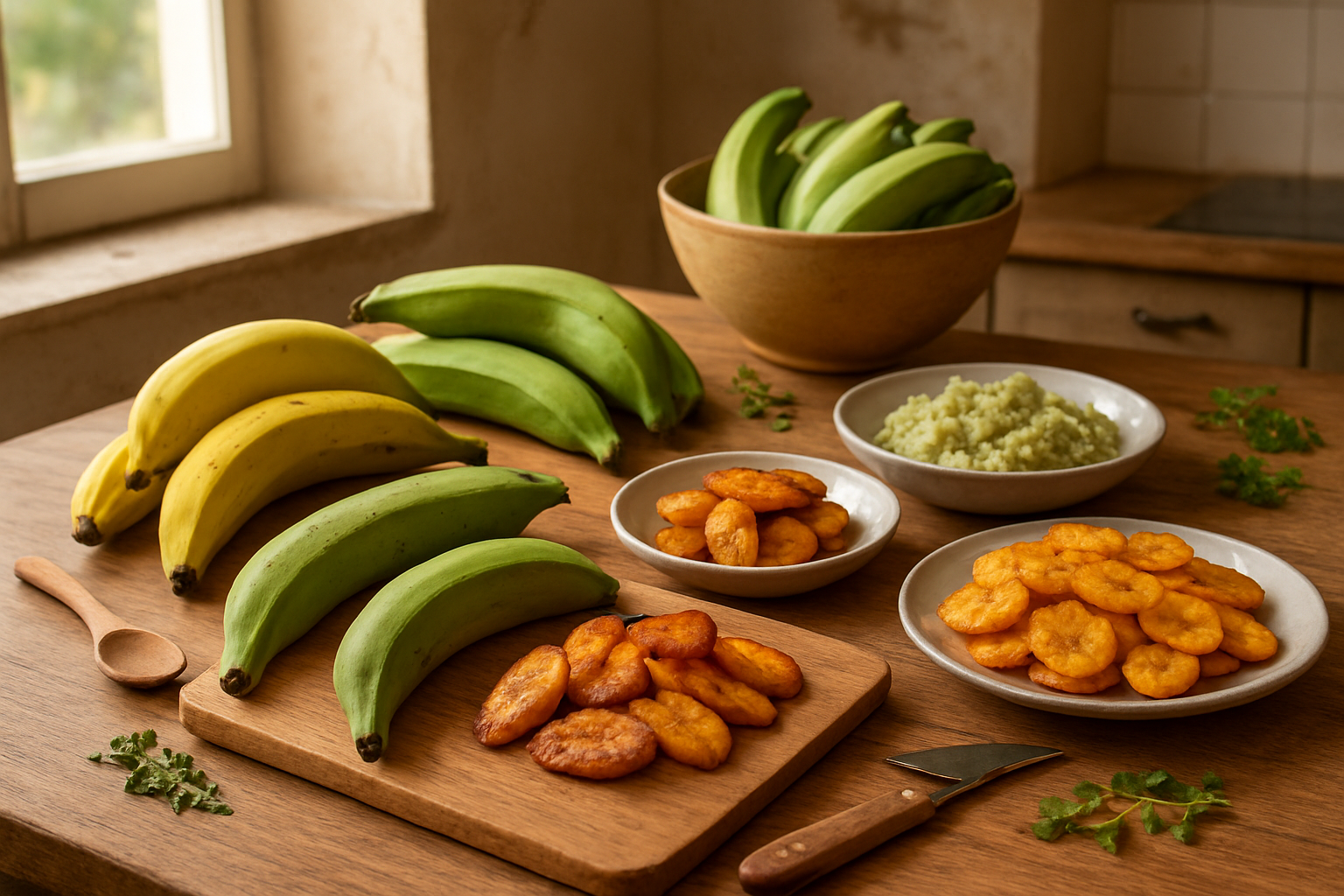
Cooking bananas open up a whole new world of flavors and textures that regular sweet bananas simply can't match. From understanding the differences between plantains and green bananas to mastering the best preparation and cooking methods, you now have the tools to make these versatile ingredients shine in your kitchen. The nutritional benefits alone make them worth adding to your regular meal rotation – packed with potassium, fiber, and essential vitamins that support your overall health.
Don't let those green bananas intimidate you anymore. Start with simple boiled or fried preparations, then experiment with the various types and cooking techniques we've covered. With proper storage methods, you can keep these ingredients fresh longer and always have them ready for your next culinary adventure. Your taste buds and your wallet will thank you for discovering this affordable, nutritious, and delicious addition to your cooking repertoire.


.png)
Comments
Post a Comment