Dates - What Are Dates?
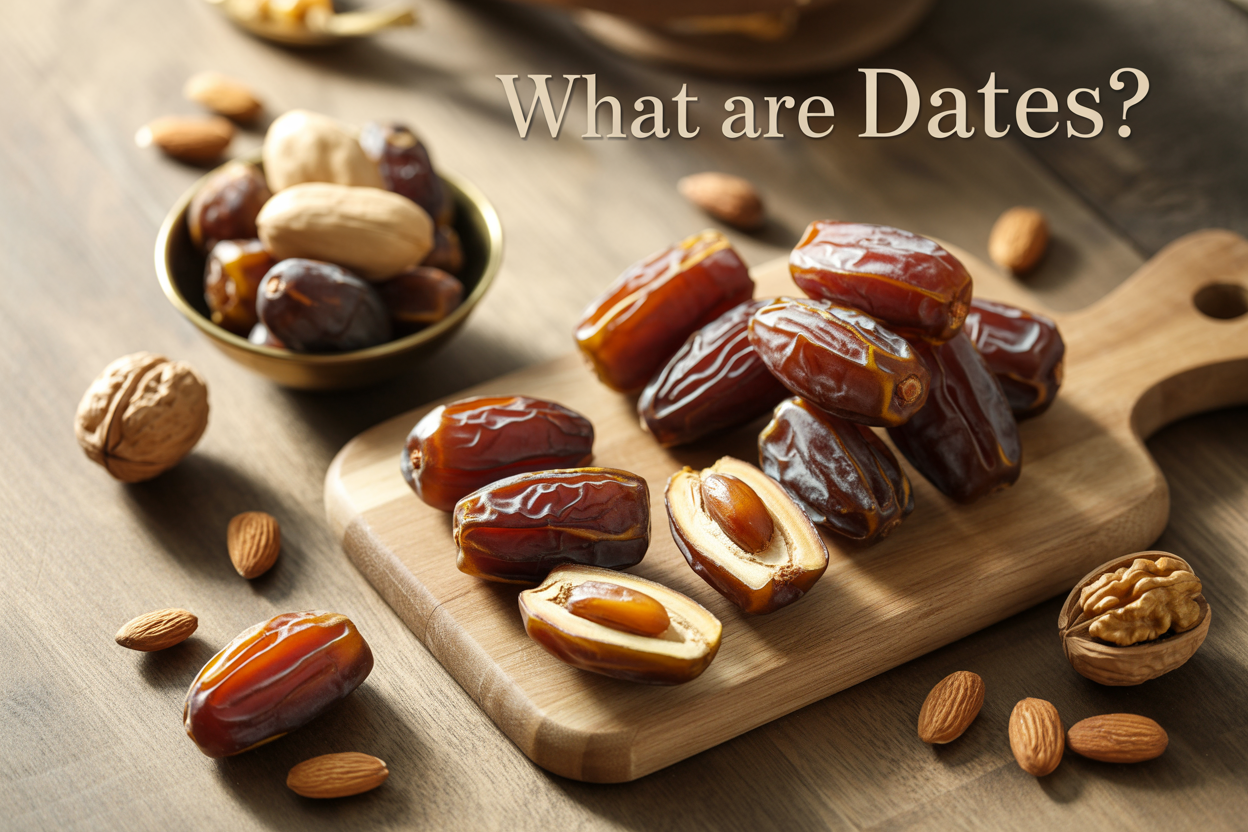
What Are Dates? Your Complete Guide to Nature's Candy
Dates are sweet, chewy fruits that grow on date palm trees and have been enjoyed for thousands of years. If you're curious about date fruit nutrition, wondering about different types of dates, or want to learn how these natural treats can boost your health, you've come to the right place.
This guide is perfect for health-conscious eaters, home cooks exploring new ingredients, and anyone who wants to understand what makes dates such a popular superfood. We'll dive deep into the impressive date fruit benefits that make nutritionists rave about them, explore popular varieties like Medjool dates and other date fruit varieties you'll find at the store, and share practical tips on how to store dates to keep them fresh and delicious.
You'll discover why dates deserve a spot in your pantry and how these naturally sweet gems can satisfy your cravings while delivering serious nutritional value.
Understanding the Date Fruit
Origin and Botanical Classification of Dates
The date fruit comes from the date palm tree, scientifically known as Phoenix dactylifera. This remarkable tree belongs to the palm family (Arecaceae) and has been cultivating sweet treasures for over 4,000 years. Archaeological evidence suggests that date cultivation first began in ancient Mesopotamia, around present-day Iraq and Iran, before spreading across North Africa and the Arabian Peninsula.
Date palms are dioecious plants, meaning they have separate male and female trees. Only female trees produce the coveted date fruit, but they need male trees nearby for pollination. Ancient civilizations quickly figured out this relationship and developed sophisticated cultivation techniques that we still use today. The scientific name Phoenix dactylifera comes from the Greek word "phoenix" (referring to the mythical bird) and "dactylifera," meaning "date-bearing."
These trees can live for over 100 years and continue producing fruit throughout their lifetime. A single mature female date palm can yield anywhere from 60 to 150 pounds of dates annually, making them incredibly productive agricultural investments.
Physical Characteristics and Appearance
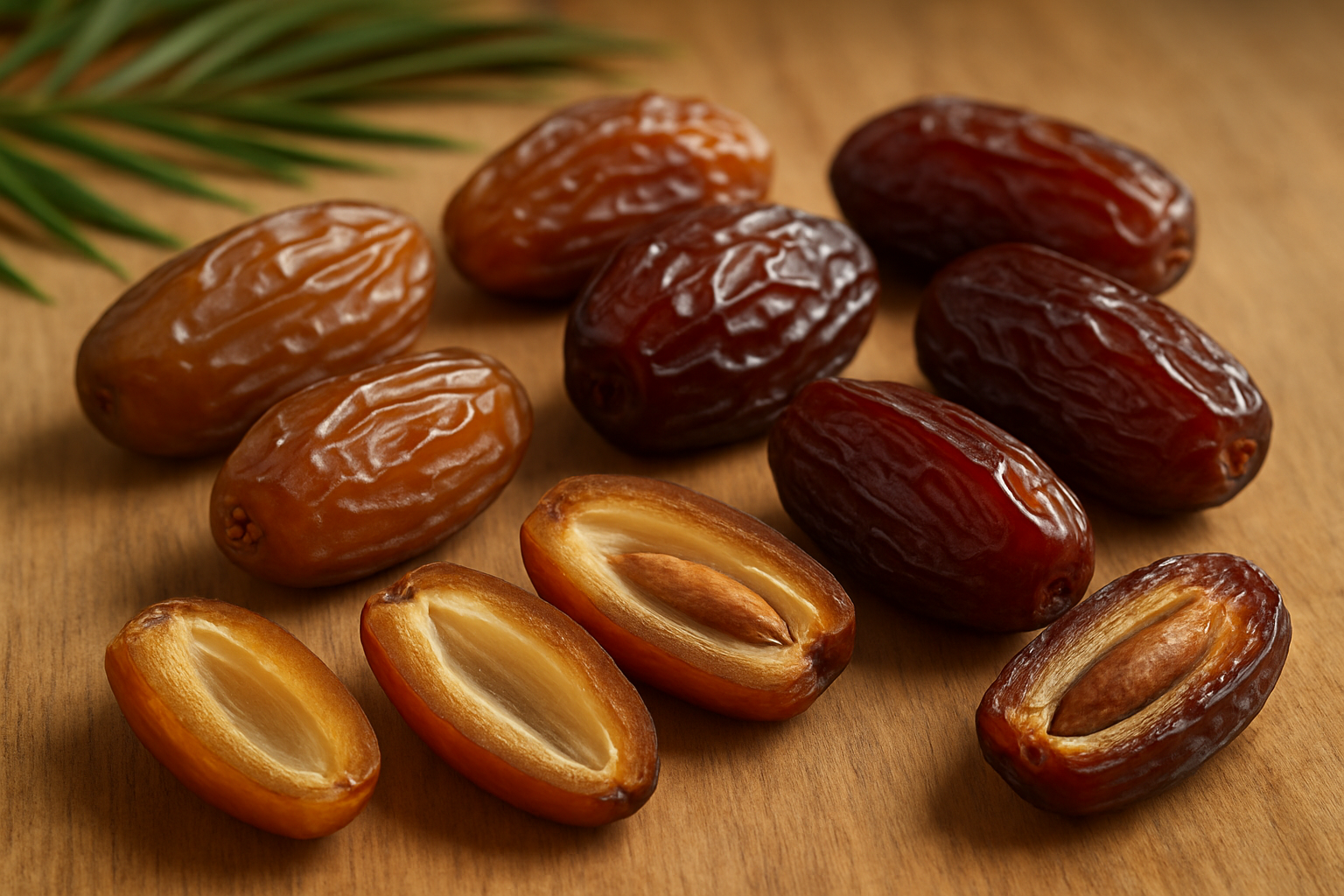
Date fruit displays remarkable diversity in size, color, and texture depending on the variety. Most dates range from 1 to 2 inches in length and have an oval or cylindrical shape. Fresh dates typically appear plump and glossy, while dried dates develop a wrinkled, concentrated appearance.
The color spectrum of dates varies dramatically across different types of dates. You'll find everything from golden yellow and amber to deep brown and nearly black varieties. Medjool dates, often called the "king of dates," showcase a rich, dark brown color with a distinctive wrinkled texture. Zahidi dates present a beautiful golden hue, while Halawi dates display a light brown, almost caramel appearance.
The flesh of date fruit contains a single, elongated seed (technically called a pit) that runs lengthwise through the center. The flesh itself ranges from soft and moist to firm and chewy, depending on the variety and moisture content. Some dates have a tender, almost creamy texture, while others offer more resistance when bitten.
Date fruit skin varies in thickness and texture. Some varieties have thin, delicate skins that practically melt in your mouth, while others feature thicker, more substantial outer layers that provide structural integrity during storage and transport.
Natural Growing Conditions and Climate Requirements
Date palms thrive in hot, arid climates with specific environmental conditions that mirror their desert origins. These trees require long, extremely hot summers with temperatures consistently above 95°F (35°C) for proper fruit development. The saying "feet in water, head in fire" perfectly describes their ideal growing conditions - they need access to groundwater while tolerating intense desert heat.
Rainfall patterns play a crucial role in date cultivation. These trees prefer minimal rainfall during the growing and harvesting seasons, as excessive moisture can cause fruit splitting and fungal diseases. Annual precipitation should ideally stay below 4 inches, with most water needs met through irrigation rather than natural rainfall.
Date palms are remarkably salt-tolerant, allowing them to flourish in areas where other fruit trees would struggle. They can handle soil salinity levels that would be toxic to most crops, making them perfect for regions with brackish water sources or naturally saline soils.
The trees require a long growing season - typically 6 to 7 months from pollination to harvest. They need hot days and cool nights during fruit maturation, with temperature variations helping develop the complex flavors and textures that make different date fruit varieties so distinctive.
Wind protection becomes essential during the fruiting season, as strong gusts can damage developing fruit clusters. Many commercial date groves use windbreaks or strategic planting patterns to shield their valuable crops from desert winds.
Nutritional Powerhouse Benefits
Essential Vitamins and Minerals Content
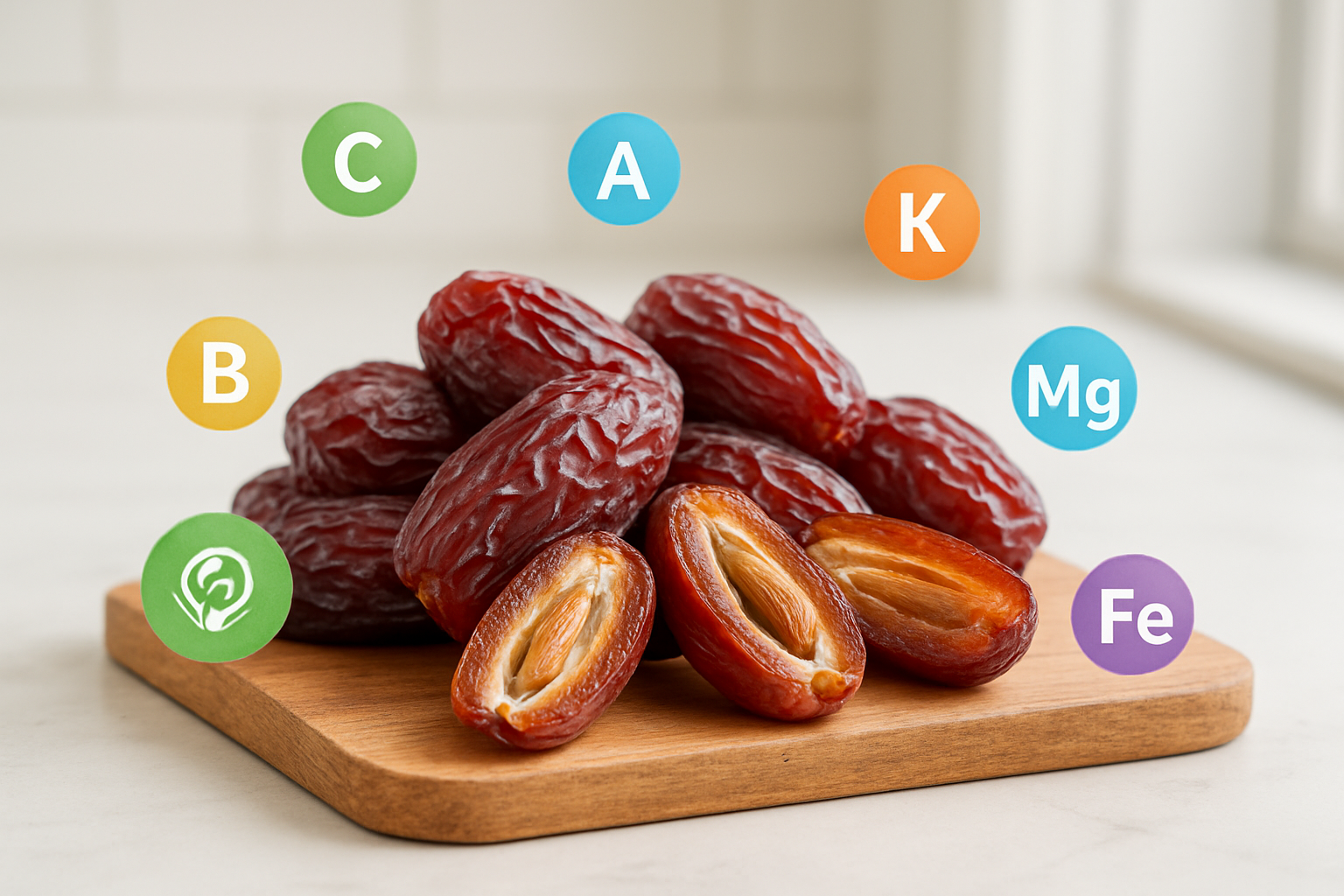
Date fruit nutrition is truly impressive when you break down what these sweet treasures contain. A single serving of dates delivers a concentrated dose of potassium, which helps regulate blood pressure and supports heart health. You'll also get significant amounts of copper, essential for iron absorption and collagen production, plus manganese that aids bone development and wound healing.
Magnesium plays a starring role in date nutrition facts, supporting muscle and nerve function while helping maintain steady blood sugar levels. The vitamin B6 content promotes brain health and helps your body produce serotonin and norepinephrine, which influence mood. Dates also provide folate, particularly beneficial for pregnant women, and small amounts of vitamin K for bone health.
Natural Sugar Composition and Energy Benefits
The natural sugars in date fruit create an ideal energy profile. Unlike processed sweets, dates contain glucose, fructose, and sucrose in balanced proportions that provide both immediate and sustained energy. This makes them perfect pre-workout fuel or a mid-afternoon energy boost without the crash associated with artificial sweeteners.
Medjool dates and other varieties offer quick-digesting carbohydrates that athletes and active individuals appreciate. The natural sugar content ranges from 60-80% by weight, but these sugars come packaged with fiber, minerals, and antioxidants that slow absorption and prevent blood sugar spikes.
Fiber Content for Digestive Health
Each serving of dates provides approximately 6-7 grams of dietary fiber, contributing significantly to your daily fiber needs. This soluble and insoluble fiber combination promotes healthy digestion, helps maintain regular bowel movements, and feeds beneficial gut bacteria.
The fiber in date fruit benefits extends beyond digestion - it helps you feel fuller longer, supports weight management, and may help lower cholesterol levels. Regular consumption can improve overall gut health and reduce the risk of digestive disorders.
Antioxidant Properties and Anti-inflammatory Effects
Dates contain powerful antioxidants including flavonoids, carotenoids, and phenolic acid. These compounds fight free radicals that cause cellular damage and aging. The antioxidant activity in dates rivals that of many other fruits, making them excellent additions to an anti-inflammatory diet.
The phenolic compounds specifically help reduce inflammation markers in the body, potentially lowering the risk of chronic diseases like heart disease and diabetes. Dates health benefits include supporting immune function and protecting against oxidative stress that contributes to various health conditions.
Popular Date Varieties Worldwide
Medjool Dates Characteristics and Taste Profile
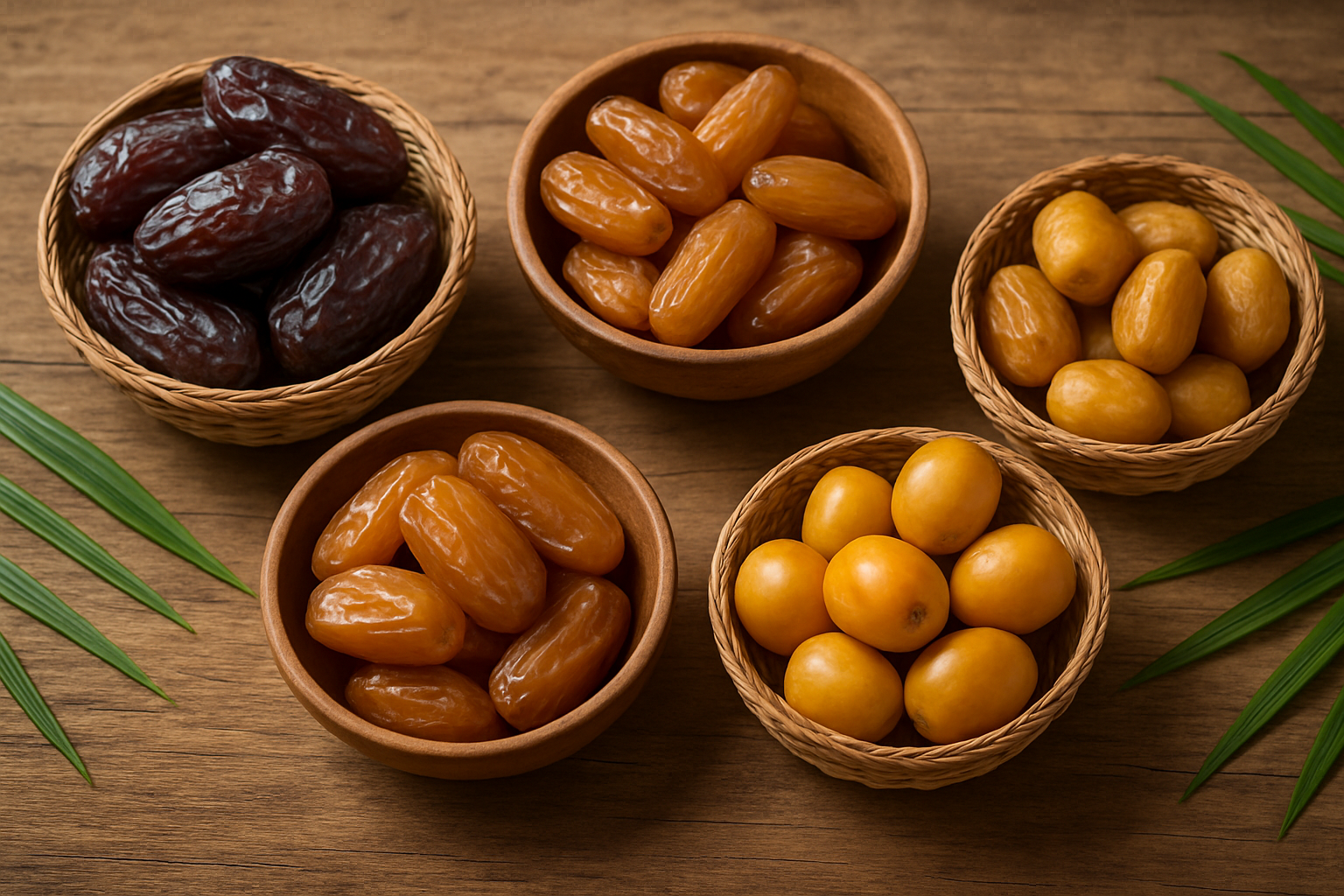
Medjool dates reign as the "king of dates" for good reason. These large, plump date fruit varieties boast an incredibly soft, chewy texture that melts in your mouth. Their rich, caramel-like sweetness carries subtle hints of vanilla and honey, making them a natural dessert that satisfies even the strongest sugar cravings.
What makes Medjool dates stand out is their impressive size – they can measure up to two inches long and weigh significantly more than other date varieties. The skin wraps around the flesh with a slight wrinkled appearance, ranging from dark amber to deep brown. When you bite into a fresh Medjool, you'll experience a tender, almost creamy consistency that sets them apart from firmer date types.
These premium dates work beautifully as a standalone snack or stuffed with nuts and cheese for elegant appetizers. Their natural sweetness makes them perfect for dessert recipes, smoothies, and energy balls.
Deglet Noor Dates Features and Uses
Deglet Noor dates, translating to "date of light," offer a completely different experience from their Medjool cousins. These smaller, elongated dates have a firm, slightly chewy texture and a translucent golden appearance that allows light to shine through their flesh.
The flavor profile leans toward a delicate sweetness with nutty undertones, making them less intensely sweet than Medjool varieties. This balanced taste makes Deglet Noor dates incredibly versatile in both sweet and savory applications.
Their firmer texture holds up well in baking, making them ideal for chopping into granola bars, muffins, and bread recipes. They also work wonderfully in Middle Eastern and Mediterranean dishes, adding natural sweetness to rice pilafs, tagines, and meat preparations. Many people prefer Deglet Noor dates for everyday snacking because their moderate sweetness doesn't overwhelm the palate.
Zahidi Dates Texture and Flavor
Zahidi dates bring a unique golden color and distinctive characteristics to the date fruit family. These medium-sized dates have a firmer, more compact texture compared to soft varieties, with a satisfying bite that releases their subtle sweetness gradually.
The flavor profile of Zahidi dates is notably mild and nutty, with less intense sweetness than most other date varieties. This makes them an excellent choice for people who find other dates too sugary or overwhelming. Their golden-yellow color and oval shape make them visually appealing in fruit arrangements and dessert presentations.
Zahidi dates work exceptionally well in savory dishes where you want a touch of natural sweetness without overpowering other flavors. They're commonly used in Persian and Middle Eastern cuisine, particularly in rice dishes and stews. Their firm texture means they maintain their shape during cooking, making them perfect for stuffing with nuts or incorporating into grain salads.
Halawi Dates Sweetness and Applications
Halawi dates live up to their name, which means "sweet" in Arabic. These small to medium-sized dates pack an intense sweetness punch that rivals candy, combined with a soft, tender texture that's somewhere between Medjool and Deglet Noor varieties.
Their golden-brown skin encases incredibly sweet, almost honey-like flesh that melts on your tongue. The sweetness is clean and pure, without any bitter or astringent notes that might compete with the sugar content. This makes Halawi dates particularly appealing to those with a serious sweet tooth.
Due to their exceptional sweetness, Halawi dates work best in applications where you want maximum flavor impact with minimal quantity. They're perfect for making date paste, natural sweeteners for smoothies, and raw dessert recipes. Many bakers use chopped Halawi dates in cookies and energy bars where their intense sweetness can replace refined sugars effectively.
| Date Variety | Size | Texture | Sweetness Level | Best Uses |
|---|---|---|---|---|
| Medjool | Large | Very soft, chewy | Very sweet | Snacking, desserts, stuffing |
| Deglet Noor | Small-medium | Firm, slightly chewy | Moderately sweet | Baking, savory dishes |
| Zahidi | Medium | Firm, compact | Mildly sweet | Cooking, grain salads |
| Halawi | Small-medium | Soft, tender | Extremely sweet | Natural sweeteners, desserts |
Culinary Uses and Preparation Methods
Raw Consumption and Snacking Benefits
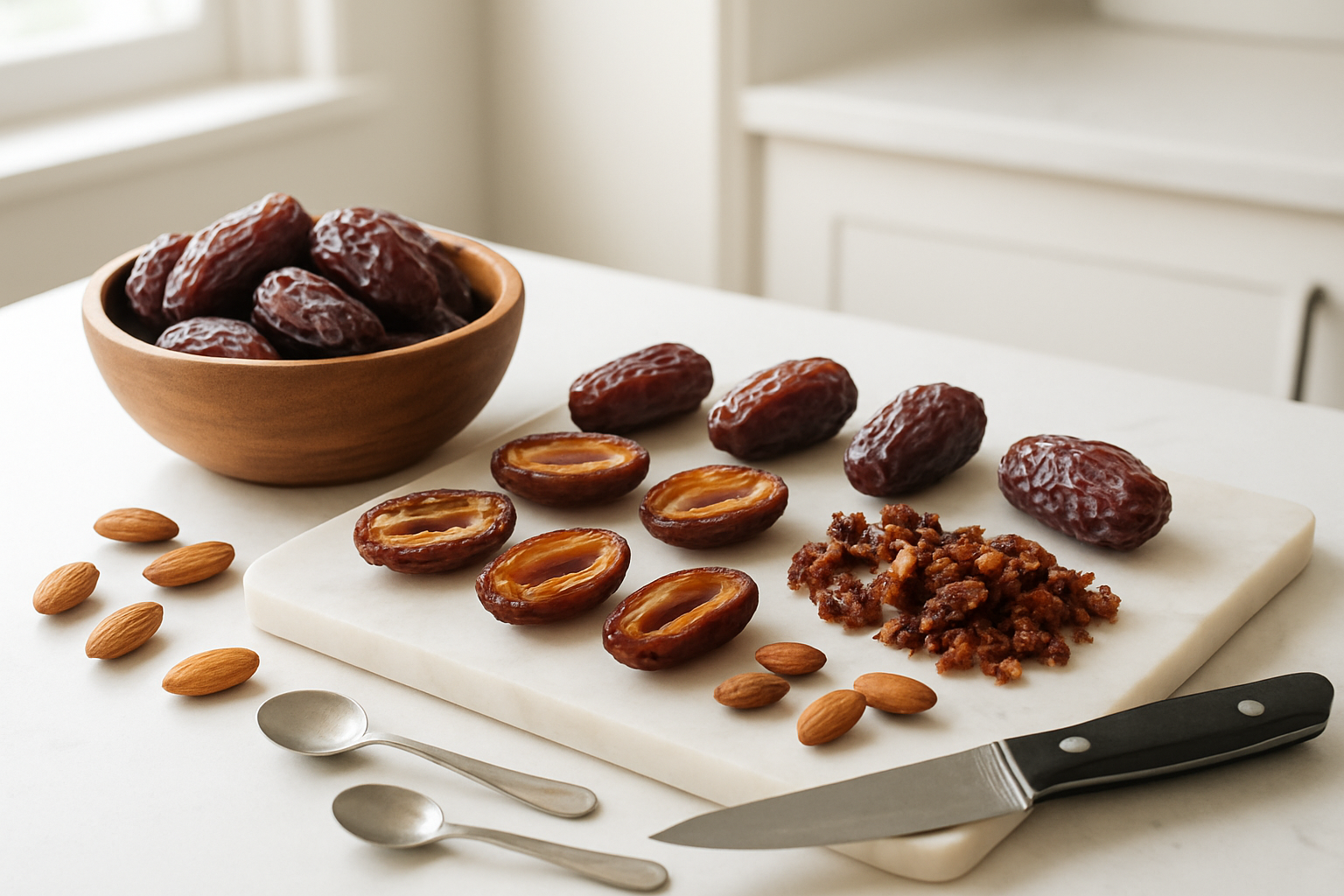
Date fruit transforms into an ideal natural snack when eaten fresh from the package. The chewy texture and concentrated sweetness make dates perfect for satisfying sugar cravings without reaching for processed alternatives. Medjool dates, known for their large size and soft texture, work exceptionally well for stuffing with nuts like almonds or walnuts, creating protein-rich snacks that keep energy levels stable throughout the day.
Many people discover that eating 2-3 dates before workouts provides quick energy without the crash associated with refined sugars. The natural fruit sugars digest easily while offering essential minerals like potassium and magnesium. Date fruit benefits extend to post-meal consumption too, as they help satisfy sweet tooth cravings while providing fiber that aids digestion.
For busy lifestyles, dates paired with cheese create balanced mini-meals combining natural sweetness with protein and healthy fats. The portable nature of dates makes them travel-friendly snacks that don't require refrigeration.
Baking and Dessert Applications
Dates revolutionize healthy baking by replacing refined sugars in countless recipes. Date paste, made by blending pitted dates with water, substitutes for sugar, honey, or maple syrup in most baked goods. This swap reduces the glycemic impact while adding nutrients and fiber to treats.
Date fruit nutrition shines in no-bake energy balls, where dates bind ingredients like oats, nuts, and seeds without requiring additional sweeteners. These treats satisfy dessert cravings while providing sustained energy and essential nutrients.
Traditional baking benefits from chopped dates added to muffins, cookies, and breads. The fruit's natural moisture prevents baked goods from drying out while contributing complex flavors beyond simple sweetness. Date varieties like Deglet Noor work well in baking applications due to their firmer texture and less overwhelming sweetness compared to Medjool dates.
Smoothie bowls and puddings gain natural sweetness and creamy texture when dates are blended in. The fruit acts as both sweetener and thickener, eliminating the need for artificial ingredients.
Savory Dish Combinations and Pairings
Middle Eastern and Mediterranean cuisines showcase how dates complement savory ingredients beautifully. Rice pilafs studded with chopped dates create complex flavor profiles that balance sweet and salty elements. The fruit pairs naturally with lamb, chicken, and duck, where its sweetness offsets rich, gamey flavors.
Salad compositions benefit from date additions, particularly when combined with bitter greens like arugula or endive. The contrast creates dynamic flavor experiences that make vegetables more appealing. Cheese boards featuring dates alongside aged cheeses like goat cheese or blue cheese offer sophisticated flavor combinations.
Tajines and stews incorporate dates to add depth and subtle sweetness that balances spices and acids from tomatoes or citrus. The fruit breaks down slightly during cooking, creating natural sauce thickening while infusing dishes with complex flavors.
Modern fusion cooking uses dates in grain bowls, where they complement quinoa, farro, or bulgur while providing chewy texture contrast. Roasted vegetable dishes gain interesting dimensions when dates are added during the final cooking stages, allowing them to caramelize slightly without burning.
Health Benefits for Daily Wellness
Heart Health and Cardiovascular Support
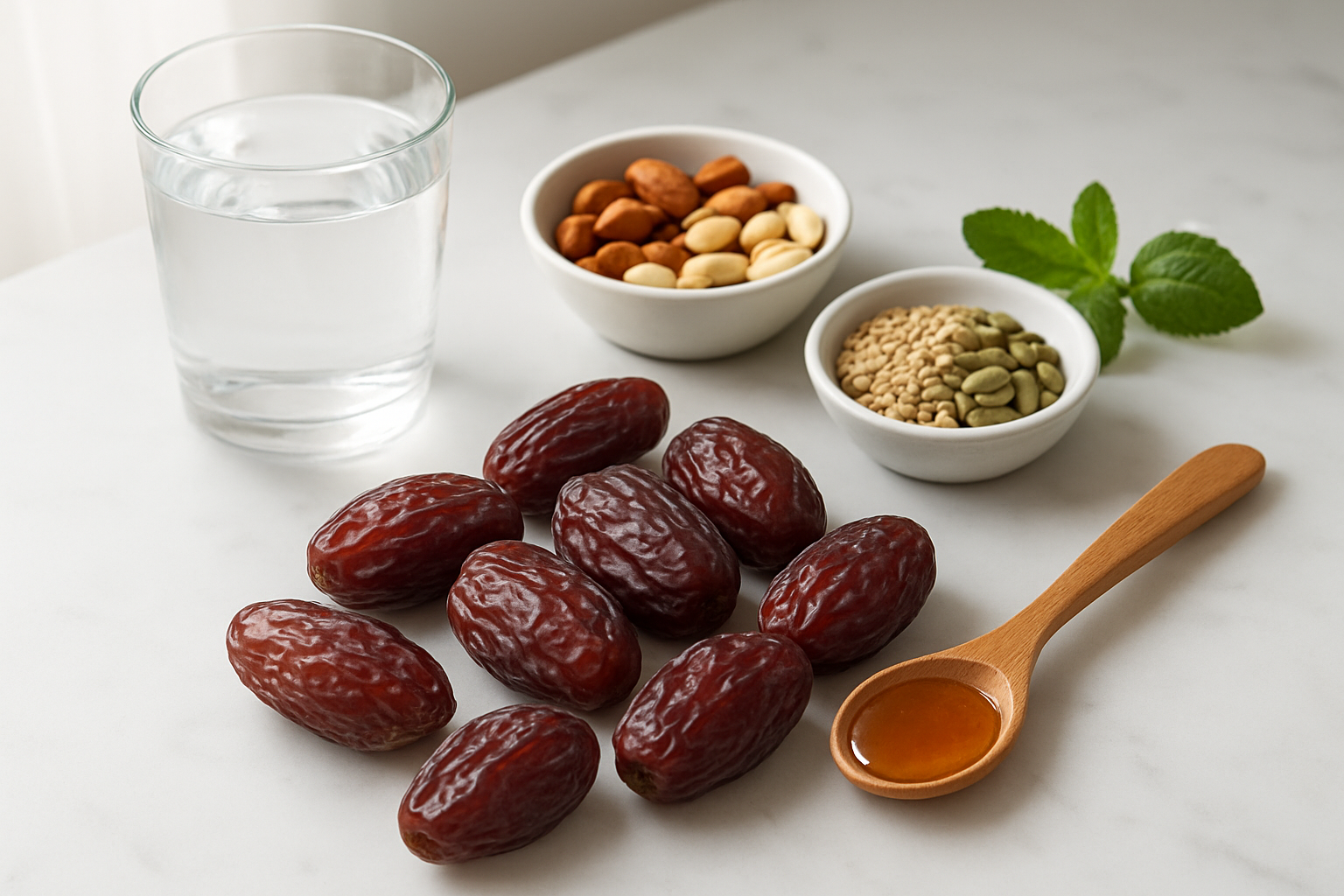
Date fruit benefits extend powerfully to cardiovascular wellness, making them an excellent choice for maintaining a healthy heart. These naturally sweet gems contain high levels of potassium, with a single serving providing approximately 20% of your daily needs. This essential mineral helps regulate blood pressure by counteracting sodium's effects and supporting proper muscle contractions in the heart.
The fiber content in dates also plays a crucial role in heart health. Soluble fiber helps reduce LDL (bad) cholesterol levels by binding to cholesterol particles and removing them from the body. Regular consumption of dates can contribute to improved cholesterol profiles and reduced risk of heart disease.
Antioxidants like flavonoids and phenolic compounds found in date fruit varieties help protect blood vessels from oxidative stress and inflammation. These compounds strengthen arterial walls and improve blood flow throughout the cardiovascular system.
Bone Strength and Mineral Absorption
Medjool dates and other date fruit varieties serve as excellent sources of bone-supporting minerals. Each serving delivers significant amounts of copper, manganese, and magnesium - minerals that work together to maintain bone density and strength.
Copper aids in collagen formation, which provides the framework for healthy bones and connective tissues. Manganese supports bone development and helps activate enzymes necessary for bone formation. Magnesium enhances calcium absorption and plays a direct role in bone structure.
The natural sugars in dates help improve mineral absorption in the digestive tract, making these nutrients more bioavailable to your body. This combination makes dates particularly beneficial for older adults looking to maintain bone health and prevent age-related bone loss.
Natural Energy Boost for Active Lifestyles
Athletes and active individuals often turn to date nutrition facts when seeking natural energy sources. The natural sugars in dates - glucose, fructose, and sucrose - provide immediate energy while also offering sustained fuel for physical activities.
Unlike processed energy bars or drinks, dates deliver energy alongside beneficial nutrients like B vitamins, which help convert food into usable energy at the cellular level. This makes them perfect pre-workout snacks or mid-day energy boosters.
The potassium content also supports muscle function during exercise, helping prevent cramping and supporting proper muscle contractions. Many endurance athletes incorporate dates into their training nutrition because they're easy to digest and provide quick energy without causing stomach upset.
Blood Sugar Regulation Properties
Despite their sweetness, dates health benefits include surprisingly positive effects on blood sugar management when consumed mindfully. The fiber content in dates slows sugar absorption, preventing the rapid spikes associated with refined sugars.
Studies show that the antioxidants in date fruit can improve insulin sensitivity, helping cells use glucose more effectively. The natural sugars in dates are also accompanied by nutrients that support metabolic function, creating a more balanced blood sugar response compared to processed sweets.
For people managing diabetes or prediabetes, small portions of dates can satisfy sweet cravings while providing beneficial nutrients. The key lies in portion control and pairing dates with protein or healthy fats to further slow sugar absorption and maintain steady blood glucose levels throughout the day.
Storage and Selection Tips
Identifying fresh quality dates
Fresh, high-quality date fruit should feel plump and slightly soft to the touch, with a glossy appearance that indicates proper moisture content. The best dates have smooth, unwrinkled skin without any white crystallization on the surface, which can signal sugar bloom or improper storage. Look for dates with a rich, uniform color that varies depending on the variety - Medjool dates should display deep brown hues, while Deglet Noor dates appear lighter and more translucent.
Avoid dates that feel overly hard, dry, or shriveled, as these have likely lost moisture and won't deliver the sweet, chewy texture that makes date fruit so appealing. Fresh dates should smell sweet and fruity, never sour or fermented. The flesh should give slightly when pressed but spring back, indicating optimal ripeness.
When purchasing dates, check for any signs of mold, especially around the stem area where moisture can collect. Quality dates should be free from cracks, dark spots, or any unusual discoloration that might indicate spoilage or pest damage.
Proper storage methods for longevity
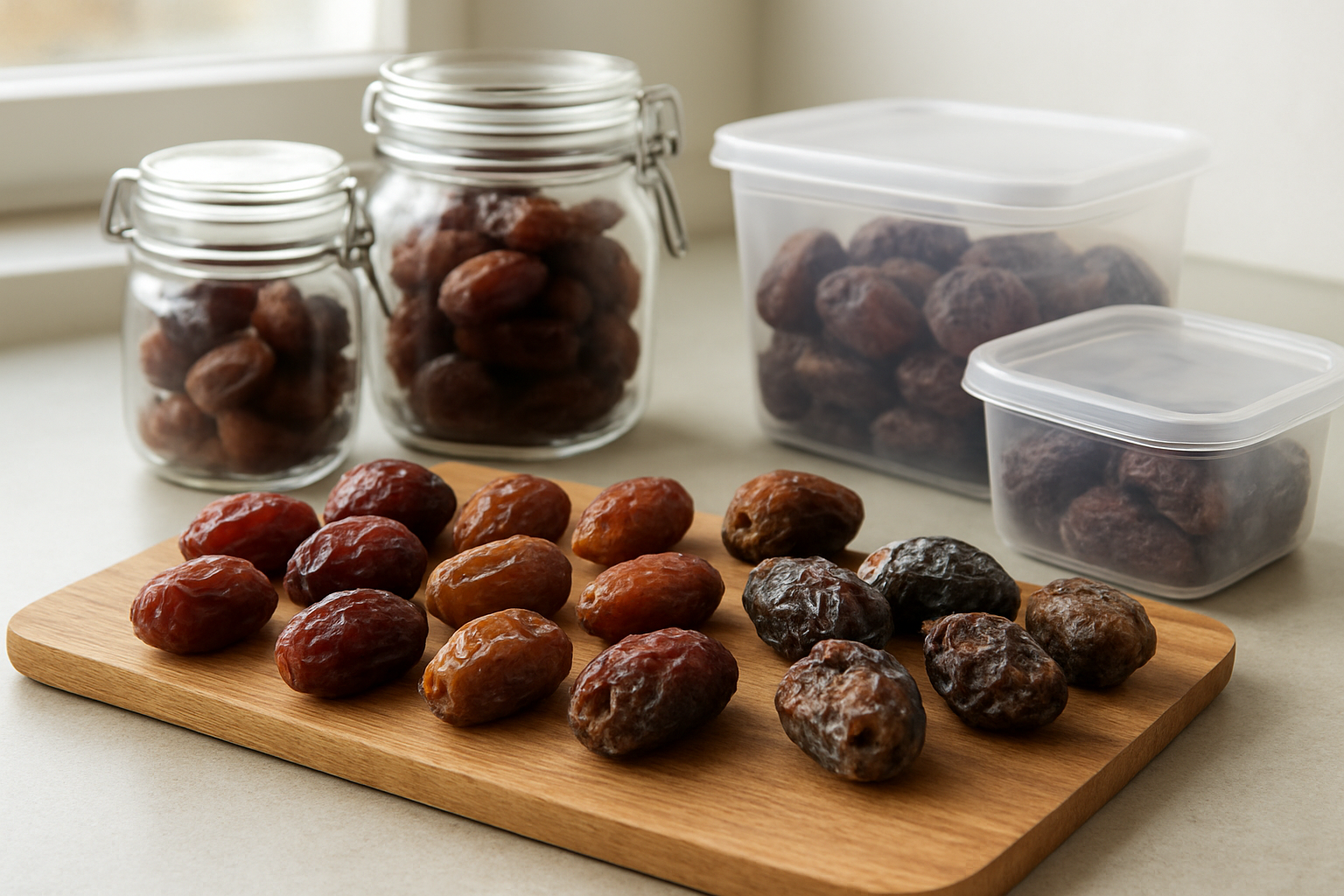
Proper storage significantly extends the life of your date fruit and maintains their nutritional benefits. Room temperature storage works well for dates you plan to consume within a week, keeping them in a cool, dry place away from direct sunlight. For longer storage, refrigeration is your best option.
Place dates in an airtight container or resealable bag before refrigerating to prevent them from absorbing other flavors and to maintain their natural moisture. Glass containers work particularly well as they don't retain odors and provide an excellent seal.
For extended storage, freezing dates preserves their quality for up to one year. Wrap individual dates or small portions in plastic wrap, then place them in freezer-safe bags. This method prevents freezer burn and makes it easy to thaw only what you need.
| Storage Method | Temperature | Duration | Container Type |
|---|---|---|---|
| Pantry | Room temp | 1 week | Airtight container |
| Refrigerator | 35-40°F | 6-12 months | Sealed container/bag |
| Freezer | 0°F | 12+ months | Freezer-safe bags |
Shelf life expectations and spoilage signs
Understanding how to store dates properly helps maximize their shelf life, which varies significantly based on storage conditions and date varieties. Fresh dates typically last one week at room temperature, while properly refrigerated dates maintain quality for six to twelve months.
Spoilage signs are usually easy to spot. Watch for visible mold growth, which appears as fuzzy white, green, or black patches on the surface. Dates that smell sour, alcoholic, or unpleasantly fermented should be discarded immediately, as these odors indicate bacterial growth.
Texture changes also signal spoilage - dates that become excessively hard and brittle or develop a slimy coating have passed their prime. Sugar crystallization on the surface appears as white spots but doesn't necessarily mean the dates are spoiled; these can often be consumed after gently warming them.
Color changes beyond normal darkening can indicate quality loss. If dates develop an unusual gray tinge or become significantly darker than their original color, they may be starting to deteriorate. Trust your senses - fresh date fruit should always smell sweet and appetizing, never off-putting or strange.
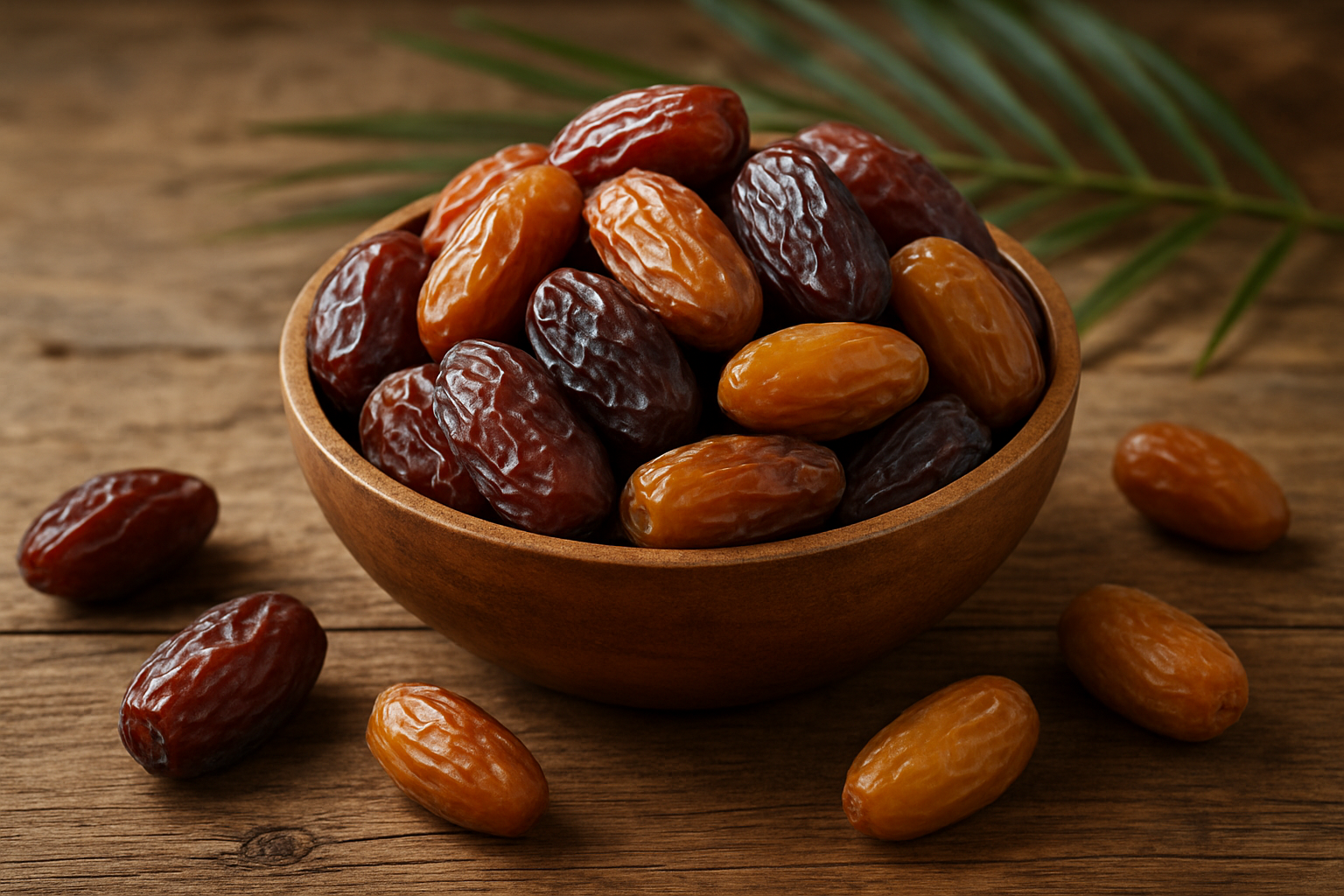
Dates pack an incredible nutritional punch that makes them perfect for anyone wanting to boost their health naturally. These sweet, chewy fruits deliver essential minerals, fiber, and antioxidants while satisfying your sweet tooth without the guilt. From Medjool to Deglet Noor, each variety brings its own unique flavor profile and texture, making them versatile ingredients for both sweet and savory dishes.
Adding dates to your daily routine is easier than you think. Toss them in smoothies, stuff them with nuts for a quick snack, or use them as natural sweeteners in baking. Just remember to store them properly in a cool, dry place and look for plump, glossy dates when shopping. Your body will thank you for choosing this ancient superfruit that's been nourishing people for thousands of years.


.png)
Comments
Post a Comment