Galia Melon - What's the Galia Melon?
Galia Melon - What's the Galia Melon?
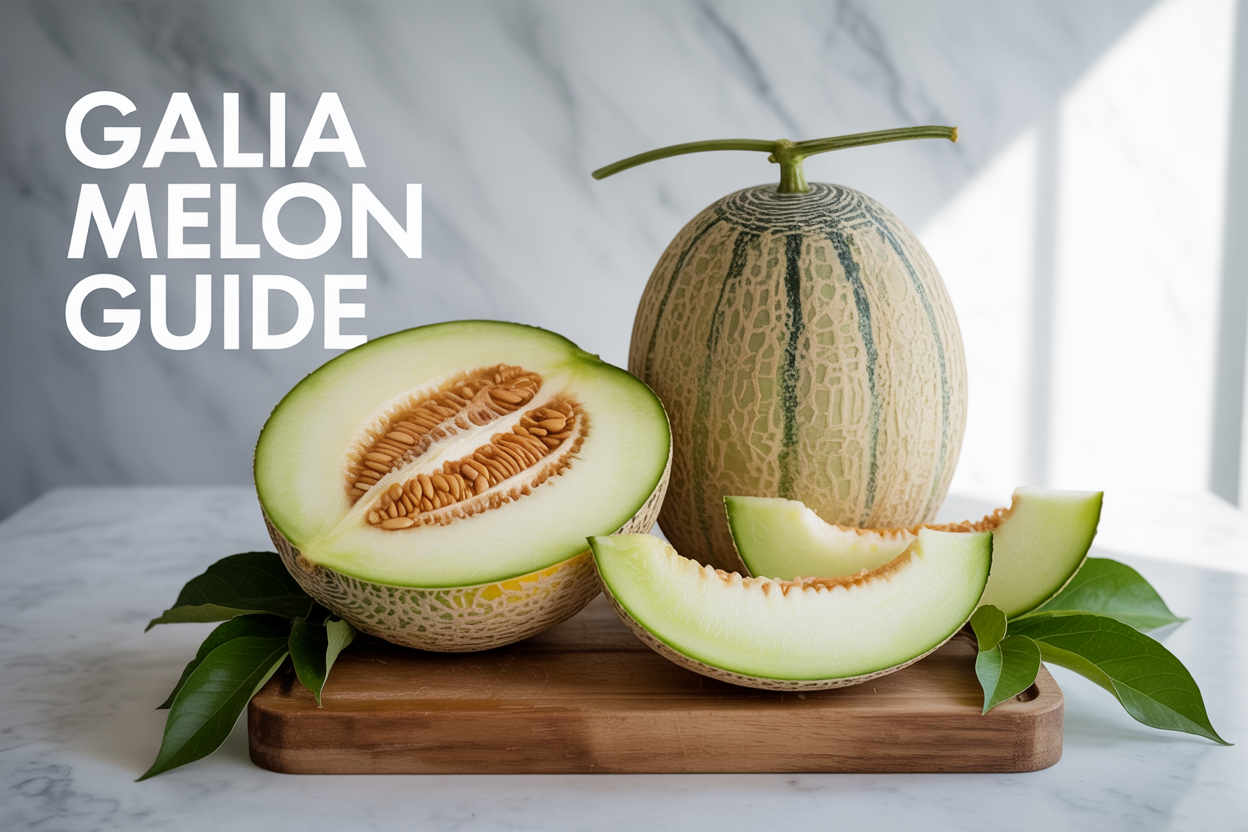
Ever spotted a netted, golden melon at the grocery store and wondered what exactly you're looking at? That's likely a Galia melon - a sweet, aromatic hybrid melon that's been winning over fruit lovers worldwide since its creation in Israel during the 1970s.
This guide is perfect for curious shoppers, home gardeners, and anyone wanting to expand their melon knowledge beyond the usual cantaloupe and honeydew options. The Galia melon combines the best traits of cantaloupe and honeydew, creating something truly special in the melon family.
We'll explore what makes Galia melons unique through their distinctive appearance and incredible sweetness, dive into the impressive Galia melon nutrition and health benefits that make this fruit a smart choice, and share practical Galia melon recipes plus tips for growing Galia melons in your own garden. Get ready to discover why this Israeli melon fruit deserves a spot in your kitchen.
Understanding the Galia Melon's Unique Identity
Discover the distinct characteristics that set Galia melons apart
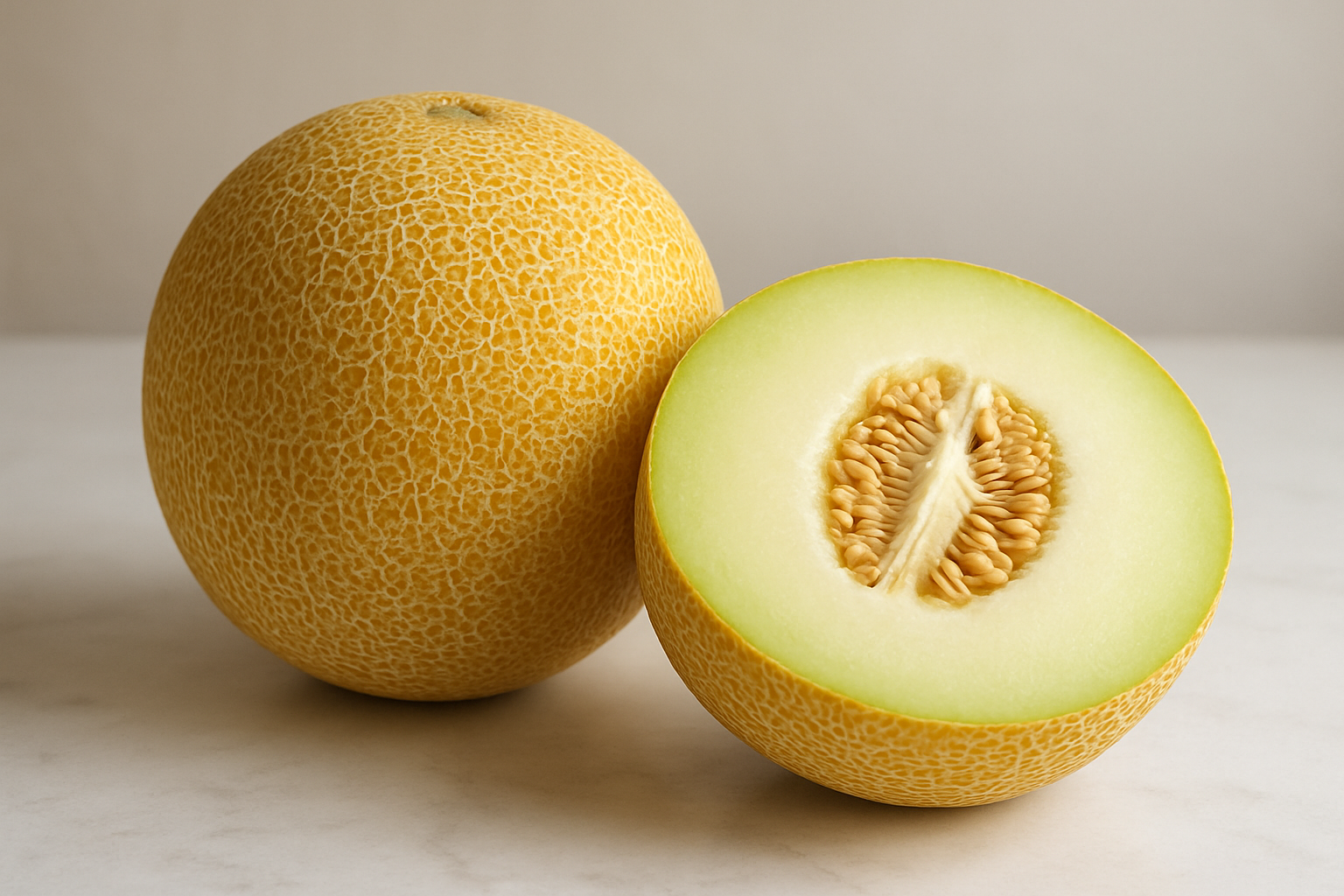
Galia melons stand out in the crowded world of melons with their truly unique appearance and characteristics. These remarkable fruits feature a distinctive netted, rough exterior skin that ranges from golden yellow to pale green, creating an almost textured appearance that's instantly recognizable. Unlike their smooth-skinned cousins, Galia melons sport this intricate web-like pattern across their surface, making them easy to spot at the grocery store or farmer's market.
What makes Galia melons particularly special is their impressive size and weight. Typically weighing between 1-2 pounds, they're perfectly sized for sharing while still being manageable for individual enjoyment. The flesh inside reveals a beautiful pale green to white color with an incredibly juicy, almost translucent quality that sets them apart from other melon varieties.
The aroma of a ripe Galia melon is absolutely captivating - sweet, floral, and intensely fragrant. This powerful scent develops as the fruit ripens and serves as a reliable indicator of peak freshness. The melon's unique fragrance combines tropical notes with classic melon sweetness, creating an aromatic experience that's both familiar and exotic.
Learn about the melon's Israeli origins and development history
The Galia melon's story begins in 1960s Israel, where agricultural innovation met the Mediterranean climate to create something extraordinary. Dr. Zvi Karchi, a renowned plant breeder at the Agricultural Research Organization's Newe Ya'ar Research Center, developed this hybrid melon through careful crossbreeding techniques. His goal was ambitious: create a melon that could thrive in Israel's challenging climate while delivering exceptional flavor and shelf life.
The development process took several years of meticulous breeding, combining different melon varieties to achieve the perfect balance of traits. Dr. Karchi named his creation after his daughter Galia, making this Israeli melon variety a truly personal achievement. The name "Galia" also means "God's wave" in Hebrew, adding deeper cultural significance to this innovative fruit.
Israel's unique growing conditions - hot, dry summers and mild winters - provided the perfect testing ground for this new hybrid. The country's advanced agricultural techniques, including drip irrigation systems and greenhouse technology, allowed researchers to fine-tune the Galia melon's development. By the 1970s, Israeli farmers were successfully cultivating Galia melons commercially, and the fruit began gaining international recognition.
Today, Israel remains one of the world's leading producers of Galia melons, exporting them globally and continuing to refine growing techniques. The melon's success story represents Israel's broader agricultural innovation, demonstrating how targeted plant breeding can create varieties perfectly adapted to specific climates and market demands.
Recognize the perfect balance of cantaloupe and honeydew traits
Galia melons represent a masterful fusion of the best characteristics from both cantaloupe and honeydew varieties, creating what many consider the ultimate hybrid melon experience. From cantaloupe, Galia melons inherited their aromatic intensity and netted skin texture, though their netting is more pronounced and golden in color. This cantaloupe influence also contributes to the melon's excellent sweetness levels and rich flavor complexity.
The honeydew influence shows up in the Galia melon's flesh color and texture. Like honeydew, Galia melons feature pale, almost translucent flesh that's incredibly juicy and refreshing. They also inherited honeydew's longer shelf life and firmer texture, making them excellent for shipping and storage. This combination results in a melon that's both intensely flavorful and practically superior for commercial purposes.
| Trait | Cantaloupe Influence | Honeydew Influence | Galia Result |
|---|---|---|---|
| Skin Texture | Netted exterior | Smooth qualities | Enhanced netting |
| Flesh Color | Orange tones | Pale green/white | Light green-white |
| Aroma | Strong fragrance | Subtle scent | Intense sweetness |
| Storage Life | Shorter | Extended | Improved longevity |
The flavor profile perfectly balances cantaloupe's bold, musky sweetness with honeydew's clean, refreshing taste. This creates a complex flavor that's neither too intense nor too mild - it's perfectly balanced for broad appeal. The texture combines cantaloupe's tender flesh with honeydew's crisp bite, resulting in a satisfying eating experience that's both familiar and distinctly unique.
Visual and Physical Features That Make Galia Melons Special
Identify the distinctive netted skin pattern and golden color
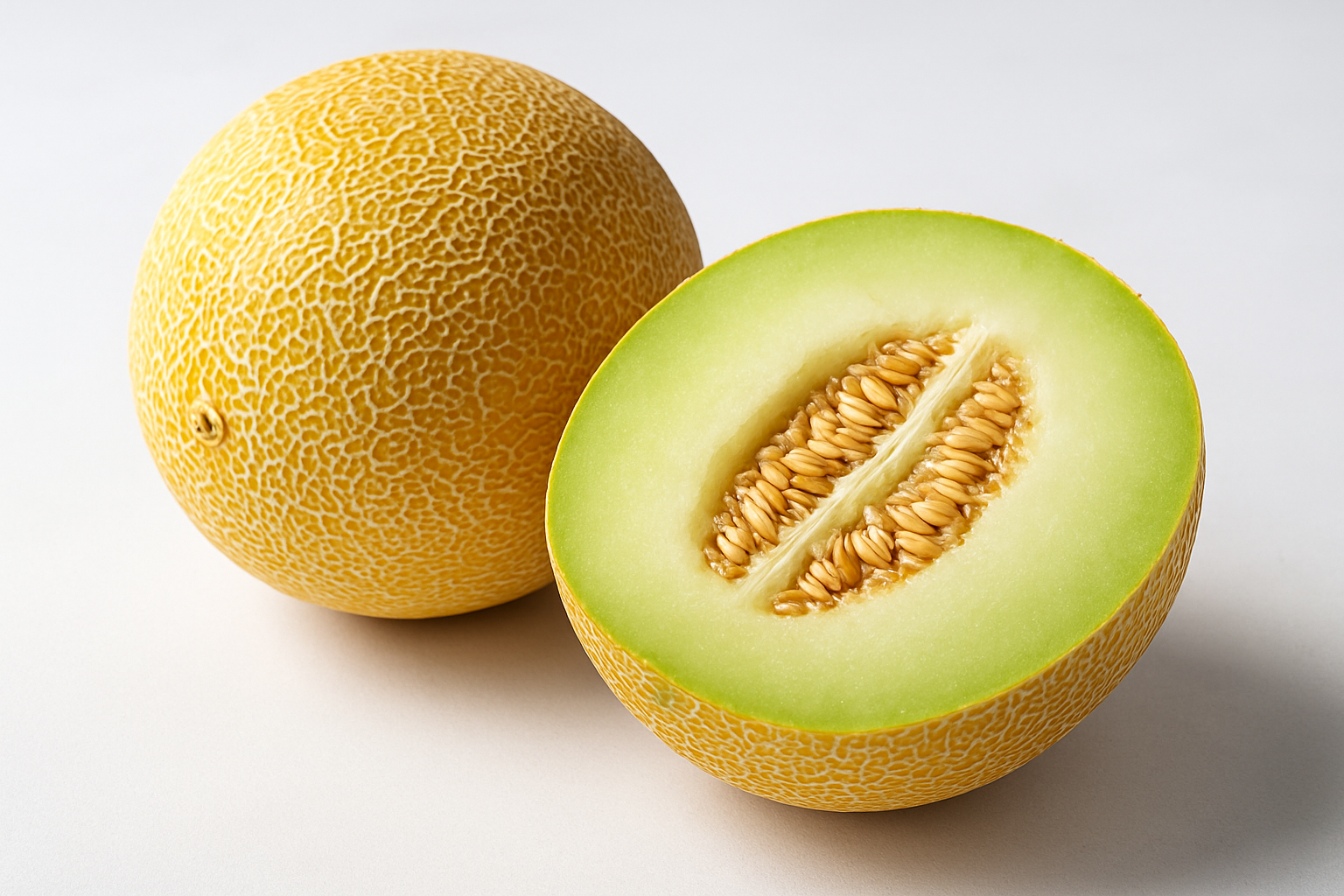
The Galia melon's exterior is instantly recognizable thanks to its stunning netted skin pattern that resembles intricate lacework draped over the fruit's surface. This raised, web-like texture covers the entire melon, creating a distinctive tactile experience that sets it apart from smooth-skinned cantaloupe or honeydew varieties. The underlying color transforms from green to a beautiful golden-yellow hue as the fruit reaches maturity, making ripe Galia melons look like they're glowing with warm sunlight.
This hybrid melon type showcases its Israeli melon fruit heritage through these unique visual characteristics. The netting becomes more pronounced and the golden color deepens when the melon is perfectly ripe, serving as nature's own ripeness indicator for shoppers and growers alike.
Experience the smooth, pale green to white flesh inside
Slice open a Galia melon and you'll discover flesh that's remarkably different from its textured exterior. The interior reveals smooth, succulent flesh ranging from pale green near the rind to creamy white toward the center. This gradient creates an appealing visual contrast that makes the fruit as beautiful as it is delicious.
The flesh has a firm yet tender consistency that's neither too soft nor too crisp. When perfectly ripe, it yields slightly to gentle pressure while maintaining its structure, making it ideal for both fresh eating and culinary applications. The texture is often described as more substantial than cantaloupe but smoother than honeydew, striking the perfect balance for various Galia melon recipes.
Understand the ideal size and weight specifications
A mature Galia melon typically weighs between 1.5 to 3 pounds, making it a perfect single-serving to small family-sized fruit. Most specimens measure 4 to 6 inches in diameter, though some exceptional varieties can reach slightly larger dimensions. The round to slightly oval shape is consistent across different growing regions, whether cultivated in Mediterranean climates or adapted to other suitable environments.
| Specification | Range |
|---|---|
| Weight | 1.5-3 lbs |
| Diameter | 4-6 inches |
| Shape | Round to oval |
| Flesh thickness | 1-1.5 inches |
The relatively compact size makes Galia melons practical for storage and transport while providing sufficient flesh for multiple servings. This size range also indicates optimal sugar development and flavor concentration.
Recognize ripeness indicators for optimal selection
Choosing the perfect Galia melon requires attention to several key indicators. The golden color should be vibrant and uniform across the netted surface, with no green patches remaining. A ripe melon will have a subtle, sweet fragrance at the blossom end - never overpowering, but definitely noticeable when you bring it close to your nose.
The tactile test is equally important: gently press the blossom end (opposite from where the stem was attached). A ripe Galia melon will give slightly under gentle pressure without being mushy. The stem end should be smooth and slightly indented, indicating the fruit naturally separated from the vine when ready.
Sound can also guide your selection - tap the melon lightly with your knuckles. A ripe specimen produces a deep, hollow sound, while unripe melons create a higher-pitched, dull thud. Avoid melons with soft spots, cracks, or an overly strong fermented smell, as these indicate overripeness or spoilage.
Nutritional Powerhouse Benefits for Your Health
Boost your vitamin C intake for enhanced immune support
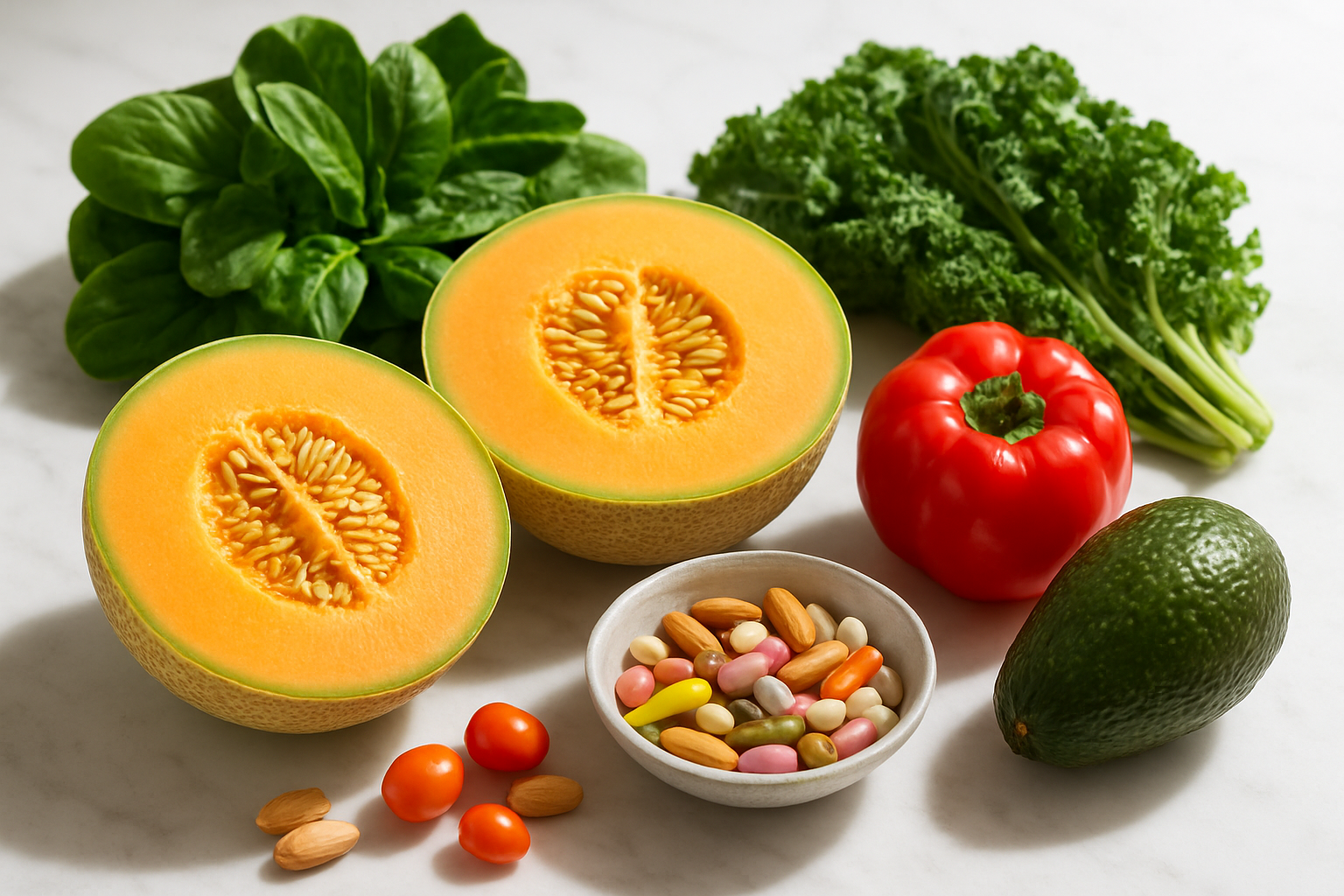
Galia melon packs an impressive vitamin C punch that puts many other fruits to shame. Just one cup of fresh Galia melon delivers about 37 milligrams of vitamin C, covering roughly 40% of your daily needs. This antioxidant powerhouse works behind the scenes to strengthen your immune system, helping your body fight off infections and recover faster from illness.
The vitamin C in Galia melon benefits goes beyond basic immune support. This essential nutrient helps your body produce collagen, keeping your skin healthy and wounds healing properly. Your body can't store vitamin C for long periods, so eating Galia melon regularly gives you a steady supply of this water-soluble vitamin that gets flushed out daily.
Support hydration with high water content and electrolytes
Galia melon nutrition shines when it comes to hydration support. This hybrid melon contains about 90% water, making it nature's own sports drink. During hot summer days or after workouts, reaching for Galia melon helps replace lost fluids while providing natural sweetness that satisfies your taste buds.
The electrolyte profile of Galia melon includes sodium, potassium, and magnesium - the same minerals you'd find in expensive hydration supplements. These electrolytes help maintain proper fluid balance in your cells and support nerve function. Athletes and fitness enthusiasts often overlook melons as recovery foods, but Galia melon delivers hydration and nutrients without artificial additives or excessive sugar.
Gain essential potassium for heart and muscle function
Potassium content in Galia melon reaches approximately 267 milligrams per cup, supporting cardiovascular health and proper muscle function. This mineral works as a natural blood pressure regulator by counteracting sodium's effects and helping blood vessels relax. Regular potassium intake from sources like Galia melon may reduce your risk of stroke and heart disease.
Your muscles need potassium to contract and relax properly, including your heart muscle. Galia melon provides this essential mineral in an easily absorbed form, alongside natural sugars that help transport nutrients into your cells. People taking certain medications or dealing with kidney issues should consult their healthcare provider about potassium intake, but for most people, Galia melon offers a delicious way to meet daily potassium needs.
| Nutrient | Amount per Cup | % Daily Value |
|---|---|---|
| Vitamin C | 37 mg | 40% |
| Potassium | 267 mg | 8% |
| Water Content | 90% | - |
| Calories | 60 | 3% |
Flavor Profile and Culinary Applications
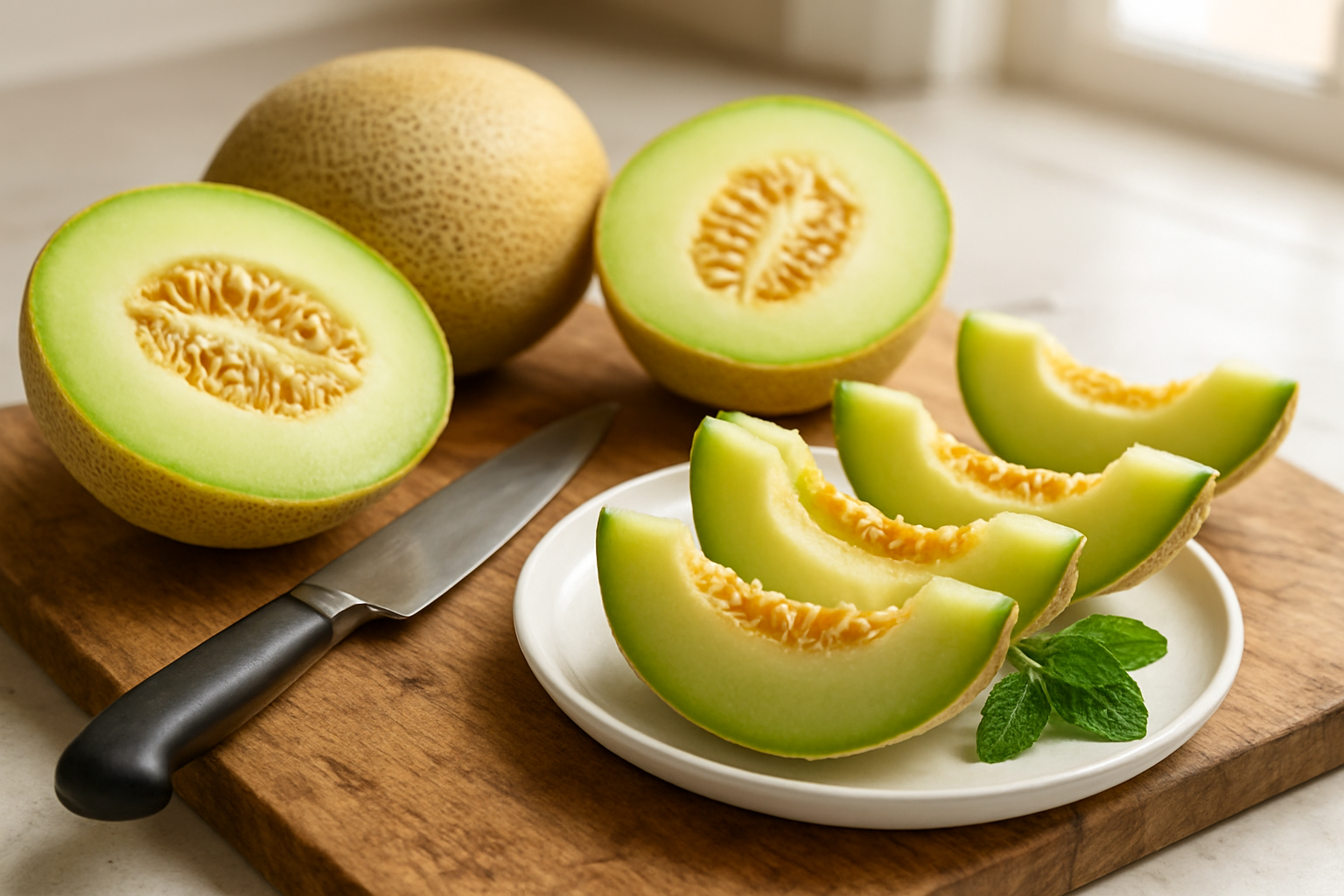
Savor the sweet, aromatic taste with tropical undertones
The Galia melon taste profile strikes a perfect balance between honeydew's subtle sweetness and cantaloupe's aromatic richness. This hybrid melon delivers an initial burst of tropical flavors reminiscent of pineapple and banana, followed by gentle floral notes that linger on the palate. The flesh offers a crisp, juicy texture that's less dense than cantaloupe but more substantial than honeydew, creating an incredibly satisfying eating experience.
When perfectly ripe, Galia melons develop complex flavor layers that make them stand out among melon varieties. The sweetness intensifies near the seed cavity, while the outer flesh maintains a refreshing, slightly tangy edge. This natural variation creates an interesting flavor journey with each bite, explaining why food enthusiasts consider Galia melons a premium fruit choice.
Enhance fruit salads and dessert presentations
Galia melons transform ordinary fruit salads into gourmet experiences with their vibrant pale green flesh and distinctive flavor. Their firm texture holds up beautifully when cubed or balled, maintaining structural integrity even when mixed with juicier fruits. The melon's natural sweetness complements berries, citrus, and stone fruits without overpowering delicate flavors.
For elegant dessert presentations, Galia melon works wonderfully in tarts, sorbets, and parfaits. The flesh can be pureed for mousses or used as a colorful garnish for cheesecakes and panna cotta. Many pastry chefs appreciate how Galia melon recipes showcase the fruit's natural beauty while adding sophisticated flavor depth to their creations.
Create refreshing smoothies and beverages
The high water content and natural sweetness of Galia melons make them perfect smoothie ingredients. Blend chunks with yogurt and mint for a refreshing breakfast drink, or combine with coconut milk and lime for a tropical-inspired beverage. The melon's mild flavor pairs exceptionally well with cucumber, creating spa-like agua frescas that are both hydrating and delicious.
For cocktail enthusiasts, Galia melon juice serves as an excellent base for summer drinks. The fruit's subtle complexity enhances both alcoholic and non-alcoholic beverages without competing with other ingredients. Try muddling fresh Galia melon with basil for mojitos or blend it into frozen margaritas for a unique twist on classic recipes.
Pair with savory dishes for gourmet meal enhancement
Galia melons excel in savory applications, particularly when paired with salty or umami-rich ingredients. Wrap thin slices around prosciutto for an elegant appetizer, or cube the fruit into grain salads with feta cheese and herbs. The melon's sweetness balances sharp cheeses beautifully, making it a natural choice for charcuterie boards and cheese plates.
In Mediterranean and Middle Eastern cuisines, Galia melons complement grilled meats and seafood dishes. Try adding diced melon to chicken or fish salads, where the fruit's refreshing quality cuts through rich proteins. The melon also works wonderfully in salsas, adding unexpected sweetness to spicy dishes while maintaining its structural integrity when heated briefly.
Growing and Harvesting Galia Melons Successfully
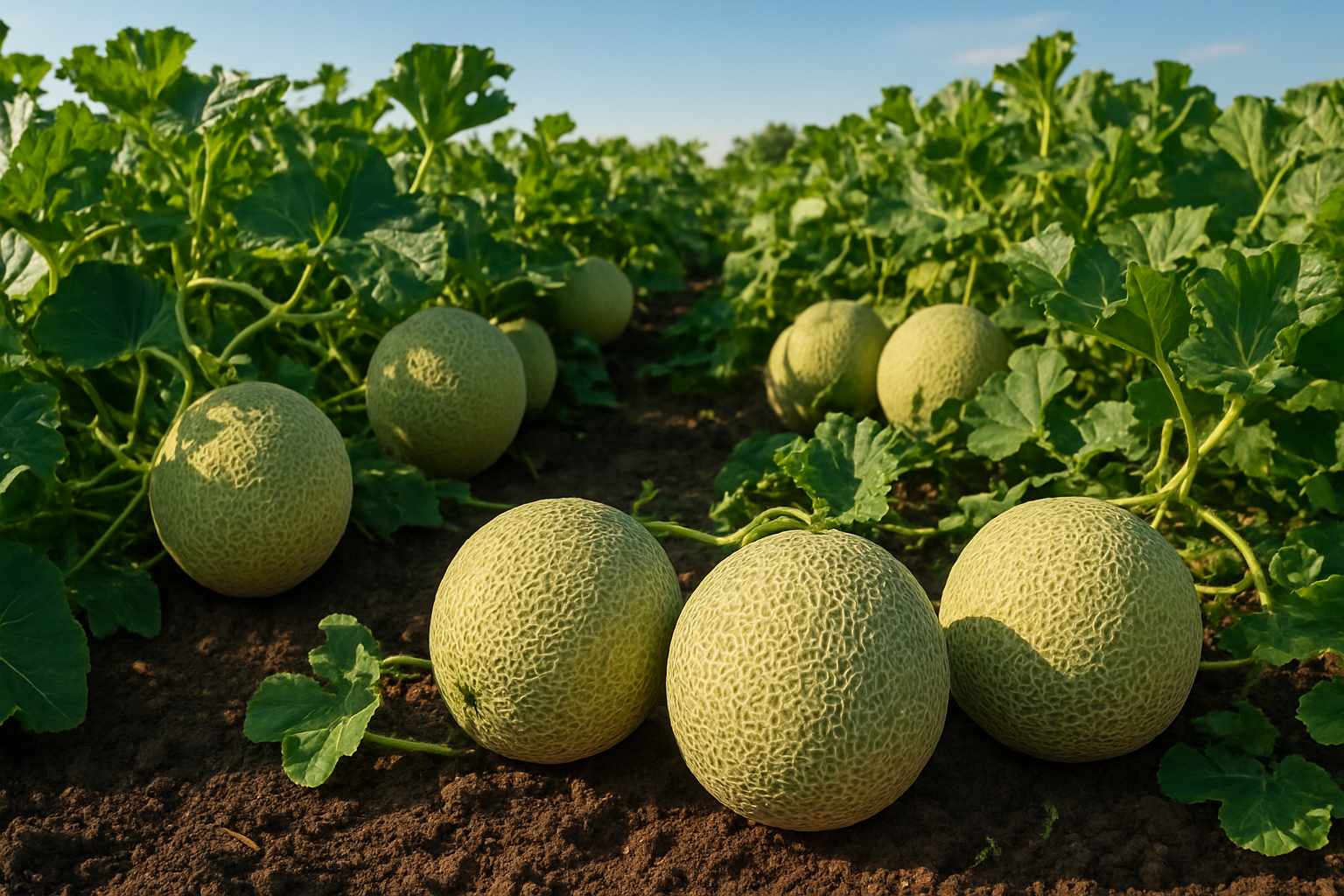
Choose optimal climate conditions for cultivation
Growing Galia melons requires specific climate conditions that mirror their Mediterranean origins. These hybrid melons thrive in warm, dry climates with temperatures ranging between 70-85°F during the day and 60-70°F at night. The plants need at least 90-120 frost-free days to reach full maturity.
Your location should provide full sun exposure for 6-8 hours daily, as insufficient sunlight leads to poor fruit development and reduced sugar content. Humidity levels should remain low to moderate, ideally below 60%, since high humidity promotes fungal diseases that can destroy entire crops.
Wind protection is crucial for Galia melon cultivation. Strong winds can damage the delicate vines and interfere with pollination. Consider planting windbreaks or choosing sheltered locations if you live in windy areas.
Soil temperature plays a vital role in successful germination and growth. Wait until soil temperatures consistently reach 65°F before planting, as cold soil stunts growth and increases susceptibility to root rot.
Master proper planting techniques and spacing requirements
Successful Galia melon cultivation starts with proper soil preparation. These melons prefer well-draining, sandy loam soil with a pH between 6.0-7.0. Work compost or aged manure into the soil several weeks before planting to improve drainage and fertility.
Space Galia melon plants 3-4 feet apart in rows that are 6-8 feet wide. This generous spacing allows for proper air circulation, reducing disease risks and giving each plant adequate room to spread. Each vine can extend 6-10 feet in all directions when fully mature.
Plant seeds ½ inch deep in raised beds or mounds to ensure excellent drainage. If starting indoors, begin seeds 2-3 weeks before the last frost date in biodegradable pots to minimize transplant shock.
Planting Schedule by Region:
| Climate Zone | Indoor Start | Outdoor Planting | Harvest Time |
|---|---|---|---|
| Northern | Early May | Late May - Early June | Late August - September |
| Central | Mid April | Mid May | Mid August |
| Southern | March | April | July - August |
Water deeply but infrequently, providing 1-2 inches per week through drip irrigation or soaker hoses to keep foliage dry and prevent disease.
Monitor growth stages for peak harvest timing
Recognizing the optimal harvest time for Galia melons ensures peak flavor and sweetness. The growing process typically spans 80-90 days from seed to harvest, with several distinct growth phases to monitor.
During the first 30 days, focus on vine establishment and leaf development. The plants produce their first flowers around day 35-40, with female flowers appearing slightly later than male flowers. Hand pollination may be necessary if bee activity is limited.
Fruit set occurs 45-55 days after planting, when small melons begin forming. This stage requires consistent watering and nutrient management. Apply a balanced fertilizer every 2-3 weeks, switching to a low-nitrogen, high-potassium formula once fruits reach tennis ball size.
Harvest indicators include:
-
The stem begins separating naturally from the fruit (called "slip")
-
Skin color changes from green to golden-yellow with prominent netting
-
A sweet, aromatic fragrance develops at the blossom end
-
The fruit yields slightly to gentle pressure at the blossom end
-
The rind sounds hollow when tapped
Harvest in the morning when temperatures are cool and sugar content is highest. Cut the stem rather than pulling to avoid damaging the vine and other developing fruits.
Store and preserve melons for extended freshness
Proper storage techniques significantly extend the shelf life of harvested Galia melons. Whole, uncut melons can be stored at room temperature for 5-7 days to allow further ripening, or immediately refrigerated to halt the ripening process.
Store ripe melons in the refrigerator at 32-36°F with 85-90% humidity. Place them in the crisper drawer or wrap individually in paper towels to absorb excess moisture. Properly stored whole melons maintain quality for 2-3 weeks.
Cut melons require different storage methods. Remove seeds and wrap pieces tightly in plastic wrap or store in airtight containers. Refrigerated cut Galia melon stays fresh for 3-5 days, though flavor and texture gradually decline.
Storage Comparison:
| Storage Method | Temperature | Duration | Quality Retention |
|---|---|---|---|
| Room Temperature | 65-70°F | 5-7 days | Continues ripening |
| Refrigerated Whole | 32-36°F | 2-3 weeks | Excellent |
| Refrigerated Cut | 32-36°F | 3-5 days | Good |
| Frozen Chunks | 0°F | 6-8 months | Fair (texture changes) |
Avoid storing melons near ethylene-producing fruits like apples and bananas, which accelerate ripening and spoilage. Never wash melons before storage, as excess moisture promotes bacterial growth and reduces shelf life.
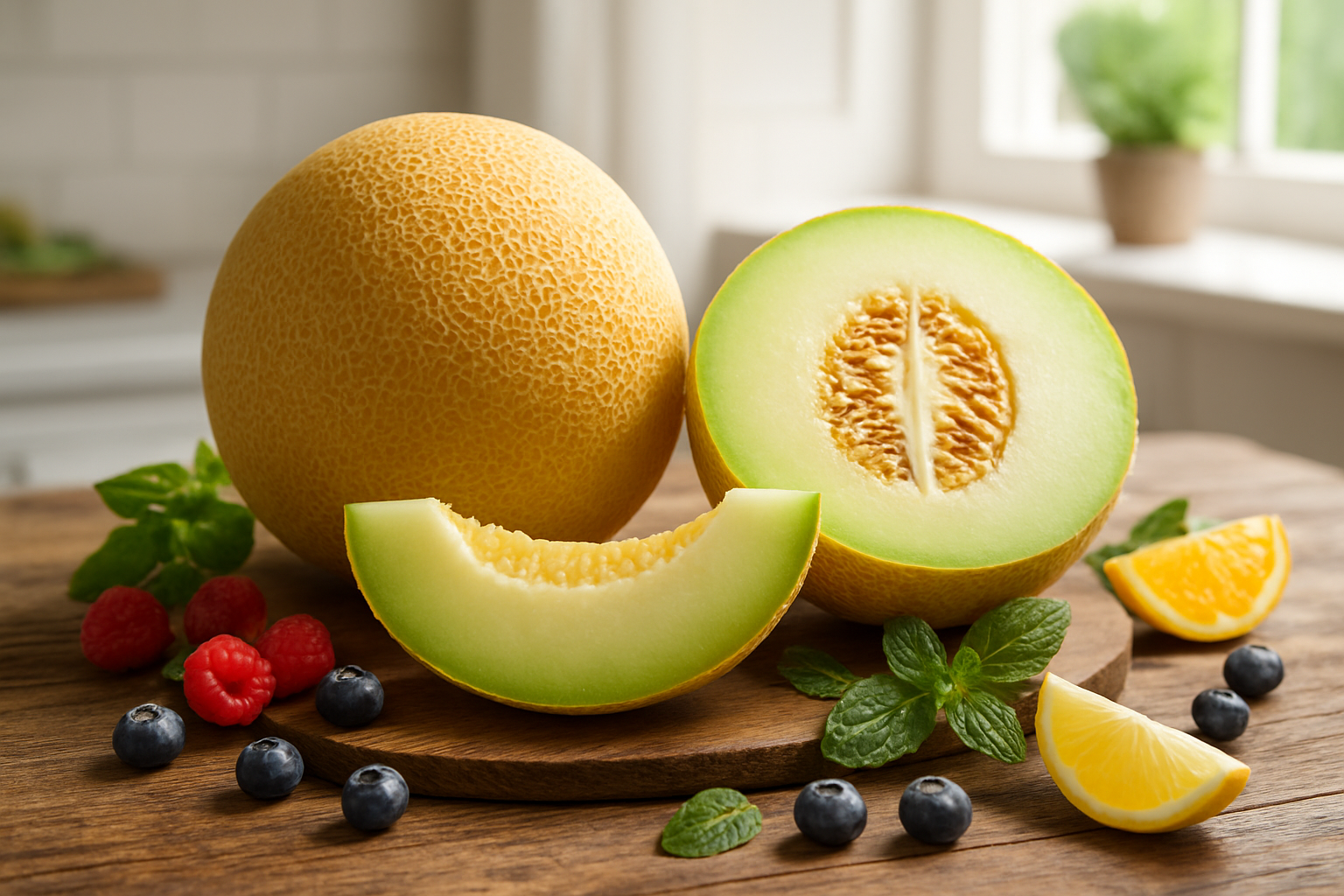
Galia melons offer something special that sets them apart from other fruits in the melon family. With their distinctive netted skin and sweet, aromatic flesh, they bring together the best qualities of cantaloupe and honeydew melons while delivering impressive nutritional benefits. You're getting a fruit packed with vitamin C, potassium, and antioxidants that can support your immune system and overall health.
The versatility of Galia melons makes them perfect for everything from fresh fruit salads to creative culinary experiments. Their balanced sweetness and refreshing texture work beautifully in both sweet and savory dishes. If you haven't tried growing them yourself, they're surprisingly manageable for home gardeners who want to enjoy the freshest possible fruit. Next time you're at the market, grab a Galia melon and discover why this hybrid fruit is becoming a favorite among melon lovers everywhere.


.png)
Comments
Post a Comment