Goji Berry - What's the Goji Berry?
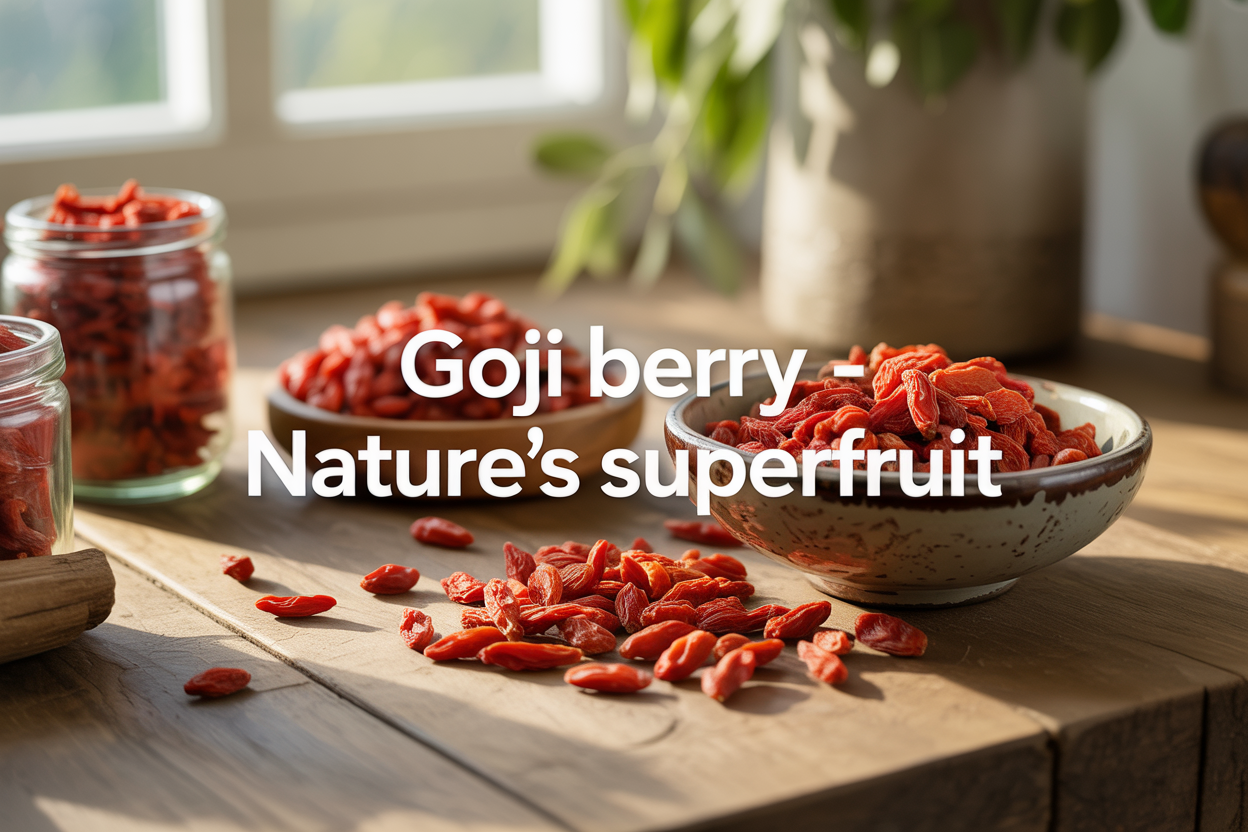
What Are Goji Berries? Your Guide to Nature's Red Superfruit
Goji berries are small, bright red fruits that pack a serious nutritional punch. These tiny powerhouses have been called a superfruit for good reason – they're loaded with antioxidants, vitamins, and minerals that can boost your health in surprising ways.
This guide is perfect for health-conscious people who want to learn about natural ways to improve their nutrition, curious food lovers exploring new superfoods, and anyone interested in traditional remedies that actually work.
We'll break down what makes goji berries such a nutritional powerhouse and explore the real health benefits that have made them popular worldwide. You'll also discover simple, tasty ways to add these antioxidant berries to your daily meals and snacks.
Understanding Goji Berries - Nature's Superfruit
Origins and Natural Habitat of Goji Berries
Goji berries, scientifically known as Lycium barbarum and Lycium chinense, have their roots deeply embedded in the mountainous regions of China, Mongolia, and Tibet. These resilient wolfberries thrive in some of the world's most challenging environments, particularly in the Himalayan valleys where harsh winds and extreme temperatures create the perfect stress conditions that boost their nutritional density.
The Ningxia region of China stands as the most celebrated growing area for premium goji berries, where the unique combination of mineral-rich soil, intense sunlight, and dramatic temperature fluctuations between day and night produces berries with exceptional antioxidant properties. Local farmers have cultivated these superfruit treasures for over 2,000 years, passing down traditional growing methods through generations.
Wild goji plants naturally grow as thorny shrubs that can reach heights of 3-6 feet, spreading across vast areas of alkaline desert soil. Their incredible adaptability allows them to survive in regions where few other plants can flourish, from sea level up to elevations of 4,000 meters. This natural resilience contributes to the concentrated nutrients that make goji berries such a powerful superfood.
Physical Appearance and Taste Profile
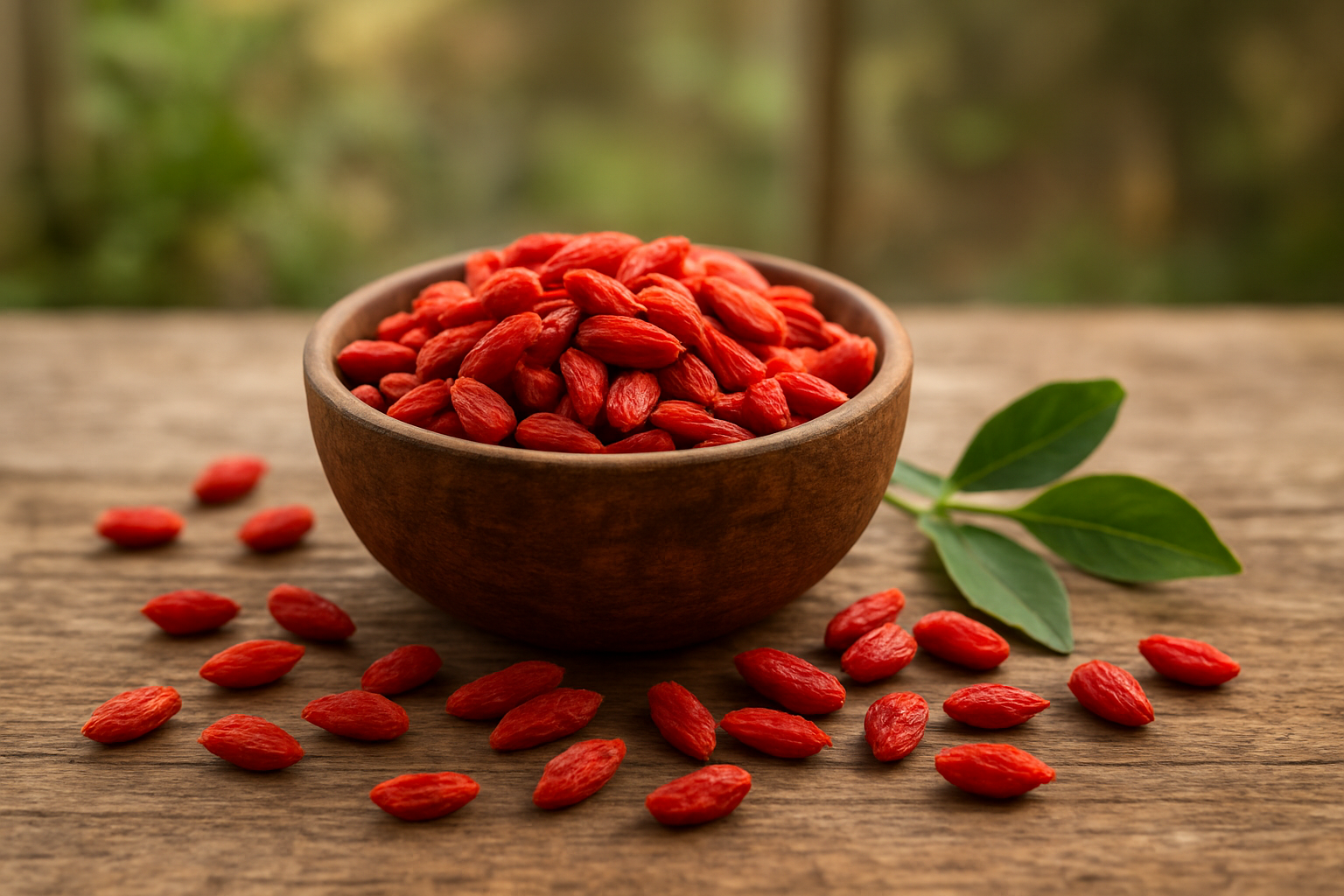
Fresh goji berries present as bright orange-red, elongated fruits roughly the size of a raisin when dried. The fresh berries have a plump, juicy texture similar to cherry tomatoes, while dried goji berries develop a chewy, slightly leathery consistency that makes them perfect for snacking or adding to various dishes.
The taste profile of goji berries offers a unique combination that surprises first-time tasters. Fresh berries deliver a mildly sweet flavor with subtle tartness and hints of tomato-like earthiness. When dried, the flavor intensifies, creating a complex taste that blends cranberry-like sweetness with herbal undertones and a slight bitter finish that many describe as pleasantly medicinal.
| Characteristic | Fresh Goji Berries | Dried Goji Berries |
|---|---|---|
| Color | Bright orange-red | Deep red-orange |
| Size | 1-2 cm long | Shrinks to raisin size |
| Texture | Juicy, soft | Chewy, leathery |
| Taste | Mild sweet-tart | Intense sweet with herbal notes |
The berries contain tiny yellow seeds that add a subtle crunch, though most people consume them whole without removing the seeds. Their vibrant color comes from powerful carotenoids, the same compounds that give carrots and sweet potatoes their orange hue.
Scientific Classification and Botanical Facts
Goji berries belong to the nightshade family (Solanaceae), making them botanical cousins to tomatoes, potatoes, and peppers. This connection explains their slightly savory undertones and why some people initially find their taste reminiscent of tomatoes.
Scientific Classification:
-
Kingdom: Plantae
-
Family: Solanaceae
-
Genus: Lycium
-
Species: L. barbarum (most common commercial variety)
-
Common names: Wolfberry, Chinese wolfberry, matrimony vine
The goji plant produces delicate purple or white flowers that bloom from June through September, eventually developing into the prized berries. Each plant can produce fruit for decades, with mature shrubs yielding impressive harvests that can reach several pounds per season.
What makes goji berries scientifically fascinating is their adaptation to extreme environmental stress. This biological response triggers the production of protective compounds, including zeaxanthin, beta-carotene, and unique polysaccharides that researchers believe contribute to their remarkable health-promoting properties. The plant's ability to concentrate nutrients while surviving in nutrient-poor soils demonstrates nature's incredible efficiency in creating these antioxidant berries that have captured global attention as a premier superfood.
Nutritional Powerhouse - What Makes Goji Berries Special
Essential Vitamins and Minerals Content
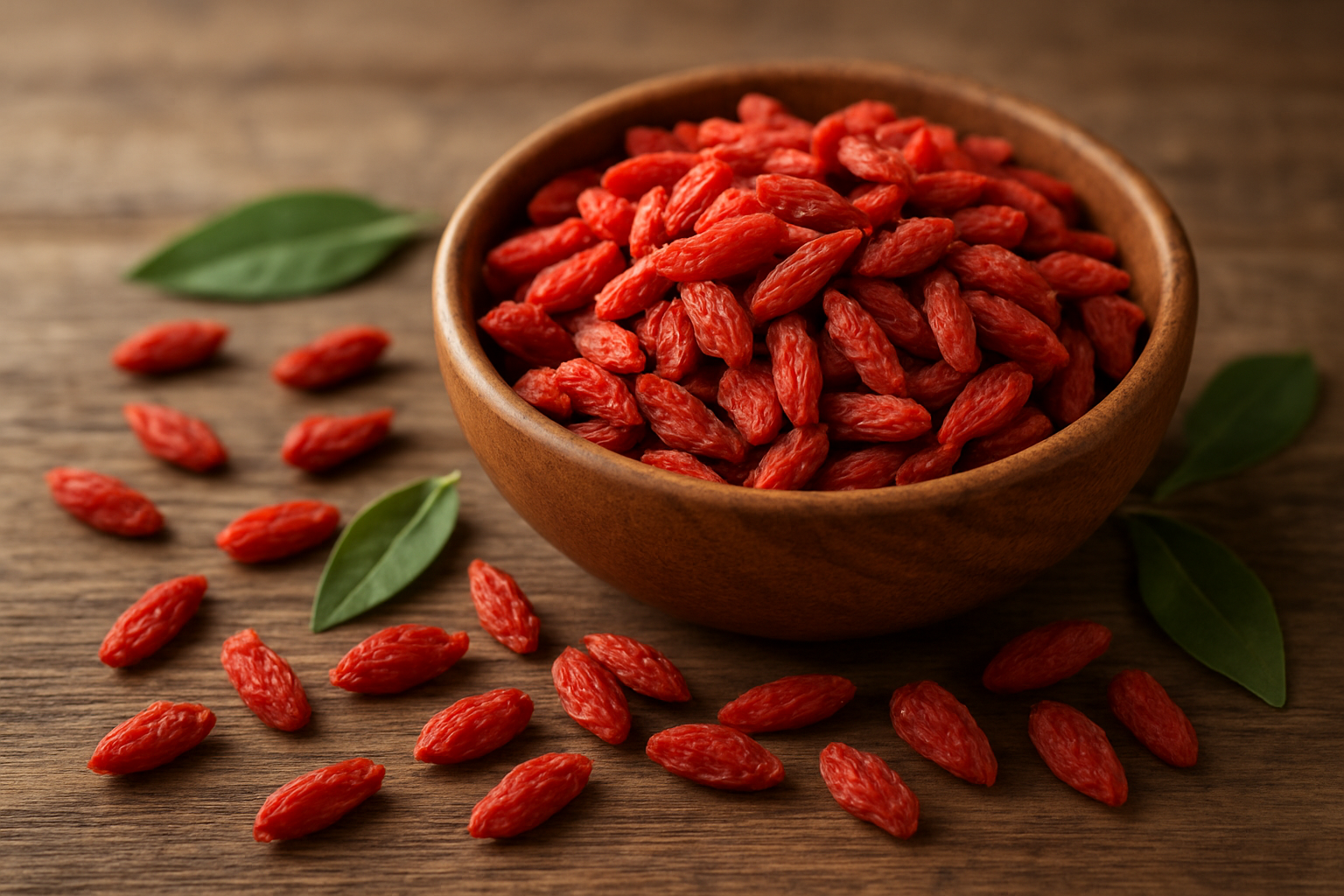
Goji berries pack an incredible nutritional punch that puts many other fruits to shame. These small red powerhouses contain exceptionally high levels of vitamin C - actually providing more vitamin C per serving than oranges. Just one ounce of dried goji berries delivers about 15% of your daily vitamin C needs, supporting immune function and collagen production.
The vitamin A content in goji berries is equally impressive, with beta-carotene levels that rival carrots. This makes them excellent for eye health and skin maintenance. B-complex vitamins are well-represented too, including riboflavin (B2) and thiamine (B1), which help convert food into energy and support nervous system function.
When it comes to minerals, goji berries shine with their iron content - particularly valuable for vegetarians and vegans who might struggle to meet iron requirements through plant-based sources alone. They also provide significant amounts of zinc for immune support, selenium for antioxidant protection, and potassium for heart health and blood pressure regulation.
| Nutrient | Amount per 1 oz (28g) | % Daily Value |
|---|---|---|
| Vitamin C | 15mg | 15% |
| Vitamin A | 2,520 IU | 50% |
| Iron | 2.5mg | 14% |
| Zinc | 0.8mg | 5% |
| Potassium | 340mg | 10% |
Antioxidant Properties and Free Radical Protection
What really sets goji berries apart from other superfruits is their extraordinary antioxidant profile. These berries contain unique compounds called lycium barbarum polysaccharides (LBPs), which you won't find in your typical grocery store fruits. These specialized molecules work alongside more common antioxidants to create a comprehensive defense system against cellular damage.
The ORAC (Oxygen Radical Absorbance Capacity) score for goji berries ranks among the highest of all foods tested, often exceeding 25,000 units per 100 grams. This measurement indicates their ability to neutralize free radicals that cause aging and disease.
Zeaxanthin deserves special mention here - goji berries contain the highest concentrations of this carotenoid found in any food. Your retinas use zeaxanthin to filter harmful blue light and protect against macular degeneration. Regular goji berry consumption can actually increase zeaxanthin levels in your blood and eye tissues.
The anthocyanins responsible for the berries' deep red color also contribute powerful anti-inflammatory effects. These compounds help reduce oxidative stress throughout your body, potentially slowing the aging process and reducing disease risk.
Protein Content and Amino Acid Profile
Most fruits contain minimal protein, but goji berries break this rule spectacularly. These wolfberries provide approximately 4 grams of protein per ounce - making them one of the few fruits that can contribute meaningfully to your daily protein intake.
Even more impressive is the quality of this protein. Goji berries contain all essential amino acids, earning them the classification of a complete protein source. This is extremely rare among plant foods, with quinoa and hemp being among the few other examples.
The amino acid profile includes:
-
Leucine - supports muscle protein synthesis
-
Lysine - important for calcium absorption and collagen formation
-
Methionine - helps with fat metabolism and liver function
-
Tryptophan - precursor to serotonin for mood regulation
-
Threonine - supports immune function and protein balance
This complete amino acid profile makes goji berries particularly valuable for vegetarians, athletes, and anyone looking to increase protein intake from whole food sources.
Fiber and Natural Sugar Composition
The fiber content in goji berries helps balance their natural sweetness, creating a more stable blood sugar response compared to many dried fruits. Each ounce provides about 3.5 grams of fiber - roughly 14% of your daily fiber needs.
This fiber comes in both soluble and insoluble forms. Soluble fiber helps slow sugar absorption and can contribute to lower cholesterol levels, while insoluble fiber supports digestive health and regular bowel movements.
The natural sugars in goji berries consist mainly of fructose and glucose in relatively balanced proportions. Unlike processed sweets, these sugars come packaged with fiber, protein, and antioxidants that moderate their absorption and provide sustained energy rather than quick spikes and crashes.
The glycemic index of goji berries is moderate (around 35), making them a better choice than many dried fruits for people monitoring blood sugar levels. The combination of fiber, protein, and beneficial compounds helps create a more gradual release of energy that can satisfy sweet cravings without derailing healthy eating goals.
Health Benefits That Transform Your Wellbeing
Immune System Strengthening Properties
Goji berries pack an incredible punch when it comes to boosting your immune system. These bright red superfruits contain exceptionally high levels of vitamin C - about 500 times more per ounce than oranges. Your body uses this vitamin C to produce white blood cells, which act as your first line of defense against infections and diseases.
The polysaccharides found in goji berries work like tiny immune system trainers, teaching your body's defense mechanisms to respond more effectively to threats. Research shows these compounds can increase the activity of natural killer cells, specialized immune cells that target viruses and cancer cells. Goji berry benefits extend to producing more antibodies, giving you better protection against seasonal illnesses and helping you recover faster when you do get sick.
Eye Health and Vision Protection
Your eyes need constant protection from daily wear and tear, and goji berries deliver exactly that. These wolfberries contain two powerful carotenoids - zeaxanthin and lutein - that accumulate in your retina and act like natural sunglasses. They filter harmful blue light from screens and bright environments, reducing eye strain and fatigue.
Studies reveal that people who regularly consume goji berries show improved visual acuity and better night vision. The antioxidants in these berries help prevent macular degeneration, a leading cause of vision loss in older adults. Traditional Chinese medicine has recognized goji berries for eye health for over 2,000 years, and modern science now confirms their remarkable ability to maintain healthy vision as you age.
Anti-Aging Effects on Skin and Cellular Health
Goji berries work like nature's own anti-aging serum from the inside out. Their extraordinary antioxidant content fights free radicals that damage your cells and accelerate aging. Beta-carotene in goji berries promotes healthy skin cell turnover, giving you a natural glow while reducing fine lines and wrinkles.
The superfruit nutrition profile includes amino acids that support collagen production, keeping your skin firm and elastic. Goji berries also contain germanium, a trace mineral that improves oxygen circulation to your skin cells. Regular consumption can help reduce age spots, improve skin texture, and maintain that youthful appearance you're looking for. Many people notice their skin looks brighter and feels smoother within just a few weeks of adding goji berries to their diet.
Energy Boosting and Fatigue Reduction
Feeling tired all the time? Goji berries might be your natural energy solution. Unlike caffeine that gives you a quick spike followed by a crash, goji berry health benefits include sustained energy release throughout the day. These berries help your body convert food into energy more efficiently by supporting healthy mitochondrial function in your cells.
The adaptogenic properties of goji berries help your body handle physical and mental stress better, reducing that overwhelming feeling of exhaustion. They contain essential amino acids that support muscle recovery after exercise, helping you bounce back faster from workouts. Many athletes and busy professionals rely on goji berries as a natural way to maintain steady energy levels without the jitters or afternoon slump.
Blood Sugar Regulation Support
Managing blood sugar levels becomes easier when you include goji berries in your routine. These antioxidant berries contain compounds that help your cells respond better to insulin, the hormone responsible for moving sugar from your bloodstream into your cells for energy. This improved insulin sensitivity means more stable blood sugar throughout the day.
The fiber content in goji berries slows down sugar absorption, preventing those dramatic spikes and crashes that leave you feeling hungry and irritable. Research shows that people who eat goji berries regularly have better glucose tolerance and more balanced energy levels. While goji berries do contain natural sugars, their unique nutrient profile actually supports healthier blood sugar management rather than causing problems.
Traditional Uses in Ancient Medicine

Chinese Medicine Applications and History
Goji berries have been treasured in traditional Chinese medicine for over 2,000 years, earning their place as one of the most revered medicinal foods in ancient Chinese culture. Known as "gouqizi" in Chinese, these bright red berries were first documented in the "Shen Nong Ben Cao Jing," one of China's earliest pharmacological texts, where they were classified as a superior herb suitable for daily consumption without adverse effects.
Ancient Chinese practitioners believed goji berries possessed the unique ability to nourish the liver and kidneys while brightening the eyes. They prescribed these antioxidant berries to treat conditions ranging from poor vision and dizziness to lower back pain and fatigue. The berries were often combined with chrysanthemum flowers to create tonics specifically designed to improve eyesight and combat age-related vision decline.
The concept of "yin" deficiency was central to how Chinese medicine practitioners understood goji berry benefits. They viewed these superfruit nutrition powerhouses as cooling foods that could restore balance to overheated systems, making them particularly valuable for treating night sweats, insomnia, and chronic thirst. Wealthy families would often consume goji berry porridge daily, believing it promoted longevity and maintained youthful vitality.
Tibetan Healing Practices with Goji Berries
Tibetan medicine embraced goji berries as sacred healing foods, incorporating them into complex medicinal formulations designed to harmonize the body's three humors: wind, bile, and phlegm. Tibetan practitioners, known as "amchi," gathered these wolfberries from high-altitude regions where the harsh climate concentrated their therapeutic compounds.
In Tibetan healing traditions, goji berries were primarily used to strengthen the kidneys and support reproductive health. Women consumed goji berry teas during pregnancy and postpartum recovery, while elderly individuals relied on these traditional Chinese medicine berries to maintain cognitive function and physical strength. Tibetan monks incorporated dried goji berries into their daily diet, believing they enhanced meditation practices by clearing mental fog and improving concentration.
The Tibetan approach to goji berry consumption differed significantly from Chinese methods. Rather than focusing solely on individual symptoms, Tibetan healers viewed these berries as constitutional medicine that worked gradually to restore overall balance. They often prepared elaborate multi-herb formulations where goji berries served as harmonizing agents that enhanced the effectiveness of other medicinal plants.
Modern Scientific Validation of Traditional Claims
Contemporary research has begun validating many ancient claims about goji berry health benefits, bridging the gap between traditional wisdom and modern nutritional science. Studies have confirmed that these superfruits contain exceptionally high levels of zeaxanthin, a carotenoid that specifically accumulates in eye tissue and protects against macular degeneration – supporting the traditional Chinese belief that goji berries "brighten the eyes."
Research published in peer-reviewed journals demonstrates that regular goji berry consumption can improve immune function, reduce inflammation markers, and enhance antioxidant status in the blood. These findings align remarkably well with traditional Chinese medicine's classification of goji berries as immune-strengthening foods that build the body's defensive capabilities.
Clinical trials have also investigated goji berries' effects on metabolic health, revealing their ability to help regulate blood sugar levels and support healthy aging processes. While ancient practitioners lacked modern terminology, their observations about goji berries promoting longevity and vitality now have scientific backing through studies showing these berries' positive effects on cellular health and oxidative stress reduction.
The neuroprotective properties of goji berries, validated through modern neuroscience research, correspond closely with traditional uses for improving memory and cognitive function. This convergence of ancient wisdom and contemporary science continues to fuel interest in incorporating these remarkable berries into modern wellness practices.
Incorporating Goji Berries into Your Daily Diet
Fresh vs Dried Goji Berry Consumption
Fresh goji berries offer a sweet-tart flavor with a grape-like texture, but they're hard to find outside of Asia. Most people encounter goji berries in their dried form, which concentrates the nutrients and extends shelf life. Dried goji berries have a chewy texture similar to raisins and a slightly bitter aftertaste that mellows when soaked or cooked.
From a nutritional standpoint, both forms deliver powerful antioxidants, but dried varieties contain higher concentrations of certain nutrients due to water removal. Fresh berries provide more vitamin C, while dried ones offer more concentrated minerals and fiber. The choice often comes down to availability and personal preference.
Smoothie and Juice Recipes for Maximum Benefits
Goji berries blend beautifully into smoothies, adding both nutrition and a unique flavor profile. Soak dried goji berries in warm water for 10-15 minutes before blending to achieve a smoother consistency.
Antioxidant Power Smoothie:
-
1/4 cup soaked goji berries
-
1 cup almond milk
-
1 frozen banana
-
1/2 cup mixed berries
-
1 tablespoon chia seeds
-
1 teaspoon honey
Morning Energy Juice:
-
2 tablespoons goji berries (soaked)
-
1 cup orange juice
-
1/2 cup pomegranate juice
-
1 inch fresh ginger
Blend all ingredients until smooth. These goji berry health benefits are maximized when combined with vitamin C-rich fruits, which enhance absorption of the berries' nutrients.
Cooking and Baking Applications
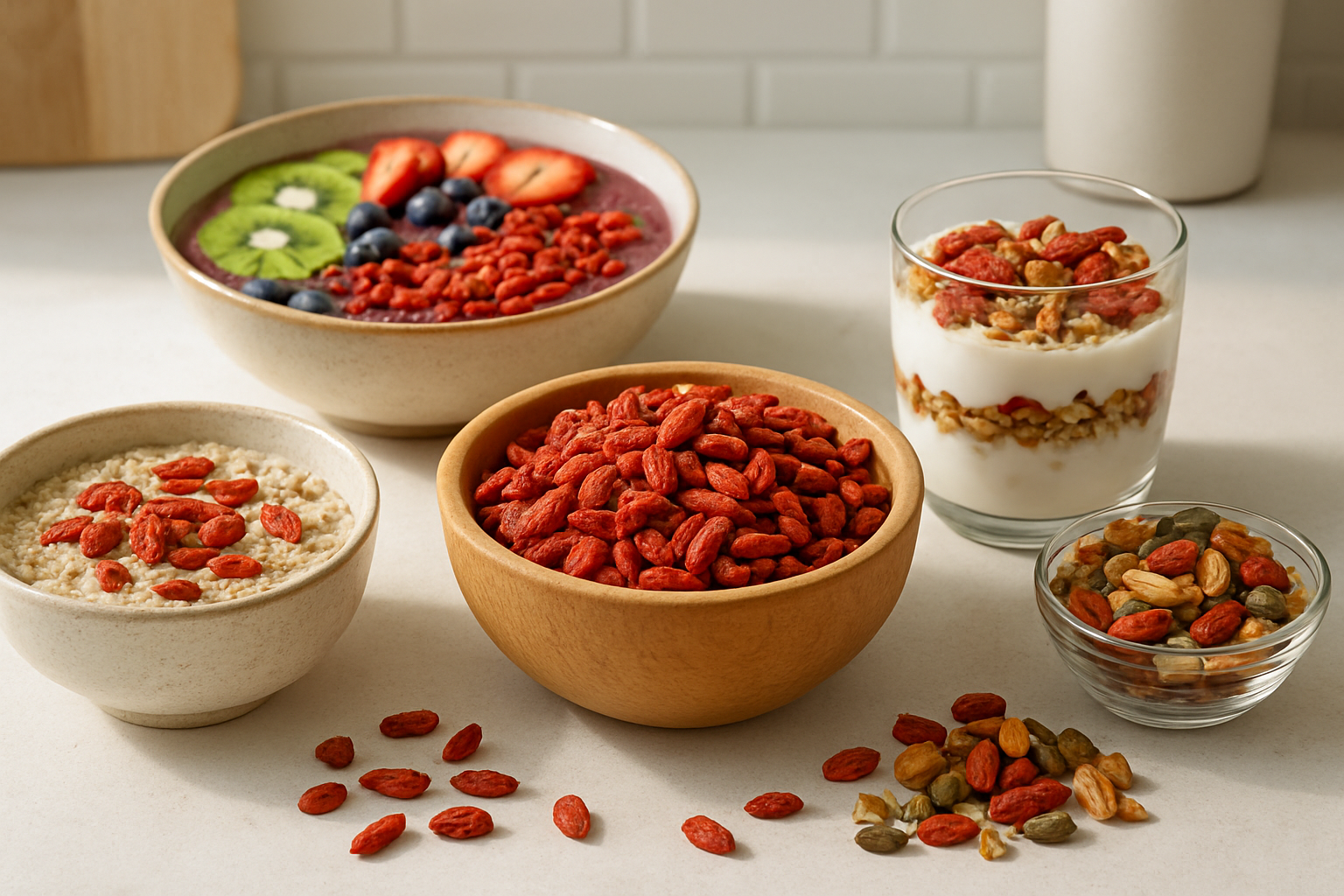
Goji berries work wonderfully in both sweet and savory dishes. Their natural sweetness makes them perfect for trail mixes, granola, and energy bars. Add them to oatmeal, yogurt, or cereal for a nutritional boost.
In baking, substitute goji berries for raisins in muffins, cookies, and bread recipes. They pair exceptionally well with dark chocolate and nuts. For savory applications, add them to rice dishes, stir-fries, or meat marinades for a subtle sweetness.
Popular cooking methods:
-
Steep in hot tea for 10 minutes
-
Add to rice during the last 5 minutes of cooking
-
Mix into homemade granola before baking
-
Incorporate into energy ball recipes
Proper Serving Sizes and Daily Recommendations
The optimal daily serving of goji berries ranges from 1-2 tablespoons (15-30 grams) of dried berries. This amount provides substantial antioxidant benefits without overwhelming your system. Start with smaller amounts to assess tolerance, as some people experience mild digestive upset when first introducing goji berries.
For maximum goji berry benefits, consume them consistently rather than in large occasional doses. Spread consumption throughout the day by adding them to breakfast, snacks, and dinner preparations. Remember that these superfruit nutrition powerhouses are calorie-dense, containing about 23 calories per tablespoon, so factor this into your daily caloric intake when learning how to eat goji berries effectively.
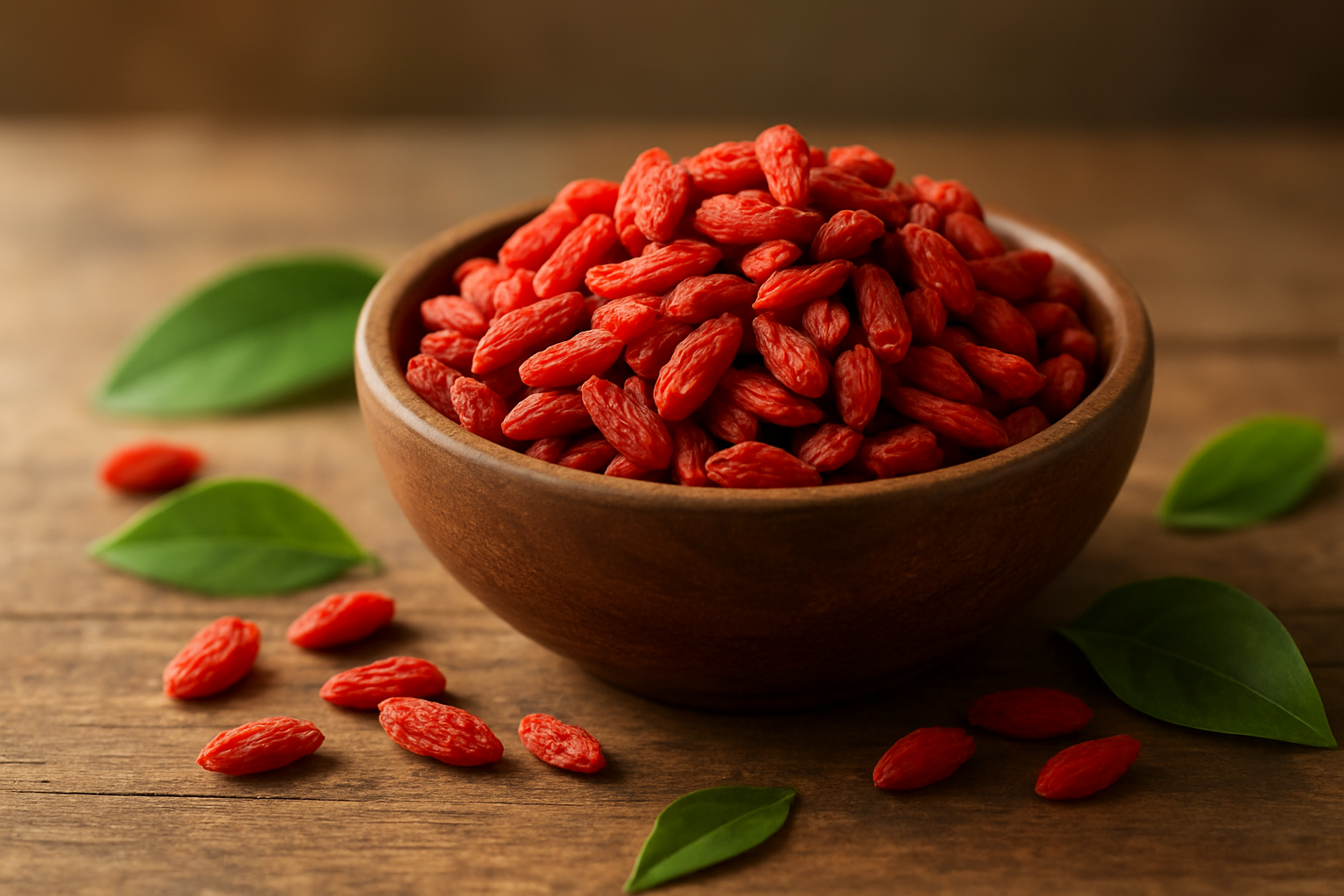
Goji berries pack an impressive nutritional punch that makes them stand out from other fruits. These tiny red gems contain powerful antioxidants, essential vitamins, and minerals that can boost your immune system, support eye health, and give you sustained energy throughout the day. With centuries of use in traditional medicine backing their reputation, goji berries have earned their place as one of nature's most valued superfruits.
Adding goji berries to your daily routine doesn't have to be complicated. Toss a handful into your morning smoothie, mix them into yogurt, or simply snack on them throughout the day. Start with small amounts and see how your body responds – many people notice increased energy and better overall wellness within just a few weeks. Give these nutritional powerhouses a try and discover what ancient cultures have known for thousands of years.


.png)
Comments
Post a Comment