Juniper Berries - What are Juniper Berries?
What Are Juniper Berries? Your Complete Guide to Nature's Aromatic Wonder
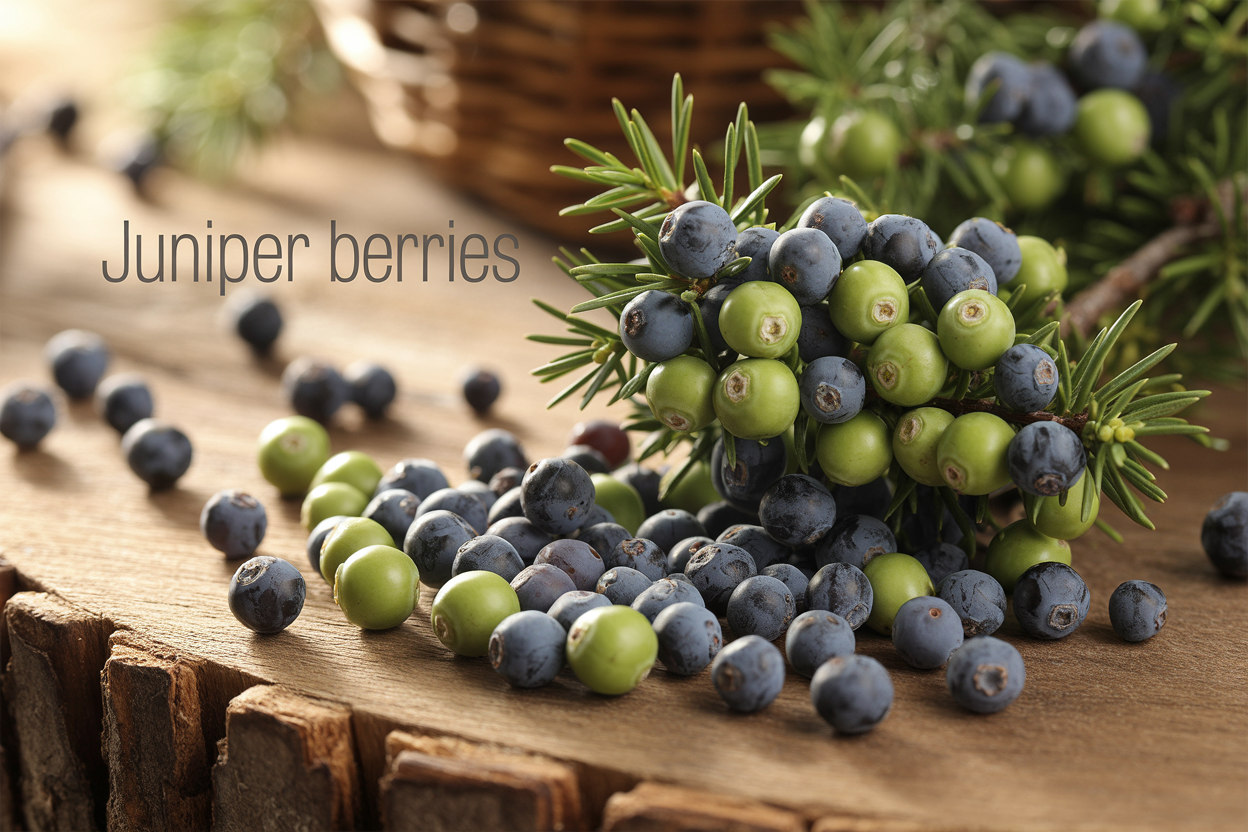
Juniper berries are actually small cones from juniper trees that pack a punch of flavor and potential health benefits. Perfect for home cooks, health enthusiasts, and anyone curious about natural remedies, this guide breaks down everything you need to know about these unique botanical treasures.
We'll explore the impressive juniper berry nutrition facts and health benefits that have made them popular in wellness circles. You'll also discover their rich culinary uses, from gin production to gourmet cooking, and learn about their traditional medicinal properties. Finally, we'll cover essential juniper berries safety guidelines so you can enjoy them confidently and responsibly.
Understanding Juniper Berries and Their Origins
Botanical Classification and Plant Family Relationships
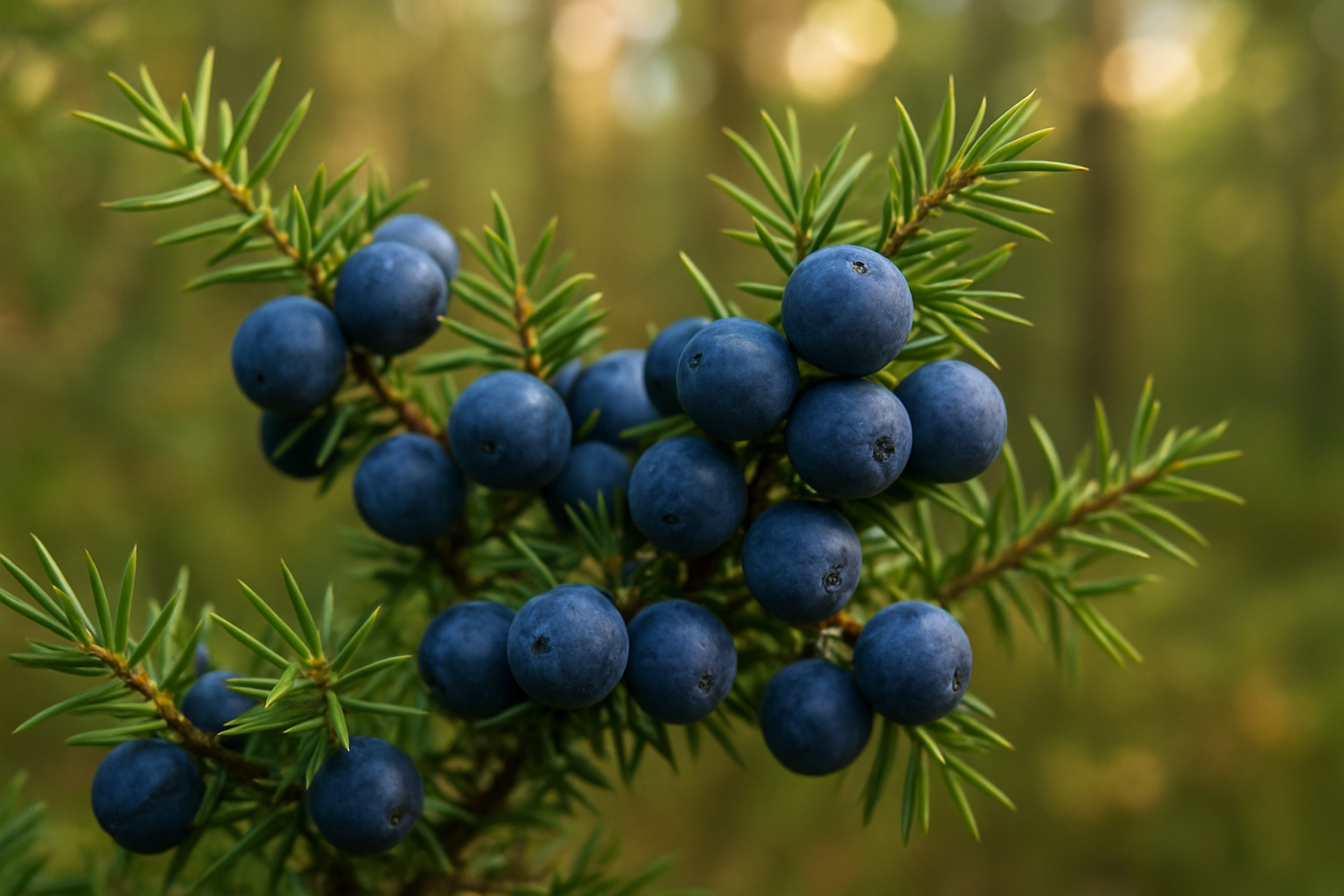
Juniper berries come from plants in the genus Juniperus, which belongs to the cypress family (Cupressaceae). Despite their name, juniper berries aren't actually berries at all – they're small, fleshy seed cones that take on a berry-like appearance. The most common species for culinary and medicinal purposes is Juniperus communis, though over 60 species of juniper exist worldwide.
These evergreen conifers can grow as shrubs or trees, ranging from low-growing ground cover varieties to towering specimens reaching 40 feet in height. The plants are either male or female, with only female plants producing the prized "berries." Each cone contains one to three seeds and develops over two to three years, changing from green to blue-black or purple when fully mature.
Geographic Distribution Across Continents
Juniper plants show remarkable adaptability, thriving across diverse climates and terrains throughout the Northern Hemisphere. You'll find them scattered across North America, from Canada's boreal forests down to Mexico's mountainous regions. European junipers flourish from Scandinavia to the Mediterranean, while Asian populations span from Siberia to the Himalayas.
These hardy plants particularly favor rocky, well-drained soils and can survive in harsh conditions that would challenge many other species. Mountain slopes, coastal areas, and even semi-arid regions provide suitable habitats. The widespread distribution has led to regional variations in flavor profiles, with berries from different locations offering subtle differences in taste and aroma intensity.
Physical Appearance and Identifying Characteristics
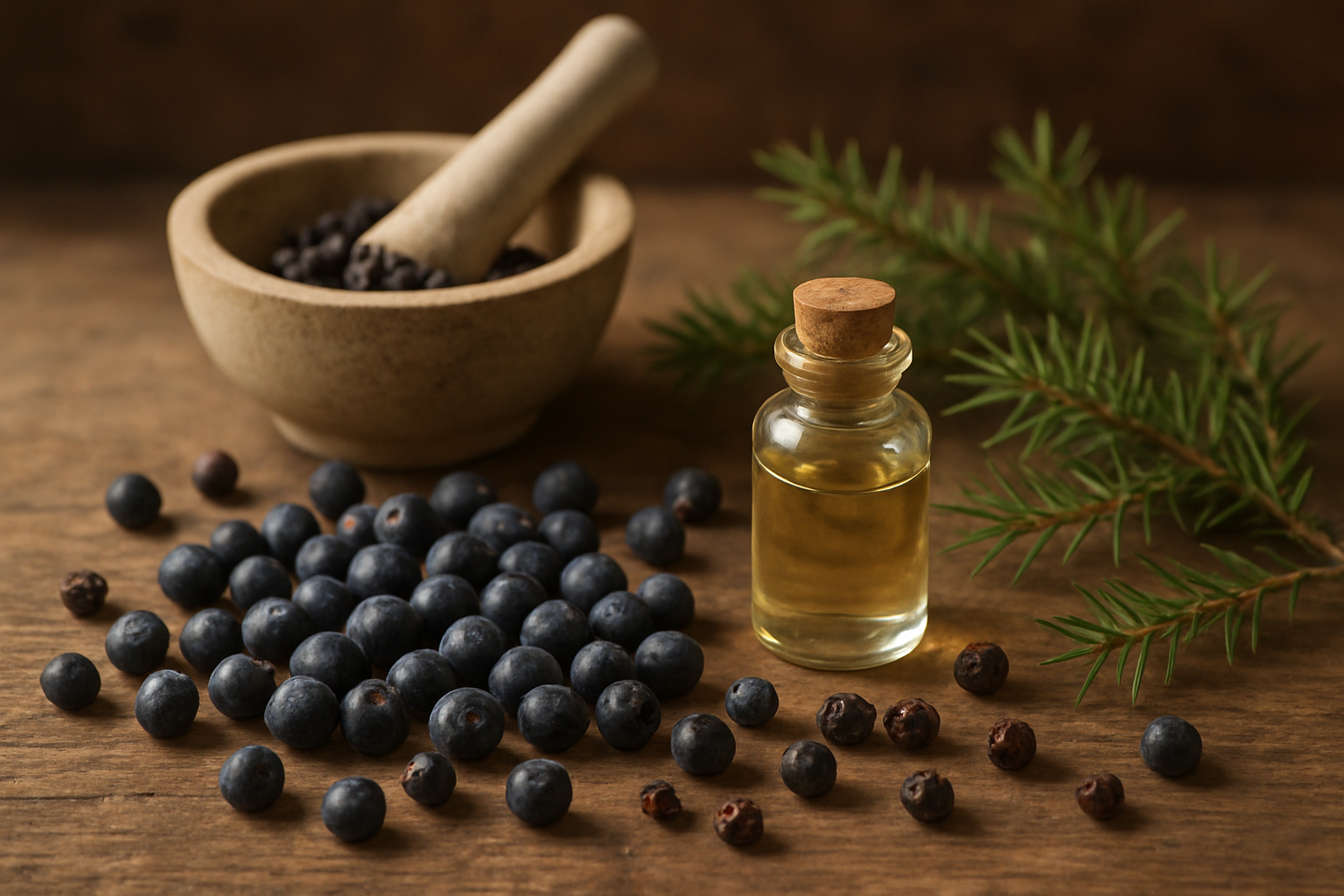
Fresh juniper berries start as small, green, waxy cones about 4-12mm in diameter. As they mature over their multi-year development cycle, they transform into dark blue, purple, or black spheres with a distinctive waxy bloom coating their surface. When you crush a ripe berry between your fingers, it releases an intense, piney fragrance with hints of citrus and spice.
The berries grow in clusters along the branches, nestled among needle-like leaves that are typically arranged in whorls of three. These leaves are sharp, pointed, and blue-green in color. Mature berries feel slightly soft when ready for harvest and contain a resinous, aromatic flesh surrounding the hard seeds inside.
| Characteristic | Description |
|---|---|
| Size | 4-12mm diameter |
| Color when ripe | Blue-black to purple |
| Texture | Waxy exterior, resinous interior |
| Aroma | Pine, citrus, spicy notes |
| Seeds per berry | 1-3 hard seeds |
Seasonal Growth Patterns and Harvesting Times
Juniper berries follow a unique two to three-year maturation cycle that sets them apart from most other fruits. Female juniper plants produce small cones in spring, which develop slowly through multiple seasons before reaching full maturity. This extended timeline means you'll often see berries at different stages of development on the same plant simultaneously.
Optimal harvesting typically occurs in late summer to early fall, usually between August and October, depending on the specific climate and location. Experienced foragers look for berries that have turned from green to their characteristic dark blue or purple color and yield slightly to gentle pressure.
The best time for collection is during dry weather, as moisture can affect the berries' essential oil content and storage quality. Hand-picking remains the preferred method, though some commercial operations use mechanical shakers for larger quantities. Proper timing is crucial – harvest too early and the berries lack full flavor development, while waiting too long risks losing berries to wildlife or weather damage.
Nutritional Profile and Health Benefits
Essential vitamins and mineral content
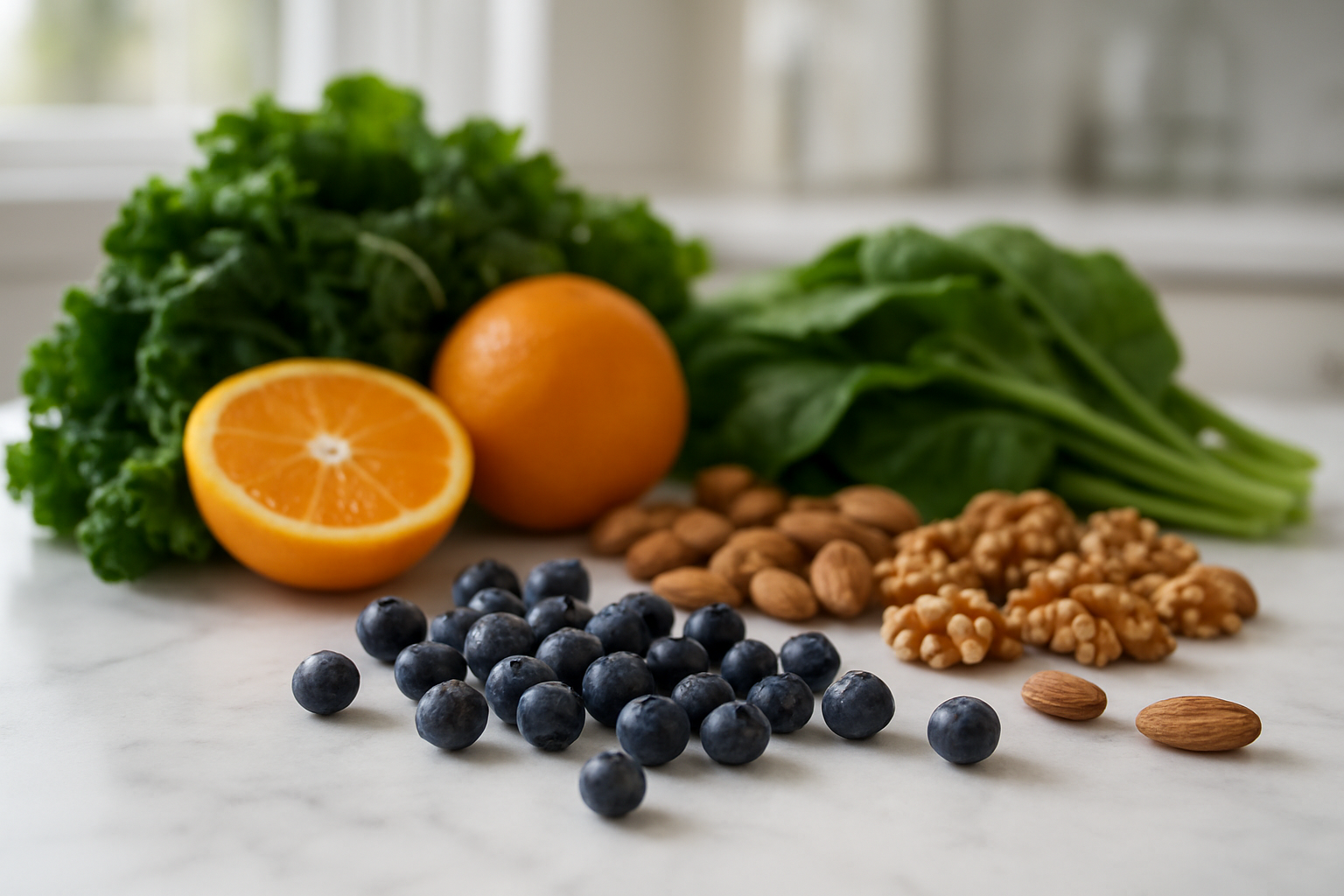
Juniper berries pack a surprising nutritional punch in their small, dark blue packages. These aromatic berries contain meaningful amounts of vitamin C, which supports immune function and collagen synthesis. You'll also find vitamin A present, contributing to eye health and cellular development.
The mineral profile of juniper berries includes potassium, which helps regulate blood pressure and supports heart function. Manganese appears in notable quantities, playing a role in bone development and wound healing. Iron content, while modest, contributes to oxygen transport throughout the body. Copper and zinc round out the mineral composition, supporting various enzymatic processes.
| Nutrient | Amount per 100g | Daily Value % |
|---|---|---|
| Vitamin C | 45-60mg | 50-67% |
| Vitamin A | 2,100 IU | 42% |
| Potassium | 480mg | 14% |
| Manganese | 1.2mg | 60% |
| Iron | 2.8mg | 16% |
Antioxidant properties for cellular protection
The deep blue color of juniper berries signals their rich antioxidant content. These berries contain powerful compounds called anthocyanins, the same antioxidants found in blueberries and blackberries. Anthocyanins protect cells from free radical damage that can lead to premature aging and various health issues.
Flavonoids represent another major antioxidant category in juniper berries. Quercetin, rutin, and catechins work together to neutralize harmful molecules in your body. Research shows these compounds may help protect against cardiovascular disease and support brain health.
The essential oils within juniper berries also contribute antioxidant activity. Alpha-pinene and beta-pinene, primary components of juniper oil, demonstrate protective effects against oxidative stress. These natural compounds help maintain cellular integrity and support overall wellness.
Anti-inflammatory compounds and their effects
Juniper berry health benefits extend to their anti-inflammatory properties. The berries contain natural compounds that help reduce inflammation throughout the body. Amentoflavone, a unique biflavonoid found in juniper, shows promising anti-inflammatory effects in research studies.
The essential oils in juniper berries contribute significantly to their anti-inflammatory action. Compounds like myrcene and sabinene help modulate inflammatory responses. Traditional use suggests these berries may help with joint discomfort and muscle soreness.
Terpenes present in juniper berries work synergistically to provide anti-inflammatory benefits. These natural compounds may help reduce markers of inflammation and support recovery from physical stress. The combination of antioxidants and anti-inflammatory compounds makes juniper berries particularly valuable for supporting overall health and wellness.
Regular consumption of juniper berries in appropriate amounts may help combat chronic inflammation, which is linked to many modern health concerns. The berries' natural compounds work gently but effectively to support your body's inflammatory response.
Culinary Applications and Flavor Enhancement
Traditional gin production and distilling processes
Juniper berries form the backbone of gin production, serving as the mandatory botanical that legally defines this beloved spirit. Master distillers carefully select these blue-black berries for their resin content and oil concentration, which directly impacts the final product's character. The traditional London Dry gin method involves steeping crushed juniper berries in neutral grain spirit for 12-24 hours before distillation.
During the distillation process, the juniper berry flavor emerges through steam distillation, where vapors carry the essential oils from the berries into the final product. Premium gin producers often use a combination of fresh and dried berries, with dried ones providing concentrated pine-like notes and fresh berries contributing bright, citrusy undertones. The ratio typically ranges from 60-80% juniper to other botanicals, though craft distillers experiment with these proportions to create signature profiles.
Quality gin houses source their berries from specific regions - Italian berries offer sweeter profiles, while those from Eastern Europe provide more intense, resinous characteristics. The crushing technique also matters: light crushing releases oils gradually, while heavy crushing can introduce bitter compounds from the seeds.
European cooking traditions and meat seasoning
European cuisines have embraced juniper berries culinary uses for centuries, particularly in Germanic, Scandinavian, and Alpine cooking traditions. German cuisine features these berries prominently in wild game preparations, where their piney essence complements venison, wild boar, and duck. The berries cut through rich, gamey flavors while adding complexity that commercial seasonings simply can't match.
Scandinavian cooks traditionally use juniper berries in curing salts for salmon and other fish, creating gravlax variations that showcase the berry's antiseptic properties alongside its unique taste profile. Norwegian and Swedish recipes often combine crushed berries with dill, salt, and sugar for multi-day curing processes.
Alpine cooking traditions include juniper in sauerkraut preparation, where the berries ferment alongside cabbage, infusing the final product with subtle evergreen notes. French countryside cooking, particularly in mountainous regions, incorporates these berries into pâtés, terrines, and slow-braised meat dishes.
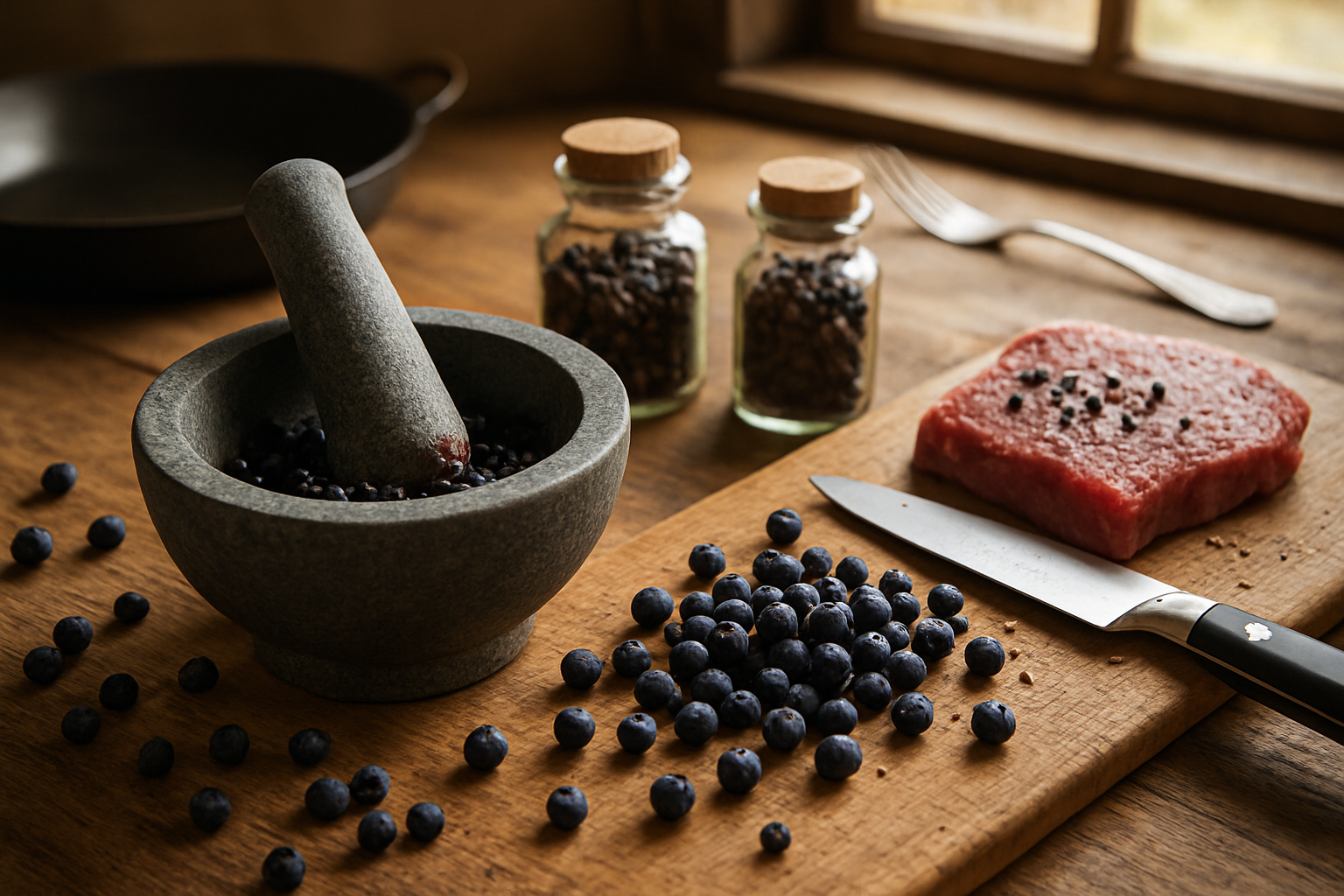
The berries work exceptionally well with fatty meats because their natural oils help break down proteins while their astringent properties balance richness. Traditional hunters would rub crushed berries directly onto fresh game meat, both for preservation and flavor enhancement during long hunting expeditions.
Modern gastronomy and creative recipe applications
Contemporary chefs are rediscovering what are juniper berries capable of in modern kitchen applications. High-end restaurants now feature juniper-infused oils, vinegars, and even desserts that showcase the berry's versatility beyond traditional meat pairings. Molecular gastronomy has embraced juniper's essential oils for creating aromatic foams, flavored salts, and edible films.
Creative juniper berries culinary uses include cocktail garnishes, where lightly crushed berries release aromatic compounds when muddled with spirits. Bartenders create house-made bitters, syrups, and even juniper ice cubes for craft cocktails. The berries also shine in unexpected dessert applications - juniper-honey ice cream, pine-scented chocolate truffles, and berry-infused shortbread cookies offer diners surprising flavor journeys.
Modern smoking techniques utilize dried juniper berries as aromatic wood chips for cold-smoking cheese, fish, and even vegetables. The smoke imparts a clean, forest-like essence without overwhelming delicate ingredients. Food trucks and casual dining establishments are incorporating juniper rubs for grilled meats, capitalizing on the growing interest in foraged and wild flavors.
Fusion cooking has opened new doors for juniper applications. Asian-inspired dishes now feature juniper in five-spice blends, while Mediterranean cuisines use the berries in herb crusts for roasted vegetables and proteins.
Proper preparation techniques for optimal flavor
Understanding how to use juniper berries correctly makes the difference between amateur and professional results. Fresh berries require gentle washing and thorough drying before use, while dried berries benefit from light toasting to awaken their essential oils. The ideal preparation method depends on your intended application and desired intensity level.
For maximum juniper berry flavor extraction, crushing techniques vary by recipe requirements. Light bruising with the flat side of a knife releases oils gradually, perfect for long marinades and braises. Complete crushing with a mortar and pestle creates intense flavor bursts suitable for rubs and quick-cooking applications. Never use a food processor, as it pulverizes the seeds and introduces unwanted bitterness.
Storage plays a vital role in maintaining quality. Whole berries stay fresh for up to two years when stored in airtight containers away from light and heat. Ground berries lose potency quickly - use within six months for best results. Professional kitchens often freeze small portions of crushed berries to preserve volatile oils.
Dosage guidelines prevent overwhelming dishes: start with 3-4 berries per pound of meat, adjusting based on other seasonings and cooking time. Long, slow cooking methods require fewer berries since extended heat exposure intensifies their contribution. Quick-searing applications can handle higher concentrations since contact time is minimal.
Always taste-test small batches when experimenting with new combinations. Juniper berry benefits extend beyond flavor - their natural antimicrobial properties help preserve foods, making them valuable additions to homemade preserves and fermented products.
Medicinal Uses Throughout History

Ancient Remedies and Traditional Healing Practices
Throughout human history, juniper berries have held a sacred place in traditional medicine across diverse cultures. Native American tribes considered these small, blue-black berries powerful healing agents, using them to treat kidney ailments, arthritis, and respiratory conditions. The Zuni people specifically prepared juniper berry teas to support urinary function and cleanse the body of toxins.
European herbalists dating back to ancient Greece and Rome documented extensive juniper berries medicinal properties. Greek physicians prescribed juniper preparations for digestive complaints and as natural diuretics. Medieval monasteries cultivated juniper shrubs in their medicinal gardens, where monks created tinctures and infusions believed to purify the blood and ward off disease.
Traditional Chinese Medicine incorporated juniper berries as warming herbs that could dispel dampness from the body and strengthen kidney yang energy. Ayurvedic practitioners in India recognized similar warming qualities, using juniper to balance kapha dosha and support digestive fire.
Indigenous peoples across Scandinavia burned juniper branches in saunas and used berry preparations to treat joint pain and skin conditions. These time-tested practices demonstrate the universal recognition of juniper berry health benefits across completely different healing traditions.
Digestive System Support and Urinary Tract Benefits
Modern understanding of what are juniper berries reveals why ancient healers valued them for specific body systems. The berries contain volatile oils, particularly terpinen-4-ol, which provide natural antimicrobial and anti-inflammatory effects that directly benefit digestive and urinary health.
For digestive support, juniper berries help stimulate the production of digestive enzymes and bile, making them valuable for people experiencing sluggish digestion or poor appetite. Traditional preparations often combined juniper with other herbs to create bitter tonics that awakened digestive function before meals.
The urinary system receives significant juniper berry benefits through the berries' gentle diuretic properties. Unlike harsh pharmaceutical diuretics, juniper berries encourage healthy fluid elimination without depleting essential electrolytes. This makes them particularly useful for addressing:
-
Mild water retention
-
Urinary tract infections
-
Kidney stone prevention
-
General detoxification support
Clinical herbalists often recommend juniper berry preparations for people prone to recurring UTIs, as the antimicrobial compounds help create an unfavorable environment for harmful bacteria while supporting the body's natural cleansing processes.
Modern Research on Therapeutic Properties
Contemporary scientific research continues to validate many traditional uses while uncovering new potential applications for juniper berries. Laboratory studies have identified specific compounds responsible for their therapeutic effects, including pinene, myrcene, and sabinene.
Recent antioxidant research demonstrates that juniper berries contain impressive levels of flavonoids and phenolic compounds that help protect cells from oxidative damage. These findings support traditional uses for longevity and general health maintenance.
Studies examining antimicrobial activity show that juniper berry extracts effectively inhibit various bacteria and fungi, including antibiotic-resistant strains. This research validates historical uses for treating infections and supports modern applications in natural medicine protocols.
Blood sugar research has revealed that certain compounds in juniper berries may help regulate glucose metabolism, opening new avenues for supporting metabolic health. While this research remains preliminary, early results align with traditional uses for supporting overall vitality and energy.
Anti-inflammatory studies demonstrate that juniper berries medicinal properties extend to reducing inflammatory markers in laboratory settings. This research helps explain why traditional healers found success using juniper for joint pain and inflammatory conditions.
Current investigations focus on the berries' potential neuroprotective effects and their role in supporting healthy aging processes, building bridges between ancient wisdom and modern therapeutic applications.
Safe Usage Guidelines and Important Considerations

Recommended dosages for different applications
Culinary use requires the smallest amounts of juniper berries. For cooking, 3-6 berries typically flavor an entire dish serving 4-6 people. Crushing or grinding releases more flavor, so start with fewer berries when using powdered forms. For gin making or flavoring spirits, traditional recipes call for 1-2 ounces of berries per gallon of base spirit.
Medicinal applications demand more precise measurements. Traditional herbalists recommend 1-2 grams of dried berries daily for digestive support, typically consumed as tea. For juniper berry tea, steep 1 teaspoon of lightly crushed berries in hot water for 10-15 minutes. Essential oil applications require extreme caution - never exceed 1-2 drops diluted in carrier oil for topical use.
Supplement forms vary widely in concentration. Follow manufacturer guidelines strictly, as standardized extracts contain concentrated active compounds. Most commercial juniper berry supplements suggest 100-500mg daily, but individual products differ significantly.
Duration matters as much as dosage. Limit continuous use to 2-4 weeks maximum, followed by breaks to prevent potential kidney irritation.
Potential side effects and contraindications
Juniper berries can cause kidney irritation with prolonged use or excessive amounts. Early warning signs include changes in urination frequency, lower back pain, or unusual fatigue. The berries' diuretic properties may stress kidney function when used continuously.
Pregnancy and breastfeeding present absolute contraindications. Juniper berries may stimulate uterine contractions and affect hormone levels, making them unsafe during pregnancy. Nursing mothers should avoid juniper berries as their effects on breast milk remain unclear.
Blood sugar interactions pose risks for diabetics. Juniper berries may lower blood glucose levels, potentially causing dangerous drops when combined with diabetes medications. Monitor blood sugar closely if using both.
Digestive sensitivity affects some users. Common reactions include stomach upset, nausea, or digestive discomfort, especially when consuming whole berries or concentrated extracts on empty stomachs.
Drug interactions occur with several medication classes:
| Medication Type | Interaction Risk | Precaution |
|---|---|---|
| Diuretics | Increased fluid loss | Monitor hydration closely |
| Diabetes medications | Enhanced blood sugar lowering | Frequent glucose monitoring |
| Blood thinners | Potential bleeding risk | Consult prescribing physician |
| Lithium | Reduced medication clearance | Professional supervision required |
Allergic reactions, while rare, can occur. Skin rashes, respiratory symptoms, or digestive upset following juniper berry consumption warrant immediate discontinuation.
Quality sourcing and storage recommendations
Source verification protects against contamination and ensures potency. Purchase juniper berries from reputable suppliers who provide detailed origin information. Wild-harvested berries should come from pollutant-free areas, away from roadways and industrial zones. Organic certification offers additional quality assurance.
Visual inspection reveals quality indicators. Fresh dried berries appear plump, dark blue-black, and slightly wrinkled. Avoid berries that look shriveled, moldy, or have unusual colors. Quality berries release aromatic oils when gently pressed.
Storage conditions preserve potency and prevent spoilage. Keep whole dried berries in airtight glass containers away from light, heat, and moisture. Properly stored berries maintain quality for 2-3 years. Ground berries lose potency faster - use within 6-12 months for best results.
Essential oil storage requires special attention. Keep bottles tightly sealed, refrigerated, and away from light. Pure juniper berry oil should remain clear to pale yellow - any cloudiness or color changes indicate deterioration.
Freezing fresh berries extends shelf life significantly. Clean berries thoroughly, dry completely, then freeze in sealed bags. Frozen berries work well for cooking applications but may lose some aromatic compounds.
Testing for freshness helps determine usability. Fresh berries should smell intensely piney and slightly citrusy. Musty, off, or absent odors suggest age or spoilage.
When to consult healthcare professionals
Pre-existing kidney conditions require professional oversight before using juniper berries. Even small amounts may exacerbate kidney problems or interfere with treatment protocols. Healthcare providers can assess individual risk factors and suggest safer alternatives.
Current medications create potential interaction scenarios. Pharmacists or doctors can review medication lists for conflict risks, especially with diuretics, diabetes drugs, or blood thinners. This consultation prevents dangerous combinations.
Pregnancy planning warrants discussion with healthcare providers. Even couples trying to conceive should understand juniper berry safety, as some compounds may affect hormonal balance or early pregnancy.
Chronic health conditions like diabetes, heart disease, or autoimmune disorders require professional input. Healthcare providers can determine whether juniper berry benefits outweigh potential risks for specific conditions.
Unusual symptoms during juniper berry use need prompt evaluation. Persistent digestive issues, changes in urination, skin reactions, or any concerning symptoms warrant professional assessment.
Long-term use plans benefit from medical supervision. Regular kidney function monitoring ensures safe continued use for those incorporating juniper berries into ongoing health routines.
Children and elderly users present special considerations. Pediatric dosing differs significantly from adult recommendations, while older adults may have increased sensitivity or medication interactions requiring professional guidance.
Juniper berries offer a fascinating blend of culinary, medicinal, and nutritional benefits that have made them valuable for centuries. From their unique piney flavor that enhances everything from gin to roasted meats, to their impressive antioxidant content and traditional healing properties, these small blue fruits pack a powerful punch. Their rich history in folk medicine, combined with modern understanding of their anti-inflammatory and digestive benefits, shows how nature continues to provide us with remarkable ingredients.
Before adding juniper berries to your routine, remember that moderation is key. Start with small amounts to test your tolerance, and always consult healthcare professionals if you're pregnant, nursing, or taking medications. Whether you're looking to experiment with new flavors in the kitchen or explore natural wellness options, juniper berries deserve a spot on your radar. Give them a try and discover how these tiny berries can add both flavor and potential health benefits to your daily life.


.png)
Comments
Post a Comment