Loquat - What's the Loquat Fruit?

The loquat fruit might look unfamiliar at your local grocery store, but this sweet, tangy gem deserves a spot in your fruit bowl. Also known as Japanese medlar, fresh loquat fruit offers a unique flavor that's part apricot, part citrus, with a texture that's both juicy and satisfying.
This guide is perfect for curious food lovers, health-conscious eaters, and anyone who's spotted these golden-orange fruits and wondered "what is loquat?" You'll discover what makes this loquat tree fruit special and why it's gaining popularity among fruit enthusiasts.
We'll explore the impressive loquat nutrition profile and loquat health benefits that make this fruit a nutritional powerhouse. You'll also learn practical tips on how to eat loquat properly, plus creative loquat recipes that showcase its versatility in both sweet and savory dishes.
Discover the Origins and Characteristics of Loquat Fruit
Learn About Loquat's Ancient Asian Heritage
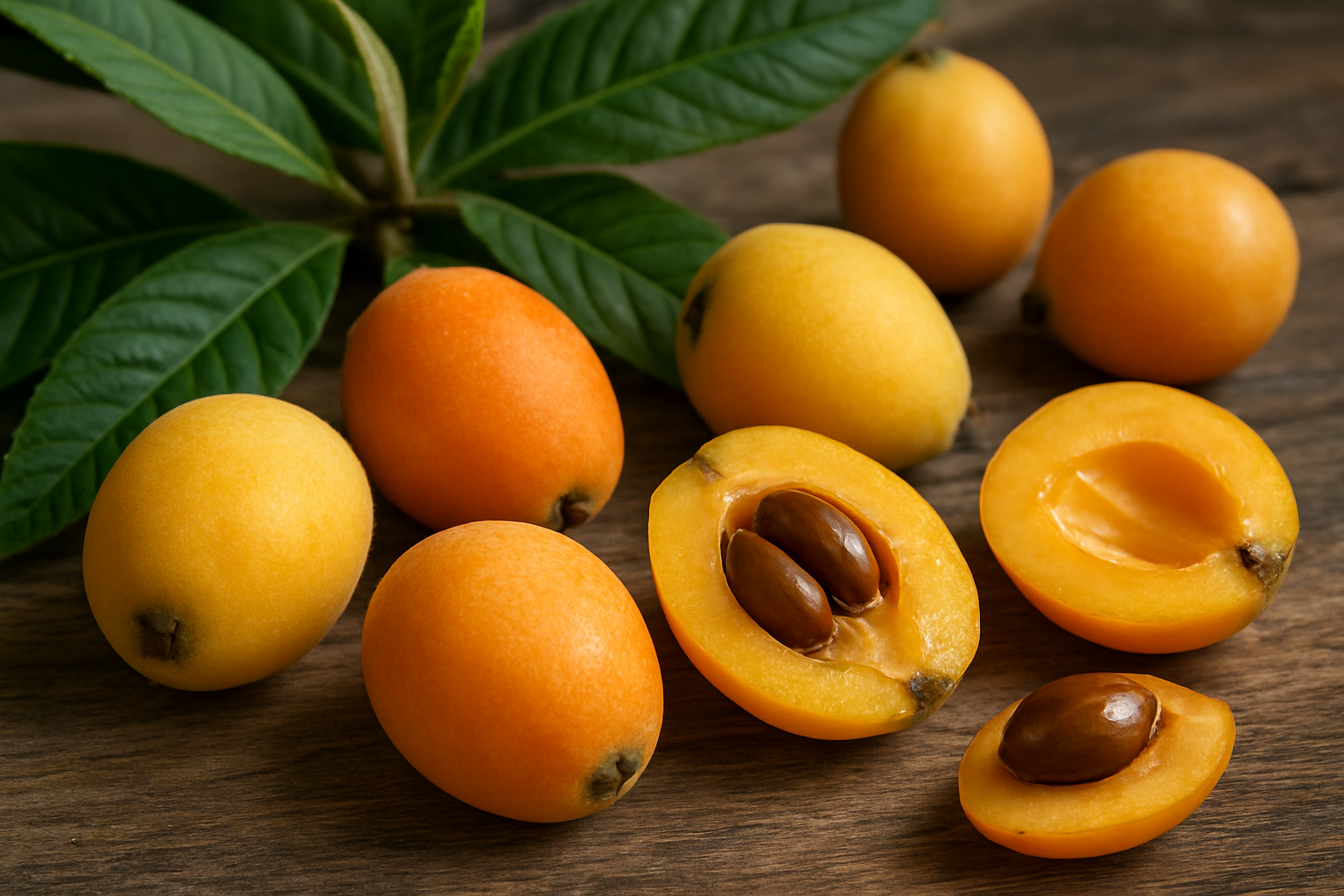
The loquat fruit traces its roots back thousands of years to southeastern China, where it grows wild in the mountainous regions. Ancient Chinese texts from over 2,000 years ago mention this golden treasure, originally called "pipa" due to its resemblance to the traditional Chinese musical instrument. Chinese farmers have cultivated loquats for generations, passing down knowledge about growing and harvesting these delicate fruits.
During the 8th century, Japanese traders brought loquat seeds across the sea, where the fruit became known as "biwa" - again named after a similar-looking Japanese stringed instrument. The Japanese refined cultivation techniques and developed new varieties that could thrive in their unique climate. From Asia, European explorers and missionaries carried loquat seeds to the Mediterranean in the 18th century, and eventually to California in the 1800s.
Today, this Japanese medlar has spread across warm climate zones worldwide. Major growing regions include Japan, China, Turkey, Italy, Spain, Israel, Brazil, and California. Each region has adapted the fruit to local conditions, creating distinct flavor profiles while maintaining the loquat's essential characteristics.
Identify Key Physical Features and Appearance
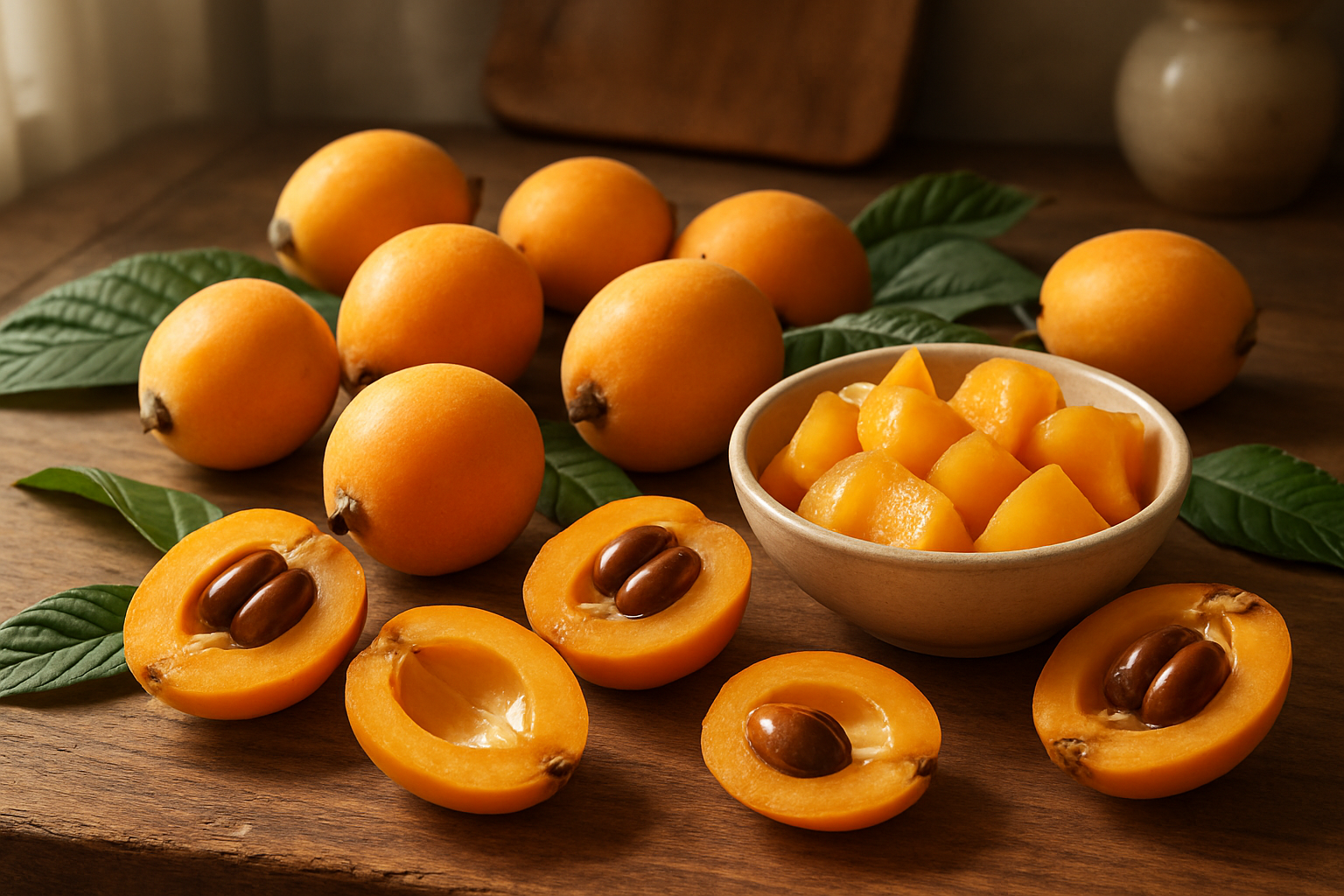
Fresh loquat fruit displays a distinctive oval to pear-shaped form, typically measuring 1 to 2 inches in length. The skin ranges from pale yellow to deep orange-yellow when ripe, with a smooth, slightly fuzzy texture similar to a peach but much thinner. Some varieties show a beautiful blush of pink or red on the sunny side.
Inside, the flesh varies from creamy white to deep orange, depending on the variety. The texture resembles a cross between a peach and an apricot - soft, juicy, and slightly grainy. Each fruit contains 1 to 5 large, glossy brown seeds that take up a significant portion of the fruit's interior.
The loquat tree itself stands as an evergreen beauty, reaching 15 to 30 feet tall with large, leathery leaves that have a distinctive serrated edge and fuzzy underside. White or cream-colored flowers bloom in dense clusters during fall and winter, filling the air with a sweet, almond-like fragrance. The fruit develops over winter months and ripens in late spring to early summer.
Understand Different Loquat Varieties Available
Sweet Varieties:
-
Gold Nugget: Produces large, sweet fruits with orange flesh and minimal tartness
-
Big Jim: Features extra-large fruits with excellent sweet flavor and soft texture
-
Champagne: Offers white flesh with exceptional sweetness and delicate flavor
Tart Varieties:
-
Tanaka: Delivers a perfect balance of sweet and tart with orange flesh
-
MacBeth: Provides intense flavor with noticeable acidity and firm texture
| Variety | Flesh Color | Size | Flavor Profile | Best Use |
|---|---|---|---|---|
| Gold Nugget | Orange | Large | Very Sweet | Fresh eating |
| Champagne | White | Medium | Mild Sweet | Desserts |
| Tanaka | Orange | Medium | Sweet-Tart | Preserves |
| Big Jim | Orange | Extra Large | Sweet | Fresh eating |
Recognize Optimal Growing Conditions
Loquat trees thrive in USDA zones 8-10, preferring mild winters and warm, dry summers. These resilient trees handle temperatures down to about 12°F once established, but young trees need protection from hard freezes. The ideal temperature range sits between 32°F and 85°F during the growing season.
Soil Requirements:
-
Well-draining soil with pH between 6.0-8.0
-
Rich, organic matter content
-
Adequate moisture retention without waterlogging
-
Protection from strong winds that can damage branches
Climate Preferences:
-
Full sun to partial shade exposure
-
Low humidity during fruit ripening
-
Minimal rainfall during harvest season
-
Protection from late spring frosts that can damage developing fruit
Successful loquat cultivation requires proper spacing of 15-20 feet between trees, regular pruning to maintain shape and air circulation, and consistent watering during dry periods. The trees naturally resist many pests and diseases, making them relatively low-maintenance once established.
Unlock the Nutritional Powerhouse Benefits
Boost Your Vitamin A and C Intake
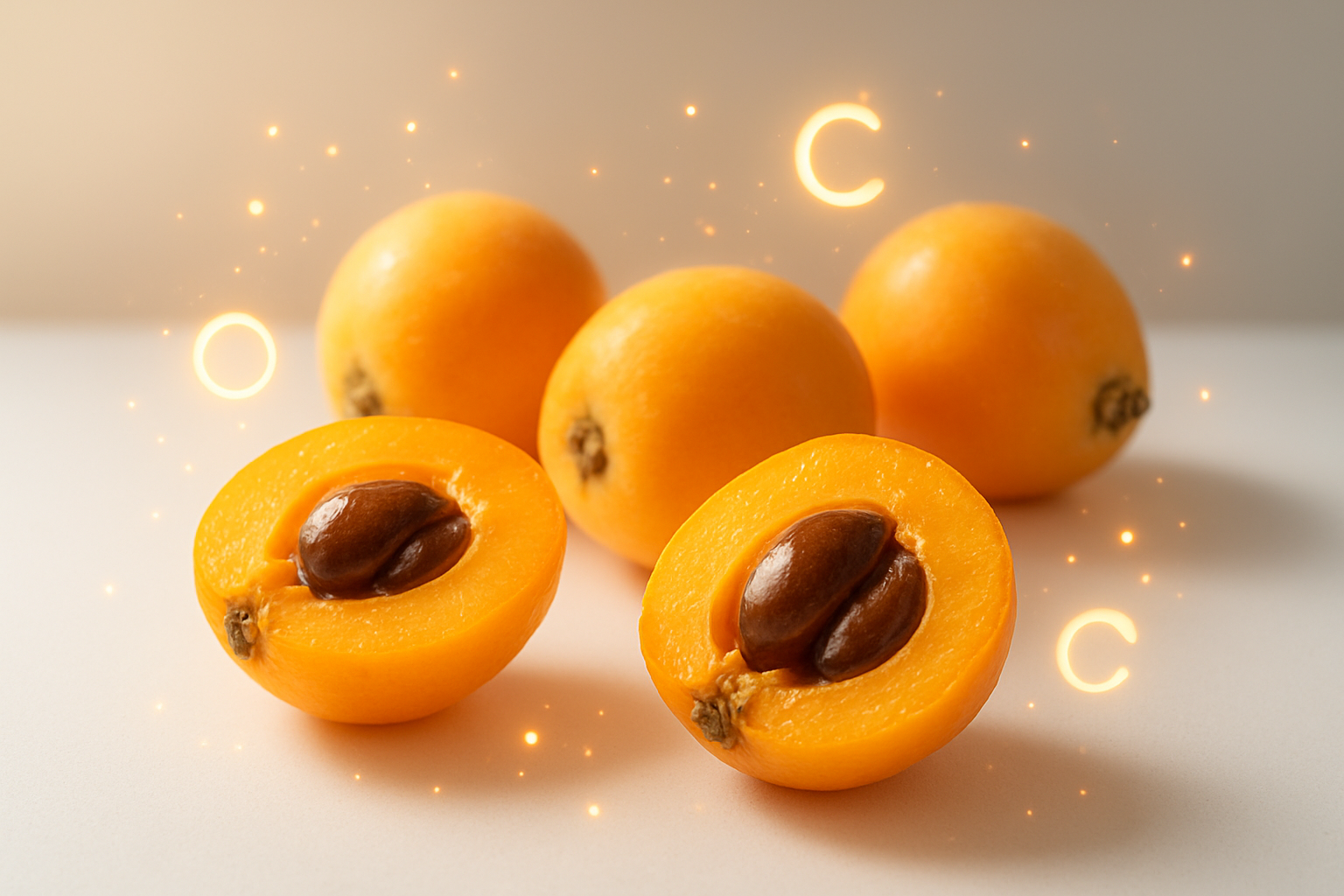
The loquat fruit delivers an impressive punch when it comes to essential vitamins. A single serving provides about 51% of your daily vitamin A needs, making it one of nature's top sources for this crucial nutrient. Vitamin A plays a vital role in maintaining healthy vision, especially night vision, and supports proper cell growth throughout your body.
What makes loquat nutrition particularly exciting is its vitamin C content. Just 100 grams of fresh loquat contains approximately 1mg of vitamin C, which helps your body absorb iron more efficiently and supports collagen production for healthy skin. The combination of these two powerhouse vitamins creates a synergistic effect that enhances your overall wellness.
The beta-carotene found in loquats gives the fruit its beautiful orange hue and converts to vitamin A in your body. This antioxidant helps protect your cells from damage caused by free radicals and supports healthy immune function.
Support Digestive Health with Natural Fiber
Fresh loquat fruit contains both soluble and insoluble fiber, making it an excellent choice for digestive wellness. The soluble fiber helps regulate blood sugar levels by slowing down sugar absorption, while the insoluble fiber adds bulk to your stool and promotes regular bowel movements.
Each medium-sized loquat provides about 1.7 grams of dietary fiber. This natural fiber content helps feed beneficial gut bacteria, creating a healthier digestive environment. Regular consumption of fiber-rich foods like loquats can help prevent constipation and reduce the risk of digestive disorders.
The pectin in loquats acts as a prebiotic, encouraging the growth of good bacteria in your gut. This creates better nutrient absorption and can improve overall digestive comfort.
Strengthen Your Immune System Naturally
The loquat health benefits extend to robust immune support through multiple pathways. The high antioxidant content, including vitamin C, beta-carotene, and phenolic compounds, helps your body fight off infections and reduces inflammation.
Loquats contain natural compounds that have antimicrobial properties, which can help your body defend against harmful bacteria and viruses. The fruit's anti-inflammatory effects also support your immune system by reducing oxidative stress that can weaken your natural defenses.
Regular consumption of loquats provides your body with the building blocks it needs to produce white blood cells and maintain a strong immune response. The combination of vitamins, minerals, and antioxidants creates a comprehensive immune-boosting package that's both delicious and effective.
Master the Art of Selecting and Preparing Loquats
Choose Perfectly Ripe Loquats Every Time
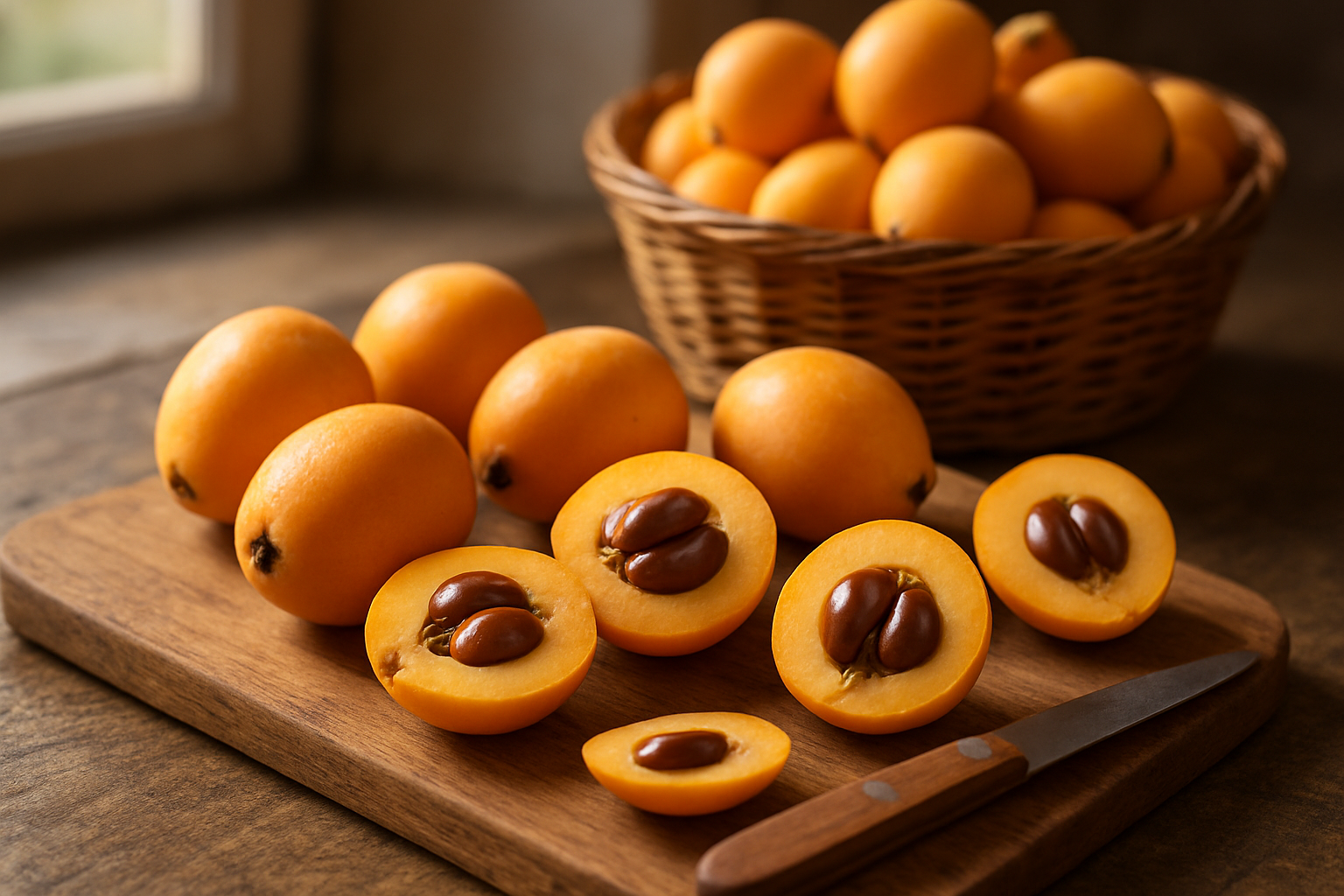
Picking the perfect loquat fruit comes down to understanding the visual and tactile clues these golden gems provide. Ripe loquats display a beautiful golden-orange to yellow color, depending on the variety. The skin should have a slight give when you press gently with your thumb – similar to a ripe peach. Avoid fruits that feel rock-hard or overly soft and mushy.
Look for loquats with smooth, unblemished skin. Dark spots, bruises, or wrinkled areas indicate the fruit is past its prime. The best fresh loquat fruit will have a sweet, fruity aroma at the stem end. If there's no scent at all, the loquat likely isn't ripe yet. Green loquats need more time on the tree, while those with brown patches have started to deteriorate.
Size varies by variety, but quality loquats feel heavy for their size, indicating good juice content. The Japanese medlar varieties tend to be larger and more oval-shaped, while Chinese types are often smaller and rounder.
Store Your Fruit for Maximum Freshness
Proper storage keeps your loquat fruit at peak quality and extends its shelf life significantly. Ripe loquats are best stored in the refrigerator, where they'll maintain freshness for up to one week. Place them in a perforated plastic bag or the crisper drawer to maintain optimal humidity levels.
Unripe loquats can sit at room temperature for 2-3 days to finish ripening. Keep them away from direct sunlight and in a well-ventilated area. Once they reach your desired ripeness, transfer them to the refrigerator immediately.
| Storage Method | Temperature | Duration | Best For |
|---|---|---|---|
| Room Temperature | 68-72°F | 2-3 days | Ripening unripe fruit |
| Refrigerator | 32-40°F | 5-7 days | Ripe loquats |
| Freezer | 0°F | 6-8 months | Peeled, prepared fruit |
For longer storage, you can freeze prepared loquats. Remove the seeds and skin first, then store the flesh in airtight containers or freezer bags. Frozen loquats work great for smoothies and cooking, though the texture changes after thawing.
Remove Seeds and Skin Like a Pro
Learning how to eat loquat properly starts with mastering the preparation technique. The skin of most loquat varieties is edible and contains beneficial nutrients, but many people prefer to remove it due to its slightly fuzzy texture and potential bitterness.
To peel loquats easily, start by washing them thoroughly under cool running water. Make a small cut at the stem end with a paring knife, then peel the skin away in strips – it usually comes off quite easily. For stubborn skin, blanching in boiling water for 30 seconds can help loosen it.
Seed removal requires more attention since loquat seeds are large and potentially toxic in large quantities. Cut the fruit in half lengthwise, then use a small spoon or knife tip to remove the 1-3 large, brown seeds. Some people prefer to cut around the seeds while keeping the fruit whole, creating a spiral cut that leaves the flesh intact.
Pro tip: Keep a small bowl of lemon water nearby while preparing loquats. The fruit flesh can brown quickly when exposed to air, and a quick dip in acidulated water prevents discoloration.
Transform Raw Loquats into Delicious Meals
Raw loquat fruit offers incredible versatility in the kitchen beyond simple snacking. The sweet-tart flavor profile makes it perfect for both sweet and savory applications. Dice fresh loquats into fruit salads, where they pair beautifully with berries, citrus, and tropical fruits.
For breakfast dishes, slice loquats over yogurt, oatmeal, or cereal. Their natural sweetness reduces the need for added sugars. Create refreshing summer drinks by blending loquats with water, ice, and a touch of honey for a Japanese medlar smoothie that's packed with loquat benefits.
Savory preparations showcase the fruit's unique character. Add diced loquats to chicken or pork dishes for a sweet contrast, or incorporate them into salsas with onions, cilantro, and jalapeños. The fruit's natural pectin content makes it excellent for chutneys and relishes that complement grilled meats.
Quick preparation ideas include:
-
Loquat and arugula salad with balsamic vinaigrette
-
Grilled loquat halves with vanilla ice cream
-
Fresh loquat salsa for fish tacos
-
Loquat and goat cheese appetizers
-
Frozen loquat popsicles for summer treats
The key to successful loquat recipes is balancing the fruit's natural sweetness with complementary flavors that don't overpower its delicate taste.
Explore Culinary Uses and Recipe Ideas

Create Refreshing Jams and Preserves
Transform your fresh loquat fruit into delightful spreads that capture summer's essence year-round. The natural sweetness of loquat fruit makes it perfect for creating low-sugar jams that burst with flavor. Start by removing the large seeds and tough skin, then combine equal parts chopped loquats with sugar in a heavy-bottomed pot.
The key to perfect loquat jam lies in balancing the fruit's delicate taste with complementary flavors. Add a splash of lemon juice to brighten the natural sweetness, or incorporate ginger for a subtle warmth. Vanilla bean adds sophistication, while cardamom creates an exotic twist. Cook the mixture over medium heat, stirring regularly until it reaches the perfect gel consistency.
For a chunky preserve, leave some fruit pieces intact during cooking. Smooth jam lovers can blend the mixture before or after cooking. The high pectin content in loquats means your jam will set beautifully without artificial additives. Store your homemade creation in sterilized jars for up to six months, or freeze portions for longer storage.
Loquat recipes for preserves work wonderfully mixed with other stone fruits like apricots or peaches. The combination creates complex flavor profiles that elevate morning toast, yogurt parfaits, or cheese boards to gourmet status.
Add Tropical Flavor to Desserts and Baking
Loquat fruit brings tropical sophistication to both simple and elaborate desserts. Their tender flesh and honey-like sweetness make them ideal for tarts, where they can be arranged beautifully over pastry cream or almond frangipane. The fruit's natural moisture content keeps baked goods tender while adding subtle floral notes.
Poach whole loquats in simple syrup infused with star anise or cinnamon for an elegant dessert that pairs beautifully with vanilla ice cream or panna cotta. The gentle cooking process intensifies the fruit's natural flavors while maintaining its shape. These poached gems also work wonderfully as garnishes for cheesecakes or layered desserts.
For baking enthusiasts, loquat recipes shine in upside-down cakes where the fruit caramelizes during baking, creating stunning presentations. Replace traditional pineapple in upside-down cake recipes with halved, pitted loquats for a sophisticated twist. The fruit's natural sugars caramelize beautifully, creating glossy, amber-colored toppings.
Incorporate diced loquats into muffin batters, quick breads, or coffee cakes for bursts of tropical flavor. Their mild taste won't overpower other ingredients, making them perfect for delicate sponge cakes or light mousses. Fold them into whipped cream for an instant fruit fool, or layer them in trifles with sponge cake and custard.
Blend into Smoothies and Fresh Juices
Fresh loquat fruit transforms ordinary smoothies into tropical escapes packed with natural sweetness and loquat nutrition. Their creamy texture blends seamlessly, creating velvety smoothies without the need for dairy or thickeners. Simply remove the seeds and skin, then blend with your favorite fruits for instant refreshment.
Combine loquats with mango and coconut milk for a rich, tropical smoothie that tastes like vacation in a glass. The natural compatibility between these fruits creates balanced flavors that satisfy without overwhelming sweetness. Add banana for extra creaminess or pineapple for tangy brightness.
For green smoothie lovers, loquats pair surprisingly well with spinach or kale, masking any bitter notes while adding natural sweetness. The fruit's mild flavor allows vegetables to shine through without compromising taste. Boost loquat health benefits by adding chia seeds, protein powder, or Greek yogurt for sustained energy.
Fresh loquat fruit also makes exceptional juice when strained after blending. Mix with sparkling water for a refreshing spritzer, or combine with citrus juices for vitamin-packed morning drinks. The natural sugars in loquats reduce the need for added sweeteners, making these beverages naturally healthy.
Create flavor combinations like loquat-ginger shots for immune support, or blend with cucumber and mint for hydrating summer drinks. The versatility of what is loquat becomes apparent when experimenting with different juice blends that highlight this fruit's unique character.
Avoid Common Mistakes and Safety Considerations
Prevent Digestive Issues from Overconsumption
While loquat fruit offers impressive health benefits, eating too many can lead to uncomfortable digestive problems. The high fiber content that makes loquats so nutritious becomes problematic when consumed in large quantities. Your digestive system needs time to process the fiber, and overdoing it can result in bloating, gas, and stomach cramps.
Start with small portions - maybe 3-4 fresh loquat fruit per day - and see how your body responds. Some people experience loose stools or diarrhea when they consume more than 6-8 loquats in a single sitting. The natural sugars in loquats can also cause digestive upset if you eat too many at once, especially if you have a sensitive stomach.
Pay attention to your body's signals. If you notice any digestive discomfort after eating loquats, reduce your portion size for a few days. Drinking plenty of water when enjoying this Japanese medlar helps your digestive system process the fiber more efficiently.
Handle Seeds Properly for Safety
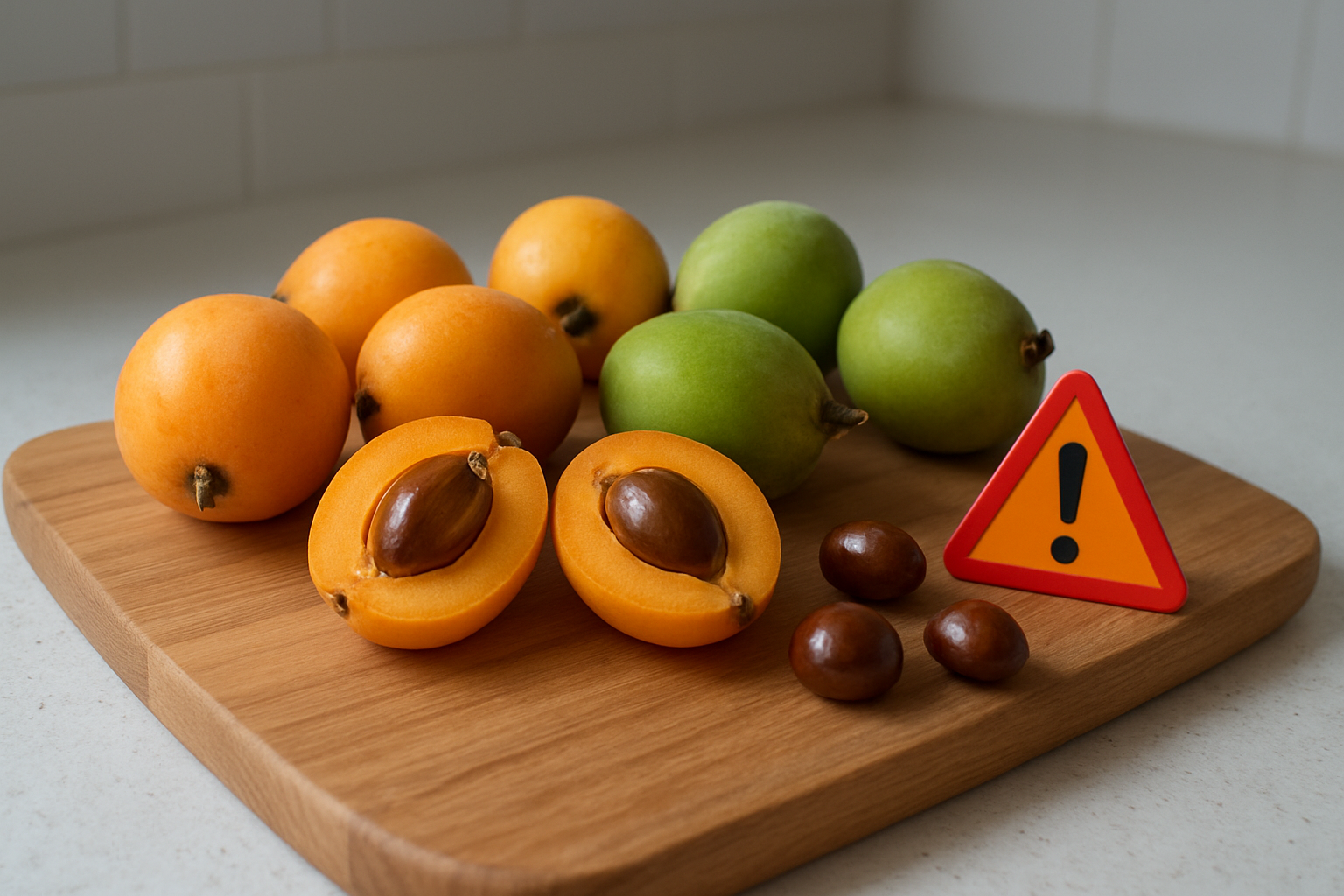
Loquat seeds contain compounds called cyanogenic glycosides, which release small amounts of cyanide when chewed or crushed. Never eat loquat seeds, and always remove them completely before consuming the fruit or using it in loquat recipes.
When preparing fresh loquat fruit, cut the fruit in half lengthwise and scoop out the large, brown seeds with a spoon. Some loquats contain 1-3 seeds depending on the variety. Make sure to check each piece thoroughly, as missing even one seed can pose a risk.
Keep loquat seeds away from children and pets, who might accidentally swallow them. Store removed seeds in a sealed container before disposing of them properly. If you're making preserves or cooking with loquats, double-check that all seeds have been removed during preparation.
Identify Potential Allergic Reactions
Though rare, some people can develop allergic reactions to loquat fruit. Symptoms typically appear within minutes to hours after eating loquats and may include itching in the mouth, swollen lips or tongue, hives, or difficulty breathing.
People with existing fruit allergies, particularly to stone fruits like peaches or apricots, should exercise extra caution when trying loquats for the first time. Cross-reactivity between similar fruits sometimes occurs, making allergic reactions more likely.
Start with a very small piece of loquat fruit if you've never eaten it before. Wait at least 30 minutes to see if any symptoms develop. If you experience any signs of an allergic reaction, stop eating loquats immediately and seek medical attention if symptoms worsen or involve breathing difficulties.
Those with oral allergy syndrome may notice tingling or itching in their mouth when eating raw loquats, but cooked loquats might be better tolerated.
Loquats offer a delightful gateway into exotic fruits that pack serious nutritional benefits. From their sweet-tart flavor profile to their impressive vitamin A and fiber content, these golden gems deserve a spot in your fruit rotation. Learning to pick ripe loquats and properly remove their seeds opens up a world of culinary possibilities, from fresh snacks to preserves and baked goods.
Ready to expand your fruit horizons? Start by visiting your local Asian market or specialty grocery store to find fresh loquats during their spring season. Remember to avoid the seeds and enjoy the flesh for a safe, nutritious treat. Your taste buds will thank you for discovering this underrated fruit that brings both flavor and health benefits to your table.


.png)
Comments
Post a Comment