Medlar - What's the Medlar Fruit?
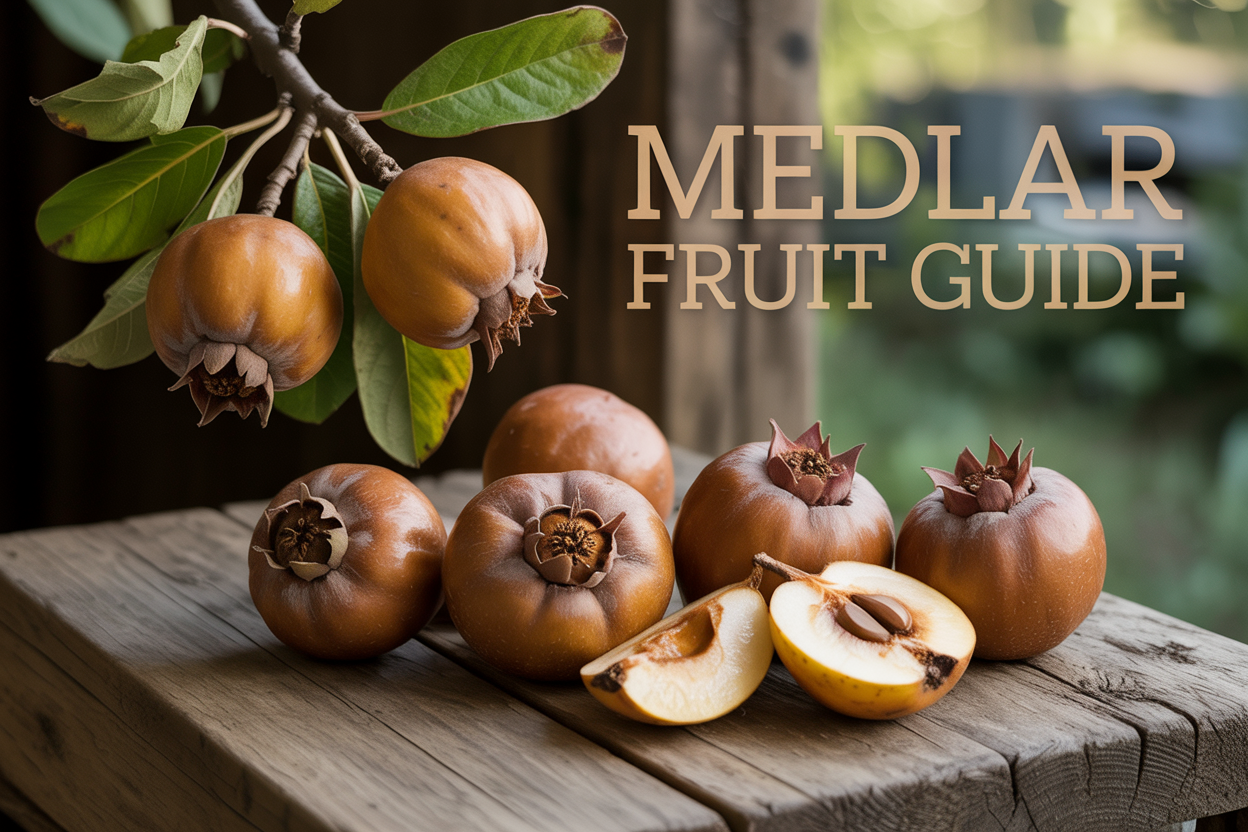
The medlar fruit might look like something from a fairy tale, but this ancient fruit has been delighting taste buds for over 3,000 years. If you're curious about unusual fruits or love exploring heritage varieties, the medlar offers a truly unique eating experience that's unlike any modern fruit you've tried.
This comprehensive guide is perfect for gardening enthusiasts, fruit lovers, and anyone interested in rare fruits with fascinating backstories. We'll explore what makes the medlar so special, from its medieval origins to its unusual ripening process called bletting.
You'll discover the medlar's rich history and why it was once considered a delicacy in royal courts across Europe. We'll also cover practical medlar cultivation tips, including how to grow your own medlar tree and master the timing of your medlar harvest. Finally, we'll dive into the medlar fruit taste and share traditional medlar recipes, including the famous medlar jelly that transforms this hard fruit into a sweet delicacy.
Discover the Ancient Medlar Fruit's Unique Characteristics
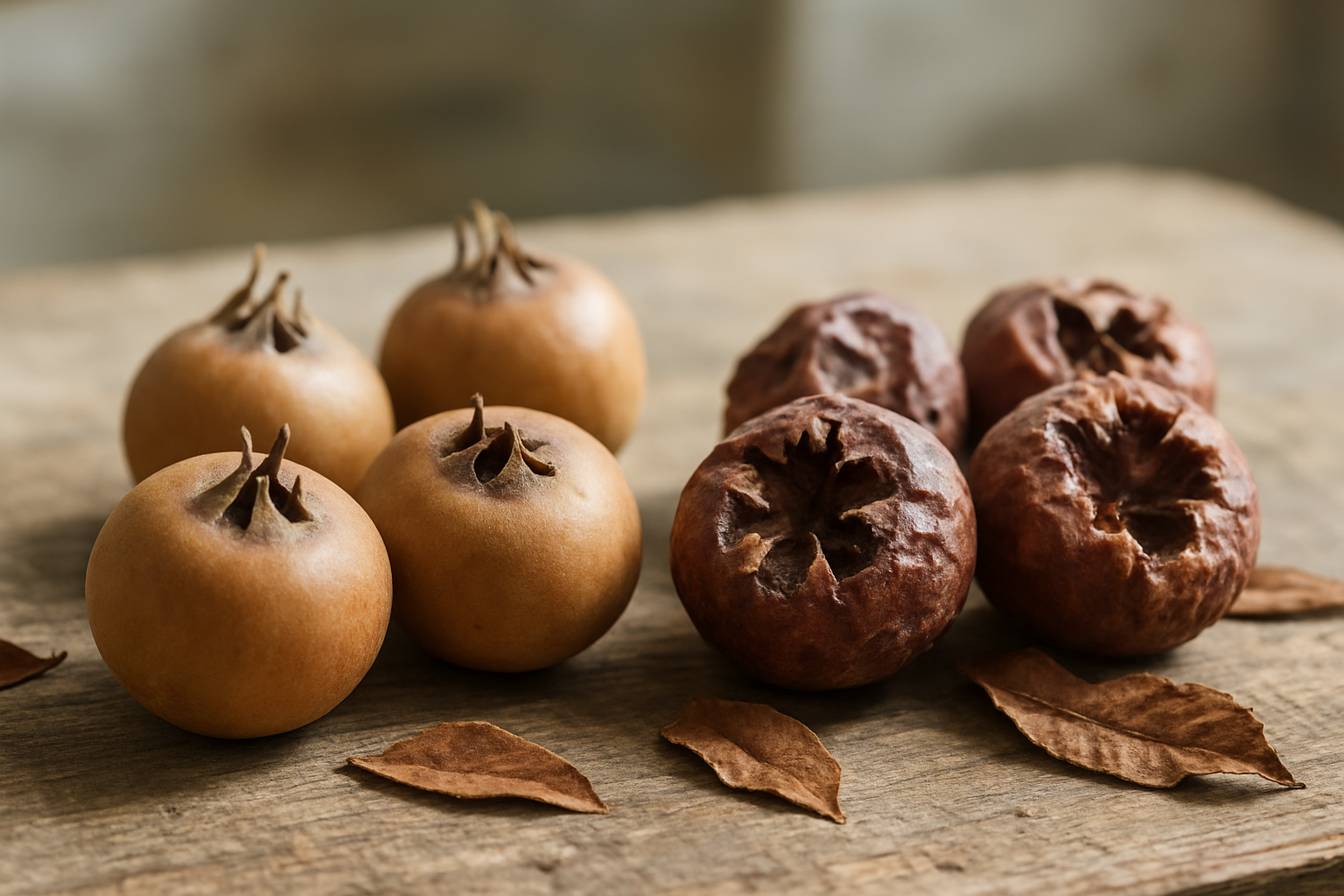
Recognize the distinctive brown, rough-textured appearance
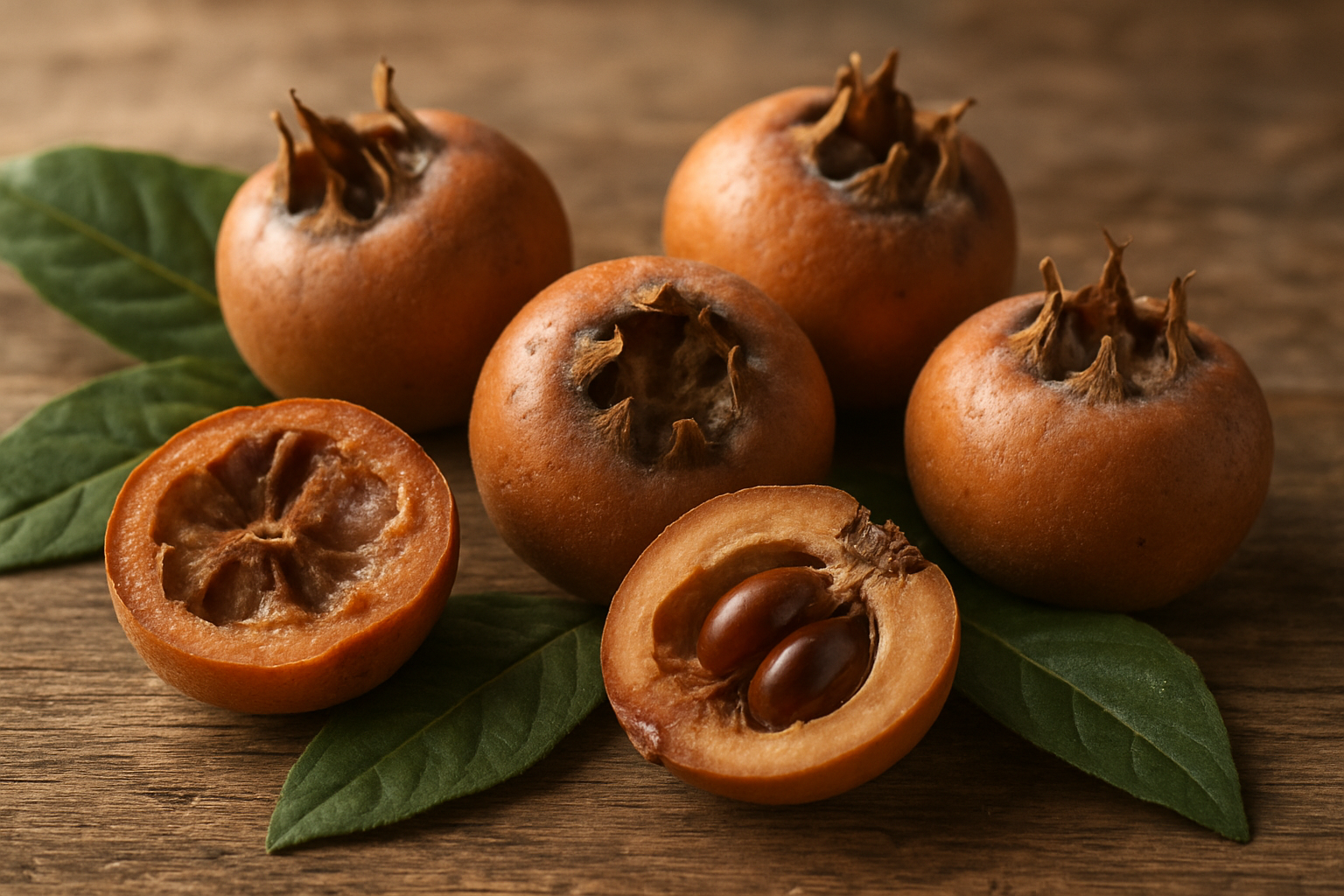
The medlar fruit stands out in the world of unusual fruits with its distinctive russet-brown skin that looks almost weathered and ancient. Unlike the smooth, polished appearance of common orchard fruits, medlars display a rough, bumpy texture that resembles aged leather or bark. This unique appearance often catches people off guard when they first encounter this rare fruit hanging from medlar tree branches.
The skin color ranges from deep golden-brown to rich russet, sometimes with patches of darker brown or even reddish hues. This coloration develops naturally as the fruit matures, creating an earthy, almost prehistoric appearance that hints at the ancient fruits category this specimen belongs to. The surface feels coarse to the touch, with small bumps and irregularities that give each fruit its own character.
Many people describe the medlar's appearance as looking like a large, flattened rose hip or a small, weathered apple that's been left in the sun too long. This unusual appearance has earned the medlar various nicknames throughout history, though its distinctive look is actually a key identifying feature that helps distinguish it from other heritage fruits.
Understand the unusual open-ended crown structure
What truly sets the medlar fruit apart from other fruits is its remarkable open-ended crown structure, which creates a window into the fruit's interior. This distinctive feature, botanically called the calyx, remains wide open at the top of the fruit, creating a crown-like appearance with prominent sepals that curve outward like petals.
The open crown reveals the fruit's internal chambers, making the medlar one of the few fruits where you can actually peer inside before cutting it open. This unusual structure consists of five persistent sepals that spread wide, creating an opening roughly the size of a penny. The sepals themselves are thick, leathery, and often curl backward, giving the fruit an almost flower-like appearance even when fully mature.
This crown structure serves both practical and identifying purposes. For growers learning about medlar cultivation, this feature helps determine fruit maturity and quality. The opening also plays a role in the fruit's natural ripening process, allowing air circulation that affects how the medlar fruit ripening occurs during the traditional bletting process.
The crown's prominence varies among different medlar varieties, with some displaying more pronounced openings than others. This architectural feature has fascinated botanists and fruit enthusiasts for centuries, making the medlar instantly recognizable among ancient fruits.
Learn about the fruit's small to medium sizing
Medlar fruits typically measure between 1 to 3 inches in diameter, placing them firmly in the small to medium fruit category. Most specimens average around 2 inches across, making them roughly the size of a large plum or small apple, though considerably flatter in profile. This compact sizing makes medlars perfect for individual servings and easy handling during medlar harvest time.
The fruit's shape is distinctly flattened rather than round, with a width that often exceeds its height. This gives medlars their characteristic squat appearance, almost like someone gently pressed down on a small apple. Weight typically ranges from 2 to 4 ounces per fruit, making them substantial enough to provide a satisfying portion while remaining manageable for various medlar recipes.
Size can vary significantly depending on growing conditions, tree age, and variety. Well-established trees with proper medlar tree growing techniques often produce larger fruits, while younger trees or those under stress may yield smaller specimens. The sizing also affects the bletting process duration, with larger fruits requiring additional time to reach optimal eating condition.
For those interested in medlar cultivation, understanding typical fruit sizing helps with harvest planning, storage requirements, and culinary applications. The modest size makes medlars ideal for preserving whole in jars or processing into medlar jelly, where their unique proportions contribute to excellent cooking results.
Explore Medlar's Rich Historical Background and Cultural Significance
Trace the fruit's origins in ancient Persia and Asia Minor
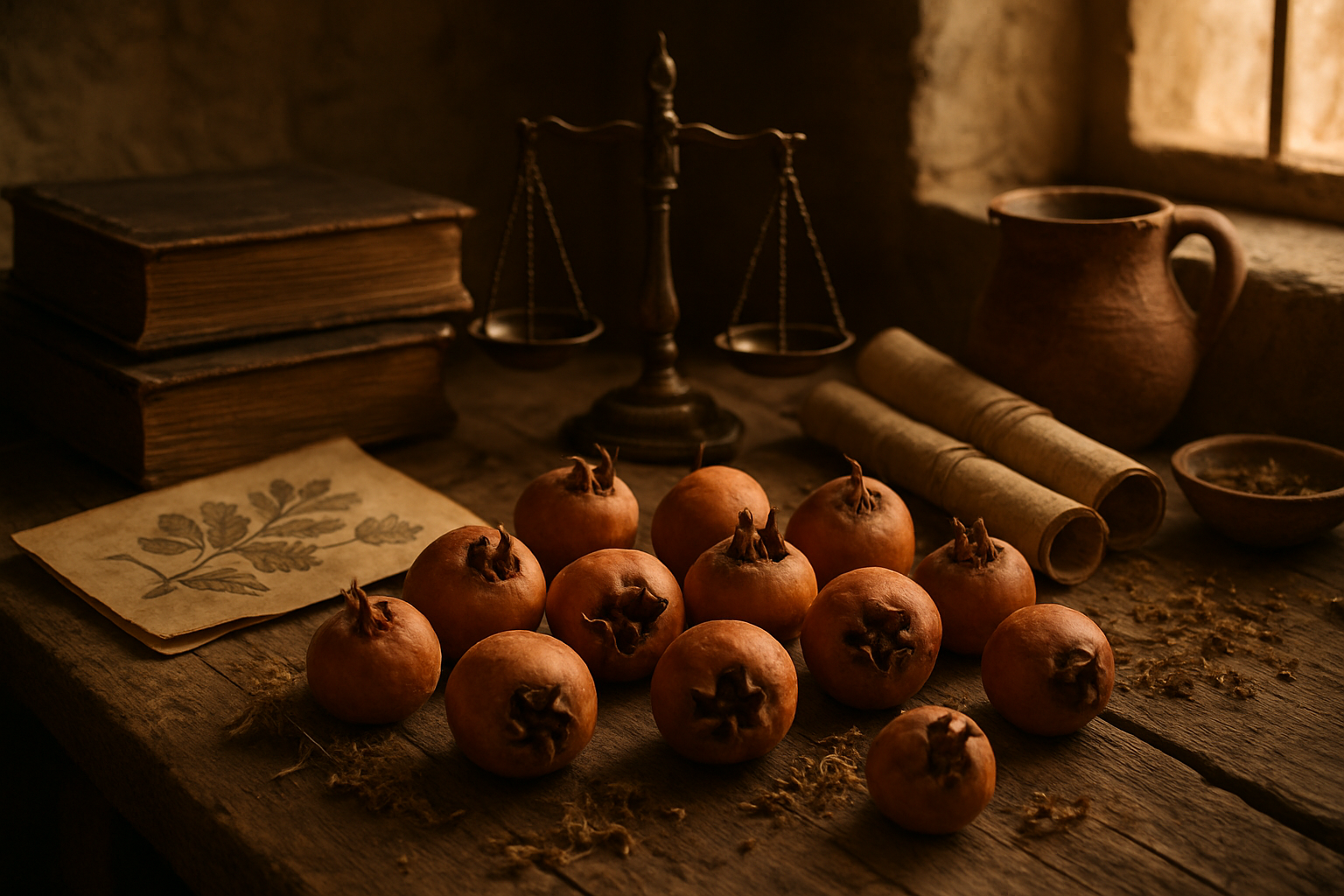
The medlar fruit has ancient roots stretching back over 3,000 years to the mountainous regions of Persia and Asia Minor, where wild medlar trees first caught the attention of early civilizations. Archaeological evidence suggests that ancient peoples in these regions were already familiar with this unusual fruit, recognizing its value despite its challenging ripening requirements.
Ancient Persian texts describe medlar cultivation techniques that closely mirror modern practices, indicating sophisticated understanding of the tree's needs. The fruit spread westward through trade routes, with Greek and Roman merchants introducing medlars to Mediterranean cultures. Greek physician Dioscorides documented the fruit's medicinal properties in his famous work "De Materia Medica," establishing medlar as both food and medicine in ancient pharmacology.
The Romans embraced medlar cultivation with particular enthusiasm, developing improved varieties through selective breeding. Latin poet Ovid referenced medlars in his agricultural writings, praising their keeping qualities and unique flavor profile. Roman agricultural texts describe specific grafting techniques designed to enhance fruit size and flavor, showing remarkable horticultural knowledge for the era.
Uncover medieval European cultivation and popularity
Medieval Europe witnessed the golden age of medlar cultivation, with monasteries and noble estates competing to grow the finest specimens. During the 13th and 14th centuries, medlars became a symbol of patience and delayed gratification, perfectly aligned with medieval Christian virtues. Monastery gardens across France, England, and Germany featured dedicated medlar orchards, with monks perfecting cultivation techniques passed down through generations.
Royal gardens prominently displayed medlar trees, and the fruit appeared regularly on feast tables of European nobility. Medieval cookbooks contain numerous medlar recipes, from simple preparations to elaborate preserves served at royal banquets. The fruit's ability to store well through winter months made it particularly valuable during harsh European winters when fresh fruit was scarce.
Medieval agricultural treatises detail specific medlar tree growing methods, including optimal planting locations, pruning schedules, and harvest timing. European farmers developed regional varieties adapted to local climates, creating distinct medlar types that dominated different geographical areas. Markets in major cities like Paris, London, and Rome featured medlar vendors selling both fresh and processed forms of the fruit.
Discover literary references in Shakespeare and ancient texts
Shakespeare immortalized the medlar in several plays, using the fruit as a metaphor for aging, patience, and the passage of time. In "Romeo and Juliet," Mercutio's bawdy wordplay involving medlars demonstrates the fruit's common presence in Elizabethan England. The playwright's intimate knowledge of medlar characteristics suggests widespread familiarity among his audiences.
Classical literature contains numerous medlar references, with Roman poets like Virgil and Pliny the Elder documenting cultivation practices and cultural significance. Ancient Greek texts describe medlar's role in religious ceremonies and seasonal festivals, where the bletting process symbolized spiritual transformation and renewal.
Medieval European literature features medlars in allegories about patience and virtue, with the fruit's unique ripening requirements serving as perfect metaphors for spiritual development. French troubadour songs mention medlars in romantic contexts, while English ballads reference the fruit in seasonal celebrations and harvest festivities.
Learn why the fruit nearly disappeared from modern diets
The decline of medlar popularity began during the Industrial Revolution when faster-ripening, commercially viable fruits dominated agricultural focus. Unlike apples or pears that ripen quickly and ship easily, medlars required the time-consuming medlar fruit ripening process called bletting, making them impractical for mass distribution systems.
Changing dietary preferences in the 19th and 20th centuries favored sweeter, immediately edible fruits over medlars' complex flavor profile. Urban populations lost connection with traditional preservation methods, viewing the lengthy ripening process as inconvenient rather than beneficial. Commercial orchards abandoned ancient fruits like medlars in favor of crops with broader market appeal and higher profit margins.
Two world wars devastated European medlar orchards, with many heritage varieties lost forever as farmers focused on essential food crops. Post-war agricultural policies emphasized high-yield commercial varieties, leaving traditional heritage fruits like medlars without government support or research funding. Modern supermarket chains rejected medlars due to their unusual appearance and complex handling requirements, effectively eliminating them from mainstream food distribution.
Today's revival of interest in rare fruits and sustainable agriculture has sparked renewed medlar cultivation, though production remains limited to specialty growers and heritage fruit enthusiasts who appreciate the fruit's unique medlar fruit taste and historical significance.
Master the Art of Growing and Harvesting Medlar Trees
Choose the right climate and soil conditions for optimal growth
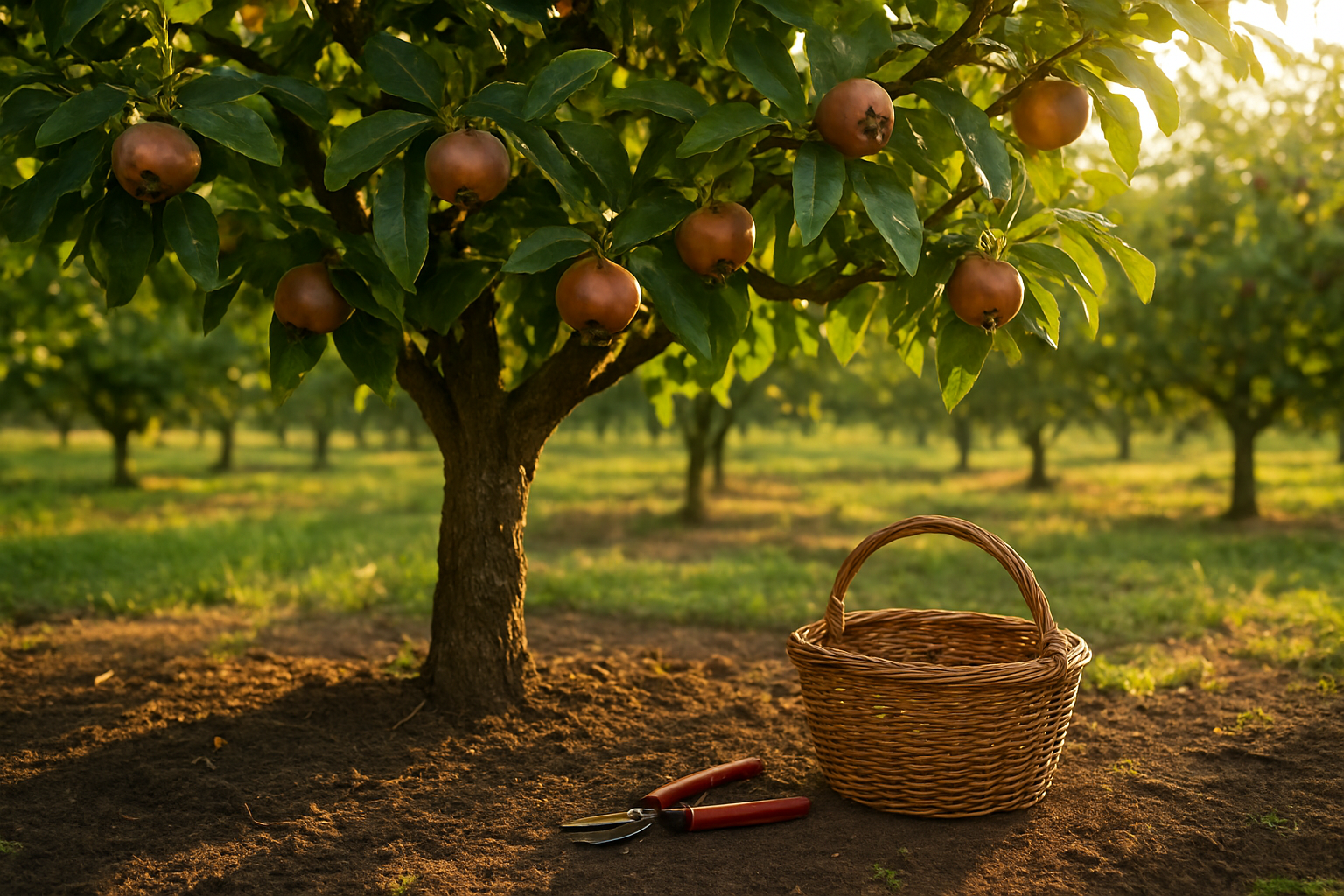
Medlar trees thrive in temperate climates with cold winters and warm summers. These hardy trees need a proper winter chill to produce fruit, requiring around 300-500 hours below 45°F during dormancy. If you live in USDA hardiness zones 4-8, your climate likely supports successful medlar tree growing.
Your soil plays a huge role in determining how well your medlar cultivation goes. These trees prefer well-draining soil with a slightly acidic to neutral pH between 6.0-7.0. Heavy clay soils that stay waterlogged will cause root rot, while sandy soils that drain too quickly won't retain enough moisture. The sweet spot is loamy soil enriched with organic matter.
Test your soil's drainage by digging a hole about 12 inches deep and filling it with water. If water remains after 24 hours, you'll need to improve drainage by adding compost, aged manure, or creating raised beds. Medlar trees also appreciate full sun exposure, though they'll tolerate partial shade in hotter climates.
Select appropriate medlar varieties for your region
Different medlar varieties offer unique characteristics that suit various growing conditions and taste preferences. 'Nottingham' stands out as the most cold-hardy variety, perfect for northern climates and known for its excellent flavor when properly ripened through the bletting process.
For milder regions, 'Dutch' medlars produce larger fruit with a more pronounced taste. This variety grows vigorously but requires adequate space since mature trees can reach 15-20 feet tall and wide. 'Royal' medlars offer a good balance between size and flavor, making them popular among home gardeners.
Consider these factors when choosing your variety:
-
Climate tolerance: Match cold hardiness to your zone
-
Space requirements: Account for mature tree size
-
Fruit characteristics: Size, flavor intensity, and ripening time
-
Pollination needs: Most medlars are self-fertile but benefit from cross-pollination
Follow proper planting and care techniques
Plant your medlar tree during dormancy in late fall or early spring when soil temperatures are cool but workable. Dig a hole twice as wide as the root ball but no deeper than the container - planting too deep kills more trees than any other mistake.
Space medlar trees at least 15 feet apart to allow for proper air circulation and mature growth. After planting, water deeply and apply a 3-inch layer of organic mulch around the base, keeping mulch away from the trunk to prevent pest and disease issues.
Regular watering during the first two years helps establish strong root systems. Once established, medlar trees become quite drought-tolerant. Pruning should focus on removing dead, diseased, or crossing branches during dormancy. These trees naturally develop attractive, spreading shapes that need minimal intervention.
Annual feeding with compost or balanced fertilizer in early spring supports healthy growth and fruit production. Watch for common pests like aphids and scale insects, though medlar trees generally experience fewer problems than other fruit trees.
Time your harvest correctly for best results
Medlar harvest timing requires patience and understanding of this unusual fruit's ripening process. Unlike most fruits that ripen on the tree, medlars must be picked while still hard and green-brown, typically after the first frost in late October or November.
The fruit should easily separate from the branch with a gentle twist - forced picking damages both fruit and tree. Properly timed medlar harvest ensures the best results during the subsequent bletting process, where the hard fruit transforms into something edible.
Look for these harvest indicators:
-
Fruit color changes from green to brown
-
Easy separation from branches
-
Firm but not rock-hard texture
-
Frost has occurred (improves flavor development)
Store harvested medlars in a cool, dry place with good air circulation. Arrange them in single layers on newspaper or wooden trays, checking regularly for the softening that signals successful ripening. This patience-testing process can take several weeks but rewards you with a unique fruit experience that connects you to centuries of culinary tradition.
Transform Hard Medlar Fruit Through Proper Ripening Techniques
Understand the essential bletting process for edibility
The medlar fruit undergoes a fascinating transformation called bletting, which is absolutely crucial for making this ancient fruit edible. Unlike other fruits that ripen on the tree, medlar fruit ripening happens after harvest when the fruit appears to "rot" in a controlled manner. This unique process breaks down the tannins and hard flesh, converting starches into sugars and creating the fruit's distinctive sweet, wine-like flavor.
During bletting, enzymes work their magic on the medlar's internal structure. The fruit's astringent, rock-hard flesh gradually softens from the inside out. This natural fermentation process can take anywhere from two to six weeks, depending on temperature and storage conditions. The medlar fruit transforms from an inedible, bitter stone into a sweet, aromatic delicacy that tastes like a cross between apple butter and dates with hints of wine.
You'll know the bletting process has begun when the fruit starts to wrinkle slightly and gives way to gentle pressure. The skin remains intact while the interior becomes custard-like. This ancient preservation method has been used for centuries, making medlars one of the few fruits that actually improve after appearing to spoil.
Create ideal storage conditions for natural softening
Proper storage creates the perfect environment for successful medlar fruit ripening. Temperature control plays the most critical role in this process. Store your harvested medlars in a cool, dry place with temperatures between 32-40°F (0-4°C). A garage, unheated basement, or refrigerator crisper drawer works perfectly for maintaining these conditions.
Humidity levels should stay around 85-90% to prevent the fruit from drying out while bletting. Place medlars in shallow wooden boxes or cardboard trays, arranging them in single layers with good air circulation. Avoid plastic bags or airtight containers, which can cause unwanted mold growth and interrupt the natural softening process.
Check your medlars every few days, removing any fruit showing signs of actual decay or mold. The difference between bletting and rotting becomes clear with experience - bletting fruit maintains its shape and develops a pleasant, wine-like aroma, while rotting fruit becomes mushy and smells unpleasant.
Some growers prefer storing medlars in slightly warmer conditions (around 50°F) to speed up the process, but this requires more careful monitoring. Patience rewards you with better flavor development when you let nature take its course at cooler temperatures.
Recognize when fruit reaches perfect eating consistency
Knowing when your medlar has reached peak eating condition takes practice, but several clear indicators signal readiness. The fruit should feel soft when gently squeezed, similar to a very ripe pear or overripe banana. The skin may appear slightly wrinkled but should remain intact without any splits or dark spots that indicate actual decay.
A properly bletted medlar gives off a sweet, aromatic fragrance reminiscent of wine or apple cider. When you cut the fruit open, the flesh should have a brown, custard-like consistency that easily separates from the large seeds. The taste should be sweet and complex, without any of the harsh astringency present in unripe fruit.
| Stage | Texture | Appearance | Aroma | Taste |
|---|---|---|---|---|
| Unripe | Rock hard | Green-brown | None | Bitter, astringent |
| Early bletting | Firm with slight give | Light browning | Mild fruity | Still astringent |
| Perfect eating | Soft, custard-like | Wrinkled, brown | Sweet, wine-like | Sweet, complex |
| Over-bletted | Mushy | Very wrinkled | Fermented | Too soft, alcoholic |
Avoid common mistakes that ruin the ripening process
Several common errors can destroy your medlar harvest before the bletting process completes successfully. The biggest mistake involves harvesting too early. Medlars need to experience at least one light frost on the tree before picking, as this initiates the chemical changes necessary for proper bletting. Fruit picked too early will simply shrivel and never develop the desired texture or flavor.
Temperature fluctuations wreak havoc on the ripening process. Avoid storing medlars in areas where temperatures swing wildly, like near heating vents or in direct sunlight. Consistent cool temperatures ensure even bletting throughout the fruit. Many beginners panic when they see the fruit beginning to wrinkle and throw it away, mistaking the natural bletting process for spoilage.
Another frequent error involves storing different fruits together. Medlars should be kept separate from apples, bananas, or other ethylene-producing fruits, which can interfere with the natural bletting timeline. Also, resist the temptation to speed up the process by storing medlars in warm areas - this often leads to uneven ripening and off-flavors.
Check your stored fruit regularly but handle it minimally. Excessive handling can bruise the softening fruit and create entry points for harmful bacteria. When you do check, use gentle pressure and trust your nose - healthy bletting fruit smells pleasant, while truly spoiled fruit has an unmistakable sour or alcoholic odor.
Enjoy Medlar's Unique Flavor and Culinary Applications
Experience the distinctive wine-like, apple-cinnamon taste profile
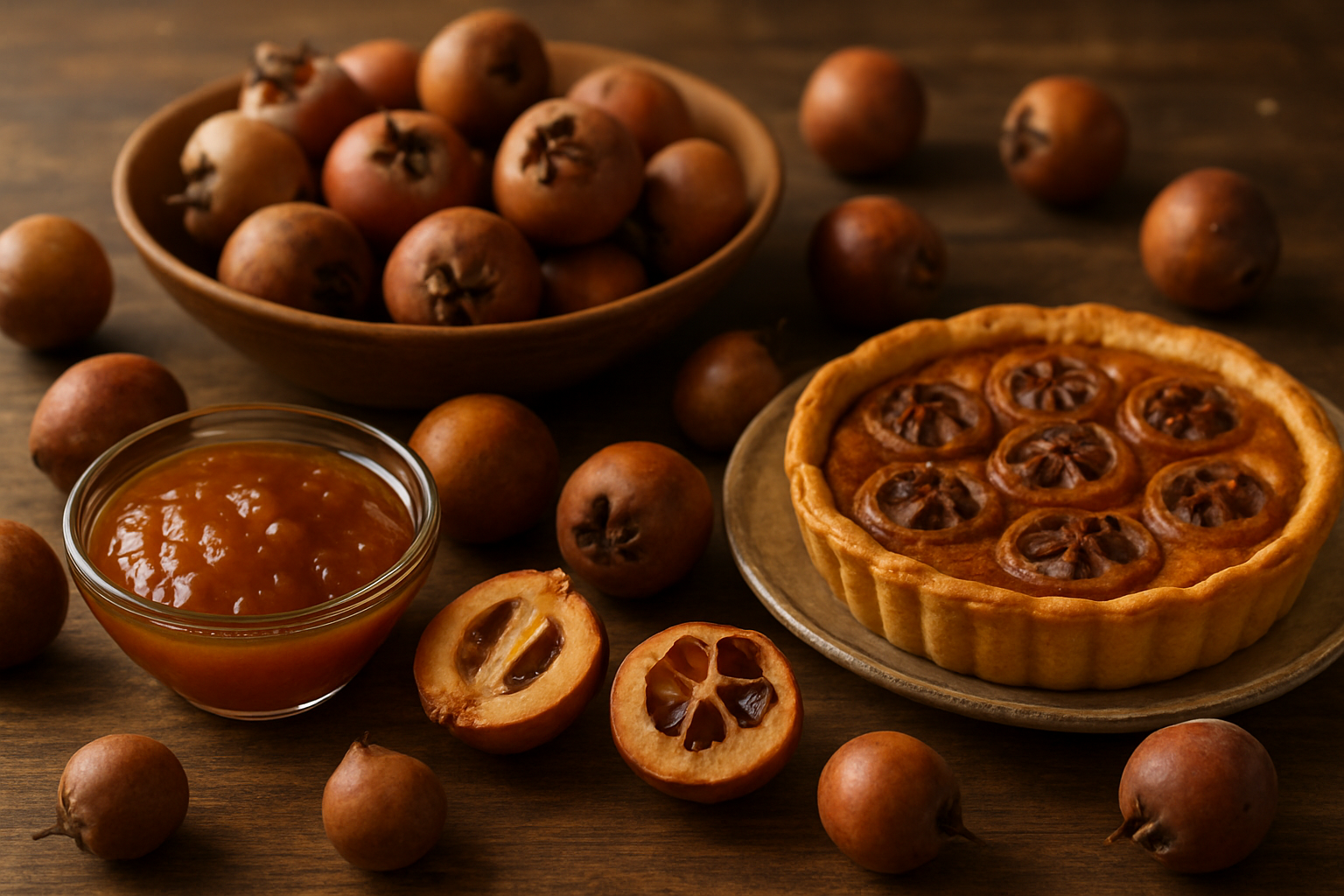
The medlar fruit taste is unlike anything you'll find in your typical grocery store produce section. When properly ripened through the bletting process, medlars develop a complex flavor profile that surprises first-time tasters. The texture becomes soft and custard-like, similar to overripe dates or figs, while the taste combines sweet and tangy notes reminiscent of spiced wine or apple cider.
The initial bite reveals hints of cinnamon and nutmeg, followed by subtle apple undertones that give way to a slightly acidic finish. Many people describe the medlar fruit taste as having honey-like sweetness balanced with a wine-like depth. The aromatic quality is particularly striking – the scent alone can transport you to autumn orchards filled with spiced air.
Fresh medlars eaten straight from the tree offer the purest expression of this ancient fruit's flavor. The pulp separates easily from the seeds and skin once fully bletted, making it simple to enjoy the creamy interior. Some describe the experience as eating nature's custard, with each bite delivering layers of complexity that develop on your palate.
Prepare traditional medlar jelly and preserves
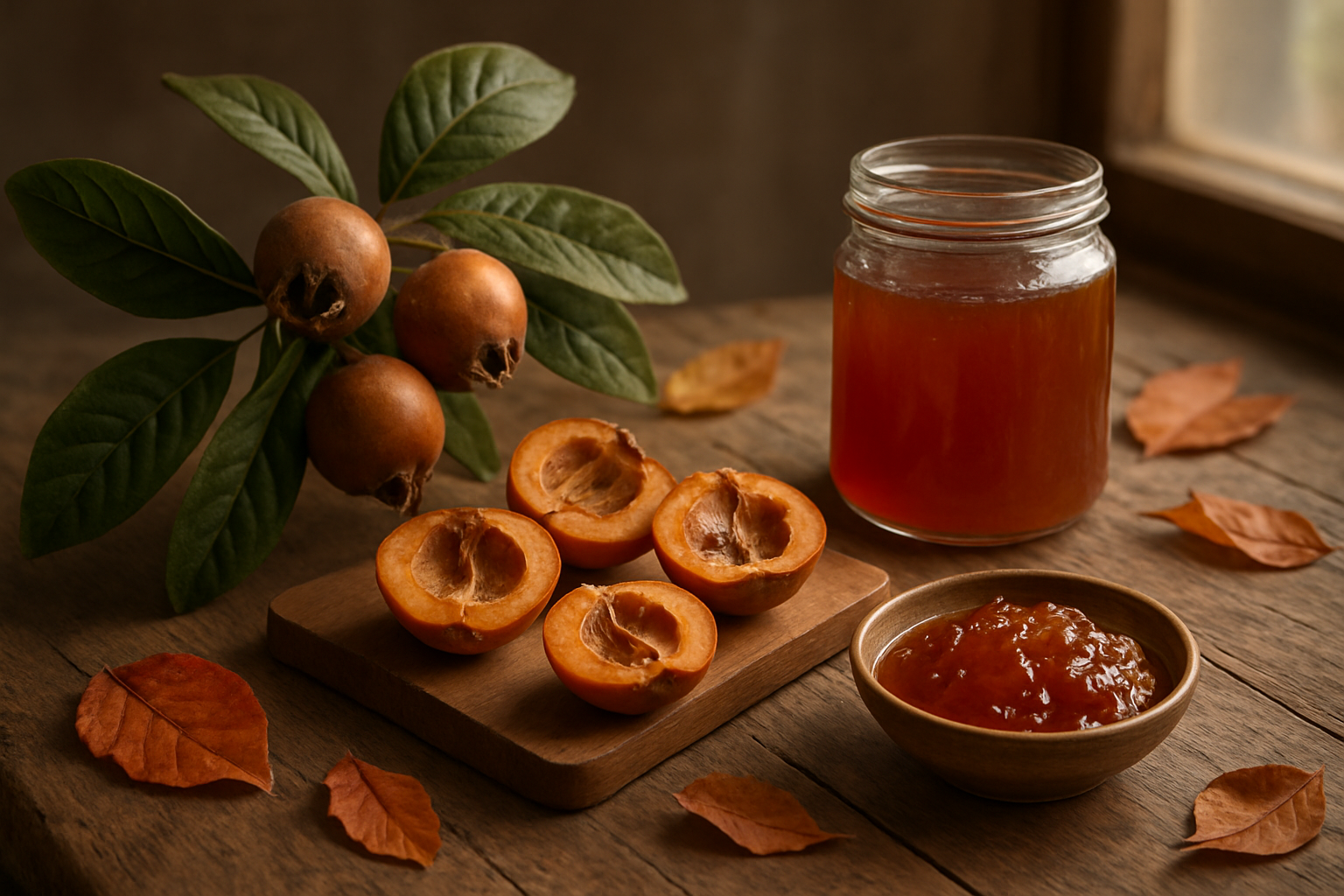
Medlar jelly represents one of the most celebrated ways to preserve this heritage fruit. The natural pectin content in medlars makes them ideal for jelly-making, creating a beautiful amber-colored spread with exceptional flavor. Traditional medlar jelly recipes date back centuries and remain largely unchanged, testament to their perfection.
To create medlar jelly, start with fully bletted fruits that yield to gentle pressure. Remove the stems and wash the fruits thoroughly, but leave the skins and cores intact – they contribute essential pectin. Simmer the medlars with just enough water to prevent sticking, cooking until the fruit breaks down completely. Strain the mixture through cheesecloth or a jelly bag overnight, avoiding the temptation to squeeze, which would cloud the final product.
The resulting juice combines with sugar in equal proportions, then boils rapidly until it reaches the gel point. The finished medlar jelly has a sophisticated flavor that pairs beautifully with cheese, game meats, or simply spread on warm toast. The natural tartness balances the sweetness, creating a preserve that's both rustic and refined.
Medlar preserves offer a chunkier alternative to smooth jelly. These retain pieces of the fruit, providing texture along with flavor. The preparation follows similar principles but requires less straining, allowing some fruit pieces to remain in the final product.
Incorporate fresh medlar into modern dessert recipes
Creative bakers and dessert enthusiasts have discovered numerous ways to showcase medlars in contemporary recipes. The fruit's natural sweetness and unique flavor profile make it an excellent substitute for more common fruits in various dessert applications.
Medlar sorbet captures the fruit's essence in a refreshing frozen dessert. The natural acids in medlars prevent the sorbet from freezing too hard, while the complex flavors create an elegant palate cleanser. Combine bletted medlar pulp with simple syrup and a touch of lemon juice, then churn in an ice cream maker for a sophisticated finish to any meal.
Modern medlar recipes also include fruit tarts where the custard-like texture of properly ripened medlars creates a natural filling. The fruit pairs exceptionally well with pastry cream, almonds, and warm spices like cardamom or star anise. Medlar compote serves as an excellent topping for panna cotta or vanilla ice cream, adding both visual appeal and distinctive flavor.
Medlar fruit benefits extend beyond taste to include natural pectin content, making them excellent for creating fruit leathers or incorporating into no-added-pectin jams. The fruit's ability to thicken naturally means less processing and more authentic flavors in homemade desserts. Experimental chefs have also created medlar mousses, incorporating the fruit's natural creaminess into light, airy desserts that highlight its unique characteristics.
The medlar fruit offers a fascinating journey into both gardening and culinary exploration. From its ancient origins and cultural significance to the unique process of bletting that transforms hard, astringent fruit into sweet, custard-like delicacies, medlars provide an experience unlike any other fruit. Growing these hardy trees rewards patient gardeners with not only beautiful spring blossoms and attractive foliage but also a harvest that connects them to centuries of tradition.
Ready to add something truly special to your garden and kitchen? Consider planting a medlar tree and discovering why this forgotten fruit captivated our ancestors. With proper care and the patience to let the fruit blet naturally, you'll unlock flavors that range from spiced apple butter to rich, wine-like complexity. The medlar proves that some of the best things in life are worth waiting for.


.png)
Comments
Post a Comment