Nectarines - What Are Nectarines?
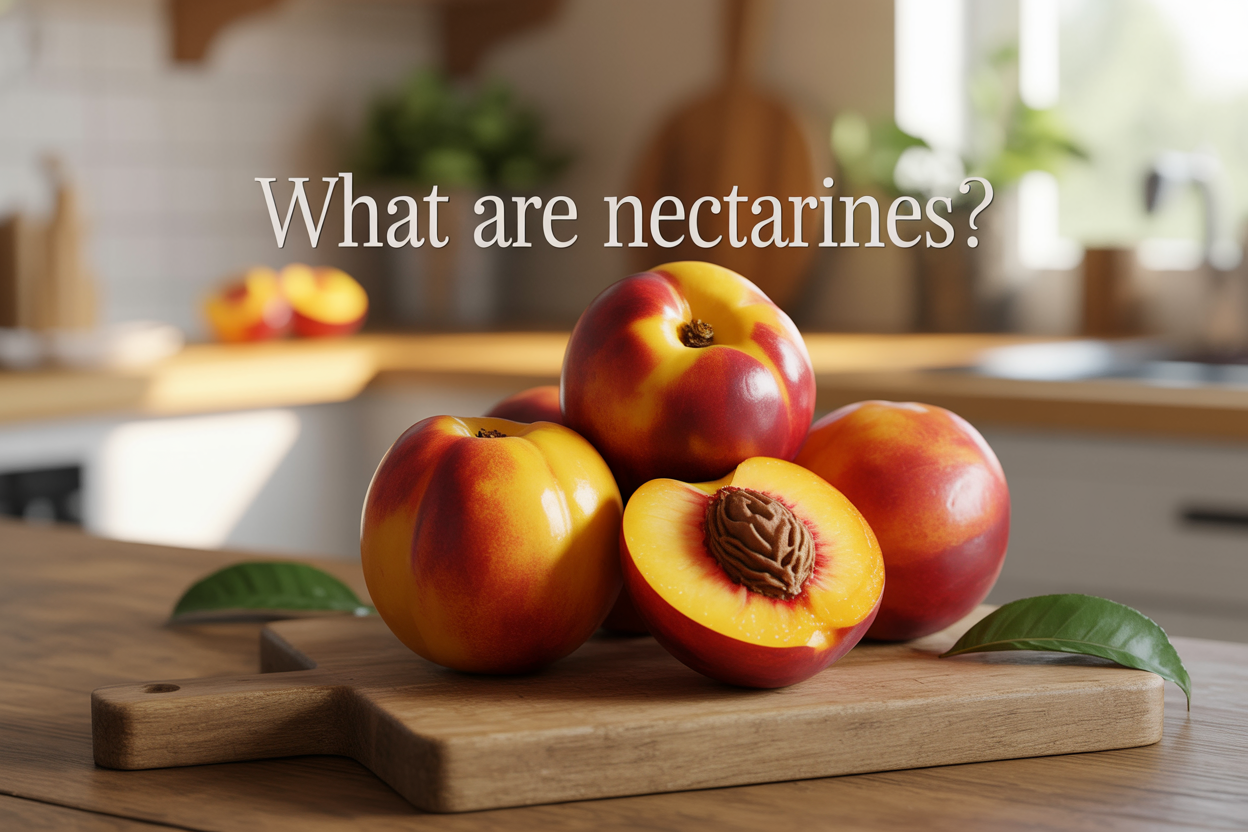
Nectarines are smooth-skinned stone fruits that belong to the same family as peaches, offering a sweet and tangy flavor that makes them perfect for both eating fresh and cooking. This guide is designed for home cooks, gardeners, and fruit lovers who want to understand what makes nectarines special and how to make the most of this delicious fruit.
You'll discover the impressive nectarine nutrition profile and health benefits that earned these fruits their superfruit status. We'll also explore the different nectarine varieties available and share practical tips for growing your own nectarine trees, including when nectarine season peaks for the best harvest. Finally, you'll learn creative nectarine recipes and cooking techniques that will help you enjoy these versatile fruits year-round.
Understanding Nectarines and Their Unique Characteristics
The botanical definition and classification of nectarines
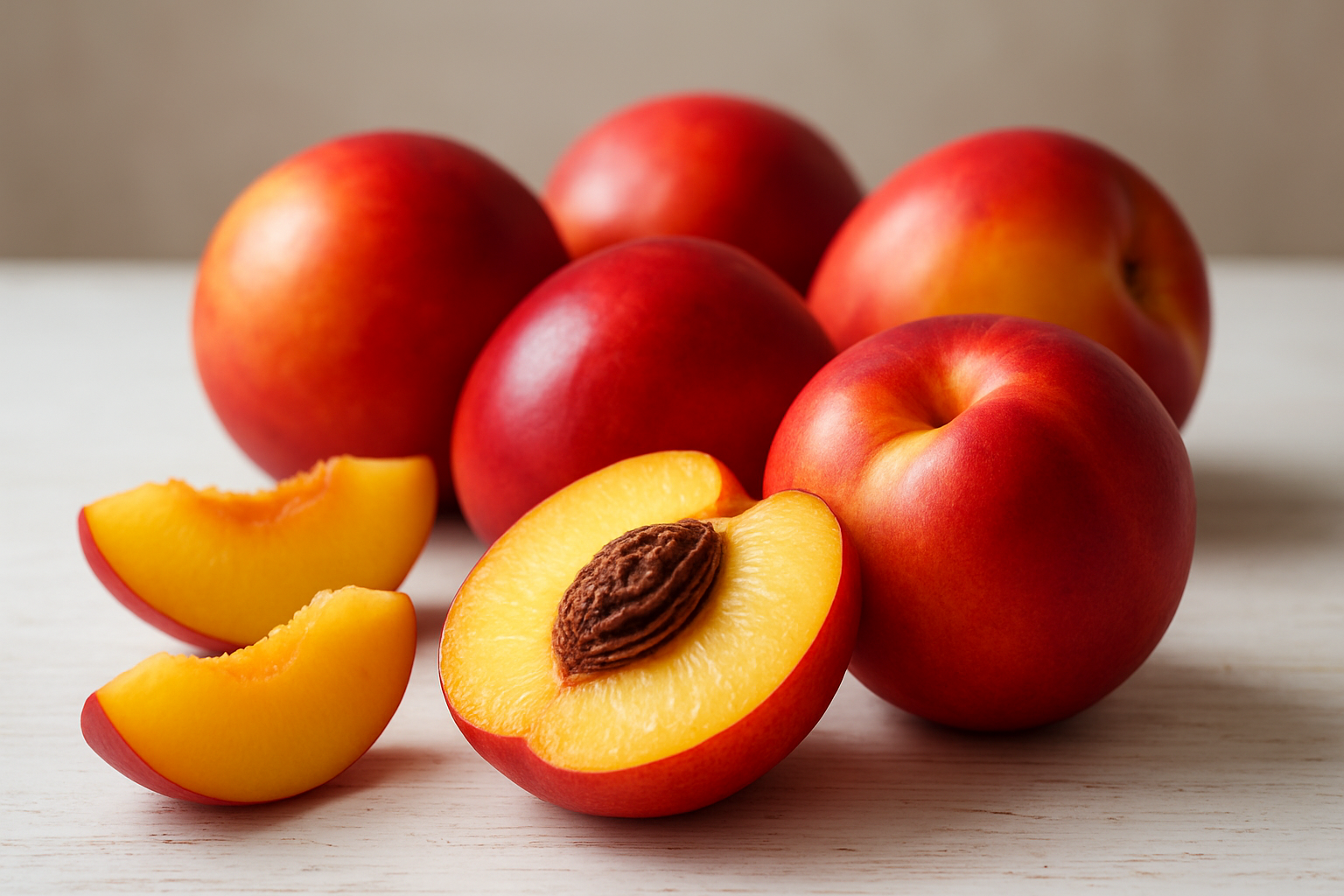
Nectarines belong to the species Prunus persica, making them genetically identical to peaches. These stone fruits are actually a natural genetic variant of peaches, differing by just a single recessive gene that affects skin texture. The scientific classification places nectarines in the Rosaceae family, alongside other beloved fruits like apples, cherries, and plums.
What makes nectarines fascinating from a botanical perspective is that they can spontaneously appear on peach trees through natural mutation. This genetic quirk means that occasionally, a peach tree might produce smooth-skinned nectarines without any human intervention. The reverse can also happen - nectarine trees sometimes yield fuzzy peaches.
Nectarines are classified as drupes, featuring a hard pit surrounded by sweet, juicy flesh. They're native to China and have been cultivated for over 2,000 years. The name "nectarine" comes from the Greek word "nektar," referring to the drink of the gods, which perfectly captures the fruit's sweet, almost divine flavor profile.
How nectarines differ from peaches in appearance and texture
The most obvious difference between nectarines and peaches lies in their skin texture. While peaches sport that characteristic fuzzy exterior, nectarines have completely smooth, glossy skin that feels similar to a plum's surface. This smooth skin gives nectarines a more vibrant, polished appearance that often makes them look more visually appealing in fruit displays.
Color-wise, nectarines typically showcase more intense hues than their fuzzy cousins. Their skin often displays deeper reds, more vivid yellows, and richer orange tones. The flesh inside tends to be firmer and slightly more acidic than peaches, creating a more pronounced sweet-tart balance that many people find irresistible.
The texture difference extends beyond just the skin. Nectarine flesh generally has a denser consistency, making it hold up better in cooking applications. When you bite into a ripe nectarine, you'll notice the flesh has more resistance compared to the often softer, more yielding texture of a peach.
The smooth skin advantage for eating and preparation
The smooth skin of nectarines offers several practical advantages that make them incredibly user-friendly. You can eat nectarines without any preparation - no need to worry about the fuzzy texture that some people find off-putting with peaches. This makes them perfect for on-the-go snacking, lunch boxes, and situations where you want a quick, mess-free fruit option.
For cooking and baking, the smooth skin provides significant benefits. The skin doesn't trap moisture the way peach fuzz does, which means nectarines maintain better texture integrity in fruit salads, tarts, and other preparations. Many recipes actually call for leaving the skin on because it adds beautiful color contrast and doesn't affect the final dish's texture negatively.
The smooth surface also makes nectarines easier to wash thoroughly. Without the fuzzy exterior, you can be confident that a simple rinse removes surface dirt and potential pesticide residues. This convenience factor has contributed to nectarines becoming increasingly popular in commercial food preparation and home kitchens alike.
From a storage perspective, the smooth skin helps nectarines maintain freshness longer in some conditions, as there's less surface area for bacteria and moisture to accumulate compared to the textured surface of peaches.
Nutritional Benefits That Make Nectarines a Superfruit
Essential vitamins and minerals packed in every bite
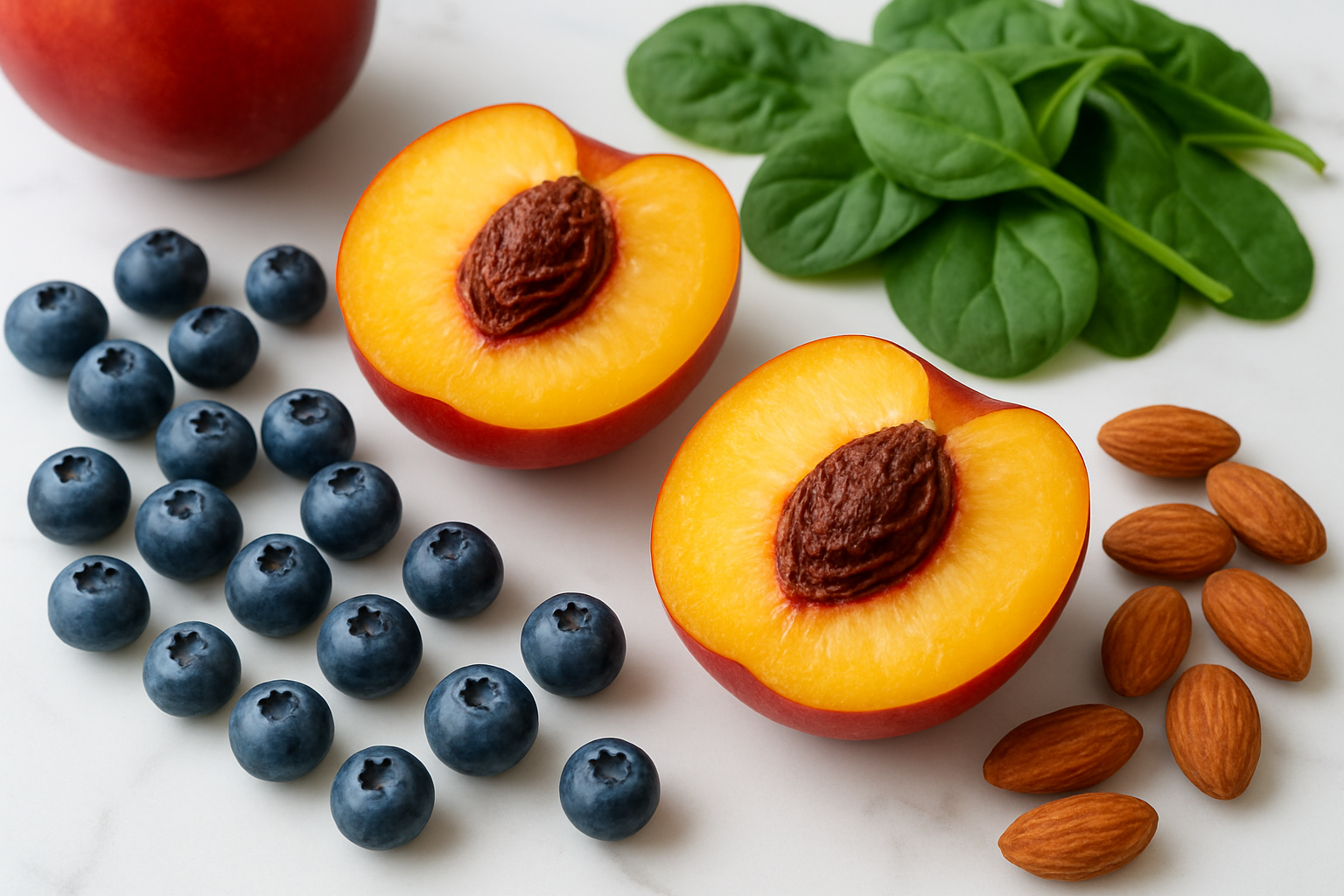
Nectarines deliver an impressive array of vitamins and minerals that support your body's daily functions. A single medium nectarine provides over 13% of your daily vitamin C needs, making it a powerhouse for immune support and collagen production. This sweet fruit also contains significant amounts of vitamin A, which keeps your eyes healthy and supports proper cell growth.
The mineral profile of nectarines includes potassium, which helps regulate blood pressure and supports heart health. You'll also find copper, which aids in iron absorption and helps maintain healthy connective tissues. Niacin (vitamin B3) in nectarines supports energy metabolism and helps convert the food you eat into usable energy.
| Nutrient | Amount per medium nectarine | % Daily Value |
|---|---|---|
| Vitamin C | 7.7 mg | 13% |
| Vitamin A | 214 IU | 4% |
| Potassium | 285 mg | 6% |
| Niacin | 1.6 mg | 8% |
Antioxidant properties that boost your immune system
The vibrant color of nectarines signals their rich antioxidant content. These compounds work like tiny shields, protecting your cells from damage caused by free radicals. Beta-carotene gives nectarines their golden-orange hue and converts to vitamin A in your body, supporting immune function and healthy skin.
Flavonoids found in nectarines, including anthocyanins and chlorogenic acid, provide anti-inflammatory benefits. These natural compounds help reduce oxidative stress and may lower your risk of chronic diseases. The skin of nectarines contains the highest concentration of these beneficial antioxidants, so eating the fruit unpeeled maximizes these nectarine health benefits.
Regular consumption of antioxidant-rich foods like nectarines can help strengthen your body's natural defense systems and support healthy aging.
Low calorie content perfect for weight management
Nectarines make an excellent choice for anyone watching their calorie intake. A medium-sized nectarine contains only about 62 calories, making it a guilt-free snack that satisfies your sweet tooth without derailing your weight management goals.
The natural sugars in nectarines provide quick energy without the crash associated with processed sweets. This makes them perfect for pre-workout snacks or mid-afternoon energy boosts. Their high water content (about 88%) helps you stay hydrated while adding minimal calories to your daily intake.
-
Low calorie density: More volume with fewer calories
-
Natural sweetness: Satisfies cravings without added sugars
-
High water content: Supports hydration and fullness
-
Portable: Easy to pack for on-the-go healthy snacking
Fiber content that supports digestive health
Each nectarine provides about 2.4 grams of dietary fiber, contributing to your daily fiber needs. This fiber comes in both soluble and insoluble forms, each offering unique digestive benefits. Soluble fiber helps regulate blood sugar levels and can lower cholesterol, while insoluble fiber adds bulk to stool and promotes regular bowel movements.
The fiber in nectarines also feeds beneficial gut bacteria, supporting a healthy microbiome. This prebiotic effect helps maintain digestive balance and may boost overall immune function. Including fiber-rich fruits like nectarines in your diet can help prevent constipation and promote long-term digestive health.
The natural enzymes present in fresh nectarines also aid in digestion, helping your body break down and absorb nutrients more efficiently. This combination of fiber and enzymes makes nectarines an excellent choice for supporting your digestive system naturally.
Different Varieties to Enhance Your Culinary Experience
White Nectarines for Delicate Sweetness
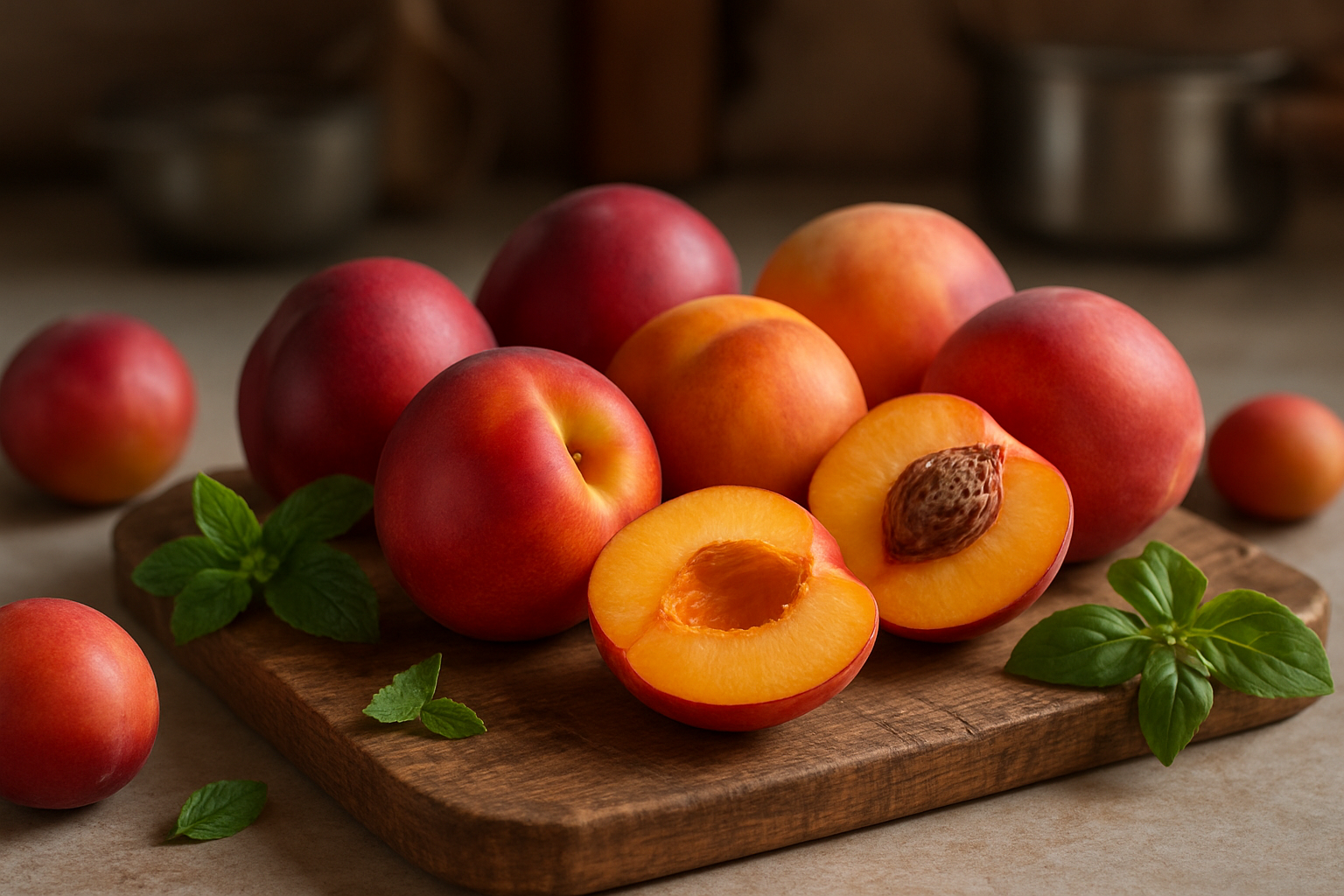
White nectarines bring an incredibly gentle sweetness that melts on your tongue without the sharp tang you'll find in their yellow cousins. The flesh ranges from creamy white to pale yellow, offering a honey-like flavor profile that's perfect for those who prefer subtle fruit tastes. These nectarine varieties contain lower acid levels, making them naturally sweeter and less aggressive on the palate.
Popular white nectarine varieties include Arctic Supreme, Snow Queen, and Heavenly White. Each brings its own personality to the table - Arctic Supreme delivers exceptional sweetness with a firm texture that holds up beautifully in fruit salads, while Snow Queen offers a more tender flesh that's incredible when eaten fresh or lightly grilled.
The delicate nature of white nectarines makes them shine in desserts where you want the fruit to complement rather than overpower other flavors. They pair wonderfully with vanilla, almond, and mild cheeses, creating elegant combinations for summer entertaining.
Yellow Nectarines for Bold, Tangy Flavor
Yellow nectarines pack a punch with their vibrant, assertive flavor that combines sweetness with a bright acidity. This higher acid content creates that classic "zing" that wakes up your taste buds and makes yellow nectarines incredibly refreshing on hot summer days. The flesh typically ranges from bright yellow to deep orange, often with beautiful red streaking throughout.
Some standout yellow nectarine varieties include Red Gold, Fantasia, and Independence. Red Gold offers an intense, almost tropical flavor with firm flesh that's perfect for baking, while Fantasia brings a perfect balance of sweet and tart that works beautifully in both fresh applications and cooked preparations.
The bold flavor of yellow nectarines makes them excellent for:
-
Salsas and savory applications where their acidity cuts through rich ingredients
-
Jams and preserves where the natural tartness balances added sugars
-
Grilling and roasting where the acids help caramelize beautifully
-
Smoothies and beverages where they add complexity and brightness
Clingstone Versus Freestone Options for Cooking
Understanding the difference between clingstone and freestone nectarines can completely change your kitchen experience. Clingstone nectarines have flesh that clings tightly to the pit, making them more challenging to slice cleanly but offering some unique advantages for cooking. Freestone varieties release easily from the pit, creating perfect wedges and slices every time.
Clingstone Benefits:
-
Firmer flesh that holds its shape during cooking
-
Often more intense flavor concentration
-
Better for recipes where you'll be pureeing or mashing
-
Excellent for jams, sauces, and baked goods where texture matters less
Freestone Benefits:
-
Easy preparation and uniform pieces
-
Perfect for fresh eating and presentation dishes
-
Ideal for fruit salads, tarts, and recipes requiring neat slices
-
Less waste and faster prep time
| Characteristic | Clingstone | Freestone |
|---|---|---|
| Pit Removal | Difficult, flesh clings | Easy, clean separation |
| Texture | Firmer, denser | Softer, more delicate |
| Best Uses | Cooking, processing | Fresh eating, baking |
| Availability | Early season | Mid to late season |
Most early-season nectarines are clingstone varieties, while freestone options dominate the later harvest months. This natural timing works perfectly - early summer clingstone nectarines are ideal for making preserves and sauces when you want to capture that peak season flavor, while late summer freestone varieties arrive just in time for fresh eating and elegant dessert preparations.
When selecting nectarines for specific culinary applications, consider both the flesh color and the pit attachment. A white freestone nectarine will behave very differently in your kitchen than a yellow clingstone variety, even though both are delicious nectarines with their own perfect uses.
Growing Conditions and Seasonal Availability
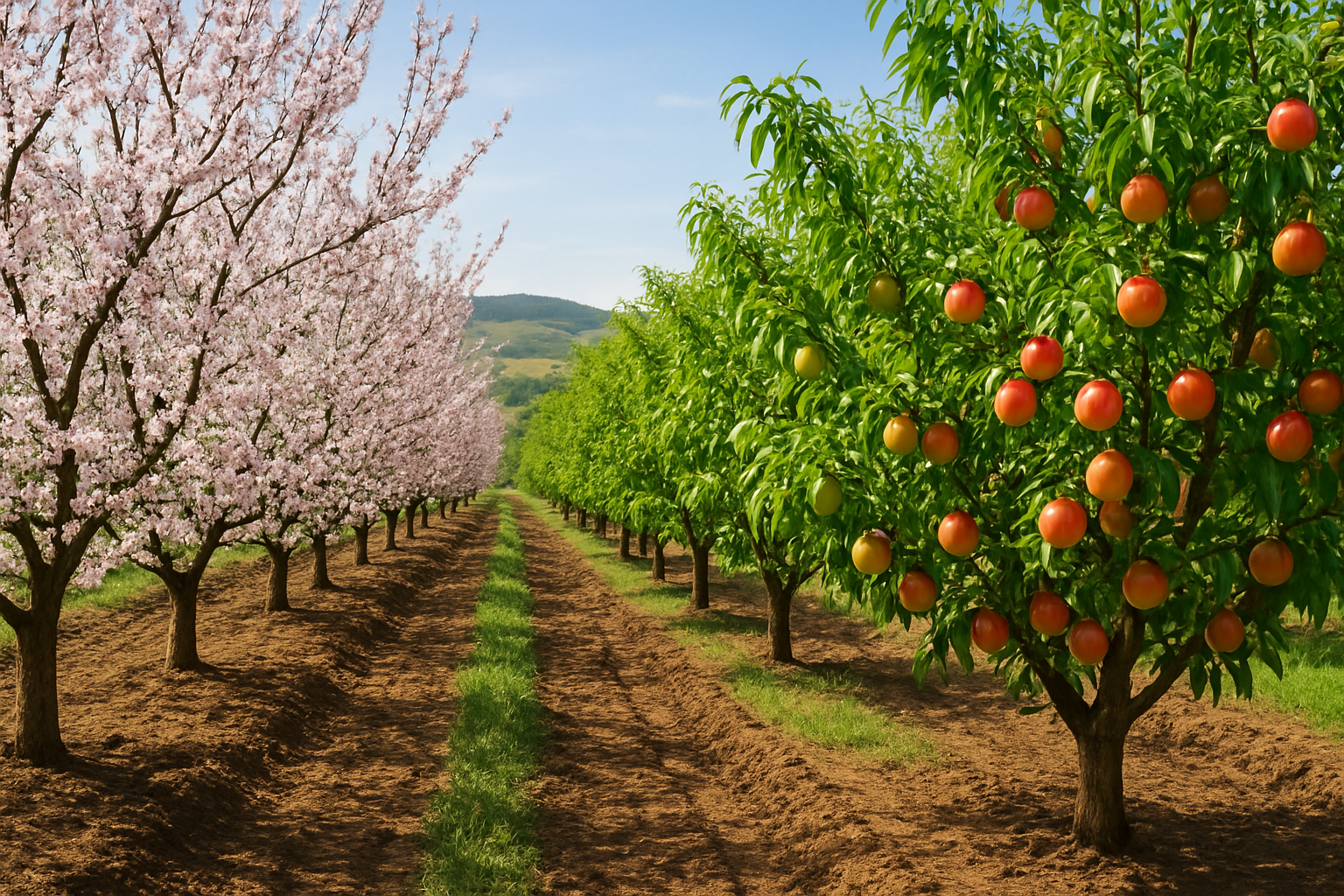
Optimal Climate Requirements for Nectarine Cultivation
Nectarines thrive in Mediterranean-type climates with warm, dry summers and mild winters. These stone fruits need a specific chill requirement - typically between 400 to 1,000 hours of temperatures below 45°F during winter dormancy to produce quality fruit. Without adequate chilling, nectarine trees may bloom irregularly or fail to set fruit altogether.
The growing season requires consistent temperatures between 75-85°F with plenty of sunshine. Hot, humid conditions can promote fungal diseases like brown rot and leaf curl, making proper air circulation essential. Nectarines prefer well-draining sandy loam soils with a pH between 6.0-7.0. Heavy clay soils or areas prone to waterlogging can cause root rot and poor fruit development.
Wind protection helps prevent branch breakage and fruit drop, especially during the rapid fruit development phase. Irrigation timing matters significantly - trees need consistent moisture during fruit development but require drier conditions as harvest approaches to concentrate flavors and sugars.
Peak Harvest Seasons for Maximum Flavor and Nutrition
Nectarine season varies by variety and location, but generally spans from May through September in the Northern Hemisphere. Early varieties like 'Red Gold' ripen in late May to early June, while mid-season cultivars peak in July and August. Late-season varieties can extend harvest into early September.
| Harvest Period | Varieties | Flavor Profile |
|---|---|---|
| May-June | Early Gold, Red Gold | Mild sweetness, firm texture |
| July-August | Fantasia, Flavortop | Peak sweetness, balanced acidity |
| August-September | September Red, Autumn Grand | Intense flavor, high sugar content |
Peak ripeness occurs when fruit yields slightly to gentle pressure near the stem end and develops full color. The background skin color should shift from green to yellow or cream, depending on the variety. Harvesting at optimal ripeness ensures maximum nectarine nutrition and flavor development.
Geographic Regions Producing the Highest Quality Fruit
California dominates commercial nectarine production in North America, accounting for over 95% of the crop. The Central Valley, particularly Fresno, Tulare, and Kern counties, provides ideal growing conditions with hot, dry summers and adequate winter chill hours. These regions produce consistently sweet, flavorful fruit due to the Mediterranean climate.
Other notable growing regions include:
-
Pacific Northwest: Washington and Oregon produce excellent nectarines in select microclimates
-
Southeast: Georgia, South Carolina, and North Carolina grow quality fruit despite humidity challenges
-
International: Spain, Italy, Greece, Chile, and parts of Australia excel in nectarine cultivation
-
Emerging Markets: Turkey and South Africa are developing strong nectarine industries
European varieties often emphasize different flavor profiles compared to American cultivars, with many focusing on aromatic qualities and unique textures that reflect regional preferences and growing conditions.
Storage Tips to Extend Freshness and Taste
Proper storage dramatically affects nectarine benefits retention and eating quality. Ripe nectarines should be consumed within 2-3 days at room temperature or refrigerated for up to one week. Store ripe fruit in the refrigerator's crisper drawer in a perforated plastic bag to maintain humidity while allowing air circulation.
For longer storage, slightly underripe nectarines can be kept at room temperature until they yield to gentle pressure. Never refrigerate hard, unripe fruit as this stops the ripening process and results in mealy texture and poor flavor development.
Freezing Guidelines:
-
Wash, pit, and slice ripe nectarines
-
Treat with lemon juice to prevent browning
-
Pack in airtight containers or freezer bags
-
Use frozen fruit within 8-12 months for best quality
Avoid storing nectarines near ethylene-producing fruits like bananas and apples, which accelerate ripening and can lead to overripe fruit. Check stored fruit daily and remove any showing signs of decay to prevent spoilage from spreading to healthy fruit.
Culinary Applications That Transform Your Kitchen Creations
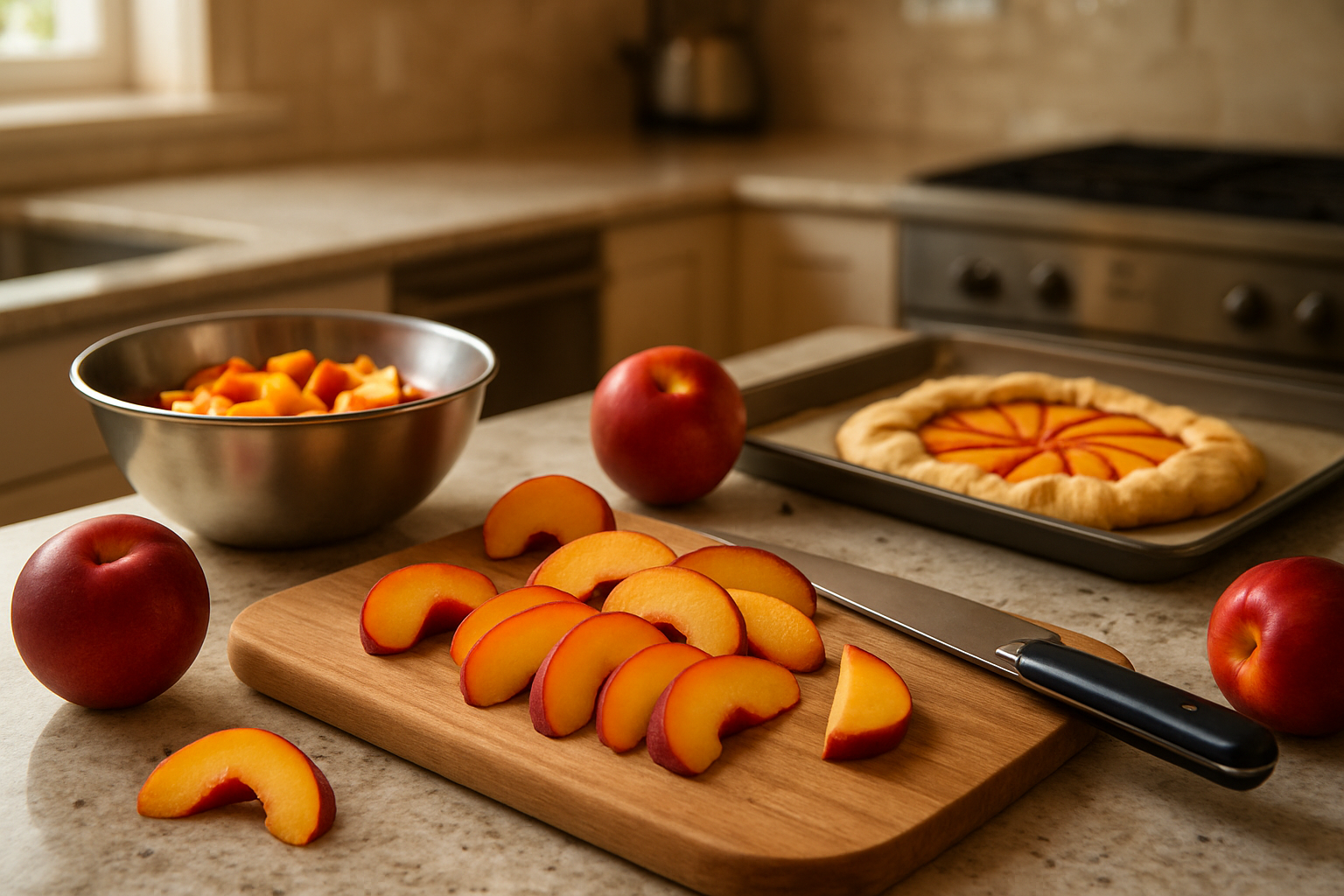
Fresh eating techniques for maximum enjoyment
The secret to enjoying fresh nectarines starts with proper selection and timing. Choose fruits that give slightly when pressed near the stem end, with a sweet fragrance that signals peak ripeness. For the best experience, bring refrigerated nectarines to room temperature before eating - this simple step releases their full flavor potential and natural sweetness.
When preparing fresh nectarines, slice them just before serving to prevent browning. Cut along the natural seam from top to bottom, then twist the halves apart. For stubborn pits, use a small spoon to scoop them out. Consider leaving the skin on for extra fiber and nutrients, or peel using a quick blanching method if you prefer them naked.
Fresh nectarine recipes shine in fruit salads combined with berries and mint, or paired with creamy yogurt and granola for breakfast. Create stunning presentations by arranging colorful nectarine wedges on cheese boards alongside soft cheeses like brie or goat cheese. The contrast between sweet fruit and tangy cheese creates an unforgettable flavor combination.
Baking and dessert applications that showcase natural sweetness
Nectarines transform beautifully when heat concentrates their natural sugars and softens their texture. Their lower moisture content compared to peaches makes them ideal for baking applications where you want to avoid soggy results. Classic nectarine cobbler remains a summer favorite, with the fruit's natural sweetness requiring minimal added sugar.
For elegant desserts, try roasted nectarine halves drizzled with honey and topped with chopped almonds. The caramelization that occurs during roasting creates deep, complex flavors that pair wonderfully with vanilla ice cream. Nectarine tarts showcase the fruit beautifully - arrange thin slices in overlapping patterns over pastry cream for a restaurant-quality dessert.
Bakers love incorporating diced nectarines into muffins, quick breads, and coffee cakes. The fruit adds moisture while providing bursts of sweetness throughout each bite. For jam-making enthusiasts, nectarine varieties create exceptional preserves that capture summer's essence in a jar.
Savory dishes that benefit from nectarine additions
Don't overlook nectarines in savory cooking - their natural sweetness balances bold flavors and adds unexpected depth to main dishes. Grilled nectarine halves make excellent accompaniments to grilled chicken or pork, especially when brushed with balsamic glaze. The slight char from the grill intensifies their flavor while maintaining a pleasant texture.
Fresh nectarine salsa brings bright acidity to fish tacos or grilled meats. Combine diced nectarines with red onion, jalapeño, cilantro, and lime juice for a refreshing twist on traditional salsas. The fruit's sweetness tames the heat while adding beautiful color to your plate.
Nectarines work wonderfully in grain salads, particularly quinoa or bulgur wheat preparations. Their juicy texture contrasts nicely with chewy grains, while their sweetness complements savory ingredients like feta cheese, toasted nuts, and fresh herbs. For an impressive side dish, try roasted nectarine and arugula salad with prosciutto - the combination of sweet fruit, peppery greens, and salty meat creates perfect flavor balance.
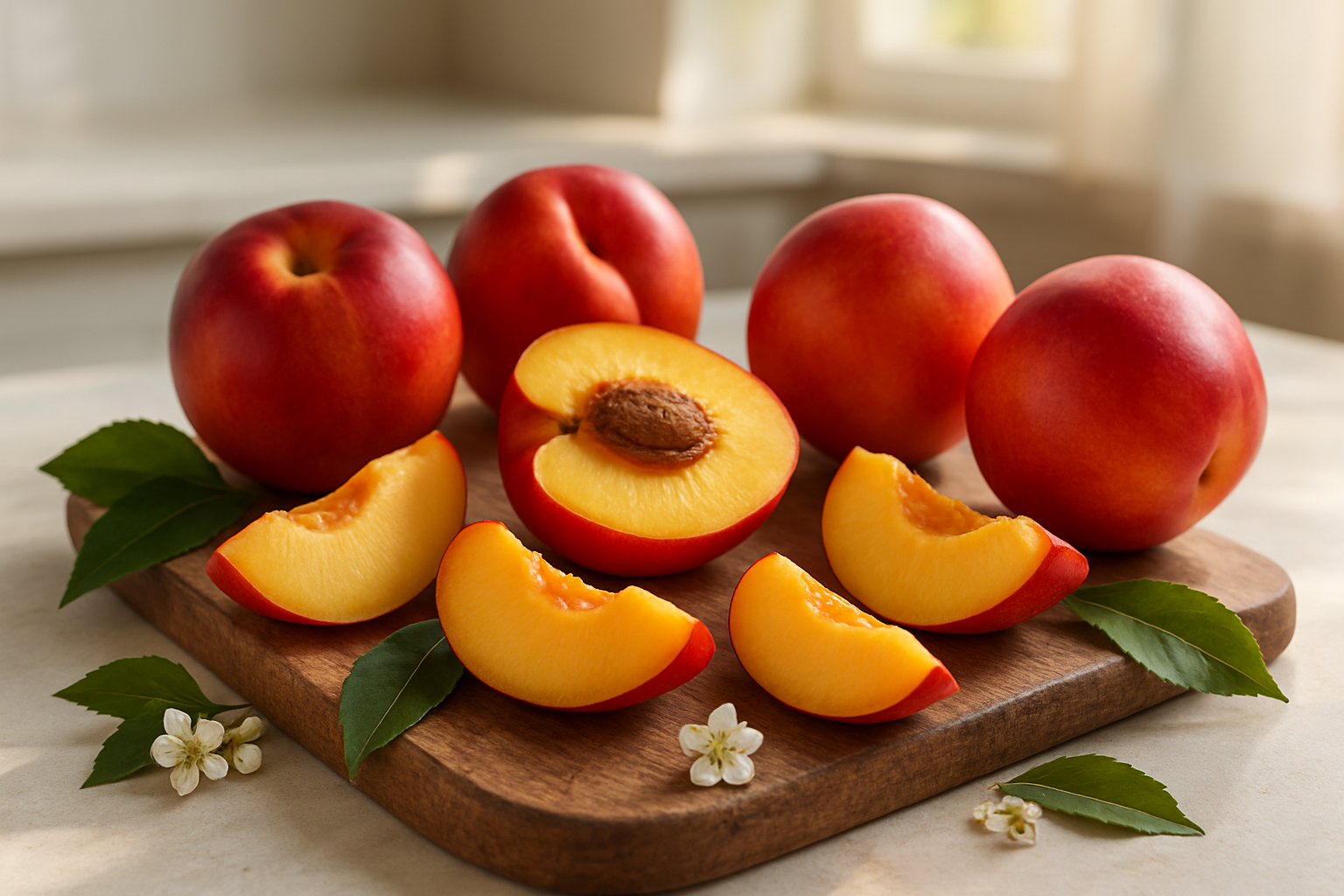
Nectarines pack a serious nutritional punch while offering incredible versatility in the kitchen. These smooth-skinned stone fruits deliver essential vitamins, antioxidants, and fiber that support your overall health. From yellow-fleshed varieties perfect for snacking to white-fleshed types that shine in desserts, there's a nectarine for every taste preference and cooking style.
Growing your own nectarines or sourcing them during peak season means you'll get the best flavor and nutritional value. Whether you're adding them to smoothies, grilling them for a summer barbecue, or baking them into your favorite desserts, nectarines bring natural sweetness and vibrant color to any dish. Next time you're at the grocery store or farmers market, grab a few different varieties and discover which ones become your new favorites.


.png)
Comments
Post a Comment