Olives - What Are Olives?
Olives - What Are Olives?
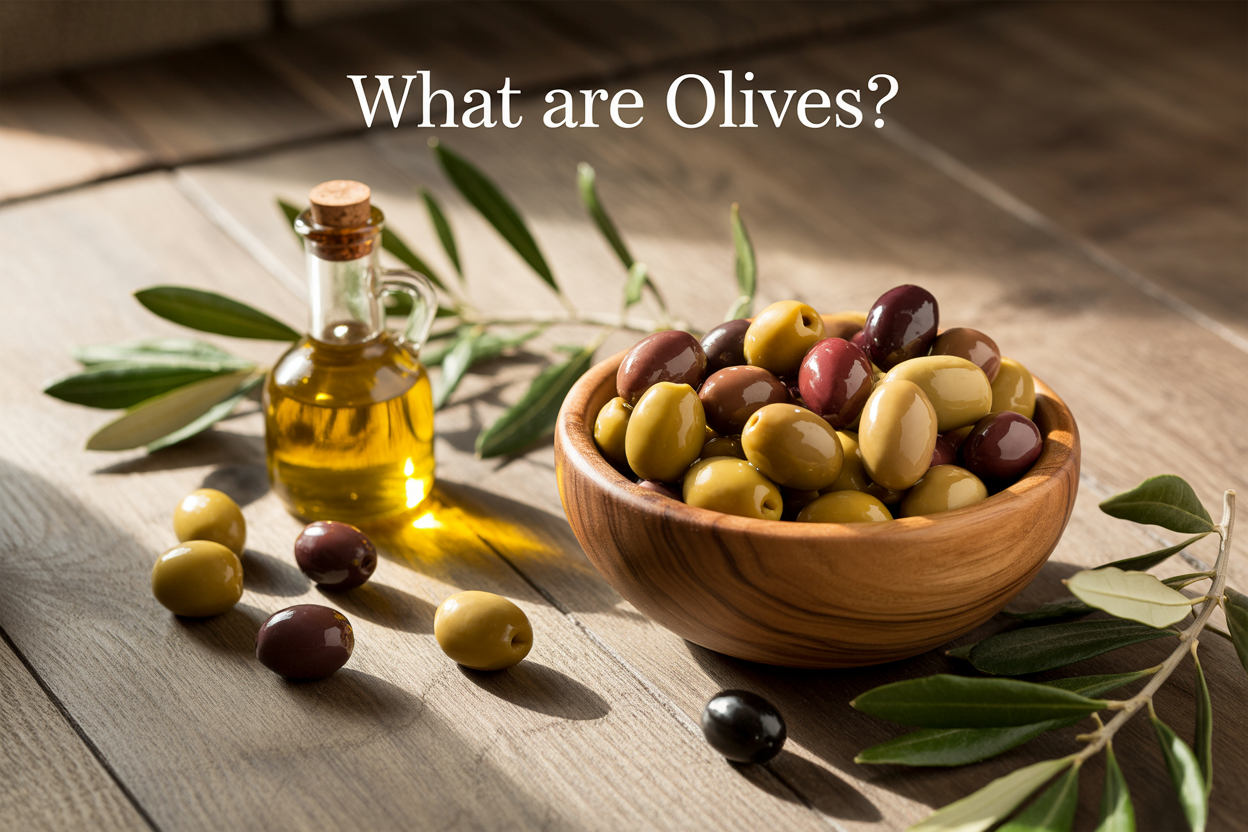
Curious about those small, oval fruits that add so much flavor to your favorite dishes? Olives are the fruit of the olive tree, packed with healthy fats and bursting with unique taste that has made them a Mediterranean staple for thousands of years.
This guide is perfect for home cooks, food enthusiasts, and anyone wanting to learn more about this versatile olive fruit. You'll discover the fascinating origins of olives and explore the many types of olives available, from mild Castelvetrano to bold Kalamata varieties. We'll also break down olive nutrition facts and reveal the impressive health benefits of olives that make them more than just a tasty snack. Finally, you'll learn about olive processing methods that transform bitter raw olives into the flavorful treats we know and love, plus creative culinary uses of olives to elevate your cooking.
Understanding the Olive Fruit and Its Origins
Botanical classification and plant family
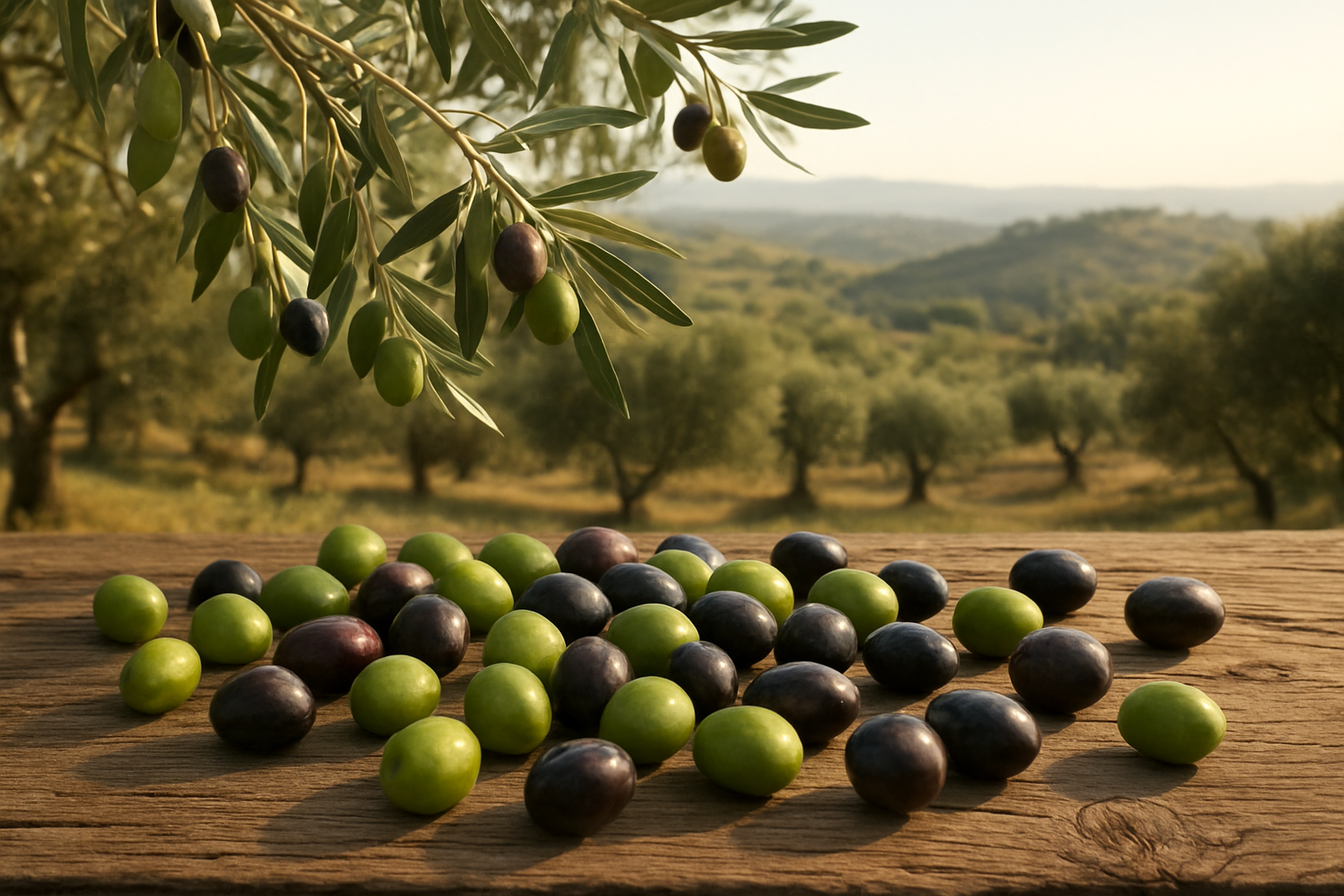
The olive fruit comes from the Olea europaea tree, which belongs to the Oleaceae family. This family includes other familiar plants like ash trees, jasmine, and lilac. What makes olives unique is their drupe structure - they're technically a stone fruit, just like cherries and peaches. The olive tree produces these small, oval-shaped fruits that contain a single hard pit surrounded by flesh.
Olive trees are evergreen and can live for thousands of years, with some ancient specimens still producing fruit today. The trees feature silvery-green leaves that help them conserve water in dry climates, and they produce small, fragrant white flowers in spring that develop into the olive fruit we know.
Natural habitat and geographic distribution
Mediterranean olives thrive naturally around the Mediterranean Sea, where the climate offers hot, dry summers and mild, wet winters. This region spans across southern Europe, North Africa, and parts of the Middle East. The trees have adapted perfectly to these conditions, developing deep root systems that can access water during dry periods.
Wild olive trees originally grew throughout this Mediterranean basin, particularly in areas with well-drained soils and plenty of sunshine. Today, cultivated olive varieties have spread far beyond their native range. You'll find thriving olive groves in California, Australia, South Africa, Chile, and Argentina - all regions that share similar Mediterranean-type climates.
The olive tree's ability to grow in poor, rocky soils where other crops struggle has made it invaluable in these regions. They can tolerate drought, strong winds, and even salt spray near coastal areas.
Historical significance in ancient civilizations
Olives have been intertwined with human civilization for over 6,000 years. Ancient civilizations around the Mediterranean didn't just eat olives - they built entire economies around them. The Greeks considered olive trees sacred to the goddess Athena, and olive branches became universal symbols of peace and wisdom.
In ancient Rome, olive oil was as valuable as gold. Romans used it for cooking, lighting lamps, religious ceremonies, and even as currency for trade. Egyptian pharaohs were buried with olive oil to sustain them in the afterlife, while ancient athletes rubbed olive oil on their bodies before competitions.
The Bible mentions olives and olive oil hundreds of times, showing their deep cultural importance. Noah's dove returned to the ark carrying an olive branch, signaling the end of the flood. Kings and priests were anointed with olive oil in religious ceremonies.
Evolution from wild to cultivated varieties
The journey from wild olives to the varieties we enjoy today spans millennia. Wild olives, known as oleaster, produced small, bitter fruits with very little flesh around large pits. Early Mediterranean peoples began selecting trees that produced larger, fleshier fruits and gradually developed the first cultivated olive varieties.
This domestication process involved careful selection over generations. Farmers chose trees with desirable traits - bigger fruits, higher oil content, better flavor, or resistance to local pests and diseases. They also discovered that olive trees could be propagated through cuttings, allowing them to clone their best-performing plants.
Different regions developed their own distinct olive varieties based on local preferences and growing conditions. Greek Kalamata olives became prized for their meaty texture and wine-dark color, while Spanish Manzanilla olives were valued for their firm flesh and mild flavor. Today, there are over 2,000 known olive varieties worldwide, each adapted to specific climates and culinary traditions.
Physical Characteristics and Varieties of Olives
Size, Shape, and Color Variations
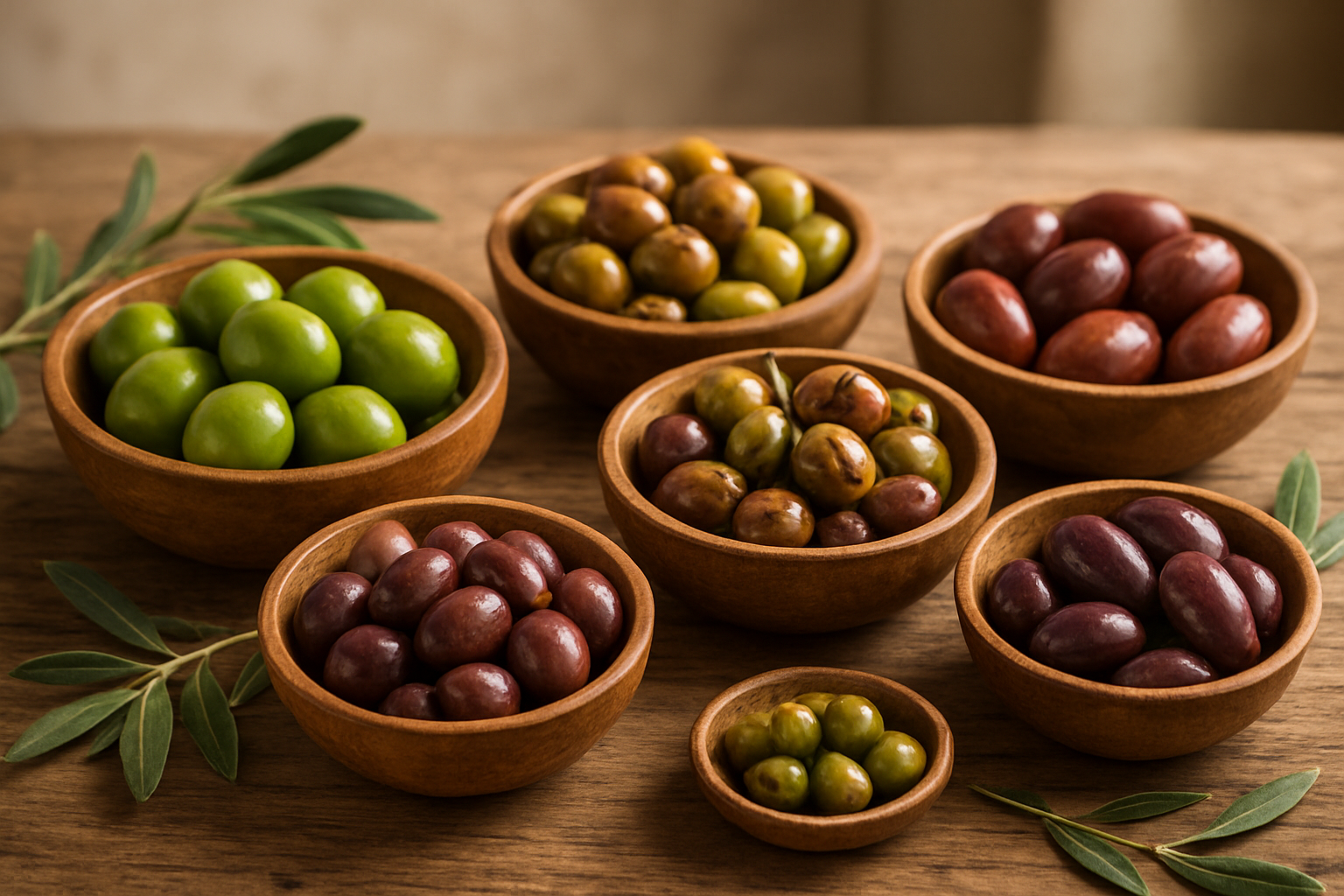
The olive fruit showcases remarkable diversity in its physical appearance, ranging from tiny pea-sized specimens to large, plump varieties that can measure over an inch in length. Most olives display an oval or elongated shape, though some varieties present rounder profiles. The classic olive shape features a pointed tip and wider middle, perfectly designed by nature for efficient harvesting and processing.
Color variations tell the story of ripeness and variety. Green olives represent the unripe stage, picked early in the season when they're firm and slightly bitter. As olives mature on the tree, they transition through shades of purple, brown, and eventually deep black. Some varieties naturally maintain their green hue even when fully ripe, while others develop distinctive color patterns or mottled appearances.
The skin texture varies significantly between olive varieties. Some feature smooth, glossy surfaces that reflect light beautifully, while others display a more matte finish or even wrinkled appearance. The flesh-to-pit ratio also differs dramatically, with some varieties offering generous amounts of meaty flesh around a small stone, while others present larger pits relative to their overall size.
Popular Olive Varieties and Their Unique Traits
Mediterranean olives dominate the global market, with each variety bringing distinctive characteristics that make them perfect for specific uses. Kalamata olives from Greece stand out with their deep purple-black color and almond shape, offering a rich, fruity flavor with wine-like notes. These premium table olives are exclusively harvested when fully ripe.
Spanish Manzanilla olives present a completely different profile. Small and green with a crisp texture, they're famous for their clean, slightly salty taste and their ability to hold stuffings like pimientos, garlic, or almonds. Their firm flesh makes them ideal for appetizers and cocktail garnishes.
Italian Castelvetrano olives bring bright green color and buttery texture to the table. Known for their mild, sweet flavor and meaty consistency, they appeal to people who typically avoid olives due to their approachable taste profile. These Sicilian natives have gained tremendous popularity in recent years.
Cerignola olives, also from Italy, rank among the largest olive varieties available. Their impressive size and mild flavor make them perfect for stuffing with cheese, herbs, or other fillings. They come in both green and black varieties.
French Niçoise olives offer small size but big flavor. These dark, wrinkled olives pack intense, briny taste that perfectly complements salads and Mediterranean dishes. Their appearance might seem less appealing than plumper varieties, but their concentrated flavor more than compensates.
Differences Between Table Olives and Oil Olives
Table olives and oil olives serve entirely different purposes, and their characteristics reflect these distinct roles. Oil olives typically contain higher oil content, often reaching 20-25% oil by weight, making them perfect for pressing into olive oil. These varieties focus on oil quality rather than eating experience.
Table olives prioritize texture, flavor, and appearance since people consume them whole. They usually have higher flesh-to-pit ratios, firmer textures that hold up during processing and storage, and more balanced flavors that appeal to direct consumption. The flesh needs to remain intact through various processing methods like brining, curing, or stuffing.
Oil olive varieties like Picual, Frantoio, and Leccino are bred specifically for pressing. Their smaller size and higher oil content make them economically viable for oil production. These olives often have more intense, sometimes bitter flavors when eaten fresh, but these same compounds create complex, flavorful oils.
Processing methods also differ significantly between the two categories. Table olives undergo extensive curing processes to remove natural bitterness and develop appealing flavors. Oil olives go straight from harvest to pressing, preserving the natural compounds that create high-quality extra virgin olive oil.
Some varieties can serve dual purposes, functioning as both table olives and oil producers depending on harvest timing and processing methods. However, most commercial operations specialize in varieties optimized for their intended use, ensuring the best possible end product for consumers.
Nutritional Profile and Health Benefits
Essential Vitamins and Minerals Content
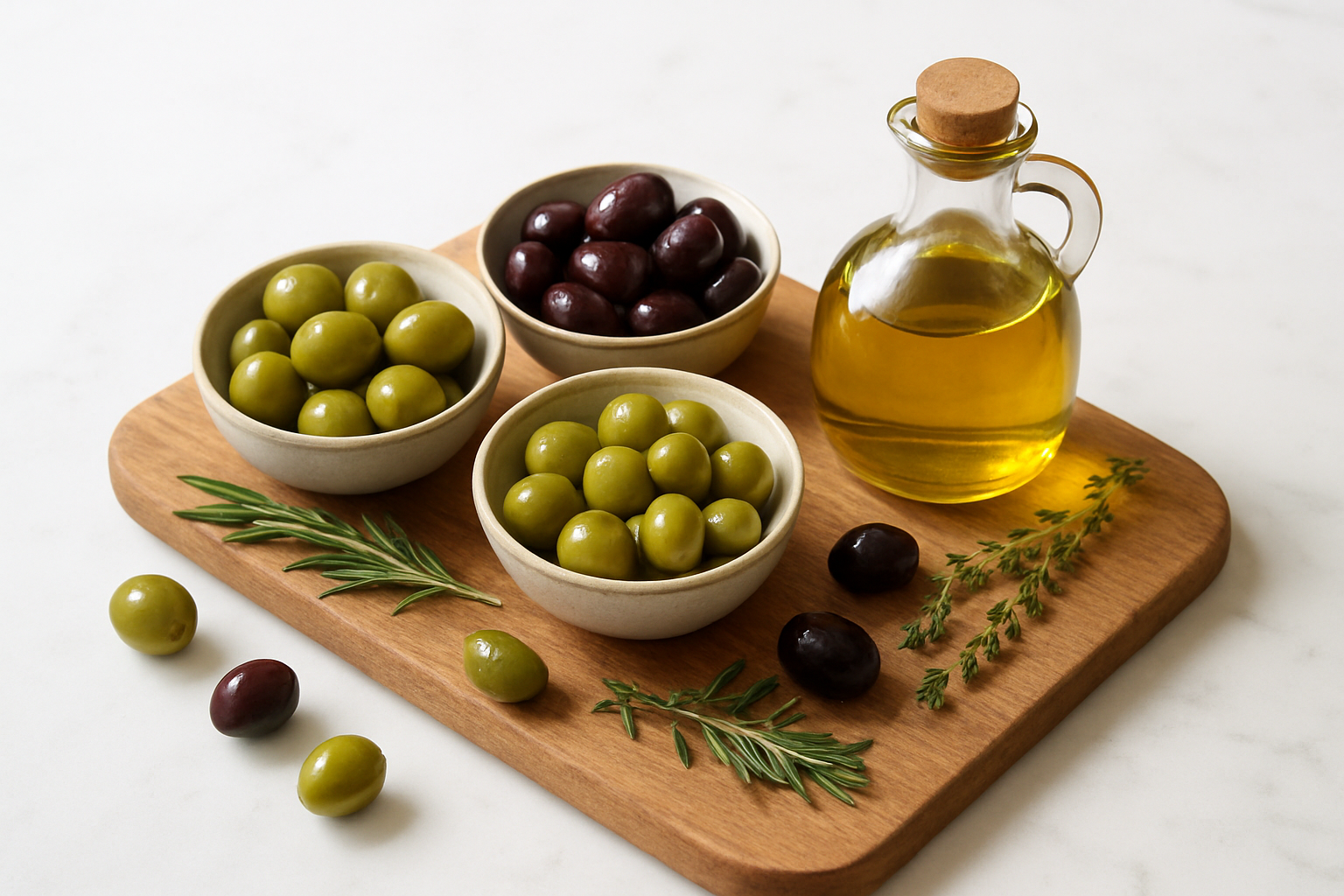
Olives pack an impressive array of essential nutrients that make them far more than just a tasty snack. These small fruits deliver significant amounts of vitamin E, a powerful antioxidant that protects cell membranes from oxidative damage and supports immune function. A serving of olives provides about 10% of your daily vitamin E needs.
The mineral profile of olives is equally noteworthy. They're rich in iron, which helps transport oxygen throughout your body and prevents fatigue. Copper content supports collagen production and helps your body absorb iron more effectively. Olives also contain calcium for bone health and sodium for proper muscle and nerve function, though the sodium levels vary depending on the curing method used.
| Nutrient | Amount per 100g | Daily Value % |
|---|---|---|
| Vitamin E | 3.8 mg | 25% |
| Iron | 3.3 mg | 18% |
| Copper | 0.3 mg | 15% |
| Calcium | 88 mg | 9% |
| Fiber | 3.2 g | 13% |
Heart-Healthy Monounsaturated Fats
The fat content in olives tells a remarkable story about cardiovascular health. Roughly 75% of the fat in olives comes from oleic acid, a monounsaturated fatty acid that actively supports heart health. Unlike saturated fats that can raise bad cholesterol levels, oleic acid helps reduce LDL (bad) cholesterol while maintaining or even increasing HDL (good) cholesterol levels.
This healthy fat profile means that including olives in your diet can help lower your risk of heart disease and stroke. The monounsaturated fats also help your body absorb fat-soluble vitamins like A, D, E, and K more effectively. Even though olives are relatively high in fat, these are the exact types of fats that nutritionists recommend eating more of for optimal health.
Antioxidant Properties and Anti-Inflammatory Effects
Olives contain over 30 different phenolic compounds that work as natural antioxidants in your body. These compounds, including hydroxytyrosol and oleuropein, fight free radicals that can damage cells and contribute to aging and disease. The antioxidant activity in olives is so potent that it rivals many superfruits that get more attention.
The anti-inflammatory benefits of olives are particularly impressive. Regular consumption can help reduce markers of chronic inflammation, which plays a role in everything from arthritis to heart disease to certain cancers. The combination of vitamin E, healthy fats, and phenolic compounds creates a synergistic effect that calms inflammation throughout the body.
Different olive varieties contain varying levels of these beneficial compounds, with darker olives generally containing higher concentrations of antioxidants than green ones.
Role in Mediterranean Diet Longevity
The health benefits of olives become even more apparent when you look at Mediterranean populations that have consumed them for thousands of years. People living in Mediterranean regions consistently show lower rates of heart disease, certain cancers, and age-related cognitive decline compared to populations eating typical Western diets.
Olives serve as a cornerstone of the Mediterranean eating pattern, providing healthy fats that help people feel satisfied while delivering protective nutrients. The combination of olives with other Mediterranean staples like fresh vegetables, fish, and whole grains creates a dietary pattern that supports longevity and healthy aging.
Research shows that people following Mediterranean-style diets rich in olives live longer and experience fewer chronic diseases. The olive nutrition facts support this pattern - the fruit provides sustained energy, reduces inflammation, and delivers nutrients that support brain health and cardiovascular function well into older age.
Olive Processing and Preparation Methods
Harvesting techniques and timing
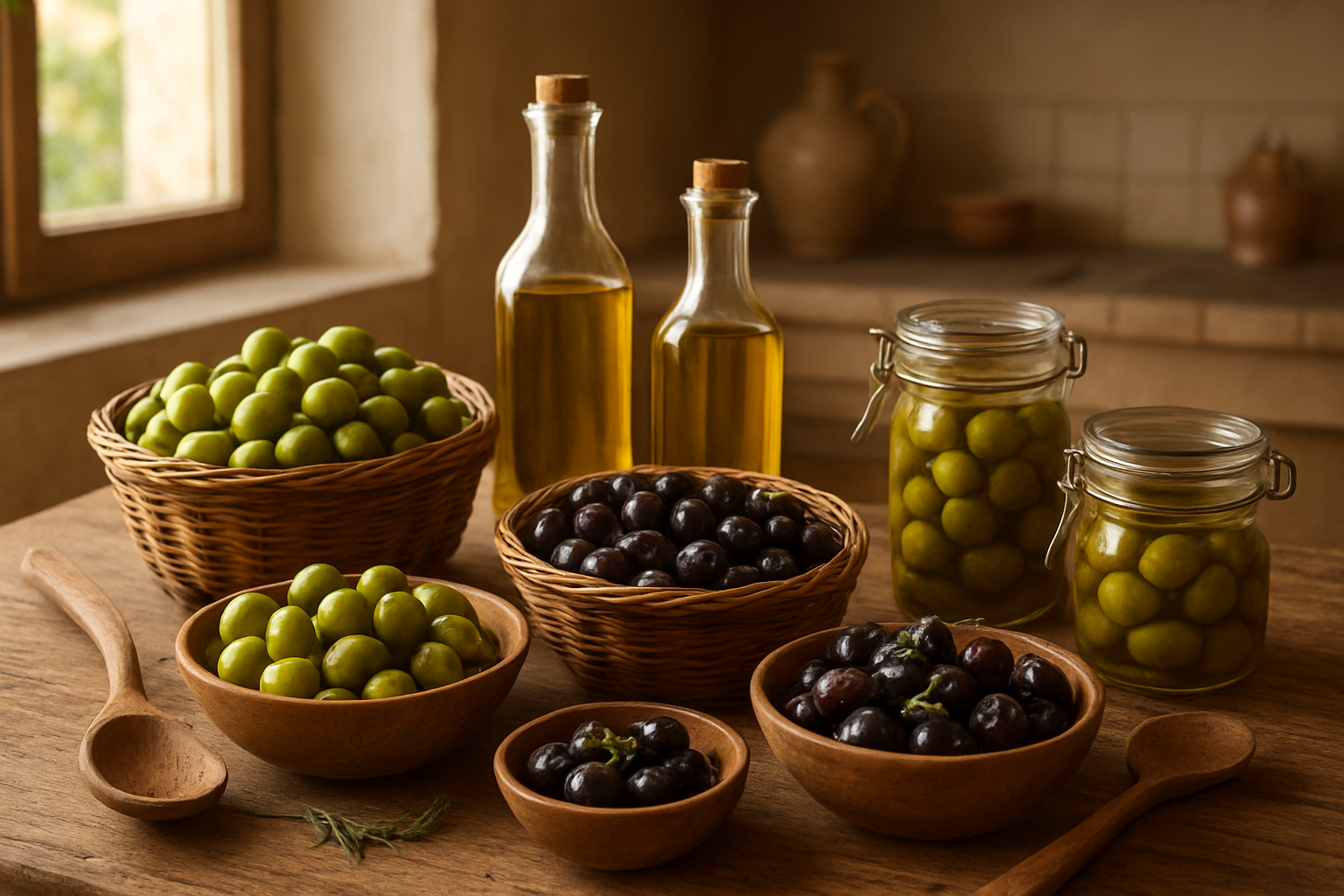
The timing of olive harvesting dramatically affects both flavor and quality. Early harvest olives, picked while still green and firm, produce oils with intense, peppery flavors and higher antioxidant levels. Late harvest olives yield milder, sweeter oils but with reduced nutritional benefits.
Traditional hand-picking remains the gentlest method, preserving fruit integrity and preventing bruising. Workers use specialized rakes or pneumatic tools to strip olives from branches onto nets spread beneath trees. Mechanical harvesters, while faster, can damage both fruit and trees, making them suitable mainly for oil production rather than table olives.
Table olive harvesting requires extra care since appearance matters. Green table olives must be picked before full ripeness, while black table olives can be harvested later when naturally dark or artificially ripened through processing.
Curing processes for table olives
Raw olives contain oleuropein, a bitter compound that makes them inedible without proper curing. Several traditional methods transform these bitter fruits into delicious table olives.
Water curing involves repeatedly soaking olives in fresh water for weeks or months until bitterness leaches out. This gentle process preserves natural flavors but requires patience and frequent water changes.
Brine curing submerges olives in salt water solutions. The salt concentration gradually draws out bitter compounds while developing characteristic tangy flavors. Mediterranean olives often undergo this process for several months.
Lye curing uses sodium hydroxide solutions to rapidly neutralize bitterness in just days. This commercial method requires careful handling and thorough rinsing to remove chemical residues.
Dry salt curing packs olives in coarse salt, creating wrinkled, intensely flavored results. Greek-style olives often use this ancient technique.
Oil extraction methods and quality grades
Olive oil production begins immediately after harvest to prevent oxidation and maintain quality. Modern extraction combines traditional principles with advanced technology.
The first step involves washing and grinding olives into a paste. Traditional stone mills crush olives slowly, preserving delicate flavors, while modern metal crushers work faster but may generate heat that affects quality.
Cold pressing maintains temperatures below 80°F during extraction, preserving nutrients and flavors that earn "extra virgin" designation. This premium grade requires mechanical extraction only, with no chemical solvents.
Centrifugal extraction spins olive paste at high speeds, separating oil from water and solids. This efficient method produces most commercial olive oil.
Quality grades reflect extraction methods and chemical analysis:
| Grade | Acidity Level | Processing Method |
|---|---|---|
| Extra Virgin | ≤ 0.8% | Cold mechanical only |
| Virgin | ≤ 2.0% | Cold mechanical only |
| Refined | ≤ 0.3% | Chemical processing |
| Pure/Light | Variable | Blend of refined and virgin |
Storage and preservation techniques
Proper storage maintains olive quality and extends shelf life. Light, heat, and oxygen are the primary enemies of both olives and olive oil.
For table olives, refrigeration in their brine prevents spoilage. Unopened jars can last years at room temperature, but refrigeration after opening prevents mold growth. Adding a thin layer of olive oil on top creates an additional barrier against air exposure.
Olive oil storage requires cool, dark conditions. Temperatures between 60-70°F prevent both freezing and accelerated rancidity. Dark glass bottles or tins protect against light damage better than clear containers.
Home preservation methods include vacuum sealing for table olives or using nitrogen gas to displace oxygen in oil containers. Professional producers often use stainless steel tanks with inert gas blankets to maintain freshness during bulk storage.
Proper storage maintains the nutritional profile and health benefits of olives while preserving the complex flavors that make them so valuable in culinary applications.
Culinary Uses and Flavor Applications
Mediterranean cooking applications
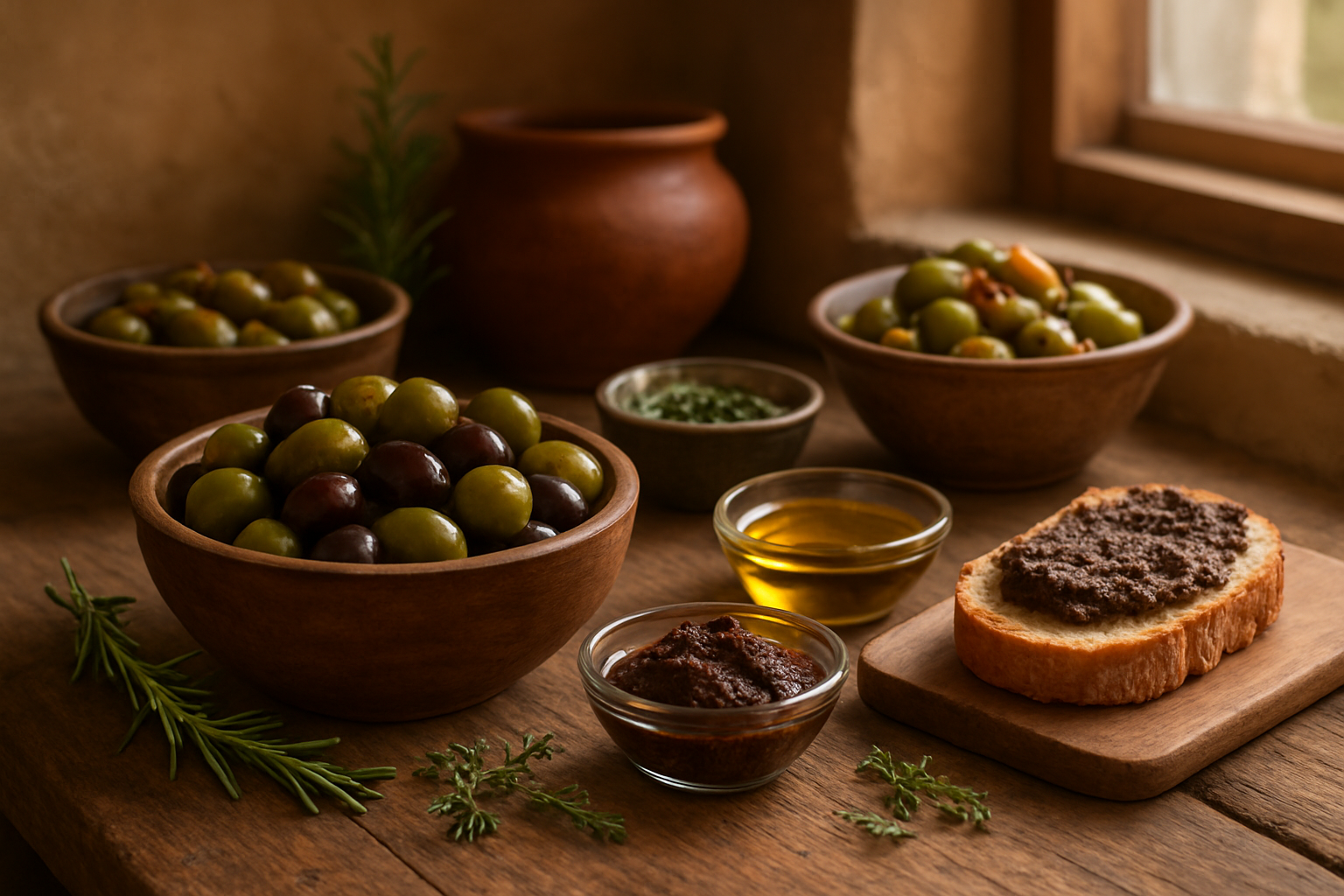
The culinary uses of olives in Mediterranean cooking stretch back thousands of years, forming the backbone of countless traditional dishes. Greek cuisine showcases olives in classics like Greek salad, where Kalamata olives provide a briny counterpoint to fresh vegetables and feta cheese. Italian kitchens rely on olives for tapenade, pasta puttanesca, and pizza toppings, while Spanish cooks incorporate olive varieties into paella and serve them alongside jamón and Manchego cheese.
These Mediterranean olives bring complex flavors that range from buttery and mild to intensely salty and robust. Green olives often appear in braised chicken dishes, where their firm texture holds up during long cooking times. Black olives frequently grace pasta sauces, adding depth without overwhelming other ingredients. The natural oils in olives help carry and enhance other flavors in dishes, making them valuable beyond their taste contribution.
Traditional Mediterranean cooking methods include stuffing olives with almonds, anchovies, or herbs, creating appetizers that pack maximum flavor in small bites. Olive oil production from these same fruits creates another essential cooking medium that connects every dish to the olive fruit's heritage.
Pairing olives with different foods
Smart olive pairing transforms simple ingredients into memorable combinations. Creamy cheeses like goat cheese and brie create perfect contrasts with salty olives, while hard cheeses such as Parmesan and aged cheddar complement olive's intensity. Wine pairings work exceptionally well - dry white wines balance green olive brininess, while robust reds stand up to black olive richness.
Meat combinations offer endless possibilities. Cured meats like prosciutto and salami naturally pair with olives on charcuterie boards. Fresh herbs including rosemary, thyme, and oregano enhance olive flavors in marinades and dressings. Citrus elements from lemon zest or orange segments brighten olive's earthiness.
Nuts create textural contrasts - almonds, walnuts, and pine nuts work particularly well in olive-based spreads and salads. Tomatoes share Mediterranean origins with olives, making them natural partners in countless dishes. Even sweet elements like honey or dried fruits can balance olive's saltiness in sophisticated appetizers.
| Olive Type | Best Cheese Pairing | Wine Match | Herb Complement |
|---|---|---|---|
| Kalamata | Feta, Goat Cheese | Pinot Noir | Oregano |
| Castelvetrano | Mozzarella, Ricotta | Sauvignon Blanc | Basil |
| Picholine | Camembert, Brie | Chardonnay | Thyme |
Incorporating olives into modern recipes
Contemporary cooking embraces olives in unexpected ways that go far beyond traditional Mediterranean applications. Modern chefs incorporate types of olives into fusion dishes, creating olive-crusted fish fillets, olive-infused cocktails, and even olive ice cream for adventurous palates.
Breakfast dishes now feature olives in savory oatmeal bowls, frittatas, and avocado toast toppings. Lunch innovations include olive-stuffed burgers, quinoa salads with mixed olives, and olive-based pestos for grain bowls. Dinner applications expand into olive-brined roasted chicken, olive-studded focaccia bread, and creative pasta dishes that combine multiple olive varieties for complex flavor layers.
Baking applications surprise many home cooks. Olive oil in chocolate cakes adds moisture and subtle fruity notes, while chopped olives in bread recipes create savory loaves perfect for entertaining. Modern preservation techniques allow home cooks to quick-pickle their own olives or create flavored olive oils infused with garlic, herbs, or spices.
Plant-based cooking particularly benefits from olives' umami qualities, using them to add depth to vegan dishes where they replace traditional flavor sources like cheese or meat. Food trucks and casual dining establishments now feature olive-forward dishes that appeal to diverse tastes, proving that what are olives continues evolving in contemporary cuisine.
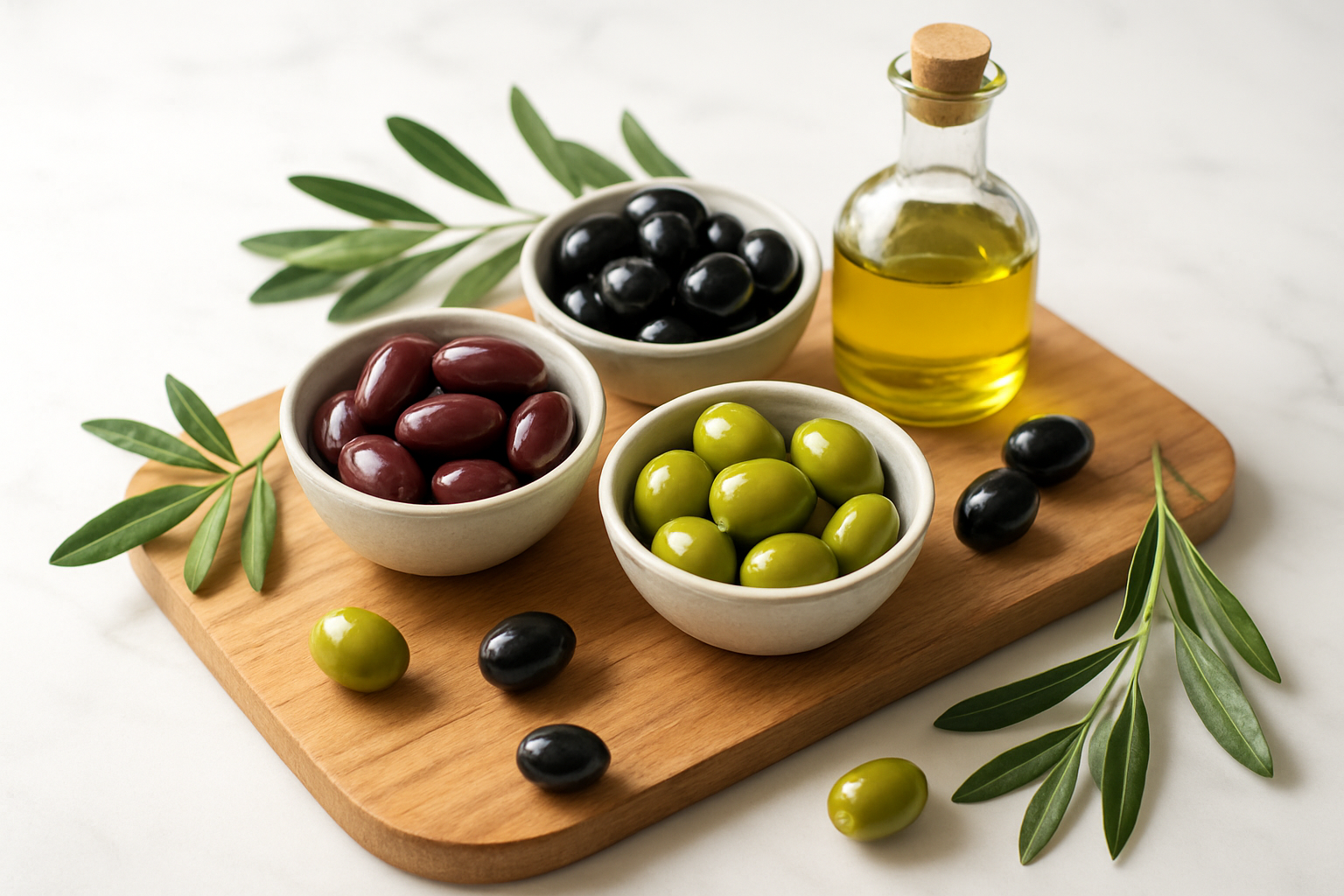
Olives are truly one of nature's most versatile gifts, packed with healthy fats, antioxidants, and nutrients that support heart health and overall wellness. From the small, briny Kalamata to the meaty Castelvetrano, each variety brings its own unique flavor profile and texture to the table. The processing methods, whether through water-curing, salt-curing, or lye-curing, transform these naturally bitter fruits into the delicious, savory treats we know and love.
Next time you're at the grocery store or planning a meal, consider experimenting with different olive varieties to discover new flavors and textures. Whether you're tossing them into a fresh salad, using them as a pizza topping, or simply enjoying them as a healthy snack, olives offer an easy way to add Mediterranean flair and nutritional value to your diet. Start exploring the world of olives today and let your taste buds guide you to your new favorites.


.png)
Comments
Post a Comment