Persimmon - What's the Persimmon Fruit?
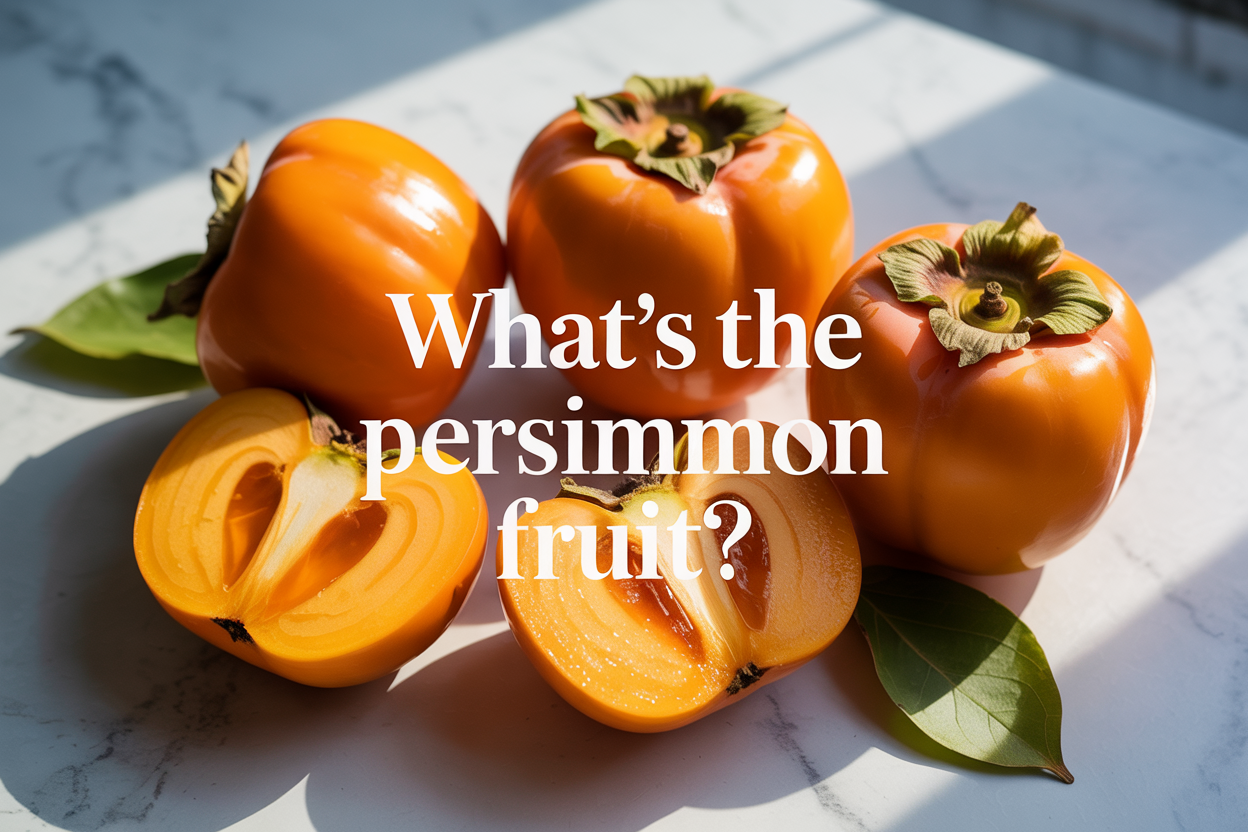
The persimmon fruit has been quietly winning hearts across the globe, but many people still wonder "what is persimmon" exactly. This vibrant orange superfruit packs incredible flavor and nutrition into every bite, making it a game-changer for health-conscious food lovers and curious eaters alike.
If you've spotted these glossy, tomato-like fruits at your local grocery store and felt intrigued but unsure, you're in the right place. We'll dive into the impressive persimmon health benefits that make nutritionists rave about this powerhouse fruit. You'll also discover the secrets to selecting ripe persimmons and master simple persimmon preparation methods that will have you enjoying this sweet treat like a pro.
Get ready to transform your fruit game with everything you need to know about this delicious and nutritious addition to your diet.
Understanding Persimmon: The Sweet Superfruit You Need to Know
Origins and botanical classification of persimmons
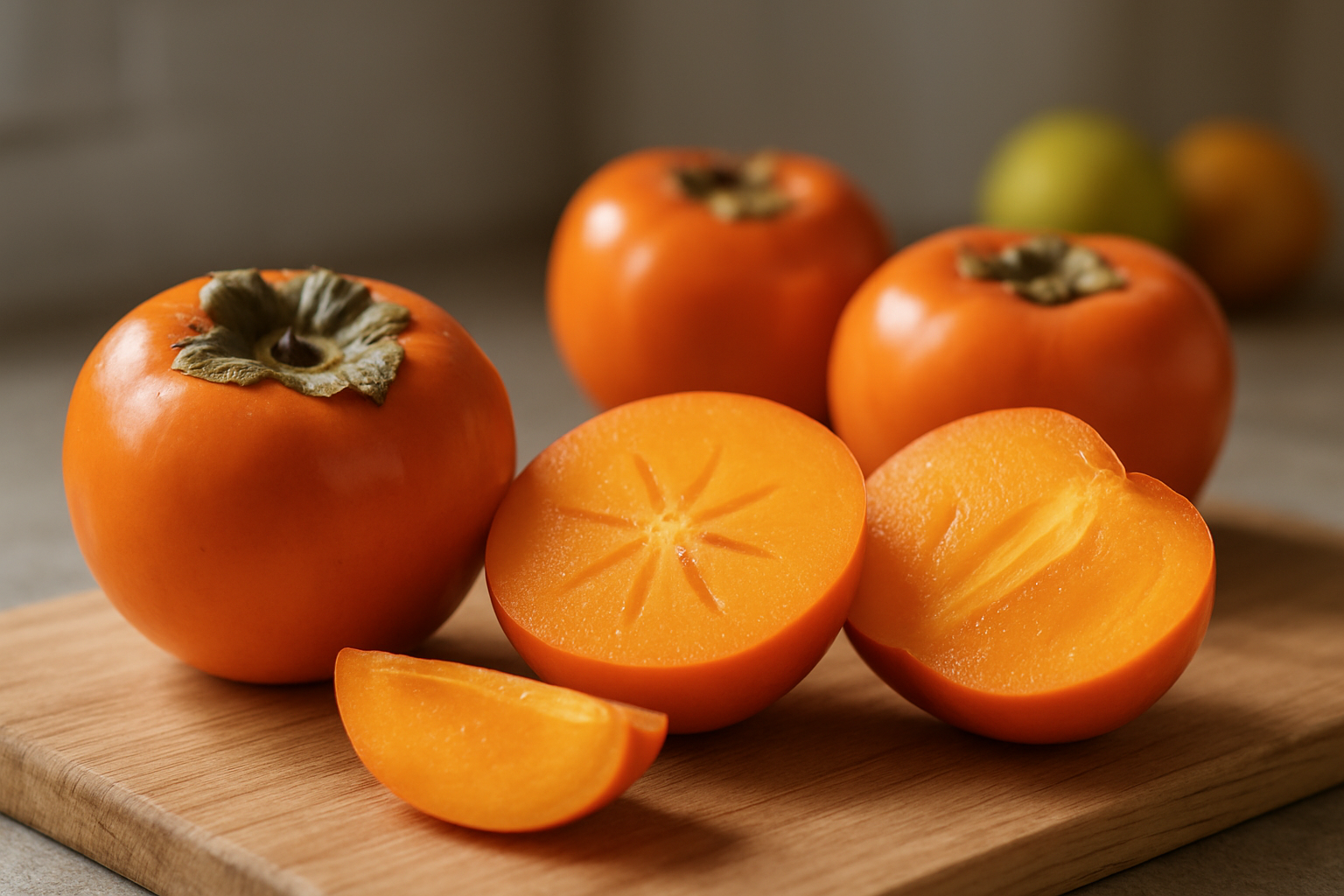
The persimmon fruit belongs to the genus Diospyros, which translates to "divine fruit" in Greek - a fitting name for this ancient superfruit. Scientists classify persimmons within the Ebenaceae family, the same group that includes ebony trees. Archaeological evidence suggests persimmons have been cultivated for over 2,000 years, with their origins tracing back to China and East Asia.
Wild persimmon species naturally occur across temperate regions worldwide, from the American Southeast to the mountainous regions of Japan and Korea. The botanical diversity includes over 400 species within the Diospyros genus, though only a handful produce commercially valuable fruit. American persimmons (Diospyros virginiana) grow native across the eastern United States, while Asian varieties like Diospyros kaki dominate global cultivation today.
Two main varieties: astringent vs non-astringent types
Understanding the difference between astringent and non-astringent persimmon varieties is crucial for anyone wondering what is persimmon and how to enjoy this fruit properly.
Astringent Persimmons:
-
Must be fully ripe and soft before eating
-
Contain high levels of tannins when unripe
-
Create an unpleasant, mouth-puckering sensation if eaten too early
-
Popular varieties include Hachiya, Saijo, and Tanenashi
-
Best used for baking and cooking when fully ripened
Non-astringent Persimmons:
-
Can be eaten while still firm and crisp
-
Lower tannin content allows for immediate consumption
-
Maintain sweet flavor regardless of ripeness stage
-
Common varieties include Fuyu, Jiro, and Izu
-
Perfect for fresh eating and salads
| Characteristic | Astringent Types | Non-astringent Types |
|---|---|---|
| Eating readiness | Must be soft-ripe | Edible when firm |
| Tannin levels | High when unripe | Low throughout ripening |
| Texture preference | Pudding-like when ripe | Crisp like an apple |
| Best uses | Baking, smoothies | Fresh eating, salads |
Physical characteristics and appearance guide
Persimmon fruit displays distinctive visual characteristics that make identification straightforward. Most persimmons develop a vibrant orange to deep orange-red color when ripe, though some varieties maintain yellowish hues. The skin appears smooth and glossy, similar to a tomato's surface, with a waxy feel that helps preserve the fruit's moisture.
Shape varies significantly between varieties. Astringent types like Hachiya typically exhibit an elongated, acorn-like form with a pointed bottom and broader shoulders near the stem. Non-astringent varieties such as Fuyu tend to be more rounded and flattened, resembling a small pumpkin or tomato.
Size ranges from golf ball dimensions to large apple proportions, depending on the cultivar and growing conditions. The calyx - the green, leaf-like structure at the top - remains attached even after harvest, creating the fruit's distinctive crown appearance. Inside, the flesh ranges from pale yellow to deep orange, with a texture that varies from firm and crisp to soft and custard-like based on ripeness and variety.
Peak growing seasons and global cultivation regions
Persimmon cultivation spans multiple continents, with harvest seasons varying by hemisphere and local climate conditions. In the Northern Hemisphere, peak persimmon season typically runs from October through December, when temperatures cool and trees prepare for dormancy.
Major Growing Regions:
-
Asia: China leads global production, followed by South Korea and Japan
-
North America: California dominates US production, with smaller orchards in the Southeast
-
Europe: Spain, Italy, and parts of the Mediterranean region
-
Southern Hemisphere: Australia, New Zealand, and parts of South America harvest from March to May
Climate requirements include hot summers for fruit development and sufficient winter chill hours for proper dormancy. Most commercial varieties thrive in USDA hardiness zones 7-10, though some American persimmons tolerate zone 5 conditions. Trees prefer well-drained soils and full sun exposure, making them suitable for both commercial orchards and backyard cultivation.
The global persimmon market continues expanding as more consumers discover this nutritious superfruit, with new varieties being developed to extend growing seasons and improve cold tolerance.
Unlock Amazing Health Benefits Hidden in Every Persimmon
Rich vitamin C content for immune system support
Each persimmon fruit packs an impressive vitamin C punch that puts many citrus fruits to shame. A single medium-sized persimmon delivers approximately 16.5 milligrams of vitamin C, which represents about 18% of your daily recommended intake. This powerful antioxidant vitamin plays a crucial role in strengthening your immune system by supporting white blood cell production and enhancing your body's natural defense mechanisms.
Your immune system relies heavily on vitamin C to function at peak performance. When you regularly include persimmon fruit in your diet, you're giving your body the tools it needs to fight off seasonal illnesses and recover more quickly from infections. The bioavailable form of vitamin C found in persimmons is easily absorbed by your body, making it more effective than many synthetic supplements.
What makes persimmon nutrition particularly special is how this vitamin C content works synergistically with other compounds in the fruit. The natural sugars and fiber help slow the absorption rate, providing a steady release of nutrients rather than a quick spike followed by rapid elimination.
High fiber levels promoting digestive wellness
Persimmon health benefits extend significantly into digestive health, thanks to their substantial fiber content. One medium persimmon contains approximately 6 grams of dietary fiber, which accounts for nearly 25% of your daily fiber needs. This impressive fiber profile includes both soluble and insoluble varieties, each serving distinct functions in your digestive system.
Soluble fiber in persimmons dissolves in water to form a gel-like substance that helps regulate blood sugar levels and lower cholesterol. This type of fiber also feeds beneficial gut bacteria, promoting a healthy microbiome that supports overall digestive function and immune health.
The insoluble fiber adds bulk to your stool and helps food move through your digestive tract more efficiently. This prevents constipation and promotes regular bowel movements, reducing your risk of digestive disorders and colorectal issues.
Regular consumption of persimmon fruit can help establish healthy digestive patterns while providing prebiotics that nourish beneficial bacteria in your gut. The natural enzymes present in ripe persimmons also aid in breaking down proteins and other nutrients, making digestion more efficient.
Antioxidant properties fighting free radical damage
Persimmons stand out as a true persimmon superfruit when it comes to antioxidant content. These orange gems contain powerful compounds including beta-carotene, lycopene, and flavonoids that actively combat free radical damage throughout your body. Free radicals are unstable molecules that can cause cellular damage, leading to premature aging and various chronic diseases.
The vibrant orange color of persimmon fruit signals the presence of beta-carotene, which your body converts to vitamin A. This conversion process supports eye health, skin integrity, and cellular repair mechanisms. Lycopene, the same antioxidant found in tomatoes, helps protect against cardiovascular disease and certain types of cancer.
Flavonoids in persimmons, particularly catechins and gallocatechins, provide additional anti-inflammatory benefits. These compounds help reduce oxidative stress in your blood vessels, potentially lowering your risk of heart disease and stroke. The antioxidant activity of persimmons has been shown to be particularly effective in protecting LDL cholesterol from oxidation, a key factor in preventing arterial plaque formation.
The combination of these antioxidants creates a powerful defense system against cellular damage. Regular consumption of persimmons can help slow the aging process, support cardiovascular health, and reduce inflammation throughout your body, making them an excellent addition to any health-conscious diet.
Master the Art of Selecting and Ripening Perfect Persimmons
Visual cues for identifying ripe fruit
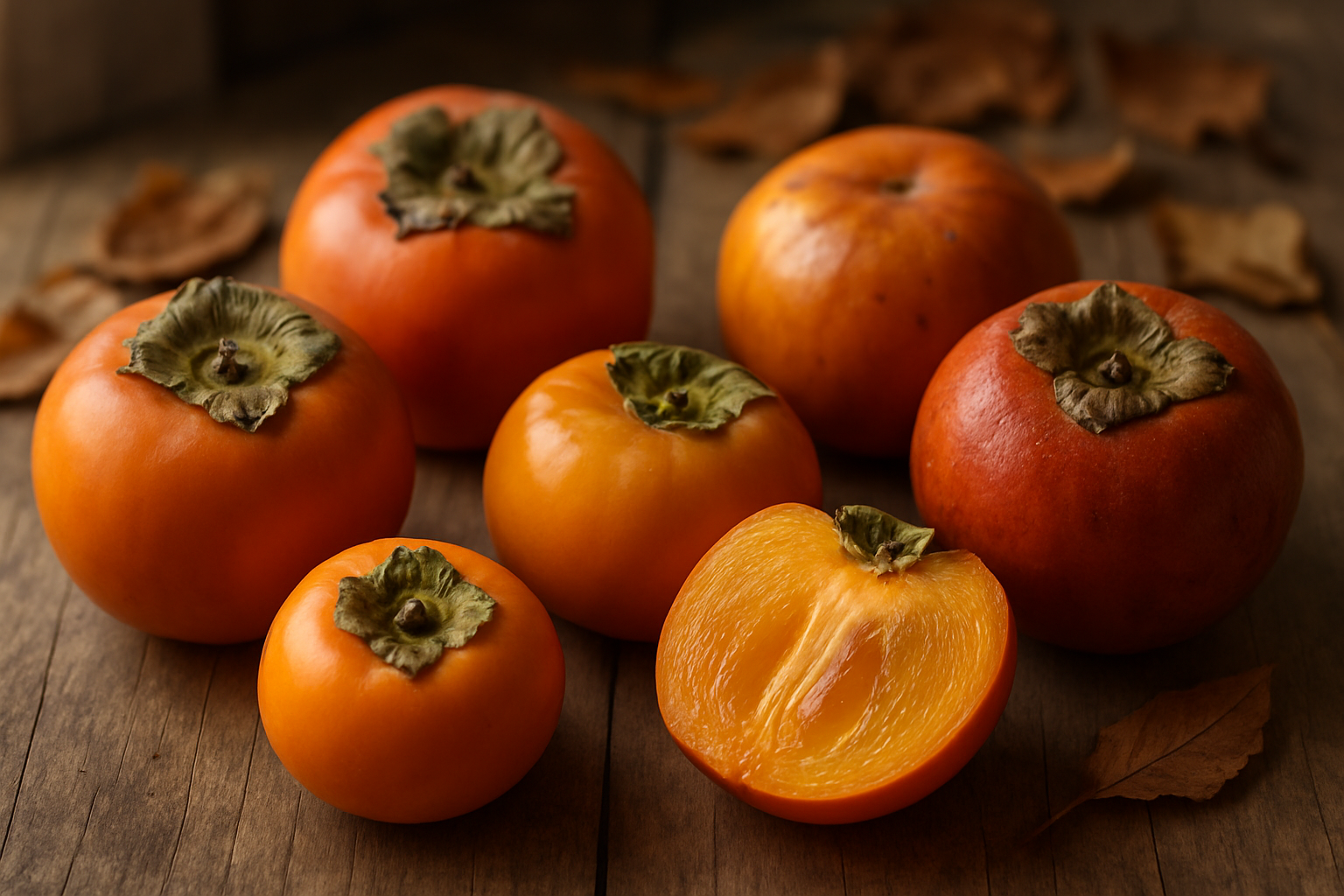
The persimmon fruit reveals its readiness through several telltale signs. A fully ripe persimmon displays a vibrant, glossy orange-red color that looks almost translucent under light. The skin should appear plump and smooth, free from wrinkles or dark blemishes. Astringent varieties like Hachiya persimmons need to look almost gelatinous when perfectly ripe, with the fruit taking on a deep orange hue that borders on red. The calyx (the green leafy top) should remain attached and look fresh, not dried or blackened.
Non-astringent varieties such as Fuyu persimmons can be enjoyed while still firm, showing a bright orange color similar to a ripe tomato. These varieties maintain their shape even when fully ripe and won't develop the soft, jelly-like texture of their astringent counterparts.
Touch tests to determine optimal eating time
Your fingers provide the best tool for determining persimmon ripeness. For astringent varieties, the fruit should yield completely to gentle pressure, feeling like a water balloon ready to burst. If there's any firmness remaining, the persimmon will taste overwhelmingly bitter and astringent.
Fuyu and other non-astringent types feel different when ready. They should give slightly to pressure but still maintain some firmness, similar to a ripe peach or apple. You can eat these varieties when they're still quite firm, though they become sweeter as they soften.
Test multiple points around the fruit, as persimmons can ripen unevenly. The shoulder area near the stem typically ripens first, while the bottom may remain firm longer.
Proper storage techniques for maximum freshness
Room temperature storage works best for ripening persimmons, but once ripe, refrigeration extends their life significantly. Place unripe persimmons in a single layer on your counter, away from direct sunlight. This prevents bruising and allows even ripening.
Once your persimmon fruit reaches perfect ripeness, transfer it to the refrigerator where it will keep for up to one week. Store ripe persimmons in the crisper drawer, ideally in a perforated plastic bag to maintain humidity while allowing air circulation.
For longer storage, fully ripe persimmons freeze beautifully. Remove the skin first, then freeze the flesh in airtight containers for up to six months. The texture changes after freezing, making them perfect for smoothies or baking rather than fresh eating.
Never store persimmons near strong-smelling foods, as they absorb odors easily. Keep them separate from ethylene-producing fruits like bananas if you want to slow the ripening process.
Accelerating ripening process naturally
Speed up persimmon ripening by placing them in a paper bag with a ripe banana or apple. These fruits release ethylene gas, which triggers faster ripening. Check daily and remove any that have reached your desired softness level.
Temperature plays a crucial role in how to ripen persimmon effectively. Warmer spots in your kitchen, like near (but not on) a heating vent or on top of the refrigerator, can accelerate the process. Avoid placing them in direct heat, which causes uneven ripening.
For ultra-fast ripening, try the freezer method: place firm persimmons in the freezer overnight, then thaw at room temperature. This breaks down the tannins quickly, though it changes the texture considerably.
Common mistakes to avoid when handling persimmons
Many people give up on persimmons after biting into an unripe astringent variety, experiencing that mouth-puckering sensation. This bitter taste comes from tannins that only disappear when the fruit becomes completely soft.
Pressing too hard during ripeness testing damages the delicate skin and flesh. Use the lightest touch possible when checking for doneness. Stacking unripe persimmons causes bruising and uneven ripening - always arrange them in a single layer.
Another frequent error involves refrigerating unripe persimmons. Cold temperatures halt the ripening process entirely, leaving you with fruit that may never develop proper sweetness and texture. Wait until they're fully ripe before moving them to the refrigerator.
Removing the skin too early also proves problematic. The skin helps protect the flesh during ripening and contains beneficial nutrients. Only remove it just before eating or using in persimmon recipes.
Transform Your Kitchen with Delicious Persimmon Preparations

Simple ways to eat fresh persimmons
The beauty of persimmon fruit lies in its versatility and natural sweetness. When perfectly ripe, you can simply slice and enjoy fresh persimmons straight from the skin, much like eating an apple. The key is understanding your persimmon variety - soft, jelly-like Hachiya persimmons are best spooned out with a spoon when fully ripe, while crisp Fuyu persimmons can be eaten firm like an apple.
Try slicing persimmons into wedges and adding them to cheese boards alongside soft brie or aged cheddar. The fruit's natural sweetness pairs beautifully with nuts like walnuts or pecans. For a refreshing twist, dice persimmons into fruit salads or layer them in yogurt parfaits. Many people love adding thin persimmon slices to morning oatmeal or cereal for natural sweetness without added sugars.
Creating persimmon smoothies offers another delicious way to enjoy this superfruit. Blend ripe persimmon flesh with banana, yogurt, and a splash of almond milk for a nutritious breakfast drink that showcases the fruit's creamy texture and rich flavor profile.
Popular cooking and baking applications
Persimmon recipes have gained tremendous popularity in modern kitchens, transforming this ancient fruit into contemporary culinary delights. Persimmon bread ranks among the most beloved baking applications, where the fruit's natural moisture creates incredibly tender, spiced loaves perfect for fall gatherings. The fruit works similarly to pumpkin or banana in baked goods, adding natural sweetness and vibrant color.
Persimmon cookies and muffins showcase how to eat persimmon in familiar formats. The fruit's pulp integrates seamlessly into cookie dough, creating chewy textures with hints of cinnamon and nutmeg. Professional bakers often incorporate persimmon puree into pound cakes, quick breads, and even persimmon ice cream for unique dessert offerings.
| Application Type | Best Persimmon Variety | Key Preparation Notes |
|---|---|---|
| Baking (breads, cakes) | Hachiya | Use very ripe, pureed fruit |
| Salads & garnishes | Fuyu | Slice firm fruit thinly |
| Smoothies | Either variety | Remove seeds and skin |
| Jams & preserves | Hachiya | High pectin content works well |
Savory persimmon preparation methods include adding diced fruit to roasted vegetable medleys, incorporating slices into grain salads with quinoa or farro, and creating glazes for roasted meats. The fruit's subtle sweetness complements savory spices like ginger, cardamom, and black pepper.
Traditional preservation methods across cultures
Different cultures have developed fascinating persimmon preparation methods that extend the fruit's shelf life while creating entirely new flavors and textures. In East Asia, particularly Japan and Korea, dried persimmons (called "hoshigaki" in Japanese) represent an ancient art form where whole fruits are peeled, hung, and massaged regularly over several weeks to create translucent, chewy treats with concentrated sweetness.
Chinese traditions include creating persimmon vinegar through fermentation processes that transform overripe fruit into complex condiments. This method showcases how persimmon nutrition can be preserved while developing umami-rich flavors perfect for marinades and dressings.
Italian regions have their own approach to persimmon preservation, often incorporating the fruit into mostarda - a traditional condiment combining candied fruits with mustard oil. This preparation method balances the persimmon's sweetness with sharp, pungent flavors.
Modern home preservation techniques include making persimmon leather by dehydrating pureed fruit into flexible sheets, creating concentrated snacks that retain most of the fruit's nutritional benefits. Freezing ripe persimmons whole allows you to enjoy them year-round - simply thaw and eat with a spoon like natural sorbet.
Fermented persimmon drinks, popular in Korean culture, demonstrate how traditional knowledge transforms fresh fruit into probiotic-rich beverages that support digestive health while celebrating the fruit's natural character.
Navigate Potential Concerns and Maximize Your Persimmon Experience
Managing astringency in unripe varieties
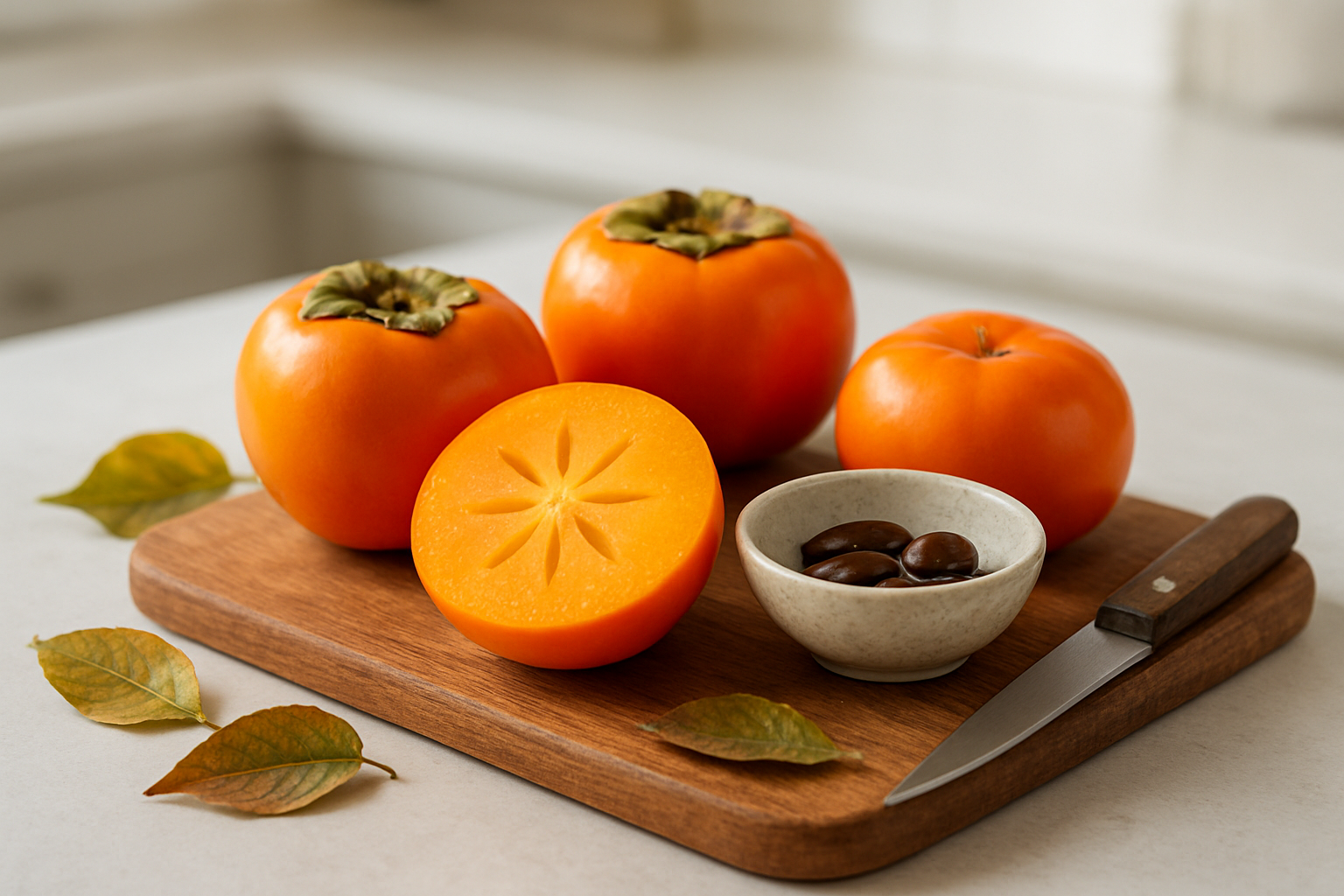
The chalky, mouth-puckering sensation from unripe astringent persimmon varieties can turn anyone off this amazing fruit. This astringency comes from tannins that bind to proteins in your saliva, creating that dry, unpleasant feeling. Astringent varieties like Hachiya need to be completely soft and jelly-like before eating, while non-astringent types like Fuyu can be enjoyed firm.
If you accidentally bite into an unripe astringent persimmon, don't panic. Rinse your mouth with milk or eat some dairy products to neutralize the tannins. The sensation will pass within 10-15 minutes. To speed up ripening, place persimmons in a paper bag with a banana or apple - the ethylene gas will help them ripen faster.
Some people try to remove astringency by peeling and freezing the fruit overnight, then thawing it. Others soak sliced persimmons in warm water for several hours. While these methods work, waiting for natural ripening produces the best flavor and texture.
Digestive considerations and portion recommendations
Your digestive system handles persimmon fruit quite well, but moderation remains key. These fruits contain high amounts of fiber and natural sugars, which can cause digestive upset if you overindulge. Start with one medium persimmon per day to see how your body responds.
People with sensitive stomachs should eat persimmons after meals rather than on an empty stomach. The high fiber content can sometimes trigger bloating or gas in those unaccustomed to fiber-rich foods. Gradually increasing your intake allows your digestive system to adjust.
Persimmons also contain compounds that can form bezoars - hard masses in the stomach - when consumed in very large quantities on an empty stomach. This rare condition typically only occurs when eating multiple persimmons daily without other foods.
The natural sugars in persimmons can affect blood glucose levels, so people monitoring their sugar intake should count them toward their daily fruit servings. One medium persimmon contains about 25 grams of carbohydrates.
Interaction awareness with certain medications
Persimmon fruit can interact with specific medications, particularly those processed by certain liver enzymes. The fruit contains compounds that may affect how your body metabolizes some drugs, potentially altering their effectiveness.
Blood-thinning medications like warfarin require special attention when adding persimmons to your diet. These fruits contain vitamin K, which can interfere with anticoagulant effects. If you take blood thinners, consult your healthcare provider before regularly eating persimmons.
Diabetes medications may also interact with persimmon consumption due to the fruit's natural sugar content and potential effects on blood glucose levels. Monitor your blood sugar more closely when first introducing persimmons into your routine.
Some blood pressure medications, particularly ACE inhibitors, might interact with the potassium content in persimmons. While this interaction is generally mild, people on multiple heart medications should discuss persimmon consumption with their doctor.
Always inform your healthcare provider about dietary changes, especially if you take multiple medications. They can advise whether persimmon fruit fits safely into your medication regimen and help you enjoy this nutritious superfruit without complications.
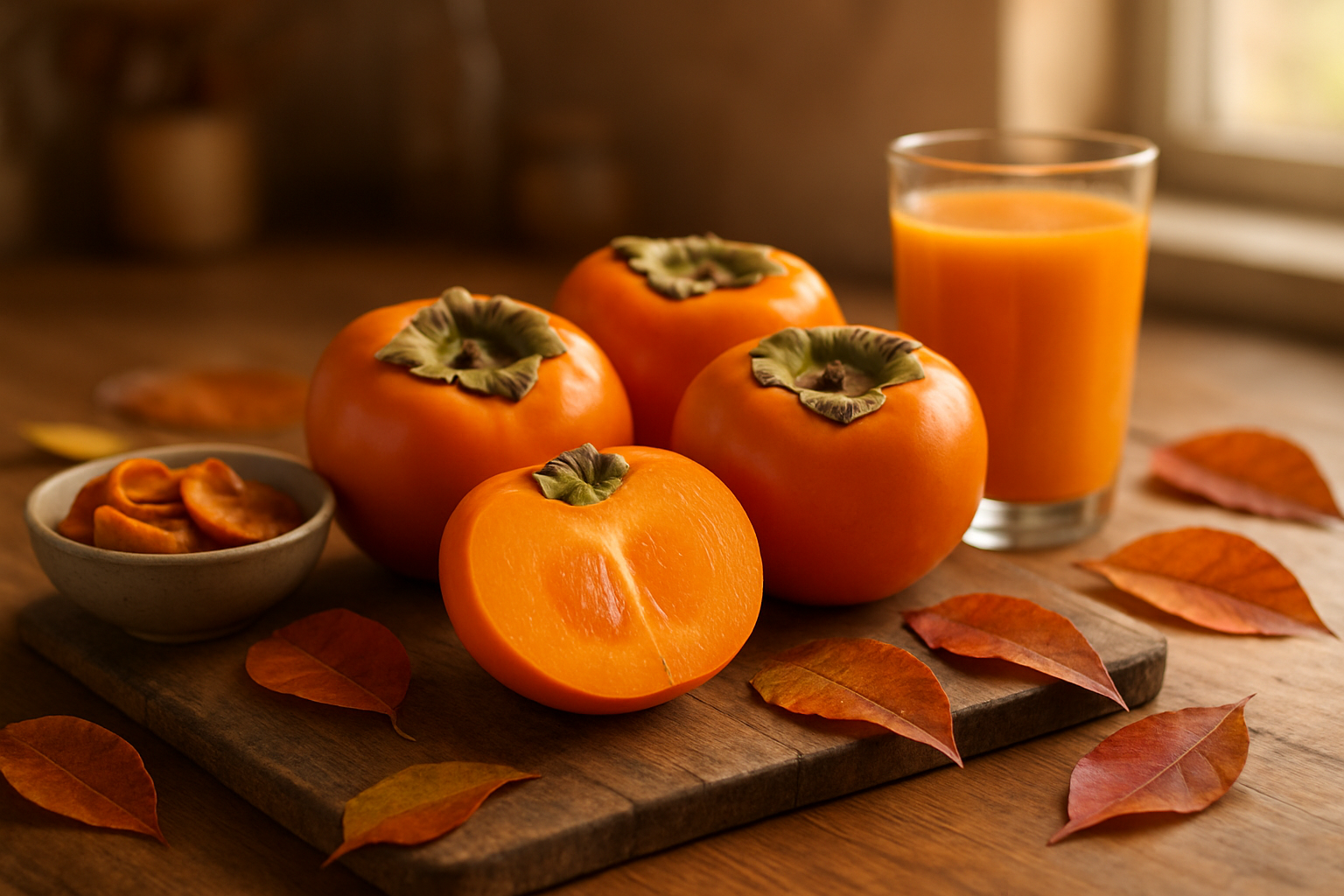
Persimmons truly deserve a spot in your regular fruit rotation. This sweet, vibrant fruit packs an impressive nutritional punch while offering incredible versatility in the kitchen. From supporting your immune system with vitamin C to promoting heart health with fiber and antioxidants, persimmons deliver benefits that go far beyond their delicious taste.
The key to enjoying persimmons lies in understanding the varieties and knowing how to pick ripe ones. Once you master the art of selection and preparation, you'll discover countless ways to incorporate this superfruit into your meals – from simple snacks to creative desserts and savory dishes. Don't let unfamiliarity hold you back from trying this amazing fruit. Head to your local grocery store, pick up a few persimmons, and start experimenting with this sweet treasure that's been delighting taste buds for centuries.


.png)
Comments
Post a Comment