Plantains - What Are Plantain Bananas?
What Are Plantains? Your Complete Guide to These Versatile Cooking Bananas
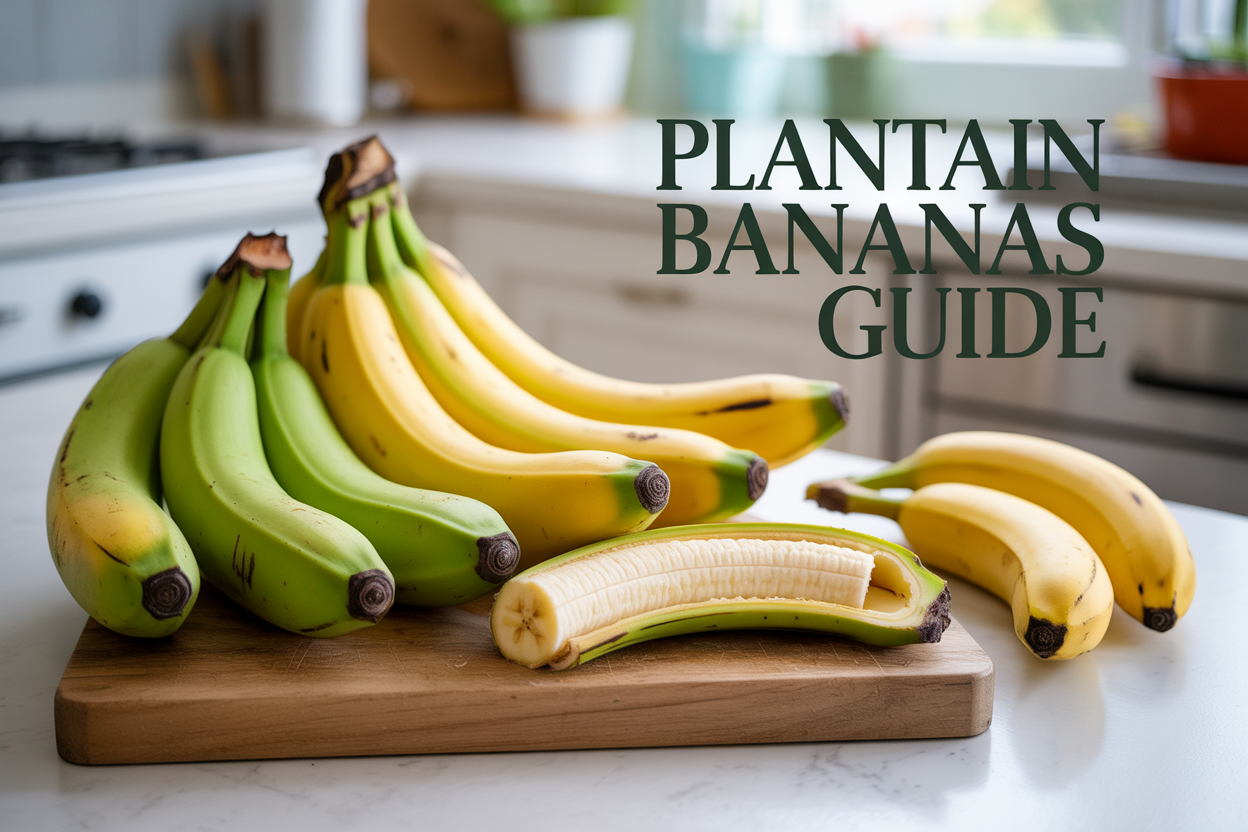
Plantains might look like oversized bananas, but they're actually cooking bananas with their own unique personality. If you've spotted these green or yellow giants at the grocery store and wondered what they're all about, you're not alone.
This guide is perfect for curious home cooks, health-conscious eaters, and anyone wanting to explore new flavors in their kitchen.
We'll break down exactly what makes plantains different from regular bananas and why they're worth adding to your cooking routine. You'll discover the nutritional powerhouse hiding inside these humble fruits and learn how their ripeness stages completely change their flavor and best cooking methods. We'll also share popular preparation techniques that transform plantains from simple fruit into crispy, caramelized, or savory dishes that shine in cuisines around the world.
Ready to unlock the secrets of cooking with plantains? Let's dive in.
Understanding Plantains and Their Relationship to Bananas
Key differences between plantains and regular bananas
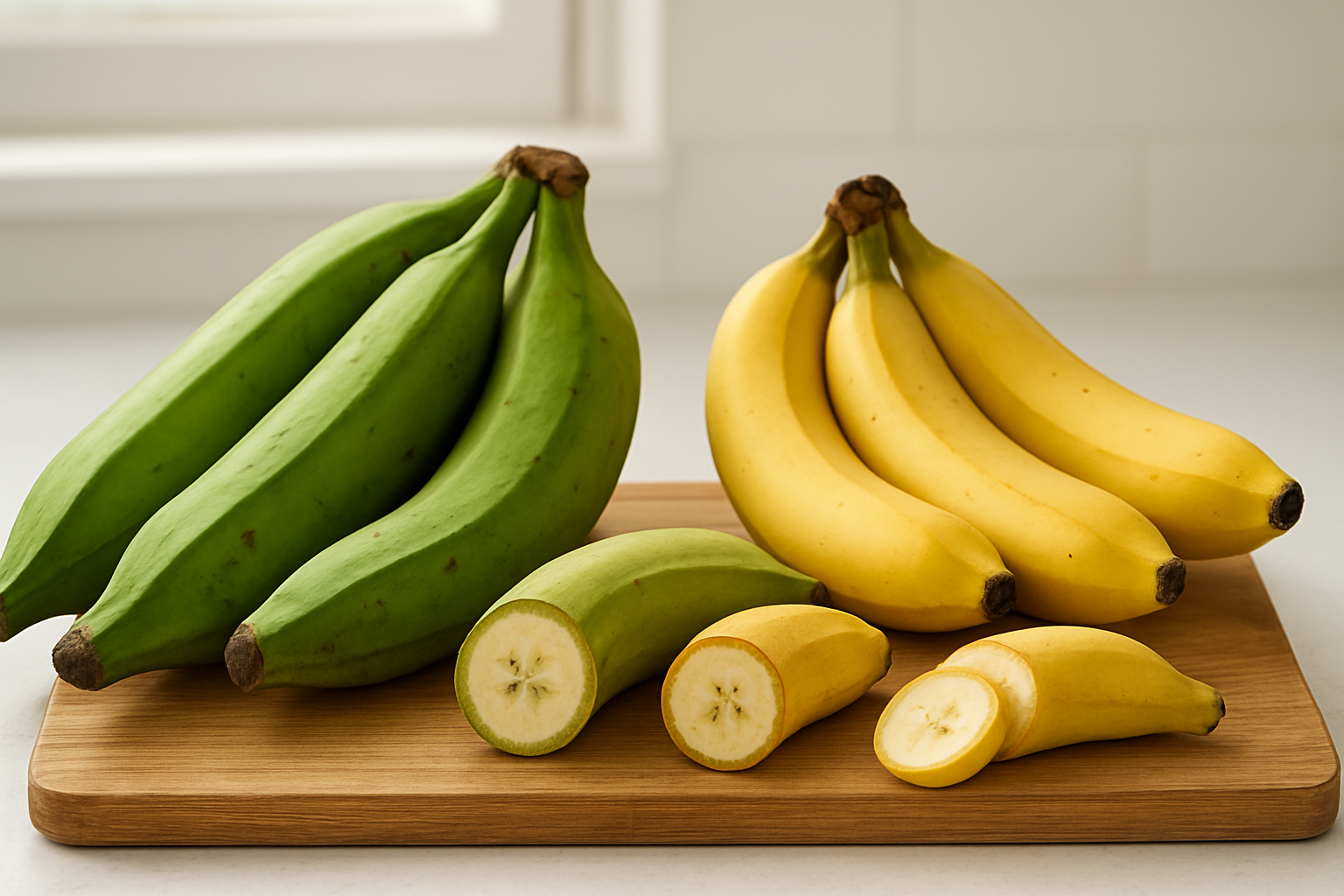
Plantains and regular bananas might look similar at first glance, but they're actually quite different in several important ways. The most obvious difference is size - plantains are significantly larger and thicker than regular bananas, typically measuring 6-10 inches long compared to the 4-6 inches of a standard banana.
The skin tells another story entirely. Plantain skins are much thicker and tougher, making them harder to peel with your hands. Regular banana peels are thin and easy to remove, while plantain peels often require a knife to cut through, especially when the fruit is green.
When it comes to taste and texture, the differences become even more pronounced. Regular bananas are sweet and soft, perfect for eating raw as a snack or adding to smoothies. Plantains, on the other hand, are starchy and firm, with a more subtle sweetness that develops as they ripen. The starch content in plantains is much higher, making them similar to potatoes in terms of nutritional composition.
| Feature | Plantains | Regular Bananas |
|---|---|---|
| Size | 6-10 inches | 4-6 inches |
| Skin thickness | Thick, tough | Thin, easy to peel |
| Starch content | High | Lower |
| Sweetness when green | Minimal | Moderate |
| Primary use | Cooking | Eating raw |
Why plantains are considered cooking bananas
The term "cooking bananas" perfectly describes how plantains are typically used in kitchens around the world. Unlike regular bananas that are enjoyed fresh, plantains need to be cooked before eating due to their high starch content and firm texture.
Green plantains are particularly starchy and have a potato-like quality that makes them unsuitable for raw consumption. The starch hasn't converted to sugar yet, giving them a bland, almost chalky taste when uncooked. This is why you'll find them fried, boiled, baked, or grilled in countless recipes across different cultures.
Even ripe plantains, which develop natural sugars as they mature, are typically cooked to enhance their flavor and achieve the desired texture. Cooking with plantains transforms their starchy interior into something creamy, sweet, or crispy, depending on the preparation method chosen.
The versatility of plantains in cooking is remarkable. They can be treated like vegetables when green - mashed, fried into chips, or added to stews. As they ripen and yellow, they become sweeter and work well in both savory and sweet dishes. This adaptability across different ripeness stages makes them invaluable in many cuisines.
Scientific classification and botanical similarities
From a botanical perspective, plantains and regular bananas are incredibly close relatives. Both belong to the genus Musa and are technically berries, despite what most people think. They share the same species classification - Musa acuminata and Musa balbisiana - with different cultivars representing the varieties we see in stores.
The relationship between plantain vs banana becomes clearer when you understand that they're essentially different breeds of the same fruit, developed through centuries of selective cultivation. Think of it like different breeds of dogs - they're all the same species but have been bred for different characteristics and purposes.
Both plantains and bananas grow on large herbaceous plants (not trees, despite common belief) that can reach 15-20 feet tall. The plants produce identical flowering structures and develop fruit in similar hanging bunches called hands. The growing conditions, harvest methods, and basic plant biology are virtually identical.
What separates them are the specific genetic variations that have been selected and cultivated over thousands of years. These variations affect starch content, size, skin thickness, and sugar development - the very characteristics that determine whether a particular variety ends up being called a plantain or a banana in the marketplace.
Identifying Plantains by Their Physical Characteristics
Size and Shape Variations Throughout Ripening Stages
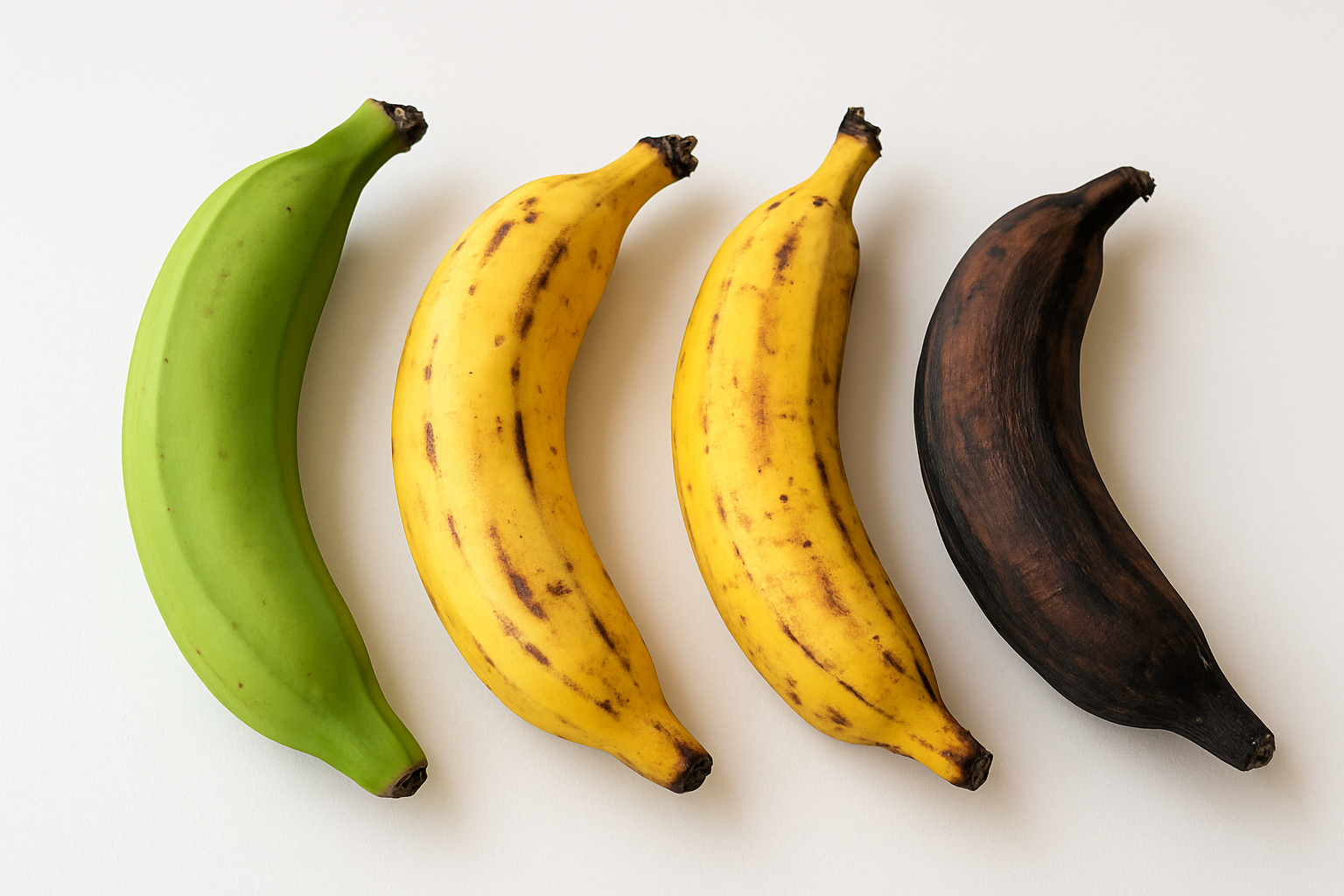
Plantains start their journey as robust, elongated fruits that are notably larger than regular dessert bananas. When green and unripe, they measure 6-10 inches in length and maintain a substantial girth that makes them feel hefty in your hands. The shape remains fairly angular and firm, with pronounced ridges running along the fruit's length.
As plantains progress through their ripening stages, their size actually decreases slightly due to moisture loss, but their shape becomes more rounded and curved. Yellow plantains develop the classic banana curve while maintaining their impressive length. By the time they reach full ripeness with black spots or completely black skin, plantains may appear slightly shrunken but still retain their characteristic robust proportions that distinguish them from smaller dessert bananas.
Color Changes from Green to Yellow to Black
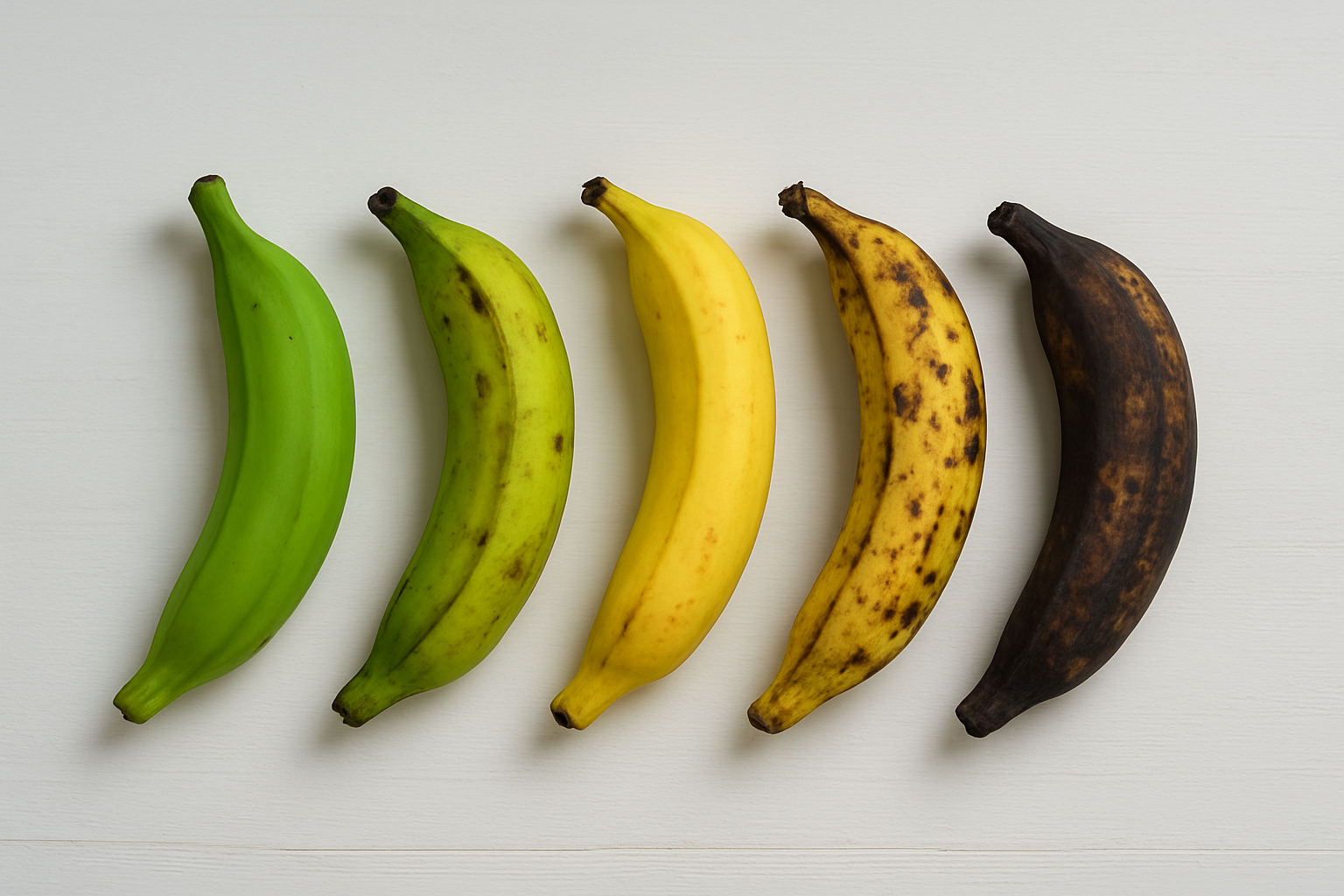
The color transformation of plantains tells the complete story of their ripening journey. Green plantains showcase a vibrant, almost emerald hue with a matte finish that signals their starchy, potato-like interior. This stage is perfect for savory dishes and frying applications.
The transition to yellow happens gradually, starting with small yellow patches that spread across the entire surface. Yellow plantains with minimal brown spots offer the perfect balance of starch and sweetness. As the yellow deepens and brown spots multiply, the sweetness intensifies dramatically.
The final black stage might look overripe to newcomers, but experienced cooks know these plantains contain maximum sugar content. The skin turns deep brown to black, often with soft spots, indicating the flesh inside has transformed into a sweet, almost custard-like consistency ideal for desserts and sweet preparations.
Skin Thickness and Texture Differences from Dessert Bananas
Plantain vs banana differences become immediately apparent when you handle the skin. Plantain skin is significantly thicker and more robust than regular banana peels. While banana skins are thin and easily peeled with your fingers, plantain skins require more effort and often benefit from a knife, especially when green.
| Characteristic | Plantains | Dessert Bananas |
|---|---|---|
| Skin Thickness | 2-3mm thick | 1mm thick |
| Texture | Tough, waxy when green | Thin, delicate |
| Peeling Method | Knife recommended | Hand peeling easy |
| Surface Feel | Rough, textured | Smooth |
Green plantain skin feels almost leather-like and waxy to the touch. The surface has a rougher texture with more pronounced ridges compared to the smooth banana skin. As plantains ripen, the skin becomes more pliable but never reaches the delicate thinness of banana peels.
Internal Flesh Appearance and Firmness Levels
The flesh of plantains varies dramatically based on ripeness, creating distinct cooking opportunities. Green plantains reveal pale yellow to almost white flesh that's incredibly firm and dense. The texture resembles raw potato more than fruit, with a starchy composition that holds its shape during cooking.
Yellow plantains display cream-colored flesh with increased softness while maintaining enough structure for slicing and frying. The flesh begins showing subtle sweetness but retains enough firmness for most cooking methods.
Fully ripe black plantains contain deep yellow to golden flesh that's soft and easily mashed. The texture becomes creamy and sweet, similar to very ripe bananas but with more substance. This stage works beautifully for baking, mashing into desserts, or eating raw as a sweet snack.
The firmness progression affects how you can cook plantains. Green varieties maintain their shape in stews and can be boiled like potatoes. Yellow plantains hold together well when sliced and fried. Black plantains become tender enough to mash or incorporate into baked goods, making them incredibly versatile for both sweet and savory applications.
Nutritional Profile and Health Benefits of Plantains
Vitamin and Mineral Content Comparison
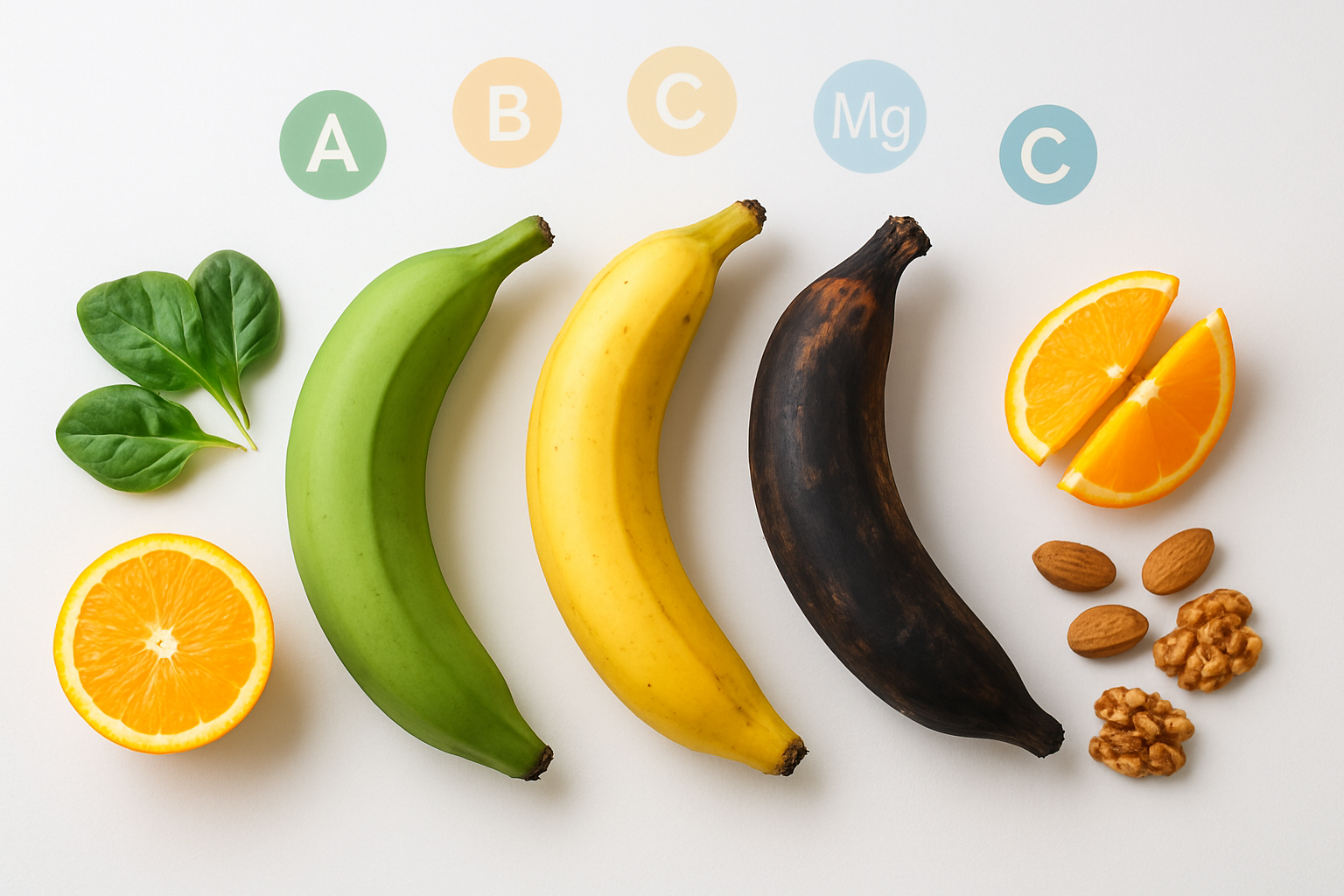
Plantains pack a serious nutritional punch that puts them ahead of regular bananas in several key areas. A single cup of cooked plantains delivers about 30% more vitamin A than bananas, making them excellent for eye health and immune function. The vitamin C content is also impressive - one medium plantain provides roughly 23 milligrams, which is about 25% of your daily needs.
What really sets plantains apart is their mineral profile. They contain higher levels of magnesium and phosphorus compared to regular bananas, with magnesium supporting muscle and nerve function while phosphorus helps build strong bones and teeth. The iron content in plantains is particularly noteworthy for people looking to boost their intake of this essential mineral.
Here's how plantain nutrition facts stack up against regular bananas per 100g serving:
| Nutrient | Plantains | Regular Bananas |
|---|---|---|
| Vitamin A | 1127 IU | 64 IU |
| Vitamin C | 18.4 mg | 8.7 mg |
| Magnesium | 37 mg | 27 mg |
| Iron | 0.6 mg | 0.3 mg |
Fiber Content and Digestive Health Advantages
The fiber story with plantains is where things get really interesting. A medium-sized plantain contains about 3.5 grams of dietary fiber, which is roughly 14% of your daily recommended intake. This fiber content varies depending on ripeness - green plantains actually contain more fiber than their yellow, ripe counterparts.
This high fiber content works wonders for your digestive system. The insoluble fiber helps food move through your intestines more efficiently, preventing constipation and promoting regular bowel movements. Meanwhile, the soluble fiber acts as food for beneficial gut bacteria, supporting a healthy microbiome.
Green plantains are particularly rich in resistant starch, a special type of fiber that acts like a prebiotic. This resistant starch passes through your small intestine undigested and ferments in your colon, producing beneficial short-chain fatty acids that support colon health and may help reduce inflammation.
Potassium Levels for Heart and Muscle Function
Plantains are potassium powerhouses, containing even more of this crucial mineral than bananas. A single medium plantain provides approximately 739 milligrams of potassium - that's about 16% of your daily needs and roughly 200 milligrams more than a regular banana.
This high potassium content makes plantains exceptional for cardiovascular health. Potassium helps regulate blood pressure by counteracting sodium's effects and supporting proper fluid balance in your cells. Regular consumption of potassium-rich foods like plantains can help reduce the risk of stroke and heart disease.
For athletes and active individuals, the potassium in plantains plays a vital role in muscle function and recovery. It helps prevent muscle cramps, supports proper muscle contractions, and aids in post-workout recovery. The combination of potassium with plantains' natural carbohydrates makes them an ideal choice for pre or post-exercise nutrition.
Carbohydrate Composition and Energy Provision
Plantains are carbohydrate champions, containing about 32 grams of carbs per medium fruit. What makes these carbs special is their composition changes dramatically as the plantain ripens. Green plantains are loaded with complex carbohydrates and resistant starch, providing sustained energy release that won't spike your blood sugar as dramatically as simple sugars would.
As plantains ripen and turn yellow, then brown, their starch converts to natural sugars, making them sweeter and providing quicker energy. This makes different ripeness stages perfect for different dietary needs - green plantains for steady energy and better blood sugar control, and ripe plantains for quick energy replenishment.
The energy provision from plantains is substantial - a medium plantain contains about 220 calories, making it an excellent choice for active individuals or anyone needing sustained energy. Unlike processed snacks, these calories come packed with vitamins, minerals, and fiber, giving you genuine nutritional value alongside the energy boost.
Plantain Ripeness Stages and Their Best Uses
Green plantains for savory dishes and frying
Green plantains are the unripe stage where these versatile fruits shine in savory cooking. Their firm, starchy texture makes them perfect for frying, boiling, and grilling. At this stage, plantains contain more starch and less sugar, giving them a potato-like consistency that holds up beautifully during cooking.
How to cook plantains when they're green involves several popular methods:
-
Tostones: Double-fried plantain rounds that become crispy on the outside and tender inside
-
Mofongo: Puerto Rican dish where fried green plantains are mashed with garlic and pork rinds
-
Patacones: Colombian-style flattened and fried plantain discs
-
Boiled plantains: Simple preparation often served as a side dish with salt and butter
Green plantains work exceptionally well as a substitute for potatoes or yuca in many recipes. Their neutral flavor absorbs seasonings and marinades beautifully, making them ideal for incorporating bold spices and herbs.
Yellow plantains for sweet preparations
Yellow plantains represent the sweet spot between green and fully ripe. As plantains transition from green to yellow, their starch converts to natural sugars, creating a perfect balance for both sweet and savory applications.
The texture becomes slightly softer while maintaining enough structure for various plantain recipes. Yellow plantains caramelize beautifully when cooked, developing a golden exterior with hints of sweetness that complement both meat dishes and standalone preparations.
Popular uses include:
-
Maduros: Sweet fried plantains that caramelize to perfection
-
Grilled plantain slices for barbecues
-
Plantain chips with a hint of natural sweetness
-
Stuffed plantains filled with cheese or meat
Black plantains for desserts and baking
When plantains reach the black stage, they've achieved maximum sweetness and softness. Don't let their dark, spotted appearance fool you – these overripe plantains are culinary gold for desserts and baked goods.
Ripe plantains at this stage contain the highest sugar content and work wonderfully in:
| Dessert Type | Popular Preparations |
|---|---|
| Baked goods | Plantain bread, muffins, pancakes |
| Traditional swaps | Ice cream, smoothies, milkshakes |
| Fried desserts | Sweet plantain fritters, empanadas |
| No-cook treats | Plantain puddings, raw energy balls |
Black plantains mash easily and can replace bananas in many recipes. Their intense sweetness means you can often reduce added sugars in baking. The soft texture blends seamlessly into batters and doughs, creating moist, flavorful results that showcase the natural plantain nutrition facts while satisfying sweet cravings.
Popular Cooking Methods and Preparation Techniques
Frying Techniques for Different Ripeness Levels
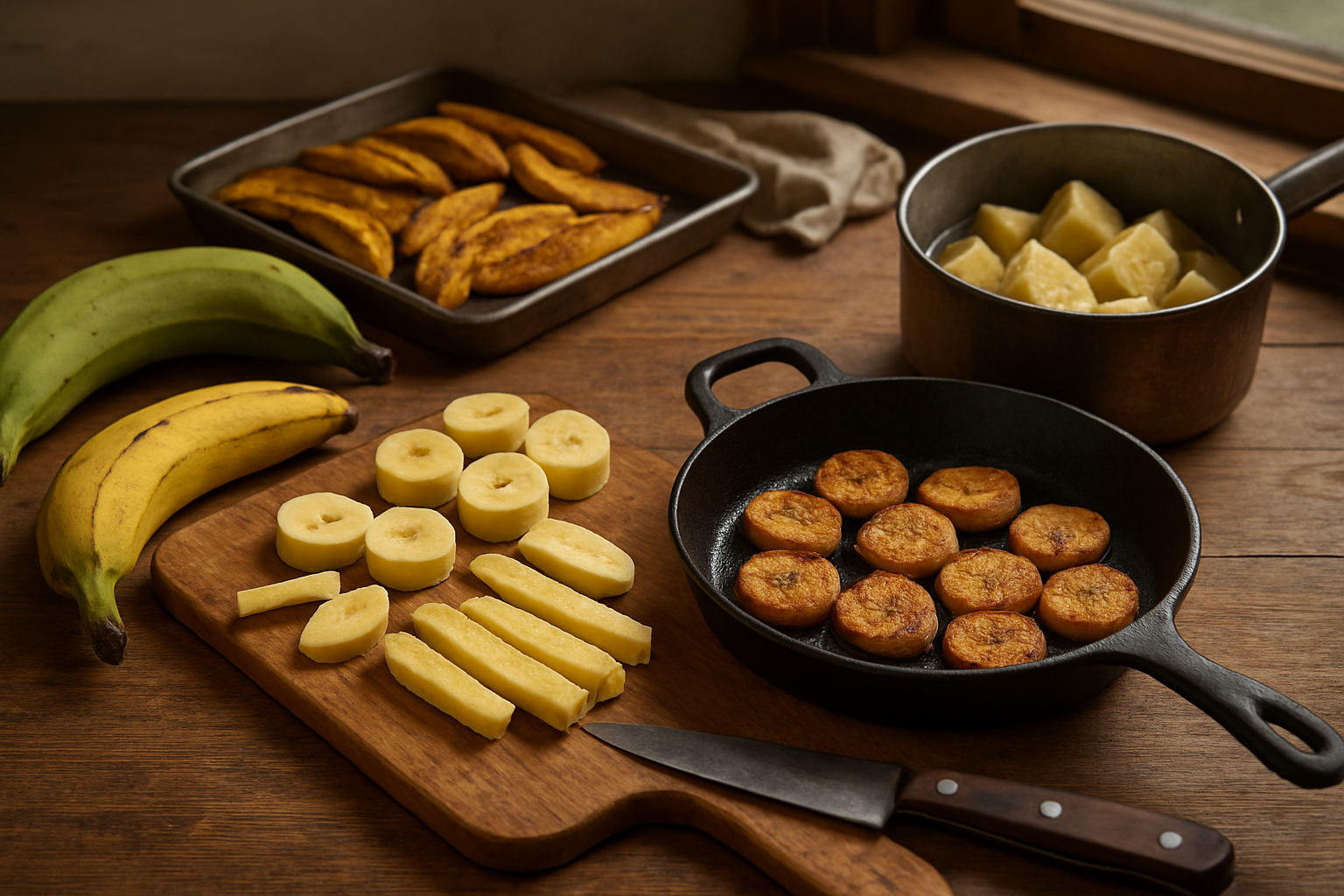
Green plantains shine when sliced thick and fried into crispy tostones. Cut them into 1-inch rounds, fry until golden, then smash and fry again for that perfect crunch. The double-frying method creates an irresistible texture that's crispy outside and tender inside. For tajadas, slice green plantains lengthwise into thin strips and fry until they turn golden brown.
Yellow plantains work beautifully for maduros - those caramelized sweet plantain slices that melt in your mouth. Slice them diagonally about ½-inch thick and fry in oil over medium heat until both sides develop a deep golden color. The natural sugars caramelize during cooking, creating that signature sweet flavor.
Black-spotted ripe plantains require gentle handling due to their soft texture. Slice carefully and fry quickly over medium-low heat to prevent burning while allowing the sugars to develop their rich, almost dessert-like sweetness.
Boiling and Steaming Applications
Boiling transforms green plantains into a potato-like side dish perfect for Caribbean and African cuisines. Peel and cut into chunks, then boil in salted water for 15-20 minutes until fork-tender. This method works excellently for making mofongo or as a base for stews.
Steaming preserves more nutrients and creates a fluffier texture. Place peeled plantain pieces in a steamer basket over boiling water for 20-25 minutes. Steamed plantains absorb flavors beautifully when added to curries or coconut milk-based dishes.
Baking and Grilling Methods
Baking plantains offers a healthier alternative to frying while maintaining incredible flavor. For green plantains, slice and brush with oil, then bake at 425°F for 15-20 minutes, flipping halfway through. Ripe plantains can be baked whole in their skins - just make lengthwise slits and bake for 25-30 minutes until caramelized.
Grilling adds smoky depth to plantain recipes. Green plantains need pre-cooking by boiling for 10 minutes before grilling. Ripe plantains can go straight on the grill, cooking for 3-4 minutes per side until caramelized grill marks appear.
Mashing and Pureeing for Various Recipes
Boiled green plantains mash beautifully for traditional dishes like mangú or as a base for dumplings. Add garlic, onions, and olive oil while mashing for extra flavor. The starchy texture makes them perfect for binding ingredients in vegetarian patties.
Ripe plantains create sweet purees ideal for baking. Mash them thoroughly and use in pancakes, muffins, or bread recipes. The natural sweetness reduces the need for added sugars in desserts.
Raw Preparation Possibilities for Green Plantains
Green plantains can be grated raw for fritters or added to salads when julienned thinly. Their crisp texture and mild flavor work well in slaws or as a crunchy topping. Always handle with care as the latex in raw green plantains can stain hands and clothes. Soaking in salted water for 30 minutes before preparation helps remove some of the starchiness and makes them easier to work with.
Global Cuisines That Feature Plantains as Staples
Caribbean Cooking Traditions and Signature Dishes
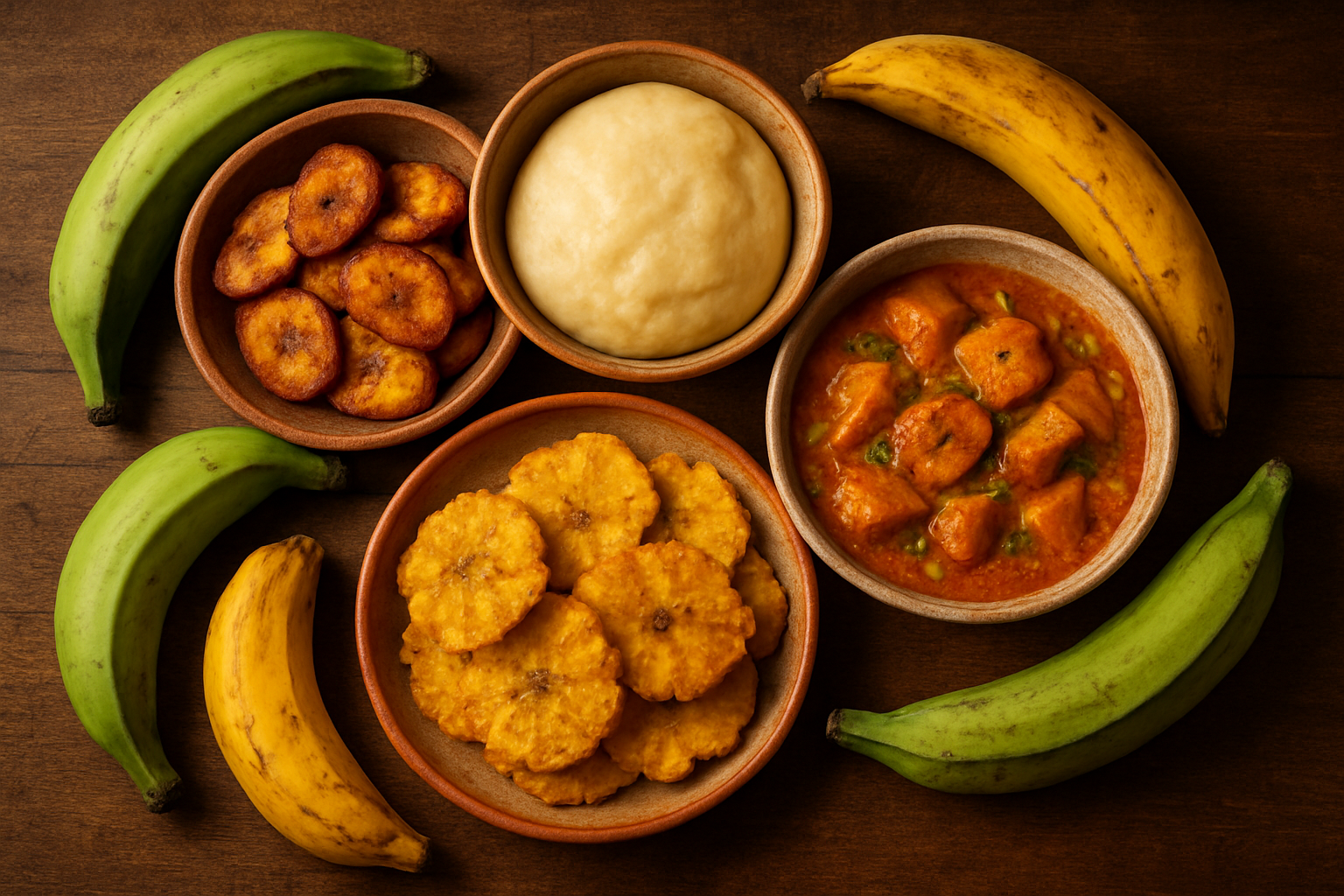
Caribbean islands have embraced plantains as a cornerstone ingredient across countless traditional dishes. Puerto Rico's beloved mofongo transforms green plantains into crispy, garlicky perfection by frying and mashing them with pork cracklings and seasonings. Dominican Republic's mangu offers comfort food at its finest, combining mashed plantains with onions, cheese, and sometimes eggs for a hearty breakfast staple.
Jamaica's fried plantain appears alongside jerk chicken and rice and peas, while Cuba's maduros showcases sweet, caramelized ripe plantains that balance spicy main courses. Trinidad and Tobago features plantains in their famous doubles and uses them as sides for curry dishes. Haitian bannann boukannen grills plantains over charcoal, creating smoky flavors that complement their spicy cuisine.
| Caribbean Dish | Island Origin | Plantain Type | Preparation Method |
|---|---|---|---|
| Mofongo | Puerto Rico | Green | Fried and mashed |
| Mangu | Dominican Republic | Green/Yellow | Boiled and mashed |
| Maduros | Cuba | Ripe | Caramelized |
| Patacones | Various | Green | Twice-fried |
Latin American Plantain Preparations
Latin American countries have developed diverse ways to prepare plantains, with each region adding unique twists to traditional recipes. Colombia's patacones (also called tostones) involve twice-frying green plantain slices, creating crispy discs perfect for topping with guacamole, shrimp, or cheese.
Venezuelan cuisine features tajadas, sweet plantain slices that accompany pabellon criollo and other national dishes. Ecuador's bolones stuff mashed green plantains with cheese or chicharron, forming balls that are fried until golden. Peru incorporates plantains into arroz con pollo and uses them as sides for ceviche.
Mexico's southern regions prepare platanos fritos as dessert, while Guatemala's platanos en mole combines plantains with rich chocolate-based sauces. Costa Rica's gallo pinto often includes plantains on the side, and Honduras features them in their traditional breakfast plates.
African Cuisine Applications and Cultural Significance
African cooking traditions view plantains as essential sustenance, with deep cultural roots spanning generations. West African countries like Ghana, Nigeria, and Ivory Coast rely heavily on plantains for daily nutrition. Ghana's kelewele seasons diced plantains with ginger, pepper, and spices before frying, creating a popular street food snack.
Nigerian cuisine features plantains in multiple forms - dodo (fried sweet plantains), plantain porridge with vegetables and protein, and boli (roasted plantains) sold by roadside vendors. The cultural significance runs deep, as plantains often appear at celebrations, family gatherings, and religious ceremonies.
East African nations like Uganda and Rwanda incorporate plantains into stews and serve them alongside matoke (green bananas). Central African countries use plantains in fufu-style preparations, mashing them into starchy accompaniments for soups and sauces.
The cooking methods reflect practical wisdom passed down through generations - roasting over open fires, steaming in banana leaves, and incorporating into one-pot meals that maximize nutrition and flavor while accommodating available ingredients and cooking resources.
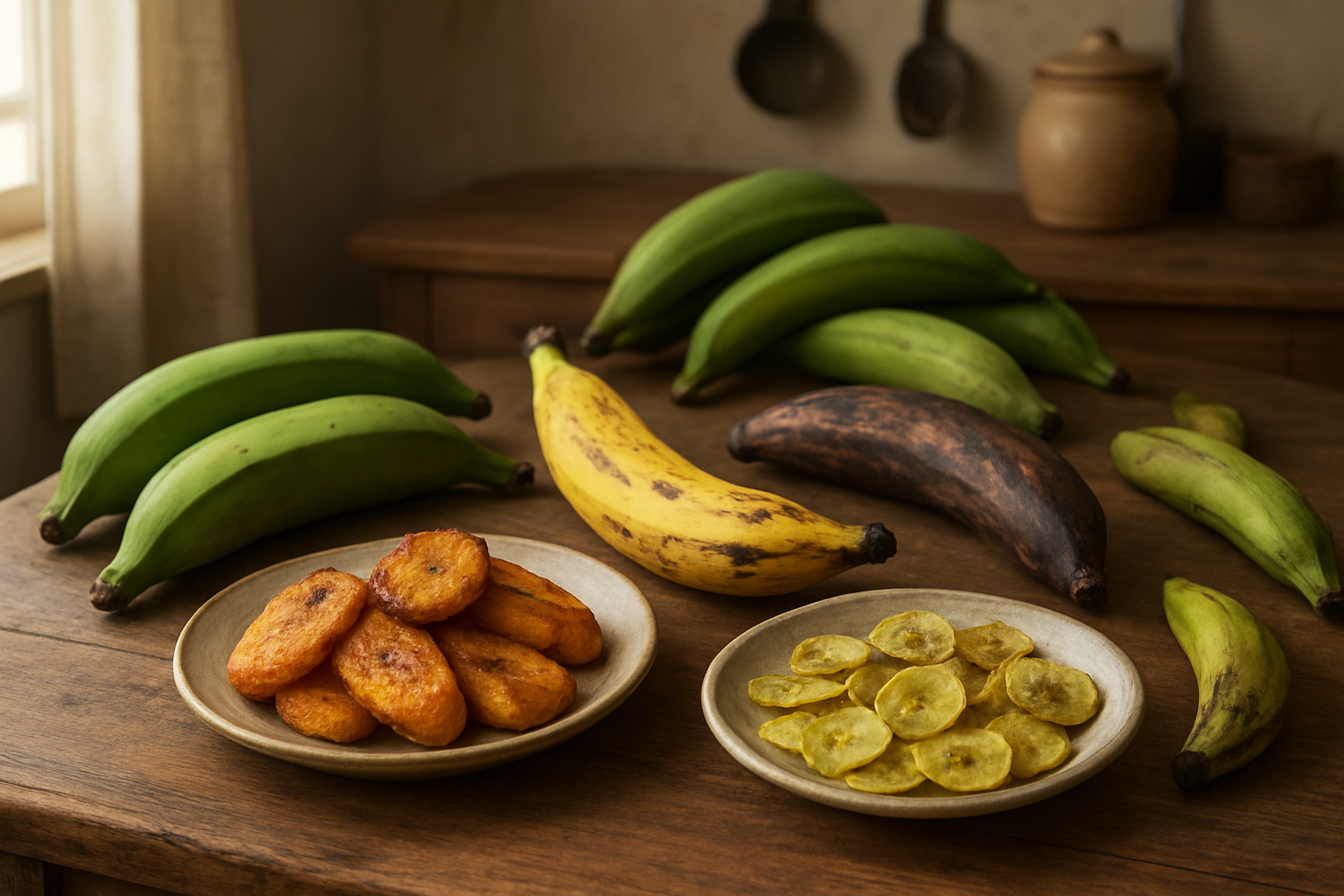
Plantains bring so much more to the table than their yellow banana cousins. These starchy fruits pack a serious nutritional punch with their high levels of potassium, vitamin C, and fiber, while offering incredible versatility in the kitchen. From green plantains that work perfectly for savory dishes to sweet, ripe black ones that make amazing desserts, each ripeness stage opens up new cooking possibilities.
The beauty of plantains lies in how they connect us to cuisines around the world. Whether you're frying up some tostones, making West African kelewele, or trying your hand at Venezuelan tajadas, plantains can transform your everyday cooking routine. Next time you're at the grocery store, grab a bunch at different ripeness stages and start experimenting – your taste buds will thank you for discovering this amazing ingredient that's been feeding families across the globe for centuries.


.png)
Comments
Post a Comment