Purple Chokeberries - What are Purple Chokeberries?
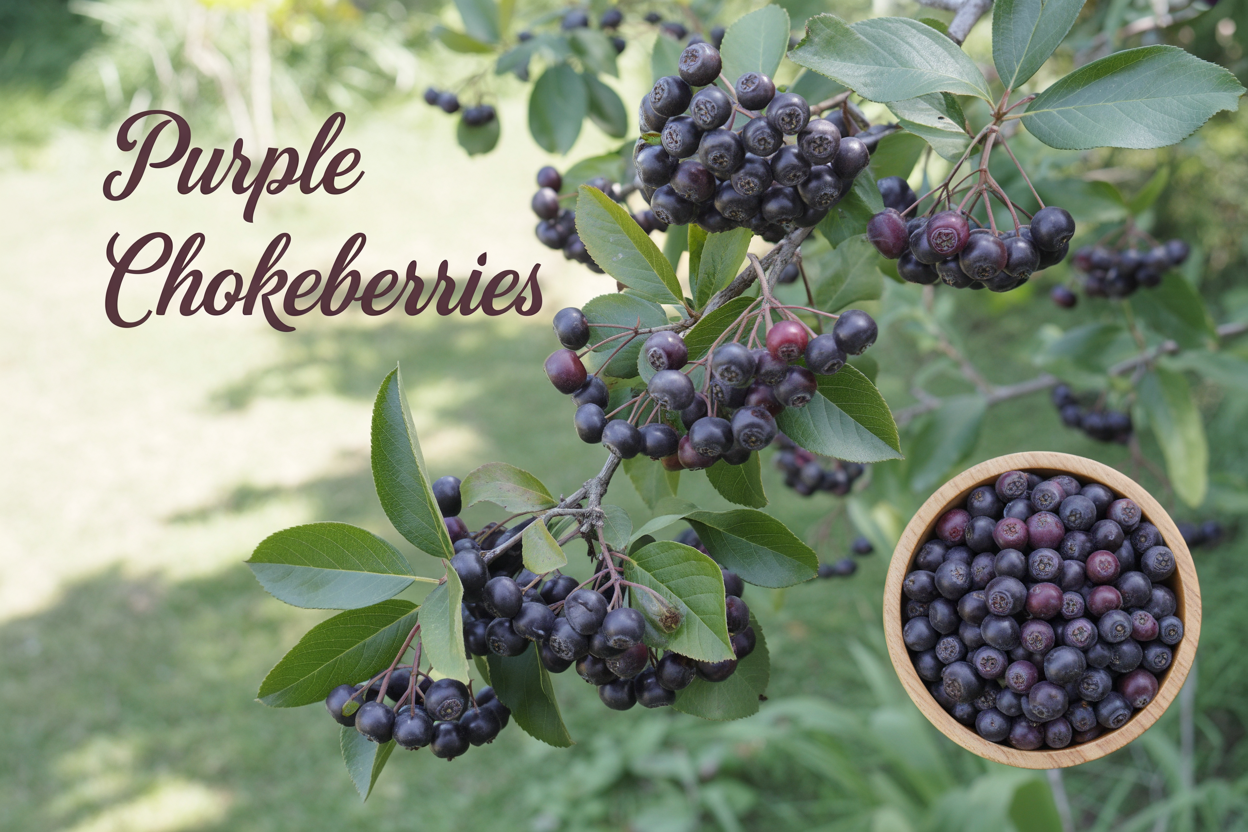
Purple chokeberries are small, dark berries that pack a serious nutritional punch and grow wild across much of North America. Also called purple aronia berries, these tart fruits are becoming popular among health-conscious eaters, gardeners, and foragers who want to add nutrient-dense foods to their diets.
This guide is perfect for anyone curious about these remarkable berries - from beginners wondering "what are purple chokeberries?" to experienced gardeners ready to start growing chokeberries in their own backyards.
We'll cover everything you need to know about identifying chokeberries in the wild so you can spot them on your next nature walk. You'll also discover the impressive chokeberry benefits and chokeberry nutrition facts that make these berries worth seeking out. Finally, we'll walk through the basics of chokeberry cultivation and share practical tips for harvesting chokeberries and turning your berry haul into delicious preserves, juices, and other tasty creations.
Identifying Purple Chokeberries in Your Area
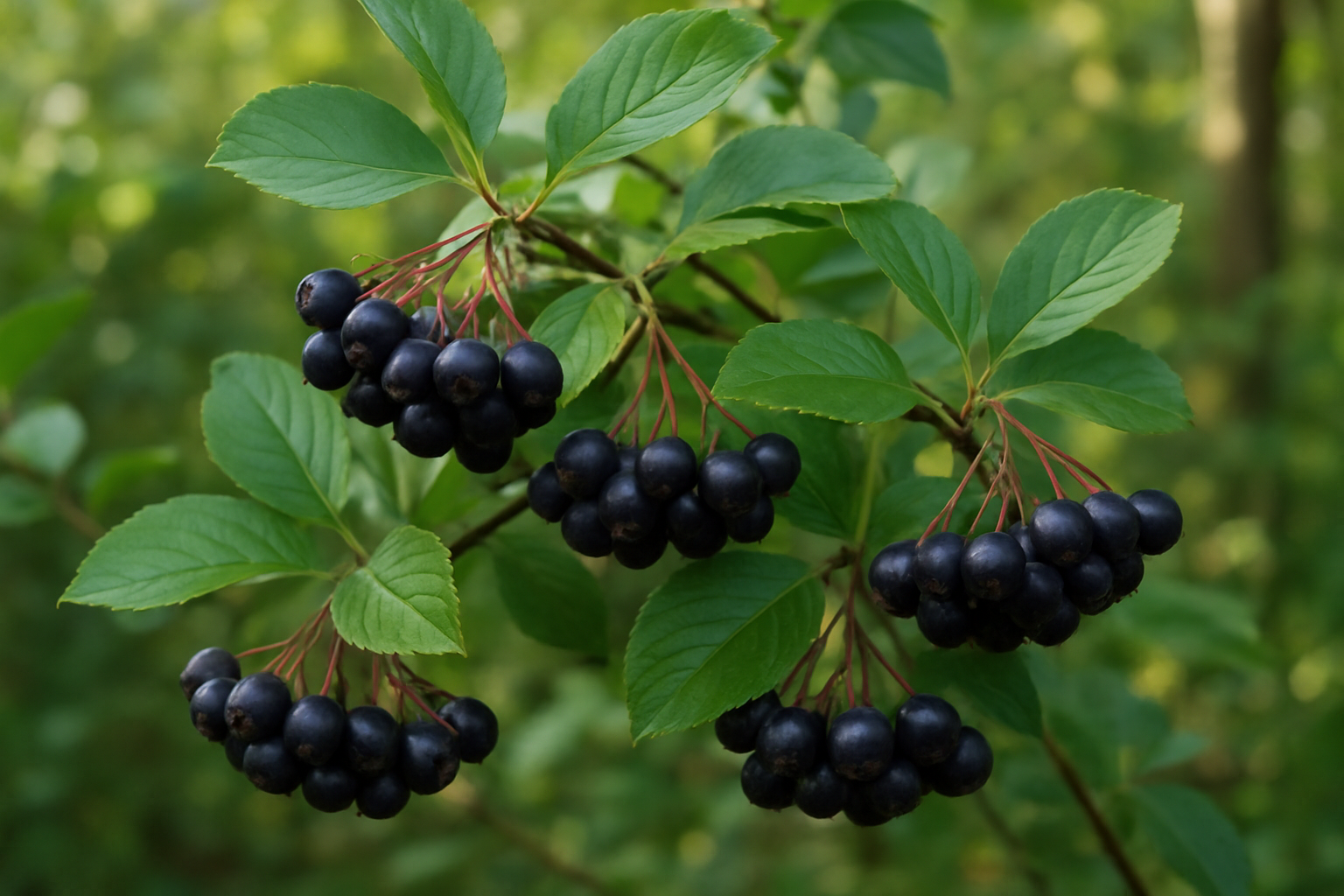
Key visual characteristics that distinguish purple chokeberries
Purple chokeberries, also known as purple aronia berries, display several distinctive features that make identifying chokeberries relatively straightforward once you know what to look for. The berries themselves are small, typically measuring 6-10mm in diameter, with a deep purple to nearly black color when fully ripe. They grow in dense, flat-topped clusters called corymbs, containing 10-20 individual berries per cluster.
The leaves provide another reliable identification marker. Purple chokeberry leaves are oval-shaped with finely serrated edges and a glossy, dark green surface. Each leaf typically measures 2-4 inches long and features prominent veining. The leaves attach alternately along the stems, never in pairs directly opposite each other.
The shrub's overall structure stands out as well. Purple chokeberry plants typically reach 6-10 feet in height with multiple stems growing from the base. The bark appears smooth and gray when young, developing a slightly rougher texture with age. White or pale pink flowers bloom in spring, appearing in the same cluster formation as the eventual berries.
Seasonal appearance changes throughout the year
Spring brings the most dramatic transformation to purple chokeberry plants. Small white flowers with five petals emerge in May, creating showy clusters that attract pollinators. These blooms last about two weeks before giving way to small green berries.
Summer sees the gradual development of the fruit. The berries start green and slowly transition through red stages before reaching their characteristic deep purple color by late August or early September. During this time, the foliage remains consistently dark green and glossy.
Fall creates the most spectacular display. The berries reach peak ripeness and develop their full purple-black coloration. Simultaneously, the leaves transform into brilliant shades of orange, red, and burgundy, making the entire shrub a standout feature in the landscape. This autumn color change makes chokeberry plant identification particularly easy during September and October.
Winter reveals the plant's structural framework. After leaves drop, the bare stems show their gray bark and branching pattern. Any remaining berry clusters that weren't harvested or eaten by wildlife will appear as dark, dried clusters clinging to the branches.
Common locations where purple chokeberries grow naturally
Purple chokeberries thrive in a variety of natural habitats across their native range, which spans much of eastern North America. These adaptable shrubs commonly appear in wetland edges, where the soil stays consistently moist but not waterlogged. Swamp borders, stream banks, and pond margins provide ideal growing conditions.
Woodland clearings and forest edges offer another prime habitat. Purple chokeberries handle partial shade well, making them common understory plants where larger trees create dappled sunlight conditions. They often colonize areas where logging or natural disturbances have created openings in dense forest cover.
Prairie margins and meadow edges frequently host purple chokeberry populations. These transition zones between open grassland and wooded areas provide the mixed sun and shade conditions these shrubs prefer. Old fields and abandoned agricultural land also support thriving populations.
The plants show remarkable tolerance for various soil types, from sandy loam to heavy clay, as long as drainage isn't excessive. They handle both acidic and neutral pH levels, making them adaptable to different geological conditions across their range.
How to differentiate from similar-looking berries
Several other berries share visual similarities with purple chokeberries, making careful observation essential for proper identification. Elderberries present the most common confusion. Both produce dark purple berries in clusters, but elderberry clusters hang downward while chokeberry clusters point upward. Elderberry stems are hollow, while chokeberry stems are solid wood.
Wild blueberries also create identification challenges. However, blueberries have a distinctive crown on the bottom of each berry and grow individually rather than in tight clusters. Blueberry leaves are smaller and more rounded compared to the elongated, serrated chokeberry leaves.
Serviceberries (Juneberries) ripen earlier in the season and display a more reddish-purple color. They're typically larger than chokeberries and have a sweeter taste. Serviceberry leaves are more rounded with coarser teeth along the edges.
The taste test provides a definitive identification method, though only attempt this with berries you're confident are safe. Purple chokeberries live up to their name with an extremely astringent, dry sensation that makes your mouth pucker. This characteristic astringency sets them apart from most other berries, which tend toward sweetness or mild tartness rather than the intense drying sensation that defines what are purple chokeberries.
Nutritional Powerhouse Benefits of Purple Chokeberries
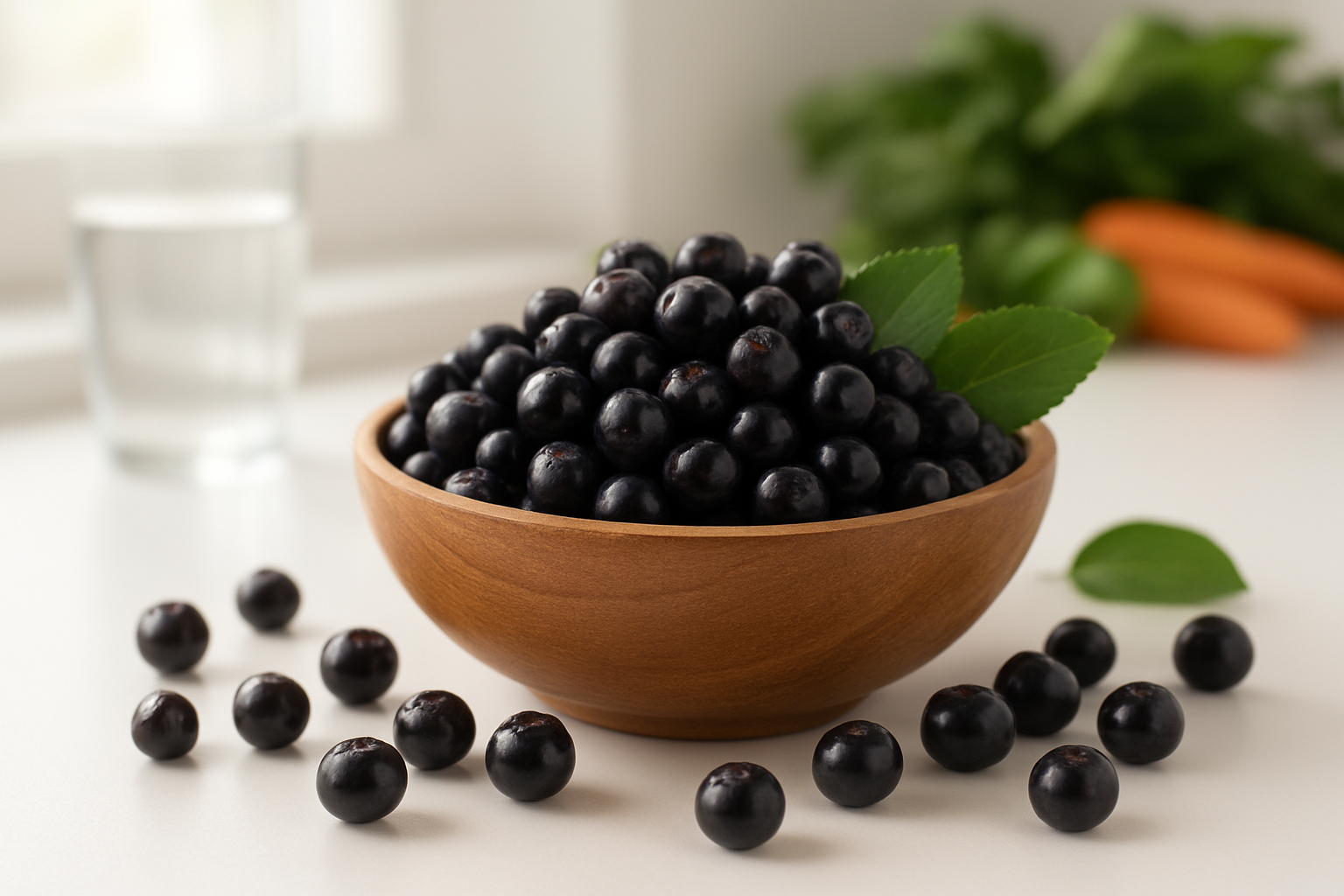
High antioxidant content and health advantages
Purple chokeberries pack an incredible antioxidant punch that puts many other berries to shame. These small, dark purple fruits contain some of the highest levels of anthocyanins found in any North American berry. Anthocyanins are the compounds responsible for the deep purple color and provide powerful protection against cellular damage from free radicals.
The antioxidant activity in purple aronia berries measures exceptionally high on the ORAC (Oxygen Radical Absorbance Capacity) scale, often exceeding values found in blueberries and cranberries. This translates to real health benefits including reduced inflammation, improved cardiovascular health, and potential protection against certain types of cancer.
Research shows that regular consumption of purple chokeberries may help lower blood pressure, improve cholesterol levels, and support healthy blood sugar regulation. The high concentration of proanthocyanidins also supports urinary tract health and may boost immune system function during cold and flu season.
Essential vitamins and minerals found in the berries
Purple chokeberries deliver an impressive array of essential nutrients that support overall health and wellbeing. A single cup of fresh berries provides significant amounts of vitamin C, often exceeding 25% of the daily recommended value. This vitamin C content rivals that of citrus fruits while offering additional benefits from the berry's unique antioxidant profile.
The mineral content includes notable amounts of manganese, which plays a crucial role in bone health and wound healing. Purple chokeberries also provide potassium for heart health and proper muscle function, along with smaller amounts of iron, calcium, and magnesium.
B-vitamins present in chokeberries include folate, which supports cellular function and tissue growth, plus vitamin K for bone health and proper blood clotting. The berries contain dietary fiber that promotes digestive health and helps maintain stable blood sugar levels throughout the day.
Comparison to other superfruit nutritional profiles
When compared to popular superfruits, purple chokeberries consistently rank among the top performers for overall nutritional density. Here's how they stack up:
| Nutrient | Purple Chokeberries | Blueberries | Goji Berries | Acai Berries |
|---|---|---|---|---|
| Antioxidants (ORAC) | 16,062 | 4,669 | 3,290 | 15,405 |
| Vitamin C (mg/100g) | 21 | 9.7 | 48.4 | 20 |
| Anthocyanins | Very High | High | Low | High |
| Fiber (g/100g) | 5.3 | 2.4 | 13 | 44.8 |
Purple chokeberries outperform blueberries in antioxidant capacity by more than three times while providing comparable vitamin C levels. Unlike expensive imported superfruits like goji or acai berries, chokeberries can be grown locally in most temperate climates, making them a more sustainable and cost-effective superfruit option.
The anthocyanin content in purple chokeberries surpasses most common berries, providing deeper health benefits for cardiovascular and cognitive health. Their balanced nutritional profile makes them an excellent addition to smoothies, jams, or eaten fresh for maximum chokeberry benefits.
Growing Purple Chokeberries Successfully
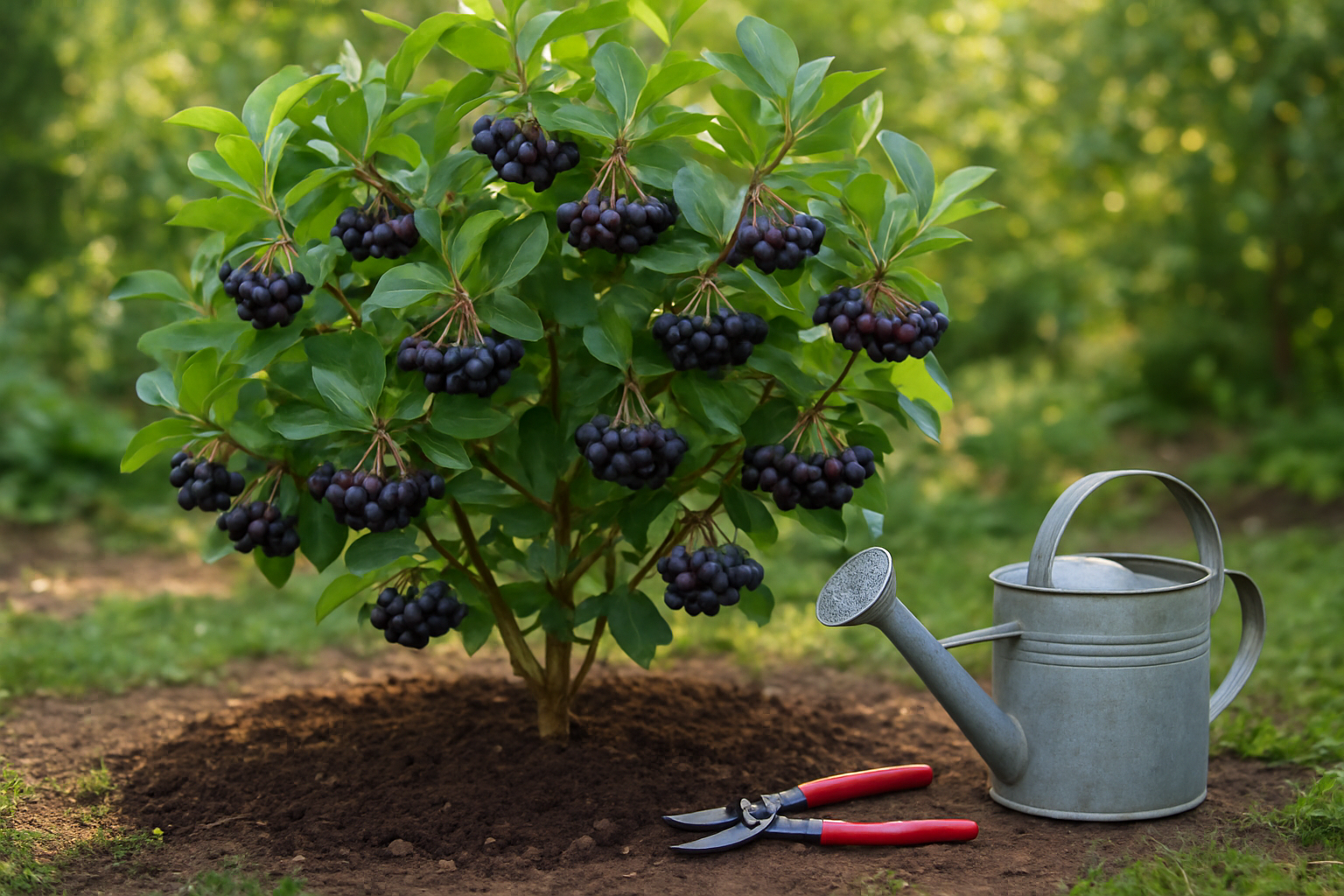
Ideal soil conditions and pH requirements
Purple chokeberries thrive in well-draining soil with good organic content. These hardy plants prefer slightly acidic to neutral soil with a pH between 6.0 and 7.0, though they can tolerate a wider range from 5.5 to 7.5. The soil should retain some moisture without becoming waterlogged, as chokeberries don't appreciate standing water around their roots.
Adding compost or aged manure before planting gives your chokeberry cultivation the best start. Sandy loam or clay loam soils work particularly well, but these adaptable plants can handle various soil types including clay and sand. The key is ensuring proper drainage while maintaining consistent moisture levels.
Sunlight and water needs for optimal growth
Growing chokeberries successfully requires full sun to partial shade exposure. While they'll produce the most berries in full sun (6-8 hours daily), they can still perform well with 4-6 hours of direct sunlight. Morning sun with afternoon shade works especially well in hotter climates.
Water requirements are moderate but consistent. New plantings need regular watering for the first year to establish strong root systems. Once established, chokeberries show good drought tolerance but produce better yields with consistent moisture. Water deeply once or twice weekly rather than frequent shallow watering.
Best planting times and spacing recommendations
Plant purple chokeberries in early spring after the last frost or in fall, 6-8 weeks before the first expected freeze. Spring planting gives plants a full growing season to establish, while fall planting allows root development during cooler weather.
Space individual plants 6-8 feet apart to allow for mature spread. For hedgerow plantings, reduce spacing to 4-5 feet. Dig holes twice as wide as the root ball but only as deep. Plant at the same depth they were growing in the nursery container.
Common pests and diseases to watch for
Chokeberries face relatively few pest problems, making them excellent choices for organic gardening. Aphids occasionally appear on new growth but rarely cause significant damage. Japanese beetles may feed on foliage in summer, while tent caterpillars can create webs in branches.
Disease issues are minimal with proper care. Root rot can develop in poorly drained soils, while powdery mildew might appear during humid conditions with poor air circulation. Fire blight occasionally affects branches, causing them to blacken and die back.
Pruning techniques for healthy bushes
Prune chokeberries during dormancy in late winter or early spring before buds break. Remove dead, damaged, or crossing branches first. These plants naturally sucker, so remove excess shoots to maintain 6-8 main stems for optimal berry production.
Mature bushes benefit from renewal pruning every 3-4 years. Remove the oldest canes at ground level to encourage new growth. Light summer pruning after harvest can shape the bush and remove any diseased wood, but avoid heavy pruning during the growing season.
Harvesting and Using Purple Chokeberries
Determining When Berries are Perfectly Ripe
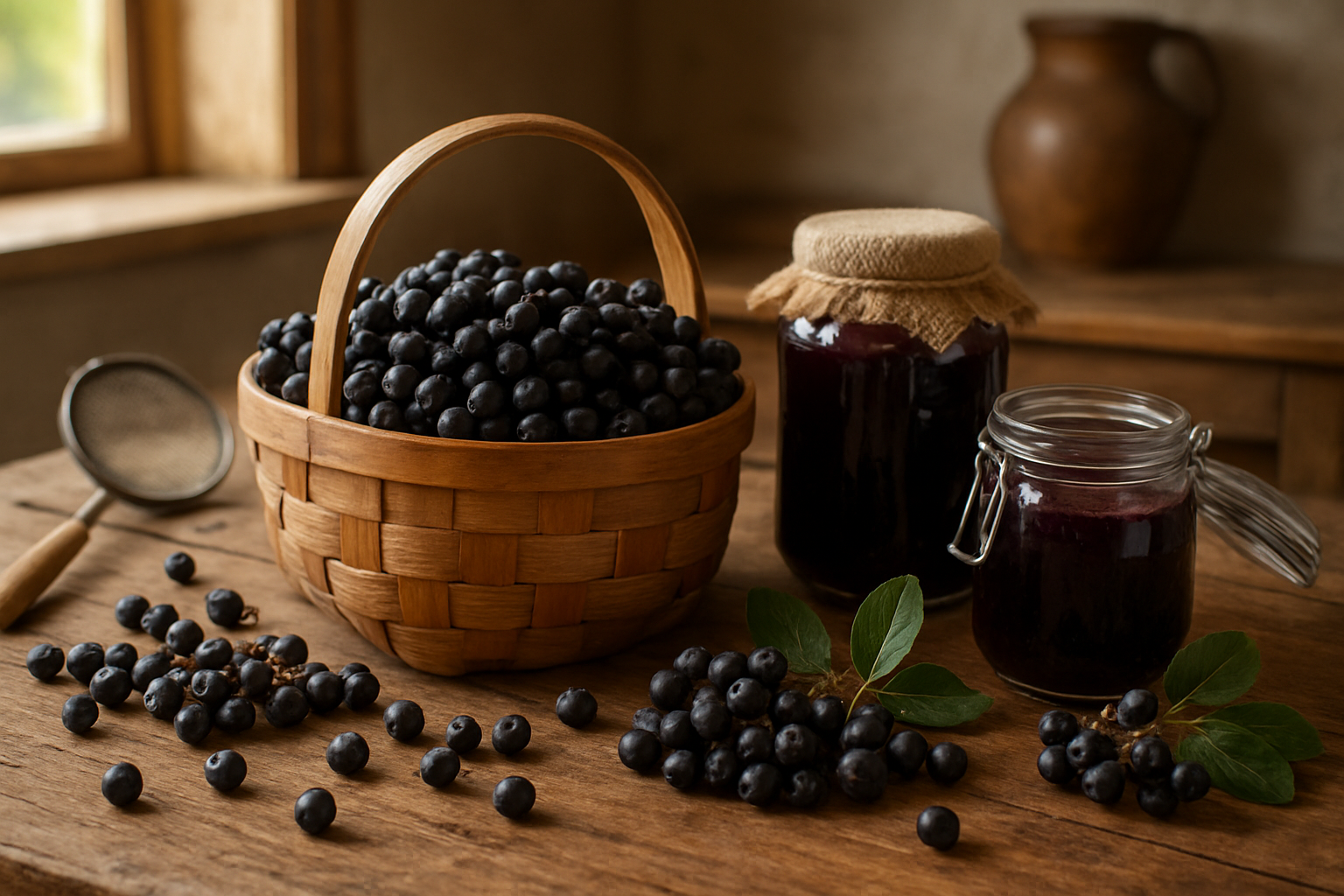
Purple chokeberries reach peak ripeness in late summer to early fall, typically between August and September depending on your climate zone. The berries transform from bright red to deep purple or nearly black when fully mature. A perfectly ripe purple chokeberry will have a rich, dark color with a slight bloom on the surface - that powdery coating you see on fresh grapes.
Size matters when assessing ripeness. Mature berries should be plump and firm to the touch, measuring about ¼ to ⅜ inch in diameter. Avoid berries that feel soft or wrinkled, as these are past their prime. The stem end should release easily when gently twisted, and ripe berries will have a subtle sweet aroma mixed with their characteristic tartness.
Test a few berries by tasting them. While purple aronia berries are naturally astringent, ripe ones will have developed some sweetness to balance the pucker. If they're still mouth-puckeringly bitter with no hint of sweetness, wait another week before harvesting your entire crop.
Proper Harvesting Techniques to Maximize Yield
Timing your harvest correctly makes all the difference in both quantity and quality. Pick your purple chokeberries in the early morning after dew has dried but before the heat of midday. This timing preserves the berries' natural moisture and prevents them from becoming overly soft during collection.
Use clean, shallow containers like berry baskets or wide bowls to prevent crushing the fruit. Avoid deep buckets that compress berries at the bottom. Gently twist clusters of ripe berries from the branch - they should come off easily without excessive pulling. If you need to tug hard, the berries aren't quite ready.
Work systematically through your chokeberry bushes, starting with the most exposed clusters that ripen first. Leave slightly underripe berries for a second harvest in 7-10 days. This staged approach maximizes your total yield and ensures you're getting berries at their peak quality.
Sort through your harvest immediately, removing any damaged, overripe, or green berries. Clean berries can be stored in the refrigerator for up to a week, though they're best used within 2-3 days of harvesting chokeberries.
Fresh Consumption Methods and Flavor Profiles
Fresh purple chokeberries pack an intense flavor punch that's definitely an acquired taste. Their natural astringency creates a mouth-puckering sensation similar to unripe persimmons, but with a complex berry flavor underneath. The initial tartness gives way to subtle sweet notes and earthy undertones that make them fascinating for culinary experimentation.
Eating them straight off the bush works best when berries are fully ripe and you enjoy bold, tart flavors. Most people prefer mixing fresh purple chokeberries with sweeter fruits like apples, pears, or strawberries to balance the intensity. Try adding a handful to your morning smoothie along with banana and honey for a antioxidant boost.
Fresh chokeberries work wonderfully in fruit salads when combined with milder fruits. Their vibrant color and unique flavor add complexity to simple fruit combinations. You can also muddle them fresh in sparkling water for a refreshing drink, or blend them into yogurt parfaits.
For cooking applications, fresh berries shine in jams, jellies, and baked goods where their natural pectin content helps with thickening. Their concentrated flavor means a little goes a long way - start with small amounts and adjust to taste preferences.
Preserving and Processing Your Berry Harvest
Freezing Techniques for Long-Term Storage
Purple chokeberries freeze beautifully and maintain their nutritional value for up to 18 months when stored properly. Start by washing your fresh berries gently in cold water and removing any stems or debris. Pat them completely dry with paper towels since excess moisture creates ice crystals that damage the fruit's texture.
For the best results, use the flash-freezing method. Spread clean, dry purple chokeberries in a single layer on parchment-lined baking sheets. Place these sheets in your freezer for 2-3 hours until the berries are solid. Once frozen, transfer them to airtight freezer bags or containers, removing as much air as possible. Label with the date and variety.
This technique prevents the berries from clumping together, making it easy to remove just the amount you need for recipes. Frozen purple chokeberries work perfectly in smoothies, baking, and jam-making without requiring thawing first.
Making Jams, Jellies, and Preserves
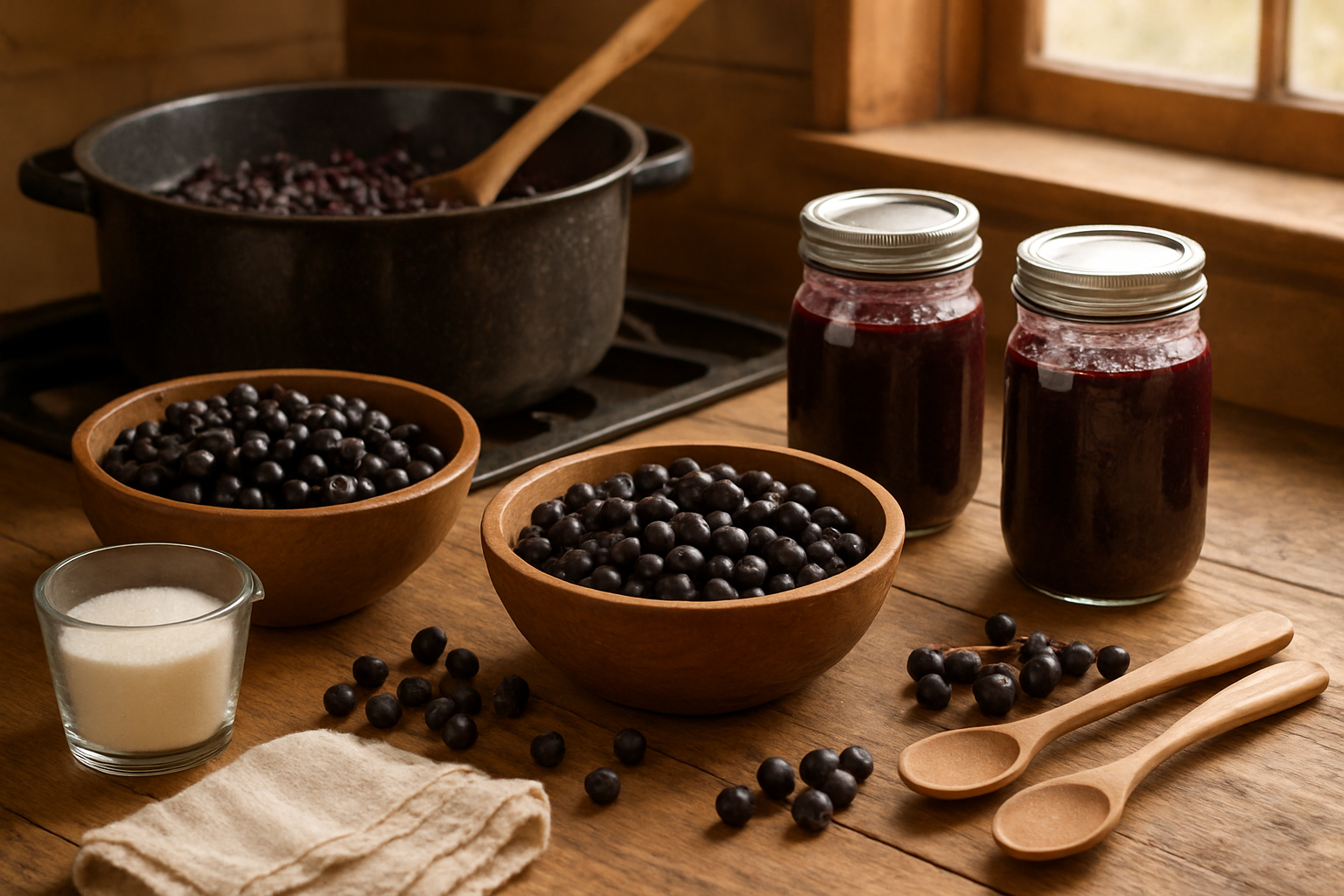
Purple chokeberries create stunning, deep-colored preserves with their natural pectin content making gel formation easier than many other berries. The key to great chokeberry jam lies in balancing their natural tartness with the right amount of sweetener.
For basic chokeberry jam, combine 4 cups of fresh or frozen berries with 3 cups of sugar and 2 tablespoons of lemon juice. Cook over medium heat, stirring frequently, until the mixture reaches 220°F on a candy thermometer. The natural pectin in chokeberries helps achieve that perfect gel consistency.
Since these berries pack intense flavor, you can stretch your harvest by combining them with milder fruits like apples or pears. A 50-50 blend creates a more balanced taste while maintaining the beautiful purple color. Always process your finished jams in a boiling water bath for 10 minutes to ensure safe storage.
Juice Extraction Methods and Benefits
Getting the most juice from your purple chokeberries requires the right approach since these berries have tough skins. Steam juicing produces the clearest, most flavorful results. Place berries in the top basket of a steam juicer with water in the bottom pan. As steam rises, it breaks down the fruit and extracts pure juice that drains into a collection container.
For smaller batches, try the crush-and-strain method. Mash your berries thoroughly, then let them sit overnight in the refrigerator. Strain through fine mesh or cheesecloth, pressing gently to extract maximum liquid. You can heat this juice to 190°F for 5 minutes to create shelf-stable juice that keeps for months.
Chokeberry juice contains incredibly high levels of antioxidants - even higher than blueberries or cranberries. Many people mix this concentrated juice with apple or grape juice to mellow the intense flavor while keeping all the health benefits.
Drying Berries for Year-Round Use
Dried purple chokeberries become chewy, concentrated nuggets of nutrition that store for over a year. A food dehydrator gives you the most control, but your oven works too. For dehydrator drying, spread clean berries on trays and dry at 135°F for 12-18 hours until they feel leathery but not crispy.
Oven-drying requires more attention. Set your oven to its lowest temperature (usually around 170°F) and prop the door slightly open. Spread berries on parchment-lined baking sheets and dry for 8-12 hours, checking every few hours and rotating trays for even drying.
Properly dried purple chokeberries should be pliable but not sticky or moist. Store them in airtight containers away from light and heat. These concentrated berries work wonderfully in trail mixes, granola, or rehydrated in warm water for use in muffins and breads. Their intense flavor means a little goes a long way in recipes.
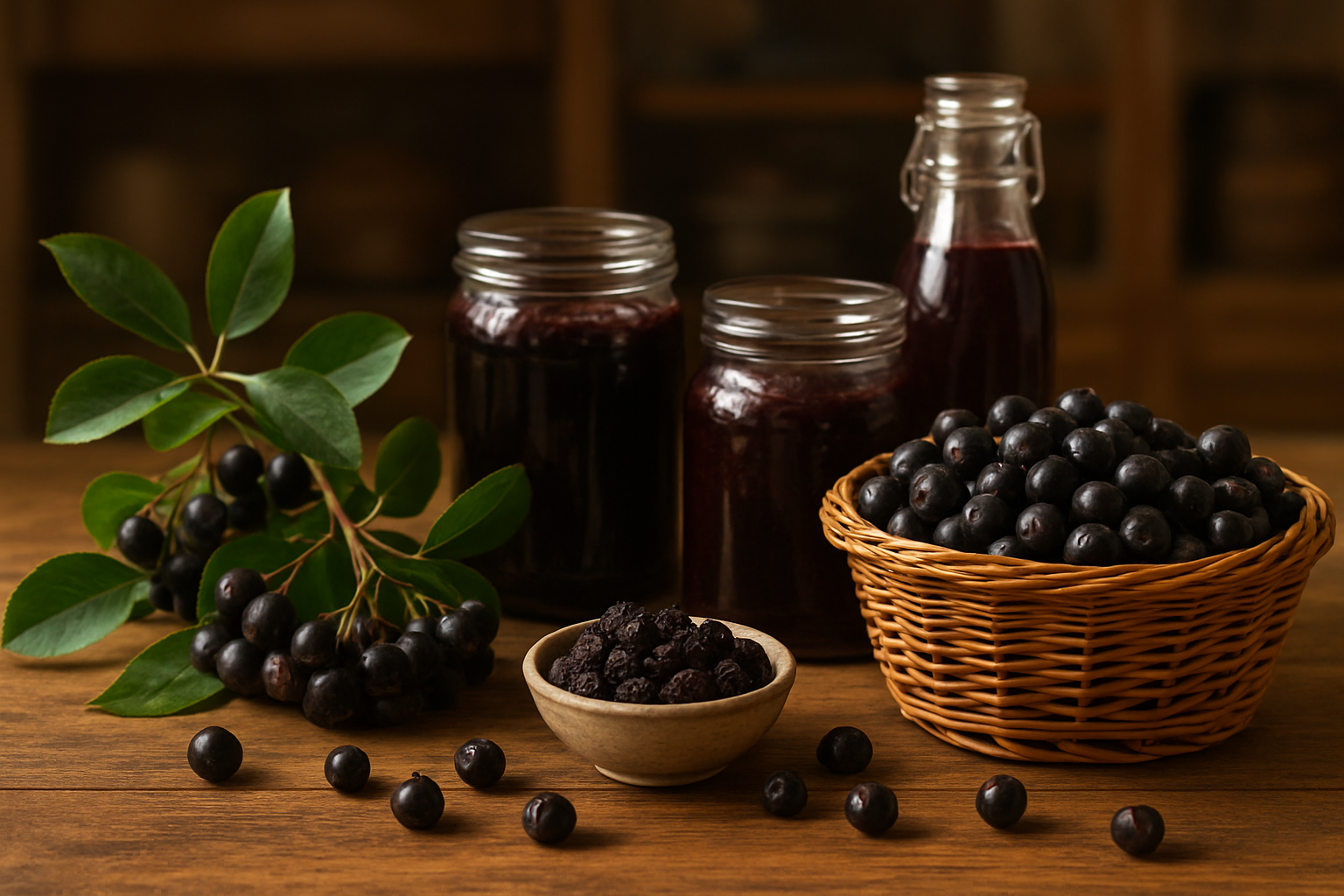
Purple chokeberries pack an incredible nutritional punch while being surprisingly easy to grow in your own backyard. These antioxidant-rich berries offer impressive health benefits, from supporting immune function to promoting heart health. Once you learn to identify them in your area and understand their growing requirements, you can enjoy a steady supply of these superfood berries right from your garden.
Start small with a few plants and experiment with different preservation methods to find what works best for your family. Whether you're making jams, drying them for snacks, or freezing them for smoothies, purple chokeberries are a valuable addition to any home garden. Give these hardy, low-maintenance plants a try – your taste buds and your health will thank you for it.


.png)
Comments
Post a Comment