Red Bananas - What Are Red Bananas?
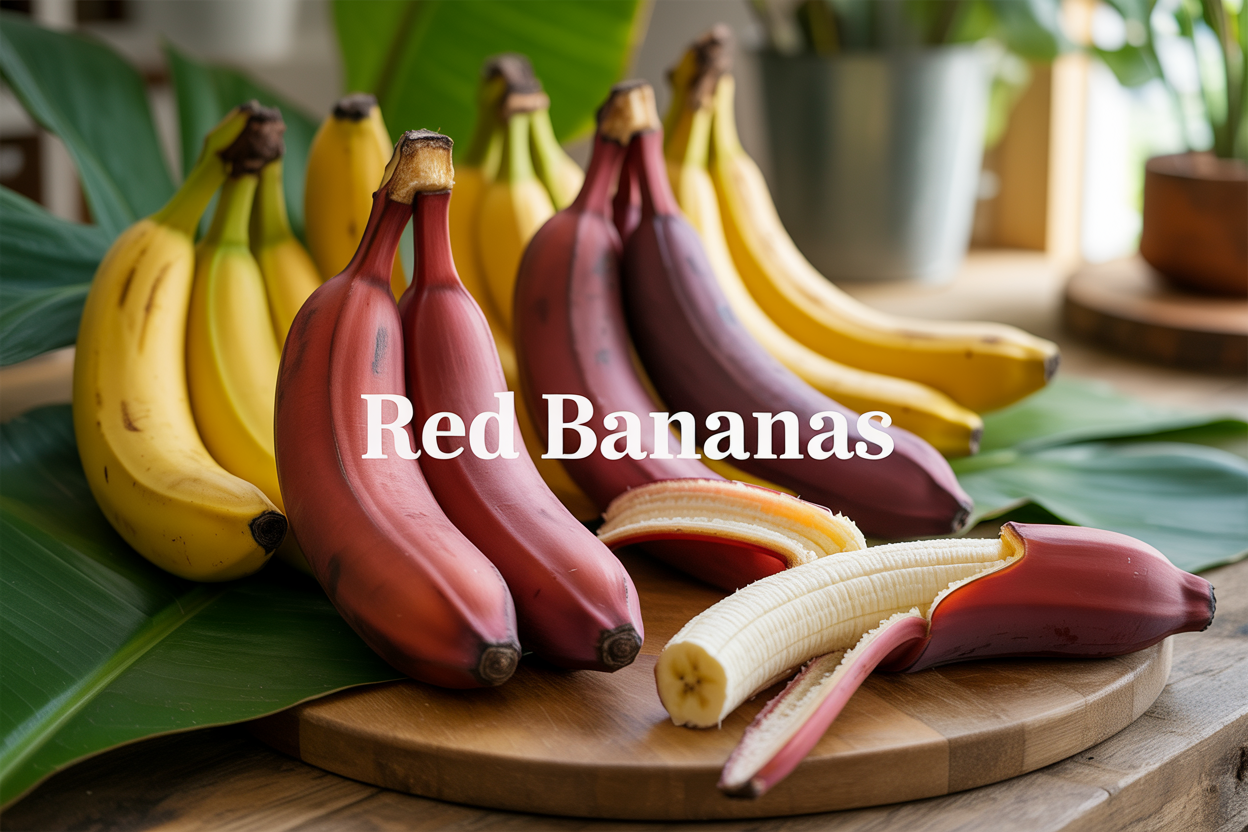
Red bananas are a vibrant, sweet alternative to the yellow bananas you see everywhere, but many people have never tried them or don't know where to find them. These colorful fruits offer a unique taste experience and impressive nutritional benefits that might surprise you.
This guide is perfect for curious food lovers, health-conscious eaters, and anyone who wants to branch out from regular bananas. You'll discover what makes red bananas special, from their distinctive flavor profile to their nutritional advantages. We'll also explore where red bananas come from and their growing conditions, plus share practical tips for selecting and storing these delicate fruits so you can enjoy them at their peak ripeness.
Discover the Unique Characteristics of Red Bananas
Identify the distinctive red-purple peel color
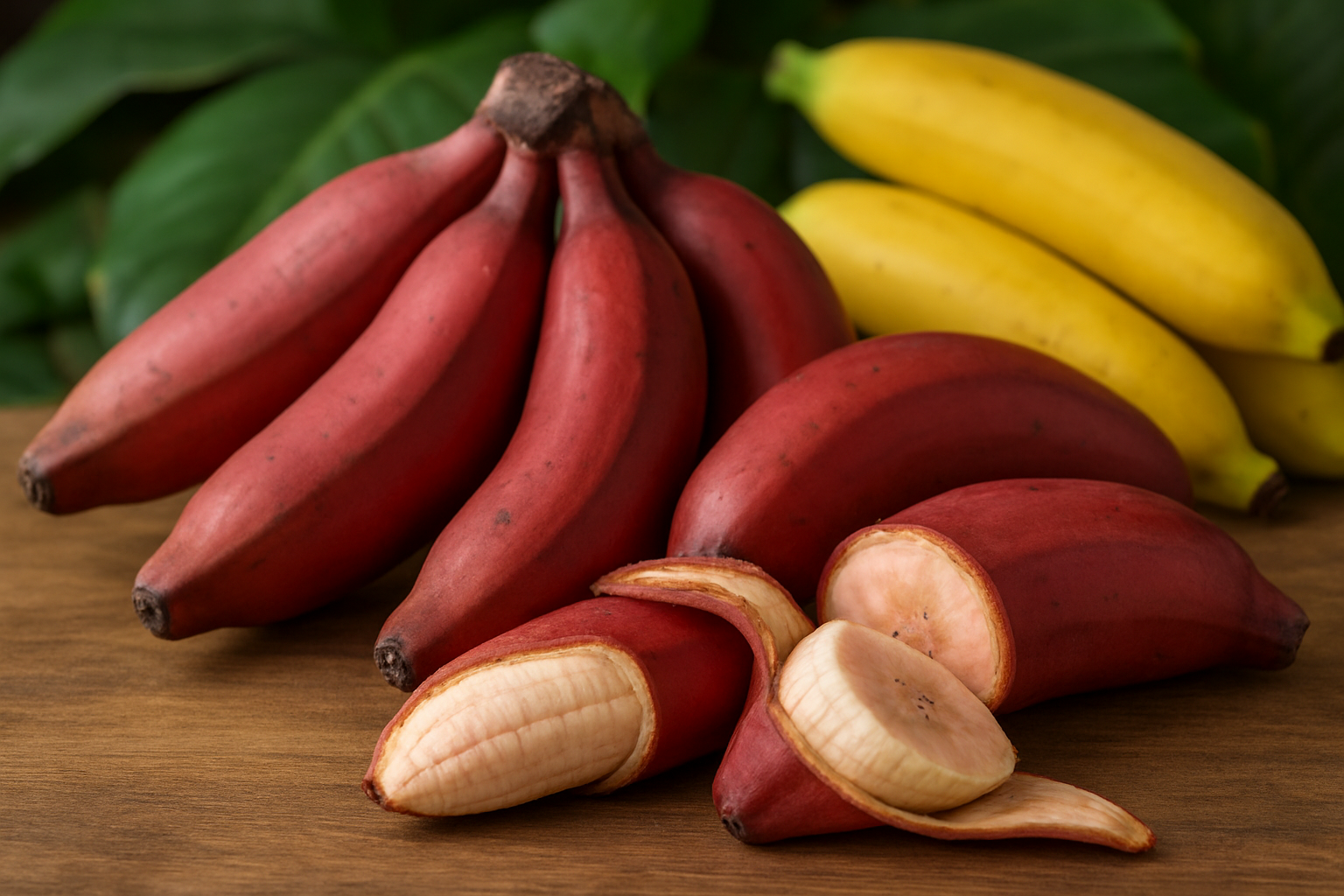
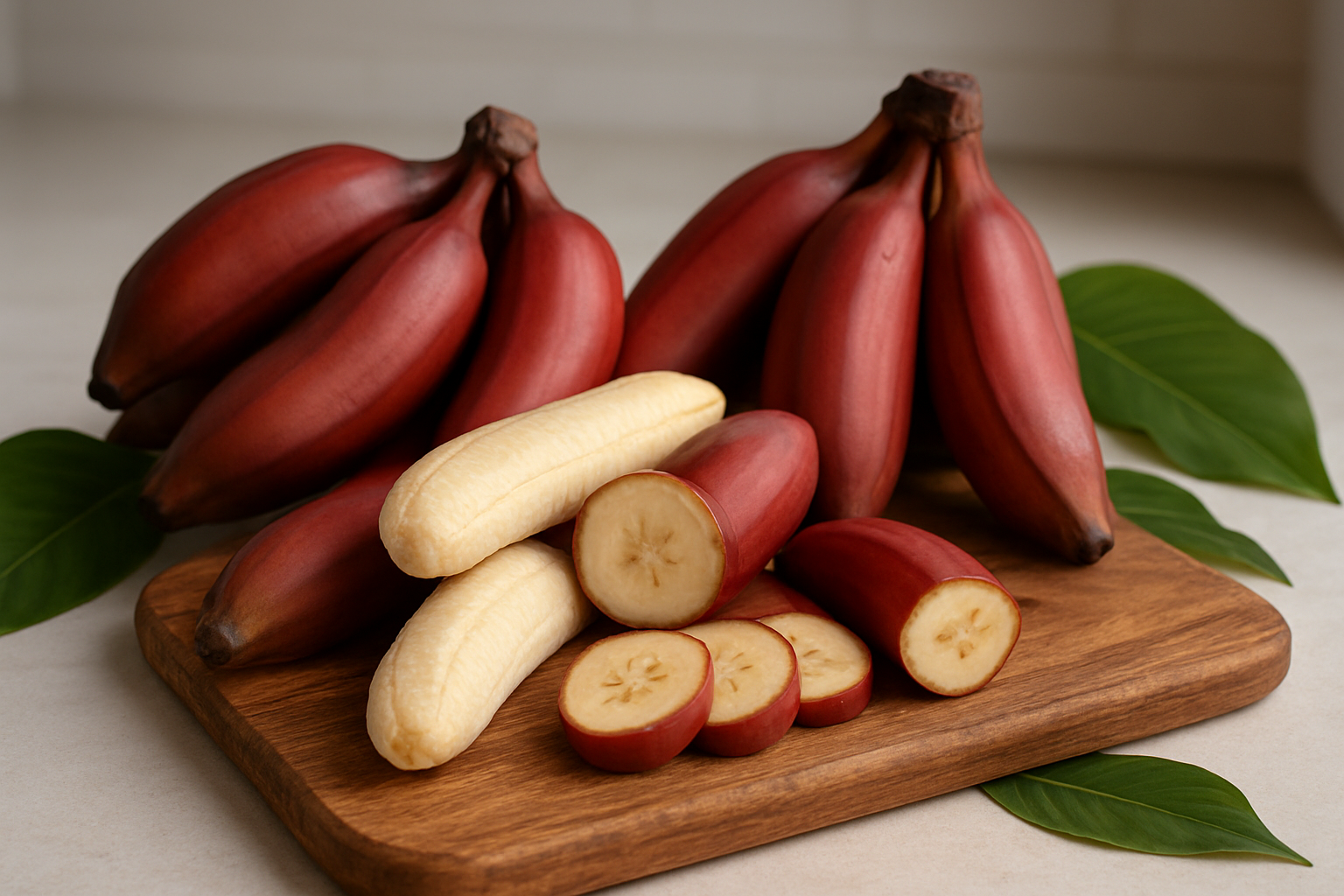
Red bananas stand out immediately with their striking reddish-purple skin that sets them apart from their yellow cousins. The peel displays a rich, deep maroon color that can range from bright red to dark burgundy, depending on ripeness. When fully ripe, these bananas develop a beautiful deep red hue with hints of purple undertones that make them unmistakable in any fruit display.
The skin color intensifies as the fruit ripens, starting with a lighter reddish tone and gradually deepening to a wine-like shade. Unlike yellow bananas that turn brown when overripe, red bananas maintain their gorgeous coloring even at peak ripeness. Small dark spots may appear on the skin, which actually indicates optimal eating time rather than spoilage.
This vibrant coloring comes from anthocyanins, the same compounds found in blueberries and red wine. The thicker skin of red bananas also provides better protection for the fruit inside, contributing to their unique storage characteristics.
Recognize the smaller, plumper shape compared to yellow bananas
Red bananas have a distinctly different shape profile than the familiar yellow varieties. They're noticeably shorter and wider, creating a more compact, plump appearance that makes them look almost chubby compared to their elongated yellow relatives. Most red bananas measure about 4-6 inches in length, significantly shorter than the 7-9 inch length typical of Cavendish bananas.
The width difference is equally striking - red bananas are considerably thicker around the middle, giving them a rounded, robust look. This plumper shape means you get more fruit per banana, even though they appear smaller at first glance.
| Characteristic | Red Bananas | Yellow Bananas |
|---|---|---|
| Length | 4-6 inches | 7-9 inches |
| Width | Wider/plumper | Narrower |
| Shape | Short & thick | Long & slender |
| Weight | Heavier per inch | Lighter per inch |
The skin also feels thicker and more substantial when you hold a red banana, contributing to their sturdy, compact appearance.
Understand the creamy texture and sweet flavor profile
The flesh of red bananas offers a completely different eating experience from yellow bananas. When ripe, the interior reveals a beautiful cream to light pink color that's softer and more tender than yellow varieties. The texture is remarkably creamy and almost custard-like, making them feel luxurious in your mouth.
Red banana taste is significantly sweeter than yellow bananas, with complex flavor notes that include hints of raspberry and vanilla. Many people describe the flavor as more intense and aromatic, with a tropical sweetness that's both rich and satisfying. The natural sugars are more concentrated, giving them an almost dessert-like quality.
The creamy consistency makes red bananas perfect for eating fresh or mashing into recipes. They don't have the slight tartness that unripe yellow bananas sometimes carry - instead, they maintain their sweet, mellow flavor throughout the ripening process. This unique combination of creamy texture and enhanced sweetness explains why red bananas are often considered a gourmet fruit option.
Their softer texture means they bruise more easily than yellow bananas, but this same quality makes them incredibly satisfying to eat and fantastic for blending into smoothies or baking applications.
Explore the Nutritional Advantages of Red Bananas

Boost your vitamin C intake for immune system support
Red bananas pack a serious vitamin C punch that puts them ahead of their yellow cousins. A single red banana delivers about 16% of your daily vitamin C needs, compared to just 10% from regular bananas. This powerful antioxidant vitamin plays a crucial role in keeping your immune system strong and ready to fight off infections.
Your body can't produce vitamin C on its own, so getting it from foods like red bananas becomes essential. The vitamin C in red bananas helps your white blood cells function properly and supports the production of collagen, which keeps your skin healthy and wounds healing quickly. During cold and flu season, adding red bananas to your diet gives your immune system the extra support it craves.
Increase potassium consumption for heart health
Red banana nutrition shines when it comes to potassium content. These crimson fruits contain approximately 400mg of potassium per banana, which is about 12% of your daily requirement. This mineral works as a natural blood pressure regulator by helping your body balance sodium levels and reducing strain on your cardiovascular system.
Regular potassium intake from red bananas supports proper heart rhythm and muscle function. The mineral helps your heart pump blood more efficiently while reducing the risk of stroke and heart disease. Athletes and active individuals particularly benefit from the potassium in red bananas, as it helps prevent muscle cramps and supports quick recovery after workouts.
Get more antioxidants than regular bananas
The deep red-purple skin of red bananas signals their superior antioxidant content. These fruits contain higher levels of anthocyanins, the same powerful compounds found in blueberries and blackberries. Red banana benefits include better protection against cellular damage caused by free radicals, which can accelerate aging and contribute to chronic diseases.
The antioxidant profile of red bananas also includes flavonoids and phenolic compounds that support overall health. These antioxidants work together to reduce inflammation throughout your body and may help lower your risk of certain cancers. The darker the red banana's skin, the higher its antioxidant concentration becomes.
Benefit from higher beta-carotene content for eye health
Red bananas contain significantly more beta-carotene than yellow bananas, giving them their distinctive reddish hue. Your body converts beta-carotene into vitamin A, which is essential for maintaining good vision and preventing age-related eye problems. Just one red banana provides about 8% of your daily vitamin A needs.
Beta-carotene specifically supports night vision and helps prevent dry eyes. The compound also protects your retinas from damage caused by blue light exposure from screens and devices. Regular consumption of red bananas may help reduce your risk of developing cataracts and macular degeneration as you age, making them a smart choice for long-term eye health.
Learn Where Red Bananas Come From and How They Grow
Trace their origins to Southeast Asia and India
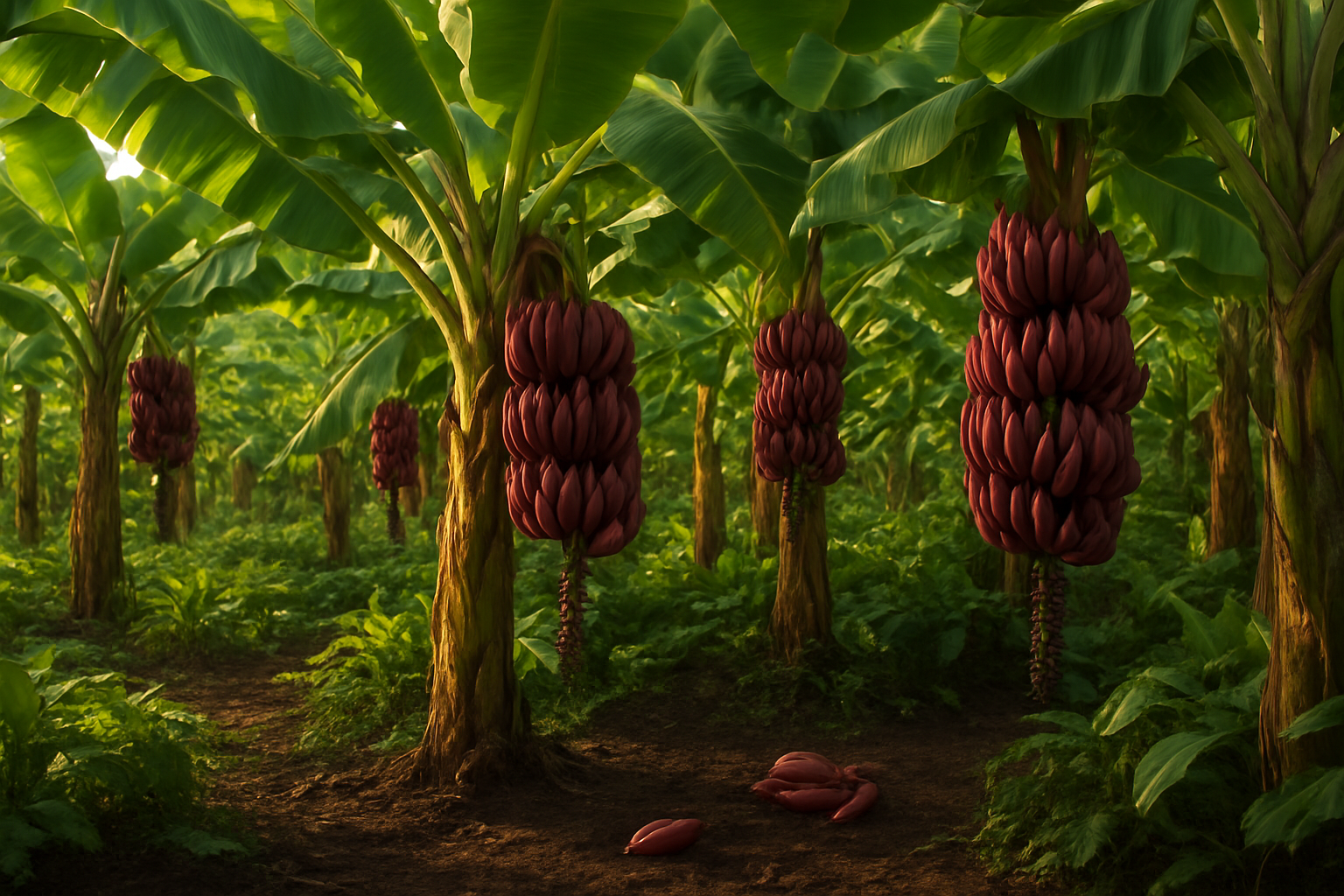
Red bananas have deep roots in the tropical regions of Southeast Asia and India, where they've been growing wild for thousands of years. These distinctive fruits first appeared in the rainforests of Malaysia, Indonesia, and the Philippines, where the warm, humid climate created perfect conditions for their development. Ancient traders and explorers helped spread red banana cultivation throughout the region, with India becoming one of the earliest centers for organized farming of these colorful fruits.
The original wild varieties were smaller and had more seeds than today's cultivated versions. Over centuries, farmers in these regions carefully selected the best plants, gradually developing the sweeter, more tender red bananas we know today. Archaeological evidence suggests that red banana cultivation dates back over 4,000 years in parts of India, making them one of humanity's oldest cultivated fruits.
These early growing regions remain important today because they still house the genetic diversity that makes red bananas resilient. The original varieties found in Southeast Asian forests contain genes that help modern red bananas resist diseases and adapt to different climates around the world.
Discover current cultivation regions worldwide
Today, red bananas grow in tropical and subtropical regions across the globe, far beyond their original Southeast Asian home. The Caribbean islands, particularly Jamaica and the Dominican Republic, have become major producers, where red bananas thrive in the volcanic soil and consistent rainfall. Central American countries like Costa Rica, Guatemala, and Honduras also grow significant quantities for both local consumption and export.
South America contributes substantially to global red banana production, with Ecuador, Colombia, and Brazil leading the way. These countries benefit from ideal growing conditions along their coastal regions and mountain valleys. The consistent temperatures and well-distributed rainfall create perfect environments for red banana cultivation.
Africa has emerged as another important growing region, with countries like Uganda, Kenya, and Cameroon producing red bananas both for domestic markets and international trade. The continent's tropical climate zones provide excellent growing conditions, and many farmers are expanding their red banana operations.
Australia grows red bananas in its northern territories, particularly in Queensland, where the tropical climate supports year-round production. Even some parts of Florida and Hawaii in the United States successfully cultivate red bananas, though on a smaller scale compared to major producing countries.
Understand the growing conditions they require
Red bananas demand specific environmental conditions to produce their characteristic sweet flavor and distinctive reddish-purple skin. Temperature plays a huge role - they need consistent warmth between 80-90°F (27-32°C) during the day and shouldn't drop below 60°F (15°C) at night. Cold temperatures can damage the plants and affect fruit quality, which explains why red banana growing conditions limit cultivation to tropical zones.
Rainfall requirements are equally important. Red banana plants need about 4-6 inches of water monthly, whether from rain or irrigation. Too much water creates root rot problems, while too little stunts growth and reduces fruit size. The soil must drain well to prevent waterlogging, yet retain enough moisture to keep the plants hydrated.
These plants love rich, organic soil with a pH between 5.5 and 7.0. The soil should be deep and fertile, packed with organic matter from decomposed plant material. Many successful growers add compost, aged manure, or other organic amendments to boost soil quality.
Wind protection is critical because red banana plants have large, delicate leaves that tear easily in strong winds. Most commercial operations plant windbreaks or choose naturally sheltered locations. The plants also need plenty of sunlight - at least 6-8 hours daily - to develop their full flavor and proper coloration.
Humidity levels between 50-80% create ideal red banana growing conditions. This moisture in the air helps the plants photosynthesize efficiently and prevents stress that could affect fruit development.
Master the Art of Selecting and Storing Red Bananas
Choose perfectly ripe red bananas at the store
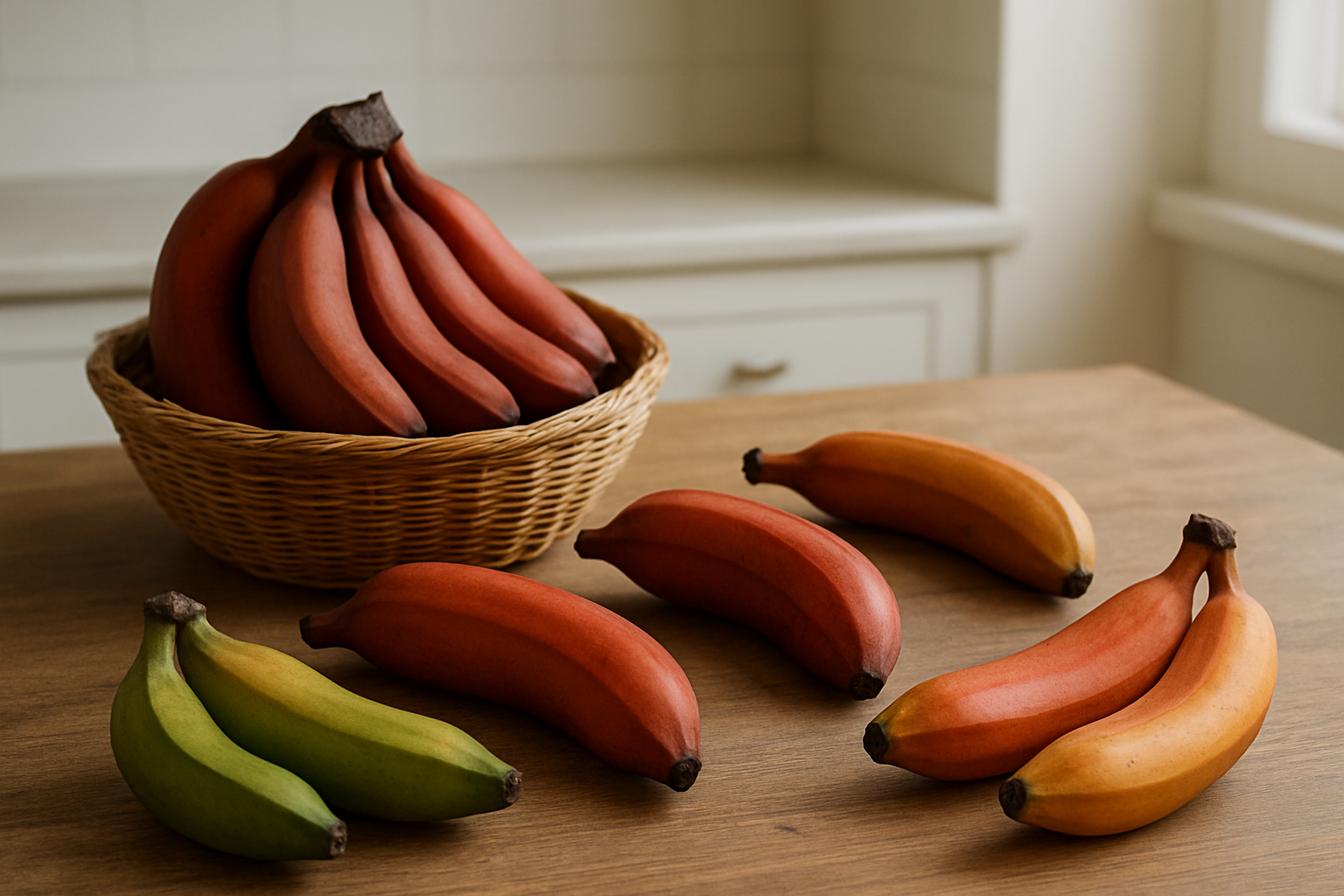
When shopping for red bananas, look for fruits with deep burgundy or maroon skin that feels firm but yields slightly to gentle pressure. The skin should have a rich, uniform color without any green patches, which indicate the banana isn't ripe yet. Small black spots or minor blemishes on the skin are perfectly normal and often signal optimal ripeness.
Avoid red bananas with large dark patches, mushy spots, or splits in the skin, as these suggest overripeness or damage. The stem should look fresh and intact, not dried out or moldy. Give the banana a gentle squeeze - it should feel sturdy but not rock-hard like an unripe yellow banana.
Red bananas ripen differently than their yellow cousins, so don't expect the same color changes. While yellow bananas turn from green to yellow, red bananas deepen from light red to dark maroon. The best red bananas often have a slight give when pressed gently near the stem end.
Store them properly to extend freshness
How to store red bananas depends on their ripeness when you buy them. If they're still slightly firm, keep them at room temperature on your counter away from direct sunlight. This allows them to ripen naturally over 2-3 days.
Once your red bananas reach perfect ripeness, you can slow down the process by placing them in the refrigerator. The skin might darken further in the cold, but the fruit inside stays fresh for up to a week. Don't worry if the peel turns almost black - the banana inside remains delicious.
Keep red bananas separate from other fruits if you want to control ripening speed. Bananas produce ethylene gas, which speeds up ripening in nearby fruits. Store them in a cool, dry place with good air circulation, and never put unripe red bananas in plastic bags, as this traps moisture and can cause premature spoilage.
Know when they're ready to eat
Red bananas are ready to eat when they develop a deep, rich burgundy color and give slightly when pressed. The skin might appear almost purple or maroon, which is completely normal. Unlike yellow bananas, red bananas don't develop the same obvious yellow color change, so you need to rely on other indicators.
The best sign of ripeness is the texture - ripe red bananas feel soft but not mushy when gently squeezed. They should have a sweet, fragrant aroma that's more intense than yellow bananas. The flesh inside should be creamy white or slightly pink, with a smooth, soft texture.
Red bananas taste sweeter and creamier than yellow varieties when perfectly ripe, with hints of raspberry or strawberry flavors. If your red banana still feels very firm and the skin appears light red or pinkish, give it another day or two to ripen fully.
Preserve overripe bananas for cooking
Don't toss overripe red bananas - they're perfect for cooking and baking. When red bananas become very soft with dark, almost black skin, they're at peak sweetness and ideal for recipes. The concentrated sugars make them excellent for banana bread, smoothies, or pancakes.
Peel overripe red bananas and freeze them in sealed containers or freezer bags for up to six months. Frozen red bananas work wonderfully in smoothies and maintain their unique flavor profile. You can also mash them and freeze in ice cube trays for easy portioning.
For immediate use, overripe red bananas can be mashed and stored in the refrigerator for 2-3 days. They're perfect for quick bread recipes, muffins, or as a natural sweetener in oatmeal and yogurt. The intense sweetness of overripe red bananas often means you can reduce added sugars in recipes.
Transform Red Bananas into Delicious Meals and Snacks
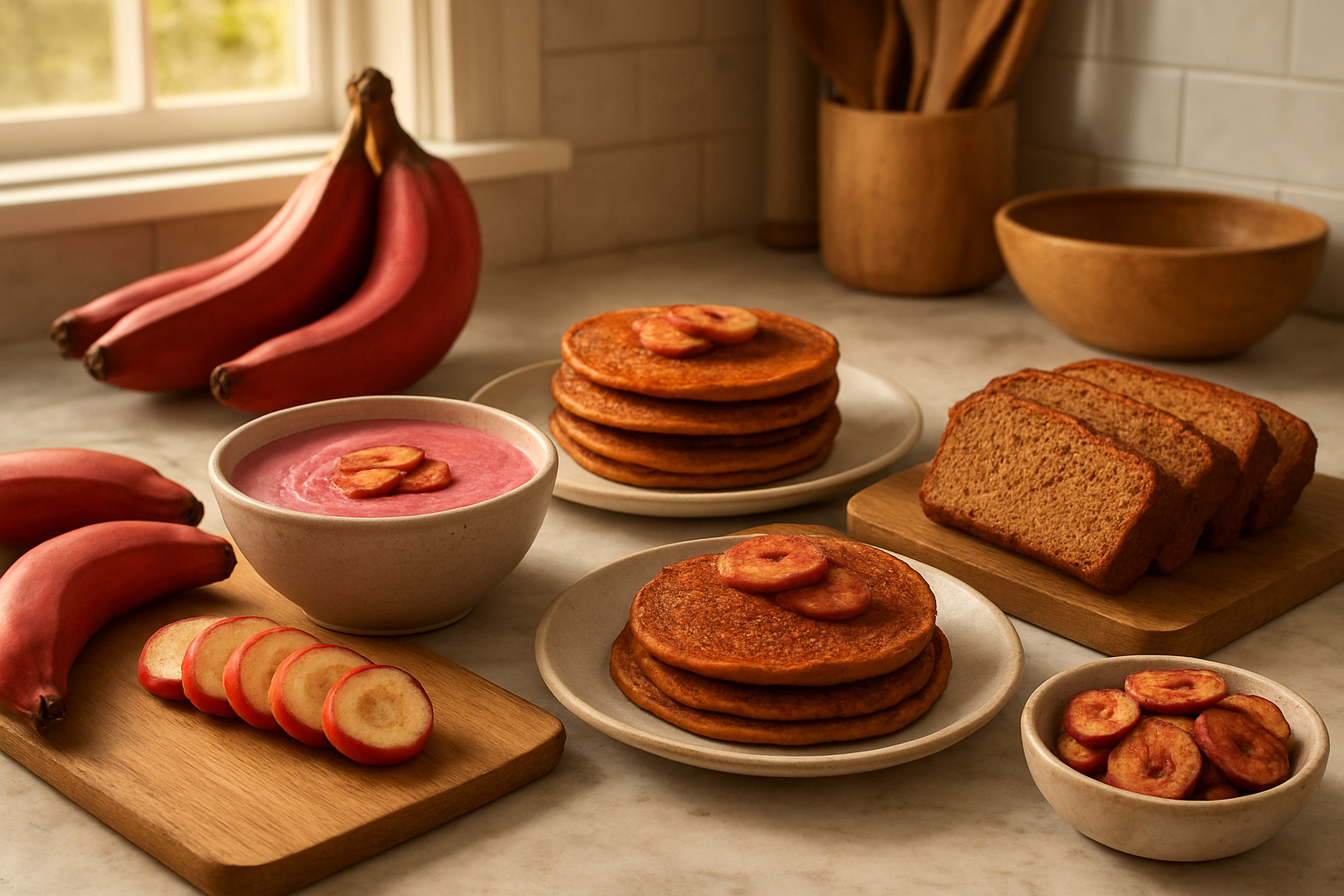
Create smoothies and breakfast bowls
Red bananas make incredible smoothie bases thanks to their naturally creamy texture and sweet, berry-like flavor. Their deep color adds gorgeous pink and purple hues to your morning drinks without any artificial additives. Blend frozen red banana chunks with coconut milk, a handful of spinach, and frozen berries for a nutrient-packed smoothie that tastes like dessert but fuels your day.
For breakfast bowls, mashed red bananas create the perfect thick base. Mix them with Greek yogurt and a touch of vanilla, then top with granola, fresh fruit, and a drizzle of honey. The red banana's natural sweetness means you can skip added sugars while still satisfying your sweet tooth. Try layering sliced red bananas with chia pudding for a gorgeous parfait that photographs beautifully and delivers sustained energy.
Bake healthy desserts and treats
Red banana recipes shine in baked goods where their unique flavor profile really stands out. They work wonderfully in banana bread, creating a more complex taste than traditional yellow bananas. The natural sugars caramelize beautifully during baking, producing moist, flavorful loaves with less added sugar needed.
Muffins made with mashed red bananas develop a lovely pink tint and tender crumb. Add dark chocolate chips or chopped walnuts to complement their berry undertones. For healthier treats, try making red banana oat cookies or energy balls mixed with dates, nuts, and a touch of cinnamon. These fruits also excel in pancakes and waffles, where their sweetness eliminates the need for syrup.
Add natural sweetness to savory dishes
Red bananas bring unexpected depth to savory cooking with their subtle sweetness balancing spicy or salty flavors. In curry dishes, they add natural sweetness that rounds out bold spices without overpowering other ingredients. Thai and Indian cuisines often incorporate bananas in savory preparations, and red varieties work particularly well.
Try adding sliced red bananas to rice dishes during the last few minutes of cooking, or incorporate them into chutneys and salsas for a tropical twist. They pair beautifully with pork and chicken, especially in grilled or roasted preparations where their sugars caramelize. For an easy weeknight dinner, sauté red banana slices with onions and serve alongside grilled proteins.
Make traditional recipes from their native regions
Traditional Caribbean and Southeast Asian cuisines feature numerous red banana recipes that highlight their unique characteristics. In the Philippines, red bananas are often used in "halo-halo," a popular dessert with shaved ice and various toppings. They're also featured in traditional banana chips, which develop a deeper color and more complex flavor than those made with yellow varieties.
Caribbean cooking incorporates red bananas into both sweet and savory dishes. Try making traditional plantain-style preparations by slicing them thick and pan-frying until golden. In some regions, they're cooked with coconut milk and spices to create warming dessert soups. Vietnamese cuisine uses them in "che," sweet dessert soups served hot or cold, where the red banana's creamy texture and natural sweetness create comfort food at its finest.
Red bananas bring something special to the table that regular yellow bananas simply can't match. Their sweet, creamy texture and hints of berry flavor make them a delightful alternative that's packed with extra nutrients like vitamin C and potassium. When you know how to pick the perfect ones and store them properly, these vibrant fruits can become a regular part of your healthy eating routine.
Ready to give red bananas a try? Start by looking for them at your local grocery store or specialty market, and don't be afraid to experiment with them in smoothies, baked goods, or just enjoy them fresh. Once you taste their unique sweetness and experience their nutritional benefits, you might find yourself reaching for the red variety more often than you'd expect.


.png)
Comments
Post a Comment