Red Chokeberries - What are Red Chokeberries?
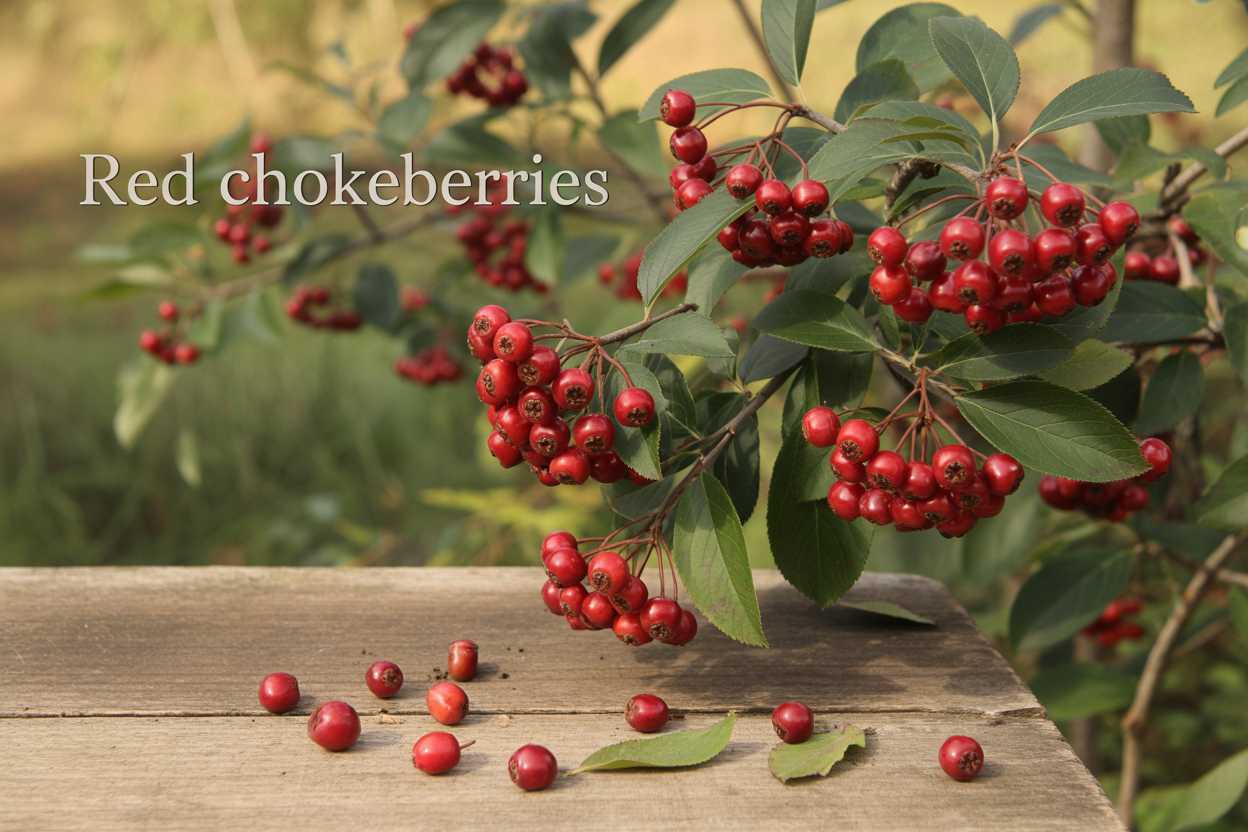
Red chokeberries (Aronia arbutifolia) are small, tart berries that pack a powerful nutritional punch and have been gaining attention among health-conscious gardeners and food enthusiasts. If you've been wondering what are red chokeberries and why people are talking about them, you've come to the right place.
This guide is perfect for gardeners wanting to grow their own superfruit, health enthusiasts curious about red chokeberry benefits, and anyone interested in adding these antioxidant-rich berries to their diet. We'll walk you through everything you need to know about the red chokeberry plant, from chokeberry identification tips to practical chokeberry cultivation advice.
You'll discover the key botanical features that make chokeberry identification easy, learn about their impressive chokeberry nutritional value and health benefits, and get hands-on guidance for growing red chokeberries in your own backyard. We'll also share simple red chokeberry recipes and preparation methods so you can enjoy these nutrient-dense berries fresh from your garden.
Botanical Characteristics and Identification
Physical Appearance and Distinguishing Features
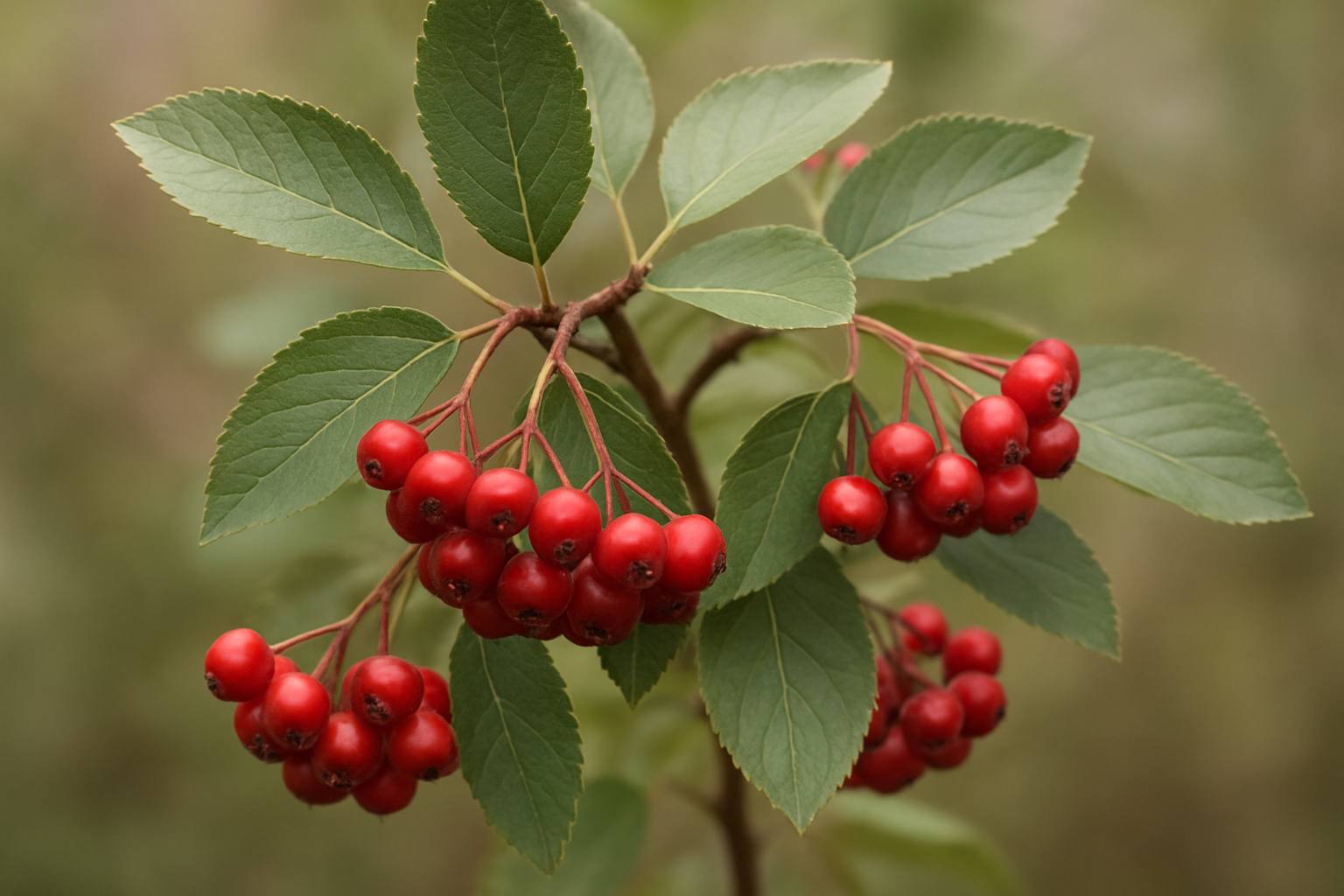
Red chokeberries stand out with their distinctive glossy, oval-shaped leaves that measure 2-4 inches long with finely serrated edges. The plant typically grows as a multi-stemmed shrub reaching 6-10 feet in height and width, creating a naturally rounded form that makes it easy to spot in the landscape.
The flowers appear in spring as clusters of small, white to pinkish blooms, each featuring five delicate petals and prominent yellow stamens. These attractive flower clusters, called corymbs, contain 6-20 individual flowers and emit a subtle, sweet fragrance that attracts pollinators.
The berries themselves are the plant's most recognizable feature - bright red, glossy fruits about 1/4 to 1/2 inch in diameter that hang in drooping clusters. Each berry contains several small seeds and has a distinctive puckering quality when eaten fresh, which explains the "chokeberry" name. The fruit's surface has a waxy coating that gives it an almost artificial shine.
The bark on mature stems displays a smooth, grayish-brown color with occasional reddish tinges. Young shoots often show more pronounced red coloring, especially when exposed to full sun. The root system spreads through underground runners, allowing the plant to form natural colonies over time.
Scientific Classification and Family Tree
Aronia arbutifolia belongs to the Rosaceae family, sharing lineage with apples, pears, and roses. This botanical relationship explains many of the red chokeberry's characteristics, including its five-petaled flowers and pome-like fruit structure.
| Classification Level | Scientific Name |
|---|---|
| Kingdom | Plantae |
| Phylum | Angiosperms |
| Class | Eudicots |
| Order | Rosales |
| Family | Rosaceae |
| Subfamily | Amygdaloideae |
| Genus | Aronia |
| Species | A. arbutifolia |
The genus Aronia contains only three recognized species, making red chokeberries part of a small but significant group of North American native plants. Within the Rosaceae family, Aronia sits in the same subfamily as hawthorns, mountain ash, and serviceberries, sharing similar fruit characteristics and growing habits.
Recent genetic studies have confirmed that chokeberries are distinct from the European Sorbus genus, despite historical classification confusion. This clarification has solidified Aronia's status as a uniquely North American genus with important ecological and economic value.
Differences Between Red and Black Chokeberries
While both species share the Aronia genus, red chokeberries (Aronia arbutifolia) and black chokeberries (Aronia melanocarpa) show several key differences that help with identification.
Fruit Color and Persistence:
-
Red chokeberries maintain their bright red color throughout fall and winter
-
Black chokeberries turn deep purple-black when ripe and typically drop earlier
Leaf Characteristics:
-
Red chokeberry leaves have distinctive white or pale undersides with fine hairs
-
Black chokeberry leaves appear green on both sides with minimal hair
Plant Size and Growth Habit:
-
Red chokeberries grow taller (6-10 feet) with a more upright, spreading form
-
Black chokeberries stay more compact (3-6 feet) with a denser growth pattern
Berry Taste and Texture:
-
Red chokeberries are more astringent and bitter when fresh
-
Black chokeberries, while still tart, have a slightly sweeter flavor profile
Habitat Preferences:
-
Red chokeberries tolerate wetter soils and partial shade better
-
Black chokeberries prefer well-drained soils and full sun exposure
Seasonal Changes in Appearance
Spring brings dramatic transformation as red chokeberry plants emerge from winter dormancy. New leaves unfurl with a bronze-red tint before developing their characteristic glossy green color. The white flower clusters appear in late spring, creating spectacular displays that last 2-3 weeks.
Summer showcases the plant's lush foliage and developing fruit. The small green berries gradually swell and begin showing hints of red coloring by midsummer. During hot weather, the leaves maintain their glossy appearance while providing dense cover for wildlife.
Fall delivers the red chokeberry's most stunning seasonal display. Leaves transform into brilliant shades of orange, red, and burgundy, creating one of nature's most reliable fall color shows. The berries reach full ripeness, glowing like small lanterns against the colorful foliage backdrop.
Winter reveals the plant's structural beauty as leaves drop to expose the intricate branching pattern. The persistent red berries become even more prominent against bare branches, providing crucial food sources for overwintering birds. The smooth bark takes on subtle purple and gray tones, adding winter interest to the landscape.
Natural Habitat and Growing Conditions
Native regions and climate preferences
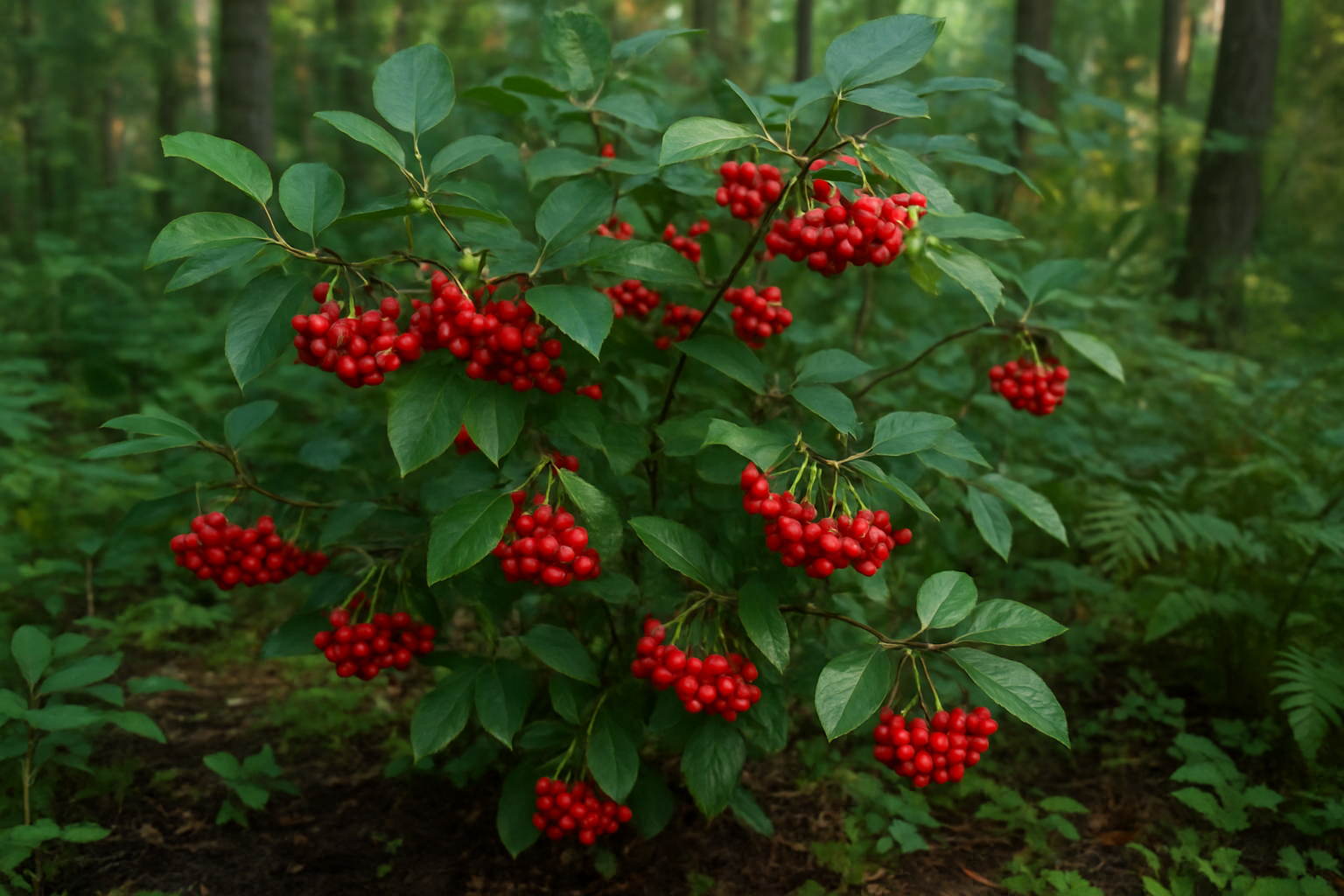
Red chokeberries (Aronia arbutifolia) naturally thrive across eastern North America, from southeastern Canada down to Florida and west to the Great Plains. You'll find these hardy shrubs growing wild in wetlands, bogs, swamps, and forest understories throughout their native range. The red chokeberry plant has adapted beautifully to USDA hardiness zones 4-9, making it incredibly versatile for gardeners across diverse climates.
These resilient shrubs prefer cooler temperatures and can handle harsh winters without issue. They actually benefit from cold dormancy periods, which help trigger better flowering and fruiting. Red chokeberries handle humidity well, unlike some other berry plants that struggle in muggy conditions. The plants also show impressive drought tolerance once established, though they prefer consistent moisture.
What makes red chokeberries special is their ability to adapt to various microclimates. They grow equally well in coastal areas with salt spray and inland locations with temperature extremes. This adaptability comes from their wetland origins, where conditions change frequently.
Soil requirements for optimal growth
Growing red chokeberries successfully starts with understanding their soil preferences. These plants absolutely love acidic soil with a pH between 3.5 and 6.5, though they'll tolerate slightly neutral conditions if needed. The more acidic, the better they seem to perform.
Red chokeberries naturally grow in wet, boggy areas, so they need soil that retains moisture without becoming waterlogged. Here's what works best:
-
Soil texture: Sandy loam to clay loam with good organic content
-
Drainage: Moist but well-draining (avoid standing water)
-
Organic matter: Rich in decomposed leaves, compost, or peat moss
-
Depth: At least 18 inches of workable soil for proper root development
| Soil Condition | Preferred | Acceptable | Avoid |
|---|---|---|---|
| pH Level | 3.5-5.5 | 5.5-6.5 | Above 7.0 |
| Moisture | Consistently moist | Occasional drying | Constantly wet/dry |
| Organic Content | 25-40% | 15-25% | Below 10% |
The chokeberry plant thrives in soils that mimic their native wetland environment. Adding plenty of organic matter like compost, aged manure, or leaf mold creates the rich, slightly acidic conditions they crave.
Sunlight and water needs
Red chokeberries show remarkable flexibility when it comes to sunlight requirements. While they produce the best berry yields in full sun (6-8 hours daily), they're among the few fruiting shrubs that genuinely thrive in partial shade. This makes them perfect for woodland gardens or spots where other berry plants might struggle.
In shadier locations, red chokeberry plants tend to grow taller and more open, reaching for available light. Full sun locations produce more compact, bushier plants with heavier fruit production. The berries also develop deeper red coloration and higher antioxidant levels when grown in bright conditions.
Water management is straightforward with these adaptable shrubs:
-
First year: Deep watering 1-2 times weekly during dry spells
-
Established plants: Natural rainfall usually sufficient in most climates
-
Drought periods: Weekly deep watering maintains plant health
-
Winter: Reduce watering as plants enter dormancy
Red chokeberries have developed an extensive root system that helps them find water during dry periods. Their native wetland heritage means they can handle both seasonal flooding and periods of drought, making them incredibly low-maintenance once established. Just avoid letting the soil completely dry out for extended periods, especially during fruit development in late summer.
Nutritional Profile and Health Benefits
Antioxidant Content and Potency Levels
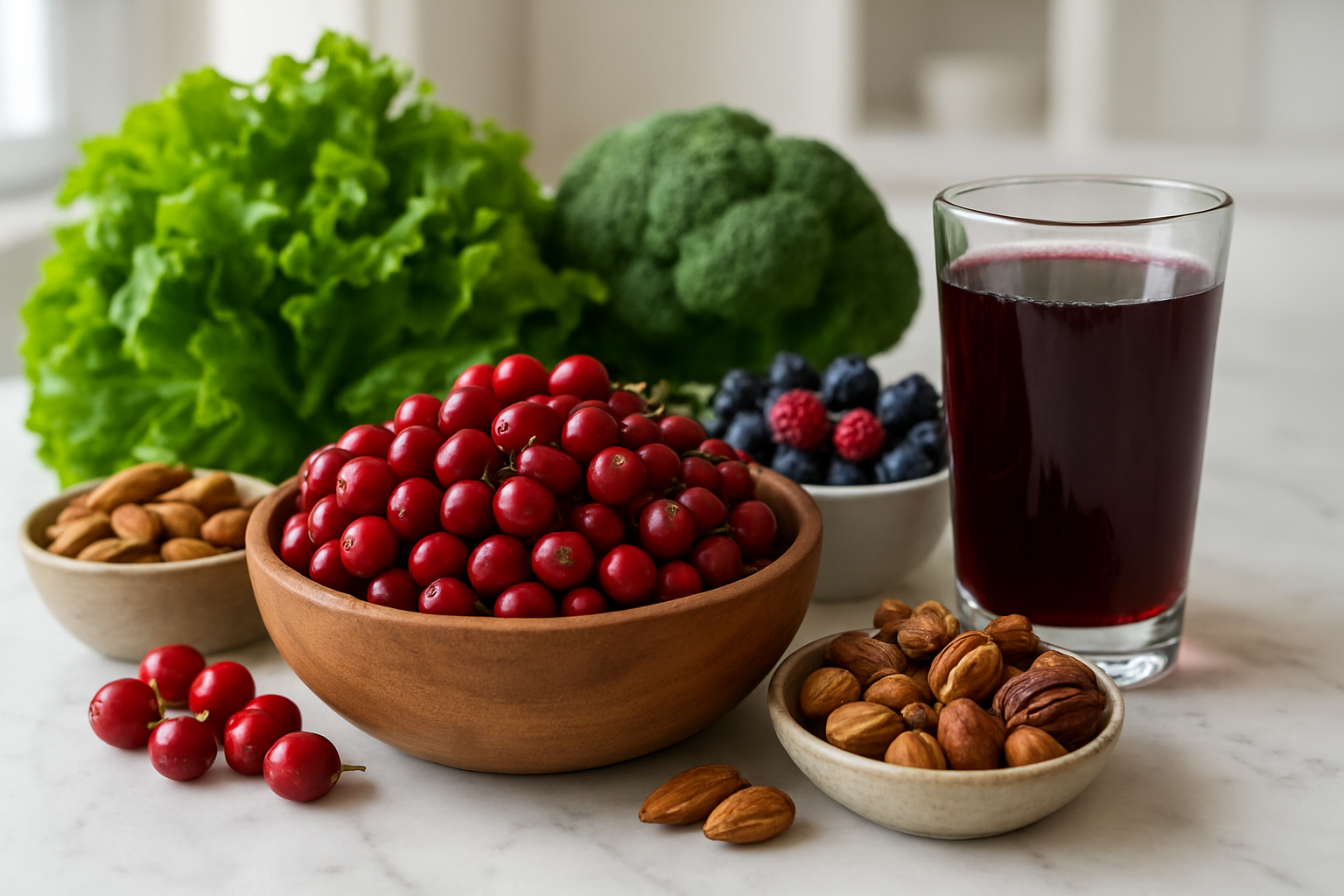
Red chokeberries pack a serious antioxidant punch, ranking among the top fruits for ORAC (Oxygen Radical Absorbance Capacity) values. These ruby-red berries contain exceptionally high levels of anthocyanins, the same compounds that give blueberries and cranberries their color and health benefits. What makes red chokeberries special is their concentration of proanthocyanidins, which can be up to four times higher than what you'd find in cranberries.
The antioxidant profile includes powerful phenolic compounds like quercetin, epicatechin, and caffeic acid. These compounds work together to neutralize free radicals in your body, potentially slowing down cellular damage and aging processes. Research shows that red chokeberries contain approximately 1,480 mg of total phenolics per 100 grams of fresh fruit - that's impressive by any standard.
Essential Vitamins and Minerals
Red chokeberries deliver a well-rounded nutritional package beyond their antioxidant content. They're particularly rich in vitamin C, providing about 13.3 mg per 100 grams of fresh berries. While this might seem modest compared to oranges, the vitamin C in red chokeberries works synergistically with other compounds for enhanced absorption and effectiveness.
These berries also contain meaningful amounts of:
-
Folate: Essential for DNA synthesis and red blood cell formation
-
Vitamin K: Important for bone health and blood clotting
-
Manganese: Supports bone development and wound healing
-
Potassium: Helps regulate blood pressure and heart function
-
Iron: Crucial for oxygen transport throughout the body
The mineral content, while not overwhelming in individual nutrients, creates a balanced profile that supports overall health when consumed regularly as part of a varied diet.
Anti-inflammatory Properties
The anti-inflammatory benefits of red chokeberries stem primarily from their rich anthocyanin content. These compounds help reduce inflammation markers in the body, potentially lowering the risk of chronic diseases linked to persistent inflammation. Studies have shown that regular consumption of chokeberry extracts can decrease C-reactive protein levels, a key indicator of systemic inflammation.
The berries' proanthocyanidins also play a role in reducing inflammatory responses, particularly in the cardiovascular system and digestive tract. This makes red chokeberries particularly valuable for people dealing with inflammatory conditions or those looking to prevent inflammation-related health issues.
Heart Health and Immune System Support
Red chokeberries shine when it comes to cardiovascular benefits. The combination of antioxidants, particularly anthocyanins and proanthocyanidins, helps protect blood vessels from oxidative damage. Regular consumption may help improve cholesterol profiles by reducing LDL (bad) cholesterol oxidation while supporting healthy blood pressure levels.
The potassium content in red chokeberries contributes to heart health by helping regulate blood pressure and supporting proper heart rhythm. The anti-inflammatory properties also benefit cardiovascular health by reducing inflammation in blood vessel walls.
For immune system support, the vitamin C content works alongside the berry's antioxidant compounds to strengthen immune function. The anthocyanins help boost white blood cell activity, while the overall antioxidant profile supports the body's natural defense mechanisms against pathogens and environmental stressors.
The chokeberry nutritional value extends beyond individual nutrients - it's the synergistic effect of all these compounds working together that makes red chokeberry benefits so compelling for long-term health maintenance.
Culinary Uses and Preparation Methods
Fresh Consumption and Taste Profile
Red chokeberries pack a surprisingly complex flavor that catches many people off guard. These bright red berries deliver an intensely astringent taste that makes your mouth pucker – hence the name "chokeberry." The initial bite brings a tart, dry sensation followed by subtle sweetness and earthy undertones. Fresh red chokeberries are much more palatable than their black chokeberry cousins, with a milder astringency that some adventurous eaters actually enjoy.
Most people find fresh red chokeberries too intense to eat by the handful, but they work wonderfully as a small addition to fruit salads or mixed with sweeter berries. The astringent compounds responsible for that mouth-puckering effect are actually beneficial tannins and polyphenols. Some foragers develop a taste for these berries straight from the bush, appreciating their unique flavor profile and knowing they're getting concentrated antioxidants.
Cooking and Baking Applications
Heat transforms red chokeberries beautifully, mellowing their harsh astringency while preserving their nutritional benefits. The berries excel in pies, muffins, and quick breads where their tartness balances sweet batters. When baking with red chokeberries, reduce other acidic ingredients slightly to compensate for their natural acidity.
Red chokeberries work exceptionally well in savory applications too. They make excellent additions to meat glazes, particularly for game meats like venison or duck. Their natural pectin content helps thicken sauces without added thickeners. Try incorporating them into chutneys, barbecue sauces, or reduction sauces for roasted meats.
| Application | Cooking Method | Best Uses |
|---|---|---|
| Baked Goods | 350°F for 20-30 min | Muffins, pies, scones |
| Sauces | Simmer 15-20 min | Meat glazes, reductions |
| Compotes | Low heat 10-15 min | Yogurt toppings, desserts |
Juice and Jam Preparation Techniques
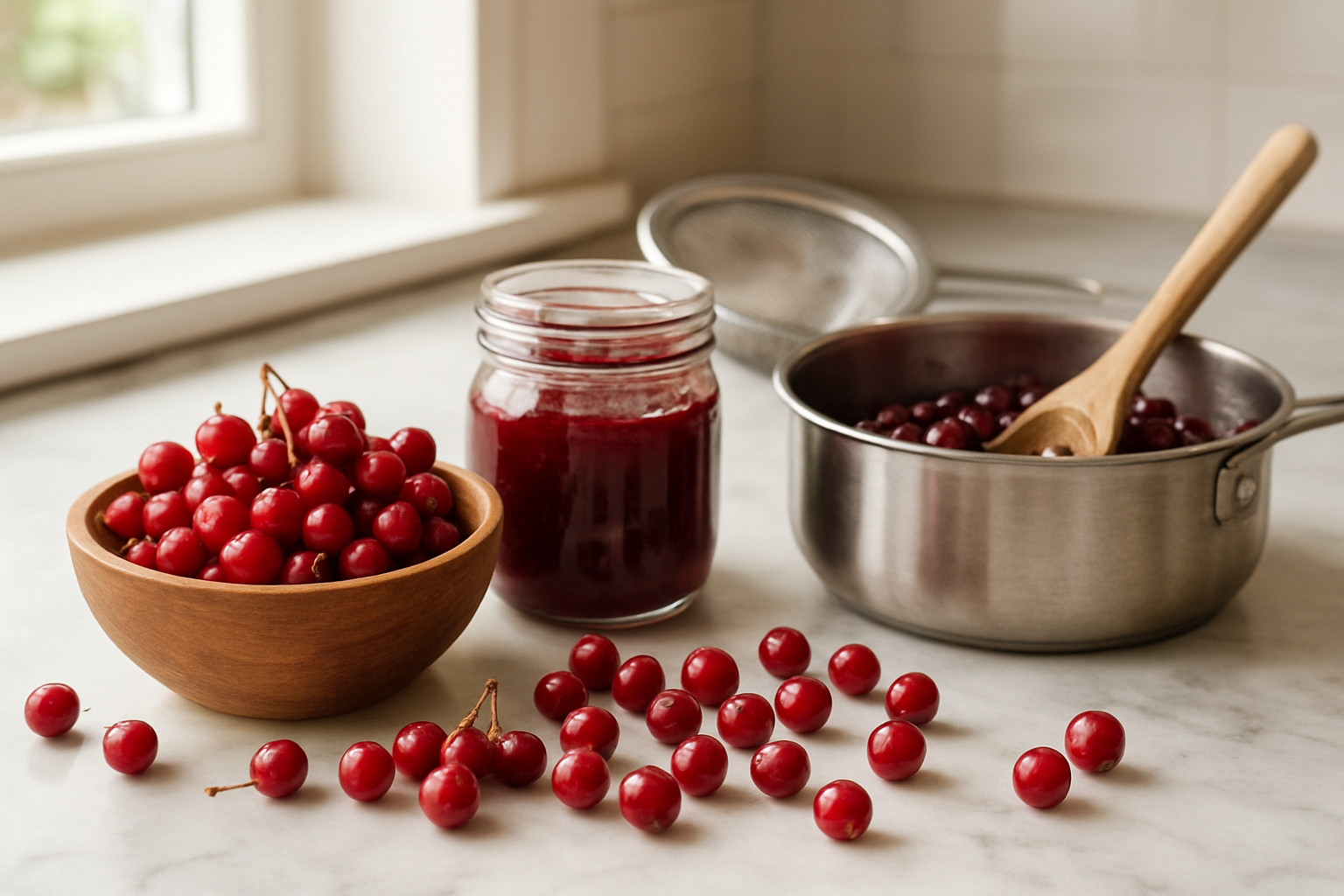
Creating red chokeberry juice requires patience but yields incredible results. Start by crushing fresh or frozen berries to break down cell walls. Add just enough water to prevent burning – about 1/4 cup per pound of berries. Heat gently for 15-20 minutes, stirring occasionally. Strain through fine mesh or cheesecloth, pressing solids to extract maximum liquid.
The resulting juice concentrate is powerfully flavored and benefits from dilution or blending with milder fruit juices like apple or grape. Many people add honey or maple syrup to balance the tartness.
For jam-making, red chokeberries' high pectin content means less added pectin is needed. Combine equal parts berries and sugar, crush lightly, and let sit for 30 minutes to draw out juices. Cook over medium heat, stirring frequently, until the mixture reaches gel stage (220°F). The natural astringency mellows significantly during cooking, creating a complex, wine-like flavor in the finished jam.
Preservation and Storage Options
Red chokeberries freeze exceptionally well without blanching. Simply wash, dry thoroughly, and freeze in single layers on baking sheets before transferring to freezer bags. Frozen berries maintain their nutritional value and work perfectly for cooking applications.
Dehydrating creates concentrated flavor bombs perfect for trail mixes or tea blends. Use a food dehydrator at 135°F for 12-18 hours, or oven-dry at the lowest setting with the door cracked. Properly dried red chokeberries store for up to a year in airtight containers.
Fresh berries keep refrigerated for about one week. Store unwashed in breathable containers to prevent moisture buildup. For longer storage, consider making fruit leather, which preserves both flavor and nutrients while creating a portable snack that showcases the unique taste of red chokeberries.
Cultivation and Harvesting Guidelines
Planting Requirements and Spacing
Growing red chokeberries successfully starts with understanding their basic planting needs. These hardy shrubs thrive in acidic to slightly neutral soil with a pH between 5.0 and 6.5. Well-draining soil is essential, though red chokeberry plants can tolerate occasional wet conditions better than many other fruit-bearing shrubs.
Plant red chokeberries in early spring after the last frost or in fall before the ground freezes. Space individual plants 4 to 6 feet apart to allow for proper air circulation and mature growth. If you're creating a hedge or windbreak, reduce spacing to 3 to 4 feet between plants.
Choose a location that receives full sun to partial shade - at least 6 hours of direct sunlight daily produces the best berry yields. Dig planting holes twice as wide as the root ball and just as deep. Amend clay soil with compost or aged manure to improve drainage, while sandy soils benefit from organic matter to retain moisture.
Water newly planted red chokeberry plants deeply but infrequently, allowing the soil to dry slightly between waterings. A 2-3 inch layer of organic mulch around the base helps retain moisture and suppress weeds while keeping the mulch several inches away from the trunk.
Maintenance and Pruning Practices
Red chokeberries require minimal maintenance once established, making them excellent choices for low-maintenance landscapes. Regular watering during the first growing season helps establish strong root systems. After that, these drought-tolerant plants need supplemental watering only during extended dry periods.
Annual fertilization in early spring with a balanced, slow-release fertilizer supports healthy growth and berry production. Apply compost or well-rotted manure around the base each spring to maintain soil fertility and structure.
Pruning red chokeberries is straightforward and should be done during late winter or early spring while plants remain dormant. Remove dead, damaged, or diseased branches first, then thin out overcrowded growth to improve air circulation. These shrubs naturally form colonies through root suckers, so remove excess suckers to maintain desired plant size and shape.
Older plants benefit from renewal pruning every 3-4 years. Cut one-third of the oldest canes to ground level to encourage new growth and maintain productivity. Light summer pruning after harvest can remove spent flower clusters and shape the plant without affecting next year's berry production.
Optimal Harvest Timing and Techniques
Red chokeberries reach peak ripeness in late summer to early fall, typically between August and October depending on your location. Proper timing makes all the difference in flavor and nutritional content. Berries are ready when they develop their characteristic deep red color and feel slightly soft to the touch.
Wait until berries are fully colored before harvesting - underripe berries taste extremely astringent and lack the complex flavors that develop with full maturity. Ripe berries should come away from the stem easily with gentle pressure.
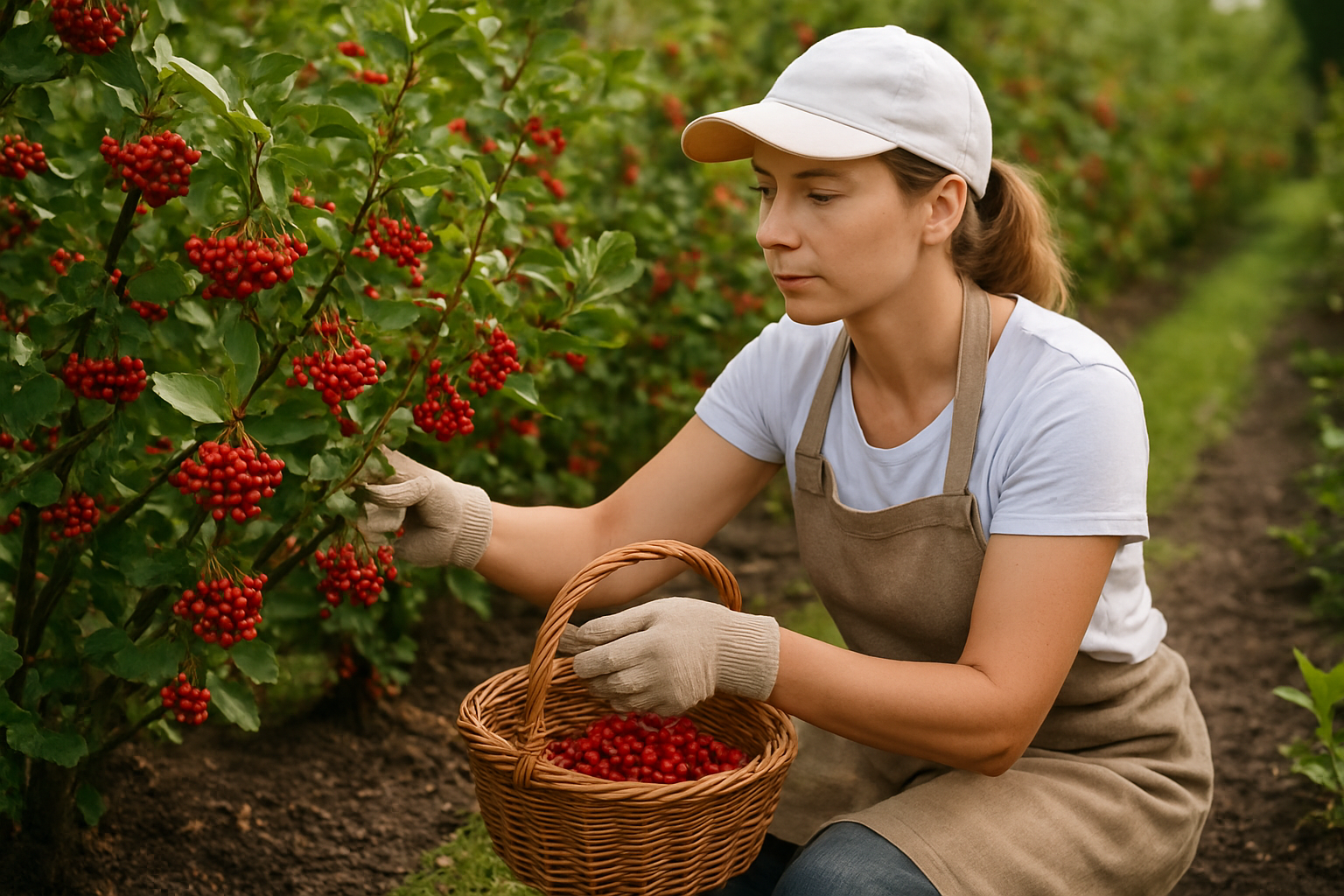
Harvest entire clusters rather than individual berries for efficiency. Use clean garden shears or pruning scissors to cut stems about 1 inch above the cluster. This method prevents damage to the plant and ensures better storage quality for your harvested berries.
Early morning harvesting, after dew has dried but before the day gets hot, yields the best quality fruit. Berries stay fresh longer when harvested cool and stored immediately in the refrigerator.
Process red chokeberries within a few days of harvesting for best results. Fresh berries keep in the refrigerator for up to one week, while frozen berries maintain quality for 8-12 months when properly stored in airtight containers.
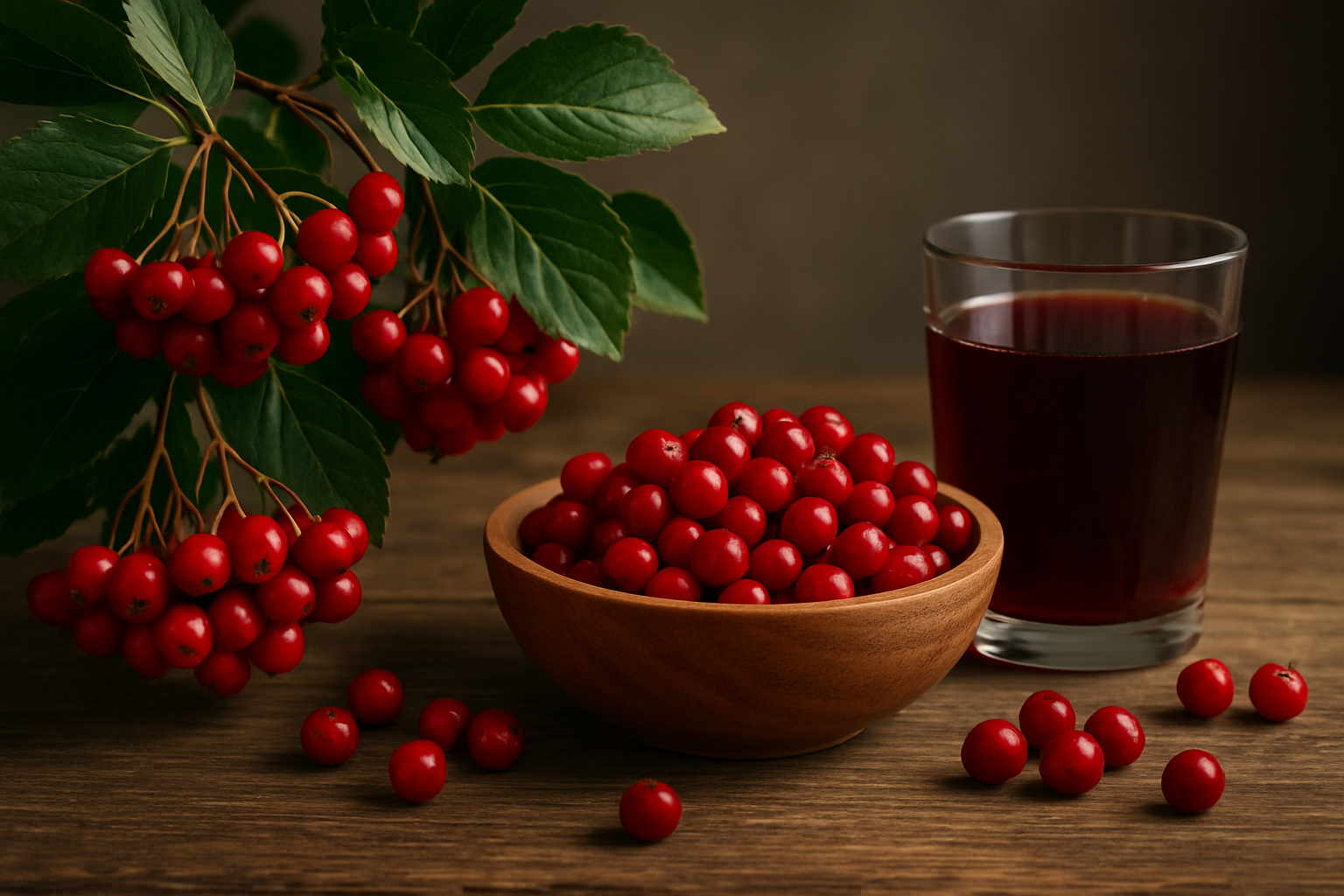
Red chokeberries pack an impressive punch of nutrients and health benefits that make them worth adding to your diet. These bright red berries grow naturally across North America and offer high levels of antioxidants, vitamins, and minerals that support immune function and overall wellness. While their tart, astringent taste might catch you off guard at first, they transform beautifully when cooked into jams, jellies, or baked goods.
Growing your own red chokeberries is surprisingly easy since these hardy shrubs adapt well to different soil conditions and climates. They're low-maintenance plants that reward you with both ornamental beauty and edible harvests. Start exploring local farmers markets or consider planting a few shrubs in your yard - your taste buds and health will thank you for discovering these nutrient-dense native berries.


.png)
Comments
Post a Comment