Red Currants - What are Red Currants?
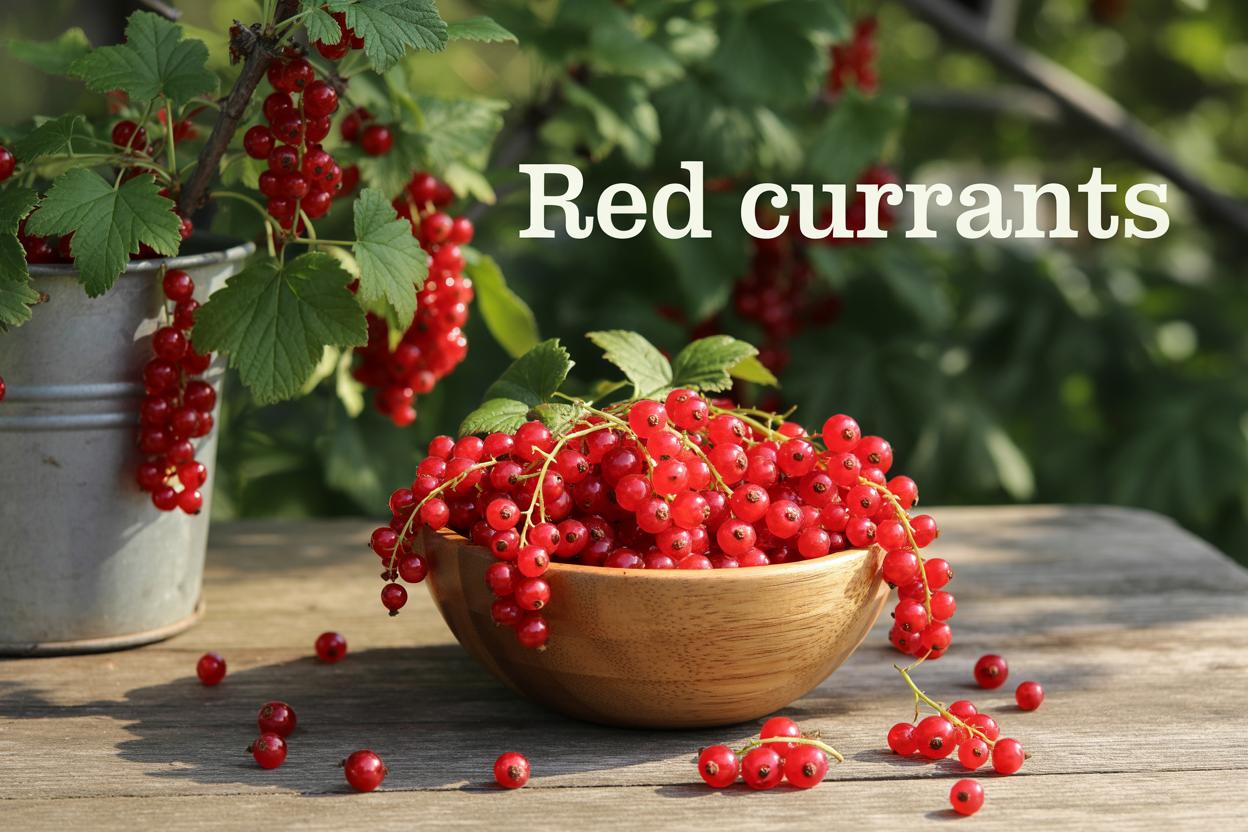
Red currants are small, tart berries that pack a serious nutritional punch and deserve a spot in every health-conscious person's diet. These ruby-red gems often get overlooked at the grocery store, but they're actually considered a superfood thanks to their impressive vitamin C content and antioxidant properties.
This guide is perfect for home gardeners curious about adding new fruits to their plots, health enthusiasts seeking nutrient-dense foods, and home cooks ready to experiment with bold, tangy flavors in their kitchen.
We'll explore what makes red currants special and why they're gaining recognition as a superfood, plus share practical tips for growing red currants in your own backyard. You'll also discover creative red currant recipes that showcase their unique tart flavor and learn how red currants stack up against similar berries like cranberries so you can make informed choices at the market.
Understanding Red Currants and Their Unique Characteristics
Physical appearance and distinctive ruby-red color
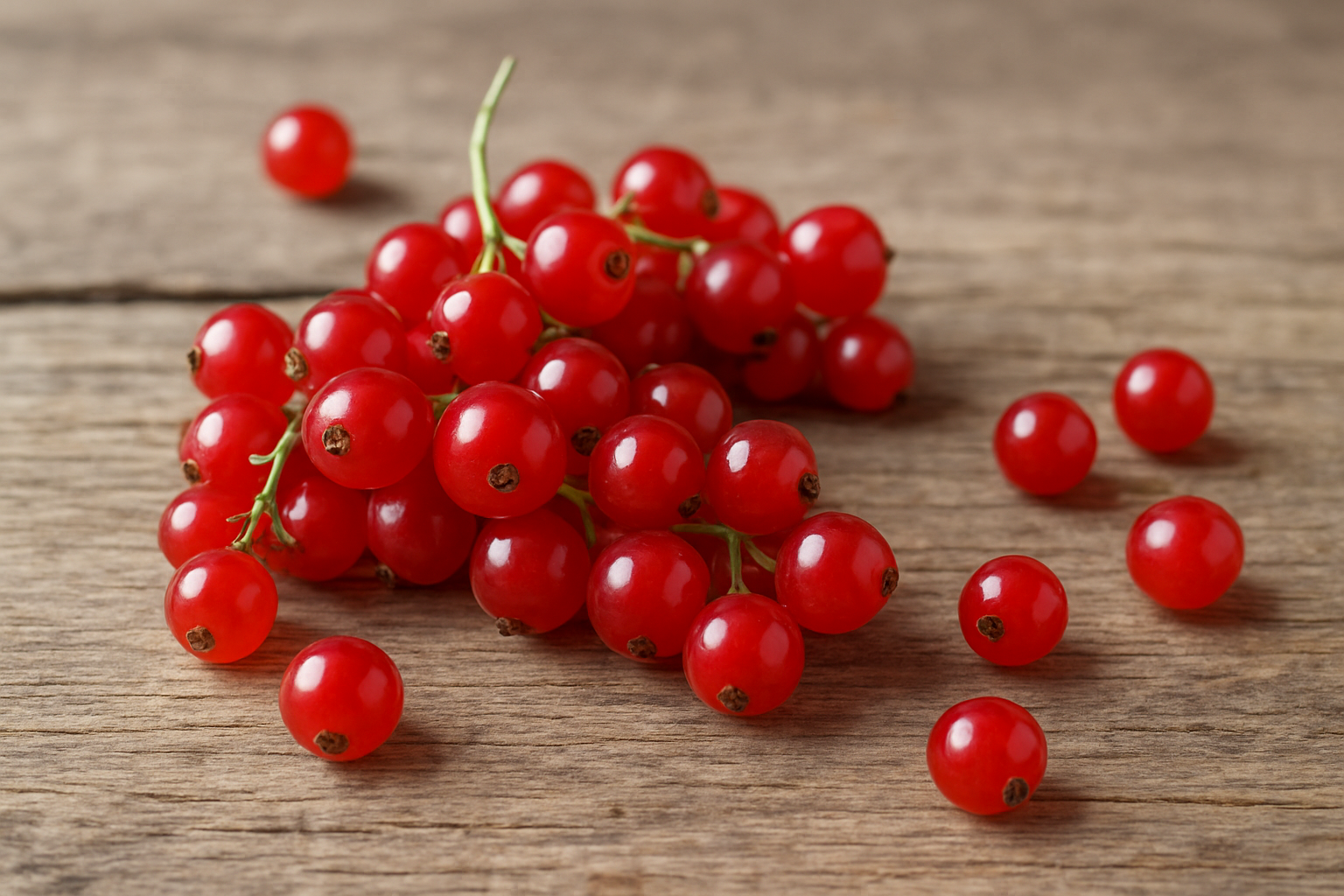
Red currants are nature's tiny jewels, displaying a brilliant translucent ruby-red hue that catches light beautifully. These small berries have an almost glass-like quality, with their smooth, glossy skin revealing the pulp and seeds within. The vibrant red coloration varies slightly depending on the variety, ranging from bright scarlet to deeper crimson tones. Each berry features a distinctive crown-like calyx at the bottom - a small, star-shaped remnant from the flower that gives red currants their characteristic appearance. This unique feature helps distinguish them from other small red berries you might encounter.
Size, texture, and cluster formation patterns
What are red currants in terms of size? These berries are remarkably uniform, typically measuring 8-12 millimeters in diameter - roughly the size of a large pea. They grow in elegant drooping clusters called racemes, with 8-20 berries per strand hanging gracefully from the branch like tiny chandeliers. The texture is quite distinctive - the skin provides a gentle pop when bitten, releasing the juicy interior. Unlike grapes, red currants have multiple small seeds that add a slight crunch to their overall texture.
| Characteristic | Red Currant Details |
|---|---|
| Berry Size | 8-12mm diameter |
| Cluster Length | 4-6 inches |
| Berries per Cluster | 8-20 individual fruits |
| Skin Texture | Smooth, glossy |
| Interior Texture | Juicy with small seeds |
Flavor profile combining tartness with subtle sweetness
Red currants deliver a complex flavor experience that makes them stand out in the berry world. The initial taste hits with bright tartness - more intense than strawberries but less aggressive than cranberries. This sharp acidity quickly mellows into subtle sweetness, creating a balanced profile that's both refreshing and sophisticated. The flavor intensity can vary based on ripeness, with fully ripe berries offering more sweetness while maintaining their signature tang. Many describe the taste as clean and bright, with floral undertones that make red currants excellent for both sweet and savory applications.
Seasonal availability and peak harvest periods
Red currants follow a specific seasonal timeline that varies by climate zone. In most temperate regions, these berries ripen during mid-summer, typically from July through August. The peak harvest window is relatively short - usually lasting only 2-3 weeks - making fresh red currants a fleeting seasonal treat. Northern climates may see harvests extending into early September, while warmer regions might have fruit ready by late June. The berries ripen gradually on each cluster, turning from green to pink to their final ruby-red color. For the best flavor and nutritional content, red currants should be picked when fully colored but still firm to the touch.
Nutritional Benefits That Make Red Currants a Superfood
High vitamin C content for immune system support
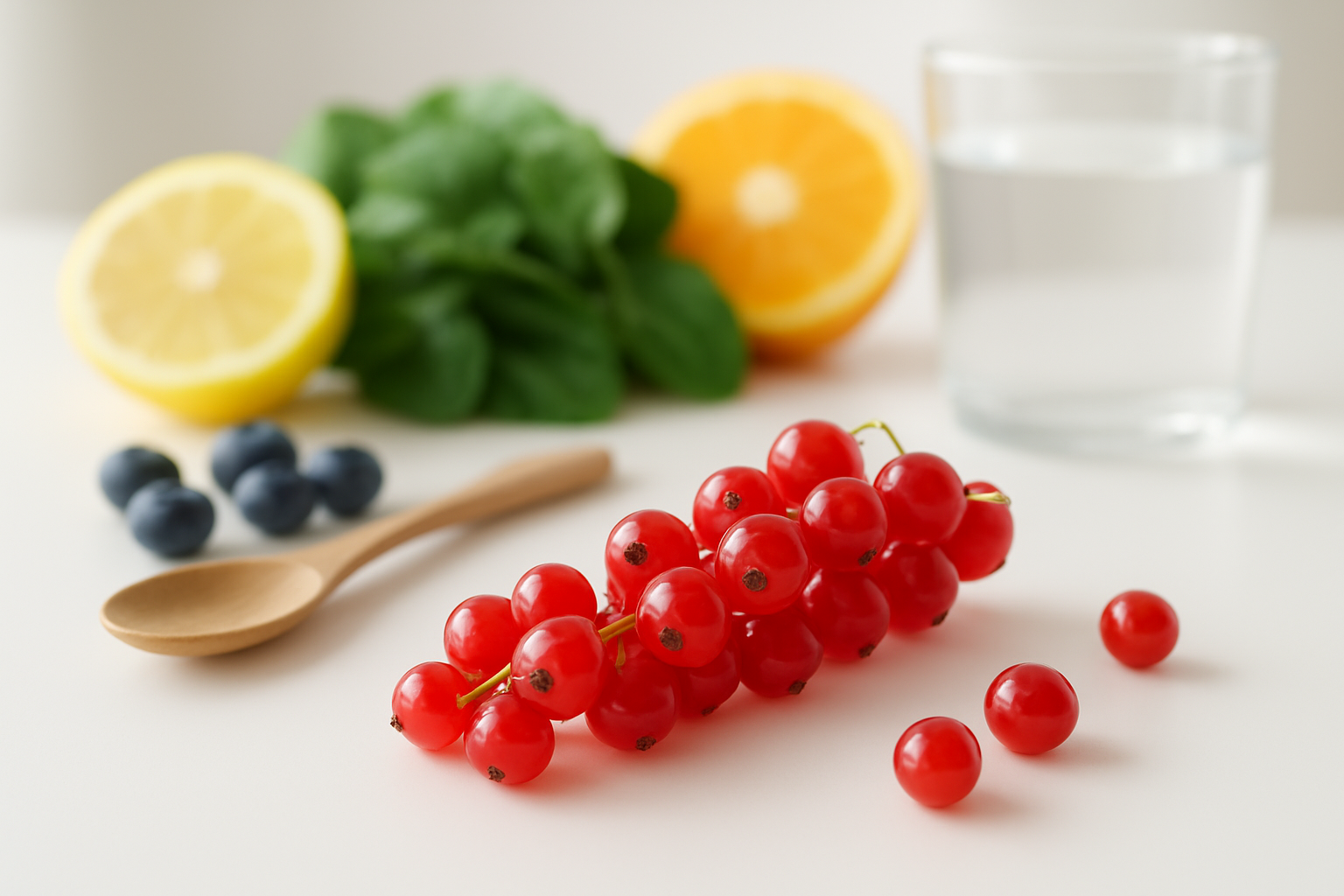
Red currants pack an incredible vitamin C punch that puts many other fruits to shame. Just one cup of these tiny red gems delivers about 77% of your daily vitamin C needs. That's more than what you'll find in most oranges or strawberries.
Your immune system absolutely loves vitamin C because it helps white blood cells function properly and creates a protective barrier against infections. When cold and flu season hits, adding red currant nutrition to your diet gives your body the tools it needs to fight back naturally.
The vitamin C in red currants also plays a crucial role in collagen production. This means healthier skin, stronger blood vessels, and better wound healing. Unlike synthetic supplements, the vitamin C from red currants comes with natural compounds that help your body absorb and use it more effectively.
Powerful antioxidants for cellular protection
What makes red currants a true superfood is their impressive antioxidant profile. These berries contain anthocyanins, the same compounds that give them their vibrant red color. These antioxidants work like tiny shields, protecting your cells from damage caused by free radicals.
Red currants also contain quercetin and rutin, two flavonoids that fight inflammation throughout your body. Research shows these compounds may help reduce the risk of chronic diseases and slow down the aging process at the cellular level.
The antioxidant power of red currants is measured using something called ORAC (Oxygen Radical Absorbance Capacity). Red currants score impressively high, making them one of nature's most effective cellular protectors.
Essential minerals for bone and heart health
Beyond vitamins and antioxidants, red currant benefits extend to essential minerals that keep your body running smoothly. These berries provide meaningful amounts of potassium, which helps regulate blood pressure and supports heart function.
Red currants also contain manganese, a mineral that's vital for bone formation and metabolism. While you might not think about manganese often, it plays a key role in enzyme function and helps your body process carbohydrates and proteins.
The mineral content in red currants includes small amounts of iron, magnesium, and calcium. While these amounts might seem modest, they contribute to your overall mineral intake and work synergistically with other nutrients to support optimal health. The combination of these minerals makes red currants particularly beneficial for maintaining strong bones and a healthy cardiovascular system.
Growing Red Currants Successfully in Your Garden
Optimal soil conditions and pH requirements
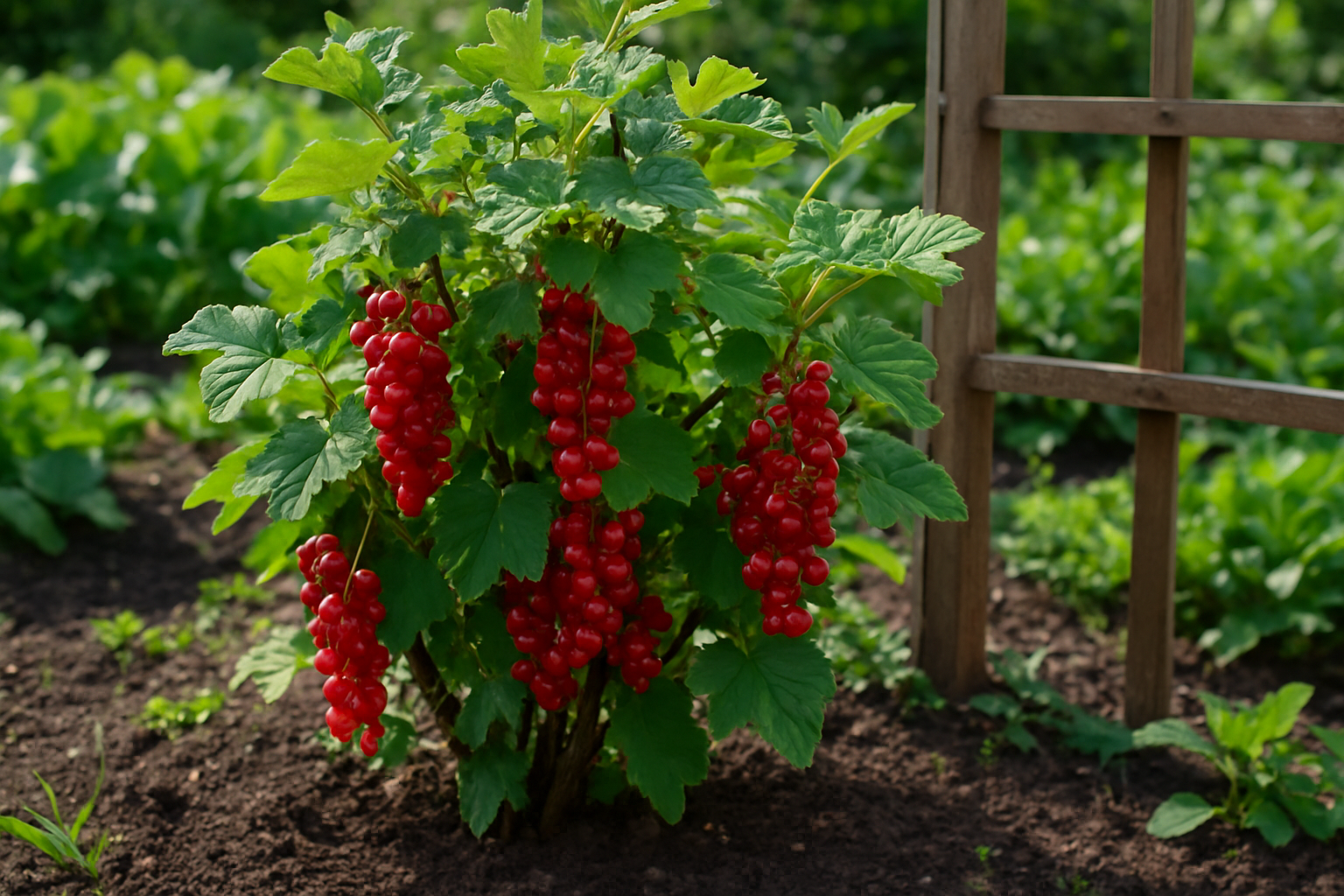
Red currants thrive in well-draining soil with a slightly acidic to neutral pH between 6.0 and 7.0. The soil should be rich in organic matter, making compost or well-aged manure excellent additions before planting. Heavy clay soils can work, but you'll need to improve drainage by adding sand or perlite. Sandy soils work well too, though they'll require more frequent watering and organic amendments to retain nutrients.
These plants prefer consistent moisture without waterlogging. Adding a 2-3 inch layer of mulch around the base helps retain moisture while keeping weeds at bay. Avoid planting in areas where water tends to pool after heavy rains, as this can lead to root rot.
Climate preferences and hardiness zones
Growing red currants successfully depends on understanding their cold-weather preferences. These hardy shrubs flourish in USDA zones 3-7, making them perfect for northern gardens where many other berries struggle. They actually need cold winter temperatures to fruit properly, requiring around 1,000-1,500 chill hours below 45°F.
Red currants prefer cooler summers and can struggle in areas with intense heat and humidity. Morning sun with afternoon shade works well in warmer zones, while full sun is ideal in cooler climates. They're naturally resistant to most pests and diseases, making them relatively low-maintenance compared to other berry crops.
Planting techniques for maximum yield
Plant red currant bushes in early spring or fall, spacing them 4-6 feet apart to allow proper air circulation. Dig holes twice as wide as the root ball but only as deep. Plant at the same depth they were growing in the nursery container.
Choose certified disease-free plants from reputable nurseries. Young bushes typically start producing fruit in their second or third year, reaching full production by year four. When planting multiple bushes, consider different varieties that ripen at various times to extend your harvest season.
Water deeply after planting and maintain consistent moisture during the first growing season while roots establish.
Pruning and maintenance strategies
Pruning red currants in late winter or early spring while dormant promotes healthy growth and better fruit production. Remove any dead, damaged, or crossing branches first. Red currants fruit on wood that's 2-3 years old, so maintain a mix of young and mature canes.
Keep 8-12 main stems per bush, removing the oldest canes every few years to encourage new growth. Light summer pruning after harvest can help improve air circulation and reduce disease pressure.
Regular feeding with balanced fertilizer in early spring supports vigorous growth. Watch for aphids and treat with insecticidal soap if needed.
Culinary Applications and Delicious Recipe Ideas
Traditional jams, jellies, and preserves
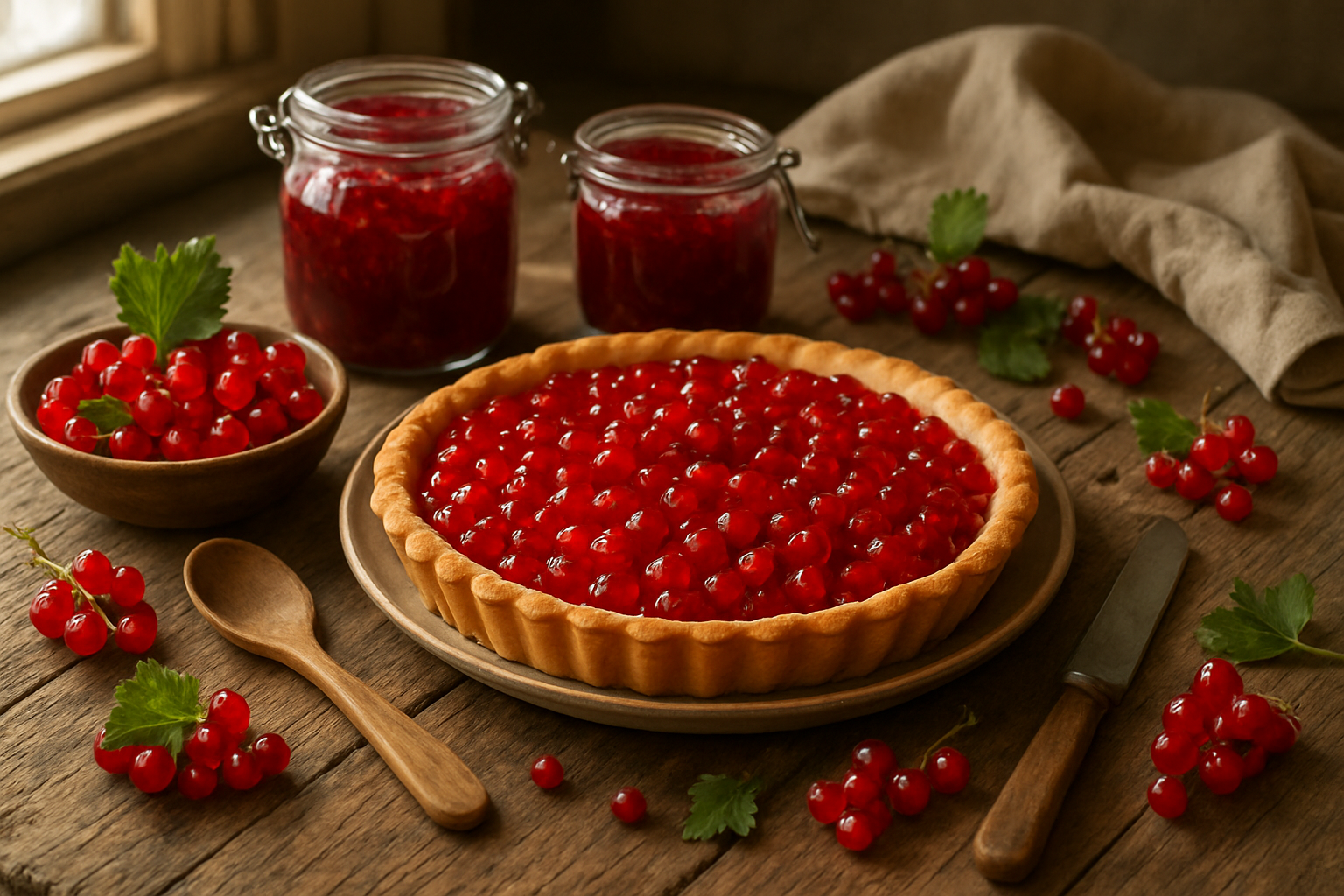
Red currants shine brightest when transformed into classic preserves that capture their vibrant tartness. Their natural pectin content makes them perfect for creating firm, jewel-toned jellies that set beautifully without added thickeners. Traditional red currant jelly pairs wonderfully with lamb, venison, and strong cheeses, while red currant jam brings a sophisticated tang to morning toast and scones.
The key to exceptional red currant preserves lies in balancing their sharp acidity with just enough sugar to enhance rather than mask their distinctive flavor. A classic red currant jelly recipe typically calls for equal parts fruit and sugar, slowly simmered until the natural pectin creates that perfect gel consistency. Many home preservers swear by adding a splash of lemon juice to brighten the color and enhance the natural tartness.
For those seeking lower-sugar options, red currants work beautifully in small-batch preserves using natural sweeteners like honey or maple syrup. The berries' robust flavor profile holds up well to these alternatives, creating complex, less cloying spreads.
Fresh eating and dessert preparations
While red currants pack a punch when eaten fresh, their intense tartness makes them ideal candidates for dessert applications where their acidity can balance rich, sweet elements. These ruby-colored berries transform ordinary desserts into elegant showstoppers with their brilliant color and sophisticated flavor.
Red currant tarts represent the pinnacle of European pastry making, where the berries' natural tartness cuts through buttery pastry cream or custard fillings. The classic French tarte aux groseilles showcases whole red currants arranged in perfect rows over vanilla pastry cream, creating both visual drama and flavor balance.
In summer puddings and fruit salads, red currants add textural interest and acidic brightness that prevents other fruits from becoming overly sweet. Their small size makes them perfect for folding into cake batters, where they burst during baking to create pockets of intense flavor. Red currant recipes often feature them in upside-down cakes, where their jewel-like appearance creates stunning presentation.
Frozen red currants work exceptionally well in sorbets and granitas, where their tartness shines through the icy texture. Many pastry chefs use red currant puree as a sauce for chocolate desserts, creating sophisticated flavor combinations that highlight both ingredients.
Savory dishes and meat accompaniments
Red currants excel in savory applications where their tartness provides the perfect counterpoint to rich, fatty meats. Traditional European cuisine has long recognized red currants as the ideal accompaniment to game meats, particularly venison, duck, and lamb, where their acidity cuts through the meat's richness while complementing its earthy flavors.
Classic red currant sauces for meat involve reducing fresh berries with shallots, wine, and herbs to create glossy, restaurant-quality accompaniments. The berries break down during cooking, releasing their natural juices and creating complex, layered flavors that elevate simple roasted meats into gourmet experiences.
In modern gastronomy, red currants appear in savory chutneys and relishes that pair beautifully with cheese boards and charcuterie platters. Their bright acidity makes them excellent additions to grain salads, where they provide bursts of flavor alongside nuts and fresh herbs.
Red currant cooking extends to marinades and glazes, where the berries' natural acids help tenderize proteins while imparting subtle fruity notes. Many chefs incorporate red currant puree into vinaigrettes for game salads or use whole berries as garnishes for roasted vegetables.
Beverage creations and cocktail uses
Red currants bring both visual appeal and complex flavor to beverage applications, from simple fruit waters to sophisticated cocktails. Their intense tartness and beautiful color make them prized ingredients for mixologists seeking to create memorable drinks with both aesthetic and flavor impact.
Fresh red currant juice, extracted through gentle pressing or steaming, creates the base for numerous beverage applications. This ruby-colored liquid can be mixed with sparkling water for refreshing sodas or combined with other fruit juices for complex flavor profiles. Many European countries produce traditional red currant cordials and syrups that can be diluted to taste.
In cocktail applications, red currants work beautifully muddled fresh in the bottom of glasses, releasing their juices and providing textural interest. They pair exceptionally well with gin, where their botanical complexity complements the spirit's herbal notes. Red currant-infused spirits create unique bases for seasonal cocktails, while red currant simple syrups add both sweetness and tartness to mixed drinks.
Hot beverage applications include red currant teas and mulled wine additions, where the berries contribute both flavor and visual appeal. Many bartenders use frozen red currants as ice alternatives in summer cocktails, allowing them to slowly release flavor as they thaw while maintaining the drink's temperature.
Distinguishing Red Currants from Similar Berries
Key differences from black currants
Red currants and black currants might share the "currant" name, but they're surprisingly different fruits. Black currants pack a much more intense, almost musky flavor that can be quite polarizing - some people absolutely love it while others find it overwhelming. Red currants, on the other hand, deliver a bright, tart taste that's much more approachable for most palates.
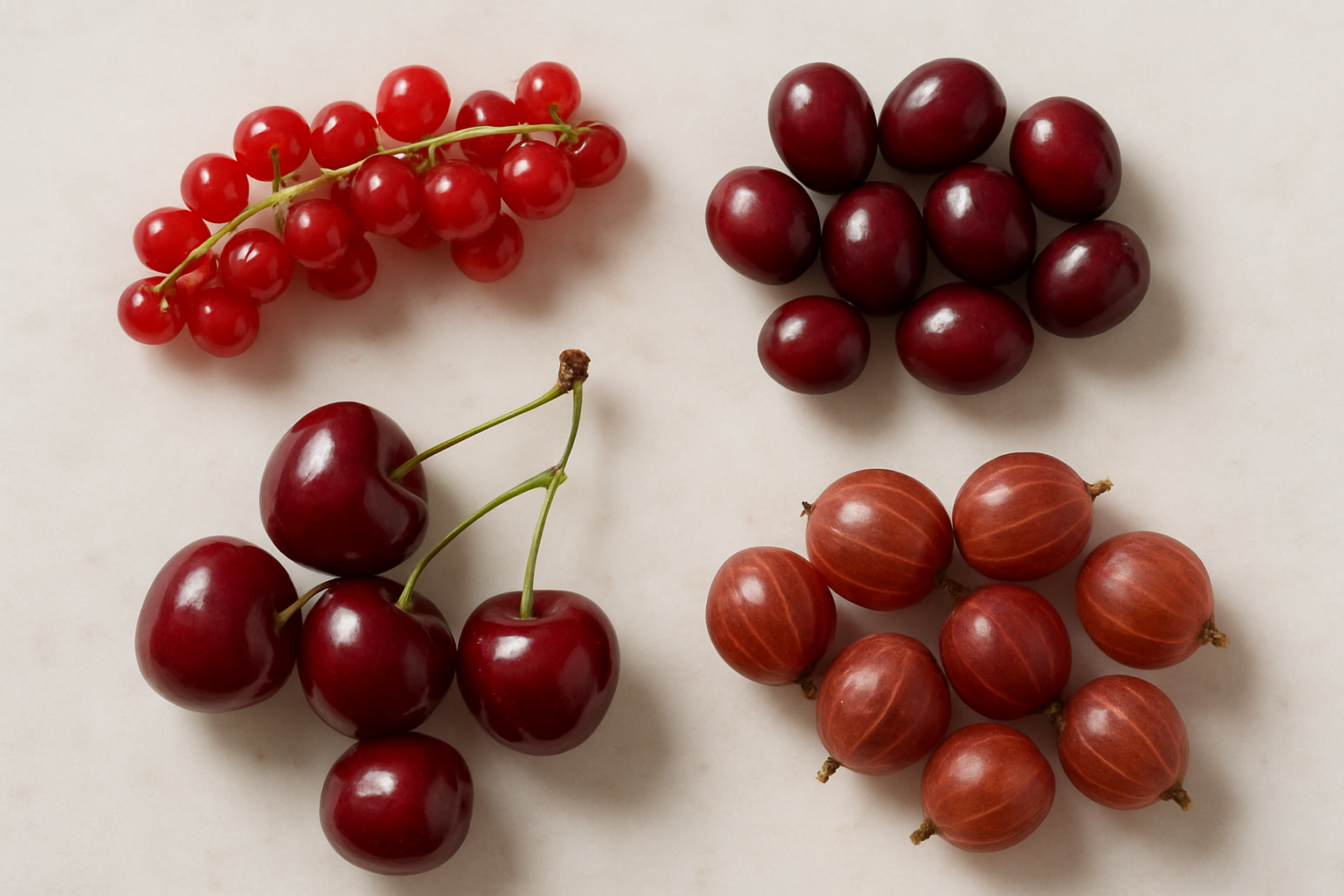
The visual differences are obvious once you know what to look for. Black currants are typically larger and have a deeper, almost purple-black color. They also have a stronger aroma that you can detect even before tasting. Red currants maintain their translucent, jewel-like appearance and have virtually no scent.
Nutritionally speaking, black currants contain significantly higher levels of vitamin C and anthocyanins, which give them their dark color and potent antioxidant properties. Red currants still offer excellent nutritional value but in different proportions, with notable amounts of vitamin K and manganese.
Comparison with cranberries and other red berries
Many people confuse red currants with cranberries, especially when they see them dried or in processed foods. Fresh cranberries are noticeably larger and have a more oval shape compared to the small, perfectly round red currants. The skin texture differs too - cranberries have a waxy, smooth surface while red currants appear more translucent with visible seeds inside.
The taste difference between red currant vs cranberry is substantial. Cranberries are famously tart and astringent, often requiring sweeteners to be palatable raw. Red currants have a complex flavor profile that balances tartness with subtle sweetness, making them enjoyable fresh from the bush.
| Berry | Size | Shape | Flavor | Growing Pattern |
|---|---|---|---|---|
| Red Currants | Small (6-8mm) | Perfect spheres | Tart-sweet balance | Hanging clusters |
| Cranberries | Larger (9-14mm) | Oval | Very tart, astringent | Low bog vines |
| Red Gooseberries | Medium (10-15mm) | Oval with ridges | Sweet when ripe | Individual fruits |
| Lingonberries | Small (6-10mm) | Round | Tart, bitter | Low shrubs |
Red gooseberries sometimes get mixed up with red currants at farmers markets, but gooseberries are usually larger and have distinctive longitudinal ridges running from top to bottom. They also grow individually rather than in the characteristic drooping clusters that make red currants so recognizable.
How to identify authentic red currants at markets
Shopping for authentic red currants requires knowing what to look for since several berries can appear similar at first glance. Real red currants always come in distinctive drooping clusters called racemes, with multiple berries connected to a single stem. If you see individual berries sold loose, they're likely not true red currants.
Check the size consistency - genuine red currants are remarkably uniform, typically measuring 6-8 millimeters in diameter. Each berry should be perfectly round with a translucent quality that lets you see the small seeds inside. The color ranges from bright ruby red to deep crimson, but should always have that jewel-like clarity.
Fresh red currants have a firm texture that gives slightly when pressed but shouldn't be mushy or wrinkled. They should feel heavy for their size, indicating good moisture content. Quality red currants will have their stems still attached - this green "tail" is actually a good sign of freshness and proper harvesting.
Ask your vendor about the source if you're unsure. Red currants have a relatively short growing season (typically July through August in most regions) and don't travel well, so they're usually sourced locally or regionally. If someone claims to have fresh red currants in winter, they might be selling a different berry entirely.
The distinctive tartness should hit you immediately when you taste one. If the flavor is overly sweet or has an unusual aftertaste, you might be dealing with a different type of berry altogether.
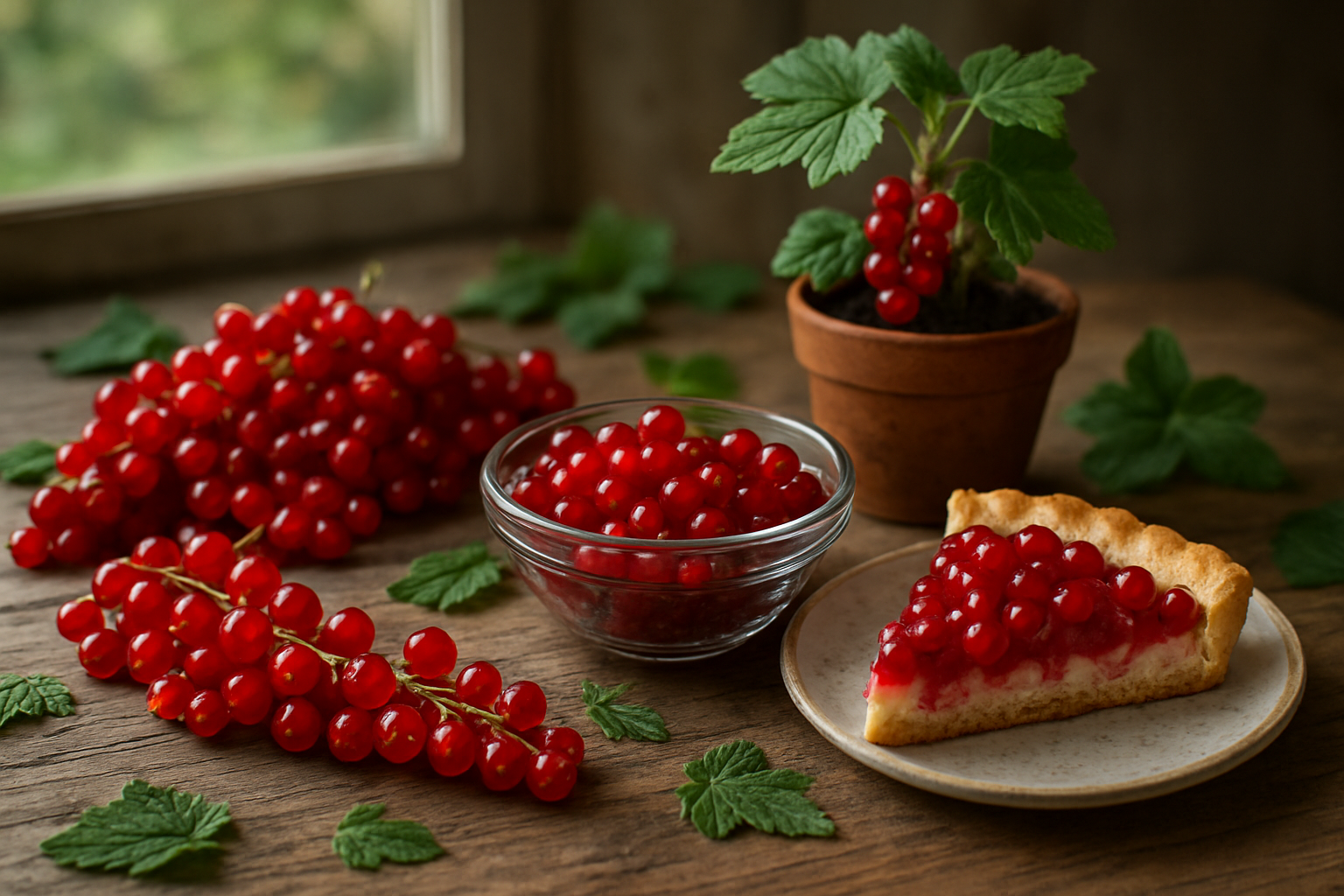
Red currants bring together the best of both worlds - incredible health benefits packed into tiny, flavorful berries that you can easily grow at home. These ruby-red gems deliver vitamin C, antioxidants, and fiber while adding a delightful tart-sweet punch to everything from jams to savory sauces. Plus, they're surprisingly low-maintenance plants that can thrive in most gardens with just basic care.
Don't let their small size fool you - red currants are nutritional powerhouses that deserve a spot in your diet and garden. Start by trying them in a simple jelly or adding fresh berries to your morning yogurt. If you're feeling ambitious, consider planting a bush or two this season. Your taste buds and your body will thank you for discovering these underrated superfruits.


.png)
Comments
Post a Comment