Sea Buckthorn - What's The Sea Buckthorn Berry?
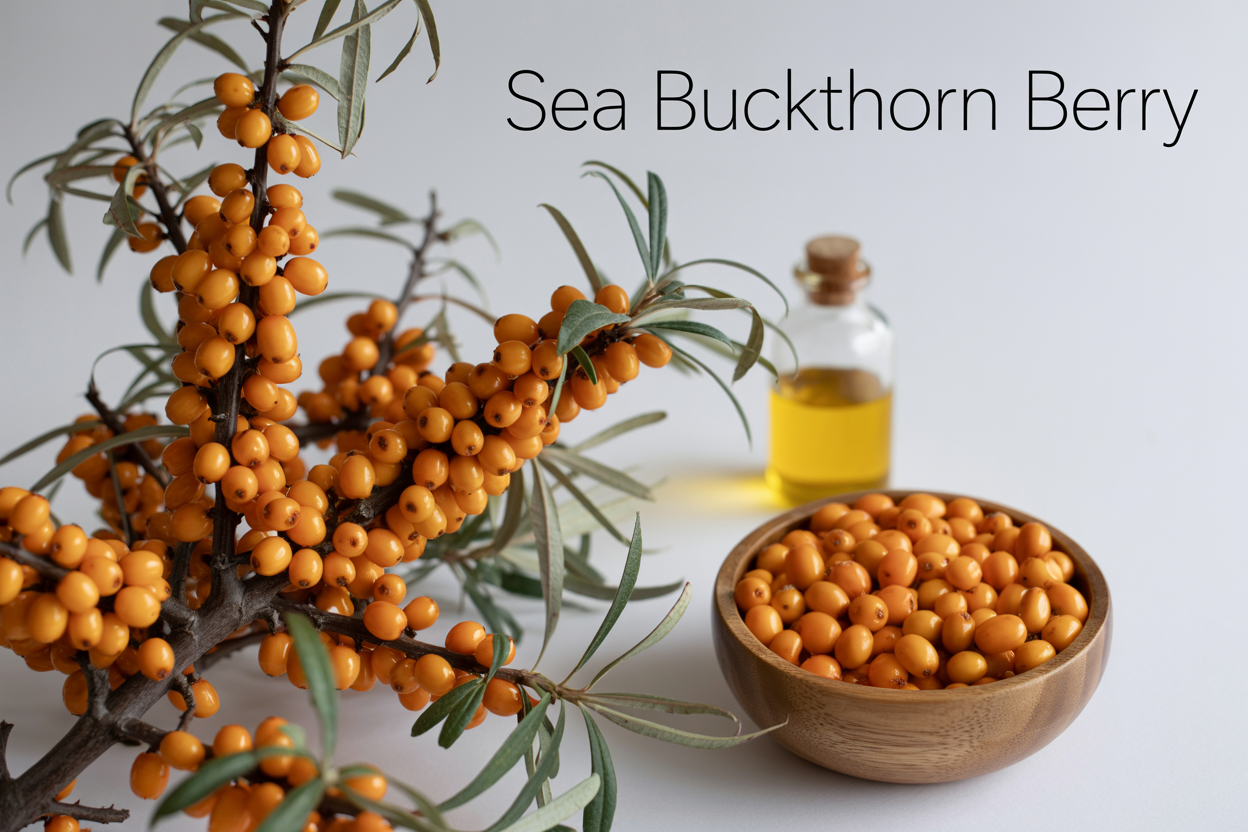
Sea buckthorn berries are small, orange powerhouses packed with vitamins and nutrients that most people have never heard of. This bright orange fruit grows on thorny shrubs across Asia and Europe, and it's quickly gaining attention as a superfood worth adding to your diet.
This guide is perfect for health-conscious individuals, wellness enthusiasts, and anyone curious about natural nutrition who wants to learn what makes sea buckthorn berry so special. You'll discover the unique nutritional profile that sets these berries apart from other superfruits, explore the science-backed health benefits that researchers are getting excited about, and learn practical ways to add sea buckthorn to your daily routine safely.
Discover the Nutritional Powerhouse Behind Sea Buckthorn Berries
Unlock Exceptional Vitamin C Content That Surpasses Citrus Fruits
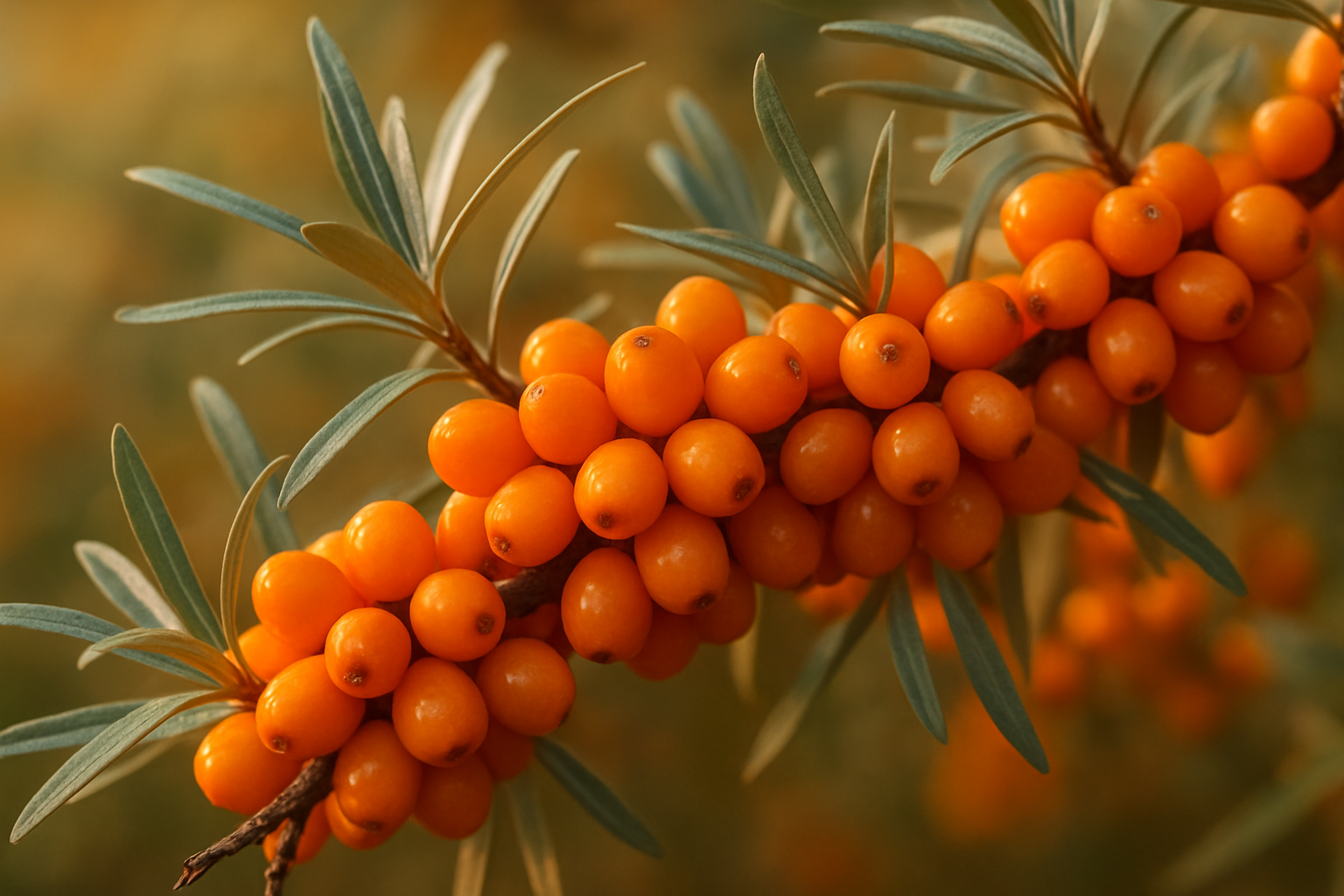
Sea buckthorn berries pack an incredible vitamin C punch that leaves oranges and lemons in the dust. These tiny orange berries contain between 200-1,500 milligrams of vitamin C per 100 grams, compared to a mere 53 milligrams in the same amount of oranges. This massive concentration makes sea buckthorn one of nature's richest vitamin C sources.
The vitamin C in sea buckthorn comes in multiple forms, including ascorbic acid and dehydroascorbic acid, which work together to maximize absorption and bioavailability. This natural combination helps your body actually use the vitamin C more effectively than synthetic supplements.
Your immune system gets a serious boost from this vitamin C powerhouse. Just one tablespoon of sea buckthorn juice can provide more than your entire daily vitamin C requirement. This supports collagen production, wound healing, and helps your body fight off infections and oxidative stress.
Access Essential Omega Fatty Acids Rarely Found in Plant Sources
Sea buckthorn stands out as one of the few plant sources containing all four omega fatty acids: omega-3, omega-6, omega-7, and omega-9. This complete omega profile is typically found only in fish oils and a handful of other sources.
The omega-7 content deserves special attention since it's extremely rare in the plant kingdom. Sea buckthorn contains up to 40% palmitoleic acid (omega-7) in its fruit oil, which supports skin health, mucous membrane integrity, and cardiovascular function.
Here's the omega fatty acid breakdown in sea buckthorn:
| Omega Type | Percentage | Primary Benefits |
|---|---|---|
| Omega-3 | 20-35% | Brain health, inflammation reduction |
| Omega-6 | 10-15% | Skin barrier function, hormone production |
| Omega-7 | 20-40% | Mucous membrane health, skin repair |
| Omega-9 | 15-25% | Heart health, cholesterol management |
The seeds and pulp contain different concentrations, with seed oil being richer in omega-3 and omega-6, while pulp oil provides more omega-7 and omega-9.
Harness Powerful Antioxidants for Enhanced Cellular Protection
Sea buckthorn berries contain over 190 bioactive compounds, creating a complex antioxidant network that protects your cells from damage. The primary antioxidants include flavonoids, carotenoids, tocopherols, and phenolic acids.
Beta-carotene gives sea buckthorn its vibrant orange color and converts to vitamin A in your body. The berries contain 10-15 times more beta-carotene than carrots, supporting eye health and immune function.
The flavonoids quercetin, kaempferol, and isorhamnetin work as powerful free radical scavengers. These compounds cross the blood-brain barrier, providing neuroprotective benefits and supporting cognitive function.
Tocopherols (vitamin E compounds) in sea buckthorn include alpha, beta, gamma, and delta forms. This complete vitamin E complex protects cell membranes from lipid peroxidation and works synergistically with vitamin C to enhance overall antioxidant activity.
The berries also contain unique phenolic compounds like gallic acid and ellagic acid, which have been studied for their anti-inflammatory and cellular protective properties. This antioxidant symphony creates a protective shield around your cells, helping combat aging and disease at the molecular level.
Explore the Unique Characteristics That Set Sea Buckthorn Apart
Recognize the Distinctive Bright Orange Berry Appearance
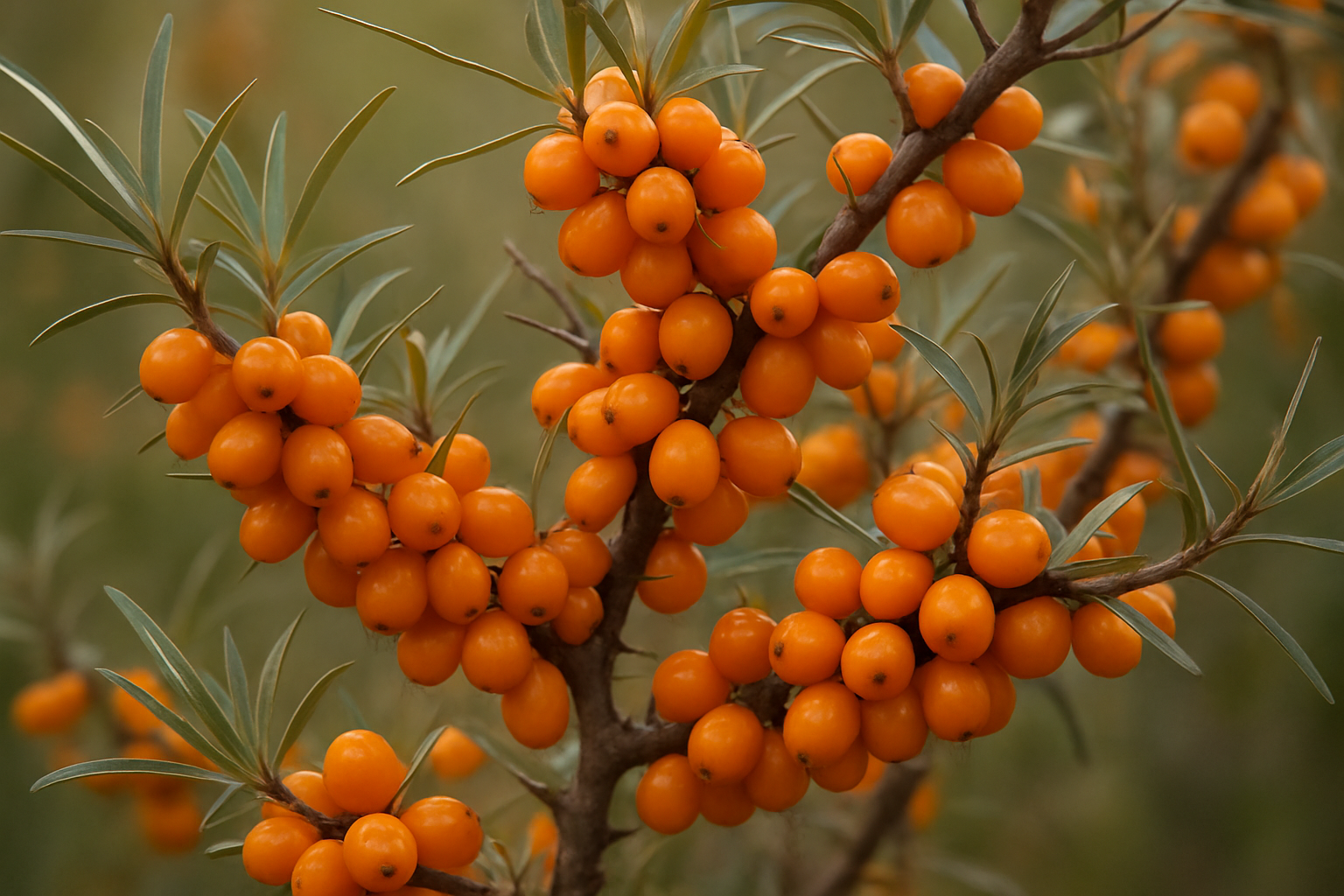
Sea buckthorn berries catch your eye immediately with their vibrant, almost luminous orange color that ranges from pale amber to deep, fiery orange-red. These small, oval-shaped fruits cluster densely along thorny branches, creating spectacular displays that look like nature's own Christmas lights. Each berry measures roughly 6-9 millimeters in diameter and has a glossy, waxy surface that protects the nutrient-rich interior.
The berries grow in tight clusters directly attached to the woody stems, making them appear as if they're glued onto the branches. Unlike many other berries that hang from stems, sea buckthorn fruits hug the branch closely, which actually makes harvesting quite challenging. The skin has a translucent quality that reveals hints of the pulp color underneath, and when fully ripe, the berries develop an almost jewel-like appearance that's hard to miss in any landscape.
Understand the Hardy Shrub's Extreme Weather Adaptability
Sea buckthorn plants are absolute champions when it comes to surviving harsh conditions. These remarkable shrubs thrive in temperatures ranging from -40°F to over 100°F, making them one of the most climate-resilient plants on Earth. They've adapted to flourish in coastal areas with salt spray, high-altitude mountain regions, and even desert-like conditions.
The plant's root system deserves special recognition for its incredible engineering. Sea buckthorn develops extensive networks of both deep taproots and shallow spreading roots that can extend up to 12 feet from the main plant. This dual-root strategy allows the shrub to access water from various depths while also stabilizing soil and preventing erosion.
| Environmental Challenge | Sea Buckthorn's Adaptation |
|---|---|
| Extreme cold | Dormancy mechanisms and antifreeze compounds |
| Salt exposure | Salt-filtering root systems |
| Poor soil | Nitrogen-fixing root nodules |
| High winds | Flexible, thorny branches |
| Drought | Deep taproot and waxy leaves |
The plant's ability to fix nitrogen through specialized root nodules means it can actually improve soil quality wherever it grows, making it valuable for land restoration projects.
Learn About the Gender-Specific Plant Growing Requirements
Sea buckthorn plants are dioecious, meaning individual plants are either male or female – you can't get fruit from just one plant. Female plants produce the coveted berries, but they need pollen from male plants to set fruit. This creates an interesting dynamic for anyone wanting to grow sea buckthorn successfully.
Male plants don't produce berries, but they're absolutely essential for the reproductive process. One male plant can typically pollinate 6-8 female plants, making them incredibly efficient partners in the berry-production process. Male plants are usually smaller and less robust-looking than their female counterparts, and they produce small, brownish flowers in early spring before the leaves appear.
Female plants are the showstoppers, developing into larger, more substantial shrubs that can reach 15-20 feet in height. They produce tiny, inconspicuous yellowish-green flowers that, once pollinated, transform into the brilliant orange berry clusters. The timing is critical – both male and female plants must bloom simultaneously for successful pollination to occur.
Smart growers often plant male and female varieties with similar bloom times and position them strategically to ensure good wind-carried pollen distribution. The ratio doesn't have to be exact, but having at least one male plant for every 6-7 female plants usually guarantees good fruit set.
Appreciate the Tart, Astringent Flavor Profile
Sea buckthorn berries pack a flavor punch that's definitely not for everyone, but those who appreciate complex tastes find them incredibly rewarding. The initial taste hits you with intense tartness that makes your mouth pucker – think of the sourest lemon you've ever tasted, then amplify that sensation. This sharp acidity comes from high levels of malic acid and citric acid naturally present in the fruit.
Behind the initial tartness, you'll detect subtle notes that vary depending on the variety and ripeness. Some describe hints of pineapple, mango, or even passion fruit, while others pick up on more savory, almost cheesy undertones. The astringent quality creates a dry, puckering sensation that coats your mouth and lingers long after you've swallowed.
Raw berries are rarely eaten fresh due to their intense flavor, but they transform beautifully when processed. The natural oils in the berries add richness that balances the acidity, creating complex flavor profiles perfect for:
-
Jams and jellies with added sweeteners
-
Smoothies blended with milder fruits
-
Sauces for savory dishes, especially game meats
-
Fermented beverages and wines
-
Concentrated juices mixed with other fruit juices
The astringency actually indicates high levels of tannins and other beneficial compounds, so that challenging flavor comes with significant nutritional payoffs.
Transform Your Health with Science-Backed Sea Buckthorn Benefits
Boost Immune System Function Through Natural Compounds
Sea buckthorn berries pack a serious punch when it comes to strengthening your immune defenses. These tiny orange powerhouses contain exceptionally high levels of vitamin C - we're talking about 15 times more than oranges. This massive vitamin C content works alongside flavonoids and other antioxidants to create a robust shield against infections and seasonal illnesses.
The berries also contain unique palmitoleic acid, a rare omega-7 fatty acid that supports immune cell function and reduces inflammatory responses. Research shows that regular sea buckthorn consumption can increase the production of white blood cells, your body's natural defense army. The berry's polyphenols and carotenoids work together to neutralize harmful free radicals that can weaken immune function over time.
Clinical studies have demonstrated that people who consume sea buckthorn regularly experience fewer cold symptoms and recover faster from respiratory infections. The berries' natural compounds help maintain the integrity of mucous membranes in your respiratory tract, creating an additional barrier against pathogens.
Support Cardiovascular Health and Circulation
Your heart will thank you for adding sea buckthorn to your routine. The berry's impressive omega fatty acid profile - including omega-3, omega-6, omega-7, and omega-9 - works synergistically to support healthy cholesterol levels and improve overall cardiovascular function.
Studies reveal that sea buckthorn can help reduce LDL (bad) cholesterol while maintaining or even increasing HDL (good) cholesterol levels. The berry's flavonoids strengthen blood vessel walls and improve circulation, reducing the risk of blood clots and promoting better oxygen delivery throughout your body.
The potent antioxidants in sea buckthorn protect against oxidative stress that damages blood vessels and contributes to heart disease. Regular consumption has been linked to lower blood pressure readings and improved arterial flexibility. The berry's natural compounds also help regulate blood sugar levels, reducing strain on your cardiovascular system.
Research participants who consumed sea buckthorn oil for 30 days showed significant improvements in blood flow and reduced markers of inflammation associated with heart disease. The berry's unique combination of vitamins E and K further supports healthy blood clotting and vessel integrity.
Promote Healthy Skin and Anti-Aging Properties
Sea buckthorn berries are like nature's fountain of youth for your skin. The high concentration of vitamin C stimulates collagen production, helping maintain skin elasticity and reducing the appearance of fine lines and wrinkles. The berry's vitamin E content provides additional antioxidant protection against UV damage and environmental stressors.
The rare omega-7 fatty acid found in sea buckthorn oil penetrates deeply into skin layers, promoting cellular regeneration and healing. This makes it particularly effective for treating dry, damaged, or irritated skin conditions. Many people notice improved skin texture and hydration within just a few weeks of regular use.
Clinical trials have shown sea buckthorn's effectiveness in treating various skin conditions, including eczema, dermatitis, and minor wounds. The berry's anti-inflammatory compounds calm redness and irritation while promoting faster healing. The natural beta-carotene gives skin a healthy glow from within.
Topical application of sea buckthorn oil has been proven to increase skin thickness and improve overall skin barrier function. The berry's nutrients work both internally and externally to combat signs of aging and maintain youthful-looking skin.
Enhance Digestive System Function and Gut Health
Your digestive system gets major benefits from sea buckthorn's unique nutritional profile. The berry's high fiber content promotes healthy bowel movements and feeds beneficial gut bacteria. This prebiotic effect helps maintain a balanced microbiome, which is crucial for overall health and immune function.
Sea buckthorn's anti-inflammatory properties soothe the digestive tract and may help reduce symptoms of inflammatory bowel conditions. The berry's natural compounds protect the gut lining and promote healing of minor digestive irritations. Many people report improved digestion and reduced bloating after incorporating sea buckthorn into their diet.
The berry's vitamin content supports the production of digestive enzymes, improving nutrient absorption and overall digestive efficiency. Its natural acids help maintain proper stomach pH levels, creating an optimal environment for digestion.
Research indicates that sea buckthorn can help protect against gastric ulcers and support the healing of existing digestive damage. The berry's antioxidants neutralize harmful compounds in the digestive system while promoting healthy tissue regeneration.
Master the Art of Using Sea Buckthorn in Your Daily Routine

Choose Between Fresh Berries, Oils, and Supplement Forms
Sea buckthorn comes in several forms, each offering unique advantages for different health goals. Fresh berries provide the most complete nutritional profile but can be extremely tart and difficult to find year-round. The intense sourness makes them challenging to eat raw, so most people prefer processed forms.
Sea buckthorn oil stands as the most concentrated option, available in two distinct types. Seed oil contains high levels of omega-3 and omega-6 fatty acids, while berry oil provides omega-7 fatty acids and beta-carotene. Both oils offer potent antioxidant properties but differ in their specific benefits and applications.
Supplements offer the most convenient approach for consistent daily intake. Capsules, tablets, and powder forms allow precise dosing without the strong taste. Look for products that specify the concentration of active compounds and choose reputable brands that provide third-party testing results.
| Form | Pros | Cons | Best For |
|---|---|---|---|
| Fresh berries | Complete nutrition, natural form | Very tart, seasonal availability | Cooking, smoothies |
| Oil (seed/berry) | Concentrated nutrients, versatile | Strong taste, requires proper storage | Topical use, direct consumption |
| Supplements | Convenient, standardized doses | Less natural, potential additives | Daily supplementation |
Incorporate Sea Buckthorn into Smoothies and Recipes
Smoothies provide the perfect vehicle for masking sea buckthorn's intense tartness while maximizing its nutritional benefits. Start with small amounts - just half a teaspoon of oil or a handful of berries - and gradually increase as your taste buds adapt. Tropical fruits like mango and pineapple pair beautifully with sea buckthorn, while banana helps balance the acidity.
Create a nutrient-packed morning smoothie by blending one cup of mixed berries, half a banana, one cup of almond milk, one tablespoon of sea buckthorn oil, and a handful of spinach. The natural sweetness from fruits completely masks any bitterness while delivering a powerful antioxidant boost.
Beyond smoothies, sea buckthorn works wonderfully in baked goods. Replace a portion of butter or oil in muffin recipes with sea buckthorn oil for added nutrition. The berries themselves make excellent additions to homemade jams, where their natural pectin content helps achieve perfect consistency.
Savory applications include incorporating sea buckthorn berries into marinades for poultry or fish. The berries' acidity tenderizes proteins while adding complex flavor notes. Mix crushed berries with herbs, garlic, and olive oil for a unique marinade that impresses dinner guests.
Apply Topical Sea Buckthorn Oil for Skin Benefits
Sea buckthorn oil delivers remarkable skin benefits when applied directly to the face and body. The oil's rich concentration of vitamins A, C, and E, combined with essential fatty acids, helps repair damaged skin cells and promote healthy regeneration. Start with just a few drops to test your skin's reaction before incorporating it into your regular skincare routine.
For facial application, cleanse your skin thoroughly, then apply 2-3 drops of sea buckthorn oil to damp skin. The orange color may initially seem alarming, but it absorbs quickly without staining. Use it as the final step in your evening routine, allowing the oil to work overnight for maximum benefit.
Body application requires slightly more product. Mix sea buckthorn oil with a carrier oil like jojoba or coconut oil to create a luxurious moisturizer. This combination works particularly well for dry elbows, knees, and heels. The anti-inflammatory properties help soothe irritated skin conditions like eczema or minor burns.
For targeted treatment of scars, stretch marks, or age spots, apply pure sea buckthorn oil directly to the affected area twice daily. Many users report visible improvements in skin texture and tone within 4-6 weeks of consistent use. Store your oil in a cool, dark place to maintain its potency and prevent oxidation.
Navigate Potential Side Effects and Safety Considerations

Understand Proper Dosage Guidelines for Optimal Results
Sea buckthorn supplements come in various forms, and each has different concentration levels that affect proper dosing. Oil supplements typically range from 500mg to 1000mg daily, while berry juice might require 30-60ml per day for therapeutic effects. Powder forms usually call for 1-2 teaspoons mixed into smoothies or water.
Start with the lowest recommended dose and gradually increase over 1-2 weeks. This approach helps your digestive system adjust to the high vitamin C content and prevents stomach upset. Taking sea buckthorn with food reduces the chance of nausea and improves absorption of fat-soluble vitamins.
Different health goals require different dosing strategies. For general wellness, smaller daily amounts work well. Skin conditions might benefit from both topical application and oral supplementation. Always check product labels since potency varies significantly between brands and extraction methods.
Children under 12 should use pediatric formulations with reduced concentrations. Pregnant women should consult healthcare providers before starting any sea buckthorn regimen, even though the berry is generally considered safe during pregnancy.
Identify Possible Drug Interactions and Contraindications
Sea buckthorn can interact with several common medications due to its active compounds. Blood-thinning medications like warfarin require special attention since sea buckthorn may enhance anticoagulant effects. Monitor for unusual bruising or bleeding if you take both supplements.
| Medication Type | Interaction Risk | Precautions |
|---|---|---|
| Blood thinners | Moderate-High | Monitor clotting times |
| Diabetes medications | Moderate | Check blood sugar levels |
| Blood pressure drugs | Low-Moderate | Watch for hypotension |
| Immunosuppressants | Low | Consult prescribing doctor |
Diabetes medications may become more effective when combined with sea buckthorn, potentially causing blood sugar to drop too low. Regular glucose monitoring helps prevent hypoglycemic episodes. Some people experience enhanced insulin sensitivity within the first week of supplementation.
People with autoimmune conditions should approach sea buckthorn cautiously since it can stimulate immune function. This immune-boosting effect might worsen conditions like rheumatoid arthritis or lupus in sensitive individuals.
Stomach acid reducers and sea buckthorn don't mix well. The berry's high acidity can counteract medications designed to reduce stomach acid production, making conditions like GERD more difficult to manage.
Recognize Signs of Allergic Reactions or Sensitivities
Allergic reactions to sea buckthorn are uncommon but can range from mild skin irritation to more serious systemic responses. Initial symptoms often appear as digestive discomfort, including bloating, diarrhea, or stomach cramping within 30 minutes to 2 hours after consumption.
Skin reactions manifest as redness, itching, or rash, particularly around the mouth and hands after handling the berries or oil. Some people develop contact dermatitis from topical sea buckthorn products, especially those with sensitive skin or existing allergies to other berries.
Respiratory symptoms like runny nose, sneezing, or mild breathing difficulties can occur in people with plant allergies. These reactions typically develop within minutes of consumption and resolve quickly once the supplement is discontinued.
Severe allergic reactions include swelling of the face, tongue, or throat, accompanied by difficulty breathing or swallowing. This requires immediate medical attention. People with known allergies to other berries, especially those in the Elaeagnaceae family, face higher risks.
Cross-reactivity can occur with birch pollen allergies, as sea buckthorn contains similar proteins. If you experience seasonal hay fever from birch trees, start with very small amounts and monitor your body's response carefully.
Stop using sea buckthorn immediately if you notice any unusual symptoms and consult a healthcare provider for proper evaluation and alternative recommendations.
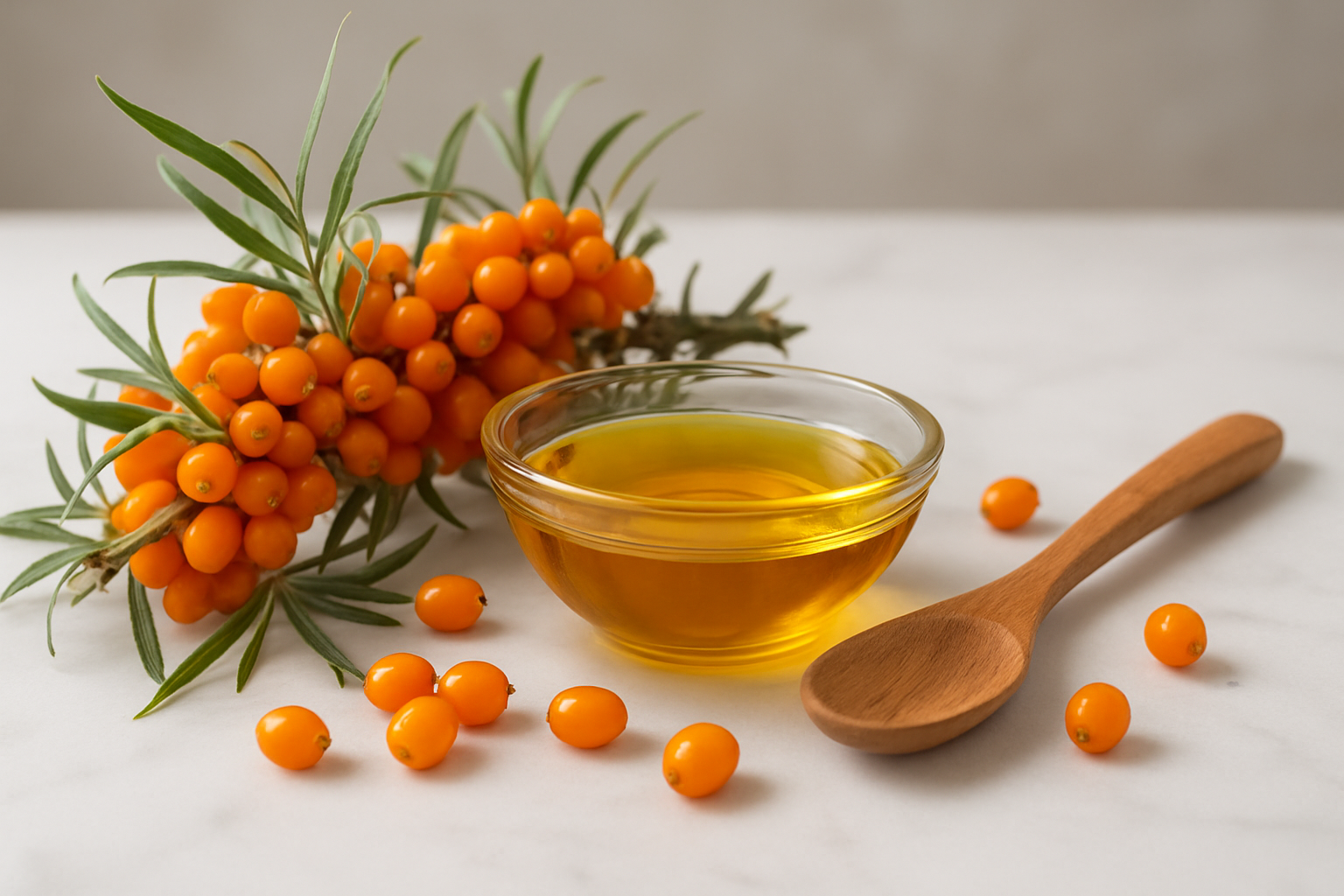
Sea buckthorn berries pack an incredible nutritional punch that's hard to match. These bright orange gems contain vitamins C and E, omega fatty acids, and antioxidants that can boost your immune system, support heart health, and improve skin conditions. What makes them truly special is their unique ability to grow in harsh environments while maintaining their potent nutrient profile.
Adding sea buckthorn to your daily routine doesn't have to be complicated. You can find it in oils, supplements, juices, or even fresh berries depending on your preference. Just remember to start slowly and pay attention to how your body responds, especially if you're taking medications or have existing health conditions. Give sea buckthorn a try and see how this small but mighty berry can make a real difference in your wellness journey.


.png)
Comments
Post a Comment