Snake Melon - What's The Snake melon?

Snake melon might sound like something from a fantasy garden, but this fascinating vegetable is actually a real and delicious addition to many cuisines around the world. Also known as Armenian cucumber or serpent cucumber, this long, curved vegetable has been confusing gardeners and food lovers for generations with its unique appearance and surprising versatility.
This guide is perfect for curious gardeners, home cooks exploring new ingredients, and anyone who's ever wondered about those twisty green vegetables at the farmer's market. We'll walk you through what snake melon actually is and how it differs from regular cucumbers, explore its impressive nutritional benefits and why health-conscious eaters are adding it to their diets, and share practical tips for growing your own snake melon plants at home. You'll also discover creative ways to use this unusual vegetable in your kitchen and learn how to spot the difference between snake melon and similar-looking vegetables.
Understanding Snake Melon Basics
Botanical Classification and Scientific Name
Snake melon belongs to the Cucurbitaceae family, scientifically known as Cucumis melo var. flexuosus. This fascinating plant is actually a variety of muskmelon rather than a true cucumber, despite its common confusion with the Armenian cucumber. The botanical classification places it firmly within the Cucumis melo species, making it a close relative to cantaloupe and honeydew melons. Some botanical sources also recognize it under the name Cucumis melo subsp. melo var. flexuosus, highlighting its position as a subspecies variant.
The plant demonstrates the incredible diversity within the Cucurbitaceae family, sharing genetic similarities with both melons and cucumbers. This dual nature explains why snake melon exhibits characteristics of both vegetable types, creating confusion among gardeners and cooks alike.
Physical Appearance and Distinctive Characteristics
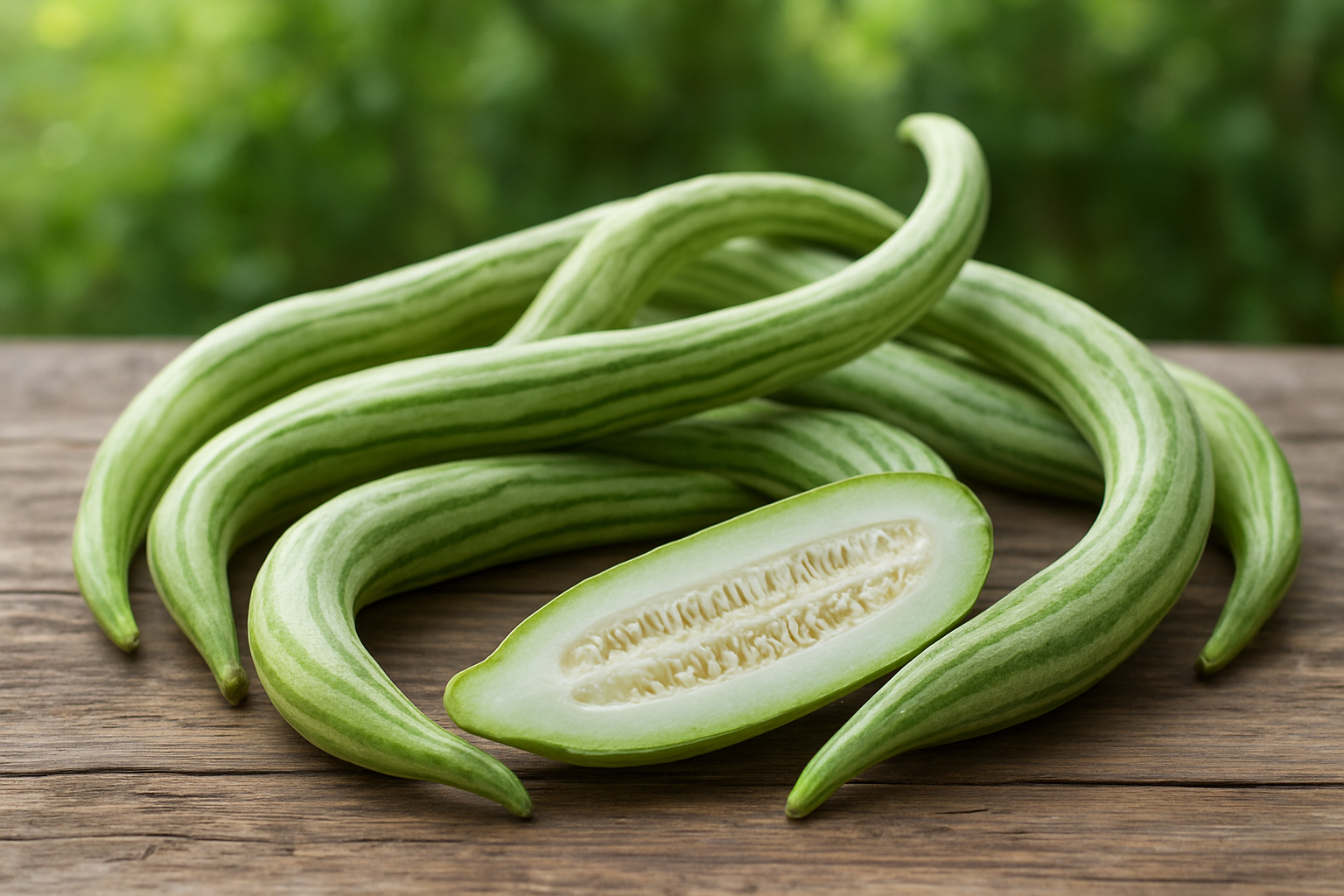
What is snake melon most known for? Its remarkably elongated, serpentine shape that can stretch up to 3 feet in length. The fruit displays a pale green to light yellow exterior with distinctive longitudinal ridges running along its entire length. These ridges create a twisted, coiled appearance that resembles a snake, giving the vegetable its memorable name.
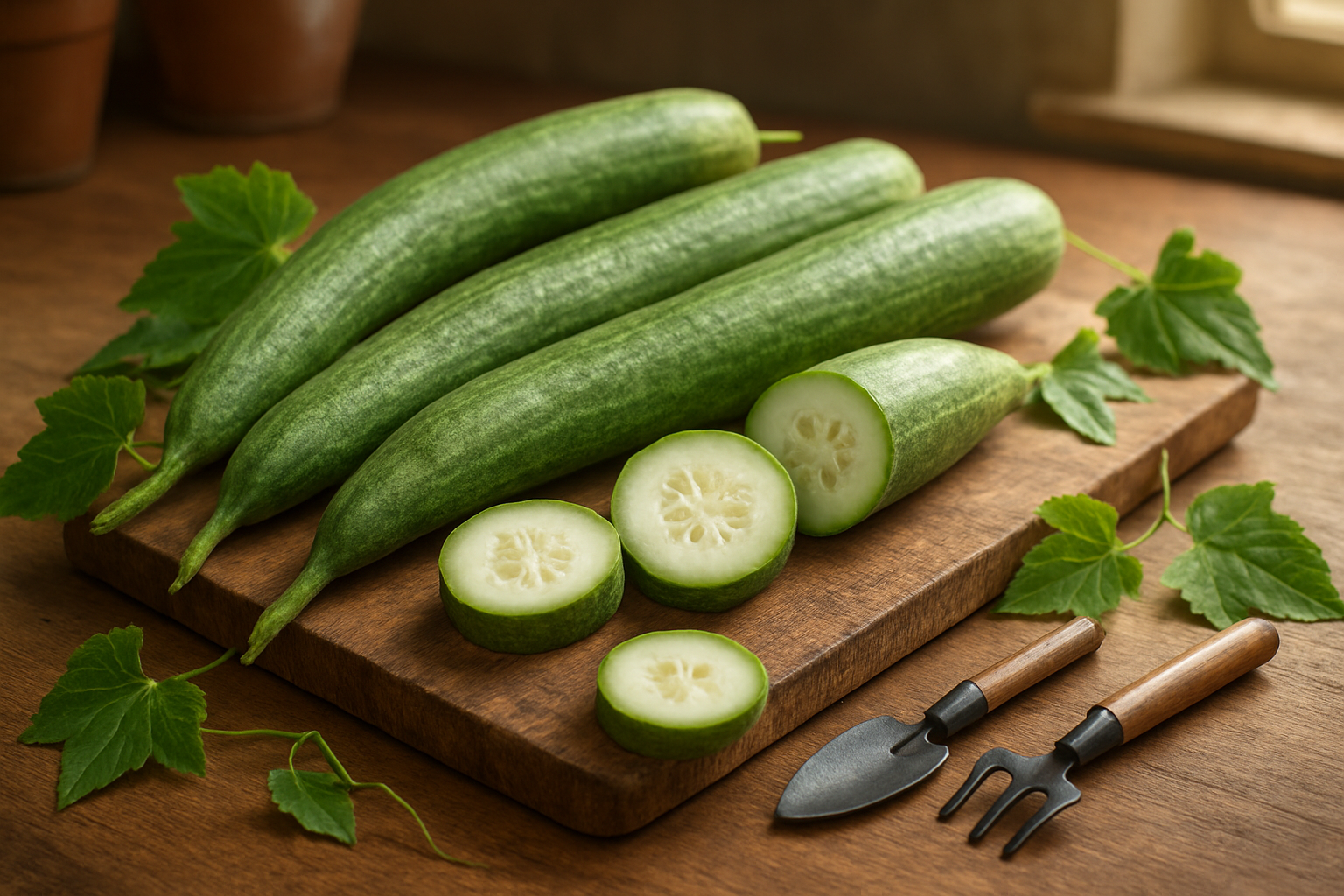
The skin remains relatively thin and tender, even when fully mature, with a smooth texture that feels similar to cucumber skin. Inside, the flesh appears crisp and white with a mild, refreshing flavor that carries subtle melon undertones. The central cavity contains small, edible seeds arranged in rows, much like traditional cucumbers.
Young snake melons measure only 6-8 inches long but can grow rapidly under optimal conditions. The fruit's diameter typically ranges from 2-3 inches, maintaining consistent thickness throughout its length. The distinctive curved growth pattern occurs naturally as the fruit develops, creating the characteristic twisted appearance that makes snake melon instantly recognizable.
Origin and Natural Habitat
Snake melon traces its origins to the Mediterranean region and parts of Asia, where it has been cultivated for centuries. The vegetable thrives naturally in warm, semi-arid climates with plenty of sunshine and well-draining soil. Historical records suggest that snake melon cultivation spread from its native regions through ancient trade routes, eventually reaching various parts of Europe, the Middle East, and eventually the Americas.
The plant shows remarkable adaptation to different growing conditions but performs best in areas with long, warm growing seasons. Wild varieties can still be found growing in rocky, hillside terrain across the Mediterranean basin, where they climb over shrubs and small trees using their natural tendrils.
Climate preferences include temperatures between 70-85°F during the growing season, with minimal tolerance for frost. The natural habitat typically features alkaline soils with good drainage, explaining why snake melon cultivation succeeds in many arid and semi-arid regions worldwide.
Common Names Across Different Regions
Snake melon goes by numerous names depending on the geographic location and local language. The most common alternative name is Armenian cucumber, though this creates confusion since it's technically a melon variety. In the Middle East, it's often called "faqqous" or "mikti," while Mediterranean regions refer to it as "cocomero serpente" in Italian.
Other regional names include:
-
Serpent cucumber (North America)
-
Yard-long cucumber (Australia)
-
Snake gourd (though this can refer to different species)
-
Painted serpent cucumber (specialty seed catalogs)
-
Uri melon (parts of Asia)
-
Torpedo melon (some European markets)
The variety of names reflects both its widespread cultivation and the confusion surrounding its botanical classification. Many regions have adopted names that reference either its snake-like appearance or cucumber-like culinary uses, contributing to the ongoing debate about whether it should be classified as a cucumber or melon in everyday terminology.
Nutritional Benefits and Health Properties
Essential vitamins and mineral content
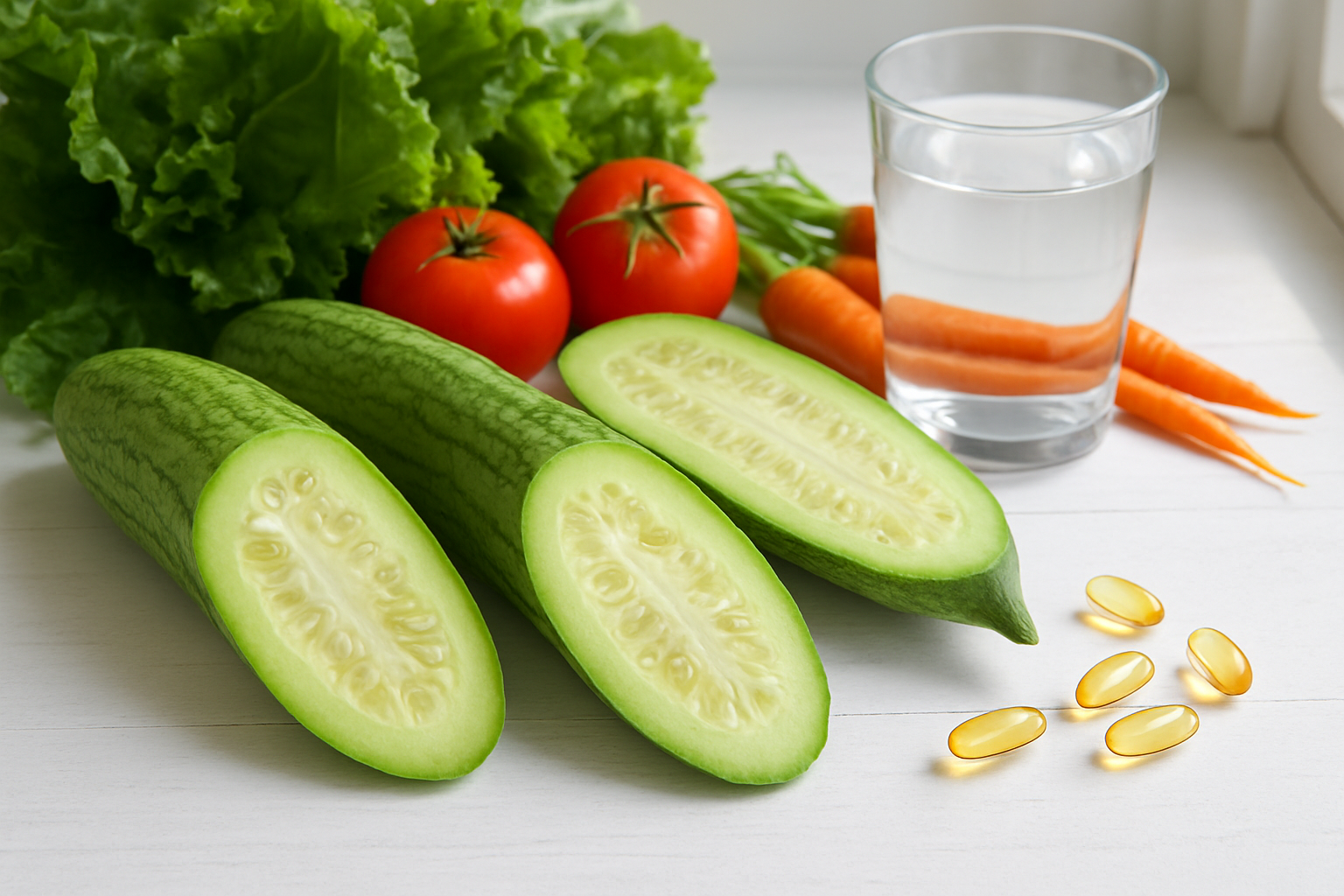
Snake melon packs an impressive nutritional punch that makes it a standout addition to any healthy diet. This unique vegetable contains high levels of vitamin C, delivering about 15-20% of your daily recommended intake per 100 grams. Vitamin C acts as a powerful antioxidant, supporting immune function and helping your body absorb iron more effectively.
The mineral profile of snake melon is equally remarkable. Potassium takes center stage, with levels that rival those found in bananas. This essential mineral helps regulate blood pressure and supports proper muscle and nerve function. You'll also find decent amounts of magnesium, which plays a role in over 300 enzymatic reactions in your body, and calcium for bone health.
Snake melon nutrition benefits extend to B-complex vitamins, particularly folate and vitamin B6. Folate is especially important for pregnant women as it supports fetal development and helps prevent neural tube defects. The presence of vitamin A precursors gives this vegetable its subtle contribution to eye health and skin maintenance.
| Nutrient | Amount per 100g | % Daily Value |
|---|---|---|
| Vitamin C | 12-18mg | 15-20% |
| Potassium | 280-320mg | 8-9% |
| Folate | 18-22mcg | 5-6% |
| Magnesium | 15-18mg | 4-5% |
Digestive health advantages
Your digestive system will thank you for including snake melon in your regular meal rotation. The high water content, typically around 92-95%, helps maintain proper hydration while supporting smooth digestion. This natural hydration aids in moving food through your digestive tract more efficiently.
Fiber content in snake melon, though moderate, contributes to digestive wellness. The soluble fiber helps slow down digestion, allowing for better nutrient absorption, while insoluble fiber adds bulk to stool and promotes regular bowel movements. This combination helps prevent common digestive issues like constipation and bloating.
Snake melon contains natural enzymes that assist in breaking down proteins and other nutrients, making them more bioavailable to your body. The mild alkaline nature of this vegetable can help balance stomach acidity, particularly beneficial for people who experience occasional heartburn or acid reflux.
The cooling properties traditionally attributed to snake melon in various cultures align with modern understanding of its high water content and electrolyte balance. These characteristics make it particularly soothing for an irritated digestive system and helpful during hot weather when dehydration can impact digestion.
Low-calorie profile for weight management
Snake melon stands out as a weight management superstar, containing only 15-18 calories per 100 grams. This incredibly low calorie density means you can enjoy generous portions without worrying about your daily caloric intake. The high water content creates a feeling of fullness and satiety that can naturally reduce overall food consumption.
The natural sugars in snake melon are minimal and balanced with fiber, preventing rapid blood sugar spikes that often lead to increased hunger and cravings. This makes it an excellent snack choice for people managing diabetes or those trying to maintain steady energy levels throughout the day.
What makes snake melon particularly valuable for weight management is its versatility in replacing higher-calorie ingredients. You can use it in salads instead of heavier vegetables, blend it into smoothies for natural sweetness without added sugars, or incorporate it into stir-fries as a low-calorie bulk ingredient.
The combination of high water content, minimal calories, and moderate fiber creates what nutritionists call a "negative calorie effect" - your body may actually burn more calories digesting the vegetable than it provides. While this concept has some debate in scientific circles, the practical benefit remains clear: snake melon allows you to eat satisfying portions while supporting your weight goals.
Cultivation and Growing Requirements
Optimal Climate and Soil Conditions
Snake melon thrives in warm, subtropical to tropical climates with temperatures ranging between 65-85°F (18-29°C). These heat-loving plants need consistent warmth throughout their growing season and won't tolerate frost. The ideal growing zones are USDA hardiness zones 9-11, though gardeners in cooler regions can successfully grow them in greenhouses or as annual crops during summer months.
The soil requirements for snake melon cultivation are quite specific. Well-draining, loamy soil with a pH between 6.0-7.5 works best. The soil should be rich in organic matter, so adding compost or well-rotted manure before planting significantly improves growing conditions. Good drainage prevents root rot, which can quickly kill these plants. Sandy loam soils are particularly favorable as they warm up faster in spring and provide excellent drainage while retaining adequate moisture.
Planting Techniques and Spacing Guidelines
Start snake melon seeds indoors 4-6 weeks before the last frost date in your area. Plant seeds ½ inch deep in seed-starting mix and maintain soil temperature around 75°F (24°C) for optimal germination. Seeds typically sprout within 7-14 days under proper conditions.
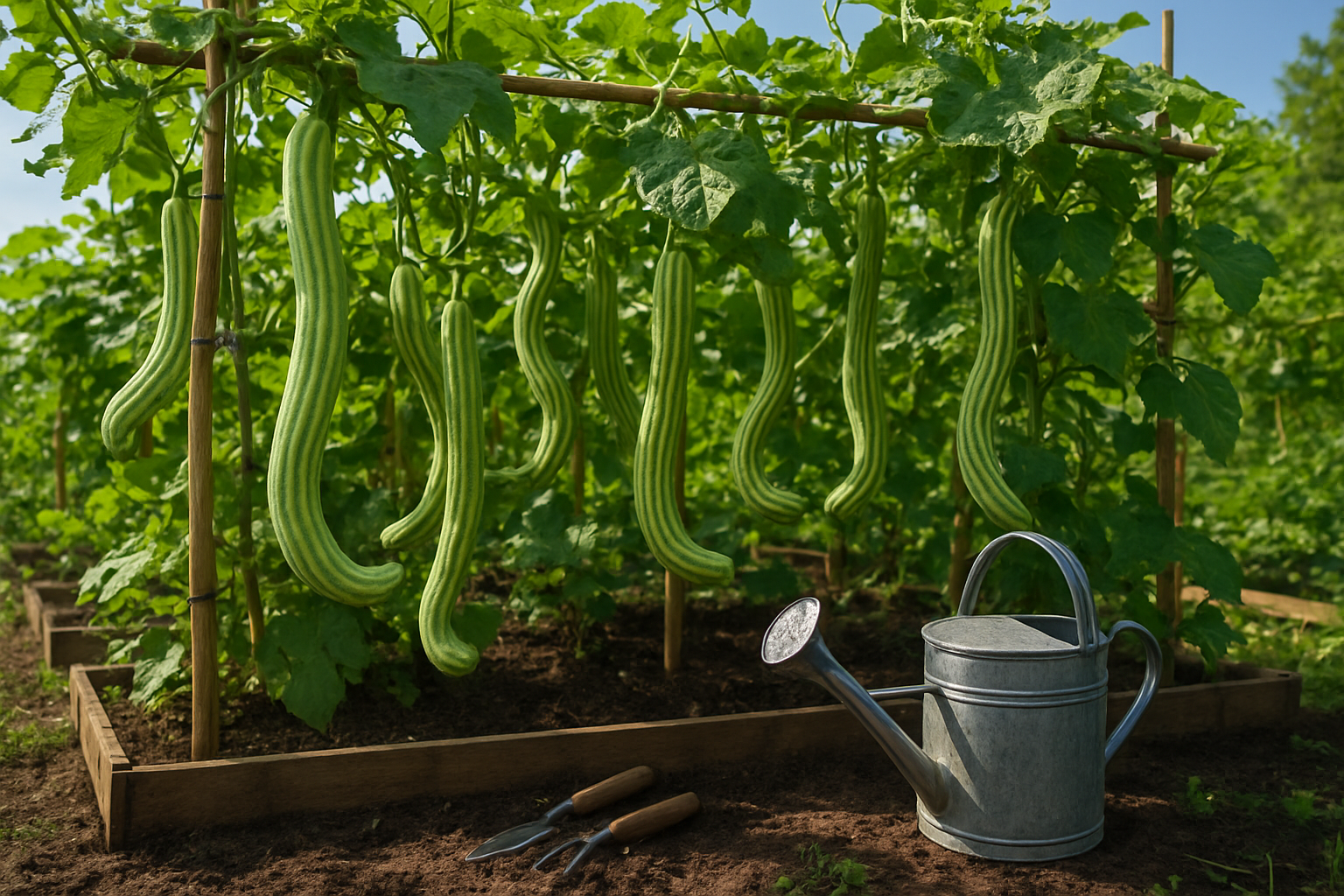
When transplanting outdoors, space plants 3-4 feet apart in rows that are 6-8 feet apart. This generous spacing allows for the vigorous vine growth characteristic of snake melon plants. Create mounds or raised beds about 6 inches high to improve drainage and soil warming. Since these are climbing plants, install sturdy trellises, arbors, or fencing at planting time. The support structure should be at least 6-8 feet tall as mature vines can easily reach 10-15 feet in length.
Watering and Fertilization Schedules
Snake melons require consistent moisture but not waterlogged conditions. Water deeply 2-3 times per week, providing about 1-2 inches of water weekly. Morning watering is best as it allows plants to dry before evening, reducing disease risks. Mulching around plants helps retain soil moisture and suppresses weeds.
For fertilization, apply a balanced fertilizer (10-10-10) at planting time, then switch to a low-nitrogen, high-phosphorus fertilizer once flowering begins. This promotes fruit development rather than excessive foliage growth. Side-dress plants with compost monthly throughout the growing season. Avoid over-fertilizing with nitrogen, which can delay flowering and reduce fruit production.
Harvesting Timeline and Indicators
Snake melons are ready for harvest 60-90 days after planting, depending on variety and growing conditions. Young fruits are typically harvested when they reach 12-18 inches long and have a bright green color with light stripes. At this stage, the skin is tender and the flesh is crisp and mild-flavored.
For optimal taste and texture, harvest fruits while they're still immature - similar to how to grow snake melon for best culinary results. The skin should yield slightly to gentle pressure but still feel firm. Overripe fruits become tough, bitter, and develop hard seeds. Regular harvesting every 2-3 days encourages continued production throughout the season. Cut fruits from the vine using clean pruning shears rather than pulling them off, which can damage the plant.
Culinary Uses and Preparation Methods
Traditional cooking applications in various cuisines
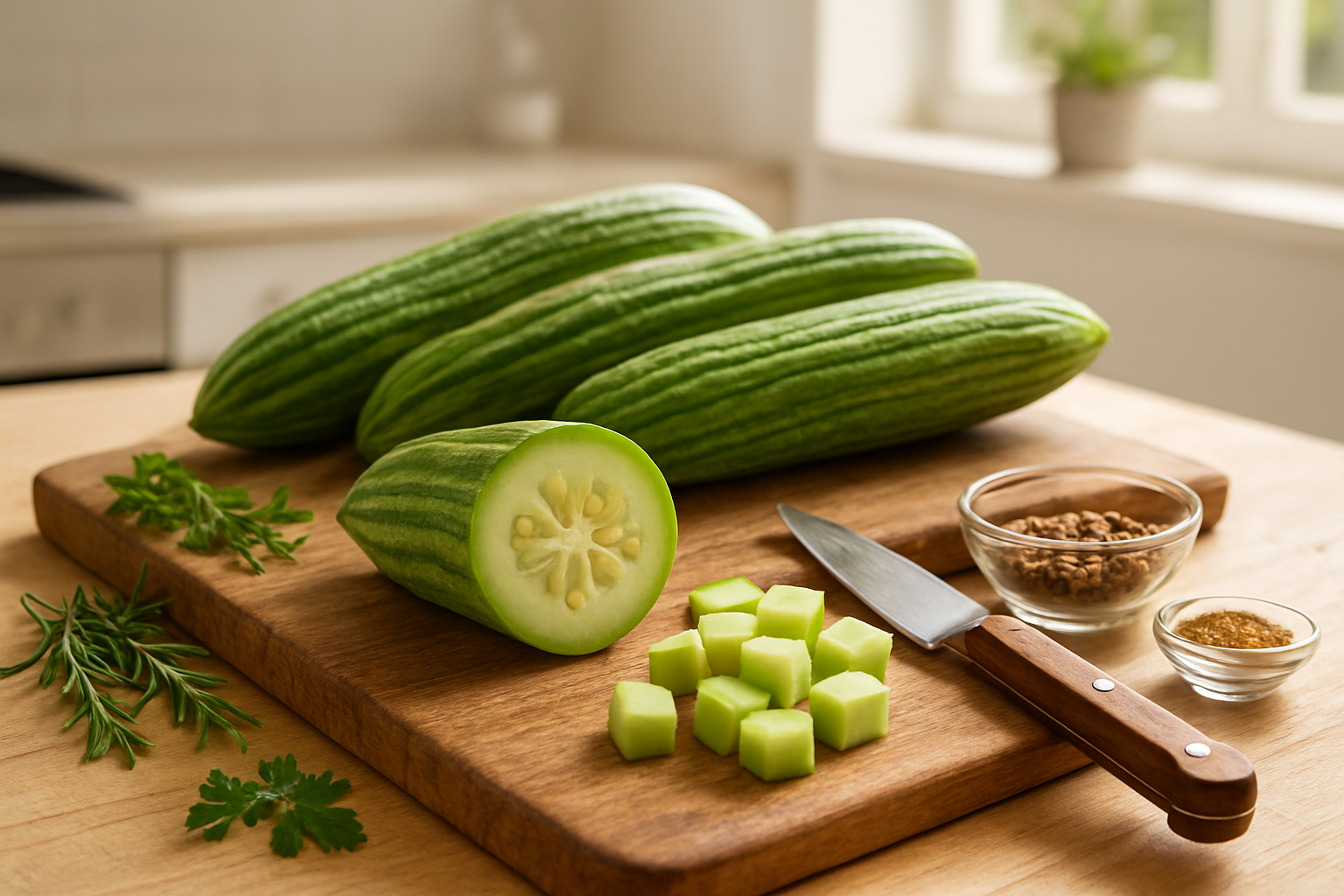
Middle Eastern and Mediterranean preparations feature snake melon prominently in stuffed vegetable dishes. Cooks hollow out larger specimens and fill them with rice, herbs, and ground meat, creating a dish similar to stuffed zucchini. The mild flavor absorbs surrounding spices beautifully, making it perfect for dishes seasoned with cumin, coriander, and fresh mint.
Indian and South Asian cuisines treat snake melon as a versatile curry ingredient. Cut into chunks, it pairs wonderfully with coconut milk, turmeric, and mustard seeds. Many regional recipes incorporate snake melon into dal preparations, where it adds texture without overpowering the lentils' earthy taste.
Chinese cooking traditions often include snake melon in stir-fries and soups. The vegetable's crisp texture holds up well to high-heat cooking, while its subtle flavor complements ginger, garlic, and soy sauce. Sliced thin, it works excellently in hot pot preparations.
Raw consumption and salad preparations
Snake melon shines in fresh applications where its crisp texture and mild cucumber-like flavor take center stage. Unlike regular cucumbers, snake melon has fewer seeds and less water content, making it ideal for salads that won't become soggy.
Greek-style preparations combine thinly sliced snake melon with tomatoes, red onion, feta cheese, and olive oil. The vegetable's subtle taste allows the stronger Mediterranean flavors to shine while adding satisfying crunch.
Asian-inspired salads benefit from snake melon's neutral flavor profile. Julienned snake melon works perfectly in Thai-style salads with lime juice, fish sauce, and chili flakes. Its mild taste won't compete with bold dressings.
For simple preparations, peel and slice snake melon into rounds or crescents. A light sprinkle of salt draws out excess moisture and concentrates the flavor. Serve with hummus, tzatziki, or yogurt-based dips.
Popular recipes and flavor pairings
Pickled snake melon represents one of the most popular preservation methods. The vegetable's firm flesh maintains its crunch even after pickling, creating a tangy condiment that pairs well with grilled meats and cheese platters.
Flavor combinations that work exceptionally well with snake melon include:
| Base Flavor | Complementary Ingredients | Cooking Method |
|---|---|---|
| Mediterranean | Olive oil, lemon, herbs, tomatoes | Raw or grilled |
| Asian | Sesame oil, rice vinegar, ginger | Stir-fried or pickled |
| Indian | Coconut, curry spices, cilantro | Curried or steamed |
| Middle Eastern | Yogurt, mint, garlic, sumac | Stuffed or roasted |
Grilled snake melon develops a smoky sweetness that pairs beautifully with lamb or chicken. Brush with olive oil and herbs before grilling to prevent sticking and enhance flavor.
Snake melon soup offers a light, refreshing option for warm weather. Blend cooked snake melon with vegetable stock, fresh herbs, and a touch of cream for a delicate soup that showcases the vegetable's subtle character.
Distinguishing Features from Similar Vegetables
Differences from cucumber varieties
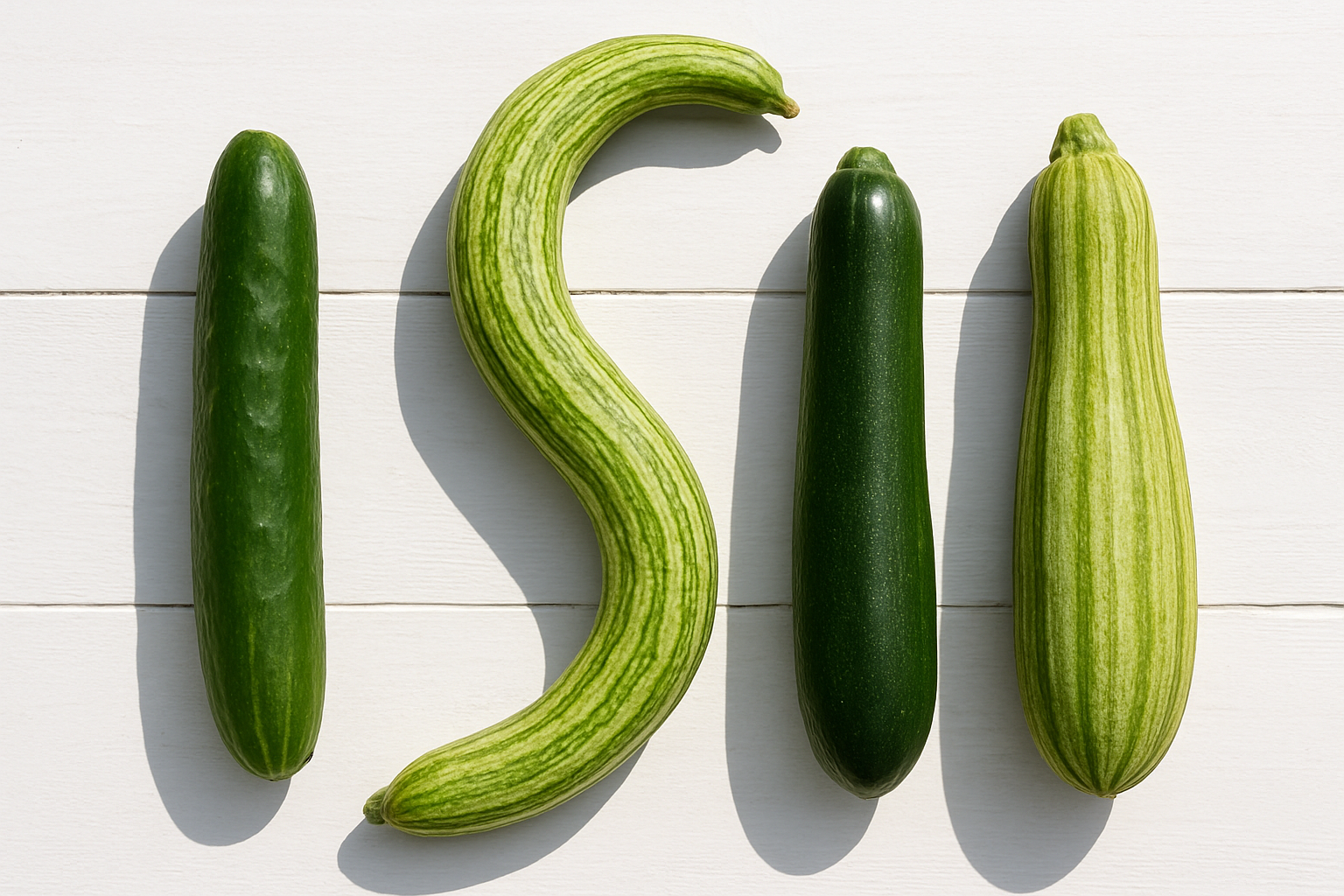
Snake melon stands apart from regular cucumbers in several key ways that become obvious once you know what to look for. While Armenian cucumber (another name for snake melon) might sound like a cucumber variety, it's actually a true melon that belongs to the Cucumis melo species, not Cucumis sativus like traditional cucumbers.
The most striking difference lies in their shape and size. Snake melons grow incredibly long - sometimes reaching 3 feet or more - with a distinctive curved, serpentine form that gives them their name. Regular cucumbers rarely exceed 12 inches and maintain a straighter profile. The skin texture also differs significantly: snake melons have a lighter, more delicate skin with subtle ridging, while cucumbers typically feature a darker green, smoother or bumpy exterior.
When it comes to snake melon vs cucumber taste comparison, snake melons offer a milder, sweeter flavor with less of the bitter compounds that sometimes affect cucumbers. They also contain fewer seeds and have a more tender, less watery flesh structure.
Comparison with other melon types
Snake melons occupy a unique position within the melon family. Unlike watermelons or cantaloupes that develop sweet, fleshy interiors as they ripen, snake melons are harvested young while still maintaining their cucumber-like texture and subtle flavor.
| Feature | Snake Melon | Cantaloupe | Honeydew | Watermelon |
|---|---|---|---|---|
| Harvest Stage | Young/immature | Fully ripe | Fully ripe | Fully ripe |
| Flesh Texture | Crisp, firm | Soft, juicy | Soft, smooth | Juicy, granular |
| Sugar Content | Low | High | High | High |
| Eating Method | Raw/cooked | Fresh eating | Fresh eating | Fresh eating |
| Shape | Long, curved | Round/oval | Round/oval | Round/oval |
The serpent cucumber differs from traditional melons because it's consumed before the sugars develop and the flesh softens. This harvesting timing creates a vegetable-like eating experience rather than the sweet fruit experience of ripe melons.
Unique texture and taste profile
Snake melons deliver a refreshingly unique eating experience that sets them apart from both cucumbers and traditional melons. The flesh has a crisp, crunchy texture similar to a cucumber but with a more delicate cell structure that creates a lighter, less dense bite.
The taste profile combines the best of both worlds - offering cucumber's refreshing coolness without the sometimes bitter aftertaste, plus a subtle sweetness that hints at its melon heritage. Many people describe the flavor as "cucumber-plus" - familiar yet distinctly different.
The seed cavity runs along the center, but the seeds are typically small and tender when harvested at the proper young stage. The flesh maintains consistent texture from skin to center, unlike some cucumbers that can become pithy or hollow.
Visual identification tips
Recognizing what is snake melon becomes easier when you focus on these distinctive visual markers:
Shape and Size: Look for the characteristic long, curved form that resembles a snake. Most snake melons measure 18-36 inches in length with a diameter of 2-3 inches.
Color Pattern: Young snake melons display a pale green color with lighter striping or mottling. The skin appears almost translucent compared to the opaque green of cucumbers.
Surface Texture: The skin feels smooth with subtle longitudinal ridges running from stem to tip. You won't find the pronounced bumps or spines common on cucumber varieties.
Stem End: The blossom end often retains dried flower remnants, and the stem attachment point appears broader than typical cucumber stems.
Flexibility: Fresh snake melons have a slight flexibility when gently bent, while cucumbers of similar size would be more rigid.
These identifying features help distinguish true snake melons from similar-looking vegetables in markets or gardens, ensuring you get the authentic Armenian cucumber experience.
Snake melon might sound like something from a fantasy novel, but this unique cucumber relative is actually a real vegetable that deserves a spot on your dinner table. With its impressive nutritional profile packed with vitamins and minerals, plus its ability to grow in various climates, this elongated green vegetable offers both health benefits and gardening satisfaction. Its mild, refreshing taste and versatile cooking applications make it perfect for everything from fresh salads to cooked dishes.
If you're curious about expanding your vegetable horizons, snake melon is definitely worth trying. You can find seeds online or at specialty garden centers, and growing them is surprisingly straightforward once you understand their basic needs. Next time you see this curvy, snake-like vegetable at a farmer's market or ethnic grocery store, grab one and experiment with it in your kitchen – you might just discover your new favorite summer vegetable.


.png)
Comments
Post a Comment