Tamarinds - What Are Tamarinds?
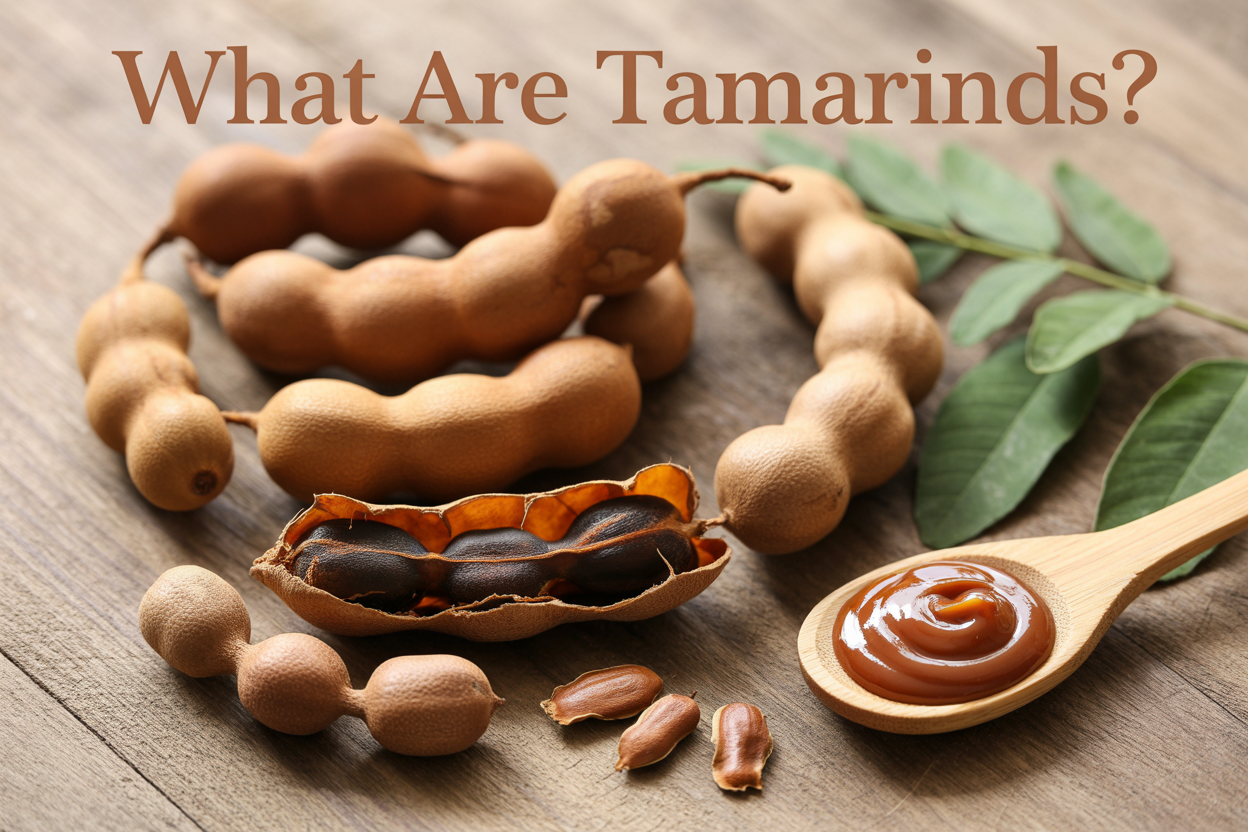
Tamarinds are curved, brown pods that pack a seriously tangy punch and have been delighting taste buds across Africa, Asia, and Latin America for centuries. This guide is perfect for home cooks, health enthusiasts, and anyone curious about this unique tamarind fruit that's making waves in Western kitchens.
You've probably seen tamarind paste at the grocery store or tasted it in your favorite Thai dish without realizing it. These pods from the tamarind tree offer way more than just flavor – they're loaded with nutrients and have been used in traditional medicine for ages.
We'll explore what makes tamarinds so special, starting with their impressive tamarind nutrition facts and tamarind health benefits that have earned them superfruit status. You'll also discover the amazing variety of tamarind uses in cooking, from tangy sauces to refreshing drinks, plus learn about the different types of tamarind you can find at markets and specialty stores.
Understanding Tamarinds: Nature's Tangy Superfruit
Physical characteristics and appearance of tamarind pods
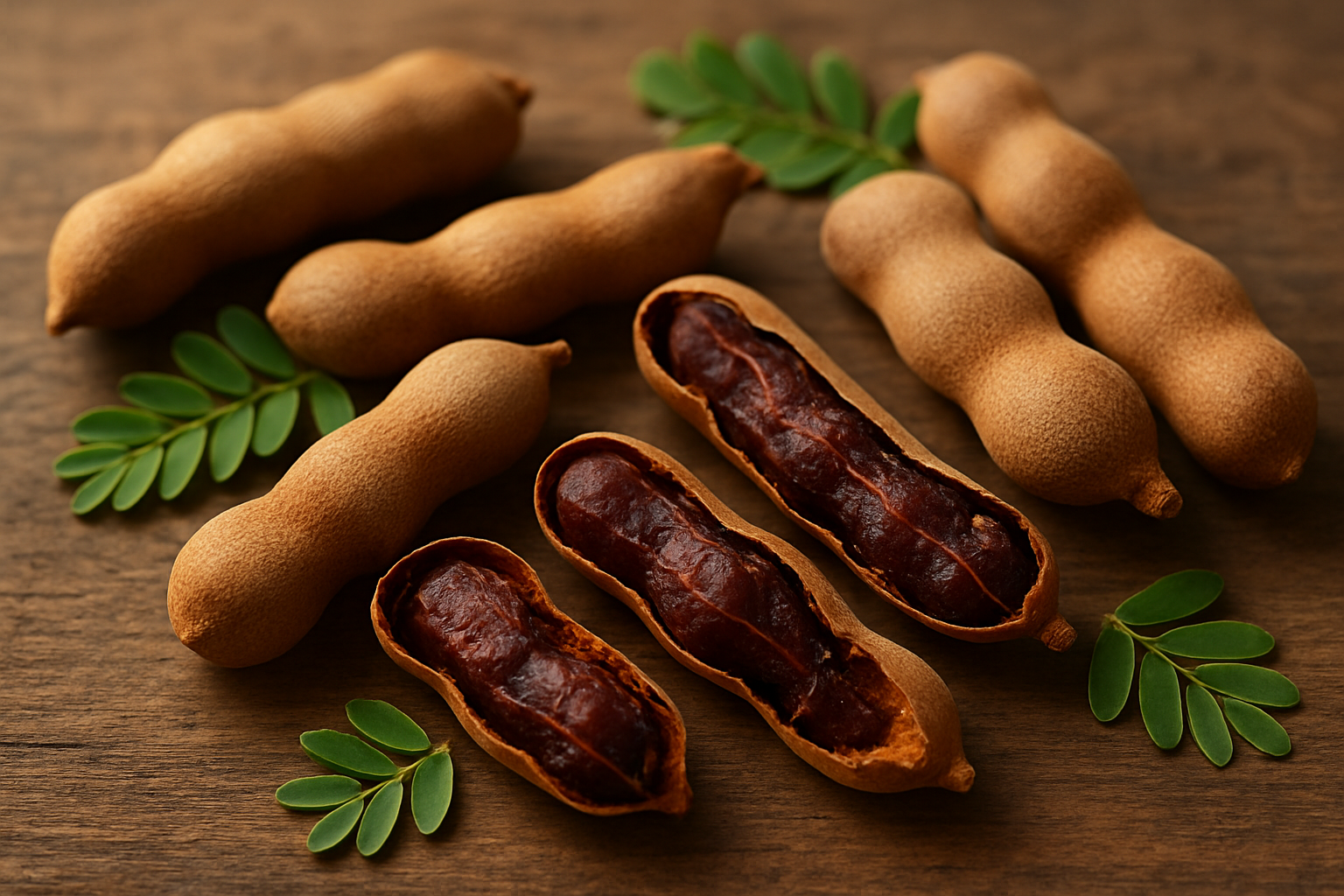
Tamarind fruit hangs from tall, graceful trees in distinctive brown, curved pods that look almost like oversized, weathered pea pods. These pods typically measure 3 to 6 inches long and about an inch wide, with a brittle, cinnamon-brown shell that cracks easily when ripe. The exterior surface appears somewhat rough and irregular, often with visible ridges running lengthwise along the pod.
Inside each pod, you'll find a sticky, dark brown pulp that surrounds 1 to 12 hard, glossy seeds. The pulp has a unique texture - thick and paste-like, almost resembling dates or dried fruit leather. Fresh tamarind pulp ranges from reddish-brown to dark chocolate brown, depending on ripeness and variety. The seeds themselves are large, flat, and mahogany-colored with a smooth, polished appearance.
Young tamarind pods start out green and tender, gradually darkening and hardening as they mature. Unripe pods contain sour, acidic pulp, while fully mature pods develop a sweeter, more complex flavor profile. The pods grow in clusters, dangling from branches like natural ornaments.
Scientific classification and botanical family
Tamarind trees belong to the scientific classification Tamarindus indica, representing the sole species in the Tamarindus genus. This tamarind tree falls under the Fabaceae family, commonly known as the legume, pea, or bean family. This botanical relationship explains why tamarind pods share structural similarities with other legumes, though their culinary uses differ dramatically.
The Fabaceae family connection means tamarinds are cousins to familiar plants like peas, beans, lentils, and peanuts. Like other legumes, tamarind trees possess nitrogen-fixing capabilities through their root systems, enriching soil naturally. The scientific name Tamarindus indica reflects both its Arabic origins ("tamr al-Hindi" meaning "Indian date") and its strong association with the Indian subcontinent.
Botanically, tamarinds are classified as indehiscent legumes, meaning their pods don't split open naturally to release seeds like typical pea pods. This characteristic makes them unique within their family and contributes to their long shelf life.
Key identifying features that distinguish tamarinds
Several distinctive features make what are tamarinds easily recognizable among tropical fruits. The most obvious identifier is their unique curved, bean-like pod shape with that characteristic brittle brown shell. No other commonly consumed fruit shares this specific pod structure combined with the sticky, tart pulp inside.
The tamarind superfruit has a remarkably tangy, sweet-sour taste that's unmistakable - often described as a blend of dates, apricots, and citrus with a hint of smokiness. This complex flavor profile sets tamarinds apart from any other fruit.
Physical distinguishing features include:
-
Curved, elongated pods resembling oversized brown beans
-
Brittle shell that easily cracks when pressed
-
Dark, sticky pulp with fibrous strands
-
Large, flat, shiny seeds embedded in the pulp
-
Characteristic sour-sweet aroma when pods are opened
-
Natural string-like fibers running through the pulp
The trees themselves are equally distinctive, growing 60-80 feet tall with dense, umbrella-shaped canopies and delicate, feathery leaves that fold up at night. Their massive trunks and spreading branches make mature tamarind trees unmistakable landmarks in tropical landscapes.
Origins and Global Distribution of Tamarinds
Native habitat and historical origins in Africa
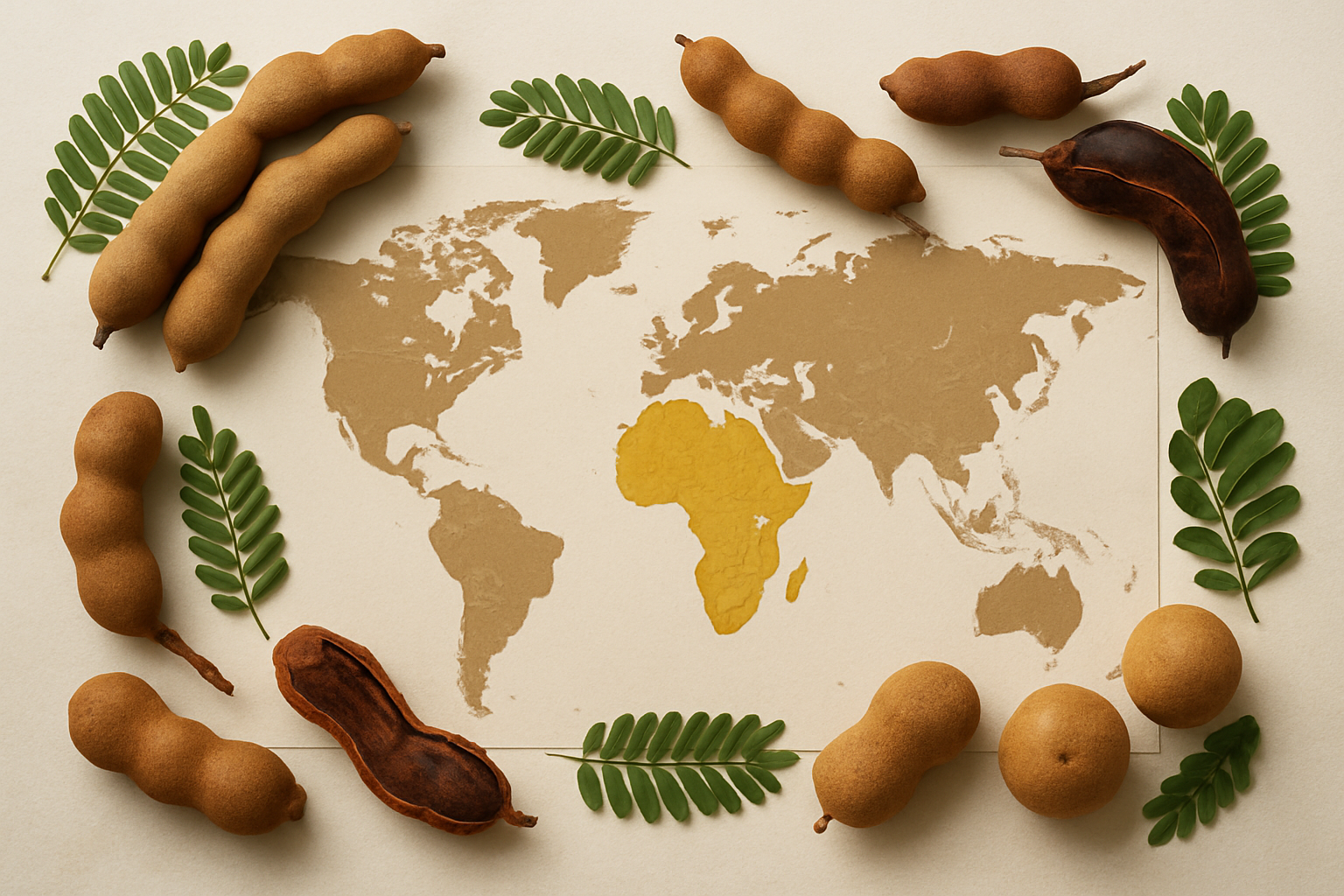
The tamarind tree has deep roots in tropical Africa, where it originated millions of years ago. Archaeological evidence suggests that tamarinds first grew wild across the African continent, particularly in regions that now include Madagascar, Sudan, and other parts of East and West Africa. Ancient African civilizations were among the first to discover and cultivate this remarkable tamarind fruit, recognizing its unique sweet-tart flavor and impressive shelf life.
The name "tamarind" itself reveals the fruit's journey through history. Derived from the Arabic "tamr hindi," meaning "Indian date," the name reflects how Arab traders encountered the fruit during their commercial expeditions. These early merchants played a crucial role in spreading knowledge about tamarinds beyond their African homeland, introducing the fruit to new cultures and cuisines.
Spread to tropical regions worldwide
Arab and Persian traders were instrumental in carrying tamarind seeds and saplings along ancient trade routes during the medieval period. The fruit's natural preservative qualities made it an ideal travel companion for long sea voyages, as it could provide both nutrition and flavor enhancement for months without spoiling.
From Africa, tamarinds made their way to India around 4,000 years ago, where they became so deeply integrated into local cuisine and culture that many people mistakenly believe India is their native home. The Indian subcontinent embraced tamarinds so completely that they developed numerous varieties and cooking applications.
Spanish and Portuguese colonizers later transported tamarinds to the Americas during the 16th century. The fruit quickly adapted to tropical climates in Mexico, Central America, and the Caribbean islands. Today, you'll find tamarind trees flourishing throughout Southeast Asia, where countries like Thailand have made the fruit central to their culinary identity.
Major tamarind-producing countries today
India leads global tamarind production, contributing approximately 300,000 tons annually and accounting for nearly 80% of the world's supply. The states of Karnataka, Andhra Pradesh, and Tamil Nadu are particularly known for their high-quality tamarind cultivation.
| Country | Annual Production (tons) | Notable Varieties |
|---|---|---|
| India | 300,000+ | Sweet, Sour types |
| Thailand | 45,000 | Sweet tamarind |
| Mexico | 15,000 | Traditional sour |
| Myanmar | 12,000 | Wild varieties |
| Bangladesh | 8,000 | Mixed types |
Thailand ranks second in production, specializing in sweeter tamarind varieties that are often eaten fresh as snacks. Mexican tamarind production focuses on the more traditional sour varieties used in cooking and candy-making. Other significant producers include Myanmar, Bangladesh, Indonesia, and several African countries where wild tamarind trees still grow abundantly.
Climate and growing conditions required
Tamarind trees are remarkably adaptable but thrive best in specific environmental conditions. They prefer tropical and subtropical climates with temperatures ranging between 70-95°F (20-35°C). These hardy trees can tolerate drought conditions once established, making them valuable in semi-arid regions where other fruit trees might struggle.
The ideal growing conditions include:
-
Annual rainfall: 24-60 inches, though mature trees can survive on much less
-
Soil type: Well-draining, slightly acidic to neutral soils (pH 6.0-7.5)
-
Elevation: Sea level to 4,000 feet above sea level
-
Sunlight: Full sun exposure for optimal fruit production
-
Temperature: Minimum of 60°F, with no tolerance for frost
Tamarind trees are incredibly long-lived, often producing fruit for over 100 years. They can grow in poor soils where other crops fail, making them excellent choices for sustainable agriculture in challenging climates. Young trees typically begin bearing fruit after 6-8 years, reaching peak production around 15-20 years of age.
Nutritional Profile and Health Benefits
Essential vitamins and minerals content
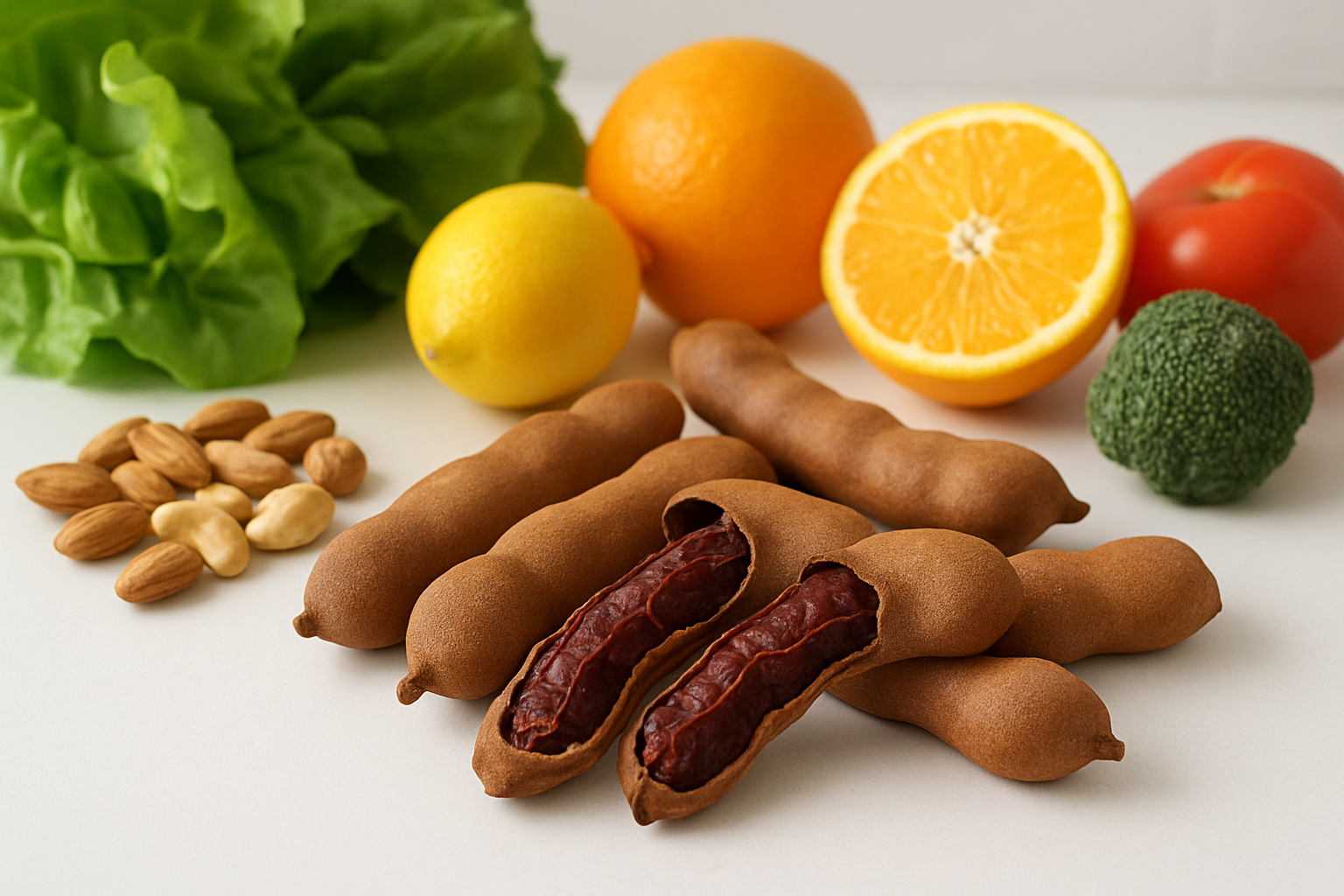
Tamarind fruit packs an impressive nutritional punch that makes it stand out among tropical fruits. A single cup of fresh tamarind pulp delivers about 22% of your daily thiamine needs, along with substantial amounts of magnesium, potassium, and iron. The tamarind nutrition facts reveal particularly high levels of tartaric acid, which gives the fruit its distinctive tangy flavor while supporting various bodily functions.
The mineral profile includes significant amounts of calcium for bone health, phosphorus for energy metabolism, and copper for immune function. Tamarind also provides folate, riboflavin, and niacin - B vitamins that play crucial roles in converting food into energy and maintaining healthy nerve function.
| Nutrient | Amount per 100g | % Daily Value |
|---|---|---|
| Thiamine | 0.43mg | 36% |
| Magnesium | 92mg | 23% |
| Potassium | 628mg | 18% |
| Iron | 2.8mg | 16% |
| Calcium | 74mg | 7% |
Antioxidant properties and anti-inflammatory effects
The tamarind superfruit contains powerful antioxidant compounds that protect cells from oxidative stress and free radical damage. Polyphenols, flavonoids, and anthocyanins work together to combat inflammation throughout the body. These compounds have been shown to reduce markers of chronic inflammation, which links to numerous health conditions including heart disease and arthritis.
Research shows that tamarind's antioxidant activity rivals that of many well-known superfruits. The fruit's unique combination of tartaric acid and phenolic compounds creates a synergistic effect that enhances the body's natural defense mechanisms against cellular damage.
Digestive health and metabolism benefits
Tamarind benefits include remarkable support for digestive wellness. The fruit's high fiber content promotes healthy gut bacteria while supporting regular bowel movements. Traditional medicine has long recognized tamarind's ability to soothe digestive discomfort and support overall gastrointestinal health.
The natural enzymes in tamarind help break down proteins and fats, making digestion more efficient. This can lead to better nutrient absorption and reduced digestive stress after meals. The fruit's prebiotic properties feed beneficial gut bacteria, creating a healthier microbiome environment.
Heart health and blood sugar regulation
Studies suggest that regular consumption of tamarind may help maintain healthy cholesterol levels and support cardiovascular function. The fruit's potassium content helps regulate blood pressure, while its fiber helps remove excess cholesterol from the bloodstream.
For blood sugar management, tamarind shows promise in helping slow the absorption of carbohydrates, which can prevent rapid spikes in glucose levels. The fruit's natural compounds may enhance insulin sensitivity, making it easier for cells to use glucose effectively. This makes tamarind particularly interesting for people looking to maintain stable energy levels throughout the day.
Culinary Uses and Flavor Profile
Distinctive Sweet and Sour Taste Characteristics
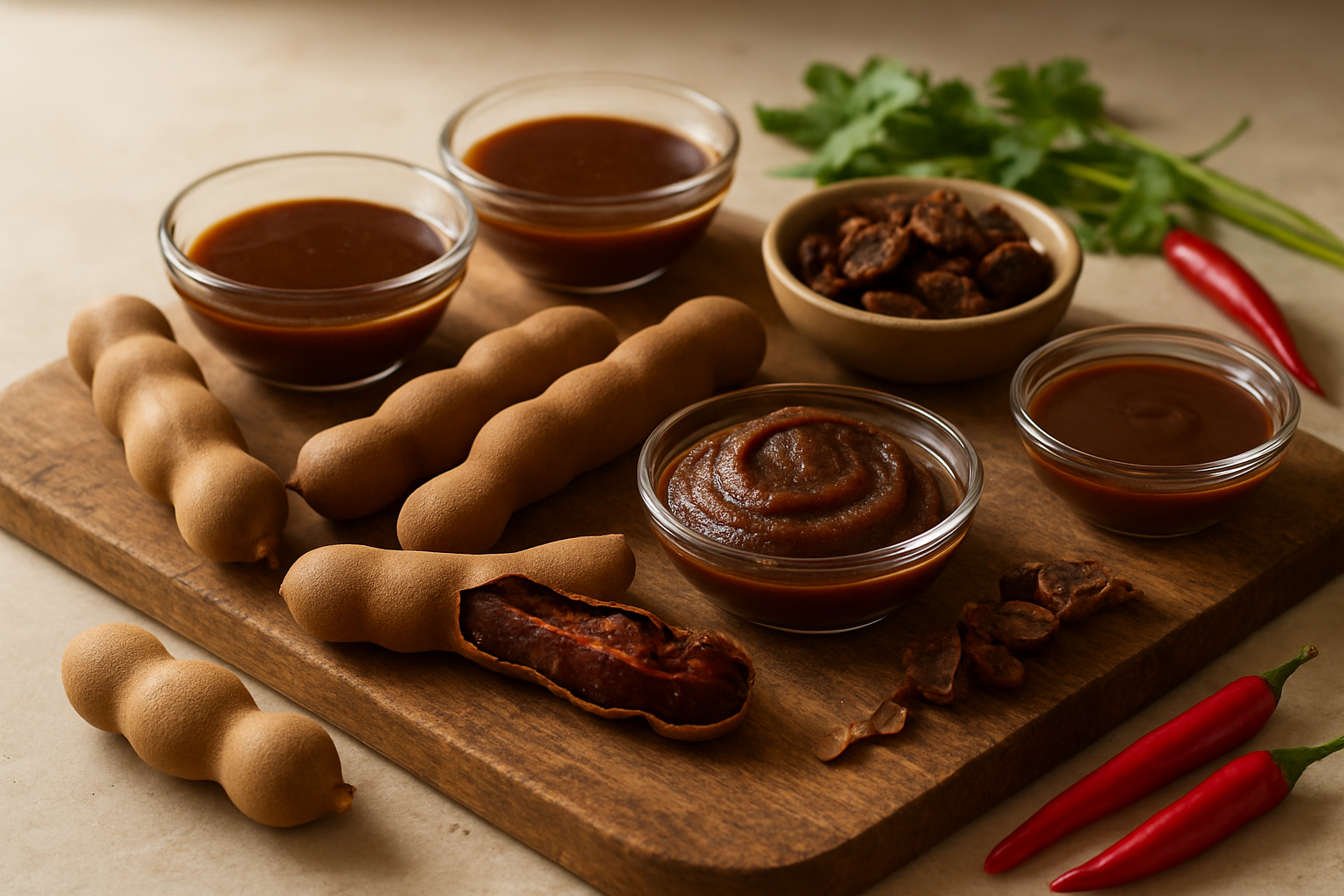
The tamarind fruit delivers a complex flavor experience that's both sweet and intensely sour, creating a unique taste profile that's instantly recognizable. When fresh and young, tamarind pods contain a tart, almost citrus-like acidity that can make your mouth pucker. As the fruit ripens, natural sugars develop, balancing the sourness with a rich, molasses-like sweetness that adds depth to its flavor.
This distinctive taste comes from the fruit's high concentration of tartaric acid, which gives tamarind its characteristic tang. The pulp has an earthy undertone with hints of caramel and dates, making it incredibly versatile in both savory and sweet applications. The intensity of flavor varies significantly between different varieties and stages of ripeness, with some being predominantly sour while others lean more toward sweetness.
Popular Dishes and Cuisines Featuring Tamarind
Tamarind uses span across multiple continents and culinary traditions. In Southeast Asian cuisine, tamarind paste forms the backbone of classic dishes like Pad Thai, where it provides the essential sour note that balances the noodles' sweetness. Thai tom yum soup relies heavily on tamarind for its signature tangy broth, while Malaysian and Indonesian rendang curries incorporate the fruit for depth and complexity.
Indian cuisine embraces tamarind extensively, using it in sambar, rasam, and various chutneys. South Indian dishes particularly showcase the fruit's versatility, from tamarind rice to fish curries where the acidity helps tenderize proteins. Mexican and Latin American cuisines feature tamarind in refreshing agua frescas, candies, and as a seasoning for fresh fruits.
Middle Eastern and North African cooking incorporates tamarind into stews and meat dishes, while Caribbean cuisine uses it in sauces and marinades. The fruit's ability to enhance both meat and vegetarian dishes makes it invaluable across diverse cooking styles.
Different Forms Available for Cooking
Tamarind benefits home cooks through various convenient forms. Fresh tamarind pods offer the most authentic flavor but require manual extraction of the pulp from shells and removal of seeds and fibers. This form provides the brightest, most complex taste but demands more preparation time.
Tamarind paste, sold in blocks or jars, represents the most common commercial form. This concentrated paste needs diluting with water to create tamarind liquid for cooking. The paste offers excellent shelf stability and consistent flavor, making it ideal for regular use.
Ready-to-use tamarind concentrate provides maximum convenience, requiring no additional preparation. However, this form often contains preservatives and may lack the nuanced flavor of fresh tamarind. Tamarind powder works well for dry rubs and spice blends, while tamarind water or juice offers immediate usability for soups and beverages.
Each form serves different cooking needs, with fresh providing the best flavor for special occasions and processed forms offering everyday convenience for busy kitchens.
Harvesting and Processing Methods
Optimal Harvest Timing and Techniques
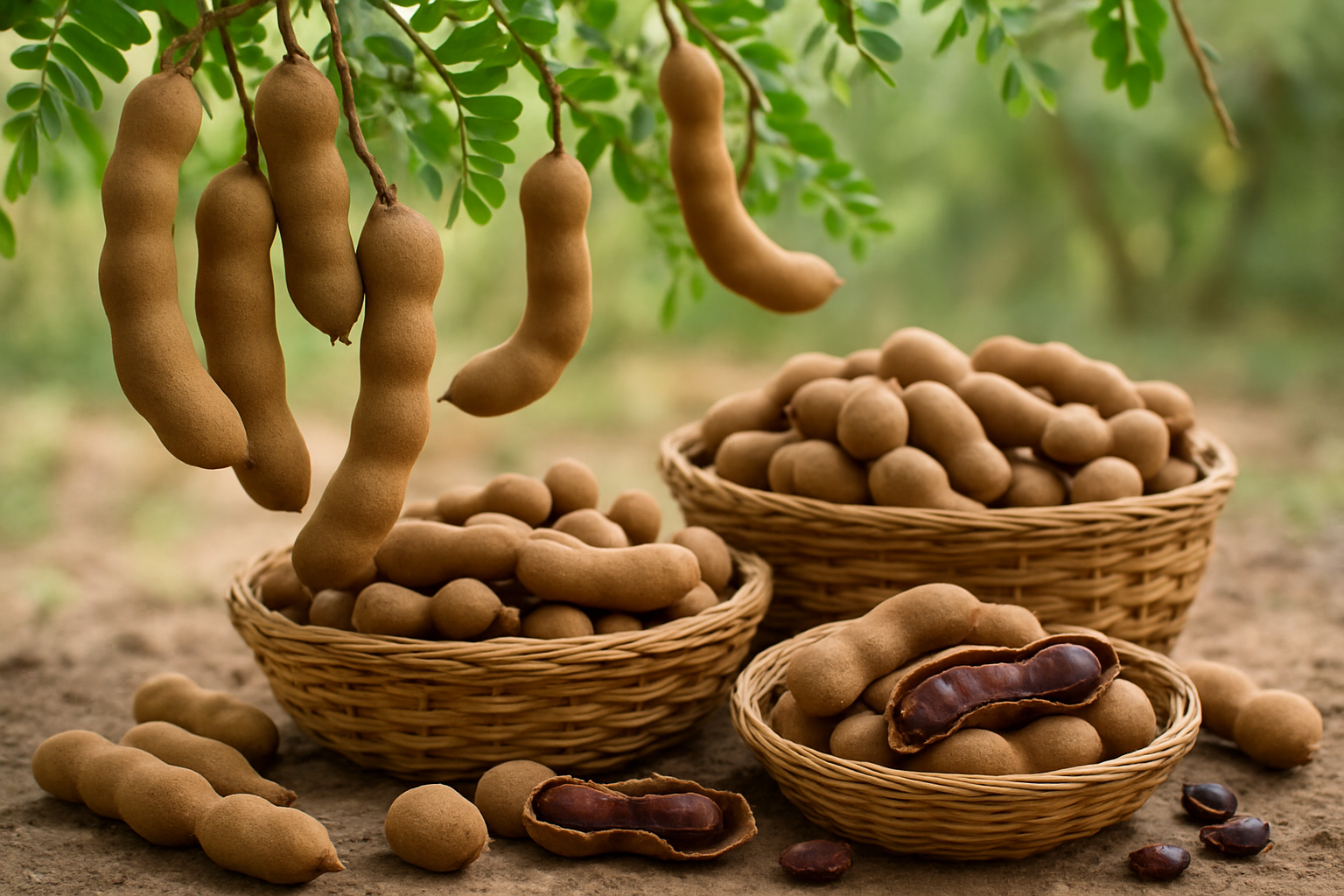
Timing is everything when harvesting tamarind fruit. Mature tamarind pods are ready for harvest when they turn brown and make a slight rattling sound when shaken. The shell becomes brittle, and you can hear the seeds moving inside. This usually happens 6-8 months after flowering, typically during the dry season.
Professional harvesters climb the tamarind tree using traditional techniques, carefully selecting pods by hand. The best pods feel heavy for their size and have a dull, matte finish rather than a shiny appearance. Avoid pods that are still green or those that have cracked open, as these won't have the ideal flavor profile.
For home gardeners, use a long pole with a hook or basket attachment to reach higher branches. Twist the pods gently rather than pulling straight down to avoid damaging the tree. Harvest in the morning when temperatures are cooler to prevent the fruit from becoming overly soft.
Traditional Processing and Preparation Methods
Traditional tamarind processing varies across cultures but follows similar principles. After harvest, pods are sorted by quality and size. The outer shell is cracked open using a hammer or stone, revealing the sticky pulp surrounding the seeds.
In many Asian and African communities, families gather to remove the fibrous strings and separate the pulp from seeds by hand. This labor-intensive process preserves the fruit's natural texture and flavor. The pulp is then formed into compact blocks or balls, sometimes mixed with salt to enhance preservation.
Some traditional methods involve partially drying the pods in the sun before processing, which concentrates flavors and makes shell removal easier. The dried tamarind fruit can be stored for months without refrigeration when properly prepared.
Commercial Processing and Preservation
Modern commercial processing uses mechanical methods to efficiently extract tamarind pulp. Industrial decorticators crack shells automatically, while pulping machines separate flesh from seeds and fibers. The extracted pulp goes through quality grading based on color, consistency, and acidity levels.
Commercial facilities often pasteurize tamarind products to extend shelf life. Vacuum packaging and controlled atmosphere storage help maintain freshness during distribution. Some processors create concentrated tamarind paste by removing excess moisture, while others produce tamarind powder through freeze-drying or spray-drying techniques.
Quality control measures include testing for moisture content, pH levels, and microbial contamination. Premium products maintain strict standards for color consistency and absence of foreign materials.
Storage Tips for Maximum Freshness
Fresh tamarind pods keep best in cool, dry conditions away from direct sunlight. Store unprocessed pods in ventilated containers at room temperature for up to two weeks. For longer storage, place them in the refrigerator where they'll stay fresh for several months.
Processed tamarind pulp requires airtight containers to prevent moisture absorption and mold growth. Refrigerated tamarind paste stays good for 6-8 months, while frozen portions can last up to two years without significant quality loss.
Keep tamarind products away from strong-smelling foods as they easily absorb odors. Glass containers work better than plastic for long-term storage. Check stored tamarind regularly for signs of spoilage like unusual odors, color changes, or mold formation.
For maximum freshness, divide large quantities into smaller portions before storing. This prevents repeated exposure to air and temperature changes that can degrade quality over time.
Varieties and Types of Tamarinds
Sweet Tamarind Varieties and Characteristics
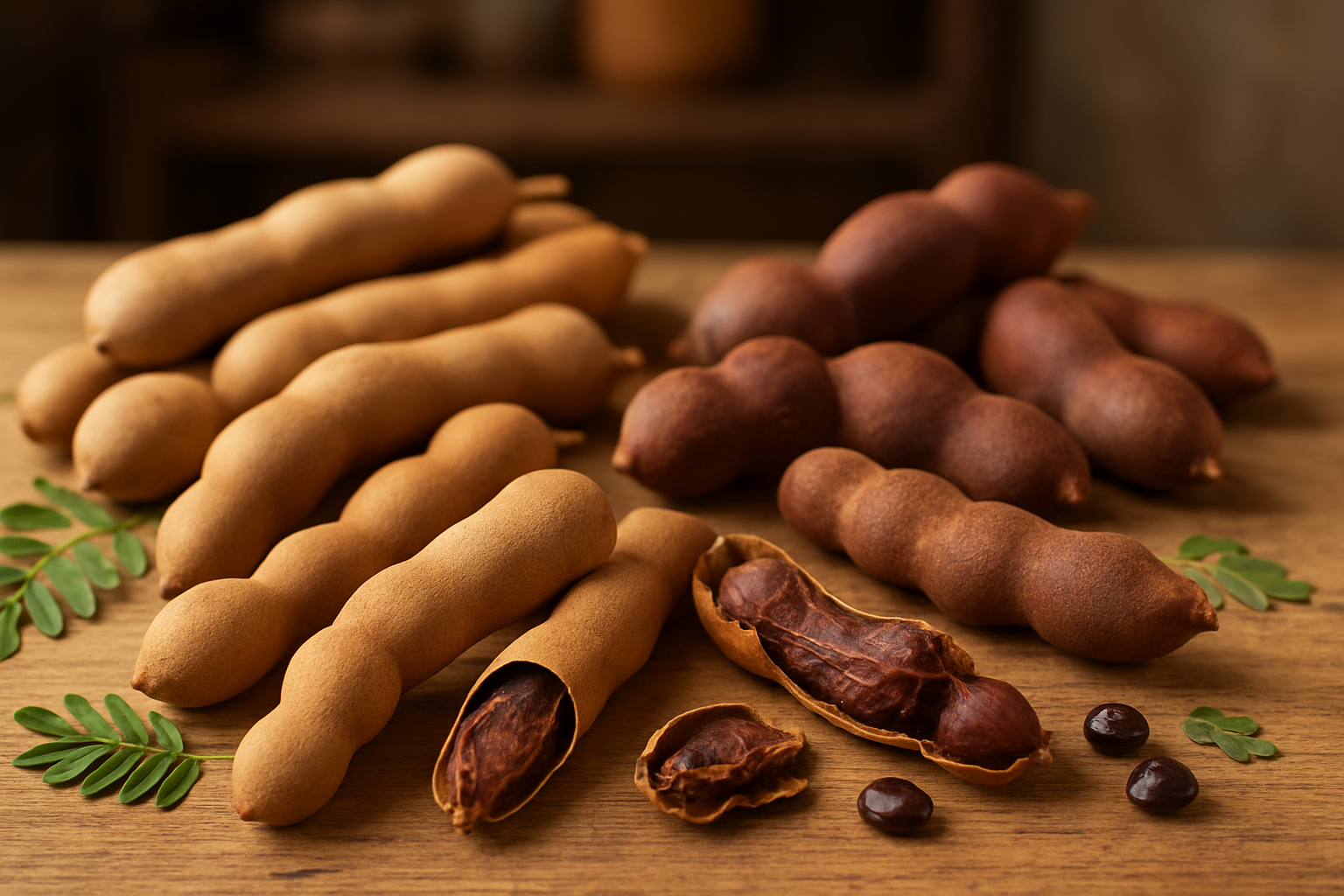
Sweet tamarind varieties offer a delightfully different experience from their sour counterparts. The 'Manila' variety stands out as one of the most popular sweet types, originating from the Philippines but now cultivated across tropical regions. These pods contain pulp with significantly less tartaric acid, creating a honey-like sweetness that makes them perfect for eating fresh.
The 'Thai Sweet' variety produces exceptionally large pods with thick, succulent pulp that has a rich, molasses-like flavor. These tamarind varieties typically have a reddish-brown color when ripe and crack easily to reveal the sweet flesh inside. Sweet tamarinds generally contain higher sugar content, ranging from 30-40% compared to 10-15% in sour varieties.
Another notable sweet variety is the 'Vietnamese Sweet,' which produces smaller pods but with incredibly concentrated sweetness. The pulp tends to be less fibrous and has a smooth, almost jam-like consistency. These sweet types of tamarind are often enjoyed as natural candy, especially by children, and require minimal processing for consumption.
Sour Tamarind Types and Uses
Sour tamarind types dominate commercial production and culinary applications worldwide. The 'Indian' variety represents the most common sour type, characterized by its high tartaric acid content and robust, tangy flavor. These pods typically measure 3-6 inches long and contain dark brown pulp with a distinctly acidic taste.
The 'West Indian' variety produces smaller, more curved pods with extremely sour pulp that's prized for cooking applications. This tamarind fruit type contains the highest acid content, making it ideal for preserves, chutneys, and flavor enhancers in savory dishes. The pulp from sour varieties often requires processing to remove excess fiber and seeds.
'African' sour tamarinds tend to be smaller and more compact, with intense sourness that's perfect for traditional African stews and sauces. These varieties typically have thicker shells and require more effort to extract the pulp, but the concentrated flavor makes them valuable for culinary purposes. Sour tamarinds are commonly processed into paste, concentrate, or dried blocks for extended storage and commercial distribution.
Regional Differences in Tamarind Cultivars
Regional cultivation has created distinct tamarind varieties adapted to specific climates and cultural preferences. Asian cultivars generally favor sweeter varieties, with Thailand, Vietnam, and the Philippines developing types that can be eaten fresh as snacks. These regional varieties often have thicker flesh and larger pod sizes.
Latin American regions, particularly Mexico and Central America, cultivate varieties that balance sweet and sour characteristics. The 'Mexican' cultivar produces medium-sized pods with moderately tart pulp that works well in both sweet applications like agua fresca and savory dishes like traditional moles.
African cultivars focus on hardy, drought-resistant varieties that produce highly concentrated sour pulp. Countries like Sudan and Chad have developed compact varieties that survive harsh climatic conditions while maintaining intense flavor profiles. These regional differences reflect local taste preferences, climate adaptations, and traditional culinary uses.
| Region | Primary Characteristics | Common Uses |
|---|---|---|
| Southeast Asia | Sweet, large pods | Fresh consumption, desserts |
| India/South Asia | Highly sour, fibrous | Curries, chutneys, preserves |
| Africa | Compact, drought-resistant | Traditional stews, sauces |
| Latin America | Balanced sweet-sour | Beverages, marinades |
The tamarind tree adapts remarkably well to different growing conditions, leading to natural variations in fruit characteristics even within the same variety when grown in different regions.
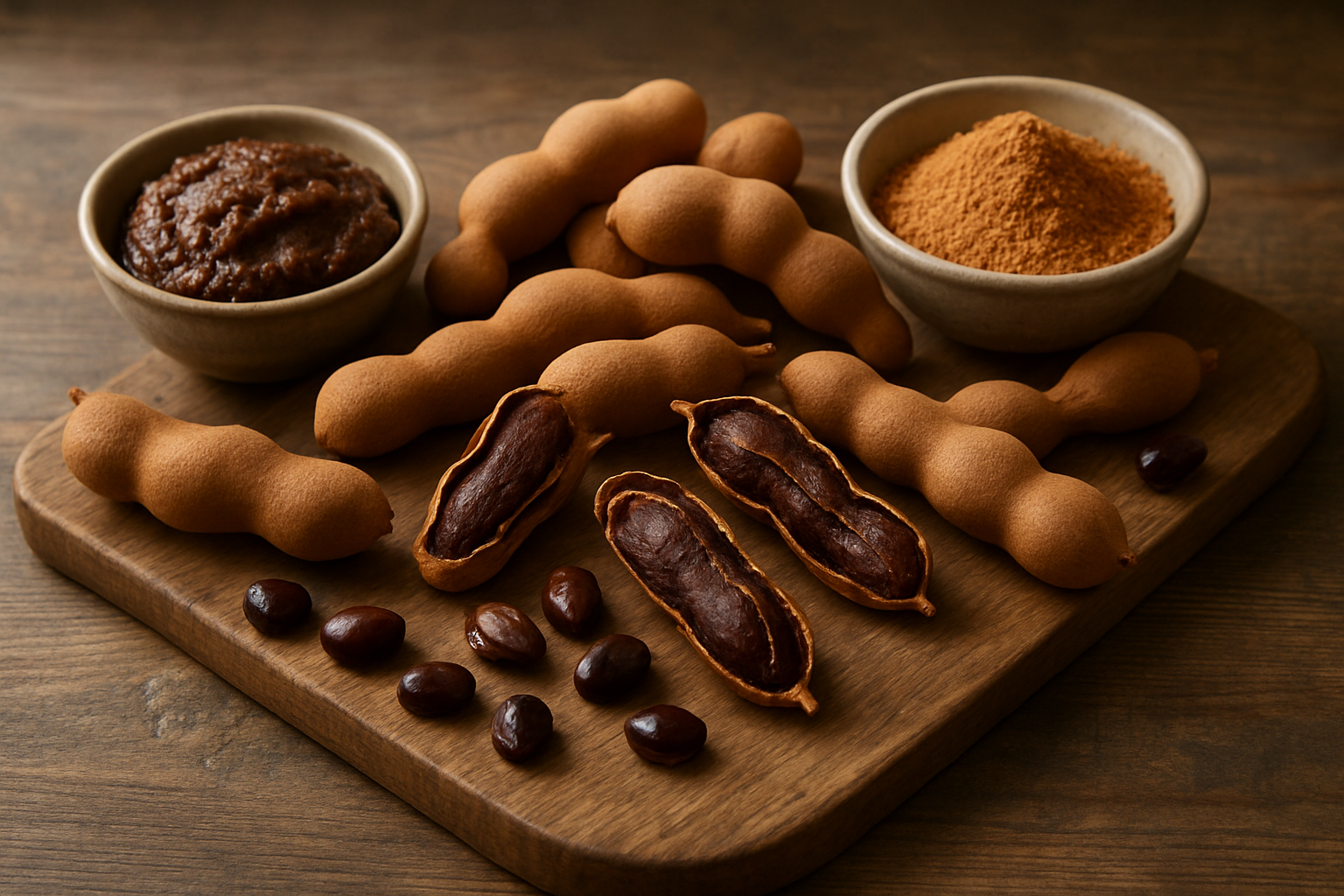
Tamarinds pack an impressive nutritional punch while delivering that distinctive sweet-and-sour flavor that makes them so special in kitchens worldwide. From their rich vitamin and mineral content to their antioxidant properties, these brown pods offer genuine health benefits alongside their culinary versatility. Whether you're using the tangy paste in Thai cooking, enjoying tamarind candy, or exploring traditional recipes from Africa and Asia, you're tapping into centuries of global food culture.
The next time you spot tamarinds at your local market or international grocery store, grab a few pods and experiment. Try making your own tamarind paste, add it to marinades, or simply taste the fruit fresh from the pod. Once you discover how this humble superfruit can transform your cooking with its unique flavor profile, you'll understand why cultures around the world have treasured tamarinds for generations.


.png)
Comments
Post a Comment