White Currants - What are White Currants?
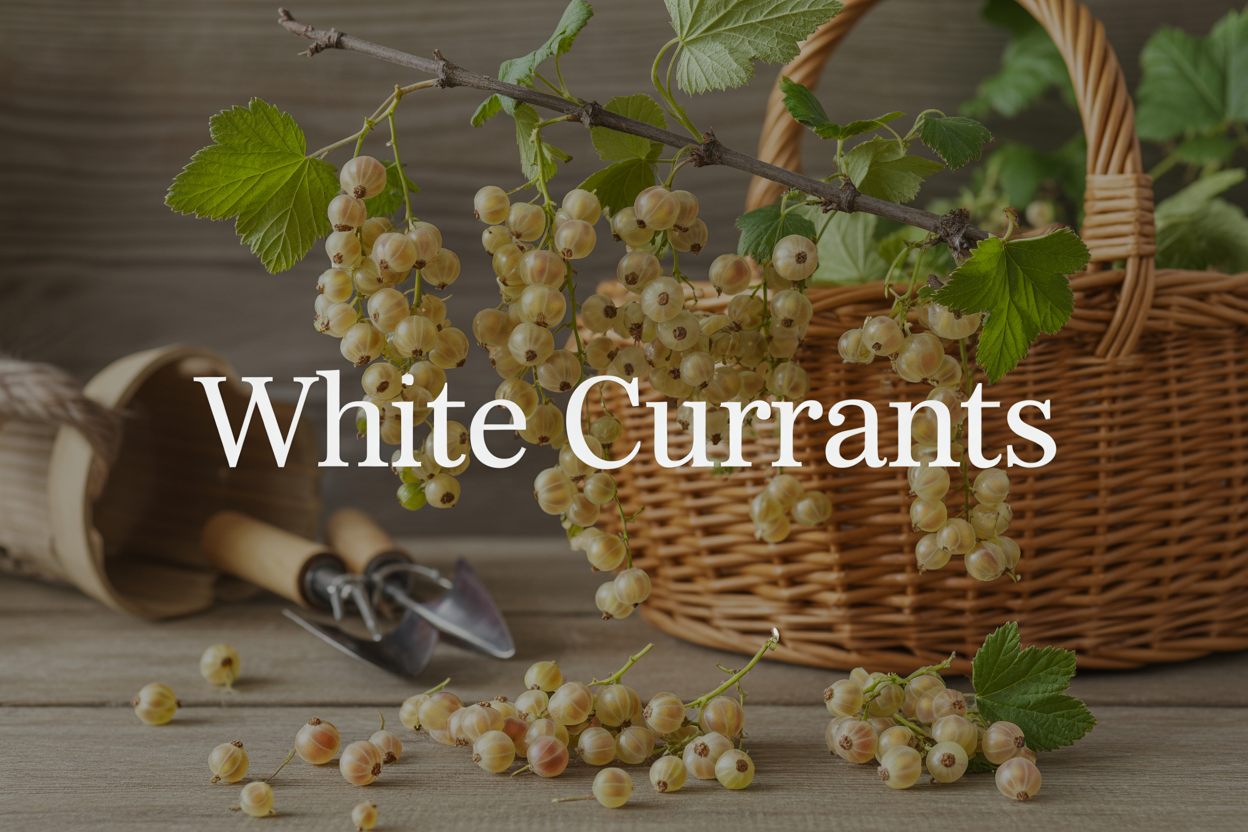
White currants are pale, translucent berries that often get overshadowed by their red and black cousins, but these delicate fruits pack their own unique appeal. These small, grape-like berries grow on deciduous shrubs and offer a milder, sweeter flavor compared to other currant varieties.
This guide is perfect for curious gardeners, health-conscious eaters, and anyone wondering what makes white currants special. We'll explore what white currants are and how they differ from red currants, dive into their impressive nutritional profile and health benefits, and walk through everything you need to know about growing white currants in your own backyard. You'll also discover practical tips for harvesting and storing these delicate berries, plus creative ways to use them in your kitchen.
Understanding White Currants as a Unique Berry Variety
Botanical Classification and Relationship to Red and Black Currants
White currants belong to the genus Ribes in the Grossulariaceae family, making them close botanical relatives of both red and black currants. The scientific name for most white currant varieties is Ribes rubrum, which might seem confusing since "rubrum" refers to red. This classification reflects the fact that white currants are actually a genetic variation of red currants rather than a completely separate species.
The relationship between these currant varieties runs deeper than simple family ties. White currants developed through natural mutations and selective breeding from red currant plants, where the genes responsible for red pigment production became suppressed or altered. This genetic quirk results in berries that lack the anthocyanins responsible for the deep red coloration we see in their crimson cousins.
Black currants (Ribes nigrum) represent a distinct species within the same genus, offering a more distant but still significant botanical connection. While white and red currants share nearly identical growing habits and requirements, black currants have evolved different characteristics, including stronger flavors and different nutritional profiles.
Physical Appearance and Distinctive Characteristics
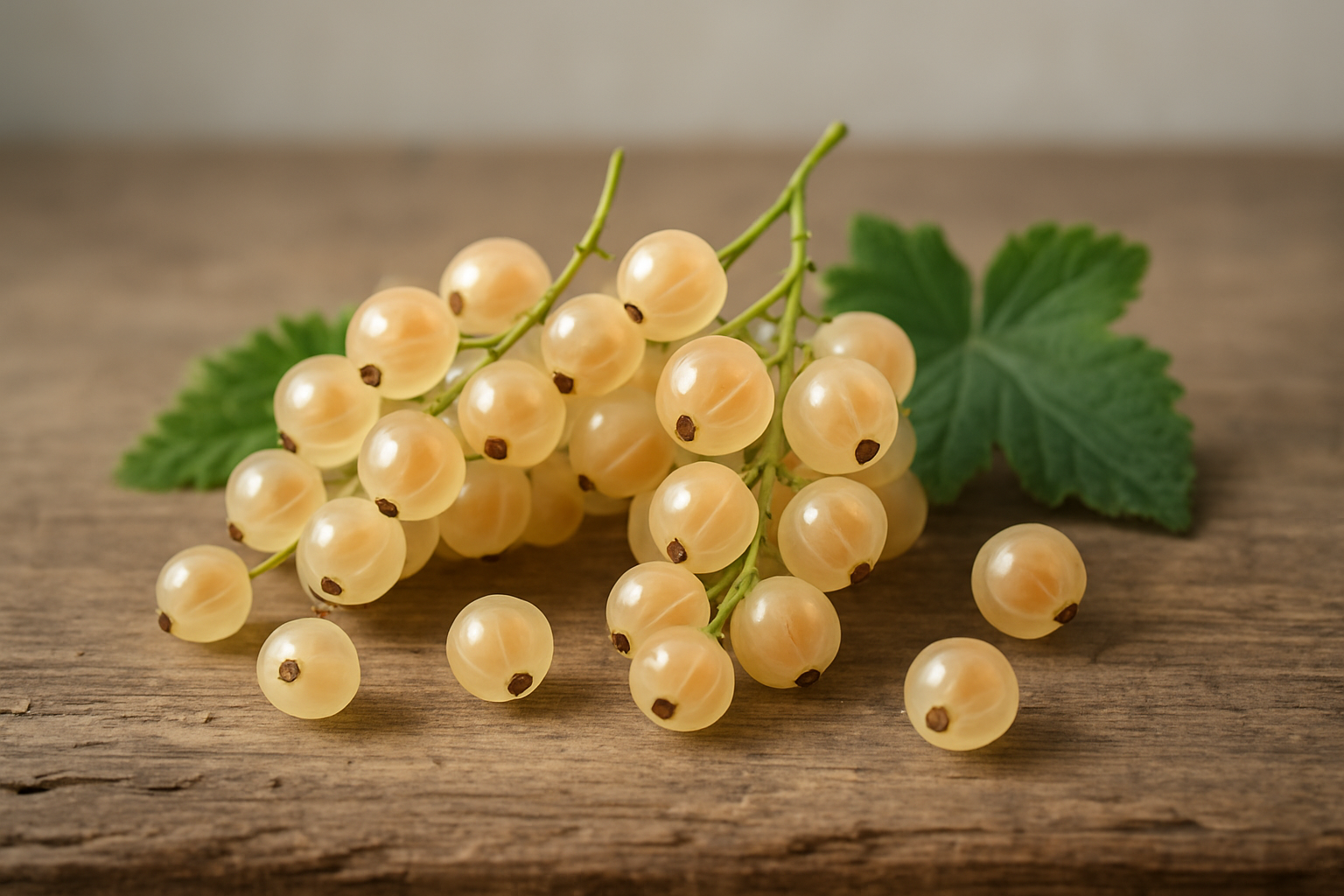
White currant berries present themselves as translucent, pearl-like gems that catch light beautifully in garden settings. These small, round berries typically measure 6-8 millimeters in diameter and grow in drooping clusters called racemes. The translucent skin allows you to see the internal structure of the berry, including the small seeds suspended within the juicy flesh.
The berries range from pure white to pale yellow or cream-colored, depending on the specific variety and growing conditions. Popular white currant varieties include 'White Grape,' 'White Imperial,' and 'Primus,' each offering slightly different characteristics in terms of berry size and flavor intensity.
White currant bushes themselves mirror the growth patterns of red currants, reaching heights of 3-5 feet with similar branching structures. The leaves are identical to those of red currants - three to five-lobed, serrated edges, and bright green coloration. During flowering season, small greenish-white flowers appear in pendulous clusters before developing into the distinctive berries.
The harvesting window for white currants typically spans mid to late summer, with berries reaching peak ripeness when they achieve full translucency and slight softness to gentle pressure.
Flavor Profile Compared to Other Currant Varieties
White currants offer a remarkably different taste experience compared to their red and black relatives. The flavor profile leans heavily toward the sweet side of the spectrum, with significantly less tartness than red currants. This reduced acidity makes white currants particularly appealing for fresh eating and creates opportunities for unique culinary applications.
When comparing white currants vs red currants, the most noticeable difference lies in the balanced sweetness of white varieties. Red currants pack a sharp, tangy punch that can make your mouth pucker, while white currants deliver gentle sweetness with just enough acidity to prevent cloying. The flavor has been described as delicate, with subtle floral notes and a clean finish.
| Currant Type | Sweetness Level | Acidity Level | Primary Flavor Notes |
|---|---|---|---|
| White | High | Low | Sweet, delicate, floral |
| Red | Medium | High | Tart, bright, tangy |
| Black | Low | Medium | Intense, earthy, musky |
Black currants stand in stark contrast to both white and red varieties, offering intense, almost wine-like flavors with earthy undertones. The concentrated taste of black currants often requires cooking or processing to become palatable for many people, while white currants shine when eaten fresh from the bush.
This mild flavor profile makes white currants incredibly versatile in the kitchen, working equally well in sweet desserts and savory applications where you want berry flavor without overwhelming tartness.
Nutritional Benefits and Health Properties of White Currants
Essential vitamins and mineral content
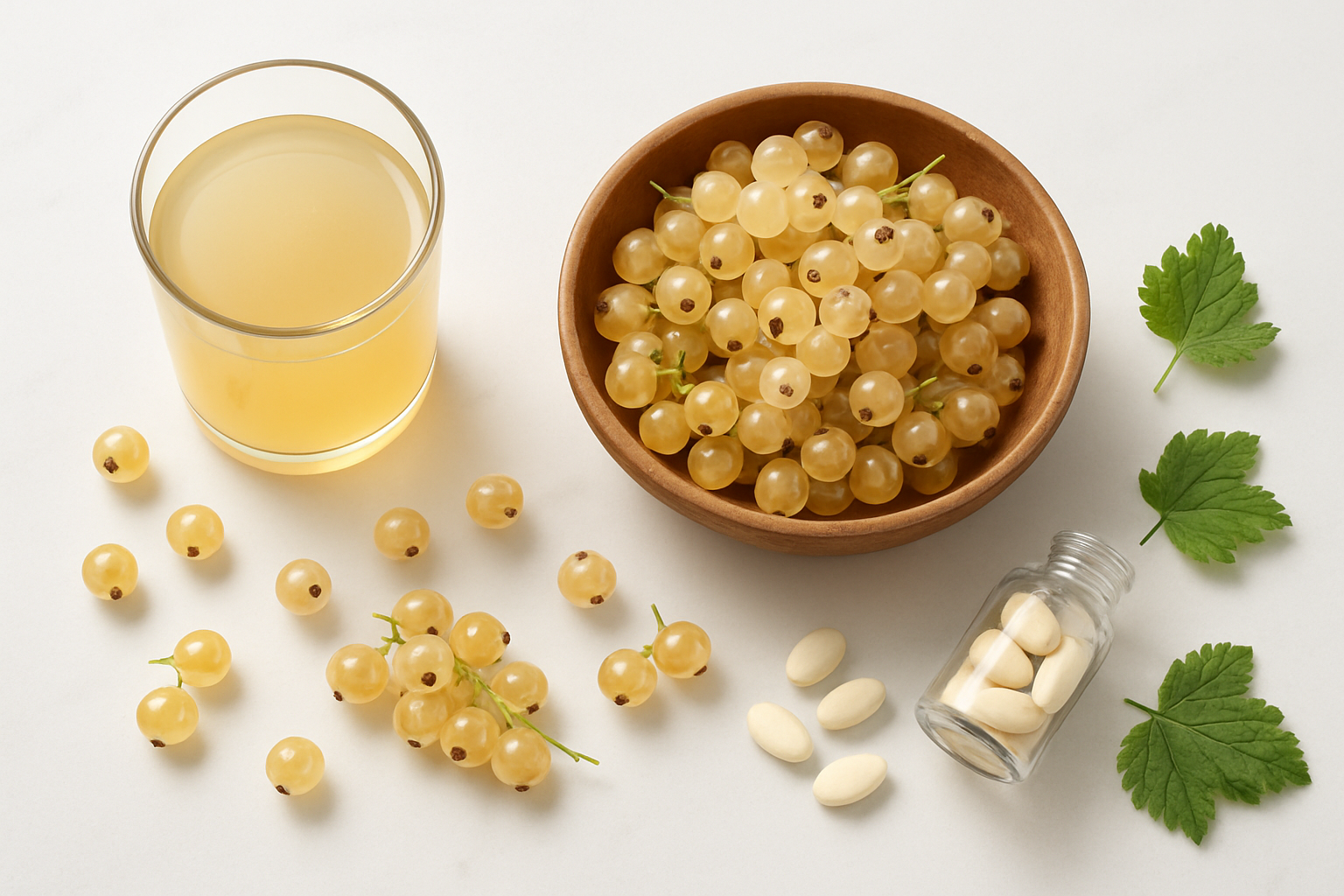
White currants pack an impressive nutritional punch despite their delicate appearance. These tiny berries contain high levels of vitamin C, delivering about 41 milligrams per 100 grams - roughly half your daily requirement. This vitamin C content supports collagen production and helps your body absorb iron more effectively.
The mineral profile of white currant berries includes potassium, which helps regulate blood pressure and supports heart function. You'll also find manganese, essential for bone development and wound healing, plus smaller amounts of iron and magnesium. White currants nutrition includes folate, a B-vitamin that's particularly important for pregnant women and supports cellular function.
Antioxidant properties and immune system support
White currants contain powerful antioxidants, including flavonoids and phenolic compounds that protect your cells from oxidative stress. These antioxidants work like tiny bodyguards, neutralizing harmful free radicals that can damage your tissues over time.
The quercetin found in these berries has anti-inflammatory properties that may help reduce chronic inflammation in your body. Regular consumption of white currants can strengthen your immune system, making you better equipped to fight off seasonal colds and infections. The combination of vitamin C and antioxidants creates a natural defense system that keeps your body running smoothly.
Digestive health benefits
Your digestive system benefits greatly from the fiber content in white currants. Each serving provides dietary fiber that promotes healthy gut bacteria and supports regular bowel movements. This fiber also helps slow down sugar absorption, preventing blood sugar spikes after meals.
White currants contain natural enzymes that aid in breaking down food more efficiently. The pectin in these berries acts as a prebiotic, feeding beneficial bacteria in your gut microbiome. This creates a healthier digestive environment and can improve nutrient absorption from other foods you eat.
Low calorie content for weight management
White currants are naturally low in calories, with only about 56 calories per 100-gram serving. This makes them perfect for anyone watching their weight while still wanting to enjoy sweet, flavorful fruit. The natural sugars in white currants provide energy without the blood sugar roller coaster that comes from processed sweets.
The high water content and fiber in these berries help you feel satisfied without overeating. They make excellent snacks between meals or can replace higher-calorie desserts. The white currant health benefits extend to weight management because they satisfy sugar cravings naturally while providing essential nutrients your body needs to function optimally.
Growing White Currants in Your Garden
Ideal Climate Conditions and Soil Requirements
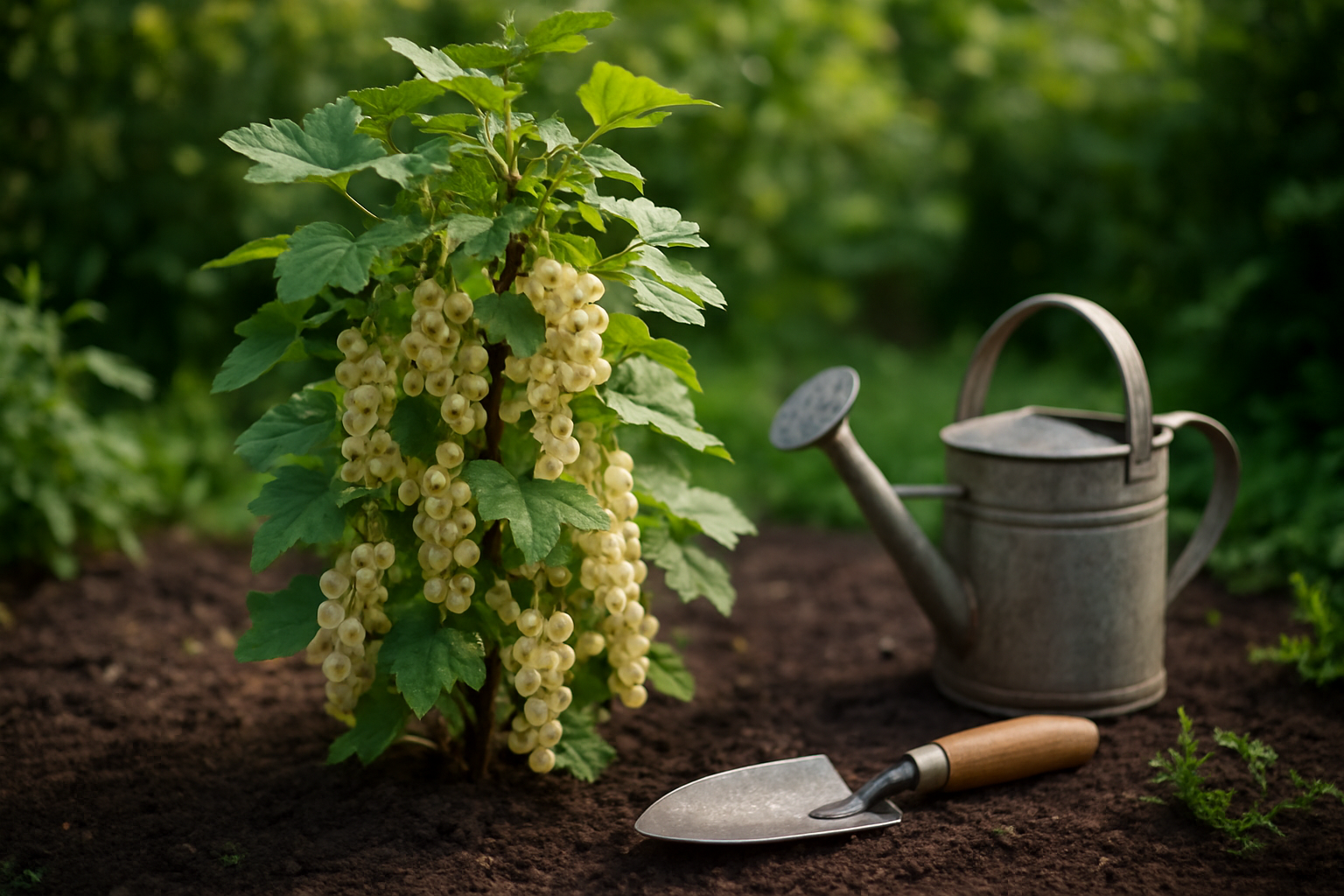
White currants thrive in cool, temperate climates with moderate rainfall and mild summers. These hardy bushes perform best in USDA zones 3-7, where winter temperatures drop low enough to satisfy their chilling requirements of 800-1,500 hours below 45°F. The ideal growing temperature ranges between 60-75°F during the growing season.
Your white currant bushes need well-draining soil with a pH between 6.0-7.0. Heavy clay soils that retain too much moisture can lead to root rot, while sandy soils may not provide adequate nutrition. Aim for loamy soil rich in organic matter. Before planting, work compost or well-aged manure into the soil to improve both drainage and fertility.
White currants prefer partial shade to full sun exposure, with morning sun and afternoon shade being optimal in warmer regions. They need protection from strong winds, which can damage branches and reduce fruit quality. Choose a location that receives at least 4-6 hours of sunlight daily while avoiding frost pockets where cold air settles.
Planting Techniques and Spacing Guidelines
Plant white currant bushes during dormant season - either late fall after leaf drop or early spring before bud break. Dig holes twice as wide as the root ball and slightly deeper than the container. Space individual bushes 4-6 feet apart to allow proper air circulation and room for mature growth.
When planting bare-root white currants, soak roots in water for 2-3 hours before planting. Position the plant at the same depth it grew in the nursery, spreading roots evenly in the hole. Backfill with native soil mixed with compost, water thoroughly to eliminate air pockets, and apply a 3-inch layer of organic mulch around the base.
For container-grown plants, gently tease apart circled roots before planting. Water deeply immediately after planting and maintain consistent moisture for the first growing season while roots establish.
Seasonal Care and Maintenance Tips
Spring Care: Remove winter mulch gradually as temperatures warm. Apply balanced fertilizer (10-10-10) in early spring before new growth begins. Prune out dead, damaged, or crossing branches, and thin older canes to maintain good air circulation.
Summer Maintenance: Maintain consistent soil moisture through regular watering, especially during fruit development. White currants need about 1 inch of water weekly. Apply fresh mulch to retain moisture and suppress weeds. Watch for pests like currant worms and aphids.
Fall Preparation: Reduce watering as harvest ends and plants prepare for dormancy. Apply compost around the base but avoid fertilizing late in the season. Remove fallen leaves and debris to prevent disease overwintering.
Winter Protection: In colder regions, protect young plants with burlap screens or apply extra mulch around the base. Prune mature bushes during dormancy, removing 3-4 year old canes to encourage new growth. White currants fruit best on 1-3 year old wood.
Harvesting and Storage Methods for Maximum Freshness
Identifying Peak Ripeness for Optimal Flavor
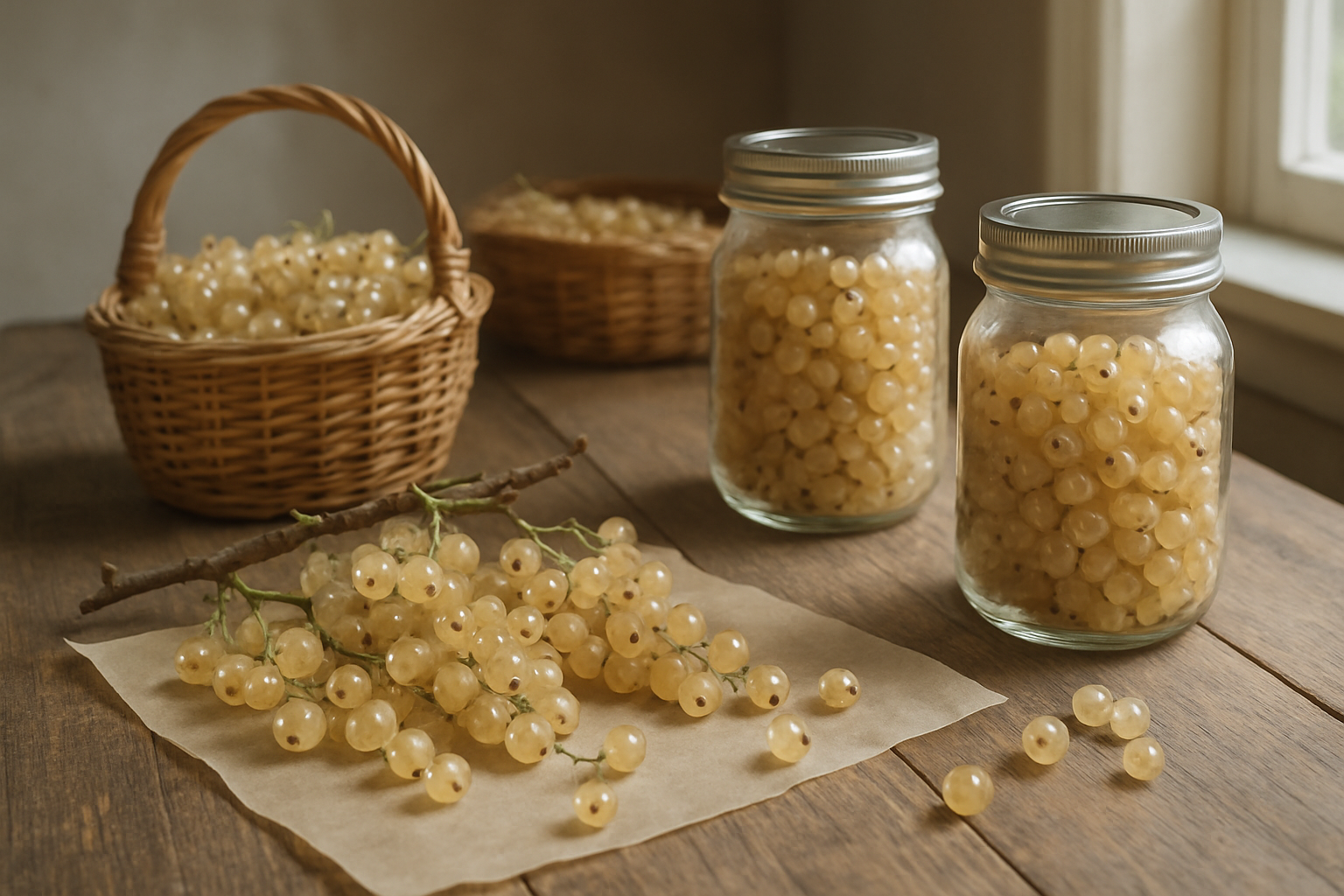
White currants reach their peak flavor when they turn completely translucent with a creamy white or pale yellow tinge. The berries should feel slightly soft when gently pressed, but still maintain their shape without becoming mushy. Ripe white currant berries will have a sweet-tart balance that's more mellow than their red counterparts. The stems should still be green and flexible, not brown or dried out.
Check your white currants daily during the ripening season, typically from mid-July to early August depending on your location. The berries at the top of each cluster usually ripen first, so you might need to harvest in stages. A telltale sign of perfect ripeness is when the berries easily separate from their stems with gentle pressure. Taste testing a few berries is the best way to determine if they've reached optimal sweetness.
Proper Harvesting Techniques to Avoid Damage
Harvest white currants during the coolest part of the day, either early morning or late evening. This timing helps preserve the berries' firmness and extends their storage life. Use clean, sharp scissors or pruning shears to cut entire clusters rather than picking individual berries. This method prevents damage to the delicate fruit and reduces the risk of introducing bacteria.
Handle the clusters gently and place them directly into shallow containers to avoid crushing the berries underneath. Small baskets or containers no deeper than 4 inches work best. Never wash the berries immediately after harvesting - the natural waxy coating on white currants helps protect them during storage. Only rinse them right before eating or processing.
Short-term and Long-term Storage Solutions
Fresh white currants stay at peak quality for 3-5 days when stored properly in the refrigerator. Place unwashed clusters in perforated plastic bags or shallow containers lined with paper towels. The paper towels absorb excess moisture that could lead to mold or decay. Store them in the refrigerator's crisper drawer where humidity levels remain consistent.
For longer storage up to two weeks, keep the berries on their stems and store them in the coldest part of your refrigerator without washing. Remove any damaged or overripe berries before storage as they can cause nearby healthy berries to spoil faster.
| Storage Method | Duration | Temperature | Humidity |
|---|---|---|---|
| Refrigerator (fresh) | 3-5 days | 32-35°F | 90-95% |
| Cold storage | 2 weeks | 30-32°F | 90-95% |
| Frozen (whole) | 12 months | 0°F | N/A |
| Frozen (processed) | 18 months | 0°F | N/A |
Freezing Methods for Year-round Enjoyment
White currants freeze exceptionally well and maintain most of their nutritional value when properly prepared. For whole berry freezing, remove the currants from their stems and spread them in a single layer on baking sheets lined with parchment paper. Flash-freeze for 2-3 hours until solid, then transfer to airtight freezer bags or containers.
This individual quick-freezing method prevents the berries from clumping together, making it easy to use small portions as needed. Label containers with the harvest date and use frozen white currants within 12 months for best quality.
You can also freeze white currants as puree or juice for smoothies and baking applications. Simply blend the fresh berries with a small amount of water, strain if desired, and pour into ice cube trays or freezer-safe containers. Frozen white currant puree works wonderfully in jams, sauces, and dessert recipes throughout the winter months.
Culinary Uses and Recipe Applications
Fresh eating and snacking possibilities
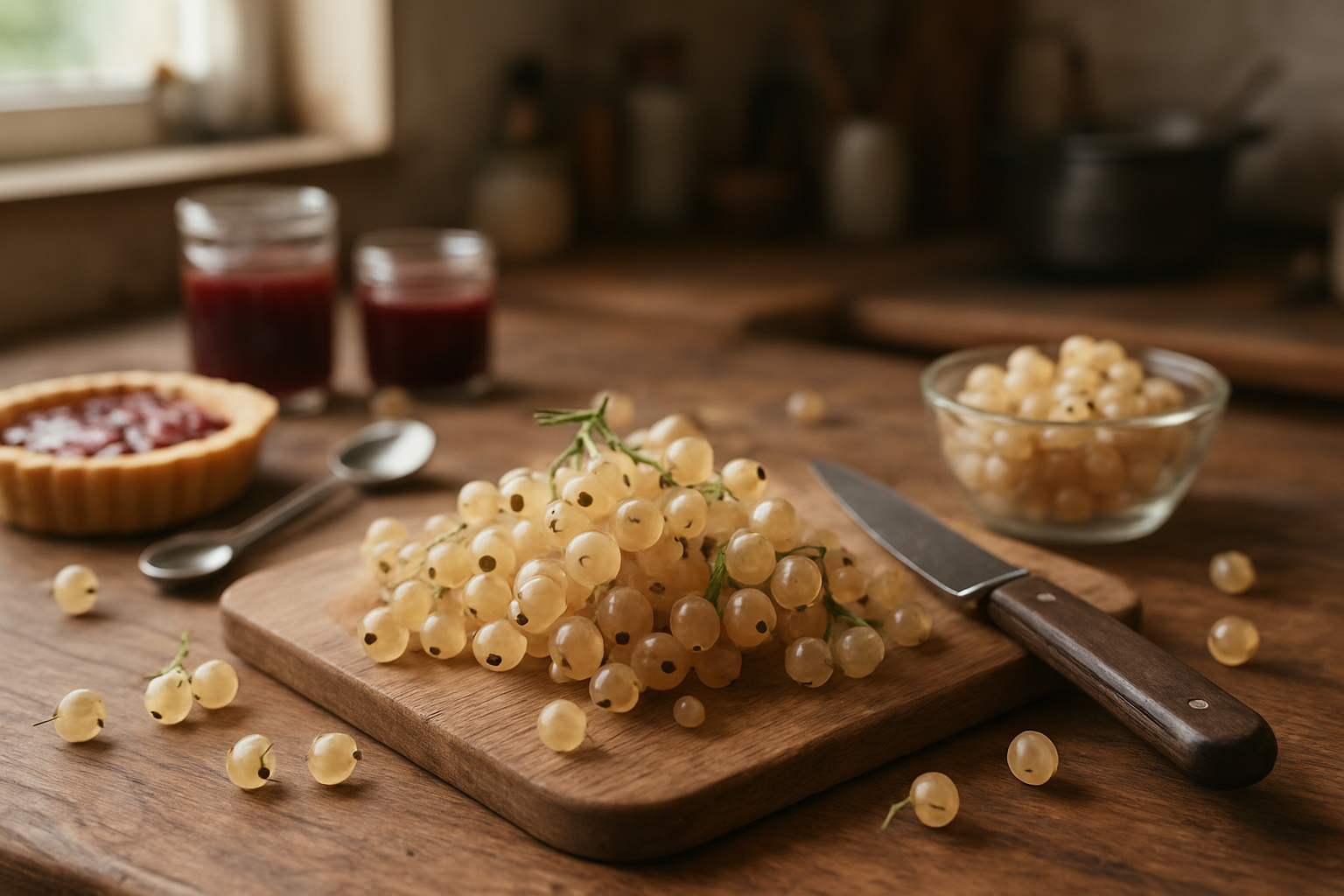
White currants shine as a fresh snacking berry with their unique sweet-tart profile that's considerably milder than their red counterparts. These translucent gems pop beautifully in your mouth, releasing a gentle acidity that's refreshing without being overwhelming. Unlike tart red currants that can make you pucker, white currant berries offer a delicate balance that makes them perfect for eating straight from the bush.
Kids especially love these berries because they're naturally sweeter and less acidic. You can enjoy them by the handful during summer, add them to fruit salads for visual appeal, or use them as elegant garnishes for cheese platters. Their subtle flavor pairs wonderfully with mild cheeses like brie or goat cheese.
For a simple yet sophisticated snack, try rolling fresh white currants in a light dusting of powdered sugar or pairing them with dark chocolate pieces. The contrast creates an amazing flavor combination that highlights the berry's natural sweetness.
Baking and dessert incorporation ideas
White currants bring both visual beauty and subtle flavor to baked goods and desserts. Their naturally lower acidity means they won't interfere with delicate cake batters or custards the way more acidic berries might. Fold them into muffin batter, scone dough, or coffee cake for bursts of gentle sweetness and lovely color contrast.
These berries work exceptionally well in tarts and pies where their mild flavor complements rather than competes with other ingredients. Try them in a classic French tart with pastry cream, or combine them with peaches or pears in a rustic galette. The berries hold their shape well during baking, maintaining their attractive appearance.
For elegant desserts, white currants make stunning additions to panna cotta, mousse, or cheesecake toppings. Their translucent quality catches light beautifully, creating an almost jewel-like effect. You can also freeze them and use as natural decoration for summer desserts - they maintain their shape and add refreshing pops of flavor.
Jam and preserve making techniques
Making white currant jam requires slightly different techniques than traditional berry jams due to their lower pectin content and mild acidity. Start with a 1:1 ratio of berries to sugar, but be prepared to add lemon juice or commercial pectin to achieve proper gel consistency. The natural low acidity means you'll need that extra acid for both safety and texture.
White currant preserves have an ethereal, almost pearl-like appearance that's absolutely gorgeous in jars. Cook them gently over medium heat to preserve their delicate structure and avoid overcooking, which can make them mushy. The finished product should have a lovely pale golden color with whole berries suspended throughout.
For best results, combine white currants with higher-pectin fruits like green apples or add liquid pectin according to package directions. This creates a firmer set while maintaining the berries' subtle flavor profile. The resulting preserves are perfect for pairing with soft cheeses or spreading on delicate pastries.
Beverage and cocktail enhancement options
White currants create spectacular beverages with their clean, bright flavor that doesn't overpower other ingredients. Fresh white currant juice makes an excellent base for summer drinks, lemonades, or sparkling water combinations. Simply muddle the berries gently to release their juices without breaking them completely.
In cocktails, white currants work beautifully as both flavor enhancers and visual elements. Drop a small cluster into champagne flutes for an elegant touch, or muddle them into gin-based cocktails for subtle fruity notes. They pair exceptionally well with herbs like mint, basil, or thyme, creating sophisticated flavor profiles.
For non-alcoholic options, white currants make refreshing shrubs (drinking vinegars) or can be infused into simple syrups for homemade sodas. Their mild flavor means they blend seamlessly with other fruits like elderflower, white peach, or pear. Frozen white currants work as beautiful ice cube alternatives, slowly releasing flavor as they thaw in drinks while maintaining visual appeal throughout the beverage service.
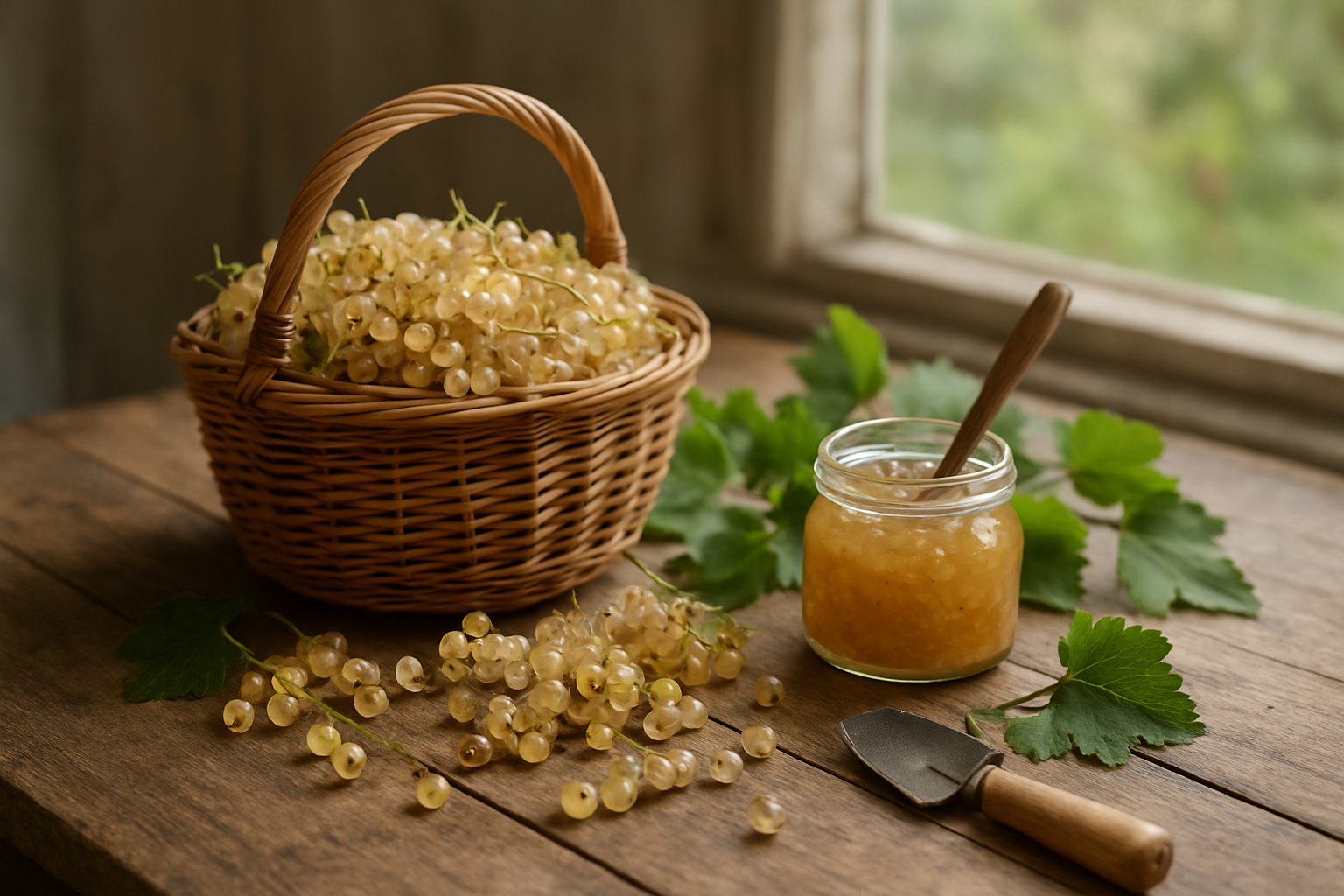
White currants deserve a spot in every fruit lover's collection. These translucent gems pack impressive nutritional value while offering a delicate, sweet-tart flavor that sets them apart from their red and black cousins. Whether you grow them in your backyard or discover them at a local market, these berries bring both health benefits and culinary versatility to your table.
Ready to explore white currants? Start by looking for plants at your local nursery or specialty fruit suppliers. With proper care and the right harvesting techniques, you'll soon enjoy fresh berries that can transform everything from summer desserts to savory sauces. Give white currants a try – your taste buds and your garden will thank you for adding this elegant berry to your repertoire.


.png)
Comments
Post a Comment