Wild Bananas - What Are Wild Bananas?
.png)
Wild bananas are the original ancestors of the sweet, seedless bananas we buy at the grocery store, but they're completely different fruits with hard seeds, tough textures, and bold flavors. If you're a nature enthusiast, home gardener, or simply curious about food origins, understanding these fascinating native banana varieties can change how you think about this common fruit.
Unlike their cultivated cousins, wild banana species pack a nutritional punch and play crucial roles in their ecosystems. We'll explore what makes wild bananas so different from store-bought varieties, covering their unique physical traits and challenging flavors that range from astringent to surprisingly sweet. You'll also discover why wild banana conservation matters for our food security and what health benefits these tough little fruits might offer.
Understanding Wild Bananas and Their Origins
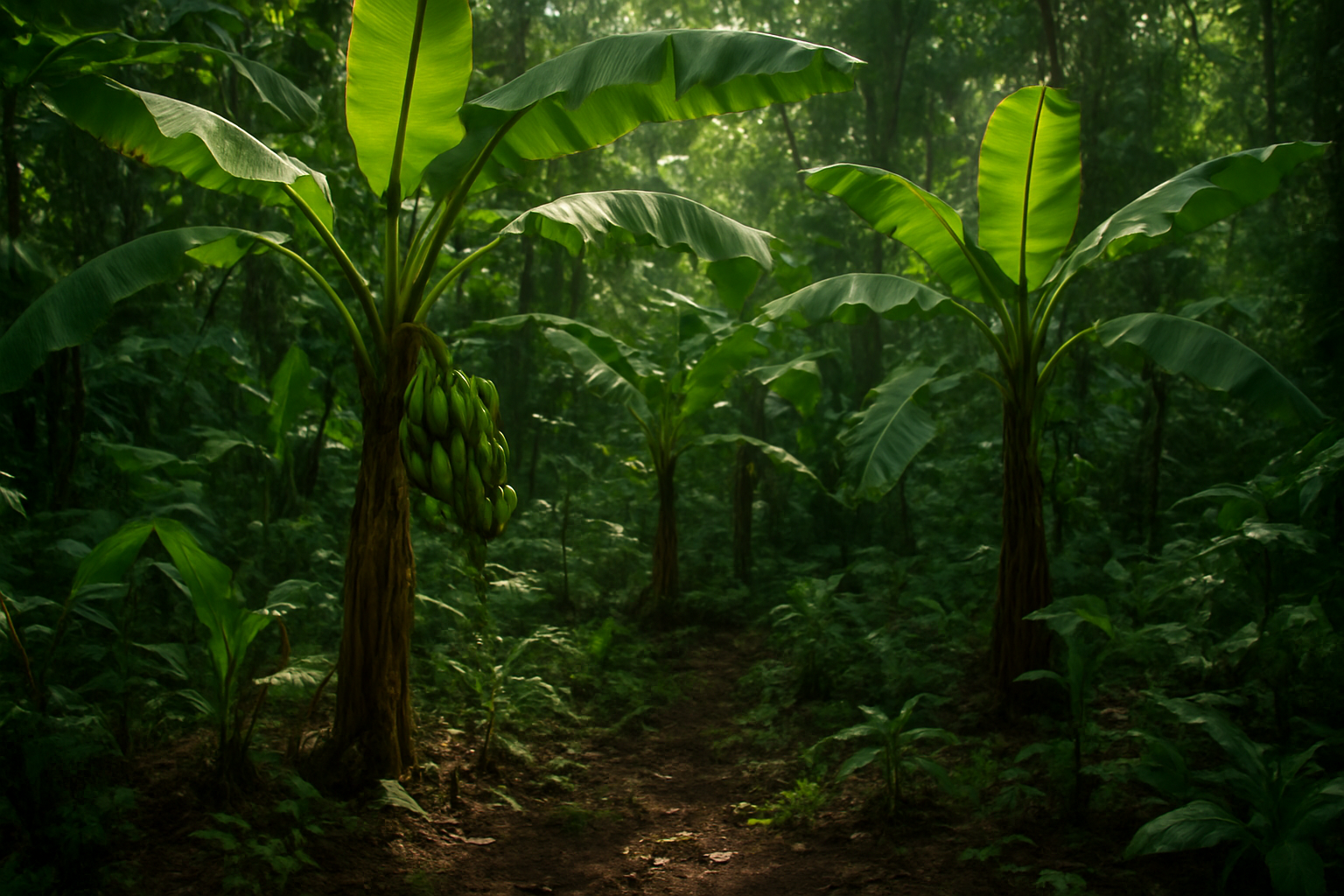
Discover the Natural Ancestors of Modern Bananas
Wild bananas represent the original genetic foundation from which all cultivated banana varieties have evolved. The most significant wild banana species include Musa acuminata and Musa balbisiana, which serve as the primary ancestors of nearly every commercial banana you'll find in grocery stores today. These native banana varieties originated millions of years ago in the tropical regions of Southeast Asia, where they developed complex genetic diversity through natural selection.
The evolutionary journey from wild to cultivated bananas spans thousands of years. Ancient civilizations began selecting and propagating wild banana plants that produced larger, sweeter fruits with fewer seeds. Through careful cultivation and selective breeding, humans gradually transformed small, seedy wild fruits into the large, seedless bananas we recognize today. This process created the genetic bottleneck that makes modern commercial bananas so vulnerable to diseases.
Wild banana species contain significantly more genetic diversity than their cultivated counterparts. While commercial bananas are essentially clones of a few select varieties, wild bananas maintain robust genetic variation that helps them resist diseases, adapt to environmental changes, and survive in challenging conditions. This genetic wealth makes wild banana species invaluable for future breeding programs aimed at developing disease-resistant commercial varieties.
Learn How Wild Bananas Differ from Store-Bought Varieties
The differences between wild bananas and cultivated banana varieties are striking and immediately noticeable. Wild bananas typically measure only 2-4 inches in length, making them considerably smaller than the 6-8 inch commercial bananas most people know. Their appearance varies dramatically, with colors ranging from green and yellow to deep red, purple, and even black when fully ripe.
The most significant difference lies in seed development. Wild bananas contain large, hard seeds that can make up to 90% of the fruit's interior volume. These seeds are so prominent that the edible flesh becomes minimal, creating a completely different eating experience compared to the seedless, soft pulp of store-bought bananas. The seeds serve an essential reproductive function, allowing wild banana plants to propagate naturally through sexual reproduction rather than relying solely on human cultivation.
| Characteristic | Wild Bananas | Cultivated Bananas |
|---|---|---|
| Size | 2-4 inches | 6-8 inches |
| Seeds | Large, hard, numerous | Tiny, soft, barely noticeable |
| Skin thickness | Thicker, tougher | Thinner, easier to peel |
| Flavor intensity | More intense, varied | Mild, consistent |
| Shelf life | Shorter | Longer |
| Genetic diversity | High | Very low |
Wild banana characteristics also include thicker, tougher peels that provide better protection against insects and environmental stresses. The flesh tends to be more fibrous and less sweet than commercial varieties, though flavor profiles can range from extremely tart to intensely sweet depending on the specific species and growing conditions.
Explore Where Wild Bananas Grow Naturally Around the World
Wild banana species thrive naturally across a belt of tropical and subtropical regions, with the highest concentration found in Southeast Asia. Countries like Malaysia, Indonesia, Thailand, Myanmar, and the Philippines harbor the greatest diversity of native banana varieties. These regions serve as the primary gene pool for wild banana species, containing hundreds of distinct varieties that have adapted to specific local environments over millennia.
The natural habitat of wild bananas extends beyond Asia into other tropical regions. Papua New Guinea hosts numerous endemic wild banana species, many of which remain scientifically undocumented. Northern Australia contains several native varieties, particularly in Queensland's rainforest regions. Some wild banana species have also established populations in parts of Africa, though these are generally considered naturalized rather than truly native.
Wild bananas prefer specific environmental conditions that mirror their ancestral habitats:
-
Elevation range: Sea level to 6,000 feet above sea level
-
Temperature: Consistent warmth between 75-85°F
-
Humidity: High humidity levels (60-80%)
-
Rainfall: 60-100 inches annually
-
Soil conditions: Well-draining, organic-rich soils
-
Light requirements: Partial shade to filtered sunlight
Madagascar represents another significant region for wild banana diversity, hosting several unique species that evolved in isolation. The island's wild banana populations have developed distinctive characteristics not found anywhere else in the world, making them particularly valuable for conservation efforts and genetic research.
Climate change and habitat destruction now threaten many wild banana populations. Deforestation, agricultural expansion, and urbanization have reduced natural habitats significantly. Some wild banana species exist only in small, fragmented populations, making them vulnerable to extinction. Conservation efforts focus on protecting remaining natural habitats and establishing seed banks to preserve genetic material for future generations.
Physical Characteristics That Set Wild Bananas Apart
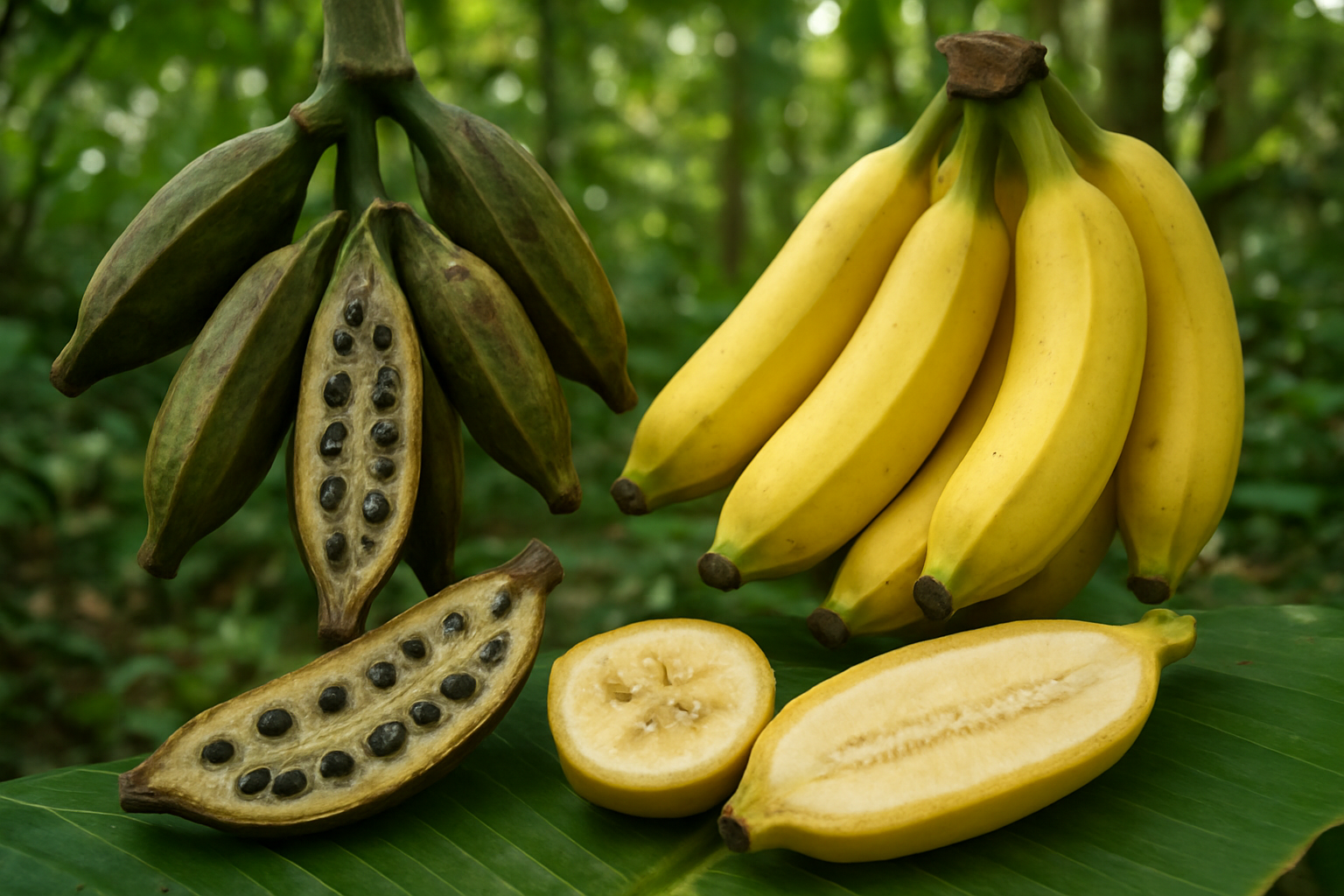
Recognize the Smaller Size and Unique Shape of Wild Varieties
Wild bananas are dramatically different from the large, uniform bananas you'll find at the grocery store. Most native banana varieties are significantly smaller, typically measuring just 2-4 inches in length compared to the 6-8 inch commercial Cavendish bananas we're used to. These wild banana species often have a more compact, stubby appearance with irregular shapes that vary considerably even within the same bunch.
The form factor of wild bananas reflects their natural evolution without human intervention. Some varieties are almost round, resembling small plantains, while others maintain a curved banana shape but with much thicker proportions. This size difference isn't just cosmetic - it directly impacts how these fruits were traditionally consumed and prepared by indigenous communities who relied on them as food sources.
Identify the Large Seeds Inside Wild Banana Fruits
The most striking difference between wild bananas and cultivated varieties lies in their seed content. Wild banana species contain numerous large, hard seeds that can make up a significant portion of the fruit's interior space. These seeds are typically black or dark brown, ranging from 5-15mm in size, and have an extremely hard shell that makes them nearly impossible to chew.
Commercial bananas are essentially seedless due to centuries of selective breeding, but wild bananas maintain their original reproductive structures. The seeds are so prominent that the edible flesh often appears segmented around them. This characteristic makes wild bananas challenging to eat raw, as you must carefully navigate around or remove the seeds. Many indigenous preparation methods involve cooking or processing the fruit to work around this natural feature.
Understand the Tough Skin and Different Colors
Wild banana characteristics include much tougher, thicker peels compared to the thin, easily-removed skin of store-bought bananas. The peel thickness can be 2-3 times greater than cultivated varieties, requiring more effort to open and often needing to be cut rather than simply peeled by hand.
Color variations in wild banana species are remarkable and extend far beyond the familiar yellow. Wild varieties can display:
-
Deep red or maroon peels
-
Purple-black coloration
-
Green stripes that persist even when ripe
-
Orange or pink hues
-
Mottled patterns combining multiple colors
These colors often intensify or change as the fruit ripens, creating a visual spectrum that's completely absent in commercial bananas.
Notice the Varying Textures and Firmness Levels
Wild banana vs cultivated banana differences become apparent when you examine texture and firmness. The flesh of wild bananas tends to be much denser and firmer, even when fully ripe. This creates a texture that's more similar to a firm plantain than the soft, creamy consistency of regular bananas.
Some wild banana species maintain an almost starchy, potato-like texture that requires cooking to become palatable. Others develop a fibrous quality that can be stringy or chewy. The varying textures reflect the diverse evolutionary paths these species have taken, with each adapting to specific environmental conditions and ecological niches where they naturally occur.
Taste Profile and Culinary Uses of Wild Bananas
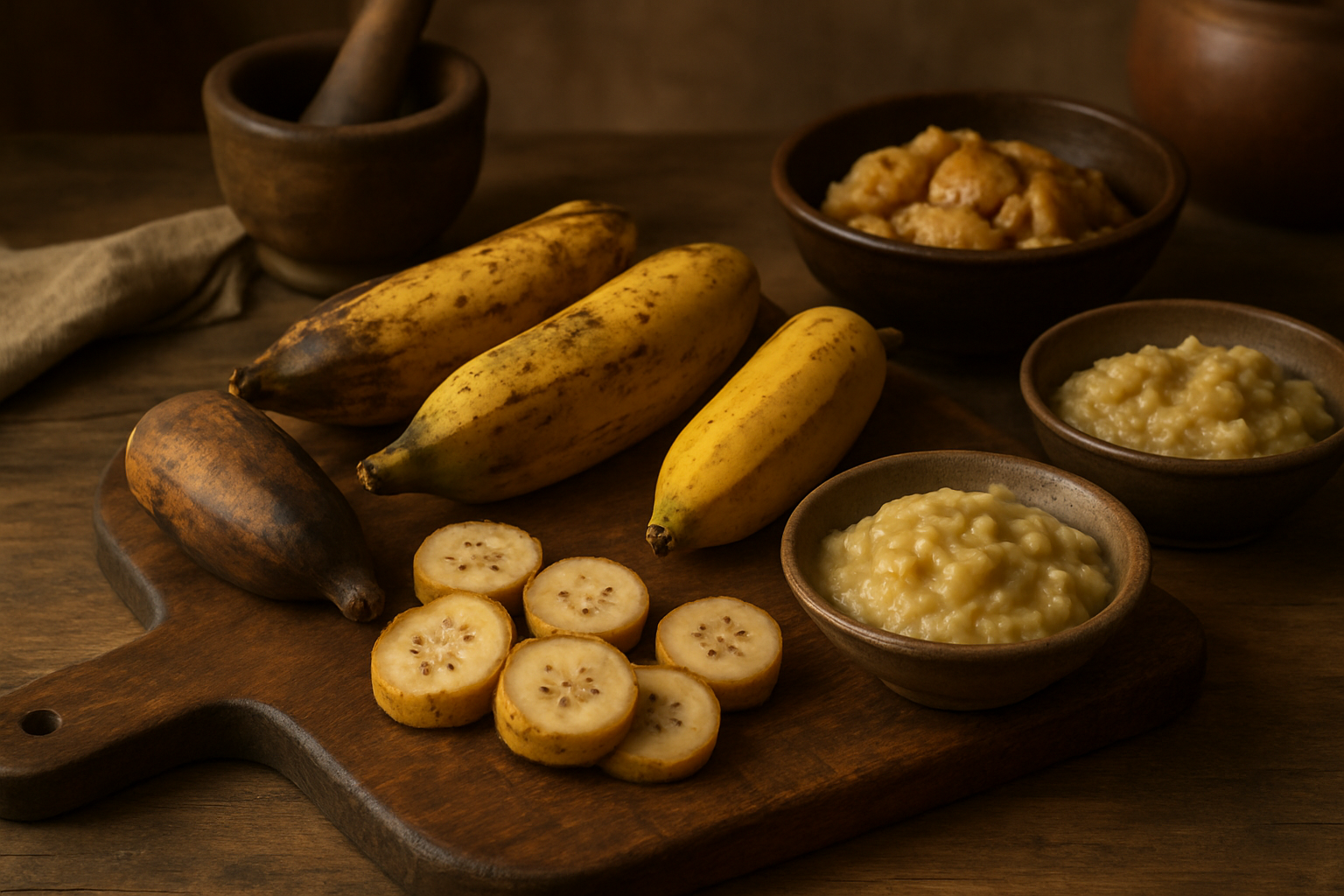
Experience the Bold and Complex Flavors
Wild bananas deliver an intense flavor experience that cultivated bananas simply can't match. Unlike the mild sweetness of store-bought varieties, wild banana taste varies dramatically between species and ripeness levels. Many wild banana species pack a punch with astringent, tart, or even bitter notes that create complex flavor profiles.
The seeds in wild bananas add an unexpected crunch and nutty undertone that completely changes the eating experience. Some species taste almost lemony when unripe, while others develop honey-like sweetness with floral hints when fully mature. The texture ranges from firm and starchy to creamy and custard-like, depending on the variety and preparation method.
What makes wild bananas truly special is their ability to transform during cooking. Heat breaks down their natural compounds, revealing deeper flavors that can be earthy, wine-like, or even slightly smoky. This complexity explains why wild banana characteristics make them prized ingredients in traditional cuisines worldwide.
Learn Traditional Cooking Methods from Indigenous Communities
Indigenous communities across tropical regions have perfected wild banana preparation techniques over thousands of years. In Papua New Guinea, locals steam wild bananas wrapped in banana leaves, creating tender, flavorful packages that preserve the fruit's natural moisture and intensify its taste.
Traditional roasting methods involve burying wild bananas in hot coals or cooking them over open flames. This technique caramelizes the natural sugars while the skin acts as a protective barrier, creating a smoky flavor that penetrates the flesh. Many communities also dry wild bananas into chips or powder, extending their shelf life while concentrating their nutritional benefits.
Fermentation represents another ancient technique where wild bananas are buried in pits or stored in sealed containers, allowing natural yeasts to transform the starches into alcohol or create tangy, probiotic-rich foods. These methods not only preserve the fruit but also enhance its digestibility and create unique flavor profiles that can't be replicated with modern techniques.
Discover Modern Ways to Prepare Wild Bananas
Contemporary chefs are rediscovering wild bananas and adapting traditional methods for modern kitchens. Grilling wild bananas brings out their natural sweetness while adding attractive char marks and smoky notes. Simply slice lengthwise, brush with oil, and grill for 3-4 minutes per side.
Baking wild bananas transforms them into versatile ingredients for both sweet and savory dishes. Try roasting them with herbs and spices as a side dish, or incorporate them into bread recipes where their complex flavors add depth. The natural pectin in wild bananas makes them excellent for jams and preserves that capture their unique taste.
Dehydrating wild bananas creates concentrated flavor bombs perfect for trail mixes or as garnishes for desserts. Modern food processors can turn dried wild bananas into flour, offering a nutrient-dense alternative for gluten-free baking. Some innovative cooks even pickle young wild bananas, creating tangy condiments that pair beautifully with grilled meats or tropical salads.
The key to working with wild bananas is embracing their bold flavors rather than trying to mask them, allowing their natural complexity to shine through in every dish.
Nutritional Benefits and Health Advantages
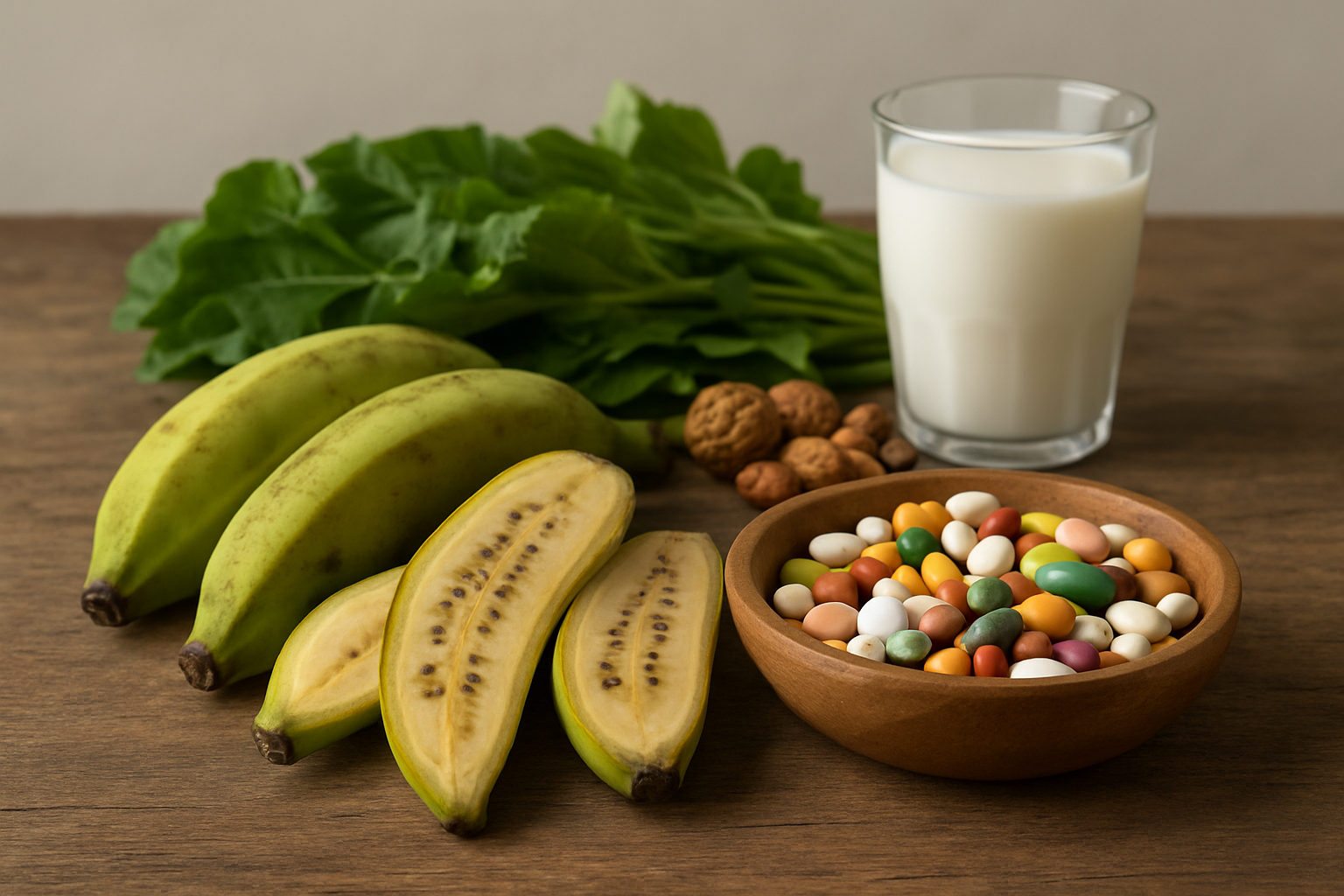
Compare Nutrient Density to Commercial Bananas
Wild bananas pack a nutritional punch that puts their commercial cousins to shame. These undomesticated fruits contain significantly higher levels of essential minerals, with potassium content reaching up to 40% more than cultivated varieties. Wild banana nutrition also includes elevated concentrations of magnesium, manganese, and vitamin B6 – nutrients that support heart health, bone strength, and nervous system function.
The protein content in wild banana species often doubles that found in store-bought bananas, making them a more substantial source of plant-based amino acids. Wild varieties also contain higher levels of resistant starch, which acts as a prebiotic and supports gut health more effectively than the simple sugars predominant in commercial bananas.
| Nutrient | Wild Bananas | Commercial Bananas |
|---|---|---|
| Potassium | 420-500mg | 300-360mg |
| Protein | 2-3g | 1.1g |
| Fiber | 4-6g | 2.6g |
| Resistant Starch | 15-20% | 3-5% |
Uncover Unique Antioxidants and Plant Compounds
Wild bananas contain remarkable concentrations of bioactive compounds rarely found in commercial varieties. These native banana varieties produce higher levels of phenolic compounds, including dopamine, catechins, and gallic acid, which provide powerful antioxidant protection against cellular damage and inflammation.
The peel and flesh of wild bananas contain unique flavonoids like leucocyanidin and cyanidin, which give some species their distinctive reddish or purple coloration. These anthocyanins offer cardiovascular benefits and may help regulate blood sugar levels more effectively than the compounds found in yellow commercial bananas.
Wild banana species also produce specialized alkaloids and tannins as natural defense mechanisms. While these compounds can make the fruit more astringent, they provide additional health benefits including antimicrobial properties and enhanced antioxidant activity that commercial breeding has largely eliminated.
Learn About Digestive Benefits from Natural Fiber Content
The fiber profile of wild bananas creates exceptional digestive benefits that commercial varieties can't match. These fruits contain both higher total fiber content and a more diverse range of fiber types, including pectin, cellulose, and hemicellulose in optimal ratios for digestive health.
Wild bananas provide:
-
Soluble fiber: Feeds beneficial gut bacteria and helps regulate cholesterol
-
Insoluble fiber: Promotes regular bowel movements and prevents constipation
-
Resistant starch: Acts as a prebiotic, supporting healthy microbiome diversity
-
Pectin: Helps stabilize blood sugar and promotes satiety
The natural fiber matrix in wild bananas remains intact due to minimal processing, creating a slow-release effect that prevents blood sugar spikes and promotes sustained energy. This fiber content also supports weight management by increasing feelings of fullness and reducing overall caloric intake.
Understand the Impact of Minimal Processing on Nutrition
Wild bananas retain their full nutritional potential because they haven't undergone the selective breeding and processing that diminishes the nutrient content of commercial varieties. The lack of artificial ripening with ethylene gas means wild bananas develop their full complement of enzymes, vitamins, and minerals naturally.
Storage and transport methods for wild bananas preserve heat-sensitive nutrients like vitamin C and folate that often degrade in commercial banana supply chains. The absence of post-harvest treatments and waxing allows the natural protective compounds in the skin to remain intact, providing additional nutritional benefits when the peel is consumed.
Wild banana benefits extend to their natural growing conditions, where these fruits develop stress-response compounds that enhance their antioxidant capacity. Unlike greenhouse-grown commercial bananas, wild varieties face natural environmental challenges that trigger the production of protective phytonutrients, making them nutritionally superior to their cultivated counterparts.
Conservation Status and Environmental Importance
.png)
Recognize the Threats Facing Wild Banana Species
Wild banana species face mounting pressures that put their survival at risk. Habitat destruction ranks as the biggest threat, with tropical rainforests cleared for agriculture, urban development, and palm oil plantations. These activities wipe out entire populations of native banana varieties before scientists can even study them.
Climate change adds another layer of danger. Rising temperatures and shifting rainfall patterns disrupt the delicate conditions wild bananas need to thrive. Many species have adapted to specific altitude ranges and temperature zones over thousands of years, and they can't adjust quickly enough to keep up with rapid environmental changes.
Invasive species also pose serious challenges. Non-native plants often outcompete wild bananas for resources, while introduced pests and diseases can devastate populations that have no natural resistance. The Panama disease, which has already caused major problems in commercial banana plantations, threatens several wild banana species as well.
Human activities create additional stress through over-collection and hunting pressure in some regions. Local communities sometimes harvest wild bananas unsustainably, while researchers and collectors may remove specimens faster than populations can recover.
| Primary Threats | Impact Level | Geographic Focus |
|---|---|---|
| Deforestation | Severe | Southeast Asia, Central America |
| Climate Change | High | All tropical regions |
| Invasive Species | Moderate to High | Pacific Islands, Africa |
| Over-harvesting | Moderate | Madagascar, New Guinea |
Understand Their Role in Tropical Ecosystem Balance
Wild bananas serve as cornerstone species in tropical ecosystems, supporting an intricate web of life that depends on their presence. These plants provide food sources for numerous animals, from small insects to large primates. Fruit bats, birds, and monkeys rely heavily on wild banana fruits, helping spread seeds across vast distances and maintaining forest connectivity.
The large leaves of wild banana species create important microhabitats within forest ecosystems. They collect rainwater, providing drinking spots for small animals and amphibians. Decomposing banana leaves contribute vital nutrients to forest soil, supporting the growth of other plant species and maintaining soil health.
Many wild banana species bloom throughout the year, offering consistent nectar sources for pollinators when other plants aren't flowering. This reliability makes them crucial for maintaining healthy populations of bees, butterflies, and hummingbirds. The steady food supply helps stabilize pollinator communities, which then support the reproduction of countless other plant species.
Wild bananas also play important roles in preventing soil erosion. Their extensive root systems help stabilize slopes in mountainous regions, while their quick growth allows them to colonize disturbed areas and begin the process of forest regeneration. Some species grow in areas prone to landslides, where their presence can mean the difference between a stable hillside and a dangerous slope.
Support Conservation Efforts to Preserve Genetic Diversity
Wild banana conservation represents one of the most critical biodiversity challenges facing tropical regions today. These species contain genetic treasures that could hold keys to developing disease-resistant crops and adapting to climate change. Many research institutions now maintain seed banks and living collections to preserve wild banana species for future generations.
Supporting conservation efforts starts with backing organizations that work directly to protect wild banana habitats. Groups like the Global Crop Diversity Trust and local botanical gardens focus on collecting, studying, and preserving native banana varieties. Your donations help fund field expeditions, laboratory research, and habitat protection programs.
You can also support conservation by choosing products from companies that practice sustainable sourcing and habitat protection. Look for certification labels that guarantee environmentally responsible practices. When traveling, visit botanical gardens and research centers that showcase wild banana conservation efforts - your entrance fees directly support their work.
Citizen science projects offer hands-on ways to contribute to wild banana conservation. Some programs invite volunteers to help identify and map wild banana populations, while others focus on seed collection and propagation efforts. These activities provide valuable data to researchers while building public awareness about conservation needs.
Educational outreach plays a vital role in conservation success. Share information about wild banana conservation with friends and family, emphasizing how genetic diversity in wild species protects food security for everyone. Support school programs that teach children about biodiversity and the importance of protecting native plant species before they disappear forever.
.png)
Wild bananas represent a fascinating world beyond the familiar yellow fruit we know from grocery stores. These remarkable plants showcase incredible diversity in size, appearance, and flavor profiles, ranging from tiny finger-sized varieties to massive specimens with tough, seed-filled flesh. While they may not always taste as sweet as commercial bananas, wild varieties offer unique nutritional benefits and play crucial roles in their native ecosystems. Their conservation matters not just for biodiversity, but also for maintaining genetic resources that could help strengthen our food supply against diseases and climate challenges.
Next time you bite into a regular banana, take a moment to appreciate the incredible journey of selective breeding that created it. Wild bananas remind us that nature's original designs often come with their own special purposes and benefits. Supporting conservation efforts and learning about these amazing plants helps protect both our planet's biodiversity and the future of one of the world's most beloved fruits.


.png)
Comments
Post a Comment