Winter Melon - What's The Winter Melon?
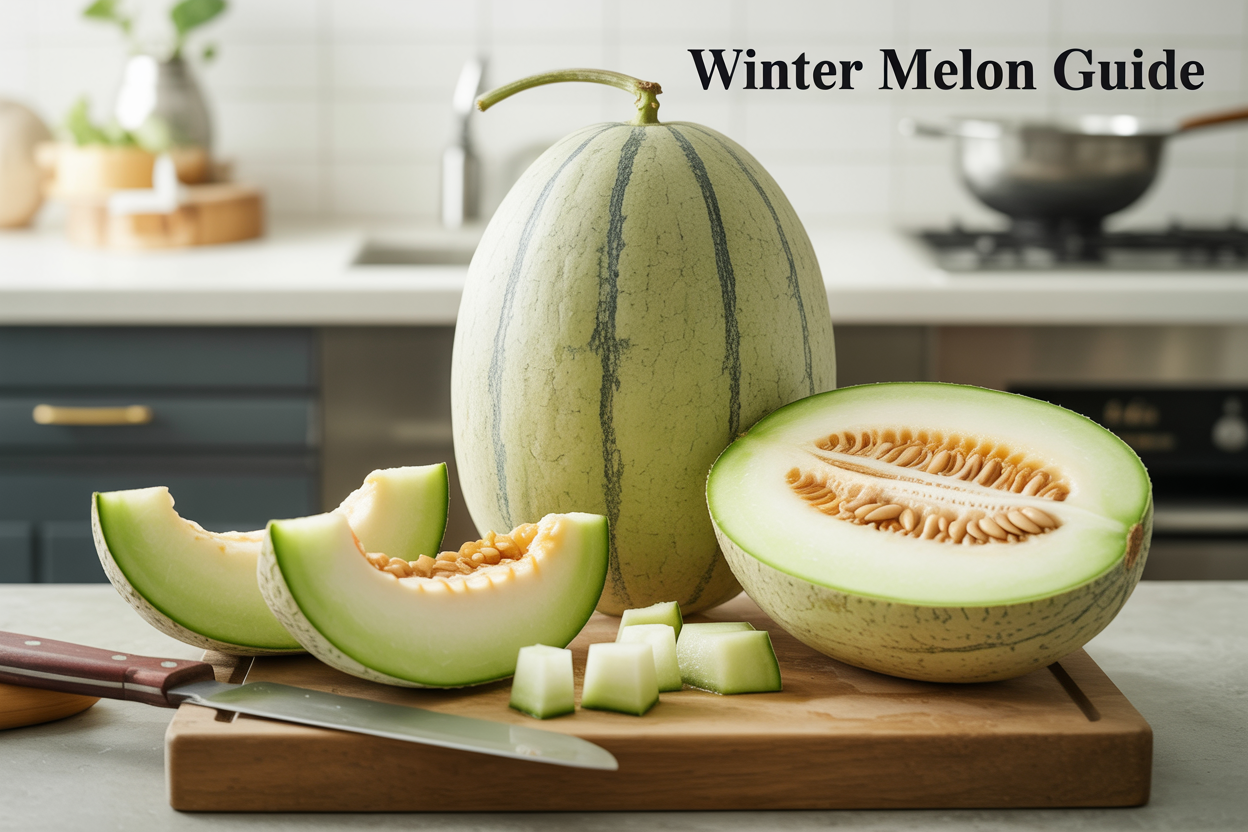
Winter melon might sound unfamiliar, but this large, green fruit is a nutritional powerhouse that deserves a spot in your kitchen. Also known as winter gourd, this mild-tasting vegetable has been a staple in Asian cooking for centuries and offers impressive health benefits that many people don't know about.
This guide is perfect for home cooks curious about trying new ingredients, health-conscious eaters looking to boost their nutrition, and anyone interested in traditional Asian cuisine and natural remedies.
We'll start by breaking down what is winter melon exactly, including its unique characteristics and the different winter melon varieties you might encounter at the market. Then we'll dive into practical winter melon selection tips so you can pick the best one, plus simple cooking methods and winter melon recipes that make this versatile ingredient shine in your meals.
Discover the Nutritional Powerhouse of Winter Melon
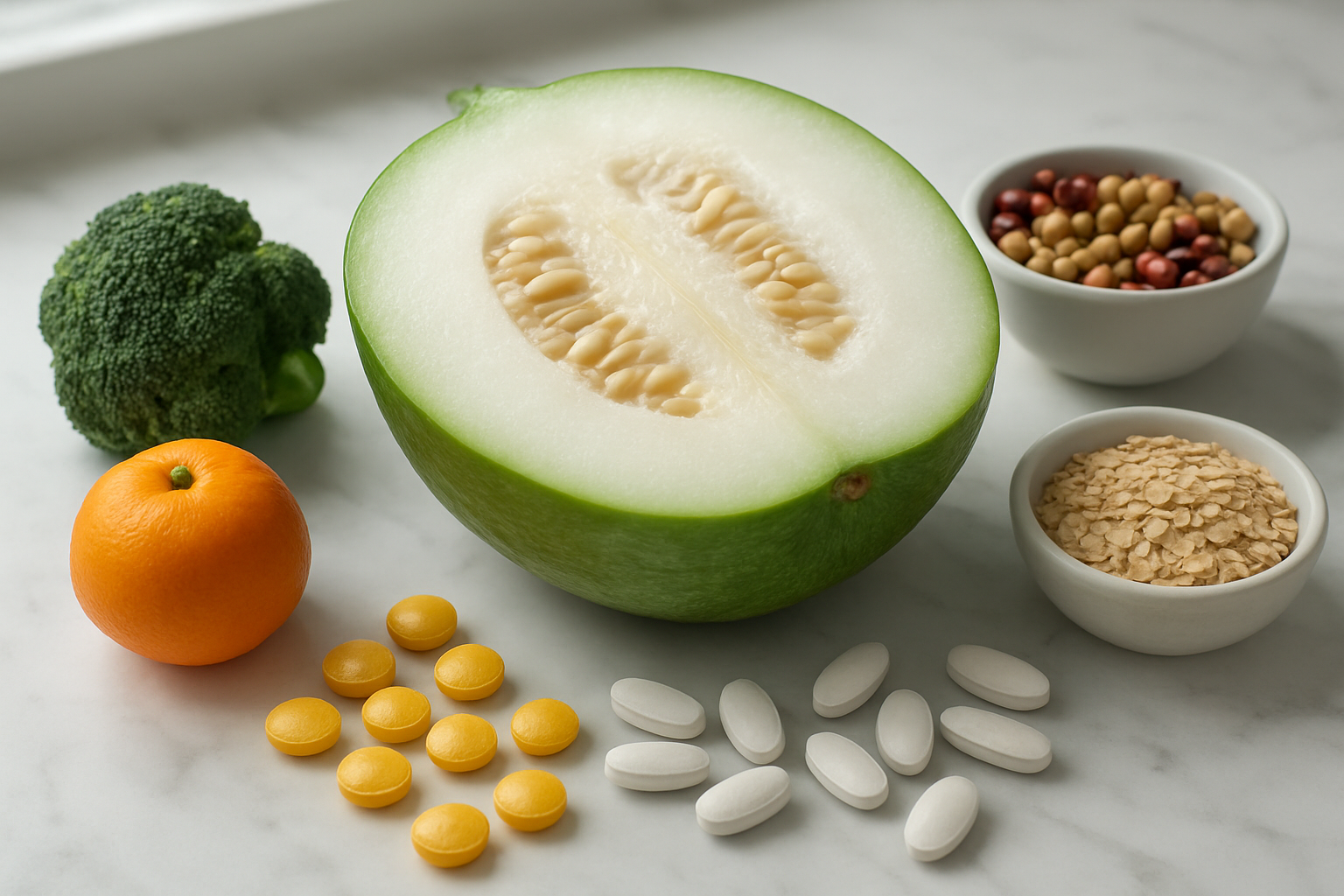
Essential vitamins and minerals that boost your health
Winter melon packs an impressive nutritional punch that makes it a standout addition to any healthy diet. This remarkable winter gourd delivers essential vitamin C, which supports immune function and helps your body absorb iron more effectively. You'll also find significant amounts of vitamin B6, crucial for brain development and function, along with folate that supports cell division and DNA synthesis.
The mineral content of winter melon is equally impressive. Potassium helps regulate blood pressure and supports proper muscle and nerve function, while manganese plays a vital role in bone development and wound healing. Winter melon also provides zinc, which boosts immune system function and helps with protein synthesis.
| Nutrient | Amount per 100g | Daily Value % |
|---|---|---|
| Vitamin C | 13mg | 14% |
| Vitamin B6 | 0.05mg | 3% |
| Potassium | 111mg | 3% |
| Manganese | 0.1mg | 4% |
Low-calorie benefits for weight management
Winter melon stands out as an exceptional choice for anyone focused on weight management. With only 13 calories per 100 grams, this winter melon offers incredible nutritional value without adding unnecessary calories to your daily intake. The high fiber content helps you feel full longer, naturally reducing the urge to snack between meals.
The low calorie density means you can enjoy generous portions of winter melon recipes without worrying about exceeding your caloric goals. This makes it perfect for creating satisfying soups, stir-fries, and other dishes that keep you satisfied while supporting your weight management journey.
High water content for natural hydration
What is winter melon's secret to keeping you hydrated? Its impressive 96% water content makes it nature's hydration powerhouse. This high water content not only contributes to the melon's refreshing taste but also helps maintain proper fluid balance in your body.
During hot weather or after physical activity, winter melon benefits include natural electrolyte replenishment without added sugars or artificial ingredients. The water content also supports kidney function and helps flush toxins from your system, making it an excellent choice for natural detoxification.
Antioxidant properties that fight free radicals
Winter melon nutrition includes powerful antioxidants that protect your cells from oxidative stress and damage caused by free radicals. These compounds, including flavonoids and phenolic acids, work together to reduce inflammation throughout your body and may help lower the risk of chronic diseases.
The antioxidant properties of winter melon also support skin health by protecting against environmental damage and promoting collagen production. Regular consumption may help slow signs of aging and maintain a healthy, radiant complexion naturally.
Identify Winter Melon's Unique Characteristics and Varieties
Physical appearance and size variations
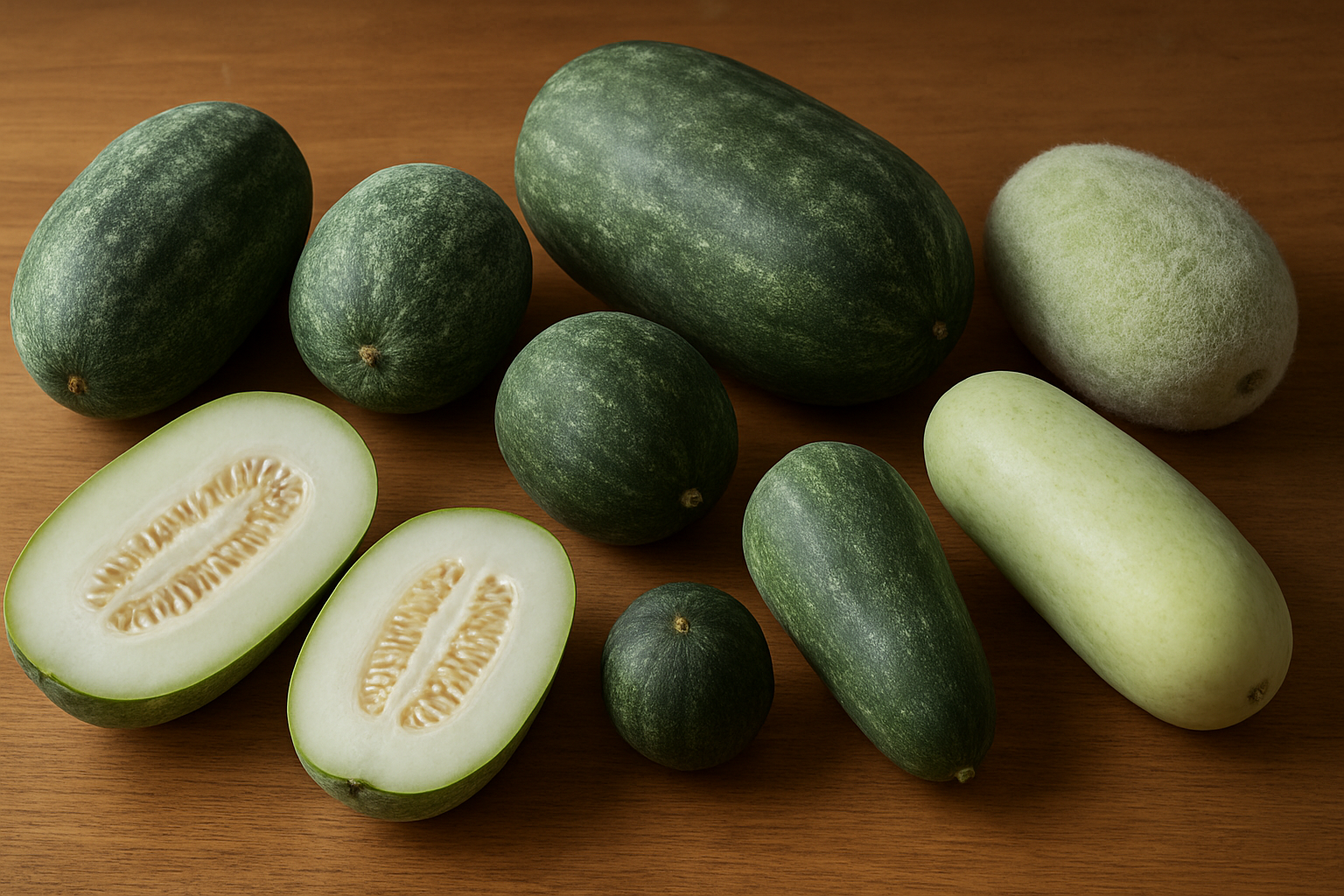
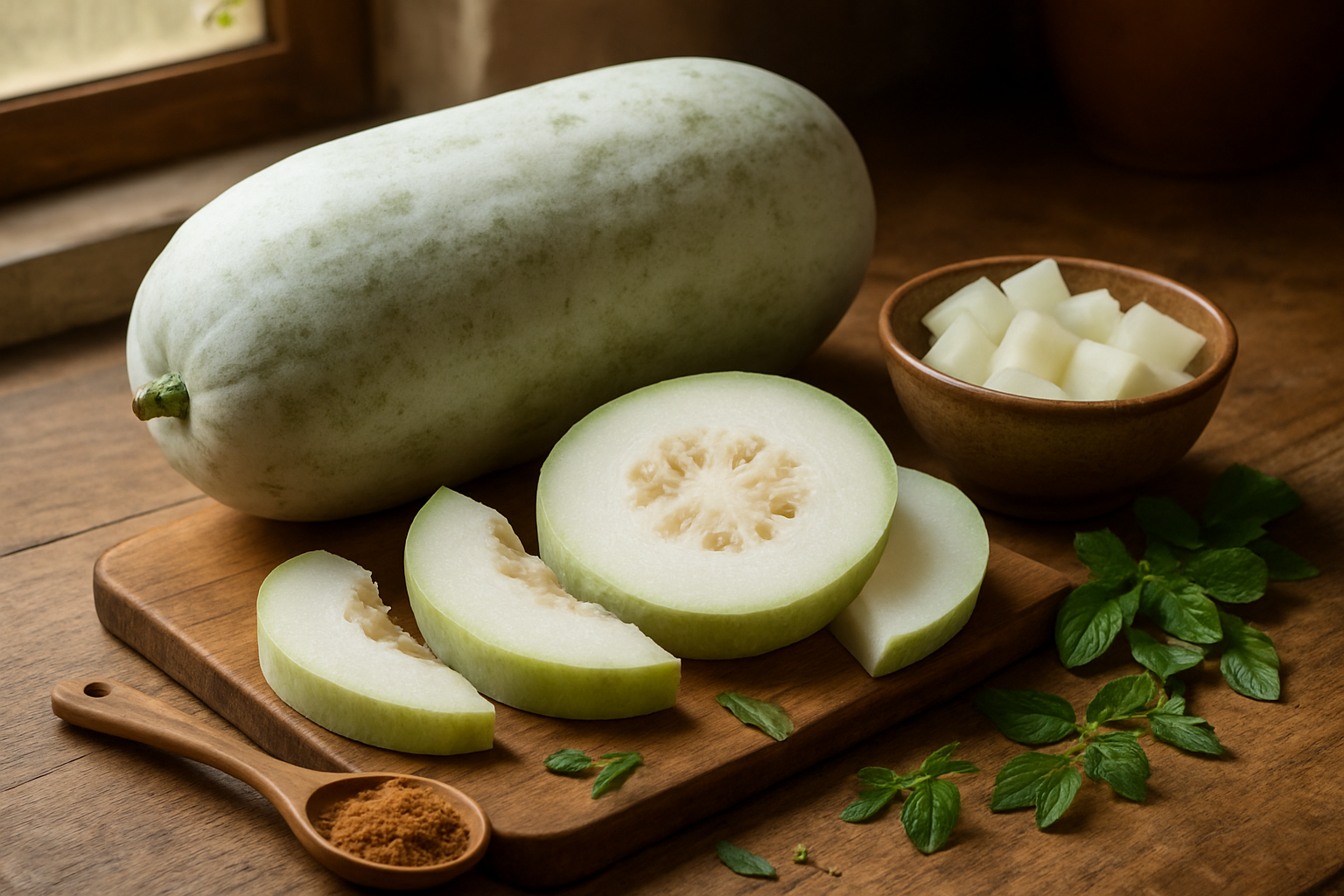
Winter melon, also known as winter gourd, stands out as one of the most impressive vegetables you'll encounter at the market. These giants can weigh anywhere from 5 to 80 pounds, making them a true spectacle in the produce section. The most striking feature is their waxy, ash-colored skin that develops a distinctive white bloom as the fruit matures – this natural coating helps preserve the melon for months.
The shape varies considerably between winter melon varieties. Some grow perfectly round like oversized watermelons, while others develop an elongated, cylindrical form. The skin ranges from light green to dark forest green, often with subtle mottling or stripes. When you cut into a winter melon, you'll find thick, white flesh surrounding a hollow center filled with flat, oval seeds.
Taste profile and texture differences
Winter melon offers a surprisingly mild and subtle flavor that many compare to cucumber or zucchini, but with an even gentler taste. The flesh has a crisp, refreshing texture when raw, similar to honeydew melon but less sweet. When cooked, the texture transforms dramatically, becoming tender and slightly gelatinous while absorbing the flavors of surrounding ingredients beautifully.
The taste becomes more neutral as the melon cooks, making it an excellent canvas for soups, stews, and braised dishes. Unlike other melons, winter melon has virtually no sweetness, which explains why it's treated as a vegetable rather than a fruit in most cuisines.
Common varieties available in markets
Several winter melon varieties appear in Asian markets and specialty stores worldwide:
| Variety | Size | Shape | Best Use |
|---|---|---|---|
| Chinese Winter Melon | 15-30 lbs | Round to oval | Soups, braising |
| Japanese Tougan | 5-15 lbs | Cylindrical | Tempura, simmered dishes |
| Thai Fak Thong | 10-25 lbs | Round | Curries, stuffed preparations |
| Vietnamese Bi Dao | 20-40 lbs | Large, round | Traditional soups |
Small winter melons work perfectly for individual or family meals, while the massive varieties are often sold in pre-cut sections at markets, making them accessible for home cooking.
Master the Art of Selecting and Storing Winter Melon
Visual cues for choosing the ripest winter melon
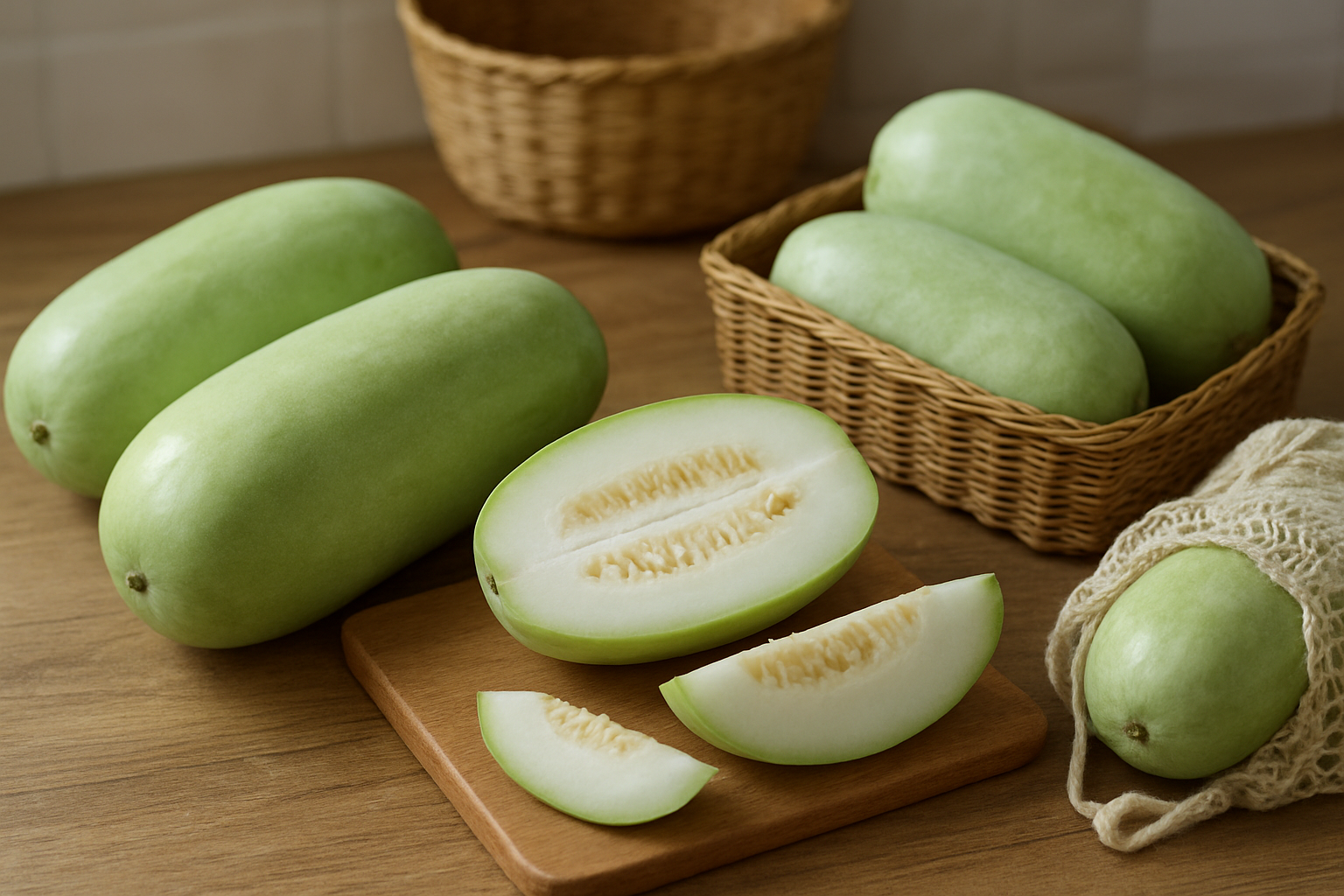
Picking the perfect winter melon starts with examining its waxy coating - the thicker and more uniform this natural white bloom appears, the fresher your melon will be. Look for melons with a deep green skin that feels firm under gentle pressure. A ripe winter melon should feel heavy for its size, indicating high water content and peak freshness.
The stem end provides valuable clues about ripeness. A dried, brown stem indicates the melon was harvested at the right time, while a green or moist stem suggests premature picking. Check the blossom end (opposite the stem) for any soft spots or dark patches, which signal overripeness or internal decay.
Sound testing works brilliantly with winter melons. Give the melon a gentle tap - a ripe one produces a deep, hollow sound, while an unripe melon creates a higher-pitched, dull thud. The skin should appear unblemished, free from cuts, bruises, or dark spots that could lead to rapid deterioration.
Size matters when selecting winter melons. Larger melons typically offer better value and flavor development, but avoid extremely oversized ones that might be overripe. The ideal winter melon feels solid throughout without any give when pressed gently along the sides.
Proper storage techniques to maximize freshness
Winter melon storage depends entirely on whether you've cut into it or kept it whole. Whole winter melons can last 2-3 months when stored in a cool, dry place with temperatures between 50-55°F. A basement, pantry, or garage often provides ideal conditions. Keep the melon off concrete floors by placing it on wooden boards or cardboard to prevent moisture absorption.
Once cut, winter melon requires refrigeration immediately. Wrap cut pieces tightly in plastic wrap or store them in airtight containers to prevent moisture loss and odor absorption. Cut winter melon stays fresh in the refrigerator for 3-5 days maximum.
| Storage Method | Duration | Temperature | Humidity |
|---|---|---|---|
| Whole melon | 2-3 months | 50-55°F | Low humidity |
| Cut pieces | 3-5 days | 35-40°F | Refrigerated |
| Cooked melon | 2-3 days | 35-40°F | Refrigerated |
Avoid storing whole winter melons in the refrigerator unless you plan to use them within a week. The cold temperature can actually damage the flesh and alter the texture. Never store winter melon near ethylene-producing fruits like apples or bananas, as this gas accelerates ripening and spoilage.
For longer storage, consider freezing cut winter melon pieces. Blanch cubes for 2-3 minutes, cool in ice water, drain thoroughly, and freeze in freezer bags. Frozen winter melon works perfectly in soups and stews.
Signs of spoilage to avoid
Recognizing spoiled winter melon prevents food waste and protects your health. Soft, mushy spots on the skin indicate internal breakdown and bacterial growth. These areas often appear darker than the surrounding skin and may feel warm to the touch.
Mold growth appears as fuzzy patches in various colors - white, green, or black - particularly around the stem area or any cuts in the skin. Even small amounts of visible mold mean the entire melon should be discarded, as mold roots can penetrate deep into the flesh.
Smell provides a reliable spoilage indicator. Fresh winter melon has virtually no odor, while spoiled melon develops a sour, fermented, or ammonia-like smell. Trust your nose - any off-putting odor means the melon has gone bad.
Internal spoilage signs include slimy or discolored flesh, brown or black seeds, and excessive liquid when cutting. The flesh should remain white and crisp, with clear, colorless juice. Yellowing flesh or a bitter taste also indicates spoilage.
Check for pest damage like small holes or tunnels, which can introduce bacteria and accelerate decay. Weight loss in stored melons often signals dehydration and quality decline. A winter melon that feels significantly lighter than when first purchased has likely lost too much moisture to be worth eating.
Unlock Delicious Cooking Methods and Recipe Ideas
Traditional Asian preparation techniques
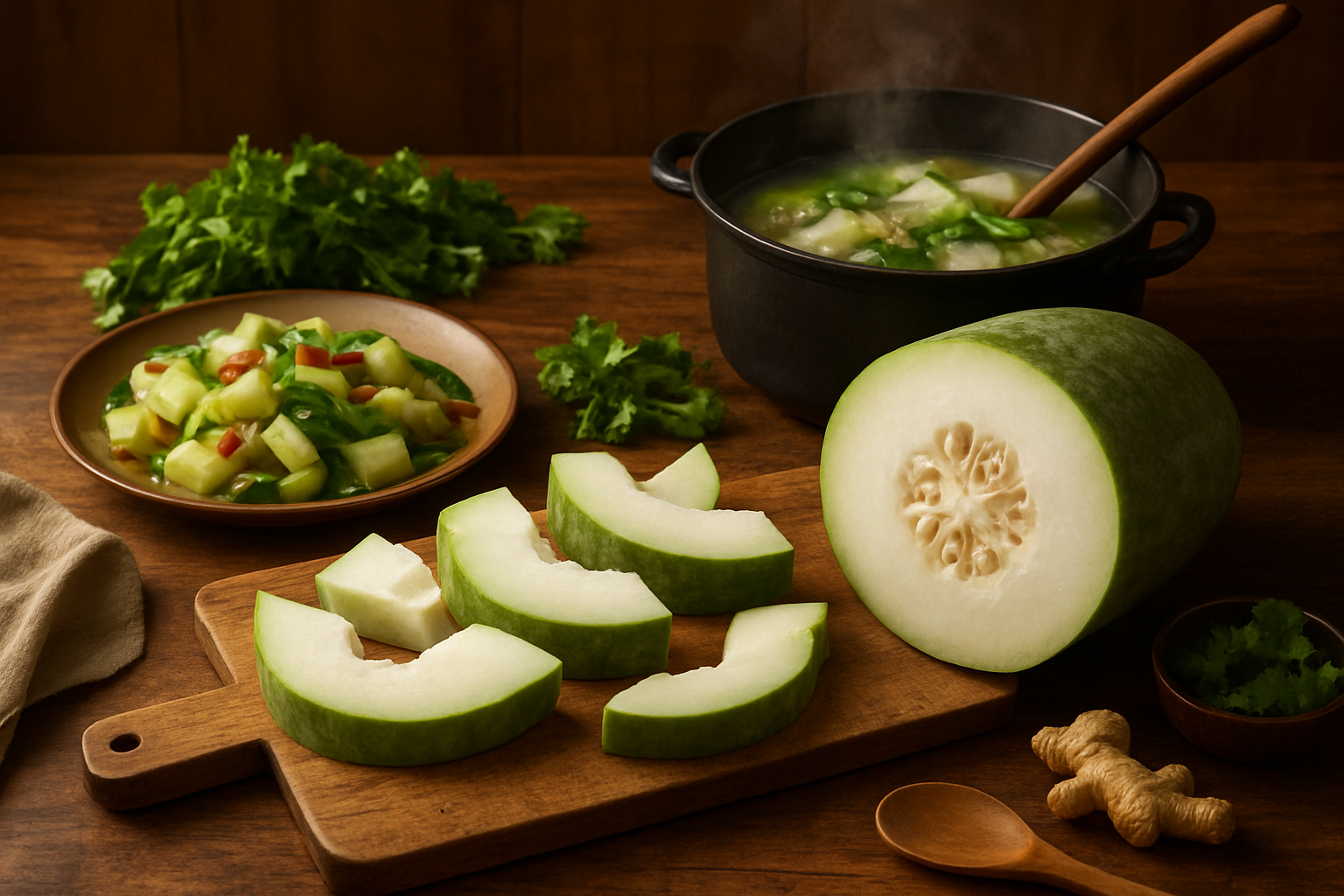
Winter melon holds a revered place in Asian cuisine, where it's been transformed into countless comfort dishes for centuries. The most iconic preparation is winter melon soup, where the entire melon serves as both ingredient and cooking vessel. Chefs hollow out the center, fill it with chicken or pork broth, mushrooms, and sometimes seafood, then steam the whole melon until tender. This creates a spectacular presentation where diners scoop out both the filling and the sweet, tender melon flesh.
Chinese home cooks often braise winter melon with soy sauce, creating silky cubes that absorb rich umami flavors. Vietnamese cuisine features winter melon in hearty stews with fish sauce and herbs, while Thai cooks add it to coconut curries where its mild flavor balances spicy chilies. Japanese preparations tend to be more subtle, incorporating thin winter melon slices into clear broths or pickling them for side dishes.
The key to traditional Asian winter melon recipes lies in understanding that this vegetable acts like a culinary sponge. Its neutral taste and tender texture make it perfect for absorbing the bold flavors of ginger, garlic, star anise, and various Asian sauces. Many recipes call for removing the seeds and white pith, then cutting the flesh into uniform pieces that cook evenly.
Modern fusion recipes for contemporary kitchens
Contemporary chefs have discovered winter melon's versatility extends far beyond traditional boundaries. Its subtle sweetness and crisp texture work beautifully in Mediterranean-inspired dishes, roasted with olive oil, herbs, and parmesan cheese. The melon caramelizes slightly when roasted, developing complex flavors that pair surprisingly well with rosemary and thyme.
Innovative cooks are incorporating winter melon into Mexican-fusion tacos, where its cooling properties balance spicy salsas and grilled meats. The vegetable's ability to hold its shape makes it excellent for stuffing with quinoa, vegetables, and cheese for vegetarian main courses. Some adventurous chefs even use thinly sliced winter melon as a low-carb substitute for pasta sheets in lasagna.
Winter melon's high water content makes it perfect for creating refreshing smoothies and cold soups. Blended with cucumber, mint, and lime, it creates cooling summer beverages. The melon also works wonderfully in grain bowls, providing a refreshing contrast to warm quinoa or rice.
Raw consumption methods and salad applications
Fresh winter melon offers a crisp, cucumber-like texture with subtle sweetness that shines in raw preparations. The key to enjoying raw winter melon lies in proper preparation - always peel the tough outer skin and remove all seeds and spongy center portions before consuming.
Thinly sliced winter melon makes an excellent addition to summer salads, providing hydrating crunch alongside leafy greens. It pairs beautifully with citrus vinaigrettes, as the acid enhances its natural sweetness. Asian-inspired salads often combine julienned winter melon with carrots, herbs, and peanut dressing for a refreshing side dish.
The melon's mild flavor makes it perfect for fruit salads, where it won't overpower more delicate fruits. Many people enjoy it simply sprinkled with salt and chili powder as a healthy snack, similar to jicama. Raw winter melon also works well in salsas, adding cooling properties to spicy mixtures.
For those new to raw winter melon, start by adding small amounts to familiar salads. Its neutral taste means it won't dramatically change familiar flavors while adding beneficial nutrients and satisfying crunch.
Soup and stew incorporation strategies
Winter melon transforms soups and stews into nourishing, satisfying meals while adding beneficial nutrients without overwhelming flavors. The secret to successful winter melon soups lies in timing - add the melon during the last 15-20 minutes of cooking to maintain its tender yet firm texture.
Clear broths showcase winter melon's delicate nature best. Chicken or vegetable stocks enhanced with ginger, white pepper, and a touch of sesame oil create perfect backdrops for the melon's subtle sweetness. The vegetable releases its natural moisture during cooking, slightly thickening broths while maintaining clarity.
Heartier stews benefit from winter melon's ability to absorb surrounding flavors while contributing its own gentle taste. Add cubed winter melon to beef or lamb stews about 20 minutes before serving. The melon will soften beautifully while maintaining enough structure to provide textural interest.
Winter melon soup freezes surprisingly well, making it perfect for meal prep. The texture changes slightly after freezing, becoming more tender, but the flavor remains excellent. Consider making large batches of winter melon soup base that can be customized with different proteins and vegetables throughout the week.
Explore Winter Melon's Traditional Medicinal Uses
Ancient remedies and healing properties
Traditional Chinese Medicine has valued winter melon for thousands of years, recognizing it as a cooling food that helps balance the body's internal heat. Ancient practitioners believed this humble winter gourd could clear excess heat from the lungs and stomach while promoting healthy urination. They often prescribed winter melon soup to patients suffering from edema, kidney problems, and digestive issues.
In Ayurvedic medicine, winter melon earned respect as a natural diuretic and detoxifier. Healers would recommend it to people dealing with urinary tract infections, high blood pressure, and inflammation. The cooling nature of winter melon made it a go-to remedy during hot seasons or for individuals with excess "fire" in their constitution.
Traditional Korean medicine also embraced winter melon's therapeutic properties, using it to treat diabetes, obesity, and digestive disorders. Korean healers believed the melon could help regulate blood sugar levels and support healthy weight management through its natural compounds and high water content.
Modern scientific research on health benefits
Contemporary research has started validating many traditional uses of winter melon. Studies show that winter melon benefits include significant antioxidant properties, thanks to compounds like vitamin C, flavonoids, and phenolic acids that help fight cellular damage from free radicals.
Research published in nutrition journals demonstrates that winter melon's high potassium content supports cardiovascular health by helping regulate blood pressure. The melon's natural diuretic properties, backed by scientific analysis, confirm its traditional use for reducing water retention and supporting kidney function.
Several studies have investigated winter melon's potential anti-inflammatory effects. The vegetable contains bioactive compounds that may help reduce inflammatory markers in the body, supporting the traditional belief in its healing properties. Some research suggests these compounds might also support immune system function.
Winter melon nutrition profiles reveal impressive fiber content that promotes digestive health and may help regulate blood sugar levels. This finding aligns with traditional uses for diabetes management, though more clinical trials are needed to establish definitive therapeutic protocols.
Safe consumption guidelines and precautions
Winter melon is generally safe for most people when consumed as part of a regular diet. The high water content and mild flavor make it an excellent choice for people looking to increase their vegetable intake without digestive upset.
Pregnant and breastfeeding women can safely enjoy winter melon in normal food amounts, though they should consult healthcare providers before using it medicinally. People taking blood pressure medications should monitor their levels when regularly consuming large amounts of winter melon due to its natural diuretic effects.
Individuals with kidney stones should use caution, as winter melon's high water content and certain compounds might affect stone formation in sensitive people. Anyone with existing kidney conditions should discuss winter melon consumption with their healthcare provider.
While allergic reactions to winter melon are rare, people with sensitivities to other melons or gourds should introduce it gradually. Start with small portions to ensure tolerance before making it a regular part of your diet.
Winter melon proves itself as more than just another vegetable in your local market. This mild-flavored giant brings impressive nutritional benefits to your table while offering incredible versatility in the kitchen. From its distinctive waxy coating to its ability to last for months when stored properly, winter melon stands out as a smart choice for both novice and experienced cooks. The various cooking methods – whether you're making soups, stir-fries, or traditional medicinal teas – show just how adaptable this vegetable can be.
Ready to add winter melon to your cooking routine? Start by visiting your local Asian grocery store to find the freshest options, and don't be intimidated by its size. Pick one that feels heavy for its weight with an intact waxy surface, then experiment with simple recipes like winter melon soup or curry. Your taste buds and your body will thank you for discovering this nutritional powerhouse that's been nourishing families for centuries.


.png)
Comments
Post a Comment