Ackee - What The Ackee Fruit?

Ever wondered what ackee fruit is and why Jamaicans are so passionate about it? This bright red tropical fruit opens to reveal creamy yellow flesh that's become the star of Jamaica's national dish, but there's much more to discover about this fascinating ingredient.
This guide is perfect for curious food lovers, home cooks wanting to try something new, and anyone interested in Caribbean cuisine. You'll learn about ackee's rich cultural roots in Jamaica and why it holds such special meaning in Caribbean cooking. We'll also walk you through safe ackee preparation techniques – because yes, this fruit requires some know-how to prepare properly – and share popular ackee recipes that go way beyond the famous ackee and saltfish combination.
Discover What Makes Ackee Fruit So Unique
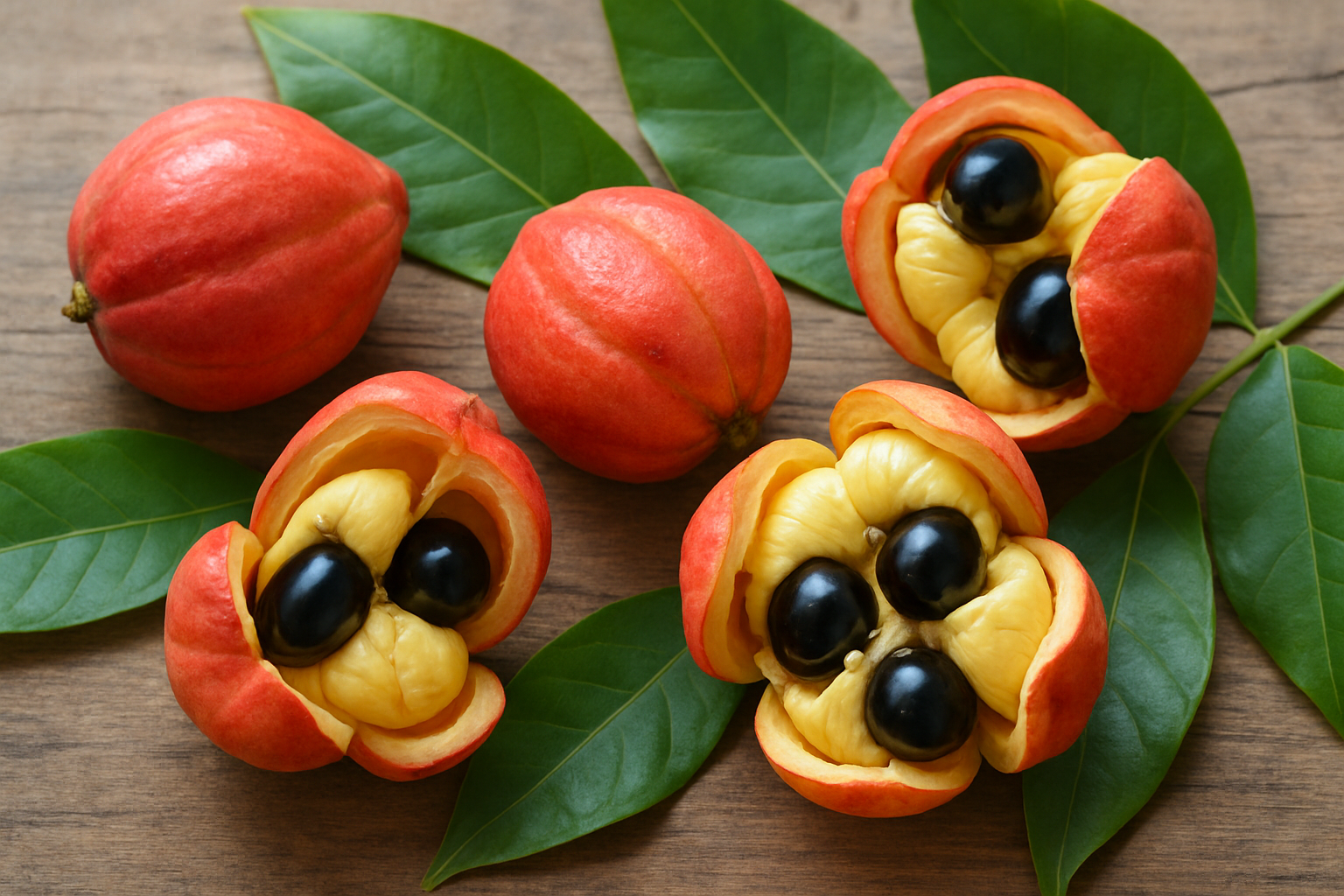
Understand the exotic appearance and distinctive pod structure
The ackee fruit presents one of nature's most striking visual displays. Picture a bright red, pear-shaped pod roughly the size of your fist, hanging from evergreen trees that can tower up to 40 feet high. When the fruit ripens, something magical happens – the vibrant red shell splits open naturally into three distinct sections, revealing glossy black seeds nestled within creamy, pale yellow flesh called arils.
This dramatic opening signals the fruit's readiness for consumption. The contrast is stunning: deep crimson exterior, jet-black seeds with a mirror-like finish, and buttery yellow flesh that practically glows against this backdrop. Each pod typically contains three large seeds, each surrounded by the prized edible portion that Jamaican ackee enthusiasts treasure.
Learn about the creamy texture that rivals scrambled eggs
What is ackee without discussing its remarkable texture? The arils possess an incredibly unique consistency that has captivated food lovers for centuries. When properly prepared, the flesh maintains a soft, pillowy texture that bears an uncanny resemblance to fluffy scrambled eggs – so much so that many first-time tasters do a double-take.
This creamy, almost custard-like quality makes the fruit incredibly versatile in cooking applications. The flesh holds together beautifully during sautéing yet remains tender enough to absorb surrounding flavors. Unlike many tropical fruits that turn mushy when heated, ackee maintains its structural integrity, making it perfect for traditional dishes like ackee and saltfish, Jamaica's beloved national dish.
Explore the nutty, buttery flavor profile
The taste of ackee defies simple categorization. The flavor profile combines subtle nuttiness reminiscent of macadamia nuts with rich, buttery undertones that coat your palate pleasantly. There's a mild, almost neutral quality that makes it incredibly food-friendly – it doesn't overpower other ingredients but rather enhances them.
Many describe the taste as having slight hints of avocado's creaminess crossed with the earthiness of pine nuts. This unique combination allows ackee to pair beautifully with both savory and mildly sweet preparations. The flavor becomes more pronounced when cooked with aromatic ingredients like onions, garlic, and peppers, absorbing these flavors while contributing its own distinctive character to the dish.
Recognize why it's considered both fruit and vegetable
Ackee occupies a fascinating gray area in culinary classification. Botanically speaking, it's definitely a fruit – it develops from the flower of the tree and contains seeds. However, its culinary applications lean heavily toward vegetable territory, which explains why many people struggle with categorizing it.
The confusion stems from how we use it in cooking. Unlike typical fruits eaten fresh or in desserts, ackee gets sautéed with vegetables, paired with proteins, and seasoned with herbs and spices. Its savory applications, neutral-to-nutty flavor, and ability to absorb other flavors make it function like a vegetable in most recipes. This dual nature makes ackee fruit one of the most versatile ingredients in Caribbean cuisine.
Uncover Ackee's Fascinating Origins and Cultural Significance
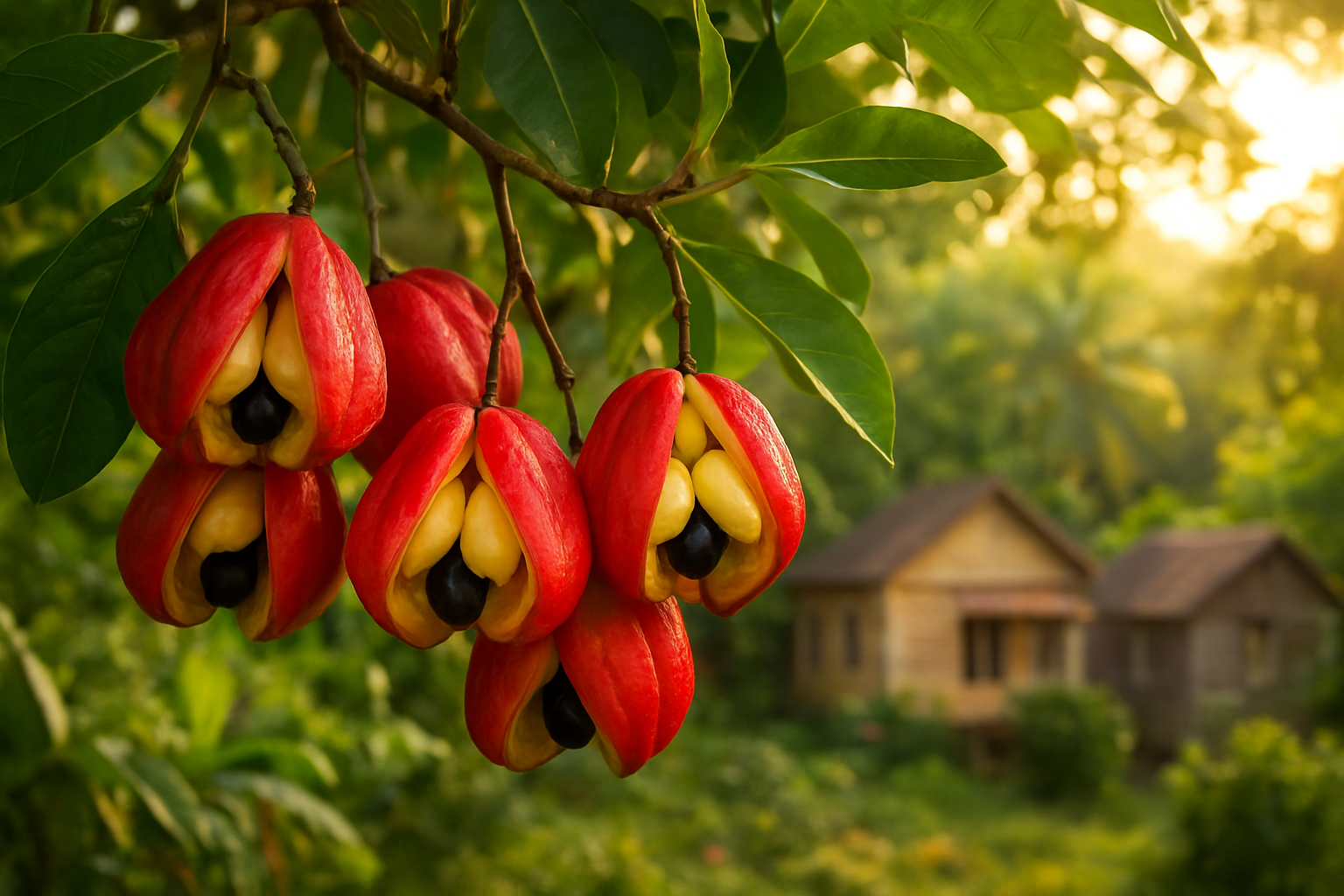
Trace the fruit's journey from West Africa to the Caribbean
The ackee fruit's story begins in the tropical forests of West Africa, where it grew wild for thousands of years before becoming the beloved Jamaican ackee we know today. The scientific name Blighia sapida actually honors Captain William Bligh, who brought the fruit to Jamaica from West Africa in 1778. However, the real credit goes to enslaved Africans who carried ackee seeds with them during the horrific Middle Passage, planting pieces of their homeland in Caribbean soil.
What makes this journey remarkable is how quickly ackee adapted to its new environment. The warm, humid climate of Jamaica proved perfect for cultivation, and within decades, the fruit was thriving across the island. Unlike many transplanted species that struggle in foreign soil, ackee flourished so well that many people assume it's native to the Caribbean.
The name "ackee" itself comes from the Twi language of Ghana, where it's called "ankye." This linguistic connection reveals the deep cultural roots that traveled alongside the physical fruit. Today, you'll find ackee trees throughout the Caribbean, Central America, and even parts of Florida, but nowhere has it become as culturally embedded as in Jamaica.
Discover why Jamaica adopted ackee as their national fruit
Jamaica's relationship with ackee goes far beyond simple cultivation—it's woven into the very fabric of Jamaican identity. The fruit earned its status as Jamaica's national fruit because it represents the island's complex history, resilience, and unique culinary heritage.
The most famous pairing is ackee and saltfish, Jamaica's national dish that perfectly symbolizes the island's multicultural influences. The combination brings together ackee (representing African heritage), saltfish (a product of European colonization), and cooking techniques that evolved through generations of Jamaican innovation. This dish appears on breakfast tables across Jamaica every morning, from rural villages to upscale Kingston restaurants.
Ackee also holds special meaning because it requires knowledge and skill to prepare safely. The fruit contains toxins when unripe, meaning only experienced cooks knew when and how to harvest and prepare it properly. This expertise became a point of cultural pride, passed down through generations as a sacred trust. Grandmothers would teach their granddaughters the subtle signs of ripeness—when the pods split naturally to reveal the creamy arils inside.
The economic importance can't be ignored either. Ackee cultivation provides income for thousands of Jamaican farmers, and canned ackee has become a major export product, connecting Jamaican diaspora communities worldwide to their homeland's flavors.
Learn about traditional cooking methods passed down generations
Traditional ackee preparation is an art form that demands respect, patience, and generations of accumulated wisdom. The process begins in the yard, not the kitchen, where experienced hands select only naturally opened pods. Jamaican grandmothers still teach that "force ripe" ackee—fruit picked before the pods split open naturally—can be dangerous and lacks the proper flavor.
The cleaning process follows strict rituals. Each aril gets carefully examined, with the pink membrane and black seeds removed completely. Old-time cooks insist on using wooden spoons during this process, believing metal utensils can affect the delicate flavor. The cleaned ackee then gets a thorough wash in several changes of cold water, sometimes with a splash of lime juice.
Traditional cooking methods include:
-
Boiling technique: Gentle simmering in salted water for exactly the right amount of time—too little leaves it tough, too much makes it mushy
-
Steam cooking: Some families prefer steaming ackee in banana leaves, which adds subtle flavor while preserving texture
-
Oil temperature control: When sautéing with saltfish, the oil temperature must be just right to prevent the ackee from breaking apart
The seasoning approach varies by family, but common traditional additions include:
-
Scotch bonnet peppers (used whole for flavor without excessive heat)
-
Fresh thyme sprigs
-
Onions and garlic
-
Black pepper
-
Sometimes a touch of tomato for color
Master cooks know that ackee should never be stirred vigorously—instead, they use a gentle folding motion that preserves the fruit's natural texture. These techniques, refined over centuries, ensure that each batch of ackee maintains its distinctive creamy consistency while absorbing the complex flavors of its cooking companions.
Master the Art of Safe Ackee Preparation
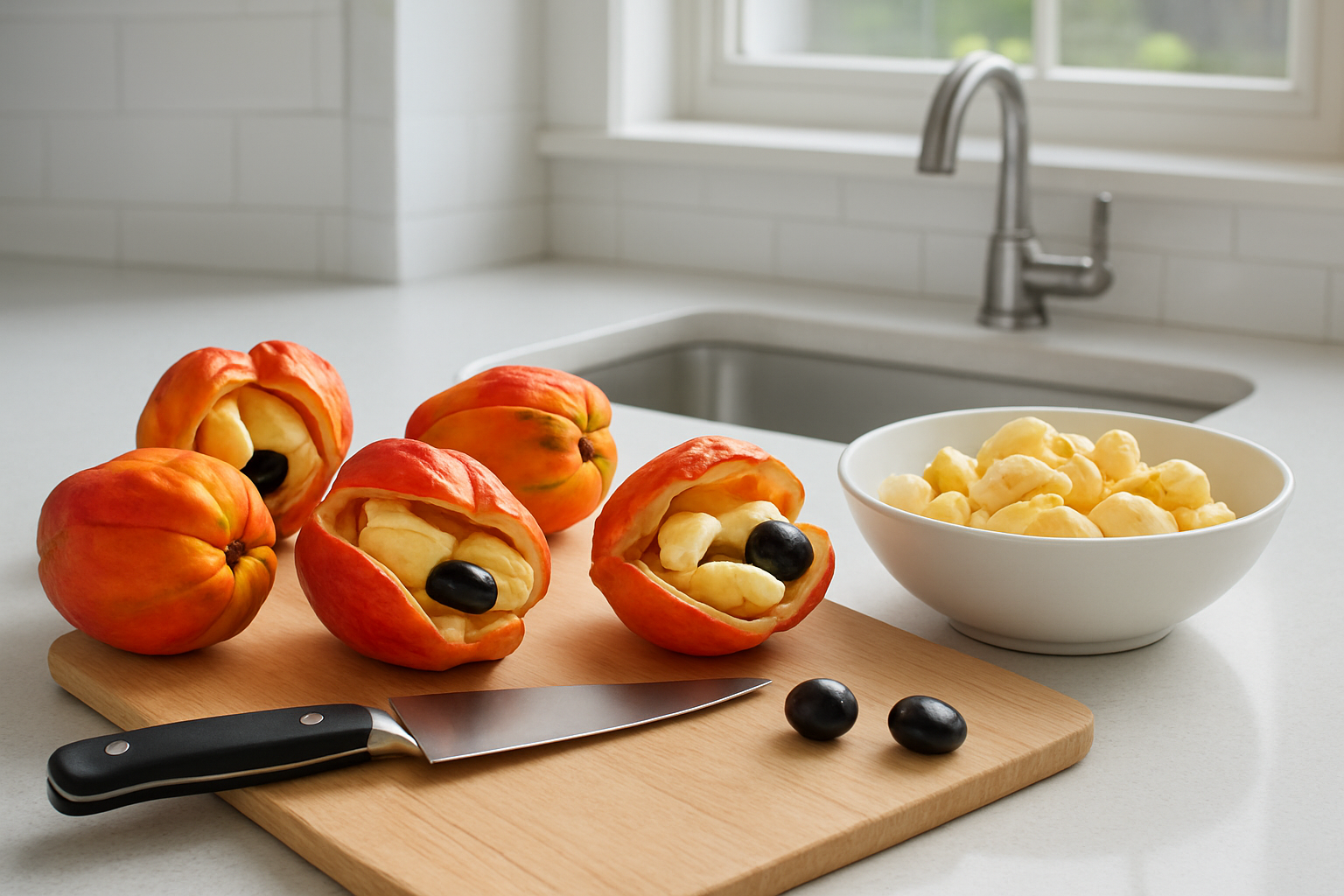
Identify when ackee is perfectly ripe and safe to eat
The secret to safe ackee preparation lies in recognizing when this unique fruit is ready for consumption. Ripe ackee fruit naturally opens on its own, revealing bright red interior pods with glossy black seeds surrounded by creamy yellow-white flesh called arils. Never force an ackee pod open – this is nature's safety mechanism telling you when the fruit is safe to eat.
Look for pods that have split open completely, exposing three distinct chambers. The outer skin should be bright red or yellow-red, and the exposed arils should appear plump and cream-colored. If you notice any pink or red coloring on the arils themselves, the fruit isn't ready yet. Fresh, properly ripened ackee arils have a firm yet tender texture, similar to scrambled eggs.
Learn proper techniques for removing toxic seeds and membranes
Once you've identified ripe ackee fruit, careful removal of toxic components becomes critical. Each aril contains a large, glossy black seed that must be completely removed – these seeds contain hypoglycin A, a dangerous toxin that can cause severe illness.
Start by gently removing each aril from the pod. Carefully extract the black seed from the center, ensuring no fragments remain attached. Next, remove the reddish membrane that connects the seed to the aril – this membrane is also toxic and must be completely eliminated. Some people find it helpful to rinse the arils under cool running water after removing the seeds and membranes, which helps wash away any remaining toxic residue.
Always inspect each piece thoroughly. Even tiny fragments of seed or membrane can cause problems, so take your time during this crucial step of ackee preparation.
Understand the dangers of unripe ackee consumption
Consuming unripe or improperly prepared ackee can lead to Jamaican vomiting sickness, a serious condition that can be fatal if left untreated. This illness occurs because unripe ackee contains high levels of hypoglycin A and hypoglycin B, natural toxins that interfere with the body's ability to regulate blood sugar.
Symptoms typically appear 2-12 hours after consumption and include severe vomiting, drowsiness, and dangerously low blood sugar levels. In severe cases, the condition can progress to coma or death. Children and malnourished individuals face higher risks, making proper preparation absolutely essential.
The good news? When ackee is naturally ripe and properly prepared, these toxins are present in much lower, safer concentrations. This is why traditional Jamaican cooks never rush the ripening process and always follow time-tested preparation methods.
Follow step-by-step preparation guidelines for beginners
Step 1: Source Selection
Only use naturally opened ackee pods from trusted sources. If you're buying canned ackee, choose reputable brands that follow proper processing standards.
Step 2: Initial Inspection
Examine each pod carefully. Discard any that show signs of damage, unusual coloring, or forced opening.
Step 3: Aril Extraction
Gently remove the cream-colored arils from each chamber of the opened pod.
Step 4: Seed and Membrane Removal
-
Remove the large black seed completely
-
Strip away all pink or red membrane material
-
Check for any remaining seed fragments
Step 5: Final Rinse
Rinse the cleaned arils under cool water to remove any residual debris.
Step 6: Cooking Preparation
Fresh ackee should be cooked within a few hours of preparation. Many Jamaican recipes, including the famous ackee and saltfish, call for gentle sautéing to preserve the delicate texture while ensuring food safety through proper cooking.
Remember, when in doubt, throw it out. No dish is worth risking your health over questionable ackee preparation.
Explore Popular Ackee Recipes and Cooking Methods
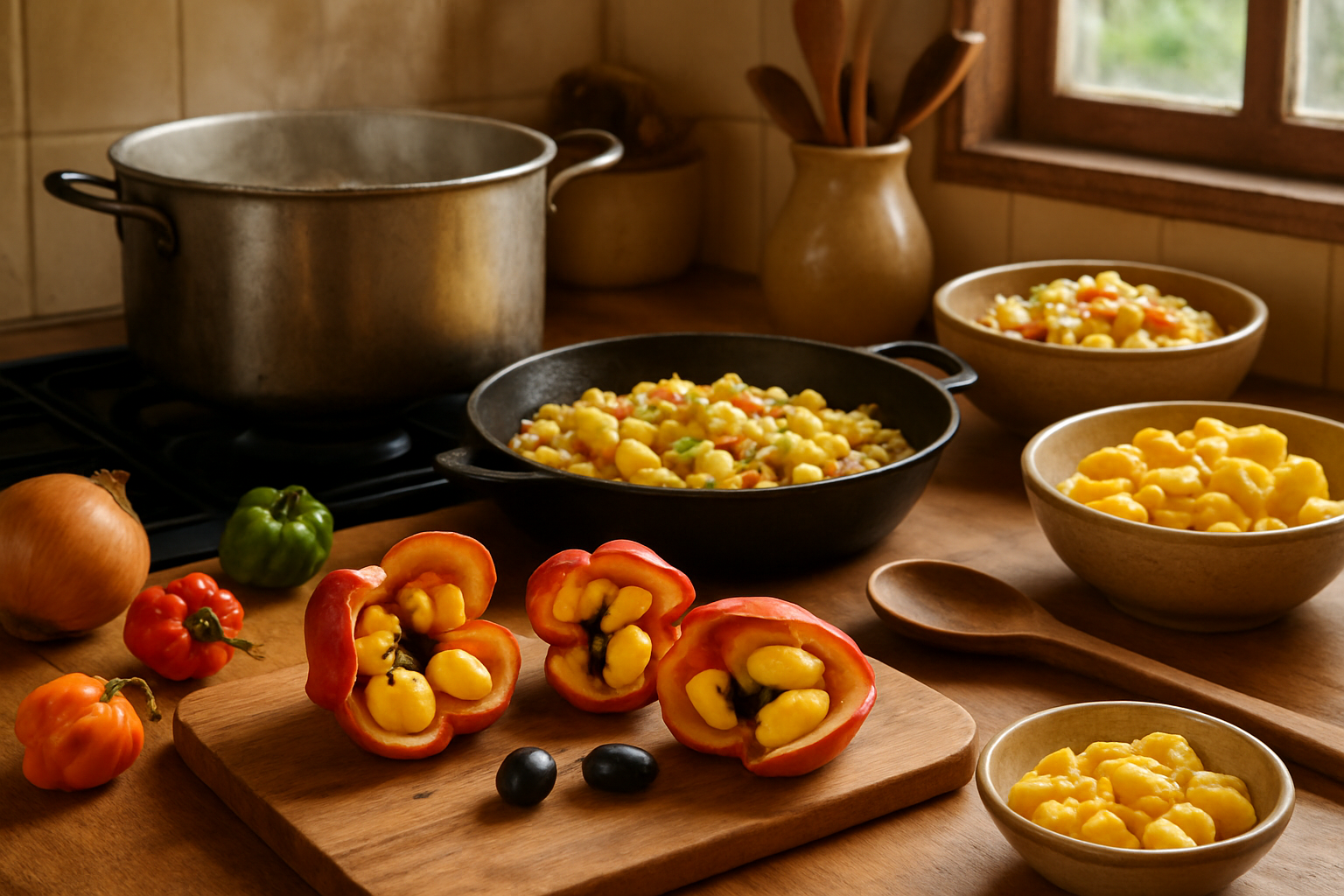
Master the classic ackee and saltfish dish
The iconic ackee and saltfish stands as Jamaica's national dish for good reason. This beloved breakfast combines the creamy texture of properly prepared ackee fruit with flaky salted cod, creating a protein-rich meal that fuels islanders throughout the day.
Start by soaking your saltfish overnight to remove excess salt, then boil it until tender. Remove bones and skin, then flake the fish into bite-sized pieces. While the fish prepares, sauté diced onions, bell peppers, and scotch bonnet peppers (use sparingly unless you love heat) in vegetable oil until fragrant.
Add your cleaned ackee arils to the pan gently - they're delicate and will break apart if stirred too vigorously. The key to perfect Jamaican ackee lies in minimal handling. Fold in the saltfish carefully, season with black pepper, thyme, and a touch of tomato for color. Some cooks add a splash of coconut milk for extra richness.
Traditional accompaniments include fried plantain, boiled green bananas, or festival (sweet fried dumplings). The dish should maintain distinct textures - creamy ackee, flaky fish, and tender vegetables - rather than becoming a mushy mixture.
Discover vegetarian ackee breakfast options
Ackee recipes aren't limited to saltfish pairings. Vegetarian versions showcase the fruit's natural flavor while providing complete nutrition for plant-based eaters.
Ackee and vegetables makes an excellent substitute using the same cooking method as the traditional dish. Replace saltfish with mushrooms, particularly king oyster or shiitake varieties that provide meaty texture. Add extra vegetables like callaloo (or spinach), tomatoes, and carrots for color and nutrients.
Ackee scramble mimics scrambled eggs perfectly. Heat coconut oil in a pan, add minced garlic and onions, then gently fold in ackee arils with nutritional yeast for a cheesy flavor. Season with turmeric for golden color, salt, and pepper.
Ackee patties offer a portable breakfast option. Mix mashed ackee with diced vegetables, form into patties, and pan-fry until golden. These freeze well for quick weekday breakfasts.
Ackee toast provides a simple approach - mash ackee with lime juice, salt, and herbs, then spread on whole grain bread. Top with sliced avocado and tomato for a nutritious start to your day.
Try innovative fusion recipes with ackee
Creative cooks worldwide are incorporating ackee fruit into fusion dishes that bridge Caribbean flavors with international cuisines.
Ackee tacos blend Mexican and Jamaican influences. Fill soft tortillas with seasoned ackee, black beans, and pico de gallo. Add jerk seasoning for heat and lime crema for cooling contrast.
Ackee pasta works surprisingly well - the fruit's creamy texture pairs beautifully with olive oil-based sauces. Toss cooked ackee with garlic, cherry tomatoes, and fresh basil over linguine. Add parmesan cheese and red pepper flakes for depth.
Ackee curry draws from Indian influences popular in Caribbean cooking. Simmer ackee in coconut milk with curry powder, ginger, and vegetables like potatoes and peas. Serve over rice with naan bread.
Ackee pizza might sound unusual but works brilliantly as a white sauce pizza. Use ricotta base, add ackee pieces, caramelized onions, and fresh thyme. The fruit's subtle flavor complements cheese beautifully.
Ackee salad offers a fresh approach - combine room-temperature ackee with mixed greens, sliced mango, and red onion. Dress with lime vinaigrette and toasted coconut flakes for tropical flair that highlights the ackee fruit benefits in raw applications.
Maximize Ackee's Impressive Nutritional Benefits
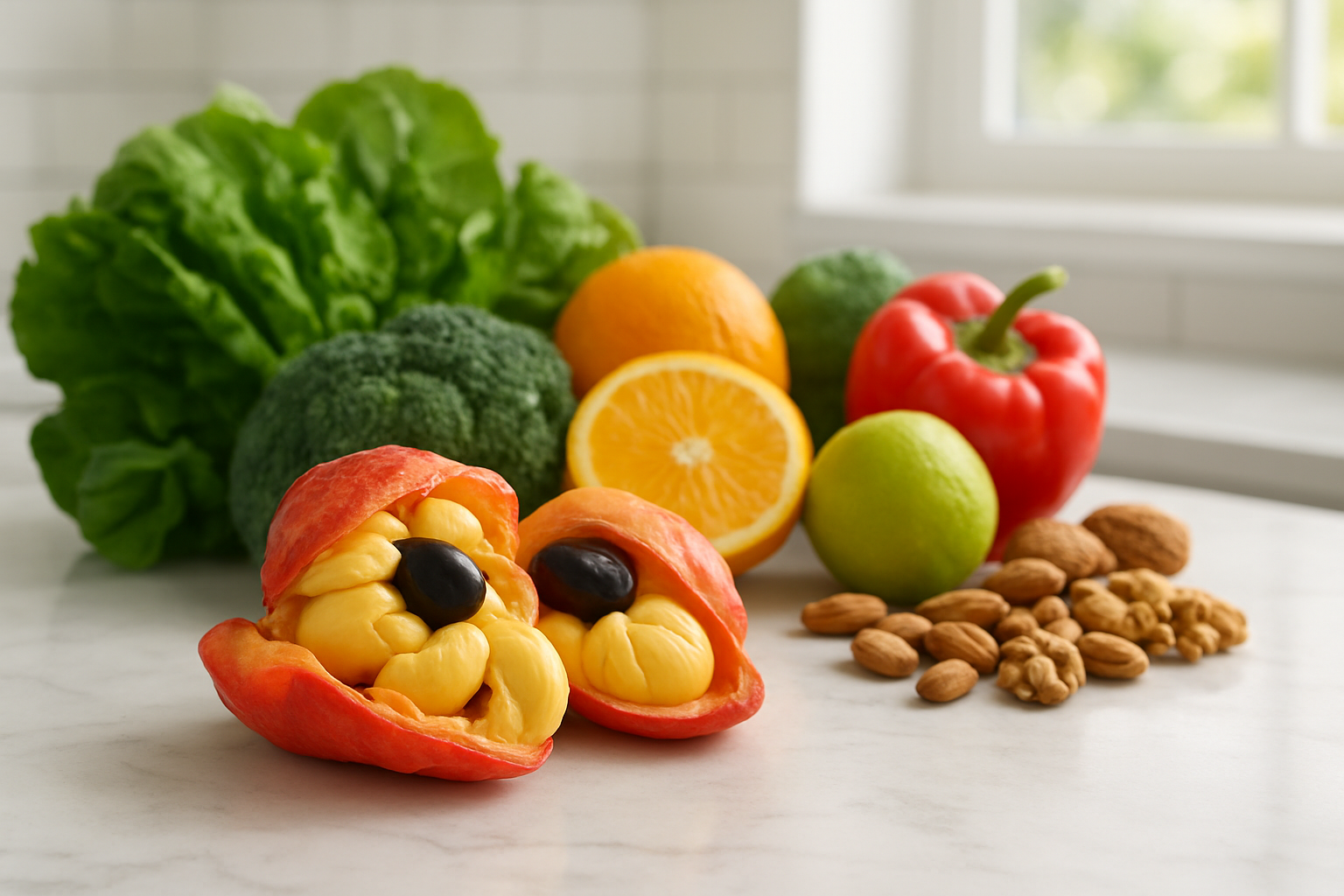
Boost your protein intake with this plant-based option
Ackee fruit stands out as an exceptional plant-based protein source, delivering approximately 2.9 grams of protein per 100-gram serving. This makes it particularly valuable for vegetarians, vegans, and anyone looking to diversify their protein sources. The protein content in ackee fruit contains essential amino acids that your body needs for muscle repair, enzyme production, and overall cellular function.
What makes ackee's protein special is its complete amino acid profile, which is rare among fruits. This quality protein supports muscle development and maintenance while providing sustained energy throughout the day. Athletes and fitness enthusiasts often incorporate ackee nutritional benefits into their meal planning because it offers clean, plant-based fuel without the saturated fats found in many animal proteins.
Support heart health with essential fatty acids
The heart-healthy properties of ackee fruit come from its impressive fatty acid composition. Rich in monounsaturated and polyunsaturated fats, ackee provides omega-3 and omega-6 fatty acids that actively support cardiovascular wellness. These beneficial fats help reduce bad cholesterol levels while promoting healthy blood circulation.
Regular consumption of ackee can contribute to maintaining optimal blood pressure and reducing inflammation in blood vessels. The fruit's natural fat content also aids in the absorption of fat-soluble vitamins, making your overall nutrition more effective. These ackee fruit benefits make it a smart choice for anyone focused on long-term heart health.
Strengthen your immune system with vitamin C content
Ackee delivers a substantial vitamin C boost, providing about 30 milligrams per 100-gram serving. This antioxidant powerhouse strengthens your immune defenses by stimulating white blood cell production and protecting cells from oxidative stress. Vitamin C also plays a crucial role in collagen synthesis, supporting skin health and wound healing.
The immune-boosting properties of ackee become particularly valuable during cold and flu seasons. Unlike synthetic supplements, the vitamin C in ackee fruit comes naturally packaged with other complementary nutrients that enhance absorption and effectiveness. This natural synergy makes ackee a superior choice for immune support.
Improve digestion with natural fiber content
Digestive health gets a significant boost from ackee's fiber content, which promotes healthy gut bacteria and regular bowel movements. The soluble and insoluble fiber in ackee helps regulate blood sugar levels while keeping you feeling satisfied longer. This natural fiber content supports weight management by reducing cravings and promoting feelings of fullness.
The prebiotic properties of ackee's fiber feed beneficial gut bacteria, creating a healthier digestive environment. This improved gut health translates to better nutrient absorption, enhanced mood regulation, and stronger immune function throughout your body.
Enhance bone health with calcium and phosphorus
Ackee's mineral content includes valuable calcium and phosphorus that work together to maintain strong bones and teeth. These minerals become increasingly important as we age, helping prevent osteoporosis and maintaining skeletal integrity. The bioavailable form of these minerals in ackee means your body can easily absorb and utilize them.
The calcium-to-phosphorus ratio in ackee fruit benefits bone density while supporting proper muscle and nerve function. This mineral combination also contributes to healthy blood clotting and cellular energy production, making ackee a comprehensive nutritional choice for overall wellness.
Find and Store Ackee for Optimal Freshness
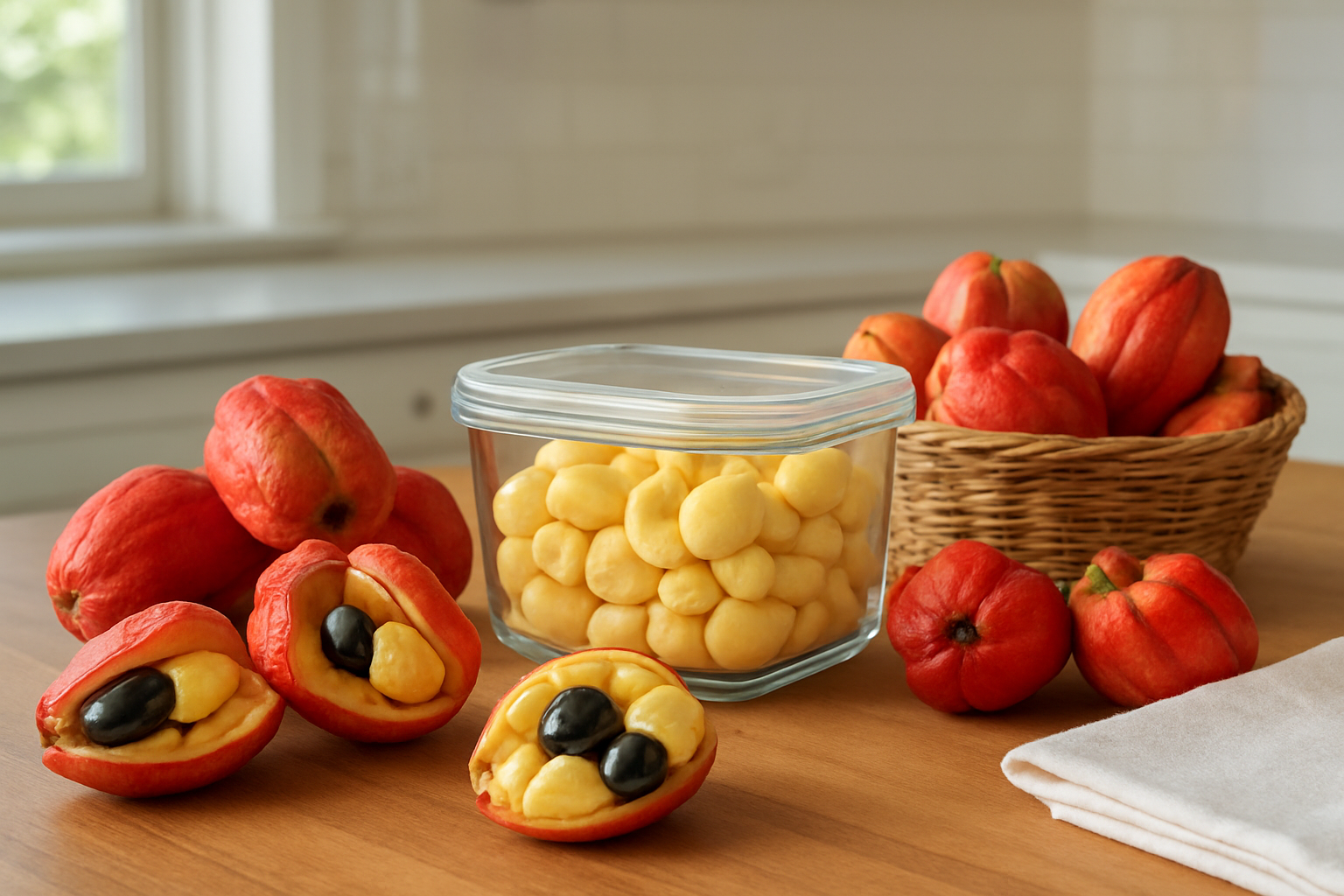
Locate fresh ackee in specialty Caribbean markets
Finding fresh ackee fruit outside of Jamaica can be challenging, but specialty Caribbean markets are your best bet for sourcing this exotic ingredient. These stores typically import fresh ackee directly from Jamaica and other Caribbean islands, ensuring you get the authentic product. Look for markets in areas with significant Caribbean populations – cities like New York, Miami, Toronto, and London often have multiple options.
When shopping for fresh ackee, timing matters. Most Caribbean markets receive shipments on specific days of the week, so call ahead to check availability. The fruit arrives when naturally opened on the tree, displaying its bright red pods with creamy yellow arils inside. Never purchase ackee that appears forced open or has black seeds visible, as this indicates the fruit wasn't properly matured.
Building relationships with store owners pays off – they can often notify you when fresh shipments arrive. Some markets also take special orders if you need ackee for a particular occasion. Expect to pay premium prices for fresh ackee, typically ranging from $8-15 per pound, as importing costs are significant.
Choose quality canned ackee as a convenient alternative
Canned ackee offers a practical solution for those who can't access fresh varieties regularly. Grace and Linstead Market are two reputable brands widely available in international food sections of major supermarkets and online retailers. Canned ackee provides consistent quality and eliminates the safety concerns associated with improperly harvested fresh fruit.
When selecting canned ackee, examine the label carefully. Quality products should list ackee and salt water as the primary ingredients, with minimal additives. The best canned varieties maintain the fruit's delicate texture and subtle flavor profile. Avoid products with excessive preservatives or artificial ingredients that can mask ackee's natural taste.
Check expiration dates and inspect cans for dents or rust. Once opened, canned ackee should appear pale yellow with intact pieces that hold their shape. The liquid should be clear, not cloudy or discolored. While canned ackee lacks the vibrant taste of fresh fruit, it works excellently in traditional ackee and saltfish recipes and other Jamaican ackee dishes.
Store fresh ackee properly to maintain safety and flavor
Proper storage of fresh ackee is critical for both safety and flavor preservation. Fresh ackee has a remarkably short shelf life – typically 2-3 days when stored correctly. Keep the fruit refrigerated immediately after purchase, storing it in the main compartment rather than crisper drawers where humidity levels might be too high.
Place ackee in a breathable container or paper bag, never in sealed plastic bags which trap moisture and accelerate spoilage. Remove any damaged or overripe pieces immediately, as they can contaminate the entire batch. The arils should remain firm and creamy white – any yellowing or soft spots indicate deterioration.
For longer storage, freezing is an option, though it changes the texture significantly. Blanch the arils briefly in boiling water for 30 seconds, then plunge into ice water before freezing in airtight containers. Frozen ackee works well in cooked dishes but won't have the same delicate texture as fresh.
Never attempt to store unopened ackee pods, as they can continue releasing toxins. Only store properly opened, mature arils that have been carefully cleaned and inspected. When in doubt about freshness or safety, discard the fruit – ackee preparation should never compromise on safety standards.
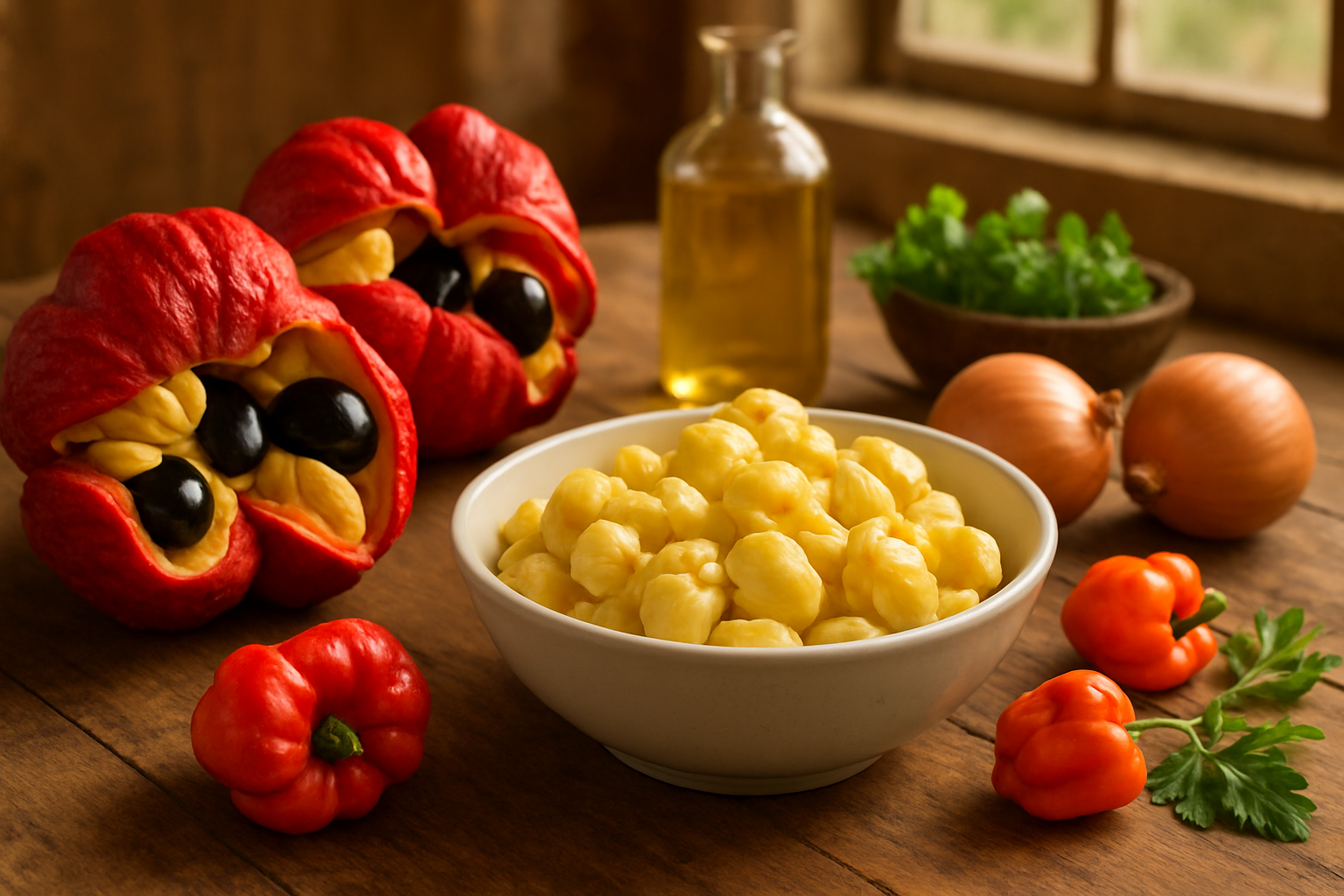
Ackee truly stands out as one of nature's most fascinating fruits. From its rich cultural roots in Jamaica to its impressive nutritional profile, this exotic fruit offers way more than meets the eye. You've learned about the critical importance of proper preparation - remember, only fully ripe, naturally opened ackee should make it to your plate. The cooking methods we covered will help you create authentic dishes that celebrate this unique ingredient.
Don't let ackee's intimidating reputation keep you from exploring its amazing flavors and health benefits. Start with canned ackee if you're new to cooking with it, then work your way up to fresh varieties as you gain confidence. Whether you're making the classic ackee and saltfish or experimenting with your own recipes, this fruit can add incredible depth to your cooking. Visit your local Caribbean market or specialty food store to pick some up - your taste buds will thank you for the adventure.


.png)
Comments
Post a Comment