Ambarella - What's The Ambarella Fruit?
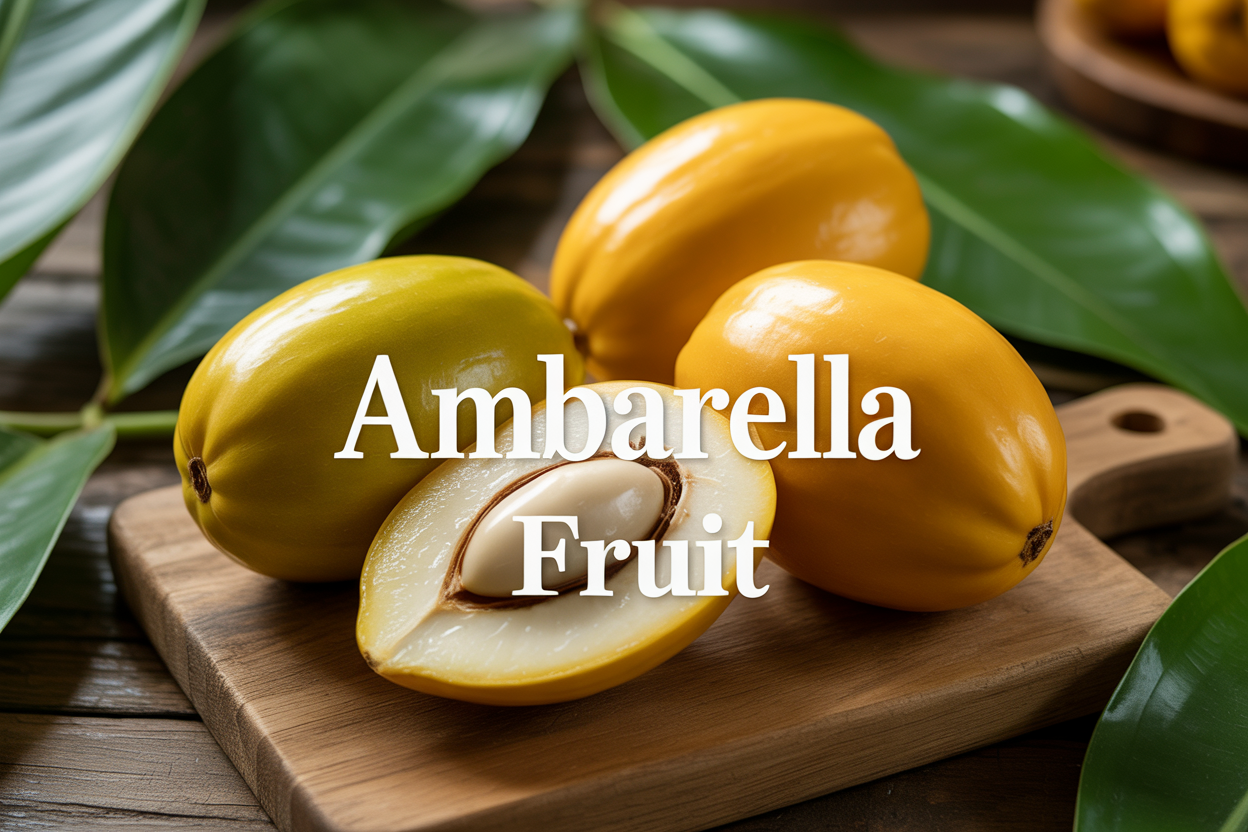
Discover the Exotic Ambarella Fruit: A Complete Guide to This Tropical Treasure
The ambarella fruit might not be sitting in your local grocery store, but this exotic tropical fruit deserves a spot on your radar. If you're curious about expanding your fruit horizons or stumbled across this golden gem at an international market, you're in for a treat.
This guide is perfect for adventurous food lovers, health enthusiasts, and anyone wondering "what is ambarella" after hearing about this tropical wonder. The ambarella taste offers a delightful surprise that bridges familiar and exotic flavors, making it an exciting addition to your culinary adventures.
We'll walk you through everything you need to know about this remarkable fruit. You'll learn how to identify ambarella through its unique appearance and discover its impressive ambarella benefits that make it more than just another pretty fruit. We'll also cover the best ways to select, store, and enjoy fresh ambarella so you can make the most of this nutritional powerhouse.
Ready to explore one of nature's most interesting exotic tropical fruits? Let's dive into the wonderful world of ambarella.
Discover the Exotic Ambarella and Its Tropical Origins
Uncover the botanical identity and scientific classification
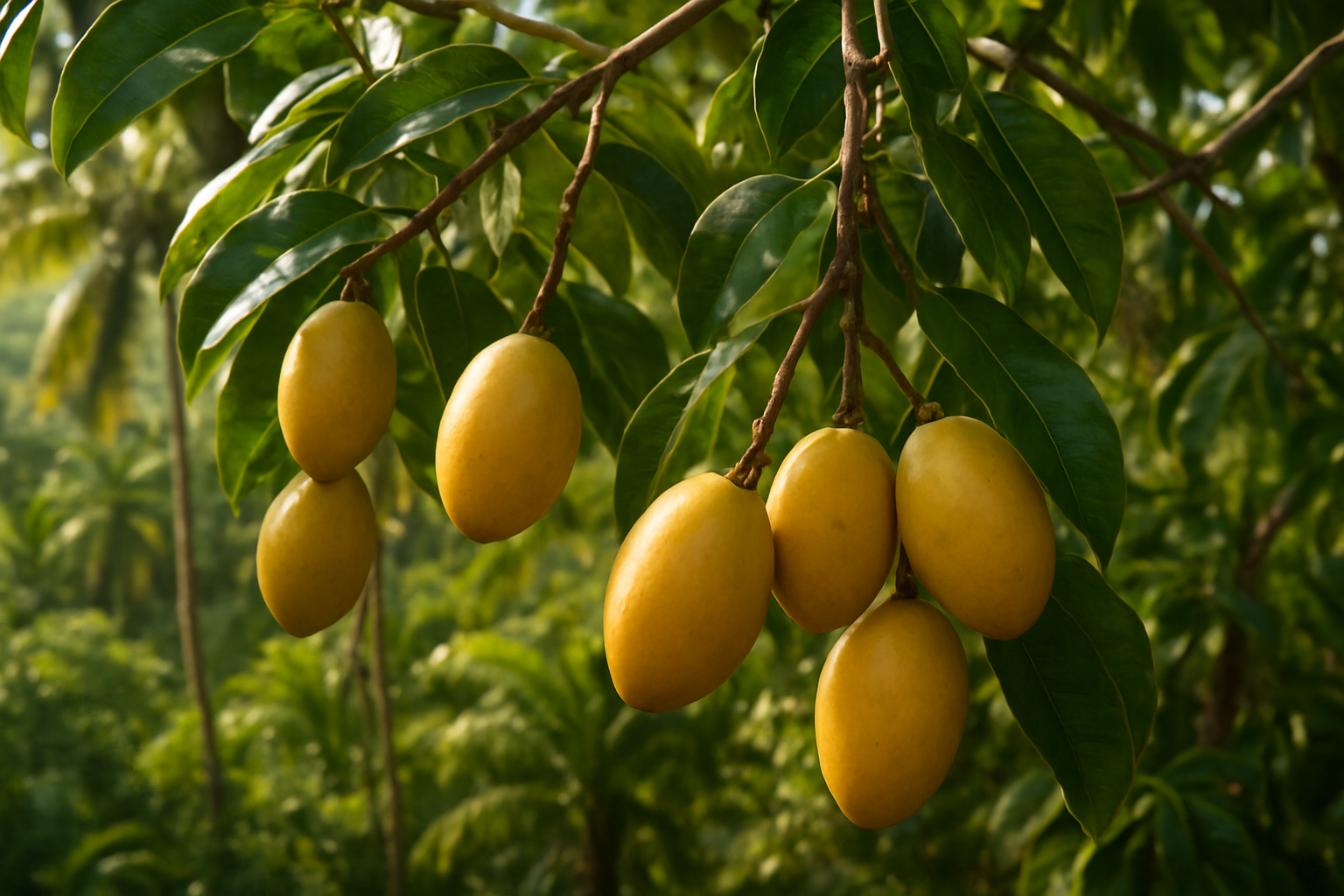
The ambarella fruit belongs to the cashew family (Anacardiaceae) and carries the scientific name Spondias dulcis. This tropical treasure shares genetic relatives with mangoes, cashews, and pistachios, which explains its complex flavor profile that combines sweet and tart notes. The tree itself can reach impressive heights of up to 65 feet, producing clusters of oval-shaped fruits that hang gracefully from sturdy branches.
Botanists classify ambarella as a drupe, similar to peaches and plums, featuring a fibrous outer flesh surrounding a large, spiny seed. The fruit typically measures 2-4 inches in length and transforms from green to golden-yellow as it ripens. Multiple varieties exist across different regions, each displaying slight variations in size, color intensity, and flavor concentration.
Explore the native regions and growing conditions
What is ambarella becomes clearer when you understand its Pacific origins. This exotic tropical fruit originated in the islands of Melanesia and Polynesia, where indigenous communities have cultivated it for centuries. From these pristine Pacific islands, ambarella spread throughout Southeast Asia, the Caribbean, Central America, and parts of South America through ancient trade routes and colonial exchanges.
The tropical ambarella thrives in warm, humid climates with consistent temperatures between 75-85°F year-round. These resilient trees adapt well to various soil types but prefer well-draining, slightly acidic conditions. They require abundant rainfall or irrigation, typically 40-60 inches annually, making them perfect candidates for tropical and subtropical regions.
Today, commercial cultivation spans across Thailand, Malaysia, Indonesia, Philippines, Jamaica, Puerto Rico, and parts of Florida. The trees begin producing fruit within 3-5 years of planting and can continue yielding for several decades with proper care.
Learn about traditional names across different cultures
Cultural diversity shines through the numerous names given to this remarkable fruit across different regions. In Jamaica and other Caribbean islands, locals call it "June plum," referencing its peak harvest season. Hawaiians know it as "wi apple," while Filipinos refer to it as "siniguelas" or "siruela."
Throughout Southeast Asia, the fruit carries distinct regional identities:
-
Thailand: Ma-kok farang
-
Malaysia: Kedondong
-
Indonesia: Kedongdong or amra
-
Vietnam: Cóc mombin
-
India: Amra or ambada
Pacific islanders use traditional Polynesian names like "wi" in Samoa and "kavika" in Fiji. These varied names reflect not only linguistic differences but also the fruit's deep cultural integration into local cuisines, traditional medicine practices, and seasonal celebrations across tropical communities worldwide.
Identify Ambarella Through Its Distinctive Physical Characteristics
Recognize the fruit's unique shape and size variations
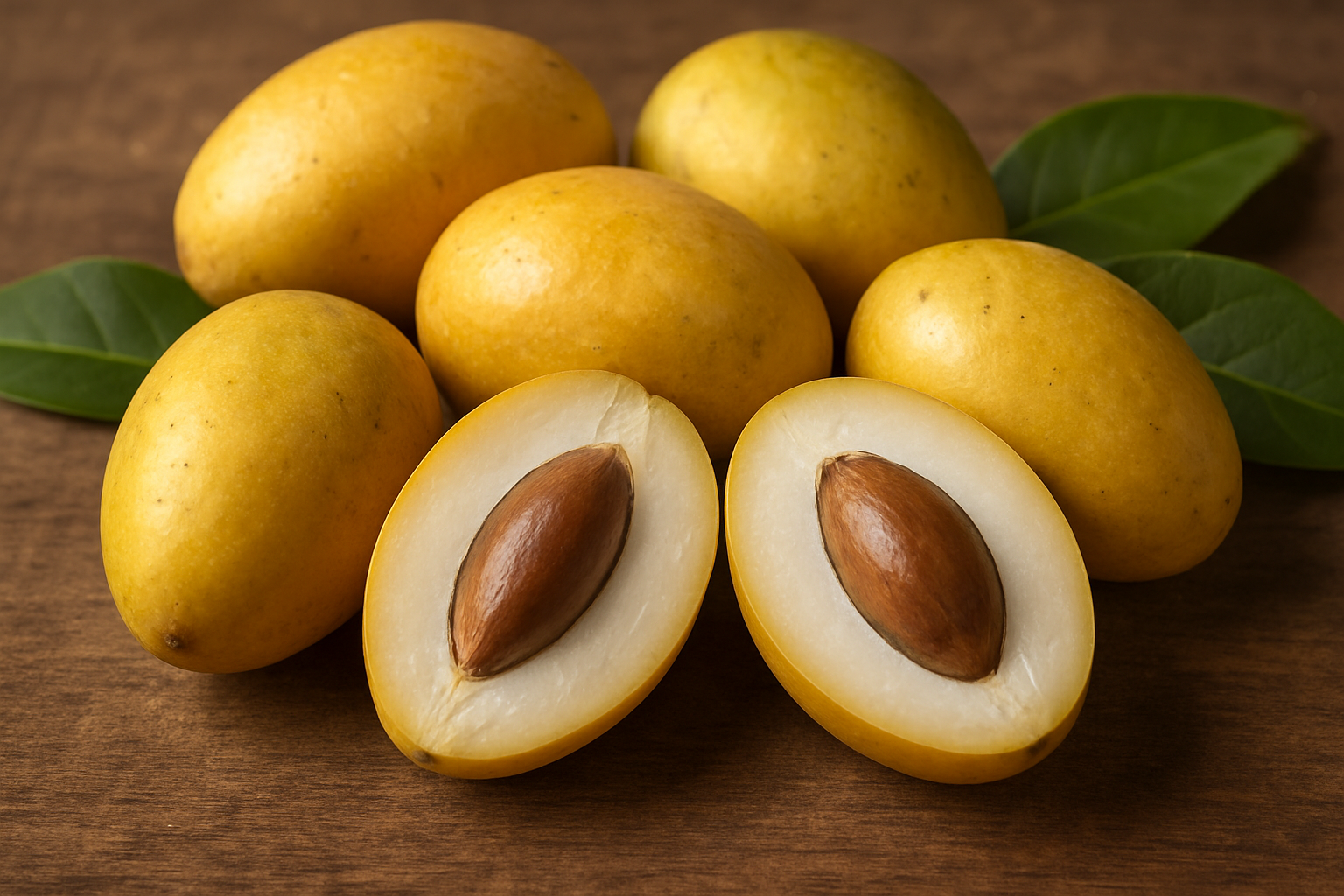
The ambarella fruit displays a distinctive oval to elliptical shape that makes it instantly recognizable among tropical fruits. Most ambarella fruits measure between 2 to 4 inches in length, with a width ranging from 1.5 to 2.5 inches. The fruit's natural asymmetry gives it character - one end typically appears more pointed while the other end remains broader and more rounded.
Weight-wise, individual ambarella fruits usually range from 2 to 6 ounces, depending on growing conditions and maturity. The fruit often develops subtle ridges running longitudinally along its surface, creating gentle indentations that add to its unique appearance. These natural grooves become more pronounced as the fruit matures.
Understand the color changes from unripe to ripe stages
Tropical ambarella undergoes dramatic color transformations throughout its ripening process. Young, unripe fruits start with a bright green color that's almost emerald-like in intensity. This vibrant green gradually shifts as the fruit develops, moving through various stages of yellow-green combinations.
As ripening progresses, the green fades and warm yellow tones emerge, often accompanied by subtle orange or golden highlights. Fully ripe ambarella displays a beautiful golden-yellow color with possible orange blushes, particularly on the side that received more sunlight during growth. Some varieties develop a slight reddish tinge when completely mature.
The color change happens gradually over several weeks, making it easy to track ripeness levels. This transformation serves as nature's ripeness indicator, helping you determine the perfect harvest or purchase timing.
Examine the skin texture and interior structure
The ambarella fruit features a thin but sturdy skin with a smooth, somewhat glossy surface when fresh. The skin feels firm to the touch on unripe fruits but yields slightly to gentle pressure as ripeness increases. Small, barely visible pores dot the surface, giving it a subtle textured appearance under close inspection.
Inside, the fruit reveals crisp, juicy flesh that's typically white to pale yellow in color. The flesh surrounds a large, fibrous seed that takes up a significant portion of the fruit's interior - sometimes up to 40% of the total volume. This seed is covered in tough, stringy fibers that extend into the surrounding flesh, creating a slightly fibrous texture throughout the edible portions.
The flesh-to-seed ratio varies among individual fruits, but the edible portion typically accounts for about 60-70% of the total fruit weight. The interior structure shows distinct layers, with the outermost flesh being the most tender and juicy.
Compare with similar-looking tropical fruits
When identifying exotic tropical fruits, ambarella can sometimes be confused with other varieties. The most common mix-up occurs with golden apples (Spondias cytherea), which share similar coloring and shape but tend to be slightly larger and have different skin texture patterns.
| Fruit | Shape | Size | Color | Key Difference |
|---|---|---|---|---|
| Ambarella | Oval/elliptical | 2-4 inches | Green to golden-yellow | Prominent ridges, fibrous seed |
| Golden Apple | Round to oval | 3-5 inches | Yellow to orange | Smoother skin, different seed structure |
| June Plum | Oval | 2-3 inches | Green to yellow | Smaller, less pronounced ridges |
| Mombin | Oval to round | 1-3 inches | Yellow to red | Typically smaller, different flesh texture |
Ambarella's distinctive ridged surface and specific flesh-to-seed ratio help distinguish it from these similar fruits. The fibrous nature of its large central seed creates a unique eating experience that differs significantly from smoother-textured tropical fruits like mangoes or papayas.
Experience the Unique Flavor Profile and Culinary Applications
Taste the Complex Sweet-Tart Flavor Combination
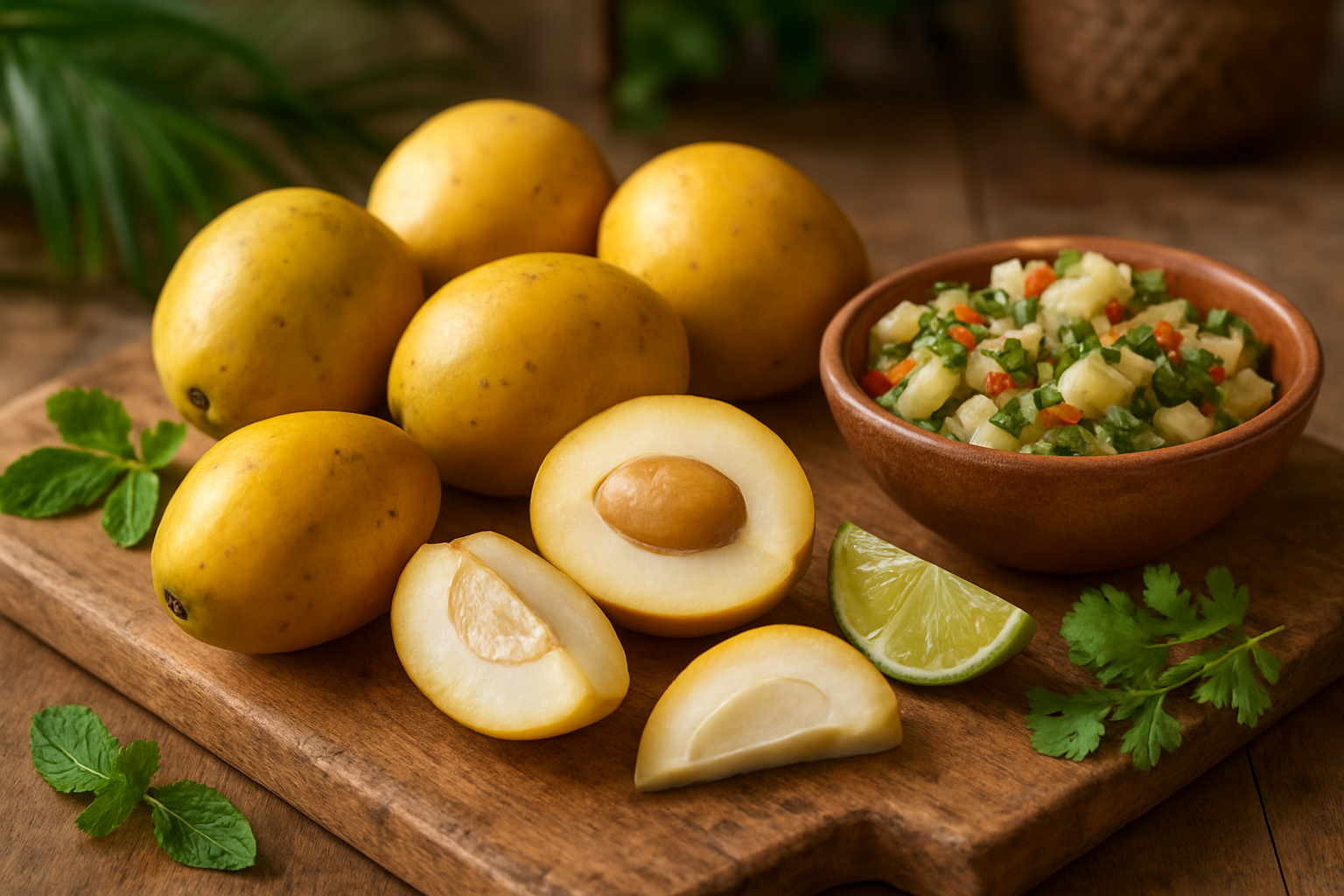
The ambarella fruit delivers a fascinating flavor journey that surprises first-time tasters. When perfectly ripe, ambarella taste combines sweet tropical notes with a sharp tartness reminiscent of green mango crossed with pineapple. The flesh has a crisp, crunchy texture similar to jicama, making each bite refreshing and satisfying. The flavor intensity varies depending on ripeness - younger fruits lean heavily toward the tart side with an almost sour punch, while fully mature ambarella fruit develops deeper sweetness that balances the acidity beautifully.
The aromatic profile adds another layer of complexity, with subtle floral undertones and a hint of citrus zest. Many people describe the initial taste as surprisingly sharp, followed by a pleasant sweetness that lingers on the palate. This unique flavor combination makes ambarella incredibly versatile in both sweet and savory applications.
Discover Popular Cooking Methods and Preparations
Raw preparation remains the most popular way to enjoy this tropical ambarella. Simply wash, slice, and remove the large seed to reveal the pale yellow flesh. Many tropical regions serve sliced ambarella with chili salt, lime juice, or fish sauce for an authentic experience.
Cooking methods bring out different aspects of the fruit's character:
-
Boiling: Softens the flesh and reduces tartness
-
Grilling: Caramelizes natural sugars while maintaining texture
-
Pickling: Preserves the fruit while enhancing its natural acidity
-
Juicing: Creates refreshing beverages when blended with water and sugar
Explore Traditional Dishes Featuring Ambarella
Caribbean cuisine features ambarella in countless traditional preparations. In Jamaica, the fruit appears in chutneys alongside scotch bonnet peppers and onions. Puerto Rican cooks create "dulce de jobos," a sweet preserve that captures the fruit's essence in syrup form.
Southeast Asian kitchens transform ambarella into som tam-style salads, combining shredded fruit with herbs, chilies, and lime dressing. Thai cooks often include young ambarella in their famous green papaya salad variations, adding extra crunch and tartness.
Indian preparations include ambarella curry, where the fruit cooks with coconut milk, curry leaves, and spices. The natural acidity cuts through rich coconut flavors while adding substance to the dish.
Learn Modern Fusion Recipes and Innovative Uses
Contemporary chefs are discovering exciting ways to incorporate this exotic tropical fruit into modern cuisine. Craft cocktail bars muddle ambarella for unique tropical drinks that offer complexity beyond typical fruit mixers. The natural tartness works perfectly in agua frescas and smoothie bowls.
Modern fusion applications include:
| Application | Description | Flavor Benefit |
|---|---|---|
| Salsa Verde | Mixed with tomatillos and herbs | Adds tropical brightness |
| Ice Cream Base | Pureed into frozen desserts | Creates unique tart-sweet profile |
| Vinaigrette | Blended with olive oil and herbs | Provides natural acidity |
| Ceviche | Replaces traditional citrus | Offers fruity complexity |
Pastry chefs use ambarella in tarts and sorbets, where the fruit's natural pectin helps create perfect textures without artificial additives. The growing popularity of this tropical fruit in upscale restaurants demonstrates its versatility and appeal to adventurous diners seeking new flavor experiences.
Unlock the Impressive Nutritional Benefits for Your Health
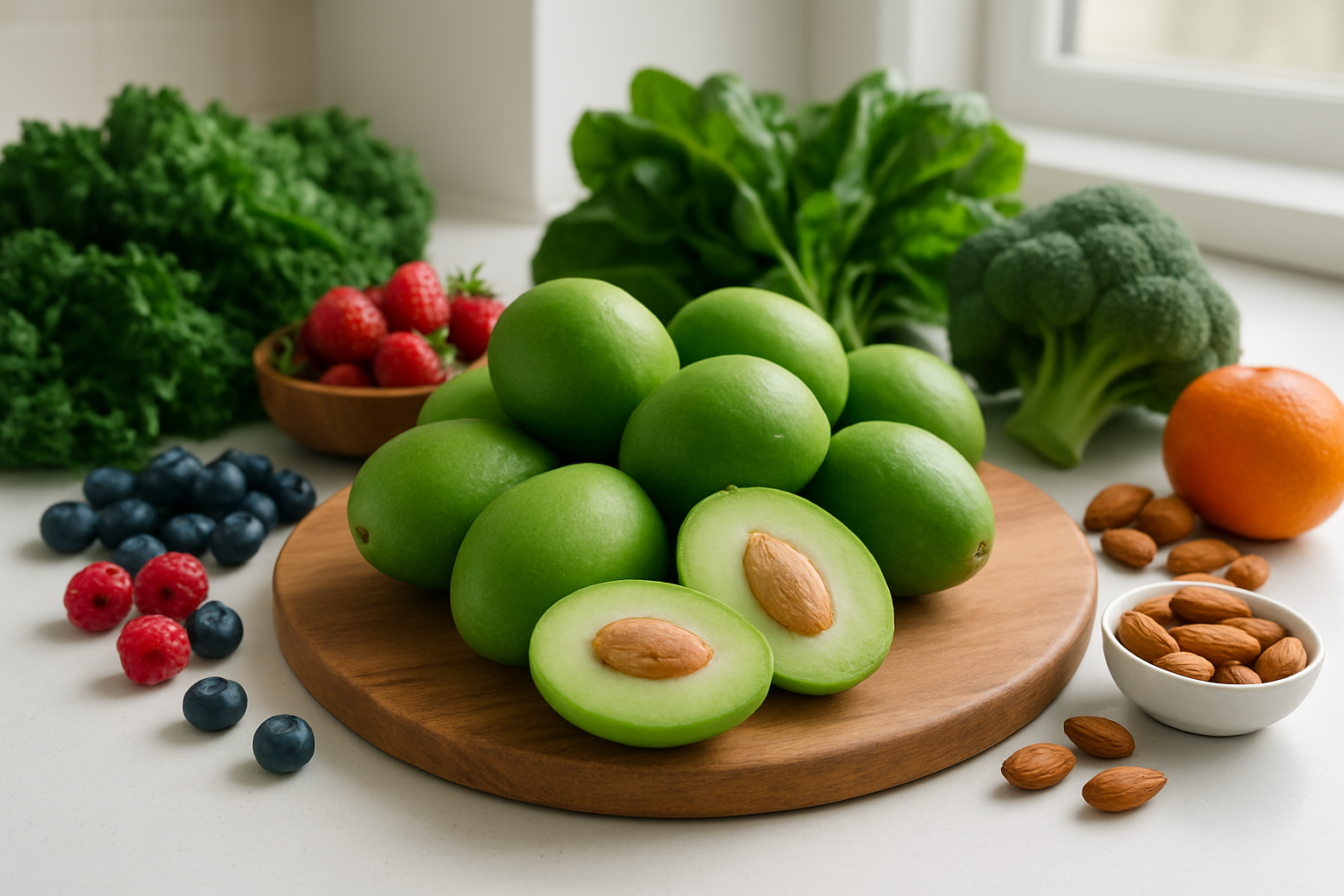
Boost your immune system with high vitamin C content
Ambarella fruit packs an impressive punch when it comes to vitamin C, delivering more than many well-known citrus fruits. A single serving of this tropical gem provides approximately 46 milligrams of vitamin C, which represents about 50% of your daily recommended intake. This powerful antioxidant vitamin plays a crucial role in strengthening your body's natural defense mechanisms against infections, viruses, and harmful bacteria.
Regular consumption of ambarella benefits your immune system by supporting white blood cell production and function. The high vitamin C content also helps your body absorb iron more efficiently, which is essential for maintaining healthy blood cells and optimal oxygen transport. What makes ambarella nutrition particularly appealing is that the vitamin C remains stable even when the fruit is slightly processed or stored properly, making it a reliable source of this essential nutrient.
Your skin health also gets a boost from ambarella's vitamin C content, as this vitamin supports collagen synthesis. This means eating ambarella can help maintain skin elasticity and promote faster wound healing.
Support digestive health with natural fiber content
The fiber content in ambarella fruit makes it an excellent choice for maintaining digestive wellness. Each serving contains approximately 2.8 grams of dietary fiber, which includes both soluble and insoluble types that work together to optimize your digestive processes.
Soluble fiber in ambarella helps regulate blood sugar levels by slowing down glucose absorption, while the insoluble fiber adds bulk to your stool and promotes regular bowel movements. This combination makes ambarella particularly beneficial for people dealing with constipation or irregular digestive patterns.
The natural fiber content also supports your gut microbiome by serving as a prebiotic, feeding beneficial bacteria in your intestines. This creates a healthier digestive environment that can improve nutrient absorption and reduce inflammation in your digestive tract.
| Fiber Type | Amount per 100g | Primary Benefits |
|---|---|---|
| Total Fiber | 2.8g | Overall digestive health |
| Soluble Fiber | 1.1g | Blood sugar regulation |
| Insoluble Fiber | 1.7g | Bowel regularity |
Enhance your antioxidant intake for cellular protection
Beyond vitamin C, ambarella health benefits extend to providing a diverse array of antioxidants that protect your cells from oxidative stress and free radical damage. This tropical fruit contains flavonoids, phenolic compounds, and carotenoids that work synergistically to combat cellular aging and reduce inflammation throughout your body.
The antioxidants in ambarella help neutralize harmful free radicals that can damage DNA, proteins, and cell membranes. This protective action may help reduce your risk of chronic diseases and support healthy aging processes. Beta-carotene, one of the key antioxidants found in ambarella, converts to vitamin A in your body, supporting eye health and immune function.
Research suggests that the unique combination of antioxidants in exotic tropical fruits like ambarella may have anti-inflammatory properties that could benefit cardiovascular health. The phenolic compounds specifically help protect blood vessels from oxidative damage and may support healthy blood pressure levels.
Regular consumption of antioxidant-rich foods like ambarella can help your body maintain its natural repair mechanisms and protect against environmental stressors like pollution and UV radiation.
Master the Art of Selecting and Storing Fresh Ambarella
Choose the perfect ripeness level for your needs
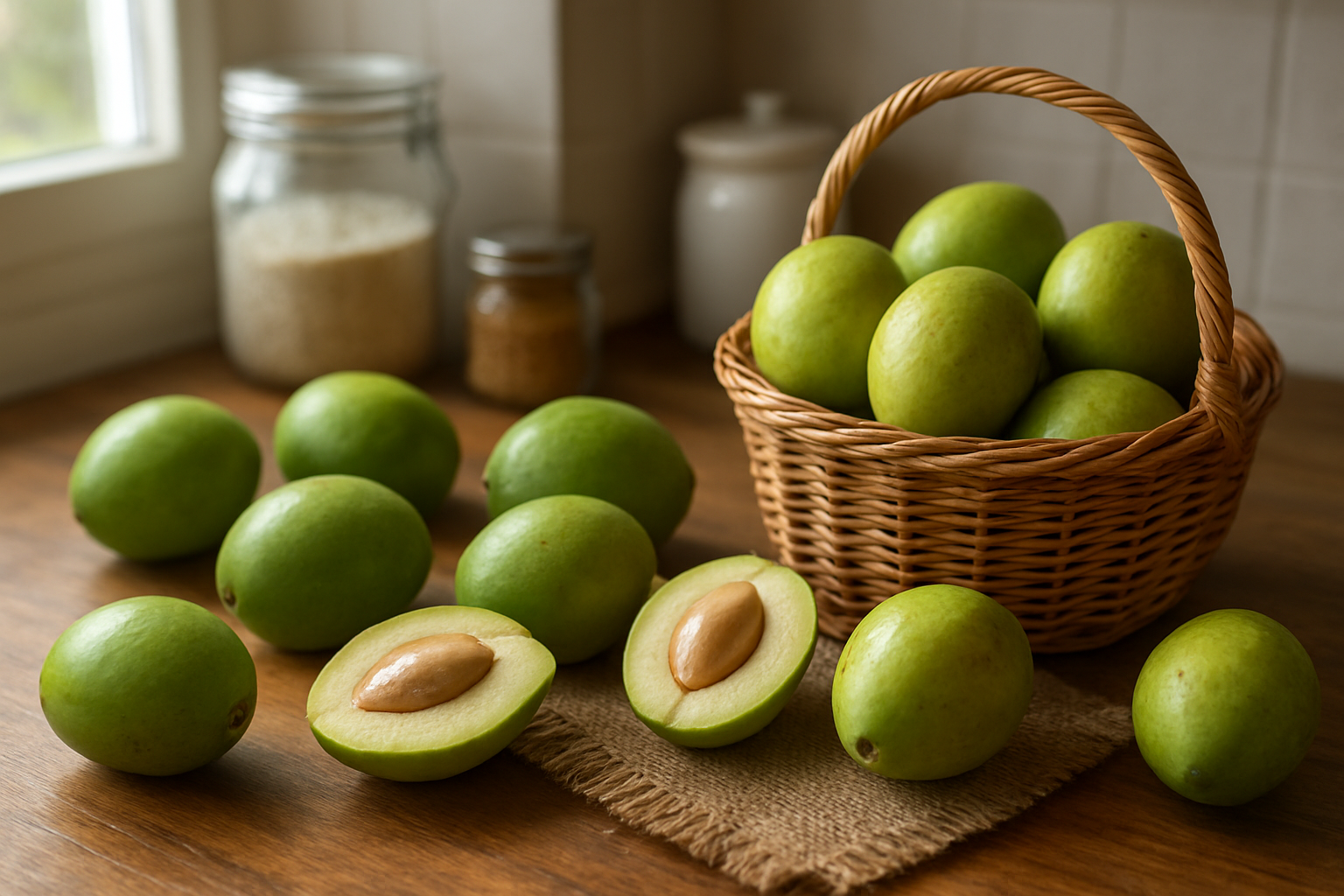
The ripeness of your ambarella fruit dramatically affects both taste and texture. Green, unripe ambarella offers a crisp, crunchy bite with a distinctly tart flavor that works perfectly in salads, pickles, and chutneys. At this stage, the fruit feels firm to the touch and has a bright green skin without any soft spots.
Semi-ripe ambarella strikes a beautiful balance between tartness and sweetness. The skin begins showing hints of yellow, and the flesh softens slightly while maintaining some crunch. This stage is ideal for eating fresh or adding to smoothies.
Fully ripe ambarella transforms into a golden-yellow fruit with softer flesh and a sweeter, more tropical taste. The skin yields gently to pressure, similar to a ripe peach. Ripe ambarella works wonderfully for jams, desserts, or enjoying as a fresh snack.
| Ripeness Stage | Skin Color | Texture | Best Uses |
|---|---|---|---|
| Unripe | Bright green | Very firm, crunchy | Pickles, salads, chutneys |
| Semi-ripe | Green with yellow hints | Moderately firm | Fresh eating, smoothies |
| Fully ripe | Golden yellow | Soft, yielding | Desserts, jams, snacking |
Store properly to maximize freshness and longevity
Proper storage techniques can extend your ambarella fruit's lifespan significantly. Unripe ambarella stores best at room temperature for 3-5 days, allowing natural ripening to occur. Place them in a paper bag with a banana or apple to speed up the process if desired.
Once your ambarella reaches your preferred ripeness level, transfer it to the refrigerator. Store ripe fruit in the crisper drawer, wrapped in paper towels to absorb excess moisture. This method keeps them fresh for up to one week.
For longer storage, consider freezing. Wash, peel, and cut the ambarella into chunks before placing them in freezer-safe bags. Frozen ambarella maintains quality for up to six months and works perfectly in smoothies or cooked dishes.
Avoid storing ambarella in plastic bags at room temperature, as this creates moisture buildup and accelerates spoilage. Never store damaged or bruised fruits with healthy ones, as this spreads deterioration quickly.
Prepare and consume safely for optimal enjoyment
Preparing ambarella safely ensures you get the best flavor and nutritional benefits. Start by washing the fruit thoroughly under cool running water, gently scrubbing the skin to remove any dirt or residue.
The skin of ambarella is edible when the fruit is young and tender, but many people prefer peeling it. Use a sharp paring knife or vegetable peeler to remove the skin if desired. The flesh surrounding the large, fibrous seed is the edible portion.
Cut the fruit lengthwise around the seed, similar to how you'd handle a mango. The seed is not edible, so remove it completely. Some people enjoy sucking on the seed to extract any remaining fruit fibers, but be careful not to swallow any hard pieces.
Ambarella pairs beautifully with chili powder, salt, and lime juice for a traditional tropical preparation. You can also slice it thin for salads, dice it for salsas, or blend it into refreshing beverages.
Avoid common mistakes that reduce quality
Many people make storage errors that significantly reduce ambarella fruit quality. The biggest mistake is storing unripe fruit in the refrigerator, which stops the ripening process and leaves you with permanently sour, hard fruit.
Another common error involves washing the fruit before storage. Only wash ambarella just before eating, as excess moisture during storage promotes mold growth and faster spoilage.
Don't ignore visual inspection when selecting ambarella. Avoid fruits with dark spots, wrinkled skin, or soft patches, as these indicate spoilage that will spread quickly. Similarly, don't purchase ambarella that feels too soft or has an off smell.
Improper preparation also affects enjoyment. Never attempt to eat the large, fibrous seed, and always remove any brown or damaged flesh before consuming. Some people make the mistake of expecting ambarella to taste like common fruits - embrace its unique tartness rather than waiting for it to become sweet like an apple or pear.
Temperature fluctuations during storage create another quality issue. Keep stored ambarella in consistent conditions rather than moving between warm and cold environments repeatedly.
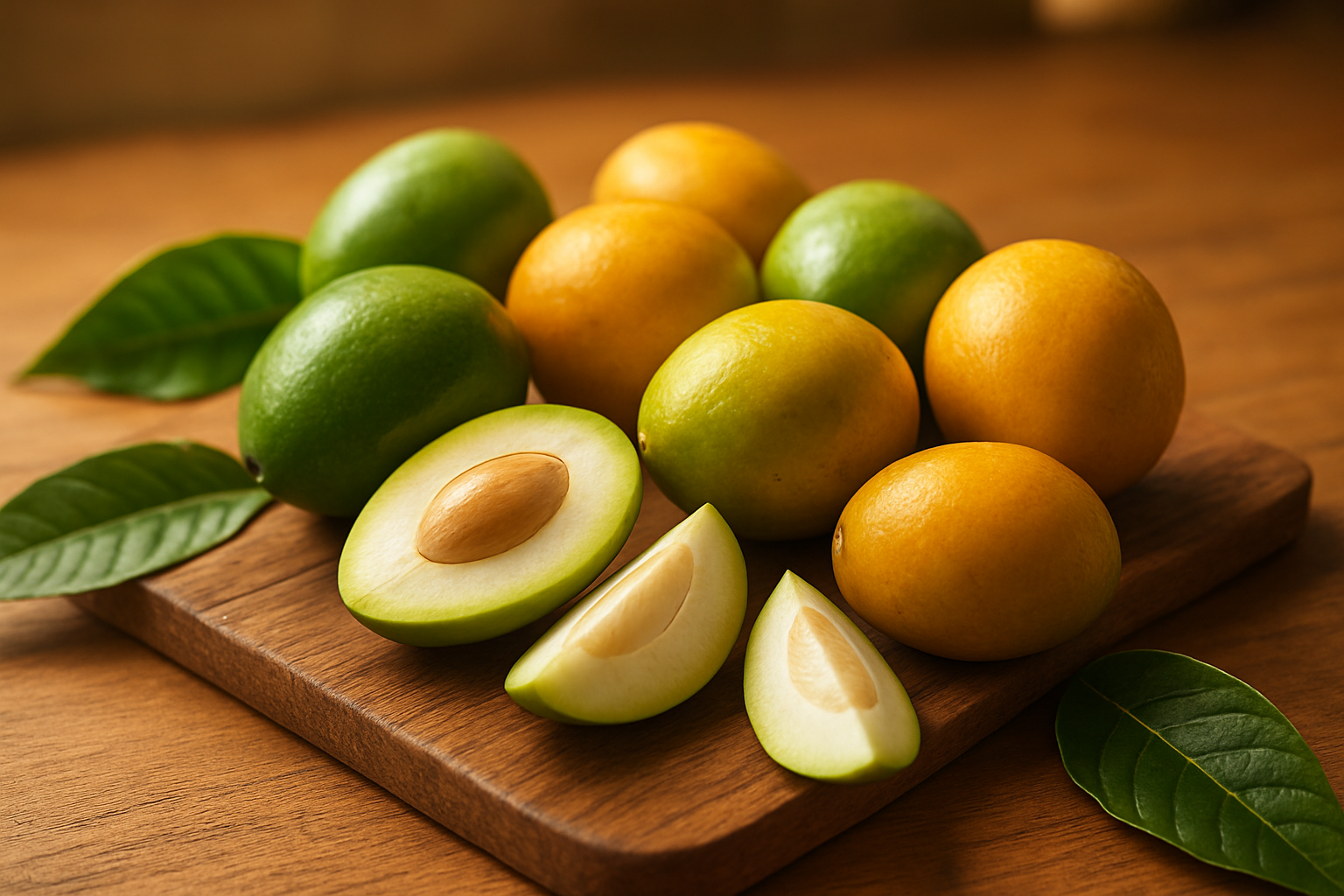
The ambarella stands out as a truly remarkable tropical fruit that deserves a spot in your culinary adventures. From its distinctive oval shape and golden-yellow skin to its unique sweet-tart flavor that dances between green apple and pineapple, this exotic gem offers something special for adventurous food lovers. Beyond its intriguing taste, the ambarella packs impressive nutritional benefits, delivering vitamin C, fiber, and antioxidants that support your overall health and wellness.
Ready to explore this tropical treasure? Start by visiting your local Asian or Caribbean markets, where you're most likely to find fresh ambarella. Look for fruits that give slightly to pressure and have that beautiful golden hue - these are your best bets for optimal flavor. Whether you enjoy them fresh as a snack, pickle them for a tangy treat, or blend them into smoothies and jams, the ambarella opens up a world of exciting flavor possibilities that will transform your fruit repertoire forever.


.png)
Comments
Post a Comment