Bael - What's The Bael (Stone/Wood Apple) Fruit?
.png)
The bael fruit, also known as stone apple or wood apple fruit, is a unique tropical treasure that most people have never heard of – but maybe should have. This hard-shelled golden fruit from the Aegle marmelos tree packs serious nutritional punch and has been used in traditional medicine for thousands of years across India and Southeast Asia.
This guide is perfect for health-conscious food lovers, gardening enthusiasts, and anyone curious about exotic superfruits that could boost their wellness routine. You'll discover what makes bael benefits so impressive from both nutritional and medicinal standpoints, plus learn practical ways to actually eat this tough-exterior fruit (spoiler: you'll need some patience and the right technique).
We'll walk through the impressive bael nutritional value that makes this fruit a genuine superfood, explore its time-tested wood apple health benefits and traditional bael medicinal uses that modern science is starting to validate, and share simple methods for how to eat bael fruit along with tasty bael fruit recipes you can try at home.
Understanding Bael Fruit Basics
Origins and Botanical Classification of the Stone Apple
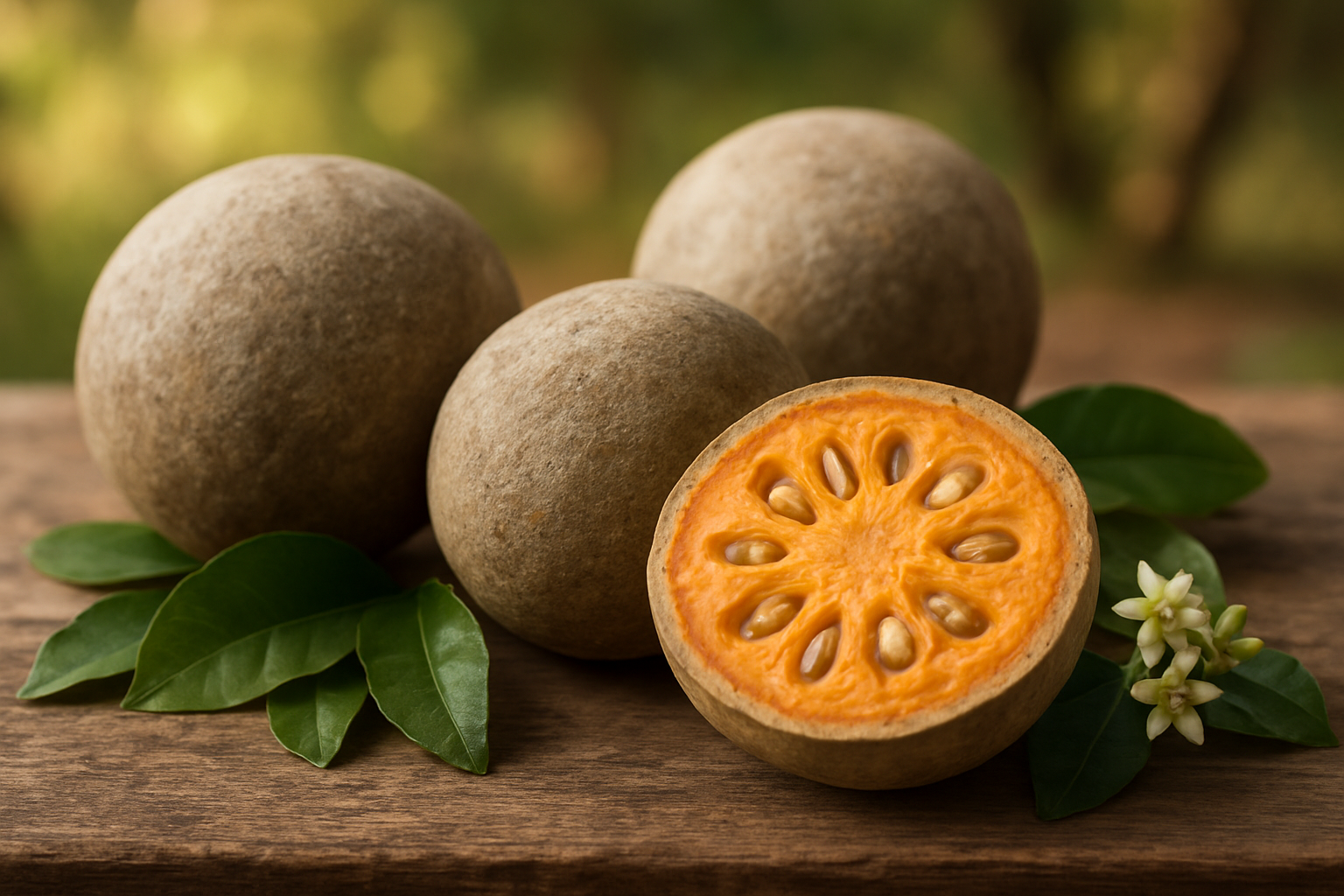
Bael fruit, scientifically known as Aegle marmelos, belongs to the Rutaceae family, which also includes citrus fruits like oranges and lemons. This ancient fruit tree has its roots deeply embedded in the Indian subcontinent, where it has been revered for over 4,000 years. Archaeological evidence suggests that bael cultivation began in the Indus Valley civilization, making it one of the oldest known cultivated fruits in human history.
The stone apple naturally thrives across India, Bangladesh, Sri Lanka, and parts of Southeast Asia. Wild varieties still grow abundantly in the foothills of the Himalayas and throughout the Deccan Plateau. The tree has since spread to other tropical and subtropical regions, including parts of Africa, the Middle East, and even some areas of the Americas where climate conditions permit.
Botanically, the bael tree is classified as a deciduous species that can reach heights of 40-50 feet. Its scientific classification places it in the kingdom Plantae, order Sapindales, making it a distant cousin to mahogany and maple trees. The tree's hardy nature allows it to survive in diverse soil conditions and withstand drought periods, which explains its widespread distribution across varying climates.
Physical Appearance and Distinctive Characteristics
Wood apple fruit presents a truly unique appearance that sets it apart from most other tropical fruits. The mature fruit typically measures 5-20 centimeters in diameter and displays a hard, woody shell that resembles a small coconut or large walnut. This tough exterior shell, which gives the fruit its "stone apple" nickname, requires significant force to crack open – often necessitating a hammer or heavy knife.
The shell's surface appears smooth to slightly rough, with a pale gray to yellowish-brown coloration. When you shake a ripe bael fruit, you'll hear the contents moving inside, indicating the pulp has separated from the shell walls. This distinctive rattling sound serves as a reliable indicator of ripeness.
Inside the formidable exterior lies aromatic, orange-colored pulp that varies in consistency from soft and sticky to somewhat fibrous. The pulp contains numerous small, white seeds embedded throughout, which are covered in a mucilaginous coating. The flesh emits a sweet, pleasant fragrance that intensifies as the fruit ripens, often described as a blend of rose water and citrus.
Fresh bael trees produce glossy, trifoliate leaves arranged in clusters of three leaflets. The tree bears small, fragrant white or pale yellow flowers that bloom in clusters during spring months. The bark appears gray and often develops deep furrows as the tree matures, while the branches tend to have sharp thorns, particularly on younger growth.
Common Names Across Different Cultures
The bael fruit goes by dozens of names across different cultures and regions, reflecting its widespread cultivation and cultural significance. In Hindi, it's called "bel" or "bilva," while Sanskrit refers to it as "bilva," a name that appears frequently in ancient Hindu texts and religious ceremonies.
Regional Indian languages have their own variations: Bengali speakers call it "bel," Telugu communities know it as "maredu," Tamil speakers refer to it as "vilvam," and Malayalam speakers use "koovalam." In Marathi, it's "bel," while Gujarati speakers call it "bil."
| Region/Language | Common Name |
|---|---|
| Hindi | Bel, Bilva |
| Bengali | Bel |
| Tamil | Vilvam |
| Telugu | Maredu |
| Malayalam | Koovalam |
| Thai | Matum |
| Sinhalese | Beli |
| English | Stone Apple, Wood Apple |
Southeast Asian countries have adopted their own names: Thai people call it "matum," while in Sri Lanka, Sinhalese speakers refer to it as "beli." The English-speaking world primarily uses "stone apple" or "wood apple," though "bael fruit" has gained popularity in health food circles.
The fruit also carries spiritual significance in many cultures, particularly in Hinduism, where the bael tree is considered sacred to Lord Shiva. This religious connection has influenced naming conventions, with many Sanskrit-derived names still used in contemporary languages across South Asia.
Nutritional Powerhouse Benefits
Essential vitamins and mineral content
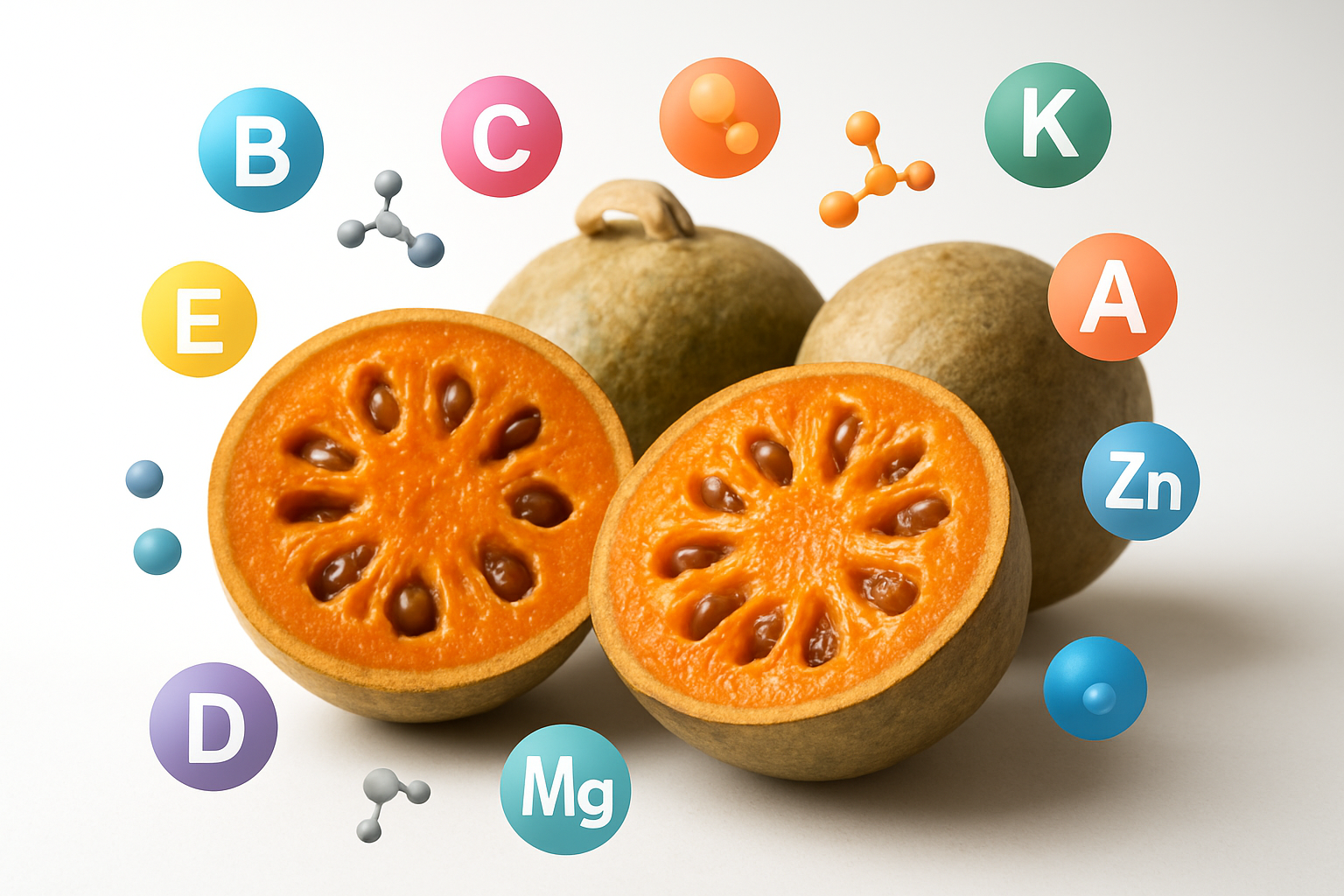
Bael fruit delivers an impressive array of essential nutrients that make it a standout addition to any diet. This tropical powerhouse contains significant amounts of vitamin C, providing roughly 60mg per 100g of fresh fruit - that's about 67% of your daily recommended intake. Vitamin C plays a crucial role in collagen synthesis, wound healing, and maintaining healthy skin.
The bael nutritional value extends far beyond vitamin C. You'll find substantial amounts of vitamin A, which supports eye health and immune function. B-complex vitamins including thiamine, riboflavin, and niacin are present in meaningful quantities, supporting energy metabolism and nervous system function.
When it comes to minerals, bael fruit shines with its potassium content - approximately 600mg per 100g. This mineral helps regulate blood pressure and supports proper muscle and nerve function. Calcium levels reach around 85mg per 100g, contributing to bone health. Iron, phosphorus, and magnesium round out the mineral profile, making wood apple health benefits particularly valuable for those with mineral deficiencies.
| Nutrient | Amount per 100g | % Daily Value |
|---|---|---|
| Vitamin C | 60mg | 67% |
| Potassium | 600mg | 17% |
| Calcium | 85mg | 8% |
| Iron | 0.6mg | 3% |
| Phosphorus | 50mg | 7% |
Fiber and digestive health advantages
The digestive benefits of stone apple are nothing short of remarkable. Fresh bael fruit contains about 2.9g of dietary fiber per 100g, while the dried pulp can contain up to 18g per 100g. This high fiber content works wonders for your digestive system.
Bael benefits for digestion include both soluble and insoluble fiber. Soluble fiber helps regulate blood sugar levels and can lower cholesterol, while insoluble fiber adds bulk to stool and promotes regular bowel movements. The pectin found in bael fruit acts as a natural prebiotic, feeding beneficial gut bacteria and promoting a healthy microbiome.
Many people find that wood apple fruit helps with various digestive issues:
-
Relieves constipation naturally without harsh laxatives
-
Soothes irritated intestinal lining
-
Reduces bloating and gas
-
Supports healthy gut bacteria growth
-
Helps regulate bowel movements
The mucilage present in bael fruit creates a protective coating in the digestive tract, which can be particularly beneficial for people with sensitive stomachs or inflammatory bowel conditions.
Antioxidant properties for immune support
Bael fruit stands out as an antioxidant champion, packed with compounds that fight free radicals and support your immune system. The fruit contains powerful antioxidants including tannins, flavonoids, coumarins, and phenolic compounds that work together to protect your cells from oxidative stress.
These antioxidants offer several key bael benefits:
-
Neutralize harmful free radicals that can damage cells
-
Reduce inflammation throughout the body
-
Support healthy aging by protecting against cellular damage
-
Boost immune system response to infections
-
May help prevent chronic diseases
The vitamin C content alone makes bael fruit a formidable immune booster, but the synergistic effect of multiple antioxidants creates an even more powerful protective shield. Beta-carotene, which converts to vitamin A in your body, adds another layer of immune support while promoting healthy skin and vision.
Research suggests that the antioxidant activity in aegle marmelos may be comparable to or even exceed that of some well-known superfruits, making it a valuable addition to an antioxidant-rich diet.
Low calorie content for weight management
For those watching their weight, bael fruit offers sweet satisfaction without the guilt. Fresh bael contains only about 137 calories per 100g, making it a smart choice for calorie-conscious individuals. The natural sweetness means you can satisfy sugar cravings while staying within your daily caloric goals.
The combination of low calories and high fiber content makes bael particularly effective for weight management:
-
High satiety factor: Fiber helps you feel full longer, reducing overall food intake
-
Slow sugar release: Natural fruit sugars are released gradually, preventing blood sugar spikes
-
Hydration support: High water content (about 61%) helps maintain proper hydration
-
Metabolism support: B-vitamins aid in converting food to energy efficiently
Stone apple can easily replace higher-calorie snacks and desserts in your diet. Whether eaten fresh or incorporated into smoothies and healthy recipes, it provides essential nutrients while keeping calorie counts reasonable. The natural sweetness and unique flavor make it an enjoyable part of any weight management plan, proving that healthy eating doesn't mean sacrificing taste or satisfaction.
Traditional Medicinal Uses and Healing Properties
Ayurvedic Applications for Digestive Disorders
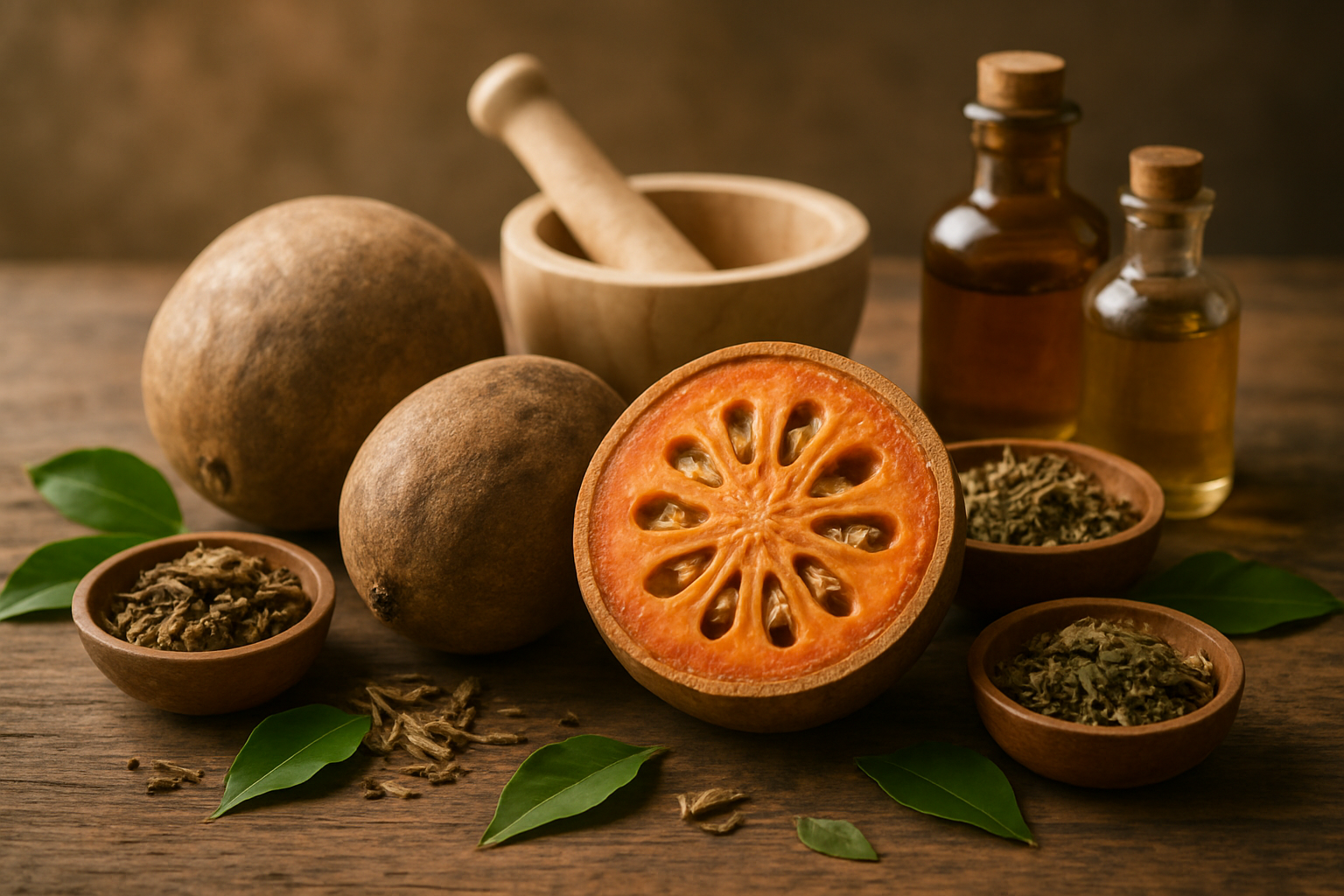
Aegle marmelos holds a revered place in Ayurvedic medicine as one of the most potent digestive remedies. Ancient practitioners recognized bael fruit's unique ability to balance both excessive heat and cold conditions in the digestive tract, making it suitable for various stomach ailments.
The unripe bael fruit contains high levels of tannins and pectin, which create an astringent effect that helps bind loose stools and reduce inflammation in the intestinal lining. Ripe bael, conversely, acts as a gentle laxative due to its fiber content and natural sugars, making it perfect for chronic constipation.
Traditional Ayurvedic texts recommend consuming bael in different forms depending on the specific digestive issue:
-
Fresh pulp mixed with honey for general stomach upset
-
Dried powder with buttermilk for chronic indigestion
-
Bael sherbet for cooling digestive fire during summer months
-
Concentrated juice for severe gastric problems
Natural Remedies for Diarrhea and Dysentery
Wood apple fruit has earned recognition as nature's anti-diarrheal medicine. The fruit's antimicrobial compounds, including marmelosin and aegeline, actively combat harmful bacteria like E. coli and Salmonella that commonly cause dysentery.
The astringent properties of unripe bael create a protective coating along the intestinal walls, reducing excessive fluid secretion and inflammation. This mechanism proves especially effective for:
| Condition | Preparation Method | Dosage |
|---|---|---|
| Acute diarrhea | Fresh pulp with salt | 2-3 times daily |
| Chronic dysentery | Dried pulp powder with yogurt | Twice daily for 5-7 days |
| Bacterial infections | Concentrated juice | Small amounts every few hours |
Clinical studies have shown that bael extract can reduce stool frequency by up to 70% within 24-48 hours, making it more effective than many conventional treatments without the associated side effects.
Blood Sugar Regulation Benefits
Recent research validates what traditional healers have long known about bael medicinal uses for diabetes management. The fruit contains several bioactive compounds that help regulate blood glucose levels naturally.
Stone apple works through multiple pathways to control blood sugar:
-
Fiber content slows glucose absorption in the small intestine
-
Natural antioxidants protect pancreatic beta cells from oxidative damage
-
Aegeline compound enhances insulin sensitivity in muscle tissues
-
Pectin helps stabilize post-meal blood sugar spikes
Regular consumption of bael juice (about 100ml daily) has shown promising results in maintaining healthy glucose levels. The fruit's low glycemic index makes it safe for diabetics, while its natural sweetness satisfies sugar cravings without causing harmful spikes.
Respiratory Health Support
Bael benefits extend significantly into respiratory wellness, where the fruit's expectorant and antimicrobial properties shine. Traditional medicine systems have used bael for centuries to treat various breathing difficulties and lung infections.
The fruit's vitamin C content, combined with natural compounds like limonene, helps:
-
Clear mucus from airways and lungs
-
Reduce inflammation in bronchial tubes
-
Fight respiratory infections naturally
-
Strengthen lung immunity against pathogens
Preparation methods for respiratory issues include:
-
Steam inhalation with bael leaf decoction for congestion
-
Fresh juice mixed with ginger for persistent coughs
-
Honey-bael paste for soothing sore throats
-
Warm tea made from dried bael pieces for bronchitis relief
Skin Condition Treatments
The topical application of wood apple health benefits has shown remarkable results for various dermatological conditions. Bael's antimicrobial, anti-inflammatory, and antioxidant properties make it an excellent natural skincare ingredient.
Common skin treatments using bael include:
For acne and bacterial infections:
-
Fresh pulp mask applied 2-3 times weekly
-
Bael juice mixed with turmeric for spot treatment
-
Dried powder paste for oil control
For wounds and cuts:
-
Fresh leaf paste accelerates healing
-
Bael oil prevents infection and scarring
-
Juice application reduces inflammation and pain
For chronic skin conditions:
-
Regular consumption improves skin from within
-
External application of concentrated extract for eczema relief
-
Combination with neem for persistent fungal infections
The fruit's natural acids help exfoliate dead skin cells while its antioxidants protect against environmental damage, creating healthier, more radiant skin over time.
Culinary Applications and Preparation Methods
Fresh Consumption Techniques and Timing
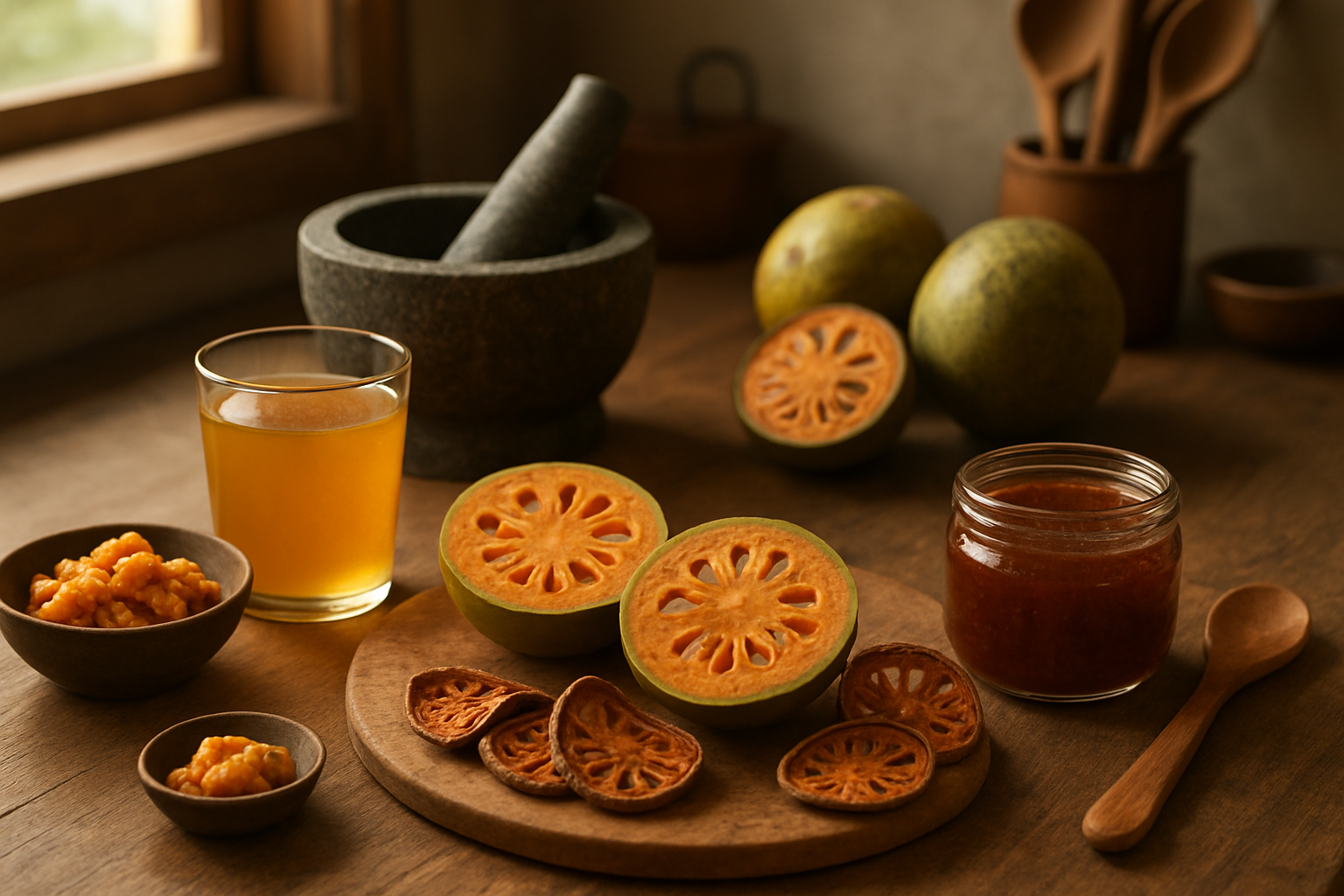
Eating bael fruit requires a bit of know-how since the hard shell can be intimidating for first-timers. The fruit is ready to eat when it turns yellow-green and gives slightly to pressure, similar to a ripe avocado. You'll hear the pulp moving inside when you shake it - that's your cue that it's perfectly ripe.
To crack open a bael fruit, use a hammer or heavy knife to break through the woody shell. The aromatic, orange-colored pulp inside has a custard-like texture mixed with seeds and fiber. Scoop out the pulp with a spoon, being careful to remove the seeds and stringy bits. The flesh has a unique sweet-tangy flavor that's been described as a cross between tamarind and orange.
Fresh bael fruit tastes best when chilled, and many people prefer eating it with a pinch of salt or sugar to balance the tartness. The pulp can be quite fibrous, so some folks strain it before eating. Peak ripeness occurs during summer months, typically from May through July, when the fruit develops its characteristic aroma and the shell becomes easier to crack.
Juice Extraction and Beverage Preparation
Bael juice stands out as one of the most refreshing summer drinks in South Asian cuisine. Start by extracting the pulp from 2-3 ripe fruits and soaking it in water for about 30 minutes. This softens the pulp and makes extraction easier.
Mash the pulp thoroughly and strain through a fine mesh or cheesecloth to remove seeds and fiber. Add water gradually until you reach your desired consistency - typically 1 part pulp to 3 parts water works well. Many people add sugar, jaggery, or honey to taste, along with a pinch of black salt for that authentic flavor profile.
For traditional bael sharbat, blend the strained pulp with chilled water, sugar, lemon juice, and crushed mint leaves. Some variations include adding cardamom powder or fresh ginger for extra flavor complexity. The drink can be served over ice cubes and garnished with mint sprigs.
Popular beverage combinations include:
-
Classic Bael Juice: Pulp + water + sugar + black salt
-
Spiced Sharbat: Add cardamom, cumin powder, and mint
-
Tropical Mix: Combine with coconut water and lime juice
-
Creamy Version: Blend with yogurt for a lassi-style drink
Traditional Recipes and Cultural Dishes
Bael fruit recipes vary significantly across different regions, with each culture adding its own twist to this versatile ingredient. In Indian cuisine, bael murabba (sweet preserve) ranks among the most cherished preparations. The process involves cooking ripe bael pulp with sugar and spices like cardamom and cloves until it reaches a jam-like consistency.
Bengali households often prepare bael pakana, where the fruit pulp is cooked with milk, sugar, and rice to create a creamy dessert similar to kheer. The dish gets garnished with chopped nuts and served during festivals and special occasions.
Thai cuisine features wood apple in som tam variations, where young, unripe fruit adds crunch to spicy salads. The firm texture of young bael fruit works perfectly with fish sauce, lime juice, chilies, and palm sugar dressing.
Regional specialties include:
| Region | Dish Name | Key Ingredients |
|---|---|---|
| North India | Bael Ka Halwa | Pulp, milk, ghee, sugar, cardamom |
| Bengal | Bael Payesh | Pulp, rice, milk, jaggery |
| Tamil Nadu | Vilvam Pazham Juice | Fresh pulp, buttermilk, salt |
| Thailand | Som Tam Bael | Young fruit, chilies, fish sauce, lime |
Many families pass down their own bael fruit recipes through generations, often including secret ingredient combinations that make each version unique. The fruit's natural pectin content makes it excellent for jams and preserves that can last for months when properly stored.
Growing and Harvesting Your Own Bael Trees
.png)
Climate Requirements and Soil Conditions
Bael trees thrive in tropical and subtropical climates with temperatures ranging from 32°F to 122°F (-0°C to 50°C). These hardy trees prefer areas with distinct wet and dry seasons, making them perfect for regions with monsoon patterns. The optimal annual rainfall ranges between 35-60 inches, though mature bael trees can survive extended drought periods.
Soil preferences are quite flexible for bael tree cultivation. These adaptable trees grow well in various soil types, including sandy loam, clay loam, and even rocky terrain. The ideal pH range falls between 5.5 to 8.0, though they tolerate slightly alkaline conditions better than most fruit trees. Good drainage is essential - waterlogged conditions can damage root systems and stunt growth.
Elevation considerations matter for optimal fruit production. Bael trees perform best at elevations up to 4,000 feet above sea level. Higher altitudes may slow growth and reduce fruit quality, while sea-level locations often provide excellent growing conditions.
Planting and Care Instructions
Site selection starts with choosing a location that receives full sunlight for at least 6-8 hours daily. Space trees 15-20 feet apart to allow proper canopy development and air circulation.
Planting process begins with digging holes twice the width of the root ball and equally deep. Mix organic compost or well-rotted manure into the native soil before backfilling. Plant during the beginning of the rainy season for best establishment results.
Watering schedule varies by season and tree age. Young trees need consistent moisture during their first two years, requiring weekly watering during dry periods. Mature trees are remarkably drought-tolerant but benefit from deep watering every 2-3 weeks during fruiting season.
Fertilization program should include:
-
Organic compost annually in spring
-
Balanced NPK fertilizer (10-10-10) twice yearly
-
Micronutrient supplements every other year
-
Bone meal application during flowering season
Pruning practices focus on removing dead, diseased, or crossing branches during the dormant season. Light pruning encourages better air circulation and sunlight penetration, leading to improved fruit quality.
Harvesting Timeline and Ripeness Indicators
Fruit development takes 10-11 months from flowering to full maturity. Bael fruit typically flowers between March and May, with harvest season occurring from November to February in most regions.
Ripeness indicators include several key visual and tactile cues:
-
Shell color changes from green to yellow or pale brown
-
Fruit develops a sweet, aromatic fragrance
-
Shell becomes slightly soft when pressed gently
-
Fruit may naturally fall from the tree when fully ripe
-
Internal pulp turns orange-yellow with a custard-like consistency
Harvesting techniques require careful handling since ripe bael fruit can crack easily. Use a long pole with a cloth-lined basket to gently twist and remove fruits from high branches. Harvest during cool morning hours to prevent heat damage.
Yield expectations vary by tree age and care. Young trees (3-5 years) produce 50-100 fruits annually, while mature trees (10+ years) can yield 300-400 fruits per season under optimal conditions.
Storage Methods for Maximum Freshness
Fresh fruit storage works best at room temperature for immediate consumption within 5-7 days. Ripe stone apple fruit continues to soften after harvesting, so timing consumption is important.
Extended storage options include:
| Storage Method | Duration | Temperature | Humidity |
|---|---|---|---|
| Room temperature | 5-7 days | 68-75°F | 60-70% |
| Refrigeration | 2-3 weeks | 35-40°F | 85-90% |
| Frozen pulp | 6-8 months | 0°F or below | N/A |
Pulp preservation offers the longest storage life. Extract pulp from ripe fruits, strain out seeds and fiber, then freeze in airtight containers. This method maintains most nutritional benefits and allows year-round enjoyment of bael benefits.
Drying methods work well for creating shelf-stable products. Slice unripe fruit thinly and sun-dry for 5-7 days, or use a food dehydrator at 135°F for 12-15 hours. Properly dried bael fruit pieces can last 6-12 months when stored in airtight containers away from moisture and light.
Quality maintenance during storage requires regular inspection for signs of over-ripening or spoilage. Remove any damaged fruits promptly to prevent affecting nearby stored fruit.
Potential Side Effects and Safety Considerations
Overconsumption Risks and Recommended Doses
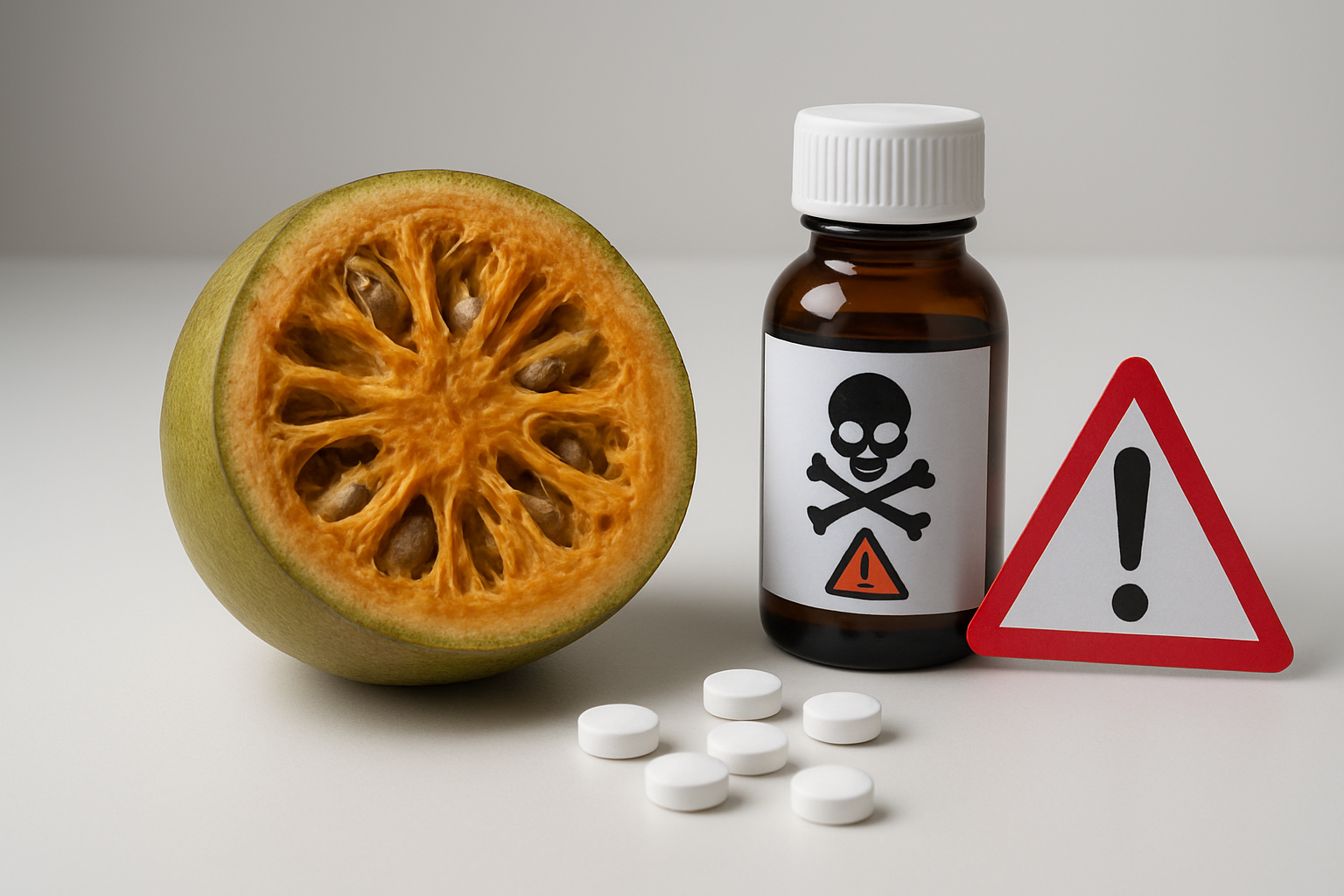
Bael fruit packs powerful medicinal compounds, which means moderation is key when enjoying this stone apple. Eating too much bael can trigger digestive upset, including diarrhea, stomach cramps, and nausea. The fruit's high fiber content becomes problematic when consumed excessively, potentially causing intestinal blockages in sensitive individuals.
For fresh bael fruit pulp, nutritionists recommend limiting intake to 100-150 grams daily. If you're using bael powder or dried forms, stick to 1-2 teaspoons per day. When consuming bael juice, a single glass (200ml) should be your maximum daily serving.
The fruit's natural sugars can affect blood glucose levels, so diabetics should monitor their portions carefully. Start with smaller amounts - maybe half a fruit initially - to gauge your body's response before increasing consumption.
Drug Interactions and Medical Precautions
Bael fruit can interfere with several medications, making medical consultation essential before regular consumption. The fruit affects blood sugar levels, potentially amplifying the effects of diabetes medications and causing dangerous hypoglycemia.
People taking blood pressure medications should exercise caution, as bael's compounds may lower blood pressure further. The fruit also interacts with anticoagulant drugs, potentially increasing bleeding risks due to its blood-thinning properties.
Medical conditions requiring special attention:
-
Kidney stones: Bael's oxalate content may worsen existing conditions
-
Digestive disorders: IBS or Crohn's disease patients should start with minimal amounts
-
Low blood pressure: The fruit's hypotensive effects could cause dizziness
-
Scheduled surgeries: Discontinue bael consumption two weeks before procedures
Always inform your healthcare provider about bael fruit consumption, especially if you're managing chronic conditions or taking multiple medications.
Pregnancy and Breastfeeding Guidelines
Pregnant women should avoid bael fruit entirely during their first trimester. The fruit contains compounds that may stimulate uterine contractions, potentially leading to miscarriage or premature labor. Even small amounts pose risks during early pregnancy stages.
During the second and third trimesters, occasional consumption of small portions might be acceptable, but only with medical approval. Some traditional practices use bael for pregnancy-related digestive issues, but modern medical evidence doesn't support this use.
Breastfeeding mothers can generally consume moderate amounts of bael fruit, as no significant adverse effects have been documented in nursing infants. However, watch for any digestive changes in your baby after consumption. If your infant develops diarrhea, gas, or feeding difficulties, discontinue bael intake immediately.
The stone apple's medicinal properties may pass through breast milk, potentially affecting infant digestion. Start with tiny portions and monitor both your own reaction and your baby's response to ensure safety for both of you.
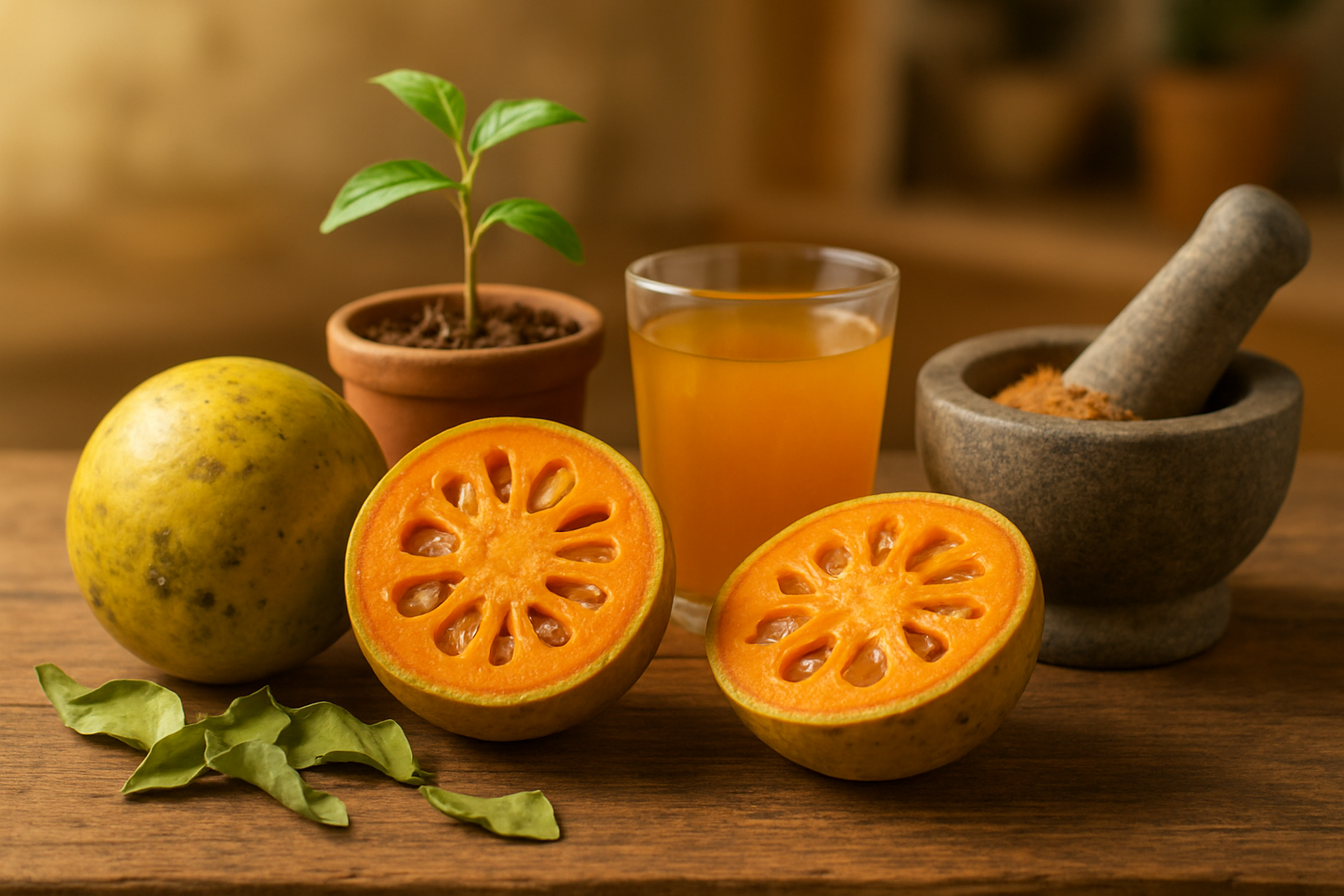
The bael fruit stands out as nature's overlooked treasure, packed with vitamins, minerals, and healing compounds that have supported human health for centuries. From its impressive digestive benefits and immune-boosting properties to its traditional role in treating everything from stomach issues to respiratory problems, this unique stone apple proves that sometimes the best remedies come straight from the tree. Its versatility in the kitchen - whether you're making refreshing drinks, jams, or traditional sweets - makes it easy to add this superfood to your daily routine.
If you're curious about exploring natural health alternatives or simply want to diversify your fruit intake, bael deserves a spot on your grocery list. Just remember to start slowly and listen to your body, especially if you have existing health conditions. Growing your own bael tree can be incredibly rewarding, giving you fresh fruit while connecting you to an ancient tradition of natural wellness. Don't let this nutritional powerhouse remain a mystery - give bael fruit a try and discover what you've been missing.


.png)
Comments
Post a Comment