Baobab Fruit - What's The Baobab Fruit?
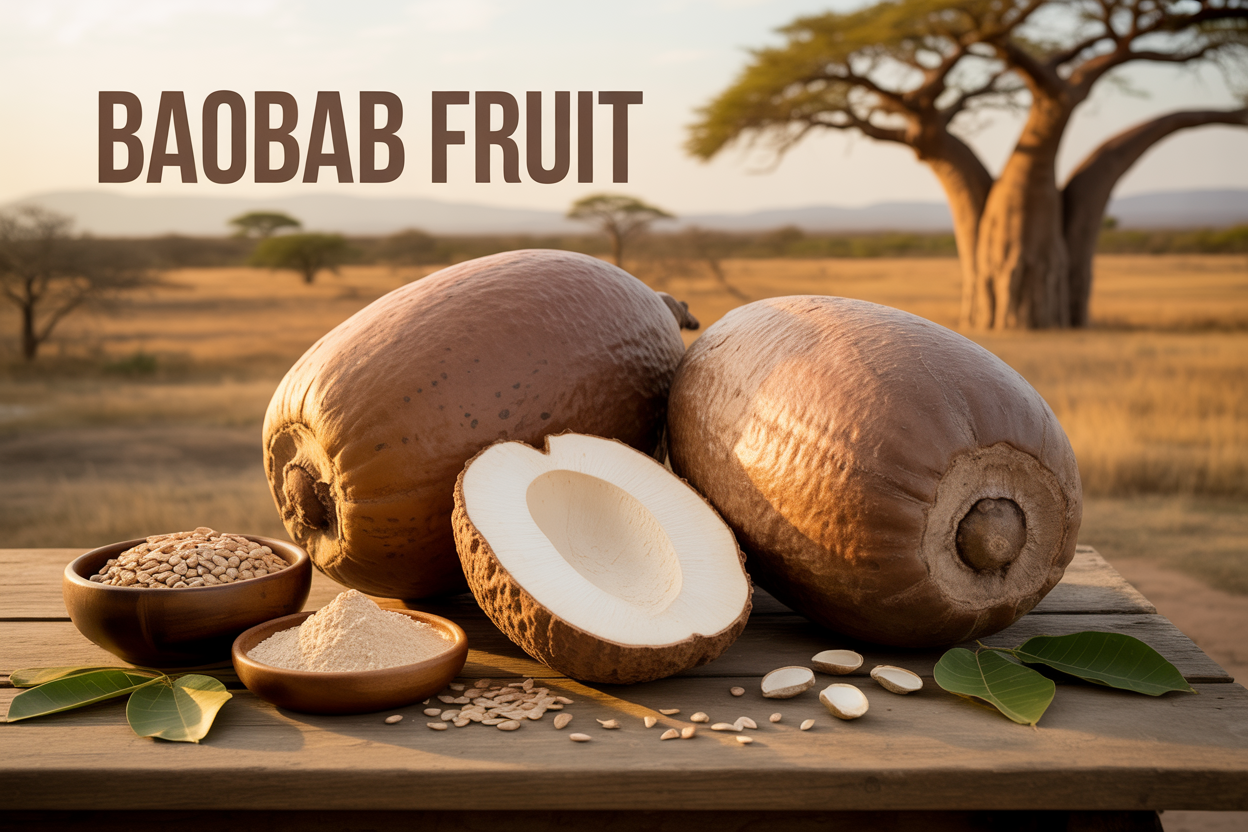
The baobab fruit comes from Africa's iconic "Tree of Life" and has quietly become one of the most talked-about superfruits in health circles. This nutrient-packed African superfruit offers an impressive combination of vitamin C, fiber, and antioxidants that puts many common fruits to shame.
This guide is perfect for health-conscious individuals, fitness enthusiasts, and anyone curious about adding natural superfoods to their diet. We'll explore the baobab fruit's exceptional nutritional profile and proven health benefits, then dive into its unique tangy-sweet taste and practical ways to use baobab fruit powder in your kitchen. You'll also discover how this superfruit supports both your wellness goals and sustainable farming practices across Africa.
Understanding Baobab Fruit and Its Origins
What Makes Baobab Fruit Unique Among Superfruits
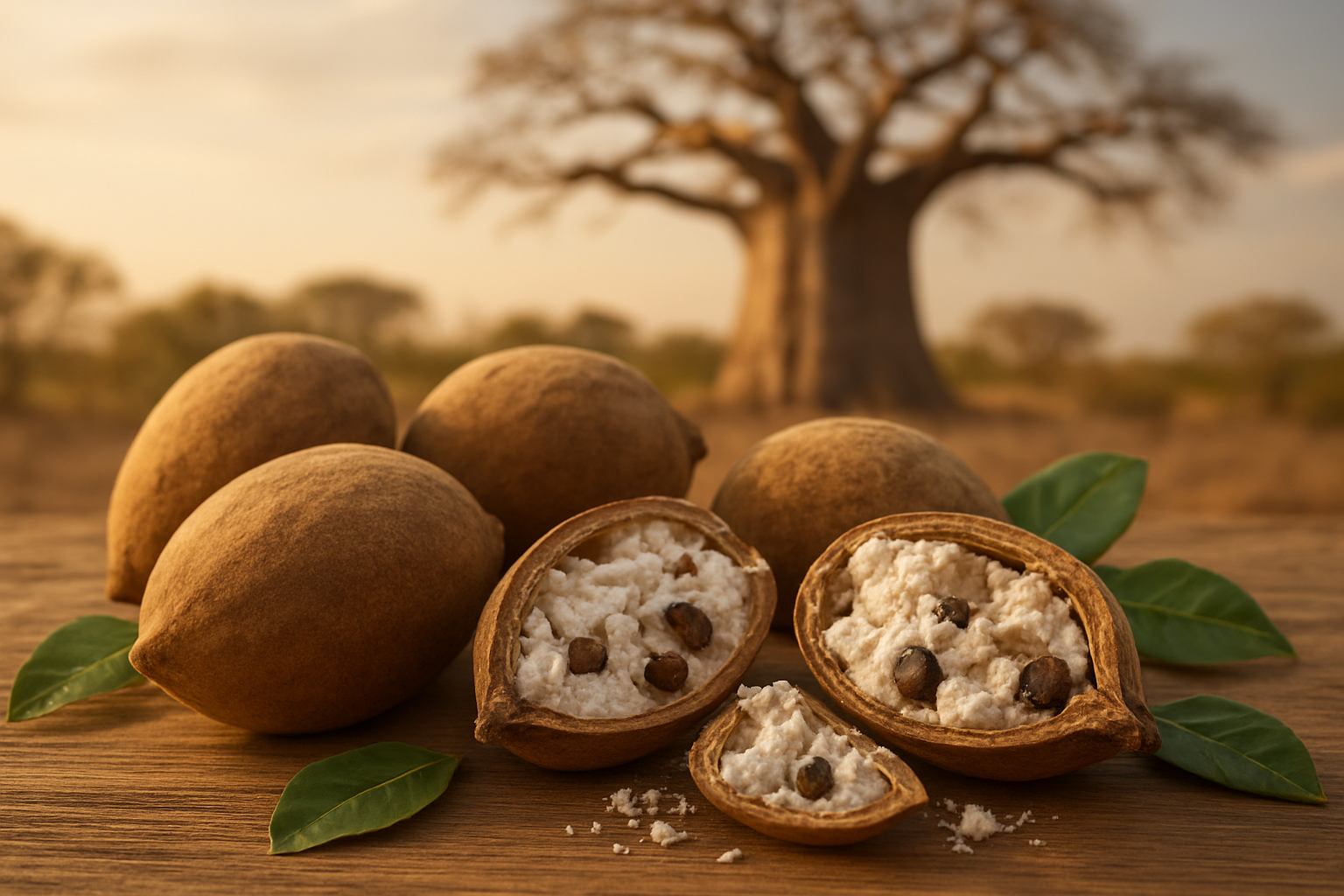
Baobab fruit stands apart from other superfruits in remarkable ways. Unlike most fruits that develop juicy flesh, baobab fruit naturally dehydrates while still hanging on the tree, creating a unique chalky powder inside its hard shell. This natural dehydration process concentrates the nutrients, making baobab fruit incredibly nutrient-dense compared to fresh fruits.
The fruit's distinctive appearance resembles a large coconut or gourd, with a velvety exterior that protects the precious contents within. When you crack open this African superfruit, you'll discover a white, powdery pulp surrounding dark seeds – nature's own ready-made supplement.
What truly sets baobab apart is its incredible shelf stability. The natural drying process means baobab fruit powder can last for years without refrigeration, making it one of the most practical superfruits for modern lifestyles. This ancient fruit delivers vitamin C levels that dwarf oranges, providing six times more vitamin C per serving.
Geographic Origins and Natural Habitat
The mighty baobab tree calls Africa home, thriving across the continent's diverse landscapes from Senegal to Sudan, and south to South Africa. These ancient giants prefer the semi-arid regions where other trees struggle to survive, making them true champions of harsh climates.
Madagascar hosts six unique species of baobab trees, while mainland Africa and Australia each have their own varieties. The baobab tree fruit grows best in areas with distinct wet and dry seasons, where temperatures can soar but rainfall remains limited.
These remarkable trees can live for thousands of years, with some specimens estimated to be over 2,000 years old. They've adapted perfectly to their environment, storing massive amounts of water in their enormous trunks during rainy seasons to survive extended droughts.
Cultural Significance in African Communities
Baobab trees hold profound meaning in African cultures, often called the "Tree of Life" for good reason. These majestic giants serve as community gathering places, where important decisions are made and stories are shared across generations.
Traditional healers have used every part of the baobab tree for centuries. The fruit provides essential nutrition during food shortages, while the leaves serve as vegetables and the bark has medicinal uses. Many African communities consider harming a baobab tree taboo, viewing them as sacred ancestors or spirits.
Local folklore often features baobab trees as wise guardians or magical entities. Children grow up hearing tales of how these upside-down trees got their distinctive appearance, with roots seemingly reaching toward the sky.
How Baobab Trees Produce This Nutritional Powerhouse
The baobab tree fruit development process is fascinating and unlike most other fruits. Baobab trees typically begin producing fruit after 15-20 years, though they can continue bearing fruit for centuries.
The fruiting cycle begins with large, white flowers that bloom at night, attracting bats and other nocturnal pollinators. After pollination, the fruit develops slowly over several months, growing to about the size of a football.
Here's what makes the process unique:
-
Natural dehydration: The fruit dries naturally on the tree, concentrating nutrients
-
Protective shell: The hard outer casing protects the powder from moisture and pests
-
Seeds and pulp: Inside, dark seeds are surrounded by the nutrient-rich white pulp
-
Harvest timing: Fruits are ready when they naturally fall from the tree
The baobab tree's ability to store water in its trunk allows it to continue producing nutritious fruit even during drought conditions, making it a reliable food source for both wildlife and human communities throughout its range.
Exceptional Nutritional Profile and Health Benefits
Vitamin C Content That Surpasses Oranges
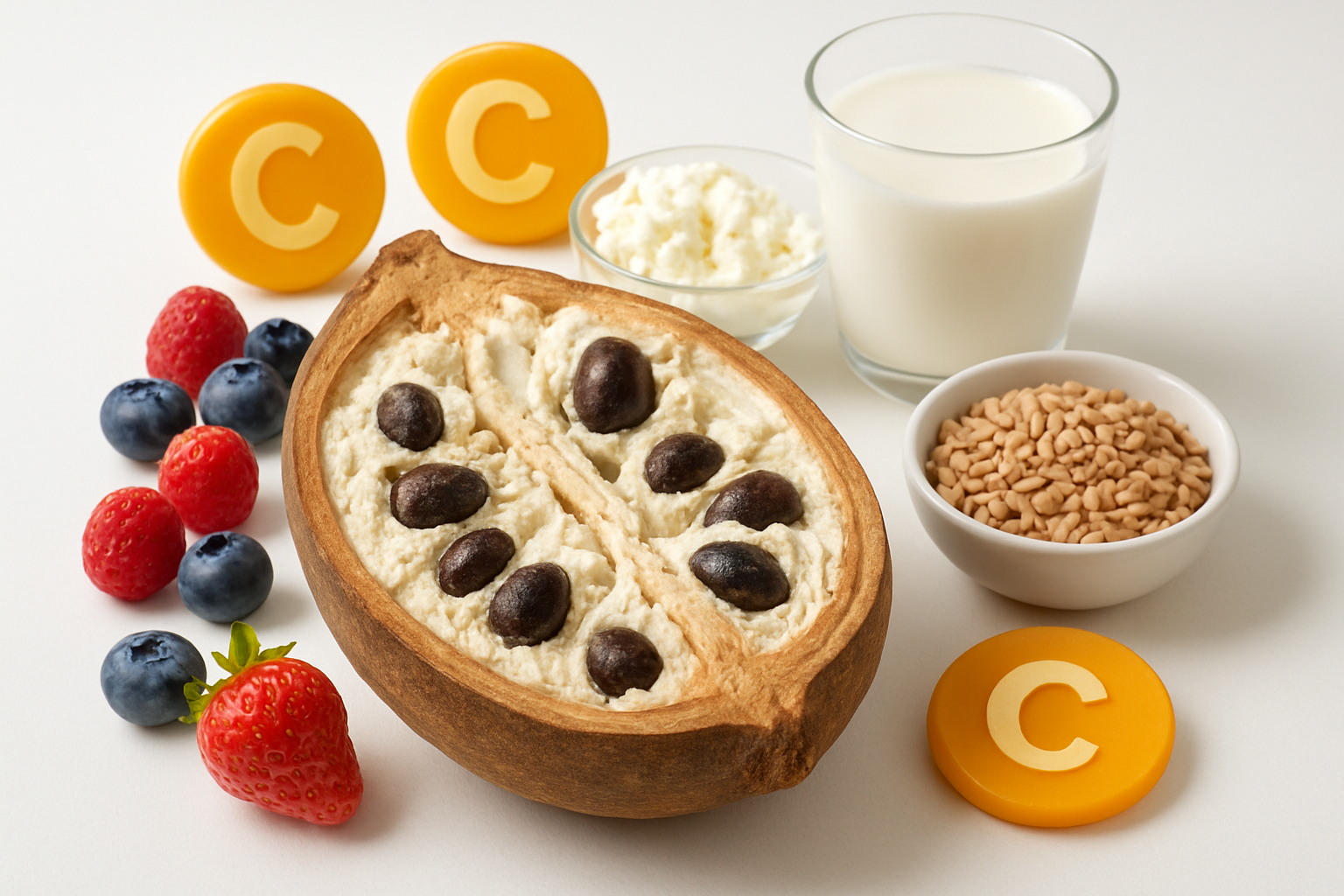
The baobab fruit contains approximately 280-300mg of vitamin C per 100g of pulp, which is roughly six times more than what you'd find in oranges. This African superfruit delivers an impressive vitamin C punch that puts most citrus fruits to shame. Your body uses this vitamin C to produce collagen, support immune function, and enhance iron absorption from plant-based foods.
What makes baobab's vitamin C particularly special is its natural stability. Unlike many other vitamin C-rich foods that lose their potency quickly after harvesting, baobab fruit powder retains its vitamin C content for extended periods when properly stored. This means you're getting consistent nutritional benefits whether you consume fresh baobab pulp or dried powder.
Essential Minerals for Optimal Body Function
Baobab nutritional benefits extend far beyond vitamin C. This superfruit nutrition powerhouse contains significant amounts of potassium, calcium, magnesium, and iron. The potassium content helps regulate blood pressure and supports proper muscle and nerve function, while calcium contributes to bone health and muscle contractions.
| Mineral | Amount per 100g | Primary Benefits |
|---|---|---|
| Potassium | 2,300mg | Heart health, muscle function |
| Calcium | 295mg | Bone strength, muscle contractions |
| Magnesium | 195mg | Energy metabolism, nerve function |
| Iron | 9mg | Oxygen transport, energy levels |
The magnesium in baobab supports over 300 enzymatic reactions in your body, including energy metabolism and protein synthesis. Iron content helps combat fatigue and supports healthy oxygen transport throughout your bloodstream.
Fiber Content for Digestive Health Support
Baobab fruit contains about 44g of dietary fiber per 100g of pulp - that's nearly twice your daily recommended intake. This remarkable fiber content includes both soluble and insoluble types, creating a perfect combination for digestive wellness.
The soluble fiber acts as a prebiotic, feeding beneficial gut bacteria and helping maintain a healthy microbiome. This type of fiber also helps regulate blood sugar levels by slowing glucose absorption. The insoluble fiber adds bulk to stool and promotes regular bowel movements, preventing constipation and supporting overall digestive health.
Regular consumption of baobab health benefits your gut in multiple ways:
-
Promotes healthy gut bacteria growth
-
Improves bowel regularity
-
Supports blood sugar stability
-
Enhances nutrient absorption
-
Reduces inflammation in the digestive tract
Antioxidant Properties That Fight Free Radicals
The antioxidant power of baobab tree fruit comes from its rich concentration of polyphenols, flavonoids, and other protective compounds. These antioxidants work together to neutralize harmful free radicals that can damage your cells and contribute to aging and chronic diseases.
Baobab contains particularly high levels of epicatechin, catechin, and procyanidin - the same beneficial compounds found in dark chocolate and green tea. These antioxidants help protect your cardiovascular system, support brain health, and may reduce inflammation throughout your body.
The ORAC (Oxygen Radical Absorbance Capacity) value of baobab fruit powder measures significantly higher than many other superfruits, including acai and goji berries. This means baobab provides superior protection against oxidative stress, potentially slowing cellular aging and reducing your risk of chronic health conditions.
Distinctive Taste Profile and Culinary Applications
Natural Tangy Flavor That Enhances Recipes
Baobab fruit delivers a uniquely refreshing taste that combines tartness with subtle sweetness, creating a flavor profile reminiscent of citrus meets tropical fruit. The natural tanginess comes from the fruit's high vitamin C content and organic acids, making baobab fruit taste distinctive among superfruits. This citrusy punch adds brightness to both sweet and savory dishes without overwhelming other flavors.
The powdered form of baobab fruit offers concentrated flavor that works beautifully in marinades for grilled meats, where its acidity helps tenderize proteins while adding complexity. Salad dressings benefit from baobab's natural tang, reducing the need for additional acidic ingredients. The powder dissolves easily, making it simple to incorporate into sauces, soups, and stews.
Powder Form Uses in Smoothies and Beverages
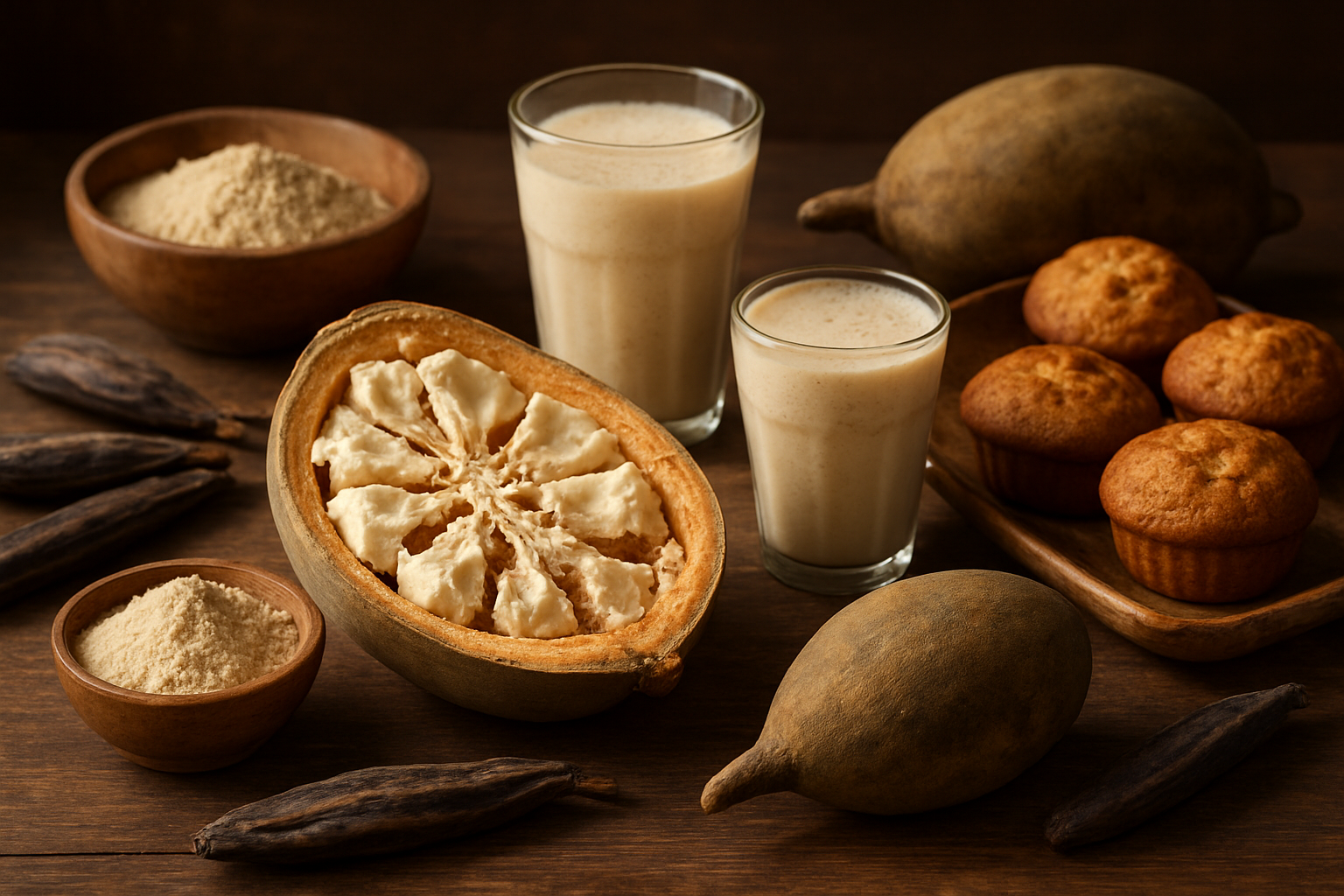
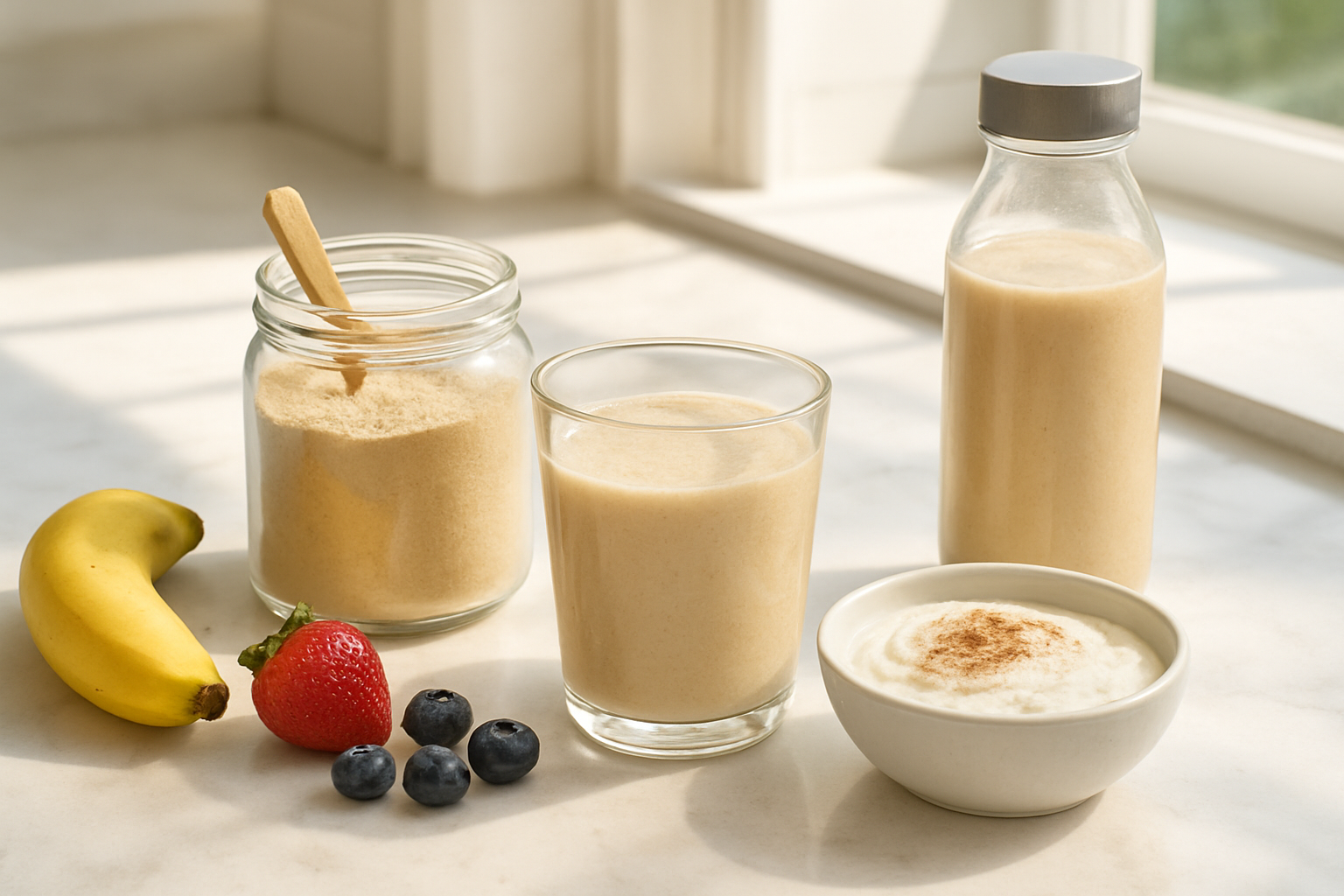
Baobab fruit powder transforms ordinary drinks into nutrient-packed powerhouses. The powder blends seamlessly into smoothies, providing a citrusy kick that pairs exceptionally well with tropical fruits like mango, pineapple, and banana. A single tablespoon adds substantial vitamin C, fiber, and antioxidants without altering the texture.
Popular beverage applications include:
-
Morning smoothies: Blend with spinach, banana, and coconut water
-
Post-workout drinks: Mix with protein powder and berries
-
Refreshing lemonades: Stir into cold water with honey
-
Tea blends: Add to herbal teas for extra nutrition
-
Energy drinks: Combine with green tea and natural sweeteners
The powder's natural tanginess means you can reduce or eliminate added sugars in many drink recipes while boosting the nutritional profile significantly.
Baking and Cooking Applications for Added Nutrition
How to use baobab fruit in baking opens up creative possibilities for health-conscious cooks. The powder substitutes beautifully for some flour in recipes, typically replacing up to 10% of total flour content without affecting texture. This substitution adds fiber, potassium, and vitamin C to baked goods.
Successful baking applications include:
| Recipe Type | Baobab Amount | Benefits |
|---|---|---|
| Muffins | 2-3 tablespoons | Adds tartness, boosts fiber |
| Energy bars | 1-2 tablespoons | Increases protein, natural tang |
| Pancakes | 1 tablespoon | Subtle flavor, extra nutrients |
| Cookies | 2 tablespoons | Reduces sugar need, adds minerals |
The African superfruit works particularly well in chocolate-based desserts, where its acidity enhances cocoa flavors. Raw desserts benefit from baobab's binding properties when mixed with dates or other sticky fruits. The powder also creates interesting flavor combinations in ice creams and sorbets, providing natural tartness that balances sweetness while delivering exceptional baobab nutritional benefits.
Sustainable Harvesting and Environmental Impact
Eco-Friendly Harvesting Methods That Protect Trees
The baobab fruit harvesting process stands out as one of nature's most sustainable operations. Unlike many commercial fruits that require intensive farming practices, baobab trees naturally drop their mature fruits to the ground when they're perfectly ripe. This means no climbing, cutting, or mechanical harvesting that could damage these ancient giants.
Local communities have perfected collection methods over generations, gathering the fallen fruits during specific seasons without harming the trees. The hard outer shell of the baobab tree fruit acts as natural protection, allowing fruits to remain fresh on the ground for weeks. This eliminates pressure to harvest prematurely and reduces waste significantly.
The trees themselves are incredibly resilient, thriving in harsh African climates without irrigation, pesticides, or fertilizers. Their massive trunks store water during rainy seasons, making them drought-resistant powerhouses that continue producing fruit for over 1,000 years. This longevity means one tree can feed multiple generations without replanting needs.
Supporting Local Communities Through Fair Trade
African superfruit harvesting creates vital income streams for rural communities across sub-Saharan Africa. Women's cooperatives often lead collection efforts, providing economic empowerment in regions with limited employment opportunities. Fair trade partnerships ensure harvesters receive premium prices for their baobab fruit powder and whole fruits.
These partnerships typically include:
-
Direct payment to collectors
-
Community development projects
-
Education funding for local children
-
Healthcare facility improvements
-
Water well construction
The decentralized nature of baobab harvesting means income reaches remote villages that traditional agriculture can't support. Since trees grow wild rather than in managed plantations, communities maintain ownership of their natural resources while participating in global markets.
Environmental Benefits of Baobab Tree Conservation
Baobab trees serve as ecological anchors in African landscapes, supporting entire ecosystems around their massive presence. Their conservation creates ripple effects that benefit countless species and environmental systems.
Key environmental advantages include:
| Benefit | Impact |
|---|---|
| Soil stabilization | Deep root systems prevent erosion |
| Habitat creation | Hollow trunks shelter animals |
| Water retention | Massive trunks store thousands of gallons |
| Biodiversity support | Flowers feed bats, insects, and birds |
These trees act as natural water towers, storing up to 32,000 gallons in their trunks during wet seasons. This water slowly releases into surrounding soil, creating oasis-like conditions that support other vegetation during droughts. The economic value of baobab nutritional benefits creates incentives for communities to protect these trees rather than clear land for short-term agricultural use.
Carbon Footprint Advantages Over Other Superfruits
The superfruit nutrition market often overlooks transportation and processing impacts, but baobab fruit naturally minimizes environmental costs. The fruit requires minimal processing since its pulp naturally dehydrates inside the shell, creating ready-to-use powder without energy-intensive drying methods.
Baobab trees sequester massive amounts of carbon throughout their millennium-long lifespans. A single mature tree can store several tons of carbon dioxide, making baobab fruit consumption a carbon-negative choice. Compare this to superfruits requiring controlled growing environments, regular shipping, or refrigerated storage.
Processing advantages include:
-
No artificial drying needed
-
Minimal packaging requirements
-
Long shelf life reduces waste
-
No refrigeration during transport
-
Lightweight powder form reduces shipping emissions
The baobab fruit taste remains stable without preservatives, eliminating chemical additives that require energy-intensive production. Wild-harvested fruits also avoid agricultural emissions from tractors, irrigation systems, and synthetic fertilizers that conventional fruit farming demands.
How to Incorporate Baobab Fruit Into Your Daily Routine
Recommended Daily Dosage for Maximum Benefits
Starting with baobab fruit powder is simple - begin with one teaspoon (approximately 5 grams) daily and gradually increase to one tablespoon (15 grams) as your body adapts. This amount provides substantial vitamin C, fiber, and essential minerals without overwhelming your digestive system.
For fresh baobab fruit pulp, 30-40 grams daily delivers optimal nutritional benefits. The powder form offers convenience and longer shelf life, making it easier to maintain consistent intake. Adults can safely consume up to 20 grams of baobab fruit powder daily, while children should stick to half that amount.
Listen to your body's response during the first week. Some people experience mild digestive changes as their system adjusts to the high fiber content. If you're taking medications or have underlying health conditions, consult your healthcare provider before adding this African superfruit to your routine.
Best Times to Consume for Optimal Absorption
Morning consumption works exceptionally well for baobab nutritional benefits. The fruit's natural sugars provide steady energy without the crash associated with processed sweeteners. Mix baobab fruit powder into your breakfast smoothie or yogurt to kickstart your metabolism.
Pre-workout timing enhances performance due to baobab's potassium content, which supports muscle function. Consuming it 30 minutes before exercise helps maintain electrolyte balance during physical activity.
Post-meal consumption aids digestion thanks to the fruit's prebiotic fiber content. The pectin in baobab supports gut health and helps regulate blood sugar spikes after eating. Evening consumption should be limited since the natural sugars might interfere with sleep patterns in sensitive individuals.
Avoid taking baobab on an empty stomach if you have digestive sensitivities, as the high fiber content might cause discomfort.
Combining with Other Superfoods for Enhanced Effects
Pairing baobab with vitamin D-rich foods amplifies calcium absorption from the fruit. Combine baobab fruit powder with fortified plant milks, fatty fish, or mushrooms for bone health benefits.
Create powerful antioxidant combinations by mixing baobab with berries, cacao powder, or green tea. These combinations fight oxidative stress more effectively than single ingredients alone.
| Superfood Combination | Primary Benefits | Best Time |
|---|---|---|
| Baobab + Spirulina | Immune support, energy | Morning |
| Baobab + Chia seeds | Digestive health, satiety | Breakfast |
| Baobab + Maca powder | Hormonal balance, stamina | Pre-workout |
| Baobab + Turmeric | Anti-inflammatory, recovery | Post-workout |
Iron-rich foods like spinach or lentils work wonderfully with baobab since the fruit's vitamin C content enhances iron absorption. This combination is particularly valuable for people with iron deficiency.
Protein sources like Greek yogurt, nuts, or plant-based protein powders create balanced smoothies when combined with baobab. The fruit's natural sweetness reduces the need for added sugars while providing sustained energy release throughout the day.
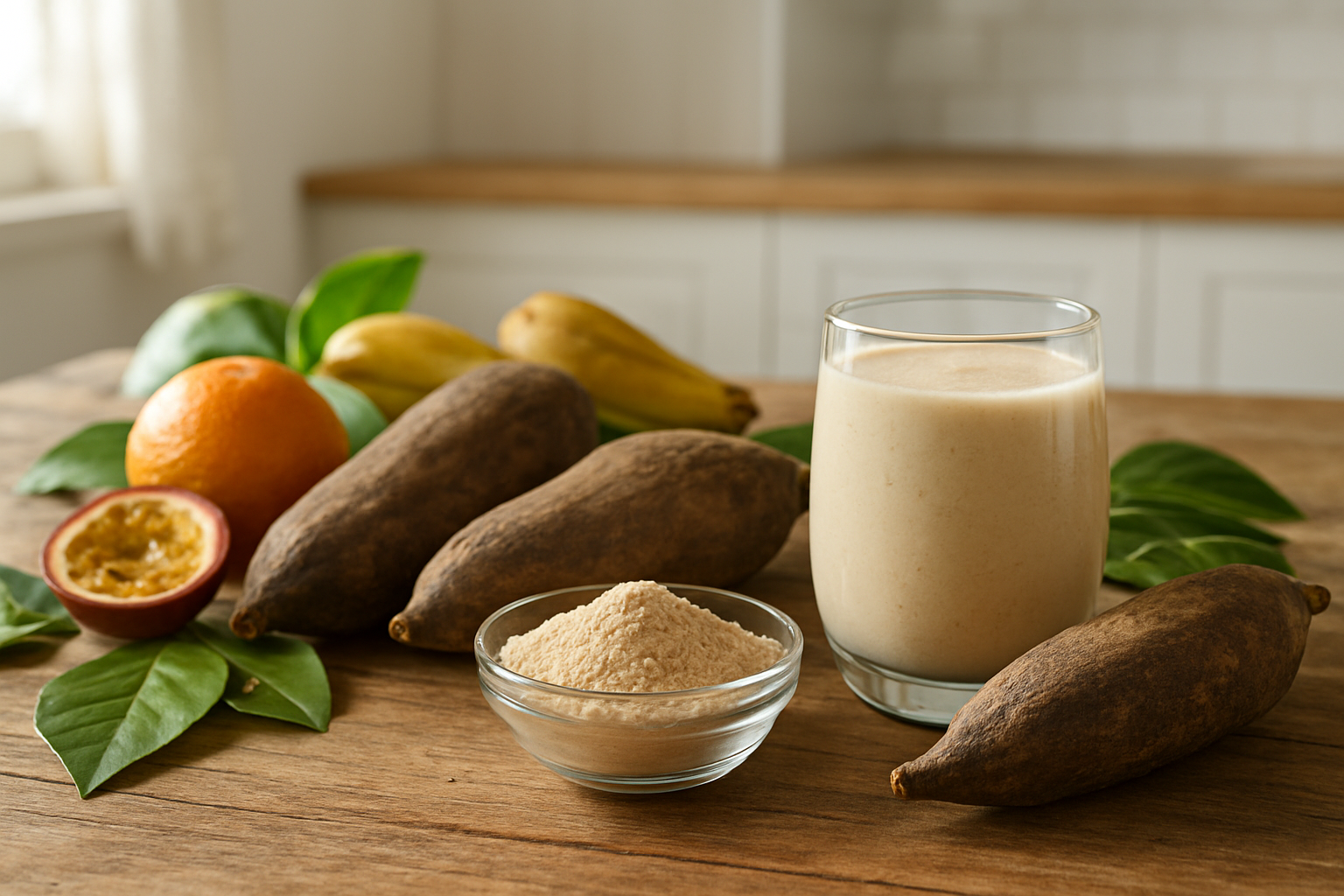
The baobab fruit stands out as one of nature's most impressive superfruits, packed with vitamin C, fiber, and antioxidants that can boost your immune system and support digestive health. Its tangy, citrusy flavor makes it incredibly versatile in the kitchen, working beautifully in smoothies, baked goods, and even savory dishes. What makes this fruit even more special is how its harvesting supports local communities in Africa while promoting sustainable farming practices.
Adding baobab fruit to your daily routine doesn't have to be complicated. Start small by mixing baobab powder into your morning smoothie or stirring it into yogurt for a nutritious breakfast boost. As you get comfortable with its unique taste, you can experiment with using it in energy balls, salad dressings, or homemade ice cream. Give this ancient superfruit a try – your taste buds and your body will thank you for discovering this nutritional powerhouse.


.png)
Comments
Post a Comment